
Why Tips for Home Health Care in The Matters
Navigating the complexities of home health care can be a daunting task for families, particularly in a vibrant community like The Woodlands, TX. The growing demand for personalized care services presents a significant challenge: how can families choose the right support for their loved ones? This decision is crucial, as it can greatly impact the well-being of those in need.
Families often find themselves overwhelmed by the options available, leading to uncertainty and stress. The implications of this challenge are profound, as inadequate support can affect not only the individual receiving care but also the entire family dynamic. So, how can families effectively balance the need for quality care with the challenges of finding reliable and compassionate support?
To empower families in making informed decisions, it’s essential to consider a few key strategies:
- Assess the specific needs of your loved one, taking into account their medical requirements and personal preferences.
- Research local home health care providers, looking for those with positive reviews and a strong reputation in the community.
- Don’t hesitate to ask questions during consultations to ensure that the services offered align with your expectations and needs.
Happy to Help Caregiving: Personalized In-Home Care Services
Caregivers often face the challenge of providing personalized support to seniors and individuals with special needs. This can lead to feelings of frustration and helplessness when trying to ensure that their loved ones receive the care they need.
Happy to Help Caregiving addresses this issue by providing customized home health care the woodlands tx services tailored to the unique requirements of each client. Their services include:
- Companionship
- Post-hospital recovery assistance
- Respite support
- Palliative care
Each service is designed to enhance the quality of life for those in need by providing home health care the woodlands tx, ensuring they receive compassionate care in the comfort of their own homes.
By focusing on preserving autonomy and wellness, Happy to Help Caregiving stands out with its dedication to creating tailored support plans that respect personal preferences and lifestyles. This approach not only alleviates the burden on caregivers but also fosters a sense of dignity and independence for clients.
Verify Caregiver Qualifications and Experience
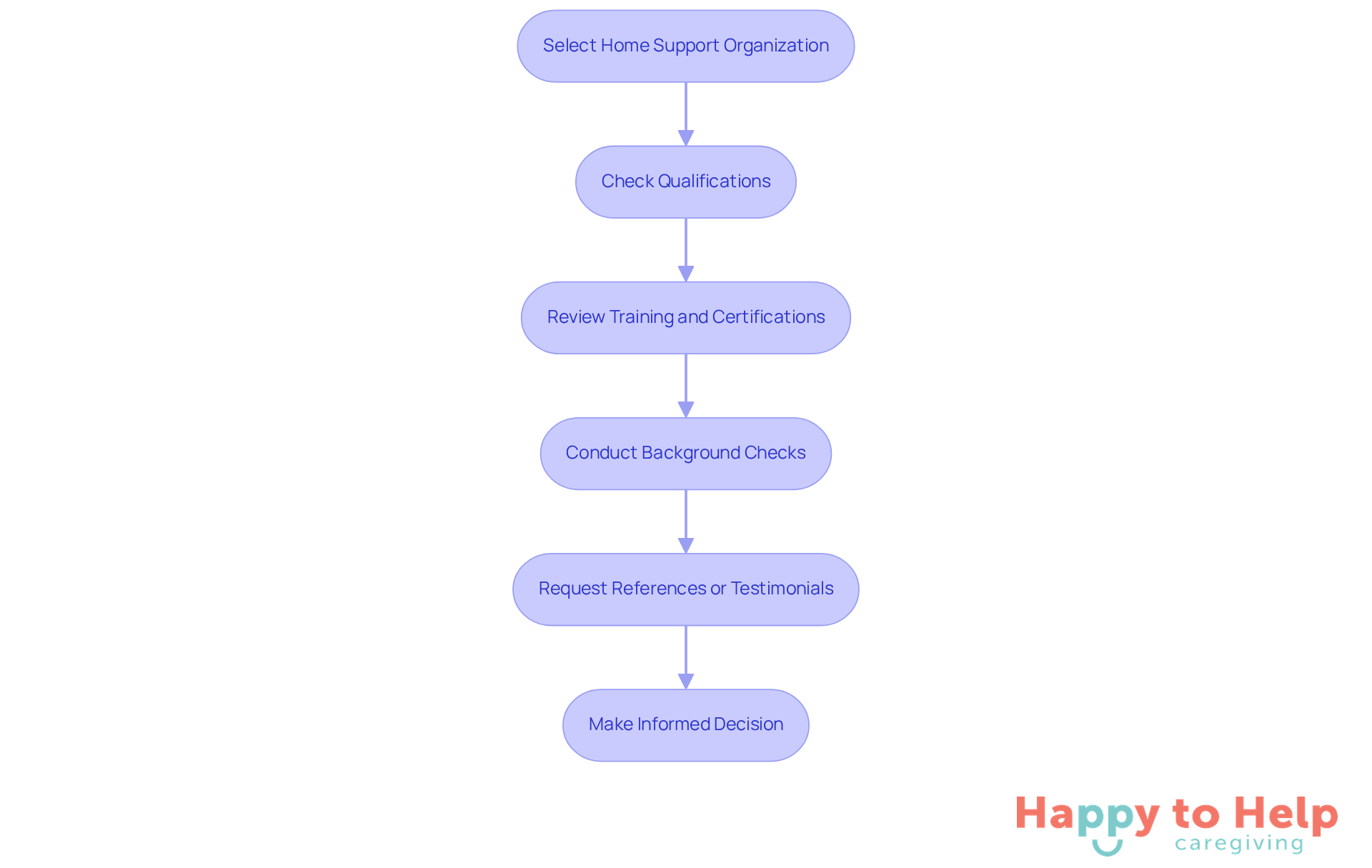
When selecting a home support organization, caregivers face a significant challenge: ensuring the qualifications and experience of the staff. Without proper vetting, the risk of inadequate support increases, potentially compromising the care of loved ones.
To address this issue, look for agencies that provide comprehensive information about their support providers. This includes details on training, certifications, and background checks. Skilled attendants are better equipped to handle various scenarios, ensuring that your cherished individual receives the highest quality of support.
Additionally, requesting references or testimonials from former customers can help assess the caregiver's reliability and skill level. By taking these steps, caregivers can make informed decisions that lead to better outcomes for those they care for.
Look for Customizable Care Plans to Meet Unique Needs
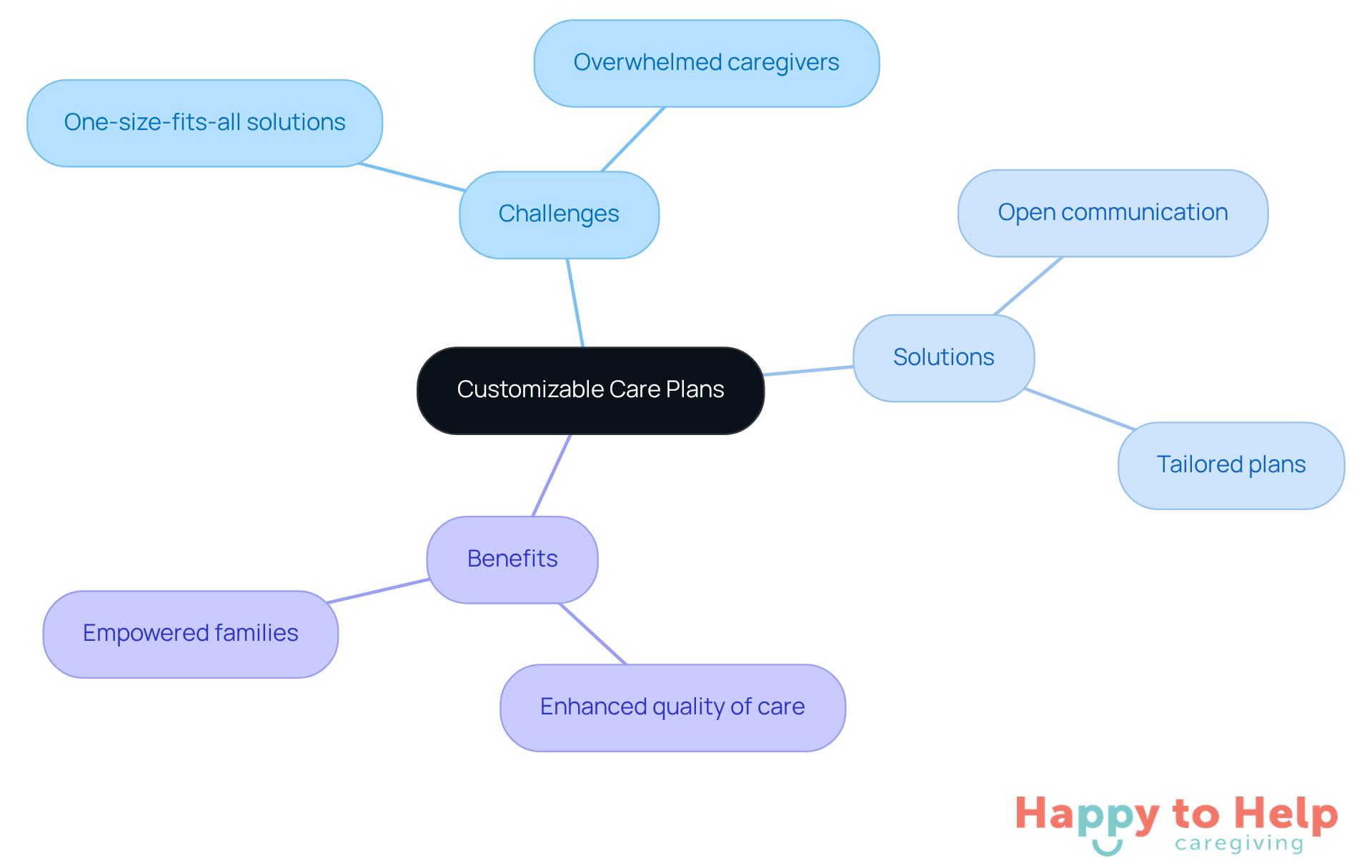
A significant challenge in home health care the woodlands tx is the lack of customizable care plans. Families often find themselves navigating agencies that offer one-size-fits-all solutions, which may not align with the unique health status, preferences, and lifestyle of their loved ones. This rigidity can lead to inadequate support, leaving caregivers feeling overwhelmed and unsure of how to meet the evolving needs of their clients.
To address this issue, families should actively seek out agencies that prioritize customizable solutions in home health care the woodlands tx. By discussing support objectives and preferences with the agency, caregivers can ensure that the home health care the woodlands tx plan is tailored to the individual’s specific needs. This flexibility allows for adjustments as the client’s requirements change, fostering a more fulfilling caregiving experience.
Incorporating these personalized strategies not only enhances the quality of care but also empowers families to take an active role in the caregiving process. By prioritizing open communication with care agencies, families can create a supportive environment that evolves alongside their loved ones.
Ensure Open Communication with Caregivers
Creating transparent channels of communication with providers is essential for efficient home health support. The problem arises when families lack regular updates regarding the client's condition and any emerging concerns. This gap can lead to mistrust and inadequate support, ultimately affecting the quality of care.
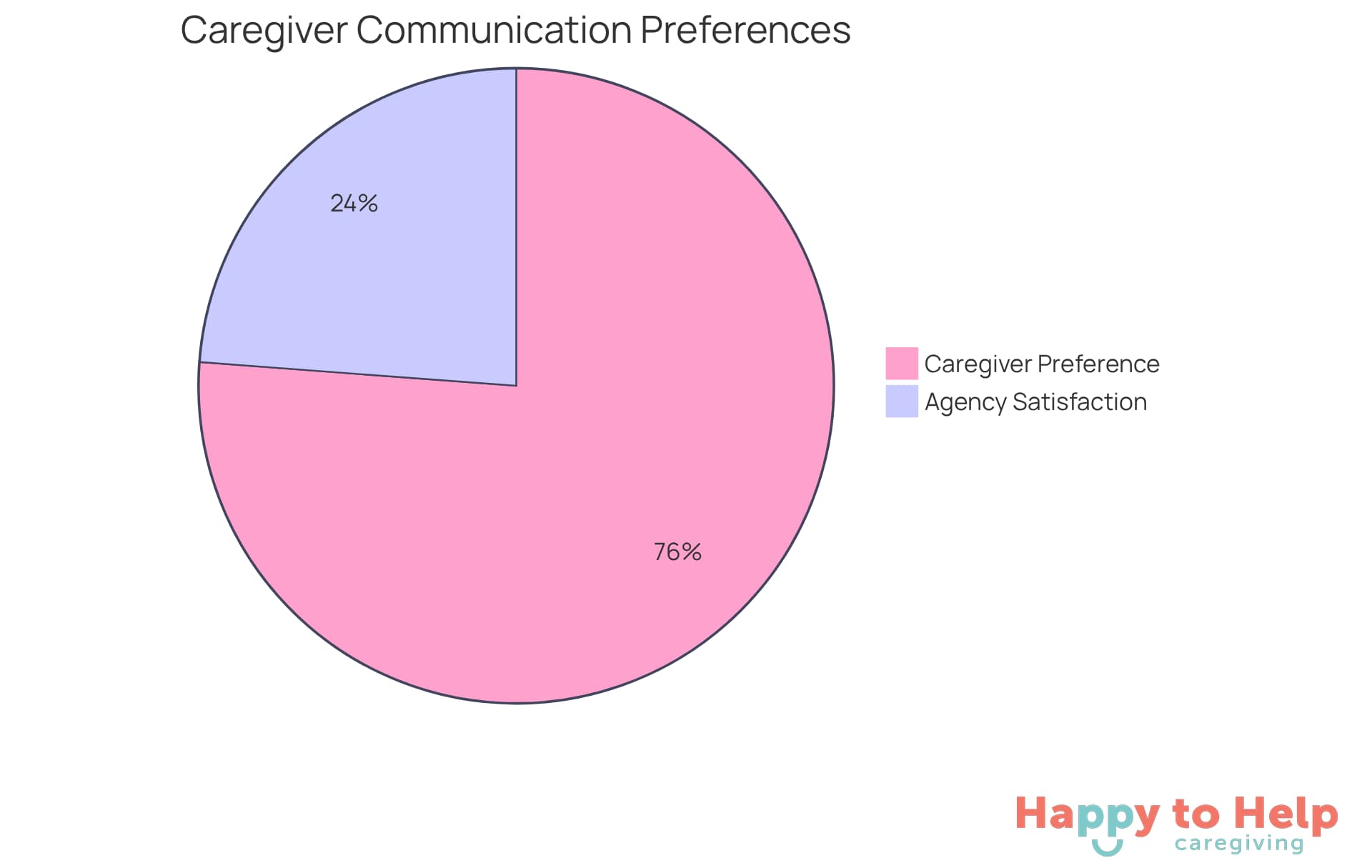
Studies show that providers who maintain regular communication with families can significantly improve support outcomes. For instance, 80% of hospice family caregivers prefer providers that enable real-time communication, underscoring the critical role of timely updates. Routine check-ins not only ensure compliance with treatment plans but also confirm that the client's changing needs are being met.
To address this issue, families should actively encourage supporters to provide regular updates. Utilizing technology, such as communication apps or online portals, can streamline this process, allowing for real-time updates and keeping all parties informed. However, it's important to note that only about 25% of health agencies are 'completely satisfied' with their current family engagement technology, indicating room for improvement in this area.
This proactive strategy not only alleviates pressure on those providing support but also empowers families, ensuring they feel involved and informed in their loved one's care journey.
Utilize Technology for Enhanced Care Coordination
Integrating technology into home health services presents a significant challenge: poor coordination and communication among providers, individuals, and families. This lack of effective communication can lead to misunderstandings and inadequate care, ultimately affecting the health outcomes of clients.
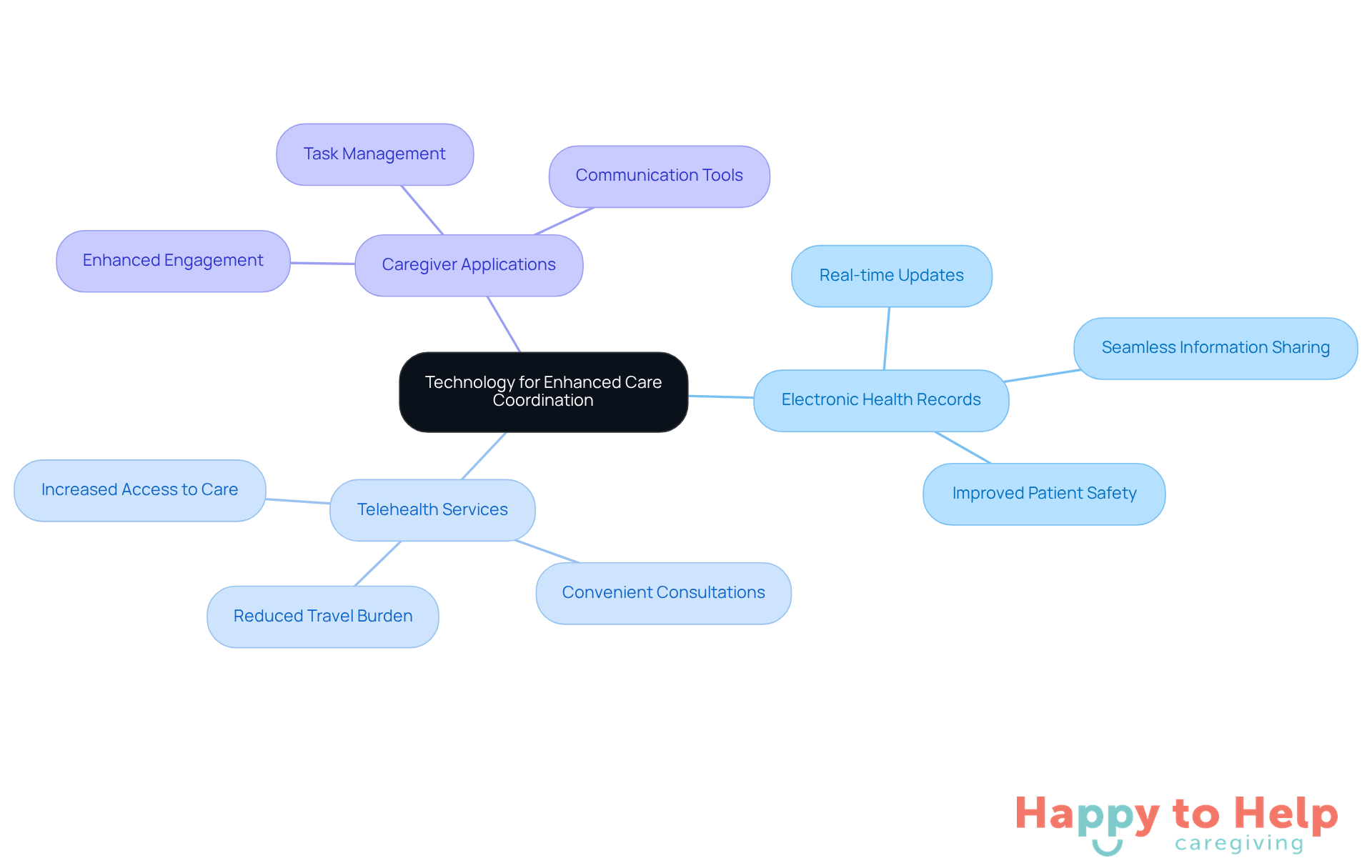
To address this issue, caregivers can leverage tools like:
- Electronic health records
- Telehealth services
- Caregiver applications
These technologies provide real-time updates on a client's health condition and support requirements, ensuring that everyone involved is informed and engaged.
Families should actively inquire about the technology utilized by their home health care the woodlands tx agency. Understanding how these tools can enhance management and communication is crucial for better care in home health care the woodlands tx. By embracing technology, caregivers can improve the overall quality of service and foster a more collaborative environment.
Seek Flexible Scheduling Options for Convenience
When selecting a support agency, families often face the challenge of rigid scheduling options that do not meet their unique needs. This lack of flexibility can be particularly problematic during critical times, such as after a hospital discharge or during recovery periods, when timely support is crucial for well-being.
Families have expressed that reliable yet adaptable scheduling fosters emotional safety and trust, enhancing the overall caregiving experience. Current trends indicate a growing demand for domestic support providers to offer flexible scheduling options, reflecting the evolving needs of families. In fact, a study revealed that 36.6% of participants emphasized the importance of home visits for ensuring treatment continuity, underscoring the significance of flexible scheduling.
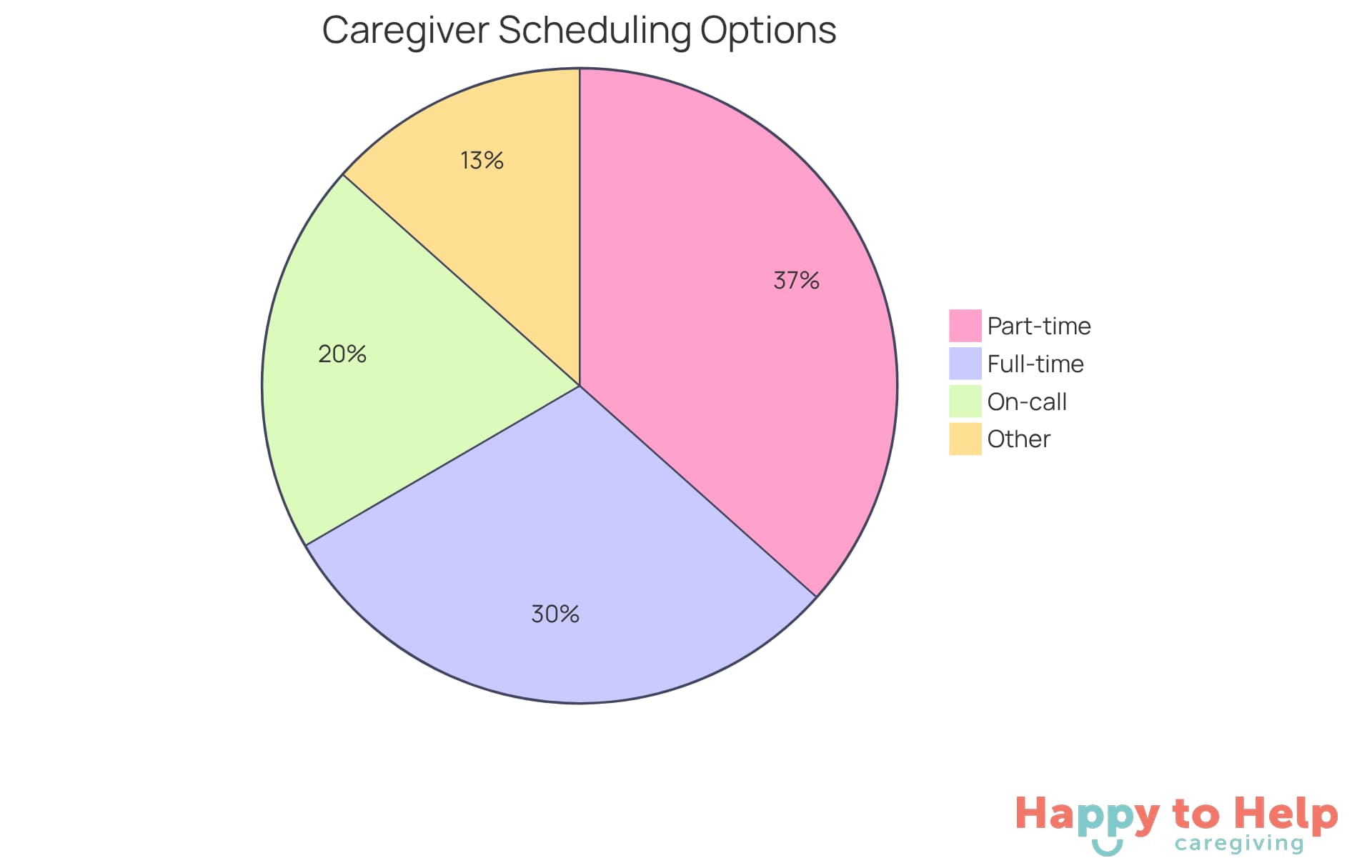
To address these challenges, caregivers should prioritize agencies that emphasize flexibility in their service offerings. This ensures that support can be tailored as situations change. As Bob Roth, a managing partner, noted, "families feel more confident with flexibility in scheduling, especially during recovery periods when consistent oversight is essential." By choosing agencies that provide a range of scheduling options - such as part-time, full-time, and on-call services - families can customize assistance based on their specific circumstances.
Prioritize Emotional Support in Caregiving
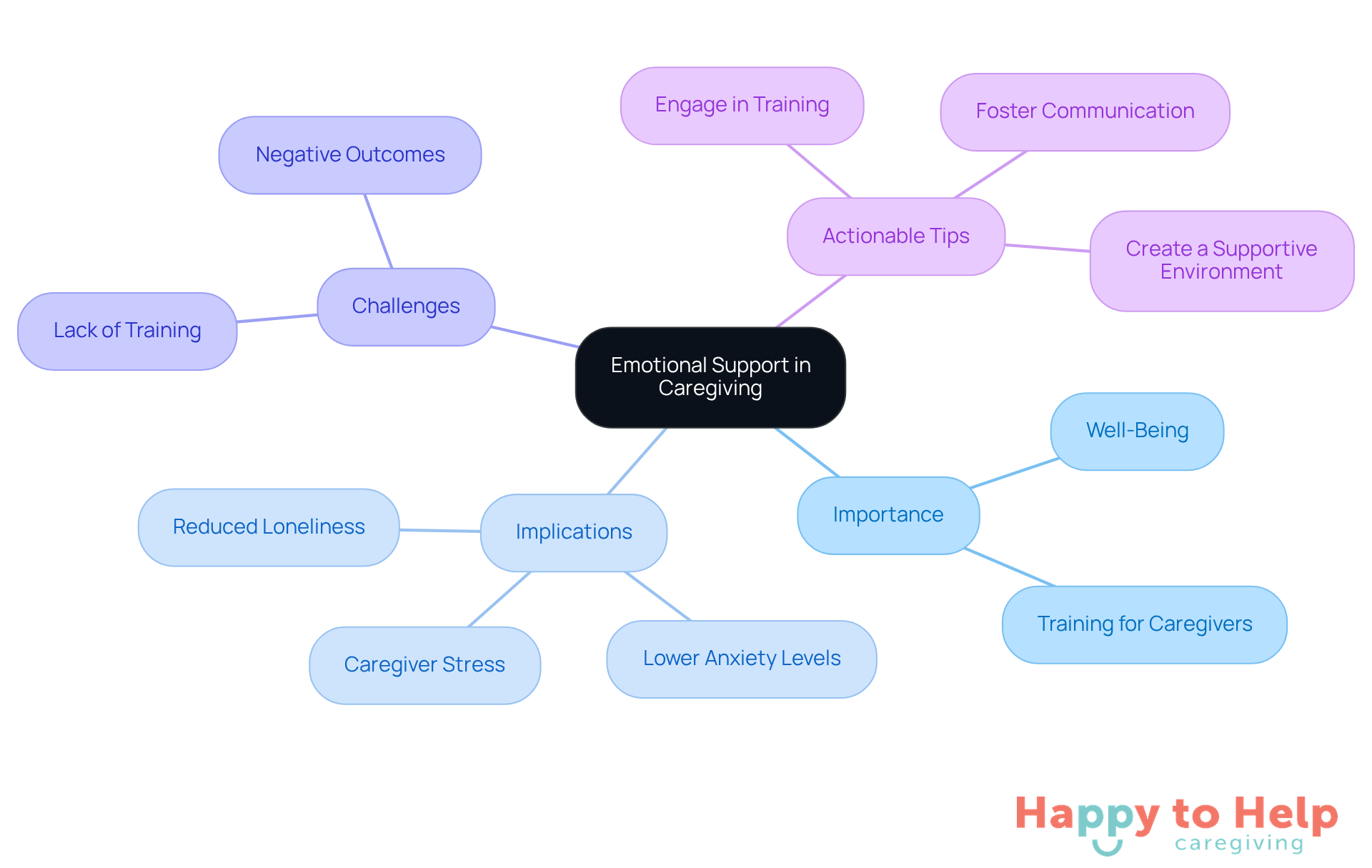
Emotional support is a critical issue in caregiving that significantly impacts the well-being of those receiving care. Caregivers often lack training in providing emotional encouragement and companionship, which can lead to negative outcomes for both caregivers and clients. Studies reveal that caregivers trained in emotional support methods feel more equipped and self-assured, resulting in better care for those they assist.
The implications of inadequate emotional support are profound. Research indicates that individuals receiving emotional support experience reduced feelings of loneliness and anxiety, fostering a greater sense of security and overall well-being. Alarmingly, the CDC reports that family support providers face higher rates of depression, anxiety, burnout, and stress-related health issues compared to their non-support counterparts. This underscores the necessity of emotional assistance for both support providers and clients.
To address these challenges, families should actively engage with caregiving organizations to ensure that support providers are equipped with essential emotional skills. This includes discussing the importance of companionship and emotional support during the planning process. By prioritizing emotional support, caregivers can cultivate a nurturing environment that enhances the quality of life for individuals, leading to more positive caregiving experiences.
Psychologists emphasize that emotional well-being is crucial for seniors, as it not only boosts their mental health but also supports their physical health. Therefore, integrating emotional support into caregiving services is essential.
Actionable Tips for Caregivers:
- Engage in Training: Seek out training programs focused on emotional support techniques.
- Foster Communication: Encourage open discussions about emotional needs with clients and their families.
- Create a Supportive Environment: Prioritize companionship and emotional connection in caregiving practices.
Check Testimonials and Reviews for Quality Assurance
Choosing the right home assistance agency can be challenging. Without proper research, families risk selecting a provider that may not meet their needs. This is where testimonials and feedback from former customers come into play. They can reveal an agency's strengths and weaknesses, helping families make informed decisions.
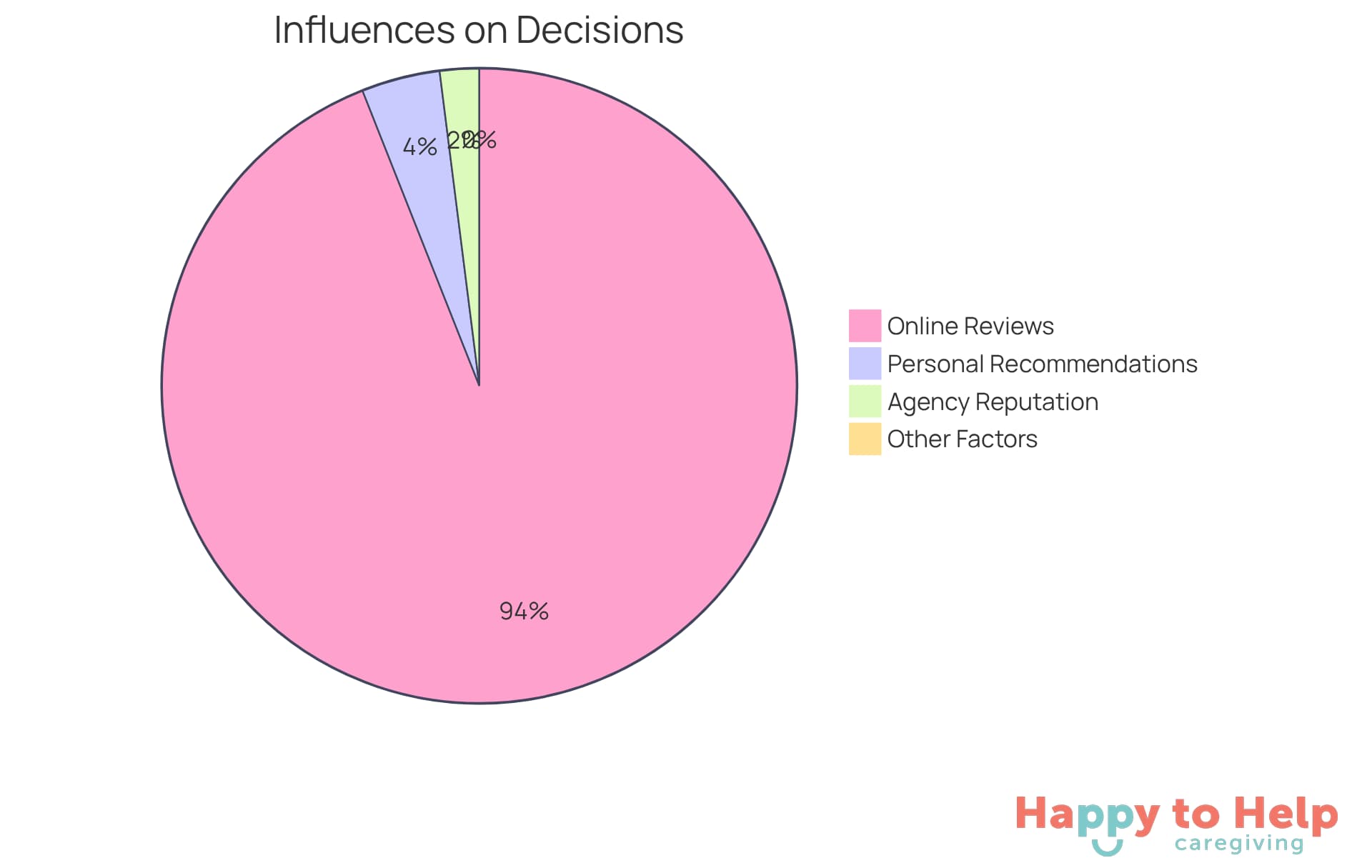
When organizations consistently receive positive feedback about caregiver professionalism, communication, and overall service quality, they build trust with potential clients. In fact, a significant 94% of healthcare patients rely on online reviews to evaluate providers, highlighting their critical role in the decision-making process. Platforms like Yelp and Google Reviews are invaluable for gathering this information, as recent reviews can heavily influence opinions. Remarkably, it only takes 1-6 online reviews for potential patients to form an opinion about a practice.
Moreover, client testimonials not only guide families but also enhance an agency's search rankings on Google, making them even more essential in the selection process. By prioritizing agencies with solid reputations and trustworthy third-party sourced reviews, families can ensure they choose a provider that aligns with their expectations for quality service.
Understand the Range of Services Offered
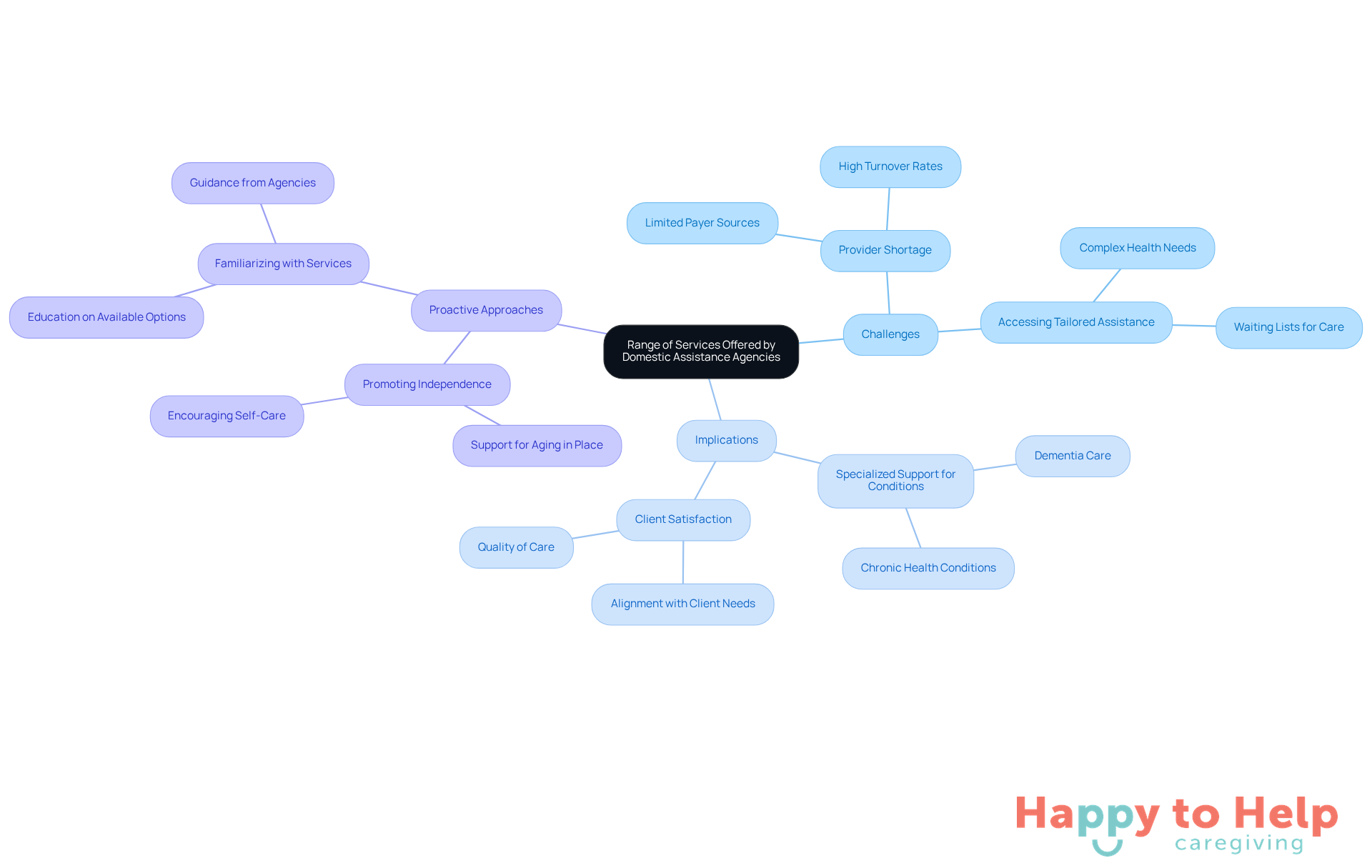
Understanding the full range of services provided by domestic assistance agencies is crucial for families seeking support for their loved ones. The problem is clear: as the demand for personal support aides and home health aides is projected to reach 924,000 by 2031, families face challenges in accessing tailored assistance options that meet individual health needs. This situation is exacerbated by a current shortage of support providers, complicating the process of finding appropriate care.
The implications of this issue are significant, especially as specialized support services for conditions like dementia become increasingly vital due to the aging population. Families need caregivers who are trained to handle complex conditions, ensuring that individuals receive the right support. Healthcare experts emphasize the importance of aligning services with client needs, which not only improves service quality but also enhances client satisfaction. According to AARP, a staggering 88% of individuals aged 50 and above wish to remain in their homes for as long as possible, highlighting the critical role of domestic support services in making this a reality.
To address these challenges, families should familiarize themselves with the available services to effectively match their loved one's specific needs with the right support options. This proactive approach fosters a nurturing environment that promotes independence and well-being. By understanding the landscape of domestic assistance, families can alleviate the stress often associated with caregiving decisions, ensuring comprehensive support for their loved ones.
Assess the Agency's Reputation in the Community
When evaluating home health care the woodlands tx agencies, families often face the challenge of determining which providers are trustworthy and capable of delivering quality care. A poor choice can lead to inadequate support, affecting the well-being of loved ones.
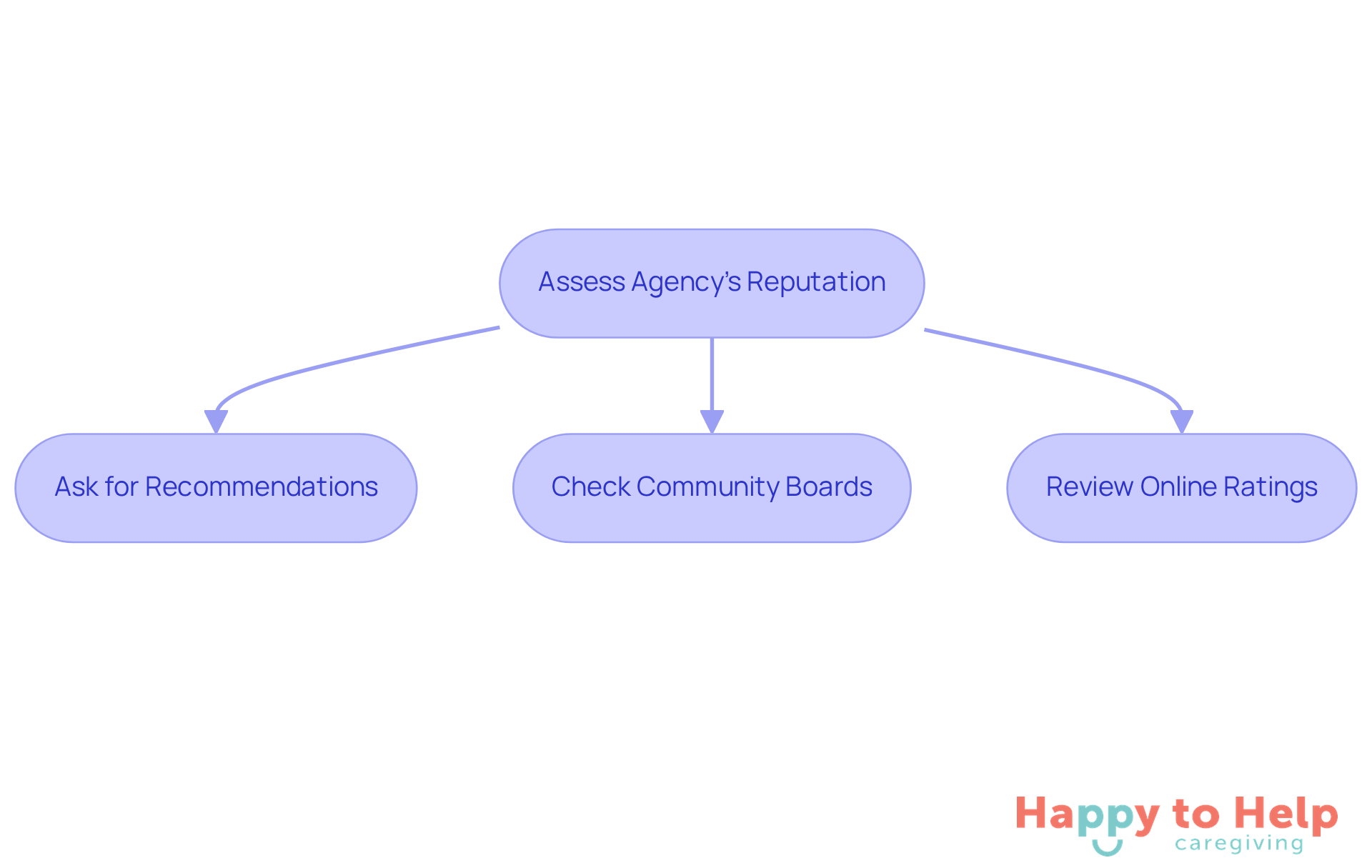
To navigate this issue, it’s crucial to assess the agency's reputation within the community. Agencies that are well-regarded by local healthcare providers, community organizations, and families are more likely to deliver high-quality care. Families can gather information by asking for recommendations from healthcare professionals, checking local community boards, and reviewing online ratings. A positive reputation often indicates a commitment to excellence in caregiving.
Here are some actionable tips to help families make informed decisions:
- Ask for recommendations from trusted healthcare providers.
- Check local community boards for feedback on agencies.
- Review online ratings to gauge overall satisfaction.
By taking these steps, families can ensure they choose a home health care the woodlands tx agency that meets their needs and provides the best care possible.
Taking the Next Steps
Navigating the complexities of home health care in The Woodlands, TX, presents a significant challenge for families. Without a thoughtful approach tailored to individual needs, loved ones may not receive the support they deserve in a familiar environment. This lack of personalized care can diminish their dignity and independence, leading to poorer outcomes.
To address these challenges, families should prioritize several key strategies:
- Verifying caregiver qualifications is essential to ensure that individuals receive competent care.
- Seeking customizable care plans allows families to tailor support to their loved ones' unique needs.
- Maintaining open lines of communication between families and providers is crucial for effective collaboration.
- Utilizing technology can enhance coordination, while flexible scheduling options ensure that care fits seamlessly into daily life.
- Recognizing the importance of emotional support can significantly improve outcomes for both caregivers and those receiving care.
Ultimately, achieving quality home health care requires informed decision-making and proactive engagement with care providers. By following these essential tips and prioritizing the unique needs of loved ones, families can foster a supportive and nurturing environment that promotes well-being and independence. Seeking reputable agencies and leveraging community resources will enhance the caregiving experience, ensuring that individuals receive the compassionate care they require.
https://iframe.tely.ai/cta/eyJhcnRpY2xlX2lkIjogIjY5MmY5MWEyY2E4MDg5MWIwMmZiMDBmZCIsICJjb21wYW55X2lkIjogIjY4ZWU1ZGNhNzMxNzYyNTU3ZjNjOTVjMSIsICJpbmRleCI6IG51bGwsICJ0eXBlIjogImFydGljbGUifQ==Frequently Asked Questions
What services does Happy to Help Caregiving provide?
Happy to Help Caregiving offers personalized in-home care services that include companionship, post-hospital recovery assistance, respite support, and palliative care, all designed to enhance the quality of life for clients.
How does Happy to Help Caregiving ensure personalized care?
They create tailored support plans that respect the personal preferences and lifestyles of clients, focusing on preserving autonomy and wellness, which alleviates the burden on caregivers and fosters dignity and independence for clients.
What should caregivers look for when selecting a home support organization?
Caregivers should seek agencies that provide comprehensive information about their support providers, including training, certifications, and background checks, as well as references or testimonials from former customers to assess reliability and skill level.
Why is the customization of care plans important in home health care?
Customizable care plans are crucial because they align with the unique health status, preferences, and lifestyle of individuals, preventing inadequate support and helping caregivers feel more confident in meeting their clients' evolving needs.
How can families ensure their loved one's care plan is tailored to their needs?
Families should actively discuss support objectives and preferences with the care agency to ensure the home health care plan is customized. This flexibility allows for adjustments as the client's requirements change, enhancing the caregiving experience.
List of Sources
- Happy to Help Caregiving: Personalized In-Home Care Services
- Inspirational Caregiver Quotes (https://homehelpershomecare.com/blog/2022/february/10-inspirational-self-care-quotes-for-caregivers)
- 27 Inspirational Quotes for Caregivers (https://ultimatecareny.com/resources/27-quotes-for-caregivers)
- Caregiver Quotes and Words of Strength | Luxe Homecare (https://luxehomecare.com/caregivers-quotes)
- New numbers show 23% of Texas Adults are family Caregivers (https://familycaregiversonline.net/new-numbers-show-23-of-texas-adults-are-family-caregivers)
- Verify Caregiver Qualifications and Experience
- The Importance of Proper Caregiver Background Checks - Private Eyes Background Checks (https://privateeyesbackgroundchecks.com/the-importance-of-proper-caregiver-background-checks)
- (https://verifile.co.uk/blog/blogs/2025/february/the-importance-of-screening-caregivers)
- DISA | Caregiver Screening for Safe Home Healthcare (https://disa.com/news/caregiver-background-check-best-practices)
- The Case For Stronger Caregiver Vetting In Home Care (https://homehealthcarenews.com/2024/10/the-case-for-stronger-caregiver-vetting-in-home-care)
- What to Look for When Hiring In-Home Care for A Loved One - National Association For Continence (https://nafc.org/bhealth-blog/what-to-look-for-when-hiring-in-home-care-for-a-loved-one)
- Look for Customizable Care Plans to Meet Unique Needs
- 52 Eye-Opening Home Health Statistics: Insights for 2025 (https://boosthomehealth.com/home-health-statistics)
- How Personalized Health Care Is Changing The Role Of Home Care Providers (https://homehealthcarenews.com/2024/03/how-personalized-health-care-is-changing-the-role-of-home-care-providers)
- Home Care Providers Turn to Tech for More Flexible, Cost-Effective Models (https://homehealthcarenews.com/2025/02/home-care-providers-turn-to-tech-for-more-flexible-cost-effective-models)
- Encouraging Home Care Statistics for 2023 (https://axiscare.com/blog/encouraging-home-care-statistics)
- Customized Care at Home: The Benefits of Personalized Care Plans - VNA Health Group (https://vnahg.org/customized-care-at-home-the-benefits-of-personalized-care-plans)
- Ensure Open Communication with Caregivers
- The Importance of Communication in Home Care Services - Anodyne (https://anodyne-services.com/2023/07/31/the-importance-of-communication-in-home-care-services)
- [Sponsored] Why Home-based Care Must Catch Up When It Comes to Communication (https://homehealthcarenews.com/2020/11/sponsored-why-home-based-care-must-catch-up-when-it-comes-to-communication?itm\_source=parsely-api?itm\_campaign=parsely\_recommended\_widget-2&itmMedium=site\_widget&itmSource=parsely\_recommended\_widget&itm\_content=widget\_item-0)
- AARP Research Insights on Caregiving (https://aarp.org/pri/topics/ltss/family-caregiving/aarp-research-insights-caregiving)
- Utilize Technology for Enhanced Care Coordination
- What’s Coming in the Future of Home Health Care? - Alora Health (https://alorahealth.com/blog-future-homecare-trends)
- Medicare patients go without needed treatment as government shutdown disrupts telehealth (https://pbs.org/newshour/health/medicare-patients-go-without-needed-treatment-as-government-shutdown-disrupts-telehealth)
- Emerging Trends in Home Health (https://navenhealth.com/news/emerging-trends-in-home-health)
- The Tech-Enabled Evolution of Home-Based Care - THL (https://thl.com/articles/the-tech-enabled-evolution-of-home-based-care)
- Seek Flexible Scheduling Options for Convenience
- Flexible Care Models Give Home Care Clients ‘What They Want When They Want It’ (https://homehealthcarenews.com/2025/10/flexible-care-models-give-home-care-clients-what-they-want-when-they-want-it)
- Flexible work: What workers, especially low-wage workers, really want and how best to provide it (https://epi.org/publication/flexible-work)
- Exploring the Rising Demand for Flexible Work in Healthcare (https://healthecareers.com/career-resources/nurse-career/rising-demand-for-flexible-work-in-healthcare)
- How Flexible Scheduling Improves The Home Care Experience For Families – CCN – Columbus County News (https://columbuscountynews.com/2025/12/how-flexible-scheduling-improves-the-home-care-experience-for-families)
- 9 Ways to Find Caregivers With Flexible Scheduling Options - MedCity News (https://medcitynews.com/2025/05/9-ways-to-find-caregivers-with-flexible-scheduling-options)
- Prioritize Emotional Support in Caregiving
- Caregiver Support and Why It's Important (https://vinsonhall.org/blog/caregiver-support-and-why-its-important)
- Caregivers Face Lasting Financial, Emotional and Career Impacts, Edward Jones Study Finds (https://prnewswire.com/news-releases/caregivers-face-lasting-financial-emotional-and-career-impacts-edward-jones-study-finds-302459732.html)
- Caregiving’s Mental Health Crisis (https://forbes.com/sites/otsuka/2025/10/02/caregivings-mental-health-crisis)
- Family Caregiver Support, Education Needs Growing (https://hospicenews.com/2025/11/11/family-caregiver-support-education-needs-growing)
- Check Testimonials and Reviews for Quality Assurance
- Reasons Reviews Matter for Home Care Agencies (https://rosemarksystem.com/blog/three-reasons-reviews-matter-marketing-tips-for-home-care-agencies)
- U.S. News to Debut Best Home Health Ratings in 2026 (https://usnews.com/info/blogs/press-room/articles/2025-11-03/u-s-news-to-debut-best-home-health-ratings-in-2026)
- Home Care Statistics In 2025: Key Insights In Home Care (https://sagapixel.com/marketing/home-care-statistics)
- 40+ Statistics Healthcare Marketers Need to Know in 2026 (https://invoca.com/blog/healthcare-marketing-statistics)
- Why Care Operators Should Collect Positive Testimonials From Families - Care Home Marketing And PR - Springup PR (https://springup-pr.com/why-care-operators-should-collect-positive-testimonials-from-families)
- Understand the Range of Services Offered
- Home Care Industry Overview and Statistics (https://ankota.com/home-care-industry-overview-and-statistics)
- 10 Must-Know U.S. Home Care Industry Stats for 2025 - North American Community Hub (https://nchstats.com/us-home-care-industry-stats)
- Home Care Statistics In 2025: Key Insights In Home Care (https://sagapixel.com/marketing/home-care-statistics)
- 13 Home Care Trends To Watch For in 2024 (And Thoughts From 11 Experts) | CareAcademy (https://careacademy.com/blog/home-care-trends)
- 27 Eye-Opening Quotes from Home Care Clients (https://activatedinsights.com/articles/eye-opening-quotes-from-home-care-clients)
- Assess the Agency's Reputation in the Community
- Home Care Statistics In 2025: Key Insights In Home Care (https://sagapixel.com/marketing/home-care-statistics)
- Public home-health agencies among those cited for no-show workers and poor-quality care • Iowa Capital Dispatch (https://iowacapitaldispatch.com/2022/12/07/public-home-health-agencies-among-those-cited-for-no-show-workers-and-poor-quality-care)
- Growing Demand for Home Care Services: Insights & Statistics (https://lovinghomecareinc.com/home-care-industry-statistics)
- FastStats (https://cdc.gov/nchs/fastats/home-health-care.htm)
- Home Care Industry Statistics & Facts (https://h2hhc.com/blog/home-care-industry-statistics-facts)