For families in our service areas
For families in our service areas, this guide explains caregiving and how non-medical in-home caregiving can support care planning in East Idaho, Treasure Valley & Magic Valley, Northern Wasatch, North Central West Virginia, and Northeast Ohio.
Understanding Tips for Managing BP
Managing blood pressure for seniors presents a significant challenge, impacting their overall quality of life. Hypertension can lead to serious health complications, making it essential for caregivers to provide tailored support that fosters independence and well-being at home. However, many caregivers find themselves grappling with the complexities of effective blood pressure management.
This situation raises an important question: what strategies can caregivers employ to empower seniors in their health journey? The answer lies in understanding the intricacies of blood pressure management and implementing practical solutions.
Here are some essential tips caregivers can adopt:
- Regular Monitoring: Keep track of blood pressure readings to identify trends and make informed decisions.
- Medication Management: Ensure seniors take their medications as prescribed, and discuss any concerns with healthcare providers.
- Healthy Lifestyle Choices: Encourage a balanced diet, regular physical activity, and stress management techniques.
By focusing on these strategies, caregivers can help seniors navigate the challenges of hypertension, ultimately leading to a healthier and more fulfilling life.
Happy to Help Caregiving: Personalized Support for Blood Pressure Management
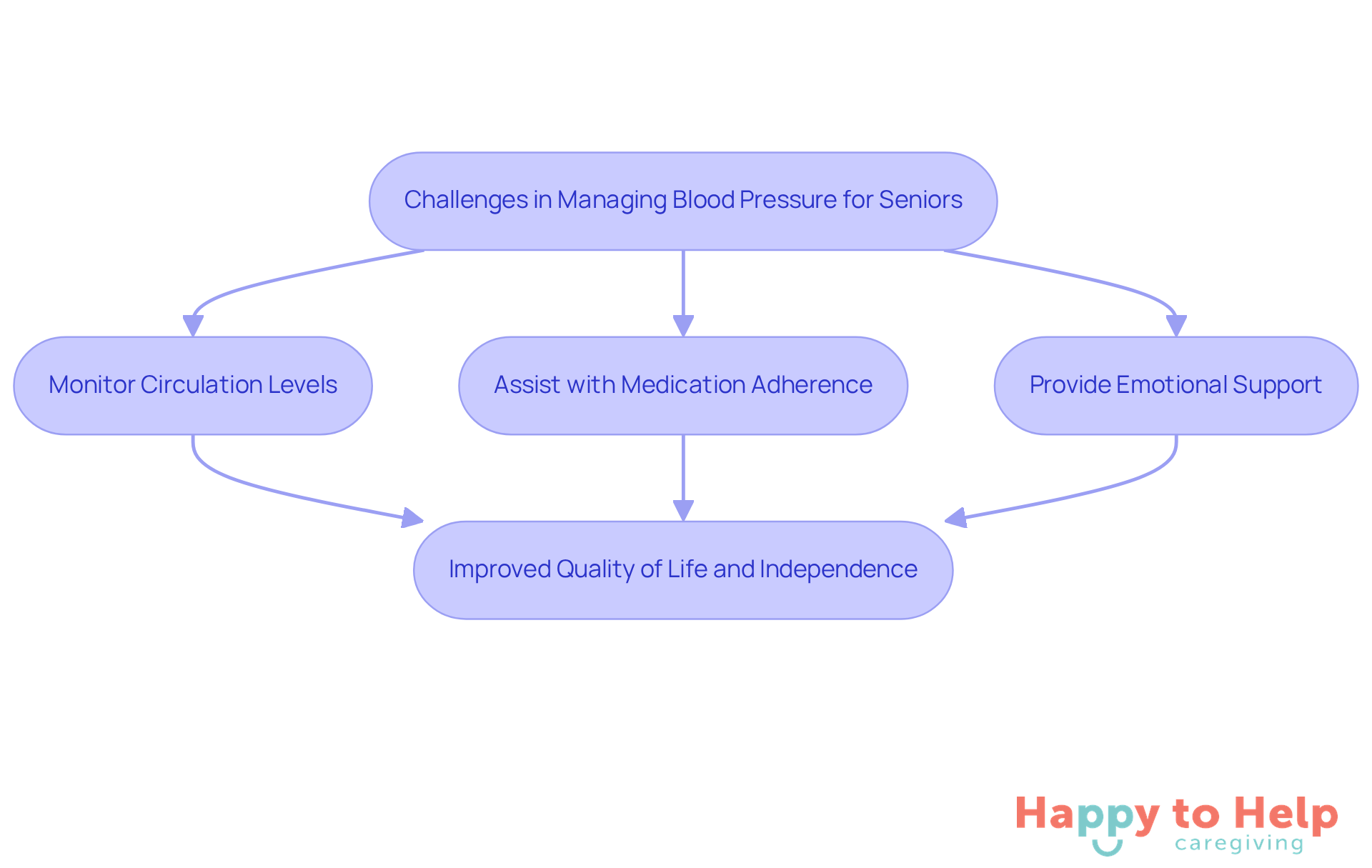
Managing bp for seniors can be a significant challenge for caregivers. This condition often leads to complications that can affect overall health and well-being. Without proper support, elderly individuals may struggle to maintain their independence and manage their health effectively.
Happy to Help Caregiving addresses these challenges by offering essential in-home assistance tailored specifically for elderly individuals managing bp for seniors related to hypertension. Caregivers are trained to:
- Monitor circulation levels
- Assist with medication adherence
- Provide emotional support
This approach fosters a sense of security and well-being in the comfort of home.
By implementing these tailored caregiving strategies, clients can sustain their independence while receiving the necessary care. This not only aids in efficient management of bp for seniors but also significantly enhances the overall quality of life for elderly individuals.
Incorporating personalized caregiving approaches has been shown to improve blood circulation regulation, making it a vital aspect of elderly health management. With compassionate support, Happy to Help Caregiving demonstrates how effective assistance can lead to improved well-being.
Understand Blood Pressure Readings: Key Insights for Seniors
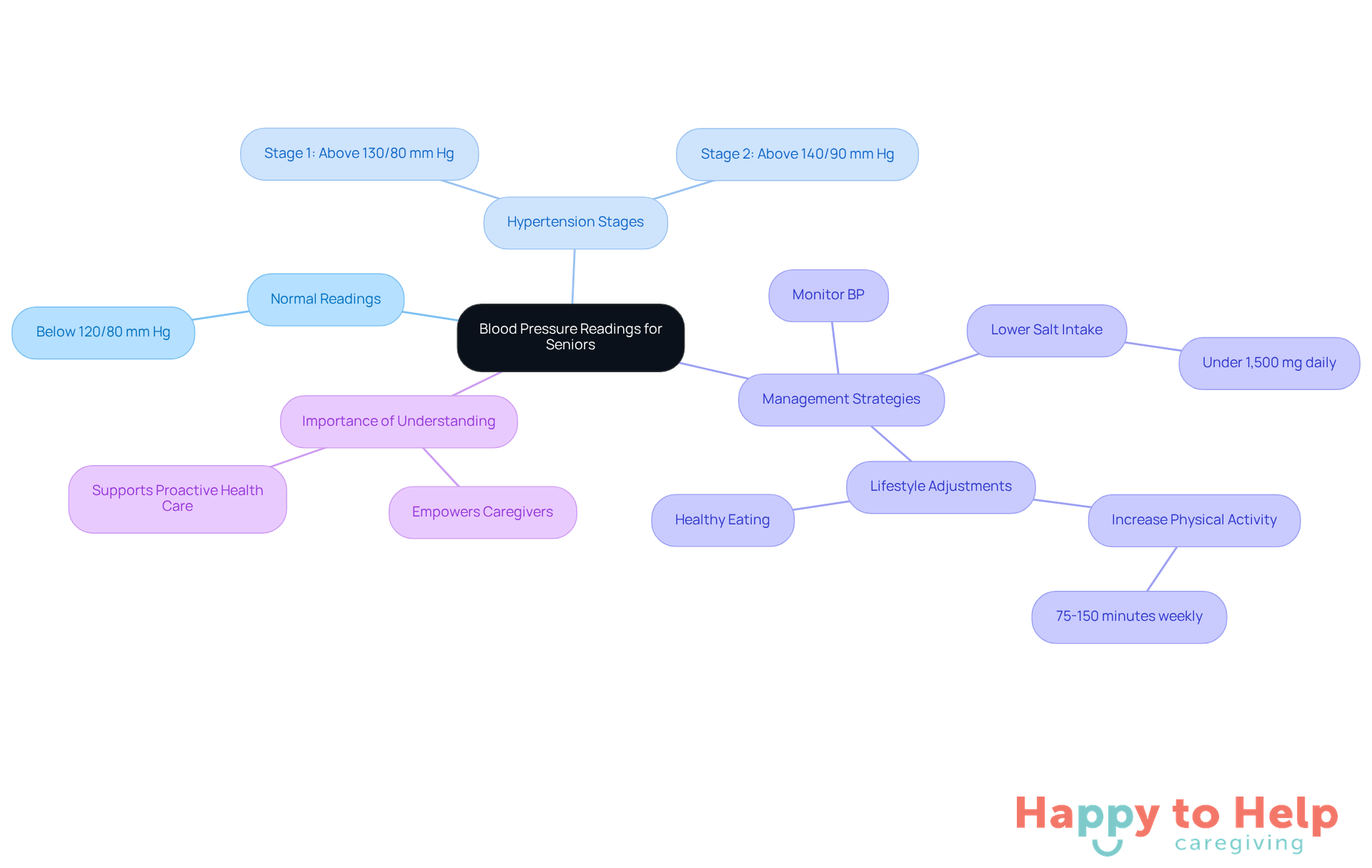
Hypertension is a significant concern for older adults, often indicated by bp for seniors readings that consist of two key numbers: systolic (the top number) and diastolic (the bottom number). A normal reading is generally considered to be below 120/80 mm Hg. However, readings above 130/80 mm Hg may indicate stage 1 hypertension, which poses serious health risks.
Understanding these figures is crucial. Keeping vascular tension below 130 systolic is important for managing bp for seniors, as it is linked to a lower risk of heart disease and stroke, as highlighted in the 2025 AHA/ACC recommendations. This knowledge empowers caregivers to monitor bp for seniors effectively and make informed decisions regarding lifestyle adjustments and necessary medical interventions.
To manage hypertension effectively, caregivers can implement several practical solutions, such as monitoring bp for seniors. The guidelines recommend lowering salt consumption to under 1,500 mg each day. This simple adjustment can significantly assist in managing circulation and overall health.
Moreover, understanding hypertension classifications not only supports effective management but also encourages proactive health care. By staying informed, caregivers can help ensure that older adults maintain their well-being at home.
Identify Risk Factors: Common Causes of High Blood Pressure in Seniors
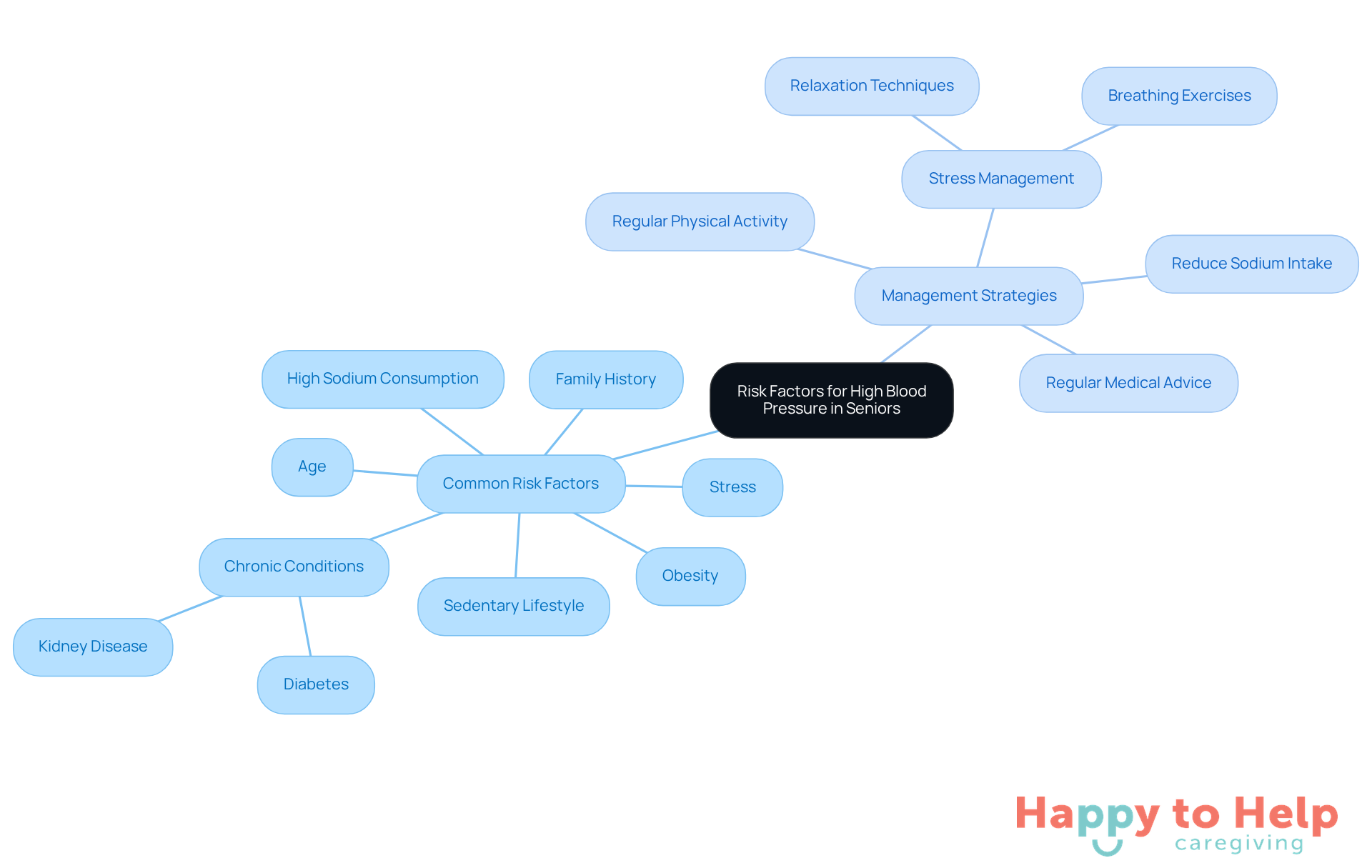
Elevated hypertension is a significant concern for older adults, particularly in relation to bp for seniors, with common risk factors including:
- Age
- Obesity
- A sedentary lifestyle
- High sodium consumption
- Chronic conditions like diabetes and kidney disease
These factors can lead to serious health implications, making it crucial for caregivers to understand them.
Moreover, family history and stress can contribute to increased blood pressure levels. Recognizing these risks is essential for caregivers, as it allows them to develop effective strategies to mitigate them.
To address these challenges, caregivers can encourage older adults to adopt healthier lifestyles that support healthy bp for seniors. This includes:
- Promoting regular physical activity
- Reducing sodium intake
- Managing stress through relaxation techniques
Additionally, seeking regular medical advice can help monitor blood pressure and manage any chronic conditions effectively.
Adopt Healthy Lifestyle Changes: Effective Strategies for Blood Pressure Control
Managing arterial levels in seniors is a significant challenge that requires attention to bp for seniors. High blood pressure for seniors, also known as hypertension, can lead to serious health issues, including heart disease and stroke. Therefore, it’s crucial for seniors to adopt healthy lifestyle modifications for managing bp for seniors.
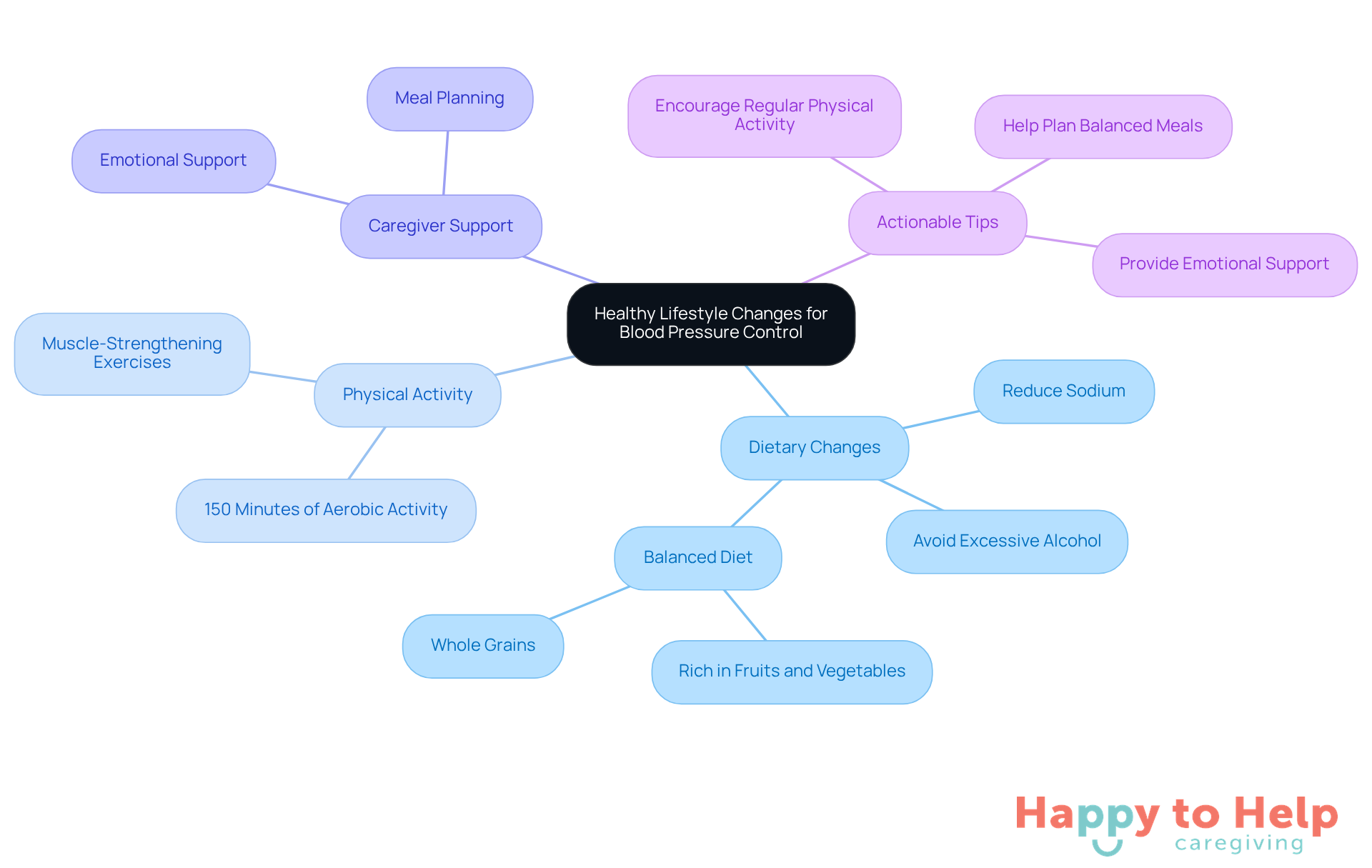
Research shows that dietary changes, such as reducing sodium intake and avoiding excessive alcohol, are essential for controlling bp for seniors. A balanced diet rich in fruits, vegetables, and whole grains can make a substantial difference. Current recommendations from the 2025 AHA/ACC guidelines suggest that older adults should aim for at least 150 minutes of moderate-intensity aerobic activity each week, along with muscle-strengthening exercises on two or more days.
The PREMIER Clinical Trial highlights the effectiveness of these lifestyle changes. Participants who made adjustments experienced significant decreases in arterial levels, underscoring the importance of these modifications. Caregivers play a vital role in this process by helping seniors establish structured routines that promote physical activity and nutritious eating.
Caregivers can offer emotional support and encouragement, making it easier for older adults to stick to these lifestyle changes. As Dr. Daniel W. Jones, chair of the guideline writing committee, states, 'A heart-healthy diet is crucial for reducing the risk of heart disease and stroke, which is important for maintaining healthy bp for seniors.' Caregivers can assist in meal planning that aligns with these dietary strategies.
By creating an environment that emphasizes wellness, caregivers can significantly influence their clients' ability to manage arterial levels effectively. Here are some actionable tips for caregivers:
- Encourage regular physical activity, such as walking or gardening.
- Help plan balanced meals that include plenty of fruits, vegetables, and whole grains.
- Provide emotional support to motivate seniors in their lifestyle changes.
In summary, with the right support and strategies, caregivers can make a meaningful impact on the health of seniors, helping them lead healthier lives.
Consider Medication: When and How to Use It for Blood Pressure Management
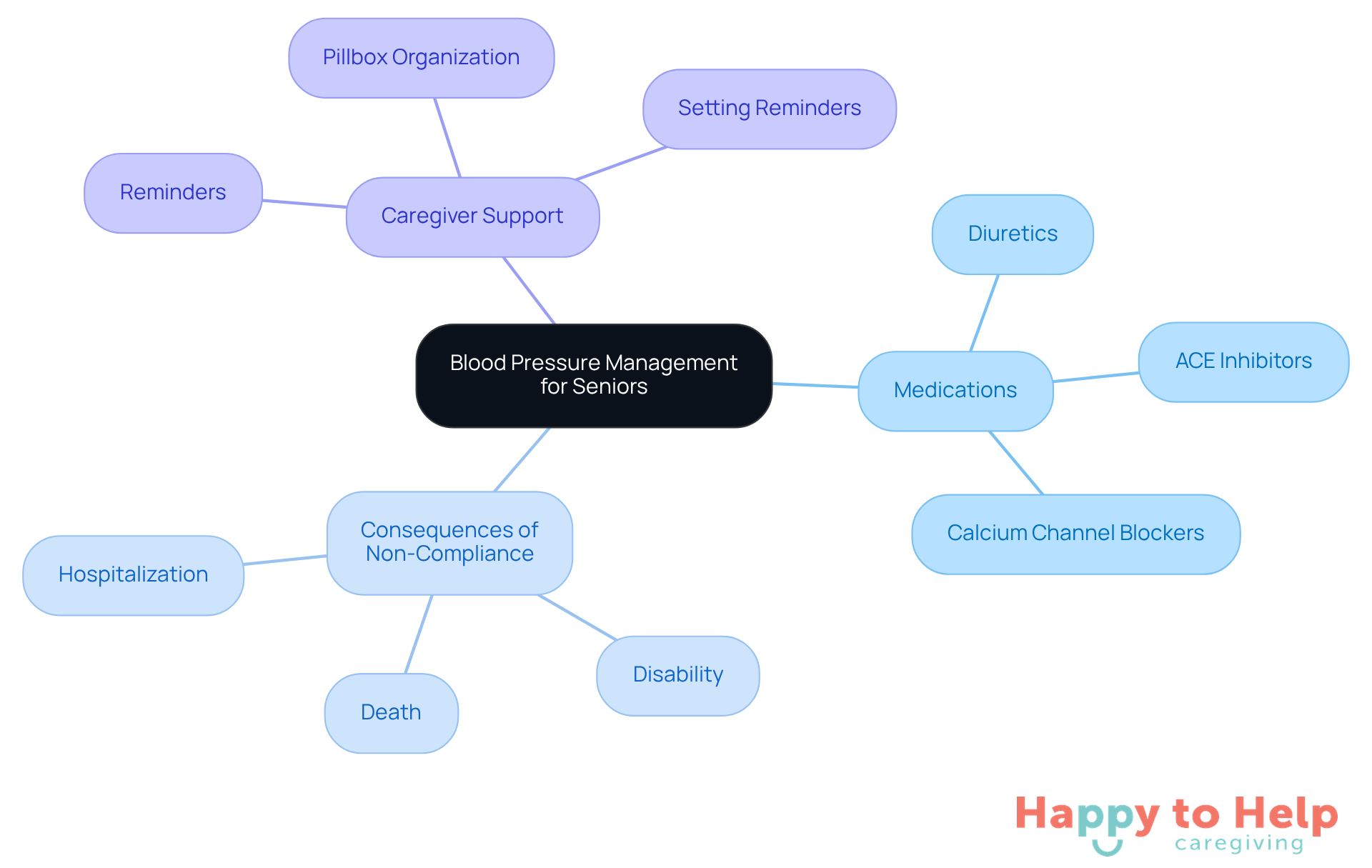
Managing bp for seniors can be a significant challenge for many older adults. Lifestyle adjustments alone often fall short, necessitating the use of bp for seniors medications. Commonly prescribed options include diuretics, ACE inhibitors, and calcium channel blockers.
The implications of not adhering to prescribed treatments can be severe. Non-compliance can lead to hospitalization, disability, and even death. In fact, one in three American adults suffers from elevated hypertension, underscoring the importance of effective bp for seniors management.
Caregivers play a crucial role in this process. They can provide essential support by:
- Reminding clients to take their medications as directed
- Organizing pillboxes
- Setting reminders for medication times
By fostering open communication with healthcare providers, older adults can better manage their conditions and maintain their independence. This collaborative approach not only enhances treatment adherence but also empowers caregivers to support their clients effectively.
Monitor Blood Pressure Regularly: Stay Informed About Your Health
Routine monitoring of circulation levels is essential for managing bp for seniors. However, many caregivers face challenges in ensuring this is done consistently. With over half of adults aged 50 to 80 experiencing medical issues that elevate their risk of significant emergencies due to unmanaged arterial force, the need for a structured routine becomes clear.
Home blood pressure monitors are widely accessible and easy to use. Acquiring a dependable monitor is advised for effective wellness management. Caregivers play a vital role in this process by assisting elderly individuals in taking readings and accurately recording them for healthcare providers. This proactive approach not only helps in monitoring wellness progress but also empowers older adults to engage actively in their health management.
Current suggestions indicate that older adults with ongoing medical issues should consistently monitor their bp for seniors. Discussing these measurements with medical professionals enables informed wellness choices. By cultivating this habit, older adults can significantly improve their overall well-being and reduce the likelihood of severe health issues.
Actionable Tips for Caregivers:
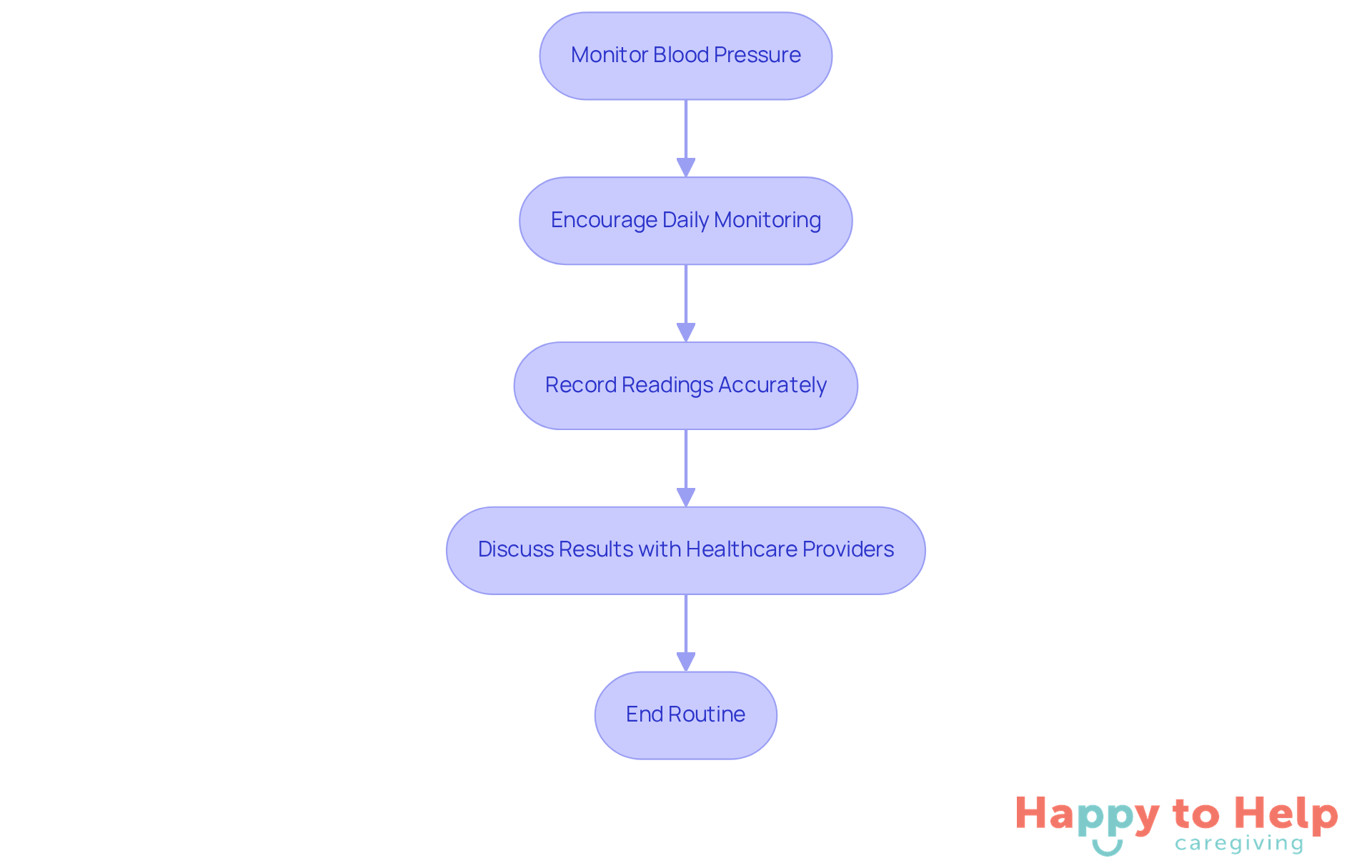
- Encourage daily monitoring at the same time to maintain consistency.
- Help elderly individuals record their readings accurately.
- Discuss results with healthcare providers to make informed decisions.
Manage Stress: Techniques to Help Lower Blood Pressure
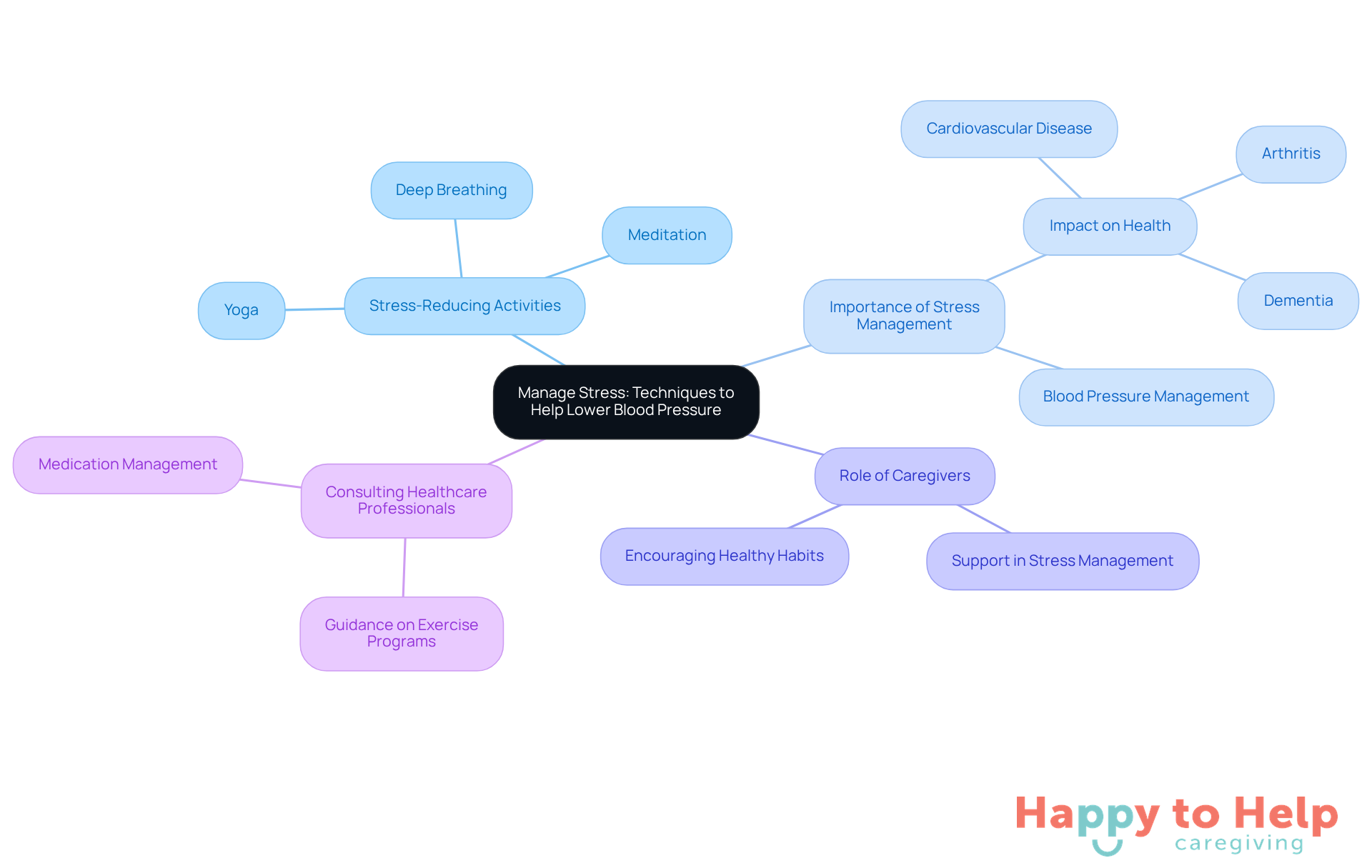
Stress significantly impacts circulation levels in older adults, presenting a serious challenge for caregivers. Elevated stress can lead to various health issues, including cardiovascular disease, arthritis, and dementia, making effective stress management essential for overall well-being.
To address this problem, caregivers can encourage older adults to engage in stress-reducing activities such as:
- Deep breathing exercises
- Meditation
- Yoga
These methods have proven effective in helping seniors manage stress and reduce blood pressure. Creating a calming environment at home and promoting regular participation in hobbies and social interactions can further alleviate stress and enhance overall health.
Research shows that chronic stress can lead to sustained hypertension, highlighting the importance of blood pressure management for seniors to adopt effective stress management strategies. Programs like Dr. Herbert Benson's relaxation response training have shown considerable success in helping elderly individuals manage their circulation levels. Participants often report improvements in their well-being, with some even able to reduce or eliminate their hypertension medication. Dr. Benson notes, "One method, intended to trigger the so-called relaxation response, has been discovered to be beneficial for elevated tension and other conditions caused or exacerbated by stress."
Psychologists stress that managing stress is crucial for maintaining heart health in older populations. By integrating relaxation techniques into daily routines, older adults can lower their stress levels, which may contribute to healthier blood pressure. Additionally, a balanced diet rich in fruits, vegetables, and whole grains is vital for managing circulation and improving overall health.
Caregivers play a pivotal role in this process by supporting their loved ones in adopting these practices, ultimately contributing to a healthier and more fulfilling life at home. It's also advisable for older adults to consult a healthcare professional about blood pressure management before starting any new exercise program, especially if they have high blood pressure.
Engage in Regular Physical Activity: Boost Your Heart Health
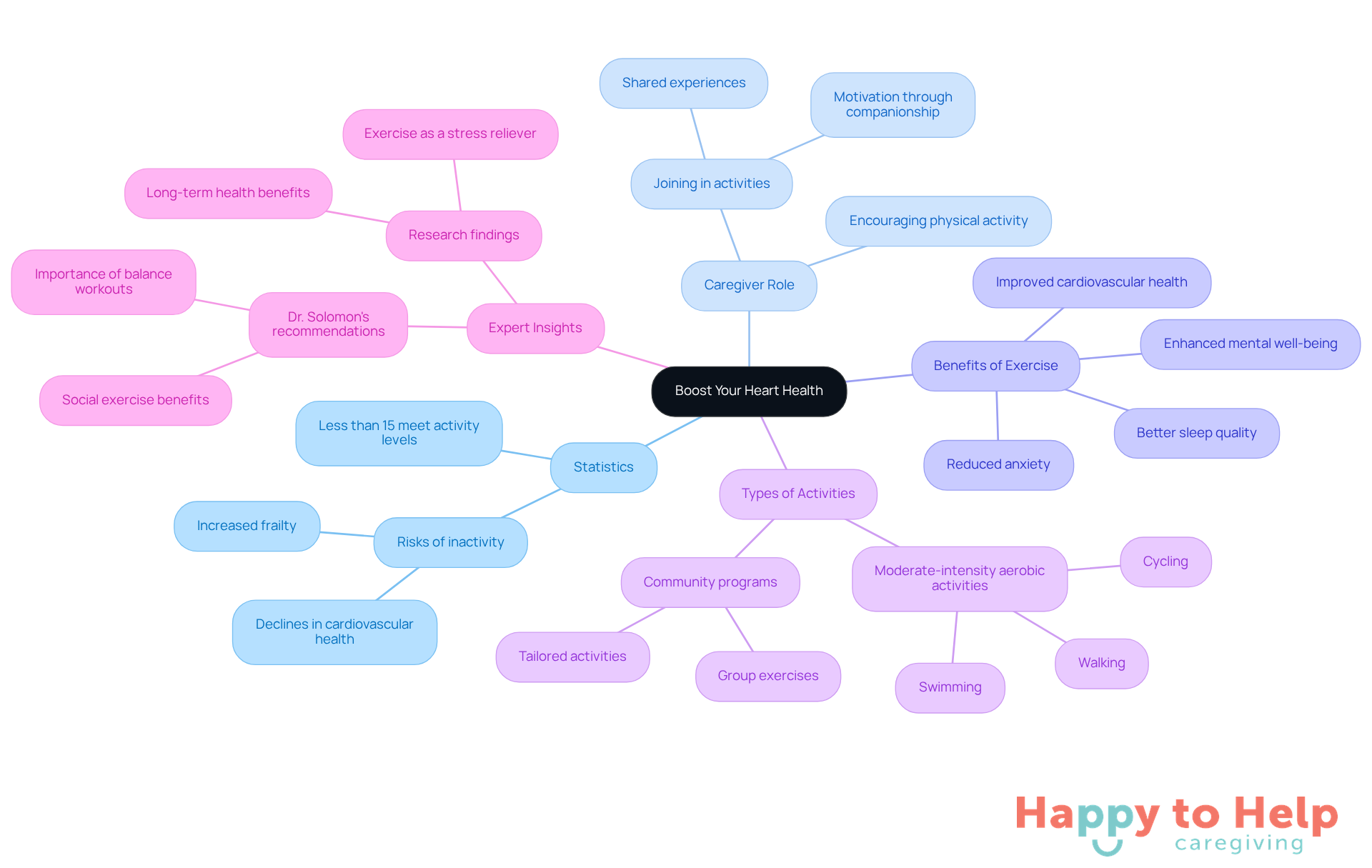
Seniors face a significant challenge: less than 15% of adults aged 65 or older meet the recommended levels of physical activity. This low engagement in exercise can lead to serious health implications, not just for seniors but also for their caregivers, who play a crucial role in supporting seniors. Without regular physical activity, seniors may experience declines in cardiovascular health, mental well-being, and overall quality of life, highlighting the need for bp for seniors.
To address this issue, caregivers can encourage seniors to maintain a healthy bp for seniors by striving for at least 150 minutes of moderate-intensity aerobic activity each week. Activities like walking, swimming, or cycling not only enhance cardiovascular well-being but also foster social connections. When caregivers join seniors in these activities, exercise becomes a shared experience, making it more enjoyable and motivating.
Tailoring activities to match individual abilities is essential for safety and promotes consistent participation. Community programs that focus on group exercises have shown success in increasing physical activity levels among older adults. For instance, programs that incorporate light to moderate activities, such as brisk walking, can effectively regulate arterial force and improve heart health, contributing positively to bp for seniors.
Experts like Dr. Solomon emphasize that social exercise is linked to better mental well-being, underscoring the importance of community and connection in maintaining an active lifestyle and managing bp for seniors. Additionally, immediate benefits of physical activity include improved sleep quality and reduced anxiety-key factors for caregivers to understand as they support their loved ones in staying active.
Focus on Nutrition: Dietary Choices for Healthy Blood Pressure
A heart-friendly diet is crucial for regulating circulation levels, especially for seniors' bp for seniors. Poor dietary choices can lead to serious health issues, including hypertension and heart disease. Caregivers play a vital role in addressing this problem by promoting healthier eating habits.
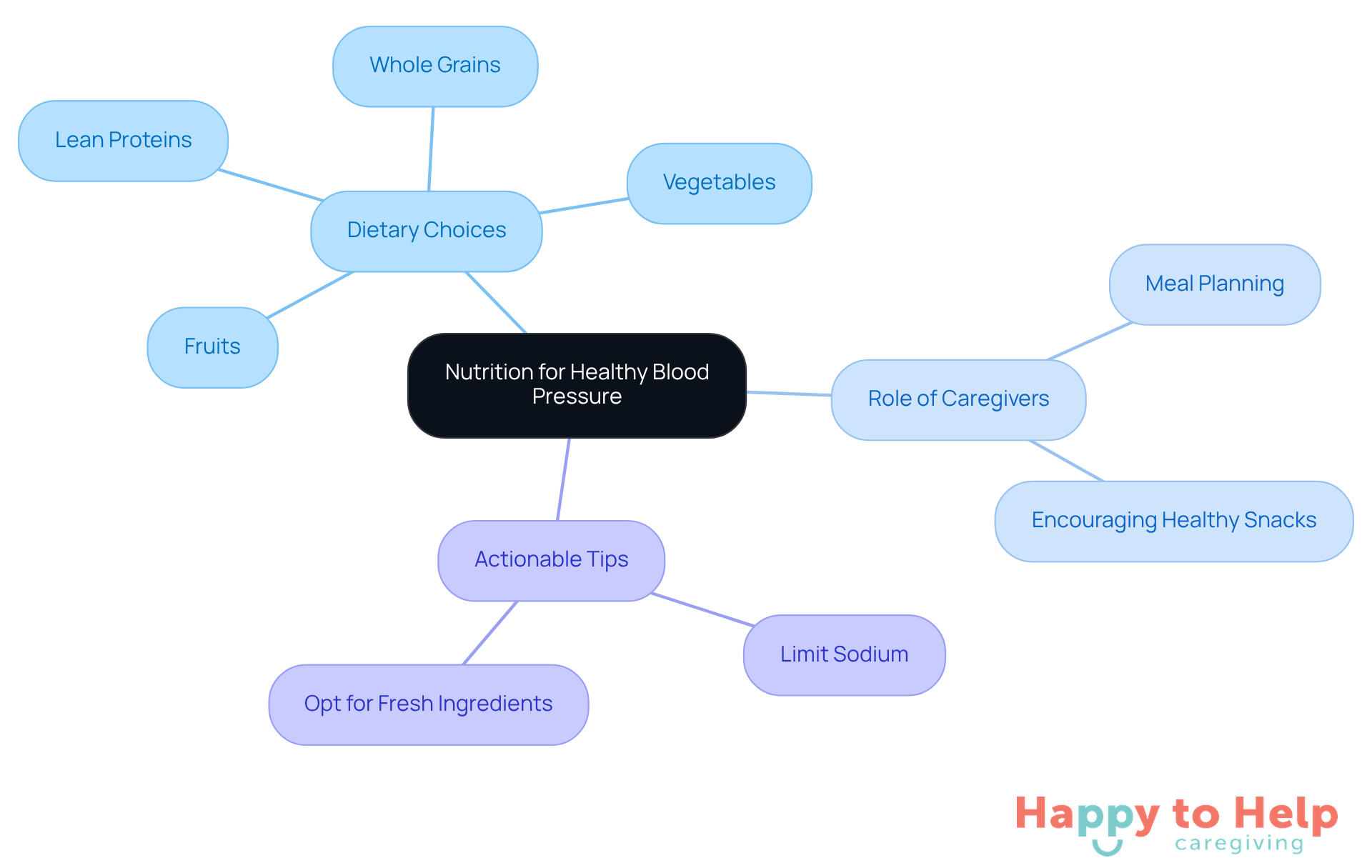
To combat these challenges, seniors should focus on consuming a variety of fruits, vegetables, whole grains, and lean proteins to help maintain a healthy bp for seniors while limiting sodium and saturated fats. The DASH (Dietary Approaches to Stop Hypertension) diet is particularly effective for improving bp for seniors. Caregivers can help by planning meals that align with these dietary guidelines, ensuring that seniors receive the nutrients they need.
Here are some actionable tips for caregivers:
- Plan balanced meals that include a mix of fruits, vegetables, and whole grains.
- Encourage healthy snacks like nuts or yogurt instead of processed options.
- Limit high-sodium foods by opting for fresh ingredients whenever possible.
By implementing these strategies, caregivers can significantly improve the dietary habits of seniors, leading to better health outcomes.
Consult Healthcare Professionals: Get Tailored Advice for Blood Pressure Management
Seniors often face challenges in managing their bp for seniors, which can lead to serious health issues if not addressed. This situation can be particularly daunting for caregivers, who play a crucial role in supporting seniors through this process.
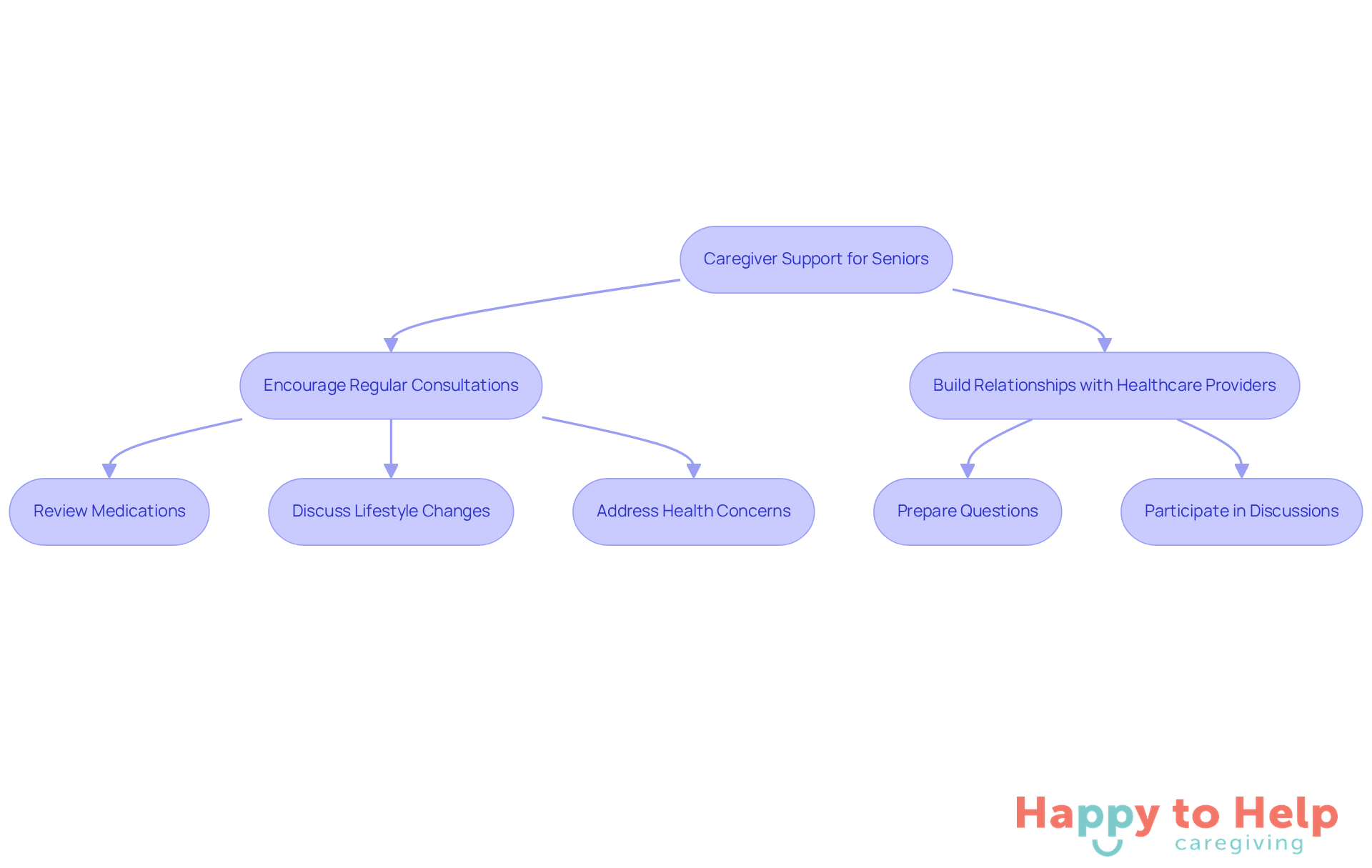
To tackle this problem, caregivers should encourage seniors to regularly consult with healthcare professionals. These appointments are vital for:
- Reviewing medications
- Discussing lifestyle changes
- Addressing any health concerns
By accompanying seniors to these visits, caregivers can ensure that all relevant information is communicated effectively.
Building a strong relationship with healthcare providers is essential for successful management. Caregivers can facilitate this by:
- Preparing questions in advance
- Actively participating in discussions
This proactive approach not only empowers seniors but also fosters a collaborative environment for better health outcomes.
Your Path Forward
Managing blood pressure for seniors presents a significant challenge. This issue not only affects their health but also impacts their overall quality of life. Caregivers face the daunting task of addressing both the medical aspects of hypertension and the emotional well-being of elderly individuals.
Regular monitoring of blood pressure is essential. Understanding the implications of these readings and recognizing risk factors that contribute to elevated levels can empower caregivers to take proactive steps. Moreover, adopting healthy lifestyle changes - such as balanced nutrition, physical activity, and effective stress management - is crucial in controlling blood pressure. Caregivers play a vital role in this process, offering the support and encouragement seniors need to make these beneficial adjustments.
To effectively manage blood pressure in seniors, collaboration is key. Caregivers, healthcare professionals, and the elderly themselves must work together. By fostering an environment of proactive health management and emotional support, caregivers can help seniors navigate the complexities of hypertension. This approach not only ensures that seniors maintain their independence but also enhances their well-being at home.
Now is the time to take action. Implement these strategies to make a meaningful difference in the lives of seniors managing blood pressure.
https://iframe.tely.ai/cta/eyJhcnRpY2xlX2lkIjogIjY5MjNiYmZiZTc0YTFlZmVmNzI1NmMyYyIsICJjb21wYW55X2lkIjogIjY4ZWU1ZGNhNzMxNzYyNTU3ZjNjOTVjMSIsICJpbmRleCI6IG51bGwsICJ0eXBlIjogImFydGljbGUifQ==Frequently Asked Questions
What challenges do caregivers face when managing blood pressure for seniors?
Caregivers often encounter significant challenges in managing blood pressure for seniors, as this condition can lead to complications that affect overall health and independence.
How does Happy to Help Caregiving support seniors with blood pressure management?
Happy to Help Caregiving provides essential in-home assistance tailored for elderly individuals managing blood pressure related to hypertension. Caregivers are trained to monitor circulation levels, assist with medication adherence, and provide emotional support.
What are the benefits of personalized caregiving approaches for blood pressure management?
Personalized caregiving approaches help clients sustain their independence while receiving necessary care, improve blood circulation regulation, and enhance the overall quality of life for elderly individuals.
What do blood pressure readings consist of, and what do they indicate for seniors?
Blood pressure readings consist of two key numbers: systolic (the top number) and diastolic (the bottom number). A normal reading is generally below 120/80 mm Hg, while readings above 130/80 mm Hg may indicate stage 1 hypertension, which poses serious health risks.
Why is it important to keep systolic blood pressure below 130 for seniors?
Keeping vascular tension below 130 systolic is crucial for managing blood pressure in seniors, as it is linked to a lower risk of heart disease and stroke.
What practical solutions can caregivers implement to manage hypertension in seniors?
Caregivers can monitor blood pressure, recommend lowering salt consumption to under 1,500 mg per day, and encourage lifestyle adjustments to support effective management of hypertension.
What are common risk factors for high blood pressure in seniors?
Common risk factors for high blood pressure in seniors include age, obesity, a sedentary lifestyle, high sodium consumption, chronic conditions like diabetes and kidney disease, family history, and stress.
How can caregivers help seniors mitigate risk factors for high blood pressure?
Caregivers can encourage seniors to adopt healthier lifestyles by promoting regular physical activity, reducing sodium intake, managing stress through relaxation techniques, and seeking regular medical advice to monitor blood pressure and manage chronic conditions effectively.
List of Sources
- Happy to Help Caregiving: Personalized Support for Blood Pressure Management
- Home-based care improves blood pressure control - Nature Reviews Cardiology (https://nature.com/articles/s41569-025-01214-2)
- AI helped older adults report accurate blood pressure readings at home (https://newsroom.heart.org/news/ai-helped-older-adults-report-accurate-blood-pressure-readings-at-home)
- 'Hypertension care of the future' coming to AdventHealth (https://adventhealth.com/news/hypertension-care-future-coming-adventhealth)
- New at-home monitoring program for patients with high blood pressure (https://health.ucdavis.edu/news/headlines/new-at-home-monitoring-program-for-patients-with-high-blood-pressure-/2024/06)
- The Role of Home Care in Managing Hypertension (https://ultimatecareny.com/resources/the-role-of-home-care-in-managing-hypertension)
- Understand Blood Pressure Readings: Key Insights for Seniors
- Blood Pressure Goal: 120/80 Is the Number Your Doctor Wants to See (https://yalemedicine.org/news/blood-pressure-goal-the-number-your-doctor-wants-to-see)
- New high blood pressure guideline emphasizes prevention, early treatment to reduce CVD risk (https://newsroom.heart.org/news/new-high-blood-pressure-guideline-emphasizes-prevention-early-treatment-to-reduce-cvd-risk)
- What's the best blood pressure target for older adults? - Harvard Health (https://health.harvard.edu/heart-health/whats-the-best-blood-pressure-target-for-older-adults)
- Lower Blood Pressure May Offer Benefits Even for the Very Elderly (https://medicine.yale.edu/news-article/lower-blood-pressure-may-offer-benefits-even-for-the-very-elderly)
- Identify Risk Factors: Common Causes of High Blood Pressure in Seniors
- Know Your Risk Factors for High Blood Pressure (https://heart.org/en/health-topics/high-blood-pressure/know-your-risk-factors-for-high-blood-pressure)
- Risk factors and prevalence of hypertension in older adults from south-eastern Poland: an observational study - PMC (https://pmc.ncbi.nlm.nih.gov/articles/PMC10792009)
- Flagship Health | Hypertension in Seniors: Causes, Risks, and Proven Ways to Lower Blood Pressure (https://flagshiphealth.org/resources/blog/hypertension-in-seniors-causes-risks-and-proven-ways-to-lower-blood-pressure)
- Hypertension (https://who.int/news-room/fact-sheets/detail/hypertension)
- High Blood Pressure and Older Adults (https://nia.nih.gov/health/high-blood-pressure/high-blood-pressure-and-older-adults)
- Adopt Healthy Lifestyle Changes: Effective Strategies for Blood Pressure Control
- Effects of Comprehensive Lifestyle Modification on Blood Pressure Control (https://jamanetwork.com/journals/jama/fullarticle/1357324)
- Changes You Can Make to Manage High Blood Pressure (https://heart.org/en/health-topics/high-blood-pressure/changes-you-can-make-to-manage-high-blood-pressure)
- New high blood pressure guideline emphasizes prevention, early treatment to reduce CVD risk (https://newsroom.heart.org/news/new-high-blood-pressure-guideline-emphasizes-prevention-early-treatment-to-reduce-cvd-risk)
- Blood Pressure Control With Healthy Lifestyle Modifications (https://uchicagomedicineadventhealth.org/blog/blood-pressure-control-healthy-lifestyle-modifications)
- How Diet and Exercise Help Control Blood Pressure - Senior1Care (https://senior1care.com/heart-health/how-diet-and-exercise-help-control-blood-pressure)
- Consider Medication: When and How to Use It for Blood Pressure Management
- New Drug Lowers Treatment-Resistant High Blood Pressure and May Slow Kidney Disease (https://healthcare.utah.edu/newsroom/news/2025/09/new-drug-lowers-treatment-resistant-high-blood-pressure-and-may-slow-kidney)
- Why Medication Adherence is Crucial for Older Adults (https://agewellmedical.com/news/why-medication-adherence-is-crucial-for-older-adults)
- New drug shows promise for stubbornly high blood pressure - Harvard Health (https://health.harvard.edu/heart-health/new-drug-shows-promise-for-stubbornly-high-blood-pressure)
- Monitor Blood Pressure Regularly: Stay Informed About Your Health
- Why Monitoring Blood Pressure Matters for Seniors (https://homeinstead.com/home-care/usa/la/carencro/347/news-and-media/why-monitoring-blood-pressure-matters-for-seniors)
- Many at-risk older adults aren’t checking blood pressure at home, or being encouraged to do so (https://ihpi.umich.edu/news-events/news/many-risk-older-adults-arent-checking-blood-pressure-home-or-being-encouraged-do)
- OMRON Healthcare Issues National Call-to-Action on Routine At-Home Blood Pressure Monitoring in Response to New Guidelines (https://prnewswire.com/news-releases/omron-healthcare-issues-national-call-to-action-on-routine-at-home-blood-pressure-monitoring-in-response-to-new-guidelines-302533998.html)
- More older adults should be checking blood pressure at home (https://michiganmedicine.org/health-lab/more-older-adults-should-be-checking-blood-pressure-home)
- Manage Stress: Techniques to Help Lower Blood Pressure
- Meditation and a relaxation technique to lower blood pressure - Harvard Health (https://health.harvard.edu/heart-health/meditation-and-a-relaxation-technique-to-lower-blood-pressure)
- The Connection Between Stress and High Blood Pressure in Seniors - Blue Moon Senior Counseling (https://bluemoonseniorcounseling.com/the-connection-between-stress-and-high-blood-pressure-in-seniors)
- Managing Stress to Control High Blood Pressure (https://heart.org/en/health-topics/high-blood-pressure/changes-you-can-make-to-manage-high-blood-pressure/managing-stress-to-control-high-blood-pressure)
- Stress and high blood pressure: What's the connection? (https://mayoclinic.org/diseases-conditions/high-blood-pressure/in-depth/stress-and-high-blood-pressure/art-20044190)
- Relaxation, Stress Management Have Short-Term Benefit for Hypertension (https://thecardiologyadvisor.com/news/relaxation-stress-management-have-short-term-benefit-for-hypertension)
- Engage in Regular Physical Activity: Boost Your Heart Health
- Exercise More, Sit Less to Manage Frailty and Hypertension Risk in Aging (https://physiology.org/detail/news/2024/07/17/exercise-more-sit-less-to-manage-frailty-and-hypertension-risk-in-aging)
- What doctors wish older adults knew about physical activity (https://ama-assn.org/public-health/prevention-wellness/what-doctors-wish-older-adults-knew-about-physical-activity)
- Physical Activity Benefits for Adults 65 or Older (https://cdc.gov/physical-activity-basics/health-benefits/older-adults.html)
- Getting Active to Control High Blood Pressure (https://heart.org/en/health-topics/high-blood-pressure/changes-you-can-make-to-manage-high-blood-pressure/getting-active-to-control-high-blood-pressure)
- Focus on Nutrition: Dietary Choices for Healthy Blood Pressure
- Johns Hopkins Medicine Study Finds Eating ‘DASH for Diabetes’ Lower-Sodium Diet Can Produce Clinically Meaningful Reduction in Blood Pressure for People with Type 2 Diabetes (https://hopkinsmedicine.org/news/newsroom/news-releases/2025/06/johns-hopkins-medicine-study-finds-eating-dash-for-diabetes-lower-sodium-diet-can-produce-clinically-meaningful-reduction-in-blood-pressure-for-people-with-type-2-diabetes)
- NIH-supported DASH diet named “Best Heart-Healthy Diet” and “Best Diet for High Blood Pressure” in 2025 (https://nhlbi.nih.gov/news/2025/nih-supported-dash-diet-named-best-heart-healthy-diet-and-best-diet-high-blood-pressure)
- DASH Diet: A Review of Its Scientifically Proven Hypertension Reduction and Health Benefits - PMC (https://pmc.ncbi.nlm.nih.gov/articles/PMC10551663)
- Following DASH diet can reduce heart failure risk in people under 75 (https://newsroom.wakehealth.edu/news-releases/2019/05/following-dash-diet-can-reduce-heart-failure-risk-in-people-under-75)
- The changing nutritional needs of older adults and how to meet them (https://heart.org/en/news/2024/12/18/the-changing-nutritional-needs-of-older-adults-and-how-to-meet-them)
- Consult Healthcare Professionals: Get Tailored Advice for Blood Pressure Management
- New high blood pressure guideline emphasizes prevention, early treatment to reduce CVD risk (https://newsroom.heart.org/news/new-high-blood-pressure-guideline-emphasizes-prevention-early-treatment-to-reduce-cvd-risk)
- UNC School of Nursing and School of Medicine Faculty Contribute to New Blood Pressure Guidelines | Newsroom (https://news.unchealthcare.org/2025/08/unc-school-of-nursing-and-school-of-medicine-faculty-contribute-to-new-blood-pressure-guidelines)
- Healthcare professionals key to hypertension control (https://techexplorist.com/healthcare-professionals-key-hypertension-control/86308)
- Hypertension Prevalence, Awareness, Treatment, and Control Among Adults Age 18 and Older: United States, August 2021–August 2023 - NCHS Data Briefs - NCBI Bookshelf (https://ncbi.nlm.nih.gov/books/NBK612761)
- Report Shows Pharmacists Play a Critical Role in Blood Pressure Management | Pharmacy Times (https://pharmacytimes.com/view/report-shows-pharmacists-play-a-critical-role-in-blood-pressure-management)