10 Essential Tips for Managing Sundown Delirium in Caregiving

For families in our service areas
For families in our service areas, this guide explains caregiving and how non-medical in-home caregiving can support care planning in East Idaho, Treasure Valley & Magic Valley, Northern Wasatch, North Central West Virginia & Southwestern Pennsylvania, and Northeast Ohio.
Why Tips for Managing Sundown Delirium in Matters
Sundown delirium presents a significant challenge for caregivers, often leading to increased confusion and anxiety in individuals with dementia as daylight fades. This condition disrupts the evening's tranquility and places considerable stress on caregivers who are trying to provide effective support. By exploring essential strategies for managing these symptoms, caregivers can greatly improve the quality of life for their loved ones.
However, how can caregivers create a calming environment that alleviates the distress associated with sundowning while also ensuring their own well-being? This article will delve into practical solutions that caregivers can implement to navigate this complex issue.
Happy to Help Caregiving: Personalized In-Home Support for Sundown Delirium
Sundown delirium presents a significant challenge for caregivers, frequently resulting in heightened anxiety and confusion for clients during the evening hours. This condition can create a stressful environment, making it essential for caregivers to provide effective support.
Happy to Help Caregiving specializes in personalized in-home support that addresses these challenges. Their services, including companionship care and palliative support, aim to create a soothing atmosphere that alleviates anxiety and confusion.
Caregivers are trained to recognize the signs of evening confusion in order to effectively manage sundown delirium. They can implement several strategies to foster a sense of safety and tranquility:
- Uphold a regular schedule to provide structure.
- Involve clients in calming activities that promote relaxation.
By applying these methods, caregivers can significantly improve the quality of life for their clients, ensuring a peaceful evening experience.
Mayo Clinic: Expert Guidance on Treating Sundowning Symptoms
Evening confusion in dementia patients presents a significant challenge for caregivers. This phenomenon, often exacerbated by a lack of proper lighting and routine, can lead to increased anxiety and agitation. In fact, sundown delirium affects up to 20% of individuals with Alzheimer's, making it crucial for caregivers to effectively address these issues.
To combat evening confusion, caregivers can implement several practical strategies.
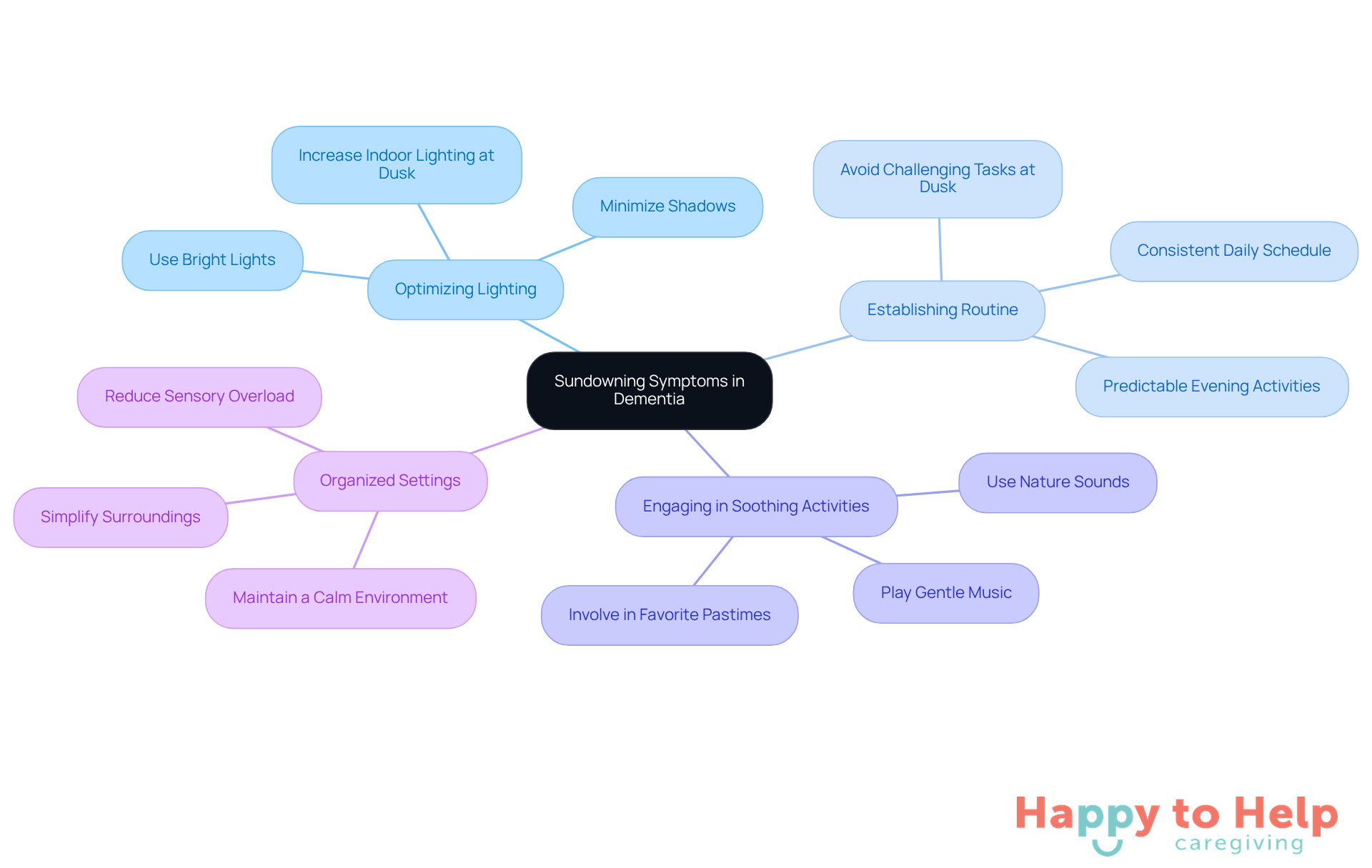
- Optimizing lighting is essential; minimizing shadows can help reduce confusion and anxiety.
- Establishing a consistent daily routine also fosters a sense of security for patients, as predictability can significantly alleviate distress.
- Engaging patients in soothing activities during the late afternoon and evening can further reduce agitation. Gentle music, nature sounds, or favorite pastimes are excellent options.
- Research indicates that organized settings and minimized sensory overload can enhance emotional stability, with studies showing that up to 60% of dementia patients experience relief from evening agitation when these strategies are applied.
For example, one case study demonstrated that increasing indoor lighting as dusk approaches helped prevent confusion about bedtime, thereby improving overall well-being. Amy Goyer, AARP's family and caregiving expert, shared her experience: "I would often turn on the bright back porch lights outside our dining-room window, which helped prevent Dad from thinking it was already bedtime."
By creating a calm environment and maintaining consistency in daily routines, caregivers can effectively manage the challenges posed by evening confusion. These strategies not only enhance the quality of life for their loved ones but also provide caregivers with a clearer path to support those they care for.
Cleveland Clinic: Strategies for Preventing and Managing Sundown Syndrome
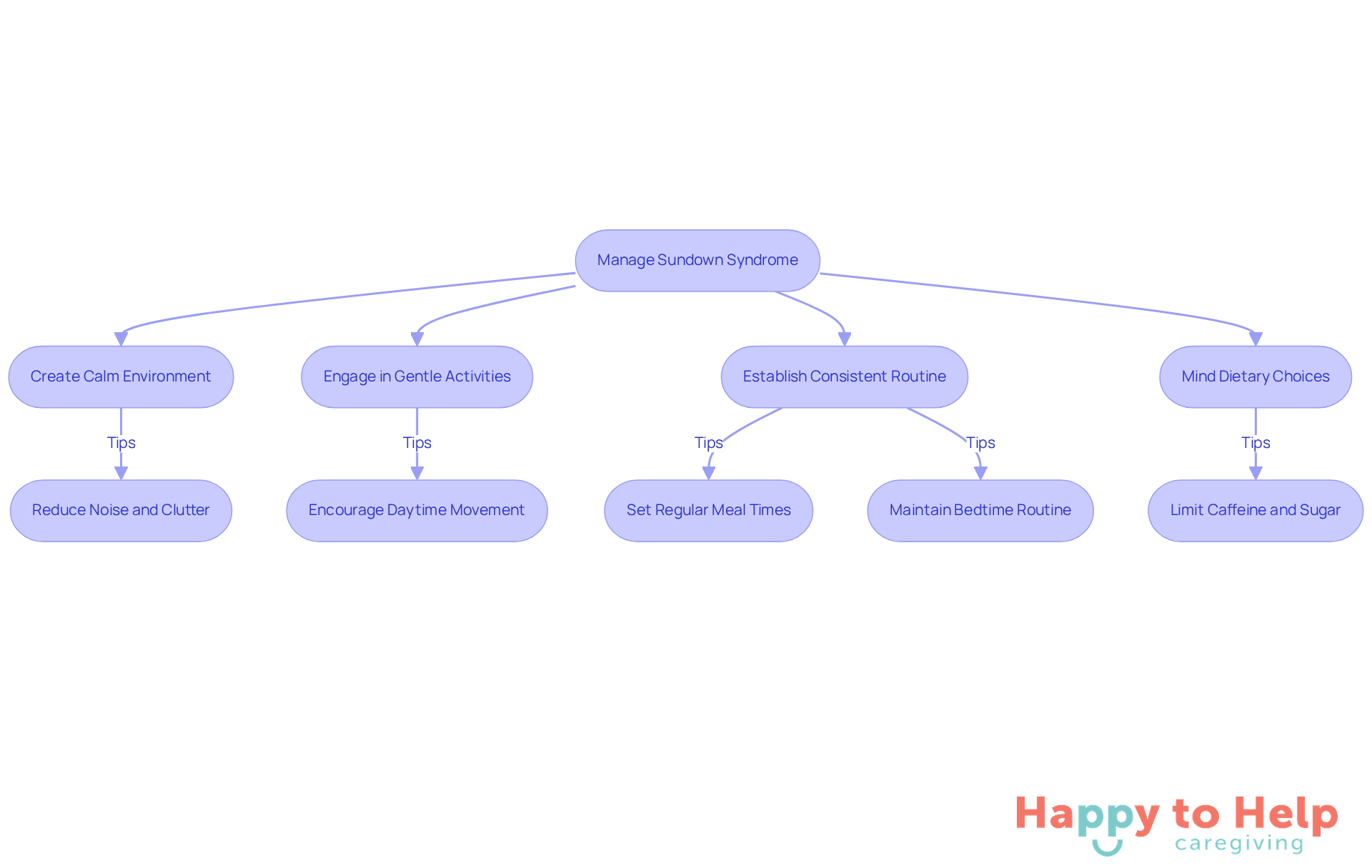
Cleveland Clinic emphasizes the challenges caregivers face when managing sundown delirium, particularly the necessity of creating a calm and peaceful nighttime environment. Overstimulation, such as excessive noise and clutter, can worsen confusion and agitation in patients. Caregivers must recognize that engaging patients in gentle physical activities - like walking, stretching, or chair exercises - during the day can significantly improve their sleep at night. Establishing a consistent routine for waking, meals, and personal care is also vital for enhancing emotional stability and reducing confusion later in the day.
Dietary choices play a crucial role in sleep patterns for individuals with dementia. Limiting caffeine and sugar intake in the late afternoon is essential, as these substances can disrupt sleep and lead to increased restlessness. By fostering a calming environment and being mindful of dietary practices, caregivers can effectively reduce the symptoms of sundown delirium, ultimately improving the quality of life for those they support.
Case studies reveal that caregivers who implement these strategies often see a notable decrease in sundown delirium behaviors, leading to more peaceful evenings. Additionally, it’s important for caregivers to advocate for their loved ones, ensuring they receive necessary medical evaluations. Addressing underlying health issues is key to effective management. By integrating these approaches, caregivers not only support the well-being of individuals with dementia but also equip themselves with practical tools to navigate challenging situations.
Alzheimers.org.uk: Understanding Symptoms and Causes of Sundowning
Sundown delirium presents a significant challenge for caregivers, characterized by increased confusion, agitation, and restlessness as daylight fades. This condition can lead to heightened stress for both the individual and their supporters. Recognizing the symptoms promptly is crucial for effective care. According to Alzheimers.org.uk, understanding the causes of evening confusion allows caregivers to anticipate and mitigate these occurrences more effectively.
Addressing sundowning involves several key strategies:
- Caregivers should adjust the environment by ensuring adequate lighting and minimizing noise.
- Establishing a consistent routine that aligns with the individual's natural rhythms can also be beneficial.
- Research shows that meeting basic needs, such as hunger, thirst, and comfort, can significantly alleviate agitation associated with sundown delirium.
- For instance, caregivers have found success with bright light therapy in the late afternoon, which helps regulate circadian rhythms and reduce symptoms.
Creating a calming atmosphere during evening hours is another effective approach. One caregiver shared that introducing familiar items, like family photographs, helped their loved one feel more secure and less disoriented. Additionally, engaging in reassuring communication can further reduce anxiety. Reminding individuals of their surroundings and current activities fosters a sense of stability.
Despite the effectiveness of these strategies, statistics reveal that only 36.8% of caregivers utilize non-pharmacological methods to address evening confusion. This highlights a significant opportunity for improvement. By prioritizing these interventions, caregivers can enhance the quality of life for those experiencing sundown delirium, cultivating a more supportive and empathetic environment.

Medilodge at the Shore: Practical Tips to Reduce Sundowning Delirium
Twilight delirium poses a significant challenge for caregivers of dementia patients, often leading to increased anxiety and confusion during the evening hours. This distressing condition can disrupt not only the patient's peace but also the caregiver's ability to provide effective support.
To address this issue, establishing a soothing nighttime routine is essential. Key recommendations include:
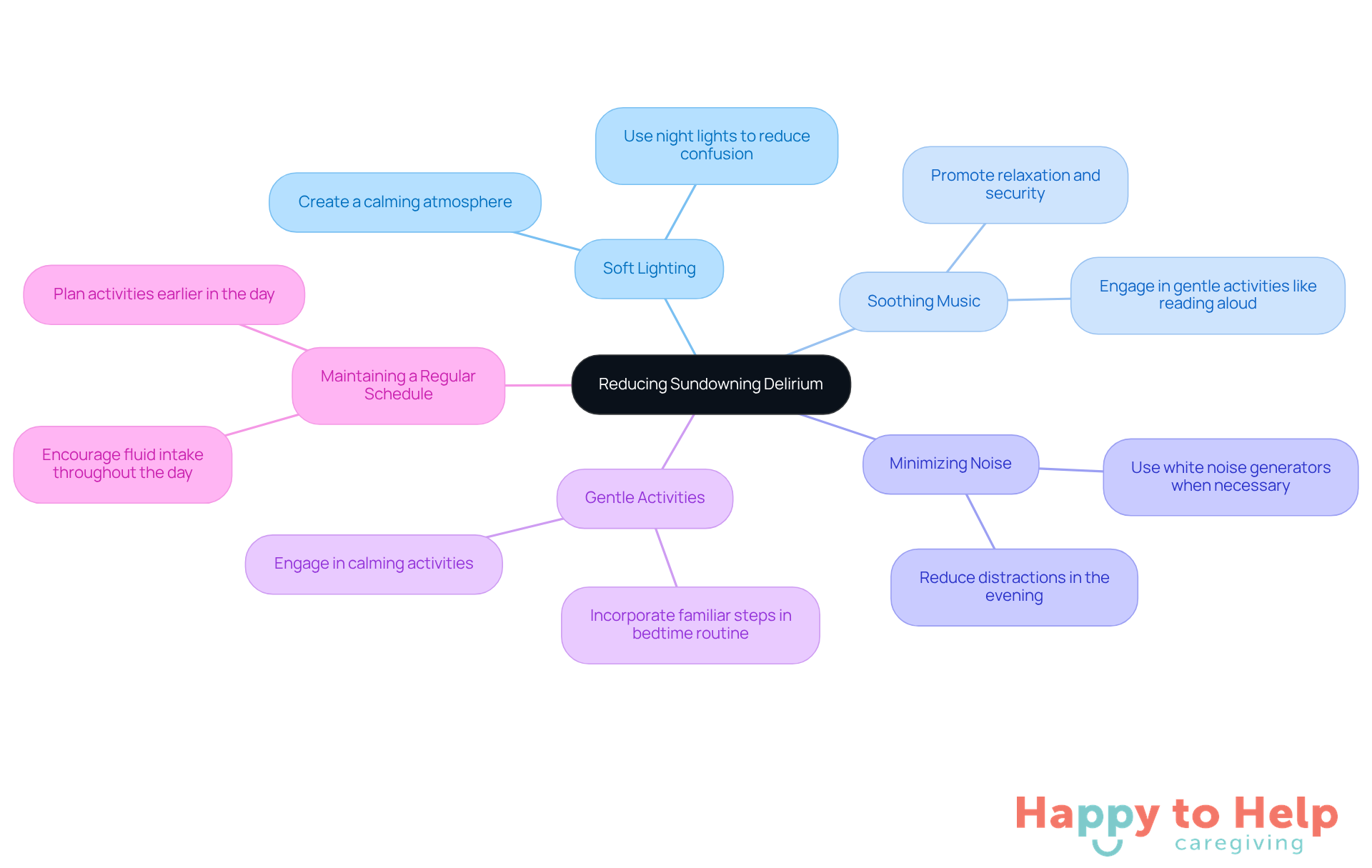
- Soft Lighting: Utilizing gentle lighting can create a calming atmosphere, reducing anxiety levels.
- Soothing Music: Research shows that calming music significantly lowers stress, promoting a sense of security and relaxation.
- Minimizing Noise: Reducing distractions in the evening helps individuals feel more at ease and less bewildered.
Engaging in gentle activities, such as reading aloud or listening to soft music, can foster a peaceful environment. Caregivers might also consider using a white noise generator to mask disruptive sounds when necessary. Incorporating familiar steps in a bedtime routine-like washing up or hearing a specific phrase-can provide reassurance and build positive associations for individuals with dementia.
By implementing these strategies, caregivers can create a supportive environment that alleviates the distressing symptoms of sundown delirium, ultimately enhancing the well-being of their loved ones. Additionally, maintaining a regular daily schedule and being mindful of individual stress levels are crucial for both caregivers and those receiving care.
Dementiasplatform.uk: Insights into Sundowning and Its Effects
Sundown delirium presents a significant challenge for caregivers of individuals with dementia, often resulting in increased anxiety and confusion as evening approaches. This emotional turmoil can deeply affect the well-being of those affected, making it crucial for supporters to recognize and address these feelings.
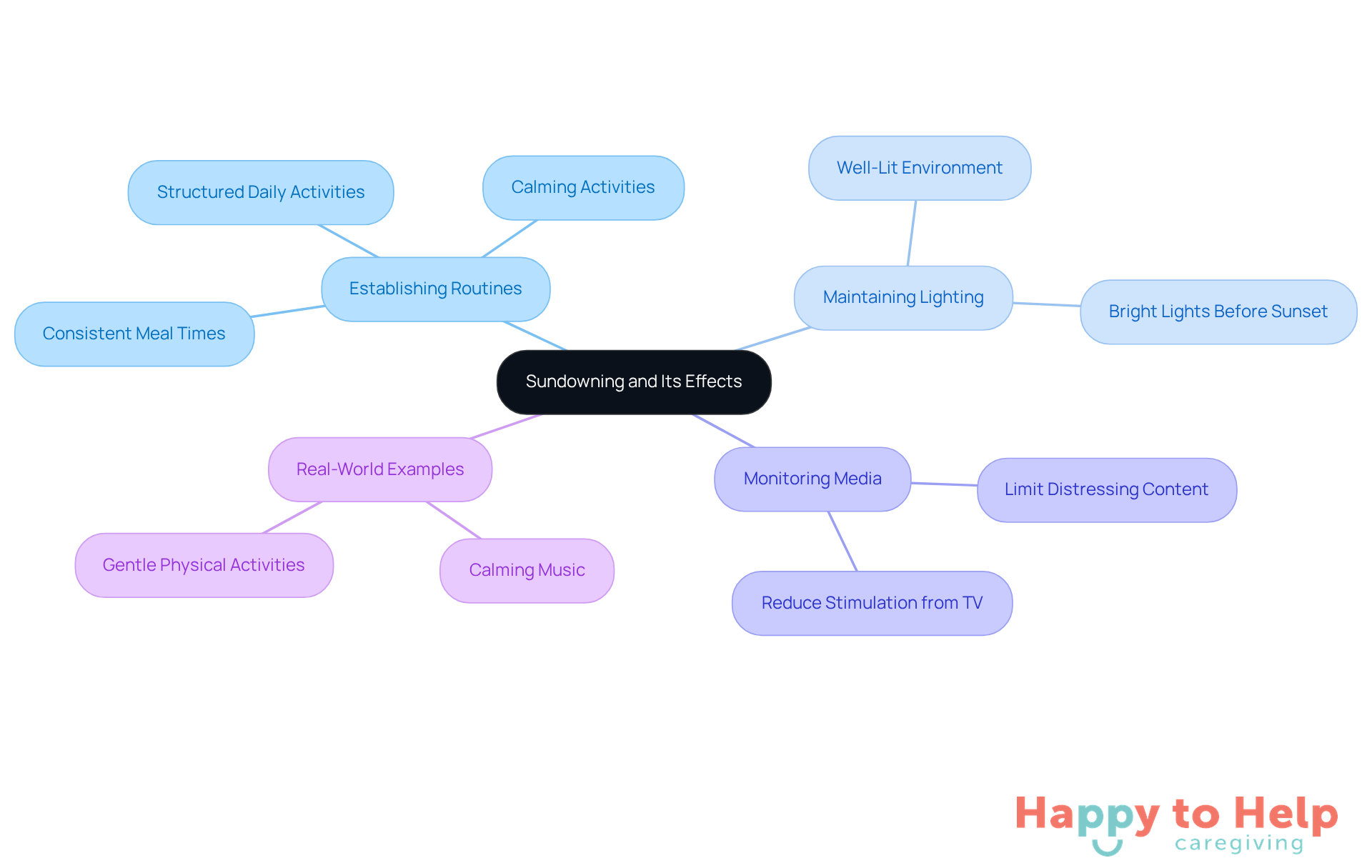
To mitigate the effects of sundown delirium, establishing familiar routines can provide a sense of security. Consistent meal times and calming activities during the late afternoon can create a predictable atmosphere that helps alleviate distress. Statistics indicate that caregivers who implement organized daily routines report a noticeable reduction in agitation among patients experiencing sundown delirium.
Moreover, experts emphasize the importance of maintaining a well-illuminated environment. Keeping spaces bright during the evening can help reduce disorientation caused by diminishing natural light. The Alzheimer’s Association advises caregivers to monitor media consumption, as distressing content can exacerbate agitation.
Real-world examples underscore the effectiveness of these strategies. For instance, one caregiver found that introducing calming music and lowering noise levels during the evening significantly enhanced their loved one's comfort and reduced confusion. Additionally, involving patients in light physical activities, such as gentle stretching or walking, has been shown to positively impact mood and behavior.
Insights from Dementiasplatform.uk highlight the necessity of understanding the challenges posed by evening confusion. By fostering a nurturing atmosphere that prioritizes comfort and recognition, caregivers can effectively assist individuals in managing the difficulties of sundown delirium, ultimately enhancing their quality of life.
PMC: Research Insights on Sundown Syndrome in Dementia Patients
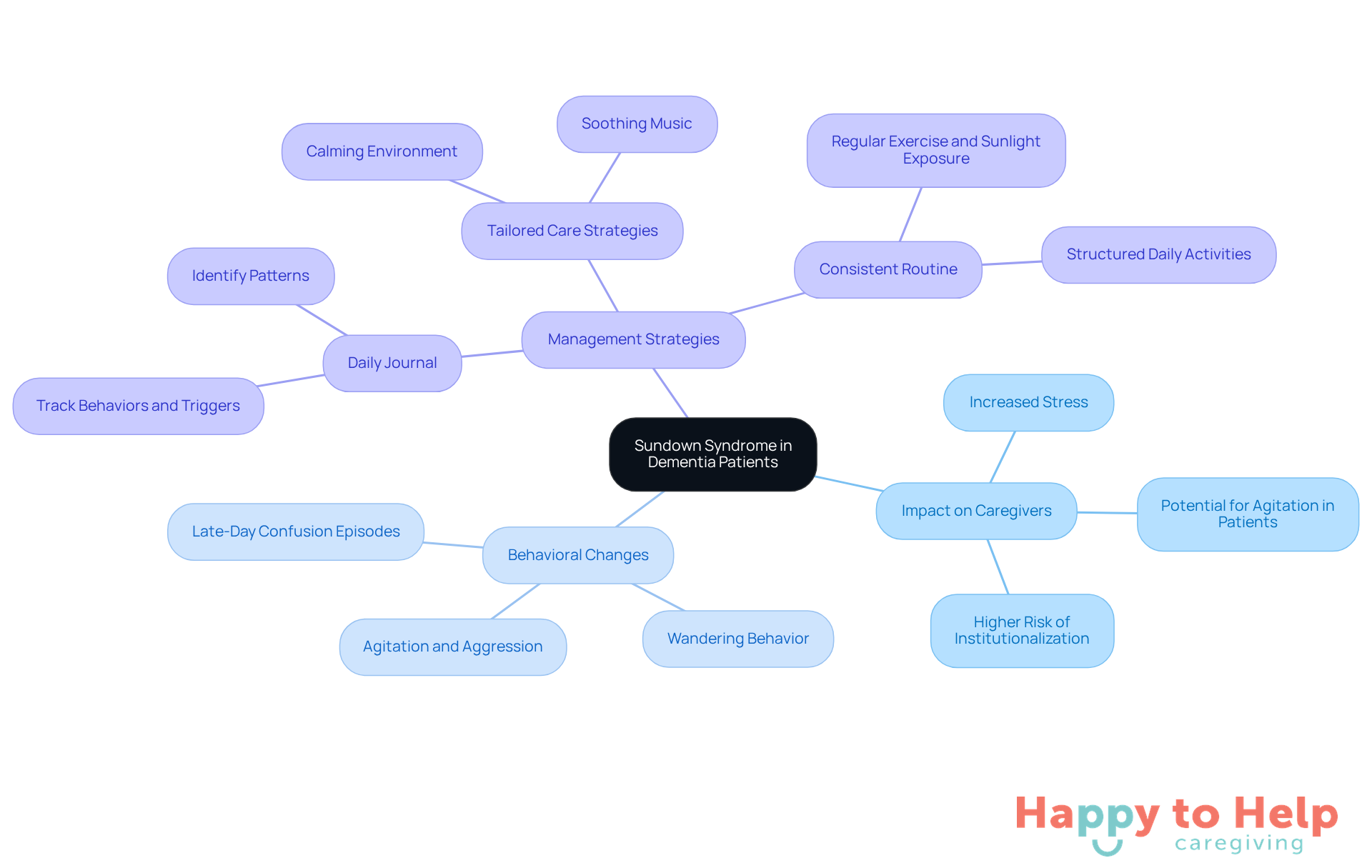
Sundown delirium presents a significant challenge for caregivers of dementia patients, impacting between 2.5% and 66% of individuals with this condition. This phenomenon is closely tied to cognitive decline, particularly in those with advanced dementia. Caregivers must be vigilant in observing behavioral changes, as these can signal the onset of late-day confusion episodes.
To effectively manage sundown syndrome, caregivers can take proactive steps:
- Keeping a daily journal for at least a month to track behaviors, their onset times, and contributing factors can help identify patterns and triggers.
- This information allows for tailored care strategies that address the unique needs of each patient.
- For instance, establishing a consistent daily routine and creating a calming environment can significantly mitigate the effects of sundown delirium.
Experts emphasize the importance of monitoring and adjusting care plans to enhance the quality of life for both patients and caregivers. By implementing these strategies, caregivers can foster a more supportive caregiving experience, ultimately improving outcomes for everyone involved.
National Institute on Aging: Guidelines for Managing Sleep Disturbances
Sleep disturbances among dementia patients pose a significant challenge for caregivers. These disturbances can lead to increased confusion and agitation, particularly during the late afternoon and night, a condition that is often described as sundown delirium. Establishing a consistent sleep schedule and calming bedtime routine is crucial in managing these issues.
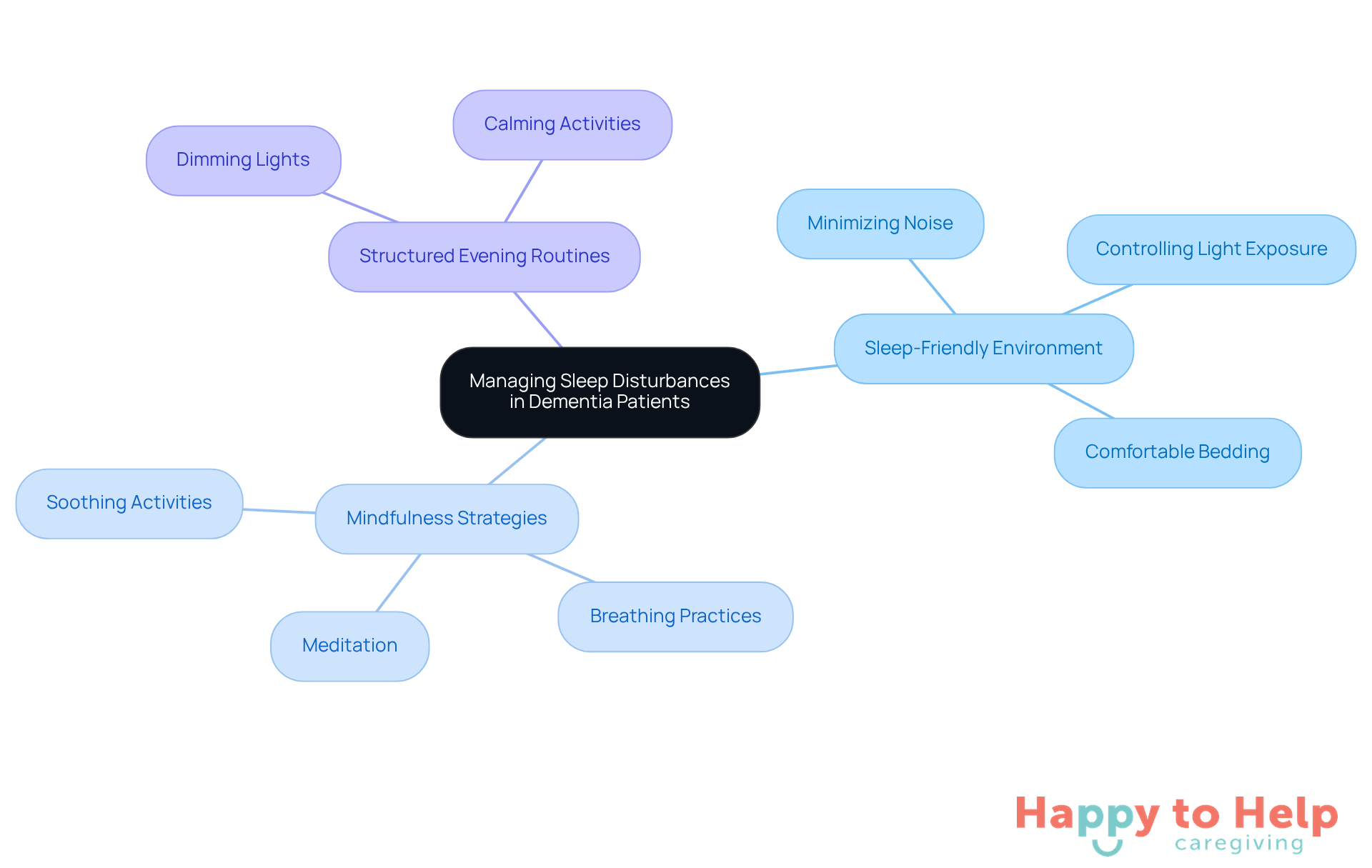
To address this problem, caregivers should create a sleep-friendly environment. This includes:
- Minimizing noise
- Controlling light exposure
- Ensuring comfortable bedding
For example, maintaining a bedroom temperature between 60° and 67°F, along with a cool, dark, and quiet space, can significantly enhance sleep quality.
Incorporating mindfulness-based strategies, such as meditation and breathing practices, can also be beneficial. Engaging in soothing activities like reading or listening to gentle music before bedtime helps ease anxiety and promotes relaxation.
Moreover, consistent sleep-wake patterns stabilize circadian rhythms, thereby reducing the chances of experiencing sundown delirium. Caregivers can implement structured evening routines that involve:
- Dimming lights
- Engaging in calming activities
These practices have proven effective in reducing agitation and improving overall sleep quality for dementia patients.
By fostering a nurturing sleep atmosphere and adhering to regular routines, caregivers can greatly enhance the well-being of those they care for.
Alzheimer's Association: Coping Strategies for Caregivers Facing Sundowning
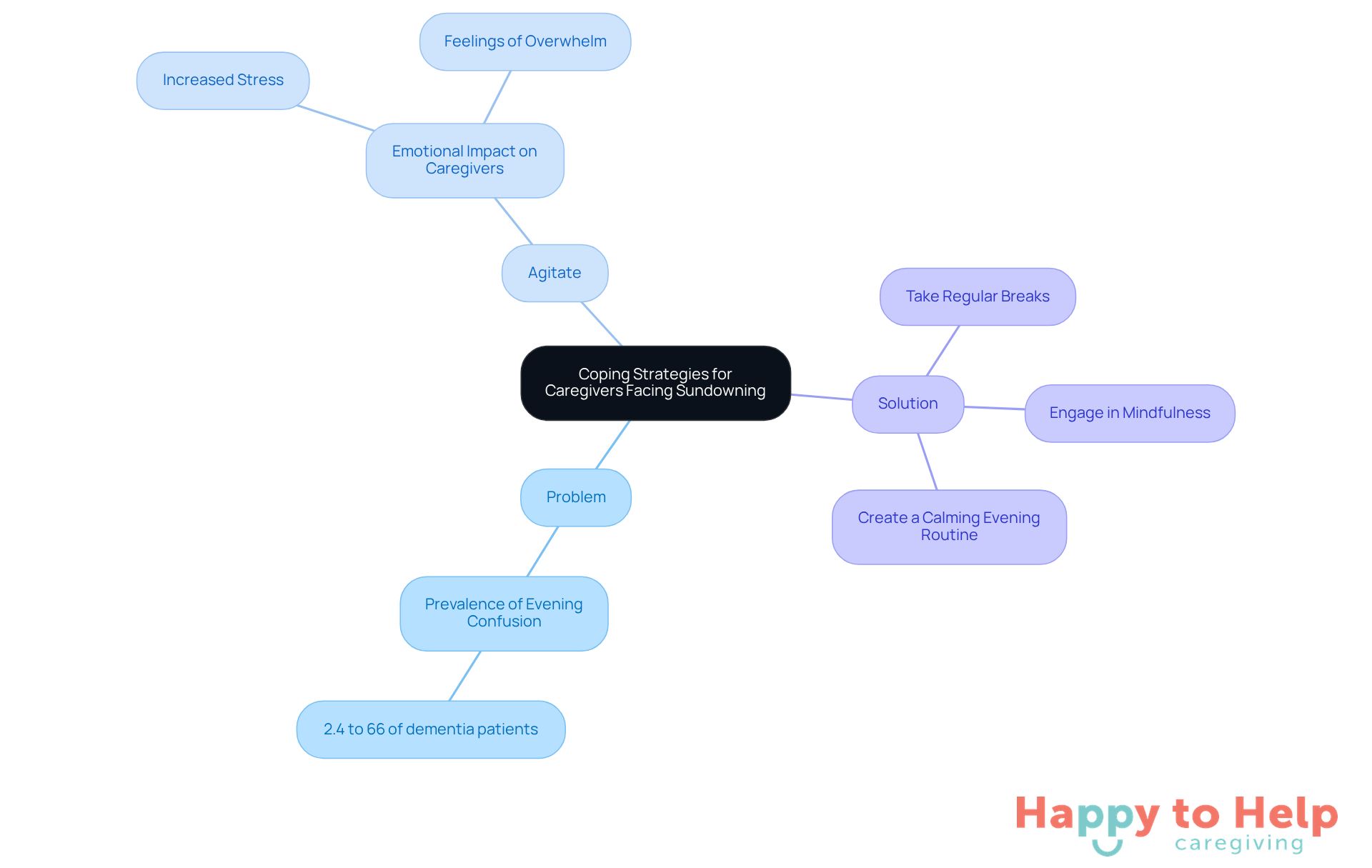
Problem: Evening confusion is a significant challenge for caregivers of individuals with dementia. This phenomenon affects a considerable number of patients, with prevalence rates ranging from 2.4% to 66%. Such confusion can lead to increased stress and anxiety for both caregivers and their loved ones.
Agitate: The implications of evening confusion are profound. Caregivers often feel overwhelmed, struggling to manage their own emotional well-being while providing support. Insufficient exposure to light and other environmental factors can exacerbate these episodes, making it crucial for caregivers to understand potential triggers and management techniques.
Solution: To combat these challenges, the Alzheimer's Association emphasizes the importance of self-care for caregivers. Here are some actionable strategies:
- Take Regular Breaks: Ensure you step away to recharge, allowing yourself time to relax.
- Engage in Mindfulness: Incorporate relaxation exercises into your routine to enhance emotional resilience.
- Create a Calming Evening Routine: Gentle stretching or listening to calming music can significantly reduce stress during difficult episodes.
Recent resources, such as the 'Empowered Caregiver' program, offer valuable tools and strategies for managing well-being effectively. By implementing these self-care practices, caregivers can not only improve their mental health but also foster a more supportive atmosphere for their loved ones.
Healthline: Practical Advice for Managing Sundowning Behaviors
Sundowning behaviors in dementia patients pose a significant challenge for caregivers. As night falls, individuals may experience increased anxiety and confusion, making it crucial for caregivers to maintain a calm demeanor. This situation can lead to heightened stress for both the caregiver and the patient, complicating the evening routine.
To effectively manage these behaviors, caregivers can employ several strategies:
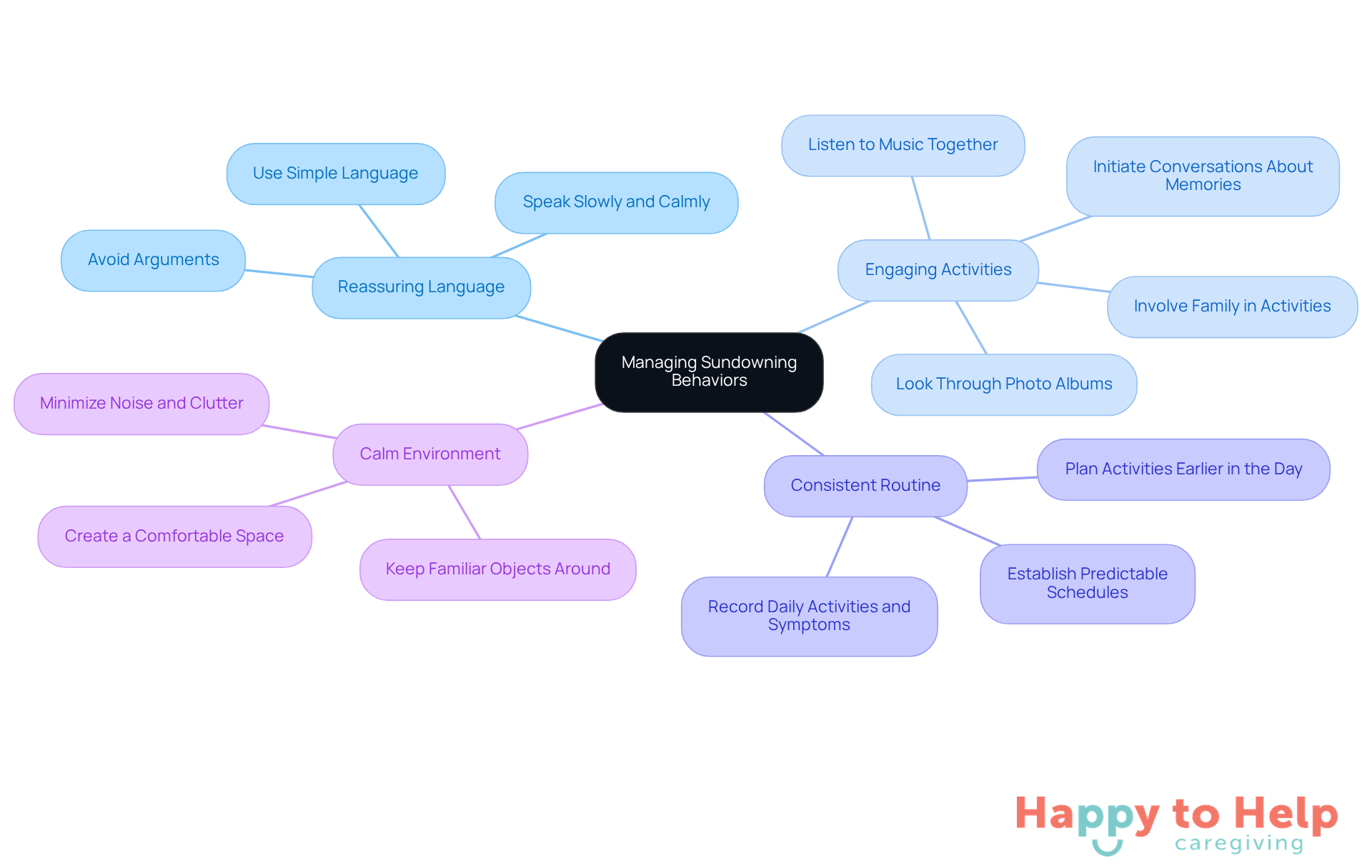
- Using simple, reassuring language is essential, as it helps to create a sense of security.
- Engaging individuals in familiar activities can also significantly decrease anxiety. For instance, caregivers might initiate conversations about cherished memories or involve family members in light, enjoyable activities like listening to music or looking through photo albums. These interactions not only provide comfort but also help anchor individuals in their reality, easing the transition into the night.
- Establishing a consistent routine is another effective solution. A predictable schedule can alleviate feelings of uncertainty, making evening hours more manageable for both caregivers and those they support. By fostering a calm environment and focusing on familiar activities, caregivers can create a supportive atmosphere that minimizes agitation and enhances the overall well-being of dementia patients.
It's important to recognize that nearly all individuals with Alzheimer's disease will experience some form of sundown delirium, making these strategies essential. Caregivers should remember to speak slowly and calmly, avoid arguments, and cherish every moment with their loved ones. As a poignant reminder, "the dementia patient is not giving you a difficult time. The dementia patient is having a hard time." By implementing these approaches, caregivers can navigate the challenges of sundown delirium with greater ease and compassion.
Your Path Forward
Sundown delirium presents a significant challenge for caregivers, leading to increased anxiety and confusion for individuals with dementia during evening hours. This condition not only affects the individuals but also places a heavy emotional burden on caregivers, making it crucial to address effectively.
To manage sundowning symptoms, caregivers can implement several key strategies:
- Optimizing lighting
- Maintaining a structured daily routine
- Minimizing sensory overload
- Engaging patients in gentle activities
- Using soothing music
- Ensuring adequate hydration and nutrition
These steps can significantly reduce agitation. Monitoring behaviors and adjusting care plans accordingly fosters a supportive atmosphere that prioritizes emotional stability for both caregivers and those receiving care.
Addressing sundown delirium is vital for enhancing the quality of life for both caregivers and individuals with dementia. By understanding the underlying triggers of evening confusion and prioritizing effective management techniques, caregivers can create a nurturing environment that alleviates distress. Embracing these strategies empowers caregivers to navigate the complexities of sundowning with greater confidence and compassion, ultimately leading to more peaceful and fulfilling evenings for everyone involved.
https://iframe.tely.ai/cta/eyJhcnRpY2xlX2lkIjogIjY5MjI0Zjc4ZmViYTIxODdjZTM2NWJlMSIsICJjb21wYW55X2lkIjogIjY4ZWU1ZGNhNzMxNzYyNTU3ZjNjOTVjMSIsICJpbmRleCI6IG51bGwsICJ0eXBlIjogImFydGljbGUifQ==Frequently Asked Questions
What is sundown delirium and why is it a challenge for caregivers?
Sundown delirium is a condition that causes heightened anxiety and confusion in clients during the evening hours, presenting significant challenges for caregivers in providing effective support.
How does Happy to Help Caregiving address sundown delirium?
Happy to Help Caregiving specializes in personalized in-home support that includes companionship care and palliative support, aiming to create a soothing atmosphere to alleviate anxiety and confusion for clients experiencing sundown delirium.
What strategies can caregivers use to manage sundown delirium?
Caregivers can manage sundown delirium by upholding a regular schedule, involving clients in calming activities, optimizing lighting to minimize shadows, establishing a consistent daily routine, and engaging patients in soothing activities during late afternoon and evening.
How important is lighting in managing evening confusion?
Optimizing lighting is essential in managing evening confusion, as minimizing shadows can help reduce confusion and anxiety in dementia patients.
What role does routine play in alleviating sundown delirium symptoms?
Establishing a consistent daily routine fosters a sense of security for patients, as predictability can significantly alleviate distress associated with sundown delirium.
What dietary considerations should caregivers keep in mind for individuals with dementia?
Caregivers should limit caffeine and sugar intake in the late afternoon, as these substances can disrupt sleep and lead to increased restlessness, exacerbating sundown delirium symptoms.
How can physical activities during the day impact nighttime rest?
Engaging patients in gentle physical activities, like walking or stretching, during the day can significantly improve their sleep at night, helping to reduce confusion and agitation in the evening.
What evidence supports the effectiveness of these strategies in managing sundown delirium?
Research indicates that organized settings and minimized sensory overload can enhance emotional stability, with studies showing that up to 60% of dementia patients experience relief from evening agitation when these strategies are applied. Case studies also reveal notable decreases in sundown delirium behaviors when caregivers implement these approaches.
List of Sources
- Happy to Help Caregiving: Personalized In-Home Support for Sundown Delirium
- Sundowning: Dementia stages and how to manage (https://medicalnewstoday.com/articles/what-stage-of-dementia-is-sundowning)
- CaringBridge (https://caringbridge.org/resources/inspirational-quotes-on-caregiving)
- 4 Inspiring Quotes for Caring for a Loved One With Alzheimer’s | myALZteam (https://myalzteam.com/resources/inspiring-quotes-for-caring-for-a-loved-one-with-alzheimers)
- Sundowning Syndrome in Dementia: Mechanisms, Diagnosis, and Treatment - PMC (https://pmc.ncbi.nlm.nih.gov/articles/PMC11856004)
- Top List of Inspirational Dementia Quotes for Caregivers (https://rochesterlawcenter.com/dementia-resources/dementia-quotes)
- Mayo Clinic: Expert Guidance on Treating Sundowning Symptoms
- Mayo Clinic Q and A: 4 ways to reduce your risk of dementia - Mayo Clinic News Network (https://newsnetwork.mayoclinic.org/discussion/mayo-clinic-q-and-a-4-ways-to-reduce-your-risk-of-dementia)
- Sundowning Syndrome in Dementia: Mechanisms, Diagnosis, and Treatment - PMC (https://pmc.ncbi.nlm.nih.gov/articles/PMC11856004)
- Alzheimer's: New tool may predict 10-year and lifetime memory risk (https://medicalnewstoday.com/articles/new-tool-predicts-future-alzheimers-memory-risk-age-genetics)
- 11 Ways to Manage Sundown Syndrome (https://aarp.org/caregiving/medical/ways-to-manage-sundown-syndrome)
- Mayo Clinic expert provides tips for reducing dementia risk - Mayo Clinic News Network (https://newsnetwork.mayoclinic.org/discussion/mayo-clinic-expert-provides-tips-for-reducing-dementia-risk)
- Cleveland Clinic: Strategies for Preventing and Managing Sundown Syndrome
- Sundown Syndrome Treatment: 9 Ways to Cope Effectively - NCCDP (https://nccdp.org/sundown-syndrome-treatment-9-ways-to-cope-effectively)
- Tips for Managing Sundowning (https://brightfocus.org/resource/tips-for-managing-sundowning)
- Human Factors for Dementia: Evidence-Based Design: Volume IX: Aging, Gender and Work, Anthropometry, Ergonomics for Children and Educational Environments | Request PDF (https://researchgate.net/publication/326850524_Human_Factors_for_Dementia_Evidence-Based_Design_Volume_IX_Aging_Gender_and_Work_Anthropometry_Ergonomics_for_Children_and_Educational_Environments)
- Effect of caffeine on sleep and behaviour in nursing home residents with dementia - PMC (https://pmc.ncbi.nlm.nih.gov/articles/PMC6267648)
- Sundown Syndrome: Causes, Treatment & Symptoms (https://my.clevelandclinic.org/health/articles/22840-sundown-syndrome)
- Alzheimers.org.uk: Understanding Symptoms and Causes of Sundowning
- The 1 Dementia Symptom We Don't Talk About Enough (https://huffpost.com/entry/sundowning-is-the-dementia-symptom-we-dont-talk-about-enough-g_l_691f838ce4b047290e295f4b)
- (PDF) Sundown syndrome in patients with Alzheimer’s disease dementia (https://researchgate.net/publication/337849146_Sundown_syndrome_in_patients_with_Alzheimer's_disease_dementia)
- My experience of ‘sundowning’ as a person living with dementia (https://alzheimers.org.uk/get-support/publications-and-factsheets/dementia-together/my-experience-sundowning)
- 'Sundowning' Is The Dementia Symptom We Don't Talk About Enough (https://uk.news.yahoo.com/sundowning-dementia-symptom-dont-talk-023103524.html)
- (PDF) Treatment options for sundowning in patients with dementia (https://researchgate.net/publication/271727101_Treatment_options_for_sundowning_in_patients_with_dementia)
- Medilodge at the Shore: Practical Tips to Reduce Sundowning Delirium
- How a Consistent Bedtime Routine Reduces Sundowning in Dementia Residents (https://bethelgardens.com/how-a-consistent-bedtime-routine-reduces-sundowning-in-dementia-residents)
- 10 Tips to Recognize & Reduce Sundowning Delirium in Dementia Patients (https://medilodgeofplymouth.com/announcement/10-tips-to-recognize-reduce-sundowning-delirium-in-dementia-patients)
- Calming Evening Routines to Reduce Sundowning in Memory Care Communities (https://lyndaleabilenemc.com/blog/calming-evening-routines-to-reduce-sundowning-in-a-memory-care)
- Top Sundowning Tips for Dementia Caregivers | CareYaya (https://careyaya.org/resources/blog/sundowning-dementia-tips-for-caregivers)
- Sundowning: Common Triggers & How To Create A Calmer Evening (https://trualta.com/resources/blog/sundowning-common-triggers-how-to-create-a-calmer-evening)
- Dementiasplatform.uk: Insights into Sundowning and Its Effects
- Sundowning: the condition with symptoms that appear at sunset (https://dementiasplatform.uk/news-and-media/blog/sundowning-the-condition-with-symptoms-that-appear-at-sunset)
- 'Sundowning' Is The Dementia Symptom We Don't Talk About Enough (https://uk.news.yahoo.com/sundowning-dementia-symptom-dont-talk-023103524.html)
- Sundown Syndrome in Persons with Dementia: An Update - PMC (https://pmc.ncbi.nlm.nih.gov/articles/PMC3246134)
- Sundowning in Patients with Dementia: Identification, Prevalence, and Clinical Correlates - Marco Toccaceli Blasi, Martina Valletta, Alessandro Trebbastoni, Fabrizia D’Antonio, Giuseppina Talarico, Alessandra Campanelli, Micaela Sepe Monti, Emanuela Salati, Marina Gasparini, Simona Buscarnera, Martina Salzillo, Marco Canevelli, Giuseppe Bruno, Carlo Abbate, 2023 (https://journals.sagepub.com/doi/abs/10.3233/JAD-230094)
- Clock changes and dementia: Tips for managing the challenge (https://deseret.com/family/2025/10/29/time-change-alzheimers-dementia-patients-caregivers-struggle-sundowning)
- PMC: Research Insights on Sundown Syndrome in Dementia Patients
- Sundowning Syndrome in Dementia: Mechanisms, Diagnosis, and Treatment - PMC (https://pmc.ncbi.nlm.nih.gov/articles/PMC11856004)
- Dementia and Behavior Changes at Sundown (https://healthcare.utah.edu/healthfeed/2022/03/dementia-and-behavior-changes-sundown)
- (PDF) Sundown syndrome in patients with Alzheimer’s disease dementia (https://researchgate.net/publication/337849146_Sundown_syndrome_in_patients_with_Alzheimer's_disease_dementia)
- Wandering & Sundowning in Dementia (https://practicalneurology.com/diseases-diagnoses/alzheimer-disease-dementias/wandering-sundowning-in-dementia/31912)
- (PDF) Treatment options for sundowning in patients with dementia (https://researchgate.net/publication/271727101_Treatment_options_for_sundowning_in_patients_with_dementia)
- National Institute on Aging: Guidelines for Managing Sleep Disturbances
- Geriatric Sleep Disorder Treatment & Management: Approach Considerations (https://emedicine.medscape.com/article/292498-treatment)
- Addressing Sleep Disturbances Through Behavioral Interventions in Elderly - Supportive Care (https://thesupportivecare.com/blog/addressing-sleep-disturbances-through-behavioral-interventions-in-elderly)
- Restful Nights: Strategies for Managing Sleep Disorders in Older Adults (https://npjournal.org/article/S1555-4155(24)00381-7/fulltext)
- Sleep Disorders & Dementia (https://practicalneurology.com/diseases-diagnoses/alzheimer-disease-dementias/sleep-disorders-dementia/31539)
- Alzheimer's Association: Coping Strategies for Caregivers Facing Sundowning
- Tips for Managing Sundowning (https://brightfocus.org/resource/tips-for-managing-sundowning)
- Alzheimer’s Association Honors the Nearly 12 Million Americans Who Serve as Dementia Caregivers and Shares New Resources to Help Them Thrive (https://alz.org/news/2025/november-national-family-caregivers-alzheimers-disease-awareness-month)
- How Sundowners Affects Caregivers: Managing Stress & Fatigue (https://trualta.com/resources/blog/how-sundowners-affects-caregivers-managing-stress-fatigue)
- Sundown Syndrome in Persons with Dementia: An Update - PMC (https://pmc.ncbi.nlm.nih.gov/articles/PMC3246134)
- Clock changes and dementia: Tips for managing the challenge (https://deseret.com/family/2025/10/29/time-change-alzheimers-dementia-patients-caregivers-struggle-sundowning)
- Healthline: Practical Advice for Managing Sundowning Behaviors
- Sundowning, Alzheimer’s, and Dementia: 8 Facts for Caregivers To Know | myALZteam (https://myalzteam.com/resources/sundowning-and-alzheimers)
- Caregiver Dementia Quotes (Encouragement For Dementia Caregivers) (https://optoceutics.com/caregiver-dementia-quotes-encouragement-dementia-caregivers?srsltid=AfmBOorLmDwfqEU5VzpnOlsyKKnpVGsQGjILt8ZfvMKOoBrZb7LUU4K4)
- Sundowning: What to know if your loved one with dementia experiences late-day symptoms - Harvard Health (https://health.harvard.edu/mind-and-mood/sundowning-what-to-know-if-your-loved-one-with-dementia-experiences-late-day-symptoms)
- Coping With Agitation, Aggression, and Sundowning in Alzheimer's Disease (https://nia.nih.gov/health/alzheimers-changes-behavior-and-communication/coping-agitation-aggression-and-sundowning)