10 Essential Tips for Managing Sundowning Delirium in Dementia

For families in our service areas
For families in our service areas, this guide explains dementia care and how non-medical in-home caregiving can support care planning in East Idaho, Treasure Valley & Magic Valley, Northern Wasatch, North Central West Virginia, and Northeast Ohio.
The Importance of Tips for Managing Sundowning Delirium
Sundowning delirium poses a significant challenge for caregivers and individuals with dementia. As the sun sets, confusion often escalates, leading to increased anxiety and agitation. This makes evenings particularly distressing for both caregivers and their loved ones.
Understanding the implications of this phenomenon is crucial. The heightened confusion can create a cycle of distress that affects the emotional well-being of caregivers, compounding their stress and fatigue.
However, there are effective techniques that caregivers can employ to create a calming evening environment. By exploring essential strategies for managing these symptoms, caregivers can enhance the quality of life for their loved ones while alleviating their own emotional burden.
What practical solutions can be implemented to reduce the impact of sundowning behaviors?
Happy to Help Caregiving: Personalized In-Home Support for Sundowning Management
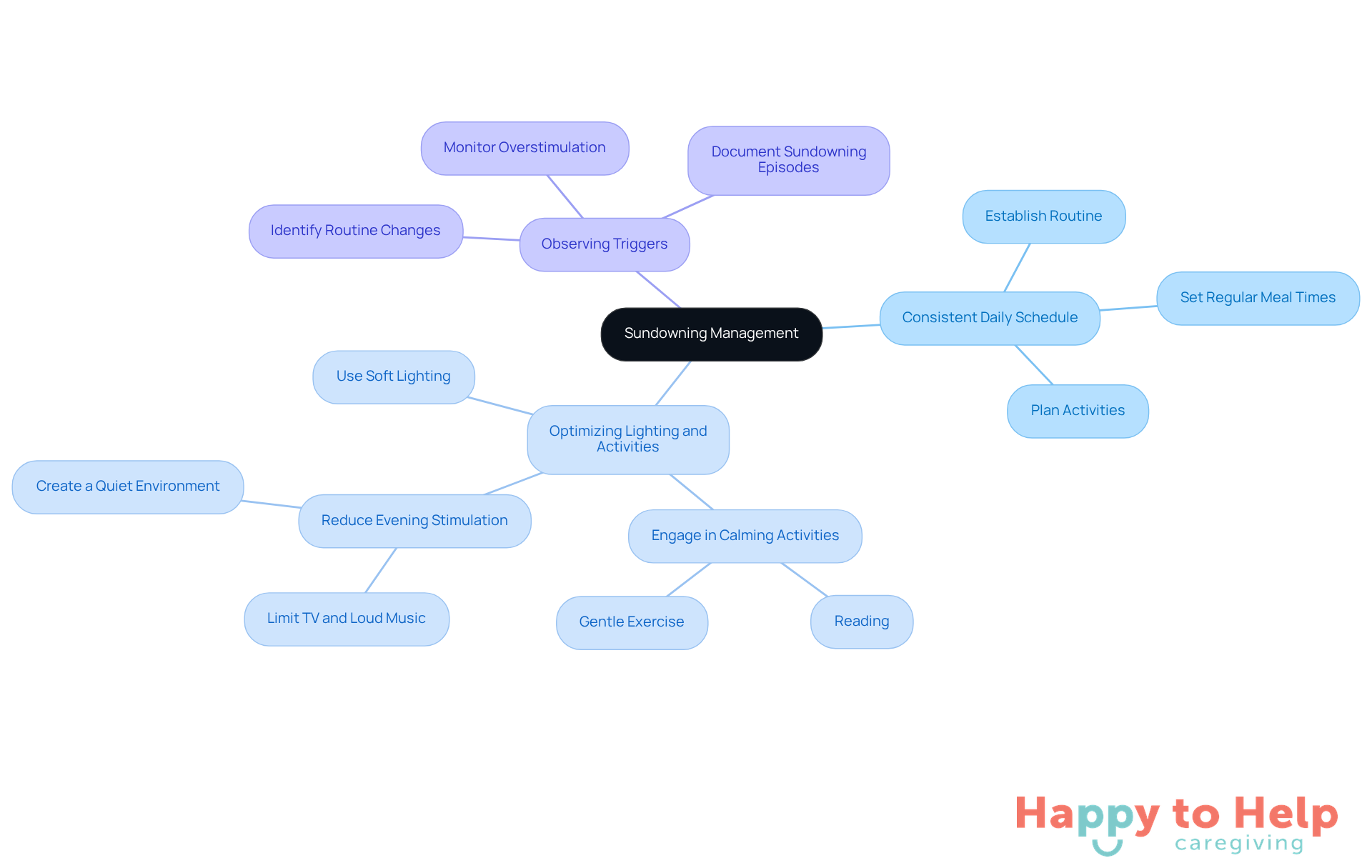
Sundowning delirium can create significant challenges for individuals and their caregivers during the evening. Sundowning delirium often leads to heightened anxiety and agitation, making it difficult for clients to feel comfortable in their own homes. Caregivers must recognize the early signs of this confusion to effectively manage its impact.
To address this issue, caregivers can implement several practical strategies:
- Establishing a consistent daily schedule helps create a sense of stability.
- Optimizing lighting conditions and engaging clients in calming activities during the late afternoon and evening can further foster a peaceful atmosphere.
- Caregivers should be vigilant in observing triggers that may initiate episodes of sundowning delirium, such as changes in routine or overstimulation.
By cultivating a familiar and safe environment, caregivers can significantly reduce the anxiety often associated with evening agitation. This personalized approach not only enhances the quality of care but also instills a sense of reassurance for both clients and their families. Happy to Help Caregiving is dedicated to supporting families through these challenges, recognizing the financial and emotional strains that caregivers face.
Mayo Clinic: Expert Guidance on Treating Sundowning Symptoms
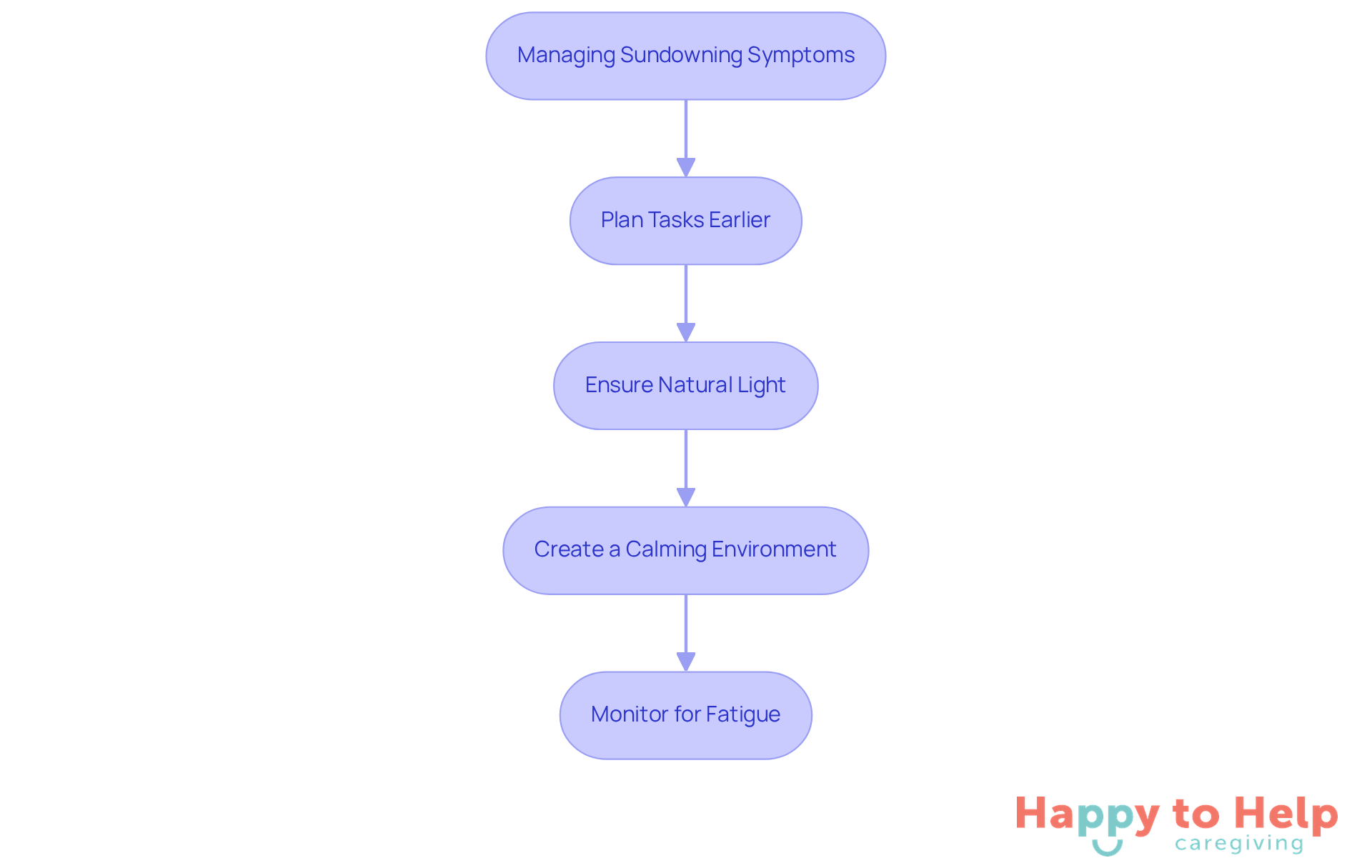
Sundowning delirium can present significant challenges for caregivers due to the evening confusion symptoms. These symptoms often lead to increased agitation and distress for both the individual and their caregivers, especially in instances of sundowning delirium, making it crucial to establish a structured routine.
To address this issue, caregivers should consider several practical strategies:
- Planning tasks earlier in the day can help manage expectations and reduce stress.
- Ensuring that the person receives ample natural light throughout the day is also vital, as it can positively impact their mood and alertness.
- Creating a calming environment in the evening is essential to help reduce sundowning delirium. This can be achieved by minimizing noise and distractions, which can exacerbate confusion.
- Caregivers should also be vigilant for signs of fatigue and adjust activities accordingly to prevent overstimulation, which can worsen evening confusion behaviors.
By implementing these strategies, caregivers can significantly improve the quality of life for those experiencing evening confusion.
Dementia UK: Effective Strategies for Communicating with Sundowning Patients
Dementia UK highlights a significant challenge: many individuals with dementia experience sundowning delirium, leading to nighttime confusion. This can be distressing not only for them but also for their caregivers, who often struggle to provide the necessary support during times of sundowning delirium. Caregivers may feel overwhelmed, unsure of how to effectively communicate and comfort their loved ones.
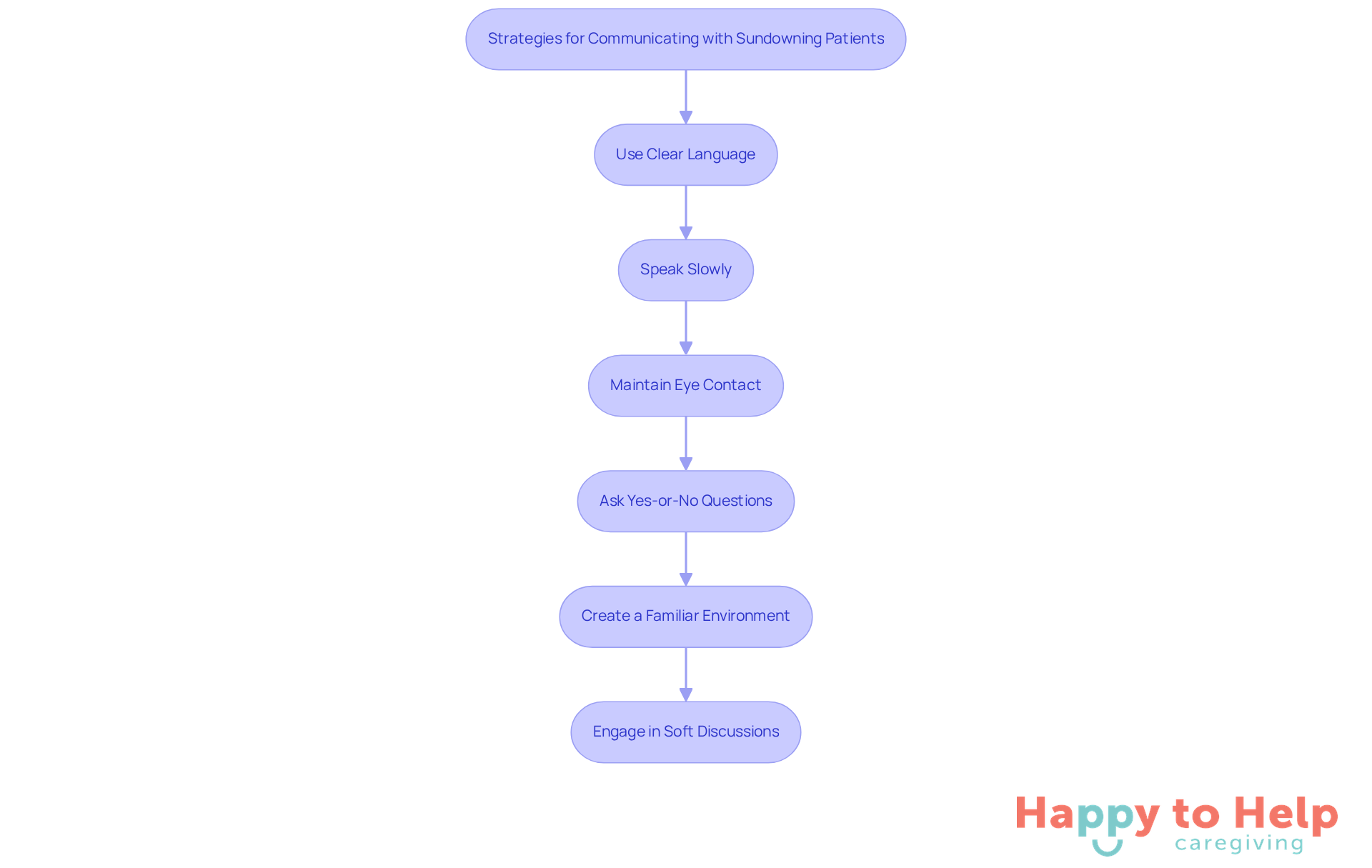
To address this issue, caregivers can adopt several practical strategies:
- Using straightforward, clear language is essential.
- Speaking slowly and employing short sentences can help prevent overwhelming the person.
- Maintaining eye contact and using reassuring gestures can also foster a sense of safety and understanding.
- Asking yes-or-no questions, as these are generally more effective than open-ended inquiries.
- Creating a familiar environment filled with personal items can ground the individual, reducing feelings of disorientation.
- Engaging in soft discussions about known subjects not only provides comfort but also serves as a distraction from the symptoms of sundowning delirium.
Recent research underscores the effectiveness of these methods, showing that they can significantly enhance interactions and promote a feeling of safety for those affected by nighttime confusion. Moreover, participating in enjoyable daytime activities can help regulate the body clock, which is crucial for managing evening confusion behaviors. With approximately 20% of people with dementia experiencing sundowning delirium at night, these strategies are particularly relevant for caregivers.
WebMD: Understanding Sundowning Symptoms and Triggers
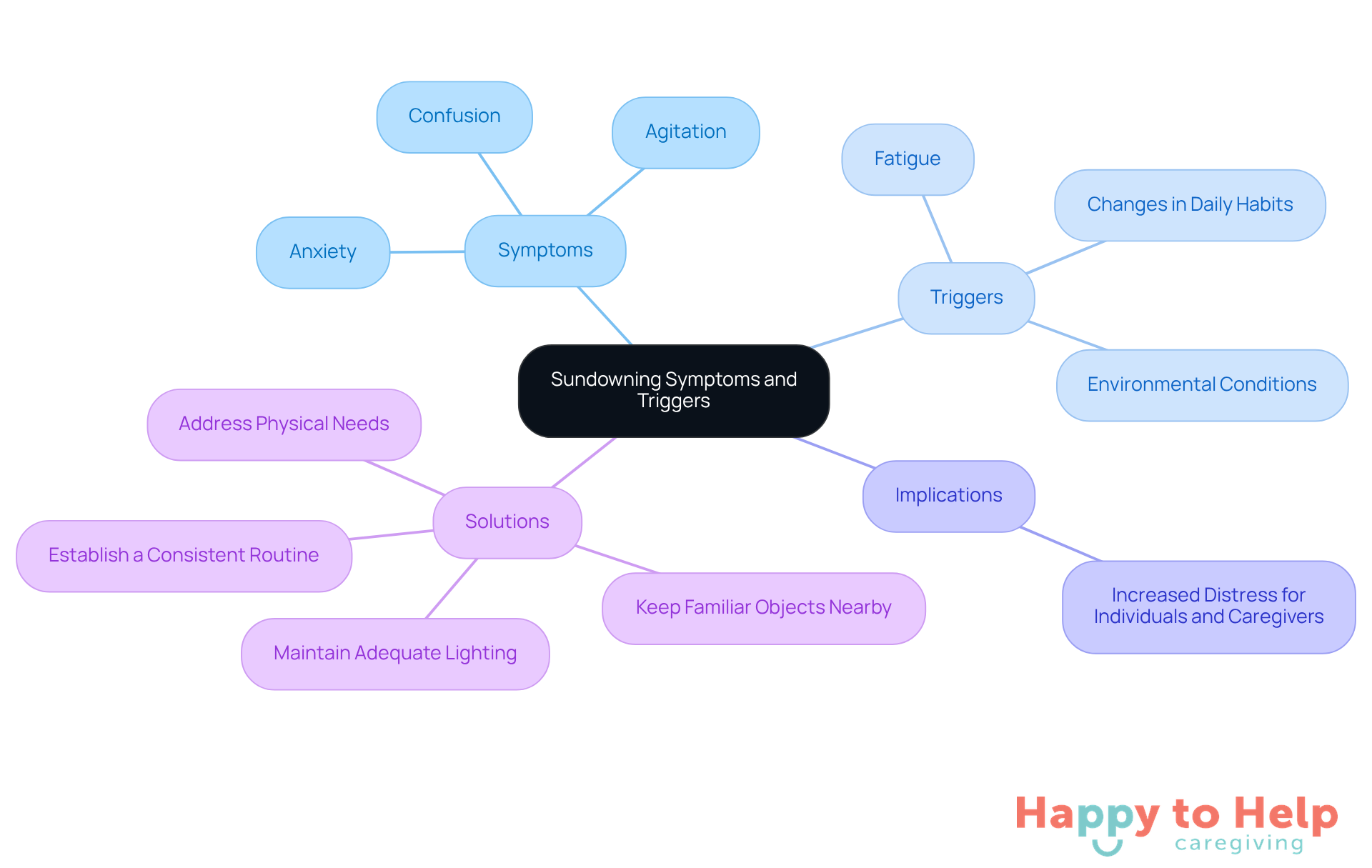
Sundowning delirium presents a significant challenge for caregivers, as heightened confusion, agitation, and anxiety often escalate with the setting sun. These symptoms can be triggered by various factors, including fatigue, changes in daily habits, and environmental conditions like poor lighting and excessive noise.
The implications of these symptoms are profound, as they can lead to increased distress for both the individual and their caregivers. For instance, inadequate lighting can create shadows that exacerbate confusion, while noise can heighten agitation.
To address these challenges, caregivers can implement several practical solutions:
- Maintain adequate lighting in the home during evening hours to reduce confusion caused by shadows.
- Keep familiar objects nearby to provide comfort and reassurance, helping to alleviate feelings of disorientation.
- Address physical needs such as hunger, discomfort, or pain, as these can worsen evening confusion behaviors.
- Establish a consistent routine and minimize distractions to create a calming atmosphere, allowing individuals to feel more secure as day turns to night.
Recent studies highlight the importance of environmental modifications, showing that simple changes can lead to significant improvements in managing symptoms of sundowning delirium. With prevalence rates of evening confusion ranging from 2.5% to 66%, it is essential for caregivers to adopt these strategies to enhance the well-being of their loved ones.
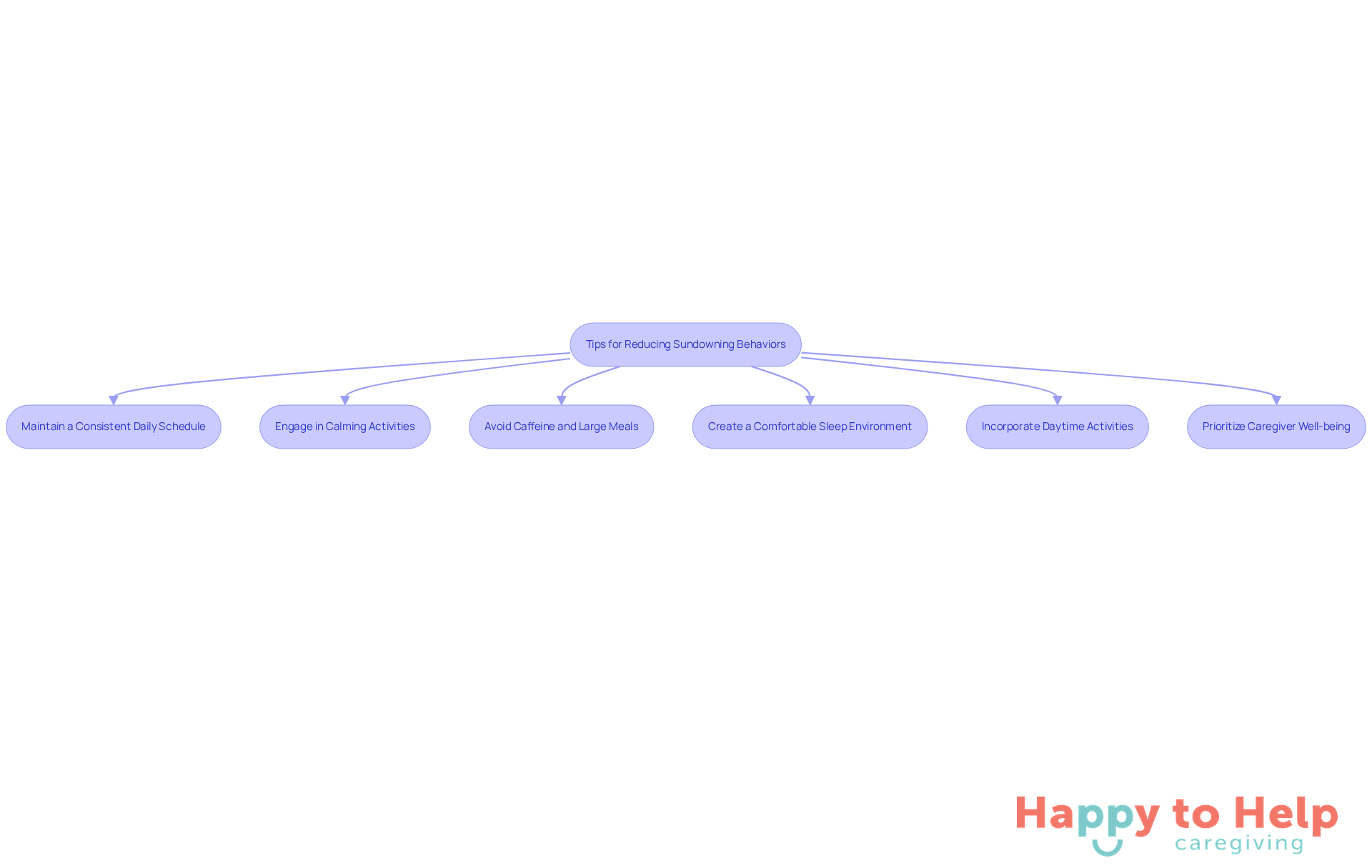
Alzheimer's Association: Tips for Reducing Sundowning Behaviors
Sundowning delirium in individuals with dementia can create significant challenges for caregivers. These behaviors often lead to increased anxiety and confusion, particularly during sundowning delirium in the evening hours. The emotional toll on caregivers can be overwhelming, impacting their ability to provide effective care.
To mitigate these issues, several effective strategies can be implemented:
- Maintaining a consistent daily schedule is paramount; it provides structure and predictability, which can significantly reduce anxiety.
- Engaging in calming activities before bedtime, such as gentle music or aromatherapy, can create a soothing atmosphere that promotes relaxation.
- Caregivers should avoid caffeine and large meals in the evening, as these can interfere with sleep patterns and worsen evening confusion symptoms.
- Creating a comfortable sleep environment is essential; ensuring adequate lighting and minimizing noise can help foster a sense of security.
- Incorporating daytime activities like walking or gardening can assist in using energy and decreasing restlessness, further contributing to the management of evening confusion.
- It's crucial for caregivers to prioritize their own well-being, as their emotional health directly impacts their caregiving abilities.
By incorporating these practices into the evening routine, caregivers can facilitate a more peaceful transition into nighttime, ultimately enhancing the well-being of both themselves and their loved ones.
Cleveland Clinic: Treatment Options and Prevention for Sundowning
Managing sundowning delirium in dementia patients presents a significant challenge for caregivers. These symptoms can lead to increased agitation and confusion during the evening hours, resulting in sundowning delirium, which makes it difficult for both patients and their caregivers to find peace at night.
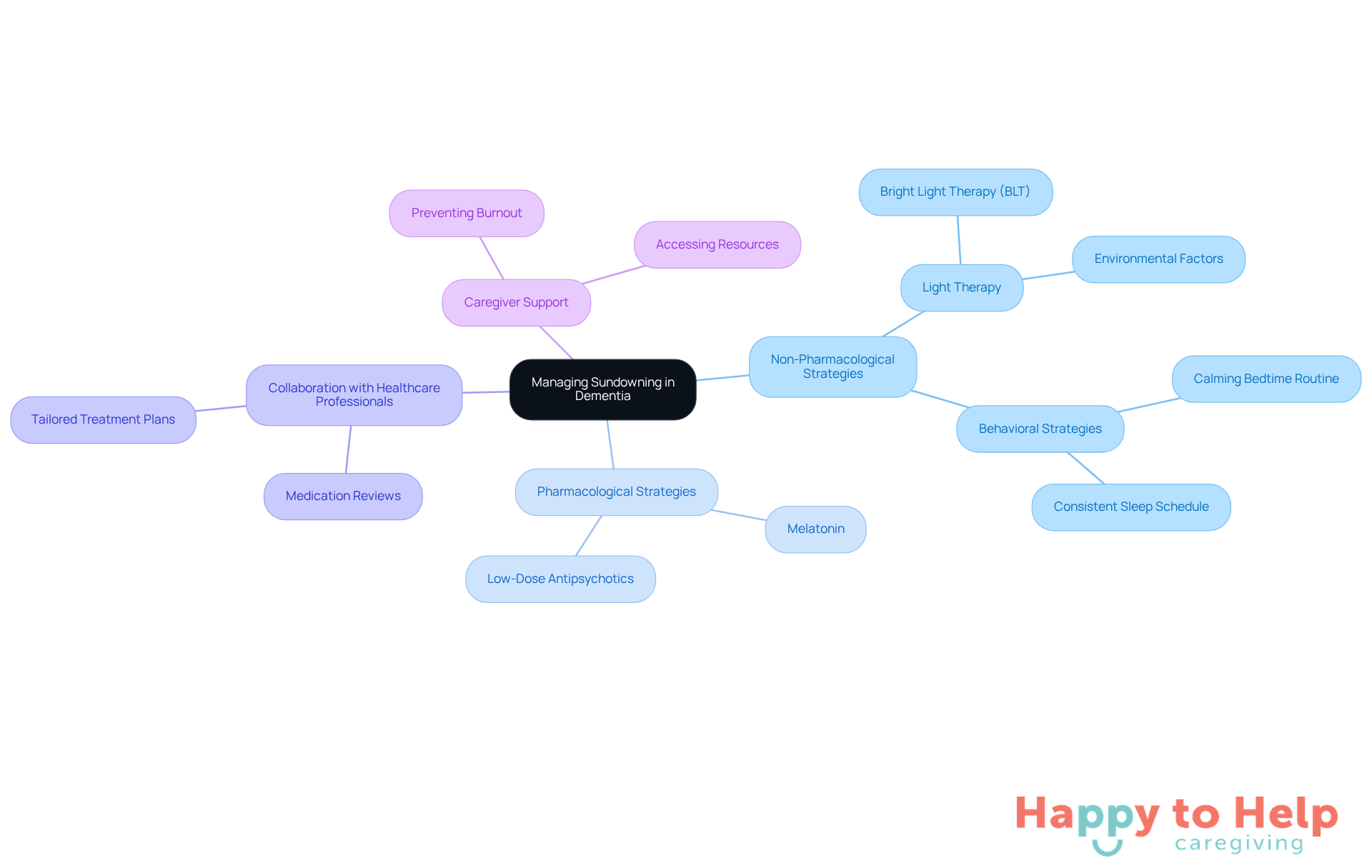
To address this issue, the Cleveland Clinic suggests a dual approach that combines pharmacological and non-pharmacological strategies. Non-medication interventions, particularly light therapy, have shown promise in regulating circadian rhythms. A small study indicated that bright light therapy can lead to measurable improvements in sleep quality and reduce restlessness in dementia patients, especially when administered consistently.
In addition to light therapy, caregivers can implement behavioral strategies. Creating a calming bedtime routine with soothing activities and establishing a consistent schedule can effectively reduce agitation and confusion. When symptoms are severe, healthcare providers may prescribe medications like melatonin or low-dose antipsychotics. However, caregivers should be aware of the potential side effects associated with these treatments.
Collaboration with healthcare professionals is crucial for tailoring treatment plans to meet individual needs, ensuring a holistic approach to care. Furthermore, seeking caregiver support is essential for managing nighttime disruptions and preventing burnout, making it a vital aspect of the caregiving experience.
Neurology Advisor: Case Studies on Managing Sundowning in Dementia
Sundowning delirium in dementia patients creates a significant challenge for caregivers during the evening. This condition can lead to increased agitation and distress, which may result in sundowning delirium that impacts both the patients and their families. Caregivers often struggle to manage these behaviors effectively, which can result in frustration and exhaustion.
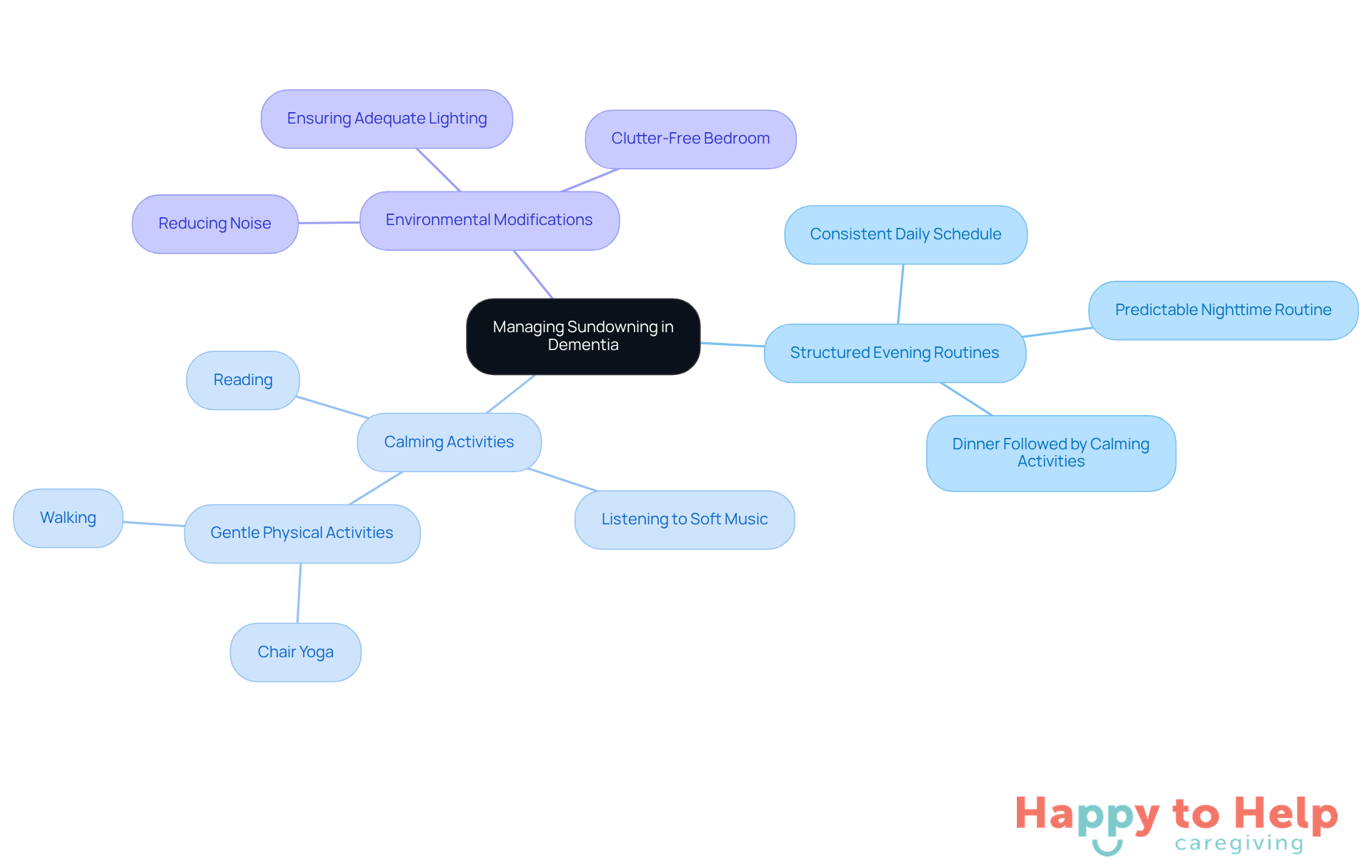
To address this issue, implementing structured evening routines can be highly beneficial. For instance, one case study demonstrated that incorporating calming activities, such as reading and listening to soft music, significantly reduced agitation in patients. Additionally, environmental modifications play a crucial role. Reducing noise and ensuring adequate lighting can help alleviate confusion, as highlighted in another case.
These examples underscore the effectiveness of customized interventions in managing behaviors associated with sundowning delirium. By adopting these strategies, caregivers can create a more peaceful environment, ultimately improving the quality of life for both patients and their families.
Medilodge at the Shore: Practical Tips for Recognizing and Reducing Sundowning
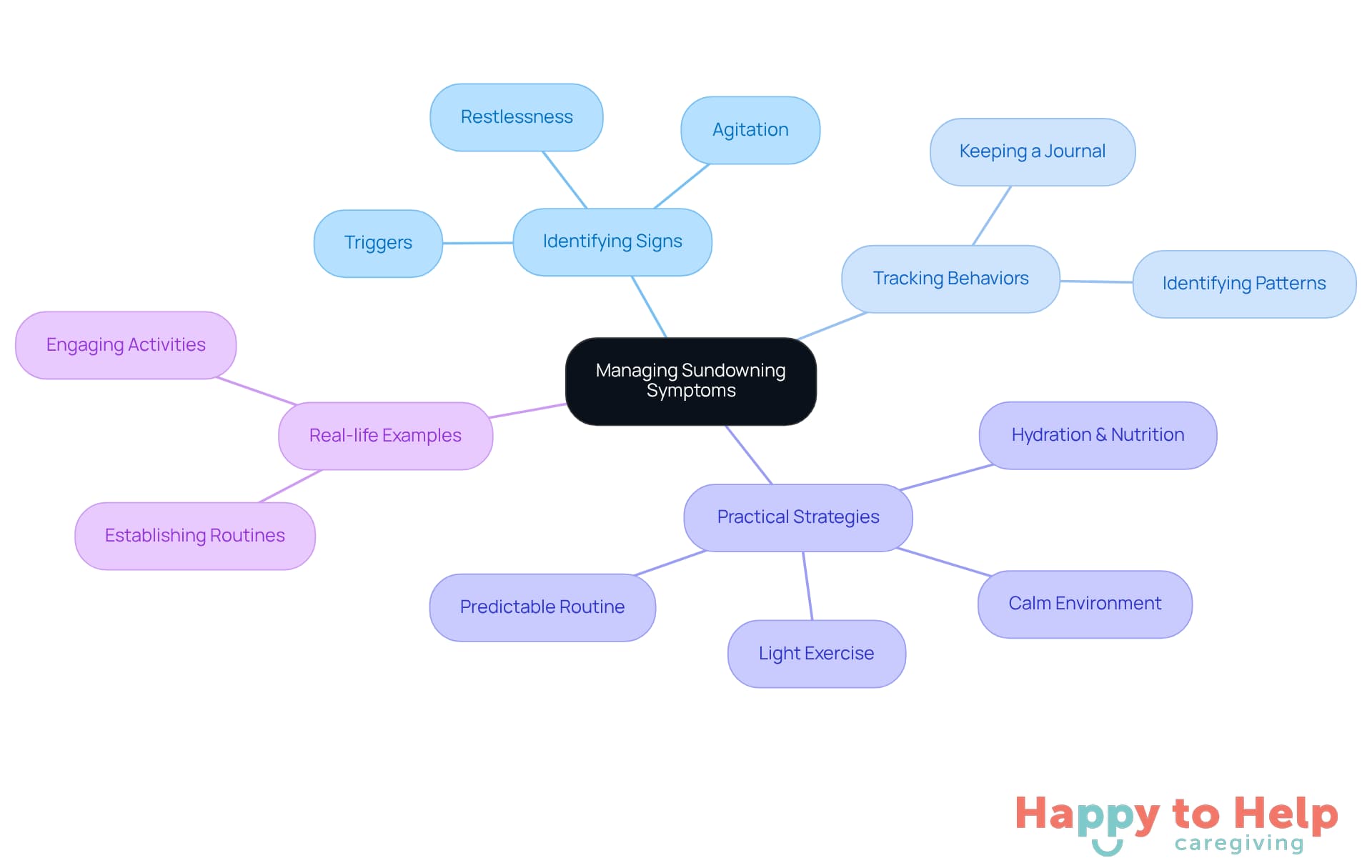
Identifying the early signs of evening confusion, such as heightened restlessness or agitation, is crucial for effective management. Caregivers face the challenge of recognizing these behaviors, which can lead to increased stress and difficulty in providing care. Keeping a journal to track these behaviors can help pinpoint potential triggers. Recent recommendations emphasize that recording patterns can reveal connections between daily activities and the emergence of evening-related symptoms. For instance, caregivers might observe that increased agitation often follows long daytime naps or occurs during specific evening routines.
To address these challenges, practical strategies can significantly reduce the symptoms of sundowning delirium. Creating a calm environment by minimizing noise and distractions is essential. Additionally, ensuring that individuals are well-hydrated and have had adequate meals can help mitigate restlessness. Engaging in light physical exercise during the day, such as short walks or gentle stretching, promotes relaxation and eases the transition into a calm evening routine.
Real-life examples illustrate the effectiveness of these strategies. Caregivers have reported success in reducing evening agitation by establishing a predictable routine that includes enjoyable tasks, such as folding laundry or listening to soothing music. These activities not only distract from feelings of anxiety but also foster a sense of accomplishment and normalcy.
Integrating these practical tips can greatly enhance the quality of life for both caregivers and individuals facing sundowning delirium, making nighttime hours more manageable and tranquil. It's important to recognize that the occurrence of evening agitation syndrome (SS) varies from 1.6% to 66% among dementia patients, underscoring the significance of these strategies. Behavioral interventions, including structured daily routines and physical exercises, are crucial for managing SS effectively. Environmental factors, such as light exposure, should also be considered, as they can exacerbate symptoms. As one expert noted, "Involving individuals in activities they enjoy can act as a diversion during evening confusion episodes.
Dementias Platform UK: Understanding Sundowning as a Condition
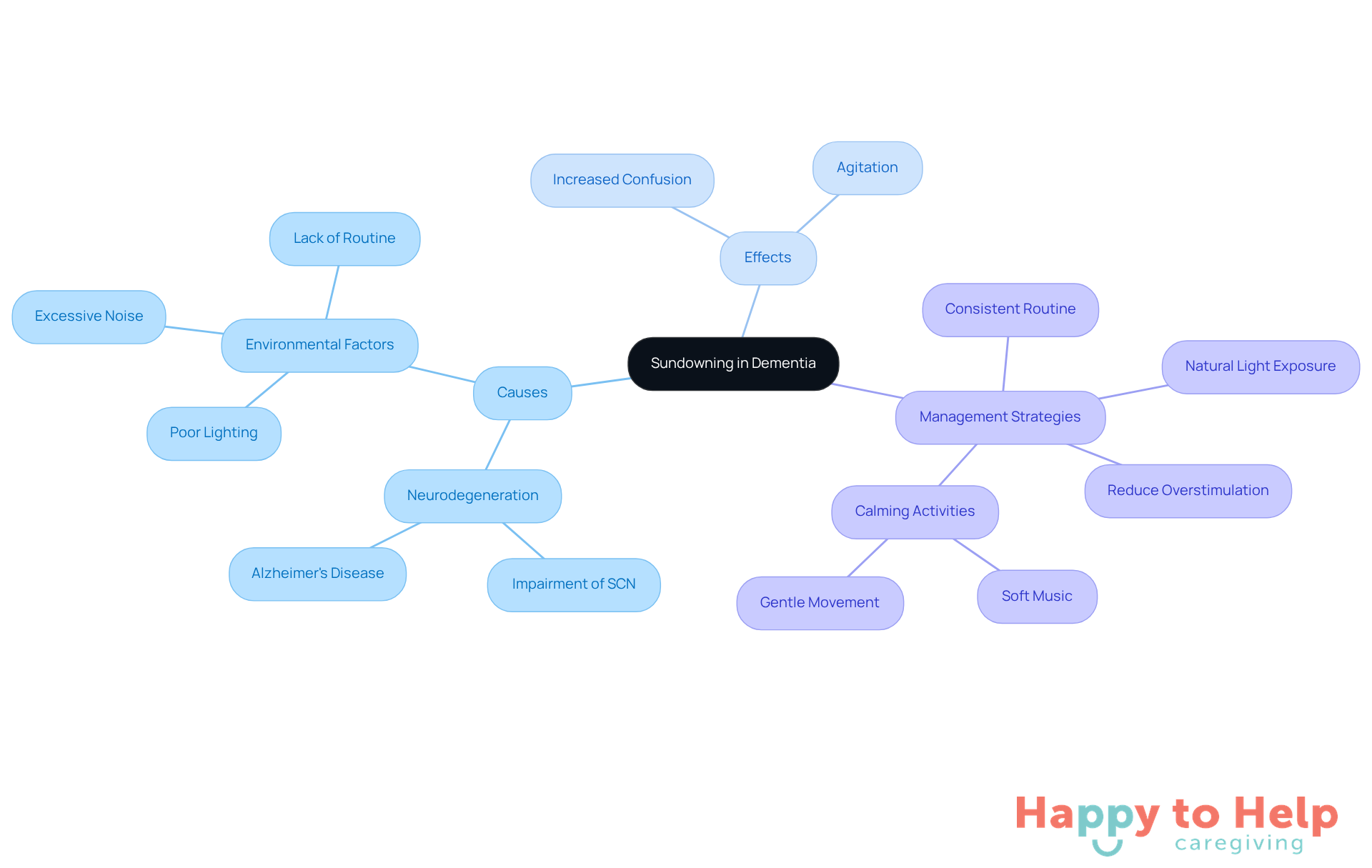
Dementias Platform UK highlights a significant challenge for caregivers: increased confusion and agitation in dementia patients, particularly during the late afternoon and evening. This phenomenon, often linked to changes in the body's internal clock, can be worsened by environmental factors like poor lighting and excessive noise. Research shows that neurodegeneration in conditions such as Alzheimer's disease can impair the suprachiasmatic nucleus (SCN), which regulates circadian rhythms, leading to increased sundowning delirium symptoms.
To address this issue, caregivers must create a supportive environment that minimizes triggers. Here are some effective strategies:
- Maintain a consistent daily routine.
- Ensure exposure to natural light during the day.
- Reduce overstimulation in the evening.
Implementing calming activities and playing soft music can significantly ease agitation. Experts stress the importance of understanding these dynamics, as a personalized approach that combines both pharmacological and non-pharmacological interventions is crucial for effective management. By recognizing the signs and applying these strategies, caregivers can greatly enhance the well-being of individuals facing late-day confusion.
PMC NCBI: Academic Insights into Sundown Syndrome and Treatment
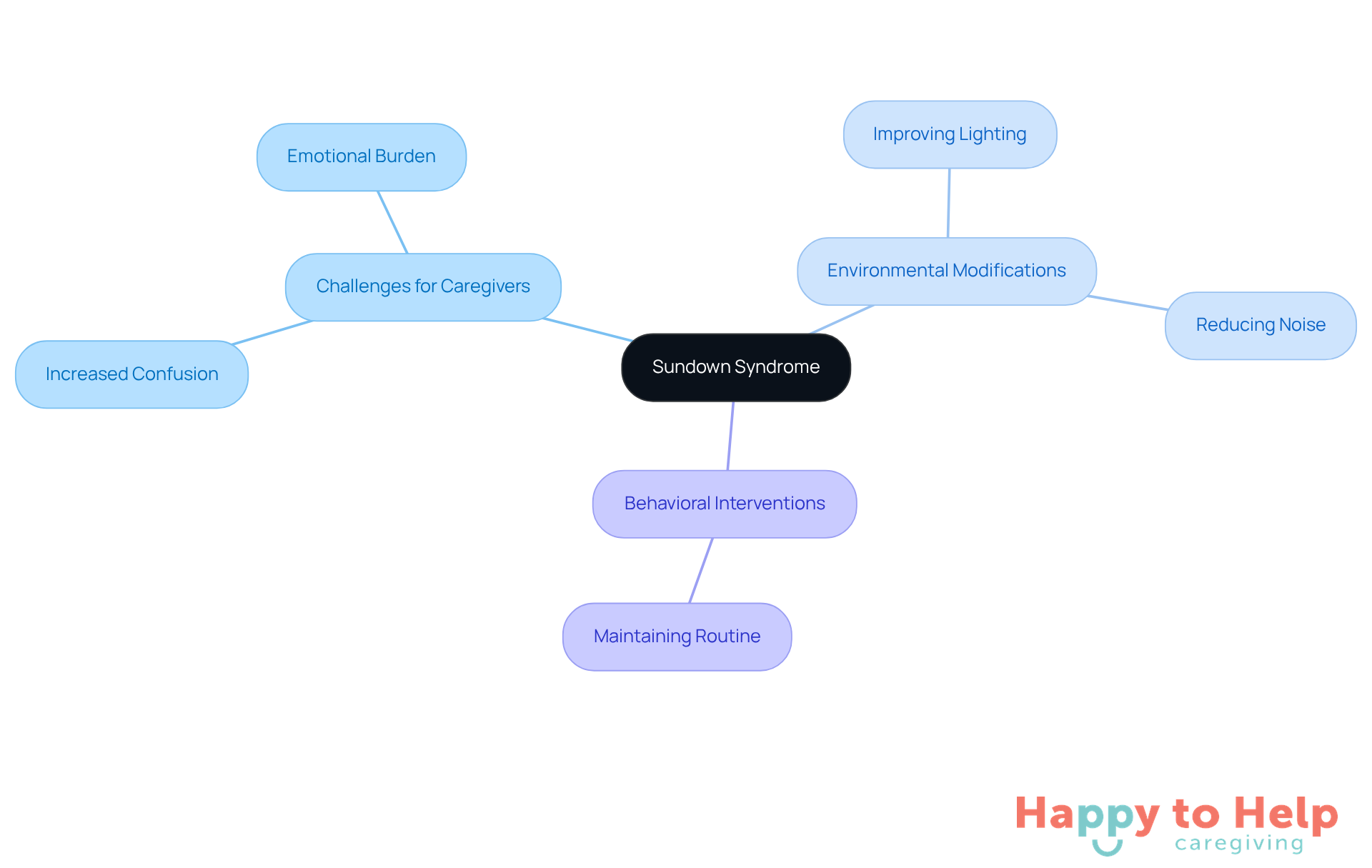
Sundowning delirium poses a significant challenge for caregivers, as it can lead to increased confusion and agitation in individuals, particularly during the evening hours. This condition not only affects the individuals experiencing it but also places a heavy emotional and physical burden on those providing care.
To alleviate these symptoms, research suggests implementing environmental modifications. Improving lighting and reducing noise levels can create a more calming atmosphere, which can help ease the distress associated with sundowning delirium. Additionally, maintaining a consistent routine is crucial. Behavioral interventions that focus on regular schedules can significantly mitigate the effects of this syndrome.
Caregivers are encouraged to stay informed about the latest research and strategies. By adopting these actionable solutions, they can enhance their caregiving practices and provide better support for individuals experiencing sundowning delirium.
Key Takeaways for Caregivers
Sundowning delirium poses a significant challenge for caregivers and individuals with dementia, especially as evening approaches. This condition can lead to increased confusion and distress, making it essential for caregivers to understand its implications. By recognizing the signs of sundowning, caregivers can take proactive steps to create a more supportive environment for their loved ones.
To alleviate the distress associated with sundowning, caregivers can adopt several key strategies:
- Establishing a consistent daily routine helps provide structure.
- Optimizing lighting conditions can reduce confusion.
- Minimizing overstimulation is crucial, as it can help calm the individual.
- Incorporating calming activities and ensuring proper hydration and nutrition can greatly enhance the caregiving experience.
Research highlights the importance of a personalized approach tailored to meet the unique needs of each individual.
Understanding and addressing sundowning is vital for improving the quality of life for both caregivers and those they care for. With a significant portion of dementia patients experiencing sundowning symptoms, it is imperative for caregivers to stay informed about the latest research and best practices. By fostering a compassionate and well-structured environment, caregivers can ease the challenges of sundowning and promote a sense of safety and comfort for their loved ones.
https://iframe.tely.ai/cta/eyJhcnRpY2xlX2lkIjogIjY5MjI0ZjY2NGZjYWRhOTUwOGRlNDNmMCIsICJjb21wYW55X2lkIjogIjY4ZWU1ZGNhNzMxNzYyNTU3ZjNjOTVjMSIsICJpbmRleCI6IG51bGwsICJ0eXBlIjogImFydGljbGUifQ==Frequently Asked Questions
What is sundowning delirium?
Sundowning delirium is a condition that leads to heightened anxiety and agitation in individuals, particularly during the evening, causing confusion and making it difficult for them to feel comfortable in their own homes.
What are some early signs of sundowning delirium that caregivers should recognize?
Caregivers should be vigilant in observing signs such as increased confusion, agitation, anxiety, and changes in routine or overstimulation, which may trigger episodes of sundowning delirium.
What strategies can caregivers implement to manage sundowning delirium?
Caregivers can establish a consistent daily schedule, optimize lighting conditions, engage clients in calming activities during late afternoon and evening, and minimize noise and distractions to create a calming environment.
How can caregivers create a familiar and safe environment for individuals experiencing sundowning?
By cultivating a familiar environment filled with personal items and engaging in soft discussions about known subjects, caregivers can reduce feelings of disorientation and anxiety.
Why is it important for caregivers to ensure ample natural light throughout the day?
Receiving ample natural light can positively impact the mood and alertness of individuals, which may help reduce symptoms of sundowning delirium in the evening.
What communication strategies should caregivers use when interacting with individuals experiencing sundowning?
Caregivers should use straightforward, clear language, speak slowly with short sentences, maintain eye contact, use reassuring gestures, and ask yes-or-no questions to enhance understanding and comfort.
How can engaging in enjoyable daytime activities help manage evening confusion behaviors?
Participating in enjoyable daytime activities can help regulate the body clock, which is crucial for managing symptoms of sundowning delirium during the evening.
What percentage of people with dementia experience sundowning delirium at night?
Approximately 20% of people with dementia experience sundowning delirium at night.
List of Sources
- Happy to Help Caregiving: Personalized In-Home Support for Sundowning Management
- sundowning treatment gibbs | UCI Health | Orange County, CA (https://ucihealth.org/about-us/news/2023/04/sundowning-treatment-gibbs)
- Clock changes and dementia: Tips for managing the challenge (https://deseret.com/family/2025/10/29/time-change-alzheimers-dementia-patients-caregivers-struggle-sundowning)
- The Caregiving Landscape: Data & Insights on the Caregiver Experience in the U.S. (https://caregiveraction.org/caregiver-statistics)
- Dementia Caregiving as a Public Health Strategy (https://cdc.gov/caregiving/php/public-health-strategy)
- Caregiver Statistics: Demographics (https://caregiver.org/resource/caregiver-statistics-demographics)
- Mayo Clinic: Expert Guidance on Treating Sundowning Symptoms
- Sundown Syndrome: Causes, Treatment & Symptoms (https://my.clevelandclinic.org/health/articles/22840-sundown-syndrome)
- The Benefits of Structured Routines in Memory Care (https://cristaseniorliving.org/blog/the-benefits-of-structured-routines-in-memory-care)
- Sundowning: Causes, Symptoms, and Treatment (https://webmd.com/alzheimers/manage-sundowning)
- Mayo Clinic expert provides tips for reducing dementia risk - Mayo Clinic News Network (https://newsnetwork.mayoclinic.org/discussion/mayo-clinic-expert-provides-tips-for-reducing-dementia-risk)
- Improving Sleep and Sundowning with Sunlight (https://alzinfo.org/pym/feature/improving-sleep-and-sundowning-with-sunlight)
- Dementia UK: Effective Strategies for Communicating with Sundowning Patients
- What is dementia sundowning? Signs, symptoms and tips (https://dementiauk.org/information-and-support/health-advice/sundowning)
- (https://belleviecare.co.uk/support-advice/dementia-quotes-to-lift-your-spirits)
- Bridging the gap: Dementia communication strategies - Harvard Health (https://health.harvard.edu/mind-and-mood/bridging-the-gap-dementia-communication-strategies)
- 11 Ways to Manage Sundown Syndrome (https://aarp.org/caregiving/medical/ways-to-manage-sundown-syndrome)
- Study offers guidance for communicating with loved ones living with dementia (https://news-medical.net/news/20250827/Study-offers-guidance-for-communicating-with-loved-ones-living-with-dementia.aspx)
- WebMD: Understanding Sundowning Symptoms and Triggers
- Frontiers | Sundowning in Dementia: Clinical Relevance, Pathophysiological Determinants, and Therapeutic Approaches (https://frontiersin.org/journals/medicine/articles/10.3389/fmed.2016.00073/full)
- Sundown Syndrome: Causes, Treatment & Symptoms (https://my.clevelandclinic.org/health/articles/22840-sundown-syndrome)
- Sundowning: What to know if your loved one with dementia experiences late-day symptoms - Harvard Health (https://health.harvard.edu/mind-and-mood/sundowning-what-to-know-if-your-loved-one-with-dementia-experiences-late-day-symptoms)
- Sundowning: Causes, Symptoms, and Treatment (https://webmd.com/alzheimers/manage-sundowning)
- Alzheimer's Association: Tips for Reducing Sundowning Behaviors
- Clock changes and dementia: Tips for managing the challenge (https://deseret.com/family/2025/10/29/time-change-alzheimers-dementia-patients-caregivers-struggle-sundowning)
- Top Sundowning Tips for Dementia Caregivers | CareYaya (https://careyaya.org/resources/blog/sundowning-dementia-tips-for-caregivers)
- Non-drug therapies show real promise in calming agitation in Alzheimer’s (https://news-medical.net/news/20250528/Non-drug-therapies-show-real-promise-in-calming-agitation-in-Alzheimere28099s.aspx)
- Caregiver Dementia Quotes (Encouragement For Dementia Caregivers) (https://optoceutics.com/caregiver-dementia-quotes-encouragement-dementia-caregivers?srsltid=AfmBOopkFkqdKfGicTu-6ivRJUFfOqiJvXvQ4GDzkGIy6yfMvBpU2FAs)
- Cleveland Clinic: Treatment Options and Prevention for Sundowning
- Facebook (https://newsroom.clevelandclinic.org/2025/05/07/cleveland-clinic-london-expands-alzheimers-services-with-new-therapies-donanemab-and-lecanemab)
- How Does Dementia Affect Sleep? (https://health.clevelandclinic.org/dementia-and-sleep)
- Light therapy and dementia (https://alzheimers.org.uk/about-dementia/treatments/alternative-therapies/light-therapy-and-dementia)
- Cleveland Clinic To Participate in Davos Alzheimer’s Collaborative Accurate Diagnosis Project (https://newsroom.clevelandclinic.org/2025/08/01/cleveland-clinic-to-participate-in-davos-alzheimers-collaborative-accurate-diagnosis-project)
- Bright light therapy for agitation in dementia: a randomized controlled trial (https://sciencedirect.com/science/article/pii/S1041610224025511)
- Neurology Advisor: Case Studies on Managing Sundowning in Dementia
- Sundown Syndrome Treatment: 9 Ways to Cope Effectively - NCCDP (https://nccdp.org/sundown-syndrome-treatment-9-ways-to-cope-effectively)
- Sundowning Strategies for Family Caregivers - Sycamore Creek Ranch (https://scrmemorycare.com/sundowning-strategies-for-family-caregivers)
- The Importance of Routine and Structure for Dementia Patients - Laura Wayman (https://laurawayman.com/blog/the-importance-of-routine-and-structure-for-dementia-patients)
- Sundowning & Changes In Routine: Why Consistency Matters (https://trualta.com/resources/blog/sundowning-changes-in-routine-why-consistency-matters-in-dementia-care)
- A Case of Sundowning: Examining the Underlying Cause (https://neurologyadvisor.com/features/case-of-sundowning)
- Medilodge at the Shore: Practical Tips for Recognizing and Reducing Sundowning
- (PDF) Sundowning in Patients with Dementia: Identification, Prevalence, and Clinical Correlates (https://researchgate.net/publication/371545858\_Sundowning\_in\_Patients\_with\_Dementia\_Identification\_Prevalence\_and\_Clinical\_Correlates)
- Sundowning Syndrome in Dementia: Mechanisms, Diagnosis, and Treatment - PMC (https://pmc.ncbi.nlm.nih.gov/articles/PMC11856004)
- Tips for Managing Sundowning (https://brightfocus.org/resource/tips-for-managing-sundowning)
- 10 Tips to Recognize & Reduce Sundowning Delirium in Dementia Patients (https://medilodgeattheshore.com/announcement/10-tips-to-recognize-reduce-sundowning-delirium-in-dementia-patients)
- Sundown Syndrome in Persons with Dementia: An Update - PMC (https://pmc.ncbi.nlm.nih.gov/articles/PMC3246134)
- Dementias Platform UK: Understanding Sundowning as a Condition
- Sundowning: What to know if your loved one with dementia experiences late-day symptoms - Harvard Health (https://health.harvard.edu/mind-and-mood/sundowning-what-to-know-if-your-loved-one-with-dementia-experiences-late-day-symptoms)
- What is dementia sundowning? Signs, symptoms and tips (https://dementiauk.org/information-and-support/health-advice/sundowning)
- Sundowning Syndrome in Dementia: Mechanisms, Diagnosis, and Treatment - PMC (https://pmc.ncbi.nlm.nih.gov/articles/PMC11856004)
- 'Sundowning' Is The Dementia Symptom We Don't Talk About Enough (https://uk.news.yahoo.com/sundowning-dementia-symptom-dont-talk-023103524.html)
- Sundowning: the condition with symptoms that appear at sunset (https://dementiasplatform.uk/news-and-media/blog/sundowning-the-condition-with-symptoms-that-appear-at-sunset)