

For families in our service areas
For families in our service areas, this guide explains alzheimer's care and how non-medical in-home caregiving can support care planning in East Idaho, Treasure Valley & Magic Valley, Northern Wasatch, North Central West Virginia, and Northeast Ohio.
Understanding Tips for Private Alzheimer
Navigating the complexities of Alzheimer's care at home presents a significant challenge for families, often leading to emotional strain and a pressing need for effective support. With nearly 12 million Americans providing unpaid care to those with cognitive impairments, the demand for personalized, compassionate assistance is more critical than ever.
Families face the daunting task of ensuring their loved ones receive the care they need while managing the emotional and financial burdens that often accompany this responsibility. How can caregivers equip themselves with the right strategies to foster a nurturing environment?
This article unveils ten essential tips designed to empower caregivers, enhance the quality of life for patients, and tackle the unique challenges of providing in-home support. By implementing these strategies, families can navigate this journey with greater confidence and compassion.
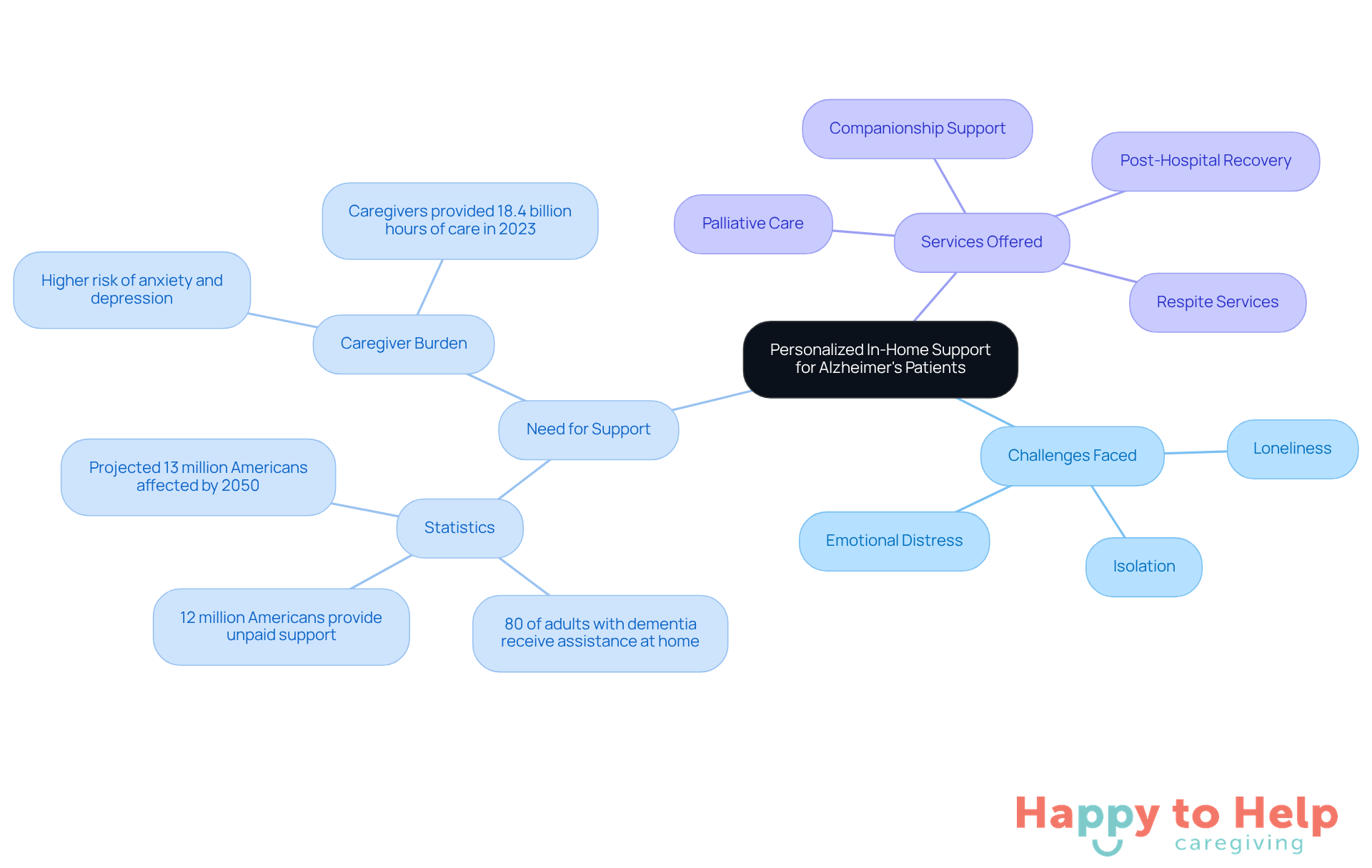
Happy to Help Caregiving: Personalized In-Home Support for Alzheimer's Patients
Problem: Individuals with dementia often face significant challenges, including feelings of loneliness and isolation. These emotional struggles can severely impact their quality of life and well-being.
Agitate: Studies indicate that around 80% of adults with dementia receive assistance at home, underscoring the critical need for effective support systems. Without proper companionship, many individuals may experience heightened feelings of loneliness, which can lead to further emotional distress. Additionally, nearly 12 million Americans provide unpaid support to those with cognitive impairments, highlighting the immense burden placed on family caregivers.
Happy to Help Caregiving excels in offering private Alzheimer's care through personalized in-home assistance tailored to the unique needs of individuals with dementia. Their services include:
- Companionship support
- Post-hospital recovery assistance
- Respite services
- Palliative care
All designed to enhance clients' quality of life through empathetic support. Caregivers are trained to engage clients in meaningful activities, fostering a sense of security and significantly improving emotional well-being.
As the demand for dementia support services grows, with projections estimating that nearly 13 million Americans will be affected by 2050, the importance of private Alzheimer's care becomes increasingly vital. The financial implications are substantial, with expected healthcare costs reaching $384 billion by 2025. Happy to Help Caregiving's commitment to empathy ensures that clients receive not only the necessary medical support but also the emotional connection essential for their overall well-being. A caregiver noted, "The companionship care we provide is not just about assistance; it's about making our clients feel valued and understood.
Evaluate Caregiver Qualifications: Ensure Expertise in Alzheimer's Care
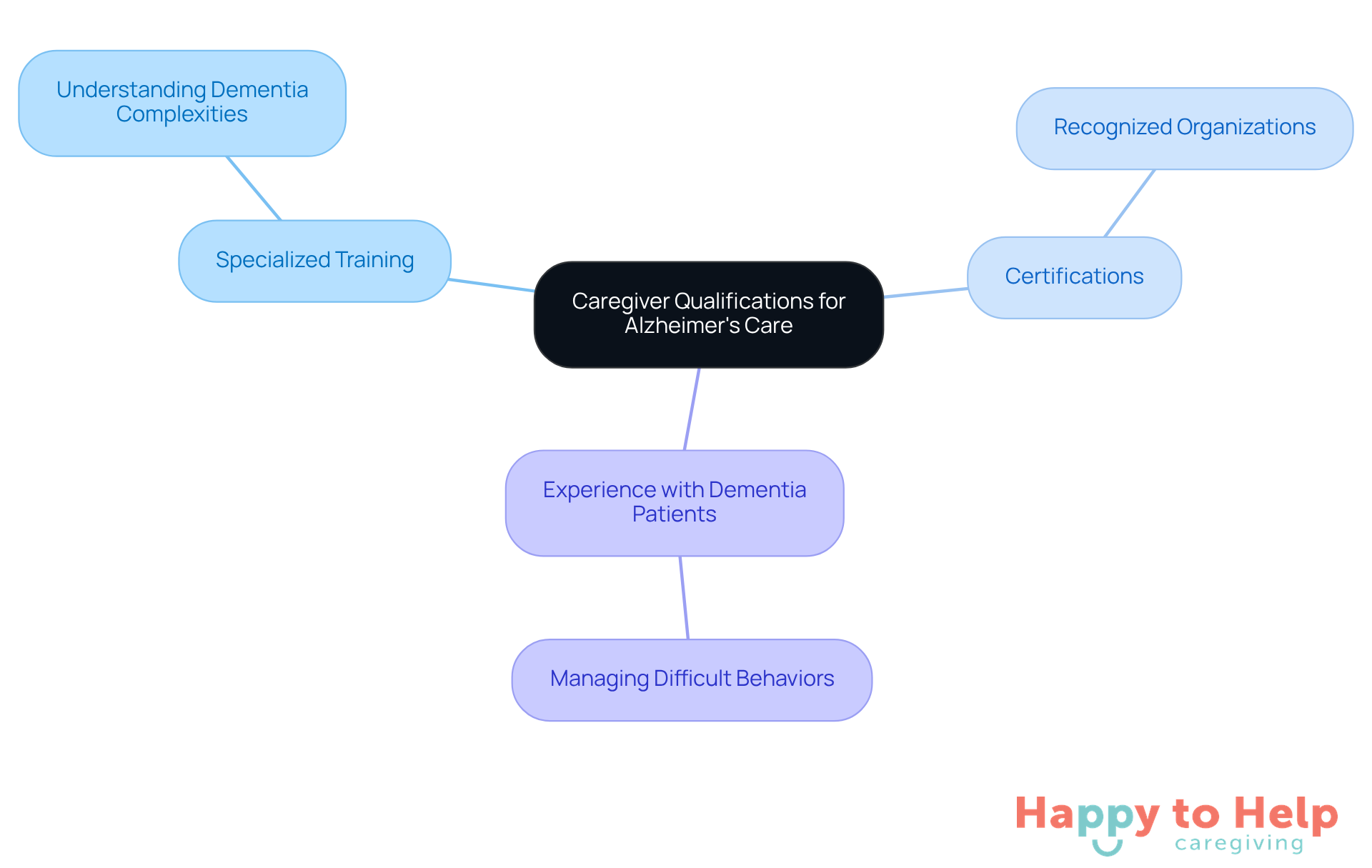
Choosing the right caretaker for someone with dementia is essential for effective private Alzheimer's care and can be a daunting task. The problem lies in the fact that not all caregivers possess the necessary skills and knowledge to provide adequate support. Without specialized training, caregivers may struggle to understand the complexities of dementia and how it affects individuals over time.
This lack of expertise can lead to inadequate care, which may exacerbate challenging behaviors and hinder the quality of life for both the patient and their family. Therefore, it’s crucial to seek out caregivers who have received specialized training in private Alzheimer's care. Look for individuals with certifications from recognized organizations, as this indicates a commitment to understanding the condition.
Inquire about their experience with dementia patients and their grasp of the disease's progression. This ensures that the caregiver can offer appropriate assistance and effectively manage difficult behaviors. By prioritizing these qualifications, you can help ensure that your loved one receives the compassionate and knowledgeable care they deserve.
Understand Care Costs: Budgeting for Private Alzheimer's Care Services
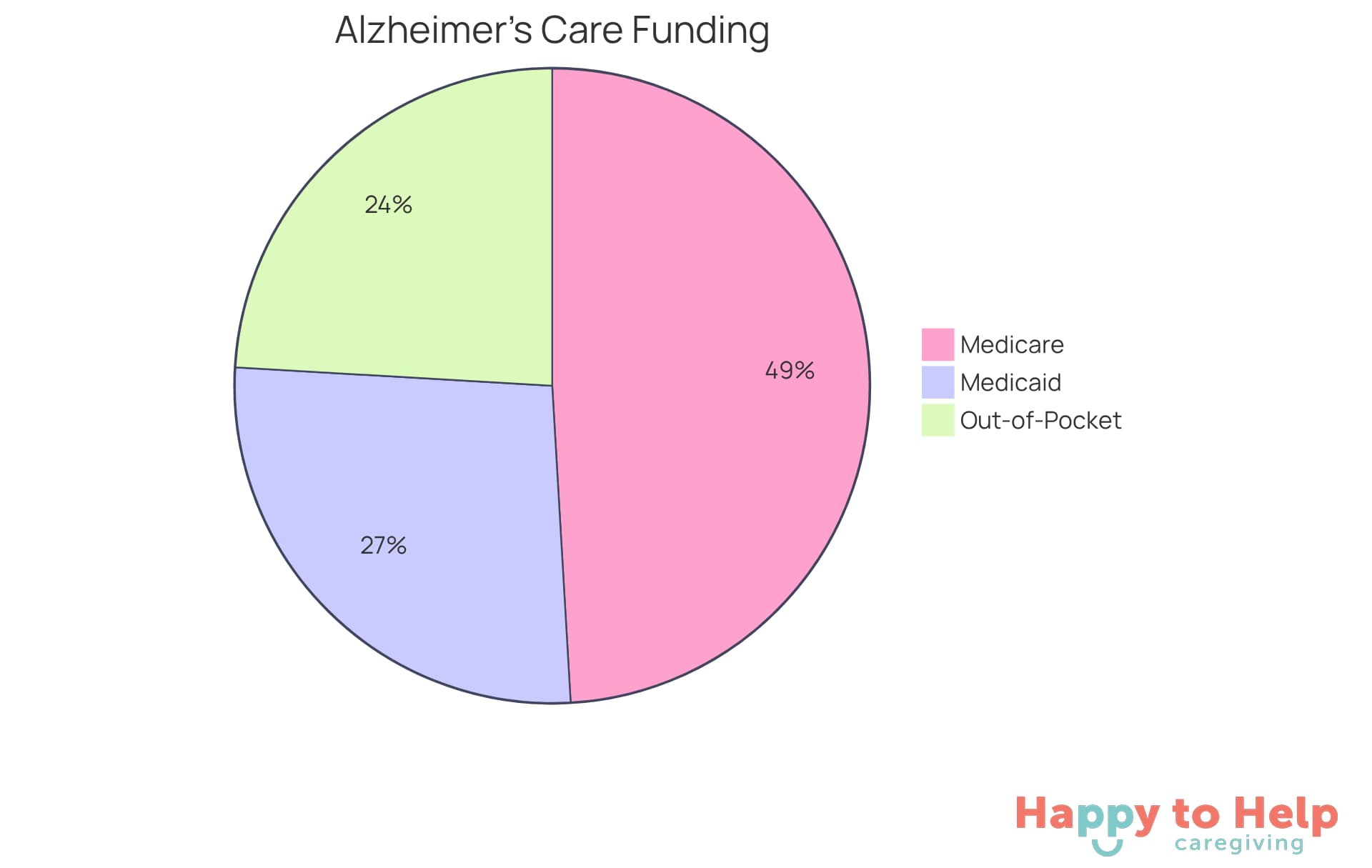
Understanding the costs of private Alzheimer's care is crucial for effective budgeting. Families often grapple with the challenge of varying in-home assistance rates, which can fluctuate significantly based on factors like location, the level of support required, and the caregiver's experience. Hourly rates for in-home services typically range from $25 to $50, creating a financial strain that many families must navigate.
To address this issue, it's vital to explore different payment options with service providers. This includes looking into:
- Insurance coverage
- Sliding scale fees
- Financial assistance programs
For example, Medicare covers about $106 billion of dementia-related costs, while Medicaid contributes around $58 billion. Understanding eligibility for these programs can significantly alleviate some of the financial pressure. Additionally, families should prepare for out-of-pocket expenses, projected to reach $52 billion by 2025.
Financial advisors often recommend creating a comprehensive budget that accounts for both expected and unexpected expenses related to in-home support. This budgeting process should include evaluating the potential need for additional services, such as private Alzheimer's care or specialized support, which can enhance the quality of life for both patients and caregivers. By proactively organizing their finances and utilizing available resources, families can better manage the financial aspects of dementia support at home.
Communicate Clearly: Establish Expectations with Care Providers
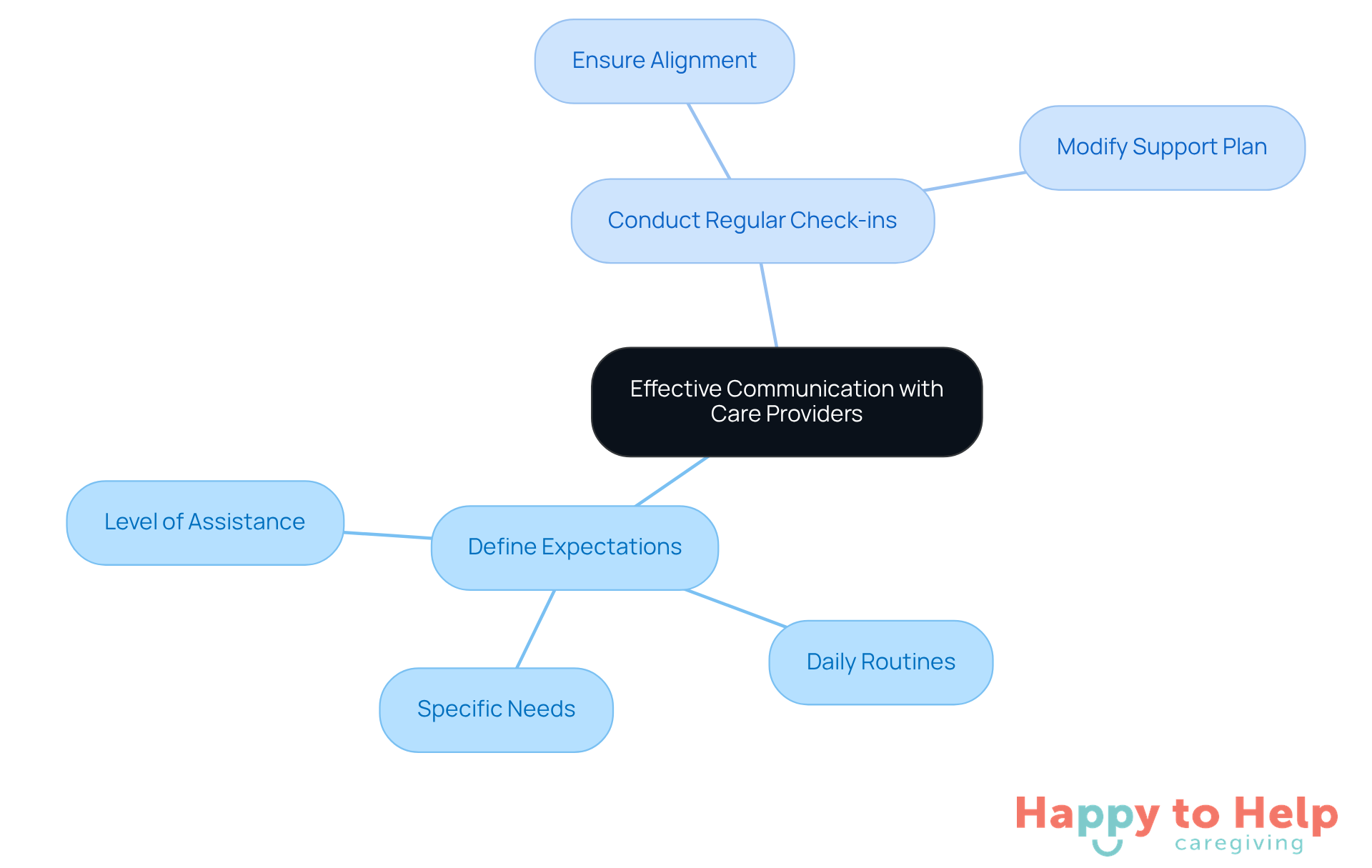
Effective communication with health providers poses a significant challenge for families supporting loved ones with Alzheimer's. Without clear communication, misunderstandings can arise, leading to inadequate support and increased stress for caregivers.
To address this issue, families should:
- Clearly define their expectations regarding the level of assistance, daily routines, and specific needs of the patient.
- Conduct regular check-ins with supporters; they ensure that everyone is on the same page and allow for swift modifications to the support plan when necessary.
By establishing open lines of communication and setting clear expectations, families can enhance the quality of care for their loved ones and reduce the burden on caregivers.
Check References and Reviews: Assess Provider Reliability
Before hiring a support worker, families face a significant challenge: ensuring the caregiver's reliability. Without proper vetting, they risk entrusting their loved ones to someone who may not provide the necessary care. This concern can lead to anxiety and uncertainty about the quality of private Alzheimer's care available for individuals with dementia.
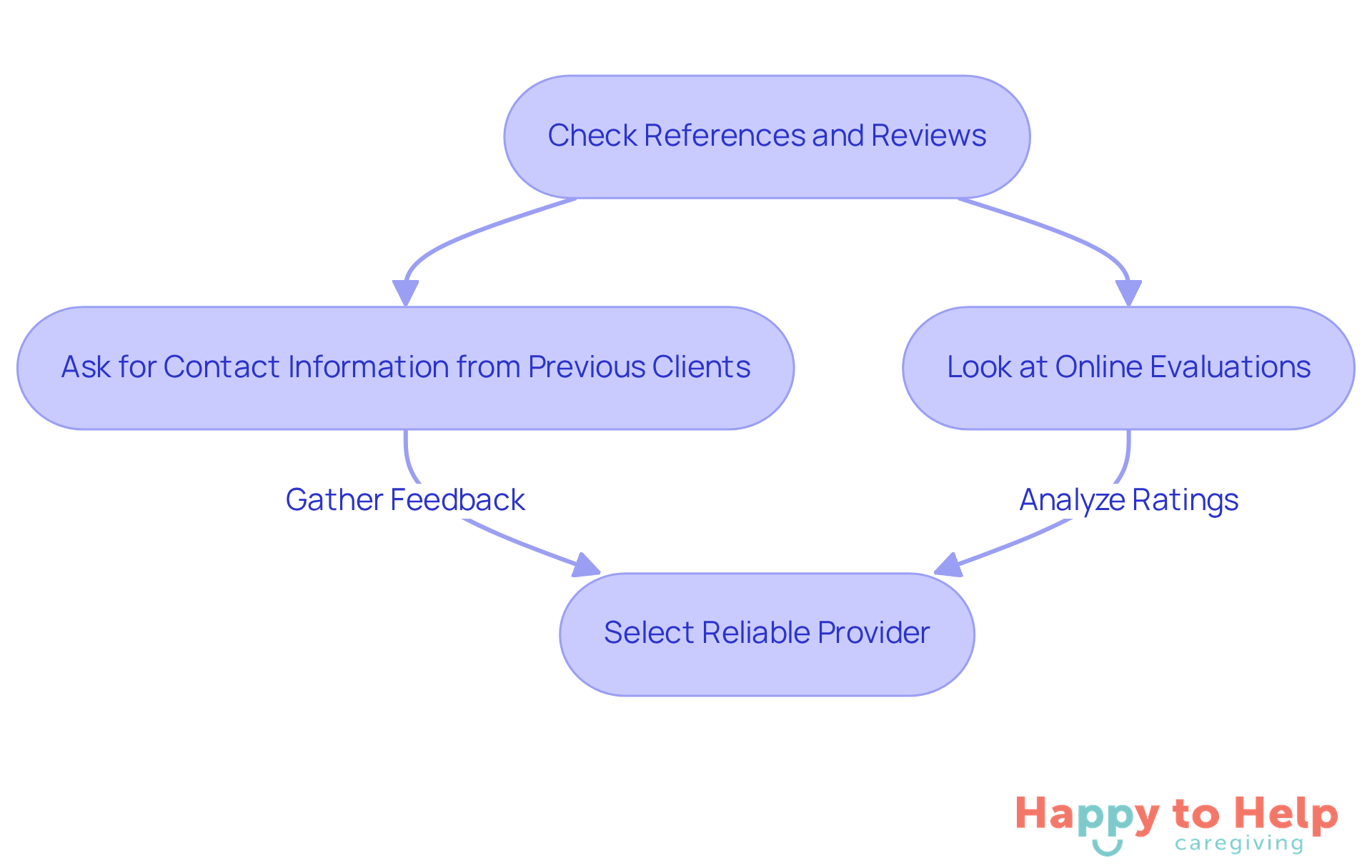
To address this issue, it’s essential to check references and reviews thoroughly. Start by:
- Asking for contact information from previous clients and inquire about their experiences.
- Looking at online evaluations to provide valuable insights into the caregiver's dependability and standard of assistance.
By taking these steps, families can select a reliable provider that specializes in private Alzheimer's care with a proven track record in dementia support.
Develop a Customized Care Plan: Tailor Support to Individual Needs
Creating a personalized support plan is crucial for effectively delivering private Alzheimer's care to individuals. Without such a plan, caregivers may struggle to provide private Alzheimer's care that addresses the unique needs of their loved ones, leading to increased stress and potential discomfort for both parties.
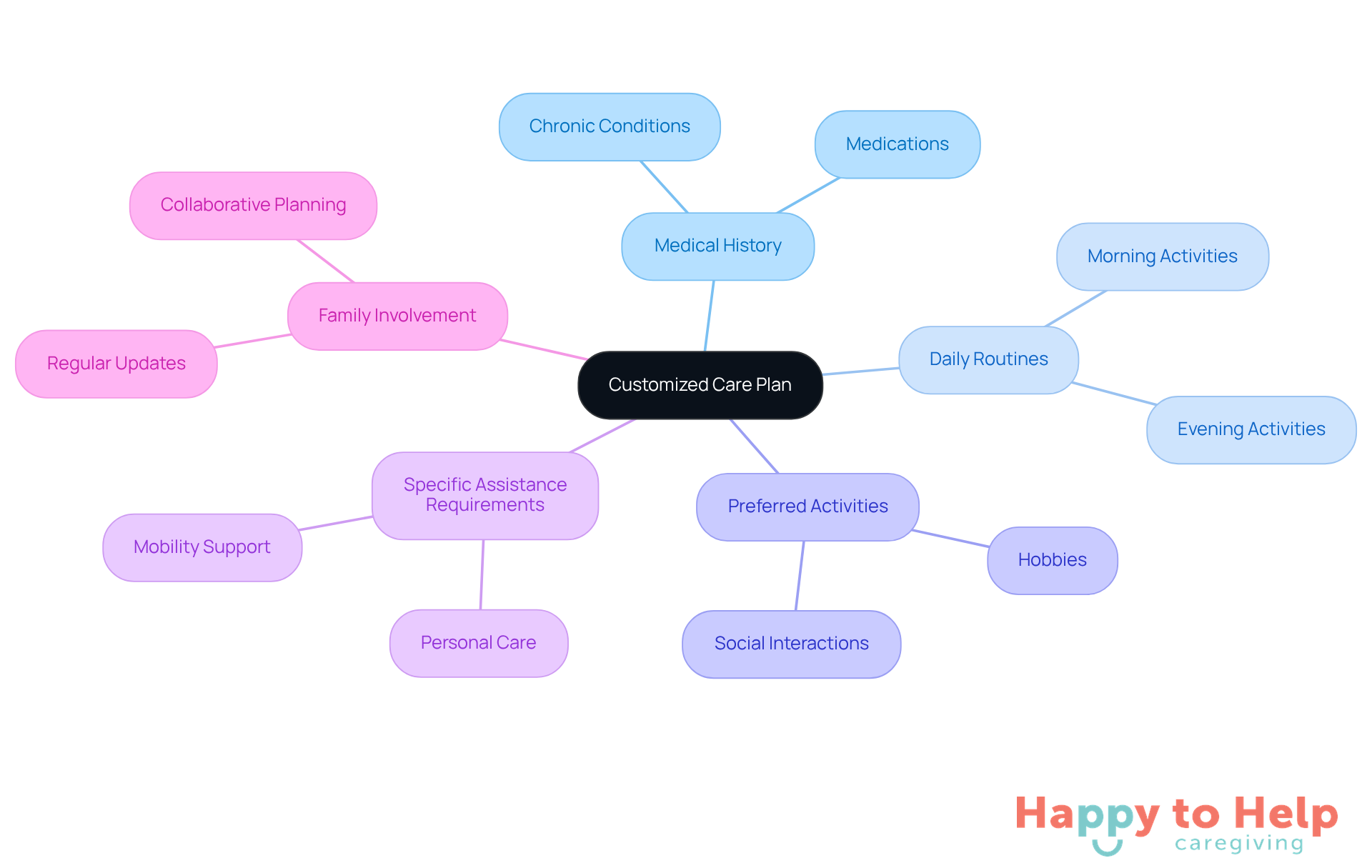
To address this issue, the support plan for private Alzheimer's care should encompass the individual's:
- Medical history
- Daily routines
- Preferred activities
- Specific assistance requirements
Involving family members in the planning process for private Alzheimer's care is essential, as it ensures that the care plan aligns with the patient's lifestyle and preferences. This collaborative approach promotes a sense of familiarity and comfort, ultimately enhancing the quality of private Alzheimer's care.
Ensure Home Safety: Modify Living Spaces for Alzheimer's Patients
Ensuring home safety is crucial when caring for someone with dementia. Individuals with Alzheimer's face a heightened risk of accidents, particularly falls, due to changes in depth perception and cognitive challenges. This increased risk can lead to serious injuries, such as fractures, especially in older adults with weaker bones.
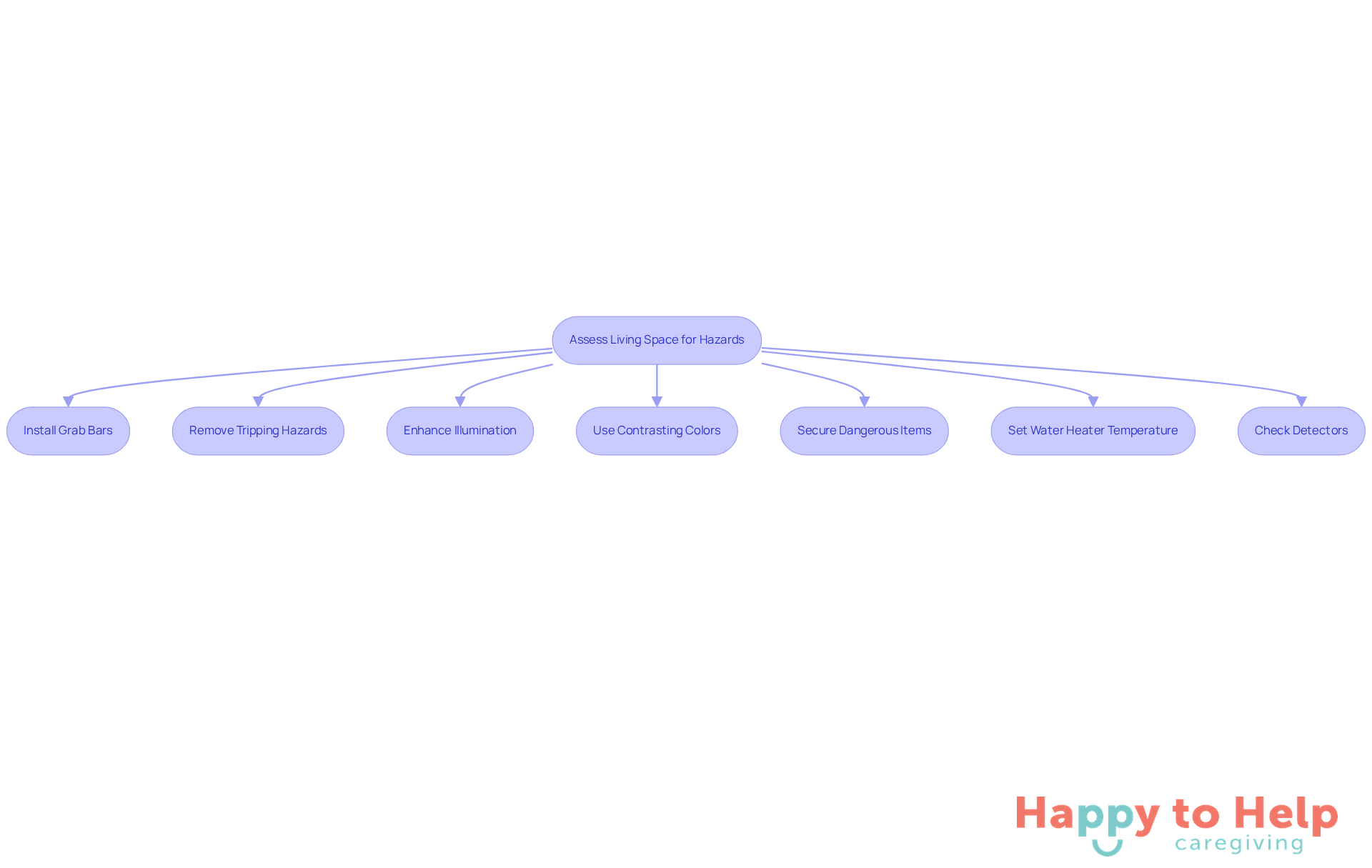
To address these concerns, families should conduct thorough assessments of living spaces to identify potential hazards and implement necessary modifications. Here are some key safety measures to consider:
- Install grab bars in bathrooms to prevent falls.
- Remove tripping hazards, such as loose rugs and clutter, to create clear pathways.
- Enhance illumination with bright, motion-activated lights and set up nightlights or automatic light sensors to minimize shadows that may confuse individuals with dementia.
- Use contrasting colors on walls and floors to aid navigation and enhance visibility.
- Secure potentially dangerous items, such as medications and sharp tools, in locked areas.
- Set water heaters to 120°F to avoid scalding tap water for individuals with dulled heat sensitivity.
- Check smoke detectors and natural gas detectors frequently for functioning and battery status.
A secure setting not only reduces the chance of accidents but also enables individuals to uphold their independence and dignity. As AARP caregiving specialist Amy Goyer emphasizes, establishing a nurturing living environment is crucial for improving the quality of life for individuals with cognitive decline. Regularly evaluating the home for safety and making necessary changes can greatly enhance the well-being of both patients and their supporters.
Prioritize Caregiver Training: Stay Updated on Alzheimer's Care Techniques
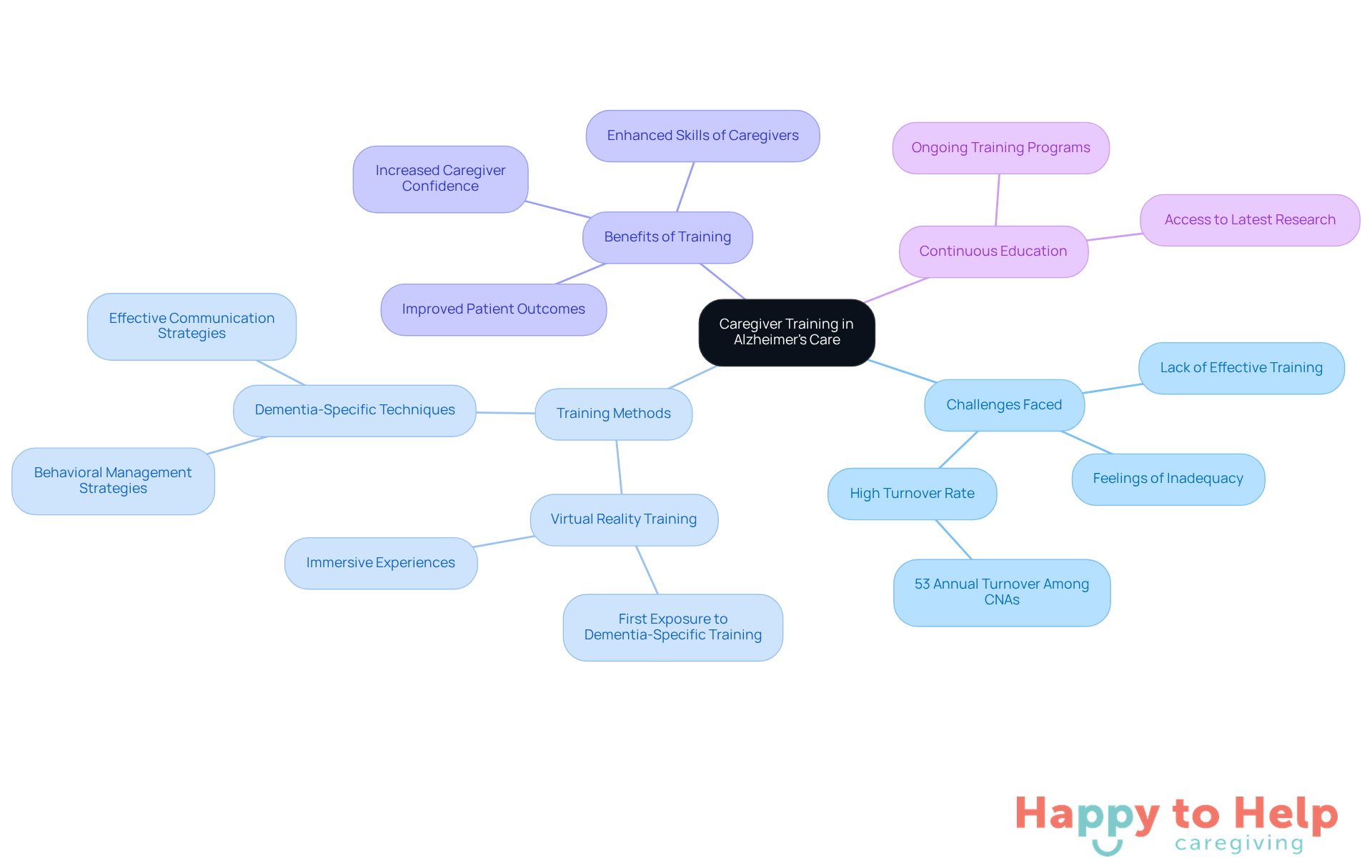
Training for those who provide support in Alzheimer's care is crucial. Many caregivers face challenges due to a lack of effective training, which can hinder their ability to offer optimal assistance. This gap in knowledge can lead to feelings of inadequacy and stress among caregivers, ultimately affecting the quality of care provided to patients.
Research indicates that dementia training initiatives significantly enhance the skills of home support workers. For instance, a pilot program that utilized virtual reality (VR) to train certified nursing assistants (CNAs) offered them their first exposure to dementia-specific training. Such innovative approaches not only boost caregivers' confidence but also improve outcomes for those receiving assistance.
To address these challenges, caregivers should actively seek out training programs that focus on the latest methods and best practices in dementia support. Continuous education ensures that caregivers are equipped with current information on new research, effective communication strategies, and behavioral management techniques. By participating in these educational opportunities, caregivers can create a nurturing environment for both patients and their families.
Given the high turnover rate of 53% among CNAs, investing in effective training and retention strategies is essential for maintaining quality care. Care providers must prioritize training to ensure they are well-prepared to meet the unique challenges of dementia support.
Involve Family Members: Strengthen Support Networks for Alzheimer's Care
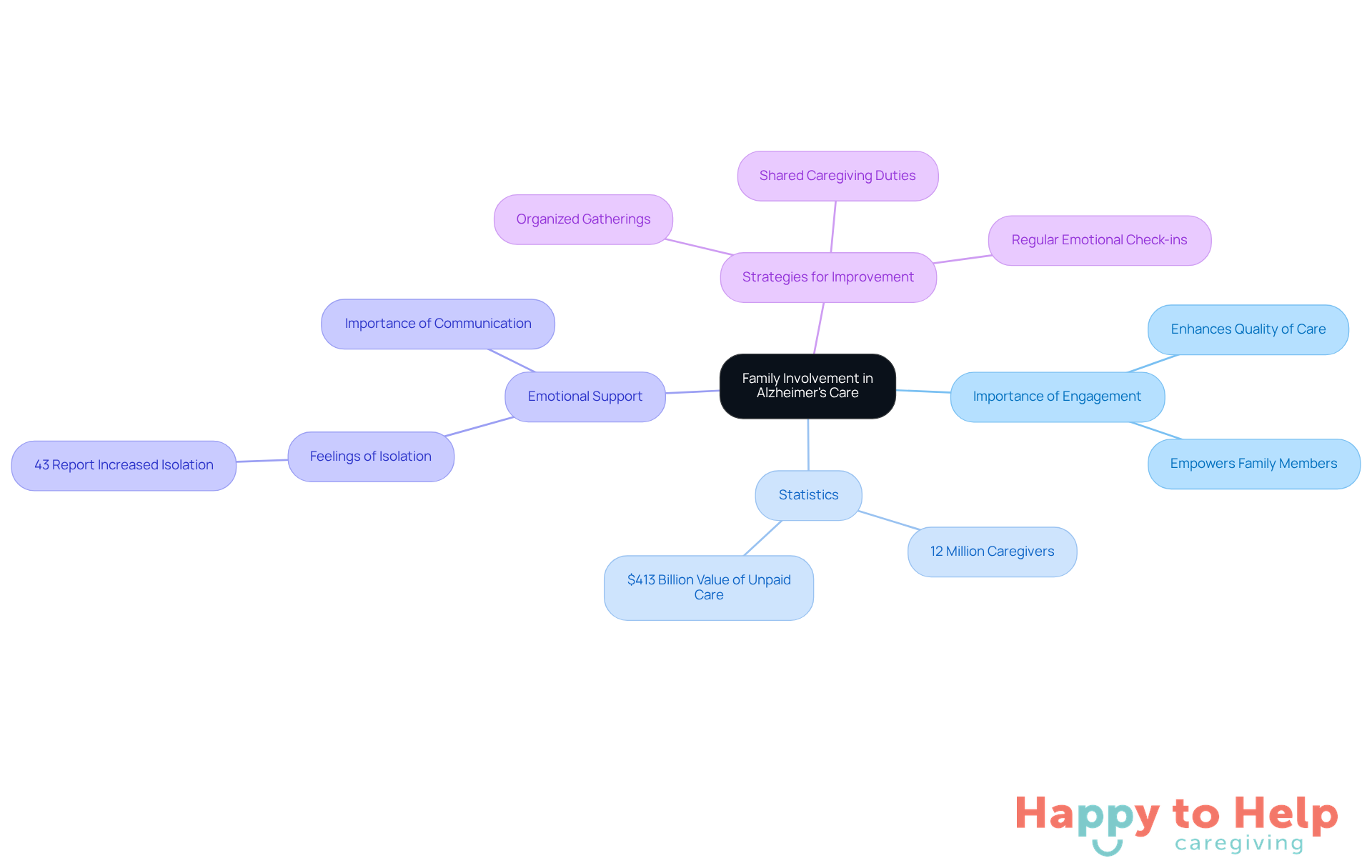
Engaging family members in the caregiving process is crucial for addressing the challenges faced by individuals with Alzheimer's disease. Caregivers often experience feelings of isolation, with 43% reporting heightened social isolation after taking on these responsibilities. This isolation can lead to emotional strain, making it essential for families to establish regular communication channels.
By fostering open discussions about the patient's evolving needs and sharing caregiving responsibilities, families can provide much-needed emotional support. This collaborative approach not only enhances the quality of care but also empowers family members, making them feel more involved in the caregiving journey.
Statistics highlight the significance of family involvement: nearly 12 million people in the U.S. provide unpaid care for loved ones with Alzheimer's, with this unpaid labor valued at over $413 billion annually. Such figures underscore the critical role families play in this process.
To combat feelings of isolation, effective family support networks are vital. Many caregivers, about 35.5%, report not receiving help from others, indicating a pressing need for stronger support systems. Organized gatherings, shared caregiving duties, and regular emotional check-ins can significantly improve the well-being of both caregivers and patients.
For example, the Mason CARES program demonstrates that structured support can lead to a 15% reduction in caregiver stress levels. By prioritizing these connections, families can create a nurturing environment that benefits everyone involved.
Assess Emotional Support Strategies: Ensure Compassionate Care for Alzheimer's Patients
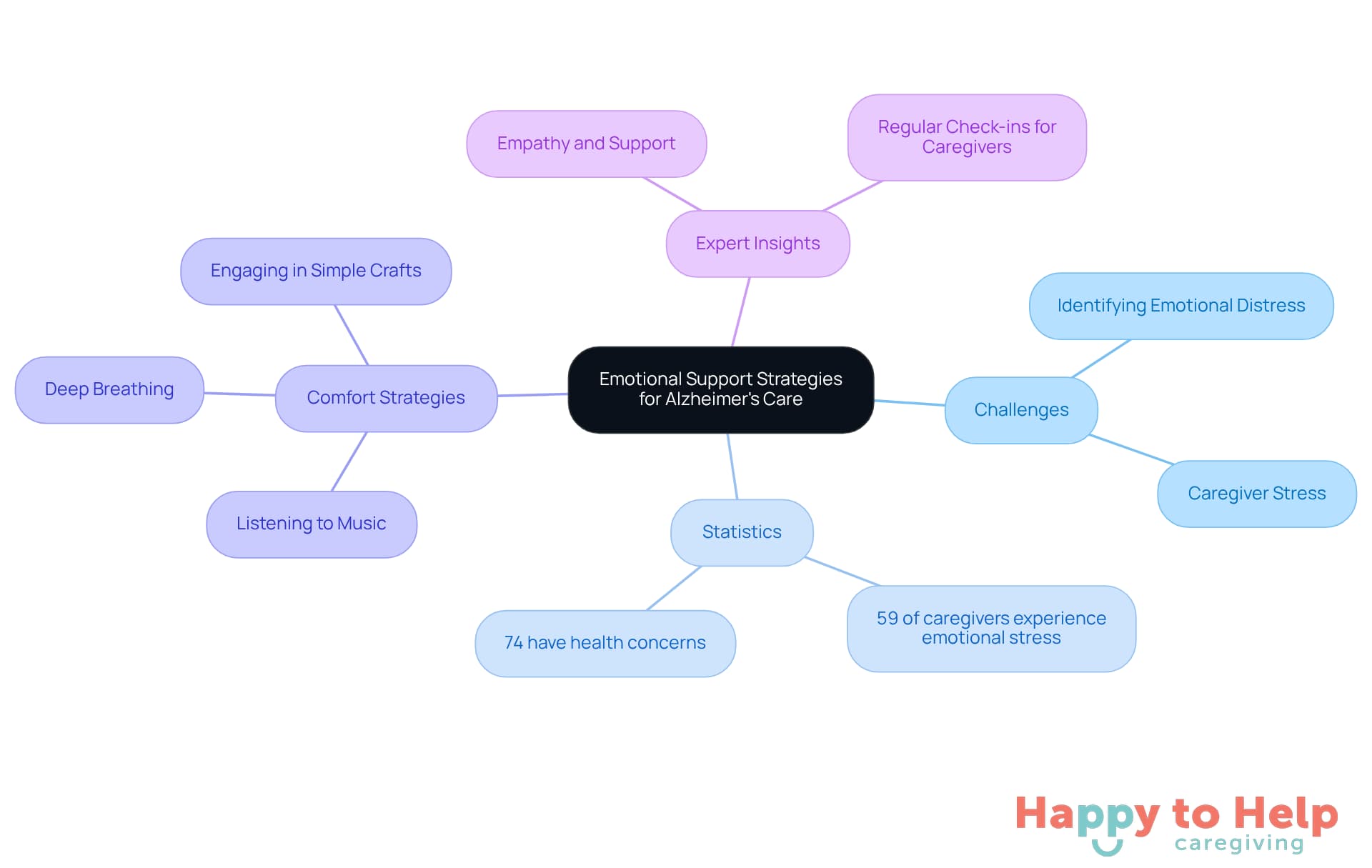
Evaluating emotional support strategies is crucial for delivering compassionate private Alzheimer's care to individuals with the condition. Caregivers face significant challenges, particularly in identifying signs of emotional distress, which can manifest as agitation, withdrawal, or changes in mood. Statistics reveal that almost 59% of those providing dementia support experience significant emotional stress, and 74% express concerns about their own health since taking on this role. This highlights the urgent need for caregivers to prioritize their emotional well-being.
To address these challenges, implementing comfort strategies is essential. Engaging individuals in familiar activities that spark joy - like listening to their favorite music or participating in simple crafts - can make a significant difference. Additionally, utilizing calming techniques such as deep breathing or gentle touch, while consistently maintaining a positive and patient demeanor, is vital for effective caregiving.
Fostering an environment that emphasizes emotional health can greatly improve the quality of life for those in private Alzheimer's care. As expert Meng Huo notes, the positive effects of empathy and support on emotional well-being can lead to better overall health outcomes for individuals with dementia. Caregivers are encouraged to schedule regular check-ins with themselves to assess their emotional well-being, ensuring they remain resilient in their caregiving roles.
Moving Forward with Tips for Private Alzheimer
Private Alzheimer's care at home presents a significant challenge for families as the prevalence of dementia continues to rise. This situation can lead to emotional strain and confusion, making it essential to understand the key elements of quality care.
To address these challenges, families should focus on several strategies:
- Selecting qualified caregivers with specialized training is crucial.
- Clear communication with care providers ensures everyone is on the same page.
- Customized care plans tailored to the individual needs of Alzheimer's patients can greatly enhance the caregiving experience.
- Ensuring home safety and actively involving family members in the caregiving process can significantly improve the quality of life for both patients and caregivers.
- The emotional support provided through companionship and understanding fosters a nurturing environment that addresses the unique challenges faced by those with dementia.
By implementing these essential tips for private Alzheimer's care, families can alleviate their burdens and enrich the lives of individuals living with dementia. Prioritizing compassionate care and engaging actively in the caregiving process creates a supportive atmosphere that promotes dignity, safety, and emotional health for loved ones.
https://iframe.tely.ai/cta/eyJhcnRpY2xlX2lkIjogIjY5Mjc5NGZmMTRjODUwNzI1NGI4N2M2MyIsICJjb21wYW55X2lkIjogIjY4ZWU1ZGNhNzMxNzYyNTU3ZjNjOTVjMSIsICJpbmRleCI6IG51bGwsICJ0eXBlIjogImFydGljbGUifQ==Frequently Asked Questions
What challenges do individuals with dementia face?
Individuals with dementia often experience significant challenges, including feelings of loneliness and isolation, which can severely impact their quality of life and well-being.
How prevalent is the need for home assistance for adults with dementia?
Studies indicate that around 80% of adults with dementia receive assistance at home, highlighting the critical need for effective support systems.
What services does Happy to Help Caregiving offer for Alzheimer's patients?
Happy to Help Caregiving provides personalized in-home assistance that includes companionship support, post-hospital recovery assistance, respite services, and palliative care.
Why is companionship important for individuals with dementia?
Companionship is vital as it helps alleviate feelings of loneliness and fosters emotional well-being, significantly enhancing the quality of life for individuals with dementia.
What qualifications should caregivers have for Alzheimer's care?
Caregivers should possess specialized training in private Alzheimer's care, including certifications from recognized organizations, and experience with dementia patients to ensure they can provide adequate support.
What are the typical costs associated with private Alzheimer's care services?
Hourly rates for in-home Alzheimer's care typically range from $25 to $50, depending on factors like location and the level of support required.
What financial resources are available to help with Alzheimer's care costs?
Families can explore various payment options, including insurance coverage, sliding scale fees, and financial assistance programs. Medicare and Medicaid also contribute significantly to dementia-related costs.
How can families effectively budget for Alzheimer's care?
Families should create a comprehensive budget that considers both expected and unexpected expenses related to in-home support and evaluate the potential need for additional services to enhance the quality of life for patients and caregivers.
List of Sources
- Happy to Help Caregiving: Personalized In-Home Support for Alzheimer's Patients
- Caregivers of a Person with Alzheimer's Disease or a Related Dementia (https://cdc.gov/caregiving/about)
- Interim HealthCare launches Alzheimer’s support program (https://mcknightshomecare.com/news/interim-healthcare-launches-alzheimers-support-program)
- The Alzheimer’s Association and Rippl Partner to Improve Quality Dementia Care and Caregiver Support (https://alz.org/news/2024/the-alzheimer-s-association-and-rippl-partner-to-improve-quality-dementia-care-and-caregiver-support)
- Alzheimer's Disease Facts and Figures (https://alz.org/alzheimers-dementia/facts-figures)
- Understand Care Costs: Budgeting for Private Alzheimer's Care Services
- Memory Care Facility Statistics (https://rosewood-nursing.com/post/memory-care-facility-statistics)
- The Cost of Dementia in 2025 - April 23, 2025 - USC Schaeffer (https://schaeffer.usc.edu/research/the-cost-of-dementia-in-2025)
- 5 Quotes That Defined Memory Care in 2024 and Signal What’s Ahead in 2025 (https://seniorhousingnews.com/2025/01/14/5-quotes-that-defined-memory-care-in-2024-and-signal-whats-ahead-in-2025)
- Dementia costs in the United States reach record high in 2025 (https://news-medical.net/news/20250423/Dementia-costs-in-the-United-States-reach-record-high-in-2025.aspx)
- How to Plan for the Future – Alzheimer’s | Quotacy (https://quotacy.com/plan-for-the-future-alzheimers)
- Communicate Clearly: Establish Expectations with Care Providers
- Care managers say ED program improves communication for assisted living residents with dementia (https://mcknights.com/news/care-managers-say-ed-program-improves-communication-for-assisted-living-residents-with-dementia)
- Navigating the Journey: Essential Tips for Alzheimer’s Caregivers (https://wakeresearch.com/about-us/news-updates/essential-tips-for-alzheimers-caregivers)
- Distance Caregivers Struggle With Communication (https://ldi.upenn.edu/our-work/research-updates/distance-caregivers-report-worse-communication-with-hospice-teams-than-those-who-live-with-patients)
- Determining Evidence for Family Caregiver Communication: Associating Communication Behaviors With Breakdown and Repair - PMC (https://pmc.ncbi.nlm.nih.gov/articles/PMC10474591)
- New Alzheimer’s Association Report Finds Patient-Physician Communication About Cognitive Concerns Needs Improvement as New Treatments Become Available (https://alz.org/news/2023/new-alzheimer-s-association-report-finds-patient-physician-communication-about-cognitive-concerns-ne)
- Ensure Home Safety: Modify Living Spaces for Alzheimer's Patients
- Care Tips to Keep Dementia Patients Safe at Home (https://aarp.org/caregiving/home-care/dementia-home-safety)
- Alzheimer's Caregiving: Home Safety Tips (https://nia.nih.gov/health/safety/alzheimers-caregiving-home-safety-tips)
- (PDF) Creating homes for individuals living with dementia (https://researchgate.net/publication/382315105\_Creating\_homes\_for\_individuals\_living\_with\_dementia)
- 27 Inspirational Quotes for Caregivers (https://ultimatecareny.com/resources/27-quotes-for-caregivers)
- Prioritize Caregiver Training: Stay Updated on Alzheimer's Care Techniques
- Research: Caregiver Training Improves Skills & Knowledge of Alzheimer's, Study Shows (https://advancecaregivers.org/caregiver-training-improves-skills-knowledge-of-alzheimers-study-shows)
- Dementia training program significantly improves home care worker skills, study finds (https://mcknights.com/news/dementia-training-program-significantly-improves-home-care-worker-skills-study-finds)
- Virtual reality adds empathy to dementia care (https://publichealth.gmu.edu/news/2025-06/virtual-reality-adds-empathy-dementia-care)
- New dementia training promises better communication, reduced turnover (https://mcknights.com/news/new-dementia-training-promises-better-communication-reduced-turnover)
- Involve Family Members: Strengthen Support Networks for Alzheimer's Care
- Impact of Alzheimer’s Disease on Caregivers in the United States - PMC (https://pmc.ncbi.nlm.nih.gov/articles/PMC9392839)
- Caregivers of a Person with Alzheimer's Disease or a Related Dementia (https://cdc.gov/caregiving/about)
- Caregivers: the invisible backbone of dementia care (https://publichealth.gmu.edu/news/2025-11/caregivers-invisible-backbone-dementia-care)
- New Analysis Finds Dementia Caregivers More Likely to Report Modifiable Risk Factors that Increase Their Own Risk for Dementia (https://alz.org/news/2025/dementia-caregivers-modifiable-risk-factor-analysis)
- Alzheimer’s Association Honors the Nearly 12 Million Americans Who Serve as Dementia Caregivers and Shares New Resources to Help Them Thrive (https://alz.org/news/2025/november-national-family-caregivers-alzheimers-disease-awareness-month)
- Assess Emotional Support Strategies: Ensure Compassionate Care for Alzheimer's Patients
- Empathy’s Influence: Dementia Patients Supporting Caregivers (https://caes.ucdavis.edu/news/empathys-influence-dementia-patients-supporting-caregivers)
- ADI - Dementia statistics (https://alzint.org/about/dementia-facts-figures/dementia-statistics)
- Alzheimer’s Association Highlights Unique Challenges That Dementia Caregivers Face and Tips for Supporting Them (https://alz.org/news/2023/alzheimers-association-highlights-unique-challenges-that-dementia-caregivers-face-and-tips-for-supp)
- Empathy in Dementia Care: Why It Matters and How to Strengthen It (https://ageucate.com/blog/empathy-in-dementia-care-why-it-matters-and-how-to-strengthen-it)
- New Alzheimer’s Association Report Reveals Top Stressors for Caregivers and Lack of Care Navigation Support and Resources (https://alz.org/news/2024/new-alzheimers-association-report-reveals-top-stressors-caregivers)