
For families in our service areas
For families in our service areas, this guide explains in-home care and how non-medical in-home caregiving can support care planning in East Idaho, Treasure Valley & Magic Valley, Northern Wasatch, North Central West Virginia, and Northeast Ohio.
Understanding Tips
Elderly individuals often face unique challenges in home care, with safety and emotional well-being at the forefront of their needs. As the population ages, creating a secure and nurturing environment becomes essential for enhancing their quality of life. Caregivers must address not only physical safety but also the emotional aspects of care that significantly impact seniors' overall health.
What strategies can caregivers employ to tackle these challenges? This article delves into ten essential tips that empower caregivers to foster a safer, more supportive home for senior citizens. By understanding the complexities of elderly care, caregivers can implement practical solutions that enhance both safety and emotional well-being.
Happy to Help Caregiving: Personalized In-Home Support for Seniors
Use english for answers
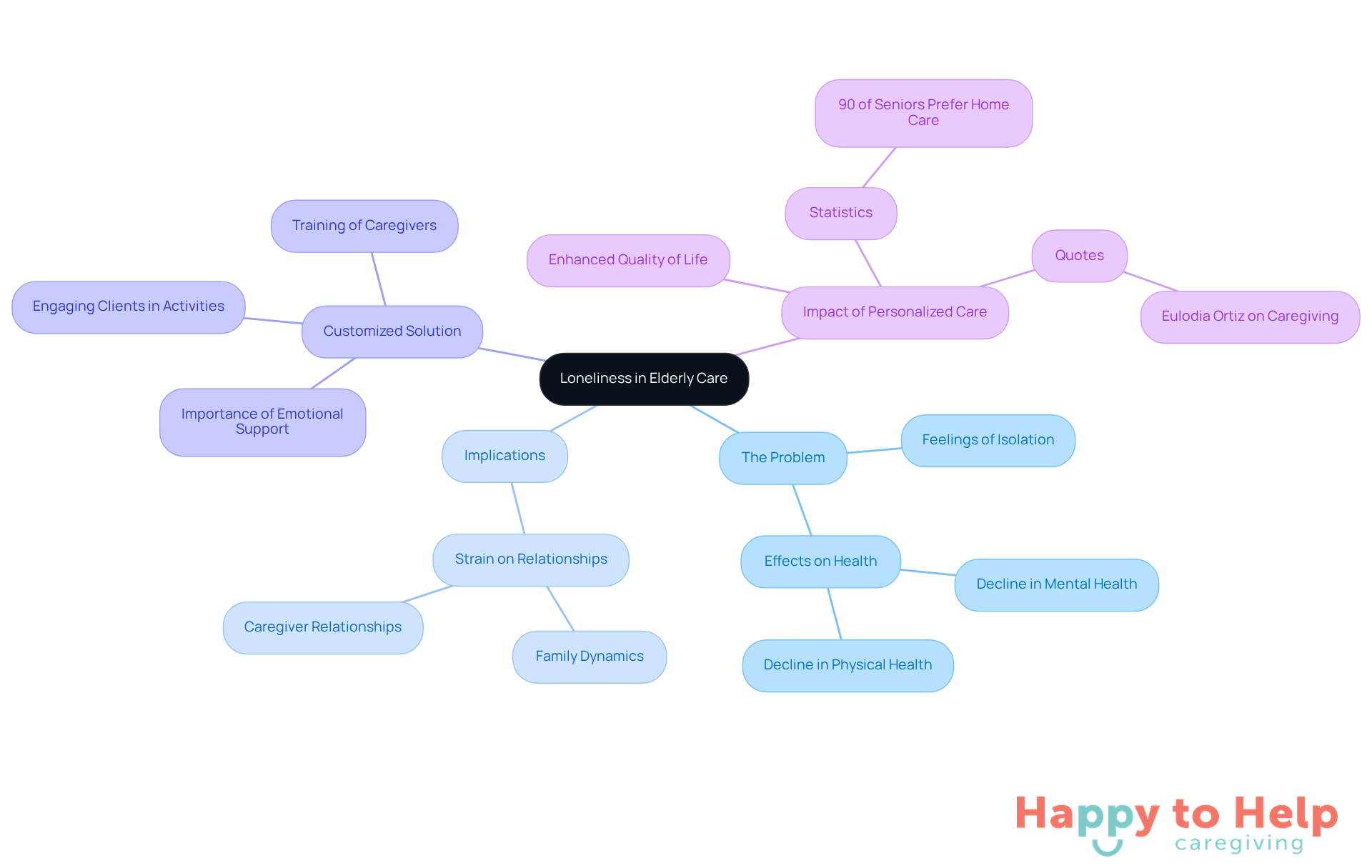
The Problem of Loneliness in Elderly Care
Elderly individuals often face feelings of loneliness and isolation, especially when receiving in-home care. This emotional struggle can significantly impact their overall quality of life, leading to a decline in mental and physical health.
The Implications of Isolation
When caregivers overlook the emotional needs of their clients, it can create an environment that feels unsafe and unwelcoming. This lack of emotional support not only affects the individual but can also strain relationships with family members and caregivers alike.
A Customized Solution
Happy to Help Caregiving excels in providing customized in-home assistance that prioritizes emotional support. Caregivers are meticulously trained to recognize and address the unique needs of each client, ensuring that care is both compassionate and tailored to individual preferences. This personalized approach fosters a sense of safety and ease, which is essential for a senior citizen in home care.
By actively engaging clients in enjoyable activities, caregivers can effectively mitigate feelings of loneliness and isolation. This transforms the home environment into a safer and more nurturing space.
The Impact of Personalized Care
The influence of such customized caregiving is profound, significantly enhancing the quality of life for older adults and nurturing a sense of belonging and well-being. According to the Home Care Association of America, nearly 90% of senior citizens in home care prefer to stay in their own homes, which highlights the importance of personalized care in meeting this preference.
Eulodia Ortiz, the 2023 Caregiver of the Year, stated, "Receiving this award is not just a personal achievement; it is a reminder of the importance of caregiving and the impact it has on individuals and communities." This underscores the critical role that emotional support plays in the caregiving process.
Implement Fall Prevention Strategies: Reduce Risks at Home
To effectively reduce fall risks at home, caregivers face a significant challenge when caring for a senior citizen in home care. Falls are the primary cause of fatal and non-fatal injuries among senior citizens in home care, with around 14 million elderly individuals experiencing falls annually. In fact, emergency departments reported 3 million visits due to falls among seniors in 2021. These alarming statistics highlight the urgent need for proactive measures to ensure the safety of senior citizens in home care.
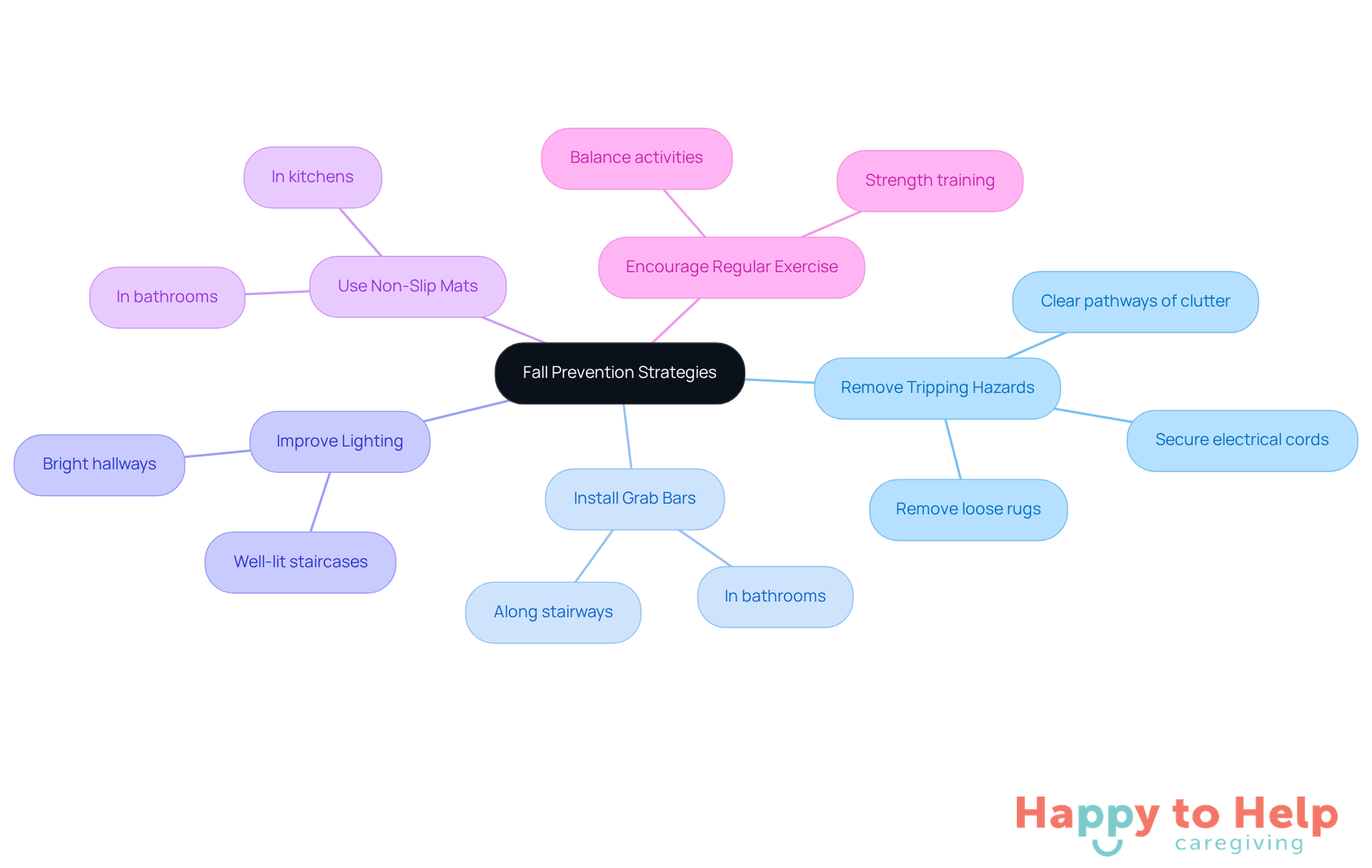
To address this issue, consider implementing the following strategies:
- Remove tripping hazards: Clear pathways of clutter, loose rugs, and electrical cords to create a safe environment.
- Install grab bars: Position grab bars in bathrooms and along stairways to provide essential support for older adults.
- Improve lighting: Ensure all areas, particularly staircases and hallways, are well-lit to enhance visibility and safety.
- Use non-slip mats: Place non-slip mats in bathrooms and kitchens to prevent slips on wet surfaces, a common cause of falls.
- Encourage regular exercise: Promote activities that enhance balance and strength, as these are crucial for maintaining stability in seniors.
Geriatric specialists emphasize that normal physiological changes associated with aging increase the likelihood of falls, making proactive measures essential for a senior citizen in home care. The cost of treating injuries caused by falls among older adults is projected to exceed $101 billion by 2030, underscoring the economic impact of falls and the importance of prevention strategies.
Programs like the Stepping On Falls Prevention Program have demonstrated significant success, showing a 31% reduction in fall risk among participants by addressing multiple factors, including home hazards and physical fitness. By adopting these strategies, families can create a safer living environment that supports the independence and well-being of their loved ones. Additionally, caregivers are encouraged to regularly assess their home environment for potential fall risks to ensure ongoing safety.
Make Home Modifications: Create a Safe Living Environment
Creating a safer living environment is crucial for a senior citizen in home care who has mobility challenges. Accessibility issues can lead to increased risks of falls and injuries for a senior citizen in home care, making it essential for caregivers to consider home modifications.
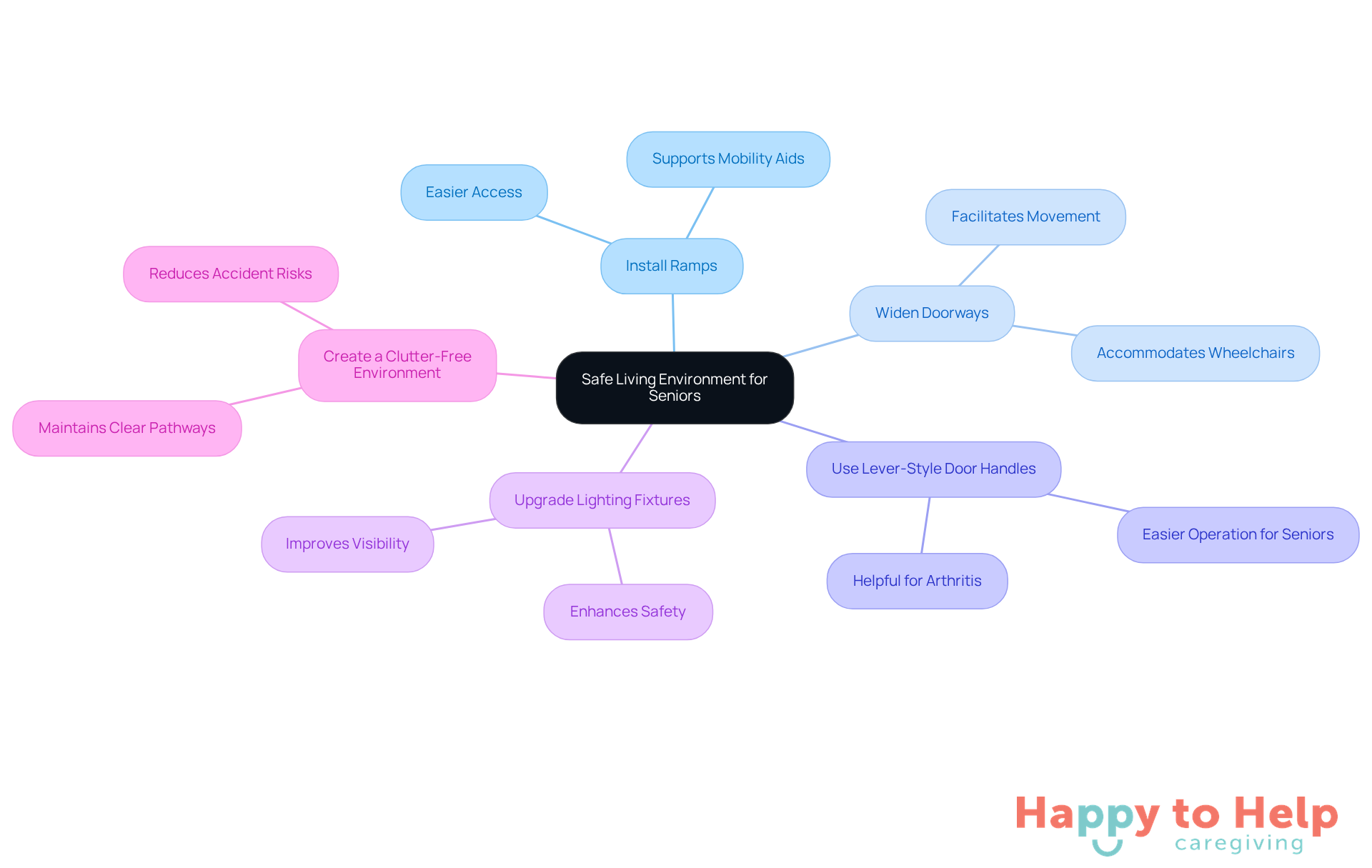
To address these concerns, here are some actionable solutions:
- Install ramps: This modification provides easier access, particularly for those using walkers or wheelchairs.
- Widen doorways: Wider doorways facilitate smoother movement and access for mobility aids.
- Use lever-style door handles: Lever handles are easier for seniors with arthritis or limited hand strength to operate.
- Upgrade lighting fixtures: Brighter bulbs and motion-sensor lights enhance safety by improving visibility.
- Create a clutter-free environment: Regular decluttering helps maintain clear pathways, reducing the risk of accidents.
Implementing these modifications can significantly improve safety and accessibility for a senior citizen in home care.
Conduct Regular Health Monitoring: Stay Proactive About Wellness
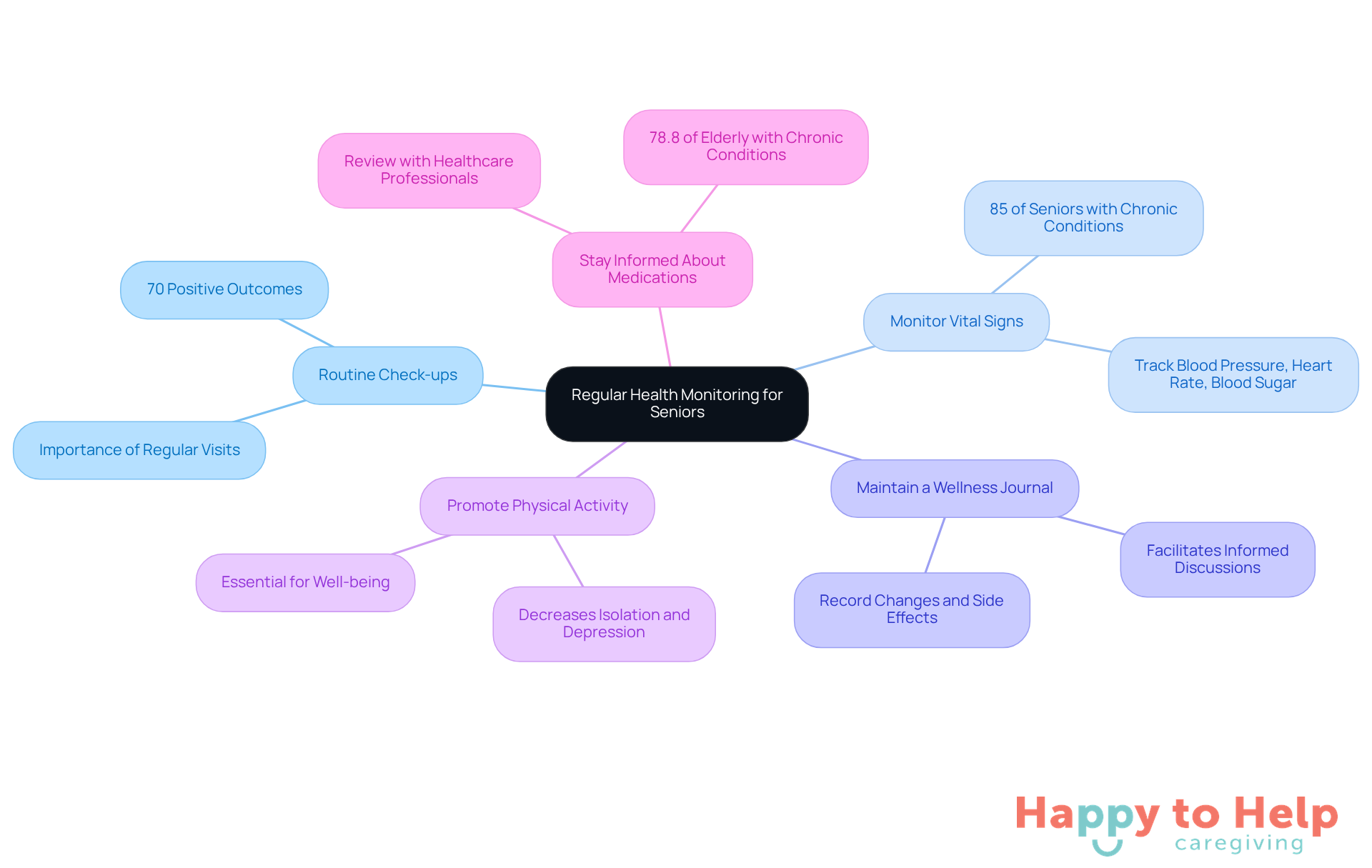
Maintaining wellness in a senior citizen in home care can be challenging, especially when it comes to regular health monitoring. Neglecting this aspect can lead to serious health issues that may go unnoticed until they become critical. To combat this, caregivers can adopt several proactive practices that significantly enhance quality of life and independence.
-
Schedule routine check-ups: Consistent visits to healthcare providers are crucial for early detection of potential health issues. Research shows that individuals who undergo regular wellness monitoring are 70% more likely to experience positive outcomes. As noted, "The basis of a successful wellness journey lies in the relationship between you and your healthcare providers," highlighting the importance of communication in monitoring well-being.
-
Monitor vital signs: Utilize home devices to keep track of blood pressure, heart rate, and blood sugar levels. Regular monitoring can help identify fluctuations that may require medical attention, allowing for timely interventions. Notably, over 85% of seniors aged 65 and older, including those who are senior citizens in home care, live with at least one chronic condition, making this practice vital.
-
Maintain a wellness journal: Record any changes in condition or medication side effects. This information is invaluable during consultations with healthcare providers, facilitating informed discussions about treatment adjustments.
-
Promote physical activity: Engaging in regular exercise is essential for sustaining well-being and avoiding chronic conditions. Physical activity not only boosts physical health but also aids mental wellness, decreasing feelings of isolation and depression, which impact 15% of older adults.
-
Stay informed about medications: Regularly review medications with a healthcare professional to ensure they remain appropriate and effective. This practice is especially important as older individuals often handle multiple chronic conditions, with 78.8% of elderly adults reporting at least one chronic condition in 2023.
By adopting these proactive wellness practices, a senior citizen in home care can significantly enhance their quality of life and maintain independence in their daily activities.
Encourage Companionship: Combat Loneliness and Isolation
Loneliness and isolation among older adults is a pressing issue that can significantly impact their mental well-being. Studies indicate that one-third of U.S. individuals aged 50 to 80 report feelings of isolation, with the U.S. Surgeon General labeling loneliness as an 'epidemic' affecting this demographic. This situation not only diminishes emotional health but also increases the risk of mental health problems.
To combat this growing concern, caregivers can implement several effective strategies:
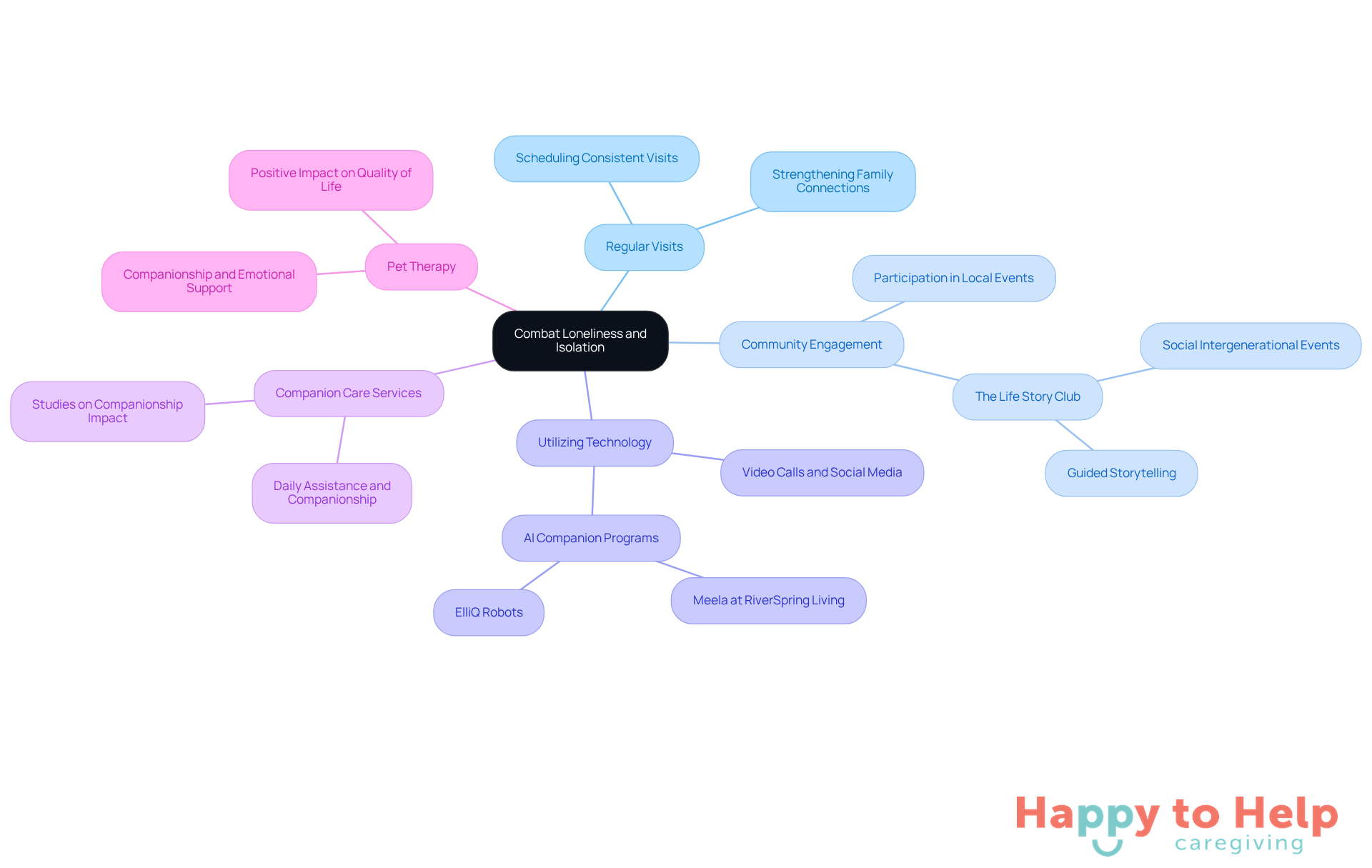
- Regular visits from family and friends: Scheduling consistent visits helps maintain strong connections, which can greatly enhance emotional well-being.
- Engagement in community activities: Encouraging participation in local events or clubs provides opportunities for socialization, reducing feelings of isolation. Programs like The Life Story Club have shown that social intergenerational events can improve mental health outcomes for older adults.
- Utilizing technology: Teaching older adults to use video calls and social media platforms can help them stay connected with loved ones, bridging the gap created by distance. AI companion programs, such as those at RiverSpring Living, have demonstrated promising results in reducing feelings of loneliness and enhancing social interaction.
- Hiring caregivers who assist with daily tasks while also providing companionship through companion care services can significantly improve the quality of life for a senior citizen in home care. Studies indicate that initiatives centered on companionship can reduce feelings of isolation, with many participants reporting enhanced mental well-being.
- Pet therapy: If feasible, pets can offer companionship and emotional support, positively impacting a senior's quality of life.
As Dr. Zachary Palace notes, engaging in dialogue-whether with people or AI-can help alleviate feelings of anxiety and depression. This highlights the vital role of companionship in enhancing mental well-being for older adults. By implementing these strategies, caregivers can make a meaningful difference in the lives of those they support.
Manage Medications Effectively: Ensure Proper Dosage and Timing
For a senior citizen in home care, managing medications can be a significant challenge. Many senior citizens in home care struggle with keeping track of their daily doses, which leads to missed medications and confusion. This issue not only affects the health of a senior citizen in home care but can also complicate their caregiving responsibilities.
To tackle this problem, consider these effective strategies:
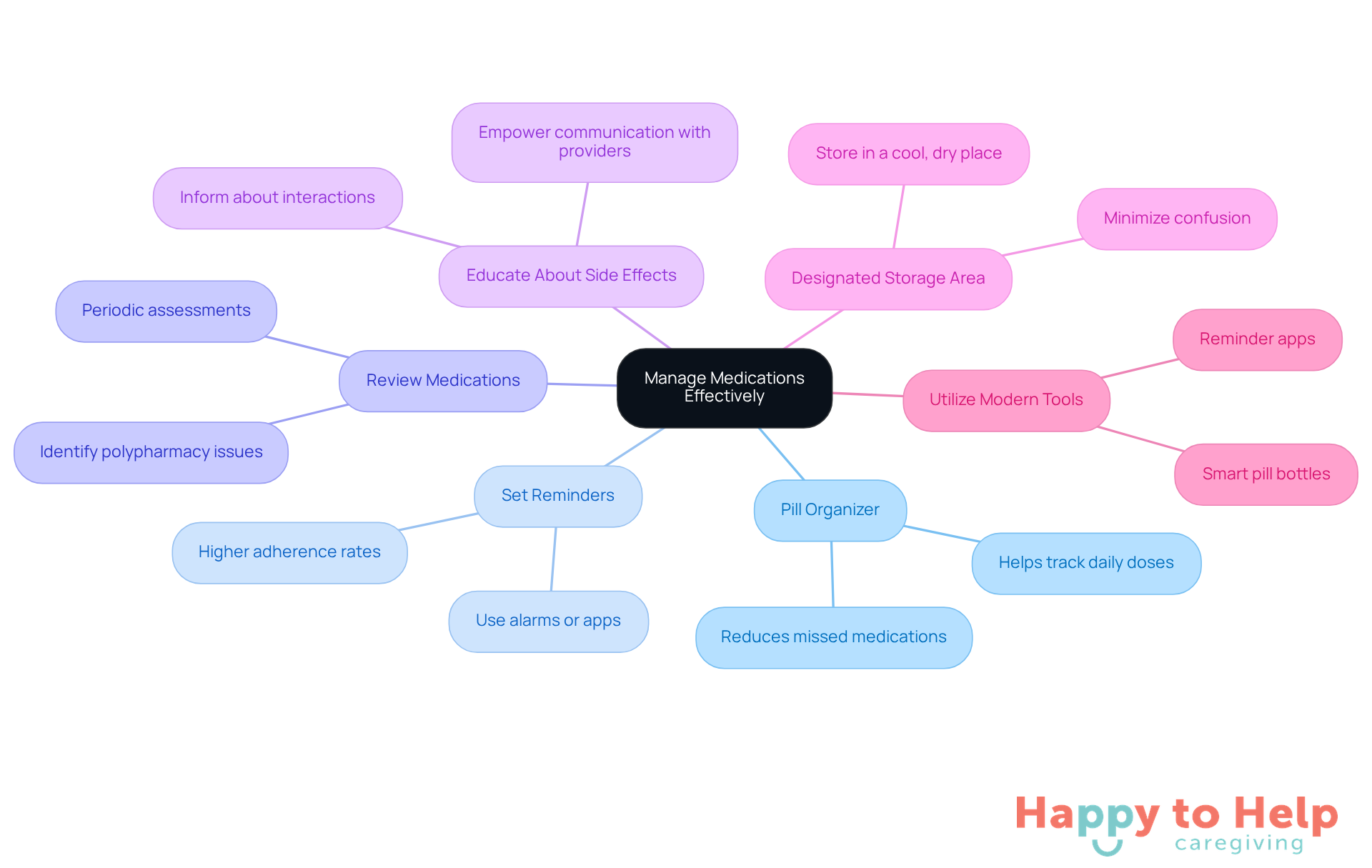
- Use a pill organizer: This handy tool helps seniors manage their daily medications, significantly reducing the risk of missed doses.
- Set reminders: Alarms or smartphone applications can notify elderly individuals when it's time to take their medications. Research indicates that older adults using reminder apps show notably higher adherence rates compared to those relying solely on memory.
- Review medications regularly: Schedule periodic reviews with healthcare providers to assess the necessity and effectiveness of each medication. Regular evaluations can help identify potential issues, such as polypharmacy, which affects 34% of older adults in the U.S. and 60% of older patients aged 70 and above in Germany who face medication administration and nonadherence issues.
- Educate about side effects: It's crucial to inform older adults about potential side effects and interactions. Understanding these can empower them to communicate effectively with healthcare providers, reducing the risk of medication errors.
- Keep medications in a designated area: Store all medications in one specific location to minimize confusion and ensure easy access. It's also important to keep them in a cool, dry place, away from the bathroom, to maintain their potency.
- Utilize modern tools: Smart pill bottles and reminder apps can significantly enhance the ability of elderly individuals to manage their medications effectively and independently.
By implementing these strategies, caregivers can help ensure that the senior citizens in home care adhere to their medication regimens, ultimately improving their health and well-being.
Prepare for Emergencies: Develop a Safety Plan
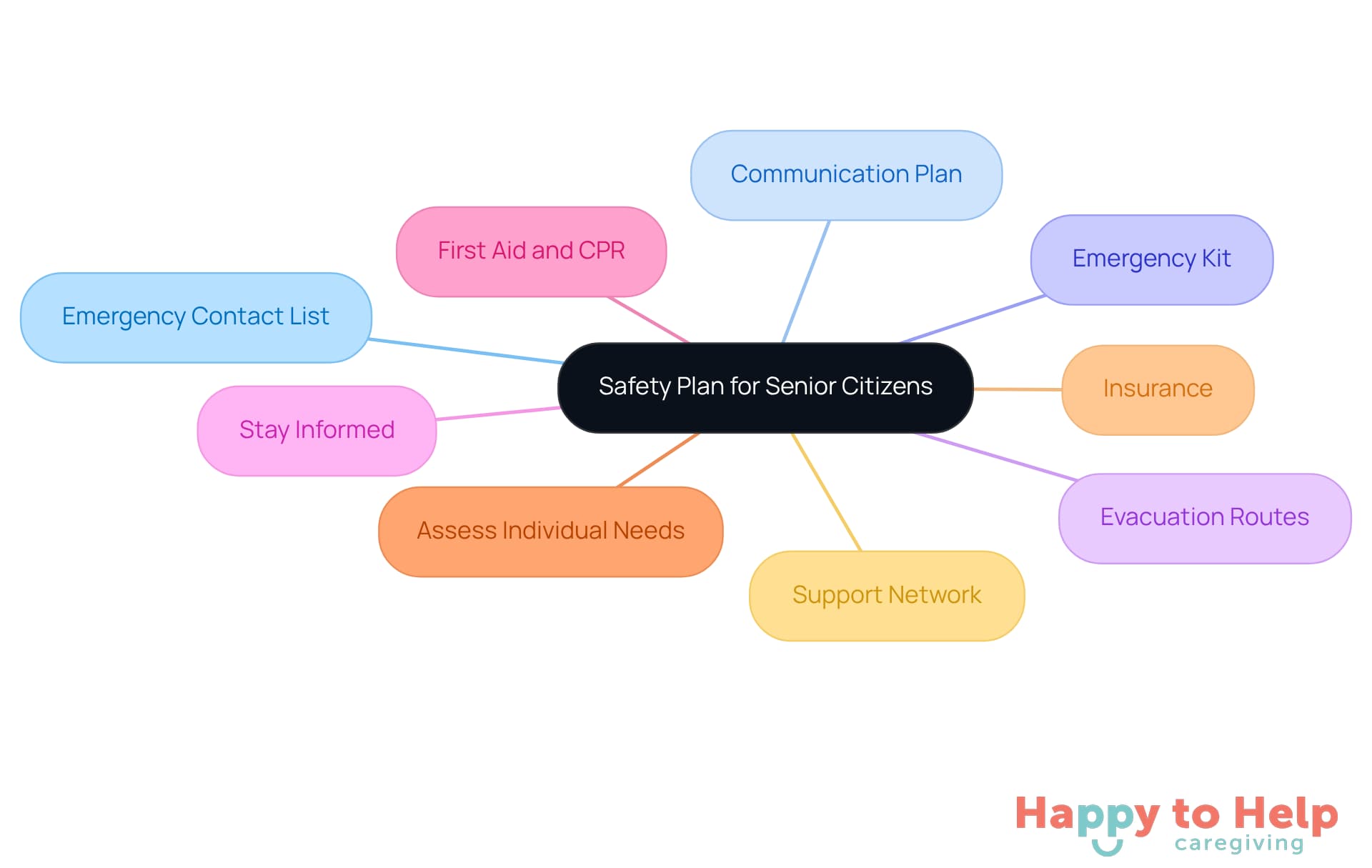
Preparing for emergencies is a significant challenge for caregivers of senior citizens in home care. Without a comprehensive safety plan, a senior citizen in home care may face increased risks during crises, which leaves both them and their families feeling vulnerable. To address this issue, here are key components to consider for an effective safety plan:
- Create an emergency contact list: Compile a list that includes family members, friends, and healthcare providers to ensure quick access to support during emergencies.
- Establish a communication plan: Ensure that older adults know how to reach their loved ones during emergencies, fostering a sense of security and connection.
- Prepare an emergency kit: Equip the kit with essentials such as water, non-perishable food, medications, and first aid supplies to address immediate needs.
- Practice evacuation routes: Familiarize older adults with exit paths and procedures for different emergencies, boosting their confidence and preparedness.
- Stay informed: Encourage older adults to remain updated on local emergency services and alerts, which can significantly impact their safety during crises.
- Learn first aid and CPR: Encourage older adults to take courses in first aid and CPR, empowering them to respond effectively in emergencies.
- Assess individual needs: Help elderly individuals evaluate their medical, physical, and cognitive needs to tailor their emergency plans accordingly.
- Consider insurance: Advise elderly individuals to ensure they have adequate property or renter's insurance to cover potential disaster-related damages.
- Build a support network: Encourage the formation of a support network involving family, friends, and caregivers to provide assistance during emergencies.
Incorporating these elements into a safety plan not only prepares senior citizens in home care for potential emergencies but also empowers their families to feel more secure about their loved ones' well-being at home.
Plan Nutritious Meals: Support Health Through Diet
To promote well-being through diet, caregivers face the challenge of planning nutritious meals for a senior citizen in home care. Poor dietary choices can lead to serious health implications, including increased risks of cognitive decline and limitations in daily activities.
Key Strategies for Nutritious Meal Planning:
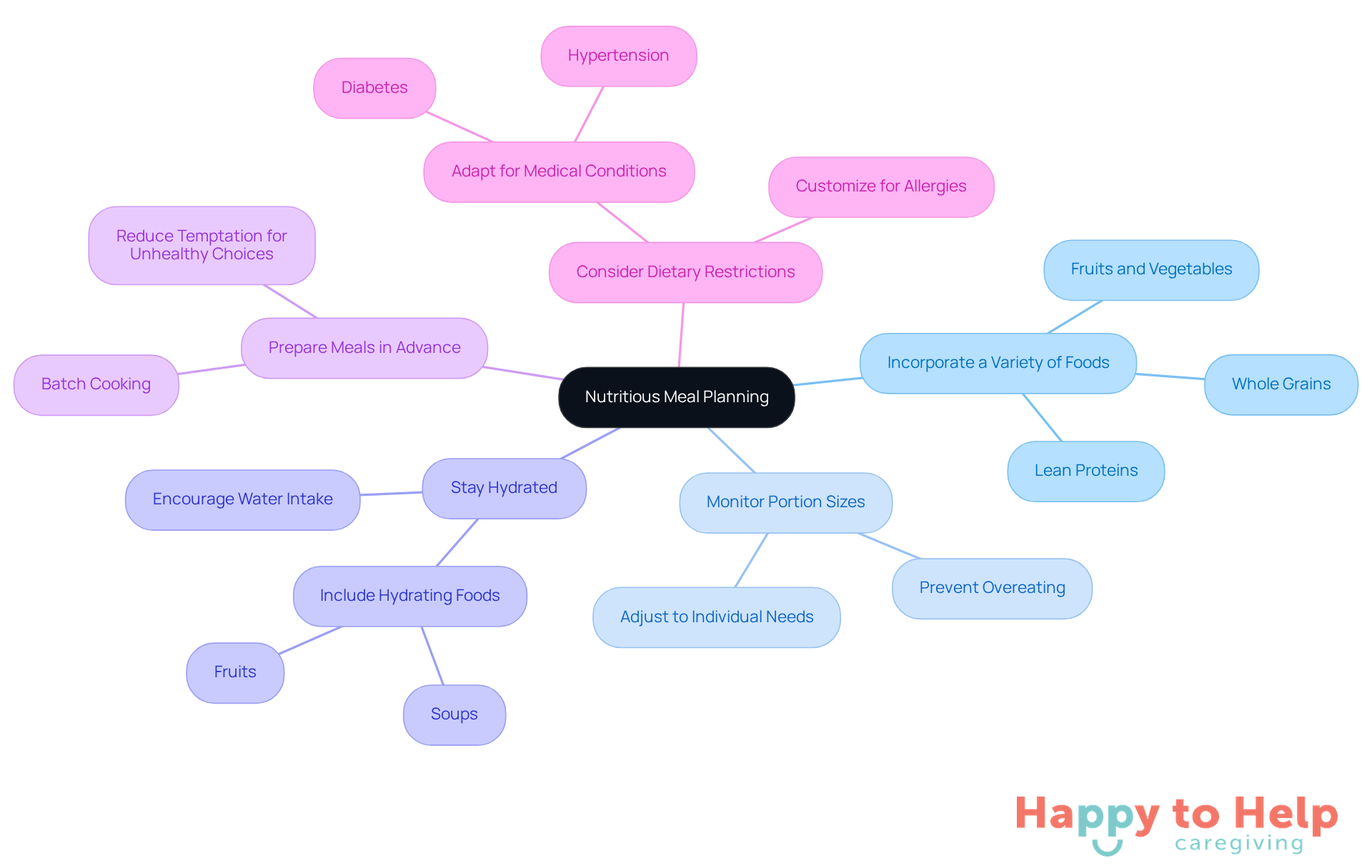
- Incorporate a Variety of Foods: Meals should include a colorful array of fruits, vegetables, whole grains, and lean proteins. This variety not only improves taste but also guarantees a wide range of nutrients essential for sustaining well-being.
- Monitor Portion Sizes: Adjusting portion sizes to meet individual dietary needs helps prevent overeating and supports weight management, which is crucial for overall health.
- Stay Hydrated: Regular fluid intake is vital to prevent dehydration, a common issue among older adults. Encourage seniors to drink water throughout the day, and consider incorporating hydrating foods like fruits and soups.
- Prepare Meals in Advance: Batch cooking can simplify meal preparation and help maintain a healthy diet. This approach saves time and ensures that nutritious options are readily available, reducing the temptation to opt for less healthy choices.
- Consider Dietary Restrictions: Customize meal plans to suit any allergies or medical conditions, such as diabetes or hypertension. This customization is essential for encouraging improved wellness results and enhancing the quality of life.
Current dietary recommendations emphasize the importance of a balanced diet rich in plant-based foods, which can significantly improve cognitive, physical, and mental health for a senior citizen in home care. For example, seniors following healthy eating habits face a 15.2% chance of developing limitations in activities of daily living, compared to 19.6% in individuals with lower diet quality. Programs like Congregate Nutrition Services and Home-Delivered Nutrition Services provide vital meals while encouraging social connections, further enhancing the well-being of senior citizens in home care. As highlighted by dietitian Keri Lipperini, "Paving the Path to Good Health, Nutrition and Wellness as We Age" is crucial for maintaining independence and quality of life. To make meal planning easier, consider using a simple template that outlines daily meals and snacks, ensuring a balanced intake of nutrients.
Promote Social Engagement: Foster Connections and Activities
To foster social engagement among seniors, we need to address a significant problem: low participation in social activities. Only 6% of men and approximately 3% of women among seniors engage in social or civic activities, highlighting a pressing need for greater involvement.
This lack of engagement can lead to feelings of isolation and diminished well-being. Research shows that greater social participation can lower the chances of poor well-being by nearly fifty percent. Therefore, implementing the following activities can help improve social connections and overall wellness among seniors:
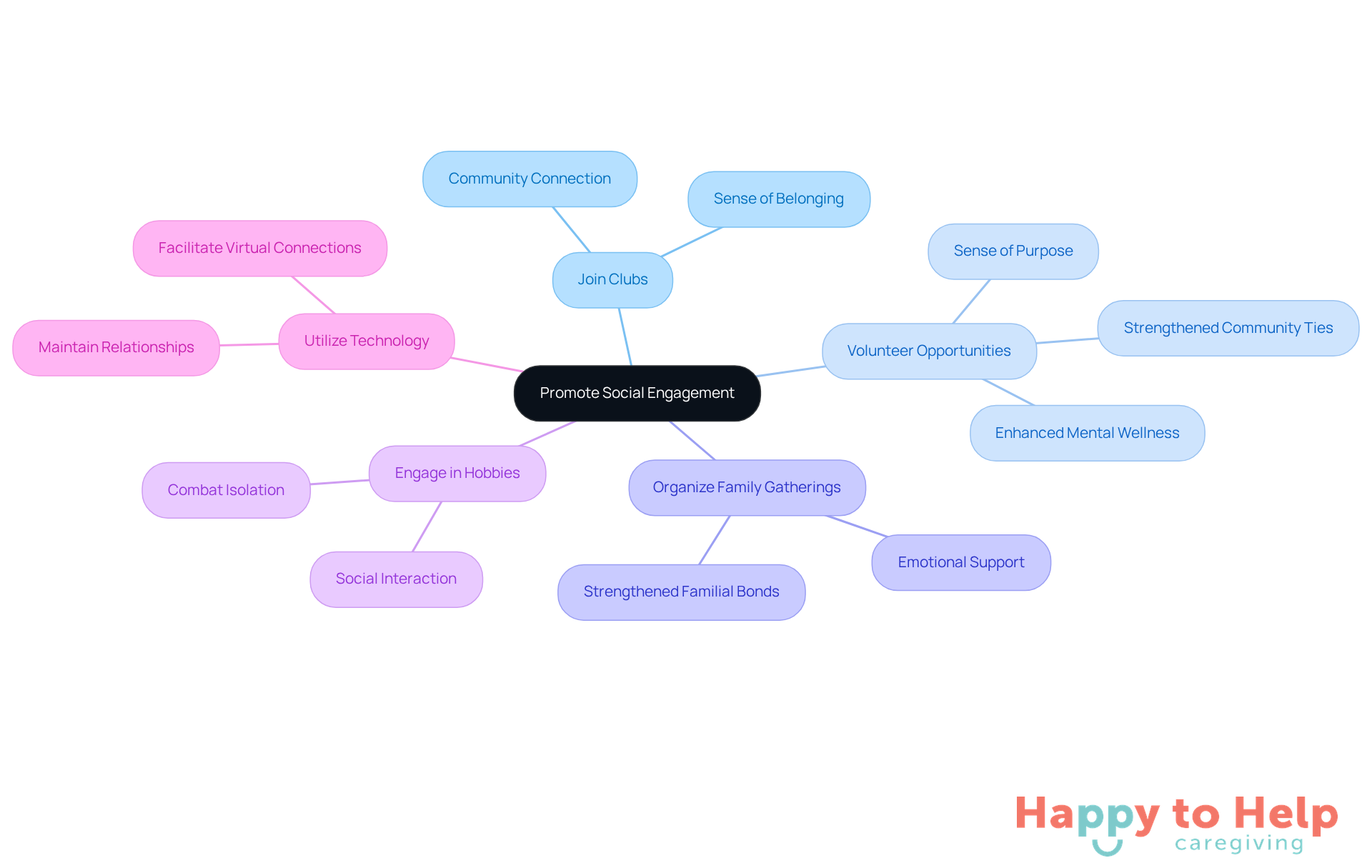
- Join clubs or groups: Encourage participation in local clubs that align with seniors' interests. These clubs can provide a sense of belonging and community.
- Volunteer opportunities: Engaging in volunteer work not only offers a sense of purpose but also strengthens community ties. Volunteering is associated with enhanced mental wellness and quality of life.
- Organize family gatherings: Regular family events can significantly enhance social interaction and strengthen familial bonds, which are crucial for emotional support. As Amiya Saha notes, engaging with family and friends is vital for enhancing personal well-being among older adults.
- Engage in hobbies: Encourage older adults to pursue hobbies that involve social interaction, such as gardening, crafting, or book clubs. These activities can help combat feelings of isolation.
- Utilize technology for virtual gatherings: Teaching seniors to use video conferencing tools can facilitate connections with friends and family, making it easier to maintain relationships despite physical distance.
These activities not only foster social connections but also lead to improved well-being for senior citizens in home care, as heightened social involvement has been demonstrated to lessen the chances of poor wellness among seniors.
Utilize Technology: Enhance Safety and Communication
To enhance safety and communication for senior citizens in home care, caregivers face significant challenges. These challenges can lead to increased risks of accidents and health issues, particularly for a senior citizen in home care in hazardous conditions. Fortunately, several technological strategies can help address these concerns effectively.
-
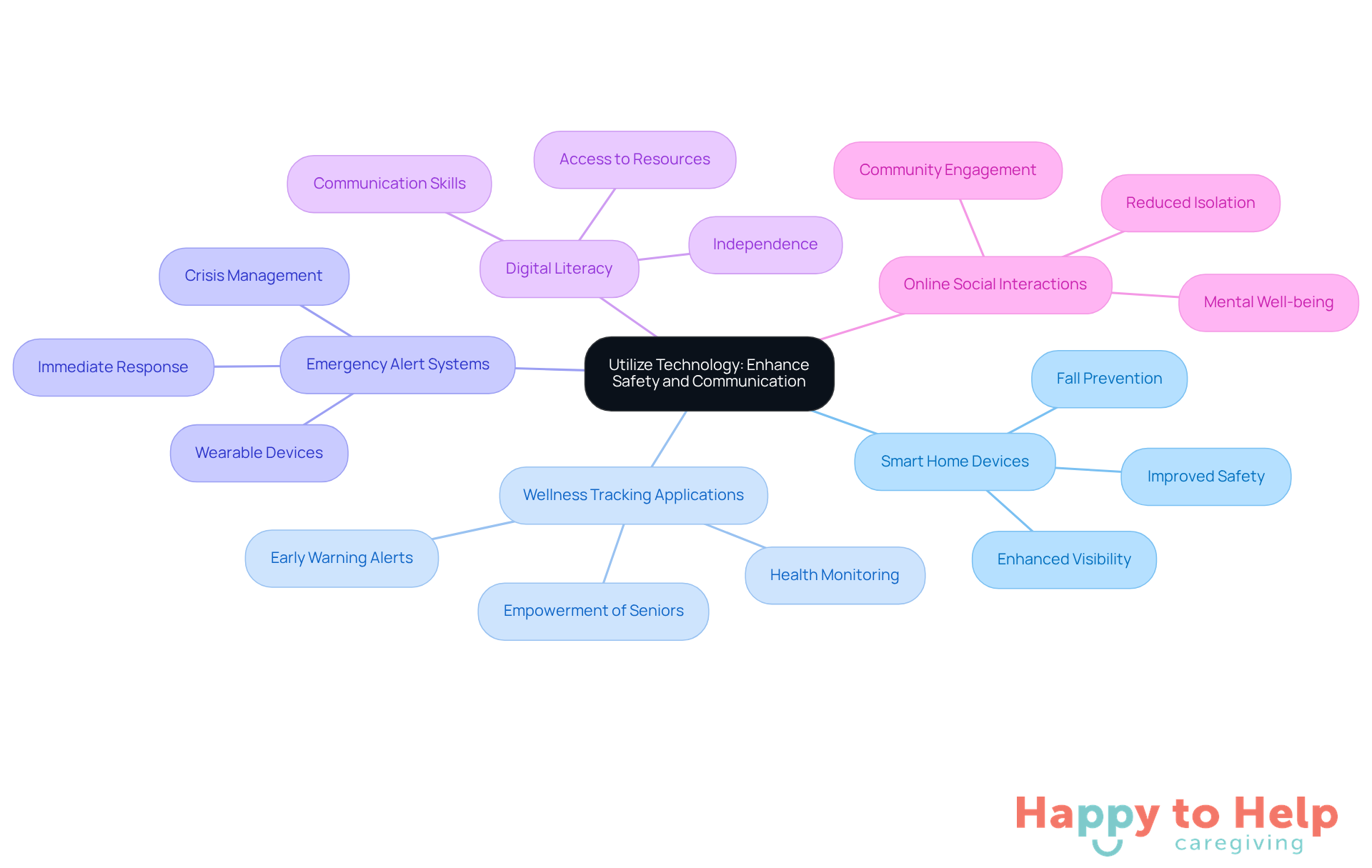
Implementing smart home devices can significantly improve safety. Smart lights, motion sensors, and security cameras enhance visibility and alert caregivers to unusual activity. These devices create a secure environment, reducing the risk of falls and other accidents, especially during winter months. Recent studies show that smart home systems are designed to prevent falls among senior citizens in home care, ensuring a safer living environment.
-
Utilizing wellness tracking applications is another effective strategy. Encouraging older adults to use mobile apps that monitor essential indicators such as heart rate, blood pressure, and medication timings empowers them to take an active role in their wellness management. Research indicates that wearable devices can alert caregivers to early warning signs of health issues, promoting healthy aging.
-
Establishing emergency alert systems is crucial for immediate response capabilities. Providing a senior citizen in home care with wearable devices or emergency alert systems ensures that caregivers or emergency services can be informed in case of a fall or medical crisis. Studies show that the rapid response capability of these devices can prevent injuries from worsening, creating a safer environment for residents.
-
Teaching digital literacy is essential for fostering independence. Offering instruction on how to use smartphones and computers helps older adults stay connected with family and friends. Familiarity with technology enhances their ability to communicate and access resources.
-
Encouraging online social interactions can alleviate feelings of isolation. Helping seniors engage in online communities or social media platforms maintains social connections, promoting mental well-being, especially during challenging times. Experts note that voice assistants can help reduce feelings of isolation in aging individuals, providing companionship and reminders for daily activities.
Moving Forward with Tips
Implementing effective home care safety strategies for senior citizens presents a significant challenge that can impact their quality of life and overall well-being. Without proper attention to their needs, seniors may face increased risks, such as falls and social isolation, which can lead to a decline in both physical and emotional health.
To address these issues, caregivers must focus on personalized in-home support that encompasses not only physical assistance but also emotional and social engagement. This holistic approach is essential for fostering a safe and supportive living environment. Key strategies include:
- Reducing fall risks through environmental modifications, such as removing tripping hazards and ensuring adequate lighting.
- Managing medications effectively to prevent errors and ensure adherence to prescribed regimens.
- Encouraging social engagement to combat loneliness, which can significantly affect mental health.
By integrating these essential tips into caregiving practices, caregivers can make a substantial difference in the lives of older adults. It is crucial to remain proactive and attentive to the unique needs of each senior citizen, promoting not only safety but also emotional well-being. Embracing these strategies can lead to a more fulfilling and connected life for seniors, highlighting the importance of compassion and commitment in home care.
https://iframe.tely.ai/cta/eyJhcnRpY2xlX2lkIjogIjY5MjRmMjBkY2Q1NjY3YWUxYjQzNTcxOCIsICJjb21wYW55X2lkIjogIjY4ZWU1ZGNhNzMxNzYyNTU3ZjNjOTVjMSIsICJpbmRleCI6IG51bGwsICJ0eXBlIjogImFydGljbGUifQ==Frequently Asked Questions
What are the emotional challenges faced by elderly individuals receiving in-home care?
Elderly individuals often experience feelings of loneliness and isolation, which can significantly impact their overall quality of life and lead to declines in mental and physical health.
How does isolation affect relationships in elderly care?
When caregivers overlook the emotional needs of their clients, it can create an unsafe and unwelcoming environment, straining relationships with family members and caregivers.
What is the approach of Happy to Help Caregiving in addressing the emotional needs of seniors?
Happy to Help Caregiving provides customized in-home assistance that prioritizes emotional support, ensuring care is compassionate and tailored to each client's unique needs.
How do caregivers at Happy to Help Caregiving help mitigate loneliness in seniors?
Caregivers actively engage clients in enjoyable activities, transforming the home environment into a safer and more nurturing space.
What is the impact of personalized caregiving on the quality of life for seniors?
Personalized caregiving significantly enhances the quality of life for older adults, nurturing a sense of belonging and well-being.
What are the statistics related to falls among senior citizens?
Falls are the primary cause of fatal and non-fatal injuries among seniors, with around 14 million elderly individuals experiencing falls annually and 3 million emergency department visits reported due to falls in 2021.
What strategies can caregivers implement to reduce fall risks at home?
Caregivers can remove tripping hazards, install grab bars, improve lighting, use non-slip mats, and encourage regular exercise to enhance safety.
Why are proactive fall prevention measures essential for seniors?
Normal physiological changes associated with aging increase the likelihood of falls, making proactive measures crucial for ensuring safety and preventing injuries.
What are some recommended home modifications for seniors with mobility challenges?
Recommended modifications include installing ramps, widening doorways, using lever-style door handles, upgrading lighting fixtures, and creating a clutter-free environment.
How do home modifications improve safety for seniors in home care?
Home modifications significantly enhance safety and accessibility, reducing the risk of falls and injuries for seniors with mobility challenges.
List of Sources
- Happy to Help Caregiving: Personalized In-Home Support for Seniors
- 2025 Home Care Statistics: Trends & Insights To Know (https://premierhcinc.com/blog/home-care-statistics)
- Home Care Statistics In 2025: Key Insights In Home Care (https://sagapixel.com/marketing/home-care-statistics)
- News Releases (https://hcaoa.org/news-releases.html)
- 52 Eye-Opening Home Health Statistics: Insights for 2025 (https://boosthomehealth.com/home-health-statistics)
- Family and Friends Homecare Enhances Senior Lives with Trusted Dementia Home Care in Denver, CO (https://openpr.com/news/4269706/family-and-friends-homecare-enhances-senior-lives-with-trusted)
- Implement Fall Prevention Strategies: Reduce Risks at Home
- Many Falls Are Preventable. These Tips Can Help. (https://nytimes.com/2025/06/11/well/fall-prevention-tips.html)
- National Falls Prevention Action Plan Released | ACL Administration for Community Living (https://acl.gov/news-and-events/announcements/national-falls-prevention-action-plan-released)
- Get the Facts on Falls Prevention (https://ncoa.org/article/get-the-facts-on-falls-prevention)
- Supreme Court ruling could affect falls risk assessments, interventions for older adults (https://mcknightsseniorliving.com/news/supreme-court-ruling-could-affect-falls-risk-assessments-interventions-for-older-adults)
- Preventing Falls: Strategic Advice for Older Adults - Stoughton Health (https://stoughtonhealth.com/preventing-falls-strategic-advice-for-older-adults)
- Make Home Modifications: Create a Safe Living Environment
- Home Safety Modifications to Promote Senior Independence (https://ohioanshhc.com/news/home-safety-modifications-to-promote-senior-independence)
- 2024 Aging in Place Statistics: A Lucrative Opportunity for the Home Care Industry - People Care (https://peoplecare.com/2024-aging-in-place-statistics-a-lucrative-opportunity-for-the-home-care-industry)
- Aging in Place Home Modifications for Safer Living (https://agesafeamerica.com/home-safety-hub/blog/home-modifications)
- HUD Archives: HUD Announces $3.7 Million for Home Repairs for Seniors (https://archives.hud.gov/news/2024/pr24-215.cfm)
- Home Safety for Seniors: Statistics & Proven Safety Solutions (https://agesafeamerica.com/home-safety-hub/articles/home-safety-seniors-statistics-solutions)
- Conduct Regular Health Monitoring: Stay Proactive About Wellness
- 10 Statistics About Chronic Disease in Seniors You Need to Know for 2025 - North American Community Hub (https://nchstats.com/statistics-chronic-disease-seniors)
- Trends in Multiple Chronic Conditions Among US Adults, By Life Stage, Behavioral Risk Factor Surveillance System, 2013–2023 (https://cdc.gov/pcd/issues/2025/24\_0539.htm)
- The Importance of Regular Check-ups: | SJPP (https://sjpp.org/news/the-importance-of-regular-check-ups)
- FastStats (https://cdc.gov/nchs/fastats/older-american-health.htm)
- The Importance of Health Monitoring for Seniors: Tips from an Internist (https://evansmedicalgroup.com/importance-of-health-monitoring-for-seniors)
- Encourage Companionship: Combat Loneliness and Isolation
- AI companion helps older adults combat loneliness (https://bronx.news12.com/ai-companion-helps-older-adults-combat-loneliness)
- Fighting elderly loneliness (https://cbsnews.com/video/fighting-elderly-loneliness)
- For seniors dealing with social isolation, NYC programs provide intergenerational events (https://cbsnews.com/newyork/news/cost-of-caregiving-the-life-story-club-nyc-friendly-visiting-program)
- Lonely Seniors Are Turning To AI Bots For Companionship (https://forbes.com/sites/rashishrivastava/2025/10/18/lonely-seniors-are-turning-to-ai-bots-for-companionship)
- Trends in Loneliness Among Older Adults from 2018-2023 (https://ihpi.umich.edu/national-poll-healthy-aging/reports-and-resources/trends-loneliness-among-older-adults-2018-2023)
- Manage Medications Effectively: Ensure Proper Dosage and Timing
- New tool helps seniors reduce unnecessary medications (https://mcgill.ca/newsroom/channels/news/new-tool-helps-seniors-reduce-unnecessary-medications-366216)
- Medication management guidance for older adults (https://medicalnewstoday.com/articles/elderly-medication-management)
- Good Samaritan leaders to share trends in senior care (https://news.sanfordhealth.org/health-care-leadership/good-samaritan-leaders-to-share-trends-in-senior-care)
- Medication use problems among older adults at a primary care: A narrative of literature review - PMC (https://pmc.ncbi.nlm.nih.gov/articles/PMC9245166)
- Senior Medication Management: Safe & Simple Tips (https://healthyuclinics.com/senior-medication-management)
- Prepare for Emergencies: Develop a Safety Plan
- Nursing Homes Reported Wide-Ranging Challenges Preparing for Public Health Emergencies and Natural Disasters (https://oig.hhs.gov/reports/all/2023/nursing-homes-reported-wide-ranging-challenges-preparing-for-public-health-emergencies-and-natural-disasters)
- Disaster planning for older adults: What to know this hurricane and wildfire season (https://heart.org/en/news/2024/07/10/what-to-know-this-hurricane-and-wildfire-season)
- Older Adults (https://redcross.org/get-help/how-to-prepare-for-emergencies/older-adults.html?srsltid=AfmBOoqBKui-OBqHKsaRnz4ahVx7cb-2DxOY88P71nyIhZNpIoJWOCCe)
- 22 Workplace Safety Quotes From Leaders and Experts - AlertMedia (https://alertmedia.com/blog/workplace-safety-quotes)
- Plan Nutritious Meals: Support Health Through Diet
- The changing nutritional needs of older adults and how to meet them (https://heart.org/en/news/2024/12/18/the-changing-nutritional-needs-of-older-adults-and-how-to-meet-them)
- Healthy eating in midlife linked to overall healthy aging | Harvard T.H. Chan School of Public Health (https://hsph.harvard.edu/news/healthy-eating-in-midlife-linked-to-overall-healthy-aging)
- Diet Quality and Health in Older Americans - PMC (https://pmc.ncbi.nlm.nih.gov/articles/PMC8955752)
- This National Nutrition Month®, Let’s Promote Healthy Eating for Older Adults - News & Events | odphp.health.gov (https://odphp.health.gov/news/202503/national-nutrition-monthr-lets-promote-healthy-eating-older-adults)
- Senior Nutrition Programs in the News | ACL Administration for Community Living (https://acl.gov/senior-nutrition/senior-nutrition-programs-news)
- Promote Social Engagement: Foster Connections and Activities
- Social engagement helps older adults feel younger, live longer: study (https://mcknightsseniorliving.com/news/social-engagement-helps-older-adults-feel-younger-live-longer-study)
- Unveiling the dynamics of social engagement and subjective health in older adults: A gendered perspective (https://sciencedirect.com/science/article/pii/S0531556524001141)
- 27 Inspirational Quotes for Caregivers (https://ultimatecareny.com/resources/27-quotes-for-caregivers)
- Engaging Social Activities for Seniors: Revitalizing Social Connections (https://h2hhc.com/blog/social-activities-for-seniors)
- Older adults prioritize social activities, inclusiveness in massive survey assessing what matters most to them (https://mcknights.com/news/older-adults-prioritize-social-activities-inclusiveness-in-massive-survey-assessing-what-matters-most-to-them)
- Utilize Technology: Enhance Safety and Communication
- Modern Tools That Improve Safety and Accountability in Elder Care Settings (https://dcreport.org/2025/11/24/modern-tech-tools-improving-safety-in-elder-care-facilities)
- Tech-enabled caregiving can help dementia patients stay at home — perhaps for too long (https://statnews.com/2025/11/24/dementia-caregiving-technology-assistance)
- AI Technology is Transforming Aging Safely Through Winter (https://ltcnews.com/articles/ai-technology-transforming-aging-safely-through-winter)
- ‘Perfect storm’ hitting assisted living requires leveraging technology to improve outcomes (https://mcknightsseniorliving.com/news/perfect-storm-hitting-assisted-living-requires-leveraging-technology-to-improve-outcomes)