

For families in our service areas
For families in our service areas, this guide explains caregiving and how non-medical in-home caregiving can support care planning in East Idaho, Treasure Valley & Magic Valley, Northern Wasatch, North Central West Virginia, and Northeast Ohio.
The Importance of Tips on Recommended Dose of Vitamin D3
Vitamin D3 is crucial for the health and well-being of seniors, yet many struggle to maintain adequate levels of this essential nutrient. Alarmingly, a significant portion of older adults are deficient, which can severely impact bone health, immune function, and overall quality of life.
As caregivers aim to improve the health of their clients, understanding the recommended doses and practical strategies for managing vitamin D becomes essential. Caregivers must navigate the complexities of vitamin D3 supplementation effectively to ensure their elderly loved ones thrive.
To tackle this issue, caregivers can start by assessing vitamin D levels through blood tests. If deficiencies are found, they should consult healthcare professionals for personalized recommendations. Additionally, incorporating vitamin D-rich foods, such as fatty fish and fortified dairy products, into meals can help boost intake.
Regular outdoor activity can also enhance vitamin D synthesis through sunlight exposure, making it a simple yet effective strategy. By implementing these solutions, caregivers can play a vital role in supporting the health of seniors and improving their quality of life.
Happy to Help Caregiving: Personalized Support for Vitamin D Management in Seniors
Problem: Many seniors face significant challenges in maintaining adequate vitamin D levels, which are crucial for their overall health. Statistics reveal that 4.6% of seniors experience severe vitamin D deficiency, while 15.2% face moderate deficiency. This situation highlights a critical need for effective management of nutrient intake.
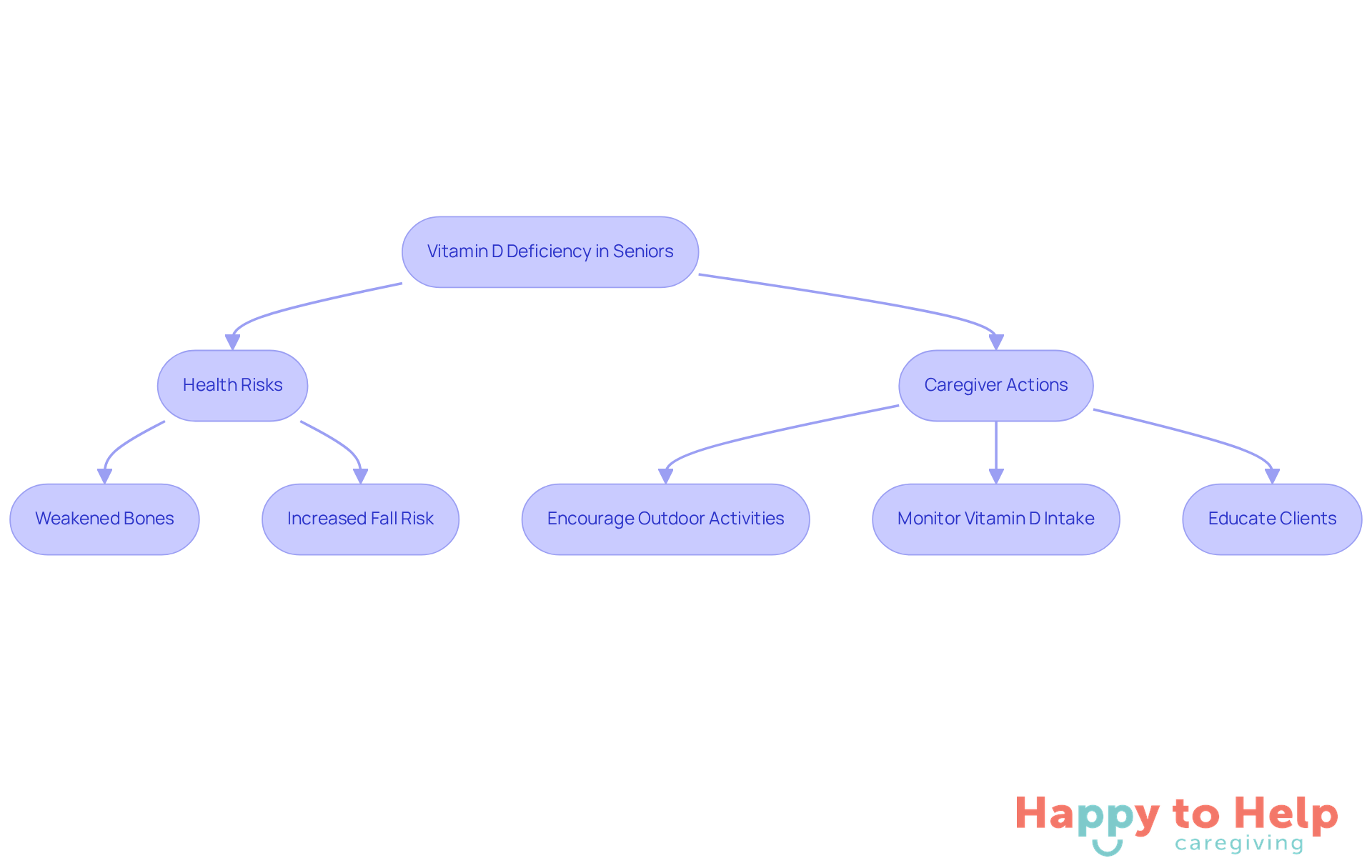
Agitate: Vitamin D deficiency can lead to serious health issues, including weakened bones and increased risk of falls. Caregivers play a vital role in helping clients understand their vitamin D needs, track their intake, and encourage outdoor activities for natural sunlight exposure. Without proper monitoring, seniors may struggle with their health, impacting their independence and emotional well-being.
Solution: To combat these challenges, caregivers can implement individualized care strategies that focus on ensuring seniors receive sufficient nutrients. For optimal well-being and fall prevention, the recommended dose of vitamin D3 for seniors is 25 μg (1000 IU) daily. By incorporating these practices into daily routines, caregivers can significantly enhance their clients' quality of life.
- Encourage outdoor activities to boost sunlight exposure.
- Monitor vitamin D intake regularly to ensure adequate levels.
- Educate clients about the importance of vitamin D for their health.
By taking a proactive approach, caregivers can foster independence and confidence in their clients, ultimately leading to improved health outcomes.
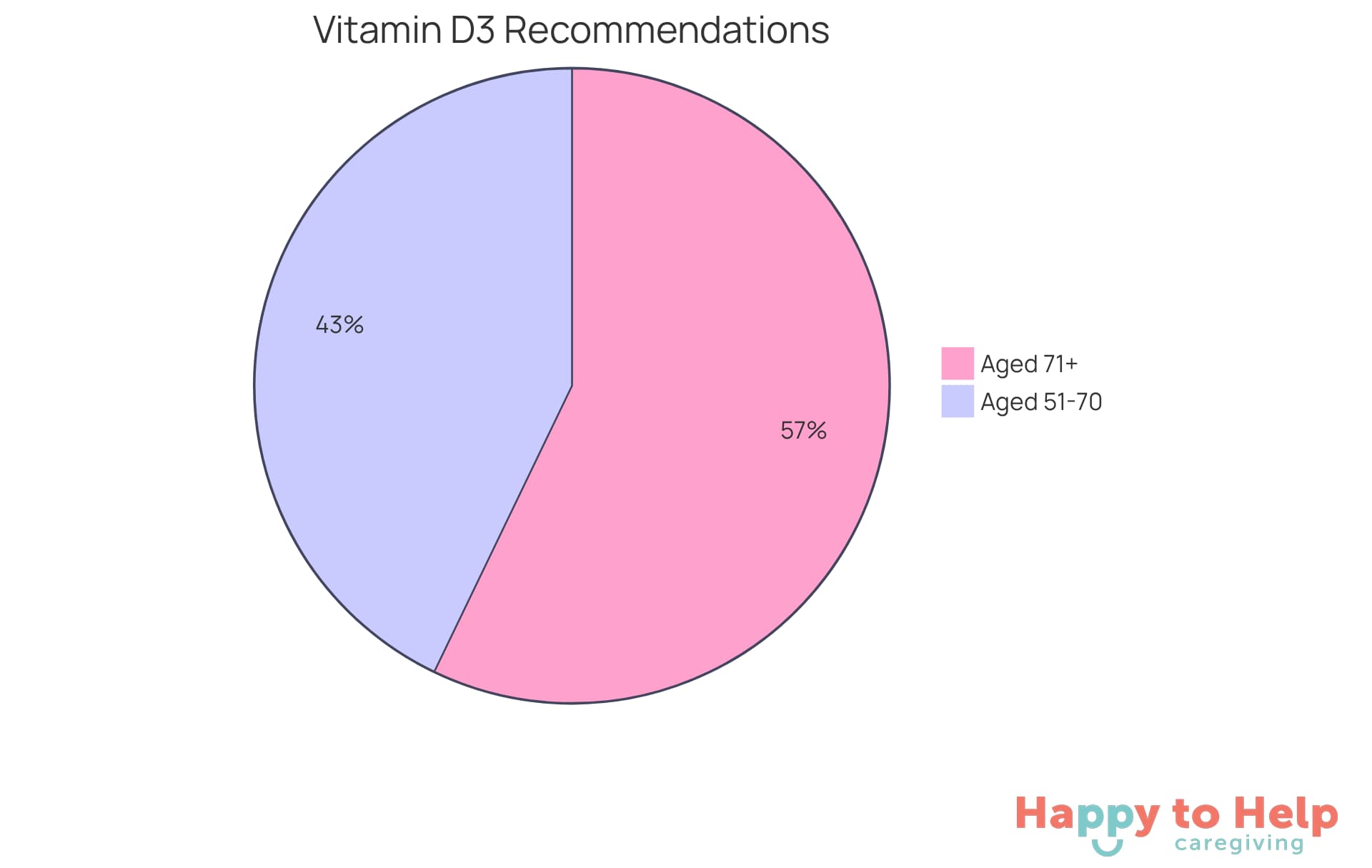
Recommended Daily Intake of Vitamin D3 for Seniors: Understanding the Guidelines
Vitamin D3 deficiency poses a significant problem for older adults, particularly as they age. Without adequate levels of this essential vitamin, individuals may face serious health issues, including weakened bones and increased risk of fractures.
The recommended dose of vitamin D3 for seniors aged 71 and older is typically 800 IU, while adults aged 51 to 70 should aim for at least 600 IU. These guidelines are crucial for maintaining bone health and preventing deficiencies.
By adhering to these recommendations, caregivers can play a vital role in ensuring the well-being of older adults, helping them avoid the complications associated with vitamin D3 deficiency.
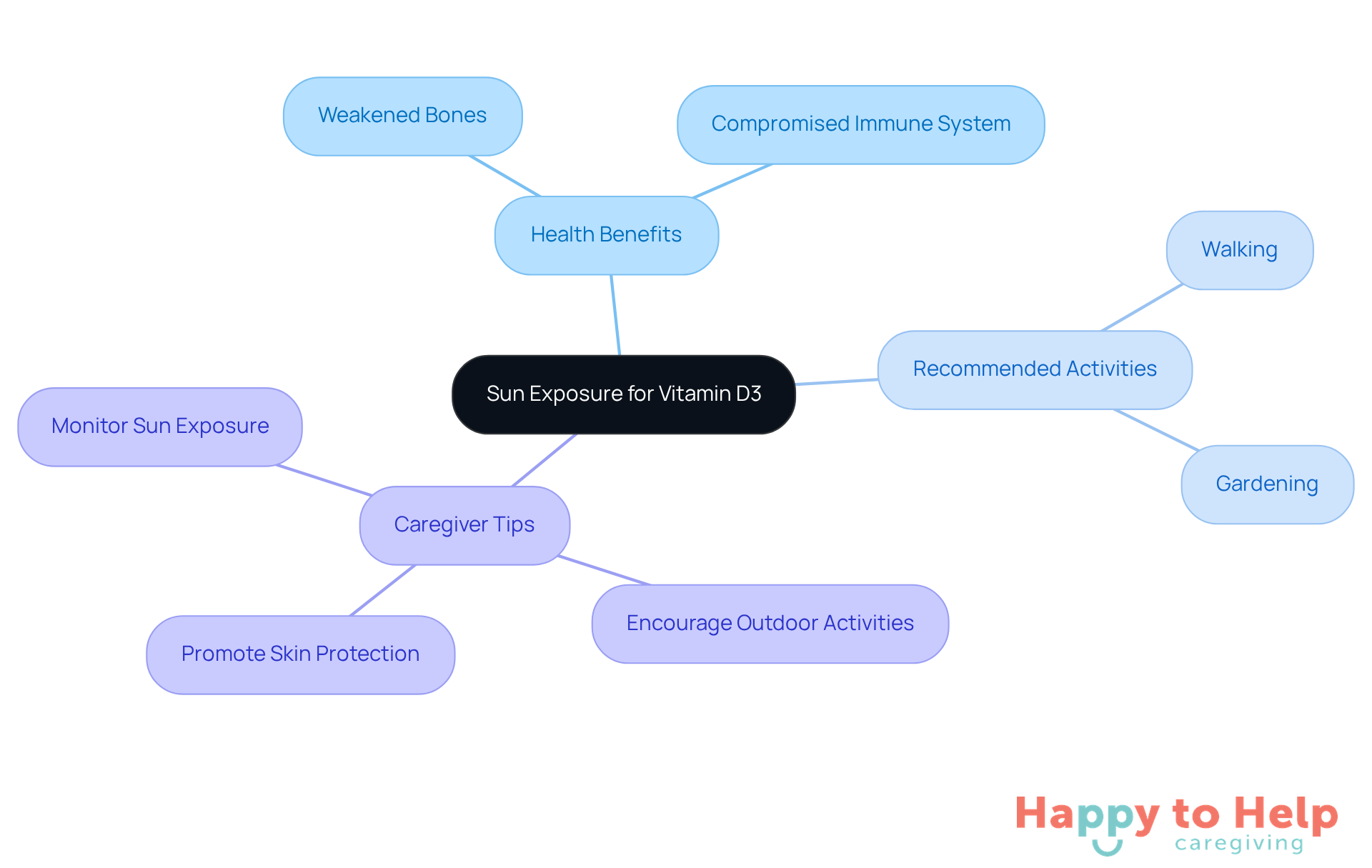
Sun Exposure: A Natural Source of Vitamin D3 for Seniors
Vitamin D deficiency is a common issue among older adults, often exacerbated by limited sun exposure, making it essential to consider the recommended dose of vitamin D3 for seniors. This deficiency can lead to serious health problems, including weakened bones and a compromised immune system. Caregivers play a crucial role in addressing this challenge by promoting safe sun exposure practices.
Encouraging older adults to spend about 15-30 minutes outside several times a week can significantly boost their vitamin D levels. Activities like walking or gardening not only provide the necessary sunlight but also promote physical activity and mental well-being. However, it’s essential to balance sun exposure with skin protection to prevent sunburn.
Here are some practical tips for caregivers:
- Encourage outdoor activities: Suggest walks or gardening sessions during safe sun hours.
- Promote skin protection: Use sunscreen and protective clothing to minimize the risk of sunburn.
- Monitor sun exposure: Keep track of the time spent outdoors to ensure it remains within safe limits.
By implementing these strategies, caregivers can help older adults safely increase their vitamin D levels to meet the recommended dose of vitamin D3 for seniors while enjoying the benefits of outdoor activities.
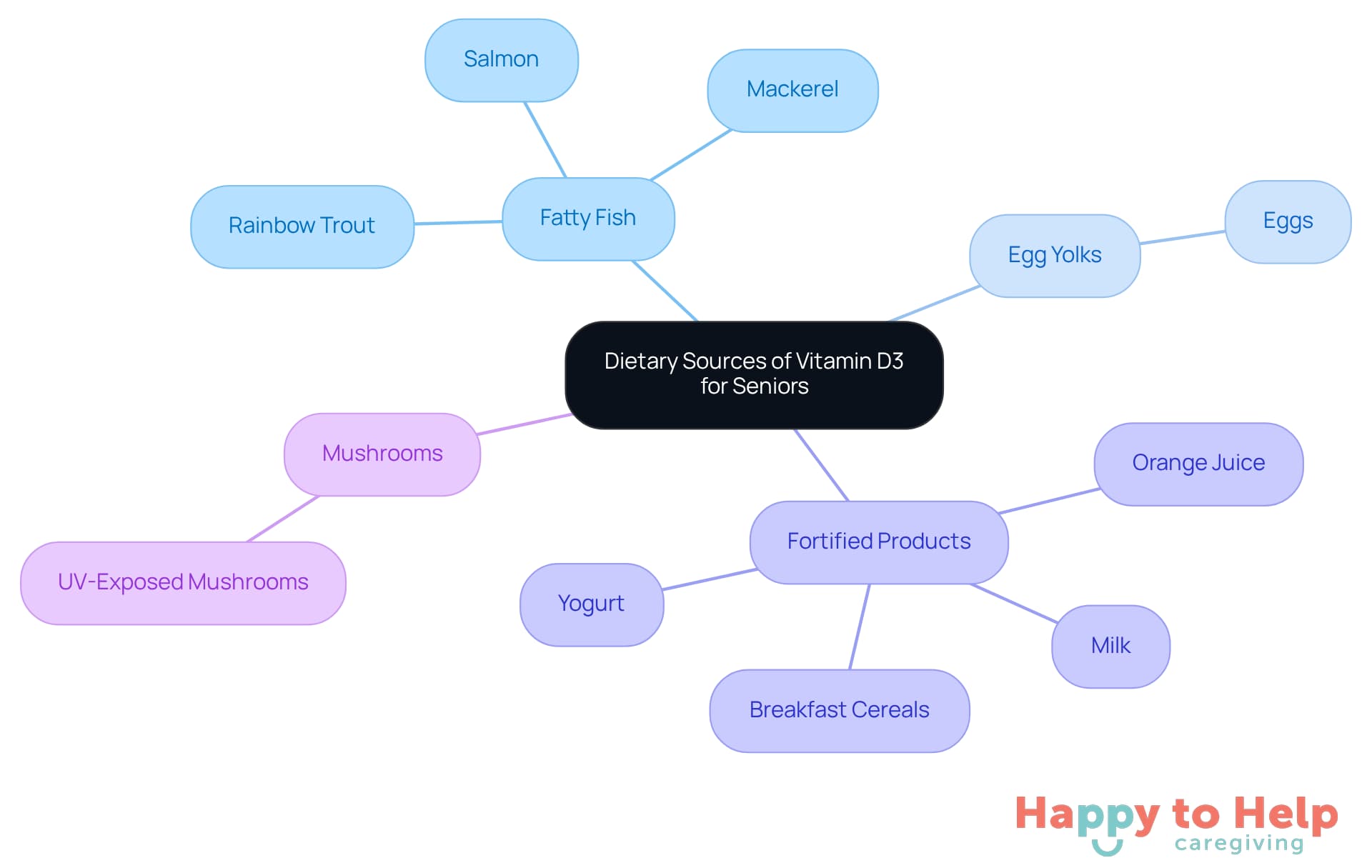
Dietary Sources of Vitamin D3: Foods Seniors Should Include
Many seniors struggle with insufficient vitamin D3 intake, which emphasizes the need for the recommended dose of vitamin D3 for seniors to avoid various health issues. This deficiency is particularly concerning as it affects bone health and overall well-being. Caregivers must recognize the importance of addressing this problem to support the health of older adults.
To combat this issue, caregivers can focus on incorporating foods rich in vitamin D3 into seniors' diets. Fatty fish like salmon and mackerel are excellent sources, providing substantial amounts of this essential nutrient. Additionally, egg yolks and fortified products such as milk, orange juice, and breakfast cereals can help meet daily requirements. The recommended daily allowance (RDA) for vitamin D is 600 IU for most adults and the recommended dose of vitamin D3 for seniors is 800 IU, making it crucial to include these foods regularly.
Another valuable source of vitamin D is UV-exposed mushrooms, which can significantly boost intake. Caregivers play a vital role in meal planning by ensuring these nutrient-rich foods are part of daily meals. By preparing dishes that include these options, caregivers can help older adults maintain optimal wellness and support their overall health.
Health Risks of Vitamin D3 Deficiency in Seniors: What to Watch For
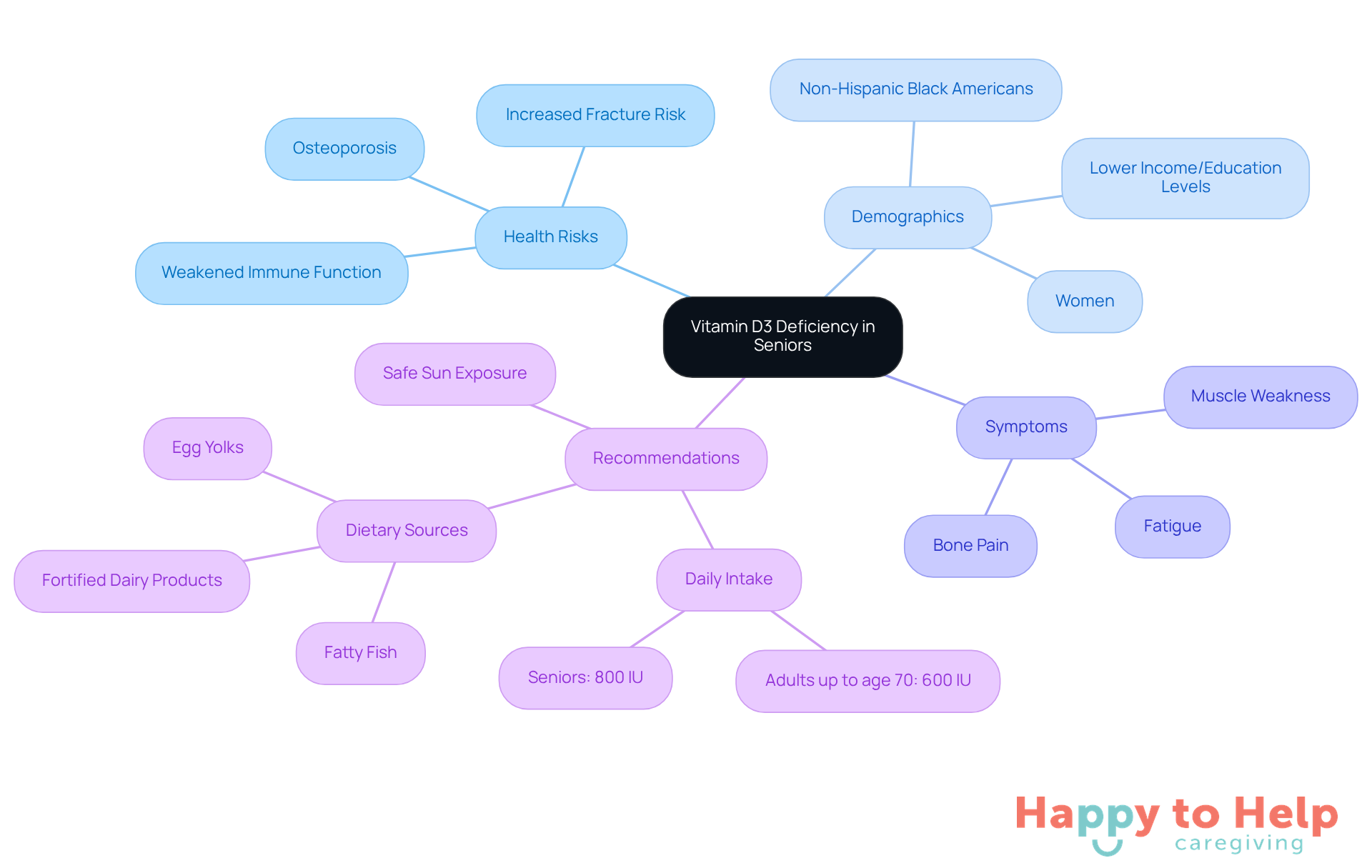
D3 deficiency in seniors poses a significant health problem, leading to serious issues like osteoporosis, increased fracture risk, and weakened immune function. Research shows that older adults with low Vitamin D levels face a 30% greater risk of mortality compared to those with adequate levels. This risk is especially pronounced among non-Hispanic Black Americans, women, and individuals with lower income or education levels.
Caregivers must be vigilant for signs of deficiency, such as:
- Fatigue
- Muscle weakness
- Bone pain
Regular check-ups to monitor D levels are essential. To combat this issue, it is recommended that adults up to age 70 receive 600 IU of vitamin D daily, while the recommended dose of vitamin D3 for seniors is 800 IU.
Incorporating foods rich in Vitamin D, like fatty fish, fortified dairy products, and egg yolks, along with safe sun exposure, can help maintain sufficient levels. Understanding these signs and the impact of Vitamin D deficiency is crucial for caregivers to ensure the well-being of their loved ones.
Signs of Vitamin D3 Deficiency in Seniors: Recognizing the Symptoms
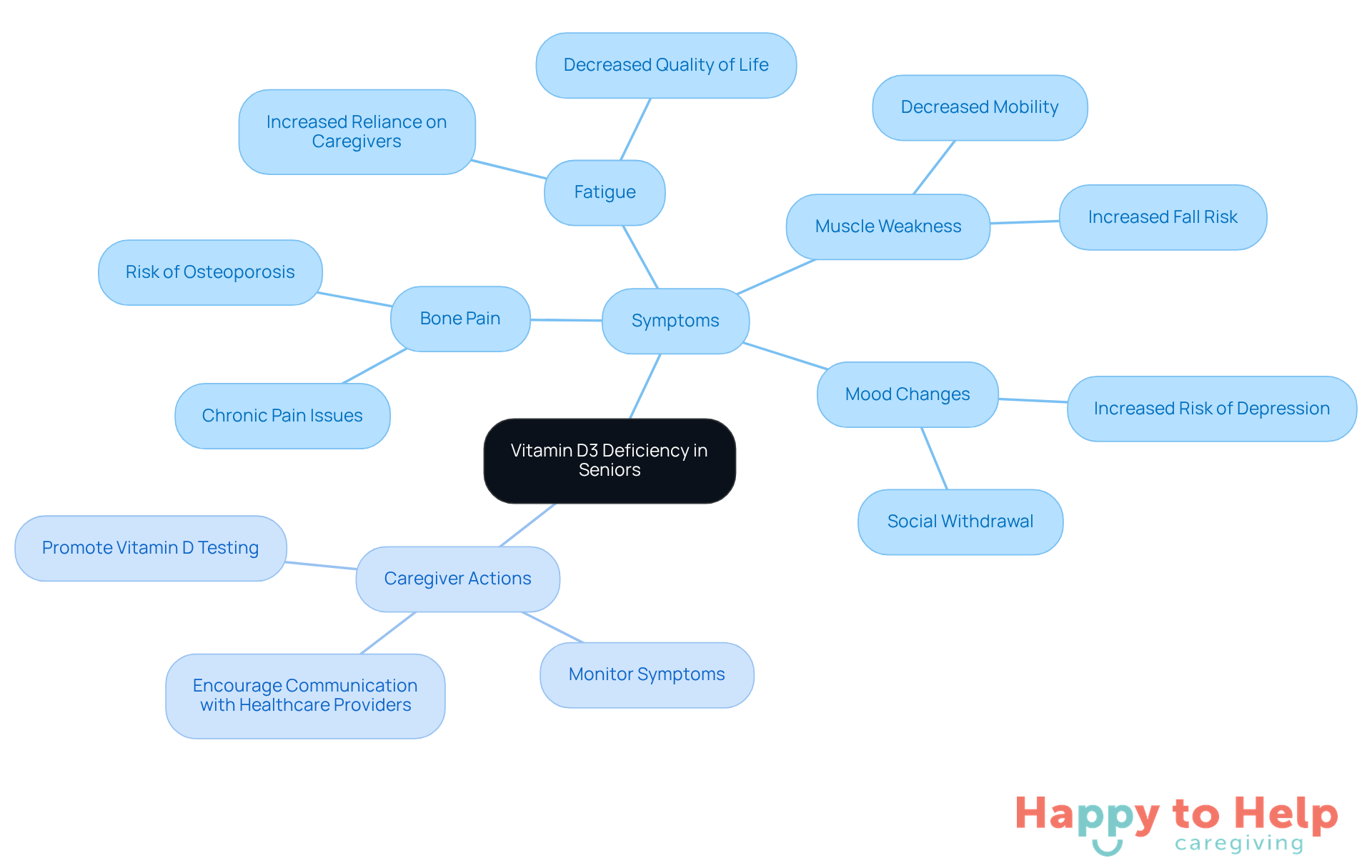
For older adults, the recommended dose of vitamin D3 for seniors is crucial, as vitamin D3 deficiency can lead to significant concerns such as fatigue, muscle weakness, bone pain, and mood changes, including depression. Caregivers play a crucial role in identifying these signs.
It's essential for caregivers to be vigilant. Noticing these symptoms can help prevent further health complications. When older adults experience these issues, it can lead to decreased quality of life and increased reliance on caregivers.
To address this, caregivers should encourage elderly individuals to discuss any concerns with their healthcare providers. This proactive approach ensures appropriate testing and treatment, which can significantly improve their well-being.
By fostering open communication about health, caregivers can help ensure that older adults receive the necessary support and care.
Vitamin D3 and Bone Health: Protecting Seniors from Osteoporosis
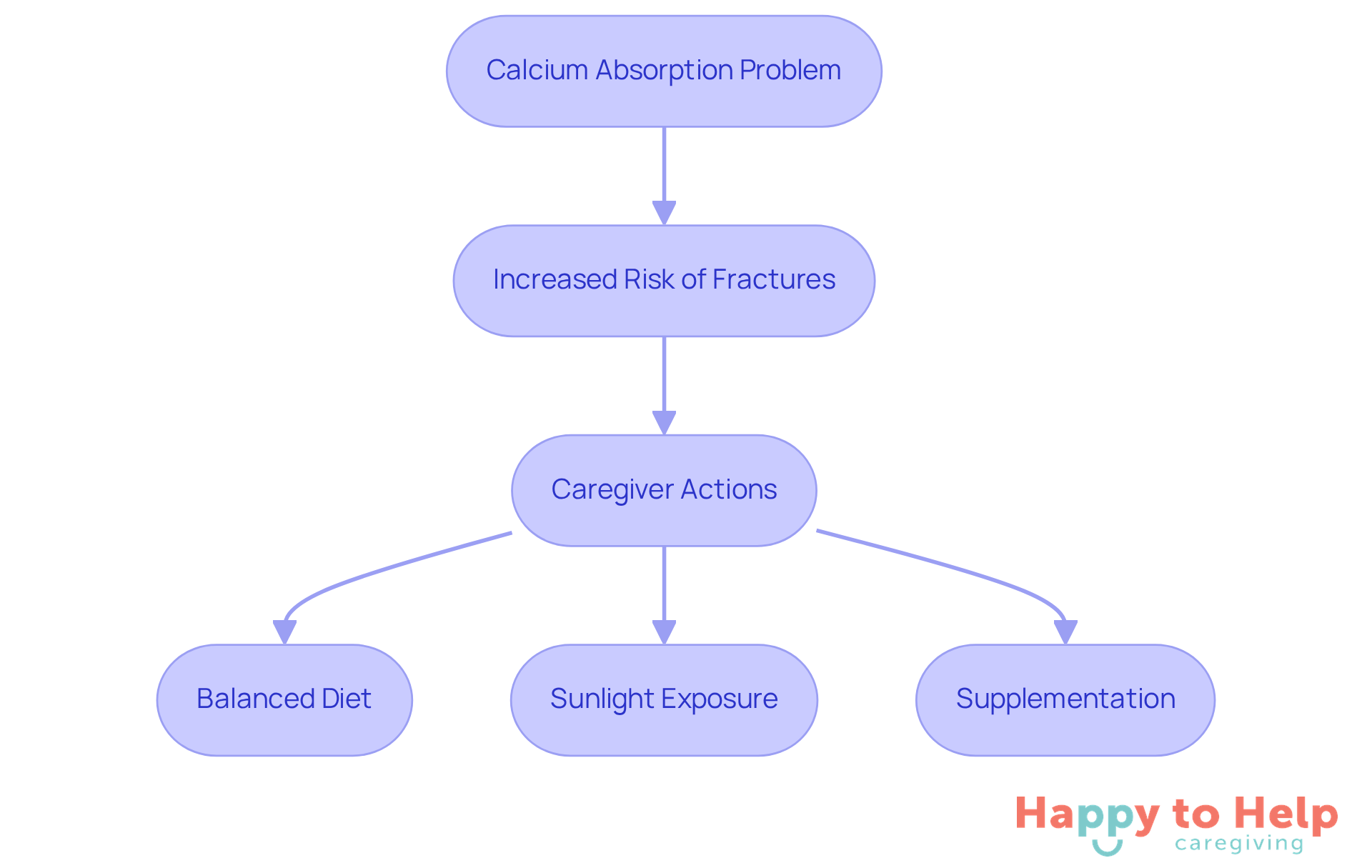
Problem: Calcium absorption is crucial for older adults to maintain bone density and prevent osteoporosis.
Agitation: Without sufficient calcium, older adults face an increased risk of fractures and serious health complications. This is a significant concern for caregivers who want to ensure the well-being of their loved ones.
Solution: Caregivers should prioritize the recommended dose of vitamin D3 for seniors, as it plays a vital role in calcium absorption. They can achieve this through a balanced diet, adequate sunlight exposure, and, if necessary, supplementation. By taking these steps, caregivers can support bone health and minimize fracture risk for older adults.
Vitamin D3 and Immune Function: Boosting Health in Seniors
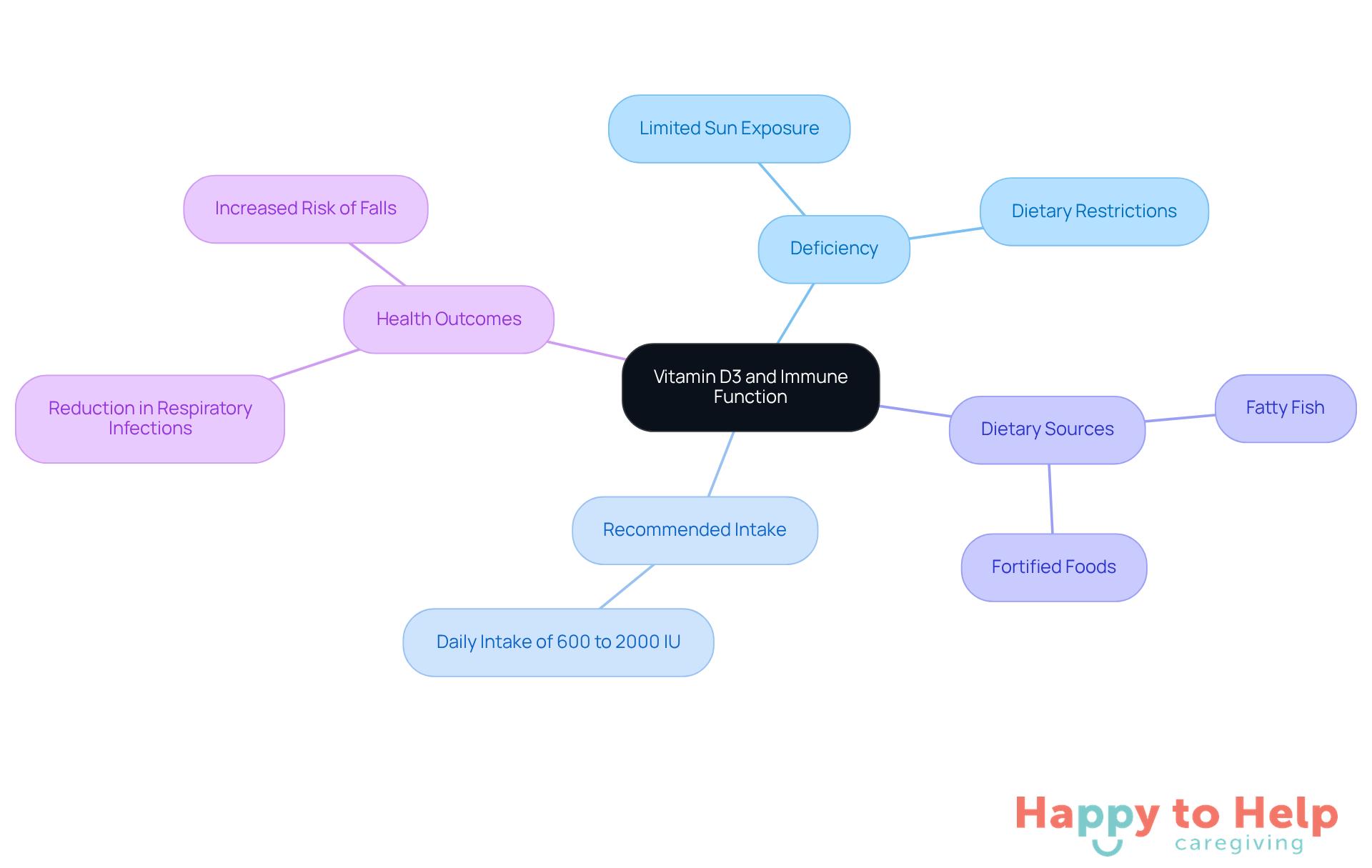
Vitamin D deficiency poses a significant challenge for older adults, particularly in maintaining a robust immune system. Research shows that adequate levels of Vitamin D3 are crucial for reducing the risk of serious respiratory infections, including those caused by viruses like SARS-CoV-2. A study published in the Journal of the American Geriatric Society revealed that high-dose Vitamin D supplementation led to a 40% decrease in respiratory infections among elderly individuals in long-term care facilities, highlighting its protective benefits.
This deficiency is often exacerbated by limited sun exposure and dietary restrictions, making it essential for caregivers to address this issue. Experts from the National Institutes of Health (NIH) recommend a daily intake of Vitamin D between 600 to 2000 IU as the recommended dose of vitamin D3 for seniors to effectively support immune function. Without sufficient Vitamin D, older adults face increased vulnerability to infections and poorer health outcomes.
Moreover, Vitamin D3 plays a vital role in modulating the immune response, helping to control inflammation during infections. However, caregivers should be cautious, as high-dose Vitamin D supplementation has been linked to a higher risk of falls among older adults. A balanced approach to supplementation is crucial.
To combat these challenges, caregivers can promote Vitamin D-rich diets that include fatty fish and fortified foods, alongside encouraging safe sun exposure practices. By helping older adults maintain adequate Vitamin D levels, caregivers can significantly bolster their immune defenses and improve overall well-being.
In summary, addressing Vitamin D deficiency is essential for enhancing respiratory health in older adults. By implementing these practical solutions, caregivers can play a pivotal role in supporting the health and immunity of those they care for.
Monitoring Vitamin D3 Levels: A Key Health Strategy for Seniors
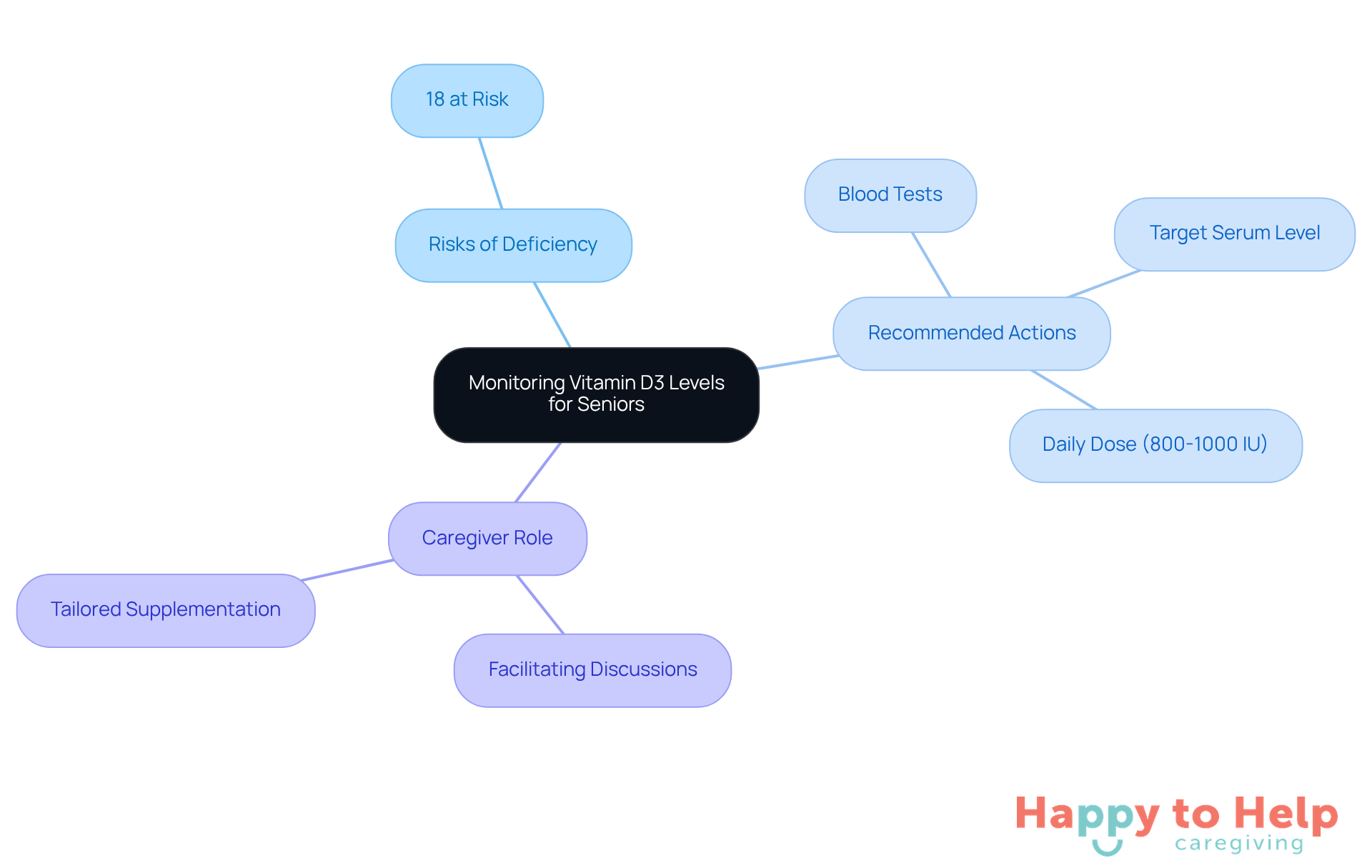
Regular monitoring of D3 levels poses a significant challenge for seniors, particularly those at risk of deficiency due to limited sun exposure and dietary restrictions. This deficiency can lead to serious health issues, making it crucial for caregivers to be proactive in addressing it.
Medical professionals recommend blood tests to accurately assess vitamin D status, with a target serum level of 25(OH)D above 50 nmol/L for optimal health. The National Institutes of Health advises that older adults should aim for the recommended dose of vitamin D3 for seniors, which is between 800 to 1000 IU daily. Caregivers play a vital role in facilitating discussions about these needs during medical check-ups, ensuring seniors receive appropriate supplementation tailored to their individual requirements.
It is advisable for seniors to undergo D testing at least once a year, or more frequently if they have existing medical conditions or exhibit signs of deficiency. Alarmingly, 18% of the U.S. population aged 1 year and older are at risk of vitamin D inadequacy, underscoring the necessity for regular monitoring.
By prioritizing consistent health evaluations and staying informed about vitamin D guidelines, caregivers can significantly enhance the well-being and safety of the older adults in their care.
Vitamin D3 Supplementation Options for Seniors: Making Informed Choices
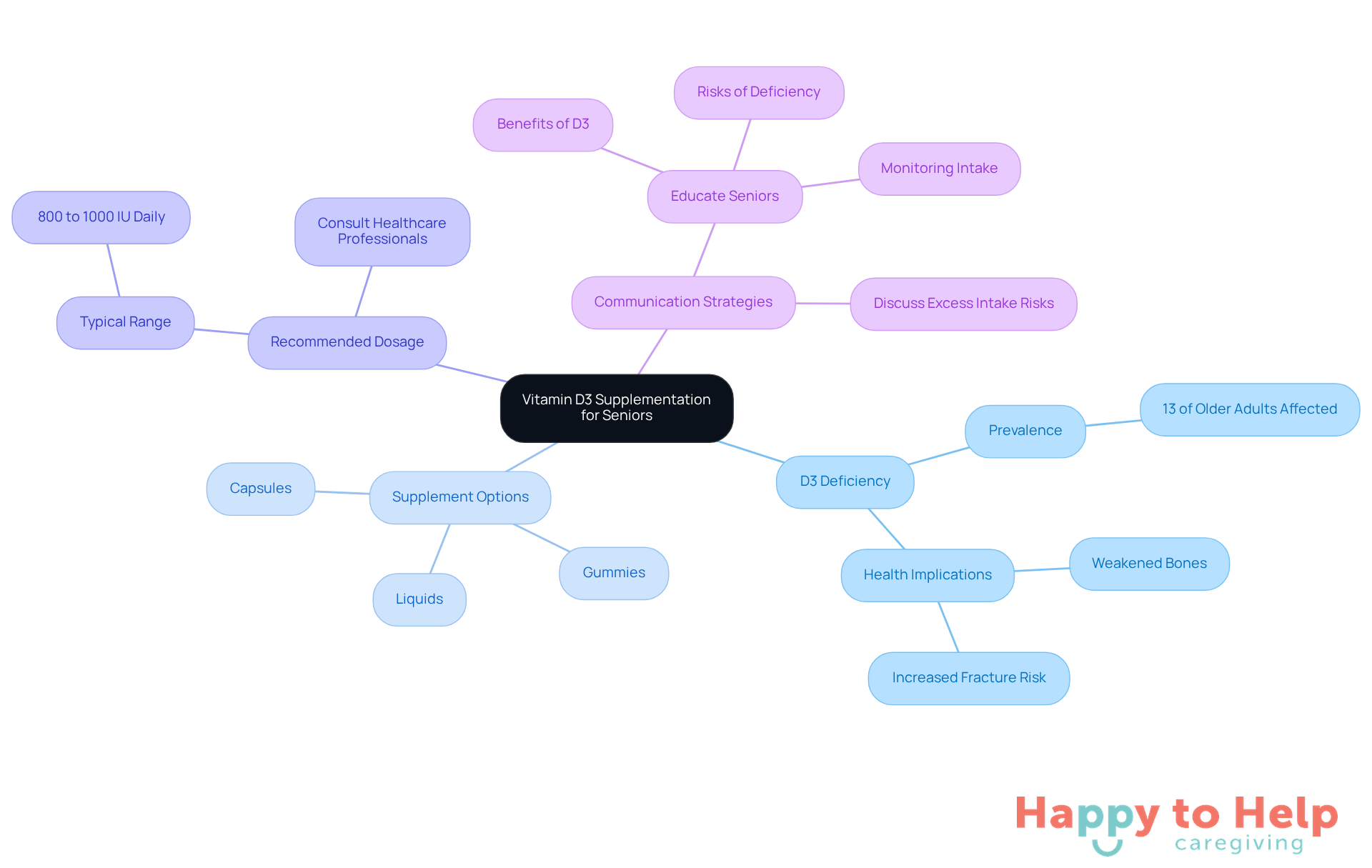
Elders often face a significant problem: D3 deficiency due to limited sun exposure and dietary restrictions. This deficiency affects about 13% of older adults year-round, leading to weakened bones and an increased risk of fractures. Caregivers must recognize the implications of this issue, as it can severely impact the health and quality of life of seniors.
To address this challenge, caregivers should consider the recommended dose of vitamin D3 for seniors when thinking about supplementation. Various over-the-counter options are available, including:
- Capsules
- Gummies
- Liquids
It's crucial for caregivers to consult healthcare professionals to determine the most appropriate recommended dose of vitamin D3 for seniors, taking into account individual wellness profiles and lifestyle factors.
Pharmacists emphasize the importance of selecting high-quality supplements, as not all products are created equal. For seniors, the recommended dose of vitamin D3 is typically between 800 to 1000 IU daily. Caregivers should prioritize this to enhance seniors' health and well-being.
Effective communication is key when educating older adults about D supplementation. Caregivers should clearly explain the benefits, the risks associated with deficiency, and the importance of consistent monitoring. Additionally, they must be aware of the risks linked to excessive vitamin D intake, ensuring a balanced approach to supplementation.
Your Path Forward
Maintaining adequate Vitamin D3 levels is essential for seniors, as it plays a critical role in overall health, including bone strength and immune function. However, many seniors face the problem of Vitamin D3 deficiency, which can lead to severe health issues such as osteoporosis and increased susceptibility to infections. The recommended dose of Vitamin D3 for seniors, particularly those aged 71 and older, is typically 800 IU daily. This dosage is vital in preventing deficiencies that can significantly impact their quality of life.
To address this issue, various strategies can help seniors achieve and maintain healthy Vitamin D levels:
- Caregivers can encourage safe sun exposure.
- Incorporate Vitamin D-rich foods into their diets.
- Monitor their Vitamin D status through regular check-ups.
These proactive steps are crucial for ensuring that older adults receive the necessary support for optimal health.
In conclusion, addressing Vitamin D3 deficiency in seniors is crucial for enhancing their quality of life and preventing serious health risks. Caregivers are encouraged to take proactive steps in Vitamin D management, from dietary adjustments to promoting outdoor activities. By prioritizing these measures, caregivers can significantly improve the health outcomes of the seniors they support, fostering independence and well-being in their daily lives.
https://iframe.tely.ai/cta/eyJhcnRpY2xlX2lkIjogIjY5MjRmMWUzZWM0Y2FiOGU3NGVjMDBlMyIsICJjb21wYW55X2lkIjogIjY4ZWU1ZGNhNzMxNzYyNTU3ZjNjOTVjMSIsICJpbmRleCI6IG51bGwsICJ0eXBlIjogImFydGljbGUifQ==Frequently Asked Questions
Why is vitamin D important for seniors?
Vitamin D is crucial for seniors as it helps maintain bone health and prevents serious health issues, including weakened bones and increased risk of falls and fractures.
What are the statistics on vitamin D deficiency among seniors?
Approximately 4.6% of seniors experience severe vitamin D deficiency, while 15.2% face moderate deficiency.
What role do caregivers play in managing vitamin D levels for seniors?
Caregivers help seniors understand their vitamin D needs, track their intake, encourage outdoor activities for natural sunlight exposure, and implement individualized care strategies to ensure adequate nutrient intake.
What is the recommended daily dose of vitamin D3 for seniors?
The recommended dose of vitamin D3 for seniors aged 71 and older is typically 800 IU, while adults aged 51 to 70 should aim for at least 600 IU daily.
How can caregivers encourage outdoor activities for seniors?
Caregivers can suggest activities like walking or gardening during safe sun hours, encouraging seniors to spend about 15-30 minutes outside several times a week to boost their vitamin D levels.
What precautions should caregivers take regarding sun exposure for seniors?
Caregivers should promote skin protection by using sunscreen and protective clothing, and monitor the time spent outdoors to ensure it remains within safe limits to prevent sunburn.
What are the benefits of outdoor activities for seniors?
Outdoor activities not only help increase vitamin D levels but also promote physical activity and mental well-being among seniors.
List of Sources
- Happy to Help Caregiving: Personalized Support for Vitamin D Management in Seniors
- Exercise, dairy-rich diet and vitamin D can help reduce falls | Cochrane (https://cochrane.org/about-us/news/exercise-dairy-rich-diet-and-vitamin-d-can-help-reduce-falls)
- Prevalence of vitamin D deficiency in seniors – A retrospective study (https://sciencedirect.com/science/article/pii/S2405457723005387)
- Frontiers | Prevalence of vitamin D deficiency and associated risk of all-cause and cause-specific mortality among middle-aged and older adults in the United States (https://frontiersin.org/journals/nutrition/articles/10.3389/fnut.2023.1163737/full)
- CaringBridge (https://caringbridge.org/resources/inspirational-quotes-on-caregiving)
- New global review: Tailored exercise, diet and vitamin D could prevent falls in nursing homes (https://nutritioninsight.com/news/healthy-aging-elderly-personalized-nutrition-exercise-vitamin-d.html)
- Recommended Daily Intake of Vitamin D3 for Seniors: Understanding the Guidelines
- Vitamin D supplements may lower blood pressure in older people with obesity (https://endocrine.org/news-and-advocacy/news-room/2024/vitamin-d-supplements-may-lower-blood-pressure-in-older-people-with-obesity)
- Vitamin D (https://mayoclinic.org/drugs-supplements-vitamin-d/art-20363792)
- Vitamin D Deficiency - StatPearls - NCBI Bookshelf (https://ncbi.nlm.nih.gov/books/NBK532266)
- Dietary Sources of Vitamin D3: Foods Seniors Should Include
- Foods High in Vitamin D (https://health.clevelandclinic.org/vitamin-d-foods)
- Foods High in Vitamin D3 (https://webmd.com/diet/foods-high-in-vitamin-d3)
- Changing nutritional needs for older adults | Penn Medicine (https://pennmedicine.org/news/changing-nutritional-needs-for-older-adults)
- 10 Vitamin D-Rich Foods to Add to Your Diet (https://everydayhealth.com/foods-high-vitamin-d)
- Health Risks of Vitamin D3 Deficiency in Seniors: What to Watch For
- Vitamin D supplements may lower blood pressure in older people with obesity (https://endocrine.org/news-and-advocacy/news-room/2024/vitamin-d-supplements-may-lower-blood-pressure-in-older-people-with-obesity)
- Older adults at risk of vitamin D deficiency (https://uclahealth.org/news/article/older-adults-risk-vitamin-d-deficiency)
- Frontiers | Prevalence of vitamin D deficiency and associated risk of all-cause and cause-specific mortality among middle-aged and older adults in the United States (https://frontiersin.org/journals/nutrition/articles/10.3389/fnut.2023.1163737/full)
- Lower vitamin D could increase risk of dying, especially for frail, older adults | Newsroom (https://news.oregonstate.edu/news/lower-vitamin-d-could-increase-risk-dying-especially-frail-older-adults)
- Why are so many Americans deficient in vitamin D? (https://news.miami.edu/stories/2025/10/why-are-so-many-americans-deficient-in-vitamin-d.html)
- Signs of Vitamin D3 Deficiency in Seniors: Recognizing the Symptoms
- Vitamin D Deficiency Quotes (1 quote) (https://goodreads.com/quotes/tag/vitamin-d-deficiency)
- Vitamin D Deficiency - StatPearls - NCBI Bookshelf (https://ncbi.nlm.nih.gov/books/NBK532266)
- Quotes on the State of Vitamin D Science, Reference to IOM Report - GrassrootsHealth (https://grassrootshealth.net/quotes-on-the-state-of-vitamin-d-science-reference-to-iom-report)
- Older adults at risk of vitamin D deficiency (https://uclahealth.org/news/article/older-adults-risk-vitamin-d-deficiency)
- Vitamin D Deficiency: Causes, Symptoms & Treatment (https://my.clevelandclinic.org/health/diseases/15050-vitamin-d-vitamin-d-deficiency)
- Vitamin D3 and Bone Health: Protecting Seniors from Osteoporosis
- Draft Recommendation: Vitamin D, Calcium, or Combined Supplementation for the Primary Prevention of Falls and Fractures in Community-Dwelling Adults: Preventive Medication | United States Preventive Services Taskforce (https://uspreventiveservicestaskforce.org/uspstf/draft-recommendation/vitamin-d-calcium-combined-supplementation-primary-prevention-falls-fractures-communitydwelling-adults)
- The relationship between serum vitamin D and fracture risk in the elderly: a meta-analysis - Journal of Orthopaedic Surgery and Research (https://josr-online.biomedcentral.com/articles/10.1186/s13018-020-01603-y)
- Effect of vitamin D, calcium, or combined supplementation on fall prevention: a systematic review and updated network meta-analysis - BMC Geriatrics (https://bmcgeriatr.biomedcentral.com/articles/10.1186/s12877-024-05009-x)
- Vitamin D for Good Bone Health - OrthoInfo - AAOS (https://orthoinfo.aaos.org/en/staying-healthy/vitamin-d-for-good-bone-health)
- Roundup: Caution Urged on Use of Vitamin D, Calcium Supplements for Older Adults; and More News (https://baptisthealth.net/baptist-health-news/caution-urged-on-use-of-vitamin-d-and-calcium-supplements-for-older-adults)
- Vitamin D3 and Immune Function: Boosting Health in Seniors
- Vitamin D Supplementation Reduces Respiratory Infection in Older Adults (https://medindia.net/news/healthwatch/vitamin-d-supplementation-reduces-respiratory-infection-in-older-adults-166777-1.htm)
- Relationship between Vitamin D and Immunity in Older People with COVID-19 - PMC (https://pmc.ncbi.nlm.nih.gov/articles/PMC10138672)
- Vitamin D, ageing, and the immune system (https://explorationpub.com/Journals/ei/Article/1003106)
- Experts Say Most People Aren’t Getting Enough of This Vital Vitamin (https://prevention.com/health/a65802092/what-vitamin-d3-does-benefits)
- Systematic Review: Role of Vitamin D3 in Immune System Regulation (https://healthcare-bulletin.co.uk/article/systematic-review-role-of-vitamin-d3-in-immune-system-regulation-2886)
- Monitoring Vitamin D3 Levels: A Key Health Strategy for Seniors
- Comparing Vitamin D Dosage Guidelines for Seniors' Health - Happy To Help (https://happytohelpcaregiving.com/comparing-vitamin-d-dosage-guidelines-for-seniors-health)
- Vitamin D in the older population: a consensus statement - PMC (https://pmc.ncbi.nlm.nih.gov/articles/PMC9607753)
- Older adults at risk of vitamin D deficiency (https://uclahealth.org/news/article/older-adults-risk-vitamin-d-deficiency)
- Office of Dietary Supplements - Vitamin D (https://ods.od.nih.gov/factsheets/VitaminD-HealthProfessional)
- Vitamin D3 Supplementation Options for Seniors: Making Informed Choices
- Comparing Vitamin D Dosage Guidelines for Seniors' Health - Happy To Help (https://happytohelpcaregiving.com/comparing-vitamin-d-dosage-guidelines-for-seniors-health)
- Vitamin D in the older population: a consensus statement - PMC (https://pmc.ncbi.nlm.nih.gov/articles/PMC9607753)
- Effect of vitamin D, calcium, or combined supplementation on fall prevention: a systematic review and updated network meta-analysis - BMC Geriatrics (https://bmcgeriatr.biomedcentral.com/articles/10.1186/s12877-024-05009-x)
- Cost-effectiveness of vitamin D3 supplementation in older adults with vitamin D deficiency in Ireland (https://nutrition.bmj.com/content/early/2022/05/25/bmjnph-2021-000382)
- Roundup: Caution Urged on Use of Vitamin D, Calcium Supplements for Older Adults; and More News (https://baptisthealth.net/baptist-health-news/caution-urged-on-use-of-vitamin-d-and-calcium-supplements-for-older-adults)