

For families in our service areas
For families in our service areas, this guide explains caregiver support and how non-medical in-home caregiving can support care planning in East Idaho, Treasure Valley & Magic Valley, Northern Wasatch, North Central West Virginia, and Northeast Ohio.
The Importance of Tips to Enhance Your Caregiver Life
Caregiving is a noble yet demanding role that often leads to emotional fatigue and burnout among those who dedicate their lives to supporting others. This emotional toll can overshadow the rewarding aspects of caregiving, leaving many feeling overwhelmed and in need of support.
The challenges faced by caregivers can be significant, impacting their well-being and effectiveness. Without proper strategies, caregivers may struggle to find joy and purpose in their roles. This article explores ten essential tips designed to empower caregivers, focusing on self-care, effective communication, and the importance of building supportive networks.
How can caregivers not only survive but thrive in their roles? By implementing practical strategies, they can enhance their well-being and effectiveness, ultimately finding fulfillment amidst the challenges.
Happy to Help Caregiving: Personalized In-Home Support for Caregivers
Use english for answers
The Challenge of Caregiving
Caregiving can be a rewarding experience, but it often comes with significant challenges. Many caregivers experience stress and emotional fatigue in their caregiver life as they strive to meet the unique needs of their loved ones. This can lead to burnout, impacting both the caregiver's and the recipient's well-being.
The Implications
When caregivers are overwhelmed, the quality of care may suffer. This not only affects the emotional and mental health of seniors and individuals with special requirements but can also strain relationships. The need for effective support is crucial in these situations.
A Tailored Solution
Happy to Help Caregiving excels in providing personalized in-home assistance that caters to the distinct needs of each client. Their comprehensive services include:
- Companionship support
- Post-hospital recovery assistance
- Respite services
- Palliative support
Each offering is carefully crafted to improve the quality of life for seniors, enabling caregivers to provide compassionate and effective assistance within a familiar setting.
This tailored approach promotes independence and significantly reduces the stress often associated with caregiver life. By concentrating on personal preferences and requirements, Happy to Help Caregiving cultivates a supportive environment that empowers both clients and support providers.
Enhancing Communication and Monitoring
Incorporating technological advancements in home support services improves communication and monitoring, further aiding individualized assistance. Routine check-ins and engaged listening encourage seniors' autonomy and emotional health. Additionally, tailored support plans assist in reducing provider fatigue, tackling a significant issue in the support environment.
As the need for home care services continues to grow, Happy to Help Caregiving remains dedicated to adapting to these challenges and delivering outstanding assistance.
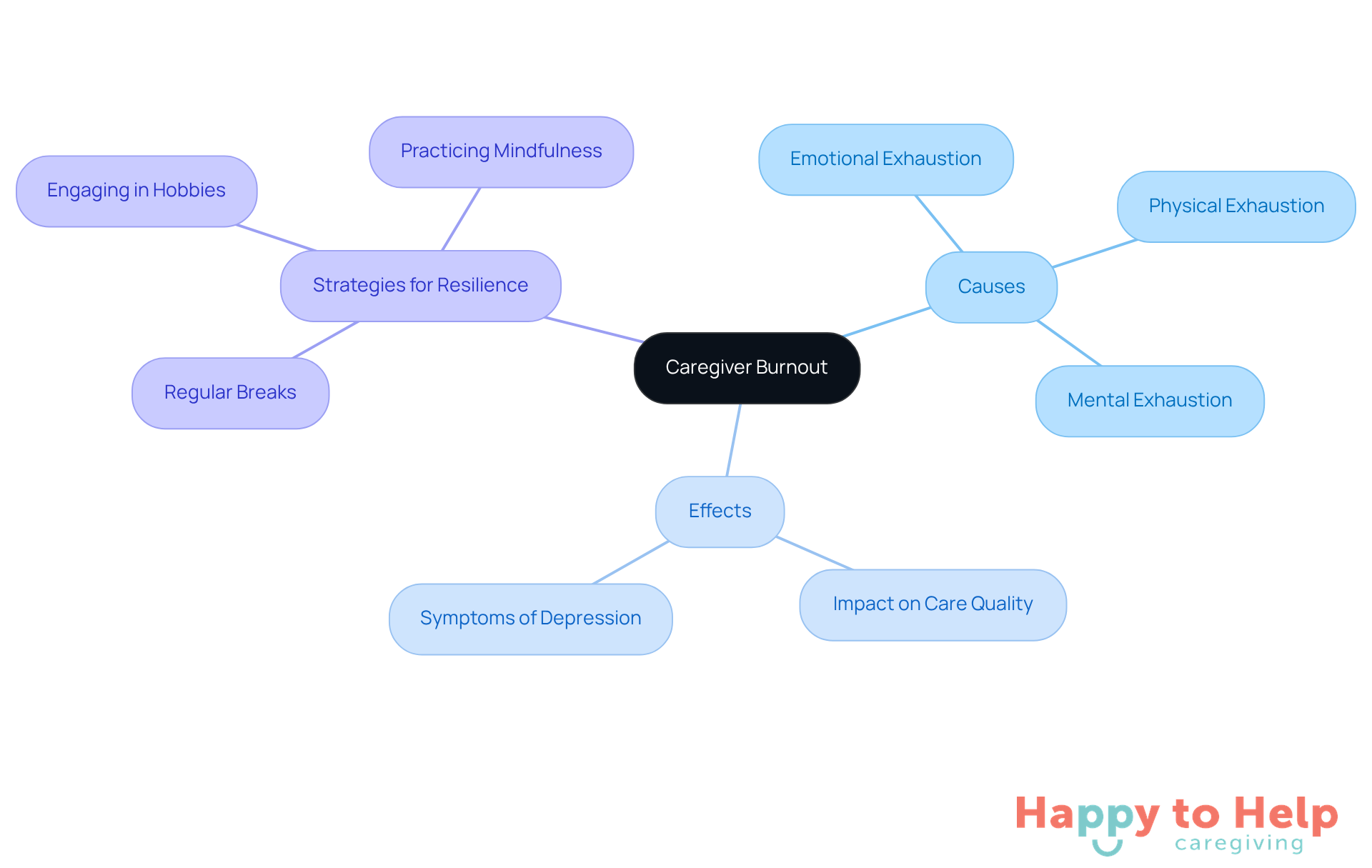
Understanding Caregiver Burnout: Strategies for Emotional Resilience
Caregiver life can lead to caregiver burnout, a significant issue characterized by emotional, physical, and mental exhaustion stemming from the prolonged stress of caregiving. Research shows that 40 to 70% of those in the caregiver life experience symptoms of depression, underscoring the urgent need for self-care. This situation not only affects caregiver life but also impacts the quality of care they provide.
To address this problem, caregivers should prioritize self-care in their caregiver life and set realistic expectations. Seeking support from peers or professionals can also be beneficial. Here are some effective strategies:
- Take regular breaks to recharge.
- Engage in hobbies that bring joy.
- Practice mindfulness to enhance emotional resilience.
Moreover, nearly 1 in 4 caregivers report providing over 40 hours of support each week, emphasizing the significance of managing mental well-being in caregiver life. Understanding the significance of mental health not only aids in caregiver life but also improves the care they deliver. As Theresa Wilbanks emphasizes, establishing clear boundaries is crucial for maintaining well-being.
November is National Family Caregivers Month, serving as a timely reminder for caregivers to prioritize their health and enhance their caregiver life by seeking the assistance they need.
The Role of Companionship: Enhancing Quality of Life for Caregivers and Clients
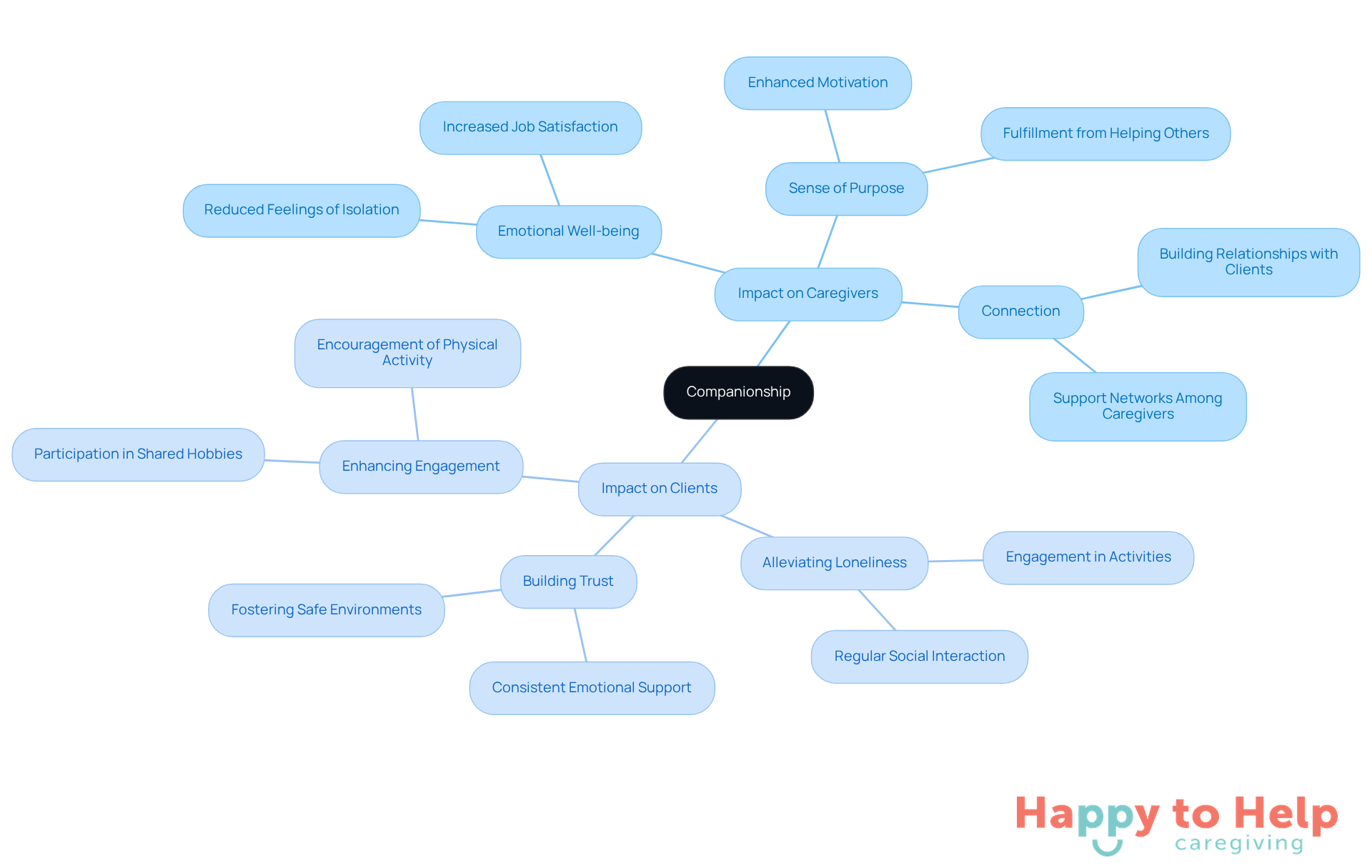
Companionship is essential in addressing the problem of loneliness and isolation that many individuals face. This issue not only affects those receiving support but also impacts caregiver life, leading caregivers to feel disconnected from their roles. Engaging in meaningful conversations and sharing activities can significantly alleviate these feelings, fostering a sense of connection.
For caregivers, establishing a relationship with those they assist can greatly enhance their caregiver life. This reciprocal connection nurtures a sense of purpose and enhances emotional well-being for both parties. By providing emotional support, caregivers can enhance the caregiver life and create a more fulfilling environment that benefits everyone involved.
To implement these solutions, caregivers should focus on:
- Initiating regular, meaningful conversations with clients.
- Participating in shared activities that promote engagement.
- Offering consistent emotional support to build trust and connection.
By prioritizing companionship, caregivers can enhance the caregiver life for themselves and those they assist.
Prioritizing Self-Care: Essential Tips for Caregiver Well-Being
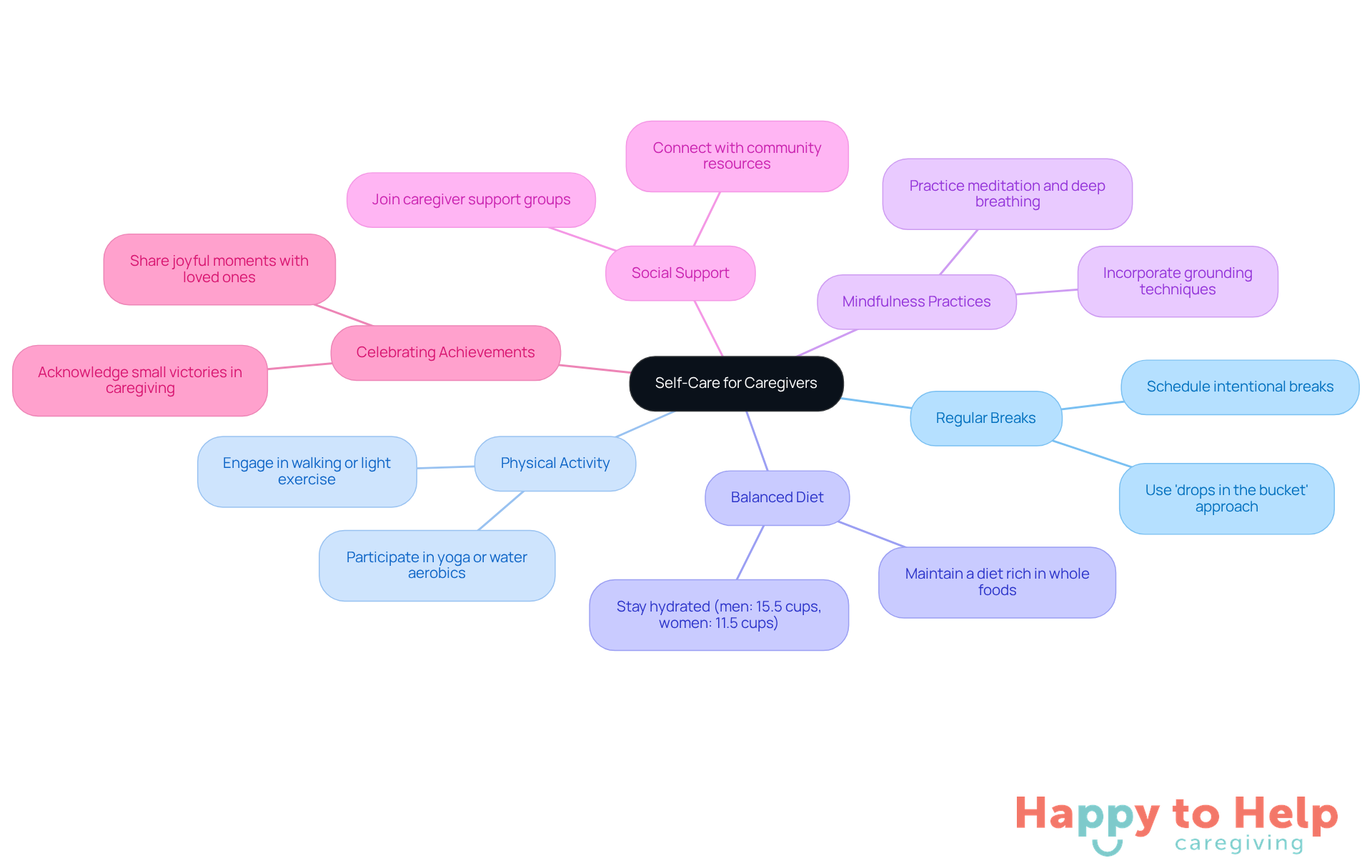
Caregivers often face the challenge of maintaining their physical and emotional well-being, making self-care a crucial priority. Neglecting self-care can lead to lower sleep quality and increased stress, particularly for those caring for individuals with dementia. This highlights the need for caregivers to establish a regular sleep schedule and develop a calming bedtime routine.
To combat these issues, caregivers can implement several key strategies:
- Schedule regular breaks to recharge and prevent burnout.
- Engage in physical activity to boost mood and reduce stress.
- Maintain a balanced diet to promote overall health.
Mindfulness practices, such as meditation and yoga, can significantly alleviate stress and enhance resilience. Additionally, seeking social support through community connections or support groups can help combat feelings of isolation and provide encouragement.
Celebrating small achievements in caregiving is also vital. It helps sustain motivation and reduces feelings of being overwhelmed. By actively taking care of themselves, caregivers not only improve their own well-being but also enhance their capacity to provide compassionate care to their loved ones.
Effective Communication: Building Strong Relationships in Caregiving
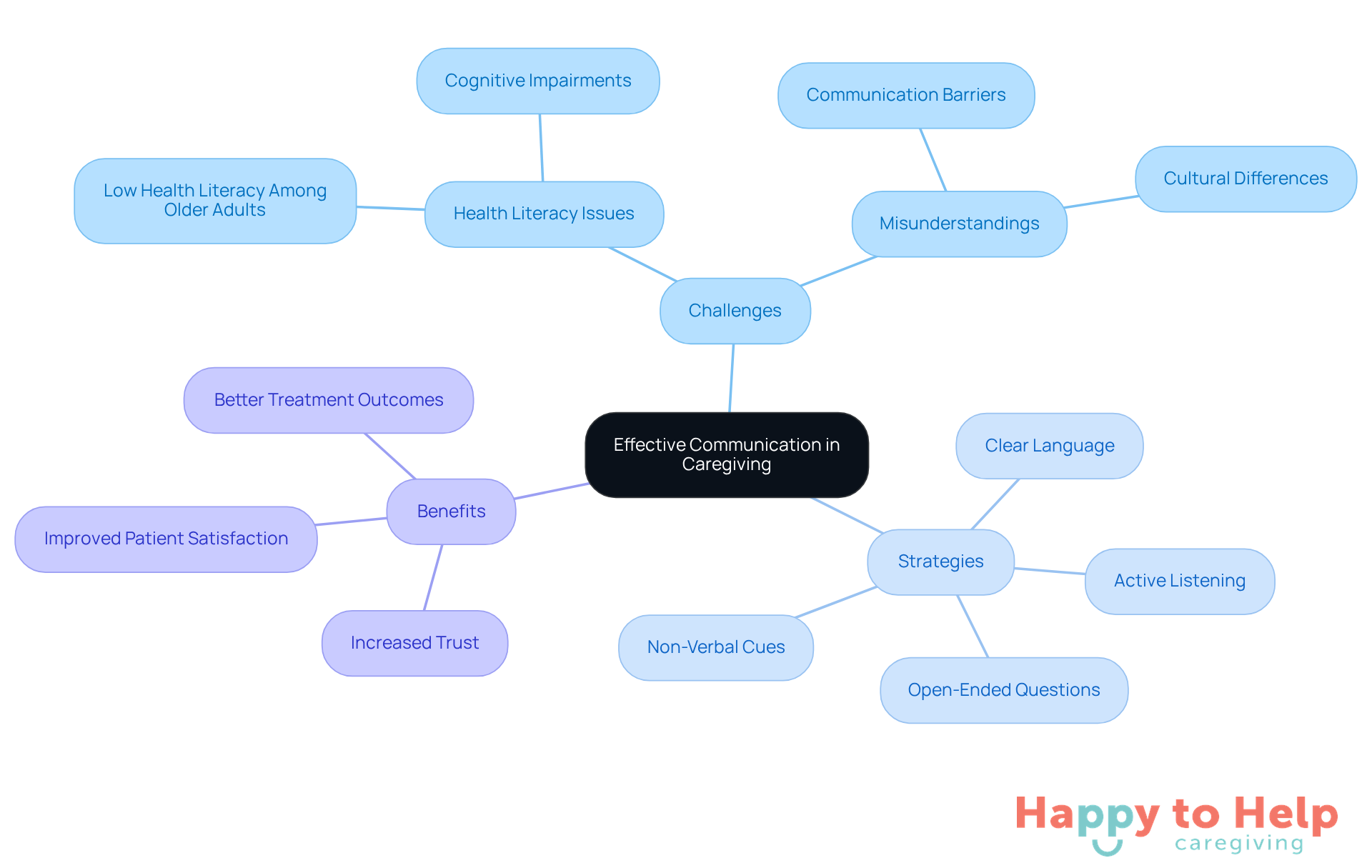
Effective communication is a critical challenge in caregiving. Caregiver life often involves struggles with conveying messages clearly, which can lead to misunderstandings and a lack of trust. This issue is particularly pronounced in caregiver life when interacting with individuals who have varying levels of health literacy, making it essential to address these communication barriers.
To tackle this problem, prioritizing active listening is essential in caregiver life. This means not just hearing the words spoken but also understanding the emotions and needs behind them. Clear and straightforward language is vital, especially when discussing complex health-related topics. Additionally, non-verbal cues - like body language and facial expressions - play a significant role in conveying empathy and understanding.
Establishing open lines of communication can significantly enhance trust. When clients feel valued and understood, their satisfaction with care improves. Regular check-ins and supportive feedback are effective strategies that can enhance caregiver life by strengthening their relationships with clients. Research shows that individuals who actively listen and respond to concerns report higher levels of relationship satisfaction, as those receiving care feel more involved and supported.
Incorporating strategies such as open-ended questions can elicit more detailed responses, enriching the dialogue further. Creating an environment where individuals feel comfortable expressing their thoughts allows providers to build stronger, more trusting connections. This ultimately leads to improved care standards.
However, in caregiver life, caregivers must also acknowledge the challenges they face, such as low health literacy among older adults, which can hinder effective communication. Addressing these challenges is crucial to ensure that all clients receive the best possible care. By implementing these strategies, caregivers can enhance their communication skills, leading to better outcomes for both themselves and those they serve.
Finding Joy in Caregiving: Celebrating the Positive Aspects of Your Role
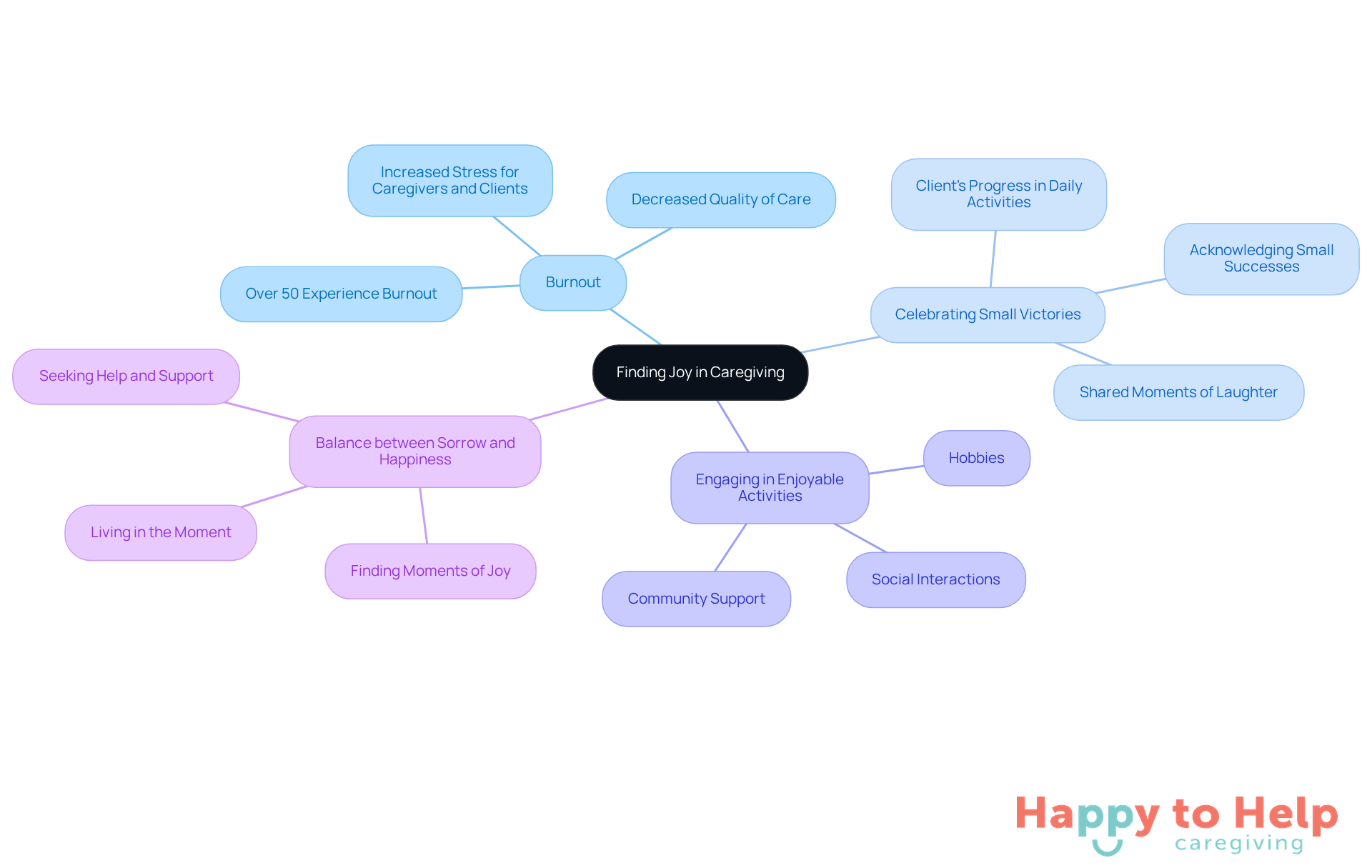
Finding joy in caregiver life is essential for sustaining motivation and satisfaction in this demanding role. However, over 50% of individuals in caregiver life experience burnout, highlighting a significant problem that needs addressing. This burnout can lead to decreased quality of care and increased stress for both caregivers and clients.
Celebrating small victories, like a client's progress in daily activities or a shared moment of laughter, can significantly uplift the spirit of those living the caregiver life. Acknowledging these small successes serves as an essential coping mechanism. Engaging in enjoyable activities, whether through hobbies or social interactions, not only enhances caregiver life but also fosters a sense of community and support.
For instance, caregivers might take a moment to appreciate a client's smile after a successful meal or the joy of completing a challenging task together. Emma Heming Willis emphasizes the importance of finding balance between sorrow and happiness, suggesting that caregivers should actively pursue and focus on these uplifting moments. By embracing the positive aspects of caregiver life, individuals can transform their experiences, finding strength and resilience in their journey.
Building a Support Network: The Importance of Community for Caregivers
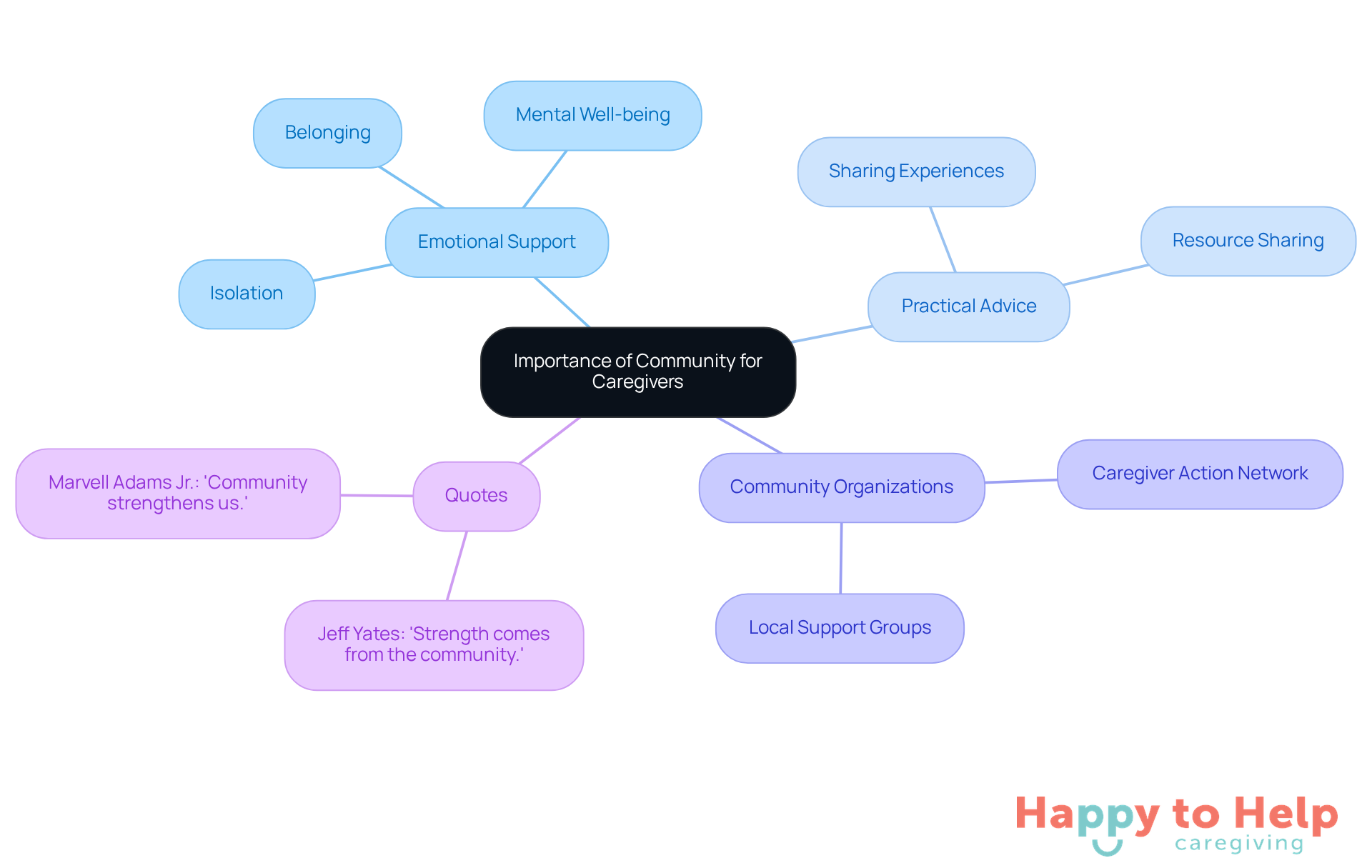
Creating a strong assistance network is crucial for those navigating the challenges of caregiver life. In caregiver life, many caregivers experience feelings of isolation, which can negatively impact their mental well-being. Interacting with other providers through assistance groups, online discussions, or local community organizations can provide invaluable emotional backing and practical advice.
These connections not only facilitate the sharing of experiences and resources but also enhance the caregiver life by cultivating a sense of belonging. Studies show that individuals who actively engage in caregiver life and community assistance networks report enhanced mental well-being and resilience. This support allows them to improve their caregiver life by delivering more efficient care.
For instance, with around 43.5 million individuals in the U.S. acting as unpaid family helpers, the importance of community assistance becomes even more essential. Organizations that support caregiver life, like the Caregiver Action Network, play a crucial role in this process. They provide resources and foster connections that empower individuals to thrive in their caregiver life roles.
As Jeff Yates, VP of Marketing at S3 Management Group, aptly states, "Strength comes from the community." By prioritizing these community connections, caregivers can enhance their overall well-being and effectiveness in their caregiver life support journey.
Life After Caregiving: Rediscovering Yourself and Your Purpose
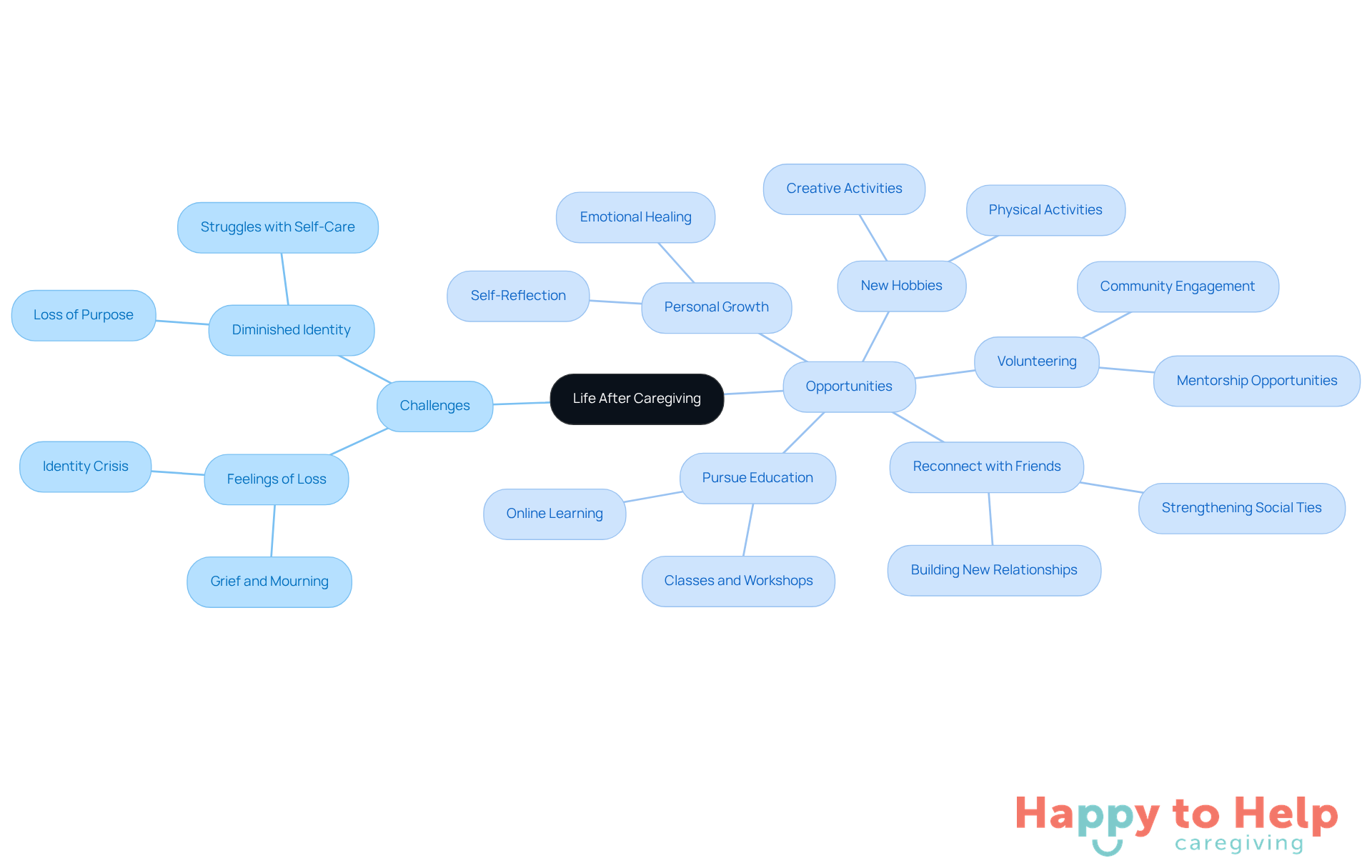
Life after caregiving presents a significant challenge for many individuals. Caregiver life often involves struggles with feelings of loss and a diminished sense of identity once their caregiving roles conclude. This transition can lead to confusion about personal fulfillment and purpose, as the focus on caring for others may have overshadowed their own needs and desires.
However, this period can also be a profound opportunity for personal growth and rediscovery within caregiver life. Caregivers are encouraged to reflect on their experiences and identify what brings them joy beyond their caregiver life. Engaging in new hobbies, reconnecting with friends, or pursuing educational opportunities can significantly aid in redefining identity and purpose.
To navigate this transition effectively, caregivers can implement several actionable solutions:
- Explore New Hobbies: Discover activities that spark joy and creativity.
- Reconnect with Friends: Strengthen social ties that may have weakened during caregiving.
- Pursue Education: Consider classes or workshops that align with personal interests.
Many former caregivers find renewed purpose through volunteering, which not only assists others but also fosters a sense of community and belonging. Expert guidance suggests that creating daily habits, journaling, and engaging with support groups can facilitate this transformative process. These strategies enable caregivers to navigate caregiver life with assurance and clarity.
Ultimately, the journey of rediscovery can lead to a richer, more fulfilling life. By integrating past experiences into a vibrant future, caregiver life allows caregivers to embrace new beginnings and explore passions that may have been sidelined during their caregiving journey.
Continuous Learning: The Importance of Training and Resources for Caregivers
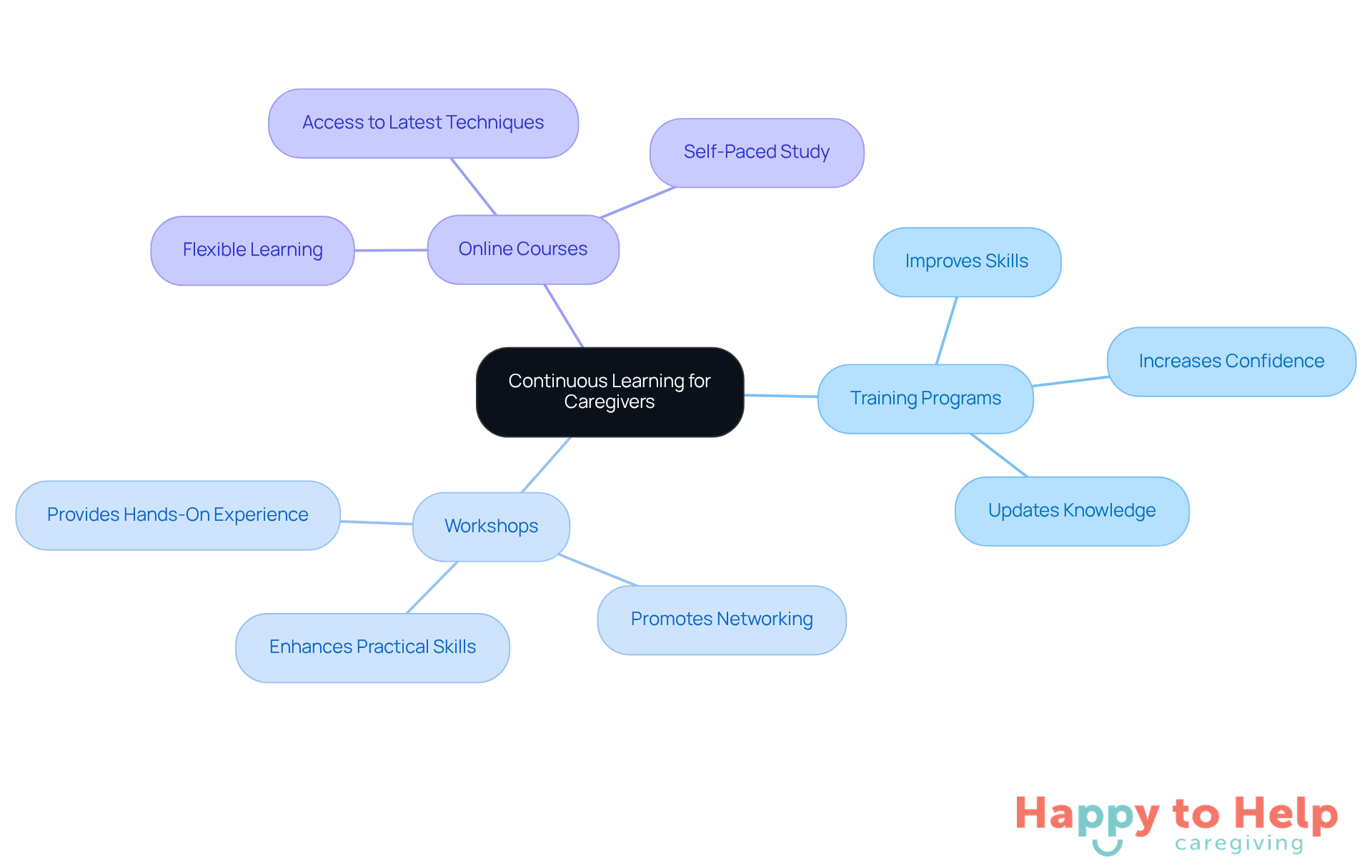
Ongoing education poses a significant challenge in caregiver life for those striving to deliver high-quality support. Without continuous training, providers may struggle with outdated skills and knowledge, impacting their ability to communicate effectively and adhere to safety protocols. This gap in education can lead to decreased confidence among caregivers and lower the overall quality of care provided to individuals.
To address this issue, caregiver life can be enhanced through participation in:
- Training programs
- Workshops
- Online courses
These opportunities not only improve essential skills but also keep caregivers informed about the latest advancements in caregiving techniques. By investing in ongoing education, caregivers can enhance their confidence and improve the quality of support in their caregiver life.
Leveraging Technology: Enhancing Caregiving Through Digital Tools
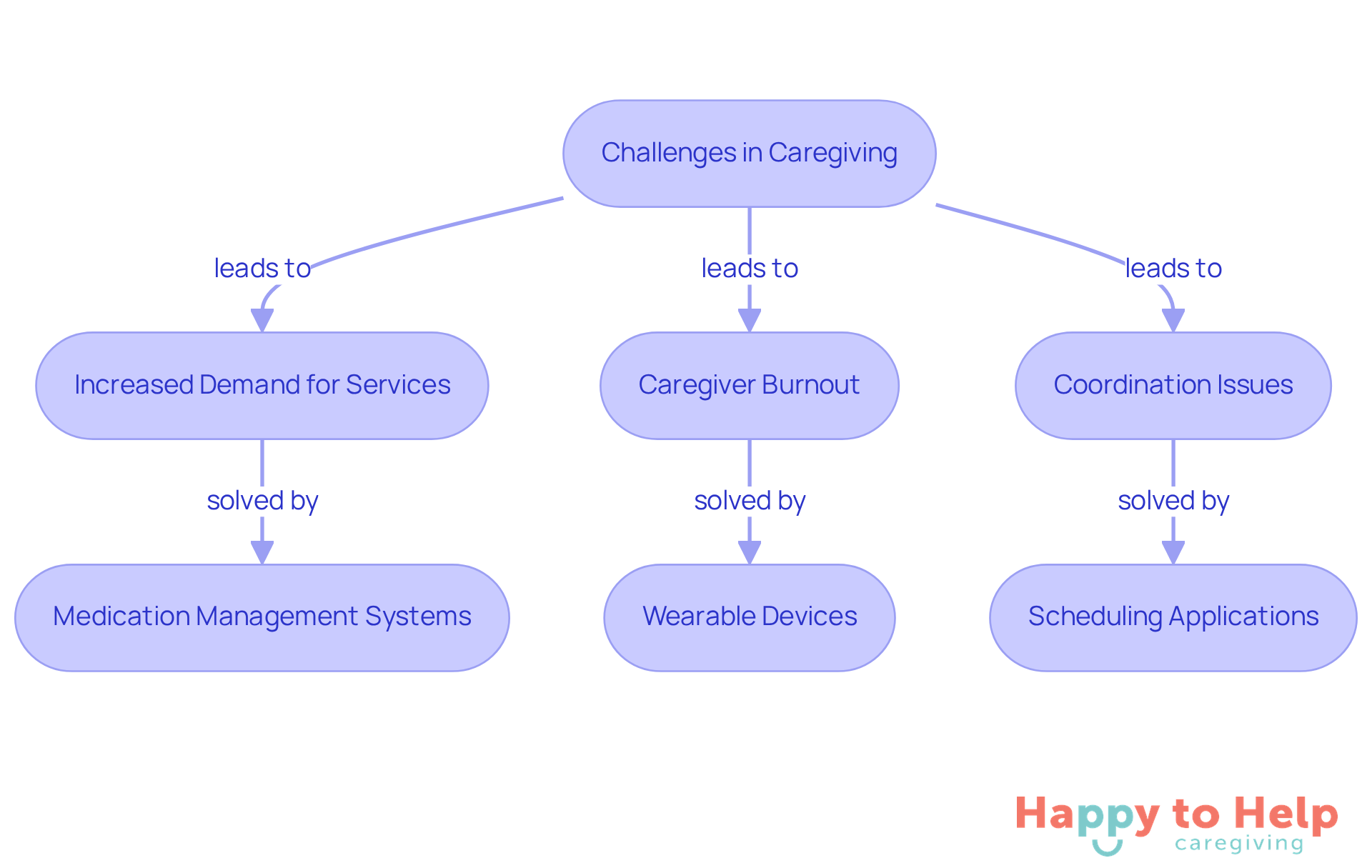
Problem: The caregiving landscape faces significant challenges, particularly as the demand for services increases. With 56% of adults over age 65 expected to require long-term support, the complexities of caregiver life often overwhelm those in this role.
This growing need can lead to burnout in caregiver life, which impacts the quality of care provided. Without effective tools, coordination among support providers and family members can suffer, making it difficult to ensure that individuals receive the right care at the right time.
Solution: Fortunately, harnessing technology can significantly transform caregiving. Digital tools like medication management systems, scheduling applications, and communication platforms simplify daily tasks, improving coordination. For instance, medication management technology ensures that individuals take the correct doses at the right times, leading to better adherence and health outcomes. Smart pill dispensers automate this process, significantly increasing adherence rates.
Wearable devices, such as fall detection systems, continuously track clients' health and safety, providing support personnel with real-time alerts and peace of mind. By incorporating these technologies, providers can enhance efficiency and devote more time to compassionate support.
Moreover, initiatives like the Caregiver AI Challenge emphasize the necessity of innovation in support technology, especially given the ongoing shortage of caregivers. By adopting these digital tools, caregivers can enhance their caregiver life by better navigating their responsibilities and improving the quality of care they provide.
Taking the Next Steps
Enhancing the life of caregivers is crucial for ensuring both their well-being and the quality of care they provide. Caregivers often face significant challenges, including stress, burnout, and feelings of isolation. These issues not only affect their health but also the quality of care they deliver to those who depend on them.
To address these challenges, it’s essential to prioritize self-care and build strong support networks. Caregivers should actively seek personalized in-home support, which can significantly alleviate stress and promote independence for both themselves and their clients. Recognizing the signs of caregiver burnout is vital; implementing self-care strategies can lead to improved emotional resilience.
Companionship plays a critical role in caregiving. Meaningful connections can enhance the overall experience for both caregivers and those they support. By fostering these relationships, caregivers can find joy in their roles and reduce feelings of isolation.
Ultimately, the journey of caregiving is not just about providing care; it’s also about nurturing one’s own well-being. Caregivers should celebrate small victories and continuously learn to enrich their lives and those of their clients. As the demand for caregiving services continues to grow, it is essential for caregivers to prioritize their health, leverage available resources, and embrace the positive aspects of their roles.
By taking these steps, caregivers can enhance their lives and ensure a higher quality of care for those who depend on their support.
https://iframe.tely.ai/cta/eyJhcnRpY2xlX2lkIjogIjY5MjRmMWIwZWM0Y2FiOGU3NGVjMDA5NyIsICJjb21wYW55X2lkIjogIjY4ZWU1ZGNhNzMxNzYyNTU3ZjNjOTVjMSIsICJpbmRleCI6IG51bGwsICJ0eXBlIjogImFydGljbGUifQ==Frequently Asked Questions
What challenges do caregivers face?
Caregivers often experience stress and emotional fatigue, which can lead to burnout and impact both their well-being and the quality of care they provide.
How does caregiver burnout affect care quality?
When caregivers are overwhelmed, the quality of care may suffer, affecting the emotional and mental health of the individuals receiving care and straining relationships.
What services does Happy to Help Caregiving provide?
Happy to Help Caregiving offers personalized in-home assistance, including companionship support, post-hospital recovery assistance, respite services, and palliative support.
How does Happy to Help Caregiving promote independence for clients?
By focusing on personal preferences and requirements, Happy to Help Caregiving creates a supportive environment that empowers clients, allowing caregivers to provide effective assistance within a familiar setting.
What role does technology play in caregiving support?
Technological advancements enhance communication and monitoring, enabling routine check-ins and tailored support plans that reduce provider fatigue and support the emotional health of seniors.
What is caregiver burnout and its prevalence?
Caregiver burnout is characterized by emotional, physical, and mental exhaustion due to prolonged caregiving stress, with research indicating that 40 to 70% of caregivers experience symptoms of depression.
What strategies can caregivers use to manage burnout?
Caregivers can prioritize self-care by taking regular breaks, engaging in hobbies, practicing mindfulness, and seeking support from peers or professionals.
Why is companionship important in caregiving?
Companionship addresses loneliness and isolation, enhancing emotional well-being for both caregivers and clients through meaningful conversations and shared activities.
How can caregivers foster companionship with clients?
Caregivers can enhance companionship by initiating regular conversations, participating in shared activities, and offering consistent emotional support to build trust and connection.
What is the significance of National Family Caregivers Month?
November is National Family Caregivers Month, serving as a reminder for caregivers to prioritize their health and seek the assistance they need to improve their caregiving experience.
List of Sources
- Happy to Help Caregiving: Personalized In-Home Support for Caregivers
- Home Care Industry Trends to Watch in 2025 (https://firstlighthomecare.com/blog/home-care-industry-trends)
- Customized Care at Home: The Benefits of Personalized Care Plans - VNA Health Group (https://vnahg.org/customized-care-at-home-the-benefits-of-personalized-care-plans)
- The Evolution of Home Care Services: Trends in the USA - Cottage Home Care (https://cottagehomecare.com/blog/trends-in-home-care-new-york)
- Compassion in Action: How Personalized Senior Care Enhances Quality of Life - Miss Bell (https://missbellcares.com/compassion-in-action-personalized-senior-care)
- The Future of Private Home Care: What to Expect in 2025 (https://anodyne-services.com/2024/08/14/the-future-of-private-home-care-what-to-expect-in-2025)
- Understanding Caregiver Burnout: Strategies for Emotional Resilience
- The National Alliance for Caregiving and AARP Release Caregiving Report - CAPC - News Bites (https://capc.org/blog/new-data-on-family-caregivers-in-the-us)
- Caregiver Burnout and Strategies to Help (https://health.usnews.com/senior-care/articles/caregiver-burnout-and-strategies-to-help)
- News & Information (https://wellnessalliance.org/resources-and-tools/news-and-information/2025/11/10/national-family-caregivers-month--preventing-caregiver-burnout)
- New Report Reveals Crisis Point for America’s 63 million Family Caregivers (https://press.aarp.org/2025-07-24-New-Report-Reveals-Crisis-Point-for-Americas-63-million-Family-Caregivers)
- Caregiving’s Mental Health Crisis (https://forbes.com/sites/otsuka/2025/10/02/caregivings-mental-health-crisis)
- The Role of Companionship: Enhancing Quality of Life for Caregivers and Clients
- A Better Solution Home Care (https://abs.care/How-Companionship-Care-Improves-Mental-Health-in-Older-Adults)
- The Power of Companionship for Seniors: A Key Ingredient to Quality Aging (https://homecarepgh.com/blog-posts/companionship-in-old-age)
- 10 Benefits of Professional Companion Services for Family Caregivers - Happy To Help (https://happytohelpcaregiving.com/10-benefits-of-professional-companion-services-for-family-caregivers)
- Why Home Care Providers Are Increasingly Offering Companion Care Services for Seniors | Aaniie, formerly Smartcare Software (https://aaniie.com/news/why-home-care-providers-are-increasingly-offering-companion-care-services-for-seniors)
- Prioritizing Self-Care: Essential Tips for Caregiver Well-Being
- 5 Self-Care Tips for Caregivers | United Way Worldwide (https://unitedway.org/news/5-self-care-tips-for-caregivers)
- Self-Care for Caregivers - Charter Research (https://charterresearch.com/news/self-care-for-caregivers)
- Tips for Family Caregivers: Balancing Care and Self-Care - Bryan Skilled Home Care (https://bryanskilledhomecare.com/2025/11/20/tips-for-family-caregivers-balancing-care-and-self-care)
- Summer Self-Care for Caregivers | HWR (https://hospicewr.org/News/July-2025/Summer-Self-Care-for-Caregivers)
- A caregiver's survival guide: Advice from people who've been there (https://npr.org/2025/10/18/nx-s1-5558451/caregiver-caregiving-family-burnout-support-advice)
- Effective Communication: Building Strong Relationships in Caregiving
- Listening with Purpose: The Transformative Power of Active Listening in Caregiving / Elite Home Care - San Diego In-Home Care (https://elite-homecare.com/listening-with-purpose-the-transformative-power-of-active-listening-in-caregiving)
- Clearer Conversations, Better Care: New Guide Highlights Best Practices for Communicating with Older Adults (https://geron.org/News-Events/GSA-News/Press-Room/Press-Releases/clearer-conversations-better-care-new-guide-highlights-best-practices-for-communicating-with-older-adults)
- Effective Communication Strategies for Older Adults: Evidence-Based Approaches that Improve Care (https://medtigo.com/news/effective-communication-strategies-for-older-adults-evidence-based-approaches-that-improve-care)
- Effective Caregiver Communication: Tips, Barriers, and Benefits (https://scphealth.com/blog/effective-caregiver-communication-tips-barriers-and-benefits)
- Effective Communication as a Caregiver | Always Caring of CT (https://alwayscaringct.com/news/effective-communication-as-a-caregiver)
- Finding Joy in Caregiving: Celebrating the Positive Aspects of Your Role
- Emma Heming Willis on Leaning Into Joy as a Caregiver: ‘Learn How To Find That Balance’ (https://theflowspace.com/interpersonal-health/family/emma-heming-willis-joy-caregiving-dementia-3011400)
- How to find the joy in caregiving (https://mcknights.com/blogs/guest-columns/jamda-highlights/how-to-find-the-joy-in-caregiving)
- Experiencing Joy in Caregiving | Mental Health America (https://mhanational.org/blog/experiencing-joy-in-caregiving)
- Caregiver Statistics: Work and Caregiving (https://caregiver.org/resource/caregiver-statistics-work-and-caregiving)
- Family Caregivers Share Both Positive And Challenging Experiences In New Study (https://hopkinsmedicine.org/news/articles/2022/10/family-caregivers-share-both-positive-and-challenging-experiences-in-new-study)
- Building a Support Network: The Importance of Community for Caregivers
- Caregiving connects us, community strengthens us - VA News (https://news.va.gov/143323/caregiving-connects-us-community-strengthens-us)
- Finding Strength in Community: How Peer Support Transforms Caregiving (https://caregiveraction.org/peer-support-transforms-caregiving)
- Improving Support for Family Caregivers (https://nationalacademies.org/news/2025/07/improving-support-for-family-caregivers)
- Caregiver Support Resources for You and Your Community (https://news.nnlm.gov/region\_6/2024/11/caregiver-support-resources-for-you-and-your-community)
- Life After Caregiving: Rediscovering Yourself and Your Purpose
- Life After Caregiving: Navigating What Comes Next (https://careforth.com/blog/life-after-caregiving)
- Moving On After Caregiving: Finding Purpose and Healing (https://caregiveraction.org/moving-on)
- How Caregiving Can Alter Dreams and Goals (https://aarp.org/caregiving/basics/embrace-new-life-after-caregiving)
- Life After Caregiving: Grief, Recovery and Finding Purpose (https://aarp.org/caregiving/life-balance/finding-purpose-after-caregiving-ends)
- Life After Caregiving: A Guide to Rediscovering Yourself (https://caregiveraction.org/life-after-caregiving)
- Continuous Learning: The Importance of Training and Resources for Caregivers
- Family Caregiver Support, Education Needs Growing (https://hospicenews.com/2025/11/11/family-caregiver-support-education-needs-growing)
- CCA Announces Free Online Caregiver Training Program for IHSS Workers (https://advancecaregivers.org/cca-announces-free-online-caregiver-training-program-for-ihss-workers)
- WHO launches new online course to support informal caregivers across Europe (https://who.int/europe/news/item/27-10-2025-who-launches-new-online-course-to-support-informal-caregivers-across-europe)
- Home-Based Care Companies Improve Outcomes By Training Family Caregivers (https://homehealthcarenews.com/2025/10/home-based-care-companies-improve-outcomes-by-training-family-caregivers)
- CAPC Launches New Caregiver Support Program Implementation Toolkit - CAPC - News Bites (https://capc.org/blog/capc-launches-new-caregiver-support-program-implementation-toolkit)
- Leveraging Technology: Enhancing Caregiving Through Digital Tools
- HHS Launches New Caregiving AI Initiative to 'Spark Innovative Support' (https://hospicenews.com/2025/11/18/hhs-launches-new-caregiving-ai-initiative-to-spark-innovative-support)
- 6 Tech Tools Transforming Caregiving for Aging Loved Ones (https://ltcnews.com/articles/tech-tools-transforming-caregiving-aging-loved-ones)
- How AI Could Change Family Caregiving (https://aarp.org/caregiving/basics/how-ai-can-help-caregivers)
- How Technology Can Ease the Caregiver Burden (https://connectamerica.com/insights/how-technology-can-ease-the-caregiver-burden)
- Modern Tools That Improve Safety and Accountability in Elder Care Settings (https://dcreport.org/2025/11/24/modern-tech-tools-improving-safety-in-elder-care-facilities)