10 Essential Traits of an Effective Elderly Care Companion
For families in our service areas
For families in our service areas, this guide explains companion care and how non-medical in-home caregiving can support care planning in East Idaho, Treasure Valley & Magic Valley, Northern Wasatch, North Central West Virginia, and Northeast Ohio.
Quick Guide to Traits of an Effective Elderly Care
The essential traits of an effective elderly care companion encompass:
- Emotional support
- Strong communication skills
- Reliability
- The ability to promote independence
These qualities significantly enhance the quality of life for seniors. It’s important to recognize that these traits foster genuine connections. They improve mental health outcomes and ensure that elderly individuals feel valued and secure. Ultimately, this approach addresses their unique needs and preferences, offering a comforting presence in their lives.
Why Traits of an Effective Elderly Care Matters
The emotional and social well-being of elderly individuals is often overlooked, yet it is crucial for their overall quality of life. As loneliness and isolation become increasingly prevalent among seniors, the role of an elderly care companion emerges as a vital source of support and connection.
This article explores ten essential traits that define effective elderly care companions. These characteristics not only enhance the caregiving experience but also significantly improve the lives of those they serve.
What happens when caregivers embody these traits? How can they transform the landscape of elderly care? Together, we can find answers and foster a nurturing environment for our loved ones.
Happy to Help Caregiving: Personalized Companionship Care
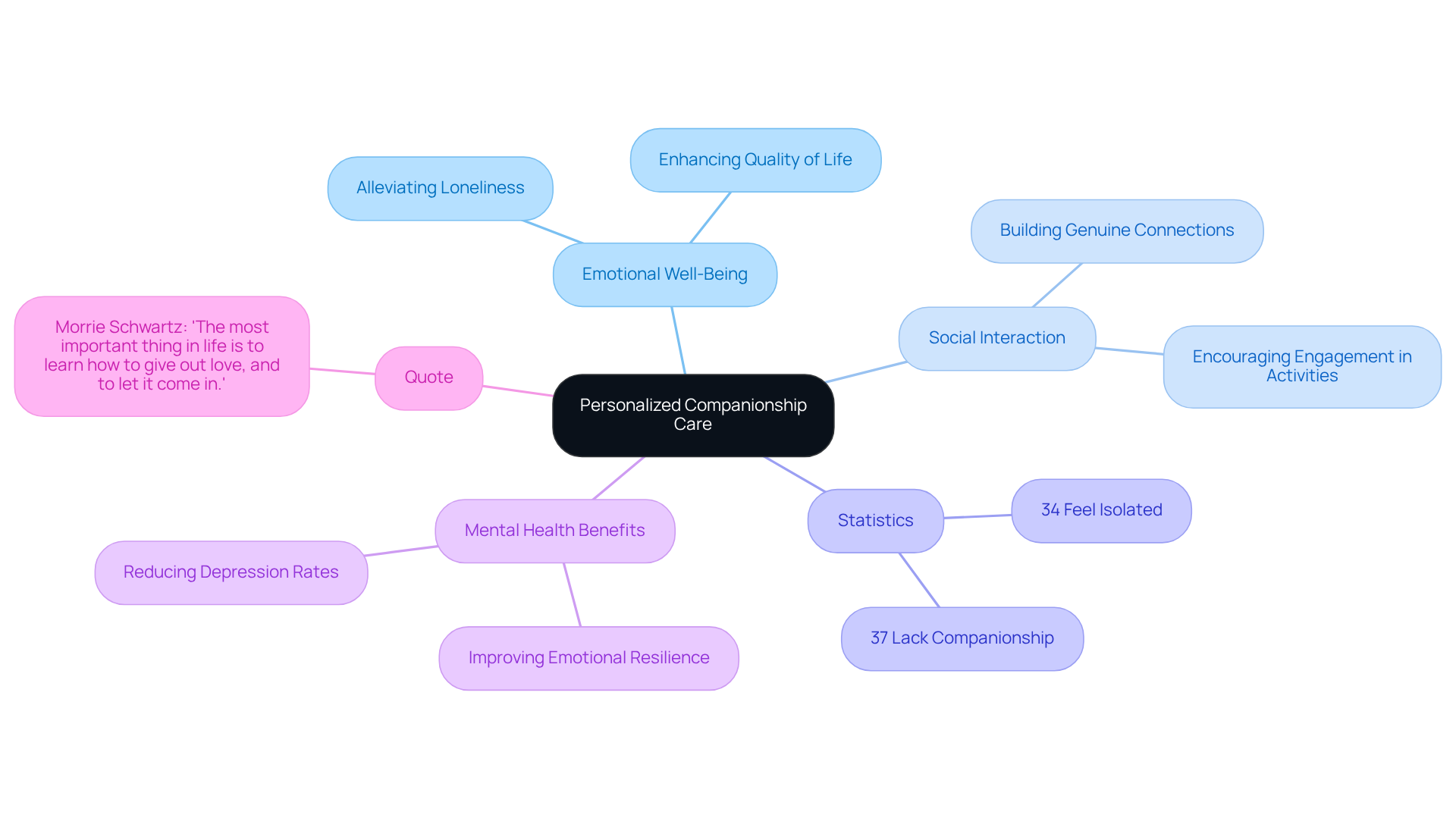
At Happy to Help Caregiving, we understand that personalized companionship care provided by an elderly care companion is vital for the emotional and social well-being of elderly individuals. This approach focuses on recognizing each client's unique needs and preferences, allowing our caregivers to forge genuine connections. By nurturing these significant relationships, we help alleviate feelings of loneliness and isolation that many elderly individuals, especially those living alone, experience. Recent statistics reveal that 34% of adults aged 50-80 reported feelings of isolation in 2023, while 37% indicated a lack of companionship. This underscores the crucial role that an elderly care companion plays in providing .
Our tailored approach not only enhances mental health but also encourages seniors to engage in activities they cherish, instilling a sense of purpose and fulfillment in their daily lives. The benefits of companionship extend far beyond mere social interaction; they play a significant role in improving emotional resilience, reducing depression rates, and enhancing overall quality of life. It's important to note that individuals with negative relationships are at least twice as likely to face depression compared to those in stable partnerships, highlighting the mental health advantages of companionship.
As the demand for effective elderly care companion solutions continues to rise, the importance of companionship in enhancing emotional well-being remains crucial now and in the years to come. As Morrie Schwartz wisely stated, "The most important thing in life is to learn how to give out love, and to let it come in." We are here to provide that love and support, ensuring that no one has to feel alone.
Emotional Support: A Key Quality in Elderly Care Companions
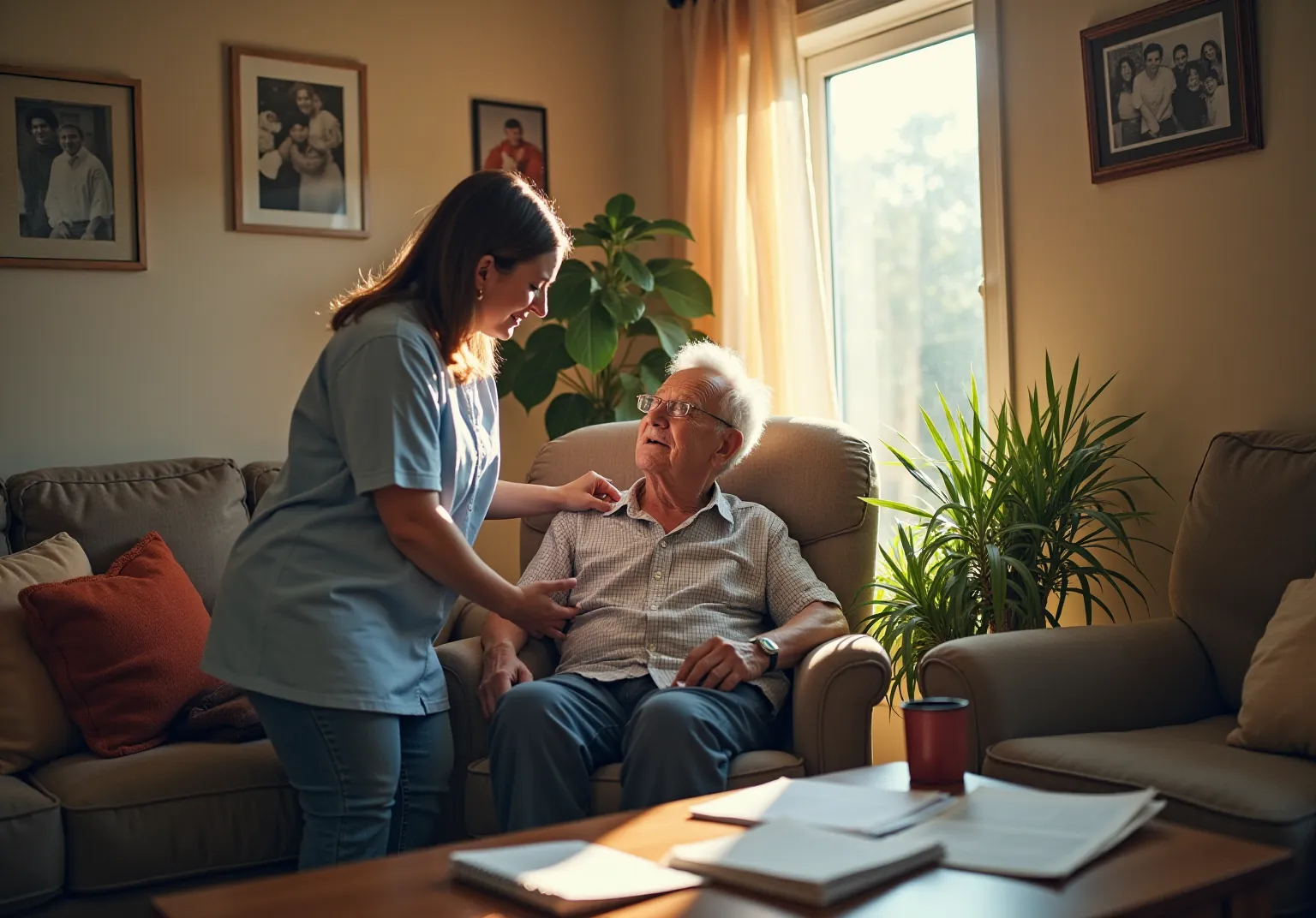
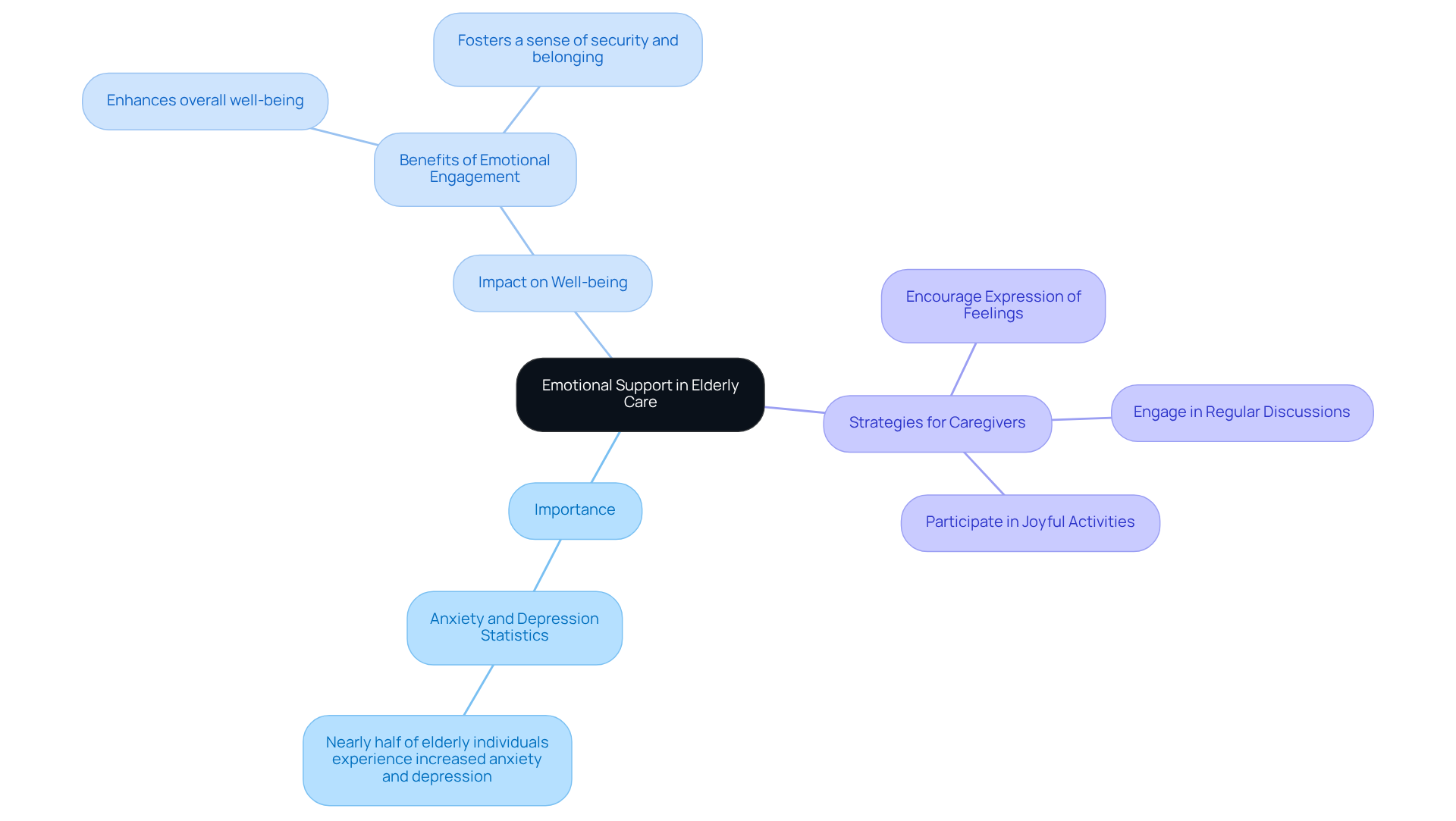
Emotional support is a cornerstone quality for effective elderly care companions. An elderly care companion who shows empathy and attentiveness creates a space where older adults feel valued and understood. This emotional bond is essential; research indicates that nearly half of elderly individuals receiving care experience increased anxiety and depression. A study on community-dwelling older adults found that providing social support significantly enhances their well-being. By offering a steady listening ear, an elderly care companion not only alleviates these feelings but also establishes a secure environment for elderly individuals to share their emotions and worries.
Geriatric specialists emphasize that emotional engagement, particularly with the help of an elderly care companion, greatly enhances the overall well-being of older adults, fostering a sense of security and belonging. To cultivate these emotional bonds, caregivers can:
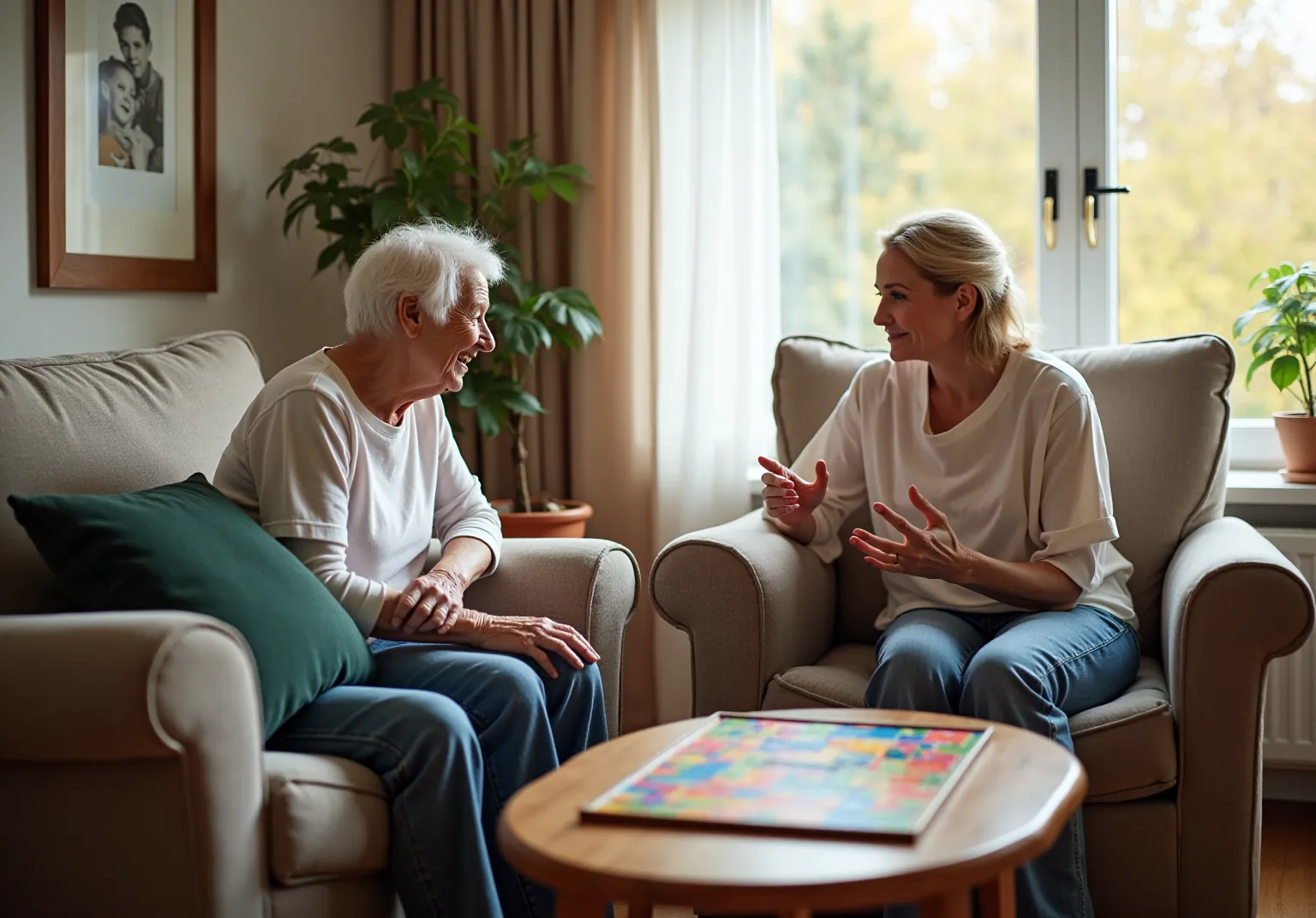
- Engage in regular discussions
- Encourage older adults to express their feelings
- Participate in activities that bring joy
Ultimately, the in caregiving cannot be overstated; it is essential for nurturing the mental health and quality of life of older adults.
Expertise in Elderly Care: Knowledge and Training Requirements
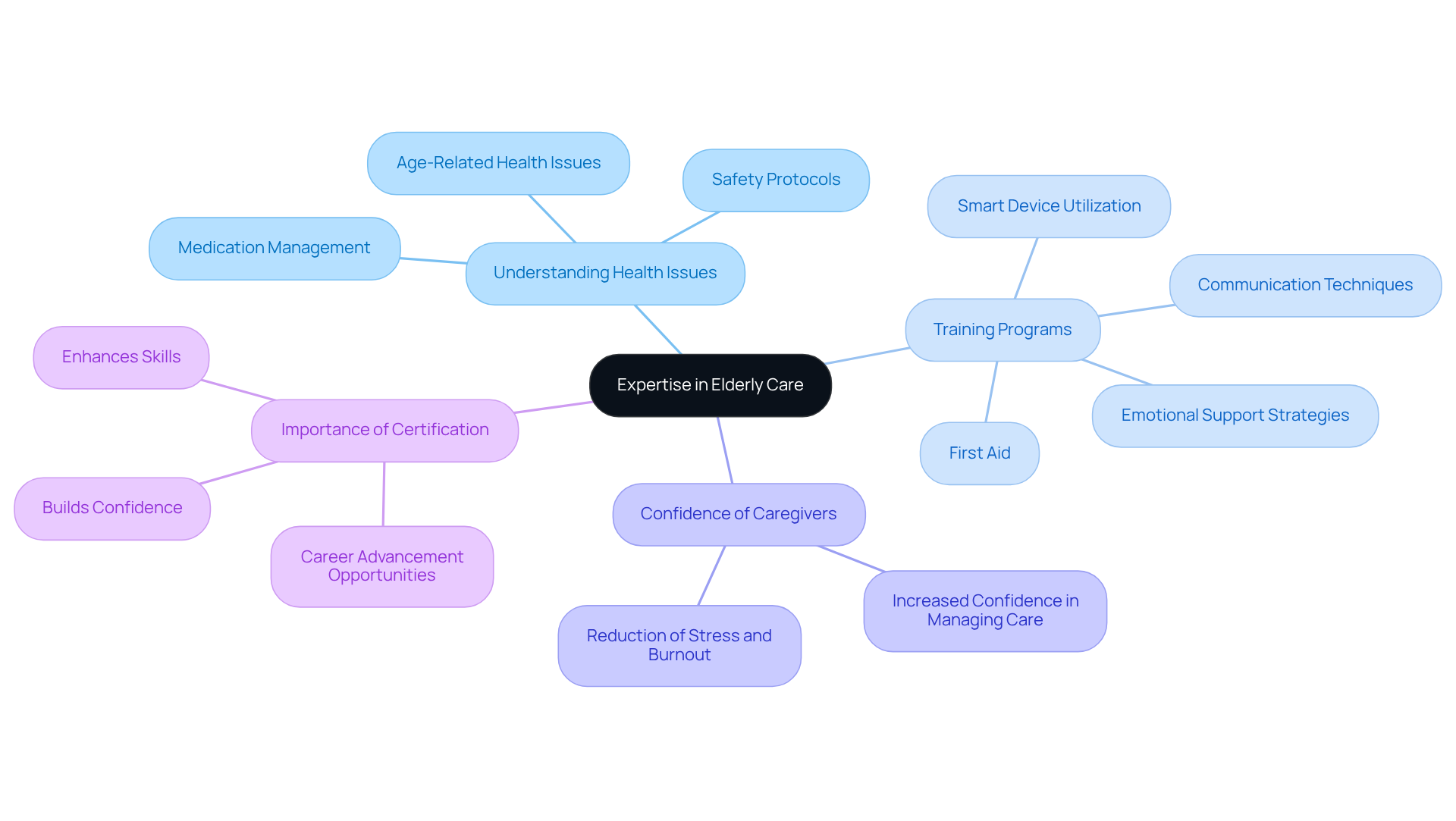
Effective elderly care companion services begin with a deep understanding and specialized training for those providing assistance. As elderly care companions, caregivers face unique challenges, and it’s essential they are equipped to address the specific needs of seniors. This includes a thorough grasp of age-related health issues, medication management, and safety protocols. Training programs are thoughtfully designed to empower elderly care companions with , encompassing first aid, communication techniques, and emotional support strategies.
Research shows that elderly care companions who undergo specialized training often feel more confident in managing complex care tasks. This boost in confidence significantly enhances the quality of care that an elderly care companion can provide. It’s important to note that over 85% of informal supporters express a considerable need for training in at least one caregiving skill. This statistic underscores the critical role these programs play in ensuring effective care.
Moreover, the significance of caregiver certification cannot be emphasized enough. It not only enhances caregivers' skills but also builds their confidence. Families can take comfort in knowing that with sufficient training, their elderly care companion is providing the highest standard of support for their loved ones. This assurance promotes a sense of security and well-being in their home environment, allowing caregivers and families to thrive together.
Flexibility: Adapting Care to Individual Schedules
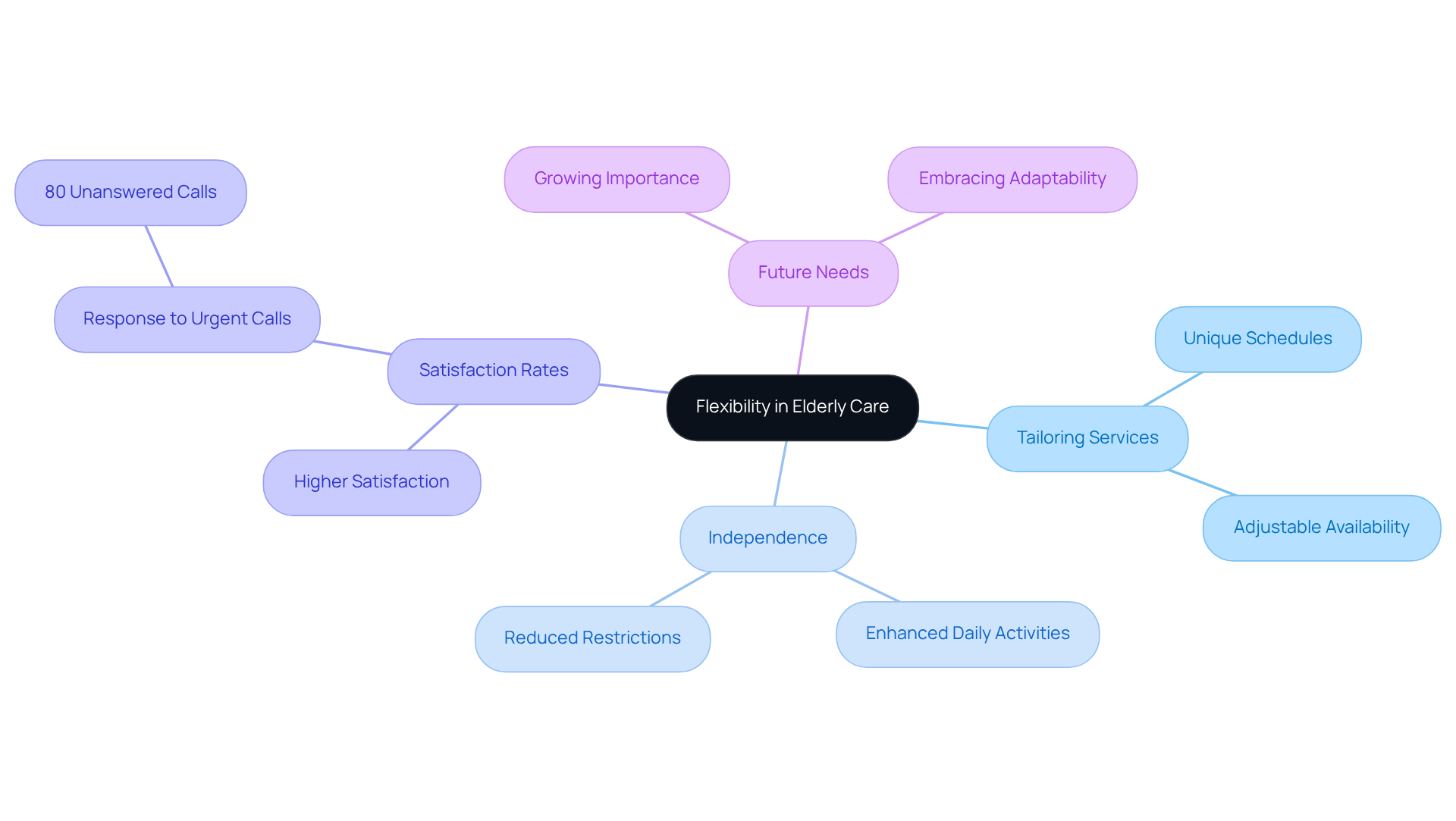
Flexibility is a vital attribute for elderly care companions. It allows them to tailor their services to the unique schedules and preferences of their clients. Seniors often have diverse routines, appointments, and social activities. This creates a need for caregivers who can adjust their availability to meet these needs. This adaptability not only improves the quality of care provided by an elderly care companion but also significantly enhances the elderly's sense of independence. It enables them to engage in daily activities without feeling restricted.
In fact, studies indicate that flexible scheduling can lead to higher satisfaction rates among seniors. Alarmingly, nearly 80% of urgent calls for help go unanswered when older adults are alone. This underscores the critical need for effective solutions that promote safety and independence at home. As Jenna Kellerman notes, "Flexible scheduling benefits team members and providers alike," emphasizing the mutual advantages of adaptability in caregiving.
As we look ahead to 2025, the significance of flexible caregiving schedules for elderly care companions will only grow. This highlights the necessity for those providing care to embrace adaptability as an essential aspect of their service delivery. Together, we can create a nurturing environment that of our elderly loved ones.
Strong Communication Skills: Building Trust with Clients
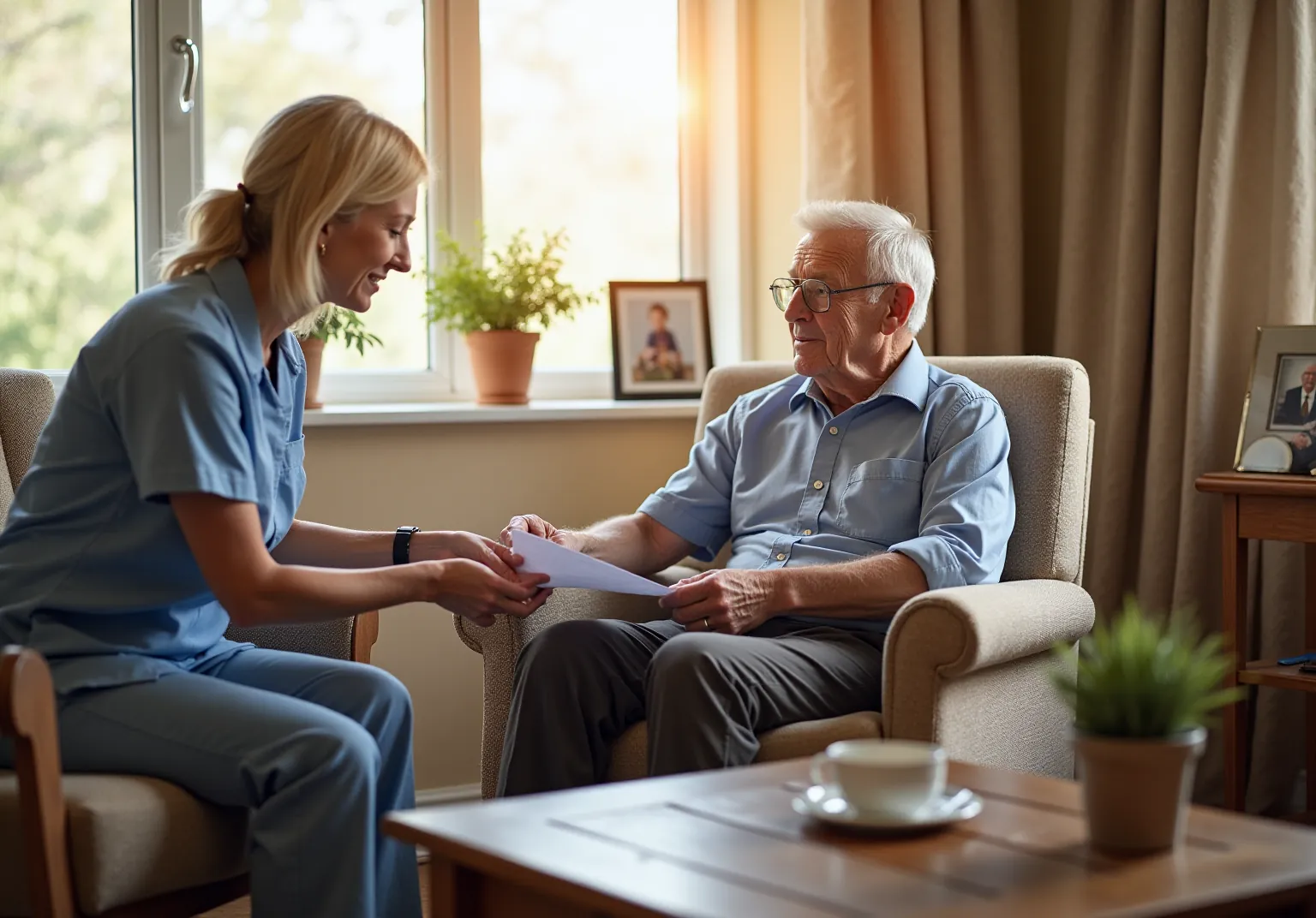
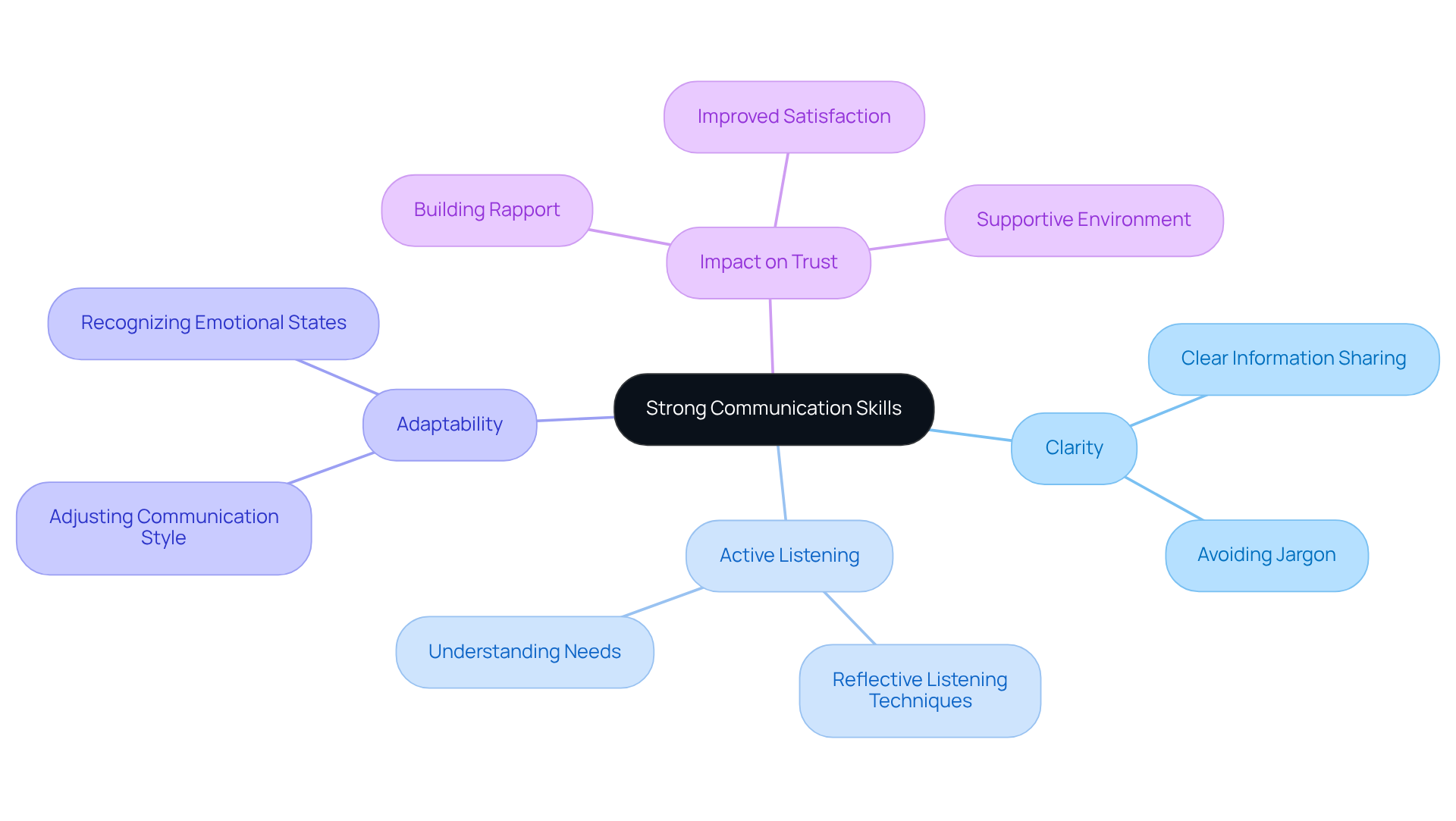
Strong are vital for caregivers interacting with seniors, as they significantly influence the quality of support and the overall connection. Caregivers must convey information clearly while also practicing active listening to truly understand the needs and concerns of those they assist. This two-way communication nurtures trust and rapport, helping individuals feel more at ease and secure in their support environment.
Moreover, caregivers should be adept at adjusting their communication styles to align with the cognitive and emotional states of their clients. This ensures that messages are not only comprehended but also valued. Research indicates that effective communication can lead to improved satisfaction among older adults, underscoring its importance in enhancing caregiver-client relationships.
As we look toward 2025 and the increasing aging population, the need for caregivers to cultivate these essential communication abilities becomes even more pressing. Effective communication is a fundamental aspect of high-quality elderly support, and it plays a crucial role in fostering a compassionate and supportive environment.
Promoting Independence: Encouraging Self-Sufficiency in Care
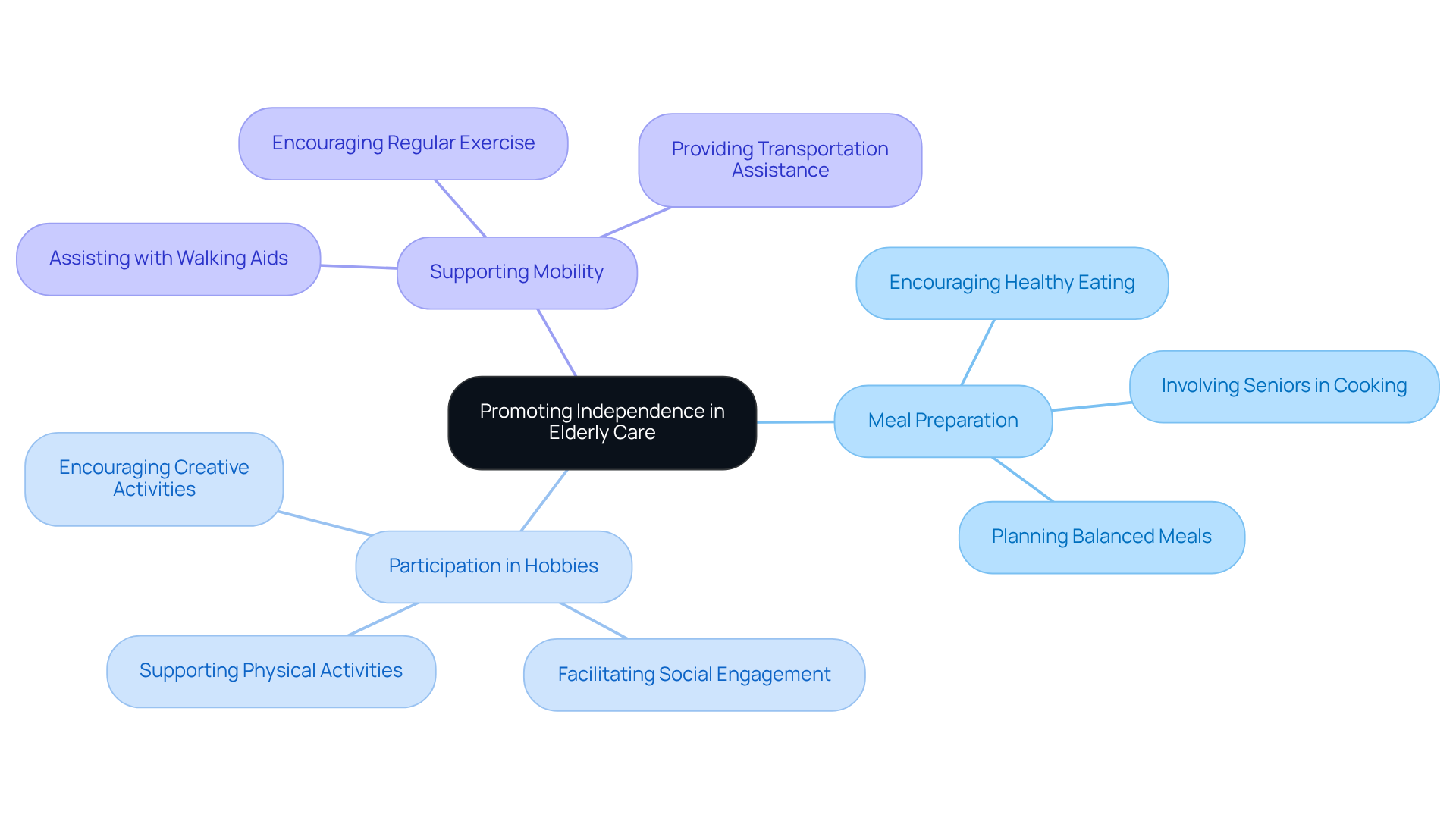
Promoting independence is a fundamental duty of elderly care companions. Elderly care companions play a crucial role in encouraging older adults to engage in daily activities and make choices that enhance their self-sufficiency. This can involve:
- Assisting with meal preparation
- Encouraging participation in hobbies
- Supporting mobility
By enabling older adults to take an active part in their support, elderly care companions help uphold their dignity and self-worth, which are essential for overall well-being.
Research suggests that promoting self-sufficiency not only improves the quality of life for older adults but also leads to better mental health outcomes. For instance, a case study named 'How Home Assistance Supports Elderly Individuals with Mobility Limitations' emphasizes how customized home services help older adults preserve independence. In 2025, the emphasis on self-sufficiency remains critical, allowing seniors to retain a sense of control and purpose in their lives. This, in turn, leads to improved emotional resilience and satisfaction.
As Tia Walker beautifully states, 'Caregiving often calls us to lean into love we didn’t know possible.' This quote underscores the of fostering independence with the help of an elderly care companion. It reminds us that through compassionate support, caregivers can truly make a difference in the lives of older adults, nurturing their spirit and enhancing their quality of life.
Engagement in Activities: Enhancing Quality of Life
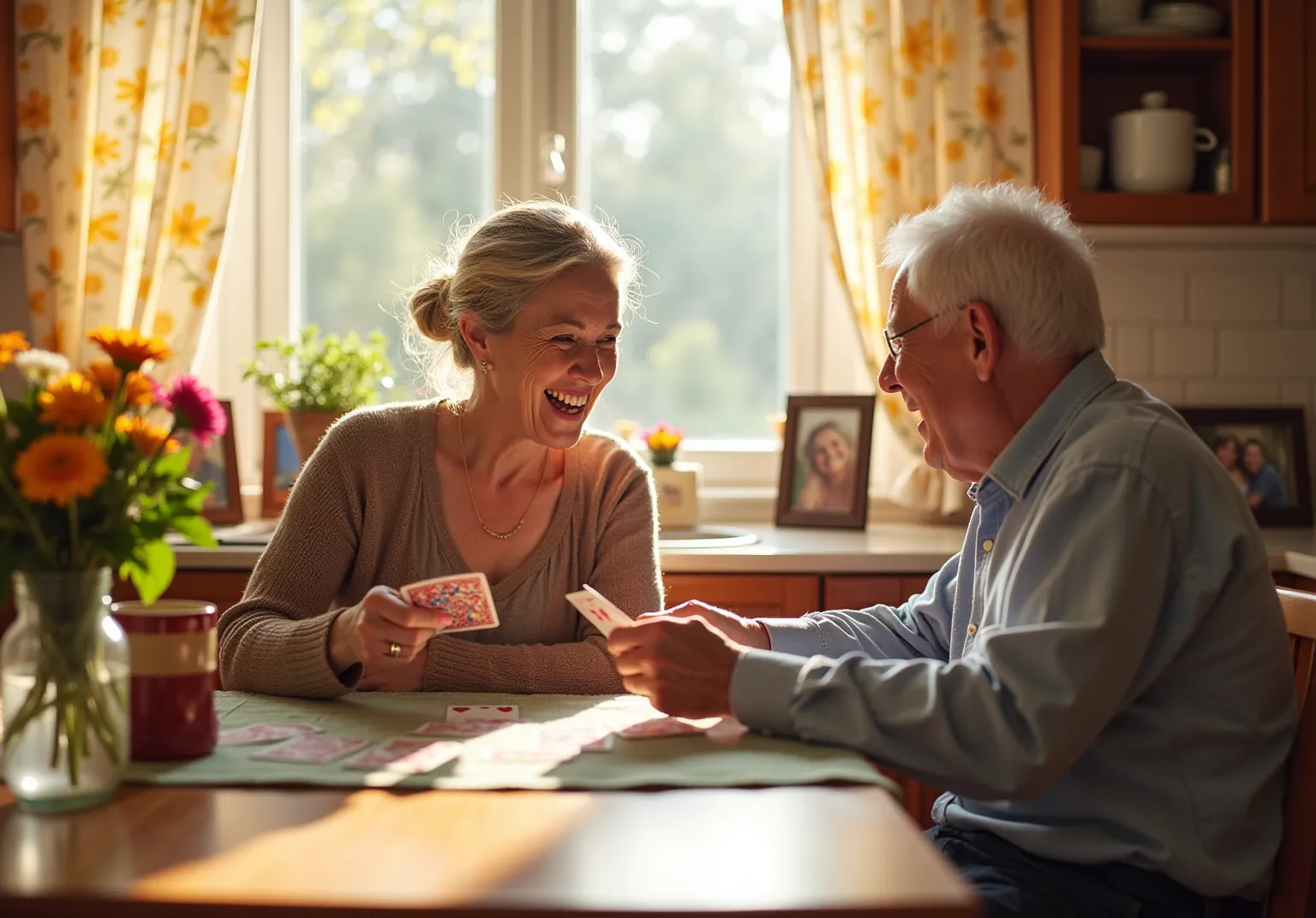
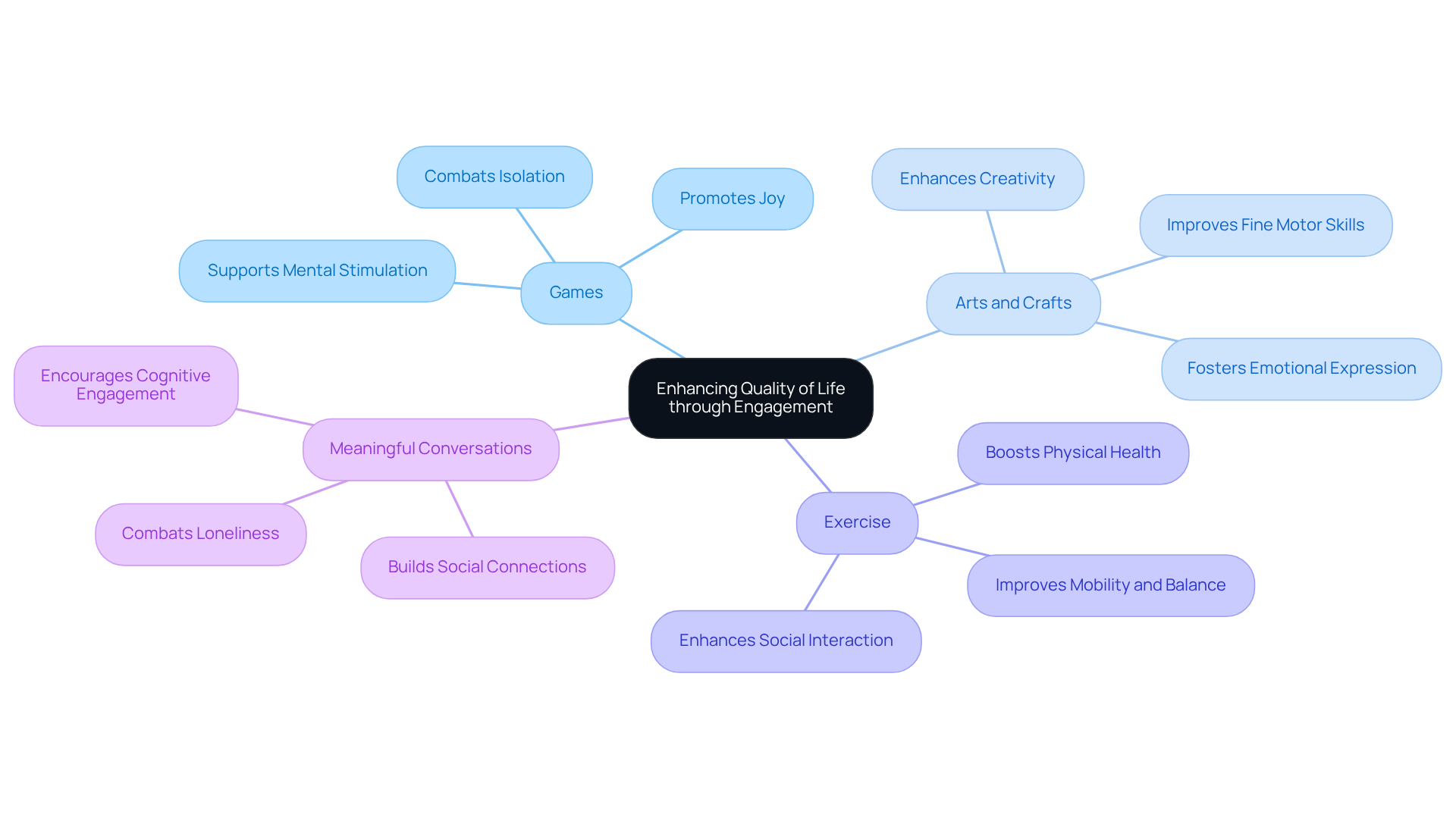
An elderly care companion can play a crucial role in ensuring participation in activities, which is essential for enhancing the quality of life for older individuals. As an elderly care companion, caregivers play a crucial role by actively encouraging involvement in a variety of social, recreational, and cognitive activities tailored to the preferences of those they assist, which can make a significant difference.
Activities like:
- Games
- Arts and crafts
- Exercise
- Meaningful conversations
not only bring joy but also help combat feelings of isolation and boredom. Research shows that older adults who engaged in 8 weeks of discretionary activities reported and lower levels of social isolation compared to those who did not participate.
Moreover, engaging in lifelong learning enables seniors to adapt in a rapidly changing world, linking participation in recreational activities to improved mental stimulation and emotional well-being, which an elderly care companion can help foster to create a sense of purpose and connection.
As Vicki Winstead beautifully observes, "participation in activities affects quality of life among older adults who live in assisted and independent living communities (AICs)." By facilitating these enriching experiences, you play a vital role in supporting the overall health and happiness of those you assist, ultimately enhancing their quality of life.
Patience and Understanding: Essential Traits for Caregivers
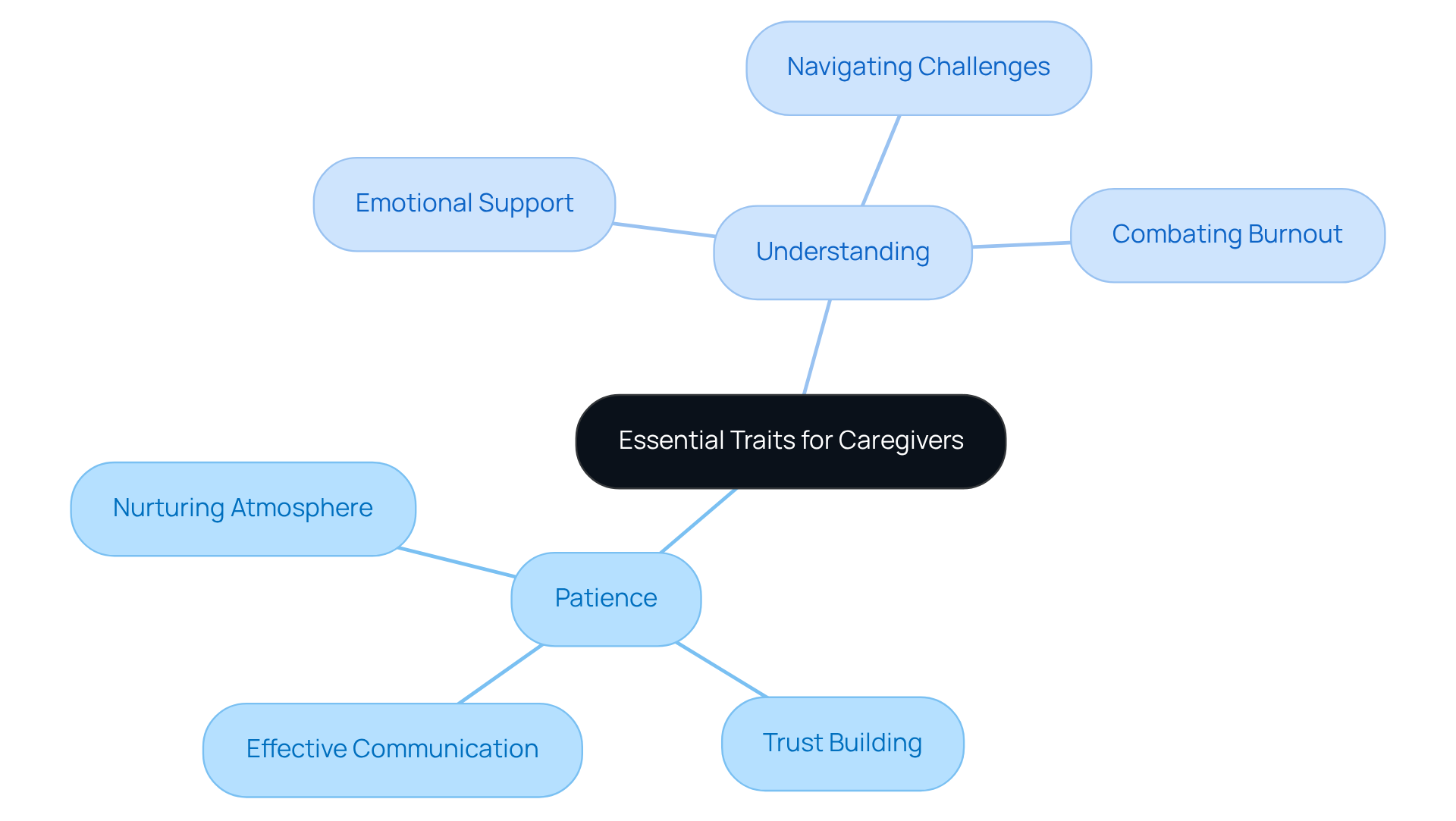
Patience and understanding are essential qualities for an elderly care companion who assists elderly individuals. Elderly care companions often face emotional challenges, encountering situations like cognitive decline or physical limitations that can be overwhelming. In these moments, a calm and empathetic approach is crucial. By demonstrating patience, an elderly care companion creates a nurturing atmosphere where individuals feel secure and valued. This understanding not only fosters trust but also encourages open communication, leading to a more effective experience with an elderly care companion.
It's important to recognize that caregivers may experience stress and burnout. However, there is emotional and practical support available, including the role of an elderly care companion, to help navigate these challenges. Remember, you are not alone in this journey. Together, we can cultivate an , ensuring that both caregivers and those they care for feel supported.
In the words of one caregiver, "It's the small moments of connection that make all the difference." These heartwarming interactions remind us of the profound impact of compassionate care. Let us continue to embrace patience and understanding, knowing that they are the cornerstones of a fulfilling caregiving experience.
Reliability: Consistent Support for Elderly Clients
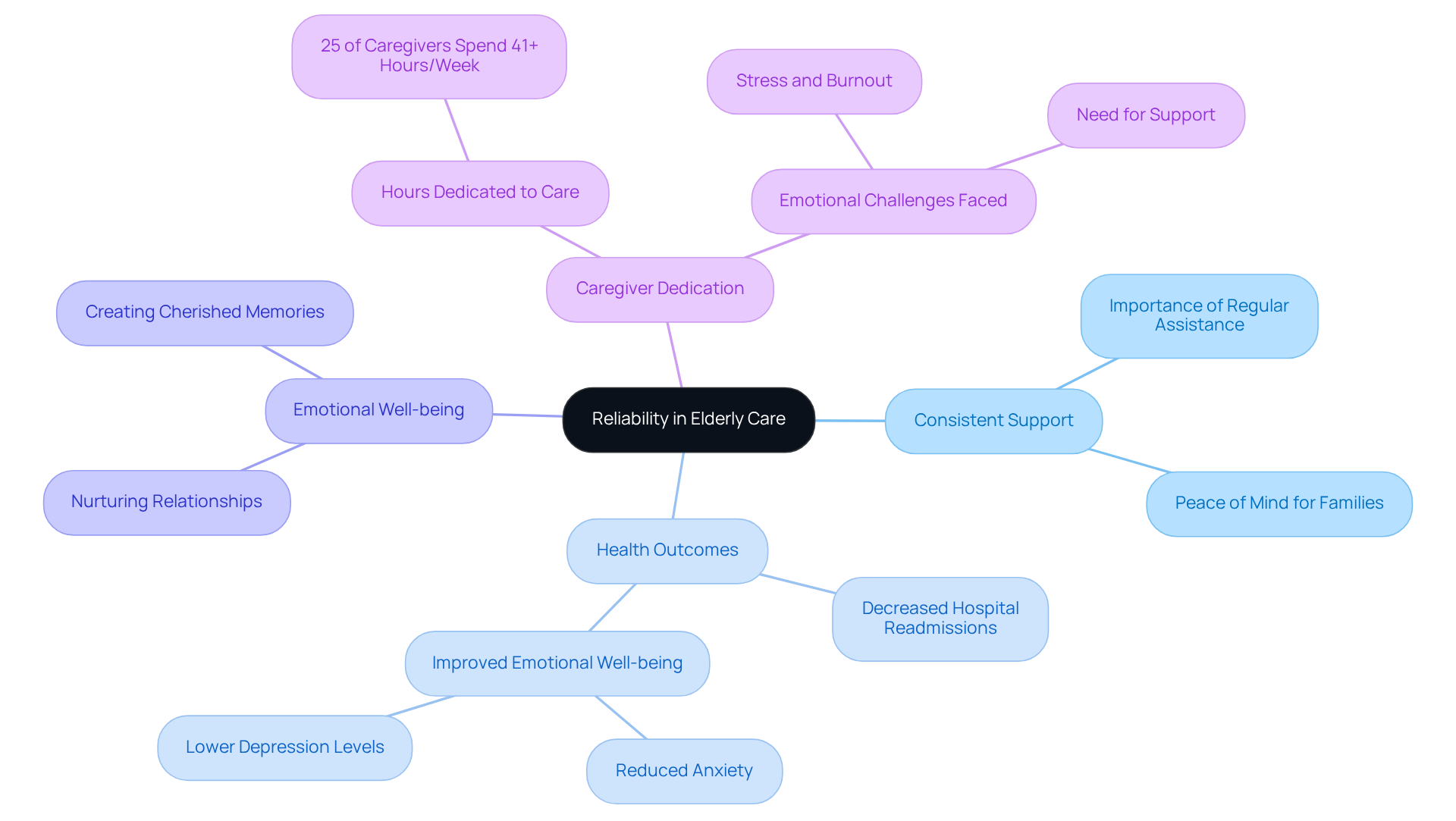
Reliability is a cornerstone of effective elderly care. Dependable elderly care companions ensure consistent availability, which is crucial for addressing the needs of their clients. This reliability brings a sense of security to older adults, who often feel vulnerable without regular support. Families find peace of mind knowing their loved ones receive prompt assistance—vital for maintaining overall health and well-being.
Studies show that ongoing support from guardians can significantly enhance health outcomes for older adults. It decreases hospital readmissions and improves emotional well-being. Indeed, research indicates that elderly individuals with trustworthy support experience reduced levels of anxiety and depression. This highlights the importance of consistent assistance in enhancing overall quality of life. Almost 25% of caregivers dedicate 41 hours or more each week to delivering support, which underscores the commitment required for dependable caregiving.
As the landscape of caregiving evolves, the emphasis on reliability remains paramount, ensuring that seniors can thrive in their familiar environments. As one quote expresses, 'The love and attention we provide to our parents in their later years is a reflection of the values they instilled in us.' This sentiment resonates deeply with family supporters, emphasizing the emotional connection that underpins their dedication.
In this journey, it’s essential to recognize the emotional challenges caregivers face. The stress and burnout can be overwhelming, but there are solutions available to provide the necessary support. Together, we can create an environment where both caregivers and their loved ones .
Technology Integration: Enhancing Care Management and Communication
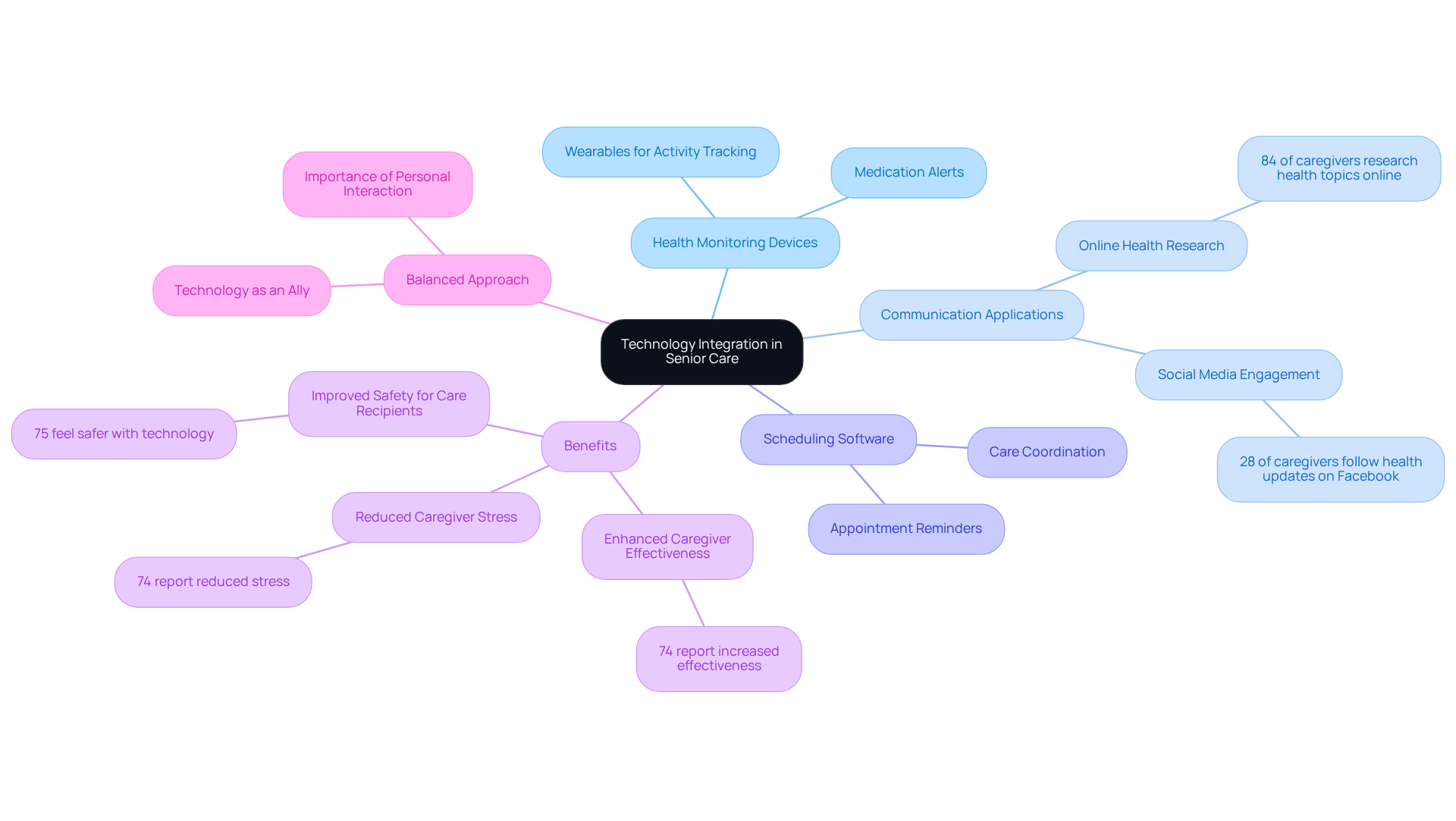
The incorporation of technology in senior support is becoming increasingly essential, offering substantial benefits for both providers and clients. Tools like , communication applications, and scheduling software not only simplify management but also enhance communication between providers and families. For instance, 86% of family supporters have internet access, and 84% of those with internet access utilize it to research health topics, demonstrating a proactive approach to care.
As Shinduk Lee notes, technology should enhance caregiving without replacing personal interactions. This highlights the need for a balanced approach, ensuring that technology serves as a helpful ally rather than a substitute for human connection. By utilizing technology, support providers can deliver more effective and tailored assistance, ensuring that elderly individuals have an elderly care companion to receive the necessary help while keeping their families informed and involved in the support process.
This technological shift is essential in 2025, as it addresses the growing demand for effective communication and coordination in caregiving. Ultimately, it improves the quality of life for seniors. Furthermore, understanding technology use patterns among those providing care and recipients is crucial. Disparities in technology adoption based on age and socioeconomic factors can impact the effectiveness of care.
The benefits of technology integration extend beyond mere convenience; they foster a collaborative environment where caregivers can better monitor health conditions and respond promptly to changes. This not only enhances the overall caregiving experience but also alleviates some of the stress and burnout caregivers often face. In this way, technology becomes an elderly care companion, supporting both the elderly and those who care for them.
Taking the Next Steps
The essence of effective elderly care companions lies in their ability to provide personalized, compassionate support that significantly enhances the quality of life for seniors. By fostering genuine connections and understanding the unique needs of each individual, caregivers can alleviate feelings of isolation and promote emotional well-being. The traits discussed throughout this article—emotional support, expertise, flexibility, strong communication, and reliability—are not merely desirable but essential for creating a nurturing environment where elderly individuals can thrive.
Key insights reveal that emotional bonds, adaptability to individual schedules, and consistent support are paramount in caregiving. These qualities not only improve mental health outcomes but also empower seniors to maintain their independence and engage in activities that bring them joy. Moreover, the integration of technology in caregiving practices enhances communication and care management, ensuring that both caregivers and families remain connected and informed.
As the demand for elderly care continues to grow, it becomes increasingly vital to prioritize these essential traits in caregivers. By doing so, a supportive and enriching environment can be cultivated, allowing older adults to lead fulfilling lives. Embracing these principles not only benefits seniors but also reinforces the profound impact caregivers have in nurturing the spirit and dignity of those they serve.
https://iframe.tely.ai/cta/eyJhcnRpY2xlX2lkIjogIjY4ZWVlNzdlZDFhNjUwNDc0YTA5NTA3MSIsICJjb21wYW55X2lkIjogIjY4ZWU1ZGNhNzMxNzYyNTU3ZjNjOTVjMSIsICJpbmRleCI6IG51bGwsICJ0eXBlIjogImFydGljbGUifQ==Frequently Asked Questions
What is personalized companionship care and why is it important for the elderly?
Personalized companionship care involves recognizing each elderly individual's unique needs and preferences, allowing caregivers to form genuine connections. This type of care is vital for emotional and social well-being, helping to alleviate feelings of loneliness and isolation, which are common among elderly individuals, particularly those living alone.
What statistics highlight the issue of loneliness among the elderly?
Recent statistics indicate that 34% of adults aged 50-80 reported feelings of isolation in 2023, while 37% indicated a lack of companionship. This underscores the importance of elderly care companions in providing support.
How does companionship care benefit the mental health of seniors?
Companionship care enhances mental health by encouraging seniors to engage in cherished activities, fostering a sense of purpose. It improves emotional resilience, reduces depression rates, and overall enhances the quality of life for elderly individuals.
What role does emotional support play in elderly care?
Emotional support is a key quality for effective elderly care companions. It helps create an environment where older adults feel valued and understood, which is essential for reducing anxiety and depression.
How can caregivers cultivate emotional bonds with elderly individuals?
Caregivers can cultivate emotional bonds by engaging in regular discussions, encouraging older adults to express their feelings, and participating in activities that bring joy.
What training is required for effective elderly care companions?
Effective elderly care companions require specialized training that includes knowledge of age-related health issues, medication management, safety protocols, first aid, communication techniques, and emotional support strategies.
Why is caregiver training important?
Caregiver training is important because it boosts caregivers' confidence in managing complex care tasks, which significantly enhances the quality of care provided. Over 85% of informal supporters express a need for training in at least one caregiving skill, highlighting its critical role.
What is the significance of caregiver certification?
Caregiver certification enhances caregivers' skills and builds their confidence, providing families with assurance that their elderly care companion is offering high-quality support, promoting a sense of security and well-being in the home environment.