10 Essential Veterans Benefits for Seniors and Caregivers
For families in our service areas
For families in our service areas, this guide explains veteran home care and how non-medical in-home caregiving can support care planning in East Idaho, Treasure Valley & Magic Valley, Northern Wasatch, North Central West Virginia, and Northeast Ohio.
Why Veterans Benefits Matters
Many seniors face unique challenges as they age, especially those who have served in the military. The transition to retirement can be complicated by health issues, financial constraints, and a lack of social support. These factors can severely impact their quality of life.
This article explores ten essential veterans benefits available to seniors and their caregivers in 2025. These resources can provide crucial financial support, personalized care, and improved well-being. However, with so many options and eligibility criteria, how can veterans and their families navigate these benefits to ensure they receive the assistance they truly need?
Happy to Help Caregiving: Personalized In-Home Support for Seniors
Happy to Help Caregiving excels in providing personalized in-home assistance tailored specifically for seniors, which includes veterans benefits for seniors.
Many seniors, especially former service members, face unique challenges as they age, particularly regarding veterans benefits for seniors. Issues like PTSD symptoms and exposure-related illnesses can complicate their daily lives. Additionally, chronic loneliness is a significant concern, leading to serious health problems in older adults.
This loneliness can exacerbate feelings of isolation, making it crucial for caregivers to foster connections. Without proper support, seniors may struggle with emotional and cognitive well-being, impacting their overall quality of life.
Happy to Help Caregiving addresses these challenges by offering services designed to enhance independence and well-being. Caregivers are trained not only to assist with daily activities but also to provide essential companionship and emotional support. By involving former service members in meaningful activities and maintaining consistent routines, caregivers can significantly improve their emotional health.
To further enhance the caregiving experience, family caregivers are encouraged to include activities that align with the interests of former service members. This approach fosters deeper connections and a sense of purpose, ultimately leading to a more fulfilling life at home.
Aid and Attendance Benefits: Financial Support for Daily Living Needs
Many former military personnel struggle to afford the assistance they need for daily living activities. This challenge can significantly impact their quality of life, making it difficult for them to maintain independence and well-being.
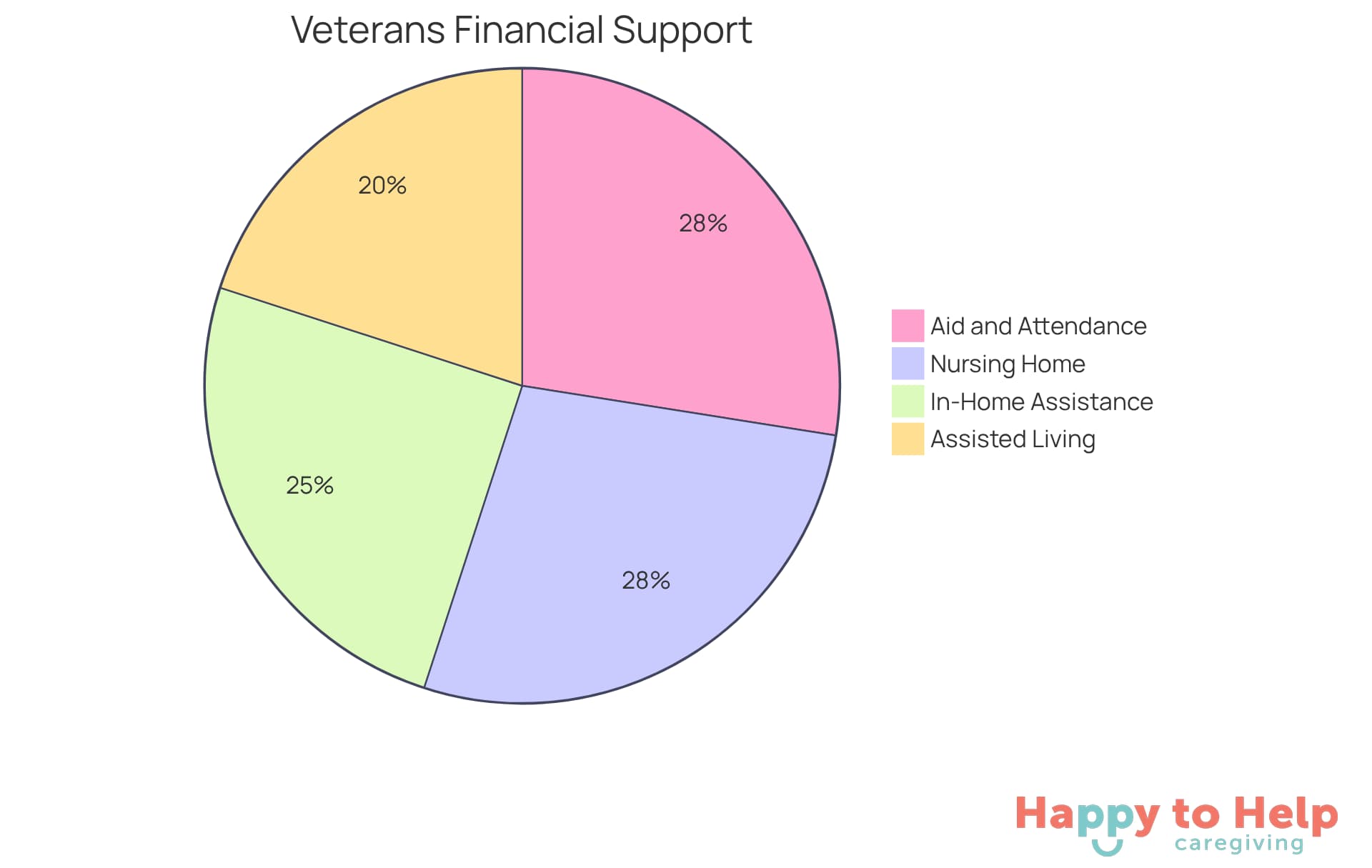
The Aid and Attendance benefit offers veterans benefits for seniors by providing extra financial assistance to those who qualify. In 2025, eligible former service members can receive up to $2,795 monthly, depending on their circumstances. Veterans benefits for seniors can provide financial support to help cover costs related to in-home assistance, assisted living, or nursing home services, ensuring that veterans can access the care they require.
By utilizing this benefit, former military personnel can alleviate some of the financial burdens associated with caregiving, allowing them to sustain a higher quality of life.
Housebound Allowance: Assistance for Veterans with Limited Mobility
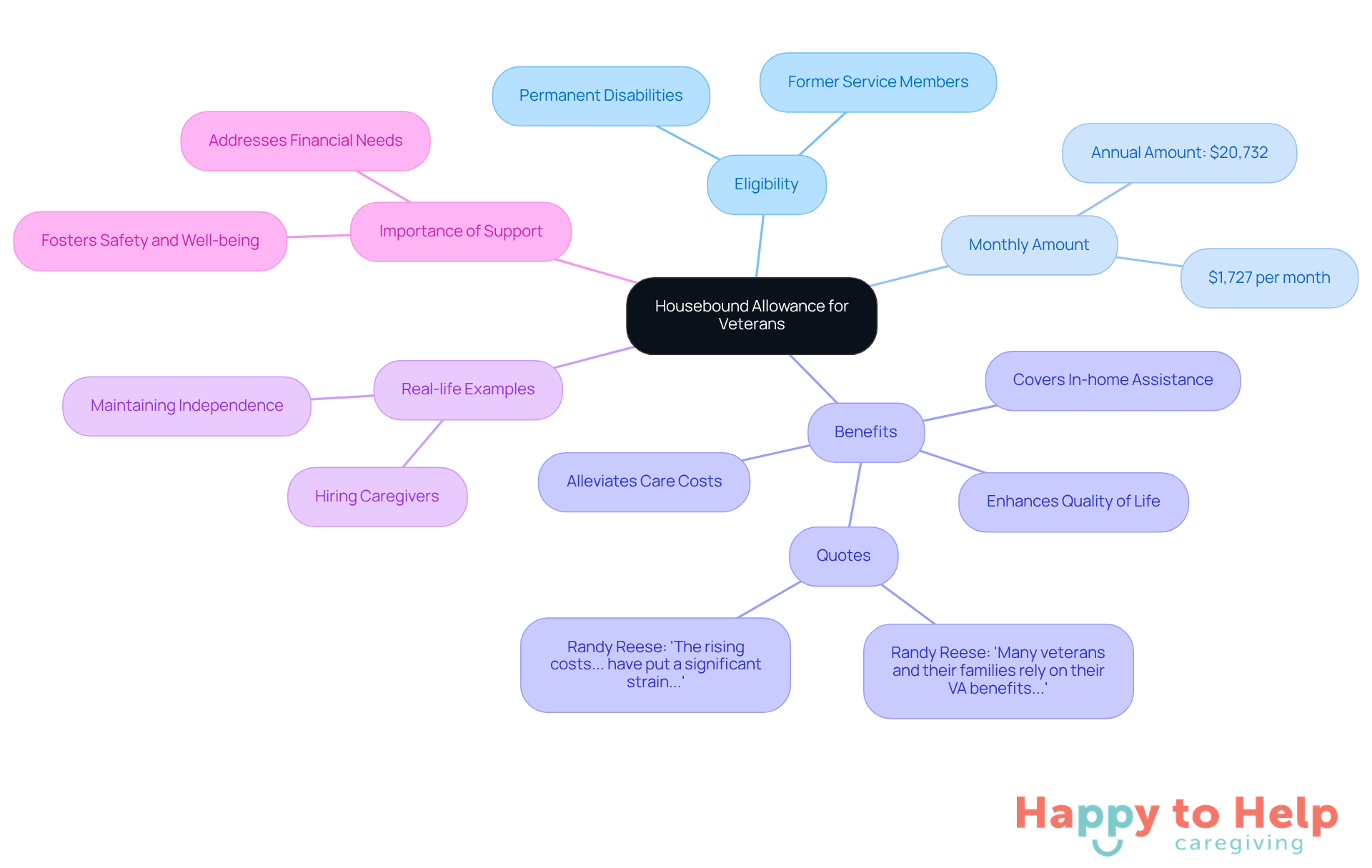
The Housebound Allowance addresses a significant problem for former service members confined to their homes due to permanent disabilities, highlighting the importance of veterans benefits for seniors. In 2025, eligible service members can receive up to $1,727 each month, which is vital for covering expenses related to in-home assistance services. This financial support alleviates the burden of care costs and fosters a comfortable living environment for those in need.
Supporters of veterans benefits for seniors stress the importance of this allowance, as it enhances the quality of life for homebound individuals. Randy Reese, Executive Director of DAV, notes, "Many former service members and their families depend on veterans benefits for seniors to assist with necessary costs such as food, housing, and utilities." This insight is particularly relevant in light of the recent 2.5% cost-of-living adjustment (COLA), aimed at helping former service members manage rising living expenses.
Real-life examples highlight the impact of this financial assistance. For instance, an individual with limited mobility may use the Housebound Allowance to hire caregivers who provide companionship and essential daily support, allowing them to maintain independence at home. This allowance not only meets urgent financial needs but also fosters a sense of safety and well-being for former service members and their families.
It's crucial to recognize that many former service members qualify for veterans benefits for seniors, including the Housebound Allowance, underscoring its significance in delivering necessary support.
VA Health Care: Comprehensive Medical Services for Elderly Veterans
Older military personnel often face significant challenges in accessing adequate medical assistance. As they age, the need for regular check-ups, specialized treatment, and mental health support becomes increasingly critical. Without proper care, managing chronic conditions can become overwhelming, impacting their overall health and quality of life.
Recognizing this issue, the VA Health Care system is committed to addressing the needs related to veterans benefits for seniors. In 2025, the VA is broadening its offerings to ensure that veterans benefits for seniors include the comprehensive care they require. This includes not only access to geriatric support teams but also enhanced mental health resources, ensuring that veterans can maintain their health and benefit from veterans benefits for seniors as they grow older.
By expanding these services, the VA aims to provide veterans benefits for seniors and necessary support for older veterans, helping them navigate the complexities of aging with dignity and care.

Veteran Pension Programs: Financial Aid for Low-Income Veterans
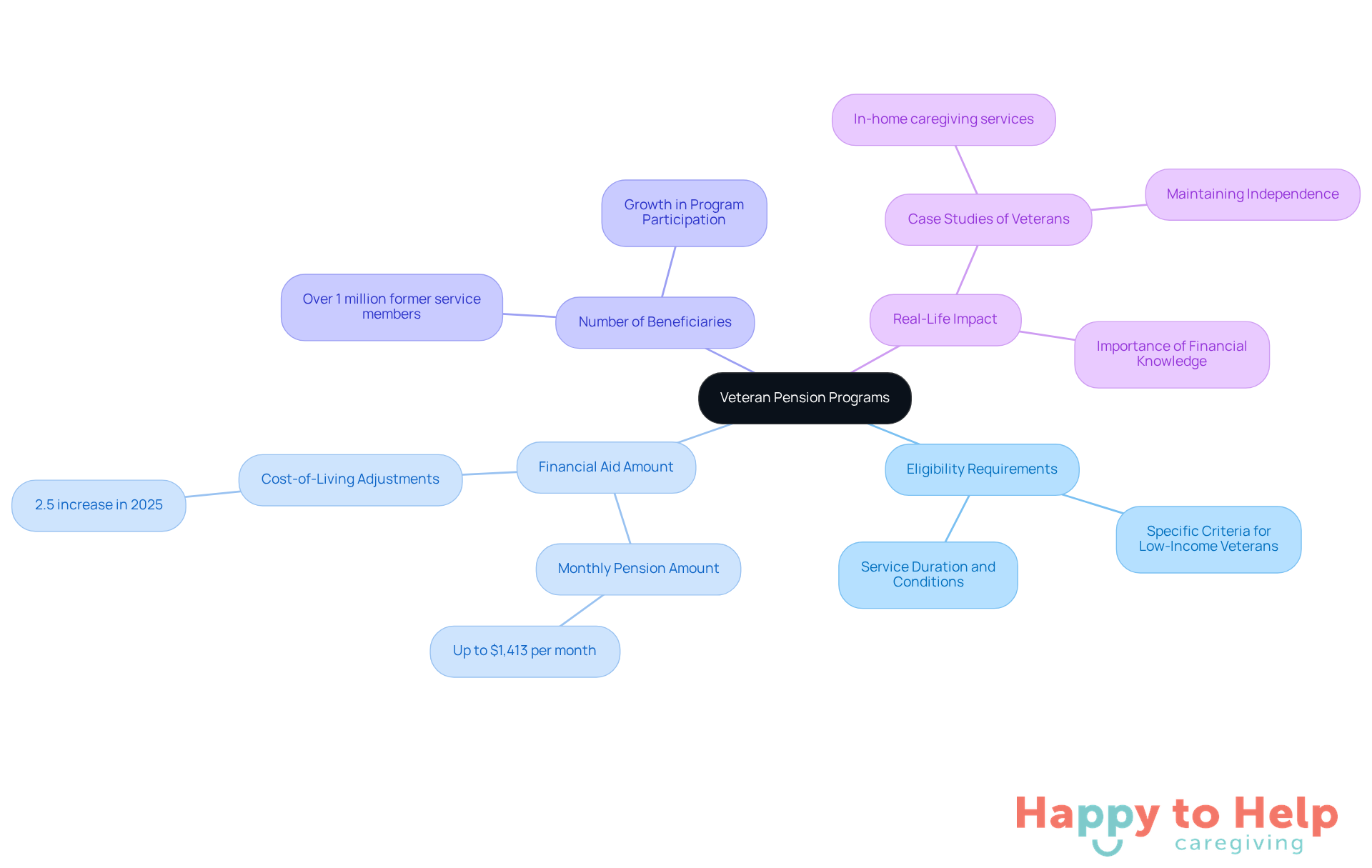
Programs that offer veterans benefits for seniors present a significant challenge for low-income service members who meet specific eligibility requirements. Many of these individuals struggle to cover essential living expenses, including healthcare and caregiving services. In 2025, the basic pension for an individual who has served can reach up to $1,413 per month, which serves as a crucial lifeline for those in need. Currently, over 1 million former service members benefit from these programs, underscoring their importance in supporting those who have served the nation.
Financial advisors emphasize the critical role of pension assistance in alleviating financial strain on former service members and their families. Many rely on veterans benefits for seniors to maintain their independence and access necessary care, especially as they age or encounter health challenges.
Real-life examples illustrate the impact of these benefits. For instance, a veteran in a rural area used pension funds to secure in-home caregiving services, enabling them to stay in their familiar surroundings while receiving the help they required. Such stories highlight the importance of understanding and navigating these programs to ensure that former service members receive the support they deserve.
As veterans benefits for seniors continue to evolve, it is vital for low-income service members and their families to stay informed about financial aid options. This knowledge ensures they can access the resources necessary for a dignified and comfortable life.
Caregiver Support Program: Resources for Family Caregivers of Veterans
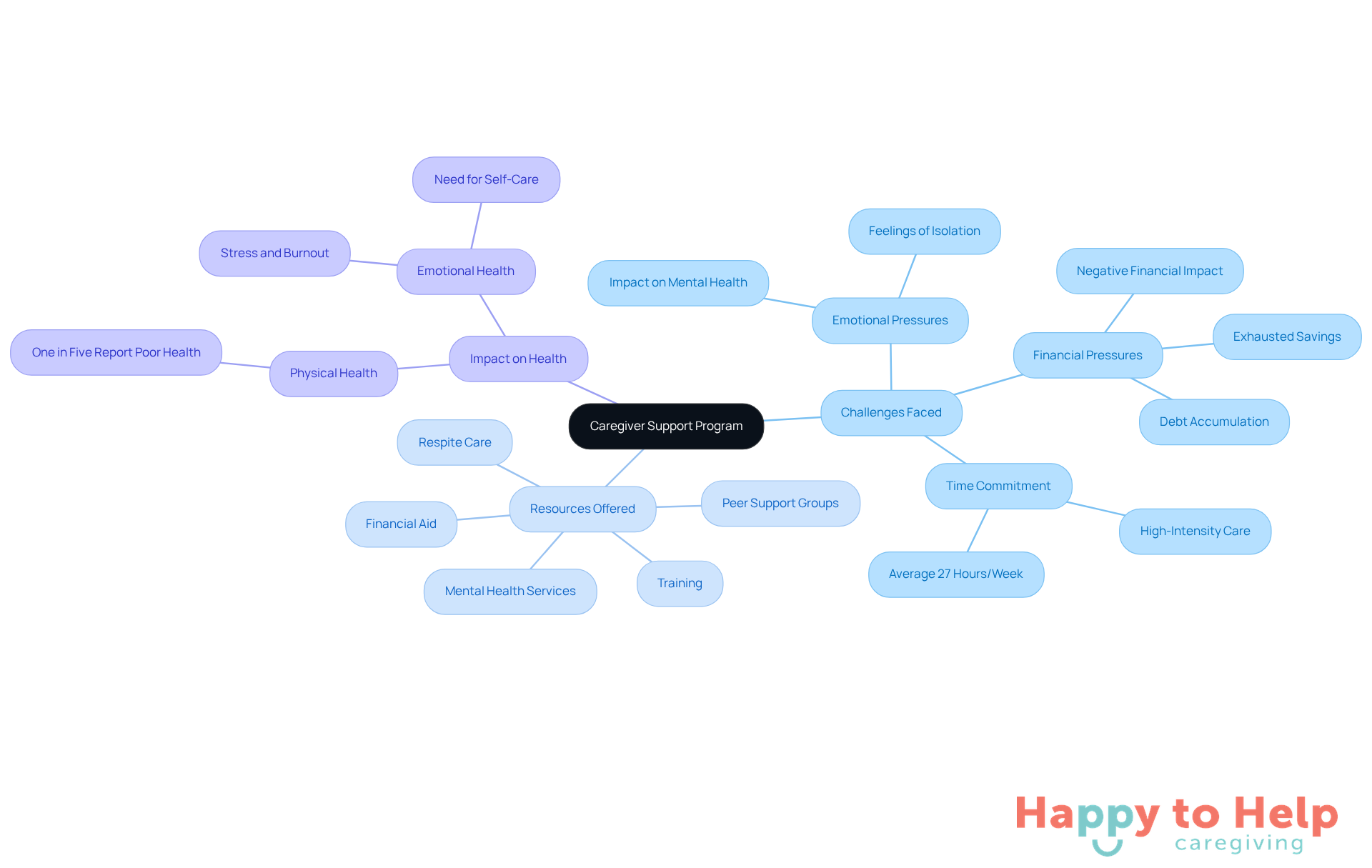
The challenges faced by family caregivers of veterans are significant and multifaceted. With nearly 63 million Americans serving in this role, many caregivers dedicate an average of 27 hours each week to providing support. Unfortunately, this commitment often leads to emotional and financial pressures. Nearly half of caregivers report experiencing at least one negative financial impact due to their responsibilities, underscoring the economic challenges they face.
The Caregiver Support Program addresses these pressing issues by offering essential resources such as training, respite care, and financial aid. As of 2025, the program has expanded its offerings to provide more comprehensive assistance tailored to the unique challenges encountered by caregivers. This includes enhanced access to mental health services and peer support groups, which are crucial for maintaining caregivers' well-being.
As the National Alliance for Caregiving states, "Caregiving takes a toll on the physical and emotional health of caregivers; one in five rate their health as fair or poor." By utilizing the resources available through the Caregiver Support Program, caregivers can alleviate some of their burdens while fostering a sense of community. They can share experiences and strategies for effective caregiving, ultimately enhancing their ability to provide compassionate support while prioritizing their own health and resilience.
VA Nursing Homes and Community Living Centers: Residential Care Options for Veterans
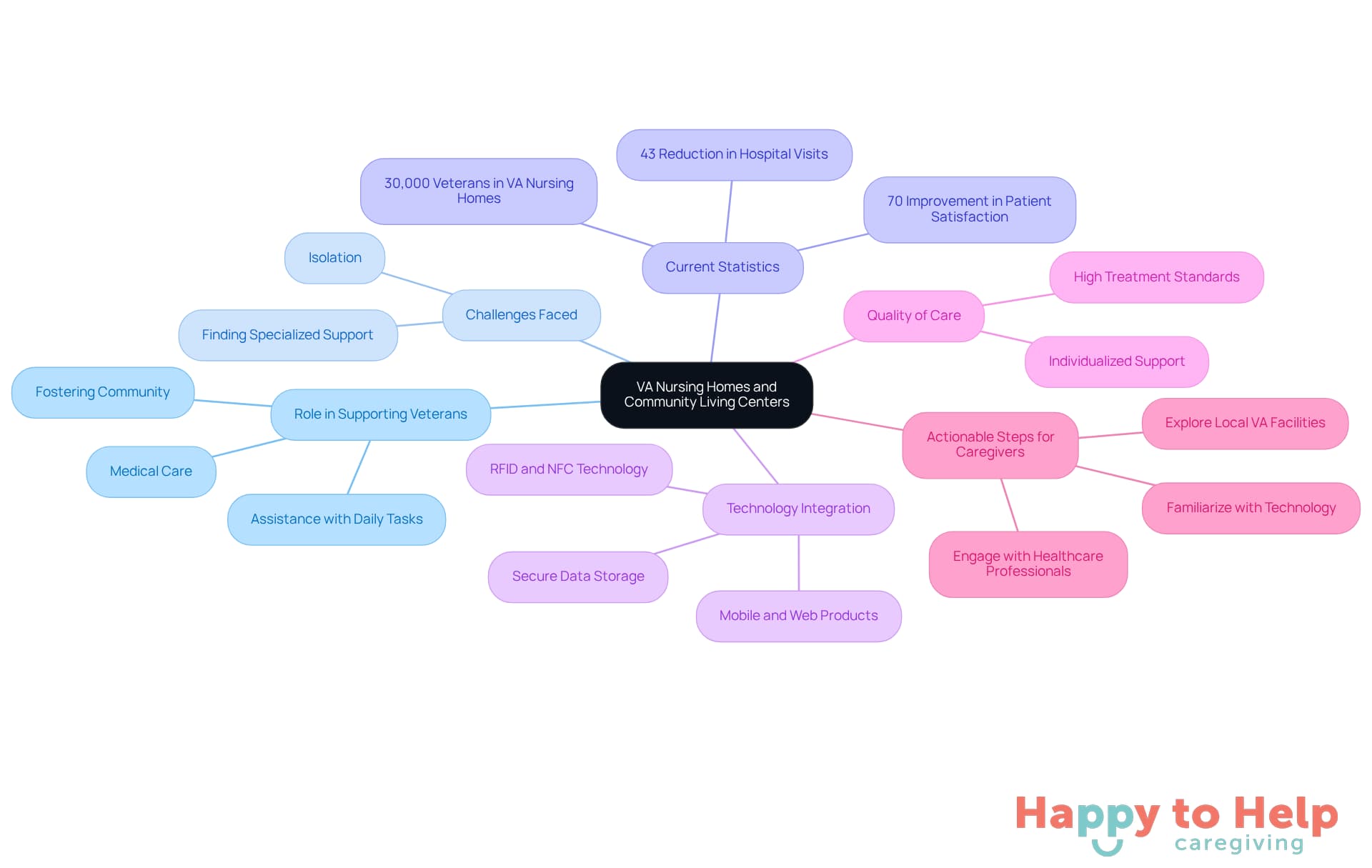
VA Nursing Homes and Community Living Centers play a vital role in supporting former military personnel who need assistance with daily tasks or medical care. The problem is clear: many veterans struggle to find the specialized support they require. This challenge can lead to feelings of isolation and hinder their recovery process.
Currently, around 30,000 veterans reside in VA Nursing Homes across the nation, highlighting the growing demand for tailored support. As these facilities evolve, they are increasingly integrating technology to enhance patient care and communication. For instance, a health tech startup has reported a 43% reduction in hospital visits for elderly patients, showcasing the effectiveness of services provided in these centers. Healthcare experts consistently affirm that the quality of treatment in VA facilities remains high, with many veterans expressing satisfaction with the care they receive. One expert noted, "The dedication to individualized support in VA facilities nurtures a feeling of community and belonging among former service members."
This commitment ensures that veterans not only receive necessary medical attention but also engage in meaningful social interactions, fostering a sense of community. For family caregivers, understanding veterans benefits for seniors and the role of technology in care is crucial. Here are some actionable steps:
- Explore local VA facilities to assess their offerings.
- Familiarize yourself with the technology used in these centers to enhance care.
- Engage with healthcare professionals to discuss your loved one's specific needs.
By taking these steps, caregivers can ensure their loved ones receive the best possible support, enhancing their quality of life.
Home Loans and Housing Assistance: Housing Solutions for Veterans
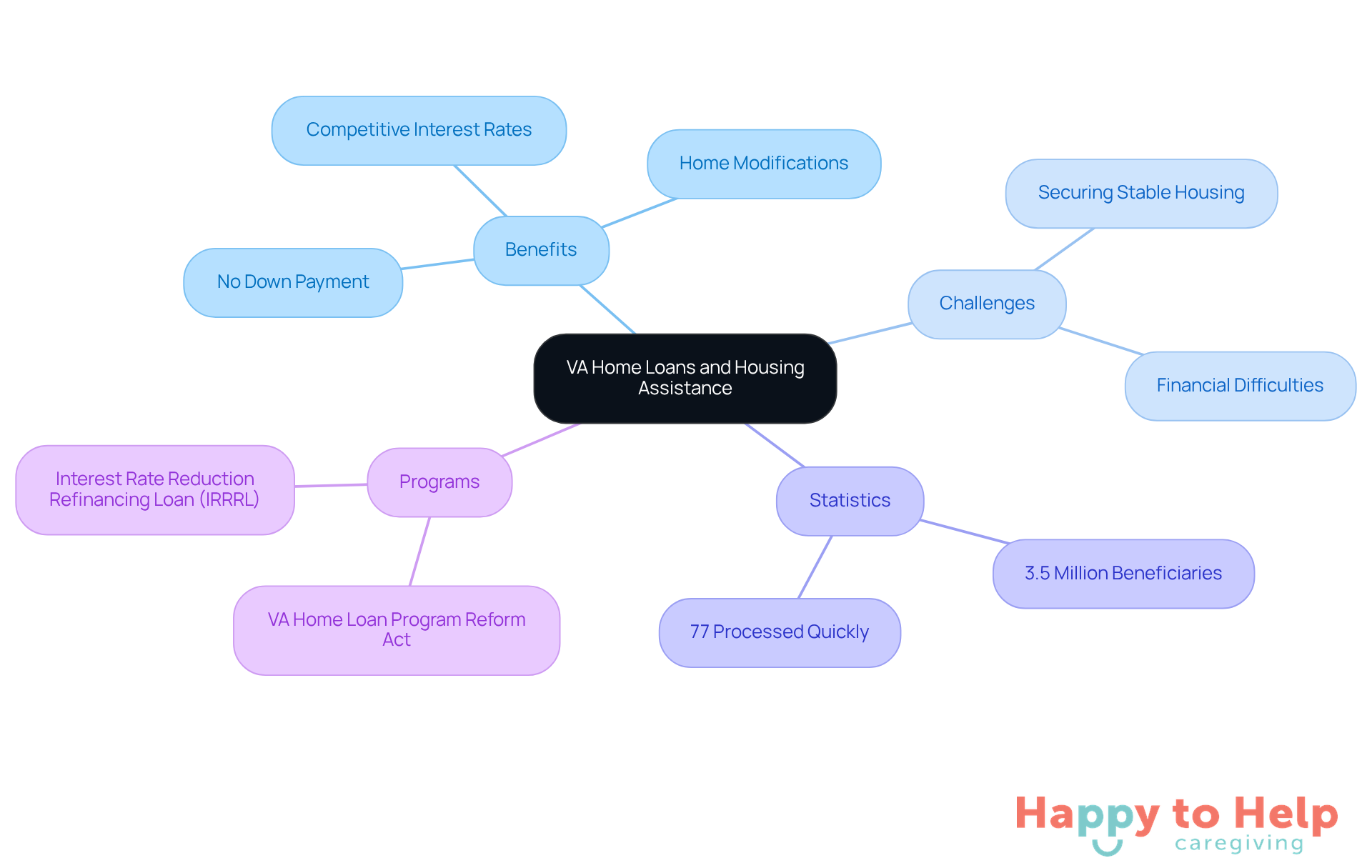
VA home loans and housing assistance programs present a significant opportunity for service members to achieve homeownership under favorable conditions, such as no down payment and competitive interest rates. However, many former service members still face challenges in securing stable housing, which is essential for their independence and well-being. In 2025, these initiatives are more crucial than ever, as they provide a pathway to stability for those who have served.
One of the key advantages of VA loans is their competitive interest rates, which are generally about 0.25% lower than standard loans. This reduction in rates enhances affordability for service members, making homeownership more attainable. Additionally, former service members can access grants for home modifications, ensuring their homes accommodate disabilities and meet their specific needs. Notably, VA loans boast some of the lowest foreclosure rates among all loan types, underscoring their reliability.
Real-world examples highlight the impact of these programs. Currently, over 3.5 million former military personnel, active-duty service members, and surviving spouses benefit from VA home loans, showcasing the extensive use of these resources. Financial specialists emphasize that understanding and utilizing VA loans can significantly enhance an individual's ability to build equity and stability for their families more quickly. As Chris Birk, Vice President of Mortgage Insight at Veterans United, states, "When Veterans understand the power of their VA loan, they can start building equity and stability for their families years sooner."
Moreover, housing assistance programs are continually evolving to support former service members facing financial difficulties. The VA Home Loan Program Reform Act aims to assist those at risk of foreclosure by allowing them to temporarily postpone mortgage payments. This legislation is expected to help up to 70,000 former service members who are more than three months behind on their mortgage payments, ensuring they can maintain homeownership during tough times. Furthermore, 77% of Certificates of Eligibility are automatically delivered to Veterans in one day or less, highlighting the efficiency of the VA loan process.
In summary, the combination of VA home loans and housing assistance programs plays a vital role in facilitating homeownership for former service members. By addressing the challenges they face and providing practical solutions, these initiatives contribute significantly to their overall well-being and quality of life.
Community Nursing Homes: Specialized Care for Veterans in Community Settings
Community Nursing Homes are increasingly recognized for providing specialized support tailored for former military members in a more familiar and less institutional setting. However, many former service members struggle to find adequate support that meets their unique needs. This gap in care can lead to challenges in recovery and social interaction, ultimately affecting their quality of life.
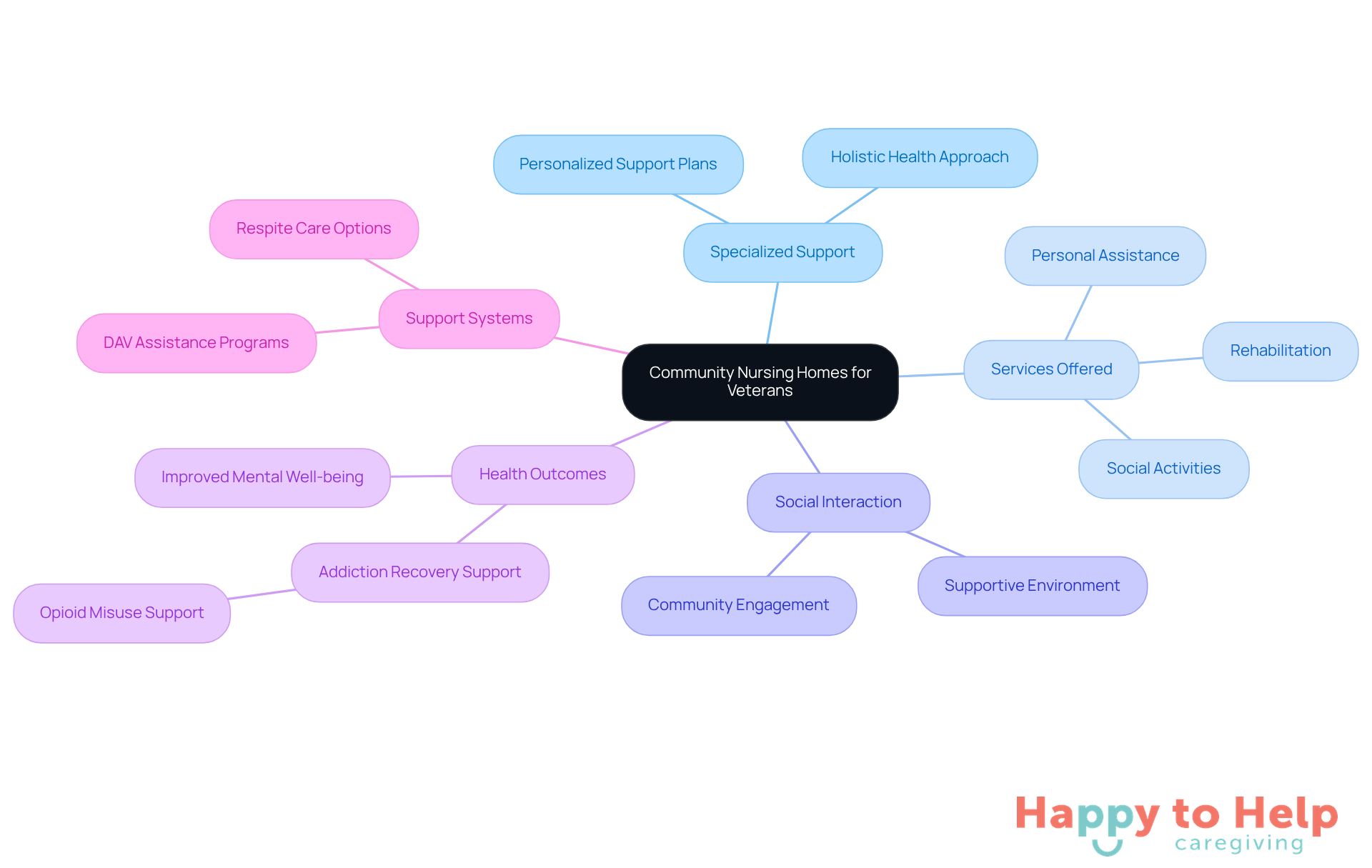
In 2025, the importance of these facilities is underscored by the fact that many former service members thrive in environments that promote recovery and social engagement. Community Nursing Homes offer a comprehensive array of services, including personal assistance, rehabilitation, and social activities, all designed to address the distinct requirements of these individuals.
For instance, residents benefit from personalized support plans that cater to both physical and emotional needs. This approach not only fosters independence but also encourages vital social interaction, which is crucial for mental well-being. Real-life examples illustrate how former service members have successfully transitioned into these residences, finding a sense of community and belonging often missing in traditional support environments.
Supporters of former military personnel emphasize the advantages of community-focused care, highlighting its role in promoting a holistic approach to health and wellness. The nurturing atmosphere of Community Nursing Homes can lead to improved health outcomes, as residents engage in activities that enhance both physical and mental well-being.
Moreover, with approximately 595,000 former service members misusing opioids, the need for supportive environments like Community Nursing Homes becomes even more pressing. These facilities not only provide essential support but also serve as sanctuaries for those facing addiction challenges, allowing them to heal in a compassionate setting.
The Disabled American Veterans (DAV) organization underscores the importance of community assistance, stating, "If you’re feeling overwhelmed, DAV Caregivers Assistance can direct you to respite services in your area - whether short-term in-home aid or adult day options." This connection between Community Nursing Homes and available support systems is vital for former service members and their families. As the number of individuals in these facilities continues to rise, they are proving to be an essential resource for this population in 2025.
Long-Term Care Options: Essential Support for Aging Veterans
Long-term support choices for former military personnel present a significant challenge. Many aging veterans struggle to find appropriate care that meets their diverse needs, despite the availability of veterans benefits for seniors. In 2025, approximately 8.1 million individuals aged 65 and older will require access to resources that promote independence while providing essential assistance.
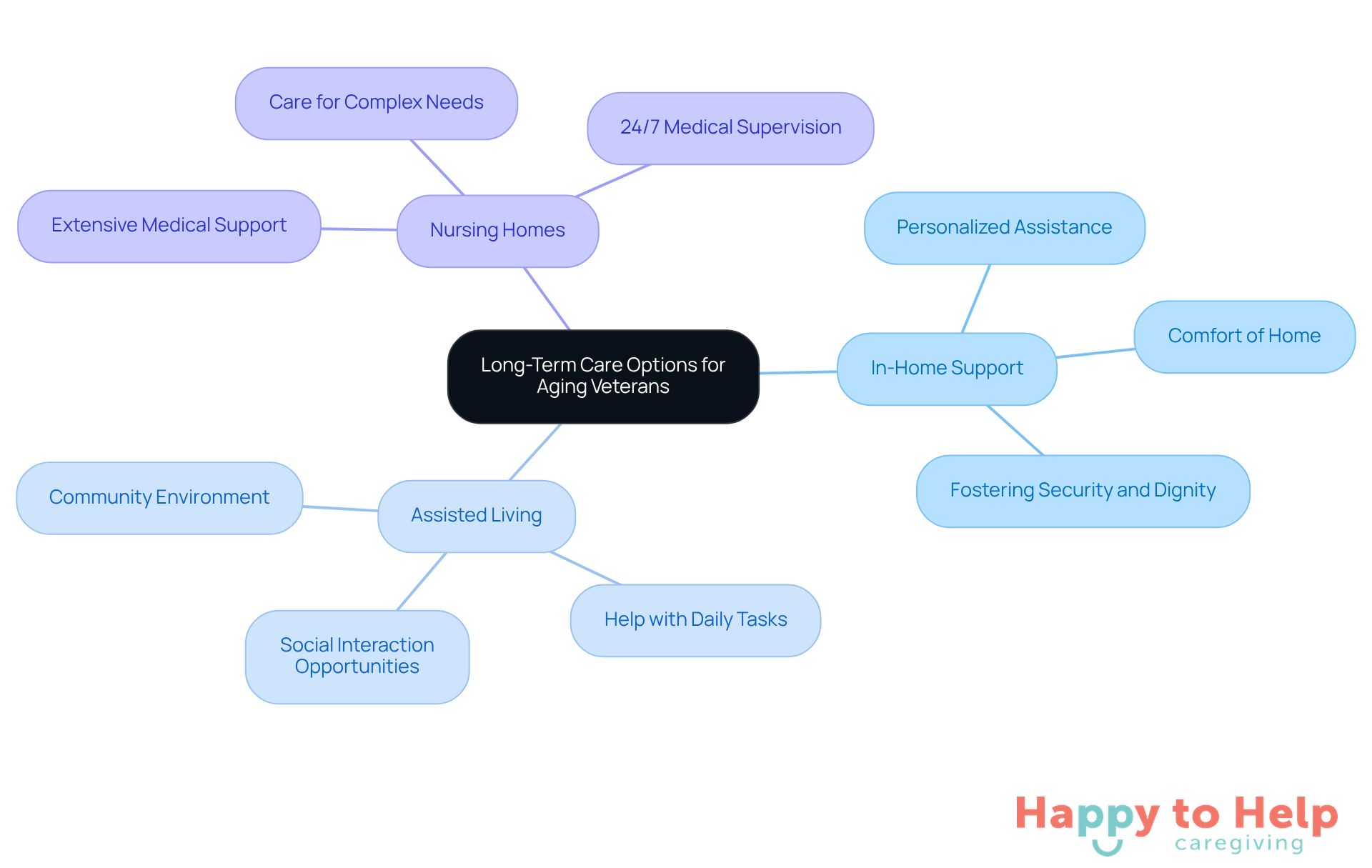
In-home support services, such as those offered by Happy to Help Caregiving, are a vital aspect of veterans benefits for seniors, enabling them to receive personalized assistance in the comfort of their homes, fostering security and dignity. Assisted living facilities create a community environment with additional help for daily tasks, while nursing homes provide extensive medical support for those with more complex needs.
Families should explore these options early, as proactive planning can greatly enhance the quality of care received. The Veterans Health Administration (VHA) serves over 9.1 million registered veterans and operates 1,380 facilities, including 170 VA medical centers and nearly 1,200 outpatient clinics, which also provide veterans benefits for seniors. This highlights the pressing need for long-term support services.
Understanding the differences between in-home assistance and assisted living is crucial. In-home support offers personalized, one-on-one aid, while assisted living provides a structured environment with opportunities for social interaction. Geriatric professionals stress the importance of preparing for extended assistance. Early discussions about preferences and needs can lead to better outcomes.
As one specialist noted, "Looking after those who once supported us is regarded as a great honor," underscoring the need for careful planning to ensure veterans receive the support they deserve. Another expert stated, "Caring for seniors is perhaps the greatest responsibility we have," further emphasizing the importance of planning. By considering these options and engaging in conversations about long-term care, families can help their loved ones maintain a high quality of life as they age.
Moving Forward with Veterans Benefits
Understanding the array of veterans benefits available for seniors is crucial for ensuring that former service members receive the support they need as they age. The complexity of these benefits can be overwhelming, leaving many veterans and their families unsure of where to turn for help. This confusion can lead to missed opportunities for financial assistance and essential services, ultimately impacting the quality of life for veterans and their caregivers.
To address these challenges, it’s important to navigate the various programs available. Benefits such as Aid and Attendance and specialized care options not only provide financial support but also enhance independence and dignity for veterans.
- Personalized in-home support
- Financial aid programs like the Housebound Allowance
- Veteran pension programs
These play critical roles in addressing unique challenges faced by aging veterans, such as mobility issues and healthcare access.
Additionally, community nursing homes offer vital resources for those needing more comprehensive care. Family caregivers also require support to alleviate their burdens and enhance their capacity to provide care. Resources for caregivers are essential in ensuring they can effectively support their loved ones while managing their own well-being.
As the landscape of veterans benefits continues to evolve, staying informed about available resources is imperative. Engaging with support programs and understanding eligibility criteria can significantly impact the well-being of aging veterans. By prioritizing these benefits, families can ensure their loved ones receive the care and respect they deserve, fostering a supportive environment that honors their service and sacrifices.
https://iframe.tely.ai/cta/eyJhcnRpY2xlX2lkIjogIjY5MjEwYWExMDVlZDRhMGQ5ZTRlYTc5OCIsICJjb21wYW55X2lkIjogIjY4ZWU1ZGNhNzMxNzYyNTU3ZjNjOTVjMSIsICJpbmRleCI6IG51bGwsICJ0eXBlIjogImFydGljbGUifQ==Frequently Asked Questions
What services does Happy to Help Caregiving provide for seniors?
Happy to Help Caregiving offers personalized in-home assistance tailored specifically for seniors, including companionship, emotional support, and help with daily activities.
What challenges do seniors, particularly veterans, face as they age?
Seniors, especially former service members, often face challenges such as PTSD symptoms, exposure-related illnesses, chronic loneliness, and issues related to emotional and cognitive well-being.
How does Happy to Help Caregiving address loneliness among seniors?
Caregivers are trained to foster connections and provide companionship, which helps reduce feelings of isolation and improves the emotional health of seniors.
What is the Aid and Attendance benefit?
The Aid and Attendance benefit provides extra financial assistance to eligible former military personnel to help cover costs related to in-home assistance, assisted living, or nursing home services.
How much financial support can veterans receive from the Aid and Attendance benefit in 2025?
Eligible former service members can receive up to $2,795 monthly, depending on their circumstances.
What is the Housebound Allowance and who is it for?
The Housebound Allowance is financial assistance for former service members who are confined to their homes due to permanent disabilities.
How much can eligible service members receive from the Housebound Allowance in 2025?
Eligible service members can receive up to $1,727 each month from the Housebound Allowance.
Why is the Housebound Allowance important for veterans?
It alleviates the financial burden of care costs and helps create a comfortable living environment, enhancing the quality of life for homebound veterans.
How can veterans use the financial assistance from the Housebound Allowance?
Veterans can use this allowance to hire caregivers who provide companionship and essential daily support, allowing them to maintain independence at home.
What is the significance of veterans benefits for seniors?
Veterans benefits, including the Aid and Attendance benefit and Housebound Allowance, provide crucial financial support that helps former service members manage living expenses and access necessary care.
List of Sources
- Happy to Help Caregiving: Personalized In-Home Support for Seniors
- New Law Supports Home Care, Caregivers for Military Veterans (https://elderlawrillc.com/new-law-supports-home-care-caregivers-for-military-veterans)
- Keeping Seniors Connected: Combating Loneliness with In-Home Veterans Care (https://superiorinhome.com/keeping-seniors-connected-combating-loneliness-with-in-home-veterans-care)
- Caregiver Statistics: Demographics (https://caregiver.org/resource/caregiver-statistics-demographics)
- 5 Essential Benefits of Home Care for Aging Veterans (https://wilsoncare.com/5-essential-benefits-of-home-care-for-aging-veterans)
- 2025 Home Care Statistics: Trends & Insights To Know (https://premierhcinc.com/blog/home-care-statistics)
- Housebound Allowance: Assistance for Veterans with Limited Mobility
- Veterans benefits increase 2.5% in 2025 (https://dav.org/learn-more/news/2025/veterans-benefits-increase-2-5-in-2025)
- 20 Veteran Quotes to Uplift Veterans – Heroes' Mile Rehab (https://heroesmile.com/20-veteran-quotes-to-uplift-veterans)
- New 2025 Updates to Veterans Benefits for Assisted Living (https://floridaseniorconsulting.com/updated-veterans-aid-and-attendance-benefits-for-assisted-living)
- 20 NOTABLE VETERANS DAY QUOTES | Honoring America's Veterans (https://honoringamericasveterans.org/20-notable-veterans-day-quotes)
- Veteran Pension Programs: Financial Aid for Low-Income Veterans
- Veterans benefits increase 2.5% in 2025 (https://dav.org/learn-more/news/2025/veterans-benefits-increase-2-5-in-2025)
- VA Benefits 2025: What Every Veteran Family Should Know | Operation Family Fund (https://operationfamilyfund.org/va-benefits-2025-update-what-every-veteran-family-should-know)
- Caregiver Support Program: Resources for Family Caregivers of Veterans
- Caregiving Crisis: 45% Increase in Americans Providing Care (https://aarp.org/caregiving/basics/caregiving-in-us-survey-2025)
- Caregiving in the US 2025 (https://aarp.org/pri/topics/ltss/family-caregiving/caregiving-in-the-us-2025)
- Caregiver Quotes: 50+ Inspiring Encouragement Quotes for Strength (https://h2hhc.com/blog/inspiring-caregiver-quotes)
- CaringBridge (https://caringbridge.org/resources/inspirational-quotes-on-caregiving)
- National Alliance for Caregiving: Caregiving in the US 2025 Report (https://johnahartford.org/resources/view/national-alliance-for-caregiving-caregiving-in-the-us-2025-report)
- VA Nursing Homes and Community Living Centers: Residential Care Options for Veterans
- Offering Home Health Care Services: A Case Study (https://syscreations.com/case\_studies/home-health-care-services)
- Home Loans and Housing Assistance: Housing Solutions for Veterans
- How VA empowers Veterans through homeownership - VA News (https://news.va.gov/141344/how-va-empowers-veterans-through-homeownership)
- Ten things most Veterans don't know about VA home loans - VA News (https://news.va.gov/31825/ten-things-veterans-dont-know-va-home-loans)
- New Legion-backed law helps thousands of veterans with delinquent mortgages avoid foreclosure (https://legion.org/information-center/news/veterans-benefits/2025/july/new-legion-backed-law-helps-thousands-of-veterans-with-delinquent-mortgages-avoid-foreclosure)
- 2025 VA Home Loan Insights: What Veterans Need to Know (https://719lending.com/2025-va-home-loan-insights-what-veterans-need-to-know)
- New Data Shows VA Loans Slash the Wait for Homeownership by Over 4 Years - BAM (https://nowbam.com/new-data-shows-va-loans-slash-the-wait-for-homeownership-by-over-4-years)
- Community Nursing Homes: Specialized Care for Veterans in Community Settings
- 20 Veteran Quotes to Uplift Veterans – Heroes' Mile Rehab (https://heroesmile.com/20-veteran-quotes-to-uplift-veterans)
- VA improves access for veterans using community care (https://dav.org/learn-more/news/2025/va-improves-access-for-veterans-using-community-care)
- Improving In-Patient Care at ThedaCare | Catalysis (https://createvalue.org/case\_studies/improving-in-patient-care-at-thedacare)
- Long-Term Care Options: Essential Support for Aging Veterans
- Top 51 Quotes About the Beauty of Aging (https://7dayhomecare.com/top-51-quotes-about-the-beauty-of-aging)
- Evaluation of the ‘Ladder to the Moon, Culture Change Studio Engagement Programme’ staff training: Two quasi-experimental case studies | Request PDF (https://researchgate.net/publication/313538369\_Evaluation\_of\_the\_'Ladder\_to\_the\_Moon\_Culture\_Change\_Studio\_Engagement\_Programme'\_staff\_training\_Two\_quasi-experimental\_case\_studies)
- 20 Inspirational Senior Care Quotes (https://1plus1cares.com/20-inspirational-senior-care-quotes)
- New 2025 Updates to Veterans Benefits for Assisted Living (https://floridaseniorconsulting.com/updated-veterans-aid-and-attendance-benefits-for-assisted-living)