10 Exercise Places for Seniors to Stay Active and Engaged
For families in our service areas
For families in our service areas, this guide explains caregiving and how non-medical in-home caregiving can support care planning in East Idaho, Treasure Valley & Magic Valley, Northern Wasatch, North Central West Virginia, and Northeast Ohio.
Why 10 Exercise Places Matters
Seniors often face the dual challenges of maintaining physical health and combating feelings of isolation. This makes the search for suitable exercise places critical. Engaging in physical activity not only strengthens their bodies but also fosters social connections that enhance overall well-being. However, with so many options available, how can older adults identify the best environments that cater to their unique needs?
This article explores ten diverse exercise places designed specifically for seniors. Each option highlights its benefits and the vital role it plays in promoting an active, engaged, and fulfilling lifestyle.
Happy to Help Caregiving: Personalized In-Home Care and Activity Support
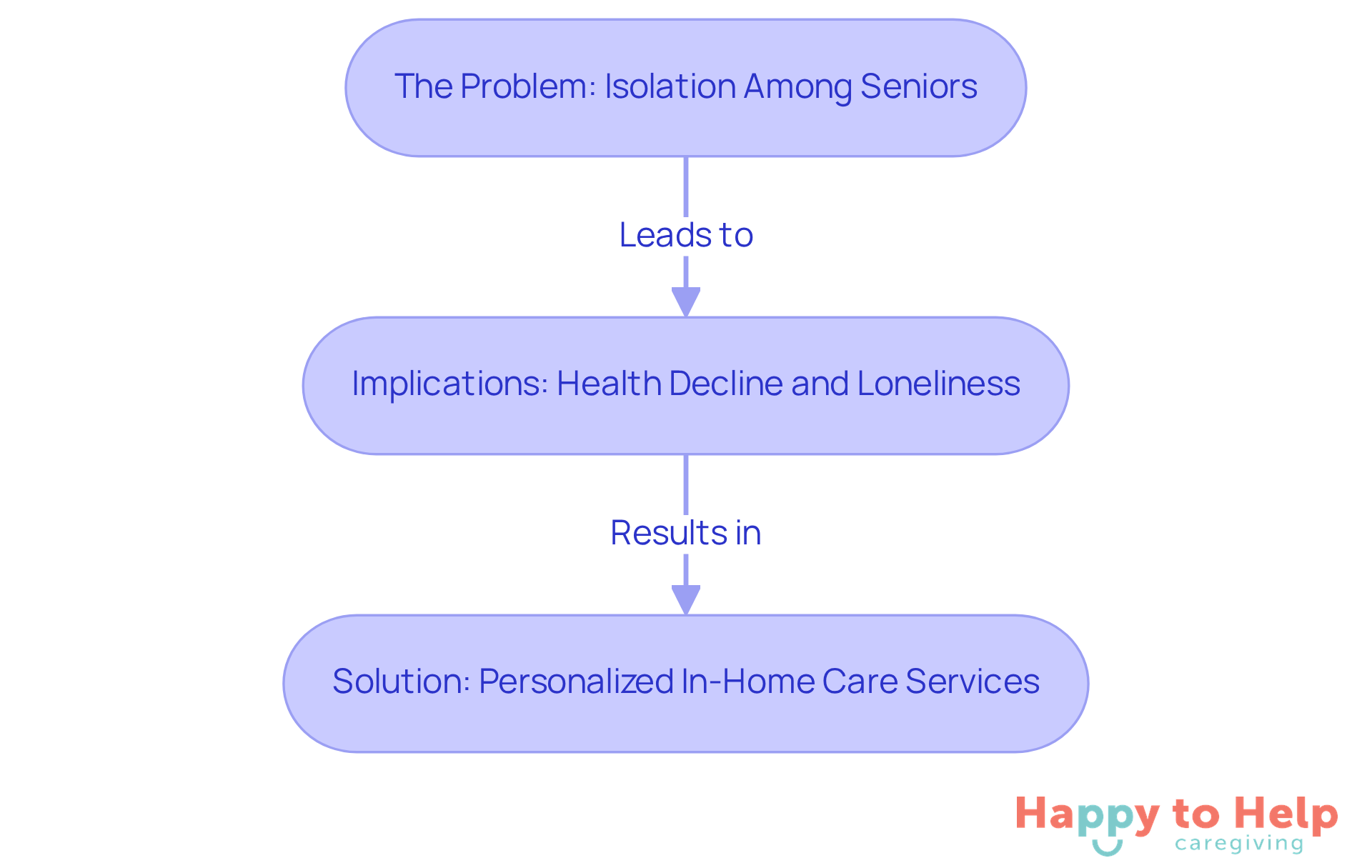
The Problem: Many seniors face feelings of isolation and struggle with daily living activities. According to statistics, 44% of home care recipients require assistance with at least one daily task. This highlights the crucial role caregivers play in supporting their loved ones.
The Implications: When seniors lack engagement, their overall health can decline. Feelings of loneliness can exacerbate health issues, making it essential for caregivers to foster mobility and social interaction. As one caregiver noted, 'Involving older adults in exercise not only assists them in maintaining fitness but also introduces happiness and connection into their lives.'
The Solution: Caregiving services like Happy to Help Caregiving offer customized in-home assistance that promotes both daily living and exercise. Caregivers can engage clients in activities that enhance mobility and encourage social interaction. By prioritizing exercise, caregivers help older adults stay connected and involved, ultimately improving their quality of life. This approach not only combats isolation but also supports overall health, making it a vital service for families.
YMCA: Community Fitness Programs for Seniors
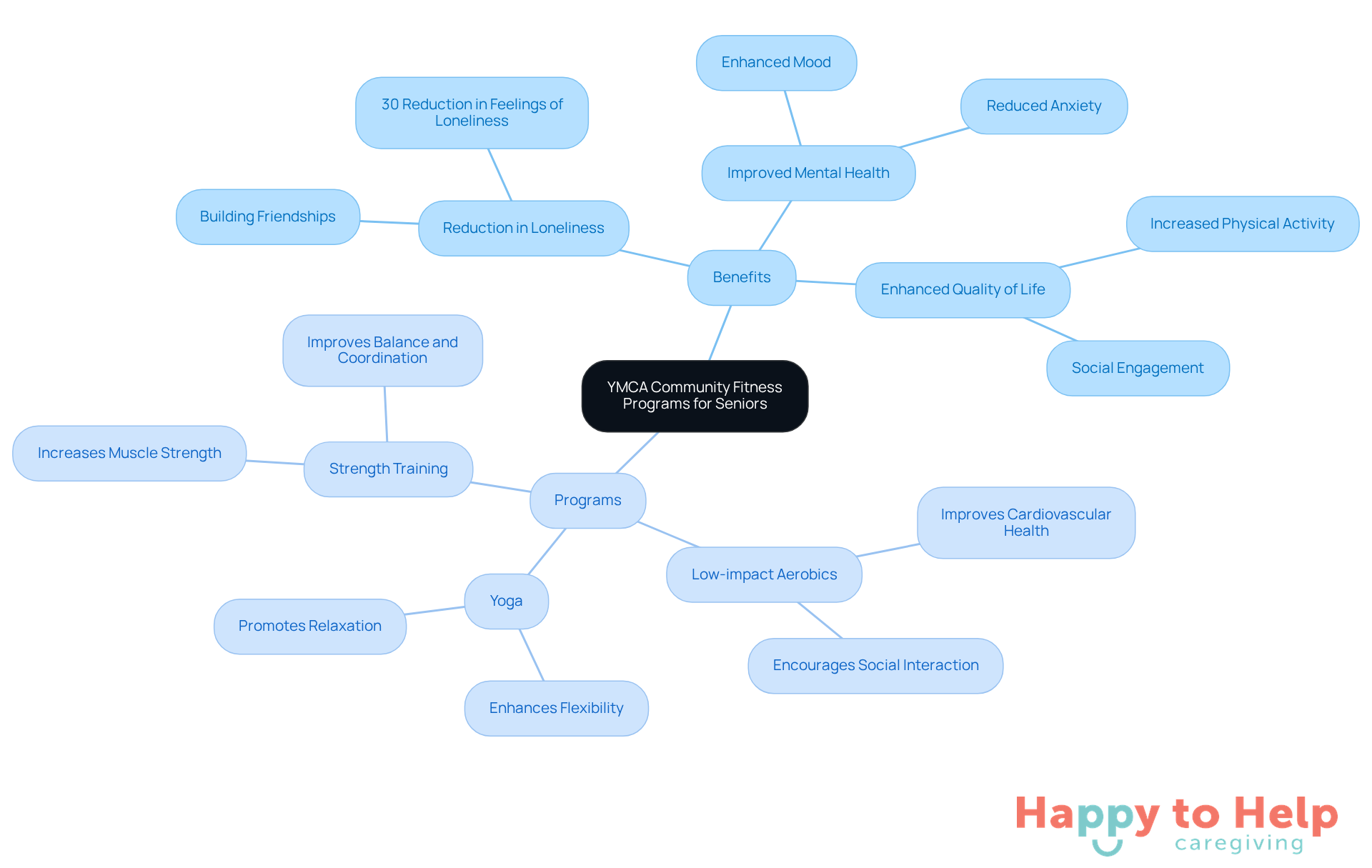
Loneliness is a significant issue faced by older adults, impacting their mental well-being and overall quality of life. Studies reveal that older adults who engage in exercise places for seniors experience considerable advantages, including a 30% reduction in feelings of loneliness. This highlights the need for effective solutions to combat isolation among seniors.
The YMCA addresses this problem by providing exercise places for seniors through a diverse range of community wellness programs tailored specifically for older adults. These include:
- Low-impact aerobics
- Yoga
- Strength training classes
All designed to improve wellness and encourage social engagement. By participating in these programs, older adults can build friendships and create supportive communities, which are essential for combating loneliness.
Moreover, numerous YMCA locations are recognized as exercise places for seniors, providing sessions that cater to different activity levels, ensuring that all seniors can participate comfortably and securely. This inclusive approach not only promotes physical well-being but also enhances the overall quality of life for older adults. Expert opinions suggest that low-impact aerobics can significantly improve cardiovascular health and mobility, further underscoring the importance of these programs.
In summary, the YMCA serves as a vital resource for older adults looking to stay active and connected. By engaging in community wellness programs, seniors can improve their mental health, foster social connections, and ultimately lead a more fulfilling life.
SilverSneakers: Fitness Access and Classes for Older Adults
SilverSneakers addresses a significant problem faced by older adults: limited access to fitness resources. Many seniors struggle to find appropriate exercise places for seniors that cater to their unique needs, which can lead to decreased activity levels and overall health deterioration.
This lack of access can have serious implications. Inactivity not only affects physical health but can also lead to feelings of isolation and decreased mental well-being. Seniors may find it challenging to stay motivated without a supportive community or engaging classes.
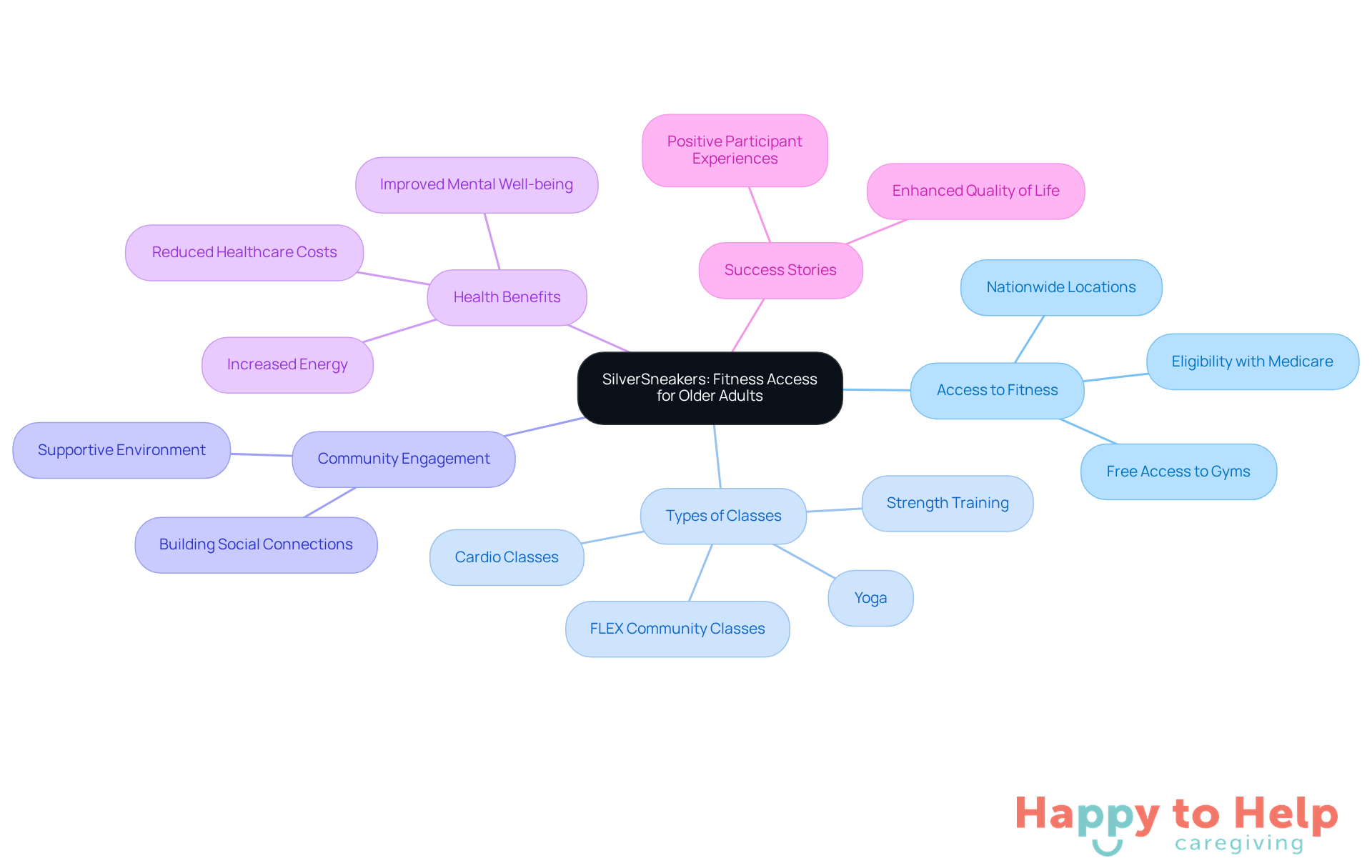
SilverSneakers offers a practical solution by providing free access to thousands of exercise places for seniors and gyms nationwide. Participants can choose from a diverse range of exercise places for seniors, including strength training, yoga, and cardio classes, all tailored to meet the specific needs of older adults. This initiative not only promotes regular exercise but also creates exercise places for seniors, fostering a strong sense of community among participants and enhancing their overall quality of life.
Numerous seniors have shared positive experiences with SilverSneakers, noting increased energy and motivation to engage in regular exercise. Success stories abound, with individuals highlighting how the program has improved their well-being and helped them forge meaningful relationships with others in their classes.
The benefits of SilverSneakers extend beyond physical health; they encompass mental and social well-being as well. With access to over 80 types of FLEX Community workout classes and opportunities for community engagement, SilverSneakers serves as one of the important exercise places for seniors, enriching their lives. This comprehensive approach ensures that seniors remain active, engaged, and connected, leading to healthier and happier lives.
Moreover, with 2 million accounts and a reported 16% reduction in average healthcare expenses for participants, SilverSneakers proves its value not just in fitness but also in promoting overall well-being. It is advisable for elderly individuals to consult a doctor before starting any exercise program to ensure their safety and health.
Community Centers: Local Exercise Classes for Seniors
Community centers face a significant challenge: many older adults struggle to maintain physical activity, which is crucial for their health and well-being. This inactivity can lead to serious health issues, including increased risk of falls and decreased mental health.
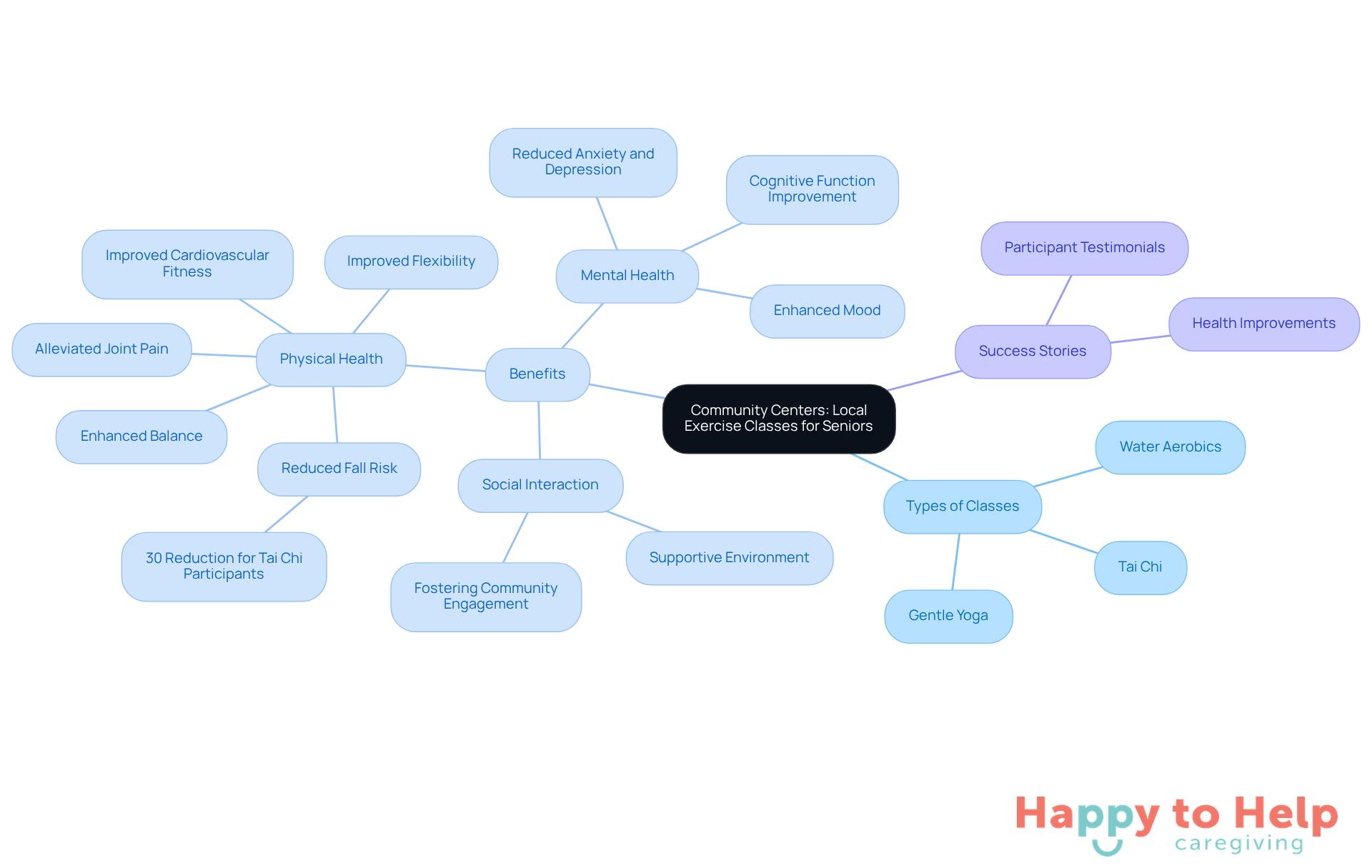
To address this problem, community centers offer a variety of exercise sessions tailored to the needs of older adults. Popular options include:
- Tai chi
- Water aerobics
- Gentle yoga
These activities focus on enhancing flexibility, balance, and overall fitness. Tai chi, in particular, stands out as an effective choice, with studies showing a 30% reduction in fall risk for regular participants.
These exercise places for seniors are often affordable or even free, making them accessible to a diverse group of seniors. Beyond the physical benefits, engaging in these activities promotes social interaction, which is vital for mental well-being. As one community center coordinator noted, "Our exercise classes not only assist older adults in remaining active but also foster a supportive environment where they can engage with others." Giulia Coletta, a Kinesiology PhD graduate, adds that "a supportive social environment plays a vital role in keeping older adults engaged, connected, and motivated to return."
Success stories from participants highlight the positive impact of these programs. Many seniors report significant improvements in their health and quality of life after joining local exercise initiatives. For example, water aerobics participants have shared how the gentle resistance of water alleviates joint pain while enhancing cardiovascular fitness.
Moreover, regular physical activity offers long-term benefits, such as reduced risks of developing dementia and improved mental health. In summary, community centers act as crucial exercise places for seniors, promoting their activity and engagement within the community.
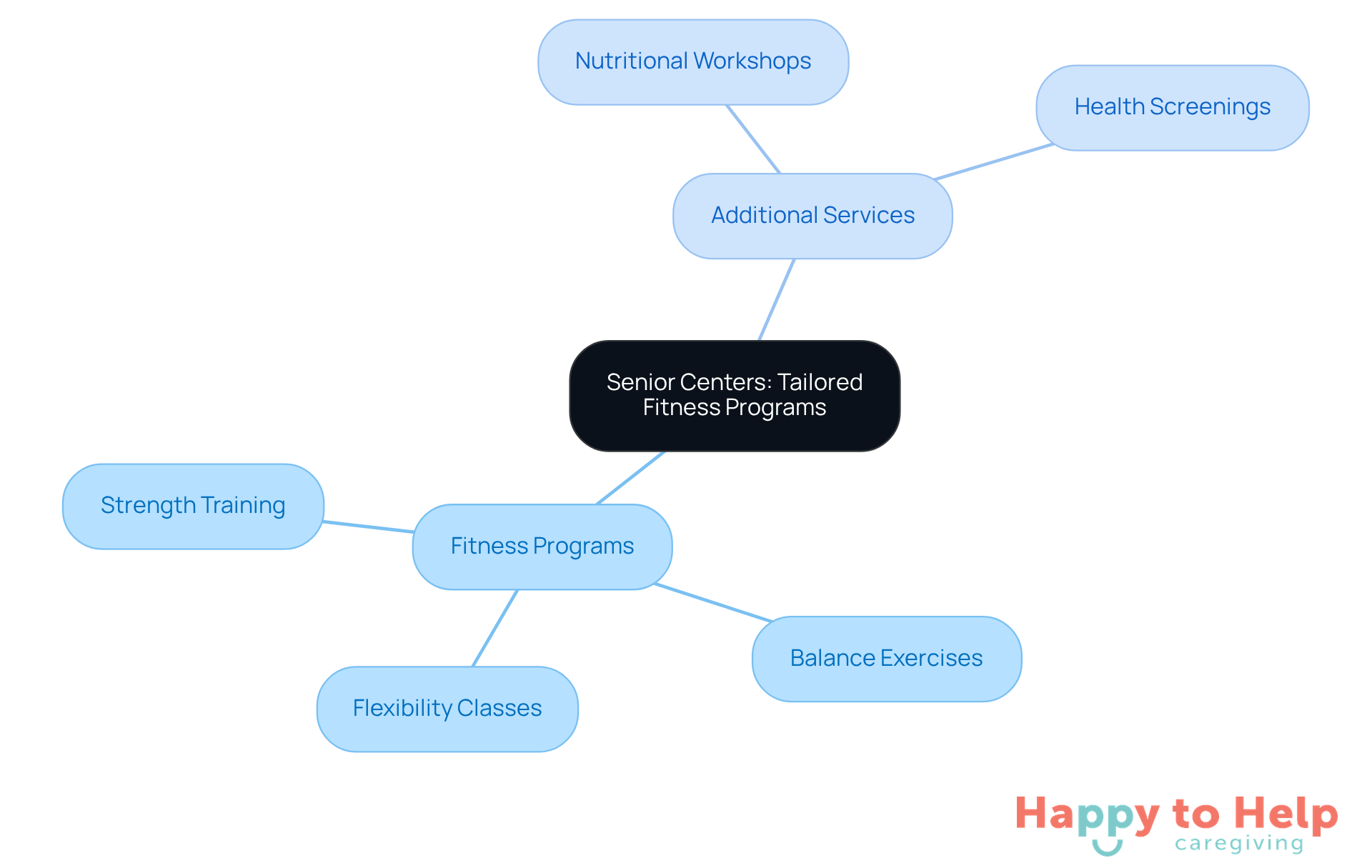
Senior Centers: Tailored Fitness Programs for Health and Wellness
Many older adults face significant health challenges, particularly concerning mobility and the risk of falls. Without proper fitness programs, these issues can lead to a decline in overall well-being and independence.
To address these challenges, senior centers often serve as exercise places for seniors by hosting tailored fitness programs that focus on health and wellness. These exercise places for seniors typically include:
- Strength training
- Balance exercises
- Flexibility classes
All designed to enhance mobility and reduce the risk of falls.
Moreover, many elder centers go beyond physical fitness by offering:
- Nutritional workshops
- Health screenings
This holistic approach to aging health ensures that older adults receive comprehensive support for their well-being.
Health Clubs: Senior-Specific Fitness Options
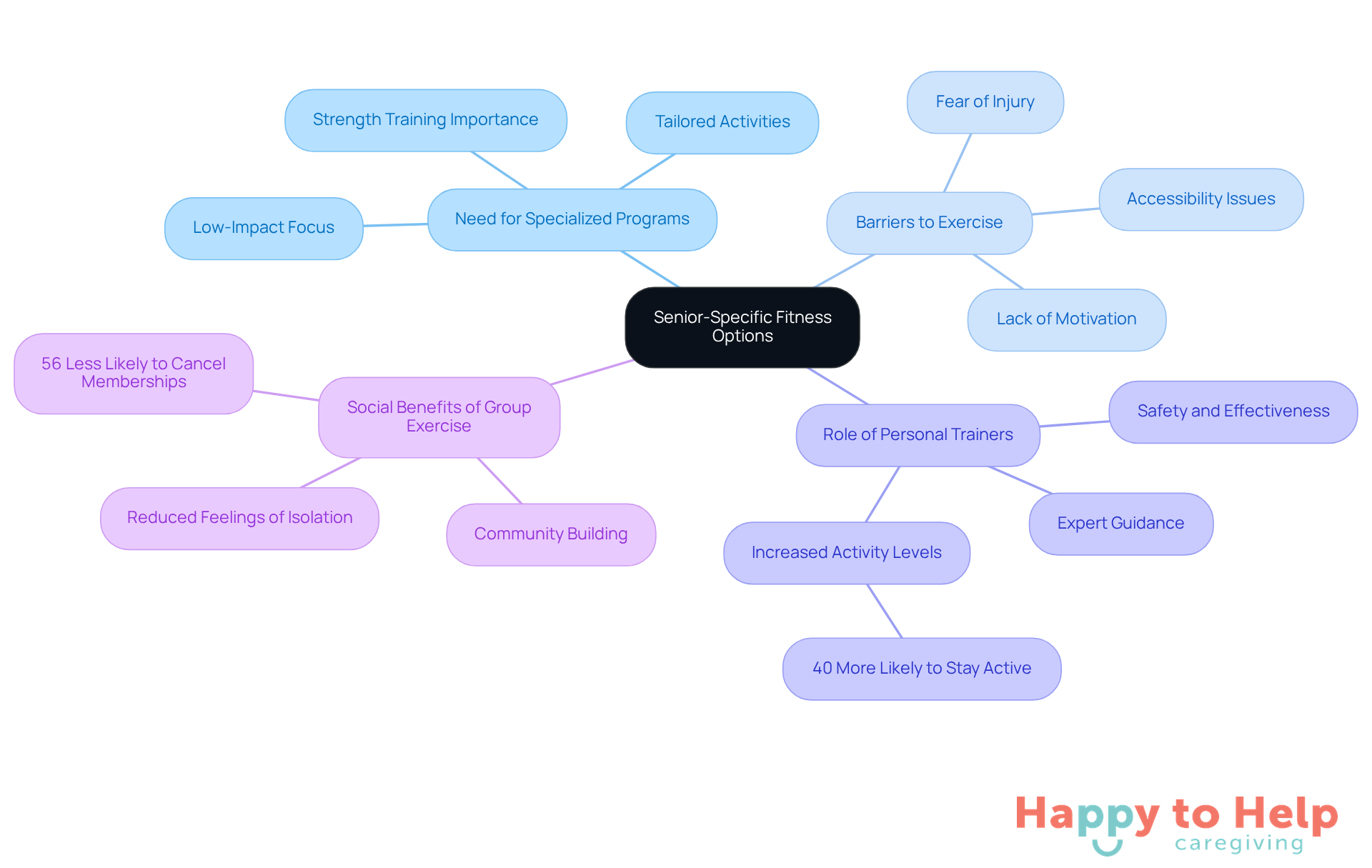
Health clubs are increasingly recognizing a significant problem: the need for exercise places for seniors that accommodate their unique requirements. Without specialized programs, many older individuals may struggle to maintain an active lifestyle, leading to negative health outcomes and feelings of isolation.
This issue is compounded by the fact that older adults often face barriers to exercise, such as fear of injury or lack of motivation. The implications are serious; without proper support, many may miss out on the physical and social benefits of regular activity.
Fortunately, health clubs are stepping up to provide tailored programs at exercise places for seniors that emphasize low-impact activities, strength training, and flexibility. These specialized classes are excellent exercise places for seniors, promoting physical health while also fostering a sense of community among participants. Personal trainers with expertise in elderly wellness play a vital role in recommending exercise places for seniors, ensuring that exercises are both safe and effective.
Statistics reveal that older individuals who work with personal trainers are 40% more likely to sustain an active lifestyle, significantly improving their overall well-being. Moreover, consistent participants in elderly exercise programs experience a 35% enhancement in physical functioning. Those engaged in routine strength training see a remarkable decrease in falls-up to 46%. This underscores the critical role of personal trainers in guiding older adults to suitable exercise places for seniors that are tailored to their individual needs.
Additionally, the latest trends in exercise places for seniors highlight the importance of social bonds formed in group sessions. These connections can alleviate feelings of loneliness and boost motivation. In fact, individuals participating in group sessions are 56% less likely to terminate their memberships, showcasing the communal aspect of exercise for older adults.
Personal trainers who specialize in exercise places for seniors not only provide exercise guidance but also offer emotional support. This assistance helps older individuals feel more confident and engaged in their fitness journeys. By fostering an inclusive and supportive environment, health clubs empower older adults to adopt an active lifestyle, ultimately leading to improved health outcomes and a stronger sense of community.
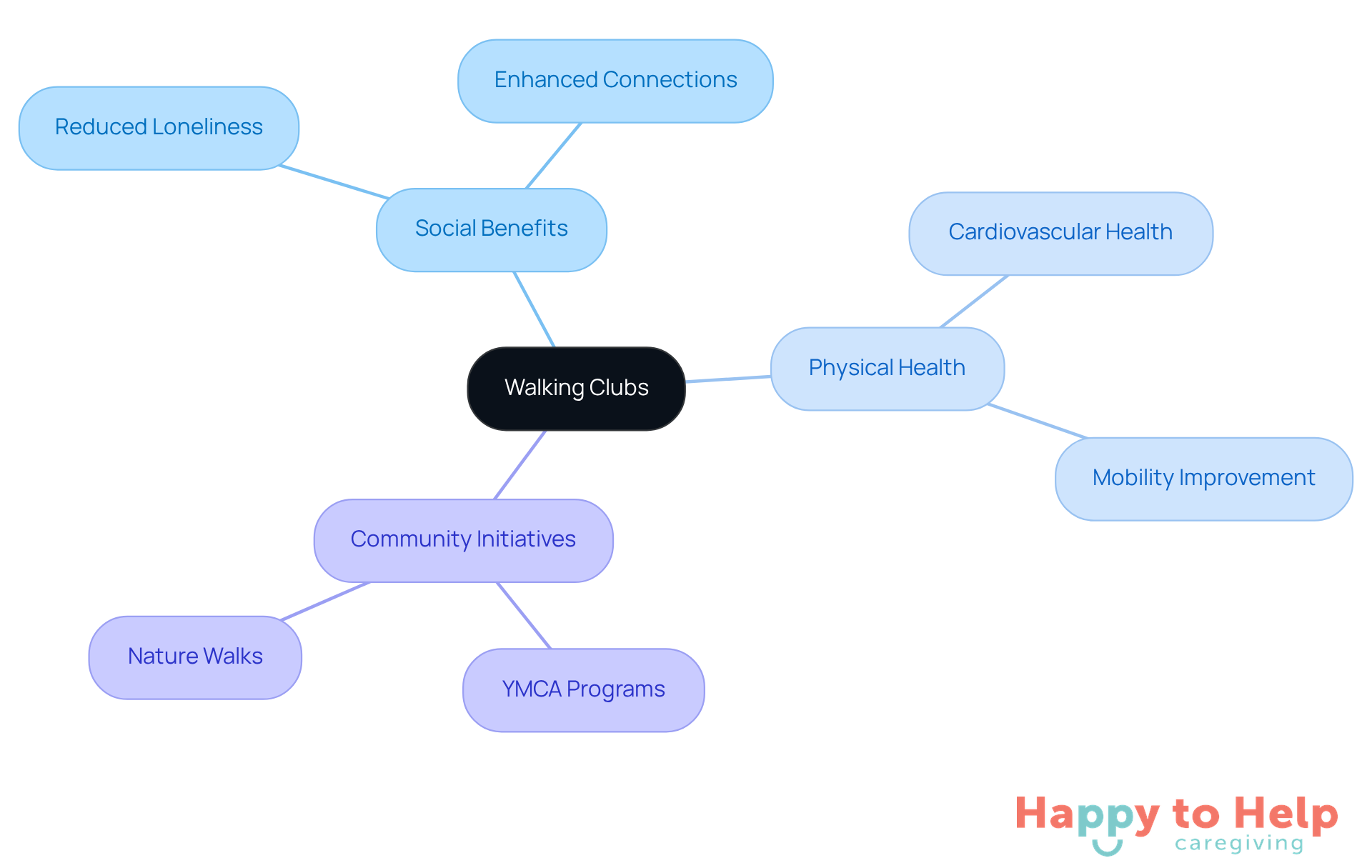
Walking Clubs: Social and Physical Benefits of Group Walking
Walking clubs present a significant problem for older adults: loneliness and isolation. These issues can adversely affect their quality of life, leading to increased risks of mental health challenges and chronic diseases.
The implications of these challenges are profound. Research indicates that social engagement and regular exercise are crucial for maintaining cognitive function and overall health. Without these, many seniors may struggle with feelings of disconnection and decreased well-being.
Fortunately, walking clubs offer a practical solution. By meeting in local parks or community centers, these clubs create a safe and supportive environment where seniors can walk together. Engaging in group walking not only promotes cardiovascular health but also fosters essential social connections.
Recent initiatives, such as those at the YMCA, provide tailored exercise classes alongside walking groups. These structured activities, including gentle yoga and water aerobics, improve physical fitness while contributing to a greater sense of purpose and community. Success stories from participants, like those shared by the Mishawaka Public Library, highlight transformative experiences, leading to improved mood and reduced stress levels. For instance, older adults who regularly participate in nature walks at the South Bend Botanical Garden report enhanced emotional well-being and a stronger connection to their surroundings.
Expert insights reinforce the importance of staying active and socially engaged as we age. As Eric Thomas states, "Participating in activities assists older adults in fighting feelings of loneliness and isolation, which are frequent concerns that can adversely affect their quality of life." Walking clubs exemplify this principle, serving as exercise places for seniors that offer a low-impact option to promote mobility, balance, and strength.
By participating in exercise places for seniors, older adults not only enhance their physical health but also enrich their social lives, creating a fulfilling routine that supports both body and mind.
Dance Studios: Engaging Classes for Active Seniors
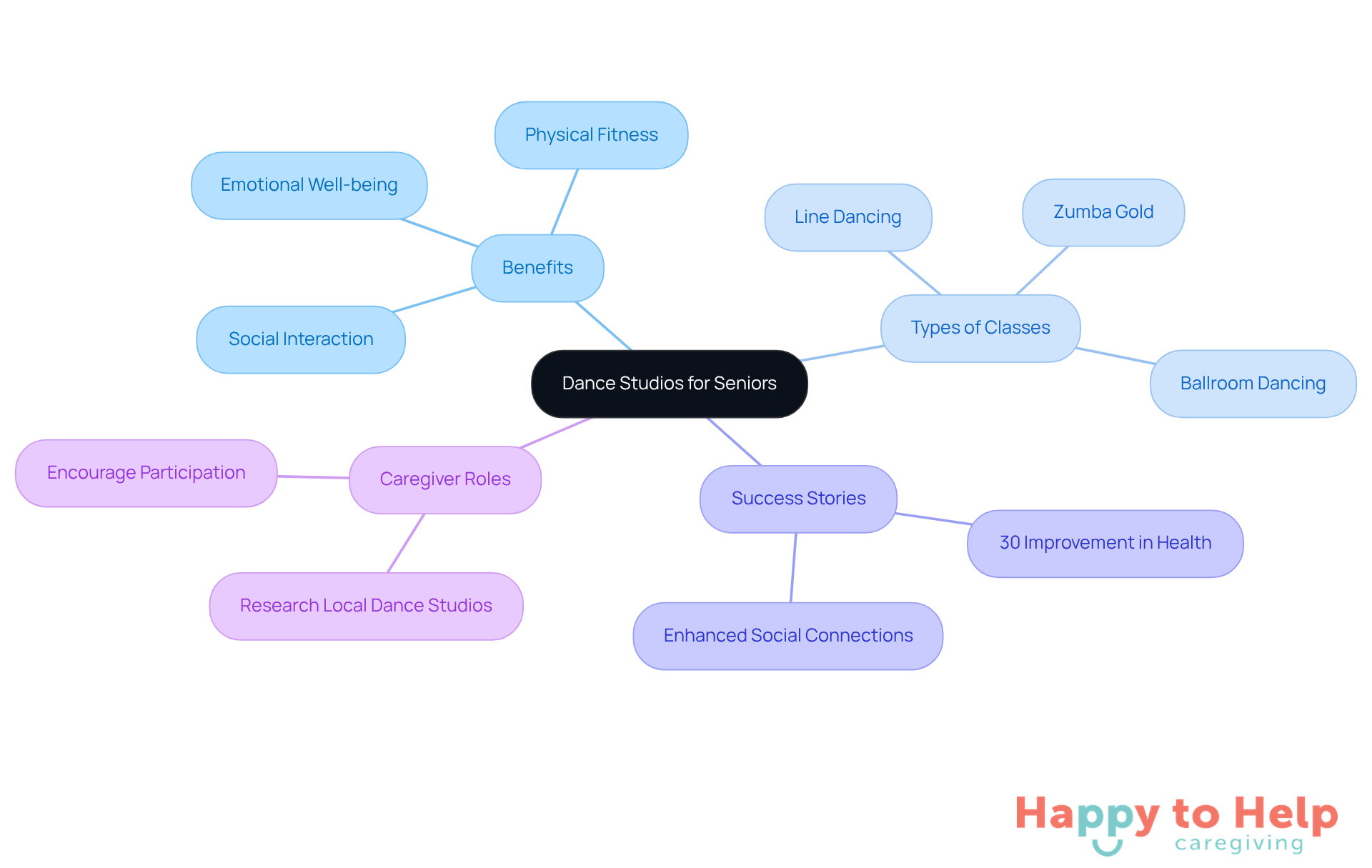
Older adults often face challenges in maintaining social connections and physical fitness, making exercise places for seniors essential. This can lead to feelings of isolation and decreased health. Dance studios frequently offer specialized classes like ballroom dancing, line dancing, and Zumba Gold, which can address these issues effectively.
These exercise places for seniors not only provide an excellent workout but also encourage social interaction and creativity among participants. Engaging in dance at exercise places for seniors can significantly improve balance, coordination, and cardiovascular fitness, providing a fun way for older adults to stay active and connected. As Martha Graham famously said, "Dance is the hidden language of the soul," underscoring the expressive power of movement.
Success stories abound, with many older adults reporting enhanced fitness and greater social interaction through regular dance participation at exercise places for seniors. For instance, a recent study found that older adults who engaged in dance sessions experienced a 30% improvement in their overall health and felt more socially connected.
Recent trends highlight the growing popularity of exercise places for seniors, particularly dance sessions tailored for older adults, which emphasize enjoyment and community involvement. Educators often stress the transformative impact of dance, asserting that it not only promotes exercise but also enriches the lives of older adults by providing a joyful outlet for expression and connection.
Caregivers can play a crucial role in encouraging participation. Here are some actionable steps:
- Research local dance studios that offer senior-friendly classes.
- Ensure that loved ones can access the numerous benefits of dancing.
By facilitating exercise places for seniors, caregivers can help older adults enjoy a fulfilling and active lifestyle.
Outdoor Fitness Parks: Natural Spaces for Senior Exercise
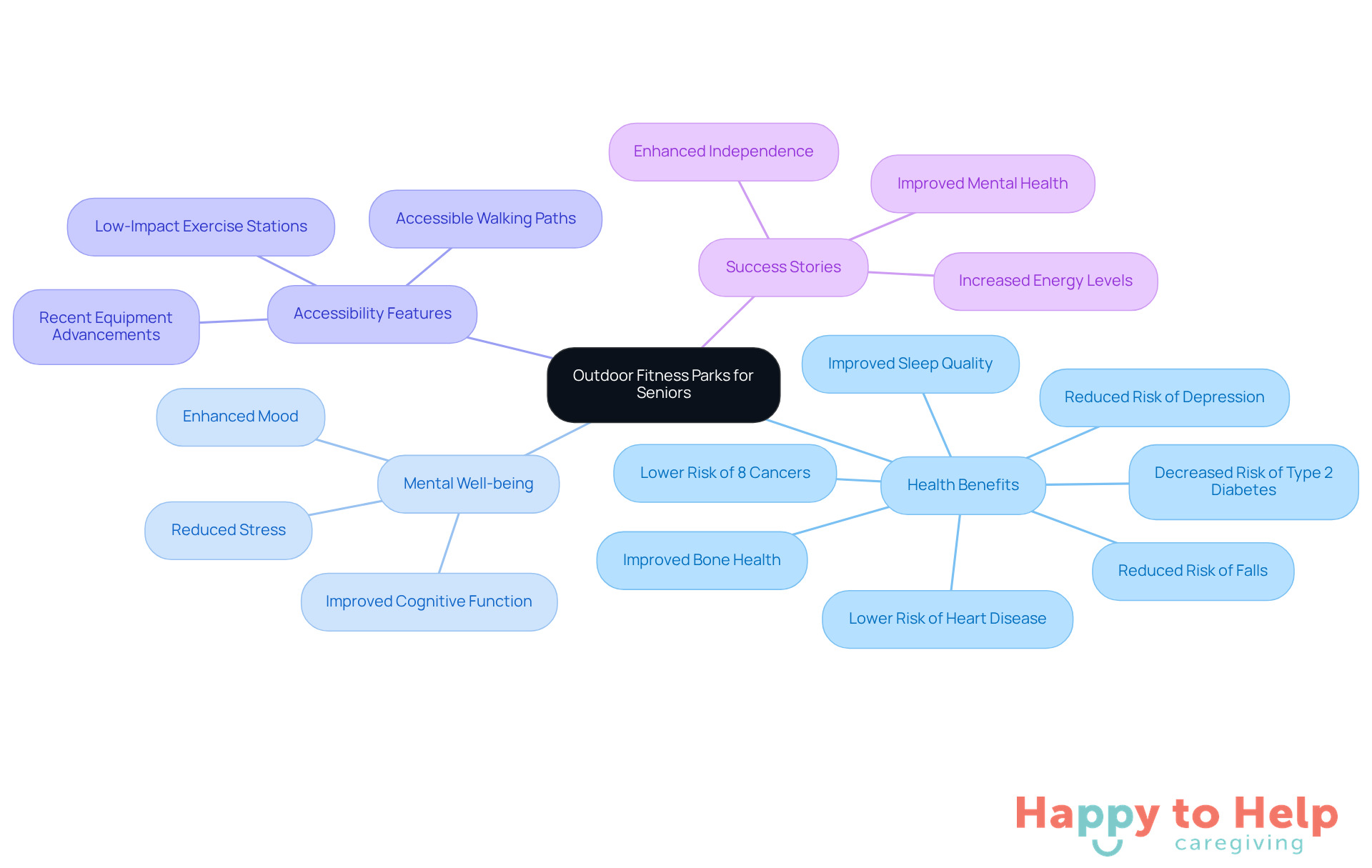
Outdoor fitness parks are becoming vital exercise places for seniors who have limited options for physical activity. Many older adults struggle to find suitable environments for physical activity, which can lead to increased health risks and a decline in overall well-being.
Exercising outdoors not only enhances mood and reduces stress but also significantly contributes to overall health. Research shows that exercise in natural settings can lower the risk of depression and anxiety, fostering a sense of tranquility and connection to the environment. Furthermore, outdoor exercise has been linked to improved sleep quality and enhanced cognitive function, both crucial for maintaining independence as one ages.
These parks serve as exercise places for seniors, equipped with specially designed low-impact exercise stations and accessible walking paths that cater to the unique needs of older adults. Recent advancements in outdoor exercise equipment have made these parks more reachable, motivating older adults to adopt an active lifestyle.
Participating in consistent physical exercise can decrease the risk of type 2 diabetes and lessen the chances of falls, further promoting health. Success stories abound, with many older adults reporting increased energy levels and improved mental health after incorporating outdoor workouts into their routines. For example, studies indicate that older adults who regularly exercise outdoors experience significant enhancements in their overall health and well-being.
In summary, exercise places for seniors, such as outdoor exercise parks, serve as a valuable asset for older adults looking to remain active and engaged while appreciating the therapeutic advantages of nature.
Online Fitness Platforms: Virtual Classes for Seniors
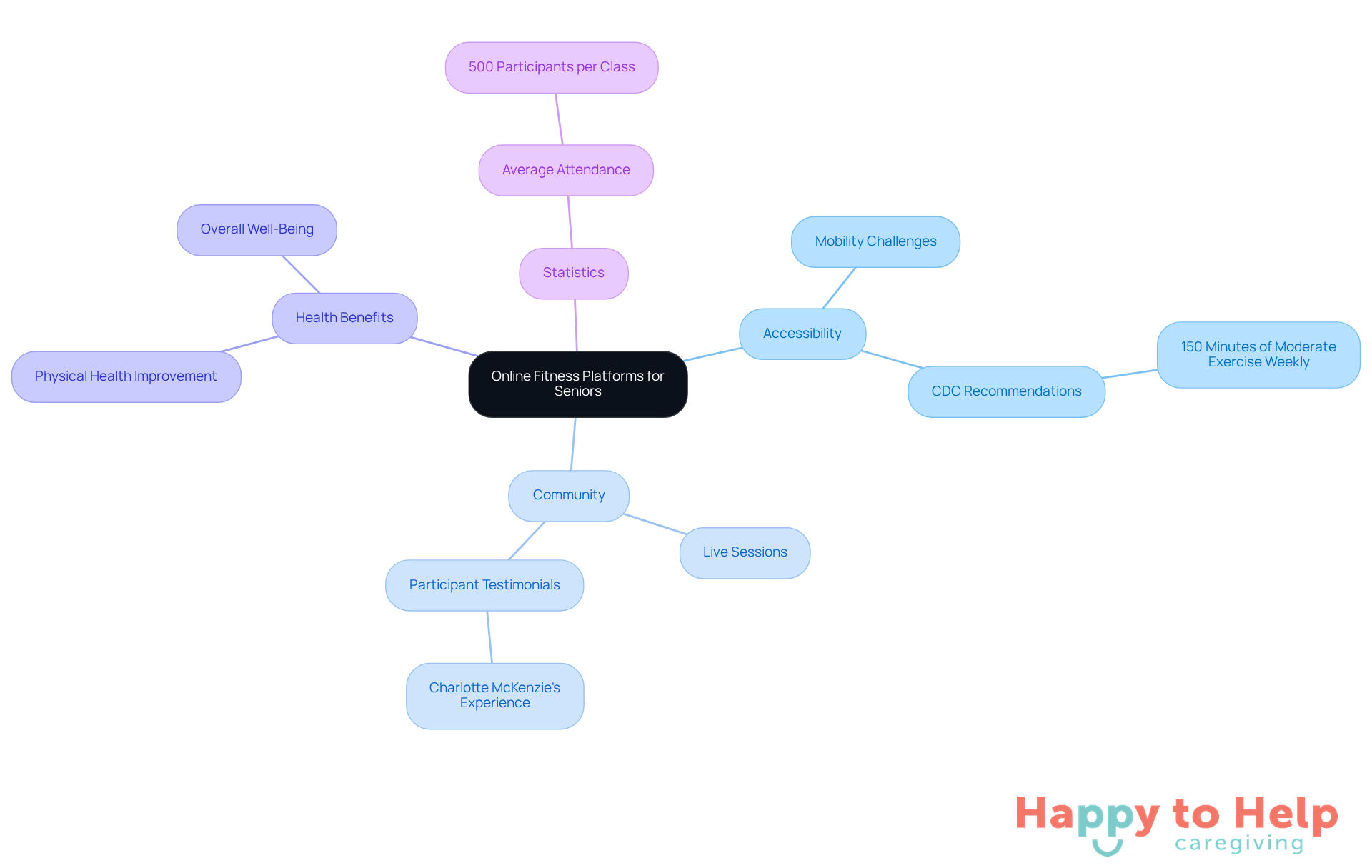
Online fitness platforms tackle a significant issue: providing accessible exercise places for seniors. Many seniors face mobility challenges that make it difficult to participate in traditional fitness classes, which is why exercise places for seniors are essential. The U.S. Centers for Disease Control and Prevention highlights the importance of regular physical activity, recommending that older adults engage in at least 150 minutes of moderate exercise weekly. This underscores the need for accessible exercise places for seniors that address their unique requirements.
The implications of limited access to fitness can be profound, affecting both physical health and overall well-being. However, numerous online programs not only emphasize wellness but also foster a sense of community through live sessions and interactive social features. This connection is vital; seniors participating in group exercise programs report higher motivation and consistency compared to those who work out alone. For instance, Charlotte McKenzie turned to online exercise sessions during the pandemic and discovered renewed strength and ability in her daily activities.
Statistics reveal that online exercise sessions attract an average of 500 attendees per meeting, showcasing a robust demand for these alternatives. These sessions cater to various activity levels, ensuring that all participants can benefit from physical exercise while enjoying the companionship of fellow seniors. As one participant noted, "The classes definitely make a difference," highlighting the transformative impact of these virtual fitness experiences.
Making the Right Choice
Engaging in regular physical activity poses a significant challenge for seniors, as it is crucial for maintaining physical health and enhancing overall quality of life. Inactivity can lead to feelings of loneliness and isolation, which can further impact mental well-being.
Fortunately, there are numerous exercise options available that cater specifically to seniors. Community centers, online platforms, and programs like those offered by the YMCA and SilverSneakers provide valuable opportunities for older adults to stay active and connected. These tailored fitness programs not only address physical needs but also foster a sense of community, combating loneliness.
Success stories from participants highlight the positive impact of these initiatives, showcasing improvements in both mental and physical health. As seniors explore the myriad of exercise places available, they are encouraged to prioritize their health and social connections.
Whether through group classes, walking clubs, or online fitness sessions, the options are abundant. Embracing these opportunities can lead to a more fulfilling and healthier lifestyle, reinforcing the idea that age should never be a barrier to fitness and engagement.
https://iframe.tely.ai/cta/eyJhcnRpY2xlX2lkIjogIjY5MjNhMDkxZTUyZmU2NjM2Njg4NjcwYSIsICJjb21wYW55X2lkIjogIjY4ZWU1ZGNhNzMxNzYyNTU3ZjNjOTVjMSIsICJpbmRleCI6IG51bGwsICJ0eXBlIjogImFydGljbGUifQ==Frequently Asked Questions
What challenges do seniors face regarding daily living activities?
Many seniors experience feelings of isolation and struggle with daily living activities. Statistics show that 44% of home care recipients require assistance with at least one daily task.
How does loneliness affect seniors' health?
Lack of engagement can lead to a decline in overall health for seniors. Feelings of loneliness can exacerbate health issues, making it essential for caregivers to promote mobility and social interaction.
What services does Happy to Help Caregiving provide?
Happy to Help Caregiving offers personalized in-home assistance that promotes daily living and exercise, engaging clients in activities that enhance mobility and encourage social interaction.
What types of programs does the YMCA offer for seniors?
The YMCA provides community wellness programs tailored for older adults, including low-impact aerobics, yoga, and strength training classes, all designed to improve wellness and encourage social engagement.
How do YMCA programs help combat loneliness in seniors?
By participating in YMCA programs, older adults can build friendships and create supportive communities, which are essential for combating loneliness and improving overall quality of life.
What is SilverSneakers and how does it support older adults?
SilverSneakers offers free access to thousands of exercise places for seniors and gyms nationwide, providing a variety of fitness classes tailored to the unique needs of older adults, promoting regular exercise and community engagement.
What benefits do seniors experience from participating in SilverSneakers?
Seniors report increased energy, motivation to engage in regular exercise, and the formation of meaningful relationships with others in their classes, which enhances their overall quality of life.
What health benefits are associated with the exercise programs for seniors?
Programs like low-impact aerobics can significantly improve cardiovascular health and mobility, contributing to better physical and mental well-being for older adults.
Should seniors consult a doctor before starting an exercise program?
Yes, it is advisable for elderly individuals to consult a doctor before starting any exercise program to ensure their safety and health.
List of Sources
- Happy to Help Caregiving: Personalized In-Home Care and Activity Support
- 2025 Home Care Statistics: Trends & Insights To Know (https://premierhcinc.com/blog/home-care-statistics)
- 28 Senior Care Statistics: In-Home & Assisted Living | Shortlister (https://myshortlister.com/insights/senior-care-statistics)
- The Incredible Benefits of Home Care, in 7 Amazing Stats - Companions For Seniors (https://companionsforseniors.com/2019/08/benefits-home-care-amazing-stats-trends-reports)
- HHS Backs AI Innovation for America’s Caregivers | HHS.gov (https://hhs.gov/press-room/hhs-backs-ai-innovation-for-americas-caregivers.html)
- Caregiving in the US 2025 (https://aarp.org/pri/topics/ltss/family-caregiving/caregiving-in-the-us-2025)
- YMCA: Community Fitness Programs for Seniors
- YMCA CEO weighs in amid decision to drop SilverSneakers program in 2026 (https://rochesterfirst.com/news/ymca-ceo-weighs-in-amid-decision-to-drop-silversneakers-program-in-2026)
- Older Adult Activity: An Overview (https://cdc.gov/physical-activity-basics/guidelines/older-adults.html)
- 100 Gym Membership + Retention Statistics You Need to Know in 2025 (https://smarthealthclubs.com/blog/100-gym-membership-retention-statistics)
- Top Benefits of Senior Community Living | Cedar Hill Windsor VT (https://cedarhillccc.com/top-benefits-of-community-living-for-seniors-enhance-well-being-and-social-connection)
- SilverSneakers: Fitness Access and Classes for Older Adults
- What is Medicare SilverSneakers and Is It Covered? | Anthem (https://anthem.com/medicare/learn-about-medicare/silver-sneakers)
- SilverSneakers Marks 30 Years of Keeping Seniors Fit and Connected (https://fiercehealthcare.com/sponsored/silversneakers-marks-30-years-keeping-seniors-fit-and-connected)
- Community Centers: Local Exercise Classes for Seniors
- Health and fitness for older adults: Tips and benefits (https://mysanitas.com/en/blog/health-and-fitness-older-adults-tips-and-benefits)
- Senior Programs & Active Older Adult Benefits | YMCA of Middle Tennessee (https://ymcamidtn.org/join/senior-programs)
- Department of Aging (https://pa.gov/agencies/aging)
- Physical Activity Benefits for Adults 65 or Older (https://cdc.gov/physical-activity-basics/health-benefits/older-adults.html)
- Community exercise helps older adults maintain fitness and strength (https://news-medical.net/news/20250819/Community-exercise-helps-older-adults-maintain-fitness-and-strength.aspx)
- Senior Centers: Tailored Fitness Programs for Health and Wellness
- Older Adults’ Perceptions Regarding the Role of Physical Therapists in Falls Prevention: A Qualitative Investigation - PMC (https://pmc.ncbi.nlm.nih.gov/articles/PMC8589106)
- Frontiers | Managers’ perspectives on their role in implementing fall prevention interventions: a qualitative interview study in Norwegian homecare services (https://frontiersin.org/journals/health-services/articles/10.3389/frhs.2024.1456028/full)
- Participation in Older Adult Physical Activity Programs and Risk for Falls Requiring Medical Care, Washington State, 2005-2011 (https://cdc.gov/pcd/issues/2015/14\_0574.htm)
- Senior Centers Promote Healthy Aging (https://health.usnews.com/senior-care/articles/senior-centers-benefits-for-healthy-aging)
- Proven Fall Prevention Research Study in Older Adults - HUR USA - FOR LIFELONG STRENGTH (https://hurusa.com/proven-fall-prevention-in-long-term-residential-aged-care-facilities)
- Health Clubs: Senior-Specific Fitness Options
- Senior fitness programs: 7 Powerful Benefits for 2025 Success (https://lifestepsusa.org/senior-fitness-programs)
- Essential Gym Membership Statistics 2025: Insights & Trends (https://wod.guru/blog/gym-membership-statistics)
- 100 Gym Membership + Retention Statistics You Need to Know in 2025 (https://smarthealthclubs.com/blog/100-gym-membership-retention-statistics)
- Senior Fitness (https://mvpsportsclubs.com/senior-fitness)
- Walking Clubs: Social and Physical Benefits of Group Walking
- Staying Active: The Benefits of Activities for South Bend Seniors | Home Instead Mishawaka (https://homeinstead.com/home-care/usa/in/south-bend/343/news-and-media/staying-active-benefits-of-activities-for-south-bend-seniors)
- Dance Studios: Engaging Classes for Active Seniors
- 21 Best Dance Quotes & How to use them (https://activitymessenger.com/blog/21-best-dance-quotes-how-to-use-them)
- Outdoor Fitness Parks: Natural Spaces for Senior Exercise
- Physical Activity Benefits for Adults 65 or Older (https://cdc.gov/physical-activity-basics/health-benefits/older-adults.html)
- TRAFx Customer Case Studies (https://trafx.net/case\_studies)
- Online Fitness Platforms: Virtual Classes for Seniors
- Inspiring quotes for Older Americans Month - Senior Planet from AARP (https://seniorplanet.org/inspiring-quotes-about-aging-for-older-americans-month)
- 500+ Fitness Quotes (Motivational and Funny) for Fitness Trainers (https://fitbudd.com/post/500-fitness-quotes-motivational-and-funny-for-fitness-trainers)
- Give Your Health a Boost With AARP Virtual Fitness Classes (https://states.aarp.org/texas/health-aarp-virtual-fitness-classes)
- The Future of Senior Fitness: Innovations, Strength Training, and the Evolving Needs of an Aging Population - Rochester Athletic Club (https://racmn.com/blog/the-future-of-senior-fitness-innovations-strength-training-and-the-evolving-needs-of-an-aging-population)
- 10 Inspiring Quotes about Aging | Senior Health | Masonicare (https://masonicare.org/resources/blog/10-inspiring-quotes-about-aging)