
Why 10 Factors Influencing Hourly Rates for Matters
Understanding the factors that influence hourly rates for elderly sitters is crucial for families facing the complexities of caregiving. Families often grapple with the challenge of ensuring quality support while managing their budgets effectively. As the demand for personalized care continues to rise, various elements - from regional differences to caregiver experience - play a significant role in determining costs.
This article delves into ten key factors that shape the rates for elderly sitters. By exploring these elements, families can gain valuable insights that empower them to make informed decisions about their loved ones' care. With the right information, caregivers can navigate the financial landscape of elderly care more effectively.
Happy to Help Caregiving: Personalized Care Services Impacting Hourly Rates
The Challenge of Personalized Care
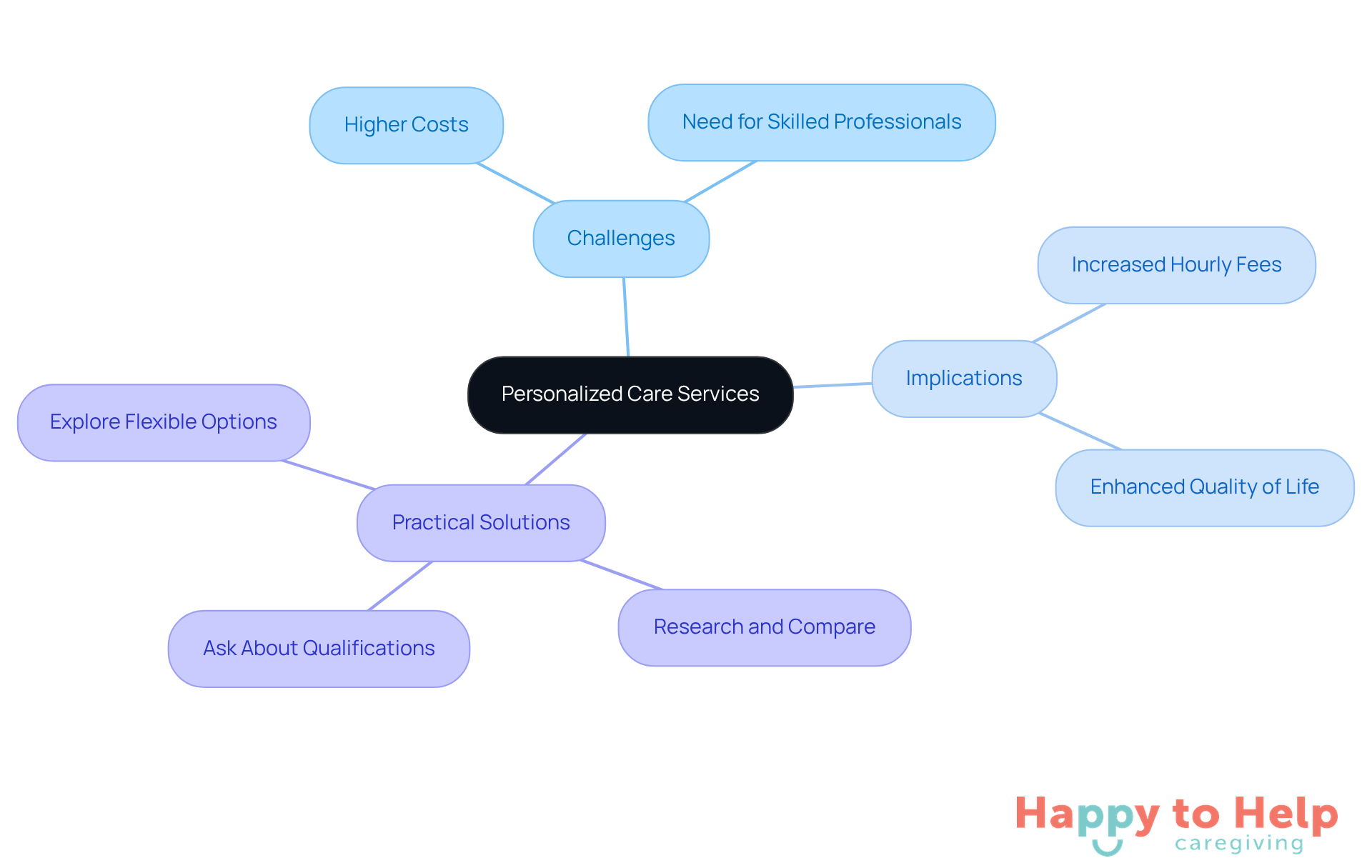
Happy to Help Caregiving provides a range of personalized support services, such as companionship, post-hospital recovery assistance, respite support, and palliative care. However, these customized services come with challenges. Families often face higher costs due to the need for more skilled professionals who can adapt to unique requirements.
Understanding the Implications
This demand for specialized support can lead to increased hourly fees. Families can expect the hourly rate for elderly sitters to be higher for personnel trained to deliver tailored assistance, reflecting the enhanced value of individualized care strategies. These strategies not only improve the quality of life for clients but also emphasize their comfort and independence.
Practical Solutions
To navigate these challenges, families should consider the following tips:
- Research and Compare: Look for caregiving services that offer transparent pricing and a clear breakdown of costs.
- Ask About Qualifications: Ensure that caregivers have the necessary training and experience to meet specific needs.
- Explore Flexible Options: Discuss potential adjustments in care plans that could help manage costs while still providing quality support.
By understanding the dynamics of personalized caregiving, families can make informed decisions that prioritize both care quality and financial considerations.
Regional Variations: How Location Affects Elderly Sitter Rates
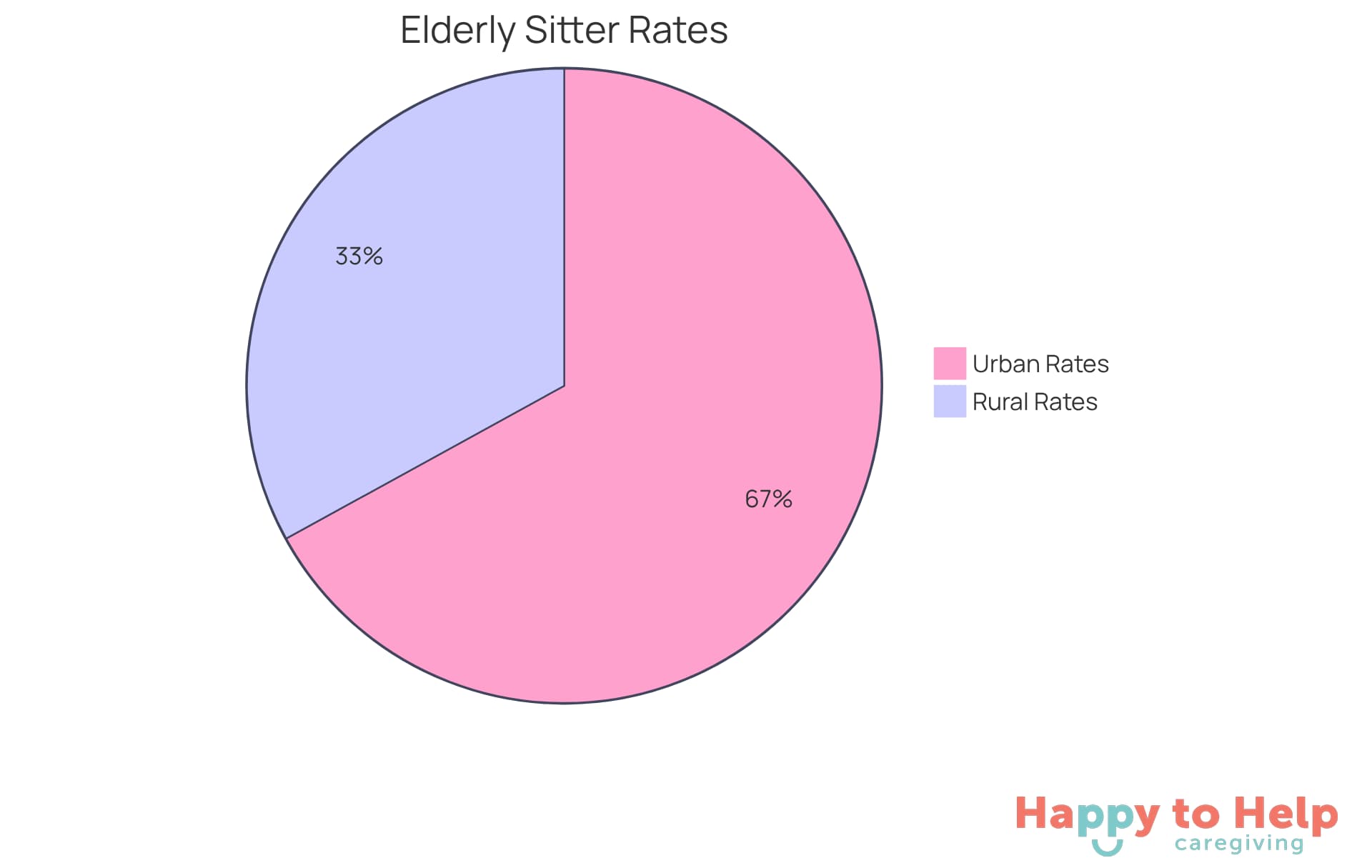
Hourly rates for elderly sitters present a significant challenge, as they vary widely based on geographic area. Urban regions typically require higher wages due to increased living expenses and greater demand for services. In metropolitan areas, providers generally charge between $30 and $50 per hour, reflecting the competitive market and elevated costs associated with urban living. Conversely, rural regions see lower prices, ranging from $15 to $25 per hour, as the cost of living is diminished and the demand for caregiving services may not be as significant.
This disparity in wages highlights not only local economic conditions but also the varying levels of support available to families in different regions. Urban providers often possess specialized training or certifications, justifying their higher rates. In contrast, rural caregivers may have fewer resources and training opportunities, which can impact their compensation.
Families should carefully evaluate these regional differences when planning for in-home assistance. According to Tanner Gish, a home support specialist, the hourly rate for elderly sitters generally ranges from $32 to $40 across the state, with Los Angeles averaging about $40 per hour. Understanding local market dynamics can empower families to make informed decisions, ensuring they receive the appropriate level of care for their loved ones.
As the elderly demographic continues to grow, the demand for reliable support providers is expected to surge. This trend may further influence wage patterns in both urban and rural environments, making it crucial for families to stay informed about their options.
Experience Level: The Role of Caregiver Expertise in Hourly Pay
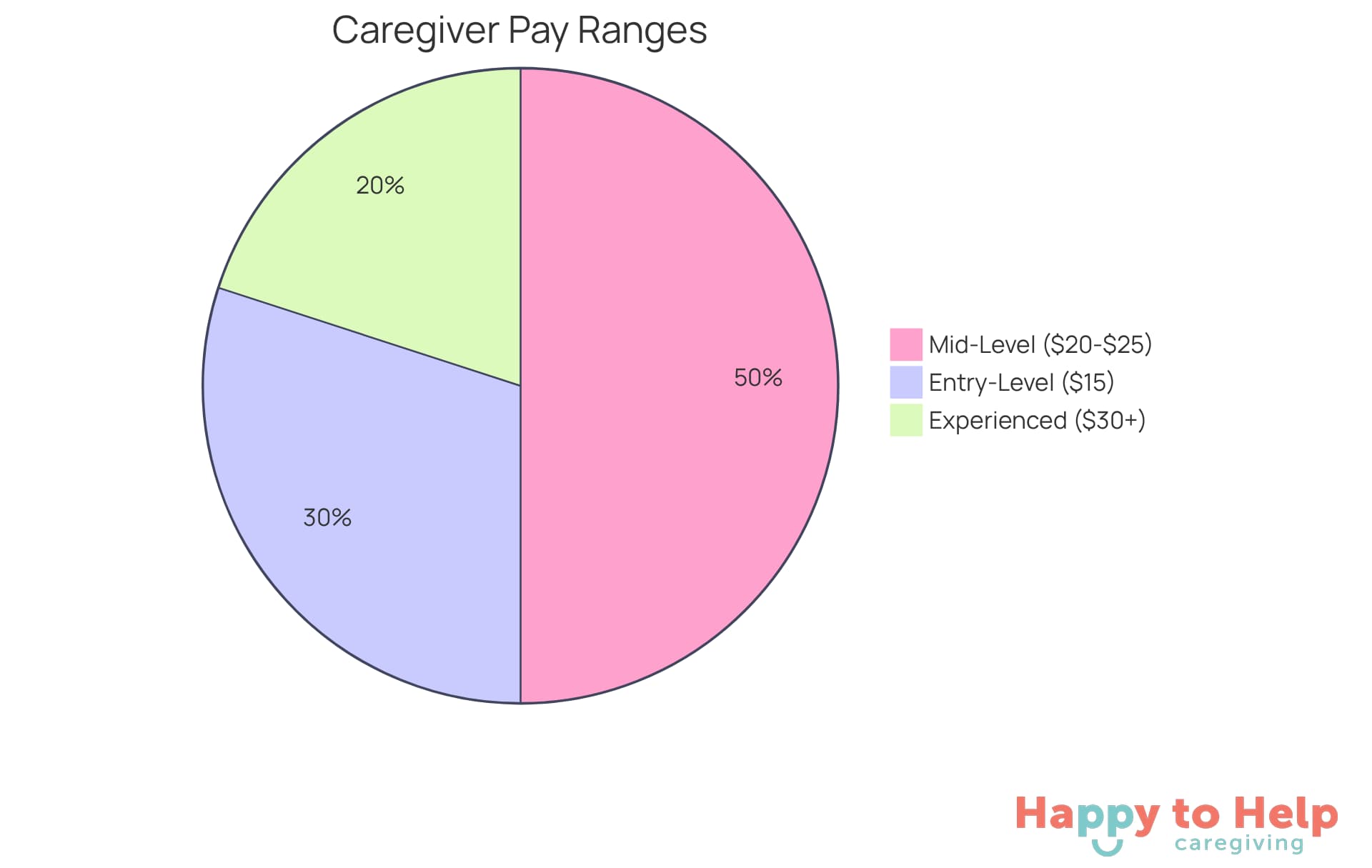
Caregivers often face a significant challenge: the hourly rate for elderly sitters can vary widely based on experience. For example, entry-level attendants might earn around $15 per hour, while those with several years of experience can command an hourly rate for elderly sitters ranging from $20 to $30 or even more. This disparity highlights a crucial issue in the caregiving field.
The implications of this pay gap are substantial. Skilled professionals bring essential abilities and expertise, particularly in managing complex medical needs or providing specialized support. The higher charges they implement as the hourly rate for elderly sitters reflect the value they offer, which can be critical for families requiring such services.
Families must weigh the benefits of hiring experienced caregivers against their budget constraints. While it may be tempting to opt for lower-cost options, investing in skilled caregivers can lead to better care outcomes and peace of mind.
Type of Care: How Specific Services Influence Hourly Rates
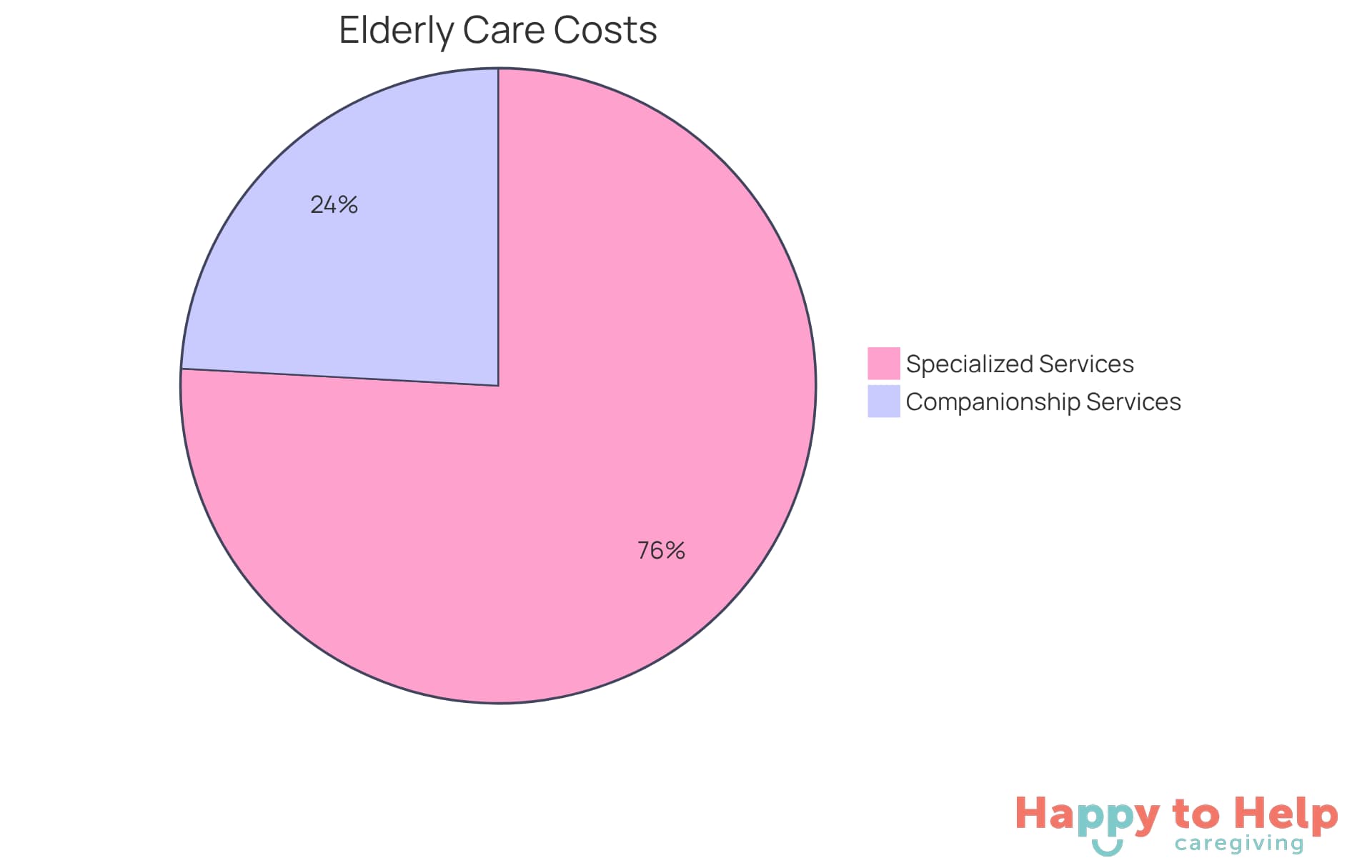
For families, understanding the costs associated with the hourly rate for elderly sitters can be challenging. The type of assistance required greatly impacts the hourly rate for elderly sitters, resulting in a complex landscape for those seeking help. The hourly rate for elderly sitters typically ranges from $15 to $20 per hour for basic companionship services, offering essential social interaction and support. However, specialized medical services or skilled nursing assistance can demand elevated fees, which may influence the hourly rate for elderly sitters, often ranging from $30 to $80 per hour. This disparity reflects the advanced training and certifications required for such roles.
As Samir Shah, president and CEO of CareScout Services, points out, "inflation and labor costs continue to drive rate increases," particularly in urban areas where living expenses are higher. This situation can leave families feeling overwhelmed when trying to navigate their options. Danielle Pierotti, Vice President of Health Sciences at Mount Marty University, emphasizes the importance of being "very honest with yourself about what you’re comfortable with and what you’re seeking" when assessing support needs.
To make informed decisions, families should thoughtfully evaluate their loved one's specific requirements. More intricate assistance often necessitates hiring caregivers with specialized skills, which can greatly influence the hourly rate for elderly sitters. Here are some actionable tips:
- Assess the level of care needed: Determine whether basic companionship or specialized medical assistance is required.
- Research local rates, such as the hourly rate for elderly sitters, to understand the average costs in your area and set a realistic budget.
- Communicate openly: Discuss needs and preferences with potential caregivers to ensure a good fit.
Comprehending these differences is crucial for families managing the financial aspects of in-home support.
Certifications and Training: Their Impact on Caregiver Pay Rates
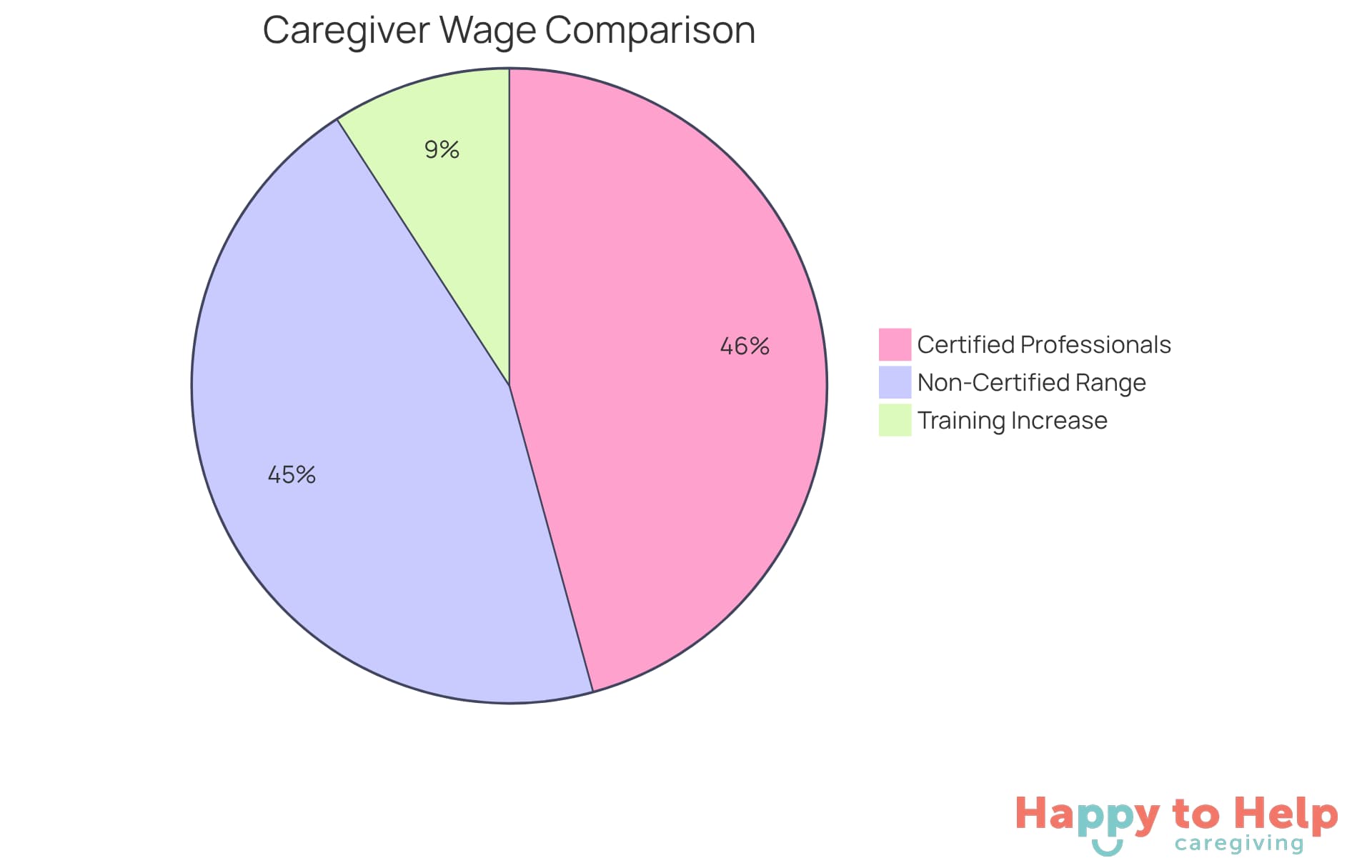
Caregivers face a significant challenge: those with certifications, like Certified Nursing Assistants (CNA) or Home Health Aides (HHA), often earn higher hourly rates than their non-certified peers. This pay disparity highlights the specialized training and expertise that certified professionals bring to their roles, which can greatly enhance the quality of care provided.
For families with complex care needs, hiring certified professionals is often a smart choice. Their advanced training not only improves client outcomes but also fosters a safer and more efficient support environment. Research from PHI National reveals that caregivers with ongoing training can earn up to 20% more than those without, emphasizing the financial advantages of pursuing certification.
Currently, the average hourly wage for certified professionals is around $15.72, while non-certified individuals typically earn between $11 and $20. This difference underscores the importance of training and certification in determining provider compensation, making the hourly rate for elderly sitters a vital consideration for families seeking reliable and skilled assistance for their loved ones.
Looking ahead, the U.S. Bureau of Labor Statistics projects a 22% increase in employment for home health and personal support aides from 2022 to 2032. This anticipated growth in demand for certified professionals may lead to even higher salaries in the future. Additionally, over 40% of home care agencies report utilizing training and development to enhance employee retention, highlighting the critical role of ongoing education in maintaining a stable workforce.
Market Demand: The Influence of Caregiver Availability on Rates
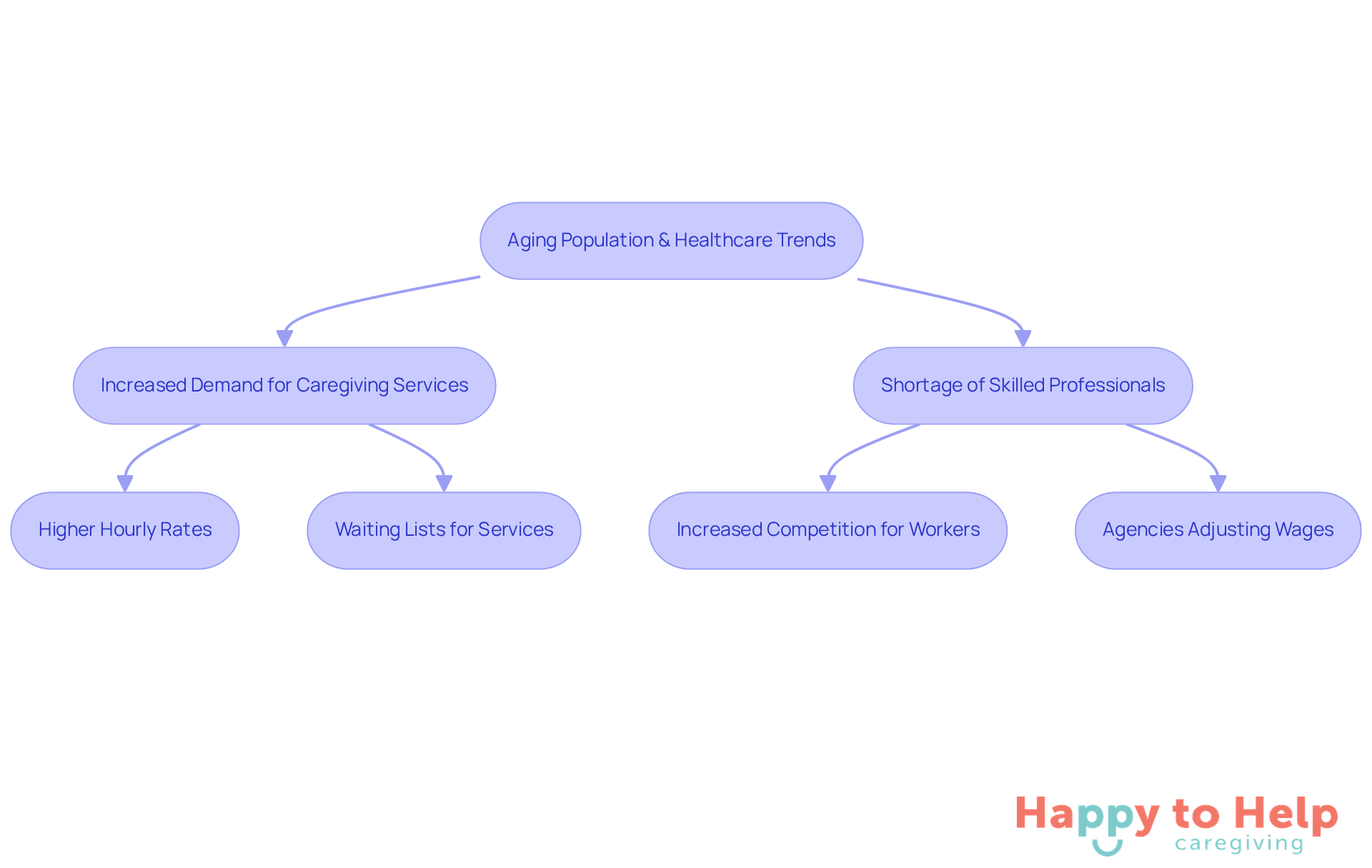
The demand for support providers is a pressing issue, significantly influenced by the aging population and evolving healthcare trends. As the oldest baby boomers reach 80 in 2026, the need for caregiving services is expected to surge, leading to increased competition for skilled professionals. In regions where demand outstrips supply, the hourly rate for elderly sitters can increase significantly, highlighting the urgent need for skilled assistance. Conversely, areas with a surplus of providers may see more stable or even declining rates as agencies adapt to market conditions.
Statistics reveal that approximately 63 million Americans are currently family supporters, marking a 45 percent increase over the past decade. This growing demographic underscores the critical demand for professional support staff, especially as 20 million job openings in the long-term care sector are projected by 2040. To attract and retain skilled workers, agencies must enhance compensation packages, with average hourly pay for support staff around $13. Some states are even implementing minimum wage increases to $19 by 2024.
Industry analysts note that the market for support providers is shifting, with many agencies struggling to balance worker wages with profitability. For example, the average wage for home care workers is less than $22,000 annually, forcing many to rely on public assistance. This financial strain is worsened by inflation, which has driven up living costs and intensified demands for fair compensation.
Real-world examples illustrate this dynamic: in areas where support provider shortages are severe, families may encounter waiting lists for services, raising both urgency and costs associated with hiring. As agencies respond to these market pressures, families need to stay informed about local conditions, including the hourly rate for elderly sitters, to make educated decisions regarding hiring assistance and ensuring they secure the best possible support for their loved ones.
Agency vs. Private Caregivers: How Employment Type Affects Pay
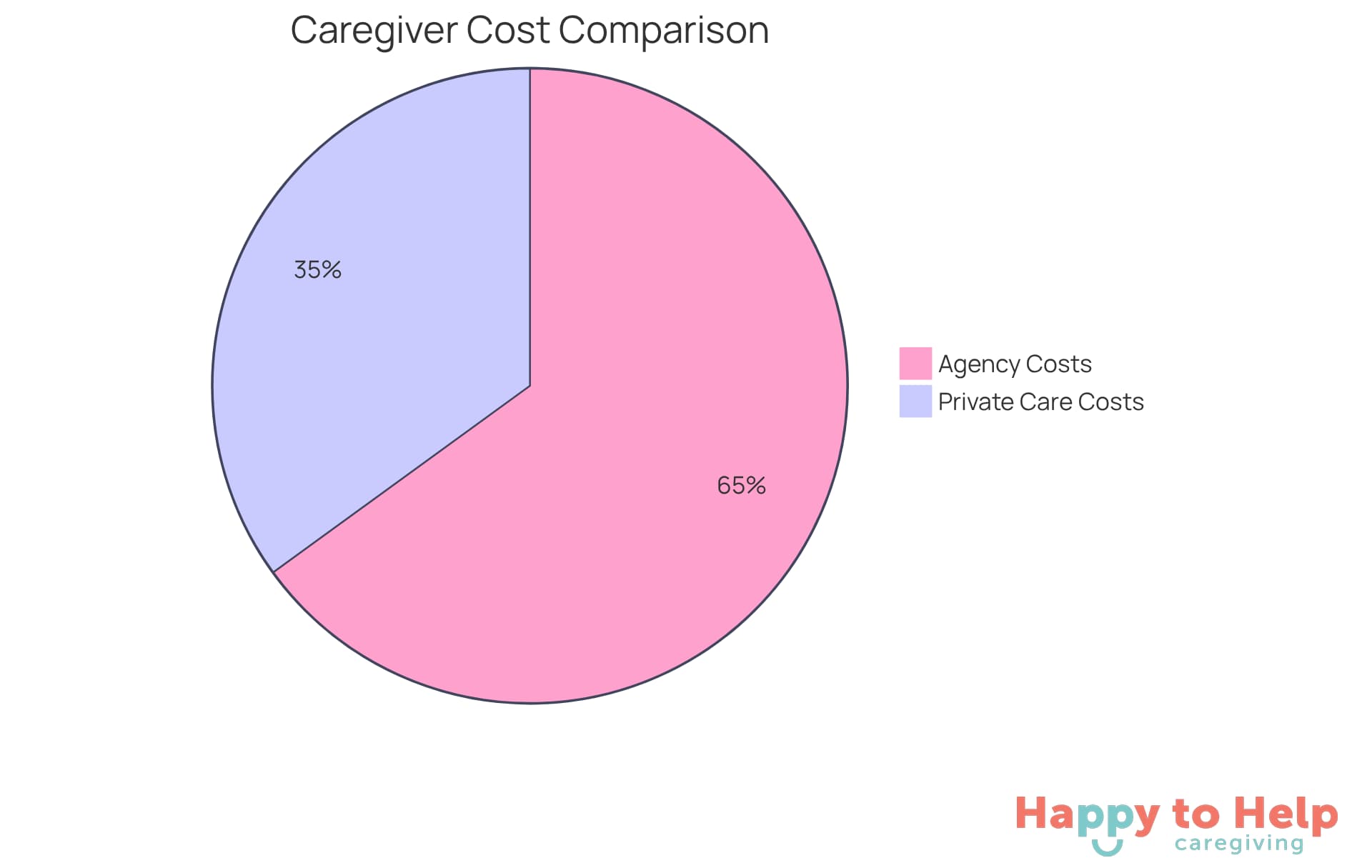
Hiring through an agency often presents a significant problem: increased hourly fees compared to employing a private aide directly. Families may find themselves facing costs that can be 20-30% higher due to additional agency fees, which include the hourly rate for elderly sitters, as well as administrative expenses, training, and liability insurance. This financial burden can be a considerable concern for those seeking reliable care for their loved ones.
However, it’s essential to consider the implications of these higher costs. While the initial expense may seem daunting, agencies provide valuable advantages that can alleviate some of the stress associated with caregiving. For instance, agencies offer backup support and guaranteed coverage, ensuring that families have access to dependable care even in emergencies.
In light of these factors, families should weigh the benefits against the costs. The extra expenses incurred by hiring through an agency can be justified by the peace of mind and reliability they provide. By understanding both the challenges and the solutions available, families can make informed decisions about their caregiving options.
Benefits and Perks: How Additional Compensation Influences Hourly Rates
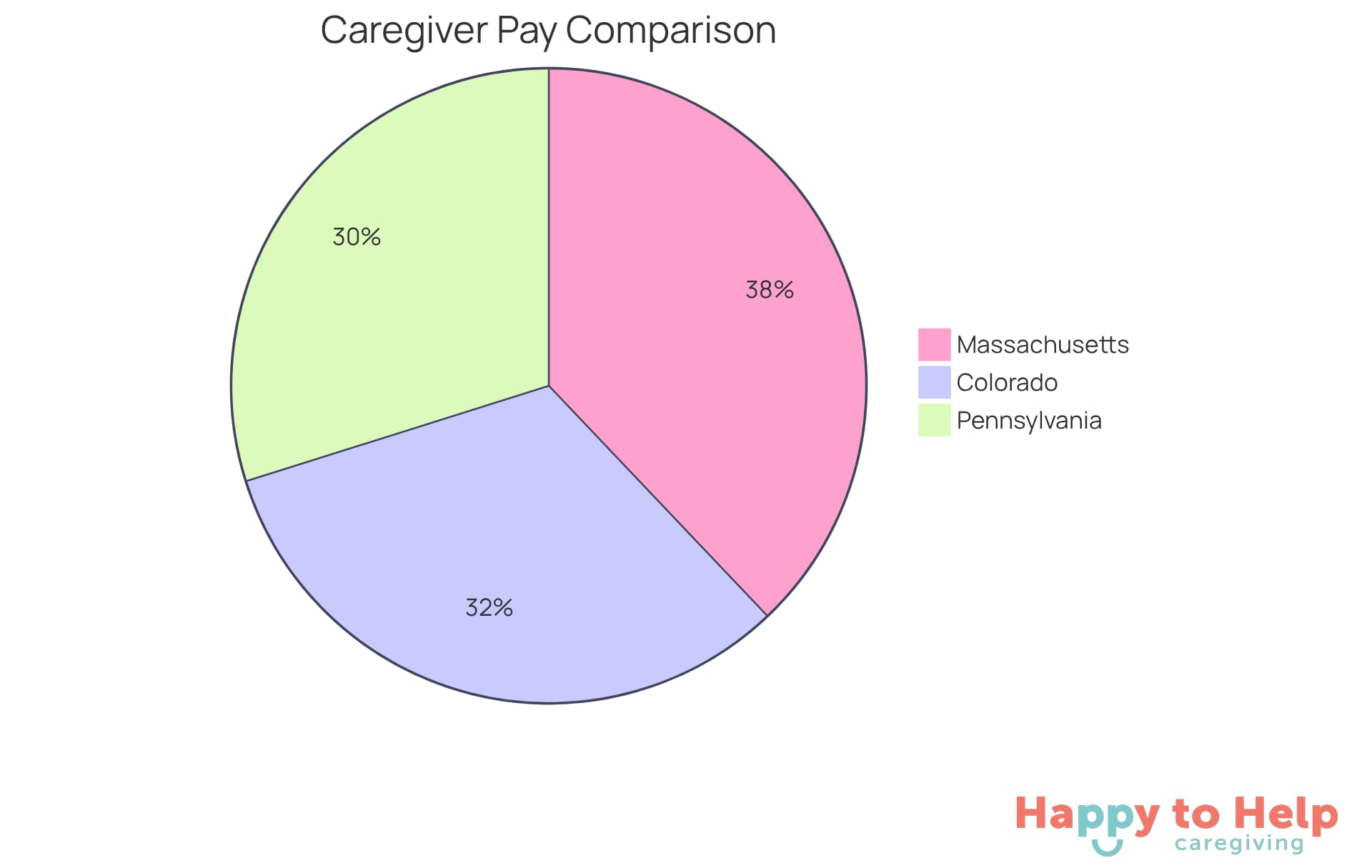
Caregivers face a significant challenge: low compensation. Many receive minimal benefits, which can lead to high turnover rates and dissatisfaction in the workforce. For instance, while states like Massachusetts have raised average support worker pay to $20 per hour in 2025, Colorado's average is $17 per hour and Pennsylvania's is $15.75 per hour. This disparity highlights the urgent need for competitive compensation packages that reflect the importance of caregiving work.
The implications of inadequate pay are profound. Caregivers who lack benefits such as health insurance, paid time off, and retirement plans often feel undervalued. This not only affects their job satisfaction but also the quality of care they provide. As Aurelia Glass points out, there is a mismatch between the significance of caregiving and the compensation these workers receive. Studies indicate that caregivers with access to benefits report higher job satisfaction, which translates into better service for clients.
To address this issue, families should thoroughly evaluate the entire compensation package, specifically the hourly rate for elderly sitters, when hiring attendants. Individuals who feel appreciated and supported are more likely to deliver exceptional care. Investing in comprehensive compensation packages is crucial as the demand for direct support staff continues to rise. By ensuring that caregivers are well-compensated, we can maintain quality providers and guarantee consistent, compassionate assistance for those in need.
Caregiver-Client Ratios: Their Effect on Hourly Pay Rates
Problem: Caregiver-client ratios significantly impact hourly compensation for support workers. When providers manage fewer clients, they can offer more personalized attention, which often leads to higher pay.
Agitate: Conversely, when caregiver-client ratios increase, support workers may find themselves stretched thin, managing numerous clients. This can lead to a lower hourly rate for elderly sitters and potentially diminished quality of care. Families must recognize that these ratios directly influence the level of support their loved ones receive.
Solution: To ensure quality care, families should carefully evaluate caregiver-client ratios when selecting services. Choosing providers with lower ratios can lead to better support and an increased hourly rate for elderly sitters, ultimately benefiting everyone involved.

Client Feedback: The Role of Reviews in Determining Caregiver Rates
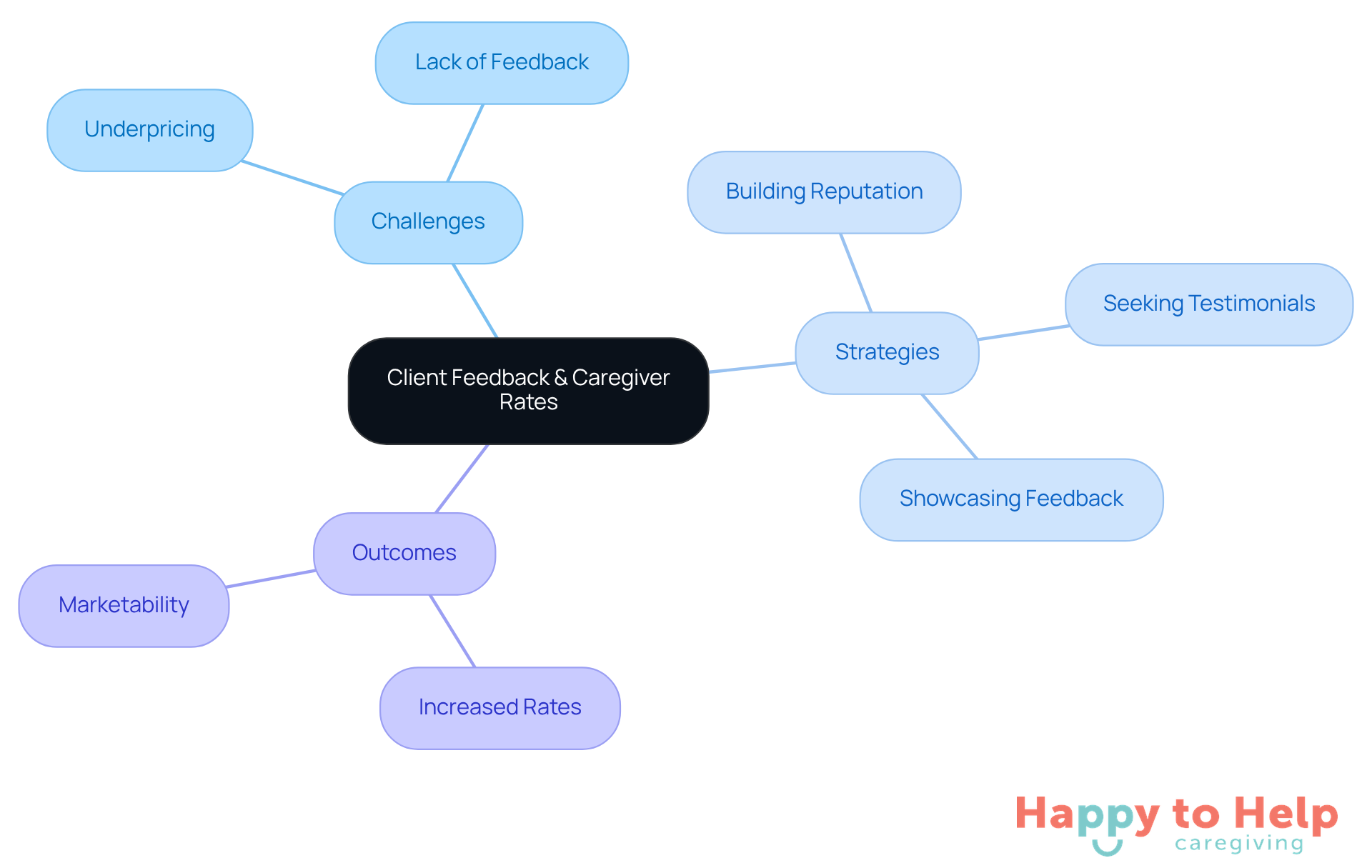
Caregivers often face the challenge of underpricing their services, which can stem from a lack of client feedback. Without favorable evaluations, they may miss out on opportunities to increase their hourly fees. This is particularly relevant as many content clients are willing to pay more for quality assistance.
To address this issue, caregivers should focus on building a strong reputation for reliability and compassion. Those who do so can command a premium hourly rate for elderly sitters, reflecting their proven track record in providing exceptional care. Families looking for caregivers should prioritize client testimonials and ratings, as these insights offer valuable information about the quality of care provided.
By actively seeking and showcasing positive feedback, caregivers can enhance their marketability and ensure they receive a fair hourly rate for elderly sitters reflecting their expertise.
Making the Right Choice
Understanding the factors that influence hourly rates for elderly sitters is crucial for families seeking quality care for their loved ones. The problem lies in the interplay of personalized services, regional variations, caregiver experience, and the type of care provided, all of which contribute to the financial landscape of caregiving. Families must navigate these complexities to find the right balance between cost and care quality.
Personalized care often comes at a premium due to the specialized skills required. Geographic location can significantly affect pricing, and experienced caregivers tend to command higher rates, reflecting their valuable expertise. The type of care-whether basic companionship or specialized medical assistance-can lead to substantial differences in hourly fees. Additionally, factors such as certifications, market demand, and the choice between agency versus private caregivers further complicate the decision-making process.
To address these challenges, families are encouraged to conduct thorough research and weigh their options carefully. By understanding the nuances of caregiver compensation, they can make informed decisions that meet their financial constraints while ensuring their loved ones receive the compassionate and effective care they deserve. Prioritizing quality care is not just a financial investment; it is a commitment to the well-being and dignity of those who have given so much throughout their lives.
https://iframe.tely.ai/cta/eyJhcnRpY2xlX2lkIjogIjY5MjNhMGIwMWRmODM1M2QyMjg0NTk1NCIsICJjb21wYW55X2lkIjogIjY4ZWU1ZGNhNzMxNzYyNTU3ZjNjOTVjMSIsICJpbmRleCI6IG51bGwsICJ0eXBlIjogImFydGljbGUifQ==Frequently Asked Questions
What types of personalized care services does Happy to Help Caregiving provide?
Happy to Help Caregiving offers a range of personalized support services, including companionship, post-hospital recovery assistance, respite support, and palliative care.
Why do personalized care services often come with higher costs?
Personalized care services often require more skilled professionals who can adapt to unique requirements, leading to increased hourly fees for families.
How do hourly rates for elderly sitters vary by region?
Hourly rates for elderly sitters vary significantly based on geographic area, with urban regions typically charging between $30 and $50 per hour, while rural areas charge between $15 and $25 per hour due to differences in living expenses and demand for services.
What factors can influence the hourly rates for elderly sitters?
Factors influencing hourly rates include geographic location, the caregiver’s level of training and experience, and the local economic conditions.
How does a caregiver's experience level affect their hourly pay?
Entry-level caregivers may earn around $15 per hour, while those with several years of experience can earn between $20 and $30 or more, reflecting their specialized skills and expertise.
What should families consider when selecting caregiving services?
Families should research and compare services for transparent pricing, ask about caregivers' qualifications, and explore flexible options in care plans to manage costs while ensuring quality support.
What is the average hourly rate for elderly sitters across the state?
The average hourly rate for elderly sitters across the state generally ranges from $32 to $40, with specific locations like Los Angeles averaging about $40 per hour.
Why is it important for families to understand local market dynamics in caregiving?
Understanding local market dynamics helps families make informed decisions about in-home assistance, ensuring they receive appropriate care for their loved ones while considering financial implications.
List of Sources
- Happy to Help Caregiving: Personalized Care Services Impacting Hourly Rates
- Inflation Hits Home Care, Increasing Pressure on Older Adults and Family Caregivers (https://blog.aarp.org/thinking-policy/inflation-hits-home-care-increasing-pressure-older-adults-family-caregivers)
- Customized Care at Home: The Benefits of Personalized Care Plans - VNA Health Group (https://vnahg.org/customized-care-at-home-the-benefits-of-personalized-care-plans)
- The Cost of Dignity: A Guide to In-Home Care Costs and Happier Aging in 2025 | Nurse Next Door (https://nursenextdoor.com/blog/how-much-does-senior-home-care-cost)
- At Home Care Pricing: Essential Industry Statistics for 2025 - Assisting Hands Rockford (https://assistinghands.com/100/illinois/rockford/blog/at-home-care-pricing-essential-industry-statistics-for-2025)
- How Much Do In-Home Caregivers Cost? - WTOP News (https://wtop.com/news/2025/11/how-much-do-in-home-caregivers-cost)
- Regional Variations: How Location Affects Elderly Sitter Rates
- State-by-State Caregiver Wage Comparison: What States Pay Caregivers the Most? (https://humancareny.com/blog/what-states-pay-caregivers-the-most)
- Home Care Costs in 2025: A State-by-State Guide (https://aplaceformom.com/caregiver-resources/articles/in-home-care-costs)
- Long-term care: Why your location really matters (https://reuters.com/article/markets/wealth/long-term-care-why-your-location-really-matters-idUSBREA3G1OA)
- Cost of In-Home Care in California (2025) + 11 Ways to Pay (https://lovinghomecareinc.com/blog/cost-of-in-home-care-california)
- Cost of Long Term Care by State | Cost of Care Report | Carescout (https://carescout.com/cost-of-care)
- Experience Level: The Role of Caregiver Expertise in Hourly Pay
- New Report Reveals U.S. Family Caregivers Perform Equivalent of a Staggering $873.5 Billion Worth of Labor, Would Surpass Revenue of Top Global Companies | Otsuka US (https://otsuka-us.com/news/new-report-reveals-us-family-caregivers-perform-equivalent-staggering-8735-billion-worth-labor)
- The Impact of Caregiver Hourly Rates on Retention (https://axiscare.com/blog/rising-caregiver-wages)
- How Much Do Private Caregivers Make & What to Expect | TBest Services (https://tbestservices.com/blog/job-responsibilities/how-much-do-private-caregivers-make-what-to-expect)
- Assisted living caregiver wage increases lessen, staff turnover declines (https://mcknightsseniorliving.com/news/assisted-living-caregiver-wage-increases-lessen-staff-turnover-declines)
- How Much Do Caregivers Make in 2025? | The Senior List (https://theseniorlist.com/caregiving/caregiver-pay)
- Type of Care: How Specific Services Influence Hourly Rates
- Cost Of Home-Based Care Services Spiked In 2024 (https://homehealthcarenews.com/2025/03/cost-of-home-based-care-services-spiked-in-2024)
- Home Care Costs in 2025: A State-by-State Guide (https://aplaceformom.com/caregiver-resources/articles/in-home-care-costs)
- What Is Senior Home Care: Services, Costs and Tips for Aging in Place (https://health.usnews.com/senior-care/articles/senior-home-care-aging-in-place)
- Cost of In-Home Care in California (2025) + 11 Ways to Pay (https://lovinghomecareinc.com/blog/cost-of-in-home-care-california)
- Inflation Hits Home Care, Increasing Pressure on Older Adults and Family Caregivers (https://blog.aarp.org/thinking-policy/inflation-hits-home-care-increasing-pressure-older-adults-family-caregivers)
- Certifications and Training: Their Impact on Caregiver Pay Rates
- Certified Assisted Living Caregiver Hourly Rate | PayScale (https://payscale.com/research/US/Certification=Certified\_Assisted\_Living\_Caregiver/Hourly\_Rate)
- Assisted living caregiver wage increases lessen, staff turnover declines (https://mcknightsseniorliving.com/news/assisted-living-caregiver-wage-increases-lessen-staff-turnover-declines)
- How Much Do Private Caregivers Make & What to Expect | TBest Services (https://tbestservices.com/blog/job-responsibilities/how-much-do-private-caregivers-make-what-to-expect)
- Caregiver Certification: Is It Worth My Time & Money? (https://trualta.com/resources/blog/caregiver-certification-is-it-worth-my-time-money)
- New Research Highlights Critical Role of Training in Caregiver Retention (https://careacademy.com/blog/role-of-training-in-caregiver-retention)
- Market Demand: The Influence of Caregiver Availability on Rates
- The senior population is booming. Caregiving is struggling to keep up (https://cnbc.com/2025/11/21/senior-caregiving-labor.html)
- A New Labor Rule Could Push Caregivers to the Breaking Point | ACLU (https://aclu.org/news/womens-rights/a-new-labor-rule-could-push-caregivers-to-the-breaking-point)
- 13 Home Care Trends To Watch For in 2024 (And Thoughts From 11 Experts) | CareAcademy (https://careacademy.com/blog/home-care-trends)
- Caregiving Crisis: 45% Increase in Americans Providing Care (https://aarp.org/caregiving/basics/caregiving-in-us-survey-2025)
- Tension Between Demand Growth, Rate Pressure Shape At-Home Care Playbooks (https://homehealthcarenews.com/2025/08/tension-between-demand-growth-rate-pressure-shapes-at-home-care-playbooks)
- Agency vs. Private Caregivers: How Employment Type Affects Pay
- Independent Home Care vs. Home Care Agency (https://aplaceformom.com/caregiver-resources/articles/hiring-private-caregivers)
- Private Home Care Costs vs. Agency Care: Making an Informed Decision | CareYaya (https://careyaya.org/resources/blog/private-home-care-costs-vs-agency-care-making-an-informed-decision)
- Independent Private Caregiver vs. Home Care Agency: Which Is More Cost-Effective for Families? (https://clarahomecare.com/articles/independent-private-caregiver-vs-home-care-agency-which-is-more-cost-effective-for-families)
- Which is Better: An Independent Caregiver or Home Care Agency? | myLifeSite (https://mylifesite.net/blog/post/independent-caregiver-home-care-agency)
- Benefits and Perks: How Additional Compensation Influences Hourly Rates
- CaringBridge (https://caringbridge.org/resources/inspirational-quotes-on-caregiving)
- Paid caregivers’ contributions often undervalued, expert panel says (https://mcknightsseniorliving.com/news/paid-caregivers-contributions-often-undervalued-expert-panel-says)
- Which States Increased Caregiver Hourly Rates in 2025? — Paid.Care (https://paid.care/guides/which-states-increased-caregiver-hourly-rates-in-2025)
- Top 10 inspirational quotes for the homecare industry | Nursebuddy (https://nursebuddy.co/blog/top-10-inspirational-quotes-for-the-home-care-industry)
- Direct Care Worker Pay and Benefits Are Low Despite High Demand for Services (https://americanprogress.org/article/direct-care-worker-pay-and-benefits-are-low-despite-high-demand-for-services)
- Caregiver-Client Ratios: Their Effect on Hourly Pay Rates
- 20 Caregiver Quotes for Inspiration - Home Helpers Bradenton (https://homehelpershomecare.com/bradenton/community-blog/2017/june/20-inspirational-caregiver-quotes)
- 20 Caregiver Quotes That Will Inspire You - MD Home Health (https://mdhomehealth.com/2018/06/10/20-caregiver-quotes-that-will-inspire-you)
- The Impact of Caregiver Hourly Rates on Retention (https://axiscare.com/blog/rising-caregiver-wages)
- CaringBridge (https://caringbridge.org/resources/inspirational-quotes-on-caregiving)
- Here's the average monthly in-home caregiver salary by state (https://care.com/c/average-in-home-caregiver-salary-by-state)
- Client Feedback: The Role of Reviews in Determining Caregiver Rates
- Why Skill-Based Billing Is Growing In Home Care – And Why Some Say No (https://homehealthcarenews.com/2025/09/why-skill-based-billing-is-growing-in-home-care-and-why-some-say-no)
- Caregiver Statistics: Work and Caregiving (https://caregiver.org/resource/caregiver-statistics-work-and-caregiving)
- Nationwide Caregiver Shortage | Best & Worst States Ranked (https://asbestos.com/support/caregivers/shortage-by-state)
- 10 Must-Know U.S. Home Care Industry Stats for 2025 - North American Community Hub (https://nchstats.com/us-home-care-industry-stats)
- Using the 7 Caregiver Personas to Develop More Effective Recruitment and Retention Strategies in Home Care | Aaniie, formerly Smartcare Software (https://aaniie.com/news/caregiver-personas-to-develop-effective-recruitment-and-retention-strategies-in-home-care)