

For families in our service areas
For families in our service areas, this guide explains respite care and how non-medical in-home caregiving can support care planning in East Idaho, Treasure Valley & Magic Valley, Northern Wasatch, North Central West Virginia, and Northeast Ohio.
What to Expect
Caring for a loved one can be incredibly rewarding, but it often comes with its own set of emotional challenges. Families seeking respite care frequently feel overwhelmed by the stress and burnout that can accompany caregiving. Understanding the various factors that influence the daily cost of respite care is essential for making informed decisions that ease this burden.
Several elements play a role in determining these costs:
- Geographic location
- Type of care
- Caregiver qualifications
- Duration of service
- Funding sources
- Individual needs
- Community resources
- Seasonal demand
- Service customization
All contribute to pricing variations. For instance, families may find that costs differ significantly based on where they live or the level of specialized care required.
It’s important to recognize how these dynamics can impact your financial decisions regarding respite care. By understanding these factors, families can better navigate their options and find the support they need. Remember, you’re not alone in this journey. Many resources and compassionate caregivers are available to help lighten your load and provide the care your loved one deserves.
What You Need to Know About 10 Factors Influencing Respite Care
Navigating the complexities of respite care costs can feel overwhelming, especially for families in need of temporary support for their loved ones. With the average daily expense expected to reach around $214 in 2025, various factors—like geographic location, type of care, and individual needs—play a significant role in shaping these costs. As families face the emotional and financial weight of respite care, they often wonder: how can they find the right balance between quality support and budgetary constraints?
This article explores ten key factors that influence respite care pricing, offering insights designed to empower families in their caregiving journey. Together, we can uncover the options available, helping you make informed decisions that prioritize both care and compassion.
Happy to Help Caregiving: Personalized Respite Care Services
At Happy to Help Caregiving, we understand the emotional challenges that caregivers face. The stress and burnout can feel overwhelming, but we’re here to provide tailored support services that truly address the unique needs of every client. Our extensive offerings include:
- Companionship support
- Post-hospital recovery assistance
- Temporary relief services
- Palliative care
All designed to enhance the quality of life for seniors and individuals with special needs. By delivering compassionate support right in the comfort of their own homes, we help foster a sense of security and well-being.
We’re dedicated to being available around the clock, with flexible scheduling options that make it easy for families to access the right support solutions. In 2025, the average respite care cost per day is approximately $214, or $34 per hour, making it a practical choice for families seeking quality care. This personalized approach not only alleviates caregiver stress but also enriches the lives of those receiving assistance, allowing them to engage in meaningful activities while preserving their dignity.
Experts emphasize the significance of customized support, noting that it leads to improved emotional and physical wellness for both caregivers and clients. At Happy to Help Caregiving, we stand out by prioritizing empathy and open communication, ensuring that every support plan is thoughtfully tailored to meet individual preferences and needs.
We believe that everyone deserves compassionate care, and we’re here to provide it.
https://iframe.tely.ai/cta/eyJhcnRpY2xlX2lkIjogIjY5MDQwNjM4MTQxNzU4ZDkzMmJjMzFkMiIsICJjb21wYW55X2lkIjogIjY4ZWU1ZGNhNzMxNzYyNTU3ZjNjOTVjMSIsICJpbmRleCI6IDAsICJ0eXBlIjogImFydGljbGUifQ==Geographic Location: How Area Affects Respite Care Pricing
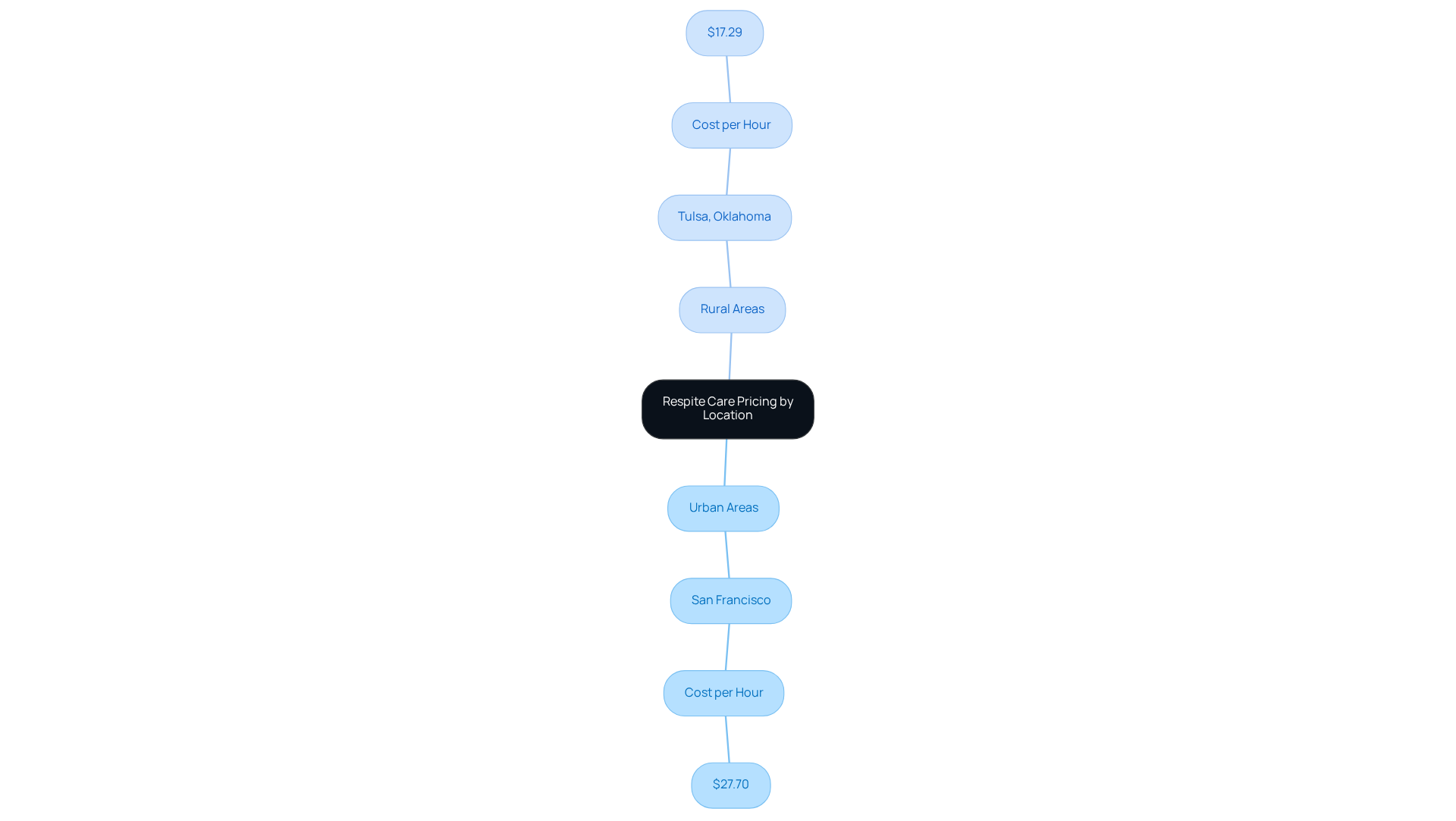
Navigating the respite care cost per day for services can be overwhelming, especially when you consider how much they can vary by location. Urban areas often see higher prices due to increased demand and living expenses. For example, families in bustling cities like San Francisco might find themselves paying around $27.70 per hour for in-home assistance. In contrast, those in more rural areas, such as Tulsa, Oklahoma, may only pay about $17.29 per hour.
It's important to recognize that the average respite care cost per day for assisted living facilities across the U.S. is around $200. This perspective can help families understand how temporary support expenses stack up against other options. As the costs of home support services continue to rise, many households face significant financial challenges when seeking respite assistance.
Understanding these regional differences is crucial for families, as it can greatly impact their overall budget and available support options. To make informed decisions, it's essential to research local rates, assess the level of assistance needed, and explore various funding options. This way, families can align their financial capabilities with their support requirements, ensuring they find the right help when they need it most.
Type of Care: Residential vs. In-Home Respite Services
Finding the right respite assistance can be a challenging journey for families. Whether in residential facilities or through in-home services, each option comes with its own set of emotional and practical considerations.
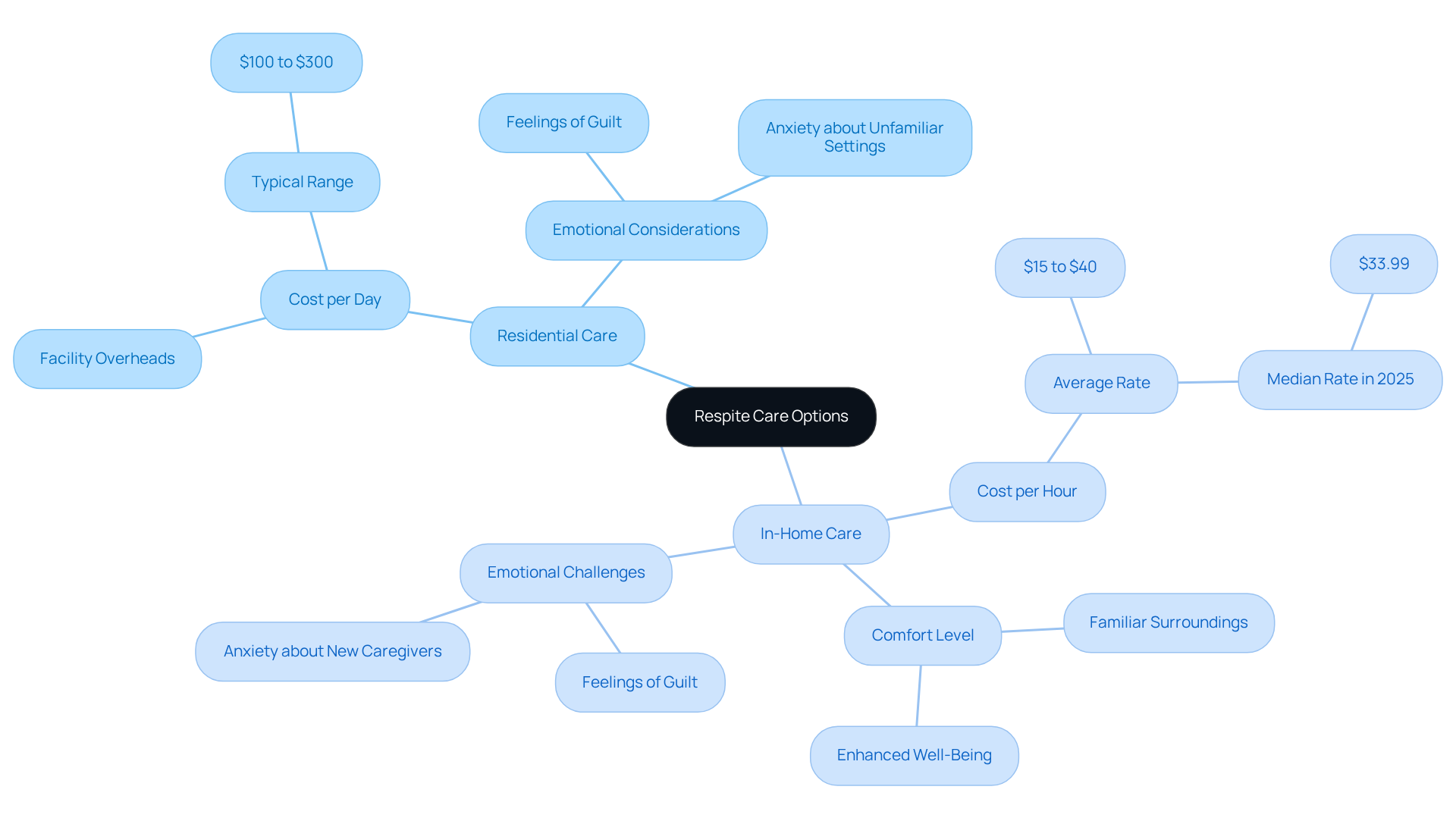
- Residential short-term assistance often has a higher respite care cost per day, typically ranging from $100 to $300, due to facility overheads and services.
- On the other hand, in-home support tends to be more budget-friendly, averaging between $15 and $40 per hour.
- In fact, the median hourly price for in-home homemaker services in 2025 is $33.99.
Families must weigh the pros and cons of each choice to determine what best meets their loved one's needs. It's important to recognize that in-home assistance not only offers financial advantages but also allows recipients to remain in familiar surroundings. This can significantly enhance their comfort and overall well-being.
However, it’s natural for caregivers and those receiving assistance to experience emotional challenges when utilizing temporary relief services. Feelings of guilt and anxiety about unfamiliar settings can arise, making the decision even more difficult.
As Dr. Lisa Rill wisely notes, "The level of support needs often dictate what service options are available for the individual." This highlights the importance of understanding these dynamics. Families should also be aware that the respite care cost per day can vary based on location, facility type, and the level of assistance required. These factors are crucial in making informed choices that truly reflect the needs of their loved ones.
Ultimately, it’s about finding the right balance that provides both care and comfort. Remember, you’re not alone in this journey. Many families face similar challenges, and there are compassionate professionals ready to help guide you through this process.
Caregiver Qualifications: The Role of Experience in Cost Determination
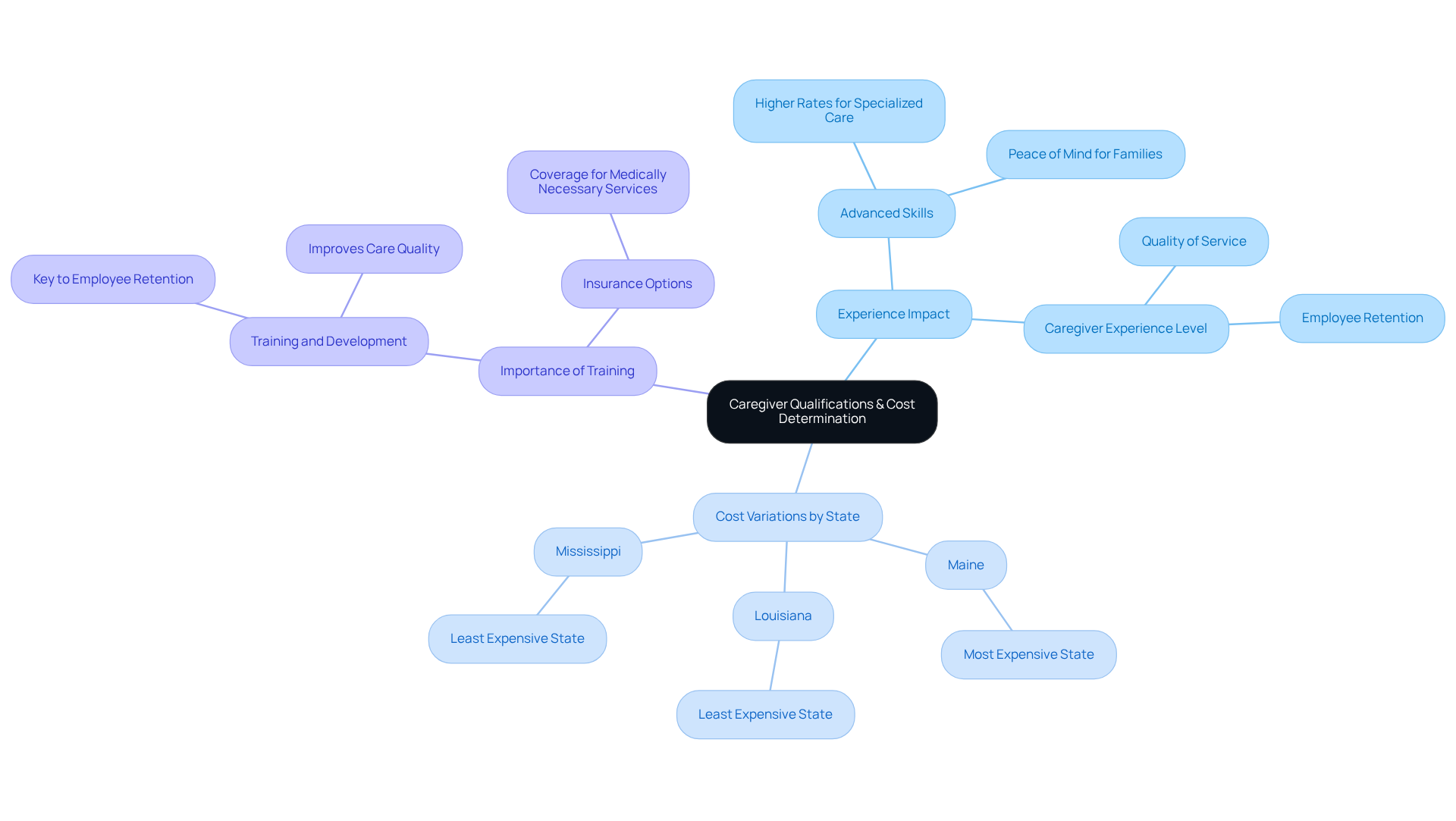
The qualifications and experience of caregivers play a vital role in determining the respite care cost per day. Families often feel overwhelmed by the choices they face, and it’s important to recognize that providers with specialized training or certifications typically have a higher respite care cost per day. This reflects their ability to effectively manage complex support needs. For instance, in 2025, the national median expense for nonmedical in-home assistance is expected to be $33 per hour. Specialized caregivers usually demand higher rates due to their advanced skills, which can bring peace of mind to families.
It’s essential to understand that Maine stands out as the most expensive state for home assistance, while Louisiana and Mississippi offer the least expensive options. This disparity is something families should consider when evaluating their support alternatives. The experience level of caregivers significantly impacts the respite care cost per day. Investing in qualified professionals not only enhances the quality of service but also fosters a sense of security for families.
Research indicates that over 40% of home support agencies view training and development as key to improving employee retention. This directly impacts the quality of assistance provided. Families can feel reassured knowing that caregivers with greater experience and training are likely to offer superior support, thereby justifying the respite care cost per day associated with their services.
Additionally, it’s wise for families to explore potential insurance options for medically necessary services, as this can significantly affect overall treatment costs. Remember, you’re not alone in this journey; seeking the right support can make all the difference.
Duration of Care: How Length of Service Influences Pricing
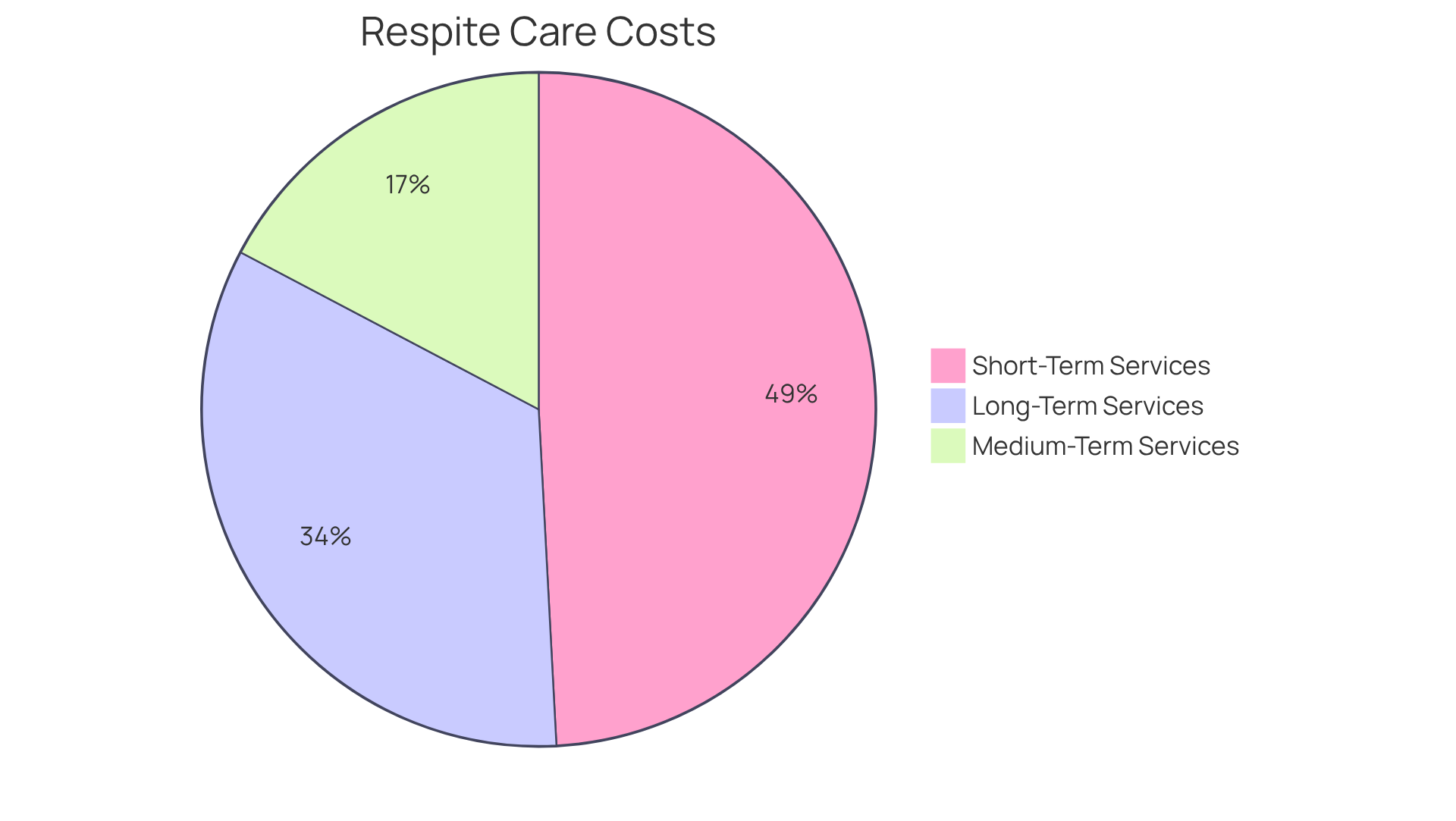
The length of temporary support can really affect how much it costs. Short-term services, like just a few hours or a single day, usually have a different price tag compared to the respite care cost per day for longer-term arrangements. Families often notice that the respite care cost per day tends to drop when they opt for longer stays, making extended respite a more budget-friendly choice.
In 2025, the estimated median expense for adult day health services is projected to be $103 per day. This figure highlights the financial implications of how long support is needed. It’s important to recognize that expenses can vary quite a bit depending on where you live, with prices ranging from $293 in Oregon to just $36 in Delaware. Understanding this pricing trend can lead to significant savings for households preparing for support needs.
Financial advisors often recommend looking at both short-term and long-term options to budget wisely. This way, families can secure the essential support they need without breaking the bank. As Sandy Markwood, CEO of USAging, beautifully puts it, "Support for caregivers and relief enables them to feel more rejuvenated, offer more attentive assistance, and ultimately sustain their roles for a longer period."
By taking a closer look at how the duration of support impacts the respite care cost per day, families can make informed choices that align with their financial resources and caregiving needs. Remember, you’re not alone in this journey, and there are options available to help lighten the load.
Funding Sources: Impact of Insurance and Subsidies on Costs
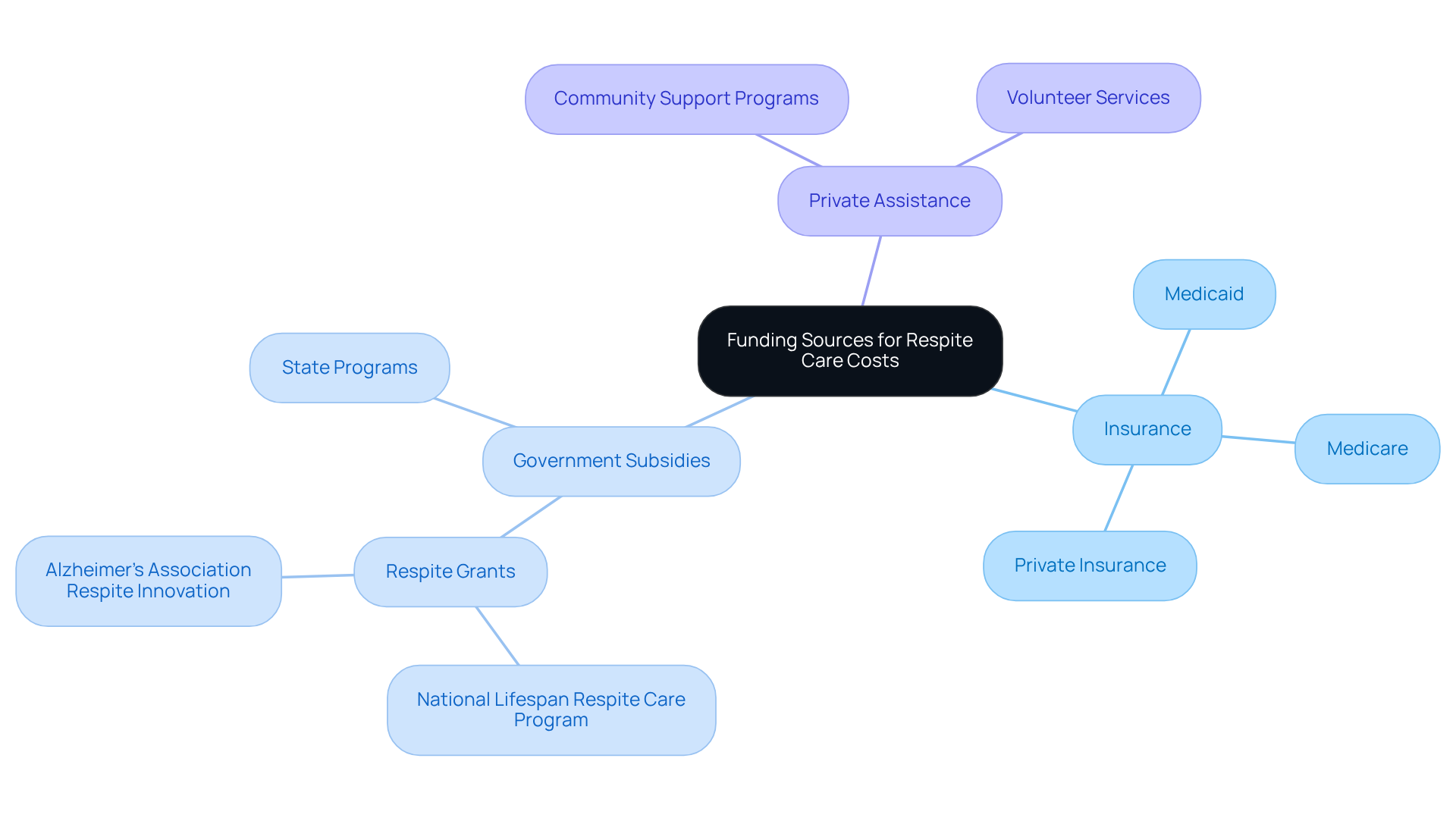
For many families, navigating the respite care cost per day of temporary support can be overwhelming. It’s important to recognize that funding sources, like insurance and government subsidies, can significantly impact the respite care cost per day. While numerous households manage these costs on their own, some may qualify for assistance through Medicaid, Medicare, or private insurance options.
Understanding the coverage choices available can be a lifeline for families, helping them better manage the financial landscape of temporary assistance, particularly regarding the respite care cost per day. This knowledge can potentially ease the burden of out-of-pocket expenses, allowing families to focus on what truly matters—the well-being of their loved ones.
Remember, you’re not alone in this journey. There are resources and support systems in place to help you navigate these challenges. By exploring your options, you can find the assistance you need to lighten the load.
Individual Needs: How Special Requirements Affect Respite Care Pricing
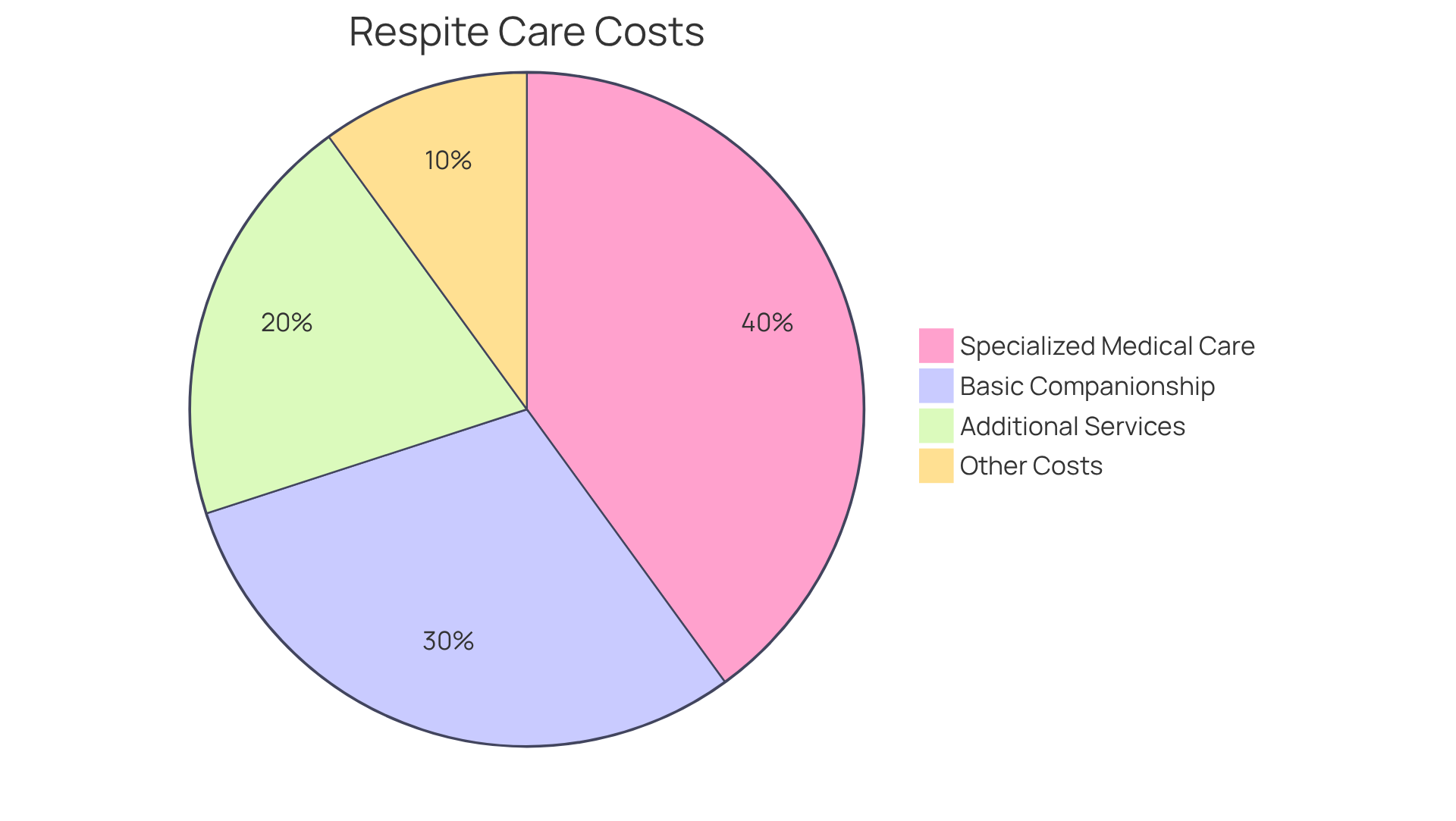
The specific needs of those receiving assistance can significantly influence the respite care cost per day for the services provided. Families often feel overwhelmed when navigating these decisions, especially when their loved ones require specialized medical support or have complex conditions. This can lead to higher costs, as additional resources and skilled caregivers are necessary to provide the best care.
In-home assistance in Atlanta typically offers a more tailored approach, with rates ranging from $25 to $40 per hour, depending on the expertise required. It’s essential for families to thoughtfully consider their loved one's unique needs, as this assessment is crucial for budgeting appropriately for the required level of support and understanding the respite care cost per day.
The type of assistance needed—whether it’s basic companionship or specialized medical care—can also lead to significant variations in respite care cost per day. Generally, the respite care cost per day for basic companionship services is more affordable than that of services requiring medical expertise, which can greatly increase overall expenses.
Families should also keep in mind that temporary support might be covered by programs like Medicaid or long-term insurance, which can help lessen out-of-pocket costs. Engaging in conversations with caregiving experts can provide valuable insights into budgeting for specialized assistance. Obtaining detailed estimates from providers is vital to understand what contributes to the respite care cost per day.
Additionally, families should be aware that extra services, such as meal preparation or transportation, may incur additional costs, further impacting the overall financial implications of temporary support. Remember, you’re not alone in this journey; seeking help is a sign of strength, and there are compassionate resources available to support you and your loved ones.
Local Resources: The Influence of Community Support on Pricing
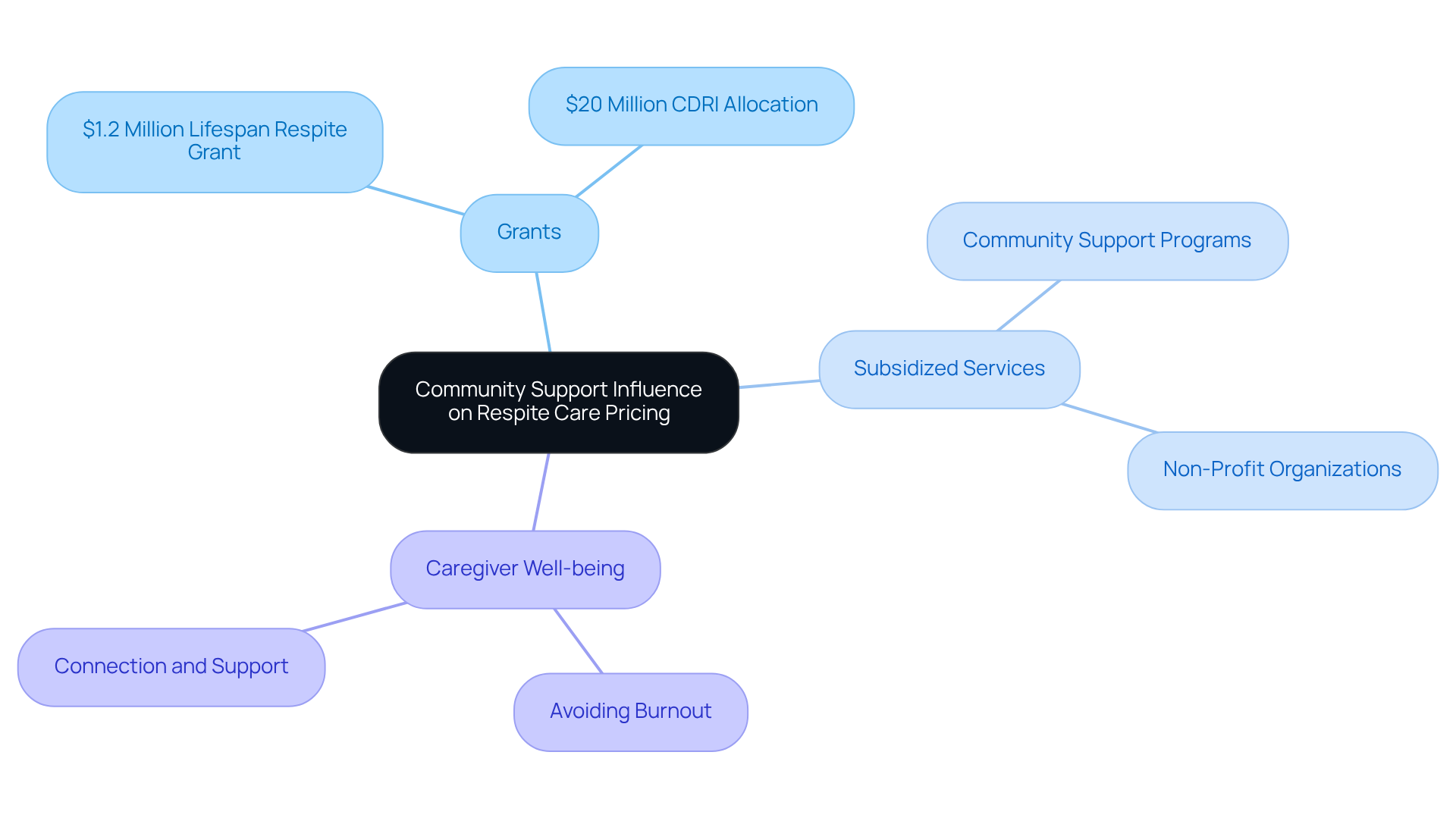
Local resources, including community support programs and non-profit organizations, are vital in shaping the respite care cost per day for temporary care. Many communities offer grants and subsidized services aimed at assisting families in need, which can significantly ease financial burdens. For instance, New Mexico recently received a $1.2 million national Lifespan Respite Grant to enhance access to relief services. This funding underscores the importance of community support in aiding caregivers.
Moreover, the Center for Dementia Respite Innovation (CDRI) plans to allocate $20 million in competitive grants over five years to local relief service providers. This further highlights how community initiatives can influence funding for these essential services. By tapping into these resources, families can discover additional support options that make temporary assistance more affordable and accessible.
Community leaders stress that these programs not only provide financial aid but also cultivate a sense of connection and support among caregivers, ultimately enhancing their well-being. As Sam Fazio, Ph.D., notes, "These grants focus on establishing dementia-specific relief programs that provide caregivers with a break, while ensuring the individual living with dementia receives high-quality support in a secure, nurturing setting."
Engaging with these resources can empower families to navigate the complexities of temporary assistance costs, including the respite care cost per day, while ensuring their loved ones receive the necessary support. It's a journey that, while challenging, can be made easier with the right community backing.
Seasonal Demand: How Time of Year Impacts Respite Care Costs
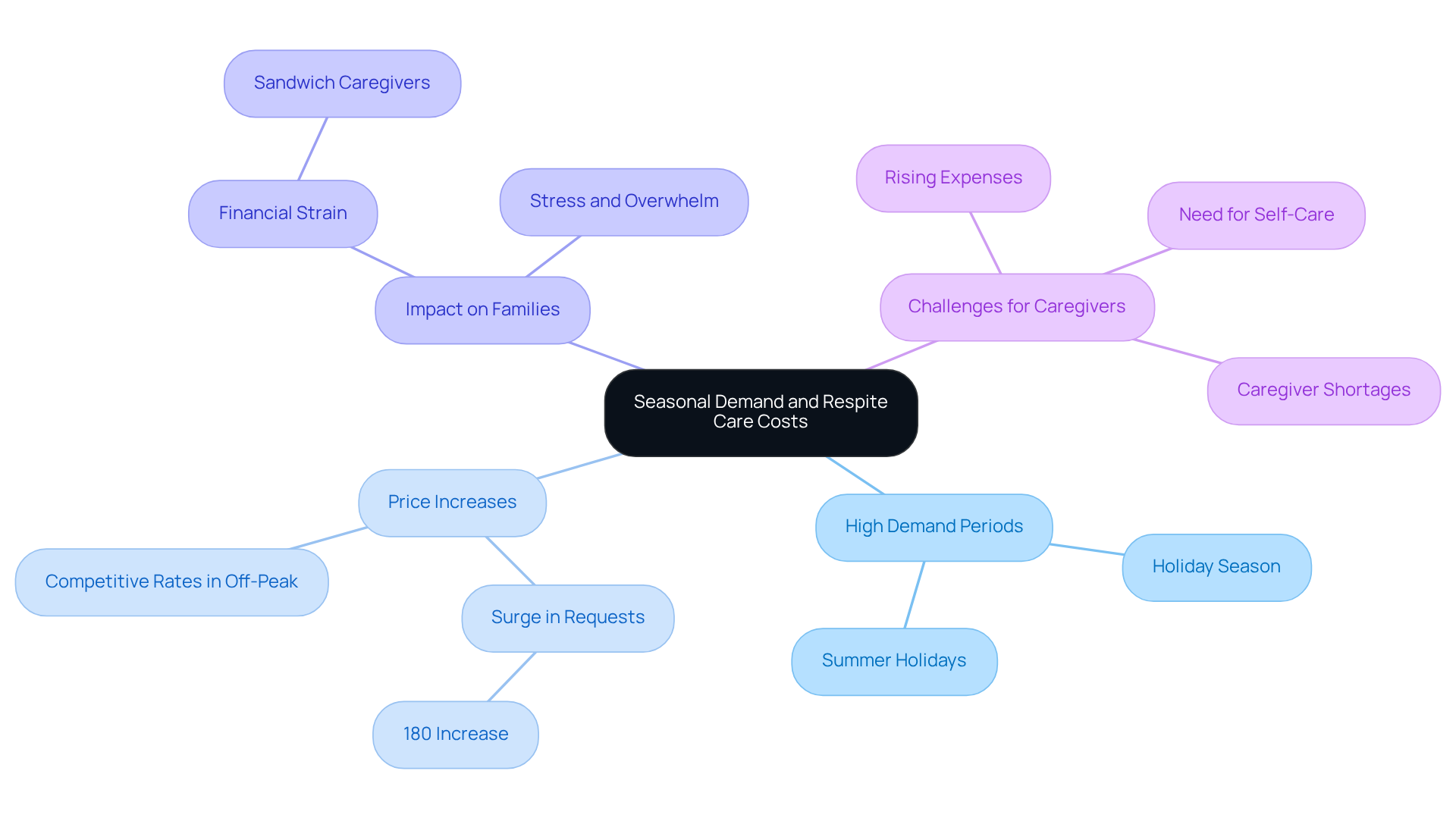
Seasonal changes in demand can really impact the pricing for temporary assistance, and it’s important to recognize how this affects families. During busy times, like the holidays and summer months, many households find themselves in need of extra help. This surge in demand often leads to higher prices. For instance, requests for temporary assistance can skyrocket by as much as 180% as families prepare for summer activities, which can significantly strain their budgets.
This increase can be particularly tough on sandwich caregivers, who juggle multiple responsibilities during these hectic periods. It’s understandable to feel overwhelmed when trying to manage everything at once. On the flip side, during off-peak times, providers may offer more competitive rates to attract clients, which can be a relief for families looking to save.
Being aware of these seasonal trends is crucial when budgeting for relief services. By planning around peak periods, families can optimize their costs and reduce financial stress. Industry experts emphasize the importance of understanding these pricing trends, especially as more families prefer aging-in-place support and as advancements in home assistance technology continue to evolve.
However, challenges like caregiver shortages and rising expenses add complexity to the pricing landscape. It’s essential for families to navigate these dynamics thoughtfully. Remember, you’re not alone in this journey; there are compassionate services available to support you through these busy times.
Service Customization: The Cost Implications of Tailored Respite Care Plans
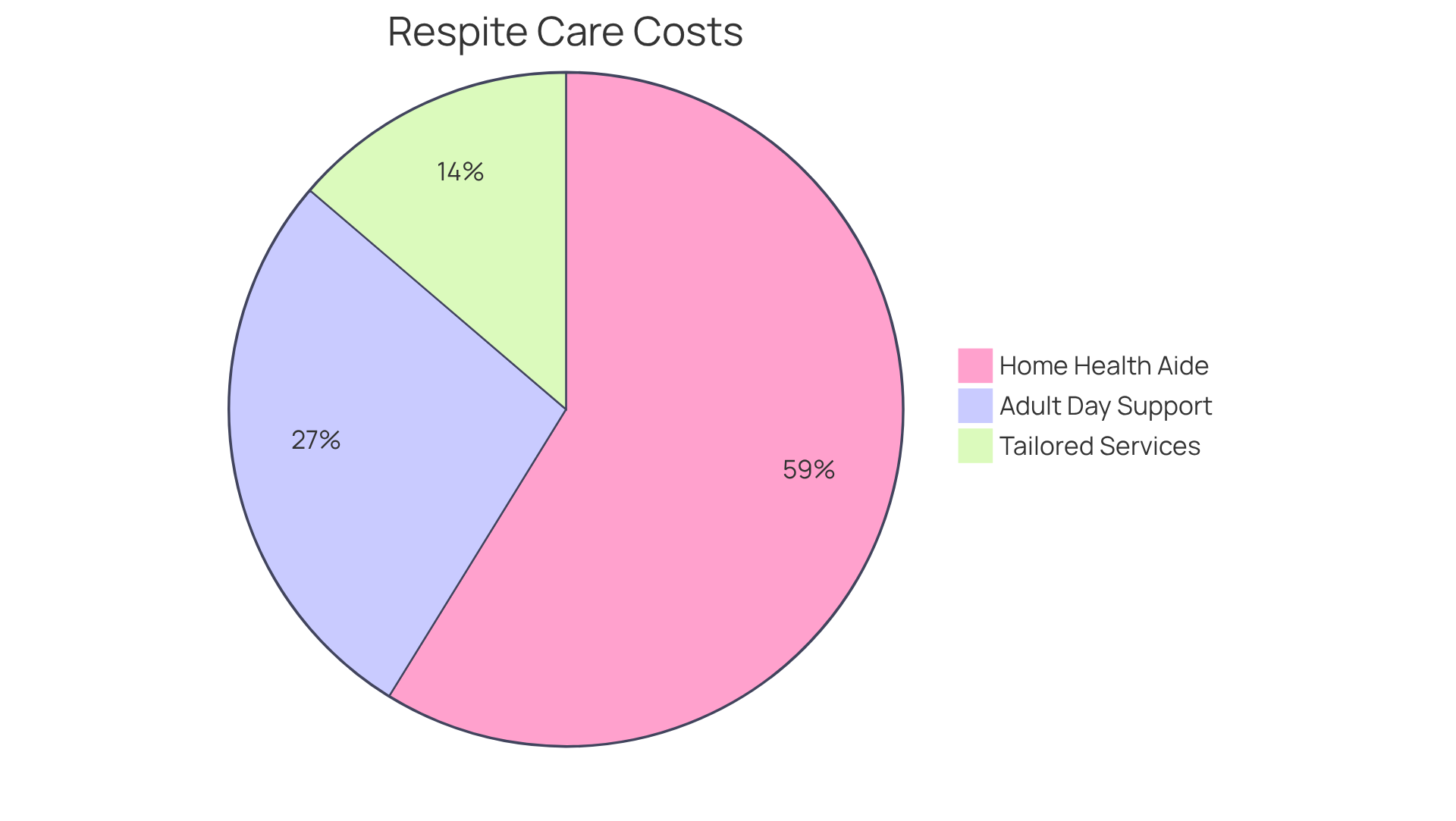
Customized respite support plans can significantly impact total expenses, and it’s essential to consider how they can ease the burden on caregivers. Tailoring these plans might involve specific caregiver qualifications, specialized services, or unique scheduling needs, all of which can affect pricing. For instance, the average daily rate for adult day support services hovers around $100, while home health aides typically charge about $34 per hour, adding up to roughly $214 for a full day.
While personalized support often comes at a premium, it frequently leads to better outcomes for clients. This includes enhanced emotional well-being and a reduction in caregiver burnout. Specialists emphasize that personalized support not only meets the unique needs of individuals but also fosters a more supportive environment, benefiting both providers and those receiving care. Sandy Markwood, CEO of USAging, beautifully captures this sentiment: "When a caregiver has a chance to take a breather, it’s renewing on both sides."
Families should thoughtfully weigh the benefits of personalized temporary care against the respite care cost per day to determine the best approach for their loved ones. Additionally, exploring financial options can be helpful. Families might look into:
- Medicaid state waivers
- Respite vouchers through programs like the Lifespan Respite Program
- Private funding from organizations such as Hilarity for Charity and the National Multiple Sclerosis Society
It’s wise for families to reach out to their state's Medicaid office for more information on available funding options.
Making the Right Choice
Understanding the many factors that influence respite care costs is crucial for families looking for support for their loved ones. It’s important to recognize that costs can vary widely based on:
- Where you live
- The type of care needed
- The qualifications of caregivers
- How long services are required
- The unique needs of each individual
These elements together shape the financial landscape, making it essential for families to navigate this complexity to find the best care solutions.
In urban areas, families often face higher prices due to increased demand. On the other hand, in-home services usually present a more budget-friendly option compared to residential facilities. The experience and qualifications of caregivers significantly impact costs, with specialized services often commanding higher rates. Additionally, funding sources like insurance and community resources can help ease financial burdens, while seasonal demand can affect pricing, especially during peak times.
Ultimately, families are encouraged to take a proactive approach in exploring their options. By understanding the factors that influence respite care pricing and utilizing available resources, they can make informed choices that not only align with their financial capabilities but also ensure their loved ones receive the compassionate care they deserve. Seeking support is a vital step in this journey. With the right information and resources, families can find the relief they need during challenging times.
https://iframe.tely.ai/cta/eyJhcnRpY2xlX2lkIjogIjY5MDQwNjM4MTQxNzU4ZDkzMmJjMzFkMiIsICJjb21wYW55X2lkIjogIjY4ZWU1ZGNhNzMxNzYyNTU3ZjNjOTVjMSIsICJpbmRleCI6IG51bGwsICJ0eXBlIjogImFydGljbGUifQ==Frequently Asked Questions
What services does Happy to Help Caregiving offer?
Happy to Help Caregiving offers personalized respite care services including companionship support, post-hospital recovery assistance, temporary relief services, and palliative care, all designed to enhance the quality of life for seniors and individuals with special needs.
How does Happy to Help Caregiving support caregivers?
Happy to Help Caregiving provides tailored support services to alleviate caregiver stress and burnout, allowing caregivers to engage in meaningful activities while preserving the dignity of those receiving assistance.
What is the average cost of respite care in 2025?
The average respite care cost per day in 2025 is approximately $214, or $34 per hour.
How does geographic location affect respite care pricing?
Respite care pricing varies by location; urban areas typically have higher prices due to increased demand and living expenses. For example, in-home assistance in cities like San Francisco may cost around $27.70 per hour, while in rural areas like Tulsa, Oklahoma, it may be about $17.29 per hour.
What are the average costs associated with residential versus in-home respite services?
Residential short-term assistance typically costs between $100 and $300 per day, while in-home support averages between $15 and $40 per hour, with the median hourly price for in-home homemaker services in 2025 being $33.99.
What emotional challenges might families face when seeking respite care?
Families may experience feelings of guilt and anxiety when utilizing temporary relief services, particularly regarding unfamiliar settings or the decision to seek help.
What should families consider when choosing between residential and in-home respite care?
Families should weigh the pros and cons of each option, considering factors such as costs, the level of assistance needed, and the comfort of the recipient in familiar surroundings.
How can families make informed decisions about respite care?
Families should research local rates, assess their specific support needs, and explore various funding options to align their financial capabilities with the required assistance.