For families in our service areas
For families in our service areas, this guide explains caregiving and how non-medical in-home caregiving can support care planning in East Idaho, Treasure Valley & Magic Valley, Northern Wasatch, North Central West Virginia, and Northeast Ohio.
The Importance of 10 Groups
Social isolation presents a significant challenge for many seniors, often resulting in serious consequences for their mental and physical health. The statistics underscore a pressing need for meaningful connections among older adults. This article delves into ten dynamic groups and organizations that are committed to enhancing social engagement for seniors. These initiatives provide opportunities for older adults to forge friendships, participate in community activities, and reclaim their sense of belonging.
How can these efforts effectively address the loneliness epidemic and promote a vibrant social life for seniors?
Happy to Help Caregiving: Personalized In-Home Support for Social Engagement
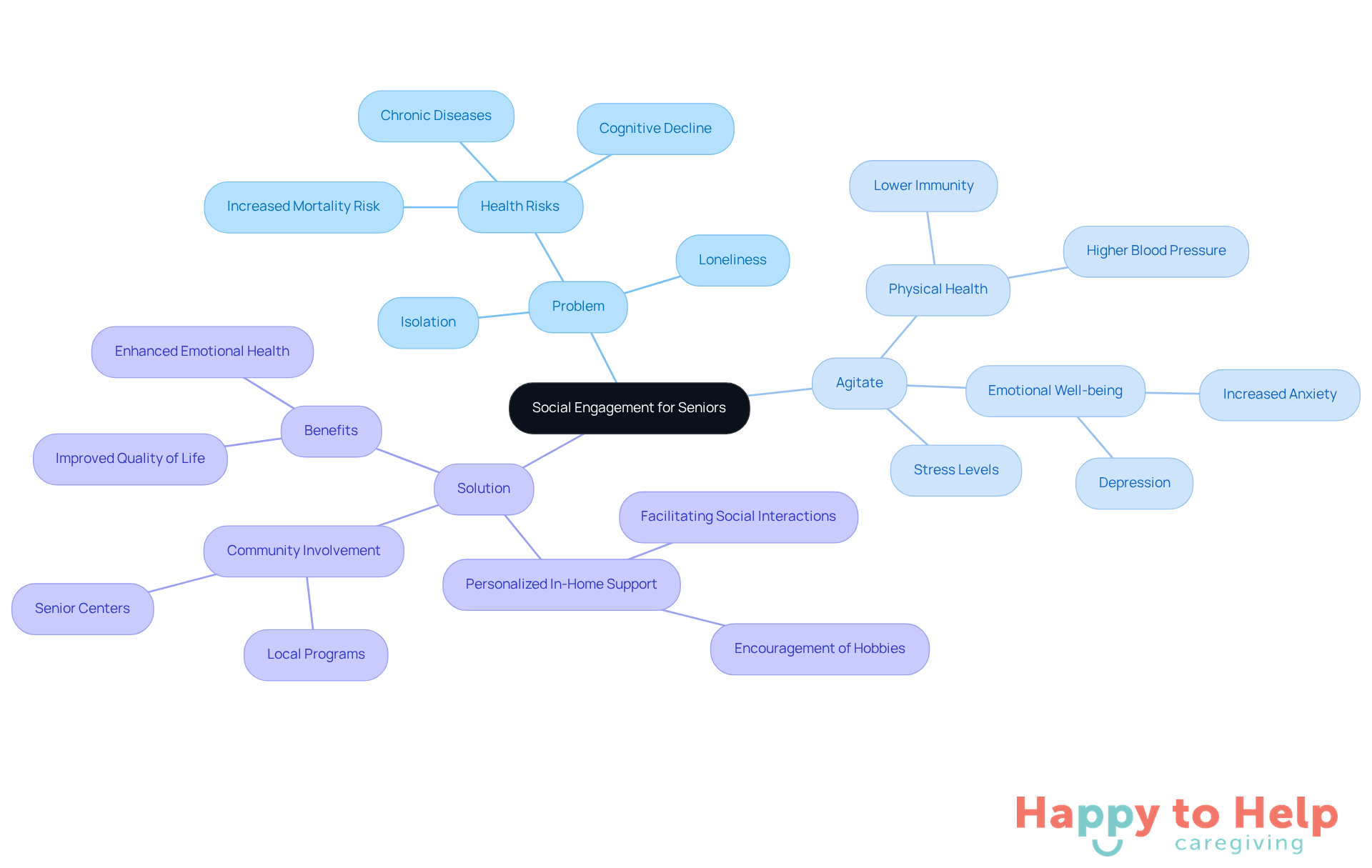
Problem: Isolation among seniors is a significant issue that can lead to serious health risks. Research from the Centers for Disease Control and Prevention shows that isolation increases the risk of premature death from all causes, comparable to the risks associated with smoking and obesity.
Agitate: Elderly individuals who lack social connections often experience feelings of loneliness, which can negatively impact their physical health, stress levels, and emotional well-being. This isolation can lead to serious health problems, making it crucial for caregivers to address these challenges.
Happy to Help Caregiving provides personalized in-home assistance that encourages community involvement among groups for seniors. Caregivers are specifically trained to motivate clients to engage in activities they enjoy, such as hobbies, games, or meaningful conversations. This tailored approach not only alleviates loneliness but also fosters a sense of community within the home.
By facilitating regular interactions and promoting involvement in community activities, Happy to Help Caregiving enhances the quality of life for families supporting their loved ones through groups for seniors. The impact of companionship support is profound, helping the elderly form meaningful connections and reducing the risks associated with isolation. In essence, this service is vital for families aiming to ensure their loved ones thrive in a nurturing and connected environment.
SeniorsPlus: Community Services for Building Social Networks
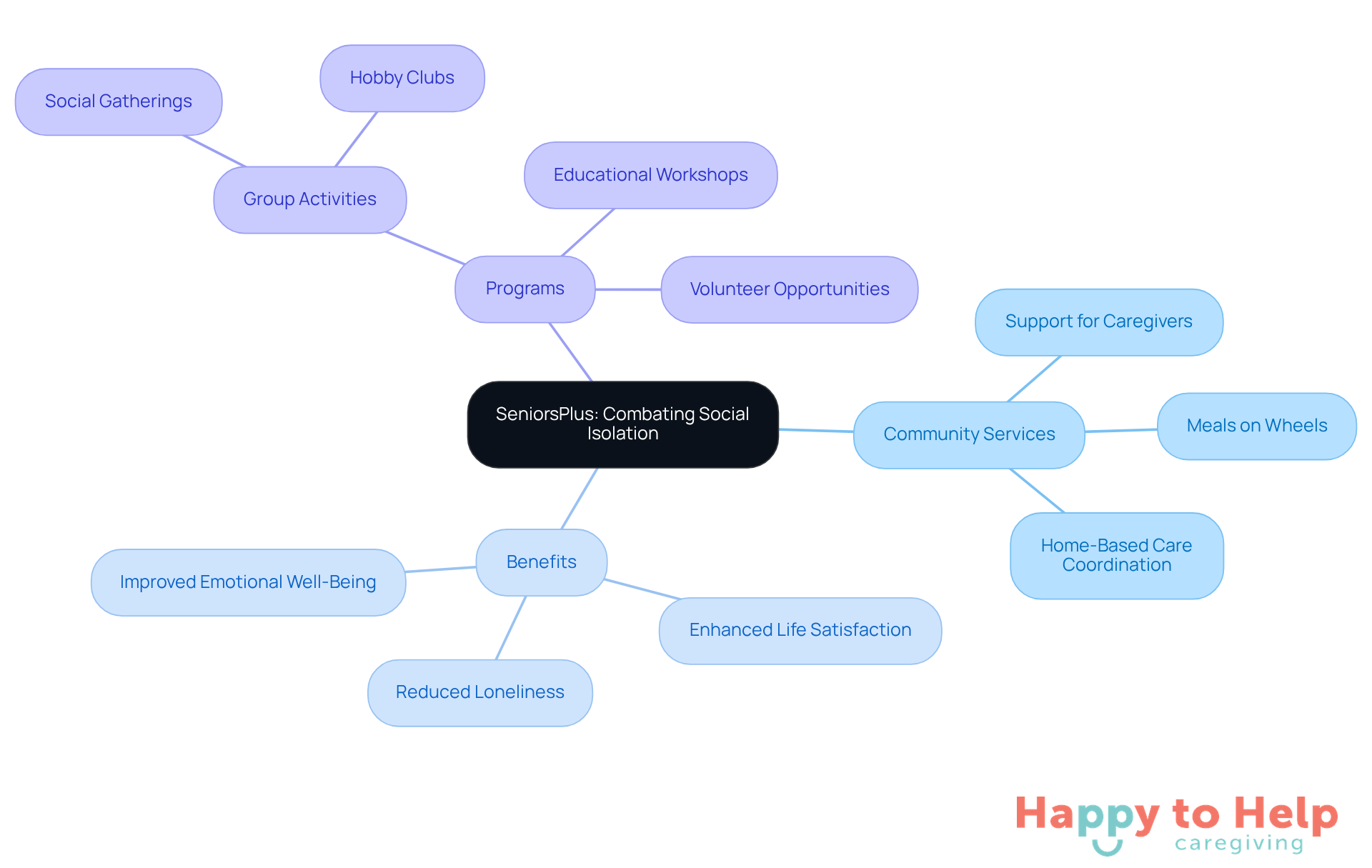
Seniors often face the challenge of social isolation, which can significantly impact their emotional well-being. This issue is particularly pressing for older adults, as loneliness can lead to various health problems. Recent data indicates that community activities can greatly enhance life satisfaction, especially among those aged 65-74. Engaging in volunteer work and social gatherings has proven beneficial for this age group.
SeniorsPlus tackles this problem directly by providing groups for seniors that offer a variety of community services to promote social interaction. Their programs include:
- Activities in groups for seniors
- Educational workshops
- Volunteer opportunities
All aimed at fostering connections among older adults. By participating in these initiatives, seniors can forge new friendships, share experiences, and cultivate lasting relationships.
Creating a supportive environment is crucial. SeniorsPlus not only combats the challenges of social isolation but also empowers older adults to lead active and fulfilling lives. Through these efforts, they help seniors maintain their emotional well-being and enhance their overall quality of life.
AARP: Resources for Senior Social Engagement and Connection
Social isolation is a significant challenge faced by older adults, impacting their mental and emotional well-being. Without opportunities for connection, many may feel lonely and disconnected from their communities.
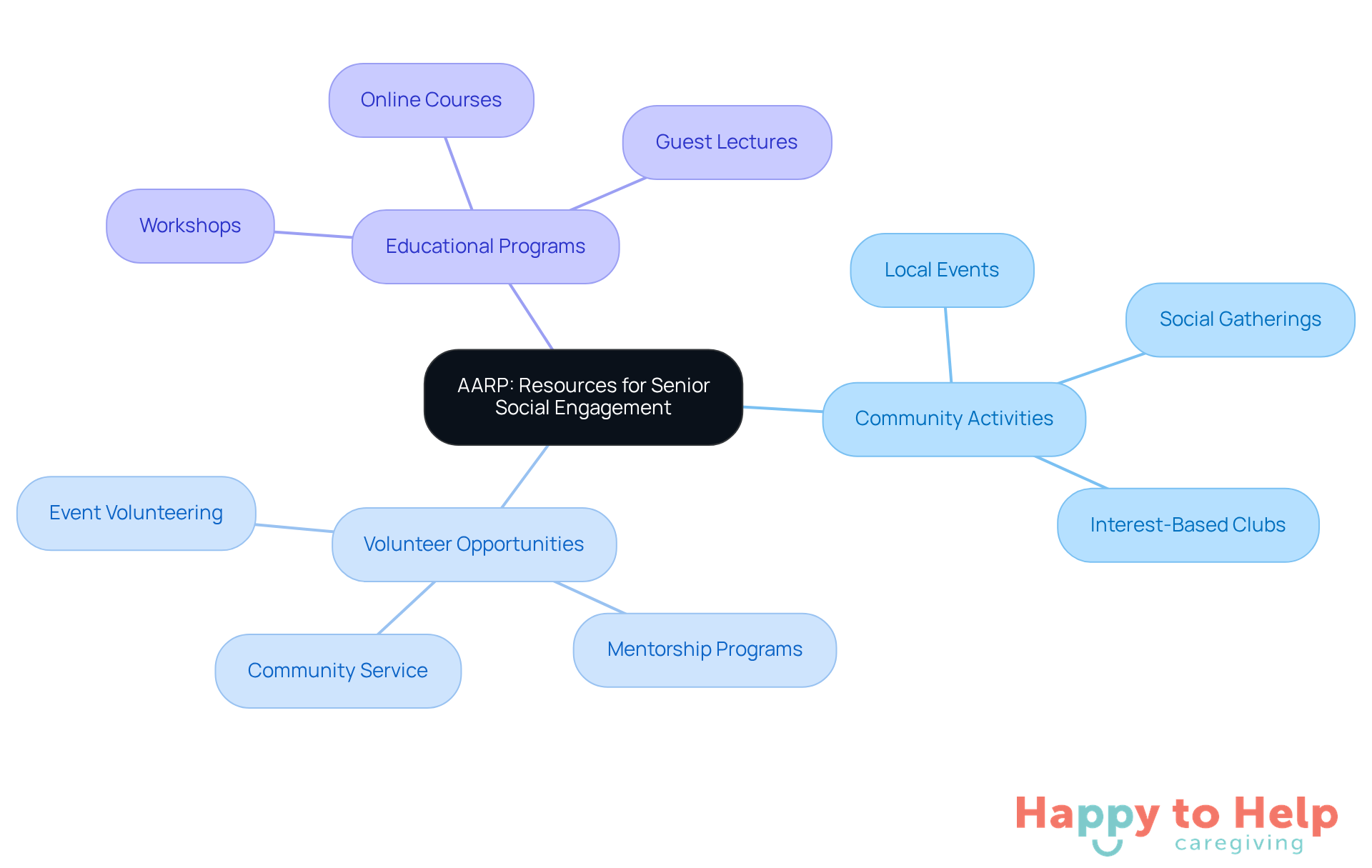
AARP addresses this issue by providing a range of resources, such as groups for seniors, designed to keep older adults socially engaged. From local events to online communities, AARP provides groups for seniors where individuals can connect with peers. Their initiatives for groups for seniors include:
- Community activities
- Volunteer opportunities
- Educational programs
These initiatives not only foster friendships but also promote active lifestyles.
By facilitating these meaningful connections, AARP helps older adults combat loneliness and enhance their quality of life.
National Council on Aging: Programs to Foster Senior Connections
Social isolation among older adults is a pressing issue that can lead to significant emotional and physical health challenges. According to data from a JAMA paper, individuals with household incomes below $60,000 are more likely to experience feelings of loneliness. This highlights the urgent need for targeted interventions to address this growing concern.
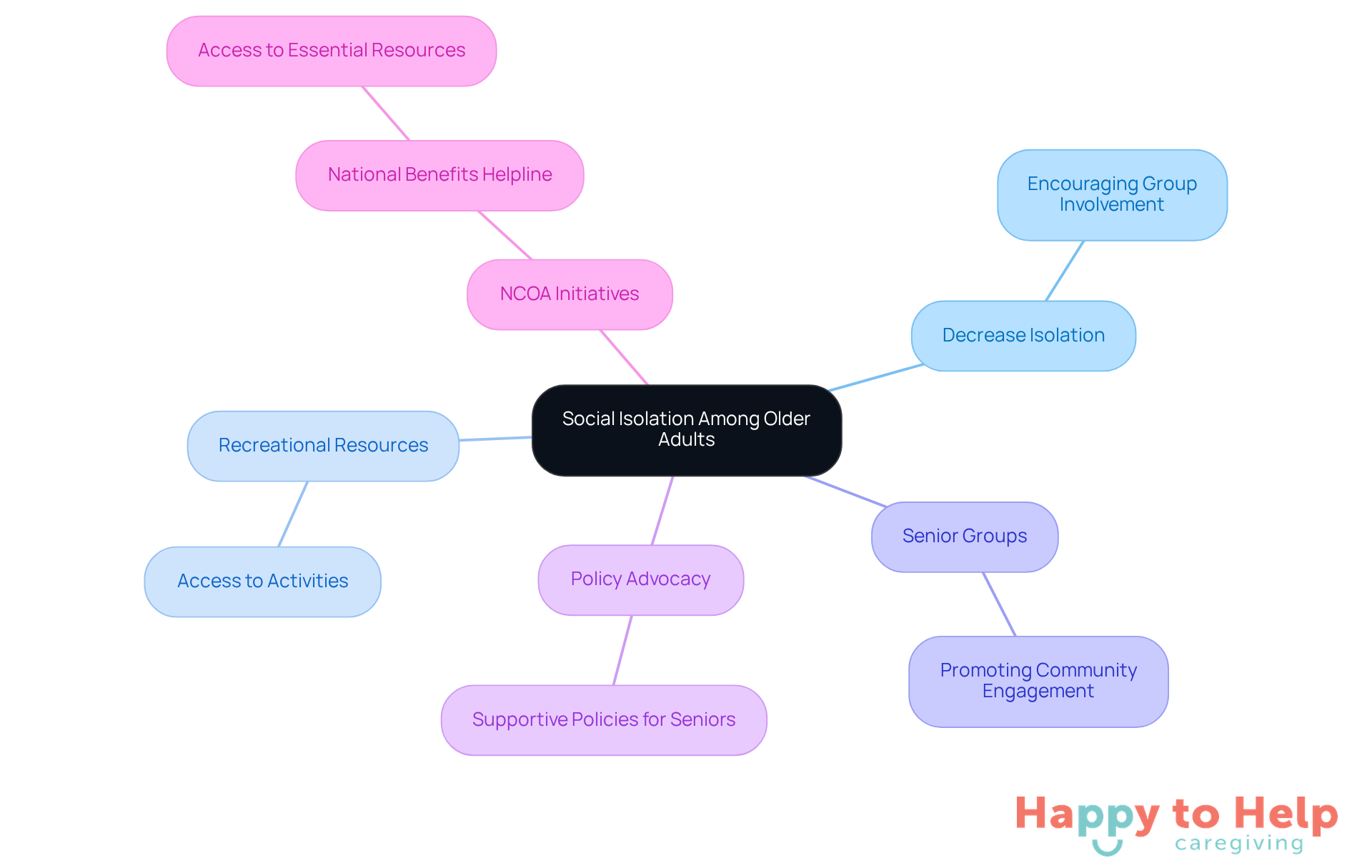
The National Council on Aging (NCOA) is actively working to combat this problem through various programs designed to foster connections among older adults. Their initiatives focus on:
- Decreasing isolation by encouraging group involvement
- Providing resources for recreational activities
- Promoting groups for seniors
- Advocating for policies that support seniors
By participating in NCOA programs, older adults gain access to a supportive network that promotes social interaction and community engagement.
One notable initiative is the NCOA's recent request for proposals for its National Benefits Helpline and Screening Service. This service aims to help older adults access essential resources, further alleviating feelings of isolation. The outcomes of NCOA's initiatives have shown promising results, demonstrating tangible benefits in reducing loneliness among older adults.
As United States Surgeon General Vivek Murthy emphasizes, addressing social isolation is crucial for public health. The work of the NCOA is increasingly vital in today’s society, providing practical solutions to enhance the well-being of older adults.
Meetup: Connecting Seniors Through Shared Interests
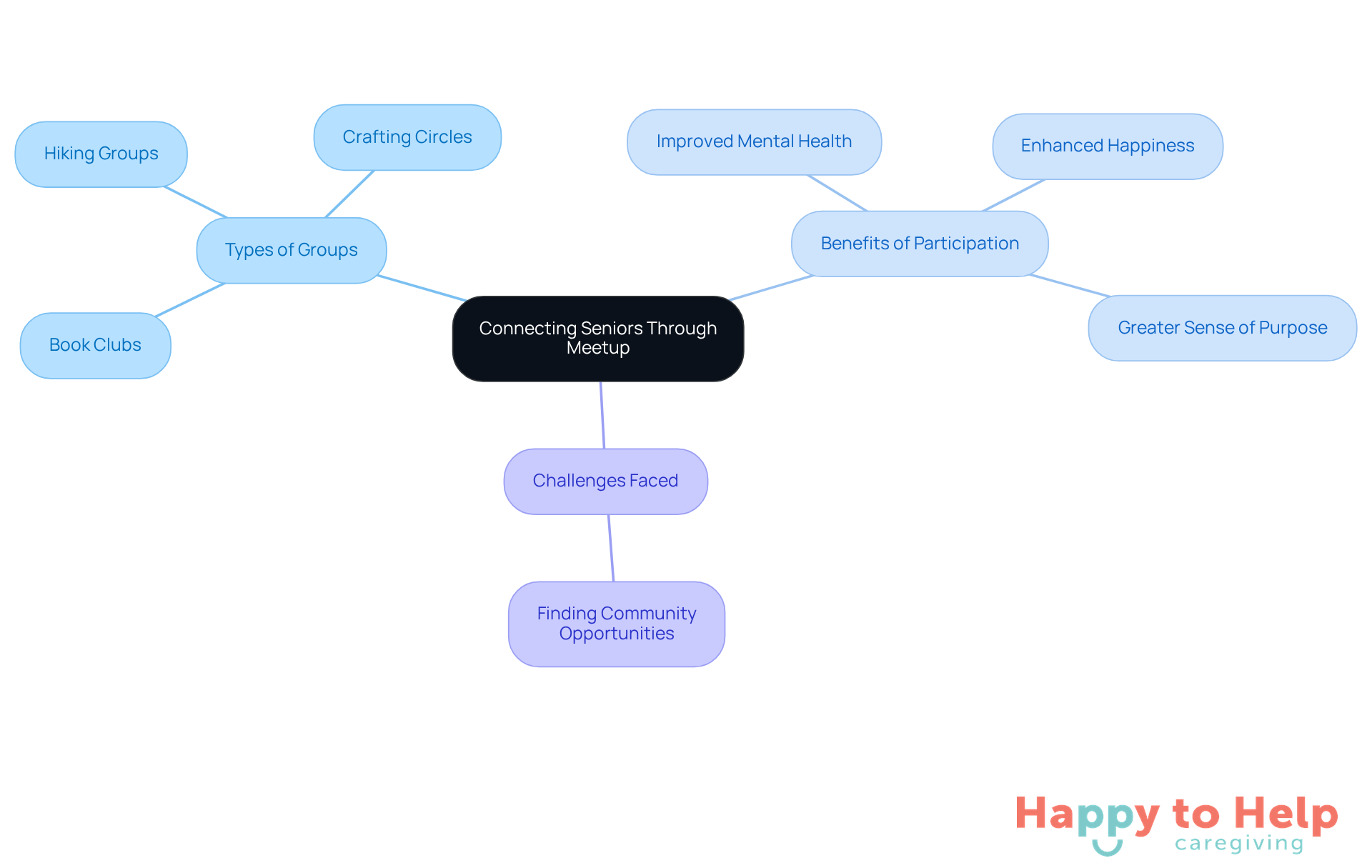
Loneliness is a significant issue for many seniors, impacting their mental and emotional health. As they seek to connect with others who share their interests, finding community opportunities like groups for seniors can be challenging. This is where Meetup comes in as a powerful tool for creating groups for seniors.
Meetup enables seniors to discover and participate in groups for seniors that align with their hobbies, such as:
- Book clubs
- Hiking groups
- Crafting circles
Engaging in these activities not only helps form new friendships but also promotes active involvement in community life. This engagement is essential for maintaining mental and emotional well-being. In fact, older adults who join interest-based groups often report enhanced feelings of happiness and a greater sense of purpose. These interactions combat loneliness and foster a supportive network.
Moreover, participation in local events through Meetup can lead to improved cognitive function and emotional well-being. Regular social engagement is linked to better mental health outcomes. As noted, "Social engagement plays a crucial role in combating loneliness among older adults." By concentrating on common interests, Meetup assists older adults in forming significant connections within groups for seniors, creating a lively community that enhances their lives.
However, many seniors encounter difficulties in finding community opportunities. Meetup serves as an essential tool for overcoming these obstacles, helping seniors connect and thrive.
Local Senior Centers: Community Hubs for Social Activities
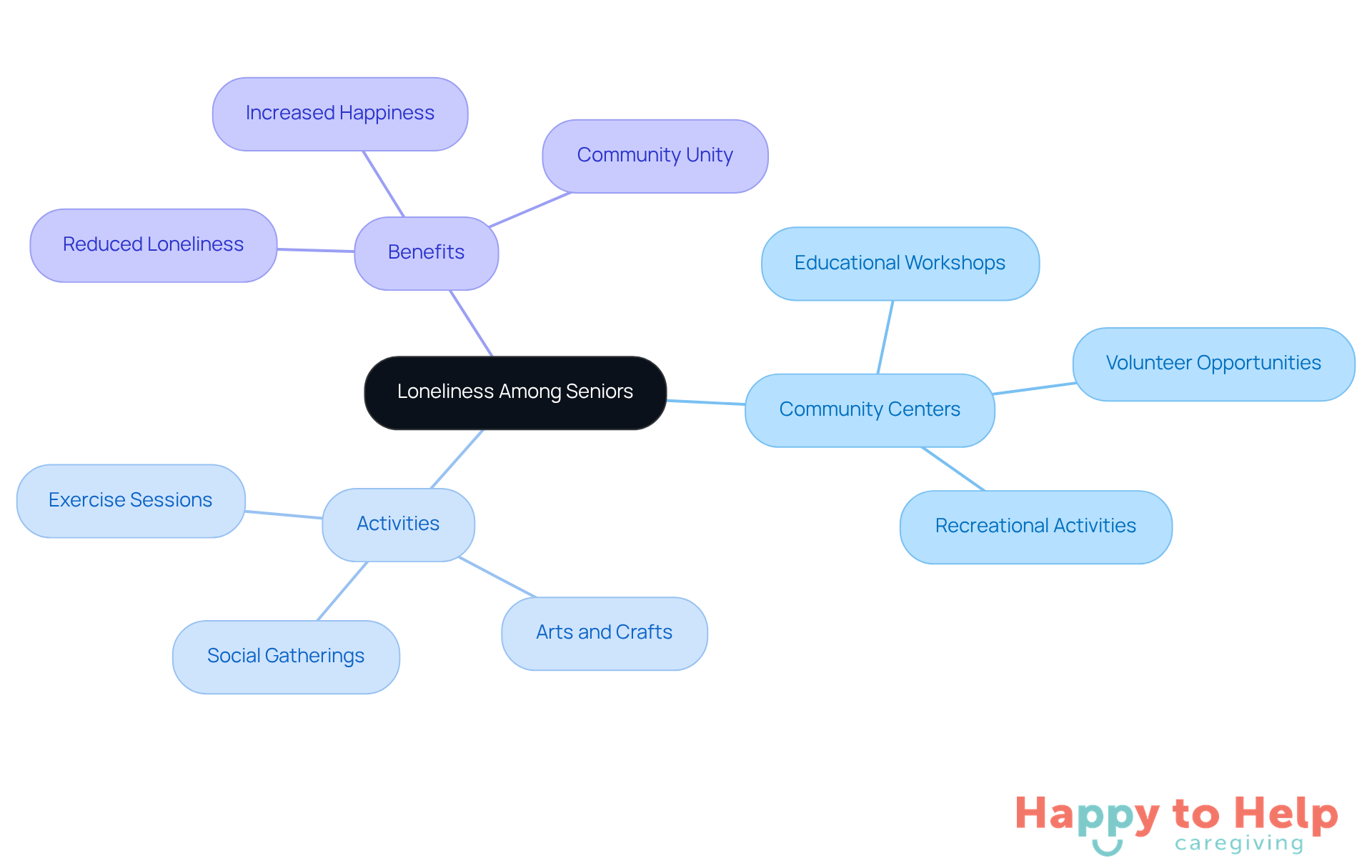
Local community centers face a significant challenge: loneliness among older adults. Research indicates that 43% of Americans aged 60 and above report feelings of loneliness, which can lead to serious issues like depression and cognitive decline. This problem is particularly acute for seniors who do not engage socially, highlighting the urgent need for effective solutions.
Community centers serve as essential hubs, offering a variety of groups for seniors designed to improve interaction and well-being. Activities such as exercise sessions, arts and crafts, and social gatherings are important as they form groups for seniors, enhancing physical health and providing opportunities for older adults to connect with peers. Studies show that those who visit community centers four or more days a week experience significantly reduced feelings of loneliness, fostering a sense of belonging and connection.
To combat loneliness, groups for seniors at senior centers implement educational workshops, volunteer opportunities, and recreational activities that encourage active participation. Successful initiatives, like intergenerational programs and community events, have proven effective in strengthening community bonds. For instance, a study found that seniors involved in intergenerational activities reported higher levels of happiness and lower feelings of isolation.
The role of elder centers extends beyond individual benefits; they are crucial in fostering community unity. By creating a welcoming environment for seniors to engage in groups for seniors that involve meaningful activities, these centers help mitigate the risks associated with isolation. As the population of older adults continues to grow, the importance of community centers in promoting social involvement and a sense of belonging becomes increasingly vital.
VolunteerMatch: Opportunities for Seniors to Connect and Contribute
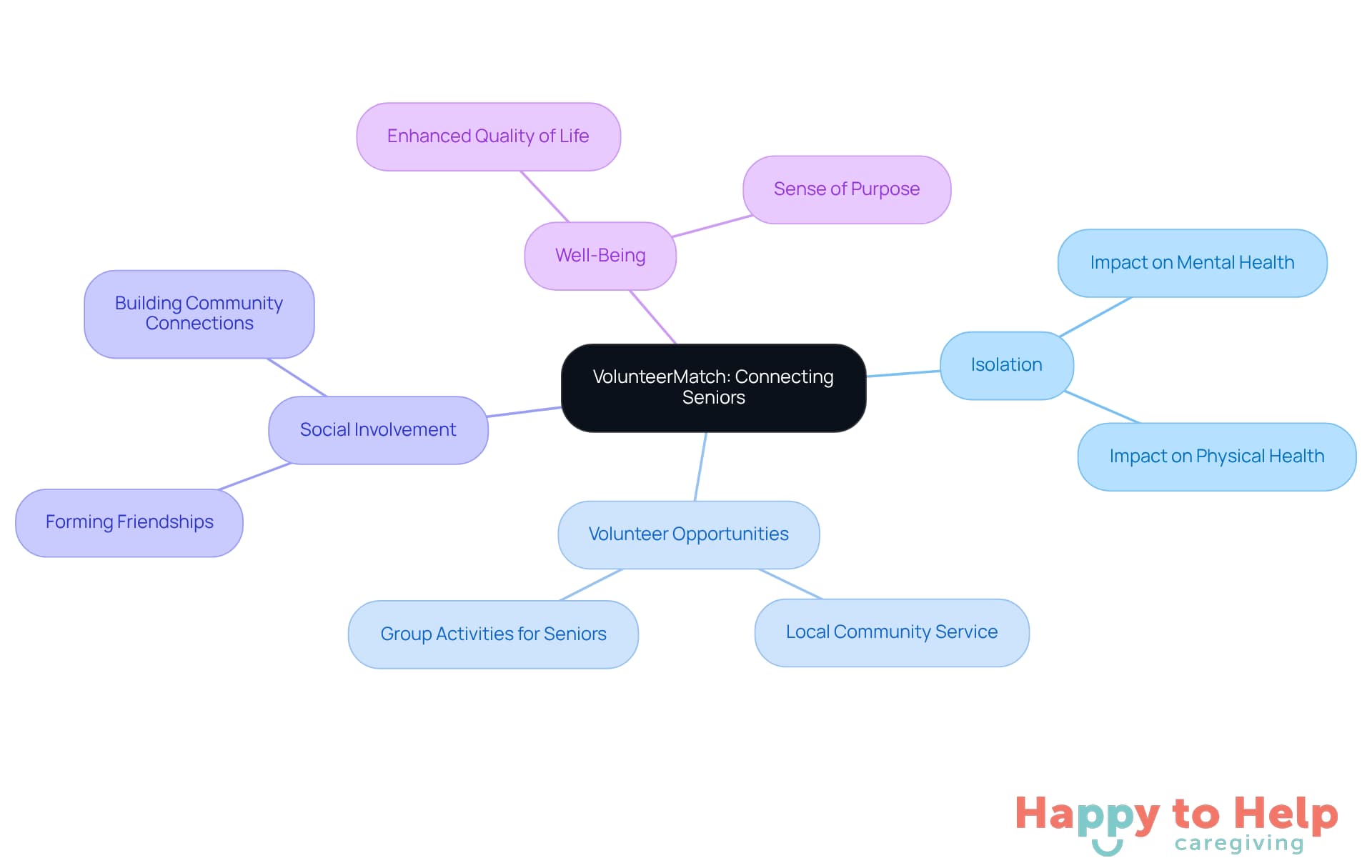
Older adults often face feelings of isolation, which can significantly impact their well-being. This loneliness not only affects their mental health but can also lead to a decline in physical health.
VolunteerMatch addresses this pressing issue by connecting older adults with local volunteer opportunities and groups for seniors. By engaging in volunteer activities, they can give back to their communities while also participating in groups for seniors and forming meaningful friendships.
Engaging in these groups for seniors can greatly diminish feelings of isolation and foster a sense of purpose. Volunteering not only enhances social involvement but also contributes to improved overall well-being.
In summary, VolunteerMatch serves as a valuable resource for older adults seeking groups for seniors to enrich their lives through community engagement.
Facebook Groups: Online Communities for Senior Connections
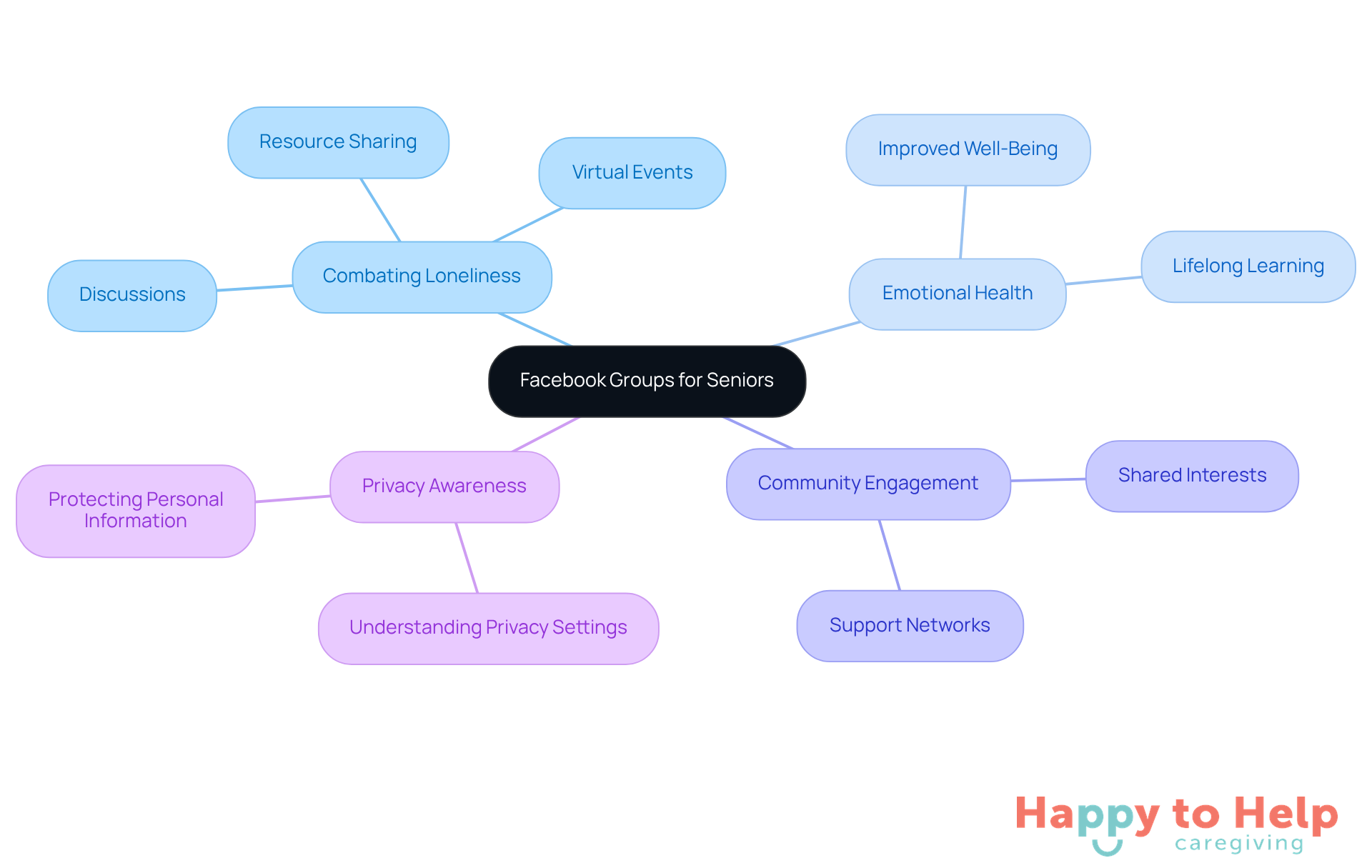
Loneliness is a significant issue for older adults, impacting their emotional health and overall well-being. Studies indicate that social interaction is crucial for improving emotional health, yet many seniors struggle to connect with peers. For instance, 72% of adults aged 50 and older are on Facebook, and 60% of those aged 55 and older use it daily. This highlights the platform's popularity among this demographic, making it a vital resource for combating isolation.
Groups for seniors on Facebook provide a solution by creating online communities where they can engage in discussions, share resources, and participate in virtual events - all from the comfort of their homes. These groups foster a sense of belonging, allowing members to discuss hobbies, support causes, and exchange health tips. The impact is profound; not only do these communities reduce feelings of isolation, but they also promote lifelong learning and emotional well-being.
Experts emphasize the importance of these platforms in enhancing the quality of life for older adults. As Debra Parker Oliver notes, assessing engagement in social media interventions is critical for evaluating their effectiveness. By joining Facebook groups, older adults can effectively combat loneliness and build supportive networks that enrich their daily lives.
However, it's essential for seniors to be aware of privacy settings to protect their personal information while engaging online.
YMCA: Programs for Active Social Engagement Among Seniors
Social isolation is a significant issue for older adults, with more than one in three reporting feelings of loneliness. This isolation can negatively impact their health, leading to increased risks of mental health issues and physical decline.
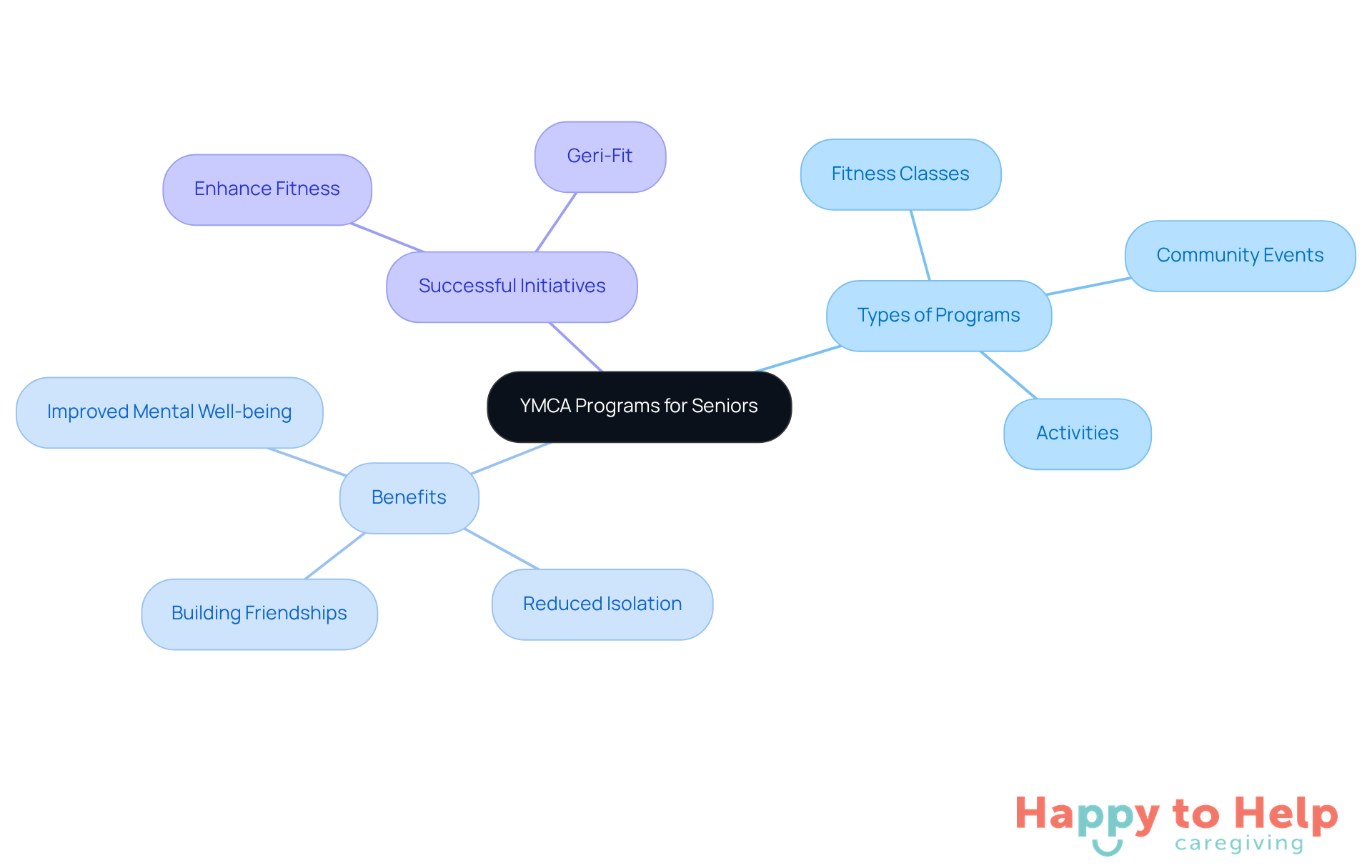
The YMCA addresses this problem by offering a variety of groups for seniors, including fitness classes, community events, and activities. These initiatives not only enhance physical well-being but also foster community involvement among participants. Research shows that regular physical activity, like that provided at the YMCA, can improve mental well-being and reduce feelings of isolation.
By engaging in groups for seniors, older adults can build new friendships, maintain an active lifestyle, and thrive in a supportive community. The YMCA's commitment to fostering connections through groups for seniors has proven effective, as participants often form lasting bonds that contribute to their overall well-being.
Successful initiatives like the Enhance Fitness program not only improve physical health but also help form groups for seniors, creating a sense of camaraderie among older adults. Studies indicate that participants can reduce health costs by $1,000. Additionally, the Geri-Fit program helps decrease the chances of falls and rebuild strength lost due to aging.
As the YMCA of Western North Carolina states, "Feeling socially isolated doesn't just put critical resources out of reach; it directly impacts the health of older adults." Family caregivers are encouraged to visit their local YMCA to explore available classes and activities, helping their loved ones engage in these beneficial programs.
SilverSneakers: Fitness and Social Connection for Seniors
Isolation among older adults is a significant issue that can impact their overall well-being. Many seniors face loneliness, which can lead to various health problems. This is where programs like SilverSneakers come into play, offering a solution that not only enhances physical health but also fosters social connections.
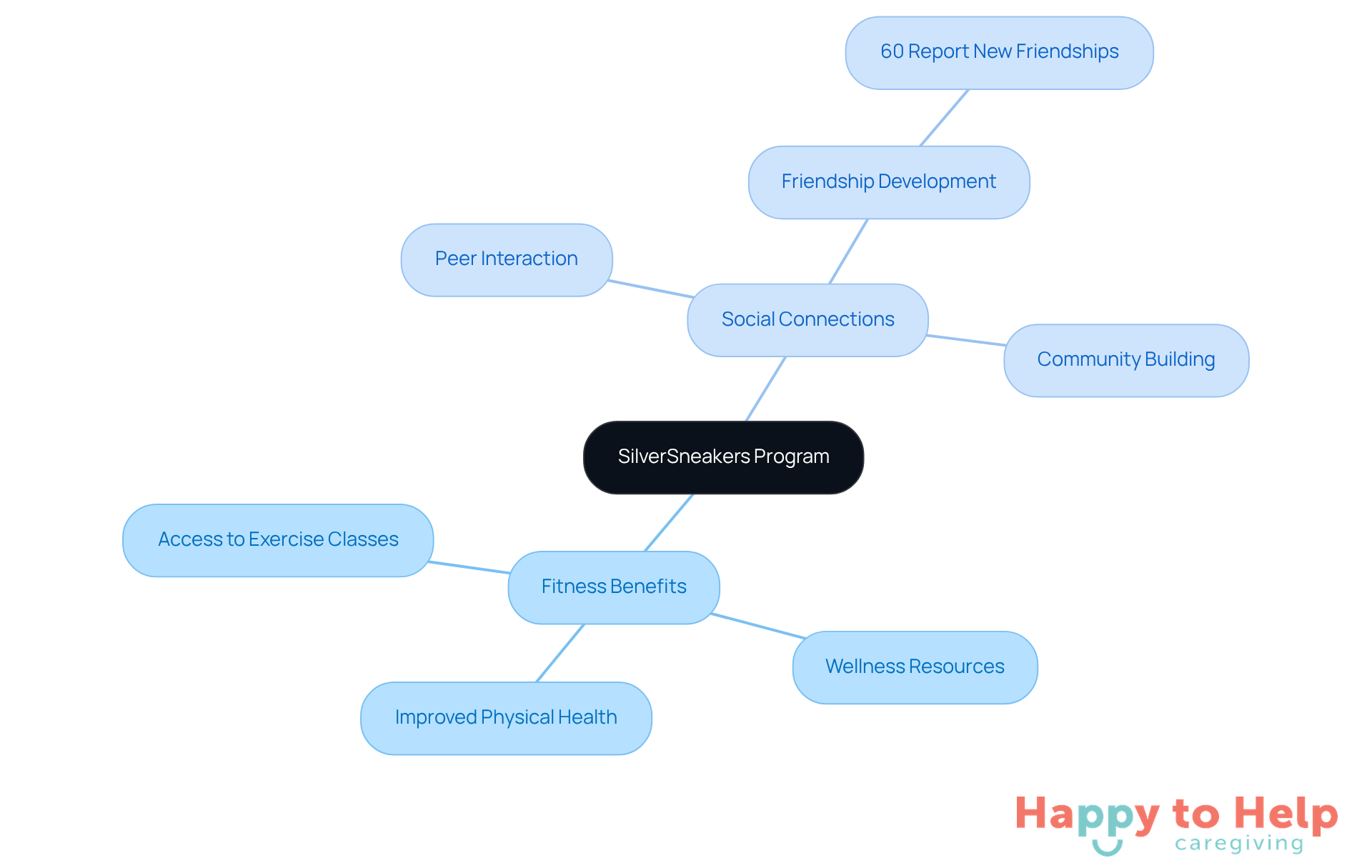
SilverSneakers is a specialized fitness program designed specifically for older adults, providing access to a variety of exercise classes and wellness resources. These classes create essential opportunities for interaction, allowing seniors to connect with peers, share experiences, and cultivate friendships. In fact, studies show that 60 percent of SilverSneakers participants report developing new and meaningful friendships since joining the program. This highlights the program's success in addressing the issue of isolation.
Fitness specialists emphasize that connections with others are crucial for sustaining health in older adults. Participating in groups for seniors fosters a sense of community and belonging, which is essential for mental and emotional health. By joining groups for seniors like SilverSneakers programs, seniors not only improve their physical fitness but also enrich their social lives, leading to a more fulfilling and active lifestyle.
Key Takeaways for Caregivers
Social connections among seniors are crucial, yet many face the problem of social isolation. This isolation significantly impacts their mental, emotional, and physical health, leading to a decline in overall well-being. Addressing this issue is essential, and fortunately, numerous organizations and programs are dedicated to enhancing social engagement for seniors.
Groups like:
- Happy to Help Caregiving
- SeniorsPlus
- AARP
- National Council on Aging
offer invaluable resources and opportunities for social interaction. These initiatives include community activities, volunteer opportunities, and online platforms such as Meetup and Facebook, all aimed at helping seniors build meaningful relationships and combat loneliness. Additionally, programs like SilverSneakers and YMCA activities not only promote physical health but also foster social bonds, highlighting the importance of community involvement.
The collective efforts of these organizations underscore the need for proactive measures to improve the quality of life for older adults. Encouraging seniors to engage in social activities and connect with their communities is vital for their overall well-being. Participating in these groups enriches their lives and contributes to a healthier, happier society. Families, caregivers, and communities must recognize the value of these resources and support seniors in their journey to build lasting social connections.
https://iframe.tely.ai/cta/eyJhcnRpY2xlX2lkIjogIjY5MjBmZDQ4YzQ4NjU1NjRkNDliYzZhMCIsICJjb21wYW55X2lkIjogIjY4ZWU1ZGNhNzMxNzYyNTU3ZjNjOTVjMSIsICJpbmRleCI6IG51bGwsICJ0eXBlIjogImFydGljbGUifQ==Frequently Asked Questions
What is the main issue addressed by Happy to Help Caregiving?
Happy to Help Caregiving addresses the significant issue of isolation among seniors, which can lead to serious health risks, including increased chances of premature death.
How does isolation affect seniors' health?
Isolation can lead to feelings of loneliness, negatively impacting physical health, stress levels, and emotional well-being, which can result in serious health problems.
What services does Happy to Help Caregiving offer?
Happy to Help Caregiving provides personalized in-home assistance that encourages community involvement among seniors, motivating them to engage in enjoyable activities such as hobbies, games, and meaningful conversations.
What is the impact of companionship support provided by Happy to Help Caregiving?
Companionship support helps the elderly form meaningful connections, reduces the risks associated with isolation, and enhances their overall quality of life.
What programs does SeniorsPlus provide to combat social isolation?
SeniorsPlus offers community services that include activities in groups for seniors, educational workshops, and volunteer opportunities aimed at promoting social interaction among older adults.
How do community activities benefit seniors according to the article?
Community activities significantly enhance life satisfaction among seniors, particularly those aged 65-74, by helping them engage in volunteer work and social gatherings.
What is AARP's approach to addressing social isolation among seniors?
AARP provides a range of resources, including groups for seniors, community activities, volunteer opportunities, and educational programs to keep older adults socially engaged.
How do AARP's initiatives help seniors?
AARP's initiatives foster friendships, promote active lifestyles, and help combat loneliness, ultimately enhancing the quality of life for older adults.
List of Sources
- Happy to Help Caregiving: Personalized In-Home Support for Social Engagement
- Medflyt at Home | Elderly Loneliness Statistics 2024: Top Home Care Insights (https://medflyt.com/blog/posts/elderly-loneliness-statistics)
- 1 in 3 older adults still experience loneliness and isolation (https://michiganmedicine.org/health-lab/1-3-older-adults-still-experience-loneliness-and-isolation)
- How Home Care Helps Seniors Remain Socially Active (https://ultimatecareny.com/resources/how-home-care-helps-seniors-remain-socially-active)
- 27 Inspirational Quotes for Caregivers (https://ultimatecareny.com/resources/27-quotes-for-caregivers)
- Trends in Loneliness Among Older Adults from 2018-2023 (https://ihpi.umich.edu/national-poll-healthy-aging/reports-and-resources/trends-loneliness-among-older-adults-2018-2023)
- SeniorsPlus: Community Services for Building Social Networks
- The Role of Social Activities in Enhancing Well-Being | Juniper Senior Living (https://junipercommunities.com/the-role-of-social-activities-in-enhancing-well-being)
- Case Studies - Health and Social Care Alliance Scotland (https://alliance-scotland.org.uk/blog/case\_studies)
- Social Interaction and Life Satisfaction among Older Adults by Age Group - PMC (https://pmc.ncbi.nlm.nih.gov/articles/PMC10671417)
- SeniorsPlus very busy during pandemic | Gorham Weekly (https://gorhamweekly.com/news/seniorsplus-very-busy-during-pandemic)
- A Support Care Network: The Importance of Community for Senior Well-being | Senior Living Community (https://bonaventuresenior.com/a-support-network-the-importance-of-community-for-senior-well-being)
- National Council on Aging: Programs to Foster Senior Connections
- NCOA Announces Grant Opportunity for Community-Based Organizations (https://prnewswire.com/news-releases/ncoa-announces-grant-opportunity-for-community-based-organizations-302604231.html)
- 1 in 3 older adults still experience loneliness and isolation (https://michiganmedicine.org/health-lab/1-3-older-adults-still-experience-loneliness-and-isolation)
- Meetup: Connecting Seniors Through Shared Interests
- Meetup groups help older adults find community (https://sfgate.com/senior-living/article/meetup-groups-help-older-adults-find-community-19863047.php)
- The Benefits of Shared Experiences in Senior Communities (https://thehighpointresidence.com/blog/the-benefits-of-shared-experiences-in-senior-communities)
- The Role Of Meetup Groups In Expanding Seniors' Social Circles (https://discoveryvillages.com/senior-living-blog/the-role-of-meetup-groups-in-expanding-seniors-social-circles)
- 2022 was a year of friendship and connections on Meetup (https://prnewswire.com/news-releases/2022-was-a-year-of-friendship-and-connections-on-meetup-301695254.html)
- Local Senior Centers: Community Hubs for Social Activities
- Social activities for seniors: Benefits and examples (https://medicalnewstoday.com/articles/social-activities-for-seniors)
- Association between Senior Center Attendance and Older Adults’ Health - PMC (https://pmc.ncbi.nlm.nih.gov/articles/PMC12435386)
- (https://belleviecare.co.uk/support-advice/60-elderly-care-quotes-to-lift-your-spirits)
- Stats On The Benefits Of Joining A Older Adult Club (https://fortgreenecouncil.org/single-post/some-facts-about-senior-centers)
- Facebook Groups: Online Communities for Senior Connections
- What Social Media Do Seniors Use Most? | Creating Results (https://creatingresults.com/blog/2025/03/26/what-social-media-do-seniors-use-most-2025)
- Older Adult Engagement with Facebook Interventions: A Challenge for Nursing Research - PMC (https://pmc.ncbi.nlm.nih.gov/articles/PMC9509659)
- Infographic: Social Seniors Flock to Facebook (https://statista.com/chart/3120/social-media-adoption-by-us-adults?srsltid=AfmBOorft-\_2ItYyLmjuHRi4yQUcSG3xGO-zDaVP8r5AC5zk\_Bgw4wPD)
- Explore The Benefits Of Social Media For Seniors In 2025 (https://theheritagelcs.com/blog/social-media-for-seniors)
- Social Media Stats for Seniors (https://creativeage.ca/2022/12/17/social-media-stats-for-older-adults)
- YMCA: Programs for Active Social Engagement Among Seniors
- YMCA addresses chronic disease with evidence-based programs [Free Read] | Port City Daily (https://portcitydaily.com/local-news/2019/09/11/bc-ymca-addresses-chronic-disease-with-evidence-based-programs)
- YMCA of Western NC - Supporting Seniors Through Active Aging (https://ymcawnc.org/newsroom/ymca-western-nc-supporting-seniors-through-active-aging)
- SilverSneakers: Fitness and Social Connection for Seniors
- 5 Ways to Strengthen Your Social Connections (https://silversneakers.com/blog/reconnect-isolation)
- SilverSneakers to end fitness program with Rochester-area YMCAs in 2026 (https://13wham.com/news/local/silver-sneakers-to-end-fitness-program-with-greater-rochester-area-ymca-in-2026)
- (PDF) Participation in Older Adult Physical Activity Programs and Risk for Falls Requiring Medical Care, Washington State, 2005–2011 (https://researchgate.net/publication/279158123\_Participation\_in\_Older\_Adult\_Physical\_Activity\_Programs\_and\_Risk\_for\_Falls\_Requiring\_Medical\_Care\_Washington\_State\_2005-2011)
- Unlock the Benefits: How the Silver Sneaker Program Can Transform Your Fitness Journey Today (https://wdch10.laphil.com/silver-sneaker-program)
- 50 Inspiring Senior Fitness Quotes To Keep You Moving (https://loaids.com/senior-fitness-quotes)