Why 10 Healthy Hobbies Matters
Caregivers often face a demanding landscape filled with emotional and physical challenges, leading to significant stress and burnout. This situation not only affects their well-being but also the quality of care they provide. The implications of this stress can be profound, impacting both caregivers and those they care for.
However, amidst these pressures lies a transformative opportunity: cultivating healthy hobbies. Engaging in activities such as:
- Creative expression
- Mindful movement
- Community service
- Personal development
can rejuvenate caregivers' spirits. These hobbies serve as essential tools for resilience and fulfillment in the caregiving journey, enhancing both personal well-being and the quality of care provided.
By exploring these meaningful outlets, caregivers can find ways to alleviate stress and improve their overall quality of life. How can these hobbies be integrated into daily routines? Let's delve into practical solutions that caregivers can implement to foster their own well-being.
Happy to Help Caregiving: Companionship Care for Emotional Support
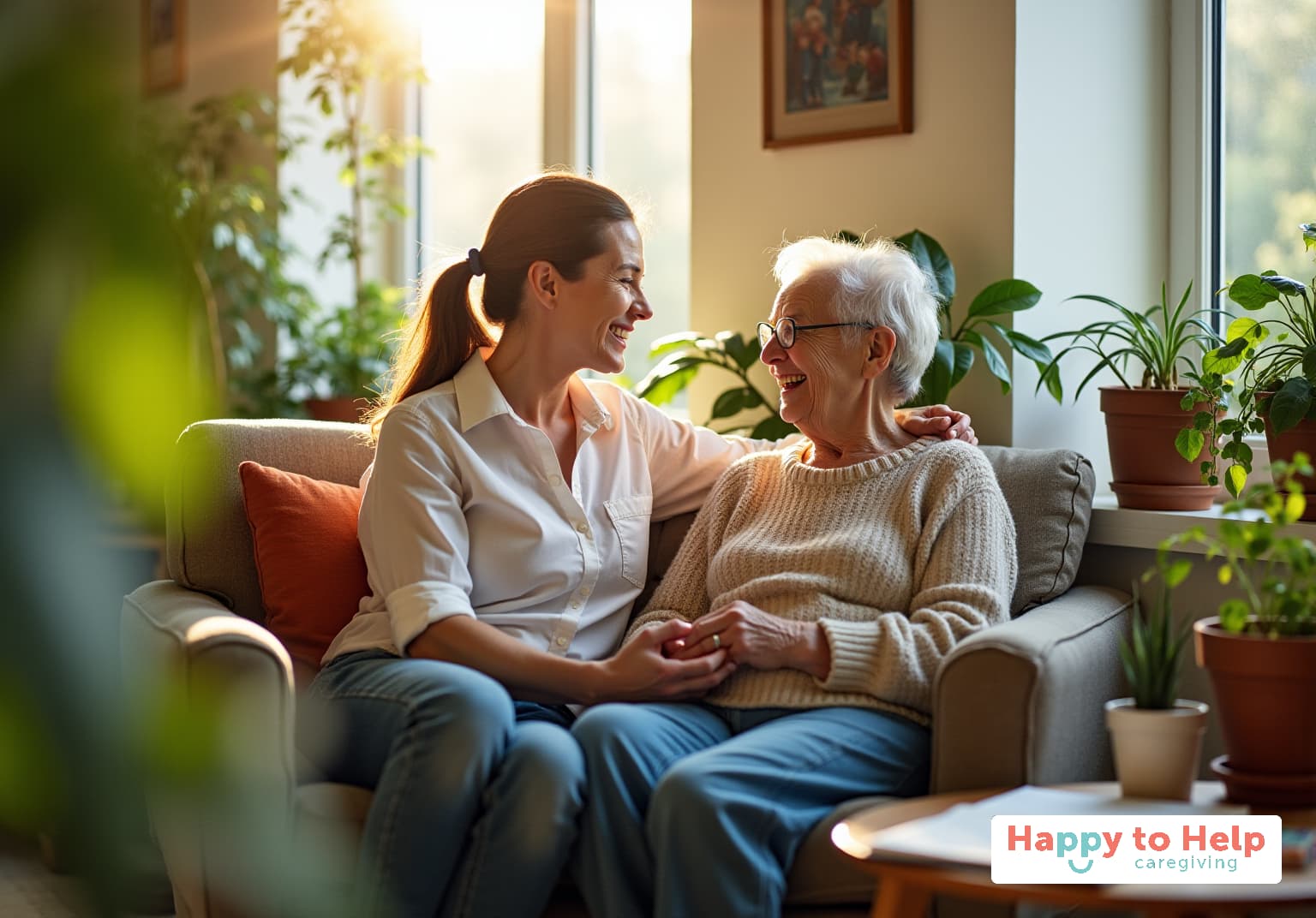
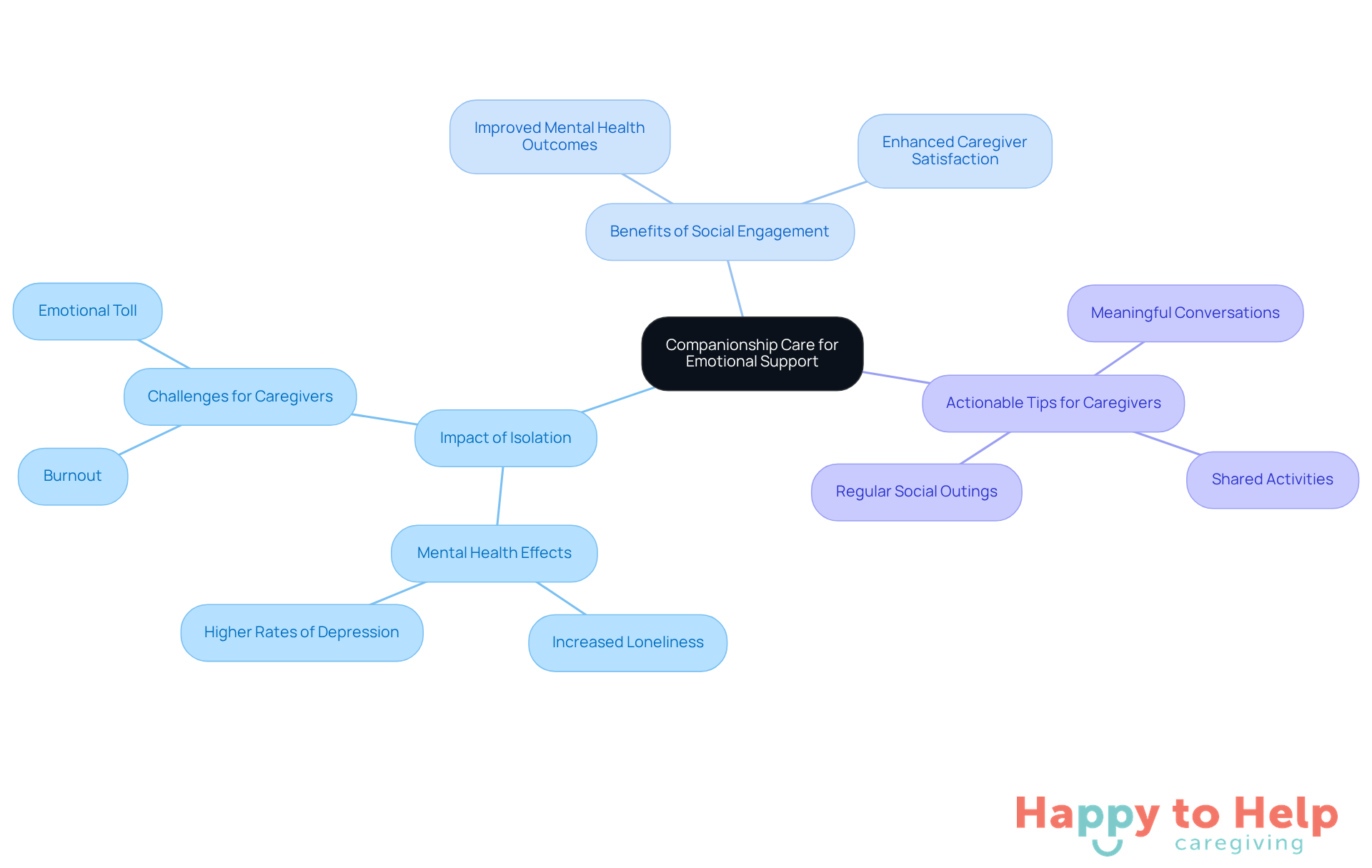
Companionship assistance addresses a significant problem: the isolation many seniors experience. This isolation can lead to detrimental effects on their mental health, creating challenges not only for them but also for their caregivers. Without meaningful social interaction, feelings of loneliness can intensify, impacting overall well-being.
Research shows that regular social engagement can improve mental health outcomes, reducing stress and enhancing quality of life. For caregivers, fostering these connections not only enriches their caregiving experience but also supports their mental well-being. Establishing strong bonds through companionship care can lead to lower levels of burnout and greater job satisfaction.
To combat isolation and its effects, caregivers should prioritize psychological support, social interaction, and engaging in healthy hobbies. Here are some actionable tips:
- Engage in meaningful conversations: Take time to listen and share stories, which can strengthen relationships.
- Participate in shared activities: Whether it’s playing games or going for walks, these interactions can significantly alleviate feelings of loneliness.
- Encourage regular social outings: Help seniors connect with friends or community groups to foster a sense of belonging.
By implementing these strategies, caregivers can create a nurturing environment that encourages healthy hobbies, benefiting everyone involved and leading to a more fulfilling and balanced caregiving experience.
Mindful Movement: Yoga and Tai Chi for Stress Relief
Caregivers often face significant stress, which can impact their well-being and the quality of care they provide. This stress can lead to anxiety and decreased mental clarity, making it challenging to perform their duties effectively.
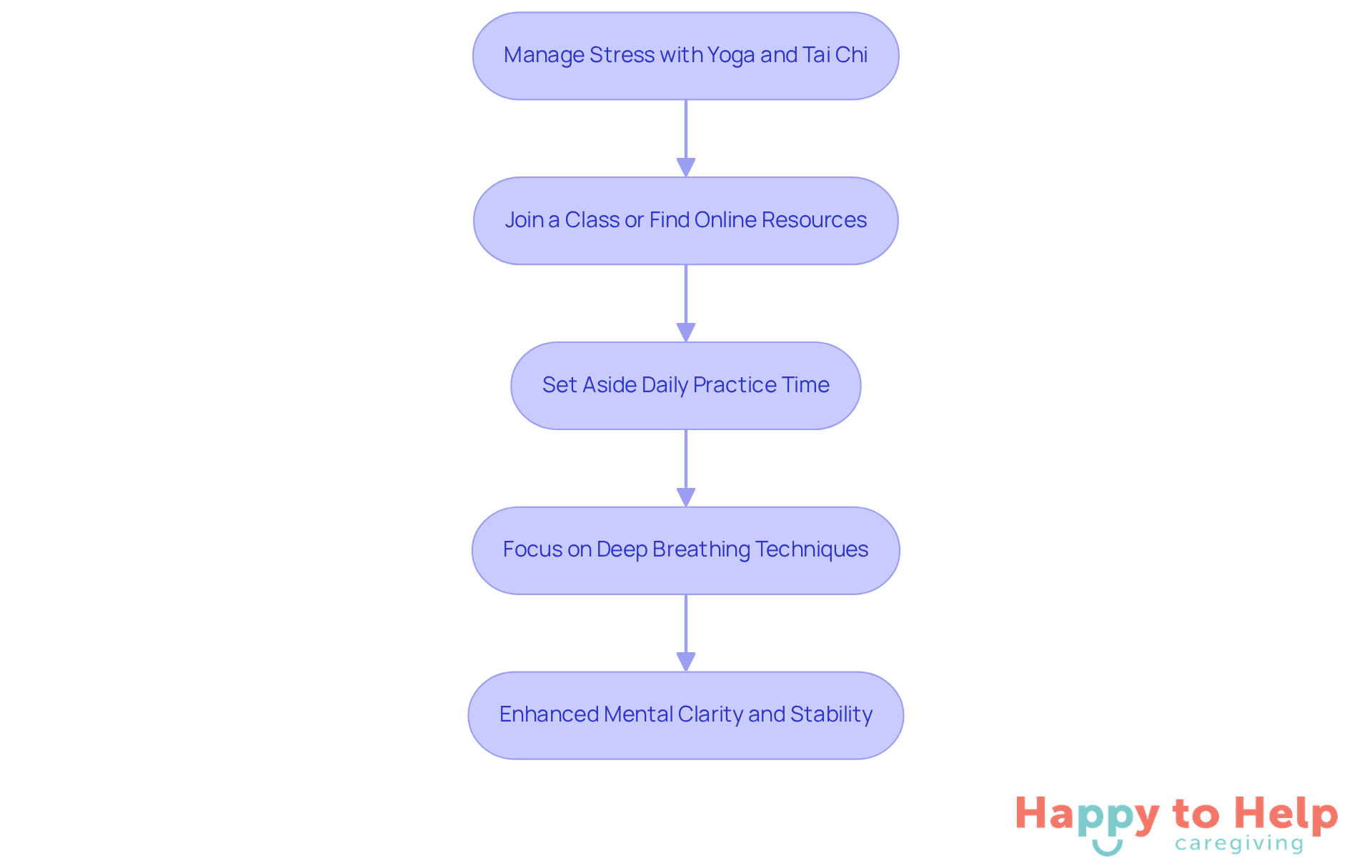
Practicing healthy hobbies like yoga and Tai Chi offers practical solutions to help manage this stress. These practices promote relaxation and mindfulness, encouraging deep breathing and gentle movement. As a result, they can improve flexibility and reduce anxiety, which is essential for caregivers.
Caregivers can easily incorporate these practices into their routines by participating in classes or following online tutorials, making them accessible regardless of their busy schedules. Consistent practice can lead to enhanced mental clarity and stability, vital for those in caregiving positions.
To get started, caregivers might consider the following tips:
- Join a local class or find online resources that fit their schedule.
- Set aside time each day for practice, even if it's just a few minutes.
- Focus on deep breathing techniques to promote relaxation.
Caregivers can effectively manage stress and improve their overall well-being by incorporating healthy hobbies such as yoga and Tai Chi into their daily lives.
Creative Expression: Art, Music, and Writing for Emotional Healing
Caregivers often struggle with mental health challenges due to the emotional demands of their roles. This can lead to feelings of isolation and stress, making it crucial for them to find effective ways to express themselves.
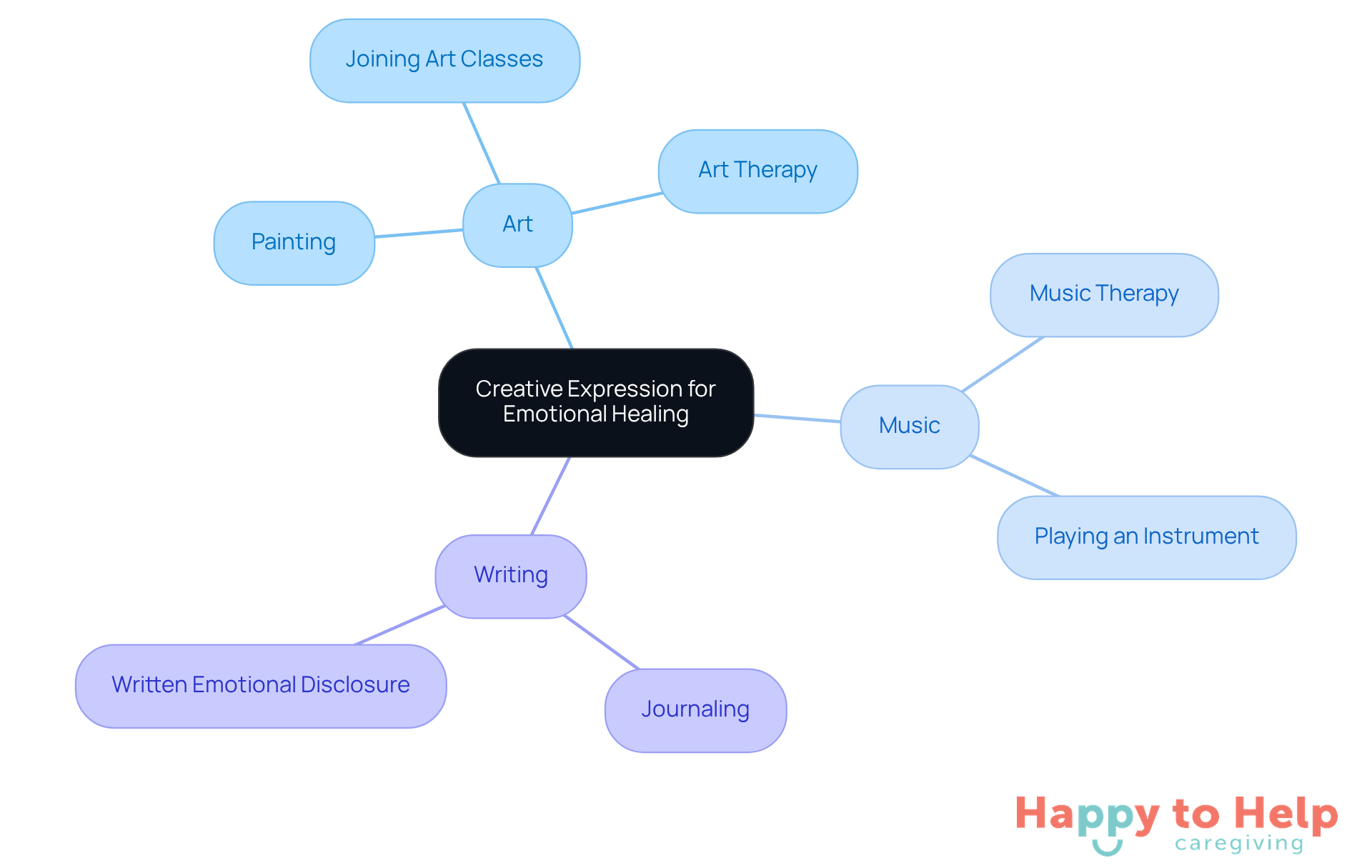
Engaging in healthy hobbies like art, music, or writing offers a meaningful method of self-expression, acting as a therapeutic outlet that can significantly enhance mental well-being. Activities like painting, playing an instrument, or journaling allow caregivers to creatively explore their feelings and experiences, fostering a sense of accomplishment and joy. Research indicates that creative activities can lead to improved psychological health; for instance, studies show that written personal disclosure decreases trauma symptoms with a standardized mean difference (SMD) of -0.46, enhancing overall wellness.
To combat these challenges, caregivers can benefit from practical solutions such as:
- Establishing healthy hobbies like joining local art classes
- Participating in music therapy sessions
- Starting a personal journaling practice
These activities not only provide a means of release but also create opportunities for connection and self-discovery, which are vital for maintaining resilience in the caregiving journey.
Music therapy, in particular, has been shown to positively impact the well-being of caregivers by reducing stress and promoting relaxation, making it a valuable resource for emotional healing. By incorporating these creative hobbies into their routines, caregivers can cultivate healthy hobbies that lead to a healthier, more balanced approach to their demanding roles.
Gardening and Nature Activities: Cultivating Peace and Connection
Gardening offers a unique chance for caregivers to reconnect with nature while participating in healthy hobbies. Caregivers often face significant stress and the burden of daily responsibilities, which can lead to burnout. Without a break, these pressures can accumulate, negatively impacting both mental and physical health.
Engaging in healthy hobbies, such as spending time outdoors and gardening, has been shown to reduce stress and improve mood, making it an ideal solution. By nurturing plants, caregivers can discover healthy hobbies that provide a meditative escape, refreshing their spirit and enhancing their well-being.
To get started, caregivers can begin small with potted plants on a windowsill or balcony. This approach allows them to cultivate their green thumb without feeling overwhelmed. Alternatively, creating a dedicated garden space can provide a more immersive experience, offering therapeutic benefits that come from being in nature.
Here are some actionable tips for caregivers looking to incorporate gardening into their routine:
- Start small: Choose easy-to-care-for plants to build confidence.
- Schedule time: Set aside specific times each week for gardening to ensure it becomes a regular part of your routine.
- Join a community: Connect with local gardening groups for support and inspiration.
By integrating gardening into their lives, caregivers can enjoy a rewarding escape that nurtures both their plants and supports their healthy hobbies, enhancing their well-being.
Physical Fitness: Running, Hiking, and Strength Training for Vitality
Caregivers often face the challenge of maintaining their physical fitness, which can significantly impact their overall vitality and resilience. Neglecting fitness can lead to decreased energy levels and mood, making caregiving tasks even more demanding.
To combat this issue, caregivers can take practical steps to incorporate healthy hobbies into their routines:
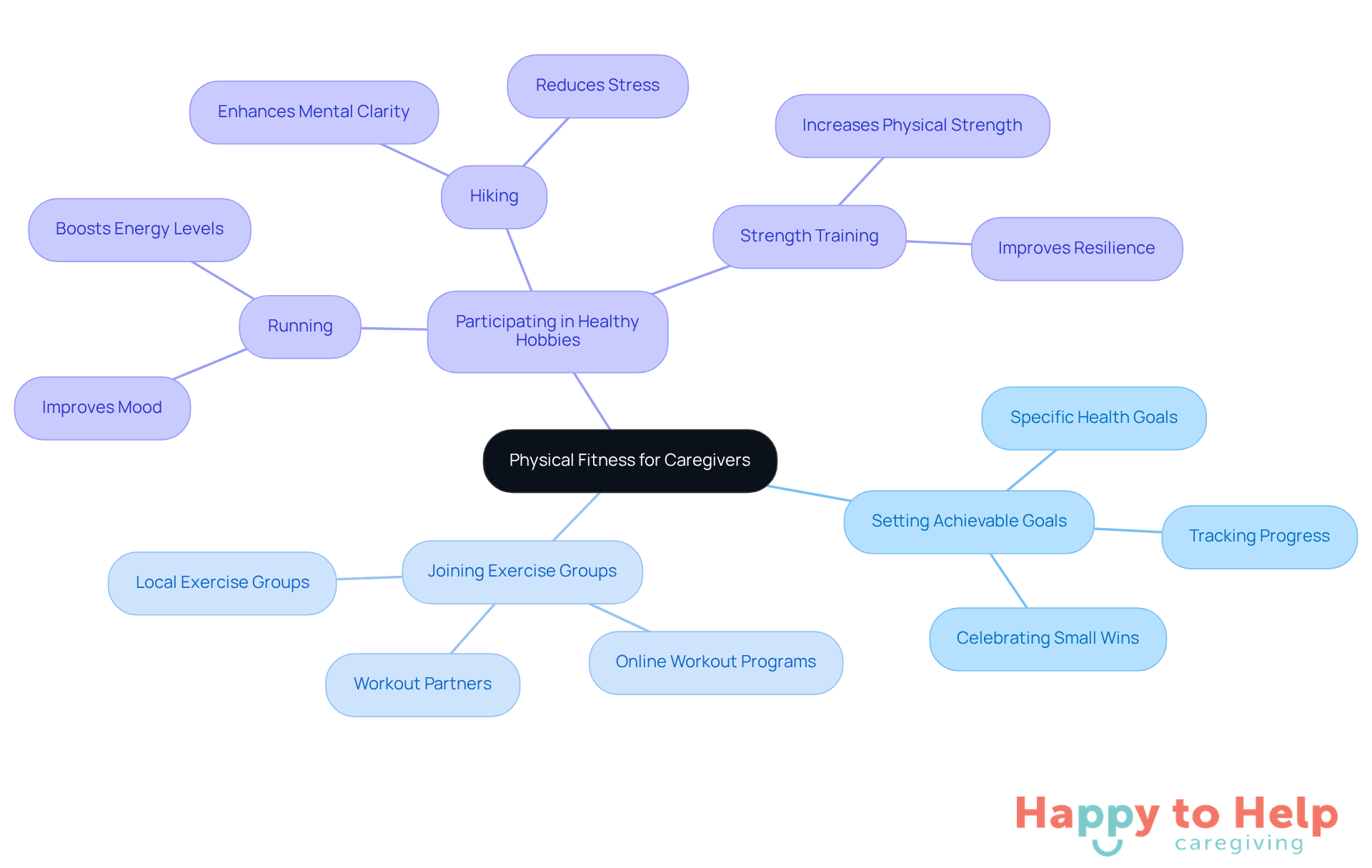
- Setting achievable fitness goals is a great start.
- Joining local exercise groups or utilizing online workout programs can also provide motivation and support.
- Participating in healthy hobbies, such as running, hiking, or strength training, not only improves physical health but also boosts mood and energy levels.
Moreover, engaging in regular exercise can enhance mental clarity and reduce stress, making it easier to navigate the challenges of caregiving. By prioritizing fitness, caregivers can improve their well-being and better support those they care for.
Cooking and Nutrition: Healthy Meal Preparation as a Fulfilling Hobby
Cooking can be a therapeutic and fulfilling pastime for caregivers, but many face challenges in maintaining a balanced diet. This struggle can lead to feelings of stress and a lack of achievement in their daily routines.
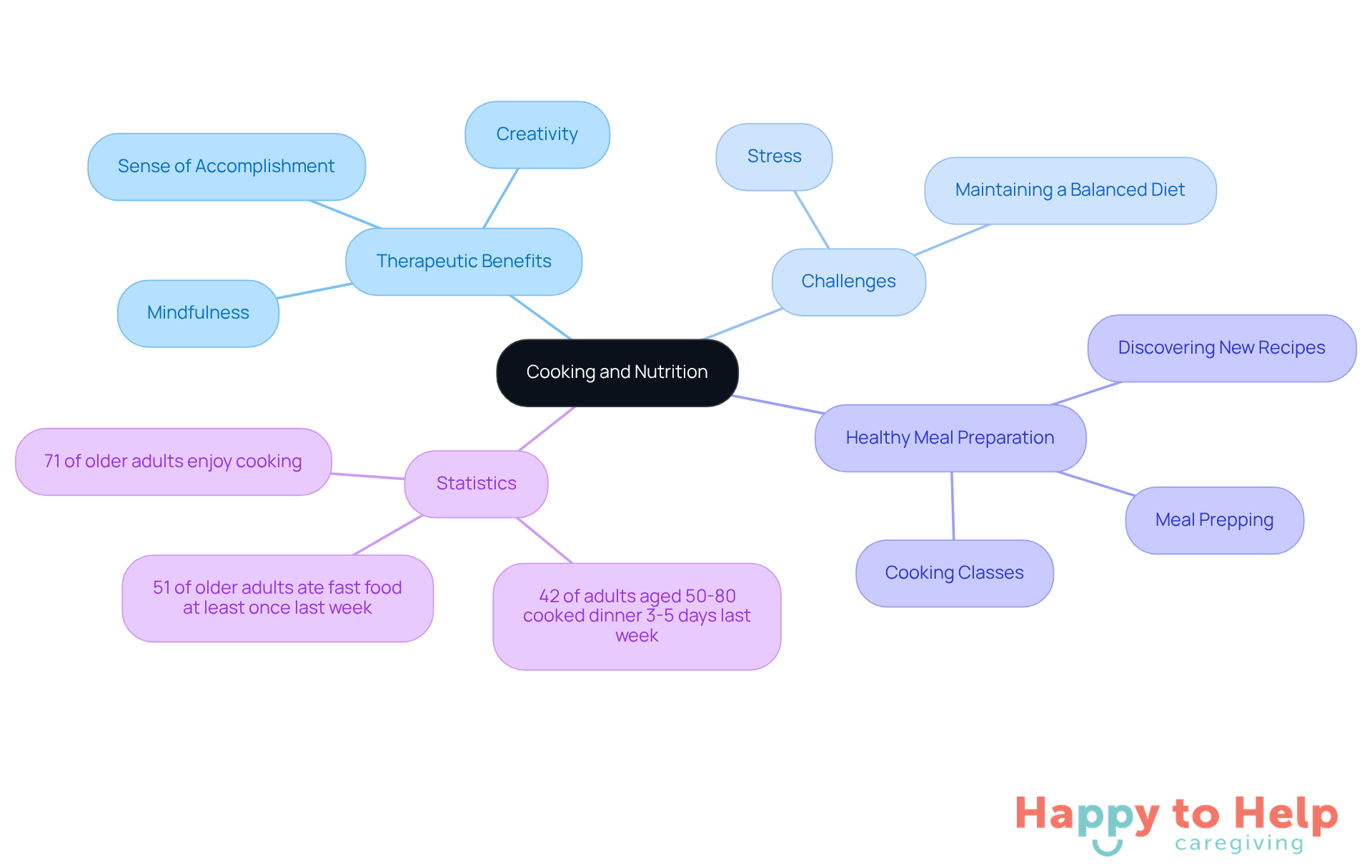
Engaging in healthy meal preparation not only provides nourishment but also fosters a sense of accomplishment. Caregivers can discover new recipes, practice meal prepping, and even participate in cooking classes to enhance their culinary skills. This hobby encourages mindfulness and creativity, which are essential for sustaining a balanced diet that supports overall health and energy levels.
Research shows that individuals who prioritize nutrition experience improved well-being. Proper dietary habits can alleviate stress and enhance resilience. For instance, a study found that 42% of adults aged 50-80 cooked dinner 3-5 days in the past week, highlighting the importance of cooking in daily life. Additionally, 71% of older adults enjoy cooking and feel confident using basic ingredients, reinforcing positive attitudes toward this activity.
As nutrition experts say, "Let food be thy medicine and medicine be thy food," underscoring the profound connection between diet and health. By embracing cooking as one of their healthy hobbies, caregivers not only nourish themselves but also cultivate a positive and health-conscious lifestyle.
Volunteering and Community Service: Finding Purpose Through Giving Back
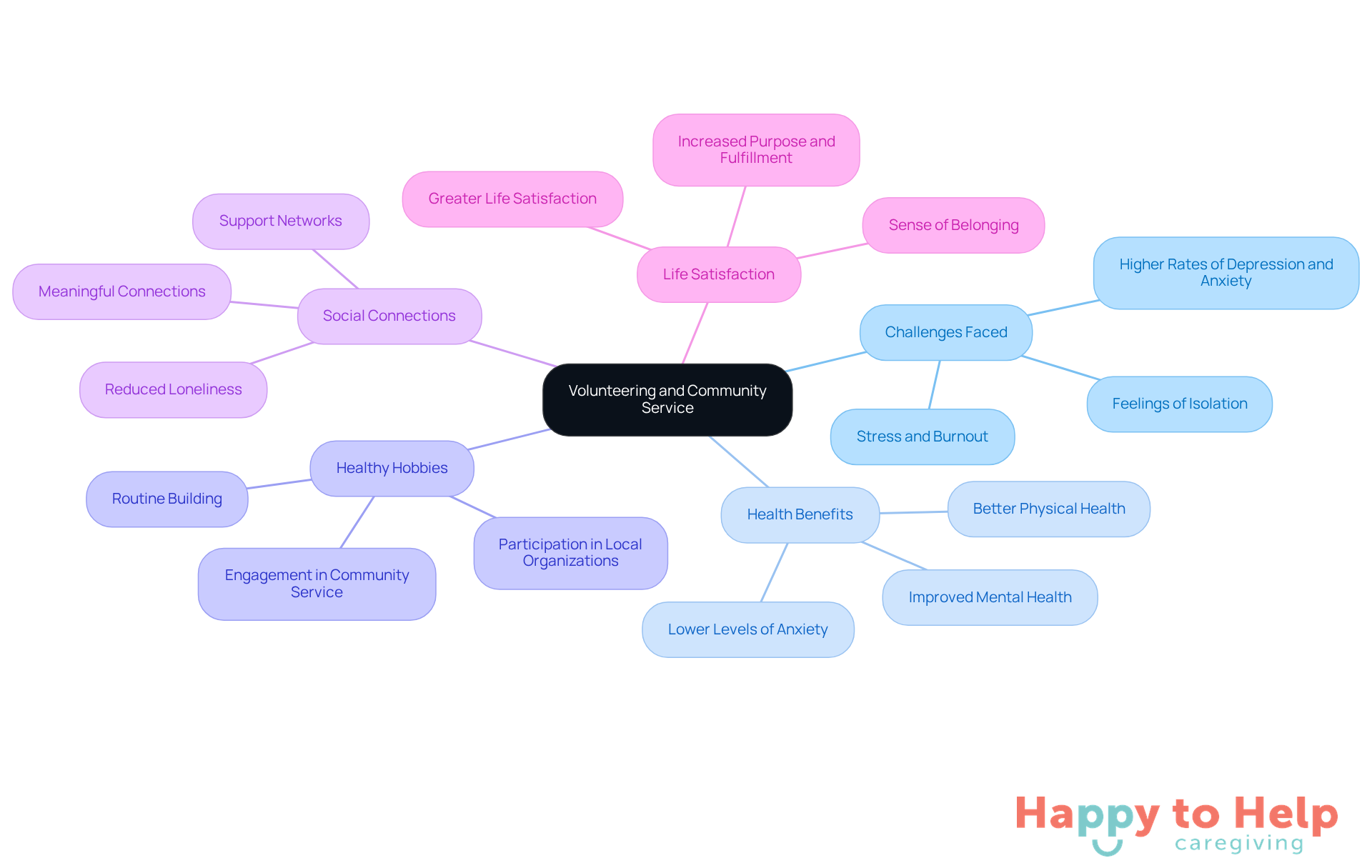
Caregivers often face significant challenges, including feelings of isolation and stress. These issues can negatively impact their emotional and physical well-being, leading to higher rates of depression and anxiety.
Research shows that older adults who volunteer report improved health outcomes, including enhanced mental health and lower levels of anxiety. By participating in community service, caregivers can embrace healthy hobbies that combat feelings of isolation while also contributing positively to their communities.
To address these challenges, caregivers can explore local organizations that align with their interests. Dedicating time to healthy hobbies not only helps those in need but also enriches the caregiver's life. This involvement fosters meaningful connections and significantly reduces feelings of loneliness.
Engaging in community service enables caregivers to develop a routine filled with healthy hobbies that enhances their social interactions. This, in turn, leads to greater life satisfaction and a heightened sense of belonging. By volunteering, caregivers can find purpose and fulfillment, ultimately improving their overall emotional well-being.
Learning and Skill Development: Online Courses and Crafts for Growth
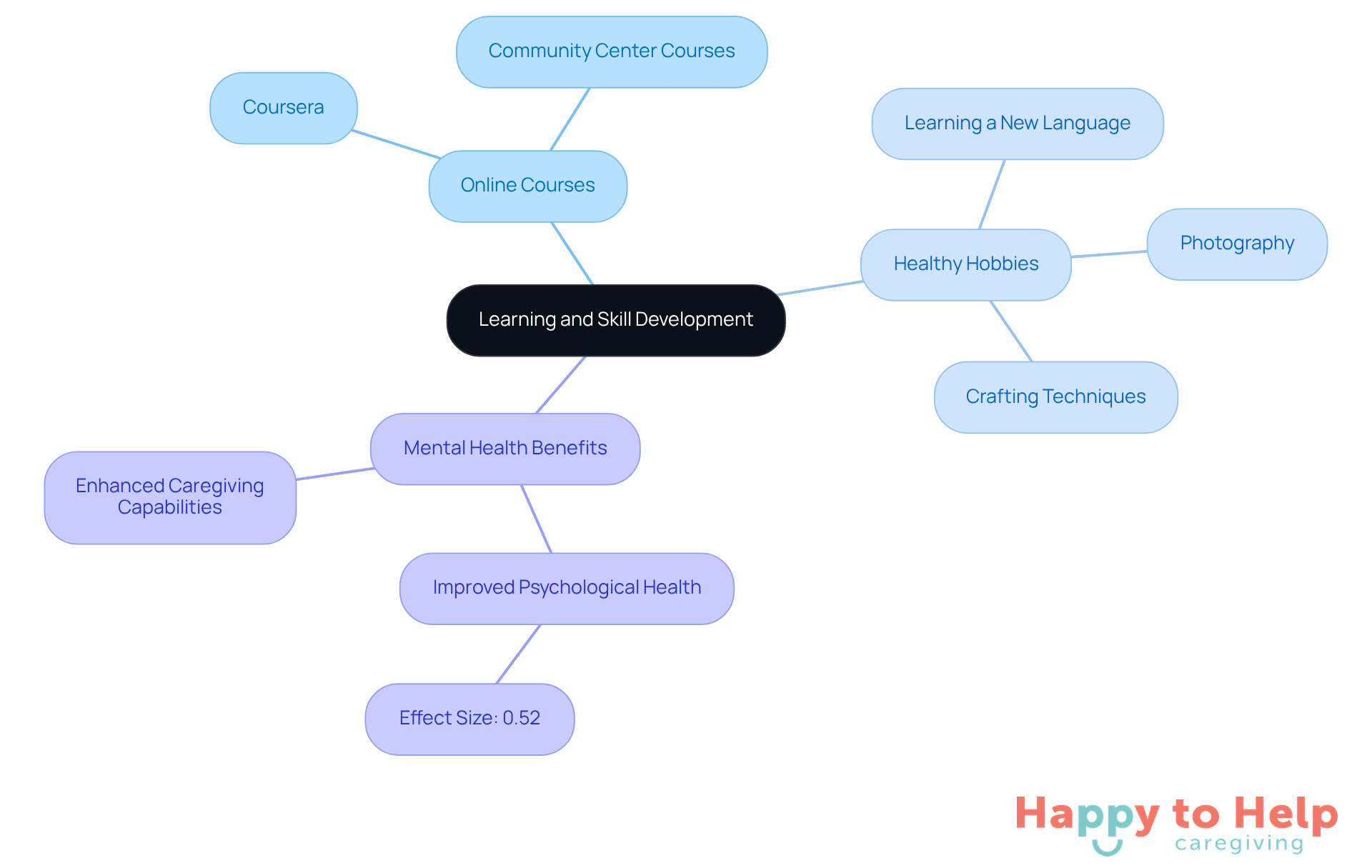
Caregivers often face significant mental strain, which can lead to feelings of burnout and decreased well-being. This challenge not only affects their emotional health but can also impact the quality of care they provide.
Engaging in online courses or pursuing healthy hobbies can serve as a powerful solution. Healthy hobbies, such as learning a new language, exploring photography, or mastering various crafting techniques, can invigorate the mind and foster a sense of achievement. Studies indicate that the psychological health of caregivers can improve with an effect size of 0.52, underscoring the positive impact of skill development on mental health.
Caregivers have access to a wealth of resources through platforms like Coursera or local community centers, offering courses tailored to their interests. This commitment to personal growth through healthy hobbies enriches their lives and provides a vital respite from caregiving demands, promoting overall well-being and resilience.
As noted by M. Sanjuán, "A training programme that instructs assistants to work cognitively with older adults provides cognitive, functional, and HRQoL benefits in these individuals regardless of the type of assistant who administers this effort." By investing in their own development, caregivers can enhance their mental health and improve their caregiving capabilities.
Social Hobbies: Book Clubs and Support Groups for Connection
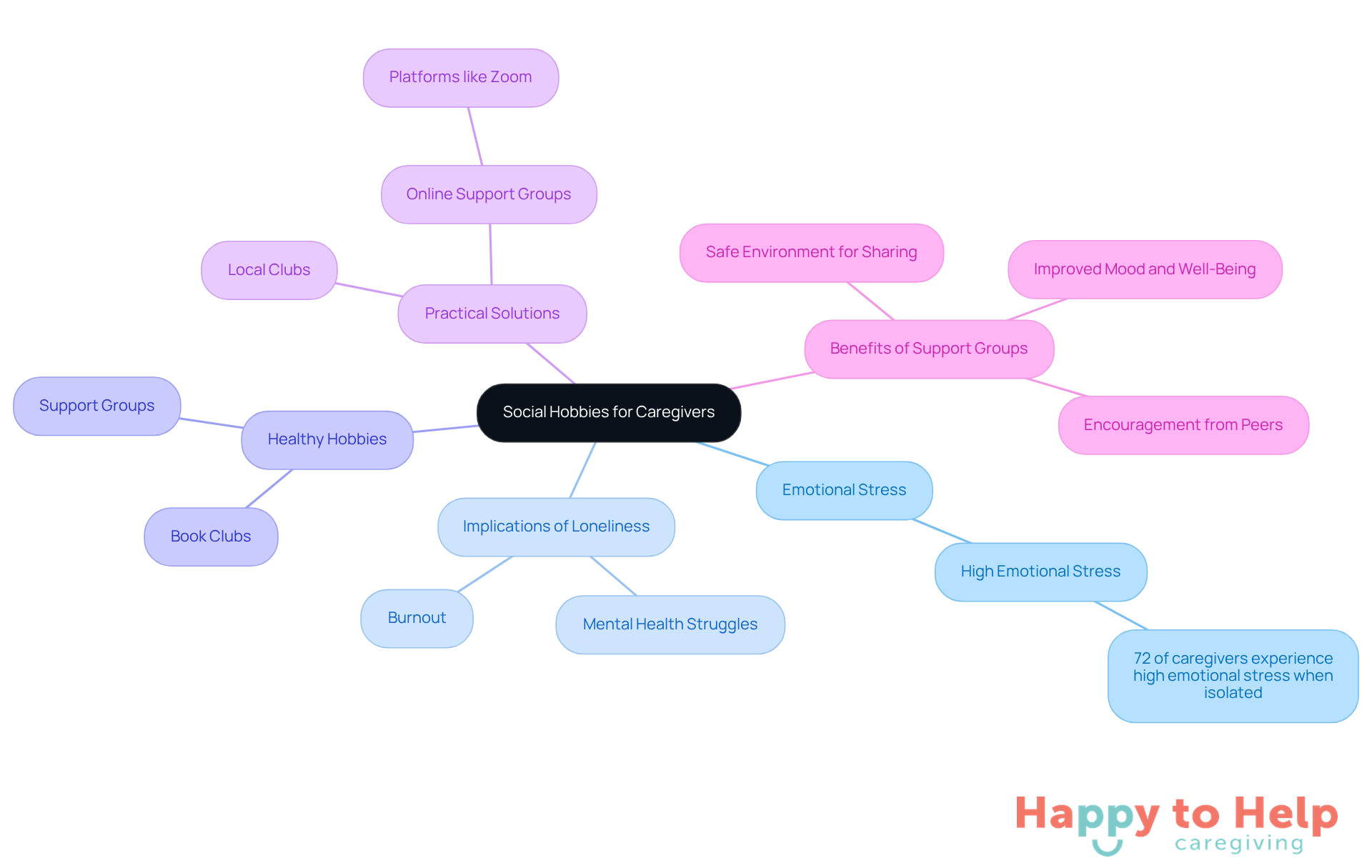
Caregivers often face significant emotional stress and feelings of loneliness, which can adversely affect their mental well-being. Research shows that 72% of support providers experience high emotional stress when isolated. This highlights a pressing problem: the need for connection and support among those who care for others.
The implications of this loneliness are profound. Without meaningful social interactions, caregivers may struggle with their mental health, leading to burnout and decreased effectiveness in their caregiving roles. Engaging in healthy hobbies, like book clubs and support groups, can provide essential opportunities for connection and belonging. These activities foster meaningful conversations, stimulate the exchange of experiences, and help develop friendships, all of which are crucial for mental well-being.
Fortunately, there are practical solutions available. Local clubs or online groups tailored to specific interests can offer valuable chances for social interaction and support. Many communities now provide online support groups through platforms like Zoom, which are particularly beneficial for those with mobility challenges. Participating in these groups not only reduces feelings of isolation but also enhances overall well-being, making it a vital part of a caregiver's self-care routine that includes healthy hobbies.
Experts emphasize the significant benefits of support groups, noting that they create a safe environment for individuals to share their challenges and receive encouragement from peers. According to the Caregiving in the U.S. 2025 report, 63 million caregivers are grappling with substantial health and financial challenges. Prioritizing healthy hobbies is crucial for cultivating resilience and building a supportive network that enriches the caregiving experience.
Finding What Works: Personalizing Hobbies for Enhanced Well-Being
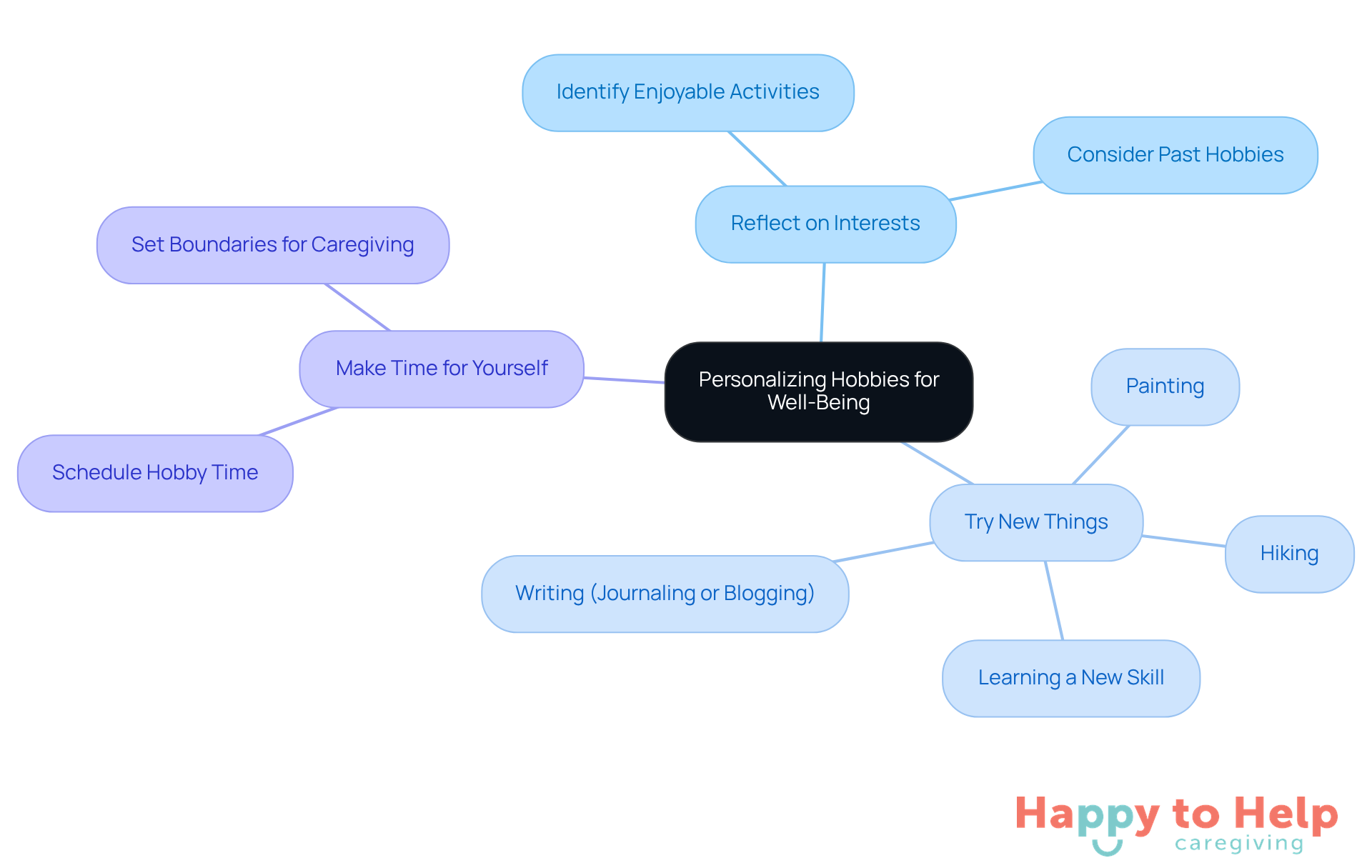
Caregivers often face the challenge of neglecting their own well-being while providing support to others. This can lead to stress and burnout, making it crucial for them to find healthy hobbies that resonate with their interests.
Exploring different activities can help caregivers discover what brings them joy and relaxation. Whether it's painting, hiking, or learning a new skill, taking the time to reflect on personal interests is essential.
By engaging in healthy hobbies that truly enrich their lives, caregivers can promote a healthier balance between caregiving and self-care. Here are some actionable tips for caregivers:
- Reflect on your interests: Take a moment to think about what activities you enjoy.
- Try new things: Don't hesitate to experiment with different hobbies to find what resonates with you.
- Make time for yourself: Prioritize self-care by scheduling time for your hobbies.
This personalized approach not only enhances well-being but also ensures that caregivers can recharge and continue to provide the best care possible.
Making the Right Choice
Engaging in healthy hobbies is crucial for caregivers, as it significantly boosts their overall well-being and the quality of care they provide. Caregivers often face emotional and physical challenges that can lead to stress and burnout. By prioritizing activities that foster connection, relaxation, and personal growth, they can effectively combat these issues.
Healthy hobbies not only serve as a source of joy but also play a vital role in reducing stress. Activities such as:
- Companionship care
- Mindful movement practices like yoga and Tai Chi
- Creative expressions through art and music
- Gardening
- Physical fitness
- Cooking
- Volunteering
- Skill development
offer unique benefits. These hobbies help build social connections, enhance mental clarity, and promote emotional healing, ultimately leading to a more balanced caregiving experience.
Caregivers are encouraged to explore and personalize their hobbies to find what resonates with them. Embracing these activities enriches their lives and empowers them to provide better care for those they support. Investing time in self-care through healthy hobbies is not just beneficial; it is essential for sustaining their emotional and physical health in the demanding role of caregiving.
https://iframe.tely.ai/cta/eyJhcnRpY2xlX2lkIjogIjY5MjRmMWQxZWM0Y2FiOGU3NGVjMDBjNCIsICJjb21wYW55X2lkIjogIjY4ZWU1ZGNhNzMxNzYyNTU3ZjNjOTVjMSIsICJpbmRleCI6IG51bGwsICJ0eXBlIjogImFydGljbGUifQ==Frequently Asked Questions
What is the purpose of companionship care for seniors?
Companionship care addresses the isolation many seniors experience, which can negatively affect their mental health. It aims to provide meaningful social interaction to improve overall well-being.
How does social engagement benefit seniors and caregivers?
Regular social engagement can enhance mental health outcomes for seniors by reducing stress and improving quality of life. For caregivers, fostering these connections can lower burnout levels and increase job satisfaction.
What are some strategies caregivers can use to combat isolation in seniors?
Caregivers can engage in meaningful conversations, participate in shared activities, and encourage regular social outings to help seniors connect with friends or community groups.
What practices can help caregivers manage stress?
Healthy hobbies such as yoga and Tai Chi can help caregivers manage stress by promoting relaxation, mindfulness, and deep breathing, which improve flexibility and reduce anxiety.
How can caregivers incorporate yoga and Tai Chi into their routines?
Caregivers can join local classes or use online resources, set aside time each day for practice, and focus on deep breathing techniques to promote relaxation.
What role does creative expression play in the well-being of caregivers?
Engaging in activities like art, music, or writing provides caregivers with a therapeutic outlet for self-expression, helping to enhance mental well-being and reduce feelings of isolation and stress.
What are some creative hobbies caregivers can pursue?
Caregivers can join local art classes, participate in music therapy sessions, or start a personal journaling practice to foster self-expression and connection.
How does music therapy benefit caregivers?
Music therapy has been shown to reduce stress and promote relaxation, making it a valuable resource for emotional healing among caregivers.
List of Sources
- Happy to Help Caregiving: Companionship Care for Emotional Support
- I Can’t Talk to My Ill Spouse. How Can I Get Support? (https://aarp.org/caregiving/basics/caregiver-find-emotional-support)
- Older adults find support through health care companions (https://news-medical.net/news/20250924/Older-adults-find-support-through-health-care-companions.aspx)
- Understanding the Benefits of Companion Care for Seniors - Freedom Home Care (https://freedomhomecare.net/2025/08/26/understanding-the-benefits-of-companion-care-for-seniors)
- Caregiving’s Mental Health Crisis (https://forbes.com/sites/otsuka/2025/10/02/caregivings-mental-health-crisis)
- 10 Benefits of Professional Companion Services for Family Caregivers - Happy To Help (https://happytohelpcaregiving.com/10-benefits-of-professional-companion-services-for-family-caregivers)
- Creative Expression: Art, Music, and Writing for Emotional Healing
- Does written emotional disclosure improve the psychological and physical health of caregivers? A systematic review and meta-analysis (https://sciencedirect.com/science/article/abs/pii/S0005796716300407)
- Art Therapy Quotes - Sayings About Creativity, Therapy & Healing (https://artofanxiety.com/art-therapy-quotes)
- Physical Fitness: Running, Hiking, and Strength Training for Vitality
- Best Exercise and Mental Health Quotes to Get You Through the Week - Konga Fitness & Martial Arts Mississauga (https://kongafitness.com/best-exercise-and-mental-health-quotes-to-get-you-through-the-week)
- 12 Motivational Quotes for Caregivers (https://ultimatecareny.com/resources/motivational-quotes-for-caregivers)
- 40 Workout Motivational Quotes Inspired By Health Coaches And Celebrities (https://healthcoachinstitute.com/articles/24-workout-motivational-quotes)
- Wearable Activity Tracker Use and Physical Activity Among Informal Caregivers in the United States: Quantitative Study (https://mhealth.jmir.org/2022/11/e40391)
- Informal caregiving and physical activity among 204,315 adults in 38 low- and middle-income countries: A cross-sectional study (https://sciencedirect.com/science/article/pii/S0091743520300311)
- Cooking and Nutrition: Healthy Meal Preparation as a Fulfilling Hobby
- Hospitals teaching culinary classes to help patients change diets (https://nbcnews.com/now/video/hospitals-teaching-culinary-classes-to-help-patients-change-diets-243726917577)
- Top 20 Famous Quotes about Nutrition - Become A Nutritionist (https://becomeanutritionist.org/blog/top-20-famous-quotes-about-nutrition)
- 27 Inspirational Quotes for Caregivers (https://ultimatecareny.com/resources/27-quotes-for-caregivers)
- The Joy of Cooking and its Benefits for Older Adults (https://ihpi.umich.edu/national-poll-healthy-aging/reports-and-resources/joy-cooking-and-its-benefits-older-adults)
- 150 Best Quotes About Nutrition (https://deliberatedirections.com/quotes-about-nutrition)
- Volunteering and Community Service: Finding Purpose Through Giving Back
- Small ways older adults can help the community- Home Care Powered By AUAF (https://homecare-aid.com/small-ways-older-adults-can-help-the-community)
- 3 health benefits of volunteering (https://mayoclinichealthsystem.org/hometown-health/speaking-of-health/3-health-benefits-of-volunteering)
- Volunteering Statistics 2025: Who Volunteers & Why It Matters (https://activategood.org/volunteering-statistics-2025)
- Inspirational Volunteer Quotes for Expressing Appreciation (https://galaxydigital.com/blog/volunteer-quotes)
- Supporting Older Workers and Caregivers: Tips for Volunteer Managers (https://digitalcommons.library.umaine.edu/moca\_research/42)
- Learning and Skill Development: Online Courses and Crafts for Growth
- Caregiver training: Evidence of its effectiveness for cognitive and functional improvement in older adults - PMC (https://pmc.ncbi.nlm.nih.gov/articles/PMC10078788)
- Caregiver skills training for caregivers of individuals with neurodevelopmental disorders: A systematic review and meta‐analysis (https://onlinelibrary.wiley.com/doi/10.1111/dmcn.15764)
- 27 Inspirational Quotes for Caregivers (https://ultimatecareny.com/resources/27-quotes-for-caregivers)
- 30 Inspirational Quotes for Caregivers (https://agingcare.com/articles/caregivers-quotes-inspiration-141133.htm)
- 42 inspirational quotes for caregivers (https://care.com/c/40-inspirational-caregiver-quotes)
- Social Hobbies: Book Clubs and Support Groups for Connection
- Having a hobby tied to happiness and well-being - Harvard Health (https://health.harvard.edu/mind-and-mood/having-a-hobby-tied-to-happiness-and-well-being)
- Caregiving Statistics US 2025: Insights for Family Caregivers (https://zencaregiving.org/caregiving-statistics-us-2025)
- Caregiving connects us, community strengthens us - VA News (https://news.va.gov/143323/caregiving-connects-us-community-strengthens-us)
- The Importance of Community for Caregivers: Building Your Support Network (https://momsinmotion.net/the-importance-of-community-for-caregivers-building-your-support-network)
- The Benefits of Support Groups for Older Adults and Caregivers (https://watermarkcommunities.com/resources/in-the-news/the-benefits-of-support-groups-for-older-adults-and-caregivers)
- Finding What Works: Personalizing Hobbies for Enhanced Well-Being
- 25+ Inspirational Quotes for Caregivers (https://caringseniorservice.com/blog/quotes-for-caregiver-inspiration)
- Hobby engagement and mental wellbeing among people aged 65 years and older in 16 countries - PMC (https://pmc.ncbi.nlm.nih.gov/articles/PMC10504079)
- How Hobbies Can Ease Caregiver Stress (https://ncoa.org/article/hobbies-for-caregivers-to-ease-stress-make-life-better)
- CaringBridge (https://caringbridge.org/resources/inspirational-quotes-on-caregiving)
- 40 Inspirational Quotes for Caregivers - Care Options for Kids (https://careoptionsforkids.com/blog/inspirational-quotes-for-caregivers)