
For families in our service areas
For families in our service areas, this guide explains caregiving and how non-medical in-home caregiving can support care planning in East Idaho, Treasure Valley & Magic Valley, Northern Wasatch, North Central West Virginia, and Northeast Ohio.
Why 10 Heart Healthy Exercises Matters
Heart health is a significant concern for seniors. Maintaining an active lifestyle can greatly reduce the risk of cardiovascular diseases. However, many older adults face feelings of isolation, which can impact their emotional resilience. Engaging in heart-healthy exercises not only enhances physical well-being but also helps combat these feelings.
With numerous options available, seniors may wonder how to choose activities that are both enjoyable and beneficial. This article explores ten heart-healthy exercises tailored for seniors. These activities can boost overall well-being and promote a healthier lifestyle.
Happy to Help Caregiving: Personalized Companionship for Active Seniors
Isolation is a significant challenge faced by many older adults, impacting their mental well-being. As they age, feelings of loneliness can intensify, leading to a decline in emotional health. This is where tailored companionship services come into play.
Happy to Help Caregiving addresses these distinct needs by offering companionship that fosters meaningful conversations and activities. Caregivers engage clients in ways that nurture emotional bonds, which are essential for mental well-being. By reducing feelings of isolation, these services not only enhance emotional health but also encourage older adults to engage in heart healthy exercises for seniors, ultimately improving their overall well-being.
Incorporating companionship into daily routines can be a practical solution for caregivers. Here are some actionable tips:
- Engage in regular conversations to build trust and rapport.
- Encourage participation in heart healthy exercises for seniors that promote overall heart health.
- Plan social outings to foster connections with others.
By implementing these strategies, caregivers can significantly improve the quality of life for older adults, ensuring they feel valued and connected.
Walking: A Simple Yet Effective Cardiovascular Exercise
Heart wellness is a significant concern for seniors, especially since engaging in heart healthy exercises for seniors can prevent serious health issues caused by inactivity. Many seniors struggle to maintain an active lifestyle, but incorporating heart healthy exercises for seniors can positively impact their cardiovascular health.
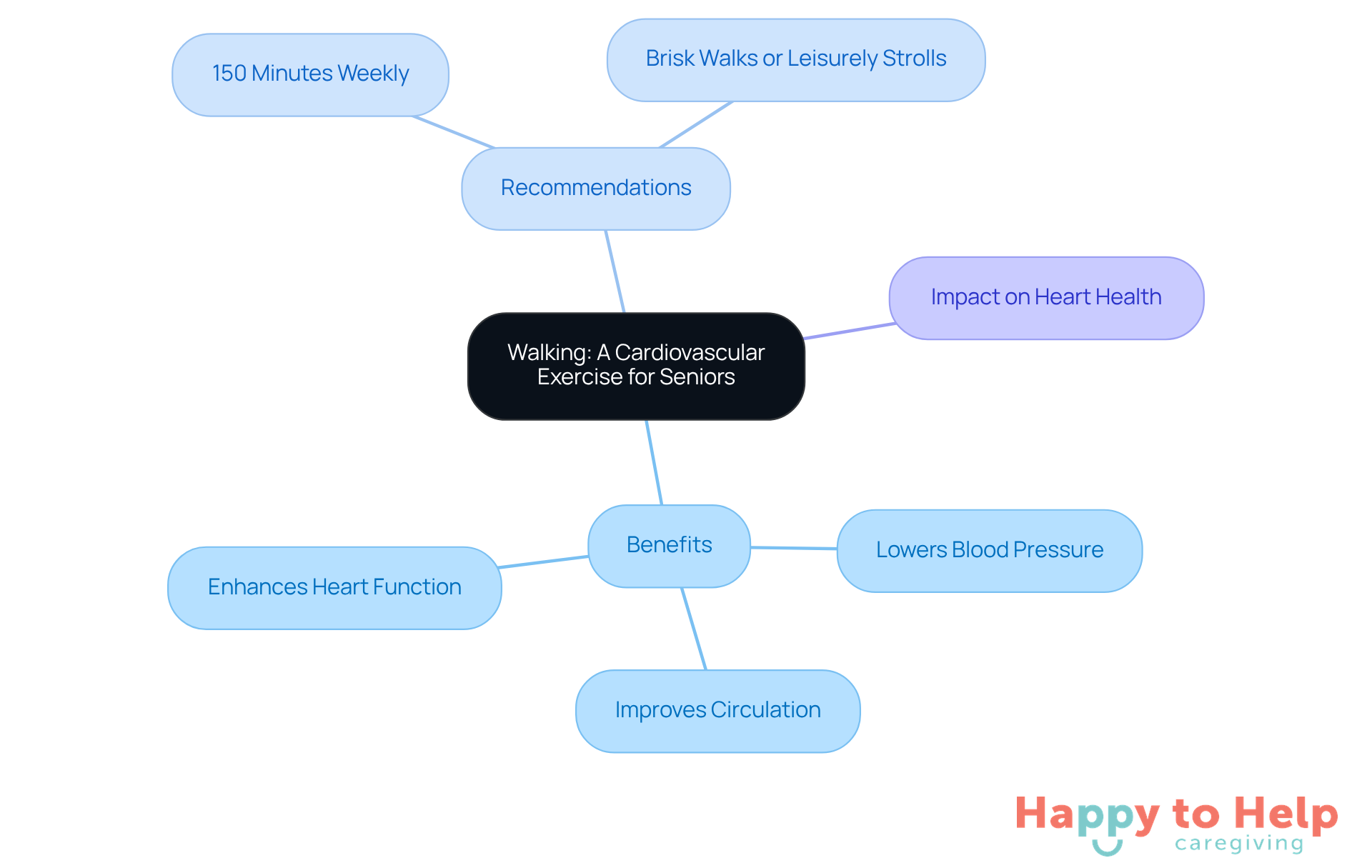
Walking is a simple yet effective solution. It’s a low-impact activity that can greatly enhance heart healthy exercises for seniors. Seniors should aim for at least 150 minutes of moderate-intensity walking each week. This can be achieved through brisk walks in the neighborhood or leisurely strolls in parks.
Regular walking helps lower blood pressure, improve circulation, and enhance overall heart function. By incorporating walking, which is one of the heart healthy exercises for seniors, into their routine, seniors can take proactive steps towards better heart health.
Swimming: A Low-Impact Activity for Heart Health
For seniors, cardiovascular health can be a significant concern. Many older adults struggle with finding heart healthy exercises for seniors that are both effective and gentle on their bodies. This is where swimming comes in as a fantastic solution.
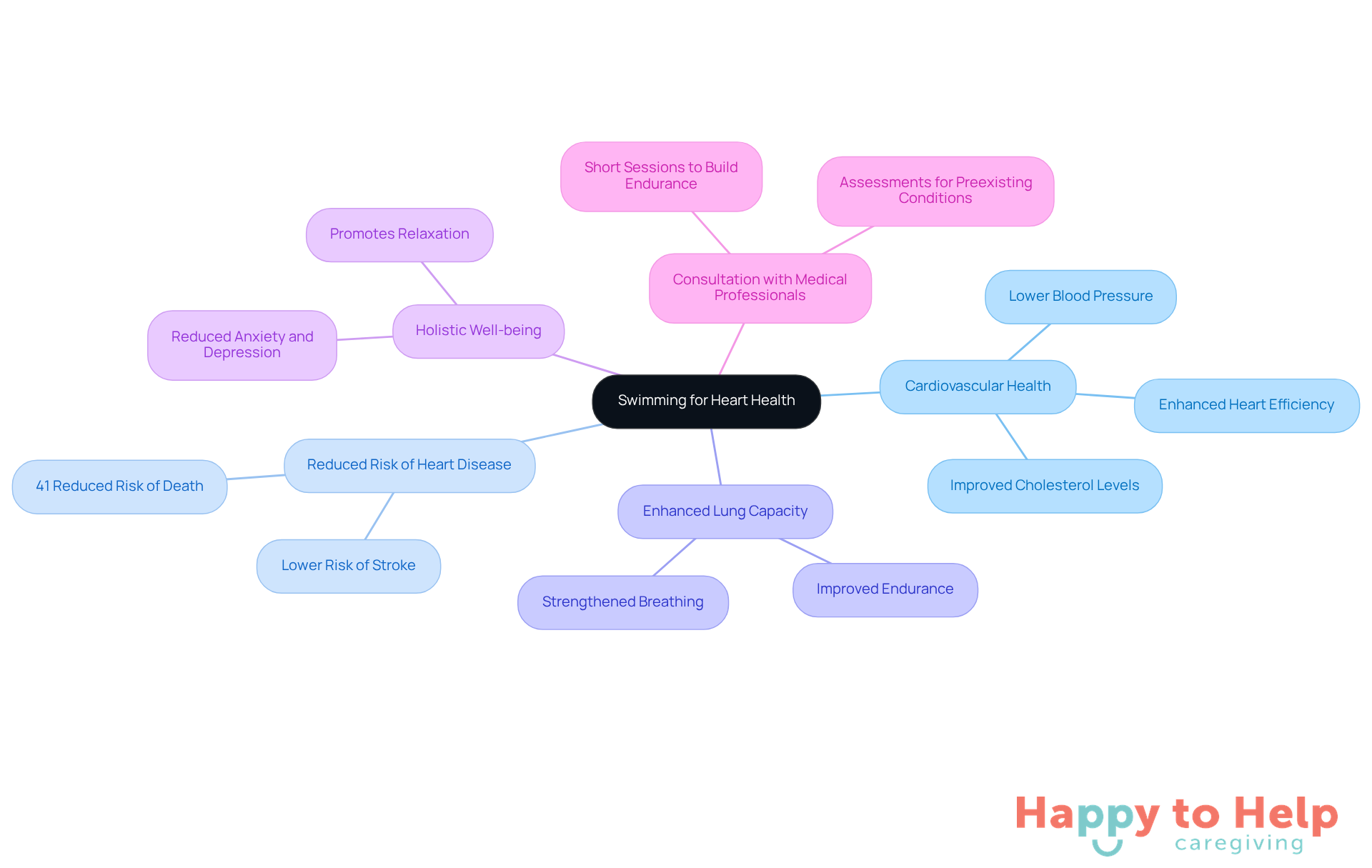
Swimming offers an invigorating way to engage in cardiovascular exercise, combining the benefits of buoyancy and resistance. This low-impact activity reduces strain on joints while effectively strengthening muscles. In fact, studies show that swimmers face a 41% reduced risk of death from heart disease or stroke compared to non-swimmers. This statistic highlights the importance of incorporating heart healthy exercises for seniors, such as swimming, into a fitness routine.
Moreover, swimming enhances lung capacity by promoting regulated breathing, which is vital for endurance and overall respiratory health. The soothing nature of water fosters relaxation, making swimming not just a physical workout but a holistic approach to well-being. For older adults, participating in heart healthy exercises for seniors means meaningful improvements in cardiovascular fitness and quality of life.
Before starting any new fitness regimen, it’s crucial for older adults to consult with a medical professional, especially if they have preexisting medical conditions. To maximize benefits, consider adding weight-bearing activities alongside swimming to promote bone health.
Starting with short swimming sessions of five to ten minutes and gradually increasing the duration can help build endurance safely. This approach ensures that seniors can enjoy the many advantages of swimming while prioritizing their health.
Chair Yoga: Gentle Movements for Heart Wellness
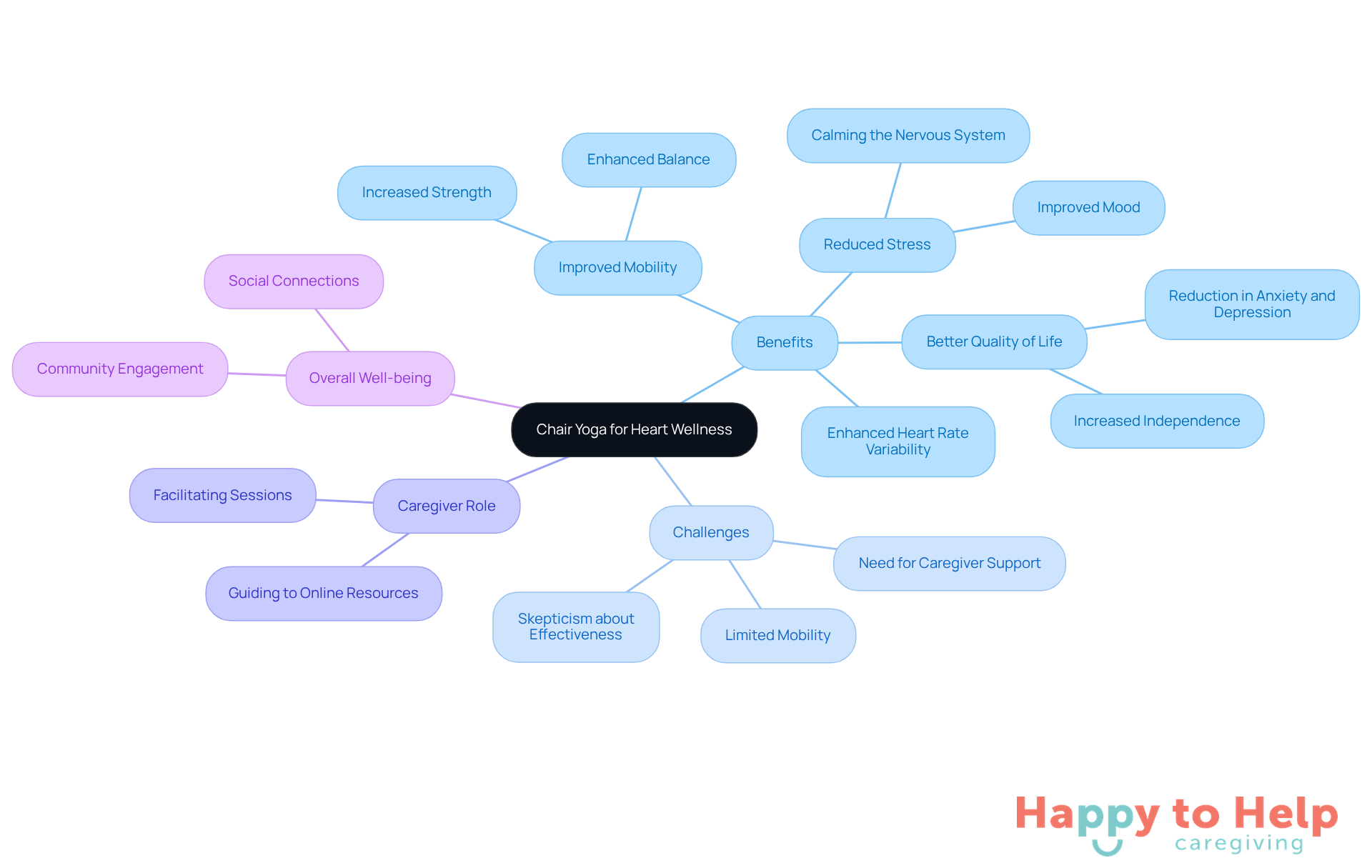
Chair yoga addresses a significant problem faced by older adults: limited mobility and the increased risk of falls. These challenges can lead to decreased independence and a lower quality of life. By improving flexibility and circulation, chair yoga serves as one of the heart healthy exercises for seniors, offering a gentle yet effective solution to these issues.
Research shows that this practice not only reduces stress levels but also enhances heart rate variability, contributing to better cardiovascular health. Engaging in chair yoga can significantly improve physical function and overall well-being among older adults, making it an essential component of any healthy aging routine.
Caregivers can facilitate chair yoga sessions or guide older adults to customized online tutorials. This enables them to engage in heart healthy exercises for seniors that promote heart health and enhance their quality of life. Engaging in heart healthy exercises for seniors can lead to improved strength, mobility, and a reduction in symptoms of anxiety and depression, fostering a healthier lifestyle.
Strength Training: Building Muscle to Support Heart Health
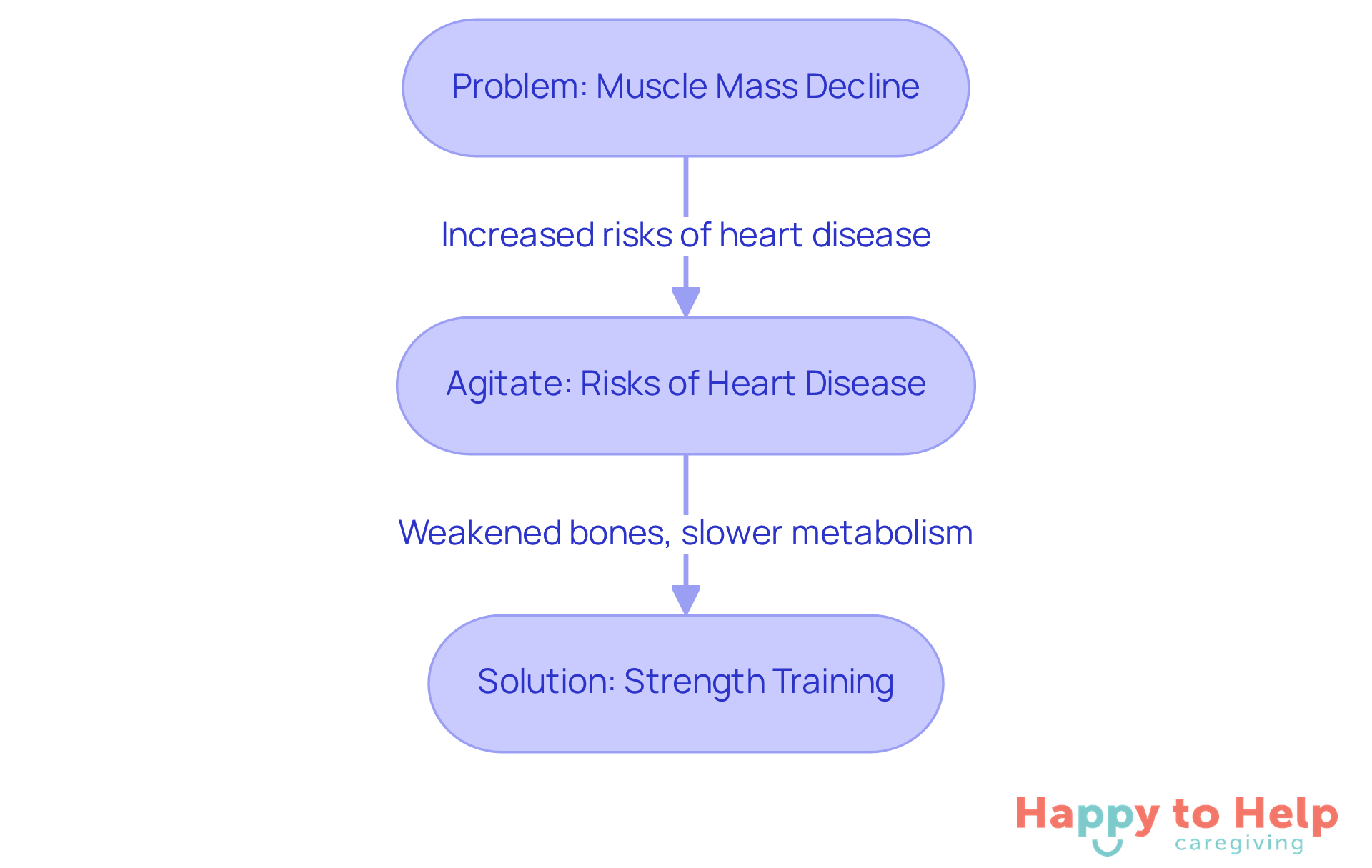
Problem: As we age, muscle mass naturally declines, leading to increased risks of heart disease and other health issues. This loss of strength can significantly impact seniors' quality of life.
Agitate: The Centers for Disease Control and Prevention (CDC) highlights that older adults should engage in strength training at least two days a week. Without this, seniors may face not only reduced muscle mass but also weakened bones and a slower metabolism, which can exacerbate health problems.
Solution: Incorporating simple exercises with resistance bands or light weights can effectively combat these issues. Strength training not only builds muscle but also improves bone density and boosts metabolism. As Luke A. Beggs, M.D., Ph.D., states, "Strength training can enhance our quality of life as we age." Additionally, it plays a crucial role in preventing sarcopenia, a condition characterized by muscle loss and weakness.
Before starting any new exercise regimen, it's essential for older adults to consult with medical experts to ensure safety and efficacy.
Dancing: Enjoyable Movement for Heart Fitness
Many older adults face the challenge of maintaining heart health by engaging in heart healthy exercises for seniors as they age. This issue can lead to decreased mobility and increased health risks.
Dancing offers a fun and effective solution. Whether it's ballroom, line dancing, or Zumba, older adults can enjoy themselves while enhancing their cardiovascular health. Regular dancing serves as one of the heart healthy exercises for seniors, boosting heart health while also improving coordination, balance, and endurance.
To get started, consider:
- Joining a local dance class
- Finding online tutorials
Engaging in dance regularly can make staying active enjoyable and beneficial.
Group Aerobics: Social Exercise for Heart Health
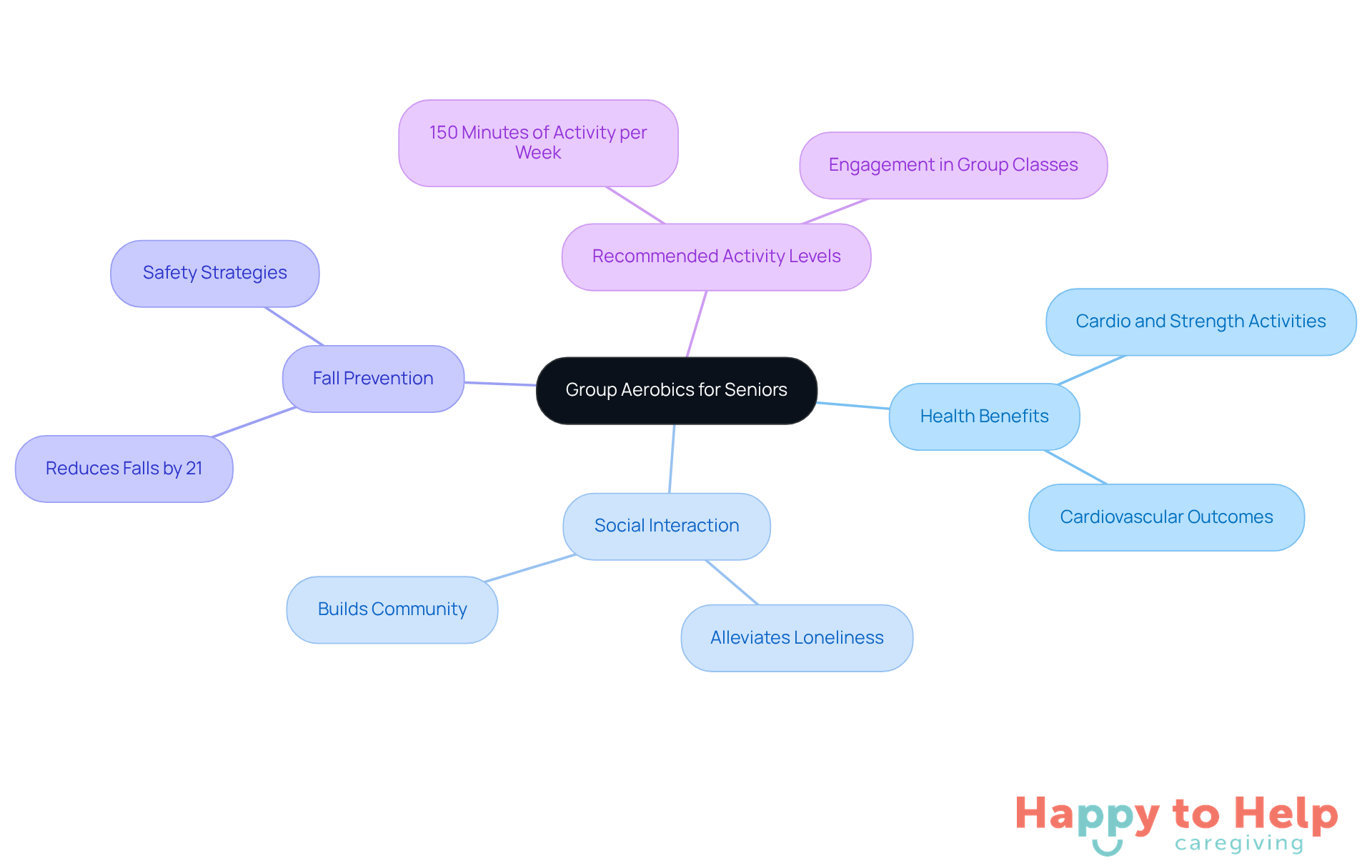
Seniors often face the challenge of inactivity, which can lead to serious health issues. In fact, a staggering 60.9% of older adults report no leisure-time physical activity. This lack of engagement can contribute to feelings of isolation and negatively impact cardiovascular health.
Group aerobics classes present a vibrant solution to this problem. These classes combine cardio and strength activities tailored specifically for older adults, fostering a motivating atmosphere that enhances overall well-being. The social aspect of these classes is crucial; it alleviates feelings of loneliness and builds a sense of community, encouraging consistent participation. Engaging in heart healthy exercises for seniors is essential for preserving heart health, as studies indicate that social involvement can lead to better cardiovascular outcomes.
Moreover, physical activity is vital for fall prevention. Engaging in group aerobics has been shown to decrease falls by 21%, making it a key component of safety strategies for seniors. The camaraderie developed in these classes not only boosts motivation but also transforms fitness into an enjoyable journey. As fitness specialist Paige Denison notes, creating a fun atmosphere is essential, turning physical activity from a chore into something participants look forward to.
To maintain optimal health, older adults are recommended to engage in 150 minutes of physical activity each week. Regular participation in group aerobics can effectively meet this guideline. Overall, heart healthy exercises for seniors, including the combination of physical activity and social interaction in group aerobics, significantly support cardiovascular well-being and enhance the quality of life for older adults.
Tai Chi: Mindful Movement for Cardiovascular Benefits
Many seniors face the challenge of maintaining physical health as they age. Inactivity can lead to a decline in balance, flexibility, and overall fitness, which can significantly impact their quality of life.
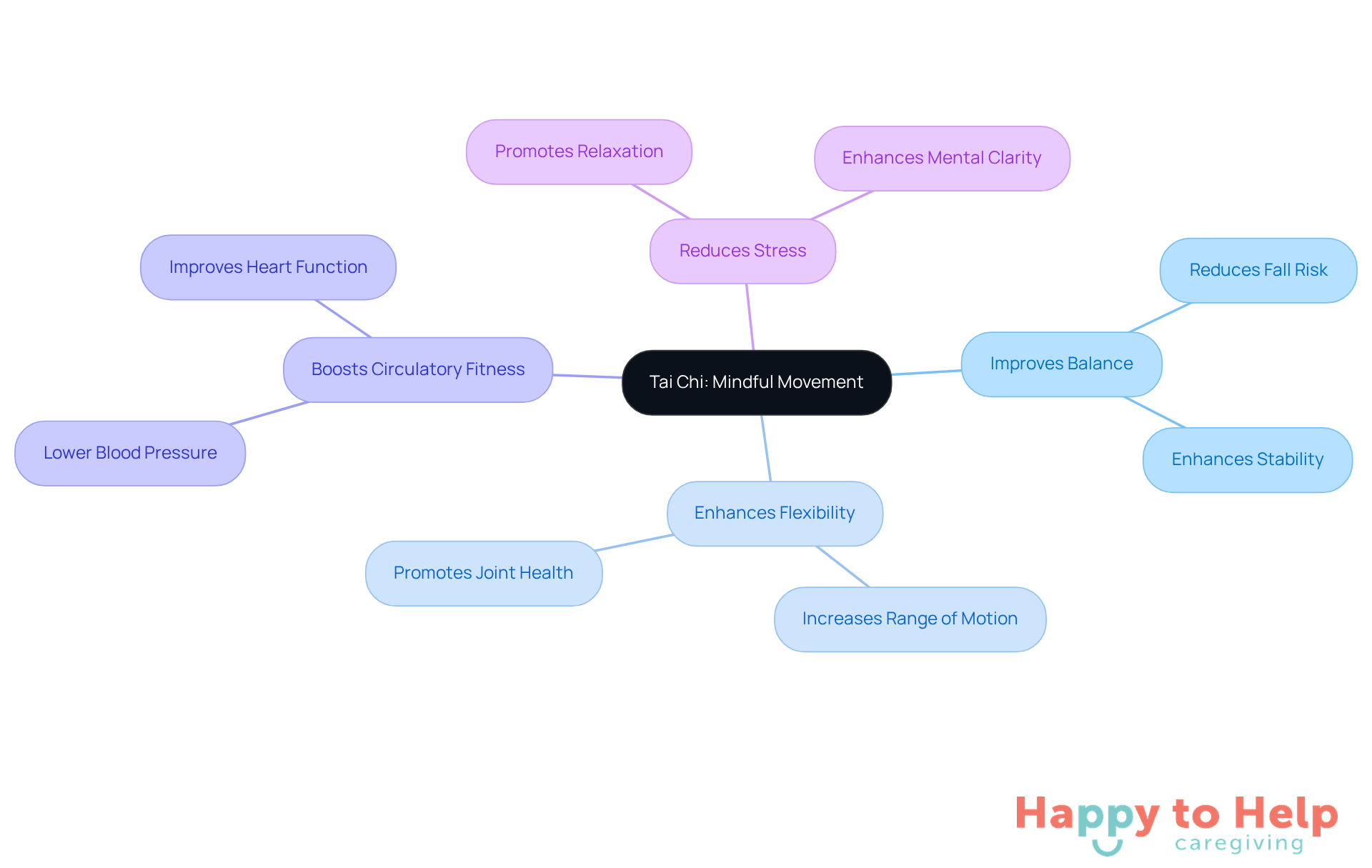
Tai Chi, often referred to as 'meditation in motion,' offers a solution. This low-impact exercise is considered one of the heart healthy exercises for seniors, as it enhances balance and flexibility while also improving circulatory fitness. Engaging in heart healthy exercises for seniors can help lower blood pressure, reduce stress, and enhance overall well-being.
Caregivers can encourage seniors to join local classes or follow online sessions to easily incorporate Tai Chi into their daily routine. By doing so, they can promote a healthier lifestyle and improve their loved ones' physical and mental health.
Gardening: Physical Activity with Heart Health Benefits
Many older adults face the challenge of staying active, which can lead to health issues and decreased well-being. Inactivity not only affects physical health but can also contribute to feelings of isolation and stress.
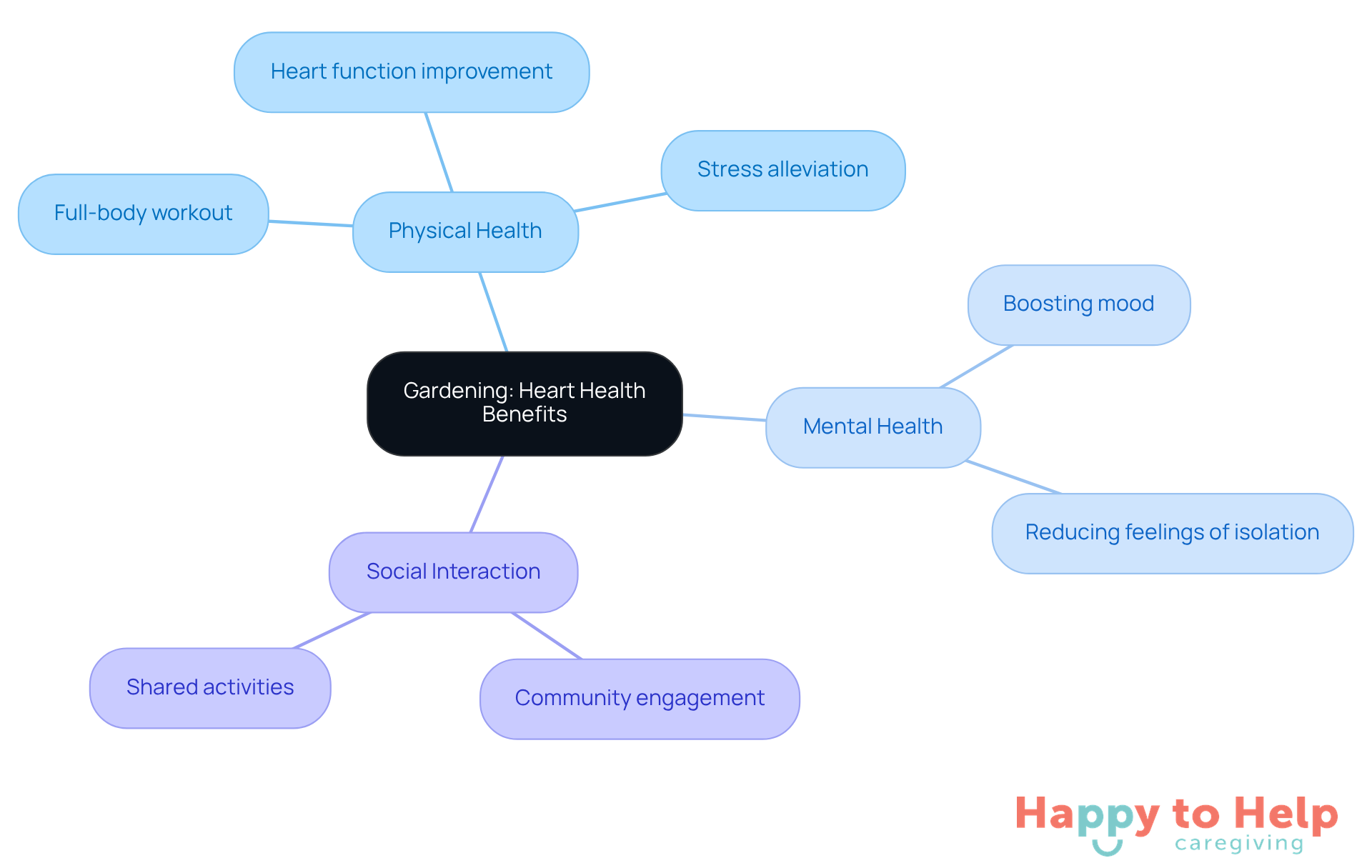
Gardening emerges as a fantastic solution. This moderate-intensity activity allows older adults to enjoy the outdoors while engaging in a full-body workout. Simple tasks like planting, weeding, and watering serve as heart healthy exercises for seniors, enhancing heart function, boosting mood, and alleviating stress, making gardening a beneficial hobby.
By incorporating gardening into their routine, caregivers can help older adults maintain an active lifestyle, improve their mental health, and foster a sense of community through shared activities.
Walking Groups: Community Support for Active Living
Many seniors struggle to maintain regular physical activity, which can lead to serious health issues and social isolation. This lack of motivation not only affects their physical well-being but also their mental health, as they miss out on the benefits of social interaction and exercise.
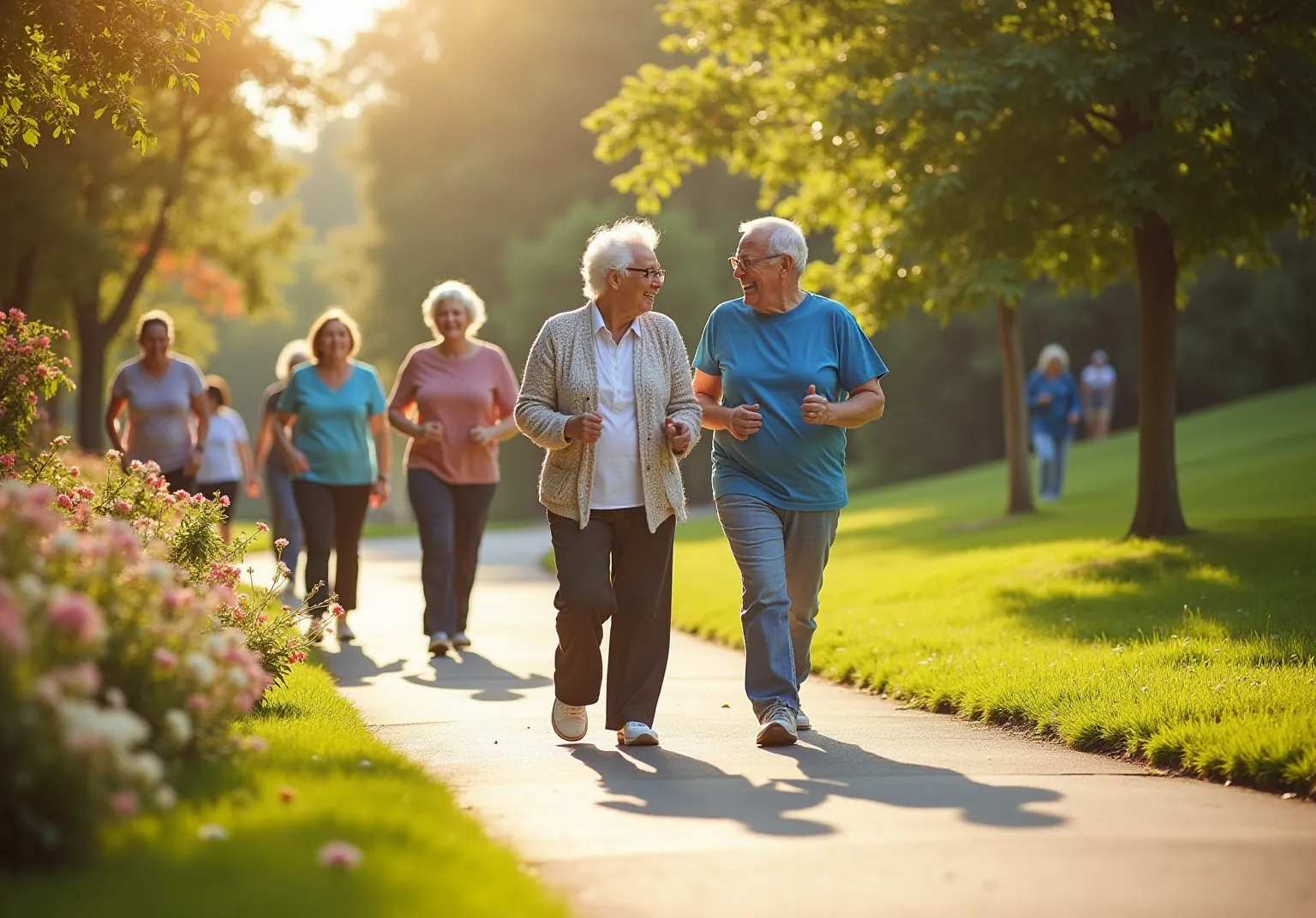
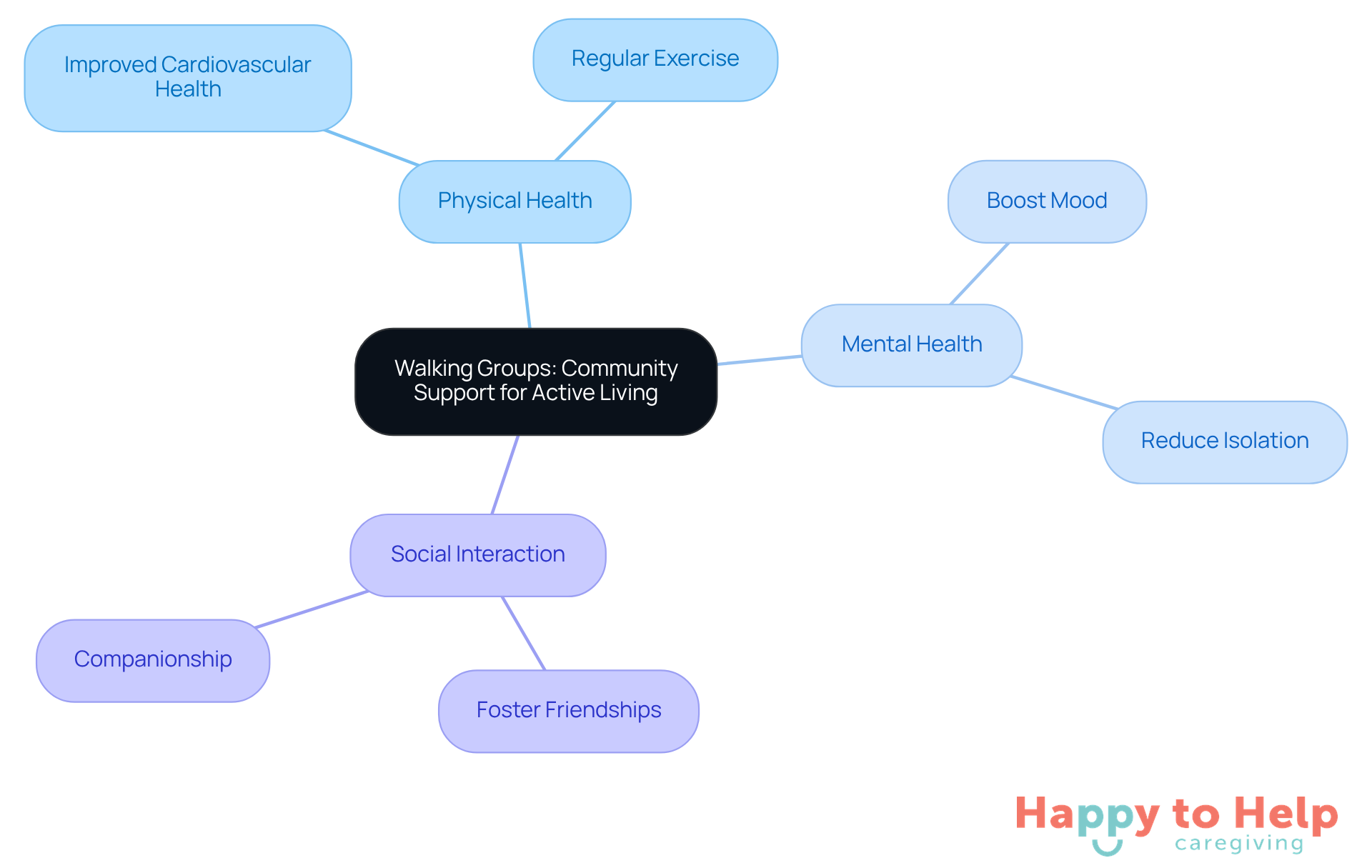
Joining a walking group can be a practical solution to this problem. These groups provide companionship and create a supportive environment that encourages members to stay active. Engaging in heart healthy exercises for seniors, such as regular group walks, can significantly improve cardiovascular health, boost mood, and foster friendships, making exercise a more enjoyable experience.
Incorporating walking groups into a senior's routine can transform their approach to physical activity, making it a social and fulfilling part of their lives.
Key Takeaways for Caregivers
Seniors often face the challenge of inactivity, which can significantly impact their overall well-being and cardiovascular health. This issue not only increases the risk of heart disease but also affects emotional health and social connections. Caregivers play a crucial role in addressing this problem by encouraging heart-healthy exercises that can enhance the quality of life for older adults.
Incorporating activities like walking, swimming, chair yoga, and strength training into daily routines can make a substantial difference.
- Walking is a simple yet effective cardiovascular exercise that also promotes social engagement through walking groups.
- Swimming offers a low-impact option that boosts lung capacity and muscle strength, while chair yoga enhances flexibility and reduces stress.
- Strength training is vital for combating muscle loss, and enjoyable activities such as dancing and gardening improve heart fitness and mental well-being.
To truly support seniors, caregivers should prioritize these heart-healthy exercises. Not only do these activities foster physical health, but they also nurture social connections and emotional resilience. By actively encouraging older adults to engage in these exercises, caregivers can significantly enhance their quality of life, leading to a healthier, happier, and more active aging experience.
https://iframe.tely.ai/cta/eyJhcnRpY2xlX2lkIjogIjY5MjNhMGE2MjcyNDliYTNkMmMzZTVmZCIsICJjb21wYW55X2lkIjogIjY4ZWU1ZGNhNzMxNzYyNTU3ZjNjOTVjMSIsICJpbmRleCI6IG51bGwsICJ0eXBlIjogImFydGljbGUifQ==Frequently Asked Questions
What is the main issue faced by many older adults according to the article?
Many older adults face isolation, which significantly impacts their mental well-being and can lead to feelings of loneliness and a decline in emotional health.
How does Happy to Help Caregiving address the needs of older adults?
Happy to Help Caregiving offers personalized companionship services that foster meaningful conversations and activities, helping to reduce feelings of isolation and enhance emotional health.
What are some actionable tips for caregivers to improve the quality of life for older adults?
Caregivers can improve quality of life by engaging in regular conversations, encouraging participation in heart-healthy exercises, and planning social outings.
Why is walking considered an effective cardiovascular exercise for seniors?
Walking is a low-impact activity that can significantly enhance cardiovascular health by lowering blood pressure, improving circulation, and enhancing overall heart function.
How much walking should seniors aim for each week?
Seniors should aim for at least 150 minutes of moderate-intensity walking each week.
What are the benefits of swimming as a heart-healthy exercise for seniors?
Swimming is a low-impact activity that strengthens muscles, reduces strain on joints, enhances lung capacity, and promotes relaxation, making it effective for cardiovascular health.
What statistics highlight the importance of swimming for older adults?
Studies show that swimmers face a 41% reduced risk of death from heart disease or stroke compared to non-swimmers.
What precautions should seniors take before starting a new fitness regimen like swimming?
Seniors should consult with a medical professional, especially if they have preexisting medical conditions, before starting any new fitness regimen.
How can seniors safely increase their swimming endurance?
Seniors can start with short swimming sessions of five to ten minutes and gradually increase the duration to build endurance safely.
List of Sources
- Happy to Help Caregiving: Personalized Companionship for Active Seniors
- The Role of Companion Care in Reducing Depression Among Seniors (https://malamamaikai.com/role-of-companion-care-in-reducing-depression-among-seniors)
- The Role of Companionship in Senior Well-Being (https://anodyne-services.com/2025/01/07/the-role-of-companionship-in-senior-well-being)
- Lonely Seniors Are Turning To AI Bots For Companionship (https://forbes.com/sites/rashishrivastava/2025/10/18/lonely-seniors-are-turning-to-ai-bots-for-companionship)
- 1 in 3 older adults still experience loneliness and isolation (https://michiganmedicine.org/health-lab/1-3-older-adults-still-experience-loneliness-and-isolation)
- Swimming: A Low-Impact Activity for Heart Health
- Swimming in Benefits for Heart Health (https://wakemed.org/blog/swimming-benefits-heart-health)
- Just Keep Swimming: 9 Health Benefits of Water Workouts (https://health.clevelandclinic.org/swimming-joint-friendly-and-good-for-the-heart)
- Heart Health Swimming Benefits for All Ages (https://weaquatics.com/blog/health-benefits-of-swimming)
- Chair Yoga: Gentle Movements for Heart Wellness
- Chair Yoga for Seniors (https://verywellhealth.com/chair-yoga-for-seniors-11713564)
- Chair yoga for seniors: Benefits and poses for beginners (https://medicalnewstoday.com/articles/chair-yoga-for-seniors)
- Live Whole Health #170: Chair yoga for the heart - VA News (https://news.va.gov/119507/live-whole-health-170-chair-yoga-for-the-heart)
- Benefits of Chair Yoga and Exercise for those with Long Term Health Conditions - AMALAwellness (https://amalateesside.com/2023/05/01/benefits-of-chair-yoga-and-exercise-for-those-with-long-term-health-conditions)
- Strength Training: Building Muscle to Support Heart Health
- How Strength Training Supports Heart Health - Oklahoma Heart Hospital (https://okheart.com/news/how-strength-training-supports-heart-health)
- How can strength training build healthier bodies as we age? (https://nia.nih.gov/news/how-can-strength-training-build-healthier-bodies-we-age)
- Why strength and resistance training can help you as you age (https://nortonhealthcare.com/news/why-strength-and-resistance-training-can-help-you-as-you-age)
- Energize Your Golden Years: 34 Senior Fitness Quotes for Inspiration - Cozy Chris (https://cozychris.com/senior-fitness-quotes)
- Group Aerobics: Social Exercise for Heart Health
- 50 Motivational Workout Quotes | The Output by Peloton (https://onepeloton.com/blog/workout-quotes)
- The Importance of Physical Activity Exercise among Older People - PMC (https://pmc.ncbi.nlm.nih.gov/articles/PMC6304477)
- Prevalence and trends in physical activity among older adults in the United States: A comparison across three national surveys - PMC (https://pmc.ncbi.nlm.nih.gov/articles/PMC4969157)
- EnhanceFitness: Helping Older Adults Get Active and Stay Independent - News & Events | odphp.health.gov (https://odphp.health.gov/news/202407/enhancefitness-helping-older-adults-get-active-and-stay-independent)
- Community exercise helps older adults maintain fitness and strength (https://news-medical.net/news/20250819/Community-exercise-helps-older-adults-maintain-fitness-and-strength.aspx)
- Tai Chi: Mindful Movement for Cardiovascular Benefits
- Tai Chi can prevent cardiovascular disease and improve cardiopulmonary function of adults with obesity aged 50 years and older: A long-term follow-up study - PMC (https://pmc.ncbi.nlm.nih.gov/articles/PMC6824704)
- Tai chi reduces blood pressure better than aerobic exercise, study finds (https://kosu.org/news/2024-02-14/tai-chi-reduces-blood-pressure-better-than-aerobic-exercise-study-finds)
- Top 25 Inspirational Tai Chi Quotes – Interpretation and Application – Tai Chi Learning Center (https://taichilearningcenter.com/top-25-inspirational-tai-chi-quotes-interpretation-and-application)
- Case Studies (https://physio-pedia.com/Category:Case\_Studies)
- Qigong And Tai Chi Quotes - Tai Chi Globe Blog (https://blog.taichiglobe.com/qigong-tai-chi-quotes)
- Gardening: Physical Activity with Heart Health Benefits
- Gardening Is Associated With Better Cardiovascular Health Status Among Older Adults in the United States: Analysis of the 2019 Behavioral Risk Factor Surveillance System Survey (https://sciencedirect.com/science/article/abs/pii/S2212267222011261)
- 37 Inspirational Gardening Quotes (https://treehugger.com/inspirational-gardening-quotes-4868813)
- Walking Groups: Community Support for Active Living
- Women’s 50+ Walking Group Builds Health and Community - Alameda Post (https://alamedapost.com/features/alameda-life/womens-50-walking-group-builds-health-community)
- Effectiveness of a supervised group-based walking program on physical, psychological and social outcomes among older adults: a randomised controlled trial protocol - PMC (https://pmc.ncbi.nlm.nih.gov/articles/PMC11499851)
- Is there evidence that walking groups have health benefits? A systematic review and meta-analysis (https://bjsm.bmj.com/content/49/11/710)
- New 55+ Walking Group | The Healing Center (https://healingcenterseattle.org/announcing-our-55-walking-group)