
The Importance of Factors for Choosing a Nursing Home in
Choosing the right nursing home in San Antonio, TX, presents a significant challenge for families. With numerous factors at play, caregivers must ensure their loved ones receive quality care while also considering emotional well-being, safety, and financial implications. This situation can feel overwhelming, as the stakes are high for both residents and their families.
To navigate this complex decision-making process, families need to understand the critical elements that can truly impact residents' lives. From the importance of facility accreditation to evaluating staff qualifications and the range of services offered, each factor plays a vital role in ensuring a suitable choice. In this article, we will explore ten key factors that can guide families in making informed decisions, helping them select a facility that meets all their needs.
Happy to Help Caregiving: Personalized In-Home Care Services
Loneliness and isolation are significant challenges faced by many seniors, often leading to a decline in mental and emotional health. Research shows that approximately 30% of elderly individuals live alone, making social engagement crucial for their well-being. This situation can create feelings of despair and disconnect, which can be detrimental to their quality of life.
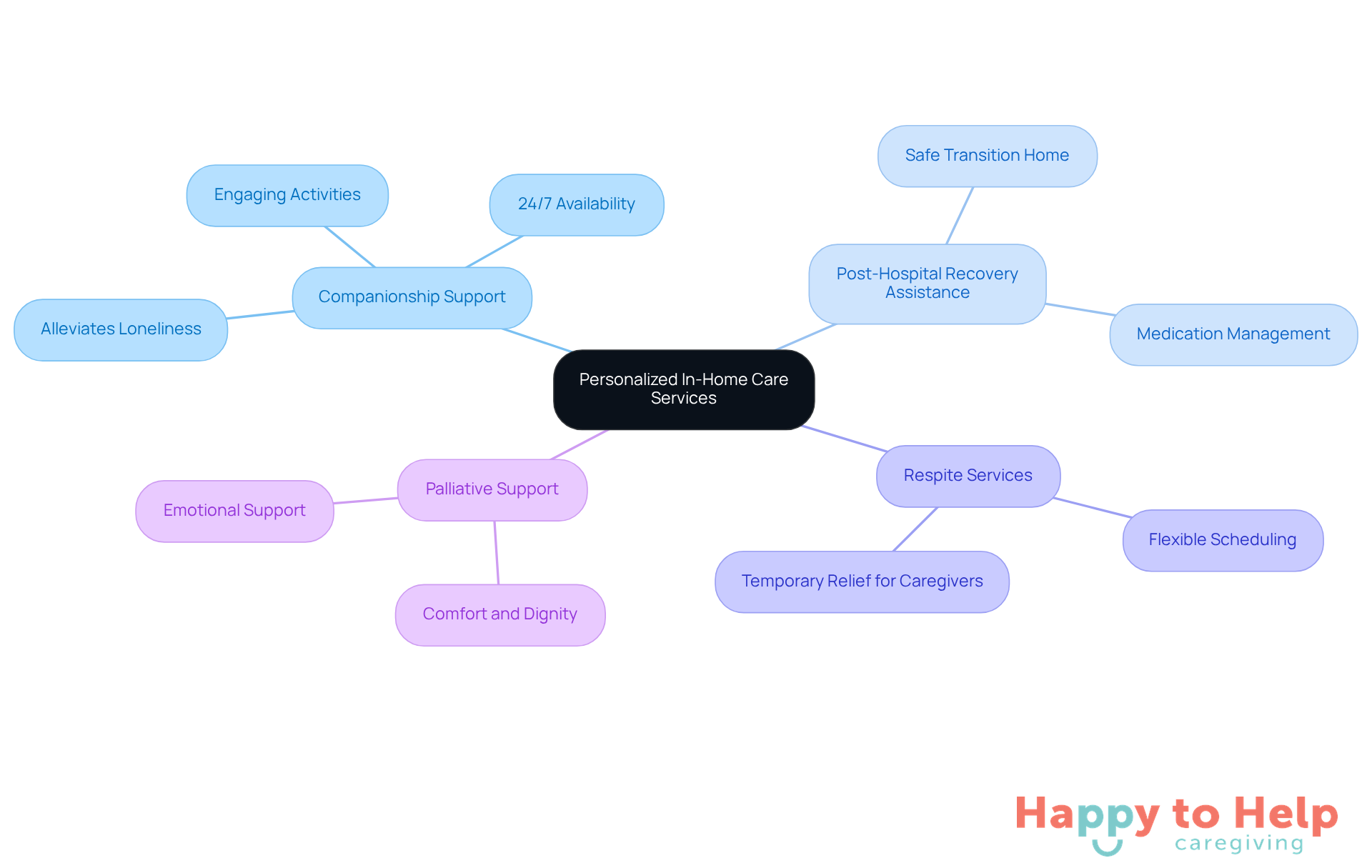
Happy to Help Caregiving addresses these issues by providing tailored in-home assistance services that cater to the unique needs of each client. Their comprehensive offerings include:
- Companionship support
- Post-hospital recovery assistance
- Respite services
- Palliative support
By fostering a sense of security and comfort within familiar surroundings, they significantly enhance the quality of life for seniors and individuals with special needs.
Companionship support is particularly vital, as it can alleviate feelings of loneliness and isolation. Caregivers are trained to engage clients in enjoyable activities, reinforcing the importance of social interaction in maintaining mental and emotional health. With 24/7 availability and flexible scheduling, families can rest assured that their loved ones receive the necessary support at any time, prioritizing their well-being and independence.
This dedication to individualized support not only addresses immediate needs but also contributes to long-term happiness and stability for seniors. Testimonials from families highlight transformative changes in their loved ones' lives, showcasing the profound impact of personalized care. By choosing Happy to Help Caregiving, families can ensure that their loved ones are not just cared for, but also engaged and fulfilled.
Facility Accreditation and Licensing: Ensuring Quality Standards
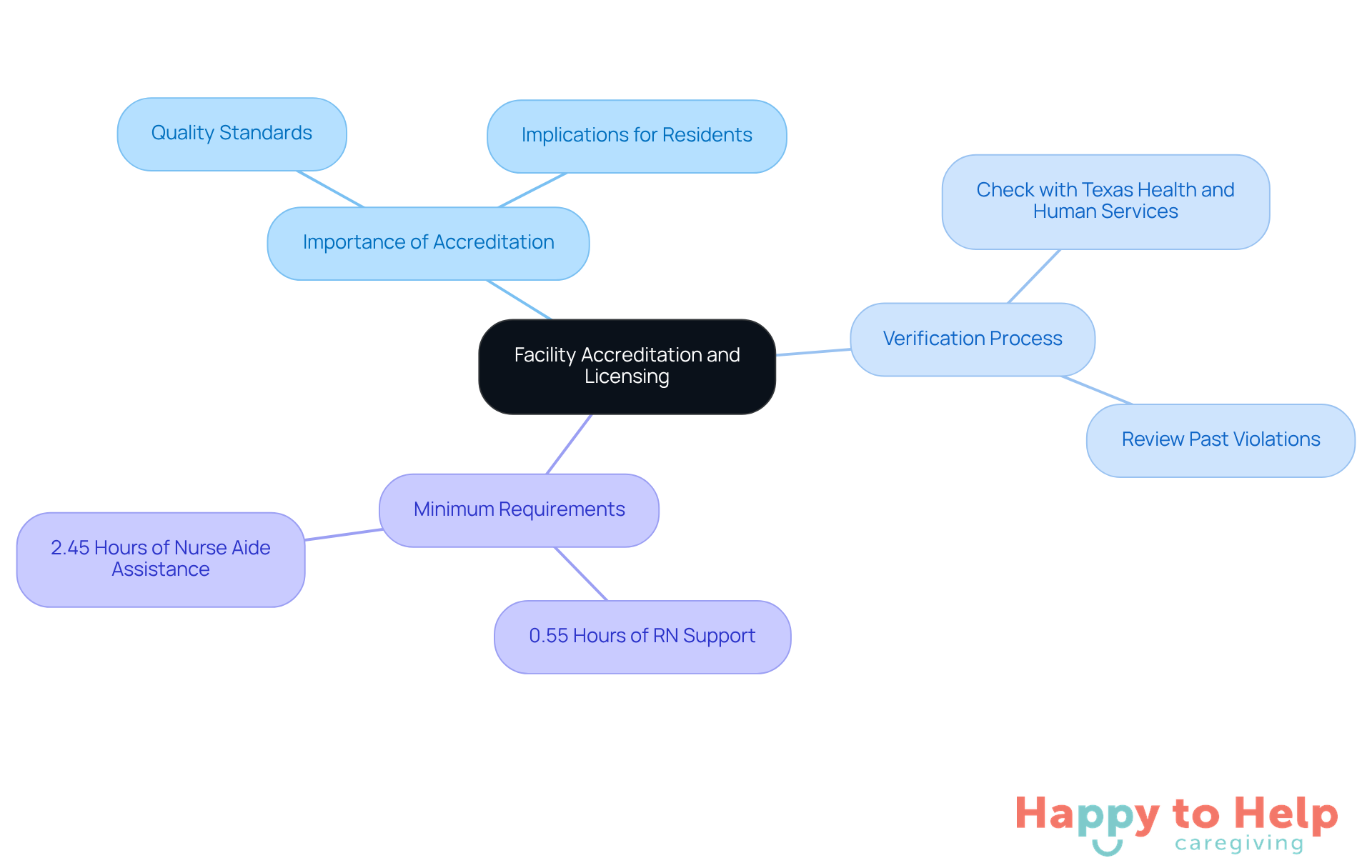
When selecting a nursing home san antonio tx, families face a critical problem: ensuring that the facility is accredited and licensed by state and federal authorities. Without proper accreditation, there’s a risk that the establishment may not meet essential quality standards in treatment, safety, and operational practices. This can lead to serious implications for the well-being of residents.
To address this issue, families should actively verify the licensing status of the nursing home san antonio tx through the Texas Health and Human Services Commission. It's also important to review any past violations or complaints, as these can provide insight into the facility's reliability. Remember, facilities are required to offer a minimum of:
- 0.55 hours of RN support
- 2.45 hours of nurse aide assistance per individual day
This underscores the importance of accreditation in ensuring quality care.
As Don Berwick emphasizes, truly listening to patients and incorporating their feedback is fundamental to enhancing the patient experience. By understanding these factors, families can significantly influence the overall experience and well-being of residents. Therefore, prioritizing accreditation in the decision-making process is imperative for caregivers.
Staff Qualifications and Training: Key to Quality Care
The qualifications and training of nursing home personnel present a significant challenge in ensuring high-quality support for residents. When families are unaware of the staff's educational background and certifications, it can lead to concerns about the level of care their loved ones receive. This lack of transparency can agitate feelings of uncertainty and anxiety among families, highlighting the need for better communication and standards in nursing homes.
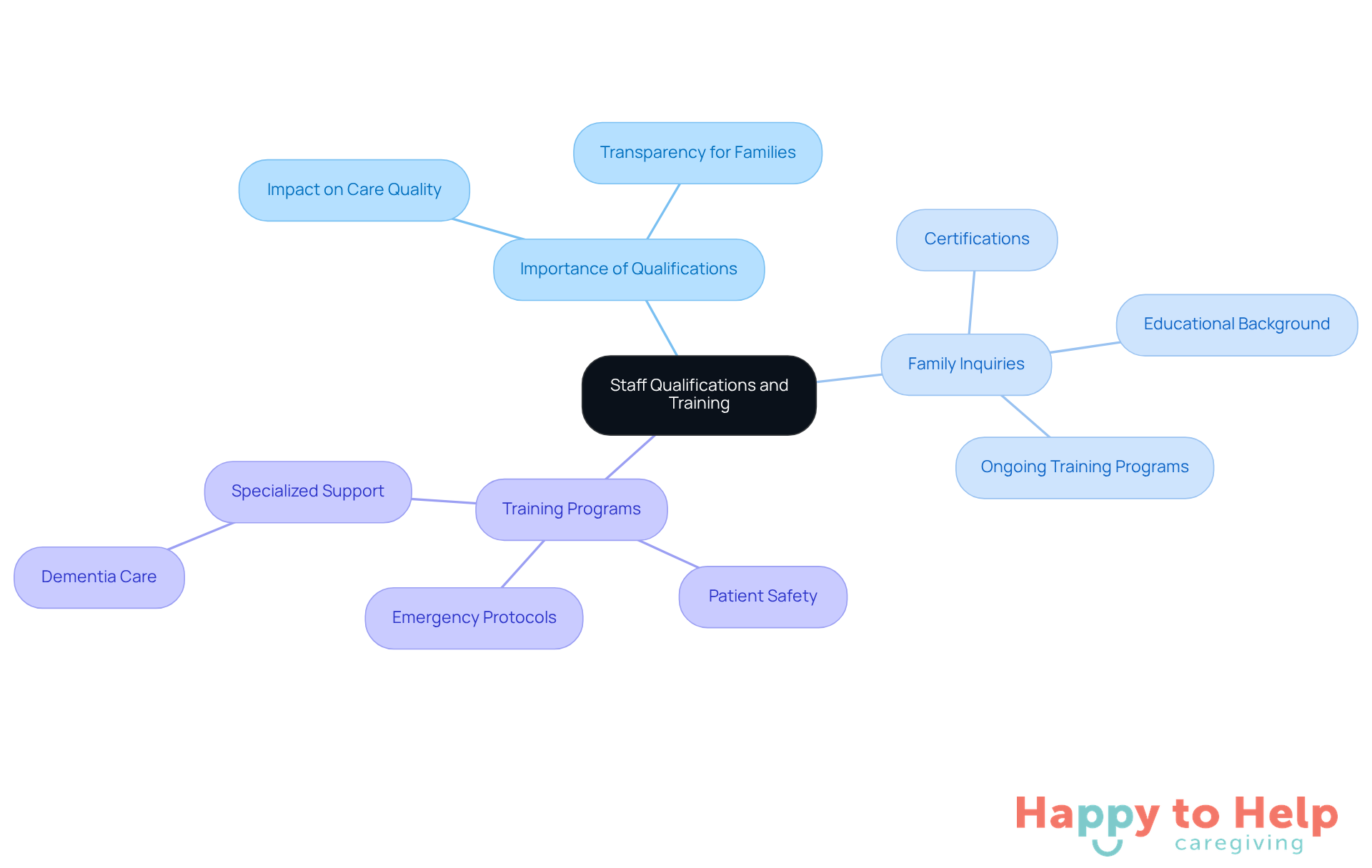
To address this issue, families should actively inquire about the qualifications of nursing home staff. Questions about educational backgrounds, certifications, and ongoing training programs are essential. Facilities must also take responsibility by providing thorough training that encompasses critical areas such as:
- Patient safety
- Emergency protocols
- Specialized support for conditions like dementia
A well-trained team is not just a benefit; it is crucial for meeting the diverse needs of residents. By ensuring that staff are equipped with the right skills and knowledge, nursing homes can significantly enhance health outcomes for individuals in their care.
Location and Accessibility: Proximity to Family and Services
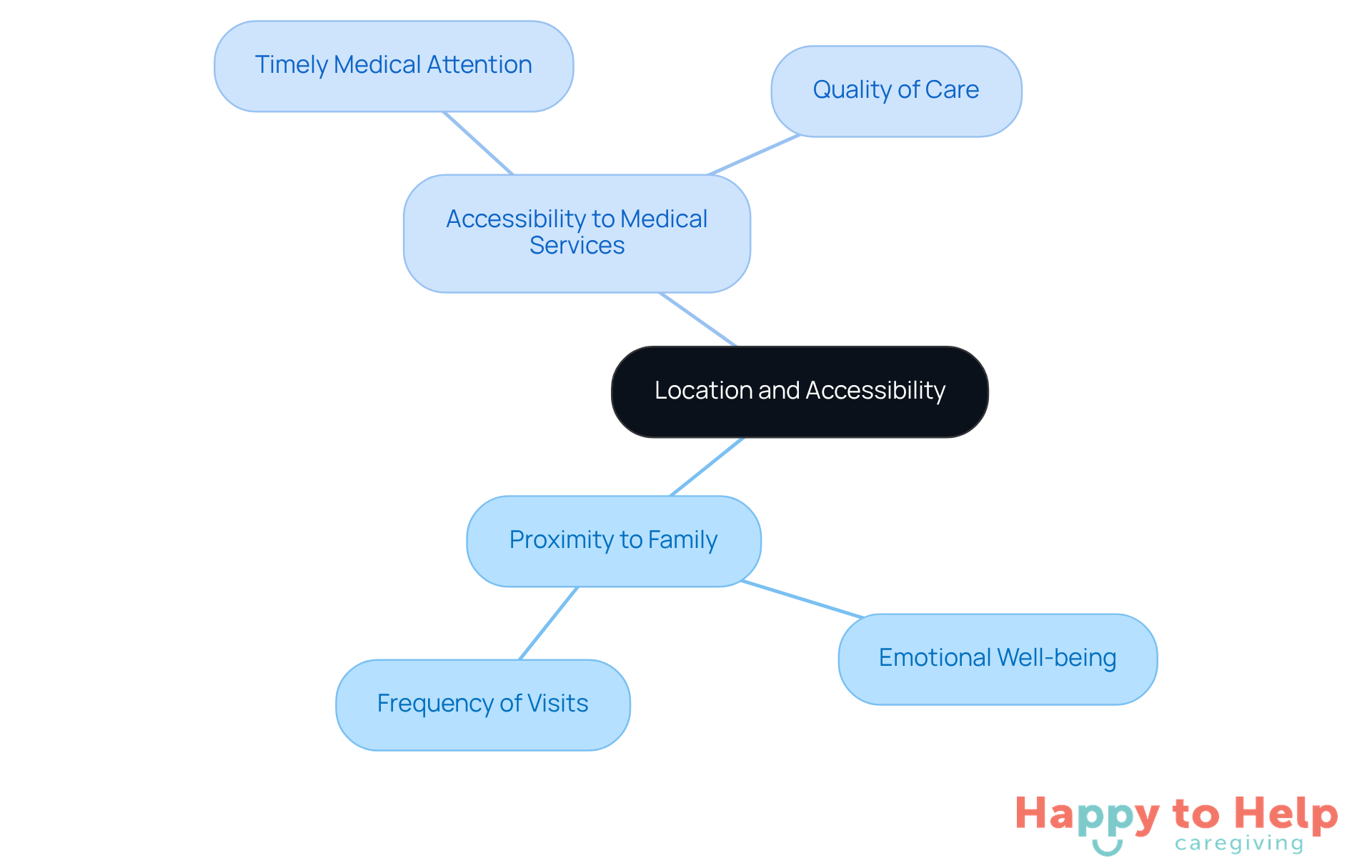
Selecting a nursing home San Antonio TX that is conveniently located near relatives is crucial for enhancing the overall care experience. When family members can visit frequently, it significantly boosts the emotional well-being of individuals and provides peace of mind for loved ones.
However, the challenge arises when facilities are situated far from family, leading to infrequent visits and potential feelings of isolation. This distance can negatively impact both the residents' mental health and the caregivers' ability to provide support.
To address this issue, caregivers should prioritize nursing home San Antonio TX facilities that are close to family members. Additionally, it's essential to consider the accessibility of nearby medical services, such as hospitals and specialists. This ensures that residents can receive timely medical attention when needed, further enhancing their quality of care.
Range of Services: Meeting Diverse Resident Needs
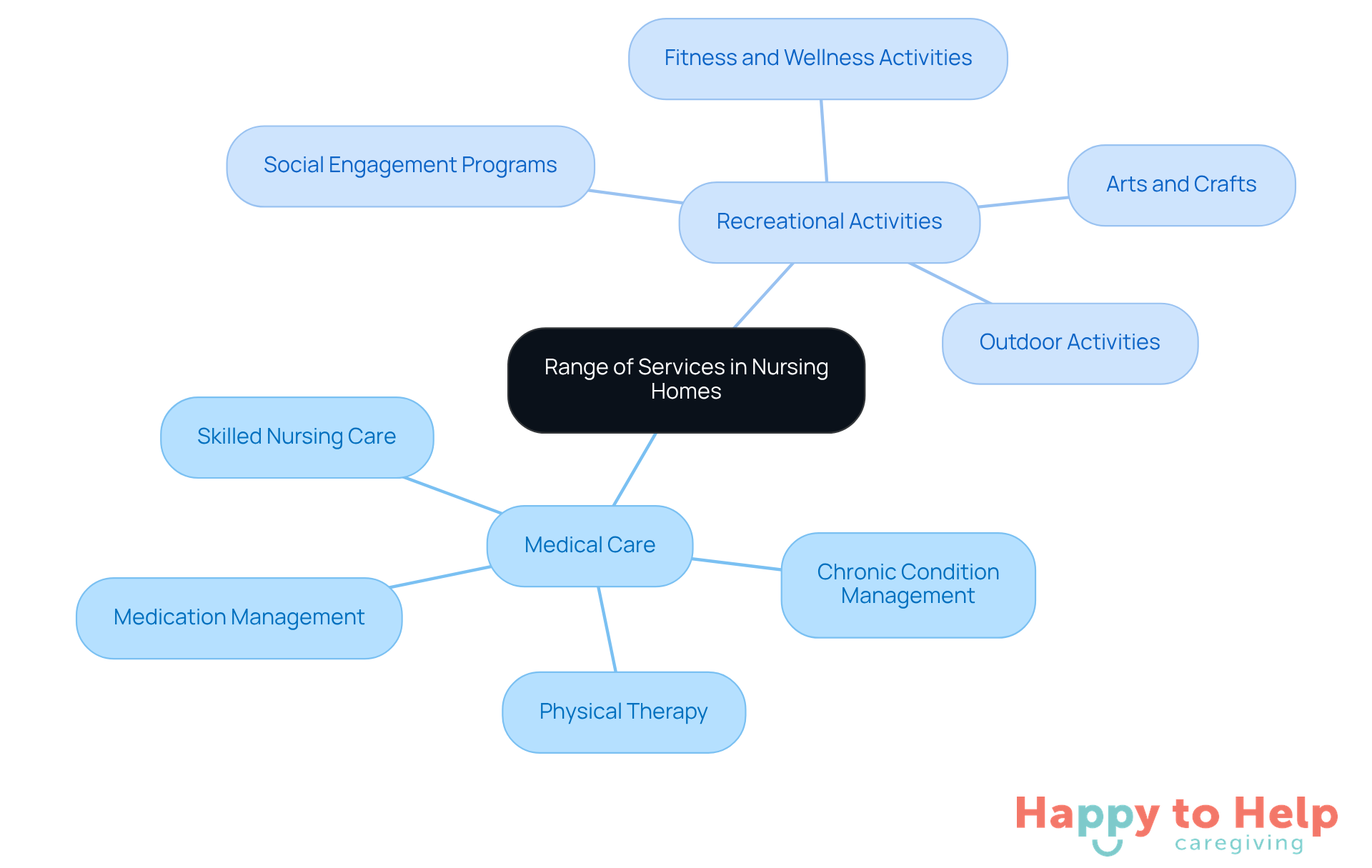
When evaluating nursing home San Antonio TX options, families often face the challenge of finding facilities that provide adequate services. Many nursing homes offer only basic medical assistance, which can leave residents without the comprehensive support they need. This lack of variety can significantly impact the quality of life for residents, as they may not receive the specialized care necessary for chronic conditions or the recreational activities that promote well-being.
To address this issue, families should look for a nursing home San Antonio TX that offers a wide range of services. Facilities should not only provide essential medical care but also include options like:
- Physical therapy
- Recreational activities
A varied selection of services ensures that community members receive thorough support tailored to their unique requirements, ultimately enhancing their quality of life.
Resident-to-Staff Ratios: Impact on Individual Care
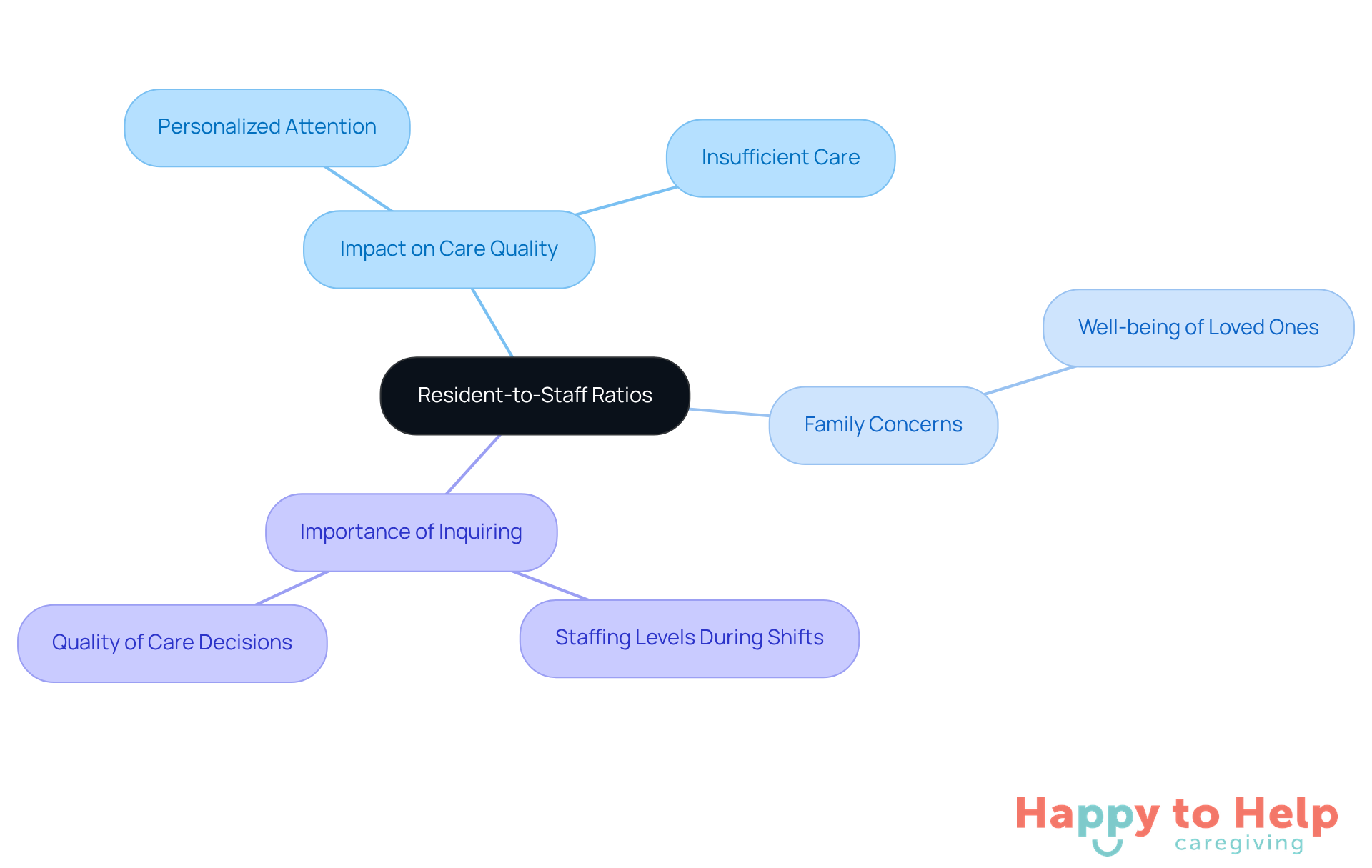
The resident-to-staff ratio poses a significant challenge in nursing homes. Facilities with lower ratios often struggle to provide the personalized attention that residents need, which is essential for meeting their individual support requirements. This lack of adequate staffing can lead to insufficient care and supervision, leaving families concerned about their loved ones' well-being.
To address this issue, families should actively inquire about the staffing levels during various shifts. It's crucial to ensure that there are enough personnel available at all times to deliver proper care and supervision. By understanding the staffing dynamics, families can make informed decisions about the quality of care their loved ones will receive.
Safety and Security Measures: Protecting Residents
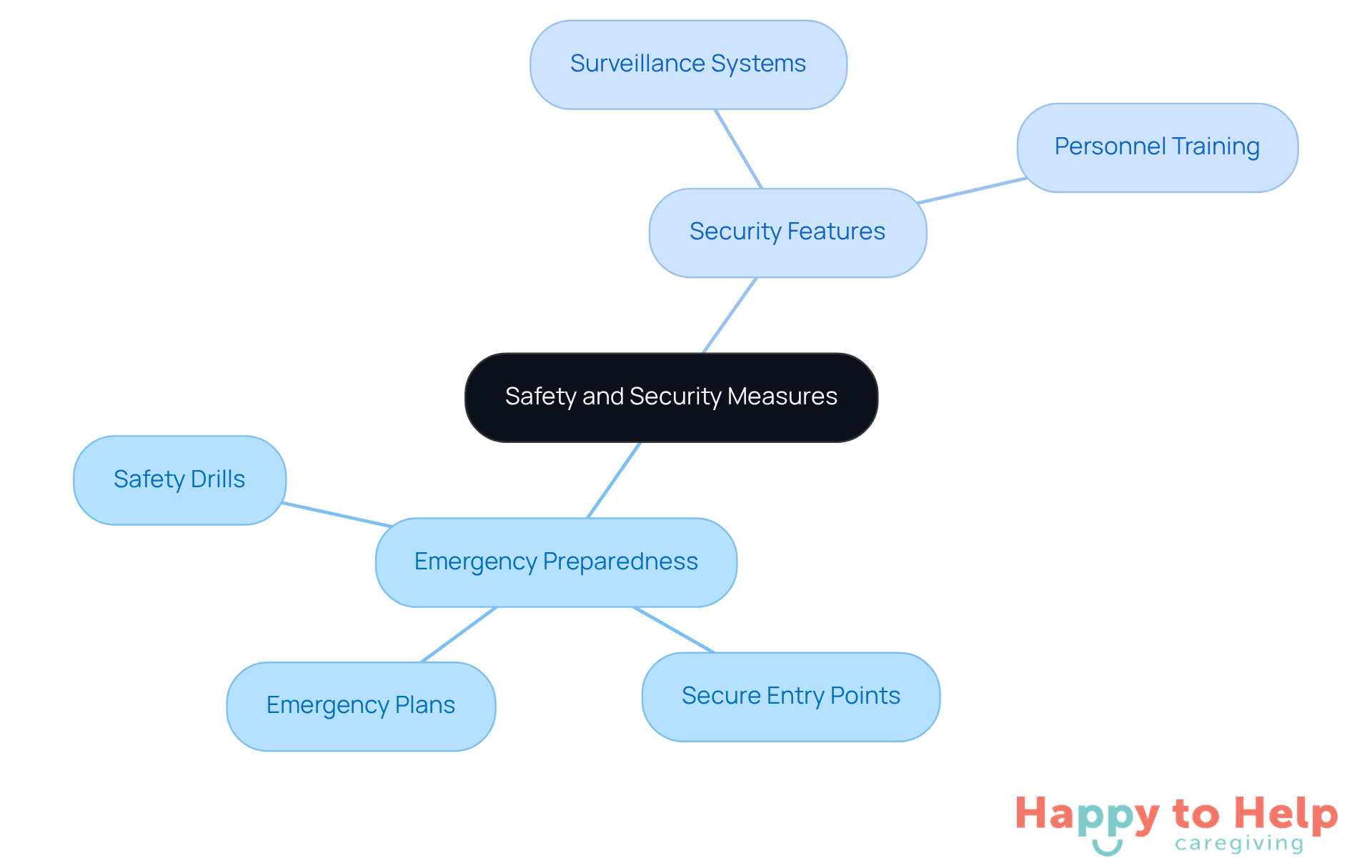
Safety and security protocols in nursing home San Antonio TX pose a significant concern for families. Without proper measures in place, individuals can be vulnerable to harm, making it crucial for caregivers to assess these protocols thoroughly.
Families should inquire about the following aspects:
- Emergency preparedness plans
- Secure entry and exit points
- Frequency of safety drills
Understanding these aspects can help ensure that individuals in a nursing home San Antonio TX are well-protected in case of any incidents.
Additionally, it's important to ask about the following:
- Presence of surveillance systems
- Training of personnel in emergency response
These elements are vital in creating a safe environment, allowing families to feel more secure about their loved ones' well-being.
Family Involvement and Communication: Enhancing Care Experience
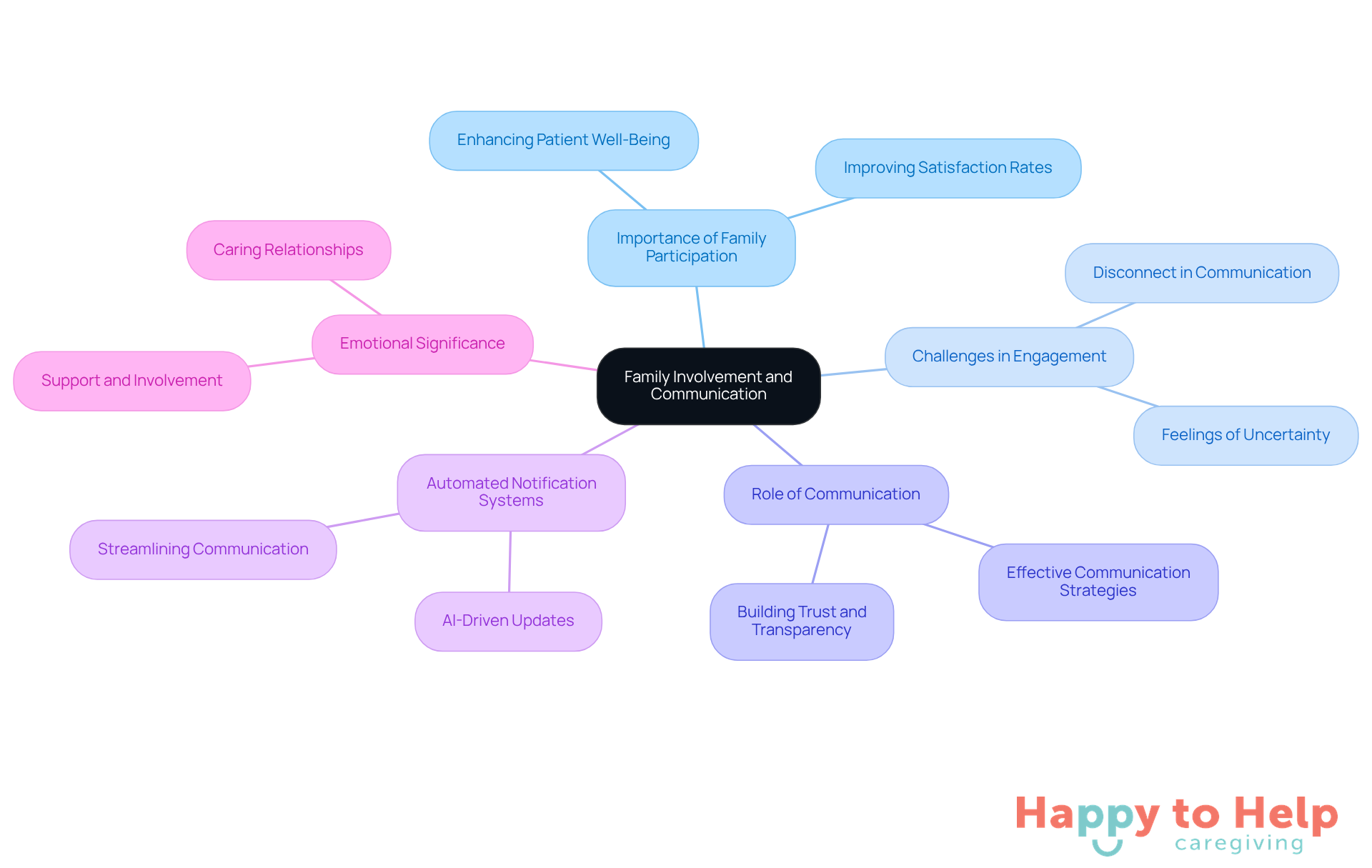
Family participation in a patient's support is crucial for enhancing their well-being and satisfaction. However, many facilities struggle with engaging relatives effectively, leading to a disconnect that can impact the overall experience.
This lack of involvement can create feelings of uncertainty and frustration among family members, who often seek to be informed and included in their loved ones' care. Research indicates that effective communication can significantly improve satisfaction rates among relatives. Facilities that prioritize open communication and actively engage relatives in planning create a collaborative environment that enhances the overall experience.
To address this issue, facilities should implement automated notification systems that provide frequent updates about the individual's condition and care requirements. This not only keeps relatives informed but also promotes trust and transparency. Caregivers frequently convey that robust connections among relatives enhance the emotional and physical well-being of inhabitants.
As the landscape of nursing home support evolves, adopting innovative communication strategies, such as AI notification systems, is becoming a key trend. These systems enhance interaction and promote safety for individuals, ensuring that relatives feel supported and involved in their loved ones' journeys. As one caregiver remarked, "Relatives are everything, not merely significant," highlighting the emotional importance of loved ones' participation in support.
Reviews and Testimonials: Gaining Insight into Care Quality
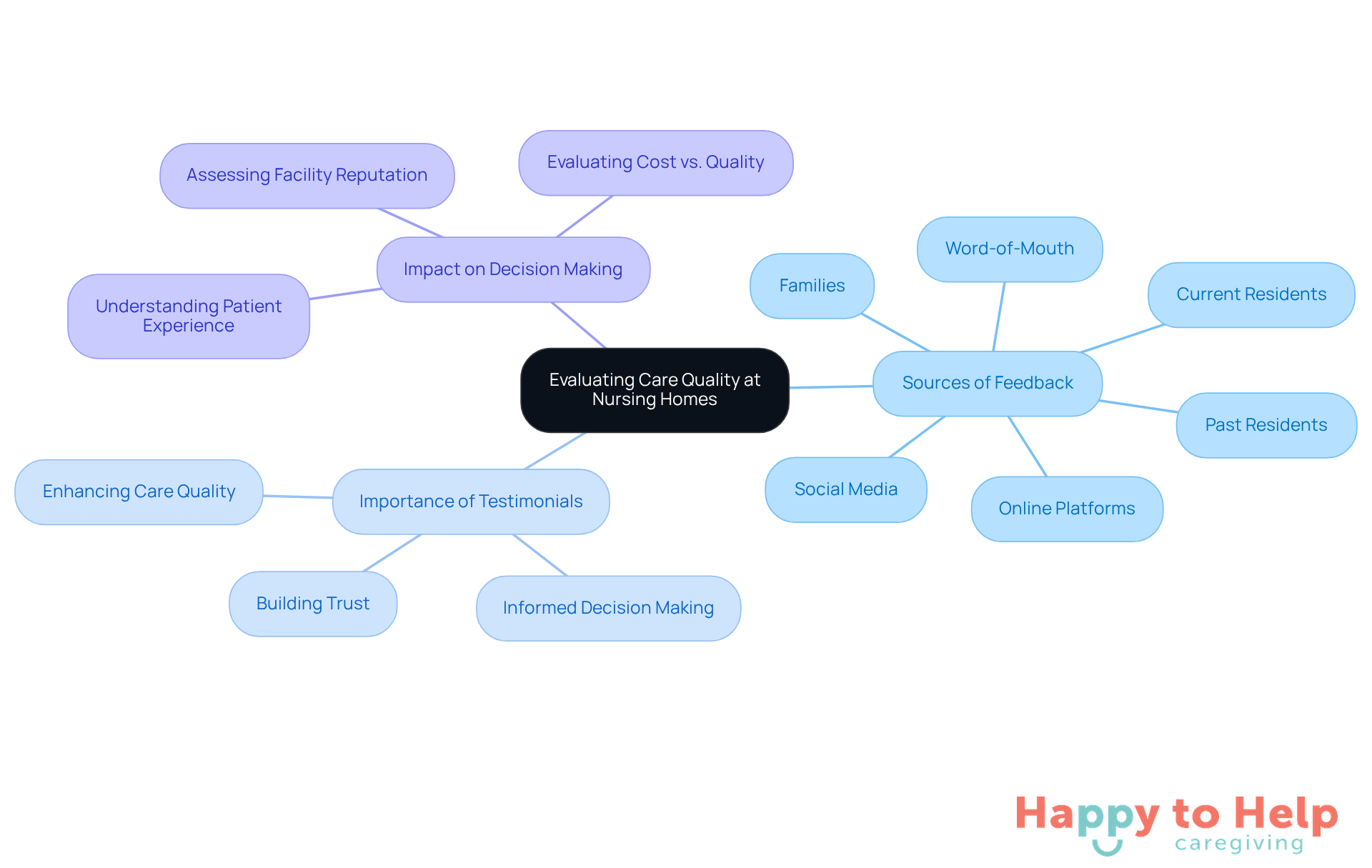
Evaluating the quality of care at a nursing home in San Antonio, TX can be challenging for families. Without consistent feedback, it’s difficult to gauge staff interactions, cleanliness, and overall resident satisfaction. This lack of information can lead to uncertainty about the care provided to loved ones.
To address this issue, families should actively seek out evaluations and testimonials from current and past residents and their families regarding the nursing home in San Antonio, TX. Online platforms, social media, and word-of-mouth recommendations serve as valuable resources for assessing a facility's reputation. By gathering insights from various sources, families can make informed decisions about the care their loved ones will receive in a nursing home San Antonio TX.
Cost and Payment Options: Understanding Financial Commitments
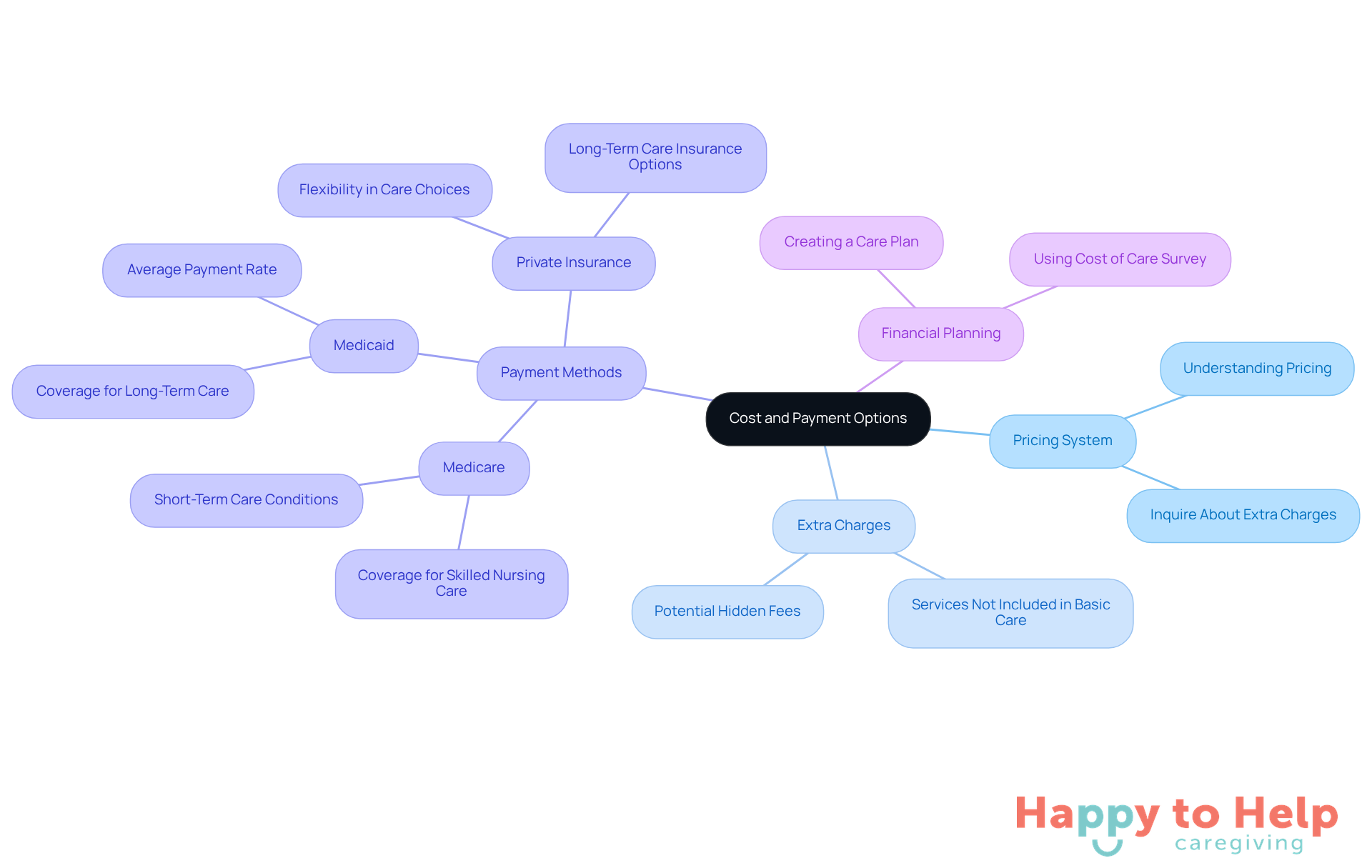
Cost is a significant concern when choosing a nursing home in San Antonio, TX. Families often face the challenge of navigating various payment options, which can lead to unexpected financial burdens if not properly understood.
To avoid these pitfalls, it's crucial to ask about the establishment's pricing system. Inquire about any extra charges for services that aren't included in basic care. Understanding whether the nursing home in San Antonio, TX accepts Medicare, Medicaid, or private insurance can greatly assist families in planning their financial commitments.
By having a clear grasp of all costs involved, families can make informed decisions and avoid surprises down the line.
Key Takeaways for Caregivers
Choosing a nursing home in San Antonio, TX, presents a significant challenge for families. The stakes are high, as this decision directly impacts the quality of care for loved ones. Factors such as personalized care, facility accreditation, staff qualifications, and effective communication are critical to ensuring a positive experience for residents.
Families often face the daunting task of verifying a facility's licensing and understanding staff training and qualifications. Accessibility for family visits is another crucial consideration. Additionally, the resident-to-staff ratios, safety measures, and the range of services offered can greatly influence the quality of care. Engaging with family members and gathering reviews can provide valuable insights into a facility's reputation and performance.
To navigate this complex decision, families should adopt a holistic approach that prioritizes the needs and preferences of the individual who will reside there. Conducting thorough research, asking pertinent questions, and actively participating in the decision-making process are essential steps. By doing so, families can secure a nurturing environment that meets medical needs while fostering emotional well-being and social engagement. This proactive approach ultimately ensures a better quality of life for their loved ones.
https://iframe.tely.ai/cta/eyJhcnRpY2xlX2lkIjogIjY5MmY5MThmY2E4MDg5MWIwMmZiMDBjNSIsICJjb21wYW55X2lkIjogIjY4ZWU1ZGNhNzMxNzYyNTU3ZjNjOTVjMSIsICJpbmRleCI6IG51bGwsICJ0eXBlIjogImFydGljbGUifQ==Frequently Asked Questions
What challenges do seniors face related to loneliness and isolation?
Seniors often face significant challenges related to loneliness and isolation, which can lead to a decline in their mental and emotional health. Approximately 30% of elderly individuals live alone, making social engagement crucial for their well-being.
How does Happy to Help Caregiving address the needs of seniors?
Happy to Help Caregiving provides tailored in-home assistance services that cater to the unique needs of each client, including companionship support, post-hospital recovery assistance, respite services, and palliative support.
What is the importance of companionship support in caregiving?
Companionship support is vital as it helps alleviate feelings of loneliness and isolation. Caregivers engage clients in enjoyable activities, reinforcing the importance of social interaction for maintaining mental and emotional health.
What are the availability and scheduling options for Happy to Help Caregiving services?
Happy to Help Caregiving offers 24/7 availability and flexible scheduling, ensuring that families can provide necessary support to their loved ones at any time.
Why is facility accreditation important when selecting a nursing home?
Facility accreditation is important because it ensures that the nursing home meets essential quality standards in treatment, safety, and operational practices. Without proper accreditation, there is a risk that the facility may not provide adequate care.
How can families verify the accreditation and licensing of a nursing home?
Families can verify the licensing status of a nursing home through the Texas Health and Human Services Commission and review any past violations or complaints to assess the facility's reliability.
What minimum staffing requirements should nursing homes meet?
Nursing homes are required to offer a minimum of 0.55 hours of RN support and 2.45 hours of nurse aide assistance per individual day.
What should families inquire about regarding nursing home staff qualifications?
Families should inquire about the educational backgrounds, certifications, and ongoing training programs of nursing home staff to ensure high-quality support for residents.
What areas should nursing home staff training cover?
Nursing home staff training should encompass critical areas such as patient safety, emergency protocols, and specialized support for conditions like dementia.
How does well-trained staff impact the care of nursing home residents?
A well-trained team is crucial for meeting the diverse needs of residents and can significantly enhance health outcomes for individuals in their care.
List of Sources
- Happy to Help Caregiving: Personalized In-Home Care Services
- Senior Care in Philadelphia, PA: Key Trends for 2025 and Beyond - AmeriBest Home Care (https://ameribesthomecare.com/recent-news/senior-care-in-philadelphia-pa-key-trends-for-2025-and-beyond)
- Family caregivers prefer in-home care over senior living, new industry report finds (https://mcknightshomecare.com/news/family-caregivers-prefer-in-home-care-over-senior-living-new-industry-report-finds)
- Caring Senior Service Banks Growth Goals On New House-Made Technology (https://homehealthcarenews.com/2025/10/caring-senior-service-banks-growth-goals-on-new-house-made-technology)
- Caregiving in the US 2025: A Comprehensive Overview (https://retirementlivingsourcebook.com/proagingnews/caregiving-in-the-us-2025-a-comprehensive-overview)
- Facility Accreditation and Licensing: Ensuring Quality Standards
- 10 Inspiring Patient Experience Quotes | Relias (https://relias.com/blog/patient-experience-quotes)
- 85 Nursing Quotes: Words of Wisdom for Nurses | USAHS (https://usa.edu/blog/nursing-quotes)
- 9 More Inspiring Quotes About Nursing (https://ahu.edu/blog/9-more-inspiring-quotes-about-nursing)
- Texas Judge Overturns Controversial Nursing Facility Staffing Rule | KFF (https://kff.org/medicaid/texas-judge-overturns-controversial-nursing-facility-staffing-rule)
- Staff Qualifications and Training: Key to Quality Care
- Giving staff training they deserve key to ‘fulfilling’ behavioral healthcare in nursing homes: Moving Forward (https://mcknights.com/news/giving-staff-training-they-deserve-key-to-fulfilling-behavioral-healthcare-in-nursing-homes-moving-forward)
- Why Orientation and Ongoing Training Matter for Reducing Turnover (https://providermagazine.com/Articles/Pages/Why-Orientation-and-Ongoing-Training-Matter-for-Reducing-Turnover.aspx)
- CMS repeals minimum staffing requirements for skilled nursing, long-term care facilities | AHA News (https://aha.org/news/headline/2025-12-02-cms-repeals-minimum-staffing-requirements-skilled-nursing-long-term-care-facilities)
- 30 Inspirational Quotes for Healthcare Workers (https://chicomm.com/blog/30-inspirational-quotes-for-healthcare-workers)
- 20+ Thank You Quotes for Healthcare Workers & Nurses (https://careerstaff.com/clinician-life-blog/thank-you-quotes-nurses-healthcare-workers)
- Location and Accessibility: Proximity to Family and Services
- 20 Inspirational Senior Care Quotes (https://1plus1cares.com/20-inspirational-senior-care-quotes)
- Geography Matters: Location plays key role in long-term care cost (https://insurancenewsnet.com/innarticle/geography-matters-location-plays-key-role-in-long-term-care-cost)
- Caring Hearts Canada (https://caringheartscanada.ca/blog/2015/august/20-inspirational-caregiver-quotes)
- CaringBridge (https://caringbridge.org/resources/inspirational-quotes-on-caregiving)
- 42 inspirational quotes for caregivers (https://care.com/c/40-inspirational-caregiver-quotes)
- Range of Services: Meeting Diverse Resident Needs
- Long Term Care 2025 Trends and Outlook (https://providermagazine.com/Articles/Pages/Long Term Care 2025 Trends and Outlook.aspx)
- 172 Nursing Quotes for You and Your Favorite Nurse | Aspen University (https://aspen.edu/altitude/nursing-quotes)
- FastStats (https://cdc.gov/nchs/fastats/nursing-home-care.htm)
- 9 More Inspiring Quotes About Nursing (https://ahu.edu/blog/9-more-inspiring-quotes-about-nursing)
- Long-term care statistics 2025 (https://singlecare.com/blog/news/long-term-care-statistics)
- Resident-to-Staff Ratios: Impact on Individual Care
- Another Federal Judge Blocks 24/7 RN Nursing Home Staffing Mandate: Key Updates for Nurses (https://nurse.org/news/nurse-staffing-mandate-long-term-care)
- With Current Staffing Levels, About 1 in 5 Nursing Facilities Would Meet Fully-Implemented Minimum Staffing Standards in the Final Rule | KFF (https://kff.org/medicaid/nursing-facilities-staffing-levels-standards-final-rule)
- Minimum Staffing Rules for Long-Term Care Facilities Tossed Out by Federal Courts and Budget Bill: Key Points for Medicare and Medicaid Healthcare Providers (https://fisherphillips.com/en/news-insights/minimum-staffing-rules-for-long-term-care-facilities-tossed-out-by-federal-courts-and-budget-bill.html)
- District court strikes down CMS minimum nurse staffing rule | AHA News (https://aha.org/news/headline/2025-04-08-district-court-strikes-down-cms-minimum-nurse-staffing-rule)
- Safety and Security Measures: Protecting Residents
- Emergency preparedness initiative aims to ‘disrupt’ senior living industry’s ‘outdated and reactive’ response to crises (https://mcknightsseniorliving.com/news/emergency-preparedness-initiative-aims-to-disrupt-senior-living-industrys-outdated-and-reactive-response-to-crises)
- Nursing Home Falls Cause Injury & Death - Get the Facts (https://nursinghomeabusecenter.com/nursing-home-injuries/falls-fractures)
- Nursing Homes Reported Wide-Ranging Challenges Preparing for Public Health Emergencies and Natural Disasters (https://oig.hhs.gov/reports/all/2023/nursing-homes-reported-wide-ranging-challenges-preparing-for-public-health-emergencies-and-natural-disasters)
- Top 20 Safety Quotes To Improve Your Safety Culture (https://blog.safetyculture.com/industry-trends/top-20-safety-quotes-improve-safety-culture)
- Family Involvement and Communication: Enhancing Care Experience
- Facts & Figures (https://ahcancal.org/Assisted-Living/Facts-and-Figures/Pages/default.aspx)
- 20 Caregiver Quotes for Inspiration - Home Helpers Bradenton (https://homehelpershomecare.com/bradenton/community-blog/2017/june/20-inspirational-caregiver-quotes)
- The Importance of Family Involvement in Long Term Care - (https://shakerplace.org/news/the-importance-of-family-involvement-in-long-term-care)
- AI Family Update Automation: Transforming Skilled Nursing Care | Sparkco AI (https://sparkco.ai/blog/ai-family-update-automation-transforming-skilled-nursing-care)
- 30 Inspirational Quotes for Caregivers (https://agingcare.com/articles/caregivers-quotes-inspiration-141133.htm)
- Reviews and Testimonials: Gaining Insight into Care Quality
- 10 Inspiring Patient Experience Quotes | Relias (https://relias.com/blog/patient-experience-quotes)
- The 10 Best Nursing Homes in San Antonio, TX (https://caring.com/senior-living/nursing-homes/texas/san-antonio)
- The 8 Best Nursing Homes in San Antonio, TX | US News (https://health.usnews.com/best-nursing-homes/area/san-antonio-tx)
- 10 Different Ways Nursing Homes Can Get More Testimonials (https://ltcnews.com/articles/ways-nursing-homes-can-get-testimonials)
- Just The Facts: Assisted Living Is A Safe, High-Quality Long Term Care Option For America’s Seniors (https://ahcancal.org/News-and-Communications/Press-Releases/Pages/Just-The-Facts-Assisted-Living-Is-A-Safe,-High-Quality-Long-Term-Care-Option-For-America’s-Seniors.aspx)
- Cost and Payment Options: Understanding Financial Commitments
- Long-Term Care Costs Increase in Texas, Remain Lower Than National Costs (https://investor.genworth.com/news-events/press-releases/detail/1027/long-term-care-costs-increase-in-texas-remain-lower-than)
- Nursing Home Costs in 2025 by State and Type of Care (https://seniorliving.org/nursing-homes/costs)
- Costs of Long Term Care | FLTCIP (https://ltcfeds.gov/long-term-care/costs)
- Nursing Home Cost Statistics (https://rosewood-nursing.com/post/nursing-home-cost-statistics)