The Importance of Facts About the Recommended Daily Dose
Vitamin D deficiency is a significant concern for seniors. Studies show that many older adults do not meet the recommended daily intake of vitamin D3. This essential nutrient is crucial for bone health and overall well-being, impacting immune function and mood stability.
As caregivers work to improve the quality of life for seniors, they face the challenge of addressing individual vitamin D needs. How can they ensure that older adults receive sufficient levels to reduce health risks and promote longevity?
To tackle this issue, caregivers can take several practical steps:
- Assess Vitamin D Levels: Regularly check vitamin D levels through blood tests to identify deficiencies.
- Encourage Sun Exposure: Promote safe sun exposure, as sunlight is a natural source of vitamin D.
- Consider Supplements: If necessary, recommend vitamin D3 supplements, ensuring they are appropriate for the individual's health status.
By implementing these strategies, caregivers can help seniors achieve adequate vitamin D levels, ultimately enhancing their health and well-being.
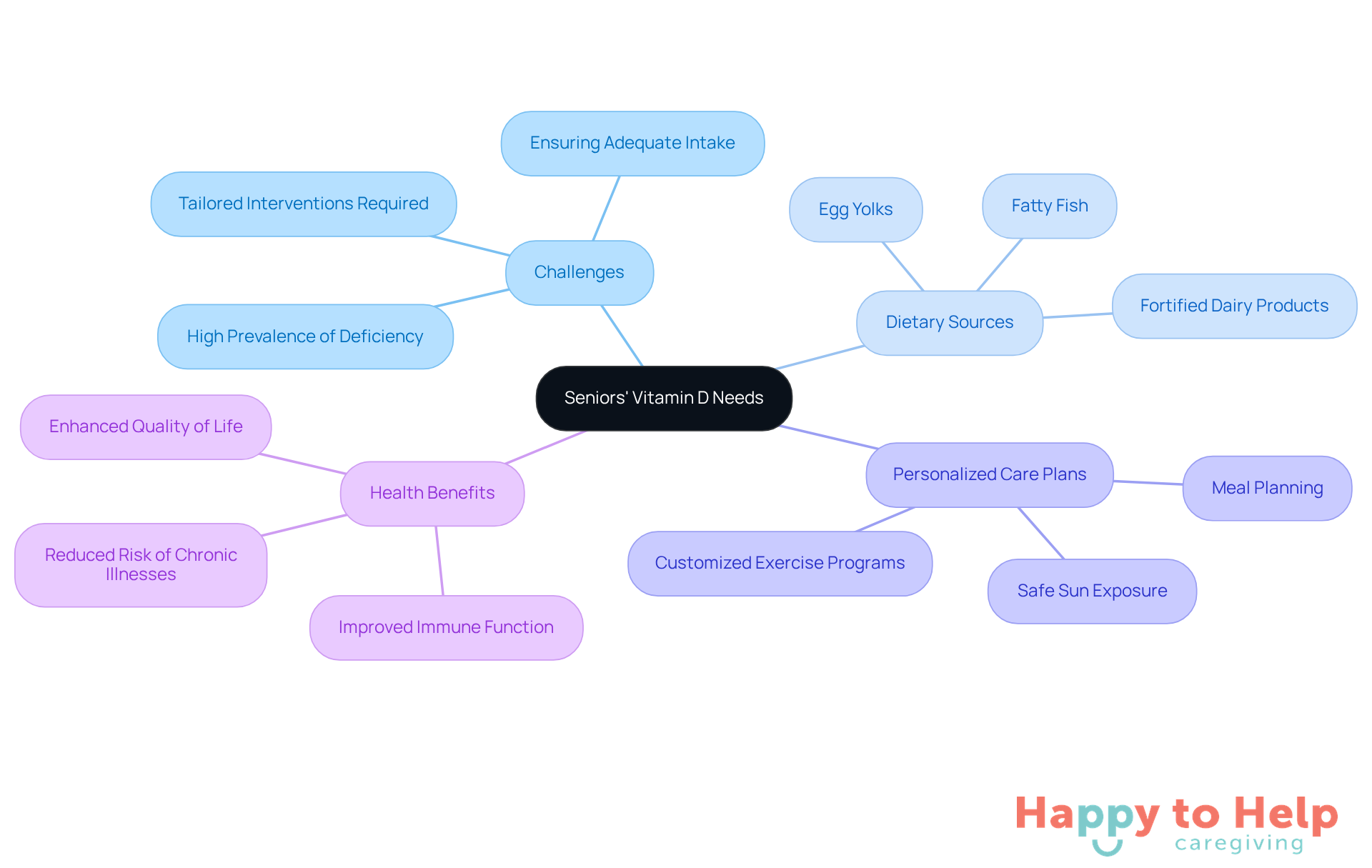
Happy to Help Caregiving: Personalized Support for Seniors' Vitamin D Needs
Vitamin D deficiency is a significant concern for seniors, as research indicates that over half of middle-aged and older adults in the U.S. do not achieve the recommended daily dose of vitamin D3 for seniors, being either deficient or insufficient in this vital nutrient. This deficiency can lead to serious health implications, including weakened immune function and an increased risk of chronic illnesses. Caregivers face the challenge of ensuring that their clients receive adequate vitamin D through tailored interventions.
To address this issue, caregivers can implement personalized care plans that focus on meal planning and safe sun exposure. Foods rich in vitamin D, such as:
- Fatty fish
- Fortified dairy products
- Egg yolks
should be included in their diets. Additionally, caregivers can promote safe sun exposure as a natural source of vitamin D. Dr. Suzanne Dyer emphasizes, "Customized exercise programs, D supplements, and improved nutrition can create a significant impact," highlighting the importance of personalized care in managing nutrient intake.
Research shows that older adults who receive the recommended daily dose of vitamin D3 for seniors through customized supplementation have experienced notable health improvements, including a 52% reduced risk of heart attacks among those who received personalized management. By concentrating on the unique needs of each client, caregivers can help preserve their independence and enhance their quality of life. This comprehensive approach not only promotes optimal vitamin D levels but also contributes to overall health and well-being.
Vitamin D's Role in Bone Health and Aging
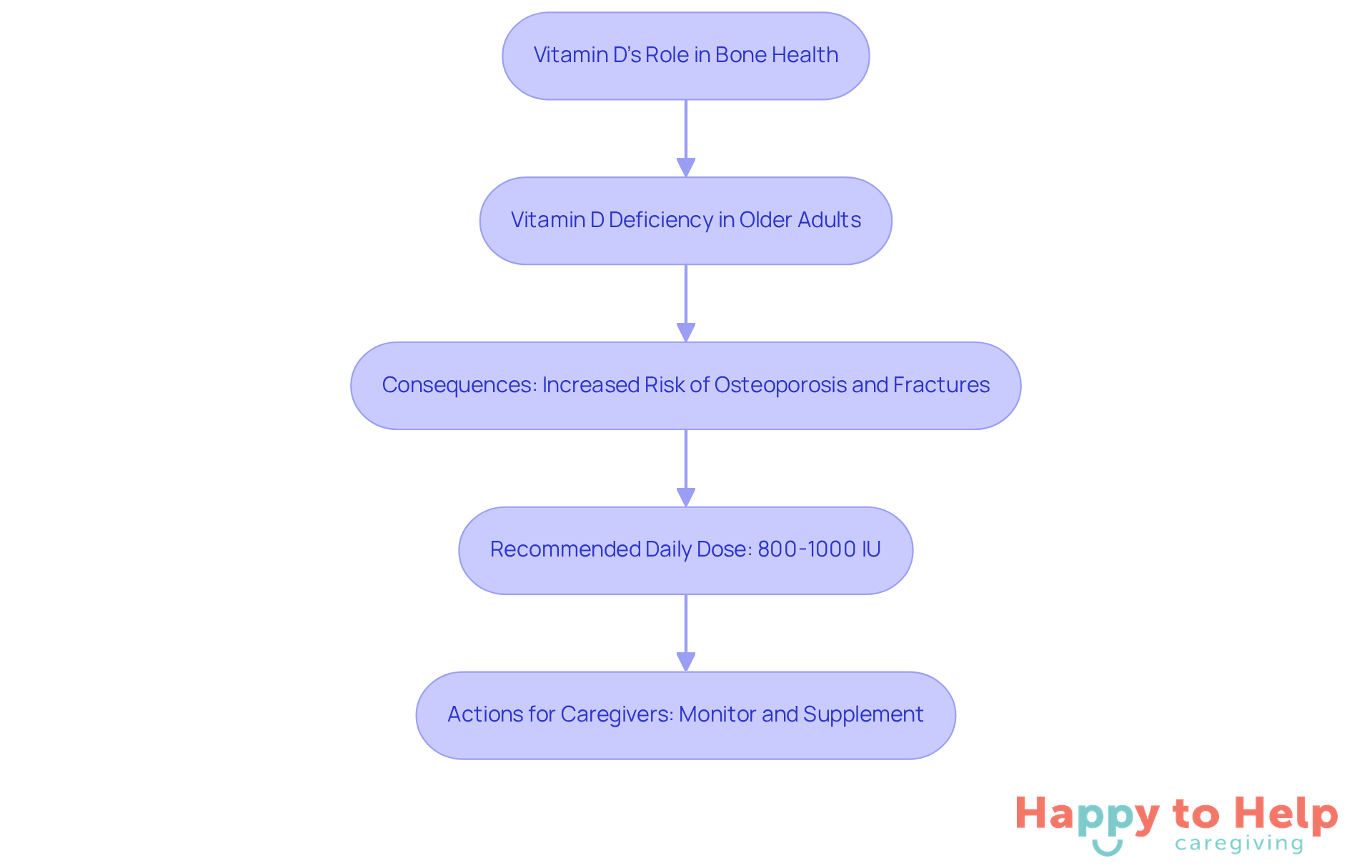
Vitamin D deficiency poses a significant problem for older adults, making it crucial to consider the recommended daily dose of vitamin D3 for seniors, as it is essential for calcium absorption and maintaining bone density. As people age, their skin's ability to produce vitamin D diminishes, which is why it is essential to understand the recommended daily dose of vitamin D3 for seniors to prevent an increased risk of osteoporosis and fractures. This decline in vitamin D levels can severely impact mobility and overall health, making it crucial for caregivers to address this issue.
Research shows that maintaining adequate vitamin D levels, including the recommended daily dose of vitamin D3 for seniors, is vital for preventing bone loss and supporting muscle function, which can significantly reduce the likelihood of falls among the elderly. Studies indicate that the recommended daily dose of vitamin D3 for seniors, specifically between 800 to 1000 IU, can effectively lower fall risk in older adults, particularly those already experiencing deficiencies.
Gerontologists emphasize that aging not only affects vitamin D synthesis but also alters its metabolism. Therefore, regular monitoring and supplementation of the recommended daily dose of vitamin D3 for seniors are essential for this demographic. Caregivers can play a pivotal role by ensuring that older adults receive sufficient vitamin D through diet or supplements. By doing so, they can enhance bone health and stability, ultimately improving the quality of life for their loved ones.
Recommended Daily Dose of Vitamin D3 for Seniors
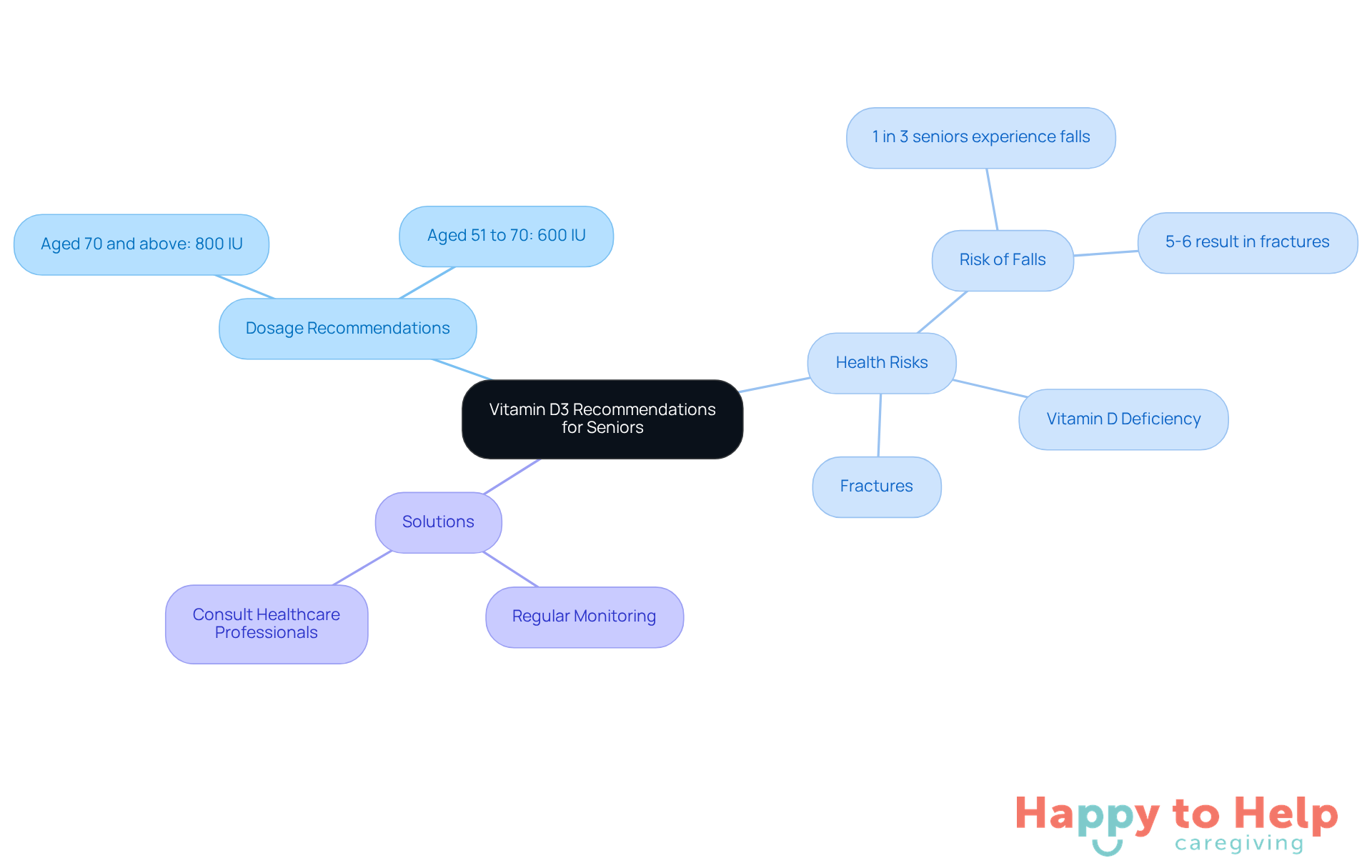
Problem: Seniors aged 70 and above face a significant risk of vitamin D deficiency, which can lead to serious health issues, including falls and fractures. The recommended daily dose of vitamin D3 for seniors is 800 IU (20 mcg) for this age group, while those aged 51 to 70 should aim for 600 IU (15 mcg).
Agitate: Research indicates that a daily intake of 800-1000 IU of vitamin D can reduce the risk of falls by 22% among older adults, particularly those with lower baseline levels. However, intermittent intake has shown no preventive effect. Alarmingly, one in three individuals over 65 experiences at least one fall each year, with 5-6% resulting in fractures. This highlights the critical need for adequate vitamin D levels to maintain optimal bone health.
Solution: Health organizations emphasize the importance of sufficient vitamin D intake. Dr. Robert P. Heaney notes the consensus on its significance for health. Therefore, seniors should consider regular monitoring of their vitamin D levels and consult healthcare professionals to tailor their supplementation needs effectively. By taking these proactive steps, caregivers can help ensure the well-being of their loved ones.
Sources of Vitamin D: Food and Sunlight for Seniors
Seniors often face the problem of insufficient vitamin D levels, which can be addressed by following the recommended daily dose of vitamin D3 for seniors to prevent various health issues. This deficiency is particularly concerning as it affects bone health and overall well-being, which underscores the need for the recommended daily dose of vitamin D3 for seniors. Caregivers must recognize the importance of addressing this issue to enhance the quality of life for older adults.
To agitate this problem, consider that many seniors may not get enough vitamin D, which emphasizes the need for the recommended daily dose of vitamin D3 for seniors due to limited sun exposure and dietary restrictions. This can result in weakened bones and increased risk of fractures, making it crucial for caregivers to take action.
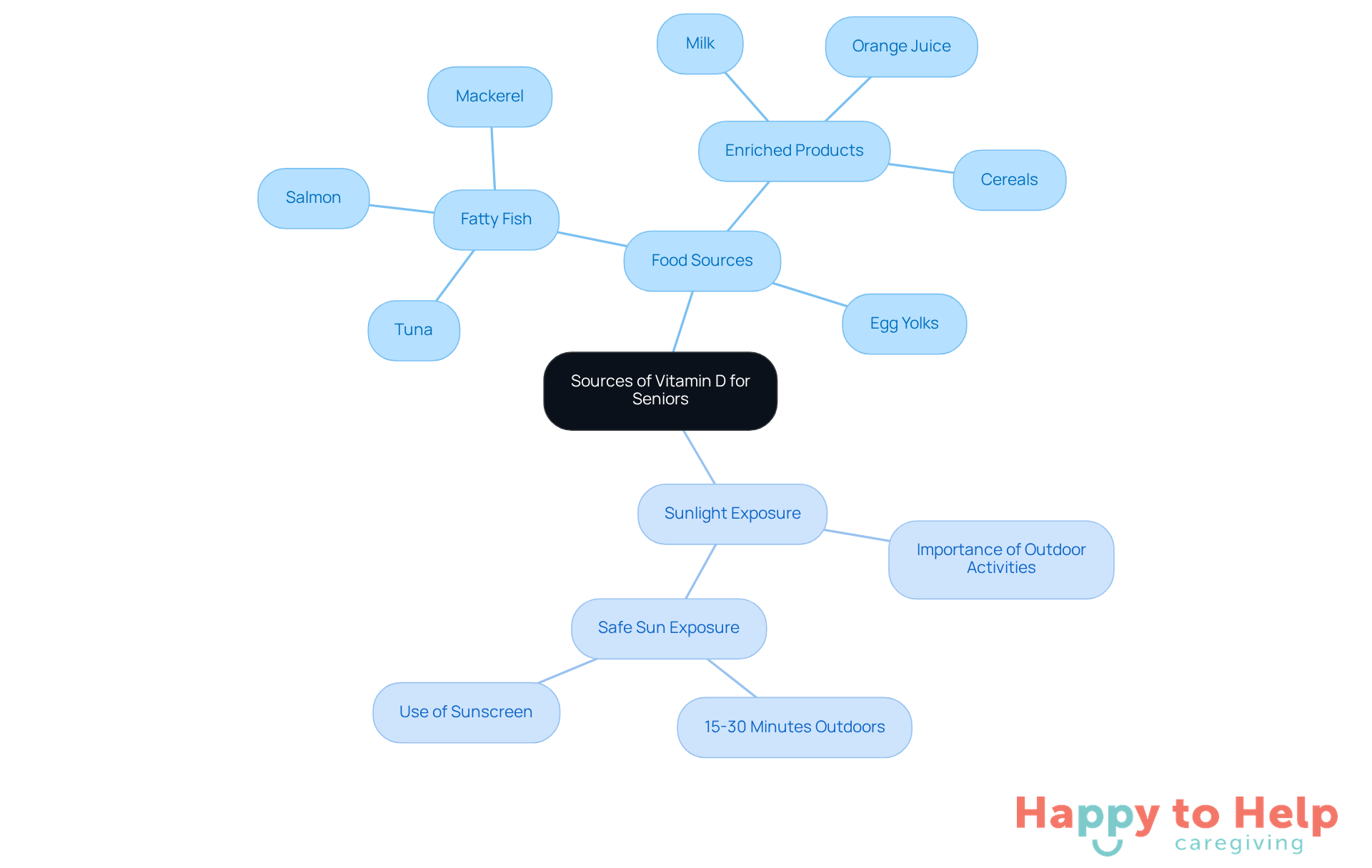
Fortunately, there are effective solutions. Seniors can improve their vitamin D levels by ensuring they meet the recommended daily dose of vitamin D3 for seniors through a combination of dietary sources and safe sun exposure. Foods rich in vitamin D include:
- Fatty fish like salmon and mackerel
- Enriched products such as milk and cereals
- Egg yolks
Additionally, spending 15 to 30 minutes outdoors several times a week can significantly boost vitamin D synthesis, especially when the sun's rays are strongest. Caregivers should encourage older adults to participate in outdoor activities while ensuring they protect their skin from harmful UV rays.
By promoting nutritious dietary selections and facilitating outdoor activities, caregivers can play a vital role in enhancing the overall wellness of seniors. Effective community initiatives that encourage outdoor activities for older adults have shown beneficial results in improving nutrient concentrations. This highlights the significance of social interaction and physical exercise in maintaining well-being as we age.
Health Risks of Vitamin D Deficiency in Seniors
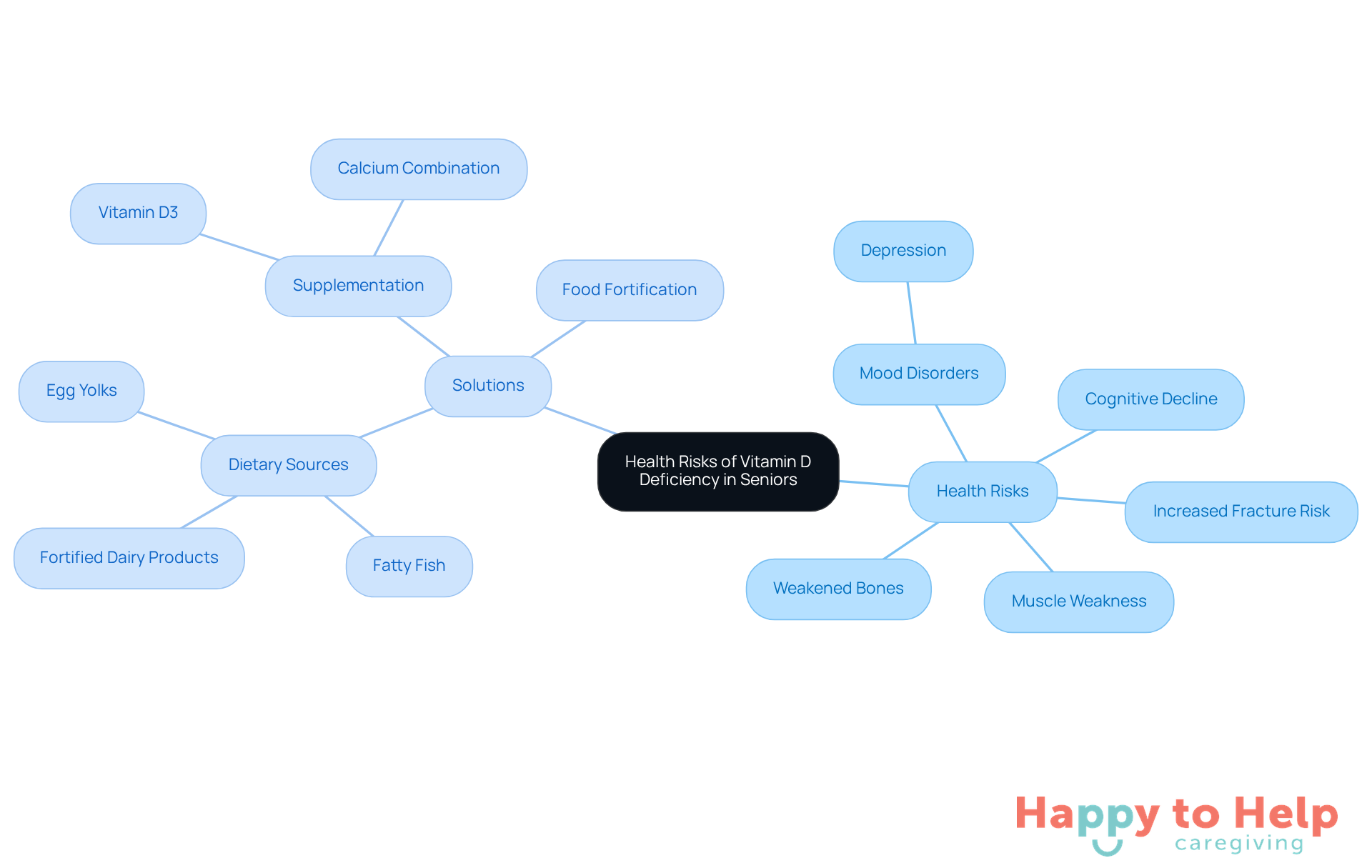
Vitamin D deficiency in seniors presents a serious problem, leading to weakened bones, increased fracture risk, and muscle weakness. These issues significantly raise the likelihood of falls, which can have devastating consequences for older adults. Research shows that older individuals with low vitamin D levels are more vulnerable to cognitive decline, with studies linking insufficient vitamin D to higher rates of dementia and cognitive impairment.
Moreover, a lack of vitamin D is associated with mood disorders, including depression, affecting about 35% of older adults in the United States. This situation underscores the importance of maintaining adequate vitamin D levels for overall well-being. Health experts indicate that the recommended daily dose of vitamin D3 for seniors is between 600 to 800 IU, particularly for those with limited sun exposure.
To combat vitamin D deficiency, caregivers can implement several practical solutions:
- Dietary Sources: Incorporate foods rich in vitamin D, such as fatty fish, fortified dairy products, and egg yolks.
- Food Fortification: Choose fortified foods to help boost vitamin D intake.
- Supplementation: Consider vitamin D supplements, especially for individuals at risk of deficiency.
The goal should be to maintain serum 25(OH)D levels above 30 nmol/l, ideally above 50 nmol/l, to mitigate the adverse effects of deficiency in the elderly. Additionally, combining vitamin D supplementation with calcium is essential to reduce fracture risk. This holistic approach to health management is crucial for supporting the well-being of older adults.
Recognizing Signs of Vitamin D Deficiency in Seniors
Vitamin D deficiency poses a significant challenge for older adults, which emphasizes the importance of the recommended daily dose of vitamin D3 for seniors to alleviate symptoms like fatigue, bone pain, muscle weakness, and mood changes, including depression. This issue is particularly concerning as it can greatly affect the quality of life for seniors, highlighting the importance of the recommended daily dose of vitamin D3 for seniors. Caregivers are essential in recognizing these signs early, as timely intervention can lead to better health outcomes.
For instance, a caregiver may notice an elderly person showing increased fatigue and a reluctance to engage in activities they once enjoyed. Such observations should prompt a discussion about the possibility of vitamin D deficiency with the elderly person's healthcare provider. Encouraging older adults to voice their concerns fosters an environment where health issues can be addressed promptly.
Regular conversations about mood and physical well-being are vital. They help caregivers identify subtle changes that may indicate a deficiency, ensuring seniors receive the necessary support and care. Recent studies indicate that approximately 40% of older adults are at risk of vitamin D deficiency, which underscores the importance of adhering to the recommended daily dose of vitamin D3 for seniors to monitor these symptoms.
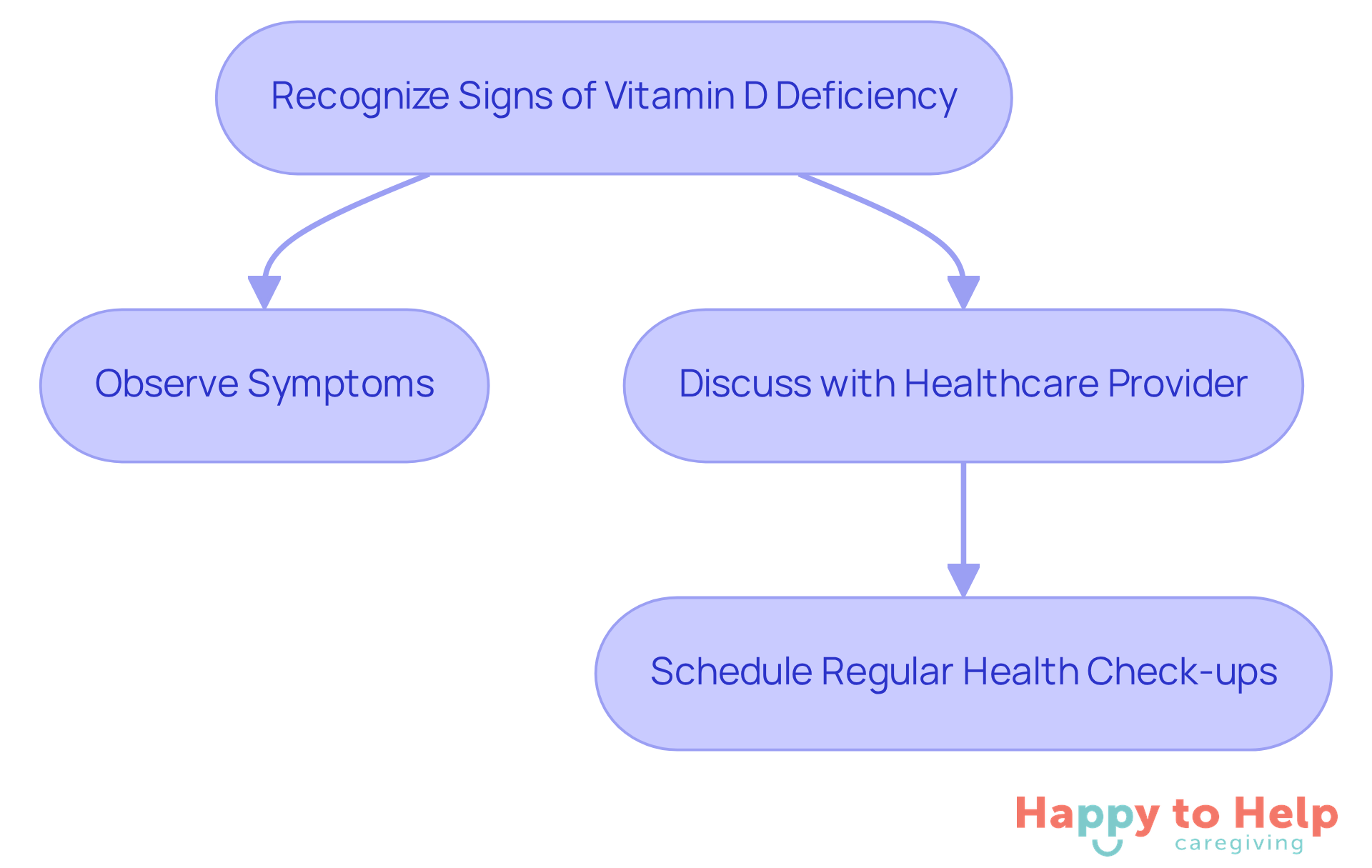
To combat this issue, caregivers should:
- Schedule regular health check-ups
- Discuss any observed symptoms with healthcare providers
By taking these proactive steps, caregivers can play a crucial role in ensuring comprehensive care for older adults.
At-Risk Groups for Vitamin D Inadequacy Among Seniors
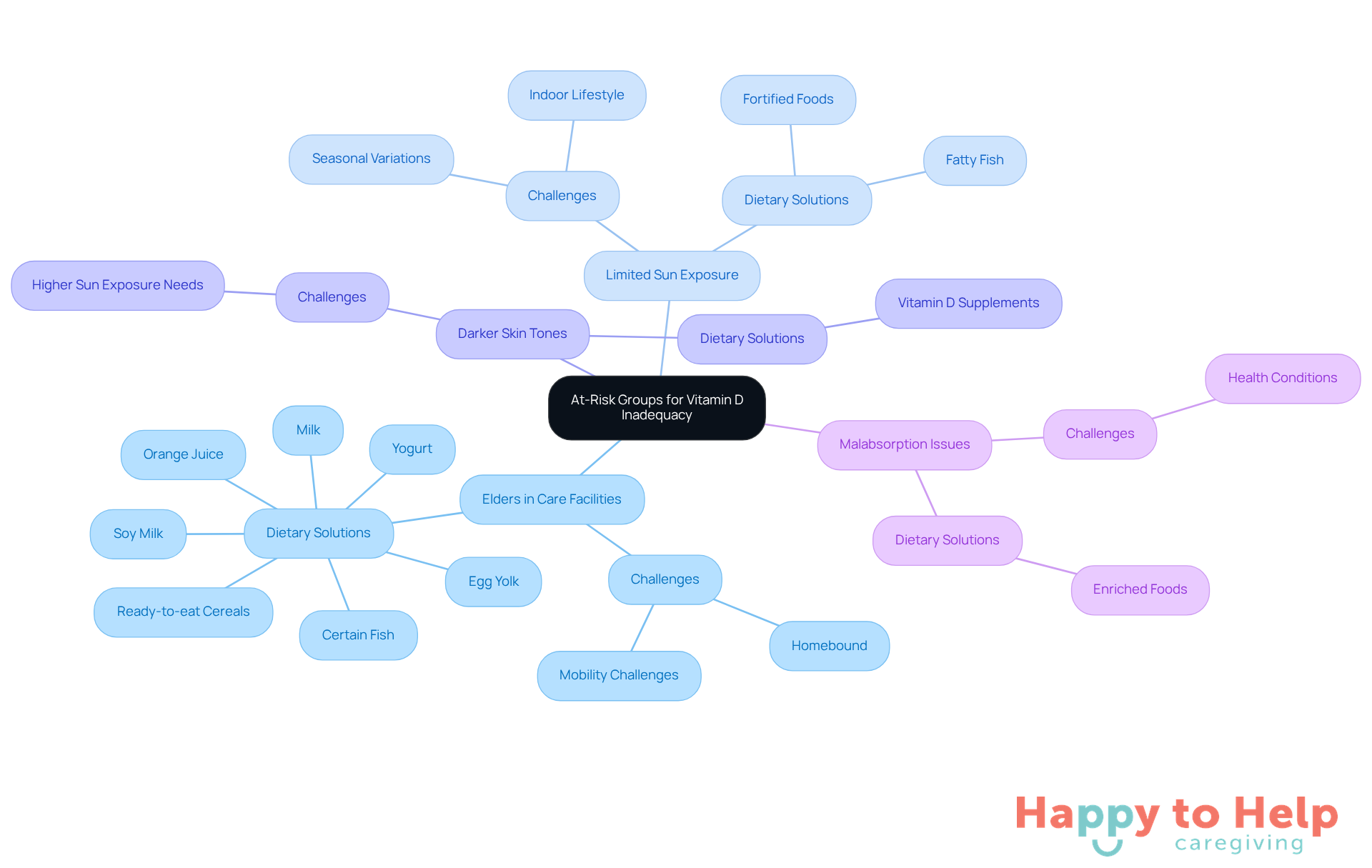
Vitamin D deficiency poses a significant problem for certain groups, particularly elders in care facilities, individuals with limited sun exposure, those with darker skin tones, and people experiencing malabsorption issues. Seniors who are homebound or have mobility challenges often struggle to get enough sunlight, making it essential for caregivers to monitor their vitamin D levels closely.
The implications of this deficiency are concerning. Studies reveal that 76.3% of bedridden elderly individuals suffer from vitamin D deficiency, and alarmingly, only 17% of nursing home residents reported using vitamin D supplements. Dietary intake among this population is frequently inadequate, typically ranging from 100 to 200 IU per day, which falls short of the recommended daily dose of vitamin D3 for seniors, which is 600 to 800 IU.
To address this issue, proactive measures are crucial. Caregivers should consider dietary changes and supplementation to mitigate the risks associated with vitamin D deficiency. Incorporating enriched foods into clients' diets can significantly help meet their vitamin D needs. Foods such as:
- ready-to-eat cereals
- certain fish
- egg yolk
- milk
- yogurt
- soy milk
- orange juice
are excellent options to include.
Vitamin D Interactions with Medications for Seniors
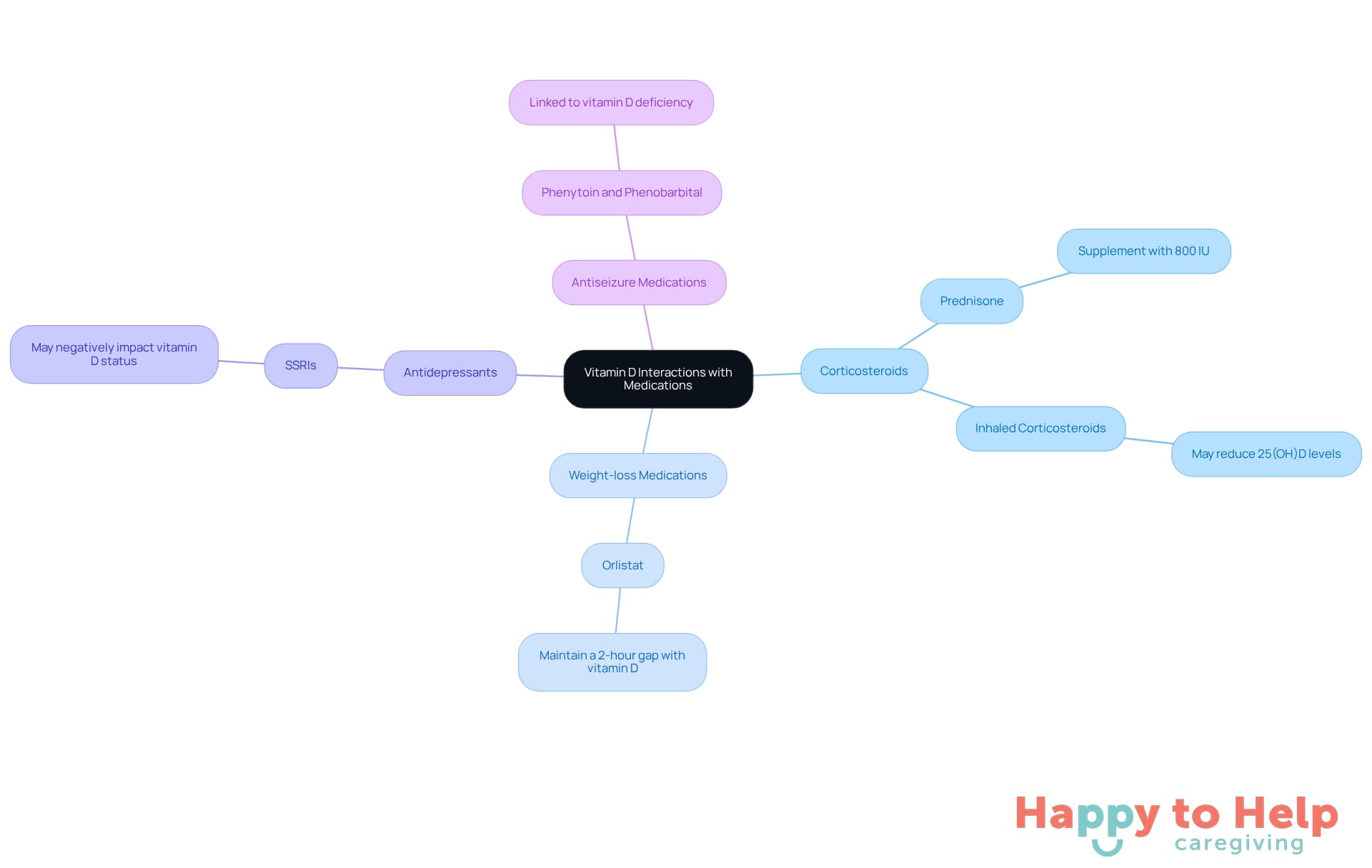
Some medications can significantly impact vitamin D absorption and efficacy, posing a serious problem for older adults. Corticosteroids, often prescribed for various conditions, have been shown to reduce vitamin D levels in the body. For example, patients taking low-dose prednisone (≥7.5 mg/day) for extended periods are advised to supplement with 800 IU of vitamin D daily to mitigate this effect.
Additionally, weight-loss medications like orlistat can interfere with the absorption of fat-soluble nutrients, including vitamin D. To optimize effectiveness, it's recommended to maintain a gap of at least two hours between taking orlistat and vitamin D.
Pharmacists emphasize the importance of discussing all medications with healthcare providers, as interactions can lead to inadequate vitamin D levels. Research indicates that certain antidepressants, such as SSRIs, and antiseizure medications may also negatively impact vitamin D status, complicating supplementation management for older adults. Given the high prevalence of vitamin D deficiency among seniors, understanding the recommended daily dose of vitamin D3 for seniors is crucial for ensuring safe and effective supplementation.
Consulting Healthcare Providers About Vitamin D Supplementation
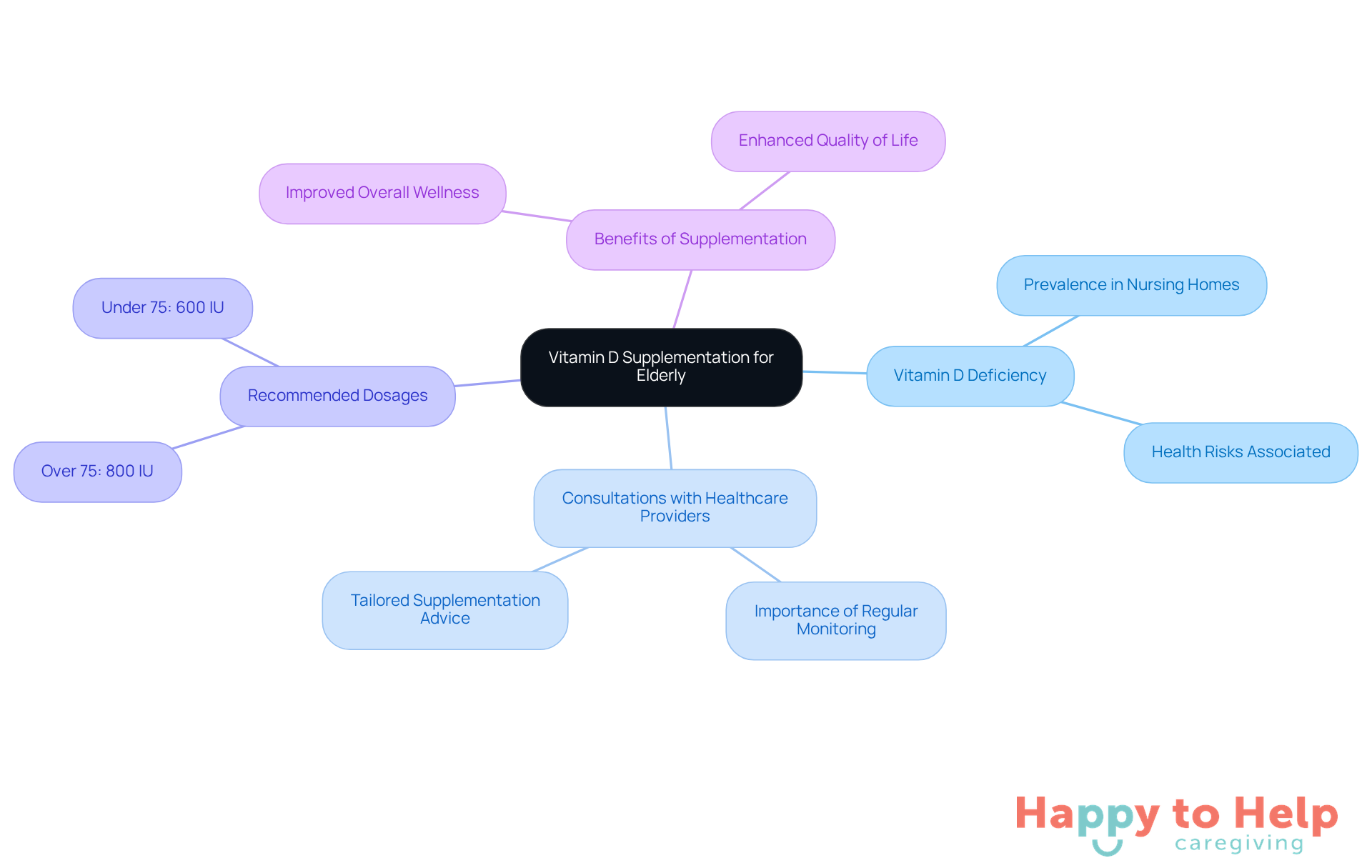
Elderly individuals often face a significant problem: vitamin D deficiency. This issue is particularly concerning for those with prior medical conditions or those taking multiple medications. Research indicates that 39.5% of nursing home residents have insufficient concentrations of vitamin D, underscoring the necessity for regular monitoring and intervention.
To address this challenge, it’s crucial for older adults to engage in regular conversations with their healthcare providers about vitamin D supplementation. Medical experts can offer tailored suggestions on suitable dosages and conduct blood tests to assess vitamin D levels, which are vital for sustaining optimal well-being. Frequent wellness check-ups allow for timely adjustments to supplementation based on individual health needs.
The recommended daily dose of vitamin D3 for seniors is:
- 800 IU for those over 75
- 600 IU for those under 75
By actively meeting their vitamin D requirements, older adults can significantly improve their overall wellness. Implementing these strategies not only enhances health but also promotes a better quality of life.
Benefits of Adequate Vitamin D Levels for Seniors
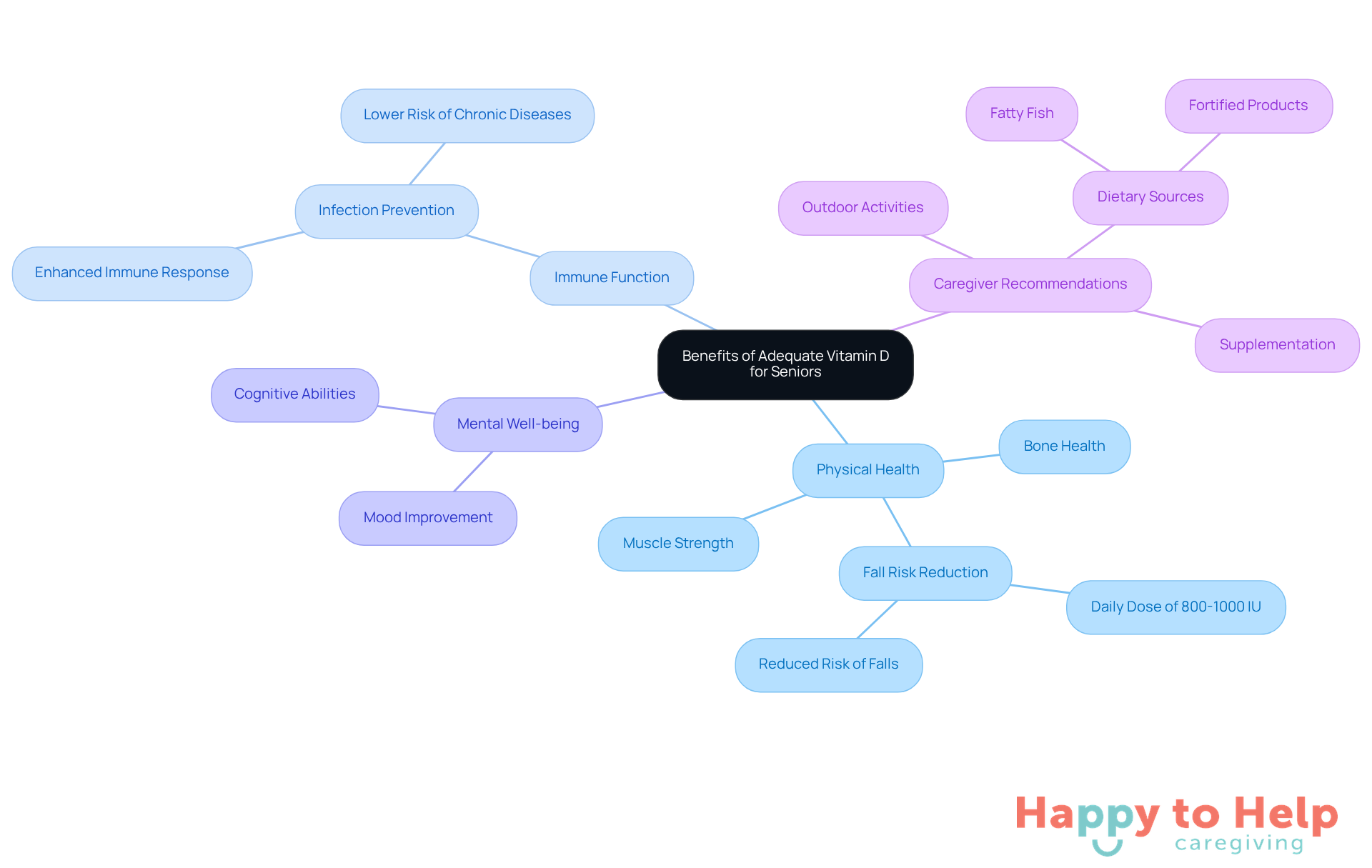
For seniors, sustaining sufficient levels of vitamin D is a significant challenge, highlighting the importance of the recommended daily dose of vitamin D3 for seniors to support their overall health and well-being. Inadequate levels of this essential nutrient can lead to decreased bone health and muscle strength, which are crucial for maintaining mobility and reducing the risk of falls. Studies show that daily administration of 800-1000 IU/d of vitamin D can significantly lower the risk of falls compared to placebo or no treatment (RR = 0.86, 95% CI: 0.7-0.99).
Moreover, vitamin D plays a vital role in supporting immune function, helping older adults fend off infections and potentially lowering the risk of chronic diseases. A systematic review highlighted that vitamin D supplementation can enhance the immune response, reducing the severity of respiratory infections, including those caused by viruses like SARS-CoV-2.
In addition to physical health, adequate vitamin D levels are linked to improved mood and cognitive abilities. Sufficient amounts of this nutrient have been associated with a lower incidence of depression and anxiety in older adults, promoting overall emotional well-being. As noted by Laird et al., maintaining adequate calcifediol plasma concentration correlates with a significant decrease in plasma levels of CRP and IL-6, further supporting vitamin D's role in modulating inflammation and enhancing immune responses.
To address these challenges, caregivers can take proactive steps to ensure seniors receive the recommended daily dose of vitamin D3 for seniors, which includes:
- Encouraging outdoor activities for sunlight exposure
- Considering dietary sources rich in vitamin D
- Discussing supplementation options with healthcare providers
By prioritizing vitamin D intake, caregivers can significantly enhance the quality of life for seniors, supporting both their physical and mental health.
Moving Forward with Facts About the Recommended Daily Dose
Ensuring that seniors receive the recommended daily dose of vitamin D3 is crucial for their overall health and well-being. The problem is that many older adults face deficiencies in this essential nutrient, which can lead to serious health issues like weakened bones, increased fall risk, and compromised immune function. Caregivers must prioritize personalized care strategies that incorporate dietary sources and safe sun exposure to help older adults meet their vitamin D needs effectively.
The implications of inadequate vitamin D levels are significant. The recommended daily dose ranges from 600 to 800 IU, depending on age. Studies have shown that meeting these guidelines can reduce the risk of falls and improve overall physical and mental health. Caregivers are encouraged to recognize the signs of deficiency, implement dietary changes, and consult healthcare providers to tailor supplementation plans for their clients.
To address this pressing issue, proactive measures should be taken to support seniors in achieving optimal vitamin D levels. By fostering awareness and facilitating access to necessary resources, caregivers can significantly enhance the quality of life for older adults. Emphasizing the importance of vitamin D not only aids in physical health but also contributes to emotional well-being, making it a critical component of senior care.
https://iframe.tely.ai/cta/eyJhcnRpY2xlX2lkIjogIjY5MjNhMGEwMjcyNDliYTNkMmMzZTVmNCIsICJjb21wYW55X2lkIjogIjY4ZWU1ZGNhNzMxNzYyNTU3ZjNjOTVjMSIsICJpbmRleCI6IG51bGwsICJ0eXBlIjogImFydGljbGUifQ==Frequently Asked Questions
Why is vitamin D deficiency a concern for seniors?
Vitamin D deficiency is a significant concern for seniors because over half of middle-aged and older adults in the U.S. do not achieve the recommended daily dose of vitamin D3, leading to weakened immune function and an increased risk of chronic illnesses.
What are some dietary sources of vitamin D for seniors?
Foods rich in vitamin D that should be included in seniors' diets are fatty fish, fortified dairy products, and egg yolks.
How can caregivers help seniors achieve adequate vitamin D levels?
Caregivers can implement personalized care plans that focus on meal planning, safe sun exposure, customized exercise programs, and vitamin D supplementation.
What is the recommended daily dose of vitamin D3 for seniors?
The recommended daily dose of vitamin D3 for seniors aged 70 and above is 800 IU (20 mcg), while those aged 51 to 70 should aim for 600 IU (15 mcg).
What health improvements are associated with adequate vitamin D levels in seniors?
Research shows that older adults receiving the recommended daily dose of vitamin D3 through customized supplementation have experienced notable health improvements, including a 52% reduced risk of heart attacks and a lower likelihood of falls.
How does aging affect vitamin D synthesis and metabolism?
Aging diminishes the skin's ability to produce vitamin D and alters its metabolism, making regular monitoring and supplementation essential for older adults.
What impact does vitamin D have on bone health and fall risk in seniors?
Adequate vitamin D levels are vital for calcium absorption and maintaining bone density, significantly reducing the risk of falls and fractures among older adults.
What should caregivers do to ensure seniors receive sufficient vitamin D?
Caregivers should ensure that seniors receive adequate vitamin D through diet or supplements, regularly monitor their vitamin D levels, and consult healthcare professionals to tailor supplementation needs effectively.
List of Sources
- Happy to Help Caregiving: Personalized Support for Seniors' Vitamin D Needs
- Vitamin D Deficiency and Related Disorders: Practice Essentials, Background, Pathophysiology (https://emedicine.medscape.com/article/128762-overview)
- Frontiers | Prevalence of vitamin D deficiency and associated risk of all-cause and cause-specific mortality among middle-aged and older adults in the United States (https://frontiersin.org/journals/nutrition/articles/10.3389/fnut.2023.1163737/full)
- High-Dose Vitamin D Might Prevent Repeat Heart Attack, Study Finds (https://everydayhealth.com/cardiovascular-diseases/high-dose-vitamin-d-might-prevent-repeat-heart-attack)
- New global review: Tailored exercise, diet and vitamin D could prevent falls in nursing homes (https://nutritioninsight.com/news/healthy-aging-elderly-personalized-nutrition-exercise-vitamin-d.html)
- The Global Prevalence of Vitamin D Deficiency in the Elderly: A Meta-analysis - PMC (https://pmc.ncbi.nlm.nih.gov/articles/PMC10899554)
- Vitamin D's Role in Bone Health and Aging
- Roundup: Caution Urged on Use of Vitamin D, Calcium Supplements for Older Adults; and More News (https://baptisthealth.net/baptist-health-news/caution-urged-on-use-of-vitamin-d-and-calcium-supplements-for-older-adults)
- Effect of vitamin D, calcium, or combined supplementation on fall prevention: a systematic review and updated network meta-analysis - BMC Geriatrics (https://bmcgeriatr.biomedcentral.com/articles/10.1186/s12877-024-05009-x)
- Vitamin D in the older population: a consensus statement - PMC (https://pmc.ncbi.nlm.nih.gov/articles/PMC9607753)
- Expert consensus on vitamin D in osteoporosis - PMC (https://pmc.ncbi.nlm.nih.gov/articles/PMC11836767)
- These Nutrients Can Strengthen Aging Bones (Published 2024) (https://nytimes.com/2024/07/22/well/eat/bones-strength-calcium-vitamin-d.html)
- Recommended Daily Dose of Vitamin D3 for Seniors
- Vitamin D supplements may lower blood pressure in older people with obesity (https://endocrine.org/news-and-advocacy/news-room/2024/vitamin-d-supplements-may-lower-blood-pressure-in-older-people-with-obesity)
- Quotes on the State of Vitamin D Science, Reference to IOM Report - GrassrootsHealth (https://grassrootshealth.net/quotes-on-the-state-of-vitamin-d-science-reference-to-iom-report)
- Effect of vitamin D, calcium, or combined supplementation on fall prevention: a systematic review and updated network meta-analysis - BMC Geriatrics (https://bmcgeriatr.biomedcentral.com/articles/10.1186/s12877-024-05009-x)
- Sources of Vitamin D: Food and Sunlight for Seniors
- Shedding light on good vitamin D health (https://uwhealth.org/news/shedding-light-on-good-vitamin-d-health)
- Quotes on the State of Vitamin D Science, Reference to IOM Report - GrassrootsHealth (https://grassrootshealth.net/quotes-on-the-state-of-vitamin-d-science-reference-to-iom-report)
- How Much Sunshine Do You Need for Optimal Vitamin D Levels? (https://health.com/how-much-sun-for-vitamin-d-11754641)
- 5.1: Appendix A - Case Studies (https://med.libretexts.org/Bookshelves/Nutrition/Culinary\_Medicine\_2025e\_(Antonopoulos\_et\_al.)/05:\_Appendices/5.01:_Appendix\_A_\-\_Case\_Studies)
- Top Foods Rich in Vitamin D (https://verywellhealth.com/foods-rich-in-vitamin-d-8348470)
- Health Risks of Vitamin D Deficiency in Seniors
- Roundup: Caution Urged on Use of Vitamin D, Calcium Supplements for Older Adults; and More News (https://baptisthealth.net/baptist-health-news/caution-urged-on-use-of-vitamin-d-and-calcium-supplements-for-older-adults)
- Vitamin D in the older population: a consensus statement - PMC (https://pmc.ncbi.nlm.nih.gov/articles/PMC9607753)
- Older adults at risk of vitamin D deficiency (https://uclahealth.org/news/article/older-adults-risk-vitamin-d-deficiency)
- How low vitamin D levels may contribute to depression and affect mental health | - The Times of India (https://timesofindia.indiatimes.com/life-style/health-fitness/health-news/how-low-vitamin-d-levels-may-contribute-to-depression-and-affect-mental-health/articleshow/124337191.cms)
- Recognizing Signs of Vitamin D Deficiency in Seniors
- Hints of a different way-case studies in practice-based evidence: Computerized protocols to assist clinical research (https://researchgate.net/publication/309054187\_Hints\_of\_a\_different\_way-case\_studies\_in\_practice-based\_evidence\_Computerized\_protocols\_to\_assist\_clinical\_research)
- Older adults at risk of vitamin D deficiency (https://uclahealth.org/news/article/older-adults-risk-vitamin-d-deficiency)
- Good Housekeeping: 4 Surprising Signs of Vitamin D Deficiency You Should Know (https://cedars-sinai.org/newsroom/good-housekeeping-4-surprising-signs-of-vitamin-d-deficiency-you-should-know)
- Vitamin D Deficiency: MedlinePlus (https://medlineplus.gov/vitaminddeficiency.html)
- Frontiers | Global and regional prevalence of vitamin D deficiency in population-based studies from 2000 to 2022: A pooled analysis of 7.9 million participants (https://frontiersin.org/journals/nutrition/articles/10.3389/fnut.2023.1070808/full)
- At-Risk Groups for Vitamin D Inadequacy Among Seniors
- Vitamin D deficiency was common among nursing home residents and associated with dementia: a cross sectional study of 545 Swedish nursing home residents - BMC Geriatrics (https://bmcgeriatr.biomedcentral.com/articles/10.1186/s12877-017-0622-1)
- Quotes on the State of Vitamin D Science, Reference to IOM Report - GrassrootsHealth (https://grassrootshealth.net/quotes-on-the-state-of-vitamin-d-science-reference-to-iom-report)
- Why are so many Americans deficient in vitamin D? (https://news.miami.edu/stories/2025/10/why-are-so-many-americans-deficient-in-vitamin-d.html)
- Vitamin D deficiency in bedridden elderly people at home - PMC (https://pmc.ncbi.nlm.nih.gov/articles/PMC9937594)
- The Global Prevalence of Vitamin D Deficiency in the Elderly: A Meta-analysis - PMC (https://pmc.ncbi.nlm.nih.gov/articles/PMC10899554)
- Vitamin D Interactions with Medications for Seniors
- Roundup: Caution Urged on Use of Vitamin D, Calcium Supplements for Older Adults; and More News (https://baptisthealth.net/baptist-health-news/caution-urged-on-use-of-vitamin-d-and-calcium-supplements-for-older-adults)
- Hints of a different way-case studies in practice-based evidence: Computerized protocols to assist clinical research (https://researchgate.net/publication/309054187\_Hints\_of\_a\_different\_way-case\_studies\_in\_practice-based\_evidence\_Computerized\_protocols\_to\_assist\_clinical\_research)
- 6 Medications That Don’t Mix Well with Your Vitamin D Supplement, According to Pharmacists (https://health.yahoo.com/wellness/nutrition/vitamins-supplements/articles/6-medications-don-t-mix-050000320.html)
- The Potential Impact of Medication on Vitamin D Status | RMHP (https://dovepress.com/a-literature-review-of-the-potential-impact-of-medication-on-vitamin-d-peer-reviewed-fulltext-article-RMHP)
- Consulting Healthcare Providers About Vitamin D Supplementation
- Roundup: Caution Urged on Use of Vitamin D, Calcium Supplements for Older Adults; and More News (https://baptisthealth.net/baptist-health-news/caution-urged-on-use-of-vitamin-d-and-calcium-supplements-for-older-adults)
- Quotes on the State of Vitamin D Science, Reference to IOM Report - GrassrootsHealth (https://grassrootshealth.net/quotes-on-the-state-of-vitamin-d-science-reference-to-iom-report)
- The Role of Vitamin D in Health and Aging (https://uspharmacist.com/article/the-role-of-vitamin-d-in-health-and-aging)
- Prevalence of vitamin D deficiency in seniors – A retrospective study (https://sciencedirect.com/science/article/pii/S2405457723005387)
- New Vitamin D Guidelines: Who Really Needs Supplements? (https://healthcare.utah.edu/the-scope/health-library/all/2024/12/new-vitamin-d-guidelines-who-really-needs-supplements)
- Benefits of Adequate Vitamin D Levels for Seniors
- Relationship between Vitamin D and Immunity in Older People with COVID-19 - PMC (https://pmc.ncbi.nlm.nih.gov/articles/PMC10138672)
- Quotes on the State of Vitamin D Science, Reference to IOM Report - GrassrootsHealth (https://grassrootshealth.net/quotes-on-the-state-of-vitamin-d-science-reference-to-iom-report)
- Vitamin D supplements may lower blood pressure in older people with obesity (https://endocrine.org/news-and-advocacy/news-room/2024/vitamin-d-supplements-may-lower-blood-pressure-in-older-people-with-obesity)
- Older adults at risk of vitamin D deficiency (https://uclahealth.org/news/article/older-adults-risk-vitamin-d-deficiency)
- Effect of vitamin D, calcium, or combined supplementation on fall prevention: a systematic review and updated network meta-analysis - BMC Geriatrics (https://bmcgeriatr.biomedcentral.com/articles/10.1186/s12877-024-05009-x)