10 Key Insights on Average Cost of Respite Care for Families

For families in our service areas
For families in our service areas, this guide explains respite care and how non-medical in-home caregiving can support care planning in East Idaho, Treasure Valley & Magic Valley, Northern Wasatch, North Central West Virginia & Southwestern Pennsylvania, and Northeast Ohio.
Why Insights on Average Cost of Respite Matters
Understanding the financial implications of caregiving can feel overwhelming for families navigating the complexities of respite care. With the average cost of these essential services projected to reach around $33 per hour by 2025, many families find themselves grappling with the challenge of balancing quality care for their loved ones with their financial stability.
This article aims to shed light on the average cost of respite care, exploring the various factors that influence pricing, available funding options, and the types of services that can provide much-needed relief.
How can families ensure they receive the best care without breaking the bank? The answers lie in understanding the landscape of respite care costs and the resources available to support them. Together, we can navigate this journey, ensuring that care remains accessible and compassionate.
Happy to Help Caregiving: Comprehensive Respite Care Services
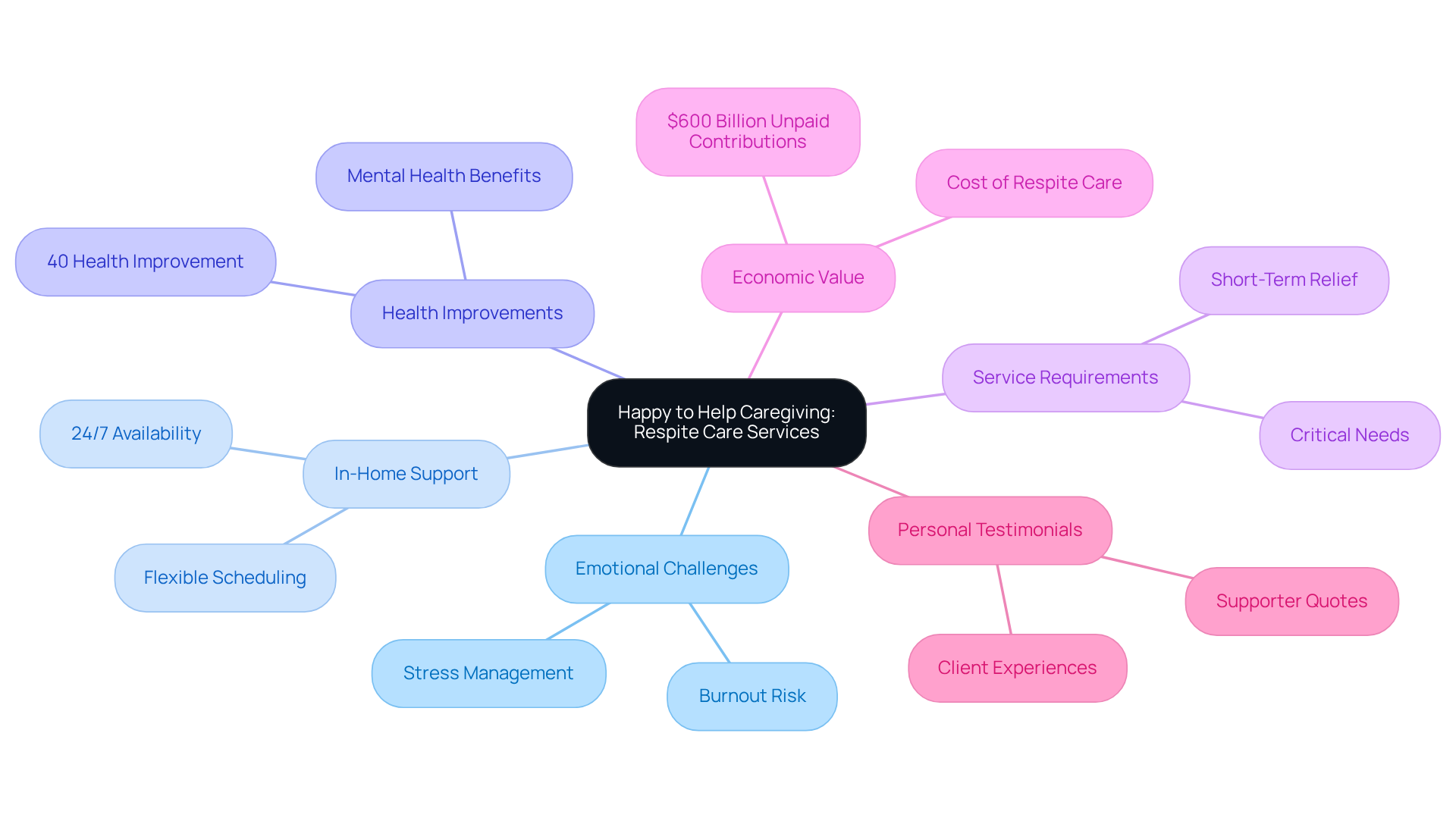
Happy to Help Caregiving understands the emotional challenges that caregivers face. It can be overwhelming, and the stress of caregiving often leads to burnout. That’s why they provide an extensive range of support services designed to assist relatives and improve the quality of life for clients.
Their in-home respite support allows caregivers to take essential breaks, knowing their loved ones are receiving compassionate and personalized attention. With a commitment to 24/7 availability and flexible scheduling, families can access the support they need at any time. This flexibility makes it easier to manage caregiving responsibilities, reducing stress and promoting well-being for clients in the comfort of their own homes.
Studies show that about 40% of individuals providing care who assessed their health as fair or poor prior to support now evaluate their health as good. This emphasizes the mental health advantages of temporary care. Additionally, almost 4 in 10 household supporters identify short-term relief as their most significant service requirement, highlighting its importance.
Happy to Help Caregiving plays a vital role in alleviating the burden on those providing support, especially in light of the average cost of respite care. They enable households to sustain an improved quality of life while ensuring their loved ones receive care in a familiar setting. As one supporter shared, "The relief services have been a wonderful blessing for our family. As a caregiver, it has allowed me time to disconnect and relax knowing that my loved one is safe and in good hands."
Moreover, the estimated economic value of unpaid caregiving contributions is $600 billion annually, emphasizing the critical need for supportive services, such as those that consider the average cost of respite care, offered by Happy to Help Caregiving. They are here to help, providing the care and support that families truly need.
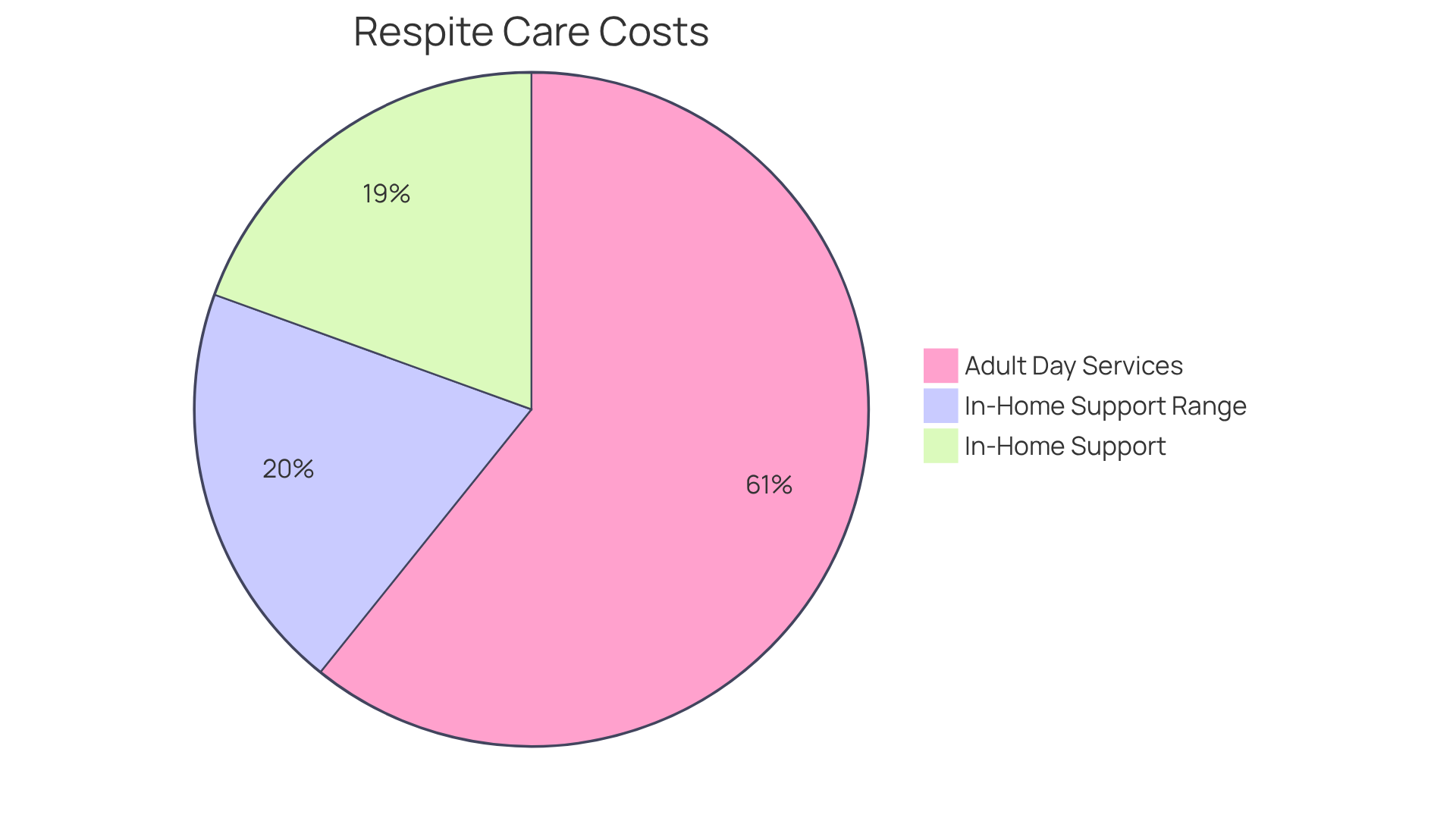
Average Cost of Respite Care: Key Financial Insights
Caring for a loved one can be overwhelming, and the average cost of respite care for short-term assistance can add to that stress. Factors such as location, type of service, and duration of support all influence the average cost of respite care. In 2025, the national average for in-home support services is projected to be around $33 per hour, with rates typically ranging from $24 to $43 depending on the state. For families seeking social interaction and organized activities for their loved ones, adult day services, averaging about $103 daily, can be a more economical choice compared to in-home assistance.
Considering the average cost of respite care, it’s essential for families to thoughtfully plan their finances for short-term relief services. These expenses can significantly affect overall financial stability, and it’s crucial to evaluate various providers and services to find the best fit for both support needs and budget constraints, particularly considering the average cost of respite care.
Financial advisors often recommend that families assess their specific support requirements and explore available funding options, such as Medicaid waivers or community resources. These alternatives can help ease the financial burden associated with temporary assistance, allowing families to focus on what truly matters - the well-being of their loved ones. Remember, you’re not alone in this journey; there are resources and support systems available to help you navigate these challenges.
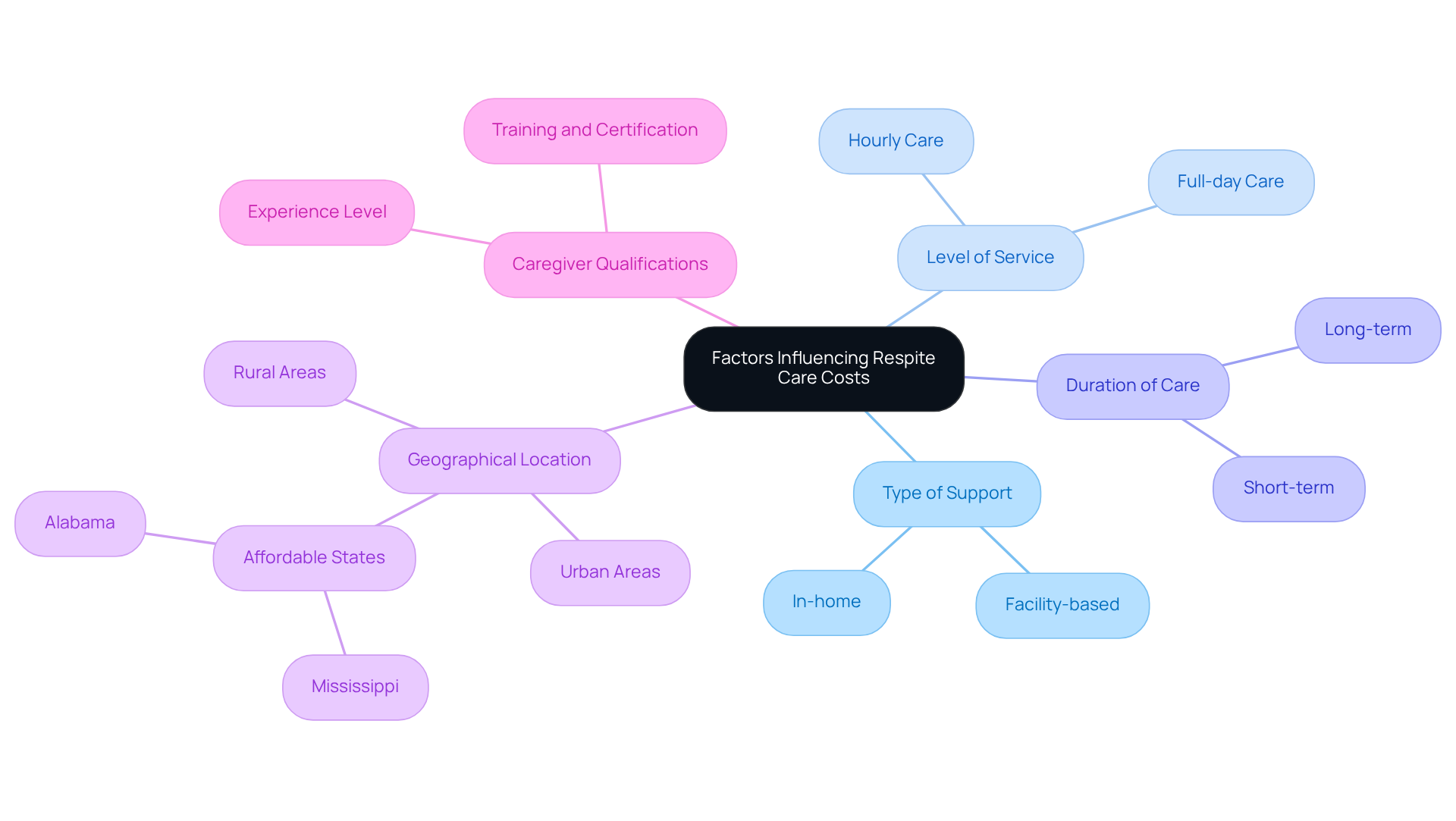
Factors Influencing Respite Care Costs: What to Consider
Finding the right respite assistance can be a daunting task for families. It’s not just about the cost; it’s about ensuring your loved ones receive the care they deserve. The expenses associated with respite care can vary widely, and the average cost of respite care is influenced by several key factors. For instance, the type of support you need - whether in-home or facility-based - plays a significant role. Additionally, the level of service required and the duration of care, such as hourly versus full-day options, can impact the average cost of respite care.
Geographical location is another crucial factor. In urban areas, rates tend to be higher due to increased demand and living expenses. Major metropolitan regions often have premium pricing for at-home assistance, reflecting the higher wage expectations for caregivers. On the other hand, families in states like Mississippi or Alabama may find more budget-friendly options, as the average cost of respite care in these areas is known to be lower.
Moreover, the experience and qualifications of caregivers can greatly affect both the quality of service and the associated expenses. As the need for in-home assistance continues to rise, it’s essential for families to understand these dynamics. This knowledge empowers you to make informed choices about temporary support, ensuring that your loved ones receive compassionate care during challenging times.
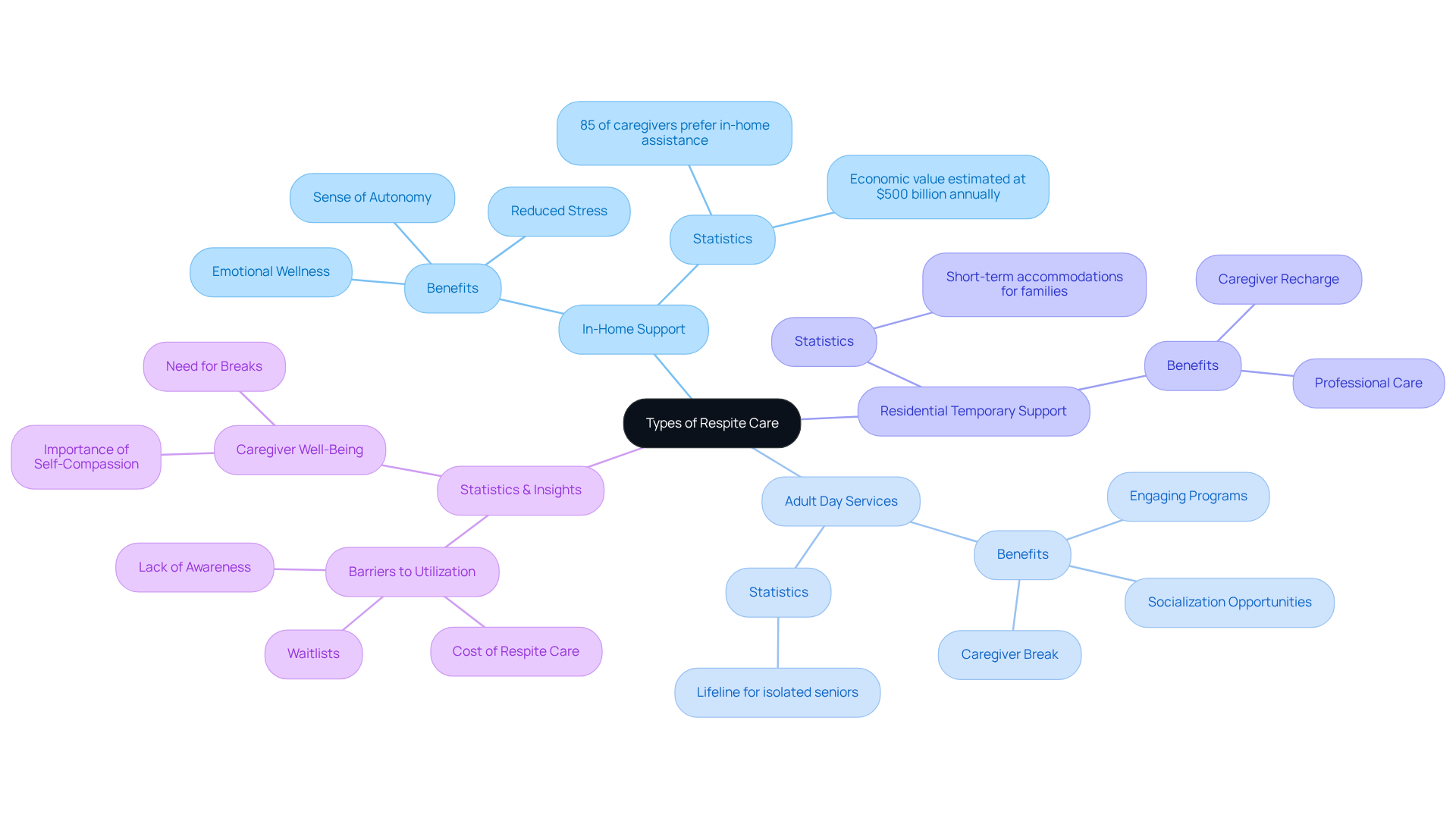
Types of Respite Care: Understanding Your Options
Respite services come in various forms, each designed to support caregivers and their loved ones. In-home support allows seniors to remain in their familiar surroundings, which can significantly enhance their emotional wellness and sense of autonomy. For those who thrive in their established environments, this option reduces stress and fosters comfort.
Adult day services, on the other hand, provide organized activities and opportunities for socialization throughout the day. These centers can be a lifeline for seniors who may feel isolated at home. With a variety of engaging programs, they not only improve participants' quality of life but also offer caregivers a much-needed break.
Residential temporary support offers short-term accommodations in assisted living or nursing facilities. This option can be invaluable for families needing extended time away, allowing caregivers to recharge while ensuring their loved ones receive professional care.
Statistics reveal that while 85% of caregivers prefer in-home assistance for its flexibility and comfort, many still do not utilize formal respite services. Barriers such as the average cost of respite care and lack of awareness often stand in the way. The economic value of in-home support is estimated at nearly $500 billion annually, underscoring the importance of these services in supporting caregivers.
As families weigh their options, experts emphasize the importance of selecting the right type of respite support. One specialist notes, "Choosing the right form of respite support is crucial; it should align with the needs of both the caregiver and the care recipient." This insight reminds us to consider individual circumstances when seeking the best support solution. Caregivers are also encouraged to practice self-compassion. Christopher Germer wisely states that taking breaks is essential for maintaining their well-being.
Who Pays for Respite Care? Financial Responsibility Explained
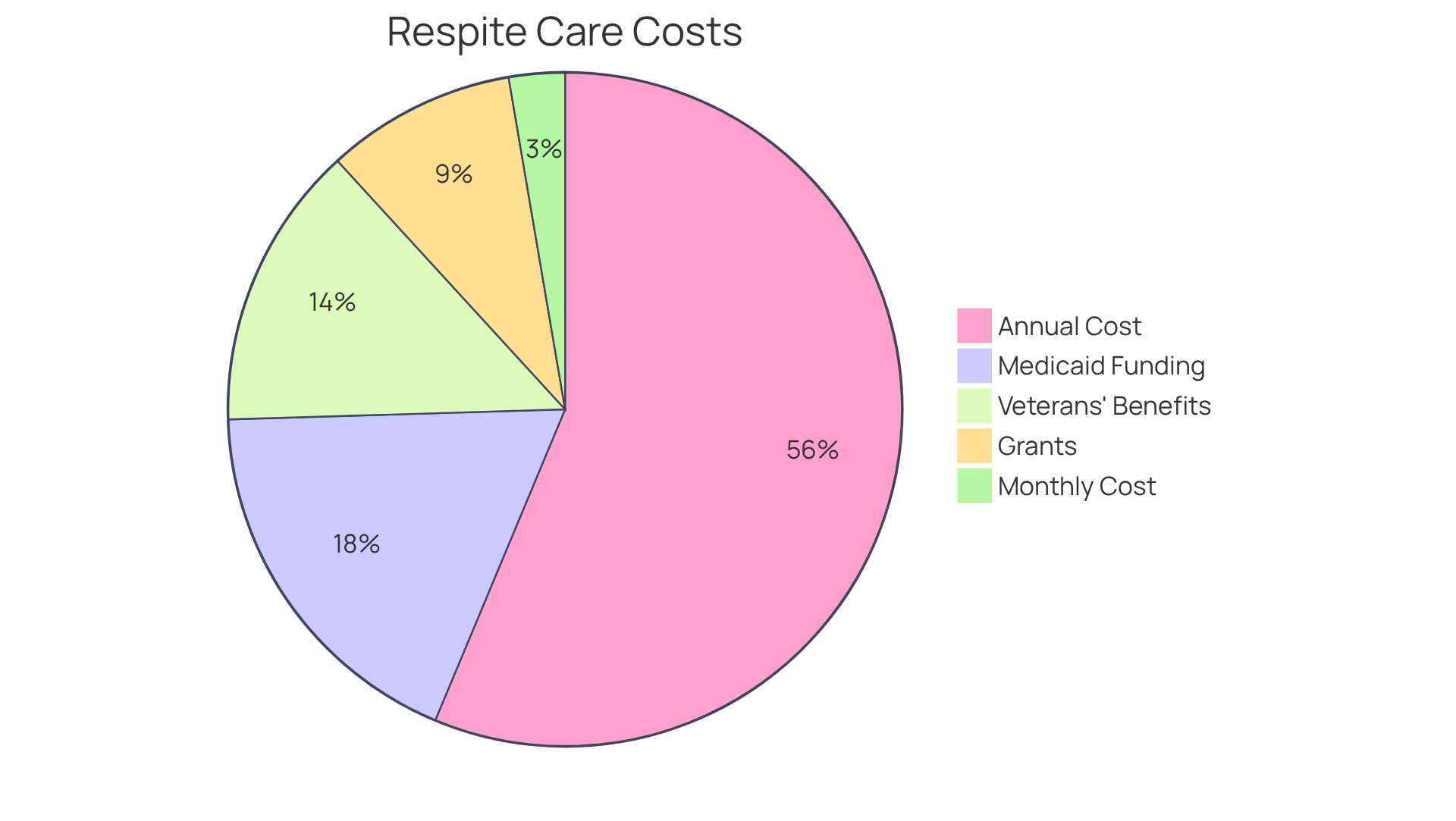
Many families face the tough challenge of covering temporary support expenses on their own, which can deeply impact their financial stability. On average, the average cost of respite care is approximately $2,945 per month, resulting in a median daily expense of around $95. The average cost of respite care can reach approximately $5,146 monthly, adding up to an annual expense of about $61,752.
But there’s hope. Several funding options can help ease this financial burden. State and federal programs, including Medicaid and veterans' benefits, may offer assistance based on individual circumstances. For instance, veterans can access temporary housing for up to 30 days each year through certain programs.
Additionally, some households might qualify for grants or financial assistance through initiatives like the Lifespan Respite Care Program, which aims to improve access to relief services. Certain states also provide relief support assistance under Medicaid’s home and community-based services waivers (HCBS Waivers) program.
It’s crucial for families to explore these resources thoroughly. Efficient financial planning can significantly reduce the average cost of respite care related to temporary assistance. Financial specialists emphasize the importance of understanding all available options, including potential tax deductions for medical expenses related to adult day services. This knowledge can further empower families in managing these costs.
Remember, you’re not alone in this journey. There are resources and support systems in place to help you navigate these challenges.
Finding Respite Care: Resources and Recommendations
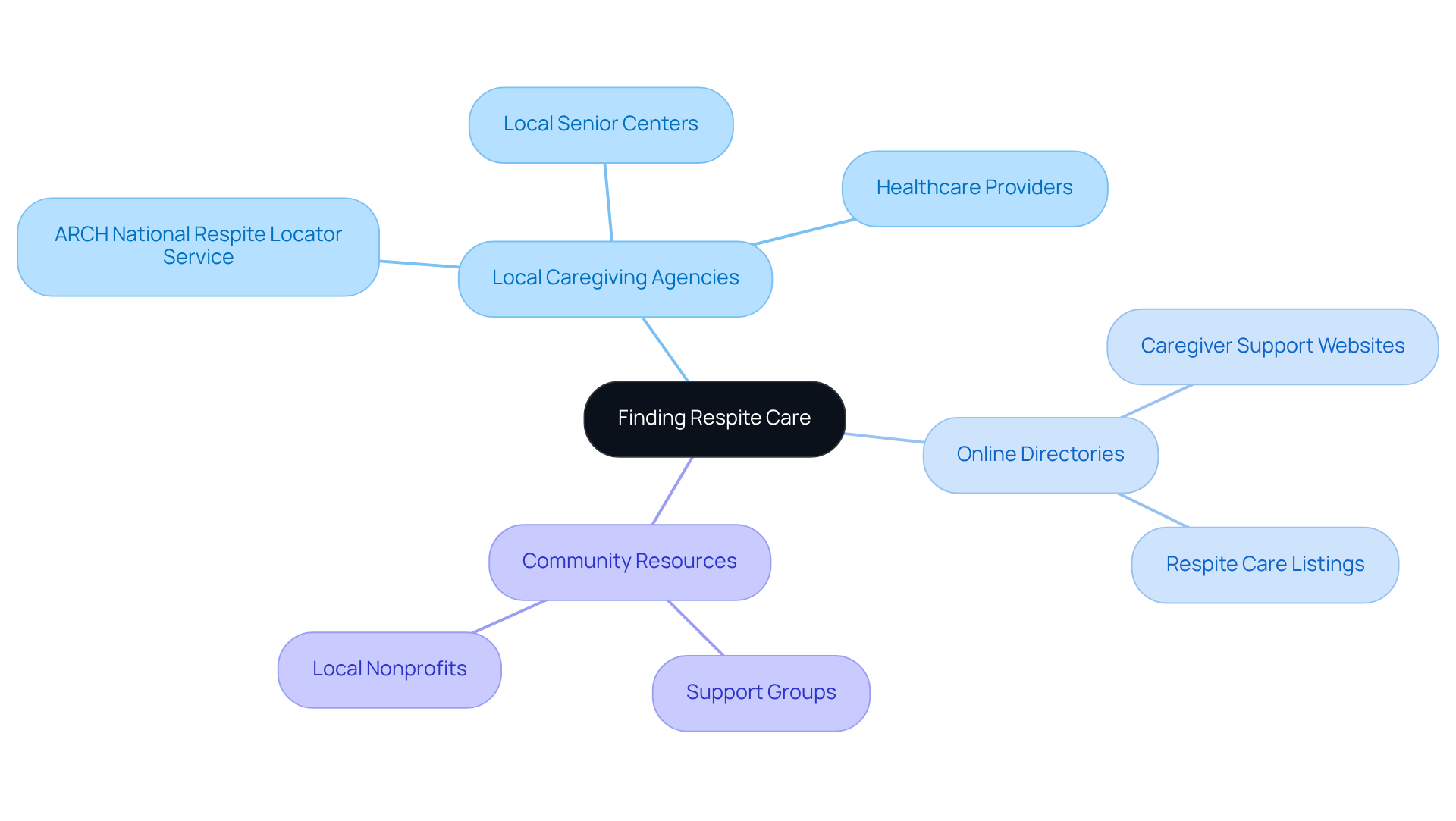
Caring for a loved one can be incredibly challenging, and it’s important to recognize the emotional toll it can take on families. Thankfully, there are various channels through which families can access temporary support. Local caregiving agencies, online directories, and community resources can all play a vital role in easing this burden.
One invaluable resource is the ARCH National Respite Locator Service, which helps households find available services in their area. Additionally, local senior centers and healthcare providers often offer suggestions that can lead to appropriate respite services. It’s crucial to conduct thorough research and engage in conversations with potential providers to ensure that the chosen service truly meets the specific needs of the household.
As caregiving specialists often emphasize, utilizing these resources can significantly enhance the quality of assistance and support available to families. This, in turn, promotes a more balanced caregiving experience. For those providing more than 30 hours of assistance each week, the need for relief services becomes even more pressing. The emotional and physical burden of caregiving underscores the importance of these services in safeguarding the well-being of both caregivers and their loved ones.
Remember, seeking help is not a sign of weakness; it’s a step towards ensuring that both you and your loved ones can thrive.
Medicare and Medicaid Coverage for Respite Care: What You Need to Know
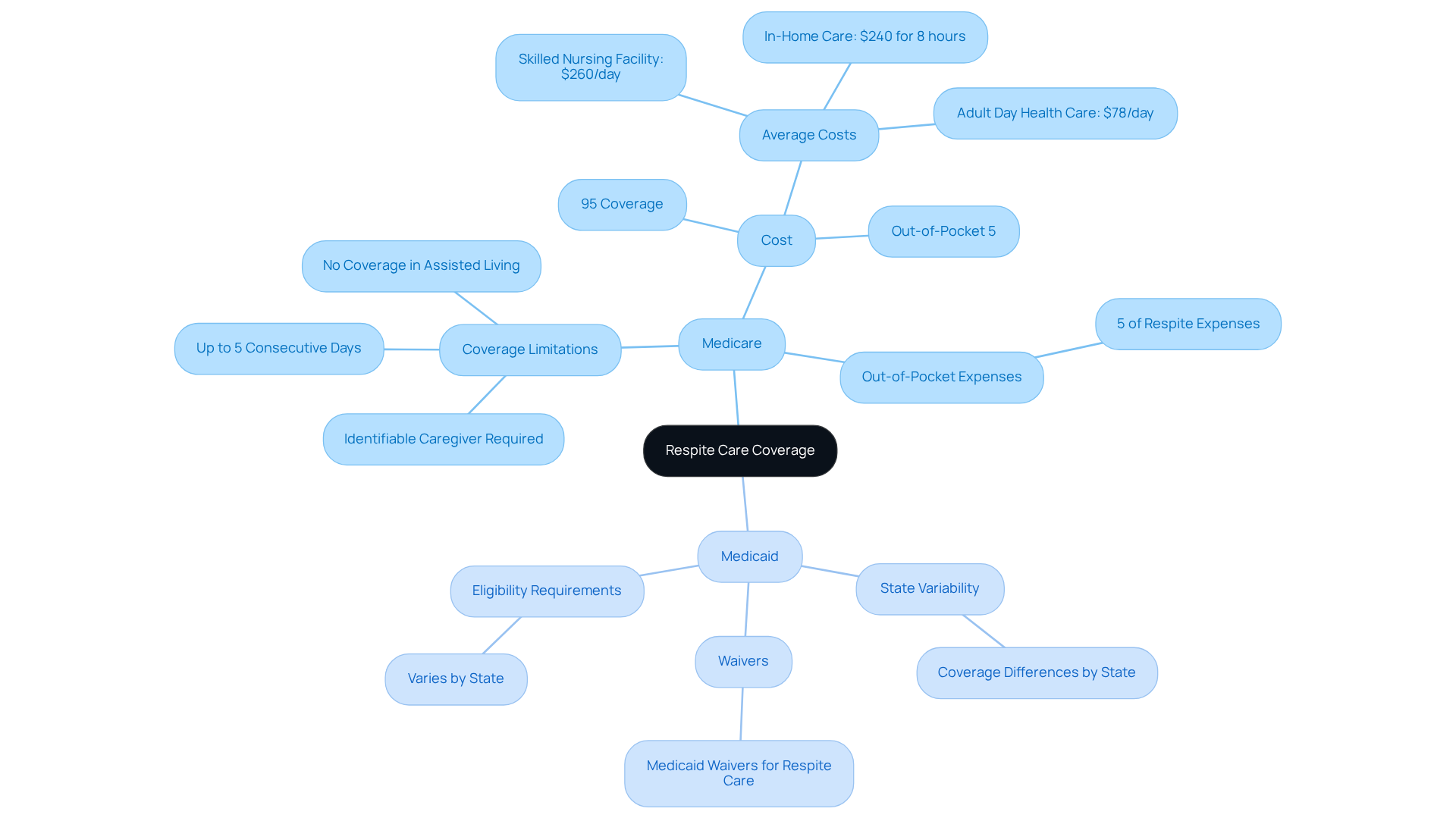
Caring for a loved one can be incredibly challenging, often leaving caregivers feeling overwhelmed and stressed. It's important to know that there are resources available to help lighten this burden. Medicare coverage for temporary support is typically limited, mainly covering assistance in a hospice setting for up to five continuous days. This is contingent on having a recognizable caregiver and not residing in a facility that offers round-the-clock support.
On the other hand, Medicaid can offer more comprehensive relief service coverage, but this varies significantly from state to state. For example, some states provide Medicaid waivers that help cover respite care costs, while others may impose stricter eligibility requirements. It's crucial for families to thoroughly review their state's Medicaid policies to understand the specific services available and the criteria for eligibility.
Resources like the Lifespan Respite Care Program and the National Caregiver Support Program can be invaluable in helping families navigate these options. Consulting with a financial advisor or elder law attorney is also highly recommended. They can guide you through these complex systems, ensuring that you can access the necessary support for your loved ones.
Additionally, it's essential to be aware of potential out-of-pocket expenses associated with Medicare coverage. Typically, individuals are required to pay 5% of respite expenses. For instance, the average cost of respite care in skilled nursing facilities can be around $260 per day, while the average cost of respite care for in-home support may be about $240 for 8 hours of service.
Remember, you’re not alone in this journey. There are compassionate services and support systems in place to help you care for your loved ones while also taking care of yourself.
Challenges Faced by Family Caregivers: The Need for Respite Care
Family supporters often face significant challenges. They deal with physical exhaustion, emotional stress, and social isolation. The demands of providing support can wear them down, impacting both their well-being and that of those they care for.
Respite services are crucial in providing relief, especially when evaluating the average cost of respite care. They allow caregivers to take a much-needed break, helping them to recharge and maintain their health. By recognizing these struggles, families can truly appreciate the importance of respite services, including the average cost of respite care, as a crucial support system.
Imagine a caregiver who feels overwhelmed, juggling responsibilities day in and day out. They might feel alone in their journey, but respite services can change that. These services not only provide a break but also foster a sense of community and understanding.
It's essential to acknowledge these emotional challenges. By doing so, we can create a nurturing environment where caregivers feel supported and valued. Remember, seeking help is a sign of strength, not weakness. Families can find comfort in knowing that respite services are there to help them navigate these tough times.
Benefits of Respite Care: Enhancing Well-Being for Caregivers and Recipients
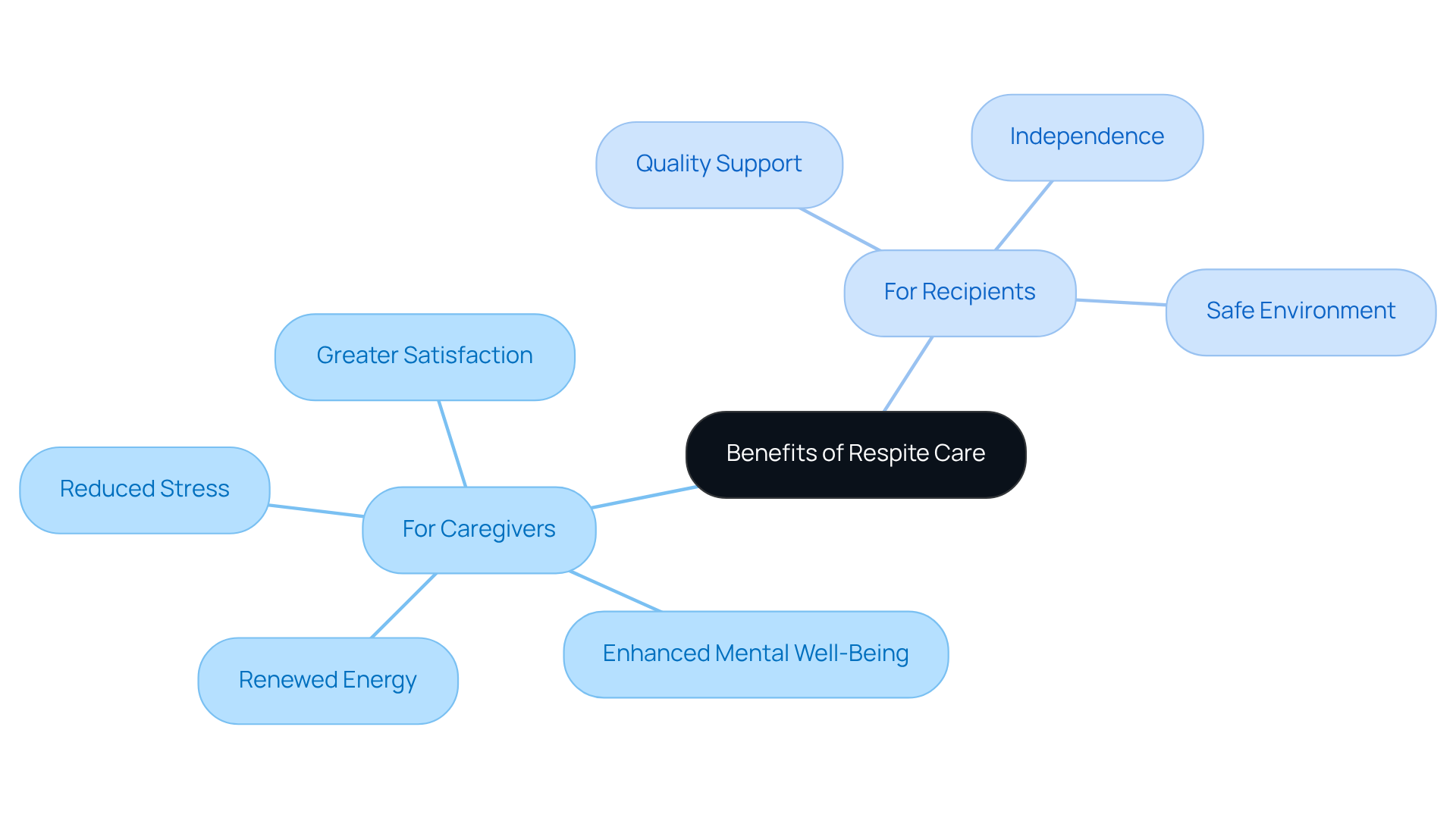
Respite support offers numerous benefits that can truly make a difference. It helps reduce stress for providers, enhances mental well-being, and improves the quality of life for both those giving and receiving care. When caregivers take breaks, they return to their responsibilities with renewed energy and focus, which ultimately leads to better assistance for those they support.
Many studies reveal that individuals who utilize relief services experience lower levels of anxiety and depression. They often report feeling uplifted, with increased energy and improved moods. Temporary support not only alleviates the pressure on caregivers but also provides them with a much-needed pause. This time to unwind and recharge can significantly enhance their overall mental health.
For those receiving care, respite assistance ensures they continue to receive quality support in a safe environment, promoting their independence and well-being. Caregivers who take regular breaks frequently express greater satisfaction with the assistance they provide, highlighting the positive impact of short-term relief on service quality.
However, it’s important to acknowledge that around 86% of adult caregivers do not receive temporary relief. This often stems from a lack of awareness and availability of these vital services. Recognizing these shared advantages makes it clear that supportive services are an essential resource for families, offering both emotional and practical support.
Common Misconceptions About Respite Care Costs: Debunking Myths
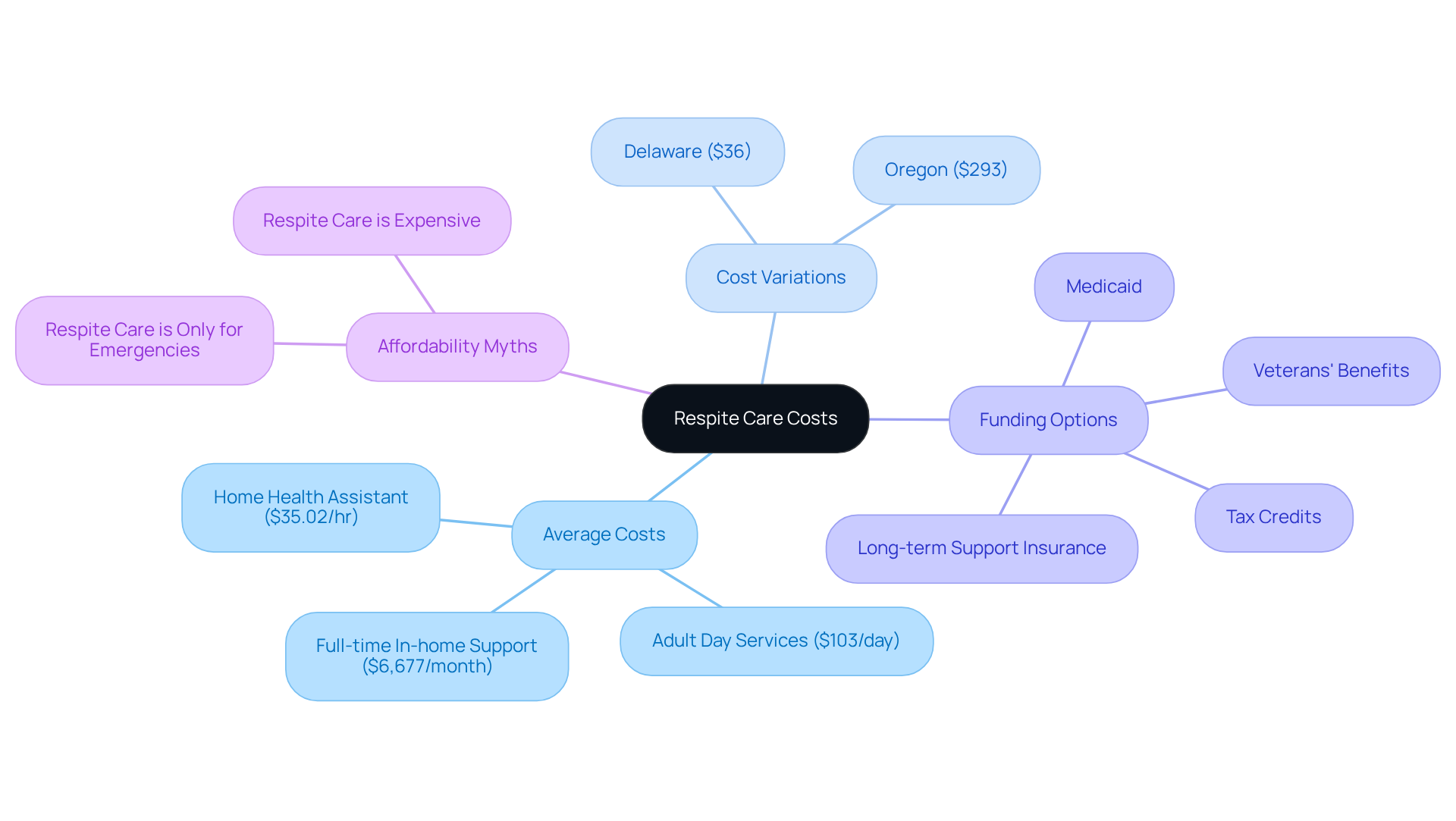
Many families often worry that short-term support is too expensive. However, the reality is that the average cost of respite care can vary widely depending on the type of assistance and your location. For instance, a home health assistant typically charges around $35.02 per hour. In 2025, adult day services are expected to cost about $103 per day, with prices ranging from $36 in Delaware to $293 in Oregon. This variation shows that the average cost of respite care is often a more affordable option compared to full-time in-home support, which can exceed $6,677 monthly for a home health aide.
It's important to know that there are many funding options and assistance programs available to help families manage these expenses. Long-term support insurance, veterans' benefits, and tax credits can significantly ease financial burdens. Families have successfully utilized sliding-scale fees and government programs like Medicaid to access support services, proving that affordability is within reach.
Understanding the true financial landscape of temporary support, particularly the average cost of respite care, empowers families to make informed decisions that benefit both their loved ones and their finances. By recognizing that respite care is not merely a luxury but a practical and cost-effective solution, families can prioritize their health and well-being while ensuring quality care for those they love.
Taking the Next Steps
Understanding the average cost of respite care is crucial for families navigating the complexities of caregiving. This support not only eases the burdens faced by caregivers but also enhances the quality of life for those receiving care. By recognizing the importance of respite services, families can make informed decisions that prioritize both emotional well-being and financial stability.
The article highlights various aspects of respite care, including its benefits, the factors influencing costs, and the types of services available. It emphasizes the critical need for financial planning, potential funding sources, and the importance of utilizing available resources to ease the financial burden. Moreover, it underscores the emotional toll of caregiving and the positive impact that respite services can have on both caregivers and care recipients.
Ultimately, seeking respite care is not just about managing costs; it’s about ensuring a healthier, more balanced life for both caregivers and their loved ones. Families are encouraged to explore the various options and resources available to them, recognizing that taking a break is a vital step towards maintaining their own well-being and providing the best care possible. Embracing these services can lead to a more sustainable caregiving experience, fostering a supportive environment where both caregivers and recipients can thrive together.
https://iframe.tely.ai/cta/eyJhcnRpY2xlX2lkIjogIjY5MWU1YWI5YzBkNDJlMTUwMDY1YWNiNyIsICJjb21wYW55X2lkIjogIjY4ZWU1ZGNhNzMxNzYyNTU3ZjNjOTVjMSIsICJpbmRleCI6IG51bGwsICJ0eXBlIjogImFydGljbGUifQ==Frequently Asked Questions
What services does Happy to Help Caregiving offer?
Happy to Help Caregiving provides a range of support services, including in-home respite support, which allows caregivers to take breaks while ensuring their loved ones receive compassionate and personalized attention.
How does Happy to Help Caregiving support caregivers?
They offer 24/7 availability and flexible scheduling, helping families manage caregiving responsibilities and reducing stress, which promotes well-being for clients in their own homes.
What are the mental health benefits of respite care?
Studies indicate that about 40% of caregivers who previously assessed their health as fair or poor reported improvements to good health after receiving support, highlighting the mental health advantages of temporary care.
What is the average cost of respite care in 2025?
The national average for in-home support services is projected to be around $33 per hour, with rates typically ranging from $24 to $43 depending on the state.
What are the costs associated with adult day services?
Adult day services average about $103 daily, which can be a more economical choice for families seeking social interaction and organized activities for their loved ones compared to in-home assistance.
What factors influence the cost of respite care?
Factors include the type of support needed (in-home or facility-based), the level of service required, the duration of care, and geographical location, as urban areas tend to have higher rates.
How can families financially prepare for respite care costs?
Families should assess their specific support requirements and explore funding options such as Medicaid waivers or community resources to ease the financial burden associated with temporary assistance.
Why is respite care important for families?
Respite care alleviates the burden on caregivers, allowing them time to recharge while ensuring their loved ones receive quality care in a familiar setting, ultimately improving the quality of life for both parties.