
For families in our service areas
For families in our service areas, this guide explains in-home care and how non-medical in-home caregiving can support care planning in East Idaho, Treasure Valley & Magic Valley, Northern Wasatch, North Central West Virginia & Southwestern Pennsylvania, and Northeast Ohio.
The Importance of Insights on How Much VA Pays for
Understanding the financial landscape of in-home care for veterans is crucial. Many former service members grapple with the emotional and physical toll of aging and isolation. With a significant portion of military personnel facing mental health challenges, the need for tailored, compassionate care has never been more pressing.
This article delves into the intricacies of how much the VA pays for in-home care. It explores the benefits available through programs like Aid and Attendance and addresses the eligibility criteria that can often leave veterans feeling overwhelmed. What are the hidden costs and misconceptions surrounding these benefits? How can veterans ensure they receive the support they deserve?
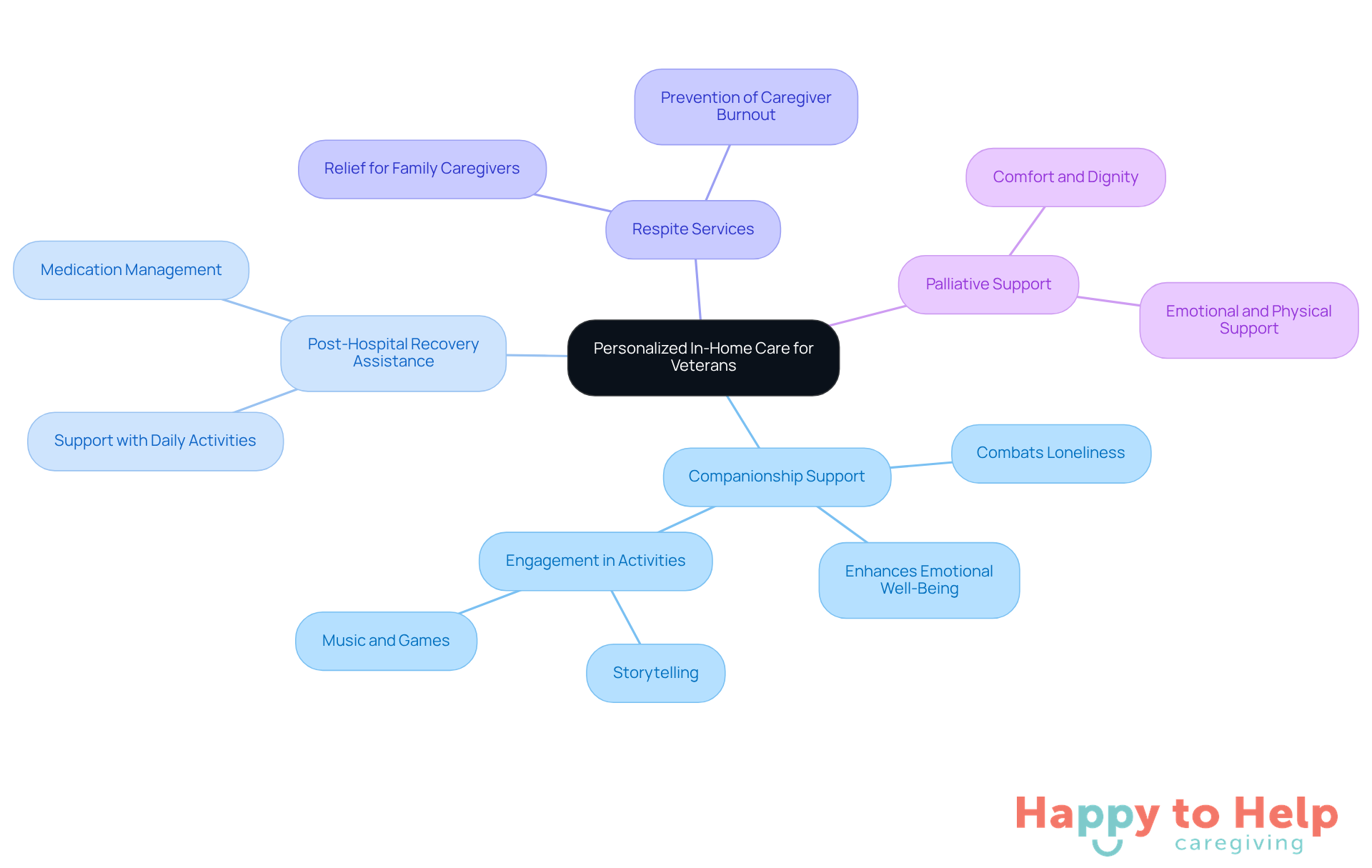
Happy to Help Caregiving: Personalized In-Home Care for Veterans
Former military personnel often face significant challenges, particularly feelings of loneliness and isolation. These issues can lead to serious mental health conditions, with 40% of military and veteran care recipients diagnosed with a mental health condition or substance use disorder. This highlights the urgent need for effective companionship support to address these challenges.
Happy to Help Caregiving excels in providing personalized in-home assistance tailored specifically for former service members, addressing questions like how much does VA pay for in-home care. Their services, which include:
- Companionship support
- Post-hospital recovery assistance
- Respite services
- Palliative support
are all designed to enhance the quality of life for veterans, raising the important question of how much does VA pay for in-home care. Caregivers are specially trained to engage former service members in enjoyable activities, fostering a sense of independence and significantly contributing to their emotional well-being.
Companionship support is essential in combating loneliness, which many veterans experience. By offering compassionate assistance in the comfort of their own homes, Happy to Help Caregiving ensures that service members receive the dignity and respect they deserve while preserving their independence. As noted, "No two former service members are alike. Each one brings a unique story and set of needs shaped by their service, experiences, and current health status." This reinforces the personalized approach of Happy to Help Caregiving.
Moreover, even minor gestures of companionship can have a profound impact on emotional well-being and confidence. This emphasizes the essential role of adaptability in support, ensuring that caregivers can meet the unique needs of each individual.
VA Aid and Attendance Benefit: Financial Support for In-Home Care
The VA Aid and Attendance program addresses a significant problem: many service members struggle with the financial burden of daily living assistance. This challenge can lead to increased stress and a diminished quality of life for both the service members and their caregivers.
The implications of this financial strain are profound. Without adequate support, individuals may find it difficult to maintain their independence, leading to a reliance on less desirable care options. This is where the Aid and Attendance program steps in as a vital solution.
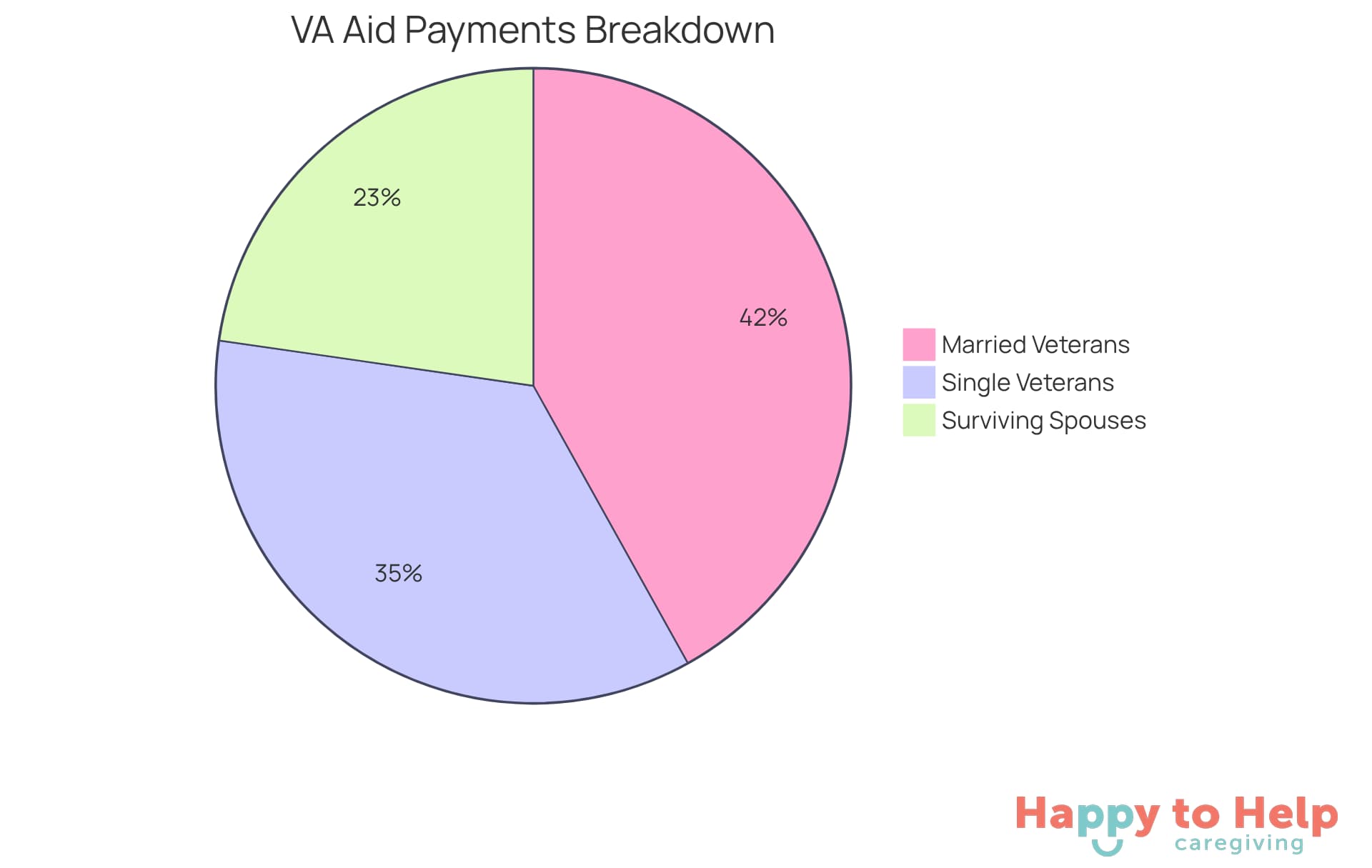
This program provides essential financial support, allowing qualified servicemen to receive the assistance they need while alleviating financial pressures. Monthly payments can reach up to $2,795 for married former service members, $2,358 for single former service members, and $1,515 for surviving spouses, depending on individual circumstances and care needs. However, to qualify, former service members must meet a net worth limit of $155,356 for 2025, which includes both annual income and countable assets.
For example, an individual needing help with bathing, dressing, or mobility can use these funds to cover caregiving services, ensuring they can stay in a familiar environment. The financial assistance from the Aid and Attendance program can be life-changing, enabling former service members to access quality support without excessive costs.
It's important to note that the VA enforces a 36-month look-back period to prevent asset transfers aimed at qualifying for assistance, which can complicate the application process.
Real-world examples highlight the program's impact: many former service members report improved quality of life and enhanced well-being after receiving financial assistance, raising the question of how much does VA pay for in-home care. Experts emphasize that the Aid and Attendance program is underused, yet it plays a crucial role in helping individuals navigate the complexities of aging and health challenges. One individual shared how the financial support allowed him to hire a caregiver, significantly improving his daily living experience and overall happiness.
In summary, the Aid and Attendance program not only provides crucial financial support but also empowers individuals to obtain the assistance they need at home, fostering dignity and comfort in their later years.
Eligibility Criteria for VA In-Home Care Payments: Who Qualifies?
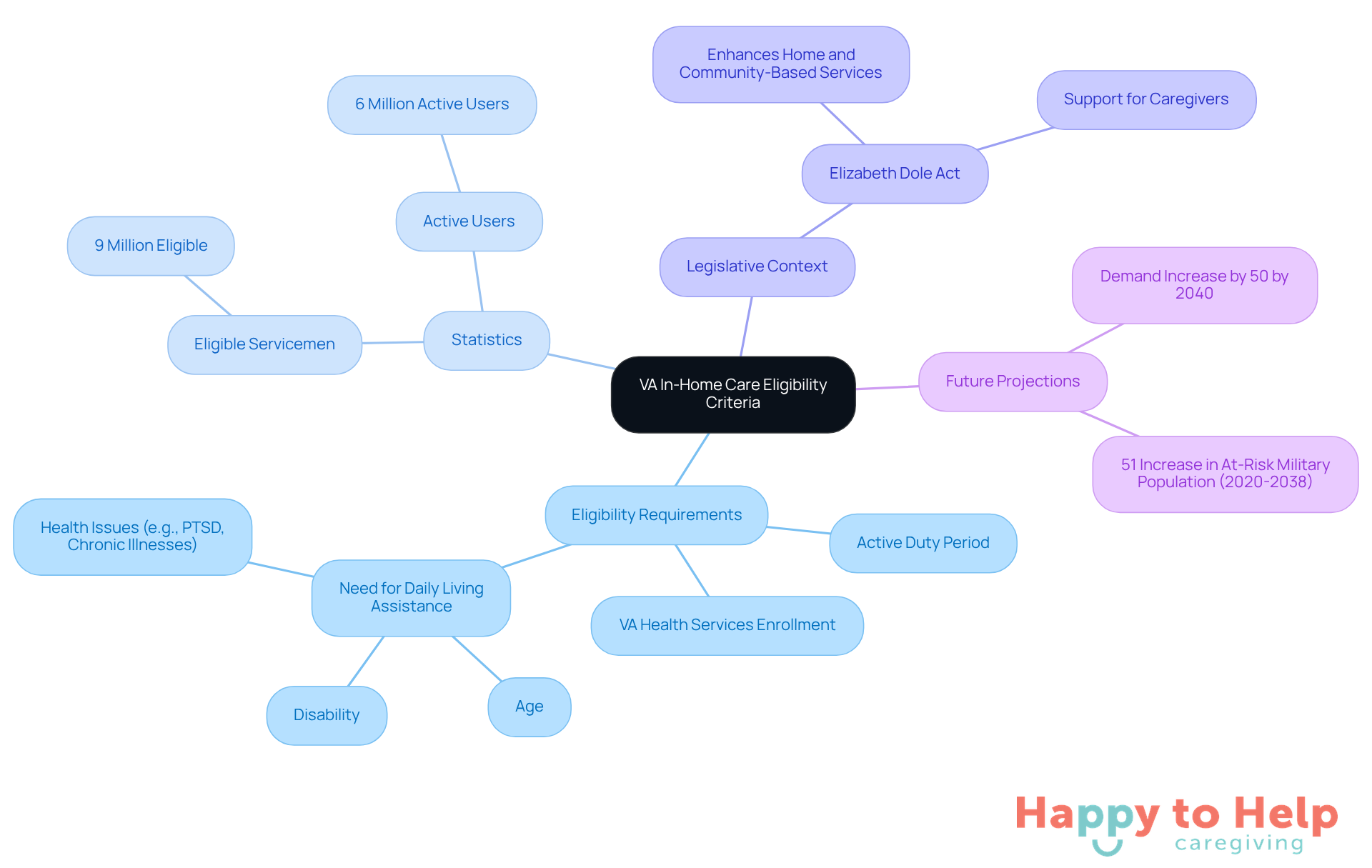
To qualify for VA in-home assistance payments, individuals must meet specific criteria, such as serving a minimum period of active duty and being enrolled in VA health services. Currently, about 9 million former servicemen are eligible for VA assistance, yet only around 6 million actively utilize these benefits. This gap highlights significant challenges in accessing support. Additionally, former service members must demonstrate a need for help with daily living tasks due to age, disability, or health issues like PTSD and chronic illnesses. For those pursuing financial assistance for residential support, it is crucial to understand how much does VA pay for in-home care.
The recent bipartisan Elizabeth Dole Act aims to enhance home and community-based services and support for caregivers, making it easier for former military personnel to access at-home assistance benefits. VA representatives emphasize that individuals who are honorably discharged should be automatically enrolled in VA health services, streamlining the process for those in need. As the demand for home-based, long-term assistance is projected to grow by over 50% by 2040, alongside a 51% increase in the at-risk military population from 2020 to 2038, grasping these eligibility criteria becomes essential for service members seeking financial support for residential care.
Types of In-Home Care Services Covered by the VA
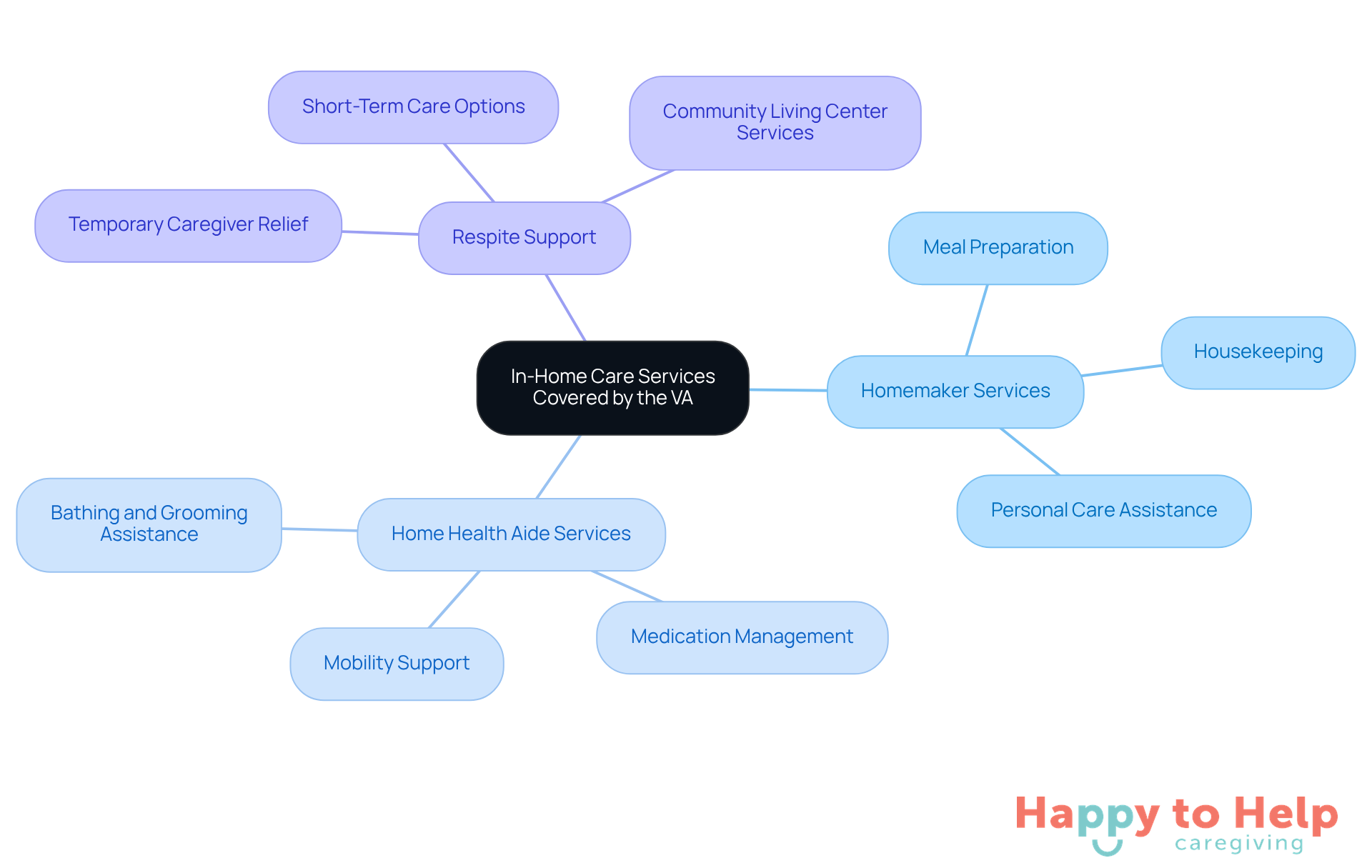
Caregivers often face significant challenges when supporting former service members, particularly in managing daily tasks. These tasks can include bathing, meal preparation, and medication management, which can be overwhelming without adequate assistance.
The VA offers a range of in-home assistance services, leading many to ask how much does VA pay for in-home care to alleviate these burdens. These services, which include homemaker services, home health aide services, and respite support, are aimed at providing the necessary help to ensure that former military personnel can maintain their independence and quality of life, prompting the inquiry of how much does VA pay for in-home care.
Understanding the variety of services available is crucial for caregivers. By comprehending these options, they can select the appropriate level of support that meets the specific needs of the individuals they care for. This knowledge empowers caregivers to make informed decisions, ultimately enhancing the care provided to former service members.
Average Monthly Payment Amounts for VA In-Home Care
Former service members often face significant financial challenges when it comes to residential assistance. The costs associated with in-home care can be overwhelming, especially when considering how much does VA pay for in home care, putting a strain on both veterans and their families.
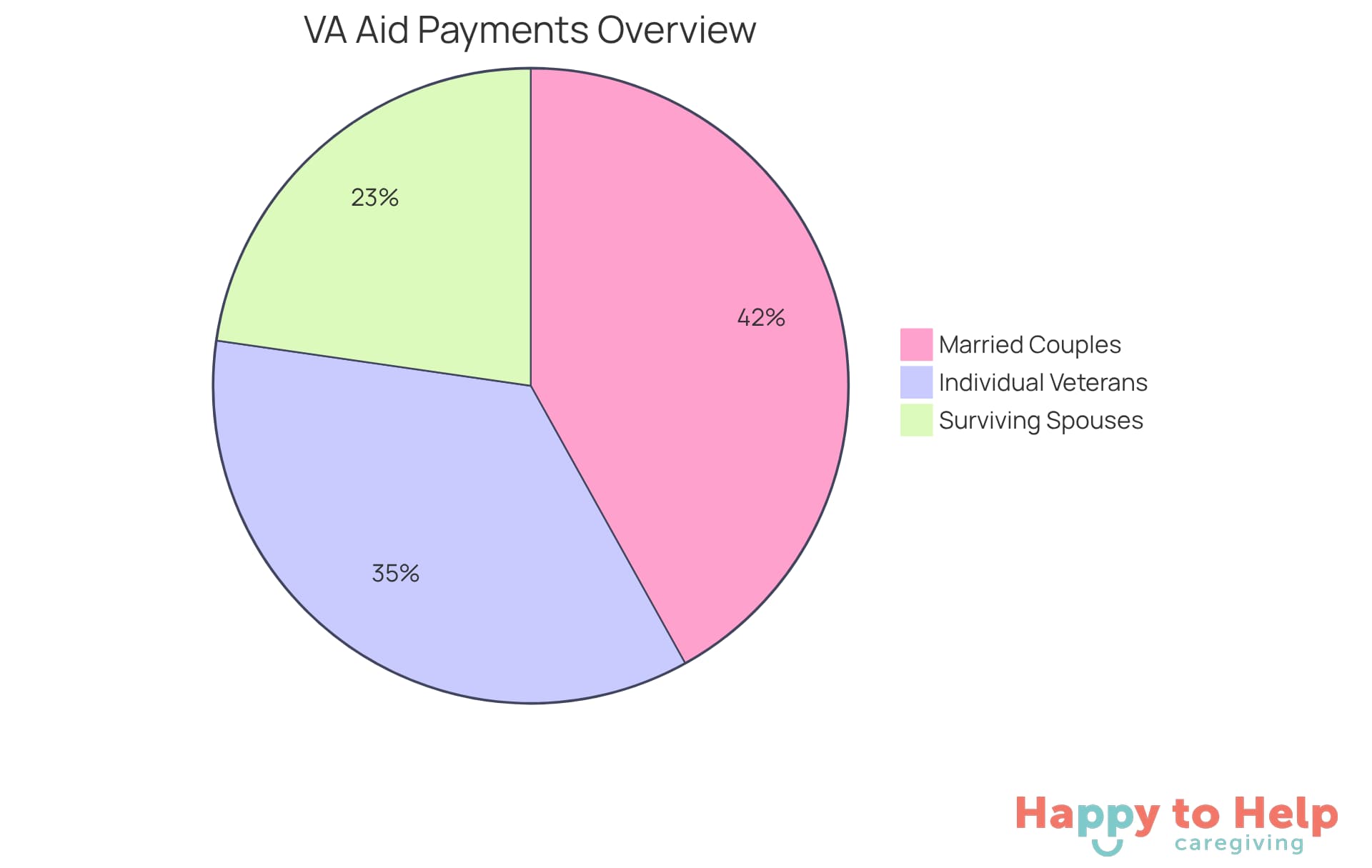
Fortunately, the VA Aid and Attendance program offers a solution. This program provides substantial financial support, with average monthly payments of approximately $1,794 for individual veterans. For married couples, this amount increases to around $2,127, while surviving spouses may receive about $1,153 per month. These payments are crucial in alleviating the financial burden of daily living support, allowing veterans to maintain their independence and quality of life at home.
In fact, many households report that these benefits significantly reduce how much does VA pay for in home care services. In 2025, the yearly pension amounts have been revised to $28,300 for an individual veteran and $33,548 for a veteran with one dependent, further enhancing these advantages.
However, it's important to note that the VA enforces a 36-month look-back period to prevent asset transfers aimed at qualifying for assistance. To navigate the application process effectively, families are encouraged to consult with a VA-accredited advisor. This guidance can help ensure that they receive the support they need.
Application Process for VA In-Home Care Benefits: Steps to Follow
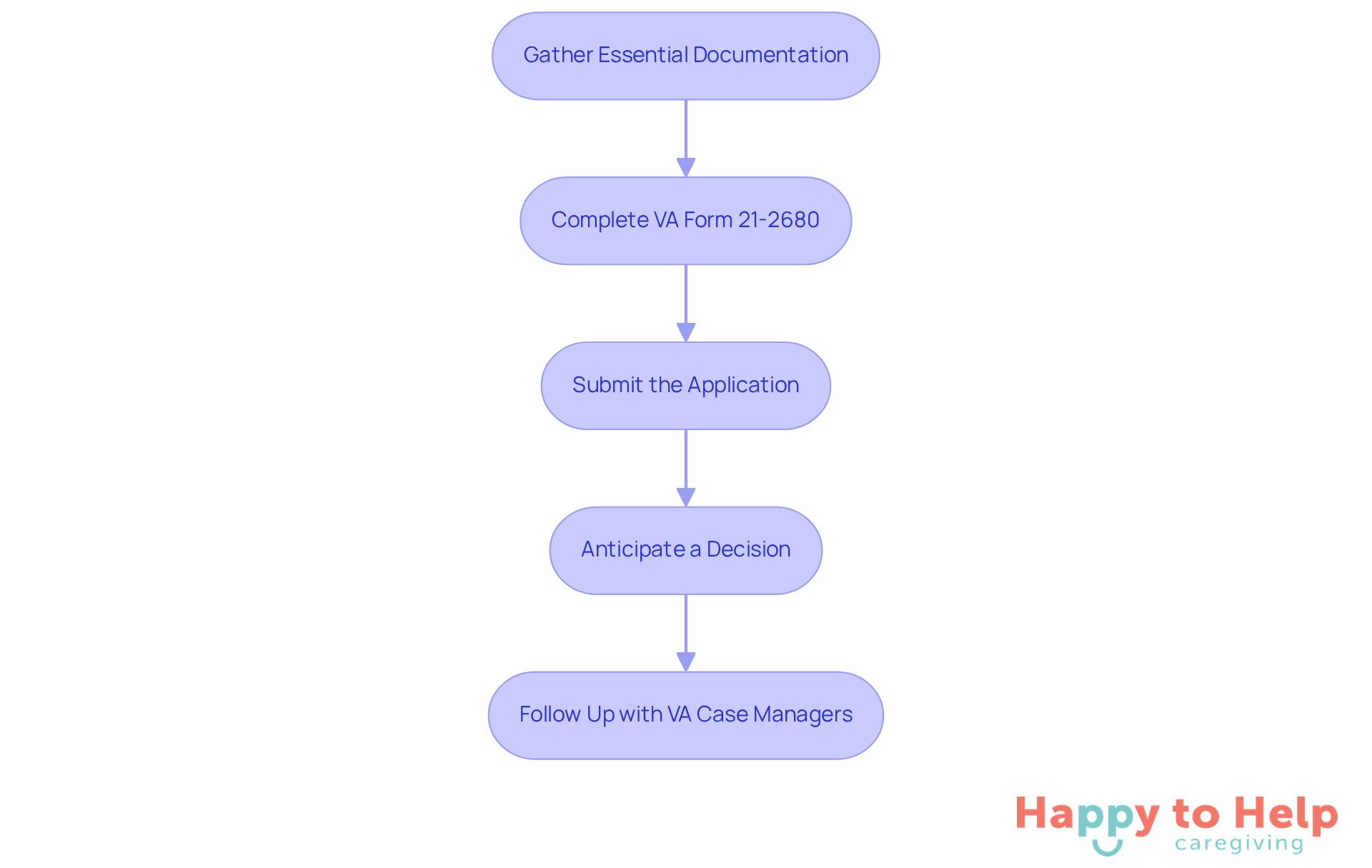
Applying for VA in-home care benefits can be a daunting task for many caregivers, often leading to confusion and delays. With an estimated 18 million former military personnel in 2023, and only 6 million utilizing VA care, it’s crucial to understand the steps involved in the application process to ensure that eligible individuals receive the benefits they deserve.
To tackle this issue, here are some essential steps to follow:
-
Gather essential documentation: Collect military discharge papers, medical records, and a list of medications. Having these documents ready can significantly streamline the process.
-
Complete VA Form 21-2680: This form assesses the need for aid and attendance. To qualify for the VA Aid and Attendance program, individuals must have served a minimum of 90 days of active duty, with at least one day during wartime, and received an honorable or general discharge.
-
Submit the application: Send your completed application to the appropriate VA regional office.
-
Anticipate a decision: After submission, former service members can expect a decision within several weeks. However, processing times may vary based on individual circumstances.
Real-world experiences show that prompt follow-ups with VA case managers can greatly simplify the process, ensuring that service members receive the benefits they have earned. Statements from former service members suggest that having all necessary documents easily accessible can expedite the application process, making it essential for applicants to be well-prepared.
Factors Influencing VA Payment Rates for In-Home Care
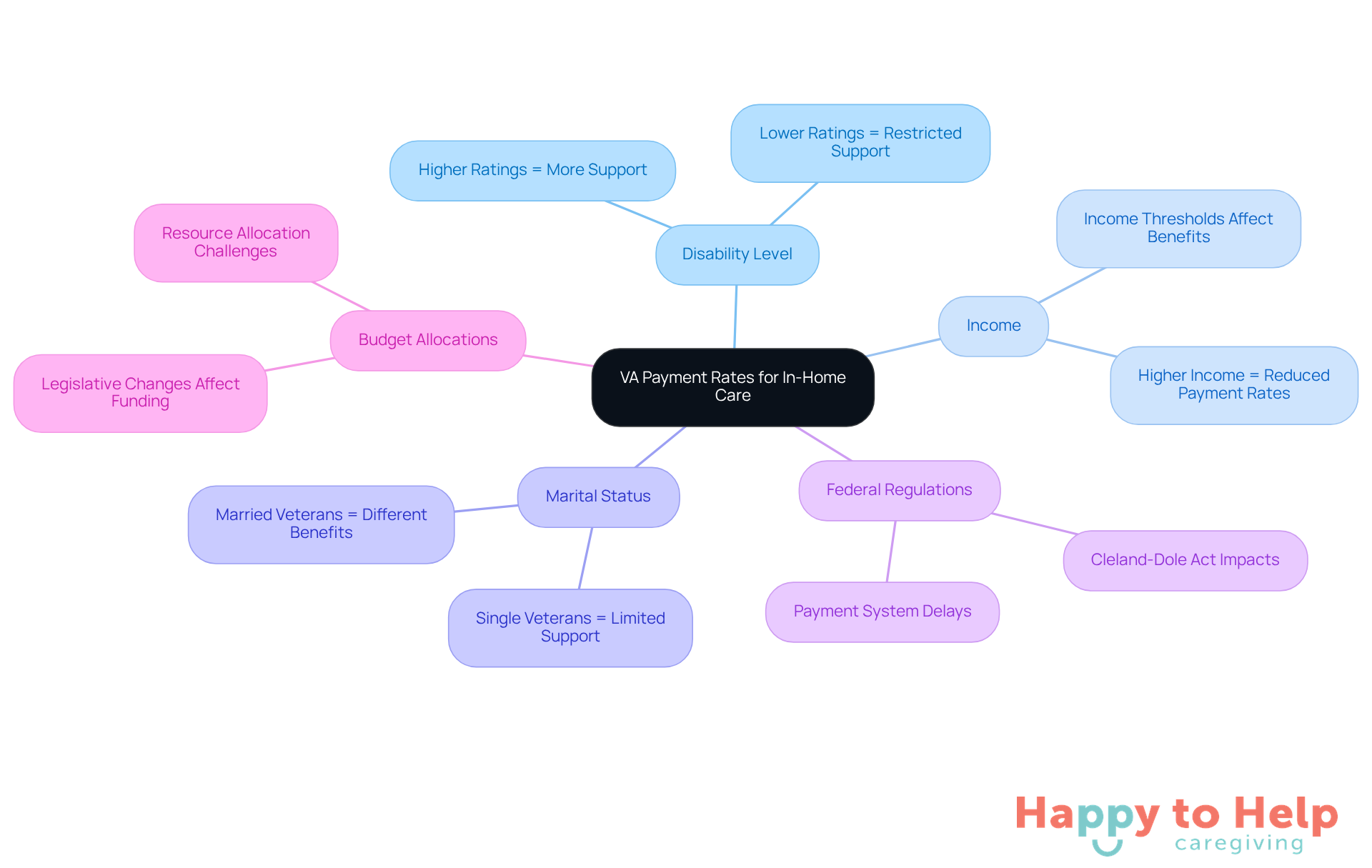
Veterans face significant challenges regarding how much does VA pay for in-home care, as it is influenced by factors like disability level, income, and marital status. Veterans with higher disability ratings often qualify for increased financial support, enhancing their access to necessary care services. However, those with lower ratings may face restricted support, impacting their ability to afford in-home assistance.
Income is another critical factor in determining eligibility for VA assistance. Veterans with higher incomes may encounter reduced payment rates, as the VA evaluates financial need when allocating resources. This situation can create hurdles for former service members who require assistance but do not meet the income thresholds for maximum benefits.
Federal regulations and budget allocations further complicate the landscape of VA funding for in-home care. Recent legislative changes, such as the Cleland-Dole Act, aim to broaden healthcare access for former military personnel by covering expenses related to medical foster homes. Yet, challenges persist, including payment system delays and inconsistent state regulations that can hinder timely access to funds, leaving service members and their families in precarious situations.
Financial analysts emphasize the importance of understanding these dynamics when planning budgets for former military personnel. They recommend that families stay informed about potential changes in federal policies that could impact funding levels. For example, the recent reauthorization of essential programs for homeless former service members and long-term support reflects ongoing efforts to secure necessary resources, though the execution of these changes can vary significantly.
Ultimately, the interplay between disability levels, income, and federal regulations shapes the financial landscape for former service members seeking to determine how much does VA pay for in-home care. By navigating these factors, veterans can better manage their expectations and access the support they need.
Leveraging Technology in VA Home Care Management
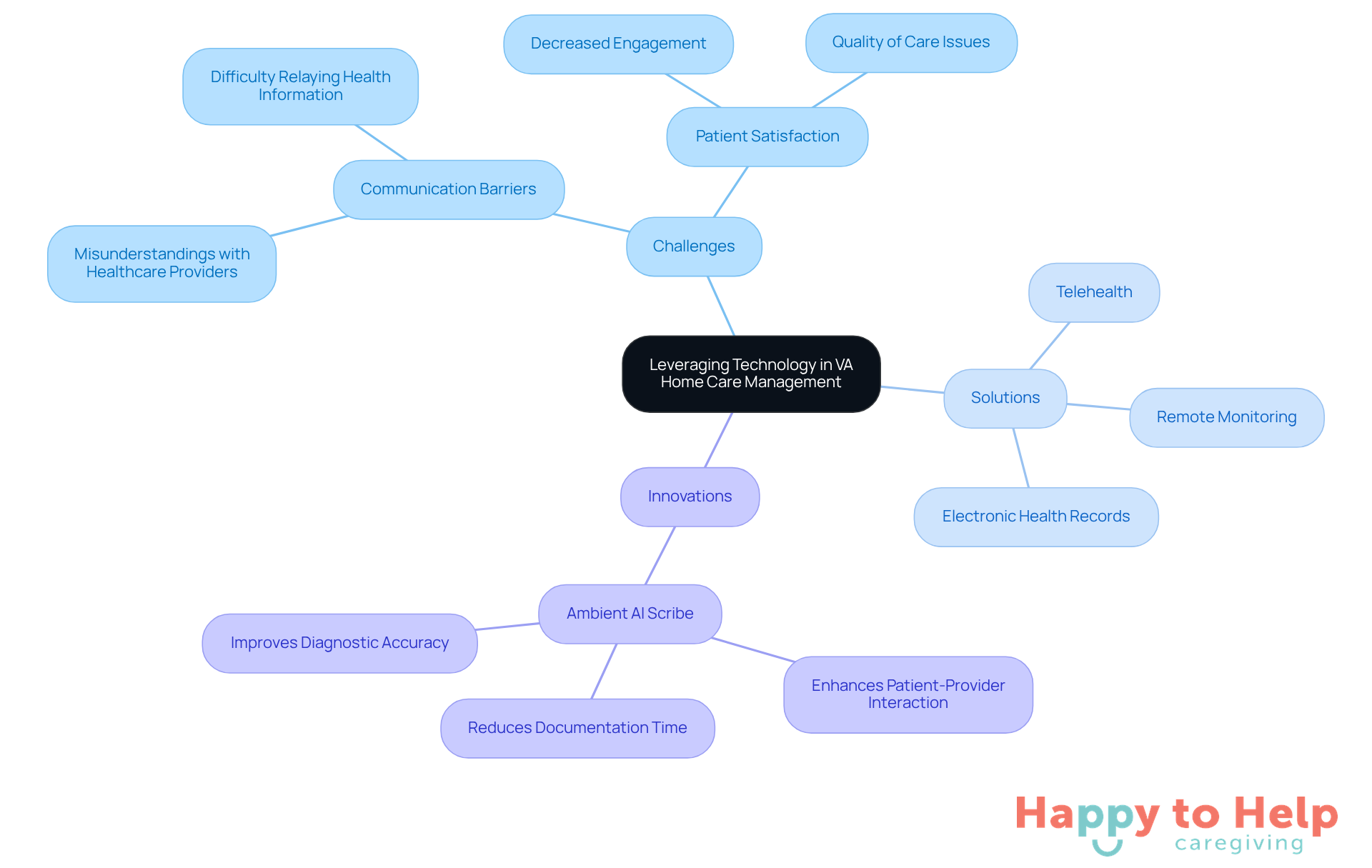
Technology plays a crucial role in enhancing VA home support services. However, caregivers face significant challenges in communication with healthcare providers. These issues can lead to misunderstandings and hinder the quality of care for former service members.
The implications of these communication barriers are profound. Caregivers often struggle to oversee the health of those they support, which can result in decreased patient satisfaction and engagement. For instance, without effective communication tools, caregivers may find it difficult to relay important health information, leading to potential gaps in care.
Fortunately, advancements in technology offer practical solutions. Telehealth platforms, remote monitoring devices, and electronic health records are transforming the way caregivers and healthcare providers communicate. These tools not only improve the quality of assistance but also empower former service members to take an active role in managing their health.
One notable innovation is the integration of ambient AI scribe technology. This allows clinicians to focus more on patient interactions rather than administrative tasks, significantly enhancing the patient-provider relationship. Early tests show that providers can save up to two hours daily on documentation, resulting in a 40% reduction in after-hours charting. This increased efficiency fosters better engagement, as caregivers report feeling more acknowledged during consultations without the distraction of typing.
Moreover, the VA's commitment to ethical AI ensures that these technologies are implemented with stringent privacy protections. This approach helps maintain trust among former service members while improving service delivery. The integration of ambient AI scribe with Oracle Cerner EHR supports seamless data flow and compliance with VA documentation standards.
As telehealth continues to evolve, its impact on VA home support services is expected to grow, providing former service members with more tailored and accessible assistance options. However, challenges remain, such as understanding accents and dialects prevalent in older populations. This highlights the need for ongoing advancements in technology implementation to ensure that all caregivers can effectively support those in their care.
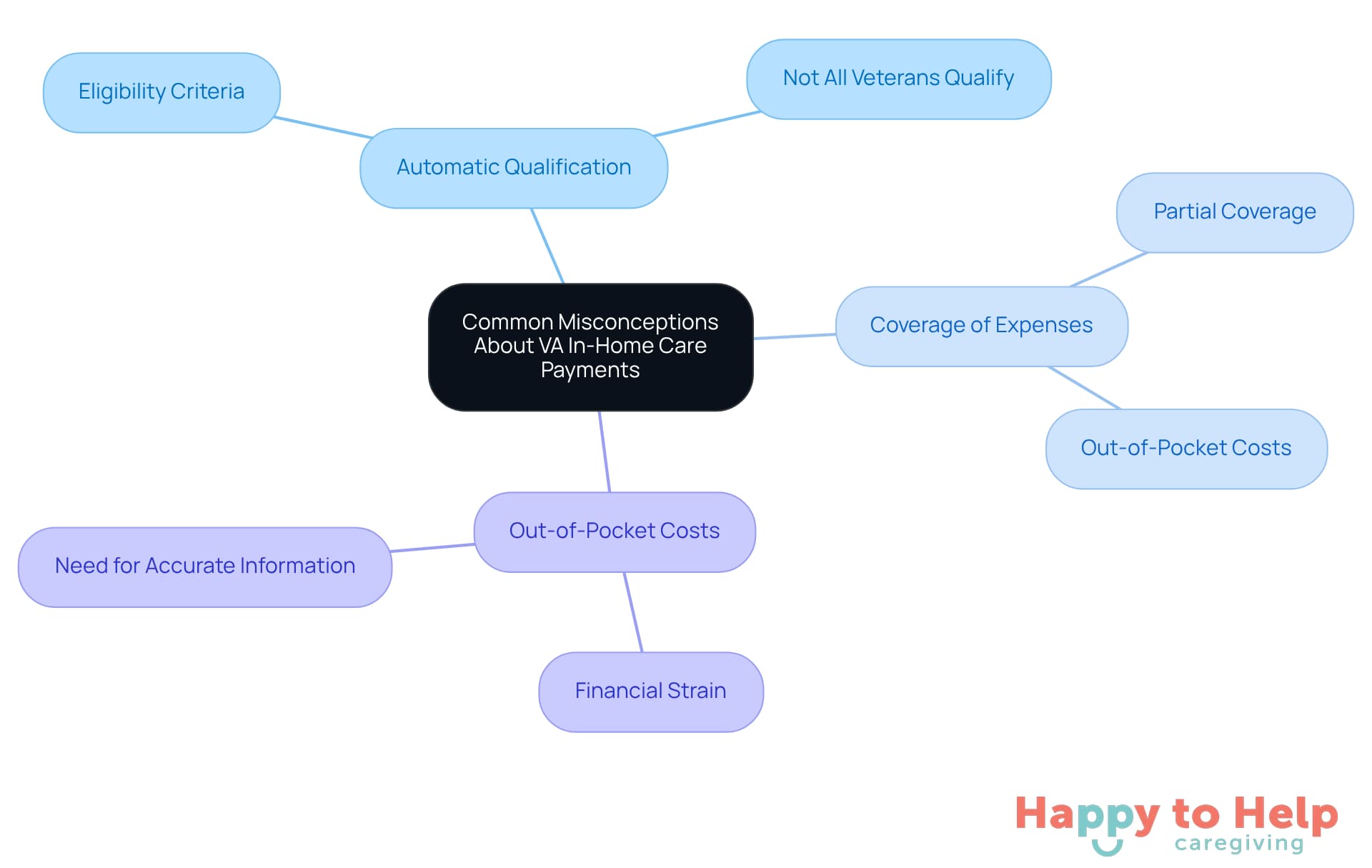
Common Misconceptions About VA In-Home Care Payments
Misunderstandings about VA residential assistance payments pose significant challenges for former military personnel. One major issue is the widespread belief that all veterans automatically qualify for assistance. This is not true; eligibility is based on specific criteria that must be met.
Another common misconception is regarding how much does VA pay for in home care, as many believe that the VA covers all expenses related to at-home support. In reality, many service members still encounter out-of-pocket costs, which can lead to financial strain. These misunderstandings can create confusion and hinder access to necessary benefits.
To address these issues, it’s crucial for veterans to seek accurate information regarding their eligibility and the extent of coverage. Engaging with VA representatives or trusted resources can provide clarity and help navigate the complexities of available assistance.
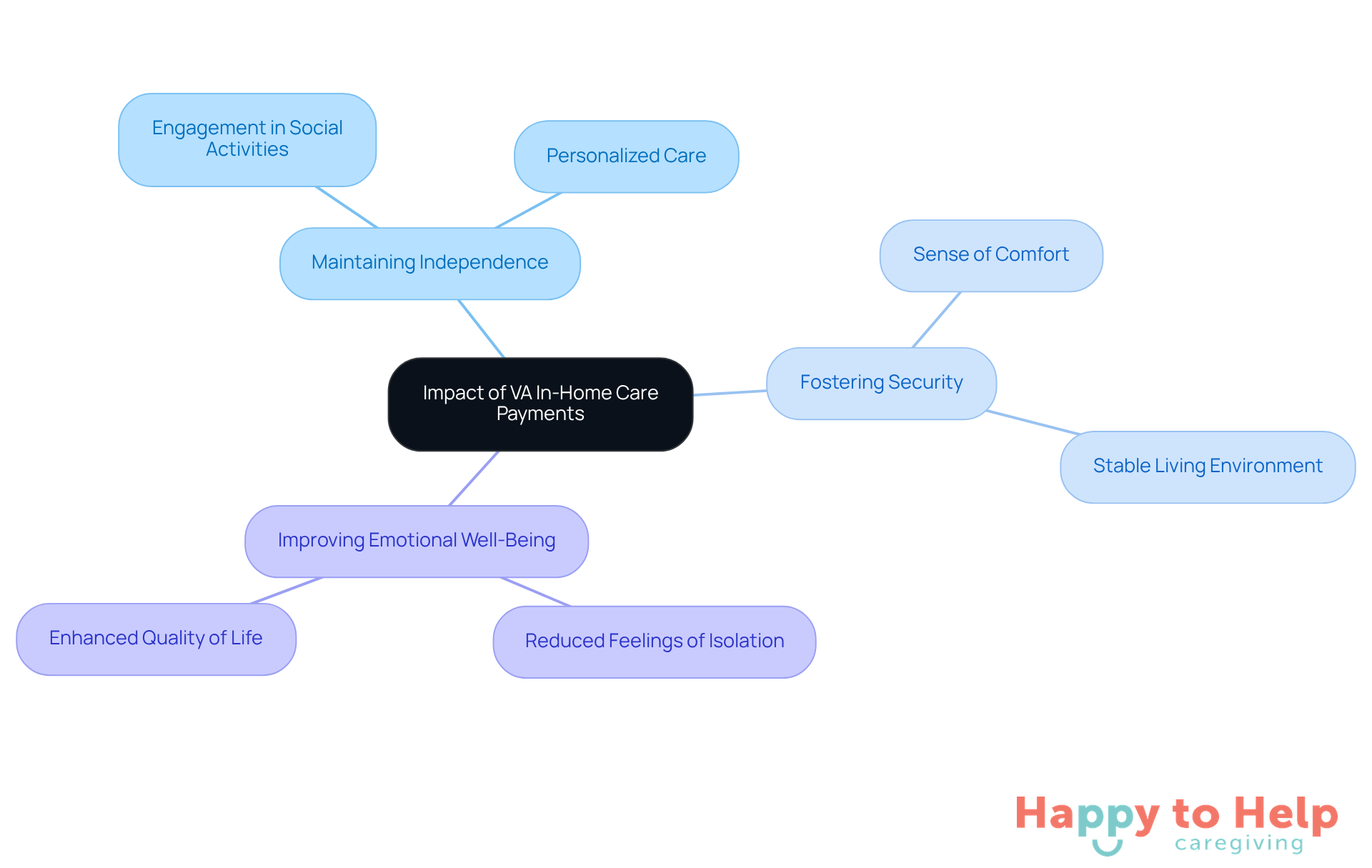
Impact of VA In-Home Care Payments on Veterans' Quality of Life
Veterans often face significant challenges when it comes to receiving care in their own homes. Many struggle with maintaining their independence and engaging in social activities, which can lead to feelings of isolation and decreased well-being.
Understanding how much does VA pay for in home care provides a vital solution to these challenges. These payments enable veterans to receive personalized care tailored to their specific needs, which raises the question of how much does VA pay for in home care. This support not only helps them maintain their independence but also fosters a sense of security and comfort.
Ultimately, the benefits of these payments contribute to improved mental and emotional well-being, allowing veterans to engage more fully in their lives. With the right support, they can thrive in their own homes.
Moving Forward with Insights on How Much VA Pays for
Understanding the financial support available for in-home care through the VA is crucial for veterans and their families. Many veterans face the challenge of affording necessary care, which can significantly impact their quality of life. The VA's Aid and Attendance program addresses this issue by providing vital financial assistance, empowering veterans to maintain their independence in the comfort of their own homes.
The implications of inadequate financial support can be severe. Without proper funding, veterans may struggle to access essential services, leading to a decline in their overall well-being. Key insights reveal that the VA offers various in-home care services, including:
- Companionship support
- Respite care
- Assistance with daily living tasks
These services can alleviate the burden of care costs, with average monthly payments making a substantial difference.
To effectively access these benefits, understanding eligibility criteria and navigating the application process are essential steps for veterans. Encouraging veterans and their families to seek accurate information about available support will empower them to make informed decisions.
Ultimately, the importance of VA in-home care payments cannot be overstated. They not only provide necessary financial relief but also foster an environment where veterans can thrive, engage socially, and enjoy a higher quality of life. By leveraging the resources available through the VA, veterans can ensure they receive the care they deserve.
https://iframe.tely.ai/cta/eyJhcnRpY2xlX2lkIjogIjY5MjI0ZjZkNGZjYWRhOTUwOGRlNDQwNCIsICJjb21wYW55X2lkIjogIjY4ZWU1ZGNhNzMxNzYyNTU3ZjNjOTVjMSIsICJpbmRleCI6IG51bGwsICJ0eXBlIjogImFydGljbGUifQ==Frequently Asked Questions
What challenges do former military personnel face regarding mental health?
Former military personnel often experience feelings of loneliness and isolation, which can lead to serious mental health conditions. Approximately 40% of military and veteran care recipients are diagnosed with a mental health condition or substance use disorder.
What services does Happy to Help Caregiving provide for veterans?
Happy to Help Caregiving offers personalized in-home assistance that includes companionship support, post-hospital recovery assistance, respite services, and palliative support, all aimed at enhancing the quality of life for veterans.
How does companionship support benefit veterans?
Companionship support helps combat loneliness among veterans by providing compassionate assistance in their homes. It fosters a sense of independence and significantly contributes to their emotional well-being.
What is the VA Aid and Attendance program?
The VA Aid and Attendance program provides financial support to service members who struggle with the costs of daily living assistance, allowing them to receive necessary care while alleviating financial pressures.
How much financial support can veterans receive from the Aid and Attendance program?
Monthly payments can reach up to $2,795 for married former service members, $2,358 for single former service members, and $1,515 for surviving spouses, depending on individual circumstances and care needs.
What are the eligibility criteria for VA in-home care payments?
To qualify for VA in-home assistance payments, individuals must have served a minimum period of active duty, be enrolled in VA health services, and demonstrate a need for assistance with daily living tasks due to age, disability, or health issues.
What is the significance of the Elizabeth Dole Act?
The Elizabeth Dole Act aims to enhance home and community-based services and support for caregivers, making it easier for former military personnel to access at-home assistance benefits.
What should former service members know about the VA's asset transfer rules?
The VA enforces a 36-month look-back period to prevent asset transfers aimed at qualifying for assistance, which can complicate the application process for financial support.
Why is the Aid and Attendance program considered underused?
Despite its crucial role in helping individuals navigate aging and health challenges, many former service members are not aware of or do not utilize the Aid and Attendance program, which can significantly improve their quality of life.
List of Sources
- Happy to Help Caregiving: Personalized In-Home Care for Veterans
- VA extends caregiver support program eligibility for “legacy” Veterans, caregivers (https://news.va.gov/press-room/va-extends-caregiver-support-program-eligibility-for-legacy-veterans-caregivers)
- Supporting America's Military and Veteran Caregivers (https://rand.org/pubs/research_reports/RRA3212-1.html)
- VA Tries to Keep Up With Drastic Veteran In-Home Care Increase (https://military.com/feature/2025/10/08/va-tries-keep-drastic-veteran-home-care-increase.html)
- Caring for Our Heroes: Personalized In-Home Support for Veterans (https://brightcarehomecare.com/baton-rouge/caring-for-our-heroes-personalized-in-home-support-for-veterans)
- VA Aid and Attendance Benefit: Financial Support for In-Home Care
- New 2025 Updates to Veterans Benefits for Assisted Living (https://floridaseniorconsulting.com/updated-veterans-aid-and-attendance-benefits-for-assisted-living)
- A Hidden Lifeline for Veterans: Understanding VA Aid & Attendance Benefits (https://patch.com/illinois/homerglen-lockport/hidden-lifeline-veterans-understanding-va-aid-attendance-benefits)
- VA reduces backlog of Veterans waiting for VA benefits by 57% (https://news.va.gov/press-room/va-reduces-backlog-of-veterans-waiting-for-va-benefits-by-57)
- VA Benefits 2025: What Every Veteran Family Should Know | Operation Family Fund (https://operationfamilyfund.org/va-benefits-2025-update-what-every-veteran-family-should-know)
- Veterans benefits increase 2.5% in 2025 (https://dav.org/learn-more/news/2025/veterans-benefits-increase-2-5-in-2025)
- Eligibility Criteria for VA In-Home Care Payments: Who Qualifies?
- Unseen battles: The harsh realities of veterans' access to health care (https://statnews.com/2024/04/29/veterans-difficulties-accessing-health-care)
- VA Tries to Keep Up With Drastic Veteran In-Home Care Increase (https://military.com/feature/2025/10/08/va-tries-keep-drastic-veteran-home-care-increase.html)
- New Law Supports Home Care, Caregivers for Military Veterans (https://elderlawrillc.com/new-law-supports-home-care-caregivers-for-military-veterans)
- Types of In-Home Care Services Covered by the VA
- Veteran Directed Care keeps Veteran at home and comfortable - VA News (https://news.va.gov/142577/veteran-directed-care-keeps-veteran-home)
- VA Tries to Keep Up With Drastic Veteran In-Home Care Increase (https://military.com/feature/2025/10/08/va-tries-keep-drastic-veteran-home-care-increase.html)
- Veterans Home Care: Eligibility and Services (https://aplaceformom.com/caregiver-resources/articles/home-care-for-veterans)
- New Law Supports Home Care, Caregivers for Military Veterans (https://elderlawrillc.com/new-law-supports-home-care-caregivers-for-military-veterans)
- Understand VA’s three skilled home health care benefits (https://legion.org/information-center/news/veterans-healthcare/2024/november/understand-vas-three-skilled-home-health-care-benefits)
- Average Monthly Payment Amounts for VA In-Home Care
- New 2025 Updates to Veterans Benefits for Assisted Living (https://floridaseniorconsulting.com/updated-veterans-aid-and-attendance-benefits-for-assisted-living)
- A Hidden Lifeline for Veterans: Understanding VA Aid & Attendance Benefits (https://patch.com/illinois/homerglen-lockport/hidden-lifeline-veterans-understanding-va-aid-attendance-benefits)
- How Much Does the VA Pay for In-Home Care? (https://regencyhcs.com/blog/how-much-does-the-va-pay-for-in-home-care)
- How Much Does The VA Pay for In-home Care? (https://ultimatecareny.com/resources/how-much-does-the-va-pay-for-in-home-care)
- Application Process for VA In-Home Care Benefits: Steps to Follow
- Unseen battles: The harsh realities of veterans' access to health care (https://statnews.com/2024/04/29/veterans-difficulties-accessing-health-care)
- 20 Veteran Quotes to Uplift Veterans – Heroes' Mile Rehab (https://heroesmile.com/20-veteran-quotes-to-uplift-veterans)
- New 2025 Updates to Veterans Benefits for Assisted Living (https://floridaseniorconsulting.com/updated-veterans-aid-and-attendance-benefits-for-assisted-living)
- How to Apply for VA Home Care Benefits: A Guide for Veterans (https://brightstarcare.com/locations/cuyahoga-west/about-us/blog/how-to-apply-for-va-home-care-benefits-a-guide-for-veterans)
- Steps to Applying for Veteran’s Home Care (https://veteranshomecare.com/steps-to-applying-for-veterans-home-care)
- Factors Influencing VA Payment Rates for In-Home Care
- VA Tries to Keep Up With Drastic Veteran In-Home Care Increase (https://military.com/feature/2025/10/08/va-tries-keep-drastic-veteran-home-care-increase.html)
- North Texas military veterans face sharp cuts to VA-funded in-home care (https://cbsnews.com/texas/news/disabled-veterans-home-health-care-va)
- Will Defense Cuts Affect Veterans Home Care? (https://veteranshomecare.com/will-defense-cuts-affect-veterans-home-care)
- Government shutdown and the impact on VA services (https://dav.org/learn-more/news/2025/government-shutdown-and-the-impact-on-va-services)
- DAV applauds Congress & VA for full year appropriations and program reauthorizations (https://dav.org/learn-more/news/2025/dav-applauds-congress-va-for-full-year-appropriations-and-program-reauthorizations)
- Leveraging Technology in VA Home Care Management
- Back Button (https://nap.nationalacademies.org/read/13466/chapter/12)
- Powered by AI, VA is improving Veteran care experience - VA News (https://news.va.gov/143486/powered-by-ai-improving-veteran-care-experience)
- VA’s AI Scribe Revolution: Ambient Tech Reshapes Veteran Care (https://webpronews.com/vas-ai-scribe-revolution-ambient-tech-reshapes-veteran-care)
- Home Telehealth in the Veterans Health Administration: Trends and Correlates of Length of Enrollment from 2010 to 2017 - Journal of General Internal Medicine (https://link.springer.com/article/10.1007/s11606-022-07452-1)