10 Key Insights on Respite Care Rates and Costs for Caregivers

For families in our service areas
For families in our service areas, this guide explains respite care and how non-medical in-home caregiving can support care planning in East Idaho, Treasure Valley & Magic Valley, Northern Wasatch, North Central West Virginia, and Northeast Ohio.
What You Need to Know About Insights on Respite Care Rates and Costs
Navigating the financial landscape of respite care can feel overwhelming for families. Many caregivers are juggling numerous responsibilities, and the stress can be immense. It’s essential to recognize that you’re not alone in this journey. The need for affordable and effective temporary support is more pressing than ever.
This article explores the intricacies of respite care rates and costs, aiming to provide you with valuable insights. Understanding these factors can empower you to make informed decisions that best suit your family’s needs. What hidden elements influence these expenses? How can you ensure that you receive the necessary support without straining your finances?
We’re here to help you find answers and navigate this complex terrain with compassion and care.
Happy to Help Caregiving: Personalized Respite Care Services
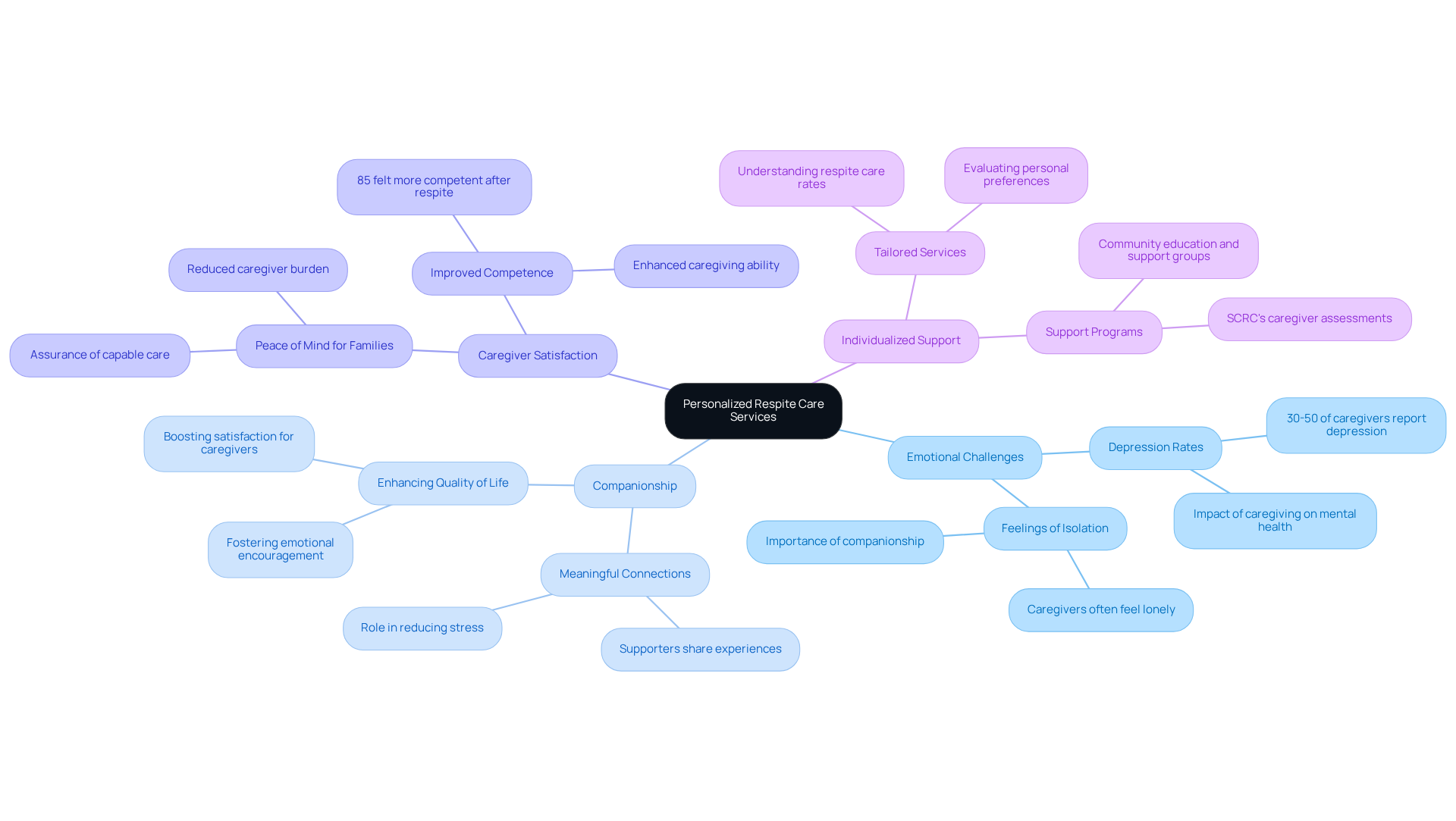
At Happy to Help Caregiving, we truly understand the emotional challenges caregivers face. At the heart of what we do is providing personalized support services while considering the respite care rates and costs tailored to each client's unique needs. By taking the time to evaluate personal preferences and requirements, our supporters not only offer essential help but also foster companionship and emotional encouragement. This personalized approach is vital for enhancing the quality of life for both supporters and those receiving care.
Families can find peace of mind knowing their loved ones are in capable hands. This assurance significantly boosts the satisfaction of support providers and helps alleviate feelings of isolation. Supporters often share how meaningful companionship is during these temporary assistance periods, highlighting its role in reducing stress and enhancing well-being for everyone involved.
Research indicates that up to 30-50% of caregivers report feelings of depression, which underscores the importance of understanding respite care rates and costs in easing the burden they carry. As one supporter, Tony, expressed, "Respite assistance services have been a blessing for my household, enabling me time to unwind while ensuring my loved one is secure." This sentiment reflects the critical need for individualized support, especially considering that nearly 12 million individuals caring for those with dementia across the country would benefit from improved temporary relief services.
Factors such as the health condition of the elderly individual and the caregiver's own health challenges often necessitate an understanding of respite care rates and costs, making it an essential service for families navigating the complexities of caregiving.
Types of Respite Care: In-Home, Day Programs, and Hospice Options
Respite care comes in various forms, each tailored to meet unique needs.
-
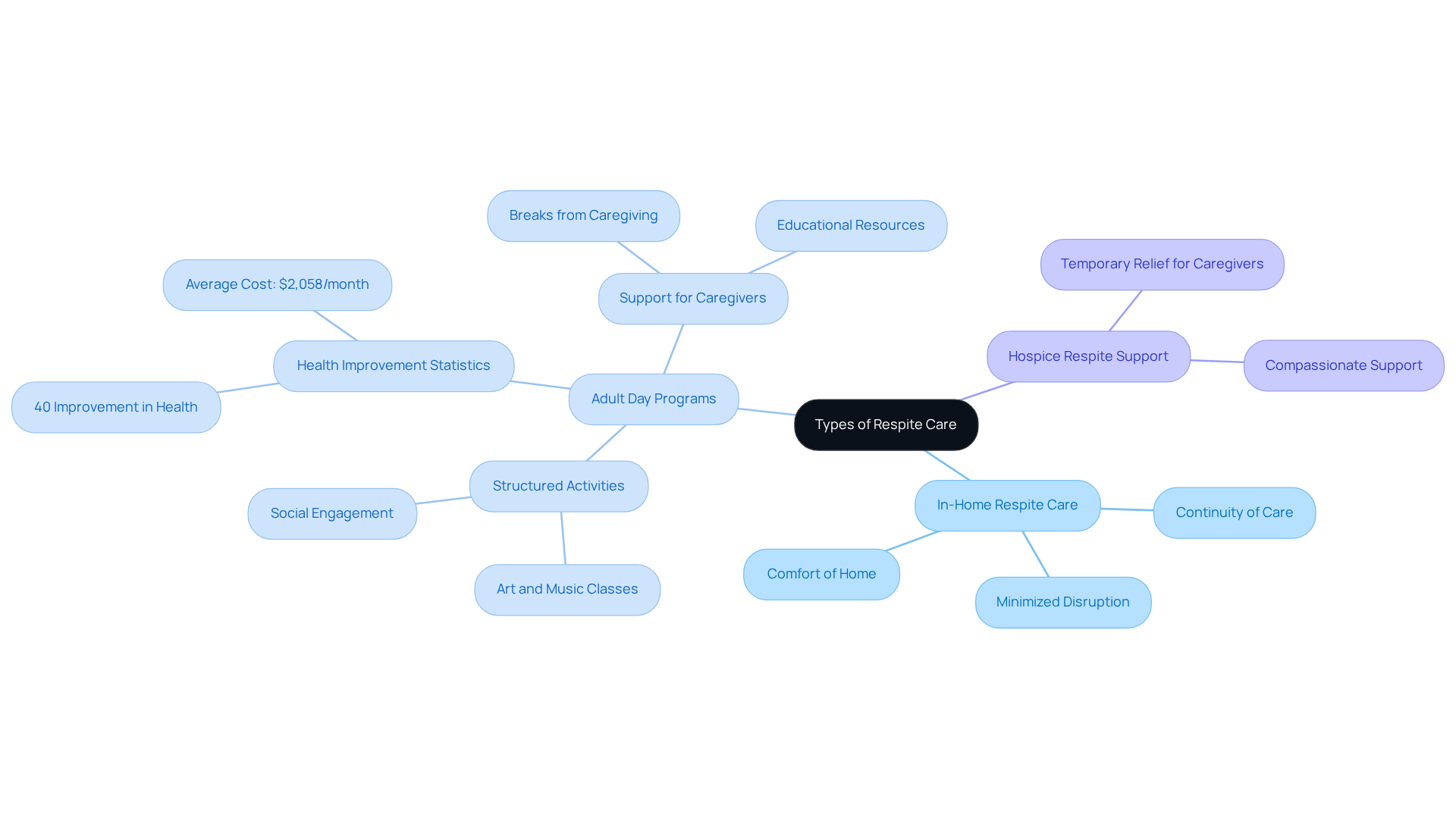
In-Home Respite Care: Imagine the comfort of receiving support right in your own home. Caregivers provide assistance in a familiar environment, allowing individuals to thrive where they feel most at ease. This option is particularly beneficial for those who flourish in their own surroundings, as it ensures continuity of care and minimizes disruption.
-
Adult Day Programs: These structured programs offer a range of activities and support throughout the day, giving caregivers the essential breaks they need. Participants can engage in social and recreational activities, like art and music classes, which not only keep them safe but also nurture their cognitive and emotional well-being. Research indicates that regular attendance can significantly reduce feelings of isolation and stress for both caregivers and their loved ones. In fact, about 40% of individuals who rated their health as fair or poor before receiving respite care reported an improvement to good health afterward. With an average cost of $2,058 monthly, adult day services provide a more budget-friendly option than full-time residential care when considering respite care rates and costs.
-
Hospice Respite Support: This specialized assistance provides temporary relief for those caring for terminally ill patients. It ensures that caregivers receive compassionate support while they take necessary breaks to recharge. Hospice services are vital for maintaining the emotional and physical well-being of those who provide care during such challenging times.
Understanding these options empowers families to make informed decisions about respite services, ensuring that both caregivers and their loved ones receive the support they truly need.
Factors Influencing Respite Care Costs: Location, Service Type, and Care Level
For families already feeling the weight of caregiving responsibilities, navigating respite care rates and costs can be overwhelming. It's important to understand that several key factors influence respite care rates and costs, and being informed can help alleviate some of that burden.
-
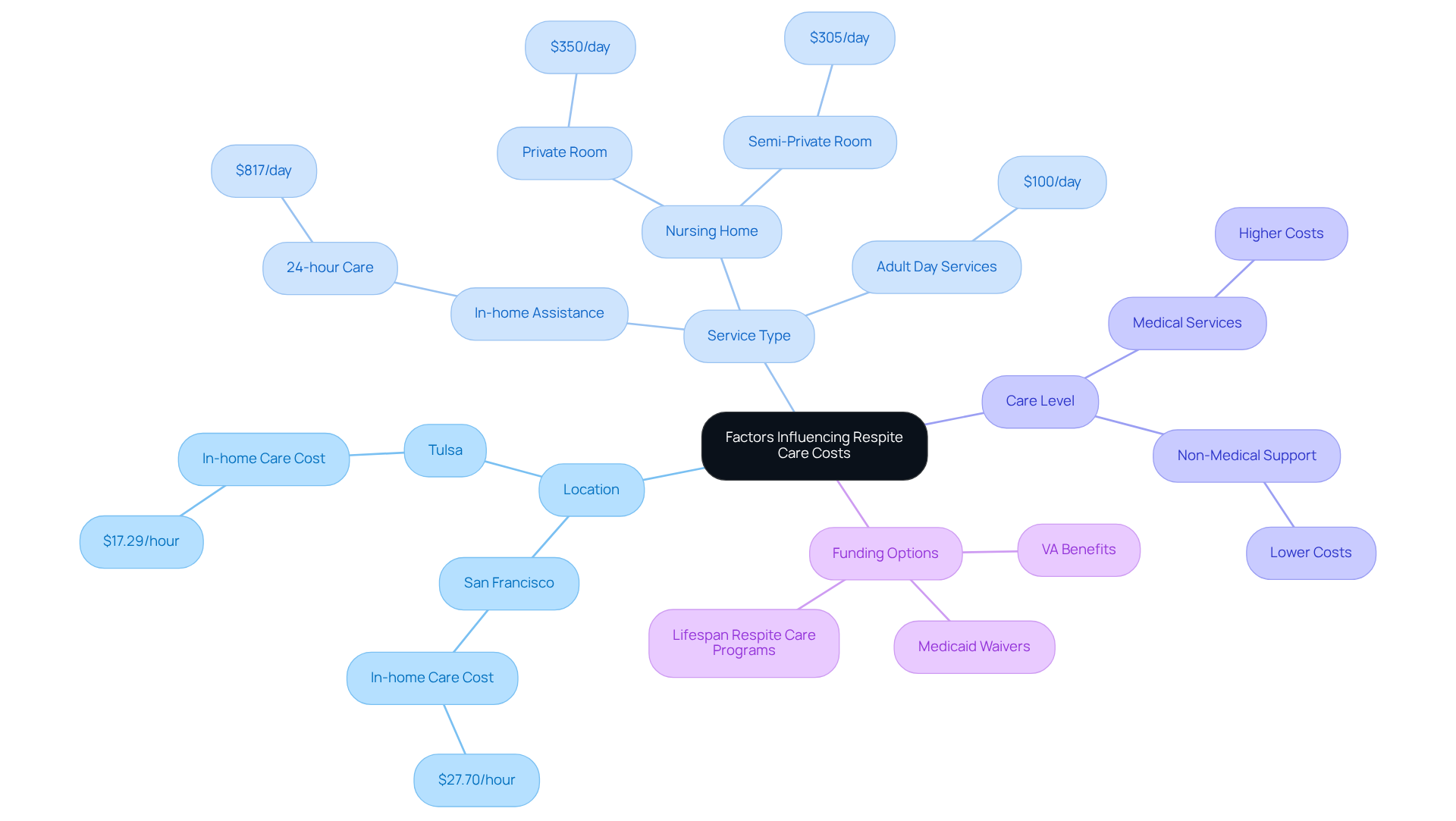
Location plays a significant role in pricing. Urban areas often have higher rates due to increased demand and the overall cost of living. For example, in San Francisco, in-home assistance averages around $27.70 per hour, while in Tulsa, Oklahoma, it’s about $17.29 per hour. This geographical difference highlights the importance of considering local market conditions when budgeting for respite care rates and costs.
-
Service Type is another crucial factor. Families may find that in-home assistance is often more affordable than facility-based options. For instance, the typical cost of 24-hour in-home health assistance is around $817 daily, compared to nursing home services, which average $350 each day for a private room. It’s essential for families to evaluate their specific needs to find the most cost-effective solutions regarding respite care rates and costs. Adult day services, charging approximately $100 daily, can also provide a more economical alternative for respite support.
-
The level of assistance required can greatly affect costs as well. Medical services typically come with higher expenses than non-medical support. Specialized assistance services can be considerably more costly, reflecting the qualifications and training of providers needed to deliver such care. Understanding the specific support requirements of the person receiving aid is vital for accurate budgeting of respite care rates and costs. Additionally, caregiver qualifications can influence costs, with licensed medical aides earning more than non-medical aides.
-
Families should also explore various funding options available for temporary support. Medicaid waivers can cover some expenses, and VA benefits are available for qualifying veterans. Lifespan Respite Care Programs may offer grants and vouchers to help offset costs. Consulting with insurance providers can also shed light on potential coverage for respite services.
By thoughtfully evaluating these factors and exploring available financial support, families can navigate the financial landscape of temporary assistance, particularly regarding respite care rates and costs, more effectively. This ensures they find suitable options that align with their budget and support needs. As the Baptist Retirement Community wisely states, "Rest is vital to your capability to support your loved one in the long term." This highlights the importance of respite care for both caregivers and their family members.
Average Respite Care Costs: What to Expect in 2025
In 2025, families can expect to face significant respite care rates and costs for services.
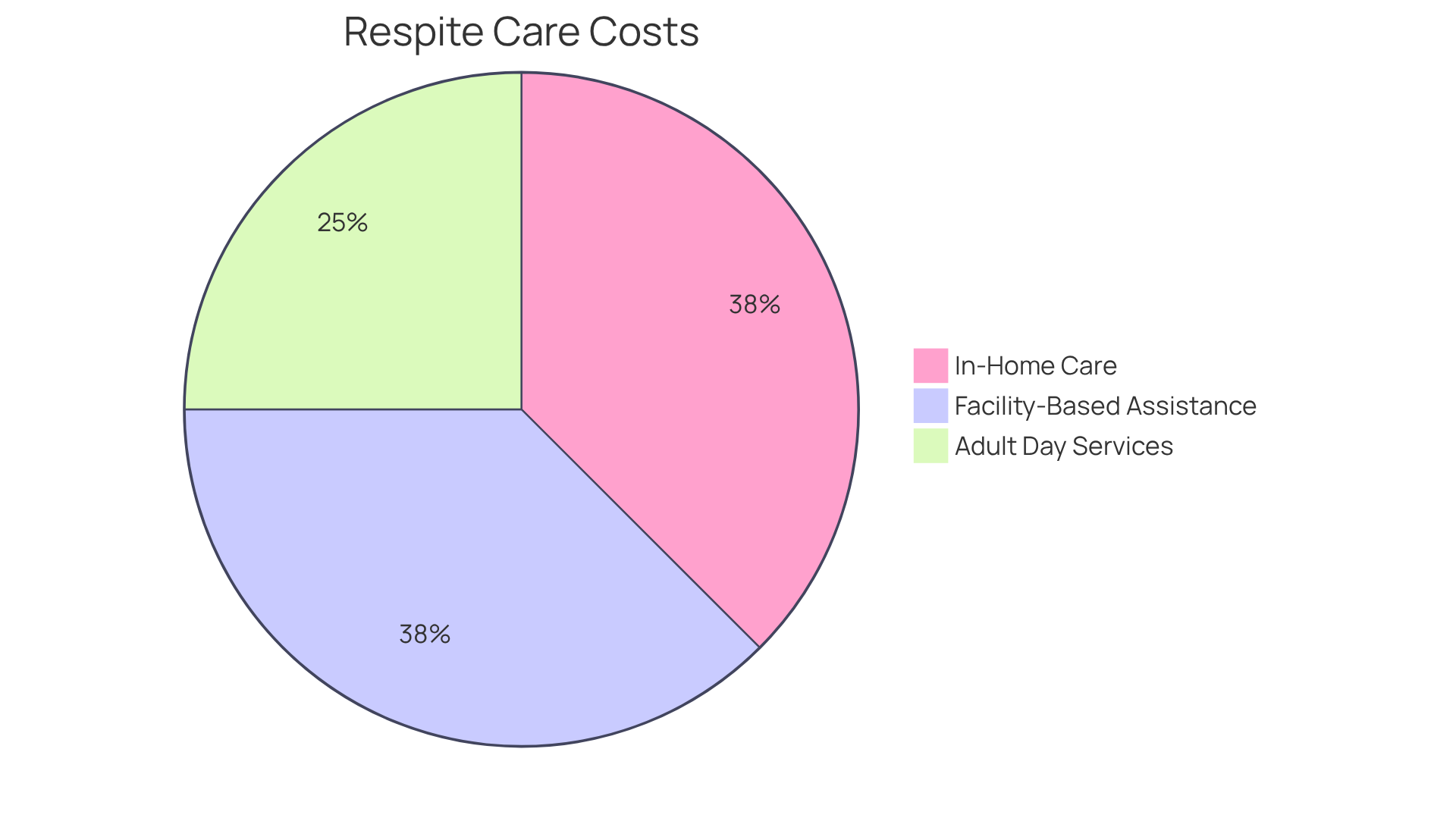
In-Home Care: Typically, in-home care ranges from $35 to $40 per hour. This option offers flexibility for families seeking personalized support tailored to their loved ones' needs.
Adult Day Services: Families might spend around $103 daily for adult day services. These services provide essential supervision and social interaction for seniors, helping them feel connected and engaged.
Facility-Based Assistance: The costs for facility-based assistance can vary widely, ranging from $150 to $300 per day. This variation depends on the specific facility and the level of services provided.
These averages highlight the increasing demand for quality respite support services. It's crucial to understand the financial implications of caregiving. For instance, hiring a homemaker for three hours each day, once a week, would lead to an annual expense of about $5,317. This is significantly more affordable compared to assisted living and nursing home services, where yearly costs can soar between $72,924 and $131,583.
As families explore these options, it's vital to consider the type of assistance needed and the respite care rates and costs that are associated with it. This ensures they can secure the support necessary for their loved ones. Additionally, as Matthew Clem wisely notes, "If you’re worried you can’t afford to take a break from caring for your loved one, remember that it's an investment in your health, and in your loved one’s health as well." This perspective underscores the importance of respite support in alleviating caregiver stress and promoting overall well-being.
Moreover, costs can vary based on location and specific service needs. Therefore, families should take the time to research and understand the factors that influence pricing for temporary support.
Who Pays for Respite Care? Understanding Financial Responsibilities
Families often face the heavy burden of financial strain when seeking temporary assistance, particularly due to respite care rates and costs, frequently having to pay out-of-pocket. This can be a source of stress and worry. However, there are several funding options available that can help ease these costs:
- Medicare: Respite care is covered under specific conditions, especially for hospice patients. This allows caregivers to take necessary breaks while ensuring their loved ones receive quality care. Importantly, Medicare provides coverage for inpatient relief support for hospice beneficiaries for up to 5 days.
- Medicaid: Depending on state regulations, Medicaid may offer coverage for qualified individuals, providing financial assistance to households managing treatment expenses.
- Long-Term Care Insurance: Some long-term care insurance policies might cover respite care expenses. It’s crucial for families to review their plans to understand the extent of coverage available.
Starting in 2025, Medicare will enhance its support for caregivers, including coverage for caregiver training programs. This can significantly assist families in managing their responsibilities. Additionally, the introduction of a $2,000 limit on out-of-pocket prescription drug expenses for Part D participants will impact financial strategies for families seeking relief.
Financial planners emphasize the importance of preparing for out-of-pocket expenses, as these can greatly influence household budgets. Understanding respite care rates and costs is vital for families looking for relief services, ensuring they can access the help they need without overwhelming financial pressure. Remember, you’re not alone in this journey; there are resources and support systems available to help you navigate these challenges.

Insurance Coverage for Respite Care: What You Need to Know
Navigating insurance protection for temporary support can be overwhelming, especially for those who provide care. It’s essential to understand the options available, as they can significantly impact your peace of mind. Here are some key points to consider:
-
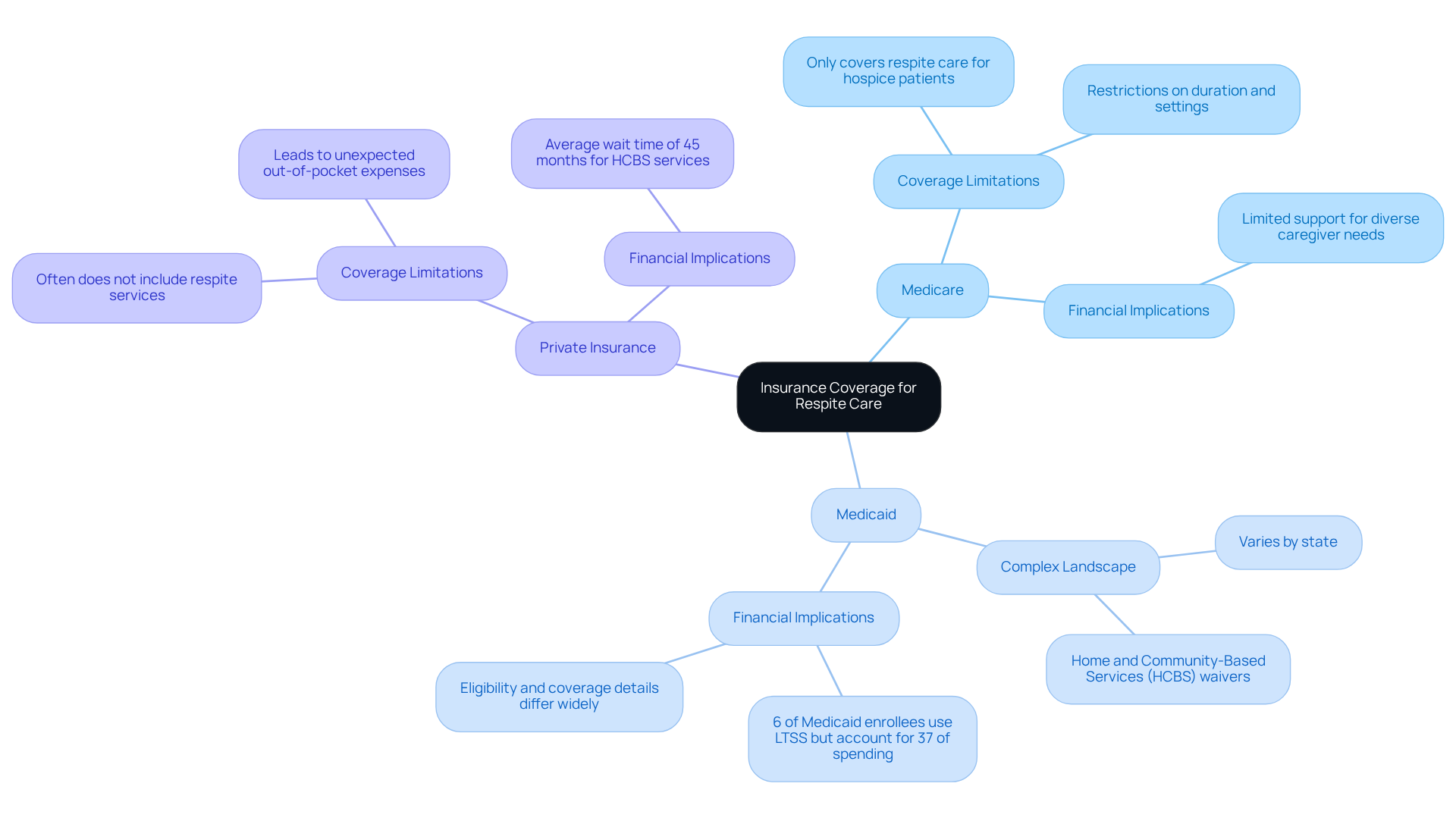
Medicare: Generally, Medicare covers respite care only for hospice patients, which can feel limiting. The restrictions on both the duration of care and the settings can leave caregivers feeling unsupported. While some assistance is available, it may not meet the diverse needs of all caregivers.
-
Medicaid: The landscape of Medicaid is complex and varies from state to state. Many states have specific initiatives designed to offer temporary support, often through Home and Community-Based Services (HCBS) waivers. These programs aim to provide flexible relief options for family caregivers, but eligibility and coverage details can differ widely. It’s crucial to review your state’s guidelines thoroughly. Notably, individuals using Medicaid Long-Term Services and Supports (LTSS) made up only 6% of Medicaid enrollment but accounted for a staggering 37% of federal and state Medicaid expenditures. This highlights the financial implications of Medicaid coverage for temporary support.
-
Private Insurance: Unfortunately, private insurance often falls short when it comes to temporary support. Many private health plans do not include relief services, which can lead to unexpected out-of-pocket expenses for families seeking help. This situation can be exacerbated by the average wait time of 45 months for HCBS services, adding to the stress caregivers already face.
Understanding these coverage options is vital for caregivers as they navigate the financial aspects of respite care rates and costs for temporary support. It’s important to know that help is available, and with the right information, you can find the support you need without feeling overwhelmed by financial strain. Remember, you’re not alone in this journey.
Additional Funding Options for Respite Care: Grants, Subsidies, and Tax Deductions
Families seeking respite care often face emotional and financial challenges. It’s important to know that there are several funding options available to help ease these burdens.
-
Grants can be a lifeline. Numerous organizations, like the Alzheimer’s Association, are dedicated to enhancing dementia-specific respite care. Recently, they allocated over $4 million to support caregivers, showing a commitment to those who give so much of themselves.
-
Subsidies are another avenue worth exploring. Many states offer financial assistance for households in need, particularly aimed at low-income groups. Initiatives such as the RRF Foundation for Aging focus on improving the lives of older adults aged 65 and over, ensuring that help is available where it’s most needed.
-
Tax Deductions can also provide crucial relief. Caregivers may benefit from deductions on certain caregiving expenses, especially during tax season. For instance, in Ohio, lawmakers are advocating for a tax credit of up to $2,000 for caregiving expenses, particularly benefiting those over 50 with mobility issues. This proposed legislation highlights the growing recognition of the financial difficulties faced by caregivers.
By utilizing these funding alternatives, families can better manage the respite care rates and costs associated with respite services. This not only ensures that their loved ones receive the support they need but also alleviates some of the financial pressure on those who provide care. Remember, you’re not alone in this journey; there are resources available to help you every step of the way.

The Value of Respite Care: Enhancing Quality of Life for Caregivers and Recipients
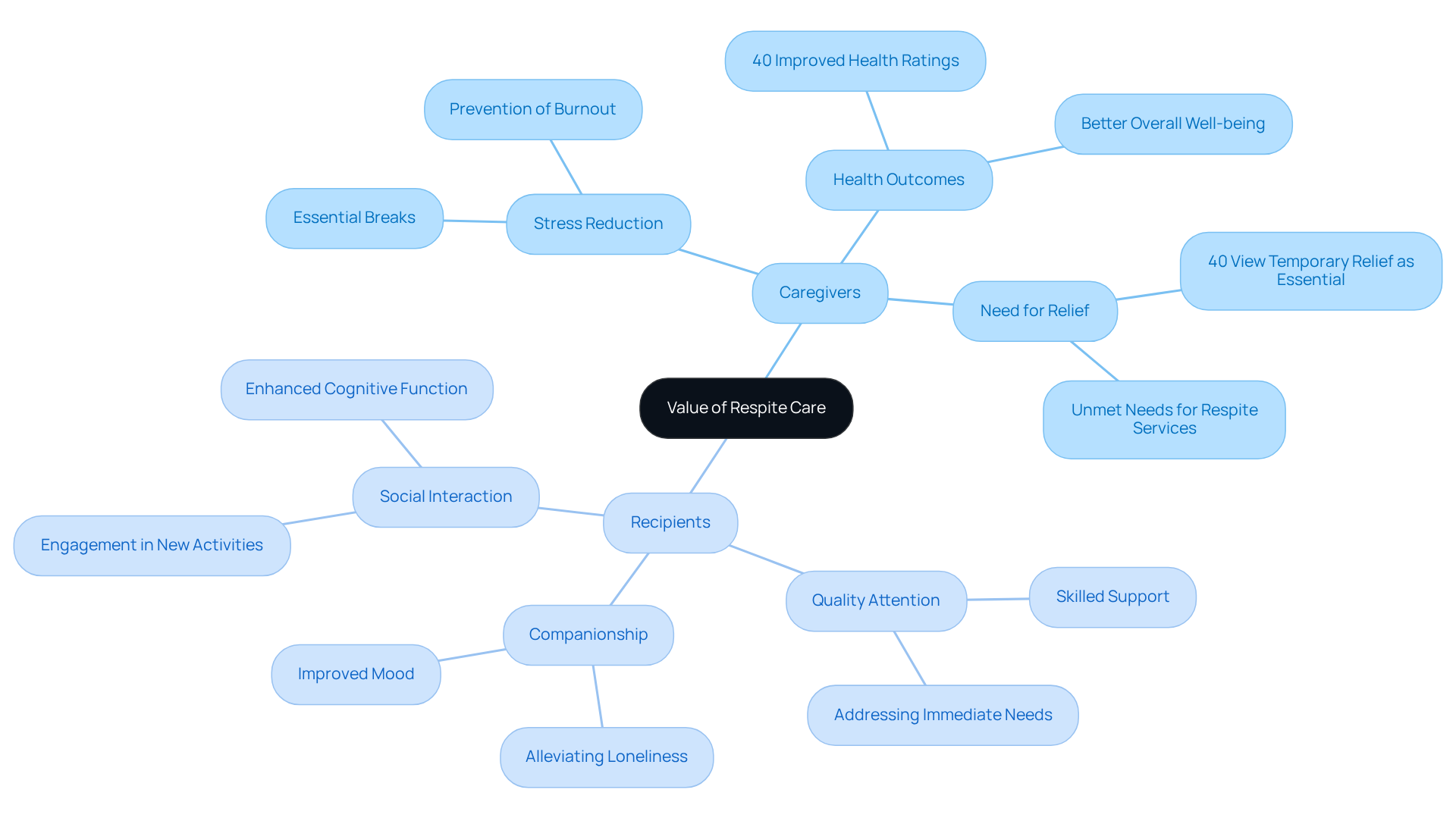
Respite support truly enhances the quality of life for both caregivers and those they care for. For caregivers, it provides essential breaks that help reduce stress and prevent burnout. These vital pauses allow them to recharge and maintain their well-being. In fact, research indicates that nearly 40% of family caregivers view temporary relief as their most pressing need, underscoring the importance of such support. Moreover, caregivers who engage in respite services often report better health outcomes, with around 40% moving from fair or poor health ratings to good after receiving assistance.
For those receiving care, respite services ensure they receive quality attention and companionship, which can lead to improved overall well-being and happiness. Access to skilled support during these breaks not only addresses immediate needs but also fosters social interaction, helping to alleviate feelings of loneliness and isolation. Case studies reveal that support programs significantly enhance the quality of life for seniors and individuals with disabilities, introducing them to new activities and social connections that positively impact their mood and cognitive function.
The shared benefits of respite services highlight their crucial role in support strategies. Mental health professionals emphasize that regular breaks for caregivers are vital for sustaining their emotional and physical health, ultimately leading to better care for their loved ones. By integrating respite support into their routines, caregivers can enhance their own well-being while ensuring that those they care for thrive in a nurturing environment.
Challenges of Respite Care: Addressing Common Concerns
Respite care offers essential relief for family caregivers, but it’s not without its challenges.
-
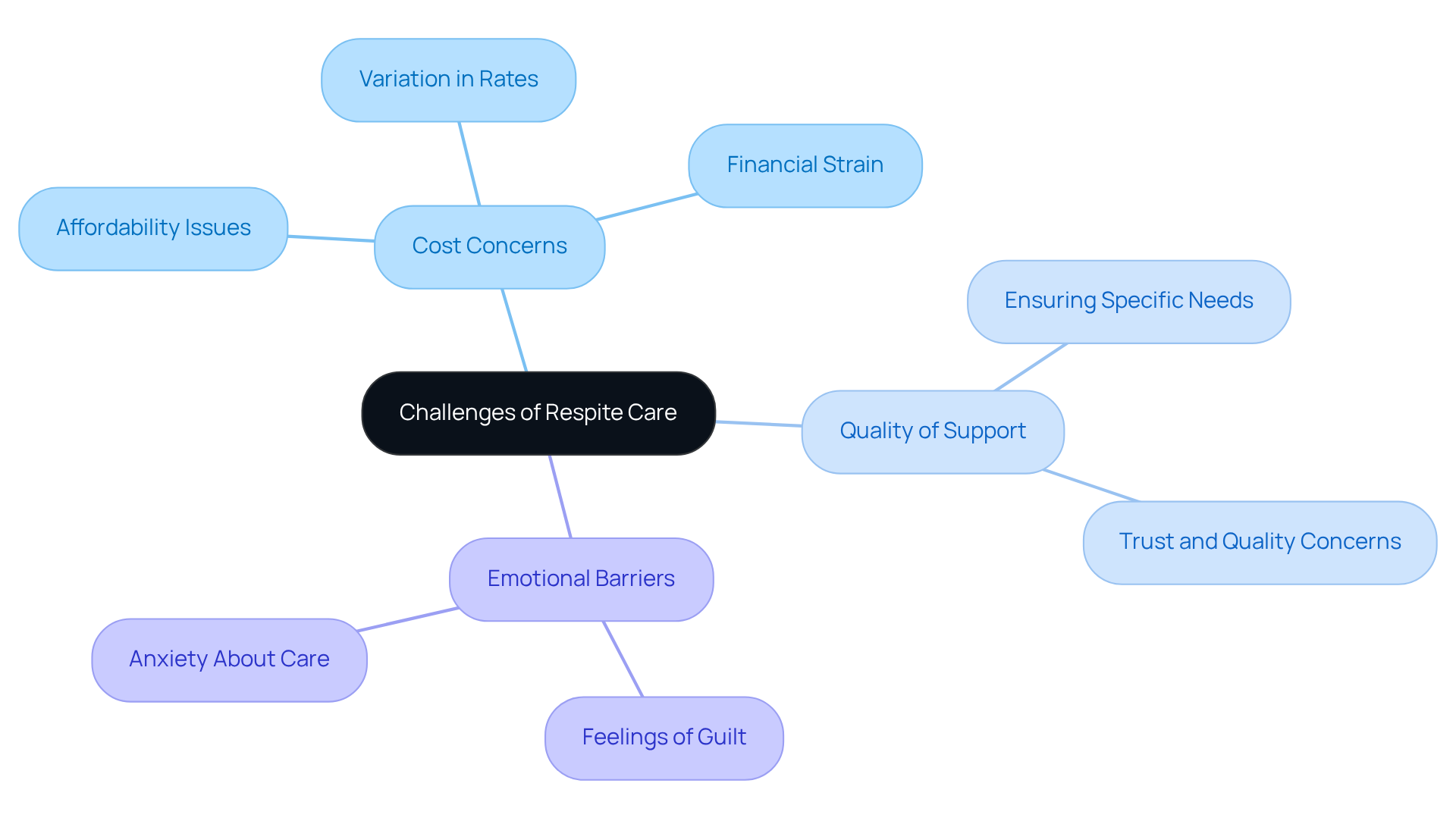
Cost Concerns: Many families worry about affordability. The variation in respite care rates and costs for services can lead to financial strain that complicates household budgeting and long-term planning. A report reveals that nearly half of household caregivers engage in high-intensity support, with many struggling to find affordable alternatives.
-
Quality of Support: Families often face the daunting task of ensuring that the assistance provided truly meets their loved ones' specific needs. The fear of insufficient support can hold households back from pursuing respite services, even when the potential benefits are clear.
-
Emotional Barriers: Caregivers frequently grapple with feelings of guilt or anxiety about leaving their loved ones in someone else's care. This emotional burden can make it tough to take those necessary breaks. However, open communication and thorough research into available services can help ease these feelings, guiding families toward suitable solutions.
Some households have successfully tackled these cost issues by utilizing public and private funding programs, like Medicaid Waivers and community grants, to reduce respite care rates and costs. By understanding eligibility criteria and application processes, families can secure the support they need without jeopardizing their financial stability.
Moreover, a recent study highlighted that over one in three family supporters express a pressing need for temporary relief, yet only 14% currently take advantage of professional break assistance. This gap underscores the importance of addressing financial barriers and raising awareness about available resources.
Ultimately, navigating the challenges of temporary relief calls for a proactive approach. By merging financial planning with emotional support, caregivers can take the necessary breaks while preserving their peace of mind.
FAQs on Respite Care Costs: Answers to Common Questions
Here are answers to some frequently asked questions about respite care costs:
-
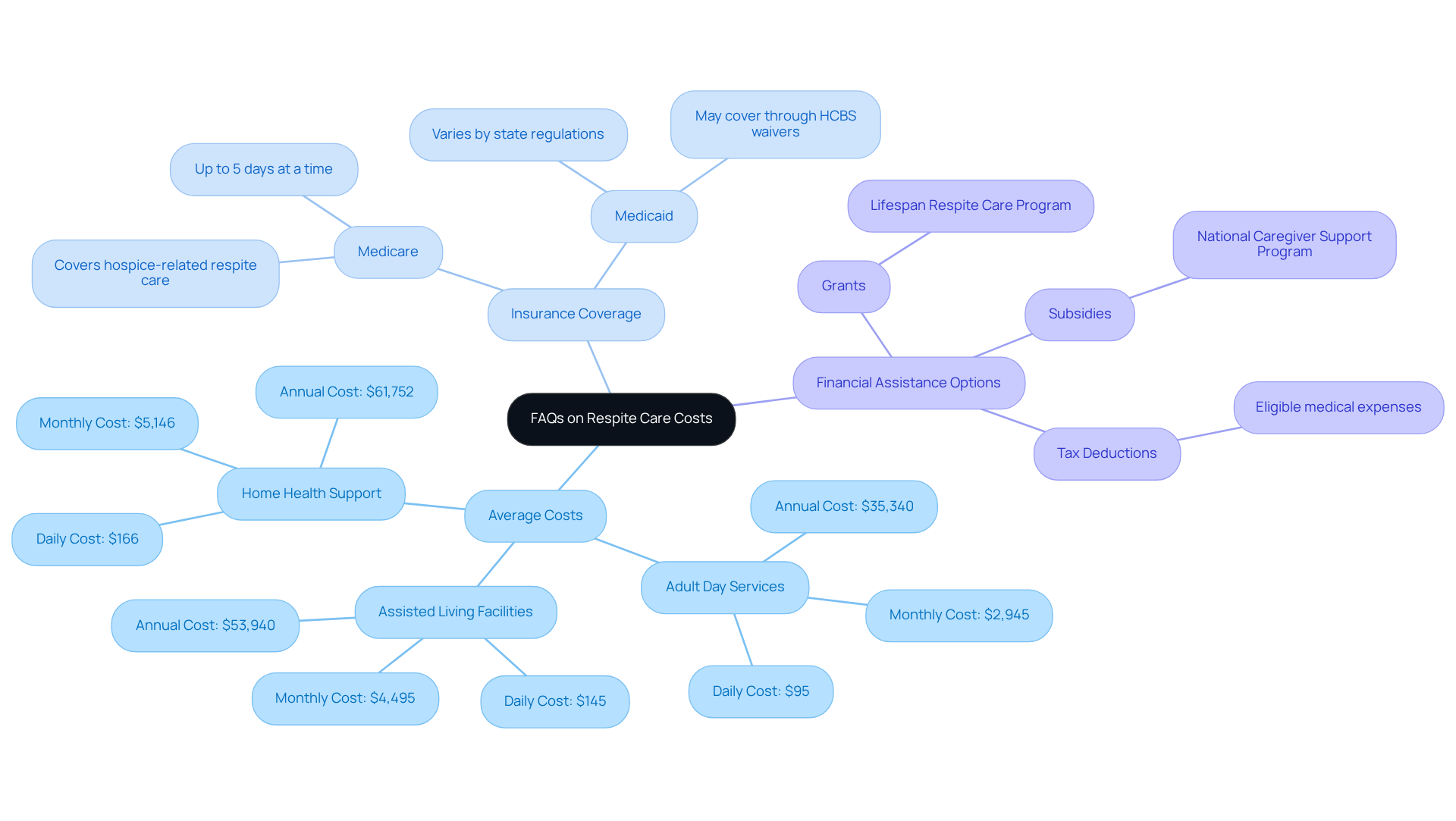
What is the average cost of respite care? The typical expense of short-term assistance can vary widely based on the type of service and location, including factors that influence respite care rates and costs. Generally, the daily respite care rates and costs fall between $35 and $300. For instance, in 2025, the median monthly expense for adult day services is around $2,945, while the respite care rates and costs in assisted living facilities average about $4,495 monthly. Home health support tends to be pricier, with respite care rates and costs averaging around $5,146 monthly. Annually, the respite care rates and costs for adult day services are roughly $35,340, and the temporary support in assisted living facilities is about $53,940.
-
Does insurance cover temporary assistance? Coverage for temporary assistance can differ significantly. Medicare may offer coverage under certain conditions, particularly for hospice patients, allowing for temporary relief services in authorized facilities for up to five days at a time. Medicare Part A includes support services for hospice patients certified by a physician as having a life expectancy of six months or less. Medicaid might also provide assistance, but this varies by state regulations and eligibility criteria. Many states offer home and community-based services (HCBS) waivers that may include temporary relief.
-
Are there financial assistance options available? Yes, families can explore various financial assistance options, including grants, subsidies, and tax deductions. Programs like Lifespan Respite Care provide grants to help cover costs, while the National Caregiver Support Program offers resources and guidance on accessing these financial aids. Additionally, tax deductions may be available for eligible medical expenses related to respite care.
Moving Forward with Insights on Respite Care Rates and Costs
Respite care is a vital lifeline for caregivers, providing essential relief and support that truly enhances their well-being. By understanding the various rates and costs associated with respite care, families can make informed decisions that not only benefit their loved ones but also ease the emotional and financial burdens that caregivers often face. This knowledge empowers families to navigate the complexities of caregiving with greater confidence and clarity.
Throughout this article, we’ve shared key insights about the types of respite care available, including:
- In-home services
- Adult day programs
- Hospice support
We discussed factors that influence costs, such as location and level of care, underscoring the importance of considering individual circumstances when budgeting for these services. Additionally, we explored various funding options, including grants and insurance coverage, to provide families with practical solutions for managing expenses effectively.
The significance of respite care cannot be overstated; it’s not just about providing temporary relief but about fostering a healthier and more sustainable caregiving environment. When caregivers prioritize their own well-being, they can offer better support to their loved ones. It’s crucial for families to actively seek out available resources, understand the financial implications, and embrace the benefits of respite care to ensure a balanced approach to caregiving. Taking action now can lead to an improved quality of life for both caregivers and those they care for, reinforcing the essential role that respite care plays in this journey.
https://iframe.tely.ai/cta/eyJhcnRpY2xlX2lkIjogIjY5MWZhYzZhZDE4ZTkwODFlMzViYjUzYSIsICJjb21wYW55X2lkIjogIjY4ZWU1ZGNhNzMxNzYyNTU3ZjNjOTVjMSIsICJpbmRleCI6IG51bGwsICJ0eXBlIjogImFydGljbGUifQ==Frequently Asked Questions
What is Happy to Help Caregiving?
Happy to Help Caregiving is a service that provides personalized respite care to support caregivers, addressing their emotional challenges and offering companionship and assistance tailored to individual needs.
Why is personalized support important in caregiving?
Personalized support is vital as it enhances the quality of life for both caregivers and those receiving care, helping to reduce feelings of isolation and stress while providing essential help.
What are the emotional challenges faced by caregivers?
Caregivers often experience feelings of depression and isolation, with research indicating that 30-50% report such feelings. Personalized respite care can help alleviate these burdens.
What types of respite care services are available?
There are three main types of respite care services: In-Home Respite Care, Adult Day Programs, and Hospice Respite Support, each tailored to meet unique needs.
What is In-Home Respite Care?
In-Home Respite Care provides support within the caregiver's home, allowing individuals to receive assistance in a familiar environment, ensuring continuity of care.
What are Adult Day Programs?
Adult Day Programs offer structured activities and support throughout the day, helping caregivers take essential breaks while participants engage in social and recreational activities.
How much do Adult Day Programs typically cost?
Adult Day Programs generally cost around $2,058 monthly, making them a more budget-friendly option compared to full-time residential care.
What is Hospice Respite Support?
Hospice Respite Support provides temporary relief for caregivers caring for terminally ill patients, ensuring they receive compassionate support while taking necessary breaks.
What factors influence respite care costs?
Key factors influencing respite care costs include location, service type, and the level of assistance required. Urban areas tend to have higher rates, and in-home assistance is often more affordable than facility-based options.
How can families manage respite care costs?
Families can manage costs by understanding local pricing, evaluating their specific needs, exploring funding options like Medicaid waivers and VA benefits, and consulting with insurance providers for potential coverage.
Why is understanding respite care rates and costs important?
Understanding respite care rates and costs is crucial for families to navigate the financial landscape of temporary assistance, ensuring they find suitable options that align with their budget and support needs.