
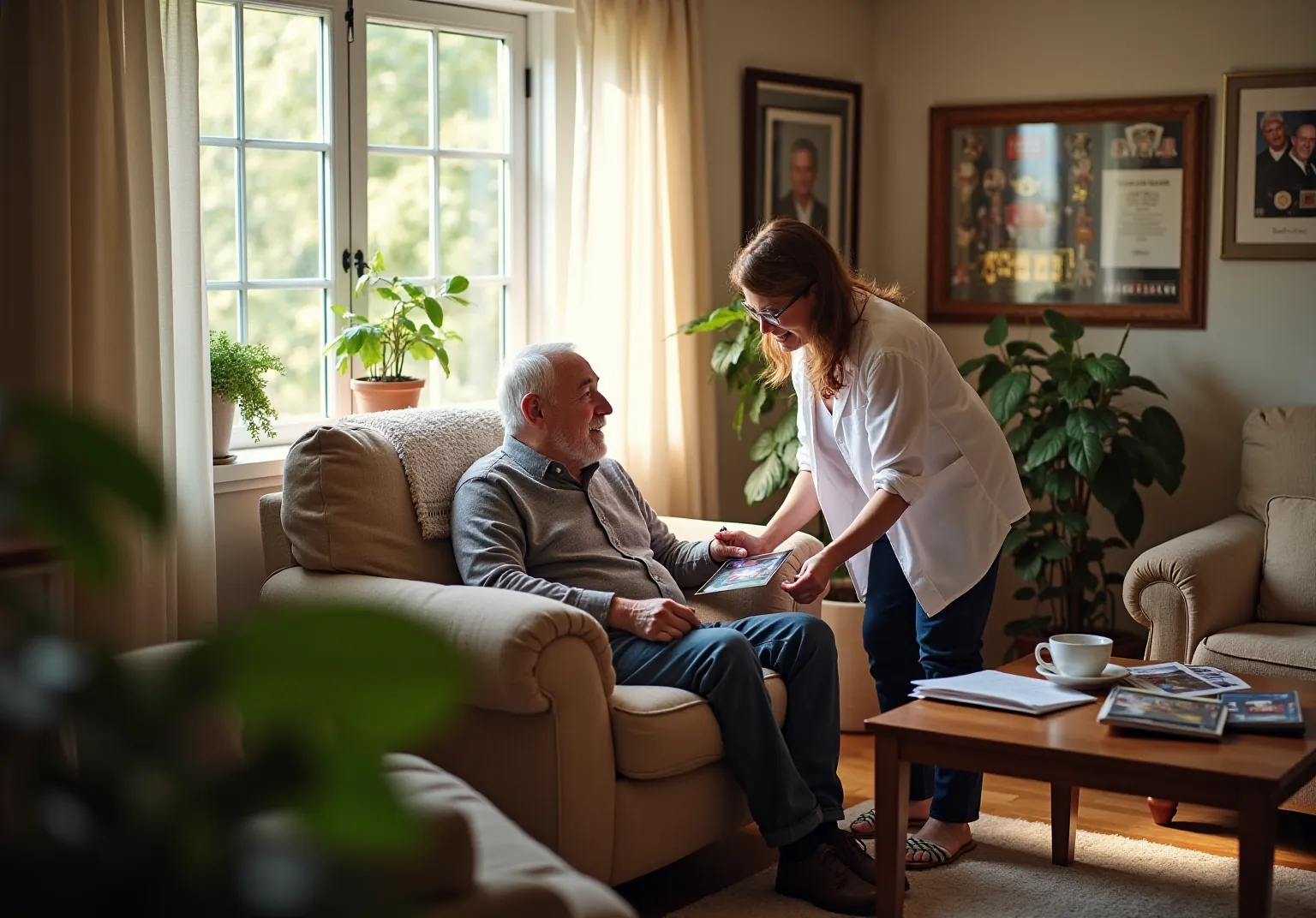
For families in our service areas
For families in our service areas, this guide explains va aid and attendance and how non-medical in-home caregiving can support care planning in East Idaho, Treasure Valley & Magic Valley, Northern Wasatch, North Central West Virginia, and Northeast Ohio.
Why Insights on VA Benefits Aid and Matters
Navigating the complexities of VA benefits can be a daunting task for veterans and their caregivers, especially regarding the Aid and Attendance program. This crucial benefit provides financial support to eligible service members and significantly enhances their quality of life by enabling them to maintain independence at home.
However, many veterans remain unaware of their eligibility or the specific requirements needed to access these vital resources. This lack of awareness can lead to missed opportunities for support that could greatly improve their daily lives. So, how can caregivers and veterans ensure they are fully informed and equipped to take advantage of the Aid and Attendance benefits?
To tackle this issue, it's essential to first understand the eligibility criteria and application process. Caregivers should actively seek out information from reliable sources, such as the VA's official website or local veteran service organizations. Additionally, connecting with other veterans and caregivers can provide valuable insights and shared experiences that can guide them through the process.
Happy to Help Caregiving: Personalized In-Home Support for Veterans
Former military personnel often face significant challenges as they age or deal with disabilities. These issues can lead to a loss of independence and a decline in overall well-being. Without proper support, many veterans may struggle to manage daily tasks, which can exacerbate feelings of isolation and frustration.
Happy to Help Caregiving addresses these challenges by providing tailored in-home assistance specifically designed for servicemen. This service ensures that veterans receive compassionate care in the comfort of their own homes, allowing them to maintain their independence while receiving the necessary support. Caregivers are trained to understand the unique needs of former service members, offering companionship, medical support, and emotional encouragement.
By focusing on the individual needs of each veteran, caregivers can significantly enhance their quality of life. This personalized approach not only improves physical health but also fosters emotional well-being, creating a supportive environment where veterans can thrive.
VA Aid and Attendance Benefit: Financial Support for Eligible Veterans
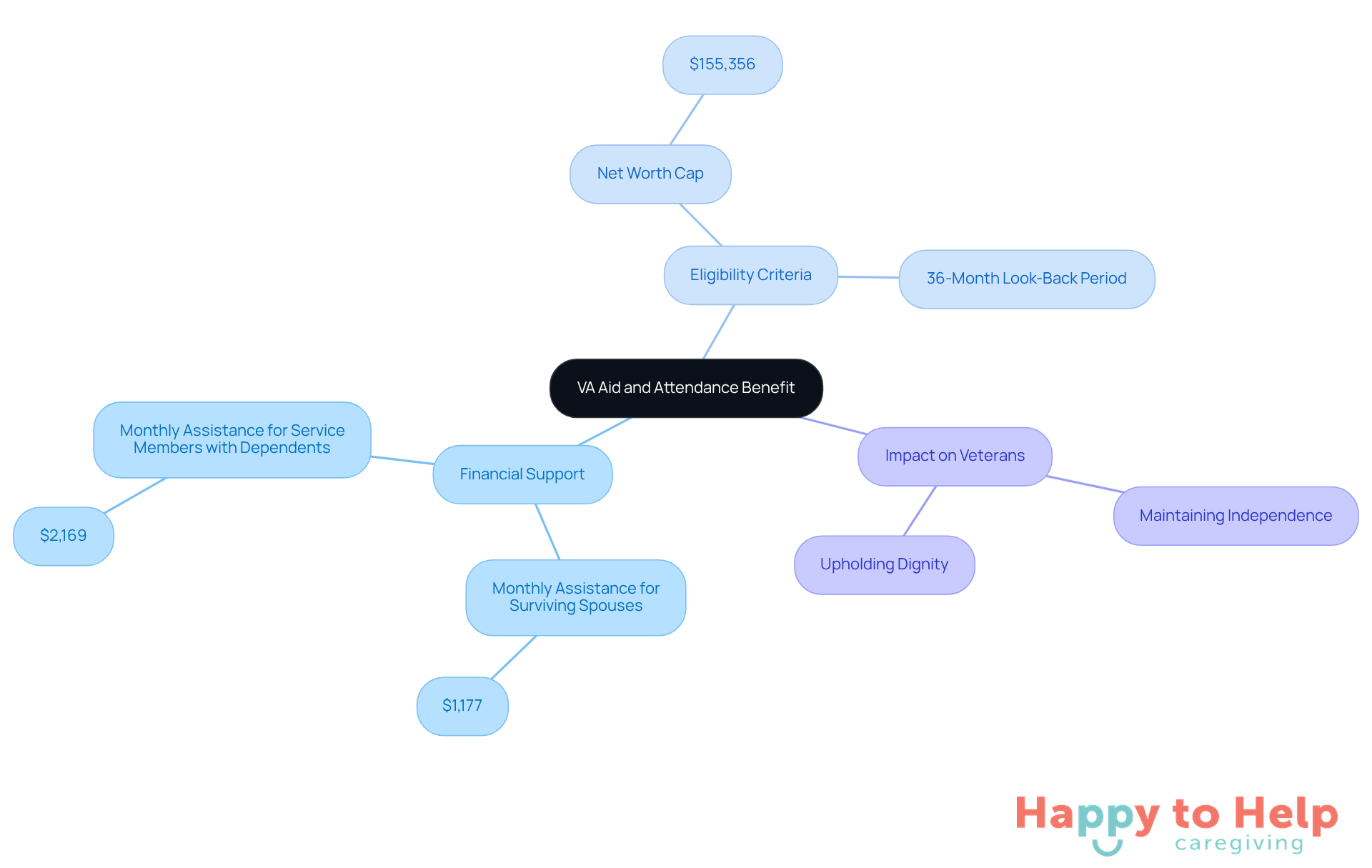
The financial strain on qualified service members needing help with daily living tasks is a significant issue. Many former military personnel struggle to maintain their independence and dignity in familiar environments due to the costs associated with in-home care, assisted living, or nursing home expenses.
The problem is addressed by the VA benefits aid and attendance program, which offers crucial financial assistance. This program enhances the basic VA benefits aid and attendance, providing essential support that can significantly improve the quality of life for many families. For 2025, the highest monthly assistance ranges from $1,177 for surviving spouses to $2,169 for service members with dependents, making it a vital resource.
To qualify for this assistance, former military personnel must meet specific monetary eligibility standards, including a net worth cap of $155,356. Additionally, they must comply with a 36-month look-back period to prevent asset transfers designed to qualify for support.
This assistance not only alleviates financial burdens but also empowers former military personnel to uphold their independence and dignity.
Eligibility Requirements for VA Aid and Attendance Benefits
Many former service members face a significant problem: they may not know they qualify for VA benefits aid and attendance. This lack of awareness can prevent them from accessing essential support that could greatly improve their quality of life.
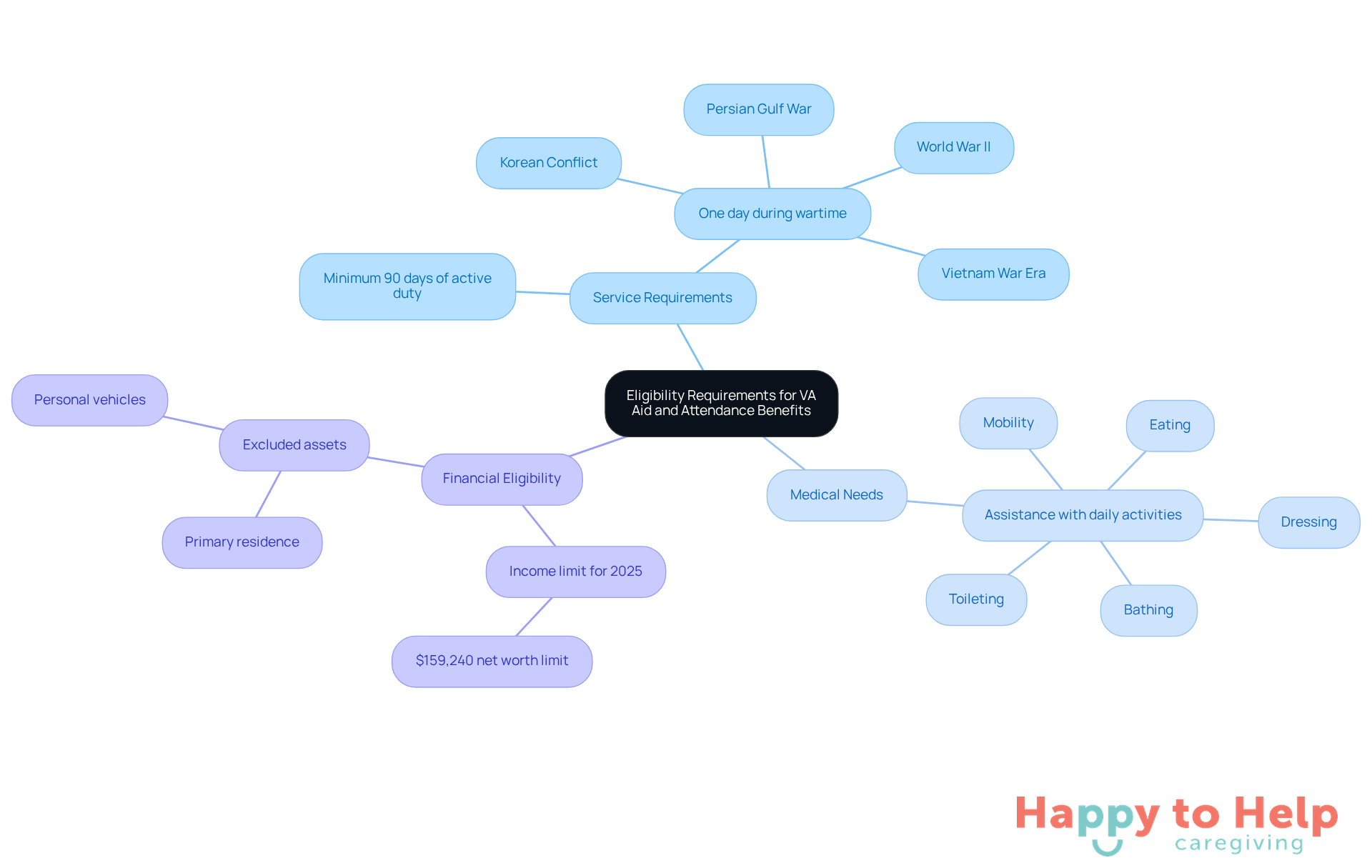
To qualify for these benefits, service members must meet specific criteria. They need to have served a minimum of 90 days of active duty, including at least one day during a recognized wartime period, such as World War II or the Vietnam War. Additionally, they must demonstrate a medical need for assistance with daily activities, which include vital tasks like bathing, dressing, and eating.
Financial eligibility is another critical aspect. For 2025, the updated income and net worth limits are set at $159,240, excluding certain assets like primary residences and personal vehicles. It's important to note that many former service members, particularly those aged 66 and above, may have already met these criteria but remain unaware of their eligibility.
Understanding these requirements is crucial for former service members and their families to qualify for VA benefits aid and attendance. By recognizing the criteria and financial limits, they can take the necessary steps to obtain these essential services.
How to Apply for VA Aid and Attendance Benefits
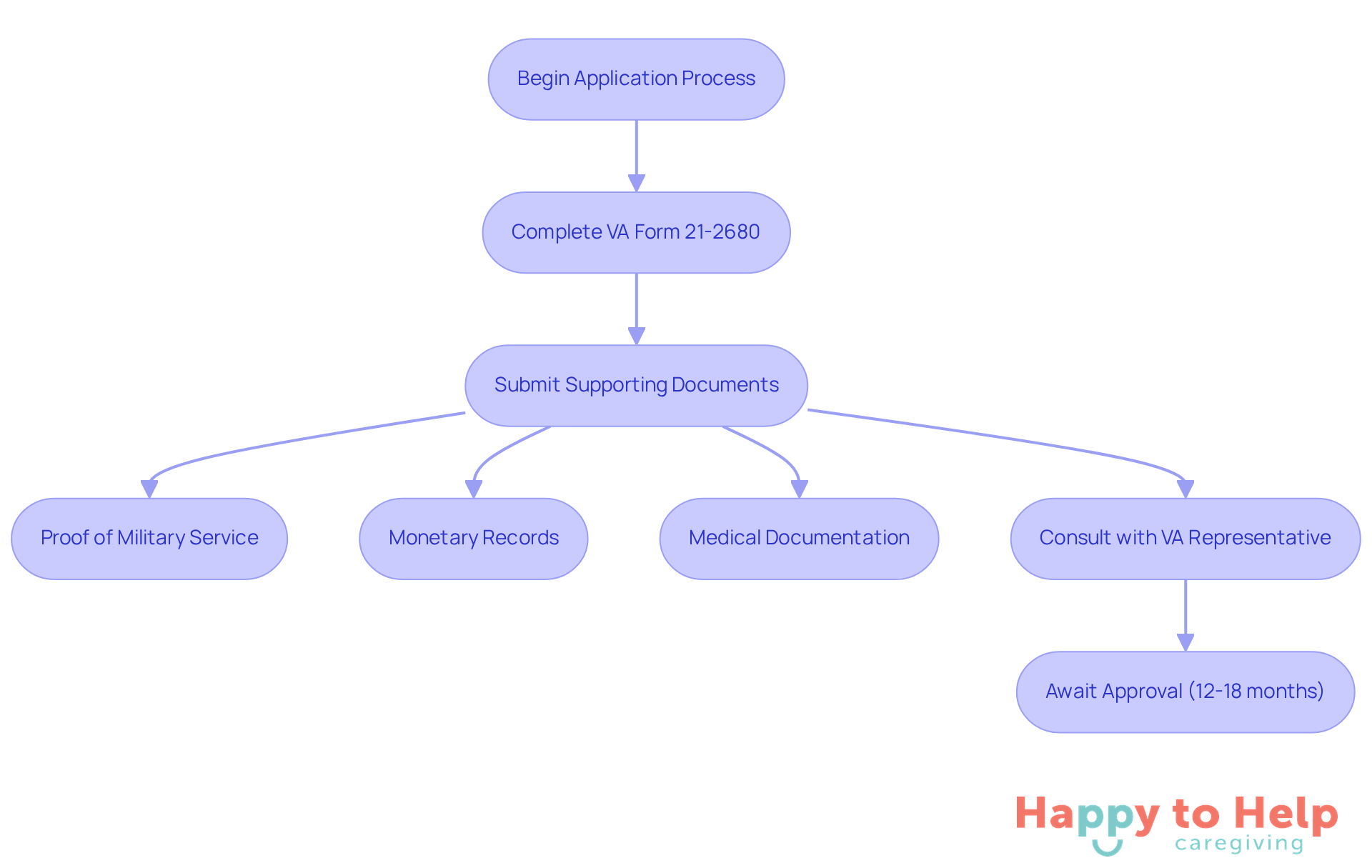
Applying for VA benefits aid and attendance can be a daunting task because of its complexity. Veterans face the challenge of navigating a lengthy application process that can exceed 40 pages, which often leads to confusion and delays. The VA estimates that approval for VA benefits aid and attendance may take 12 to 18 months, making early preparation crucial for those seeking these benefits.
To tackle this issue, veterans must complete VA Form 21-2680, which assesses their need for aid and attendance. This form can be filled out by either the service member or their physician. Along with the application, it’s essential to submit supporting documents, including:
- Proof of military service
- Monetary records
- Medical documentation
Consulting with a VA representative or an experienced advisor can significantly streamline the process of applying for VA benefits aid and attendance, ensuring that all necessary information is included and potentially expediting approval.
Additionally, understanding the financial eligibility criteria for VA benefits aid and attendance is vital. For 2025, the net worth limit is set at $155,356. The Aid and Attendance Pension Rates for that year are:
- $28,300 for a single service member
- $33,548 for a service member with one dependent
These figures highlight the substantial support available for those in need, making it imperative for caregivers to be well-informed and prepared.
Covered Expenses Under VA Aid and Attendance Benefits
Problem: Caregivers often face significant financial strain when providing care for veterans. The costs associated with caregiving can quickly add up, leaving families overwhelmed and struggling to manage expenses.
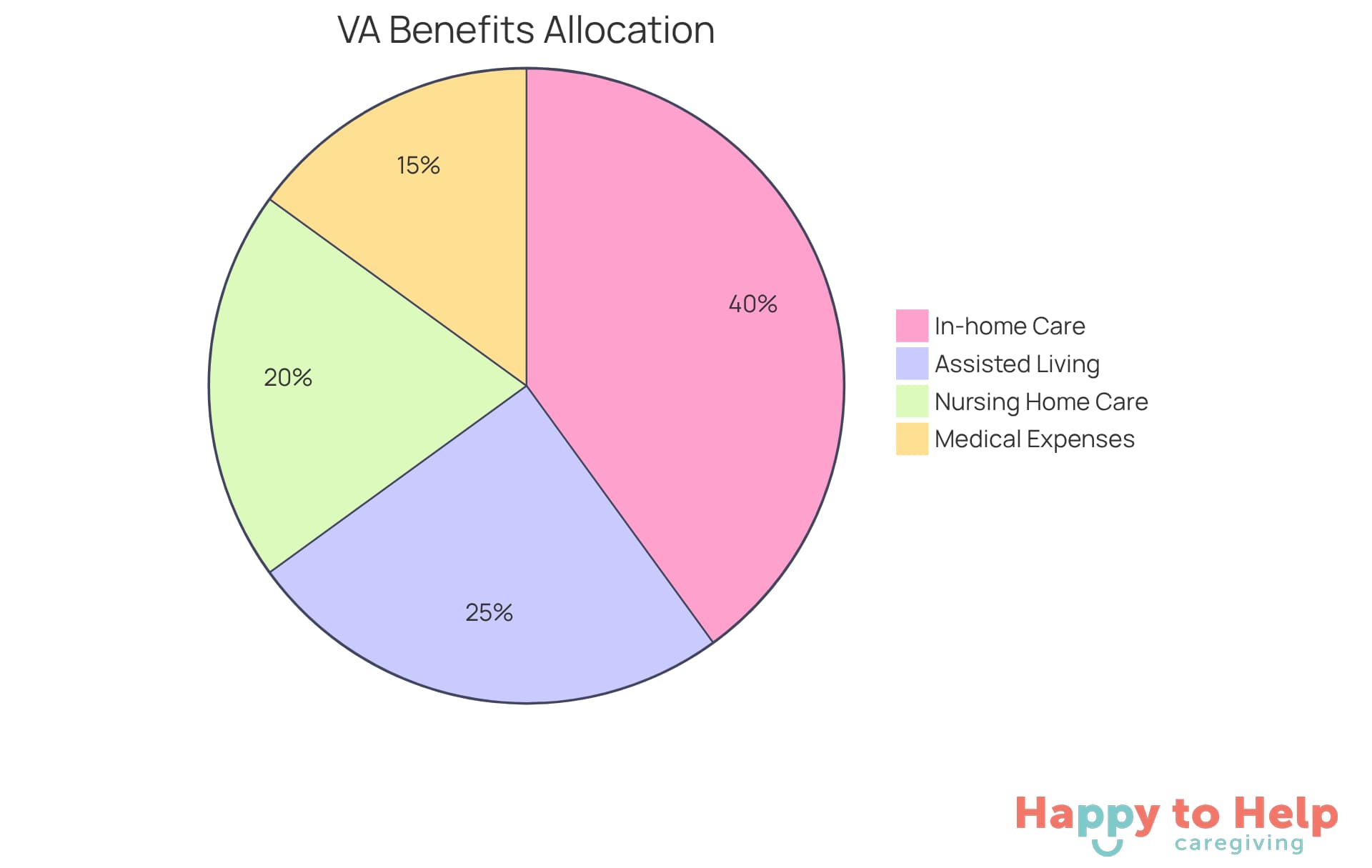
Agitate: For many service members and their families, the burden of caregiving can be daunting. In-home care services, assisted living facilities, and nursing home care can be prohibitively expensive, with the average cost of in-home care in the U.S. reaching approximately $4,957 per month. This financial pressure can lead to stress and anxiety, impacting both the caregiver and the veteran's quality of life.
Solution: Fortunately, VA benefits aid and attendance provides essential financial aid to alleviate these burdens. This program provides funds that can be allocated to various caregiving costs, including hiring home care aides. By utilizing these resources, families can ensure that veterans receive the necessary support while maintaining their independence in daily activities.
Additionally, the benefits extend to cover medical expenses, such as co-pays for prescriptions and other healthcare-related costs, which can accumulate quickly. In 2017, 9.7% of veterans with pensions newly received A&A assistance, highlighting its critical role in supporting those in need. The typical A&A enhanced pension was $16,769 in 2017, providing substantial help for former service members.
Recent developments, like the Cleland-Dole Act, have broadened the range of VA services, making it easier for families to access essential resources for in-home care. Financial advisors emphasize the importance of understanding these benefits, as effective resource distribution can significantly improve the quality of life for veterans. By leveraging VA benefits aid and attendance resources, families can secure comprehensive care while managing the financial aspects of caregiving more efficiently.
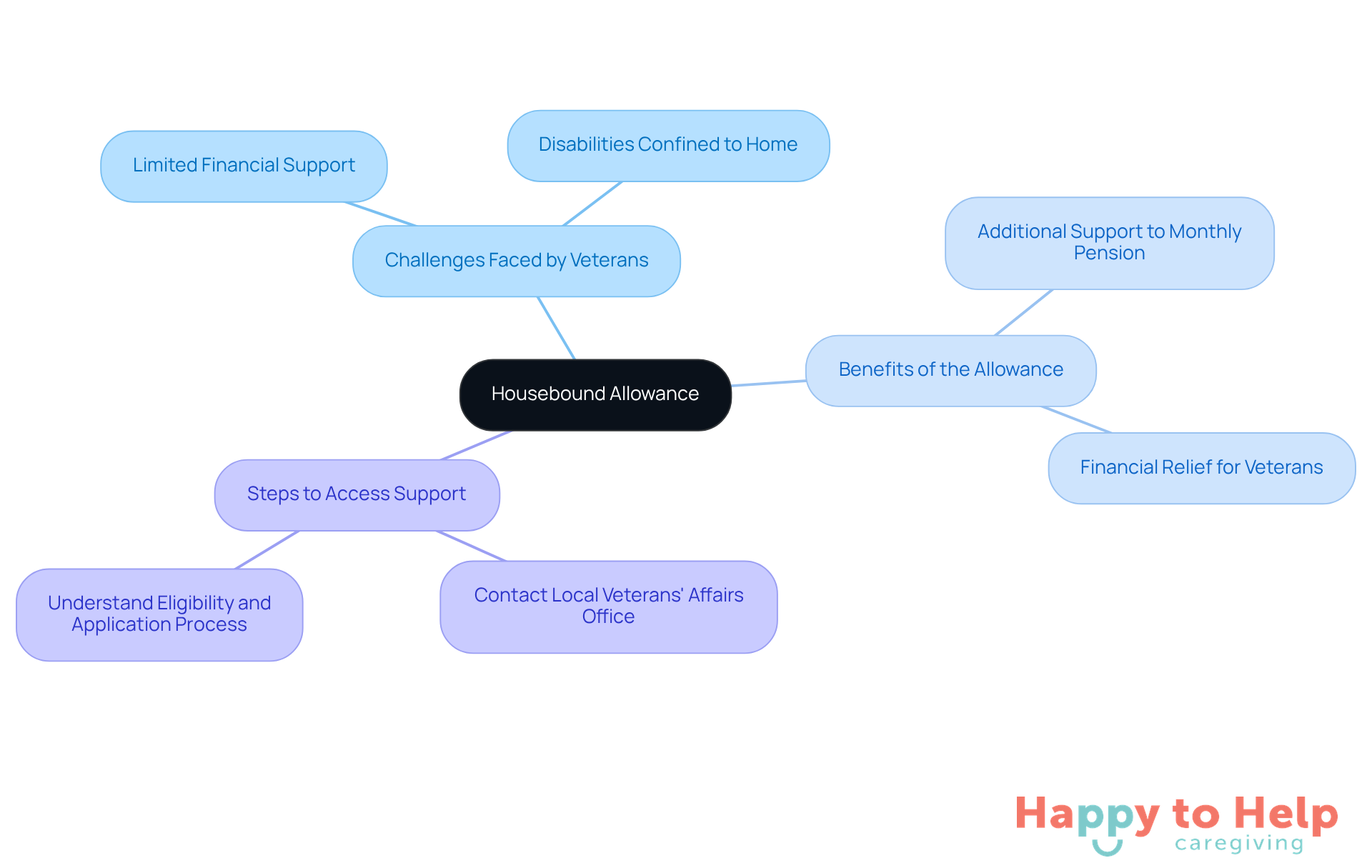
Housebound Allowance: Additional Financial Support for Veterans
The Housebound Allowance addresses a significant problem faced by former service members: limited financial support due to disabilities that confine them to their homes. Many veterans find themselves in need of assistance but may not qualify for VA benefits aid and attendance. This situation can lead to financial strain, making it crucial to explore available resources.
Understanding VA benefits aid and attendance can be a game-changer for veterans. This extra monetary support can be added to their monthly pension, providing essential financial relief. By tapping into this allowance, veterans can optimize their financial resources and ensure they receive the necessary support to navigate their challenges.
To make the most of this benefit, veterans should consider reaching out to their local veterans' affairs office for guidance on eligibility and application processes. This proactive step can help them secure the assistance they need.
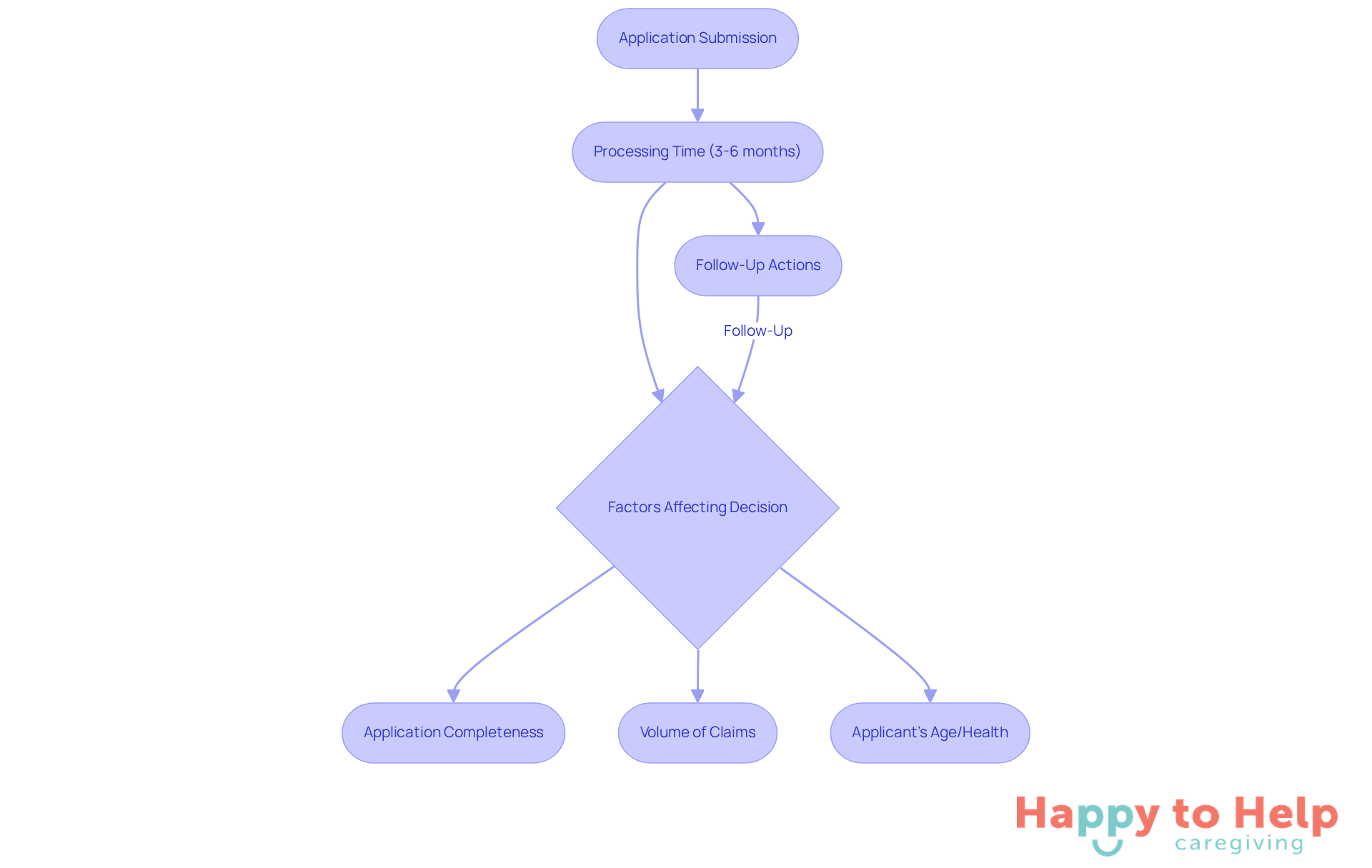
Timeline for VA Decisions on Aid and Attendance Benefits
Obtaining a decision on VA benefits aid and attendance can be a significant challenge for veterans and their caregivers. The timeline for processing applications varies widely, typically taking between three to six months. This delay can be frustrating, especially when factors like application completeness, the volume of claims, and the applicant's age or health status come into play.
To navigate this uncertainty, it's crucial for veterans to stay proactive. Regularly following up on applications can help ensure timely processing and address any potential issues early on. By taking this step, caregivers can alleviate some of the stress associated with waiting for assistance, ultimately leading to better support for those in need.
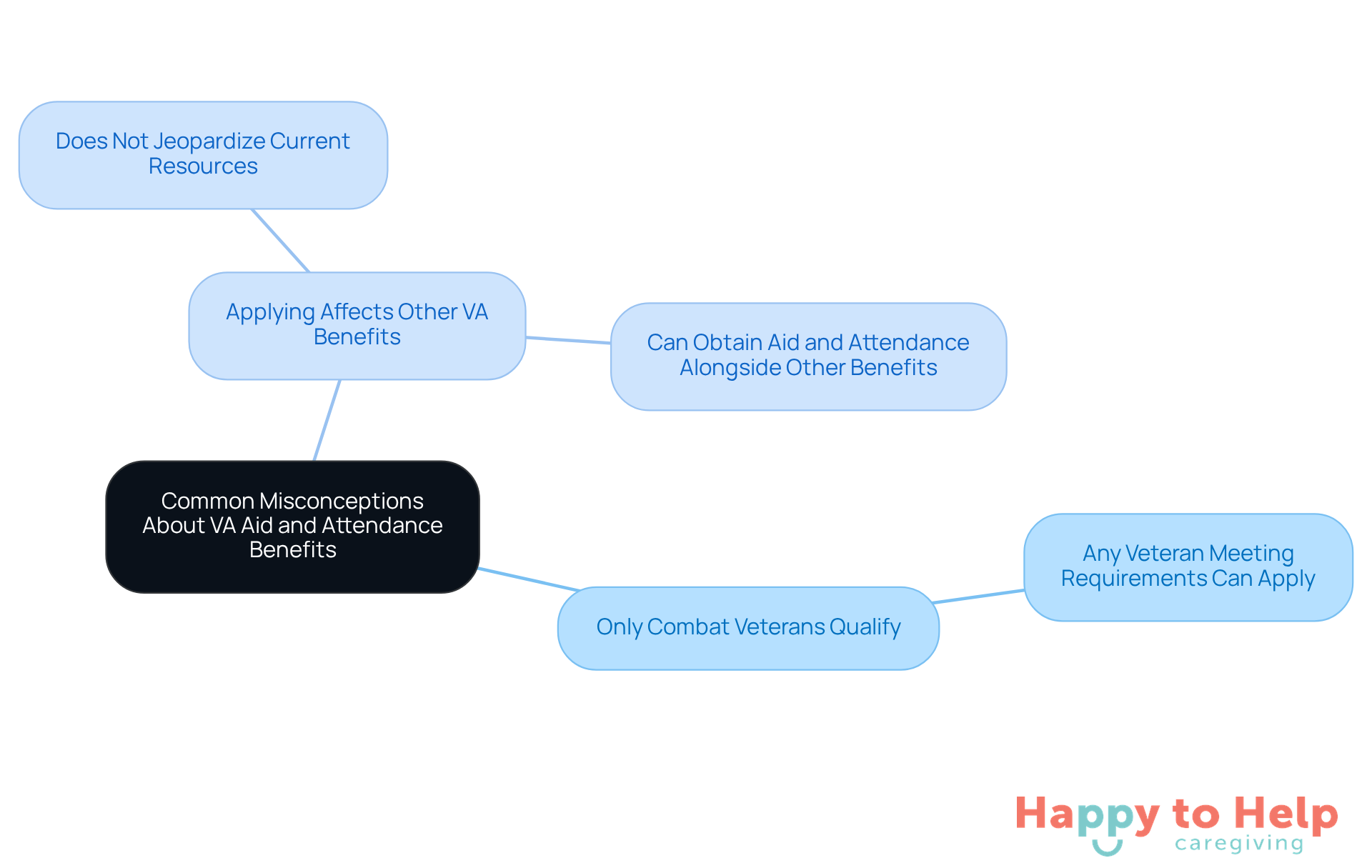
Common Misconceptions About VA Aid and Attendance Benefits
Misconceptions about VA benefits aid and attendance can create confusion for veterans and their families. One prevalent myth is that only service members with combat experience can qualify. In reality, any veteran who meets the service and medical requirements can apply for VA benefits aid and attendance.
Another common misconception is that applying for Aid and Attendance will affect eligibility for other VA programs. This is not the case; veterans can obtain VA benefits aid and attendance alongside other advantages. This benefit provides essential monetary assistance without jeopardizing current resources, ensuring that veterans receive the support they need.
Impact of VA Benefits on Other Financial Resources
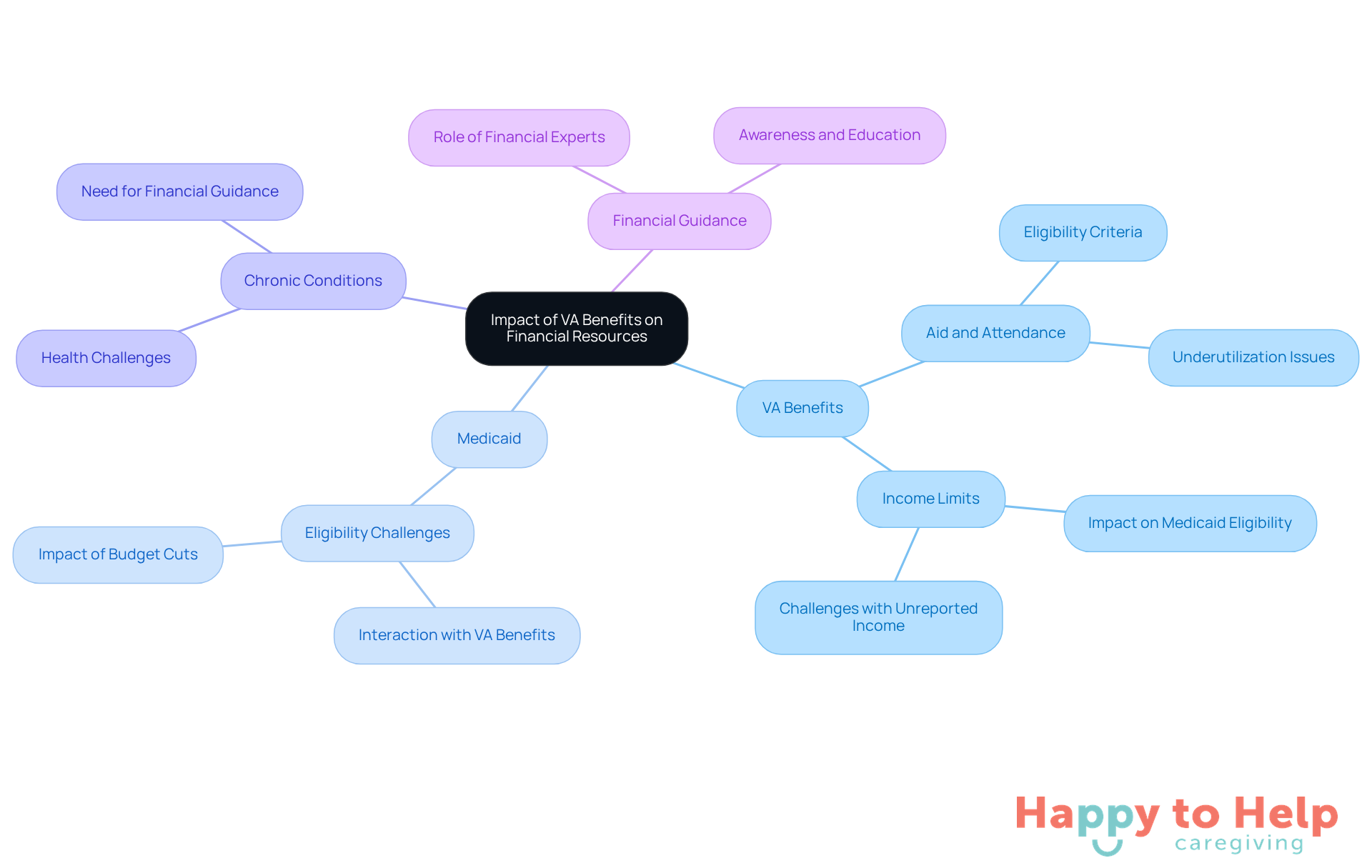
The challenges associated with VA benefits aid and attendance create significant difficulties for former service members and their families, especially concerning income limits for programs like Medicaid. Unreported income can complicate eligibility for additional assistance programs, making it crucial to understand how these benefits are calculated and presented.
Consider this: 79% of former military personnel without Medicaid have chronic conditions. This statistic highlights the health challenges that may necessitate the use of VA benefits aid and attendance. To navigate these complexities, seeking guidance from a financial expert knowledgeable about military benefits is strongly advised. These professionals can provide tailored advice on how to manage VA benefits aid and attendance and understand its impact on other financial resources.
As Susan M. Allen, PhD, emphasizes, "Wider dissemination of information about A&A and access to free assistance is needed to prevent predatory practices and inequities." Furthermore, nearly 10% of former service members rely on Medicaid for certain benefits, underscoring the importance of understanding the interaction between these programs.
The VA's recent enrollment surge, with 400,000 service members added to its support system from March 2023 to March 2024, further illustrates the growing need for informed financial planning among former military personnel. By proactively managing their income and grasping the eligibility criteria, former service members can better position themselves to access the full range of benefits available to them.
Resources for Family Caregivers on VA Benefits and Aid
Family caregivers face significant challenges in supporting former military personnel. These challenges can lead to feelings of isolation and overwhelm, making it difficult for caregivers to provide the best care possible.
Fortunately, numerous resources are available to assist them. The VA offers a Caregiver Support Program that provides education, training, and respite care options. Additionally, organizations like the National Caregiver Support Line and local service groups can assist caregivers in navigating VA benefits aid and attendance.
By utilizing these resources, caregivers can manage their responsibilities more effectively, ensuring that veterans receive the best possible care.
Key Takeaways for Caregivers
Understanding the complexities of VA benefits aid and attendance is essential for veterans and their caregivers. Many face challenges in accessing these crucial resources, which can significantly impact their quality of life. Without proper knowledge of eligibility requirements and the application process, veterans may miss out on vital financial support that empowers them to maintain their independence.
The implications of not leveraging these benefits can be profound. Veterans may struggle with the challenges of aging or disabilities without the necessary in-home care, leading to a decline in their well-being. Misconceptions about the aid and attendance program can further hinder access, leaving many unaware of the assistance available to them.
To address these issues, it is vital for veterans and caregivers to stay informed about the financial assistance options available. Engaging proactively with the application process and understanding the types of expenses covered can make a significant difference. Caregivers should seek out resources and support systems that can guide them through this journey.
Ultimately, the VA benefits aid and attendance program serves as a lifeline for many veterans and their families. By advocating for awareness and access to these benefits, caregivers can enhance the well-being of those they support. It is imperative that every veteran receives the care and respect they deserve in their later years.
https://iframe.tely.ai/cta/eyJhcnRpY2xlX2lkIjogIjY5Mjc5NGRlMjI0NDc2YzA3YjhmODlhMiIsICJjb21wYW55X2lkIjogIjY4ZWU1ZGNhNzMxNzYyNTU3ZjNjOTVjMSIsICJpbmRleCI6IG51bGwsICJ0eXBlIjogImFydGljbGUifQ==Frequently Asked Questions
What challenges do veterans face as they age or deal with disabilities?
Veterans often face significant challenges such as a loss of independence and a decline in overall well-being, which can lead to struggles in managing daily tasks and feelings of isolation and frustration.
How does Happy to Help Caregiving support veterans?
Happy to Help Caregiving provides personalized in-home assistance designed for veterans, ensuring they receive compassionate care while maintaining their independence. Caregivers are trained to meet the unique needs of former service members, offering companionship, medical support, and emotional encouragement.
What is the impact of personalized caregiving on veterans' quality of life?
Personalized caregiving significantly enhances veterans' quality of life by improving physical health and fostering emotional well-being, creating a supportive environment where they can thrive.
What is the VA Aid and Attendance Benefit?
The VA Aid and Attendance Benefit is a financial assistance program designed to help qualified service members with the costs associated with daily living tasks, in-home care, assisted living, or nursing home expenses.
What are the maximum monthly assistance amounts for the VA Aid and Attendance Benefit in 2025?
For 2025, the maximum monthly assistance ranges from $1,177 for surviving spouses to $2,169 for service members with dependents.
What are the eligibility requirements for VA Aid and Attendance Benefits?
To qualify, service members must have served a minimum of 90 days of active duty, including at least one day during a recognized wartime period, and must demonstrate a medical need for assistance with daily activities.
What are the financial eligibility criteria for VA Aid and Attendance Benefits?
For 2025, the updated income and net worth limits are set at $159,240, excluding certain assets like primary residences and personal vehicles.
Why might some veterans be unaware of their eligibility for VA benefits?
Many former service members, particularly those aged 66 and above, may have already met the eligibility criteria but remain unaware of their qualification for VA benefits aid and attendance.
List of Sources
- Happy to Help Caregiving: Personalized In-Home Support for Veterans
- VA Tries to Keep Up With Drastic Veteran In-Home Care Increase (https://military.com/feature/2025/10/08/va-tries-keep-drastic-veteran-home-care-increase.html)
- Caregivers and Family Support (https://hsrd.research.va.gov/research\_topics/caregiving.cfm)
- VA extends caregiver support program eligibility for “legacy” Veterans, caregivers (https://news.va.gov/press-room/va-extends-caregiver-support-program-eligibility-for-legacy-veterans-caregivers)
- Home- and Community-Based Service Use Among Veterans: The National Landscape - PubMed (https://pubmed.ncbi.nlm.nih.gov/40344577)
- VA Aid and Attendance Benefit: Financial Support for Eligible Veterans
- New 2025 Updates to Veterans Benefits for Assisted Living (https://floridaseniorconsulting.com/updated-veterans-aid-and-attendance-benefits-for-assisted-living)
- Upcoming Changes to Veterans Aid and Attendance Pension | KWGD (https://kwgd.com/news/upcoming-changes-to-veterans-aid-and-attendance-pension)
- VA Benefits 2025: What Every Veteran Family Should Know | Operation Family Fund (https://operationfamilyfund.org/va-benefits-2025-update-what-every-veteran-family-should-know)
- US veterans to get financial boost in 2025 (https://newsweek.com/us-veterans-financial-boost-2025-homelessness-2003449)
- VA Aid and Attendance benefits and Housebound allowance | Veterans Affairs (https://va.gov/pension/aid-attendance-housebound)
- Eligibility Requirements for VA Aid and Attendance Benefits
- VA Aid and Attendance Eligibility: A Guide for Northern Virginia Veterans (https://caringseniorservice.com/arlington/news/va-aid-and-attendance-eligibility)
- Upcoming Changes to Veterans Aid and Attendance Pension | KWGD (https://kwgd.com/news/upcoming-changes-to-veterans-aid-and-attendance-pension)
- Inequities in access to VA’S aid and attendance enhanced pension benefit to help Veterans pay for long‐term care - PMC (https://pmc.ncbi.nlm.nih.gov/articles/PMC8143693)
- Veterans Aid & Attendance Benefit | Senior Living Residences (https://seniorlivingresidences.com/family-guide/financial-options/veterans-aid-and-attendance-benefit)
- Navigating Veterans Benefits: Your Guide to Aid and Attendance Options (https://mortonelderlaw.com/top-veterans-benefits-aid-and-attendance-eligibility-and-details)
- How to Apply for VA Aid and Attendance Benefits
- New 2025 Updates to Veterans Benefits for Assisted Living (https://floridaseniorconsulting.com/updated-veterans-aid-and-attendance-benefits-for-assisted-living)
- What to Know About Applying for the VA Aid & Attendance Benefit | The Herrick House (https://theherrickhouse.org/news-stories/all-news-stories/stories/2025/01/apply-va-aid-attendance-benefit)
- 8 Inspirational Quotes from 8 US Veterans (https://linkedin.com/pulse/8-inspirational-quotes-from-us-veterans-dominique-brightmon)
- Covered Expenses Under VA Aid and Attendance Benefits
- Inequities in access to VA’S aid and attendance enhanced pension benefit to help Veterans pay for long‐term care - PMC (https://pmc.ncbi.nlm.nih.gov/articles/PMC8143693)
- VA Tries to Keep Up With Drastic Veteran In-Home Care Increase (https://military.com/feature/2025/10/08/va-tries-keep-drastic-veteran-home-care-increase.html)
- VA In-Home Care Coverage: How Much Will the VA Pay? (https://assistinghands.com/85/illinois/palos/blog/how-much-does-the-va-pay-for-in-home-care)
- New 2025 Updates to Veterans Benefits for Assisted Living (https://floridaseniorconsulting.com/updated-veterans-aid-and-attendance-benefits-for-assisted-living)
- How Much Does The VA Pay for In-home Care? (https://ultimatecareny.com/resources/how-much-does-the-va-pay-for-in-home-care)
- Timeline for VA Decisions on Aid and Attendance Benefits
- VA reduces backlog of Veterans waiting for VA benefits by 57% (https://news.va.gov/press-room/va-reduces-backlog-of-veterans-waiting-for-va-benefits-by-57)
- VA Secretary McDonald delivers keynote speech during Disabled American Veterans conference - VA News (https://news.va.gov/15045/va-secretary-mcdonald-delivers-keynote-speech-during-disabled-american-veterans-conference)
- How Long Do VA Claims Take in 2025? Record-Fast Processing Times Revealed - Tucker Disability Law (https://tuckerdisability.com/blog/va-disability/how-long-do-va-claims-take-in-2025-record-fast-processing-times-revealed)
- Veterans Affairs sets new record for disability and pension claims processing (https://federalnewsnetwork.com/federal-newscast/2025/08/veterans-affairs-sets-new-record-for-disability-and-pension-claims-processing)
- How Long Does the Aid & Attendance Application Process Take? (https://avcchomecare.com/aid-attendance-application-process-length)
- Impact of VA Benefits on Other Financial Resources
- 5 Key Facts About Medicaid and Veterans | KFF (https://kff.org/medicaid/5-key-facts-about-medicaid-and-veterans)
- Inequities in access to VA’S aid and attendance enhanced pension benefit to help Veterans pay for long‐term care - PMC (https://pmc.ncbi.nlm.nih.gov/articles/PMC8143693)
- 5 reasons federal cuts are hitting veterans especially hard (https://pbs.org/newshour/politics/5-reasons-federal-cuts-are-hitting-veterans-especially-hard)
- Upcoming Changes to Veterans Aid and Attendance Pension | KWGD (https://kwgd.com/news/upcoming-changes-to-veterans-aid-and-attendance-pension)
- Resources for Family Caregivers on VA Benefits and Aid
- VA extends caregiver support program eligibility for “legacy” Veterans, caregivers (https://news.va.gov/press-room/va-extends-caregiver-support-program-eligibility-for-legacy-veterans-caregivers)
- VA eliminates Veteran family health care backlog (https://news.va.gov/press-room/va-eliminates-veteran-family-health-care-backlog)
- Supporting America's Military and Veteran Caregivers (https://rand.org/pubs/research\_reports/RRA3212-1.html)
- Caregivers and Family Support (https://hsrd.research.va.gov/research\_topics/caregiving.cfm)