10 Key Signs of Agitation in Dementia Every Caregiver Should Know

For families in our service areas
For families in our service areas, this guide explains dementia care and how non-medical in-home caregiving can support care planning in East Idaho, Treasure Valley & Magic Valley, Northern Wasatch, North Central West Virginia, and Northeast Ohio.
The Importance of Signs of Agitation in Dementia Every
Recognizing the signs of agitation in dementia is crucial for caregivers navigating the complex emotional landscape of their loved ones. Anxiety, restlessness, and aggression often signal deeper distress, making it essential for caregivers to understand these behaviors. This understanding can empower them to provide timely support and comfort.
However, what happens when the very environment meant to nurture becomes a source of agitation? This article delves into the ten key signs of agitation in dementia, offering insights and strategies that can transform caregiving experiences. By implementing these strategies, caregivers can enhance the quality of life for both themselves and those they care for.
Recognize Anxiety as a Sign of Agitation in Dementia
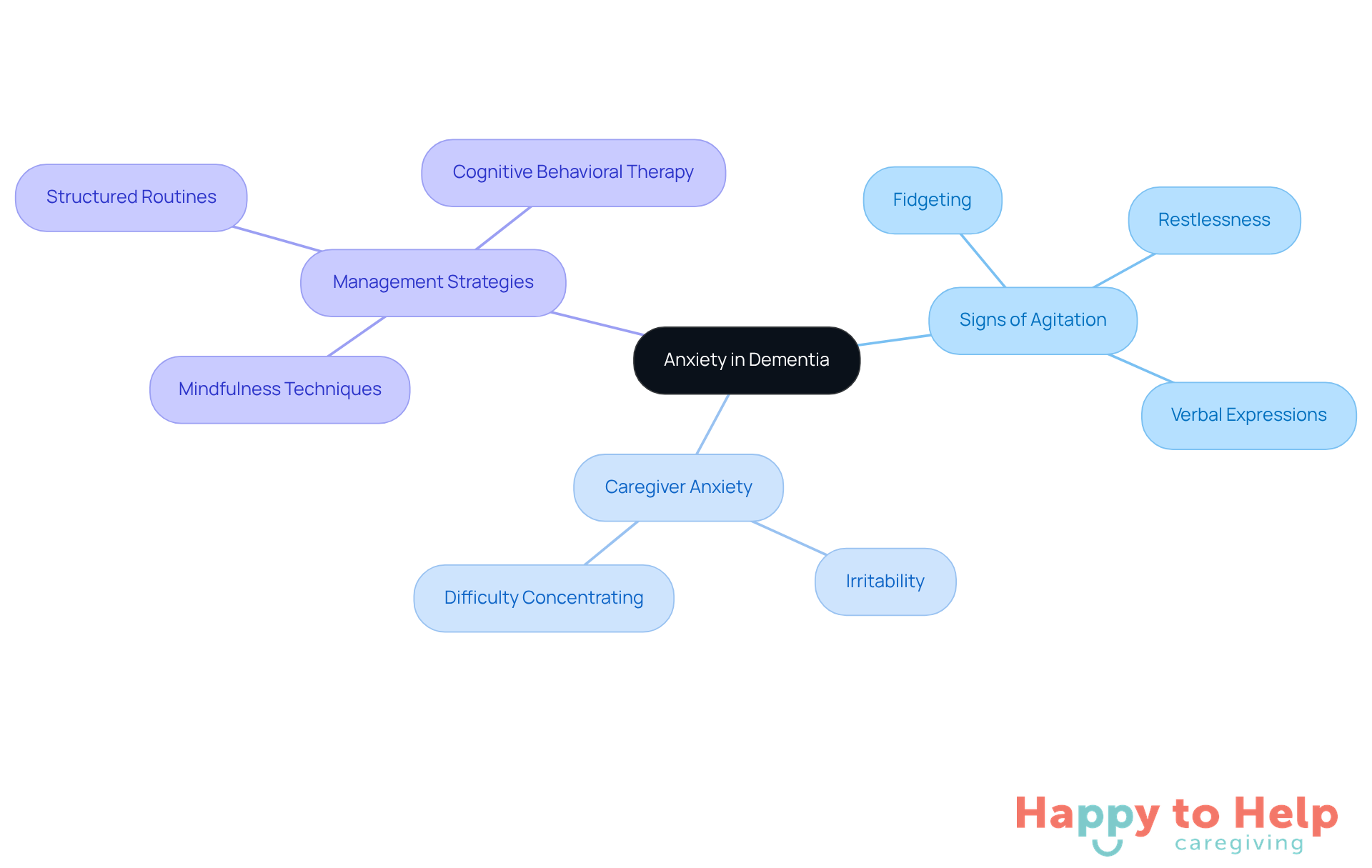
Anxiety in individuals with dementia presents a significant challenge, often manifesting as signs of agitation in dementia through behaviors like fidgeting, restlessness, and verbal expressions of worry. Caregivers must be vigilant for the signs of agitation in dementia, as they often indicate feelings of being overwhelmed or threatened. For instance, a patient may frequently ask about a family member's whereabouts or express fears of being alone. Recognizing the signs of agitation in dementia promptly is crucial; it allows caregivers to provide timely reassurance and comfort, which can significantly reduce agitation. Alarmingly, individuals with anxiety may show cognitive decline symptoms about three years earlier than those without anxiety, highlighting the urgent need to address anxiety in cognitive care.
Caregivers themselves often experience anxiety, facing increased stress levels due to their responsibilities. Chronic anxiety can notably heighten the risk of dementia, especially in individuals under 70. Therefore, it's essential for caregivers to recognize their own signs of anxiety, such as irritability or difficulty concentrating. By acknowledging their emotions, caregivers can seek support and implement effective self-care strategies.
Insights from caregivers underscore the importance of open dialogue and emotional support in managing anxiety. Many find that sharing experiences with others in similar situations fosters a sense of community and understanding, alleviating feelings of isolation. Additionally, caregivers frequently recommend mindfulness techniques and structured routines as effective methods for reducing anxiety in both themselves and those they support. Cognitive behavioral therapy is also recognized as a preferred treatment for various anxiety disorders, providing practical guidance for caregivers.
Ultimately, recognizing anxiety as a critical factor in memory care allows for a more empathetic approach, benefiting both individuals receiving care and their caregivers. By cultivating an atmosphere of compassion and support, caregivers can help reduce anxiety and enhance the overall quality of life for those affected by cognitive decline.
Identify Restlessness in Individuals with Dementia
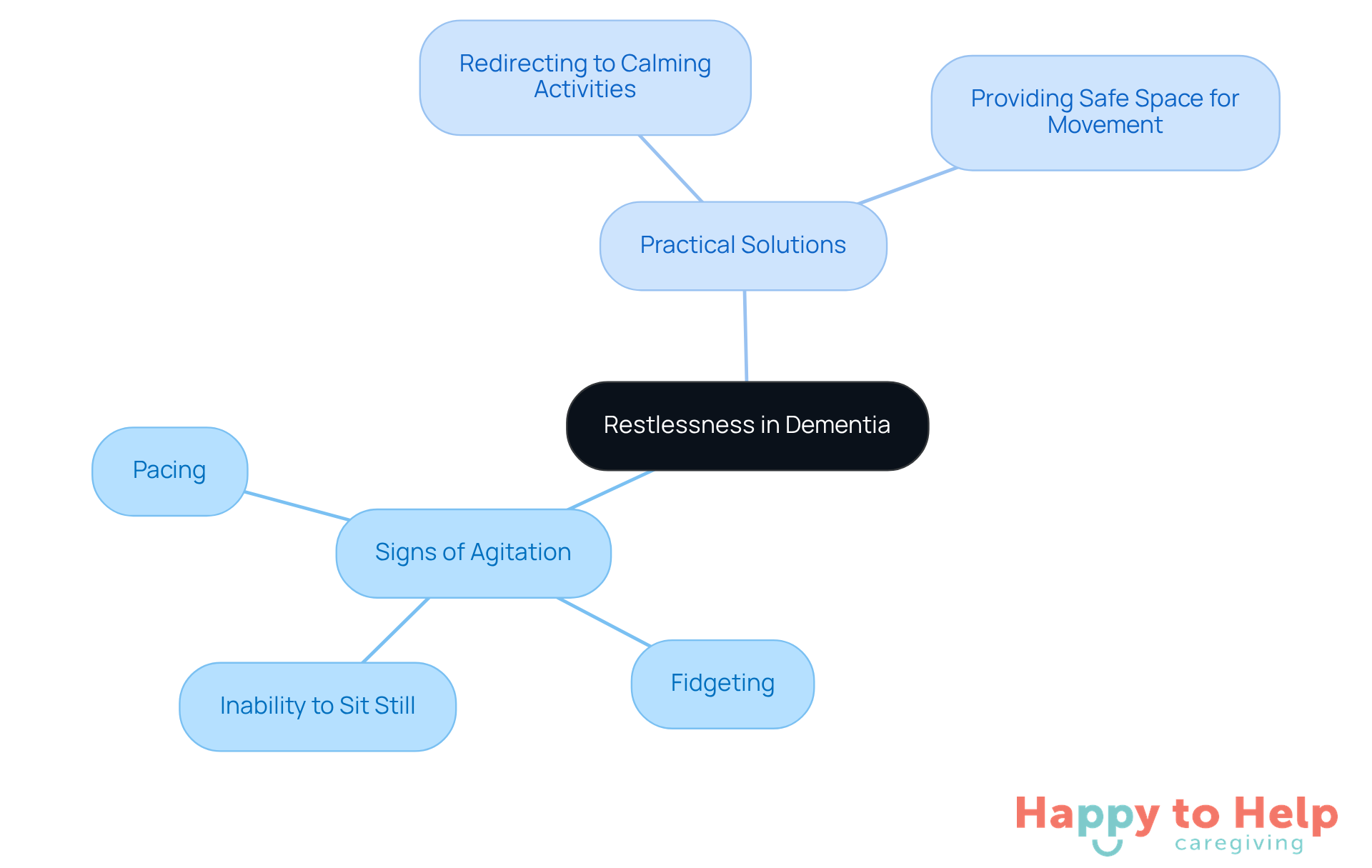
Restlessness can manifest as pacing, fidgeting, or an inability to sit still, which are all signs of agitation in dementia, presenting a challenge for caregivers. These behaviors often indicate signs of agitation in dementia, which can complicate caregiving. For example, when an individual paces back and forth in a room, it may signal signs of agitation in dementia or a need for engagement or a change in environment.
To address restlessness effectively, caregivers can implement practical solutions:
- Redirecting the individual to a calming activity can help alleviate anxiety.
- Providing a safe space for movement allows individuals to express their restlessness in a controlled manner.
By recognizing the signs of agitation in dementia and responding appropriately, caregivers can create a more comfortable environment for those they support.
Acknowledge Aggression as a Key Indicator of Agitation
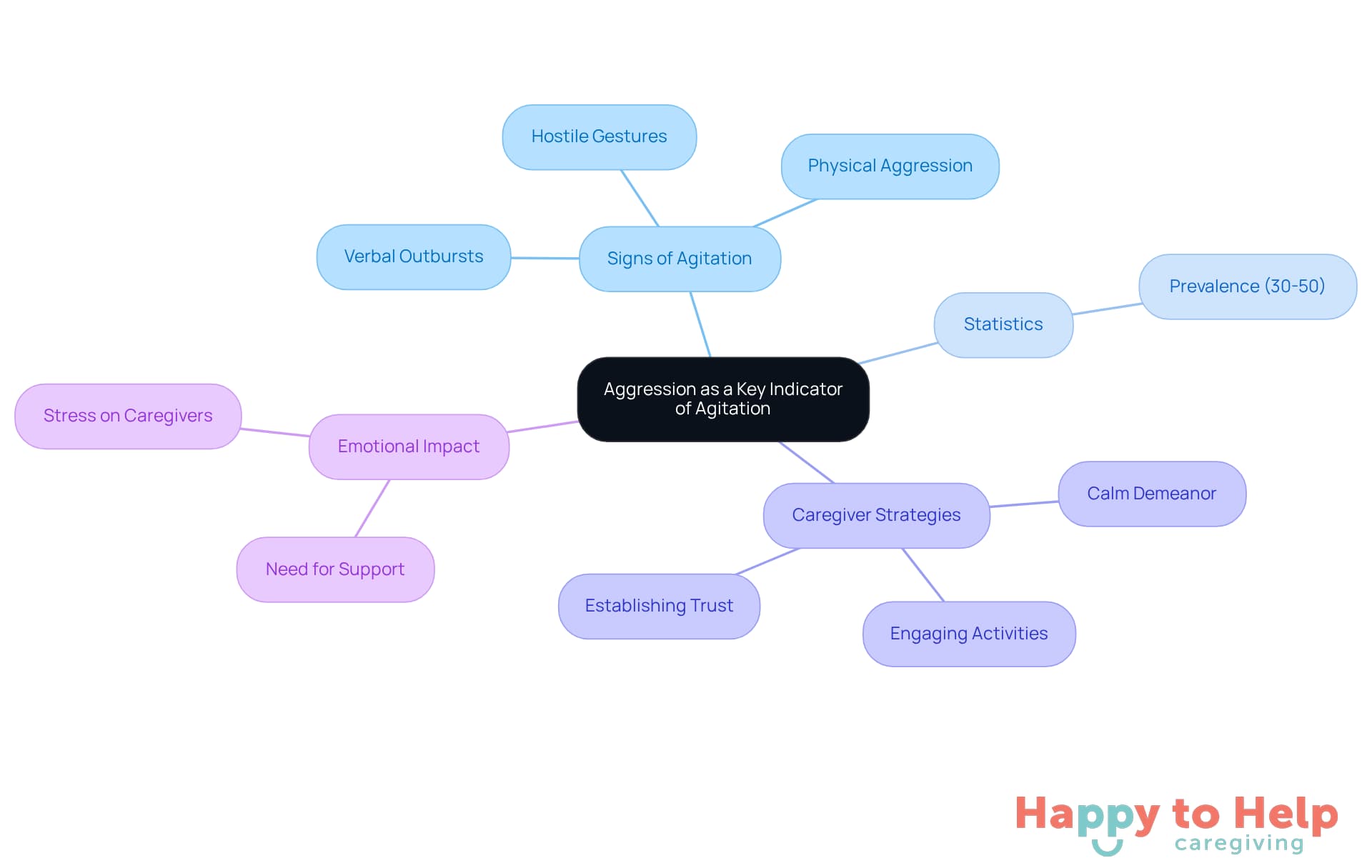
The presence of signs of agitation in dementia, including aggression, presents a significant challenge for caregivers. It can manifest as verbal outbursts, physical aggression, or hostile gestures, often stemming from fear, confusion, or unmet needs. This behavior not only affects the individual but also creates a stressful environment for caregivers, making it crucial to address these issues effectively.
Statistics show that aggression is prevalent in 30% to 50% of individuals diagnosed with cognitive decline, underscoring its significance as one of the signs of agitation in dementia. Caregivers must prioritize maintaining a calm demeanor and avoiding confrontation when aggression arises. For example, if a patient yells or attempts to strike, using a calming tone can help steer the discussion or eliminate potential triggers from the surroundings.
To mitigate feelings of threat and aggression, establishing trust and rapport with individuals is essential. Creating a comfortable and familiar environment can further alleviate distress. Caregivers can employ effective methods for de-escalating aggression by involving individuals in enjoyable activities to combat boredom and frustration. Additionally, offering clear and simple explanations can assist them in navigating confusing situations.
Understanding the individual's history, preferences, and routines is vital for providing effective support. By acknowledging the emotional impact on caregivers and utilizing these management techniques, they can significantly improve the quality of care for people with memory disorders.
Observe Verbal Agitation in Dementia Patients
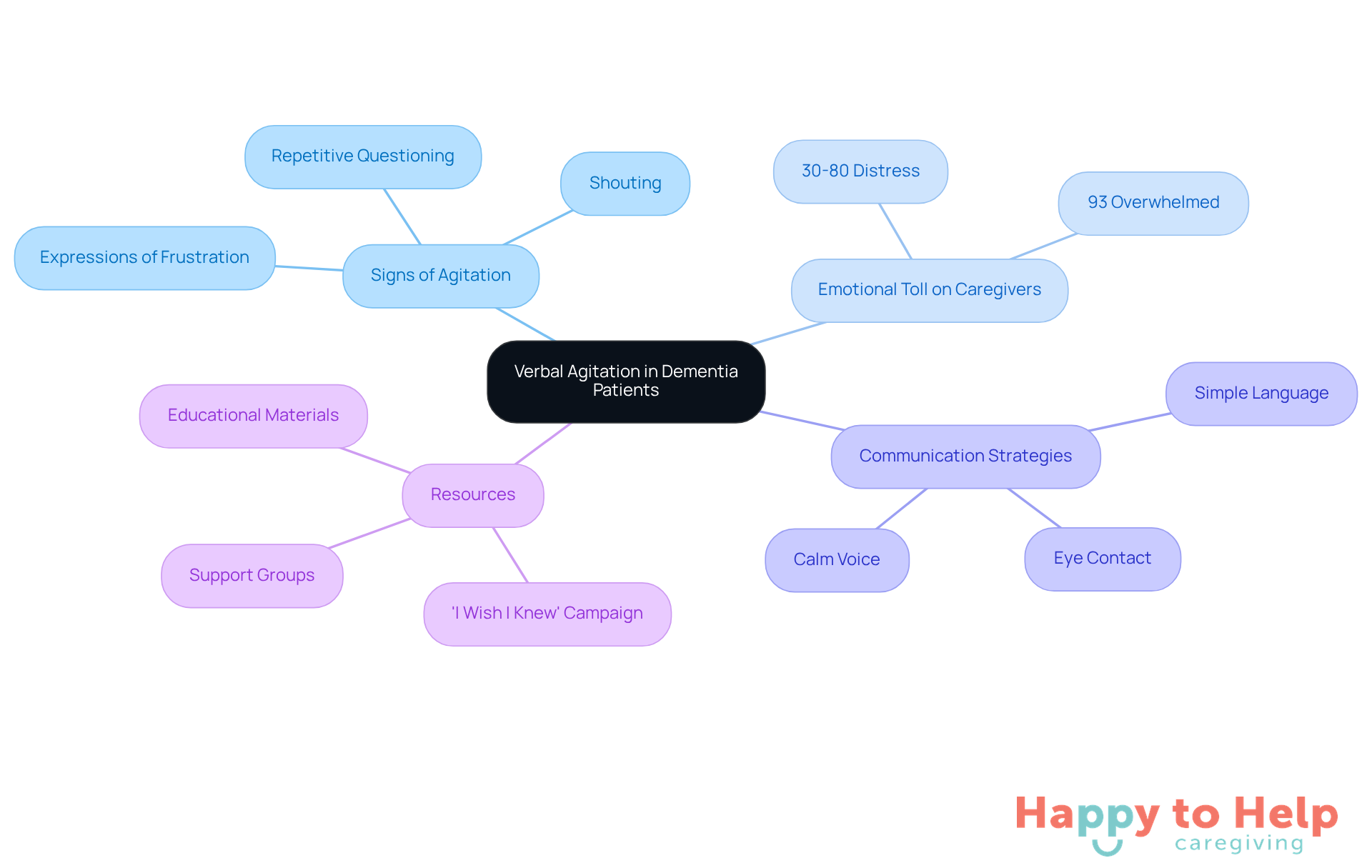
The signs of agitation in dementia, especially verbal agitation, present a significant challenge for caregivers. This agitation can manifest as signs of agitation in dementia, including repetitive questioning, shouting, or expressions of frustration, which can be distressing for both the individual and the caregiver. The emotional toll is considerable, with distress occurring in 30 to 80 percent of dementia cases. Moreover, 93% of support providers report feeling overwhelmed or emotionally exhausted due to these symptoms.
To address this issue, caregivers must pay close attention to both the content and tone of the individual's speech. For instance, if a person frequently asks about a deceased loved one, it may indicate unresolved grief or confusion. Validating these feelings and gently redirecting the conversation can help alleviate distress. Effective communication strategies include:
- Using a calm voice
- Maintaining eye contact
- Employing simple language to foster understanding
Staying calm and avoiding disputes is crucial, as conflicts can heighten distress. Identifying the underlying feelings behind verbal unrest allows caregivers to recognize signs of agitation in dementia, enabling them to create a nurturing atmosphere that encourages expression while minimizing annoyance. Resources like the 'I Wish I Knew' campaign can provide additional support and education for those facing these challenges. By implementing these strategies, caregivers can significantly enhance interactions and improve the overall well-being of individuals experiencing verbal agitation.
Monitor Pacing as a Sign of Agitation
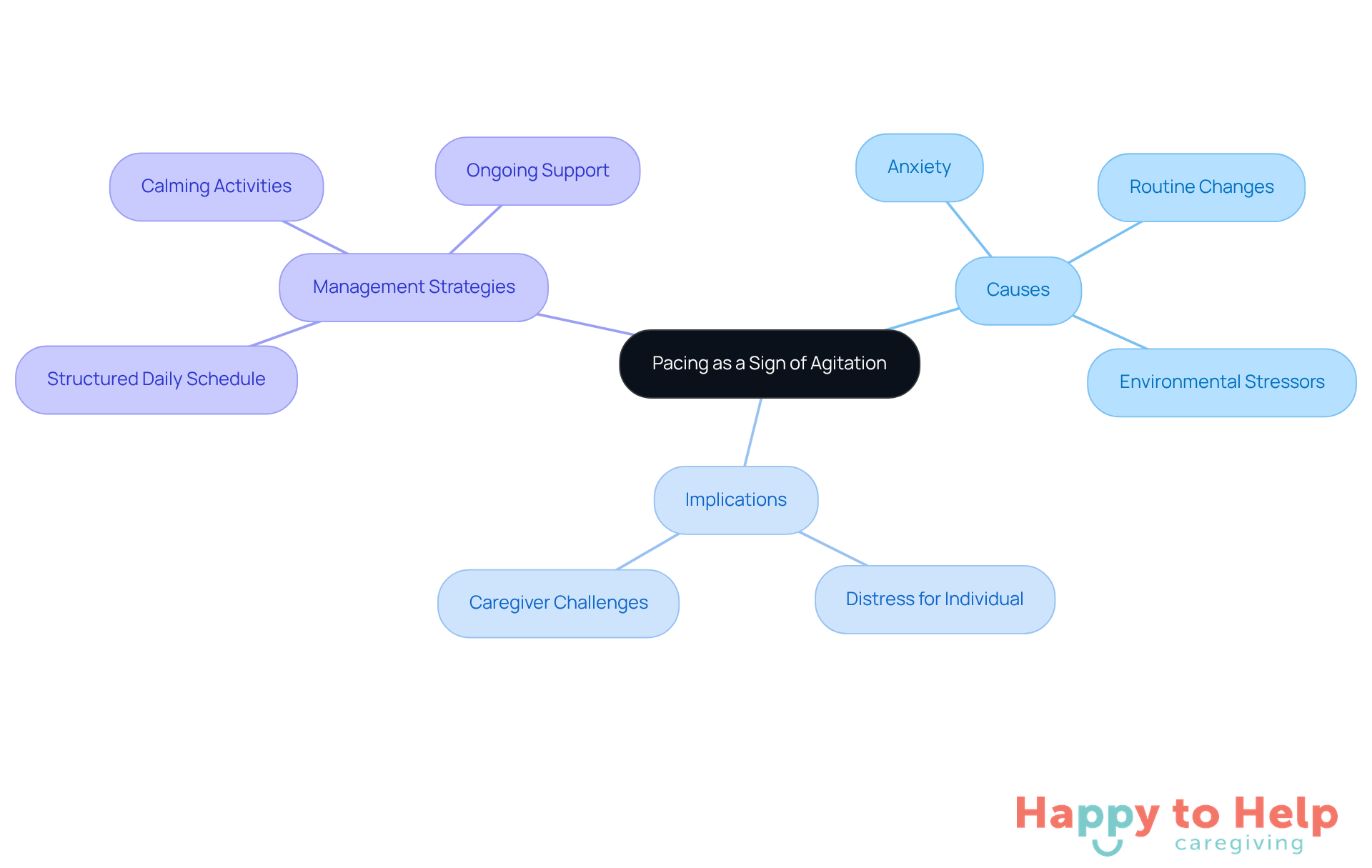
Pacing is a common behavior among individuals with dementia and is often considered one of the signs of agitation in dementia, indicating underlying anxiety or discomfort. This behavior can also be an early indicator of Alzheimer’s disease, making it crucial for caregivers to monitor the circumstances surrounding pacing episodes. For instance, if an individual tends to pace at specific times of the day, it may correlate with changes in their routine or environmental stressors.
Research shows that over half of individuals with early or mild Alzheimer’s exhibit signs of agitation in dementia, which include pacing. This can be distressing for both the individual and their caregivers. To address this issue, implementing a structured daily schedule can provide a sense of stability. Additionally, involving the individual in calming activities - such as gentle exercises or soothing music - can effectively reduce pacing behaviors.
Recognizing that pacing might stem from restlessness or a desire for physical activity allows caregivers to tailor their approach. By creating a serene atmosphere and being responsive to the individual's needs, caregivers can significantly lessen the signs of agitation in dementia and improve the overall standard of care. Furthermore, ongoing caregiver support and education are vital in managing these symptoms effectively.
Evaluate Environmental Triggers of Agitation
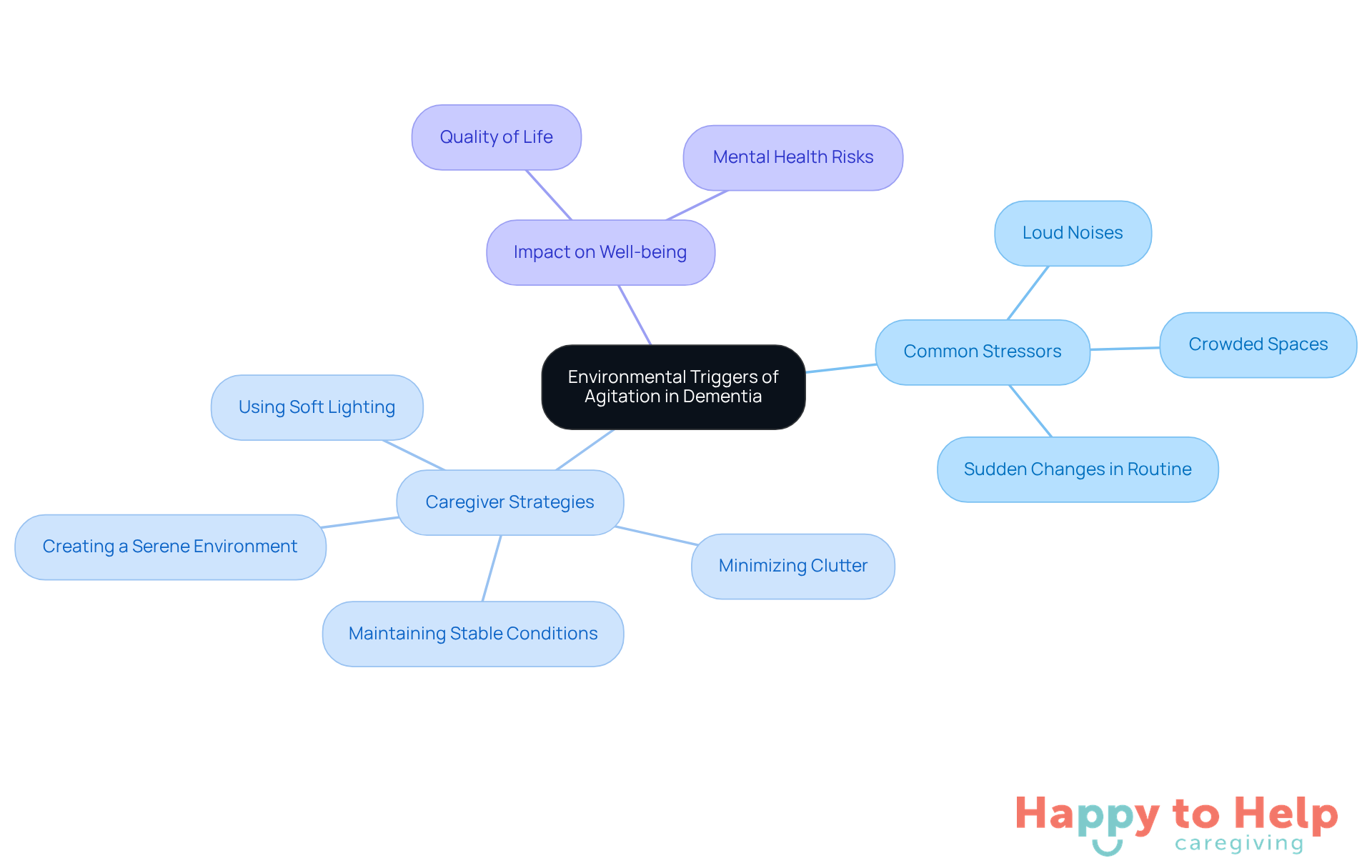
Environmental triggers significantly influence the signs of agitation in dementia among individuals. Common stressors, such as loud noises, crowded spaces, and sudden changes in routine, can lead to signs of agitation in dementia. Caregivers must evaluate their surroundings for potential stressors. For instance, if a patient shows signs of agitation in dementia during family gatherings, it may stem from sensory overload.
Creating a serene, tranquil environment can ease distress and reduce signs of agitation in dementia while promoting a feeling of safety. Studies show that the design of physical spaces is vital in controlling signs of agitation in dementia. Establishing a homelike setting can lessen behavioral and psychological symptoms of cognitive decline. Caregivers have noted that maintaining stable indoor conditions, such as temperature and noise levels, is essential for minimizing signs of agitation in dementia.
One caregiver remarked on the importance of a peaceful environment, stating, "A quiet room can make all the difference in helping my loved one feel safe and relaxed." Implementing strategies such as minimizing clutter, using soft lighting, and ensuring comfortable temperatures can create a calming environment that helps to address signs of agitation in dementia and supports the well-being of individuals with cognitive impairments.
Additionally, a study by Min et al. highlights that extreme temperatures are associated with higher risks of mental health admissions, underscoring the need for stable indoor conditions. Significantly, the temperature in the female dayroom strayed from the comfort range over 50% of the time, demonstrating how environmental conditions can directly influence individual behavior.
Dr. Audrey Low emphasizes that living conditions can affect brain health, further strengthening the link between environmental factors and cognitive decline risk. By tackling these environmental stressors, caregivers can significantly enhance the quality of life for individuals exhibiting signs of agitation in dementia.
Recognize Hunger and Thirst as Contributing Factors to Agitation
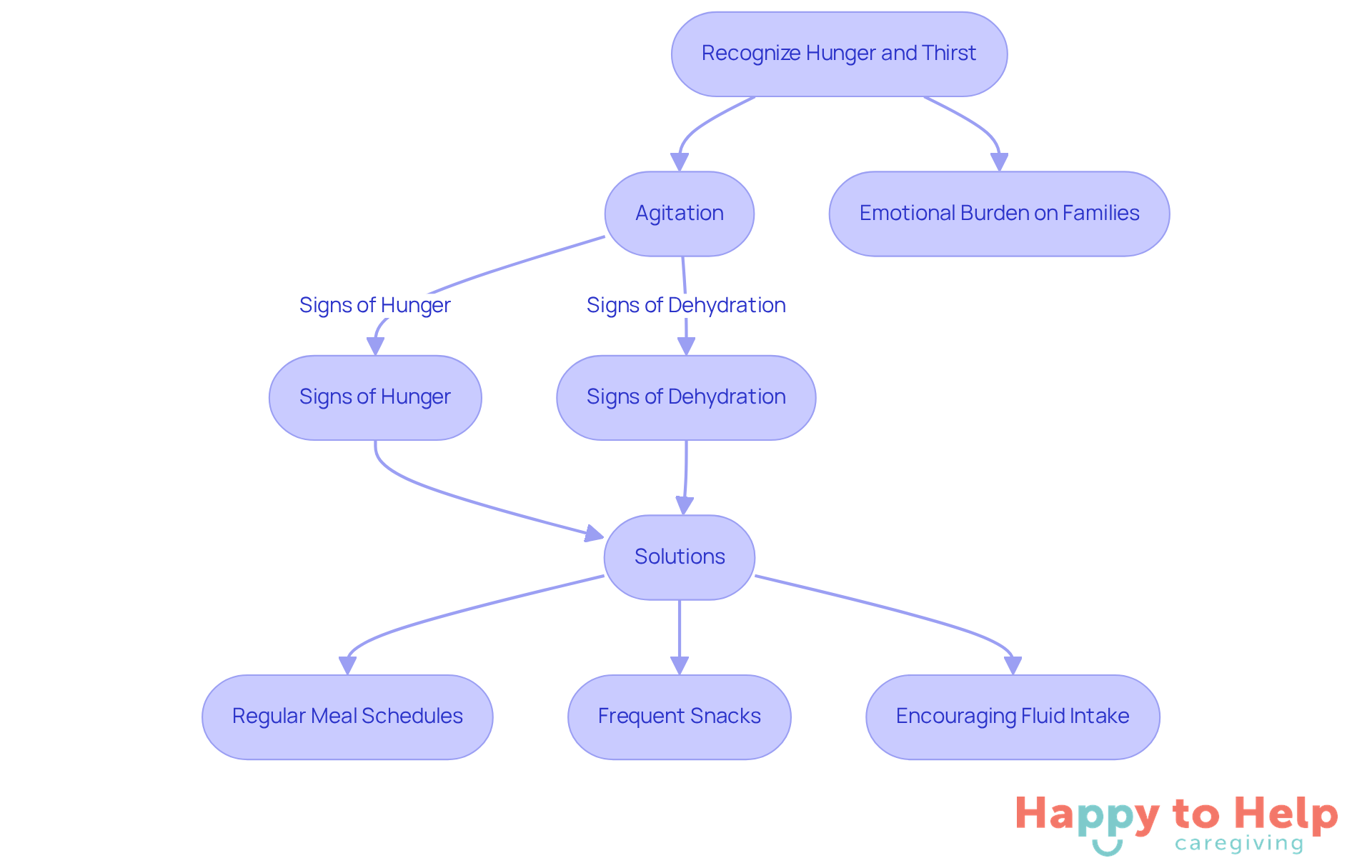
Problem: Individuals with dementia often forget to eat or drink, which can lead to agitation and discomfort. This issue not only affects their physical health but also places a significant emotional burden on families who care for them.
Agitate: Statistics reveal that one in four individuals living with dementia in long-term care facilities suffers from malnutrition. This underscores the urgency of addressing their basic nutritional and hydration needs. Caregivers must be vigilant, as signs of hunger-like restlessness or irritability-can indicate that a loved one is in distress. Additionally, typical signs of dehydration, such as dry mouth, reduced urination, and heightened confusion, are crucial to recognize for timely intervention.
Solution: To combat these challenges, caregivers should establish regular meal and hydration schedules. Offering small, frequent snacks and encouraging fluid intake can significantly help prevent discomfort. By creating routines and being mindful of these essential needs, caregivers can greatly diminish unrest and enhance the overall well-being of their loved ones. Consistent attention to these fundamental needs is vital for both the individual and their family.
Understand Sundowning as a Sign of Agitation
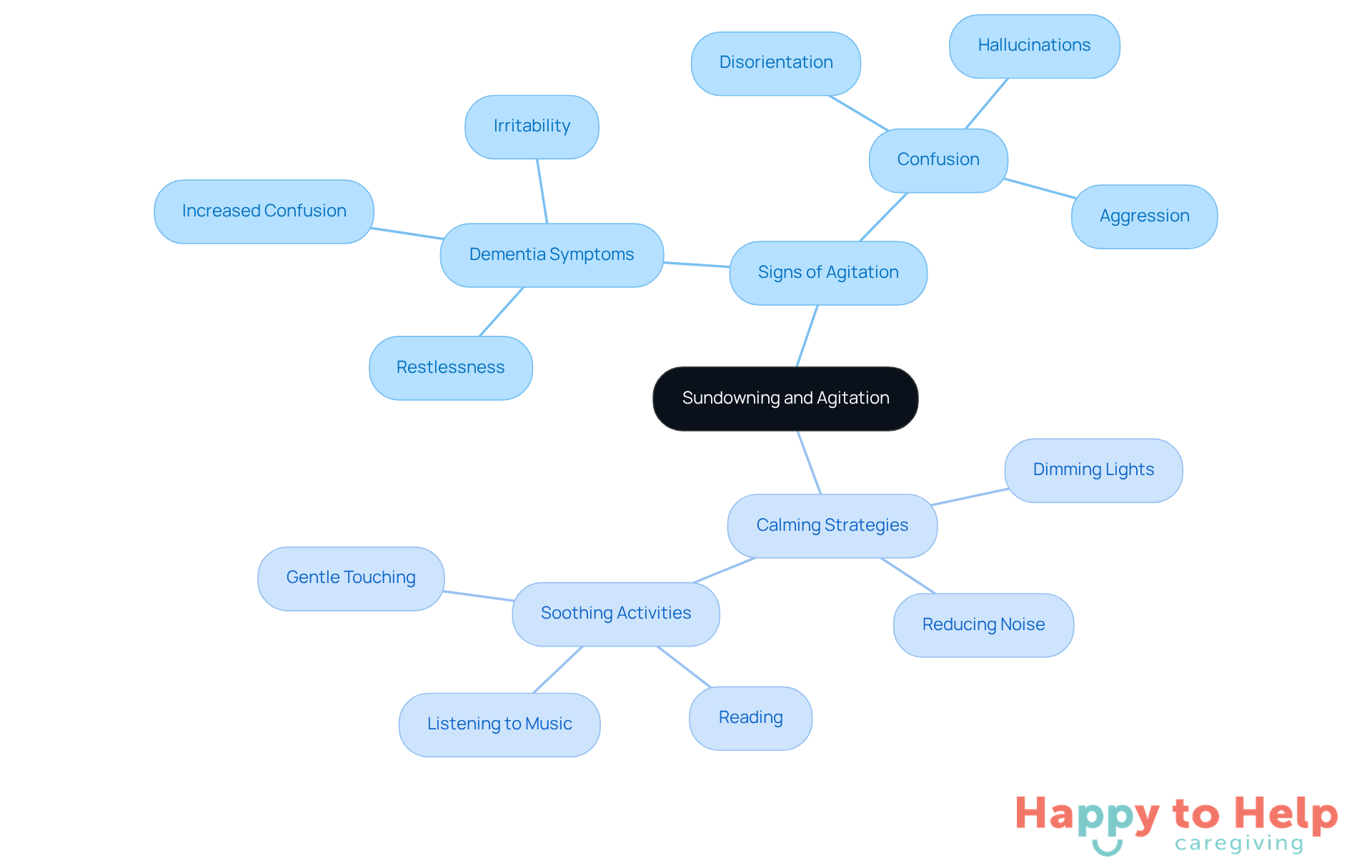
Sundowning presents a significant challenge for caregivers, marked by signs of agitation in dementia and confusion in individuals during the late afternoon or evening. This condition can lead to signs of agitation in dementia, causing heightened stress for both the caregiver and the individual, complicating evening routines and impacting overall well-being.
To address this issue, caregivers can implement a calming evening routine. The following strategies can be effective:
- Dimming lights
- Reducing noise levels
- Involving the individual in soothing activities, such as reading or listening to music
These approaches can promote relaxation and help mitigate the effects of sundowning.
Watch for Changes in Routine as a Sign of Agitation
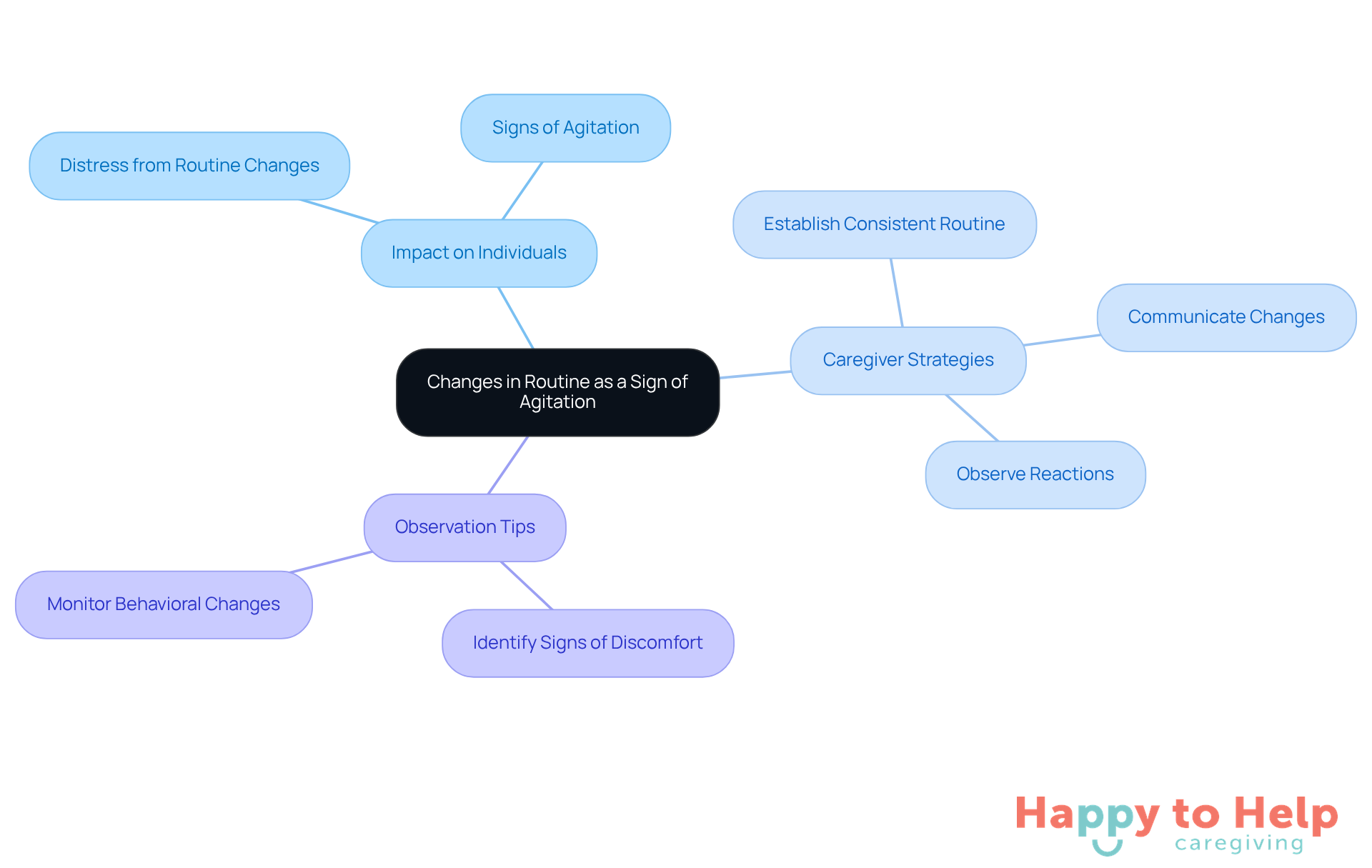
Changes in routine can be particularly distressing for individuals with dementia. Caregivers face the challenge of monitoring how these individuals respond to alterations in their daily schedules. For instance, if an individual exhibits signs of agitation in dementia after a change in mealtime, it may indicate discomfort with the new routine.
To address this issue, maintaining a consistent schedule is crucial. Preparing patients for any necessary changes can significantly help decrease unrest. Here are some actionable tips for caregivers:
- Establish a daily routine that remains as consistent as possible.
- Communicate changes in advance to help individuals adjust.
- Observe reactions closely to identify any signs of agitation in dementia or discomfort.
By implementing these strategies, caregivers can create a more stable environment for individuals with dementia, ultimately improving their overall well-being.
Utilize Support from Happy to Help Caregiving for Managing Agitation Signs
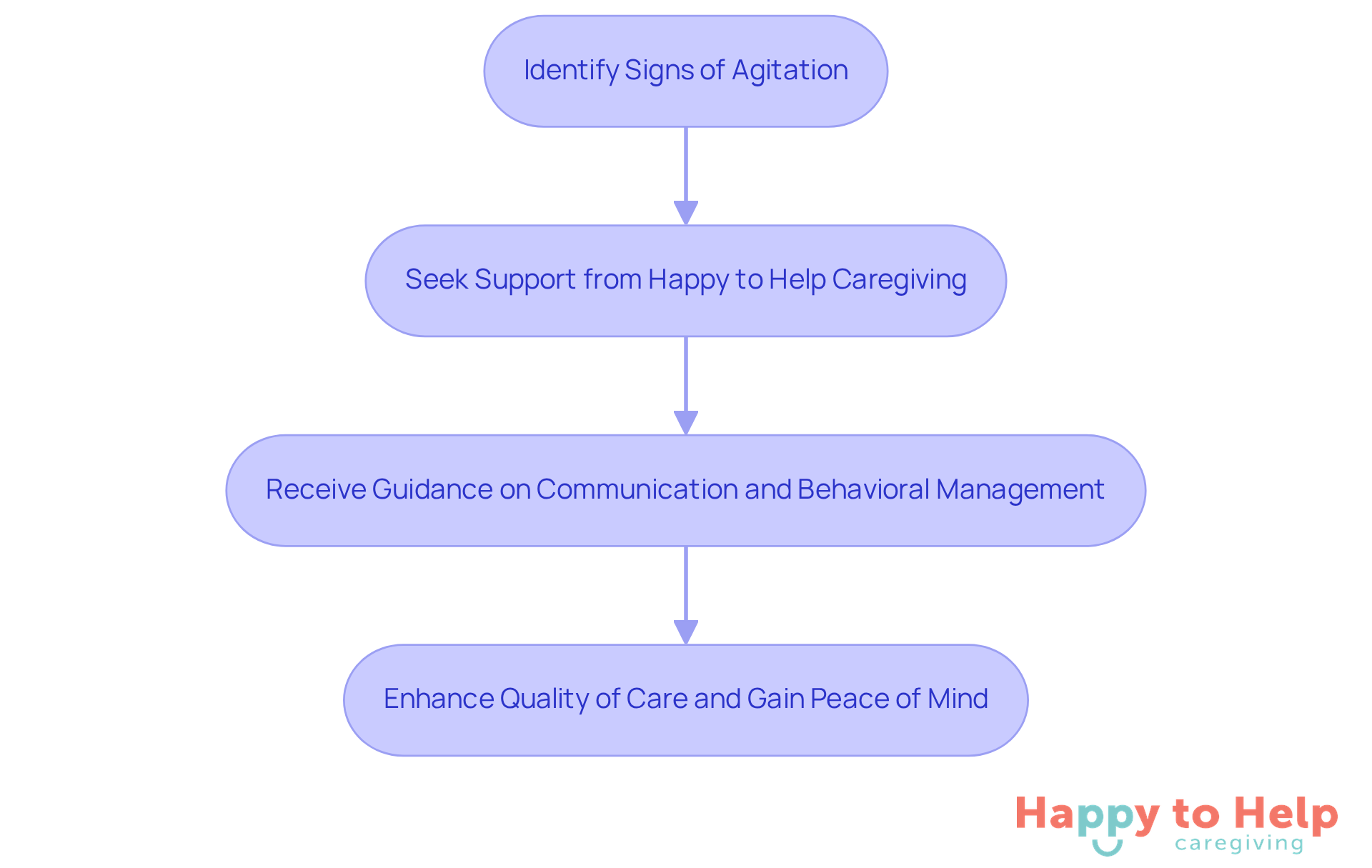
Families often face significant challenges when managing signs of agitation in dementia. Caregivers may feel overwhelmed and unsure of how to effectively support their loved ones.
The signs of agitation in dementia can lead to increased stress for both caregivers and those with dementia, impacting the overall quality of care. Without proper guidance, caregivers might struggle with communication and behavioral management, which can exacerbate the signs of agitation in dementia.
Solution: Engaging with specialized support services, like Happy to Help Caregiving, can make a difference. Caregivers can benefit from trained professionals who understand the nuances of dementia care. They can receive guidance on effective communication strategies and behavioral management techniques. By utilizing these professional services, families can enhance the quality of care and gain peace of mind.
Your Path Forward
Recognizing the signs of agitation in dementia is crucial for caregivers who want to improve the quality of life for those they support. Agitation can manifest as anxiety, restlessness, aggression, and various environmental triggers, creating challenges not only for individuals with dementia but also for their caregivers. This emotional burden can be alleviated through a proactive approach that fosters a more empathetic and supportive atmosphere.
Key signs of agitation include anxiety, restlessness, aggression, verbal agitation, pacing, and environmental factors. Each of these signs presents unique challenges. Caregivers are encouraged to implement strategies such as:
- Creating calming environments
- Establishing routines
- Recognizing basic needs like hunger and thirst
Understanding phenomena like sundowning and the effects of routine changes can significantly enhance caregiving outcomes. By prioritizing awareness and effective management of agitation signs, caregivers can improve the well-being of individuals with dementia.
Fostering a compassionate approach and utilizing support services, such as Happy to Help Caregiving, empowers caregivers to navigate the complexities of dementia care. This not only enhances the quality of life for those with dementia but also cultivates a sense of community and resilience in the caregiving journey.
https://iframe.tely.ai/cta/eyJhcnRpY2xlX2lkIjogIjY5M2Y1MDgxNjk1NDdlMzRlNWE0ZWU1YiIsICJjb21wYW55X2lkIjogIjY4ZWU1ZGNhNzMxNzYyNTU3ZjNjOTVjMSIsICJpbmRleCI6IG51bGwsICJ0eXBlIjogImFydGljbGUifQ==Frequently Asked Questions
What are the signs of anxiety in individuals with dementia?
Signs of anxiety in individuals with dementia can include fidgeting, restlessness, and verbal expressions of worry, such as frequently asking about family members or expressing fears of being alone.
Why is it important for caregivers to recognize signs of agitation in dementia?
Recognizing signs of agitation is crucial because it allows caregivers to provide timely reassurance and comfort, which can significantly reduce agitation and improve the well-being of individuals with dementia.
How does anxiety affect cognitive decline in individuals with dementia?
Individuals with anxiety may show symptoms of cognitive decline about three years earlier than those without anxiety, highlighting the importance of addressing anxiety in cognitive care.
How can caregivers manage their own anxiety?
Caregivers can manage their anxiety by recognizing their own signs of stress, seeking support, and implementing effective self-care strategies, such as mindfulness techniques and structured routines.
What role does open dialogue play in managing anxiety among caregivers?
Open dialogue and emotional support are essential for caregivers, as sharing experiences with others in similar situations can foster a sense of community and alleviate feelings of isolation.
What are some practical solutions for addressing restlessness in individuals with dementia?
Caregivers can address restlessness by redirecting individuals to calming activities and providing a safe space for movement, allowing them to express their restlessness in a controlled manner.
How can aggression be recognized as a sign of agitation in dementia?
Aggression can manifest as verbal outbursts, physical aggression, or hostile gestures, often stemming from fear, confusion, or unmet needs, and is prevalent in 30% to 50% of individuals with cognitive decline.
What strategies can caregivers use to manage aggression in individuals with dementia?
Caregivers can manage aggression by maintaining a calm demeanor, avoiding confrontation, establishing trust, creating a comfortable environment, and involving individuals in enjoyable activities to reduce frustration.
Why is understanding an individual's history and preferences important for caregivers?
Understanding an individual's history, preferences, and routines is vital for providing effective support and improving the quality of care for people with memory disorders.
List of Sources
- Recognize Anxiety as a Sign of Agitation in Dementia
- Anxiety may increase risk of dementia, study finds | CNN (https://cnn.com/2024/07/29/health/anxiety-increases-dementia-risk-wellness)
- Dementia: Multiple mental health conditions linked to 90% higher risk (https://medicalnewstoday.com/articles/having-2-more-mood-anxiety-disorders-may-increase-dementia-risk-90-percent)
- Inspirational Quotes about Dementia | CareYaya (https://careyaya.org/resources/blog/inspirational-quotes-about-dementia)
- American Academy of Neurology: Neurology Resources | AAN (https://aan.com/PressRoom/Home/PressRelease/4862)
- Caregiver Dementia Quotes (Encouragement For Dementia Caregivers) (https://optoceutics.com/caregiver-dementia-quotes-encouragement-dementia-caregivers?srsltid=AfmBOoq5qV6ol5in9NkPYauHKL1PBbfJLaB-crl76uxNcRZ4eeGvqw5M)
- Identify Restlessness in Individuals with Dementia
- Widespread Misunderstanding of Agitation in Alzheimer Dementia Leaves US Caregivers Struggling (https://hmpgloballearningnetwork.com/site/altc/news/widespread-misunderstanding-agitation-alzheimer-dementia-leaves-us-caregivers)
- Family caregivers of people with Alzheimer’s fail to grasp agitation, survey finds (https://mcknightshomecare.com/news/family-caregivers-of-people-with-alzheimers-fail-to-grasp-agitation-survey-finds)
- FDA Approves First Drug to Treat Agitation Symptoms Associated with Dementia due to Alzheimer’s Disease (https://fda.gov/news-events/press-announcements/fda-approves-first-drug-treat-agitation-symptoms-associated-dementia-due-alzheimers-disease)
- Healthcare Resource Utilization Among Patients With Agitation in Alzheimer Dementia | Published in Journal of Health Economics and Outcomes Research (https://jheor.org/article/124455-healthcare-resource-utilization-among-patients-with-agitation-in-alzheimer-dementia)
- New Survey Reveals Critical Gaps in Awareness and Understanding of Agitation in Alzheimer’s Dementia - Alliance for Aging Research (https://agingresearch.org/news/new-survey-reveals-critical-gaps-in-awareness-and-understanding-of-agitation-in-alzheimers-dementia)
- Acknowledge Aggression as a Key Indicator of Agitation
- Aggressive behaviour and dementia (https://alzheimers.org.uk/about-dementia/stages-and-symptoms/dementia-symptoms/aggressive-behaviour-and-dementia)
- Staff and residents are ‘scared to death’ of violent patients at dementia care homes (https://npr.org/sections/shots-health-news/2024/08/08/nx-s1-5066969/dementia-violence-violent-patient-nursing-homes)
- A New Report Sheds Light on Caregiving Challenges With Alzheimer’s (https://healthcentral.com/news/alzheimers-disease/a-new-report-sheds-light-on-caregiving-challenges-with-alzheimers)
- Development and treatment of aggression in individuals with dementia (https://sciencedirect.com/science/article/abs/pii/S1359178920300781)
- Observe Verbal Agitation in Dementia Patients
- Widespread Misunderstanding of Agitation in Alzheimer Dementia Leaves US Caregivers Struggling (https://hmpgloballearningnetwork.com/site/altc/news/widespread-misunderstanding-agitation-alzheimer-dementia-leaves-us-caregivers)
- 'Scared to Death': Nurses and Residents Confront Rampant Violence in Dementia Care Facilities - KFF Health News (https://kffhealthnews.org/news/article/dementia-resident-violence-rampant-montana)
- Barbara Corcoran Announces Collaboration with Otsuka and Lundbeck to Raise Awareness of Agitation in Alzheimer’s Dementia | Otsuka US (https://otsuka-us.com/news/barbara-corcoran-announces-collaboration-otsuka-and-lundbeck-raise-awareness-agitation)
- Publication Highlights Person-Centered Approach to Managing Agitation in Alzheimer’s Disease (https://geron.org/News-Events/GSA-News/Press-Room/Press-Releases/publication-highlights-person-centered-approach-to-managing-agitation-in-alzheimers-disease)
- New Survey Reveals Critical Gaps in Awareness and Understanding of Agitation in Alzheimer’s Dementia - Alliance for Aging Research (https://agingresearch.org/news/new-survey-reveals-critical-gaps-in-awareness-and-understanding-of-agitation-in-alzheimers-dementia)
- Monitor Pacing as a Sign of Agitation
- Understanding Pacing as a Symptom of Alzheimer’s Disease (https://healthline.com/health/alzheimers/pacing-and-alzheimers)
- FDA Approves First Drug to Treat Agitation Symptoms Associated with Dementia due to Alzheimer’s Disease (https://fda.gov/news-events/press-announcements/fda-approves-first-drug-treat-agitation-symptoms-associated-dementia-due-alzheimers-disease)
- The Real-World Burden of Dementia-Related Agitation: Insights, Impacts, and Innovations (https://psychiatryadvisor.com/cch/dementia-related-agitation-alzheimer-disease-brexpiprazole)
- A silent struggle: Caregiving for a patient with agitation associated with dementia due to Alzheimer’s disease (https://statnews.com/sponsor/2023/10/04/a-silent-struggle-caregiving-for-a-patient-with-agitation-associated-with-dementia-due-to-alzheimers-disease)
- New Survey Reveals Critical Gaps in Awareness and Understanding of Agitation in Alzheimer’s Dementia - Alliance for Aging Research (https://agingresearch.org/news/new-survey-reveals-critical-gaps-in-awareness-and-understanding-of-agitation-in-alzheimers-dementia)
- Evaluate Environmental Triggers of Agitation
- Indoor environmental conditions and likelihood of reported violence and aggression in a purpose-built residential dementia hospital (https://sciencedirect.com/science/article/pii/S0272494424002500)
- Researchers discover why living in a deprived neighborhood may raise dementia risk (https://news-medical.net/news/20251105/Researchers-discover-why-living-in-a-deprived-neighborhood-may-raise-dementia-risk.aspx)
- Uncovering dementia’s environmental triggers (https://news.uga.edu/uncovering-dementias-environmental-triggers)
- The Real-World Burden of Dementia-Related Agitation: Insights, Impacts, and Innovations (https://psychiatryadvisor.com/cch/dementia-related-agitation-alzheimer-disease-brexpiprazole)
- Where You Live May Affect Your Brain Health, New Study Finds (https://newsroom.wakehealth.edu/news-releases/2025/10/where-you-live-may-affect-your-brain-health)
- Recognize Hunger and Thirst as Contributing Factors to Agitation
- New research reveals high rates of malnutrition in people living with dementia in long-term care (https://medicalxpress.com/news/2023-06-reveals-high-malnutrition-people-dementia.html)
- Preventing Dehydration in Elderly with Dementia: Essential Hydration Tips (https://caregiveraction.org/dehydration-in-dementia)
- The Family Caregiver - Appetite and Dementia (LMTAAA) (https://lmtaaa.org/the-family-caregiver---appetite-and-dementia)
- (https://lifescience.net/publications/1590813/prevalence-of-malnutrition-in-people-with-dementia)
- Prevalence of Malnutrition in People with Dementia in Long-Term Care: A Systematic Review and Meta-Analysis - PMC (https://pmc.ncbi.nlm.nih.gov/articles/PMC10343750)
- Understand Sundowning as a Sign of Agitation
- Frontiers | Sundowning in Dementia: Clinical Relevance, Pathophysiological Determinants, and Therapeutic Approaches (https://frontiersin.org/journals/medicine/articles/10.3389/fmed.2016.00073/full)
- Sundowning: the condition with symptoms that appear at sunset (https://dementiasplatform.uk/news-and-media/blog/sundowning-the-condition-with-symptoms-that-appear-at-sunset)
- Coping With Agitation, Aggression, and Sundowning in Alzheimer's Disease (https://nia.nih.gov/health/alzheimers-changes-behavior-and-communication/coping-agitation-aggression-and-sundowning)
- What is dementia sundowning? Signs, symptoms and tips (https://dementiauk.org/information-and-support/health-advice/sundowning)
- Psychologist explains dementia sign that worsens in the afternoon (https://mirror.co.uk/news/uk-news/psychologist-explains-overlooked-dementia-symptom-36345657)
- Utilize Support from Happy to Help Caregiving for Managing Agitation Signs
- Caregiver Statistics: Demographics (https://caregiver.org/resource/caregiver-statistics-demographics)
- Dementia Care Programs Help, If Caregivers Can Find Them - KFF Health News (https://kffhealthnews.org/news/article/dementia-care-programs-alzheimers-caregiving-navigating-aging)
- Non-drug therapies show real promise in calming agitation in Alzheimer’s (https://news-medical.net/news/20250528/Non-drug-therapies-show-real-promise-in-calming-agitation-in-Alzheimere28099s.aspx)
- New Help for Dealing With Aggression in People With Dementia (https://moneytalksnews.com/new-help-for-dealing-with-aggression-in-people-with-dementia)
- New Help for Dealing With Aggression in People With Dementia - KFF Health News (https://kffhealthnews.org/news/article/dementia-aggression-caregiver-resources-help)