

For families in our service areas
For families in our service areas, this guide explains caregiver support and how non-medical in-home caregiving can support care planning in East Idaho, Treasure Valley & Magic Valley, Northern Wasatch, North Central West Virginia, and Northeast Ohio.
The Importance of 10 PCA Services Near Me to Support
The landscape of caregiving is evolving. More families are seeking personalized support for their loved ones, which presents a significant challenge. Nearly 1 in 4 Americans is a caregiver, and the struggle to maintain quality care while juggling personal responsibilities can feel overwhelming.
This article explores ten essential PCA services that cater to the unique needs of family caregivers. These services not only support caregivers but also enhance the well-being of those they care for. Caregivers often wonder: What strategies can they implement to provide the best support without sacrificing their own health and happiness?
By addressing these questions, we aim to provide clear, practical solutions that empower caregivers to navigate their responsibilities effectively.
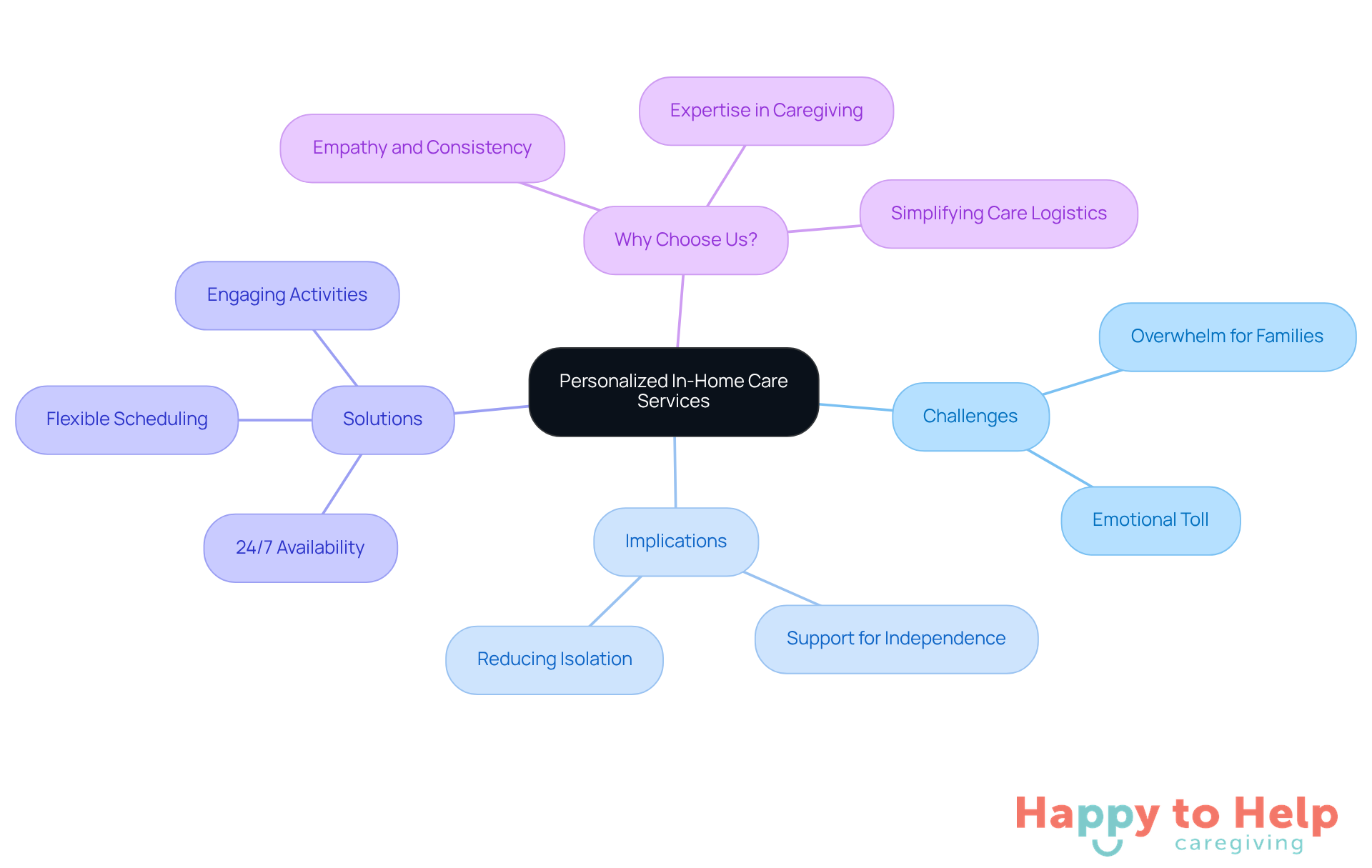
Happy to Help Caregiving: Personalized In-Home Care Services
The Challenge of Caregiving
As the demand for home support services rises, caregivers face significant challenges. Demographic changes and the desire of seniors to age in place - 75% of seniors prefer to remain at home if possible - create a pressing need for tailored assistance. This situation can lead to feelings of overwhelm for families trying to navigate the complexities of caregiving.
The Implications
The emotional toll on caregivers can be substantial. Many older adults feel most comfortable in their homes, yet they often require support to maintain their independence. Caregivers not only provide physical assistance but also emotional support, which is crucial for alleviating feelings of loneliness and isolation. This dual role can be demanding, making it essential for caregivers to find reliable resources.
The Solution: Personalized Care
Happy to Help Caregiving stands out by offering personalized solutions that adapt to the evolving needs of individuals. Their services include:
- 24/7 availability
- Flexible scheduling
- Focus on maintaining independence
These features are vital for enhancing the overall caregiving experience, ensuring that clients receive dependable support in the comfort of their own homes.
The Impact of Personalized Care
Studies show that personalized care significantly improves seniors' quality of life. Caregivers at Happy to Help Caregiving are trained to engage clients in enjoyable activities, fostering a sense of connection and reducing feelings of isolation. Testimonials from families highlight the transformative impact of this compassionate approach.
Why Choose Happy to Help Caregiving?
In a landscape where nearly 1 in 4 Americans is a caregiver - a staggering 45% increase since 2015 - the importance of agencies like Happy to Help Caregiving cannot be overstated. Their commitment to empathy, consistency, and communication ensures that clients receive familiar assistance, making the transition to in-home support smoother for families. Additionally, with complex employment regulations complicating the hiring of private aides, choosing a home assistance agency like Happy to Help Caregiving offers a practical solution to meet caregiving needs.
Companionship Care: Emotional Support and Social Engagement
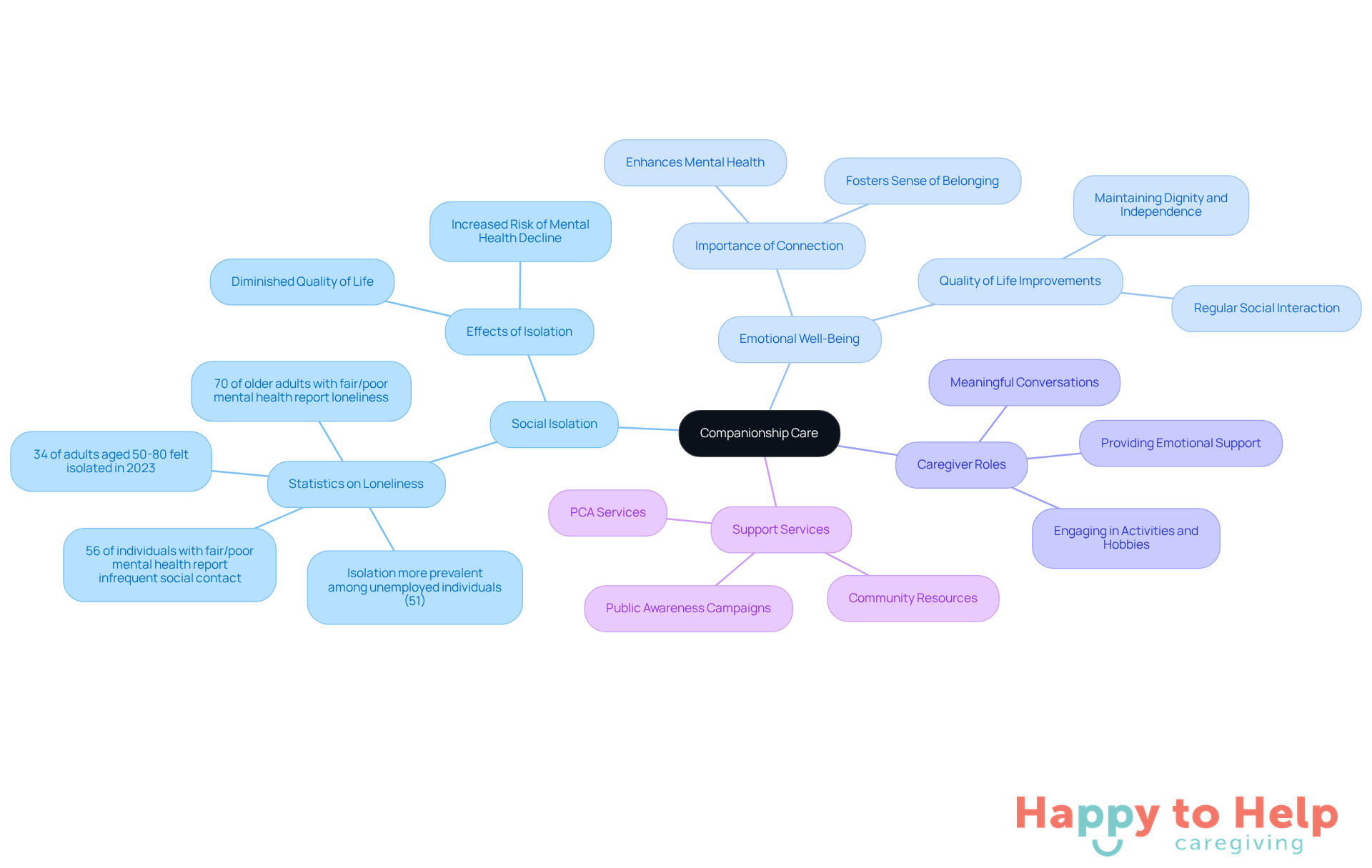
Companionship care addresses a significant problem: social isolation among seniors. Research from 2023 reveals that over 70% of older adults with fair or poor mental health report feelings of loneliness. This isolation can severely impact their emotional well-being, leading to a decline in mental health.
The implications of this issue are profound. Feelings of loneliness can diminish seniors' quality of life, making it essential to foster social engagement. Caregivers play a vital role in this process by actively involving seniors in meaningful conversations, activities, and hobbies. Such engagement not only alleviates feelings of isolation but also cultivates a sense of connection and belonging, which is crucial for mental health.
To combat these challenges, caregivers can implement companionship support services, such as pca services near me. By providing regular social interaction, caregivers help seniors maintain their dignity and independence, ultimately enhancing their overall quality of life. Studies show that individuals with strong social connections experience significantly lower rates of loneliness.
As highlighted by the Committee, "Health providers should periodically conduct evaluations to identify older adults facing social isolation and loneliness." This underscores the essential role of companionship support in addressing these issues. Happy to Help Caregiving's companionship services, including pca services near me, are specifically designed to meet these needs, ensuring that seniors receive the emotional support necessary for a fulfilling life.
Post-Hospital Recovery Assistance: Smooth Transition to Home Care
Transitioning from hospital to home can be a challenging process for many individuals. Without proper support, patients may struggle to adapt, leading to potential complications and increased readmission rates. In fact, studies indicate that patients who lack home support face a significantly higher risk of returning to the hospital.
Caregivers play a crucial role in this transition, providing essential services that can make all the difference. They assist with medication management, daily activities, and offer motivation for rehabilitation exercises. This comprehensive support is vital; patients receiving home assistance experience a 20% lower readmission rate compared to those who do not.
To enhance recovery outcomes, caregivers should focus on ensuring that patients adhere to their prescribed treatment plans while also providing emotional support. The comfort of home, combined with individualized care, creates a healing environment that promotes not only physical recovery but also overall well-being.
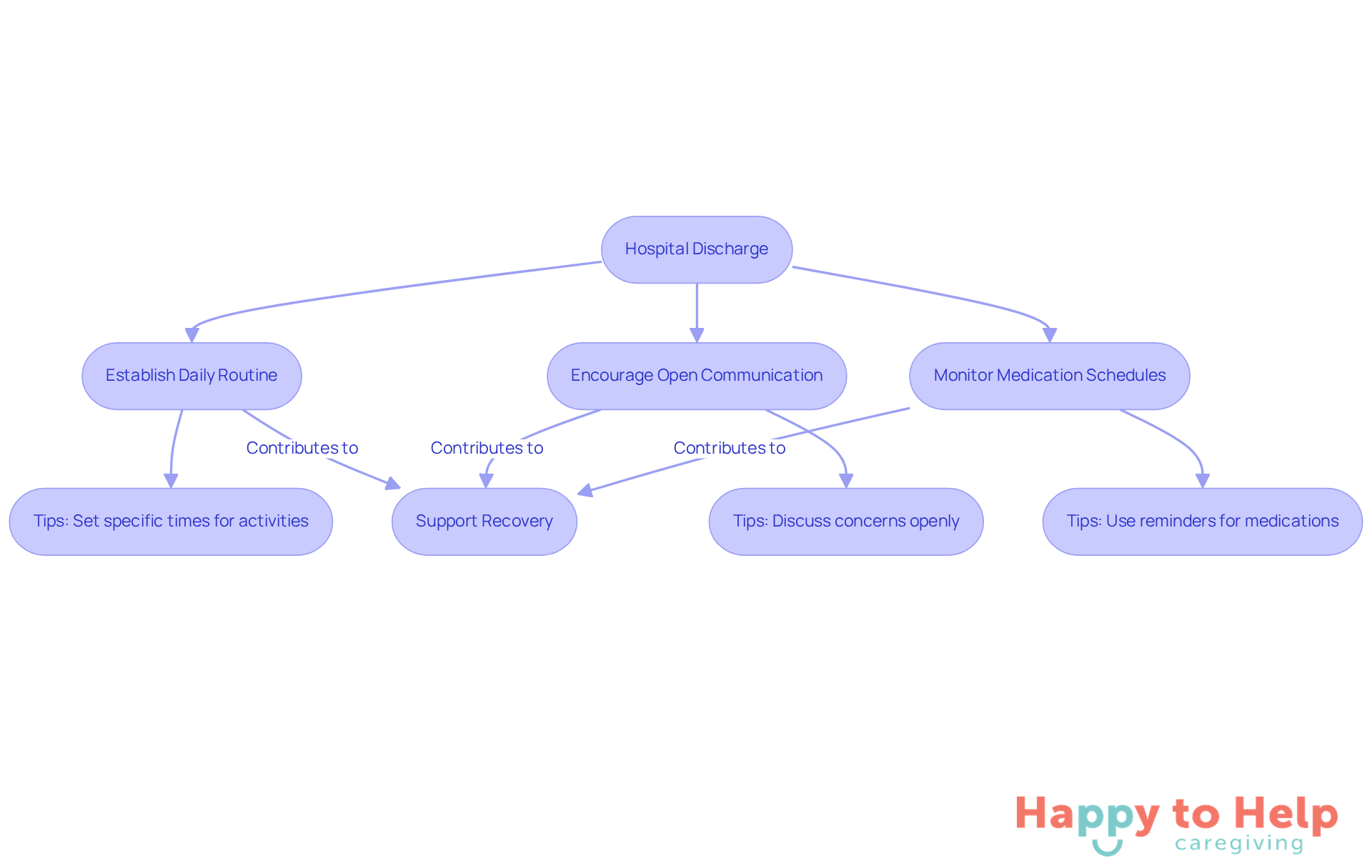
Healthcare professionals emphasize the importance of a smooth transition from hospital to home. By implementing effective strategies, caregivers can prevent complications and contribute to long-term health stability. Here are some actionable tips for caregivers:
- Establish a daily routine to help patients stay on track with their recovery.
- Encourage open communication about any concerns or difficulties the patient may face.
- Monitor medication schedules closely to ensure adherence.
By focusing on these areas, caregivers can significantly improve the recovery experience for patients, fostering a supportive environment that aids in their healing journey.
Respite Care: Support for Family Caregivers
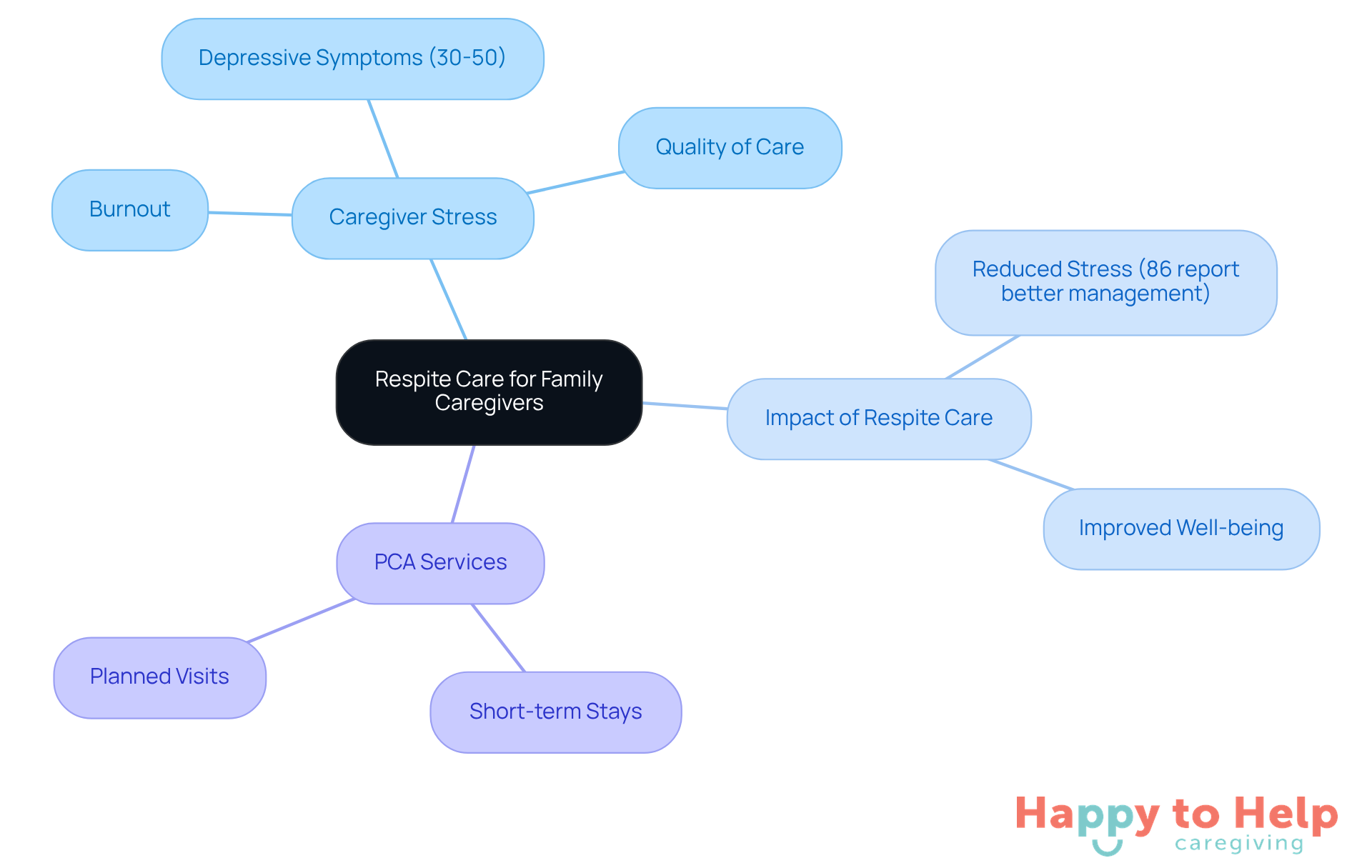
Caregivers often face significant stress, which can lead to burnout and mental health issues. Research indicates that 30-50% of those providing care experience depressive symptoms, highlighting the urgent need for relief. Without proper breaks, caregivers may struggle to manage their responsibilities effectively, impacting both their well-being and the quality of support they provide.
PCA services near me offer vital respite assistance, providing temporary relief for caregivers. This service can include:
- Short-term stays
- Planned visits from professional support staff
This allows family members the chance to rest, manage personal responsibilities, or simply recharge. Studies show that respite services greatly reduce stress, with 86% of individuals reporting better management of assistance for their loved ones after utilizing these services (Southern Caregiver Resource Center).
By prioritizing respite support, families can cultivate a healthier caregiving atmosphere. As Tony, a support provider, stated, "Respite support services have been a blessing, allowing me time to relax while ensuring my loved one is secure." This not only improves the well-being of caregivers but also enhances the quality of care provided to clients.
In summary, taking breaks is essential for maintaining mental health and ensuring effective caregiving. Families should consider PCA services near me as a practical solution to support both themselves and their loved ones.
Palliative Support Care: Enhancing Comfort for Serious Illnesses
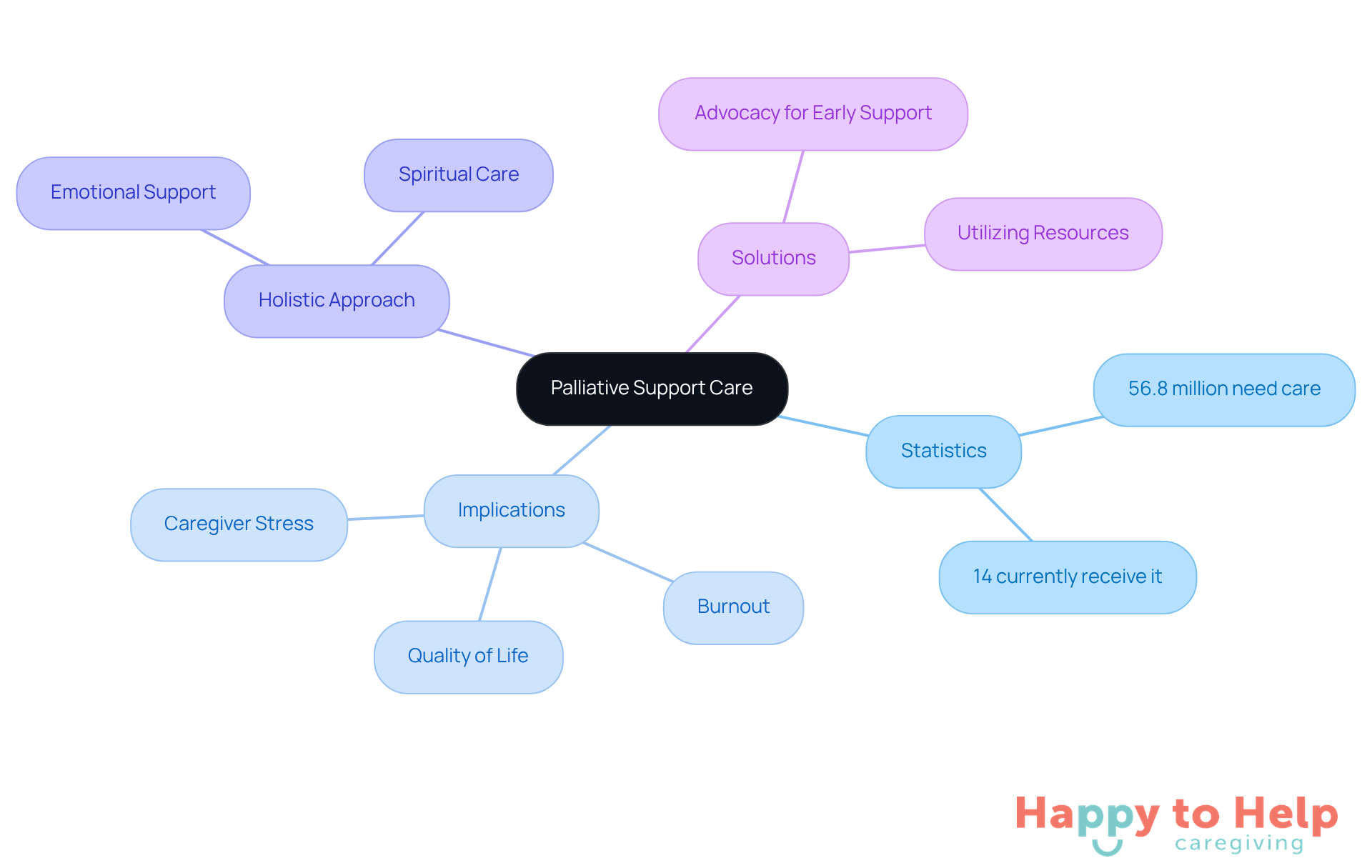
Palliative support addresses a significant problem: the lack of comfort and quality of life for individuals facing serious illnesses. With an estimated 56.8 million people needing palliative care each year, only about 14% currently receive it. This gap highlights the critical need for these services, as caregivers are essential in providing not just physical assistance but also emotional and spiritual support.
The implications of inadequate palliative support are profound. Caregivers often struggle to meet the holistic needs of their clients, which can lead to increased stress and burnout. Research indicates that early incorporation of palliative support can enhance health-related quality of life, reduce unnecessary hospitalizations, and promote overall well-being. This comprehensive approach fosters a sense of value and concern, even in the most challenging circumstances.
To address these challenges, healthcare providers emphasize the importance of a holistic approach that prioritizes patient comfort and individual needs. Successful palliative support programs, such as those overseen by WHO, demonstrate the effectiveness of tailored compassionate assistance. As the demand for these services grows due to aging populations and rising noncommunicable diseases, understanding the emotional support needs of individuals with serious illnesses becomes increasingly vital.
In summary, caregivers can implement practical solutions by advocating for early palliative support and utilizing available resources to enhance their clients' quality of life. By recognizing the importance of emotional and spiritual care, caregivers can better address the holistic needs of those they support.
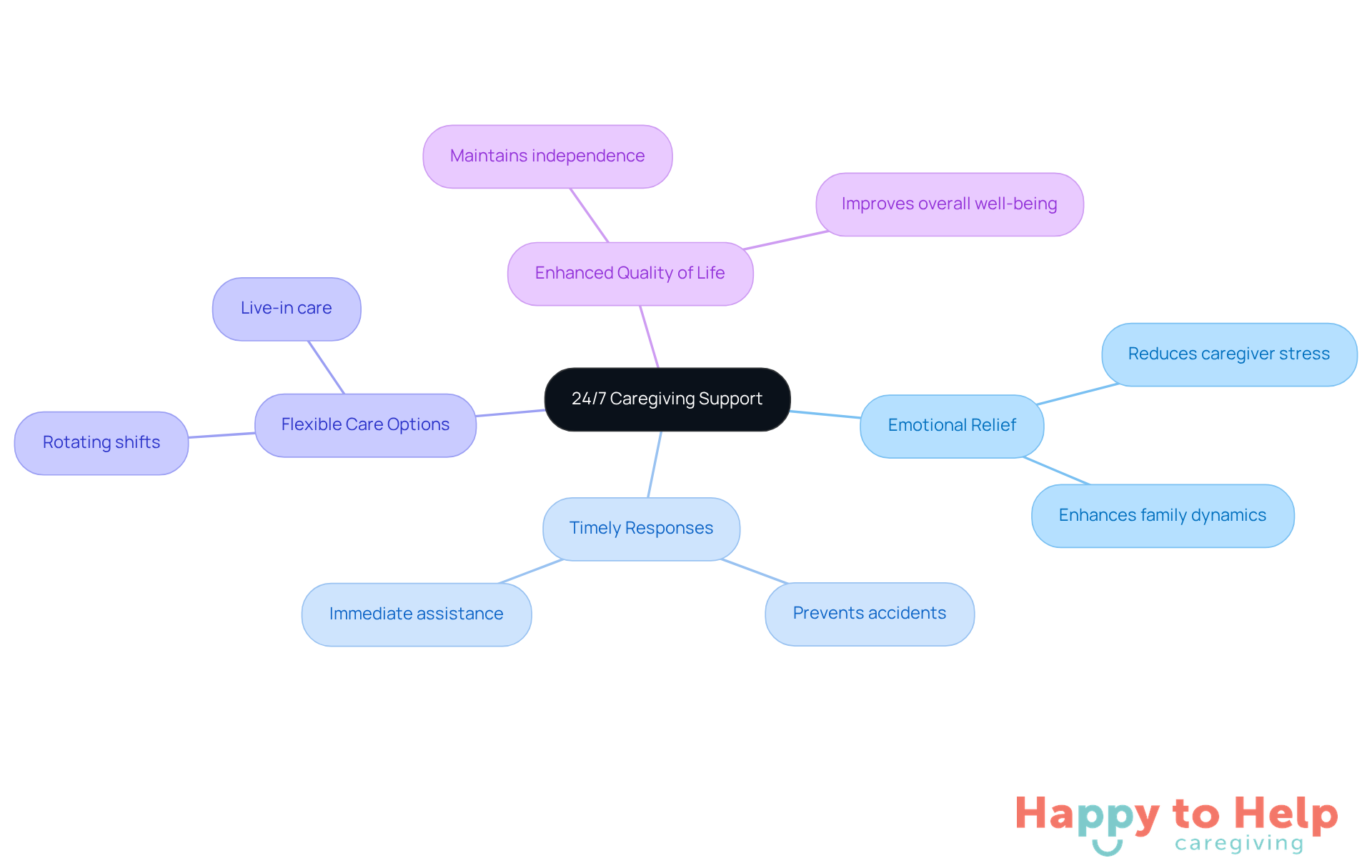
24/7 Availability: Ensuring Constant Support for Clients
Caregiving can be a daunting task, especially for those managing complex health needs or emergencies. The emotional and physical burden often weighs heavily on caregivers, leading to stress and anxiety. Families frequently worry about their loved ones being alone, which can detract from their own well-being.
This is where 24/7 caregiving support becomes essential. With constant assistance available, families can rest easy knowing help is just a call away. Trained caregivers provide timely responses to urgent situations, helping to prevent accidents and ensuring that needs are met promptly. This ongoing support fosters a sense of safety and stability, allowing individuals to maintain their independence in a familiar environment.
Moreover, the flexibility of round-the-clock care options, such as rotating shifts or live-in assistance, ensures that households receive reliable help tailored to their specific needs. This adaptability not only enhances the caregiving experience but also significantly improves the quality of life for individuals.
Ultimately, the commitment to continuous support transforms home care, offering reassurance to families and enhancing the overall caregiving experience. As experts emphasize, 24/7 senior support not only boosts safety but also allows families to leave home without worry, confident that their loved ones are in capable hands.
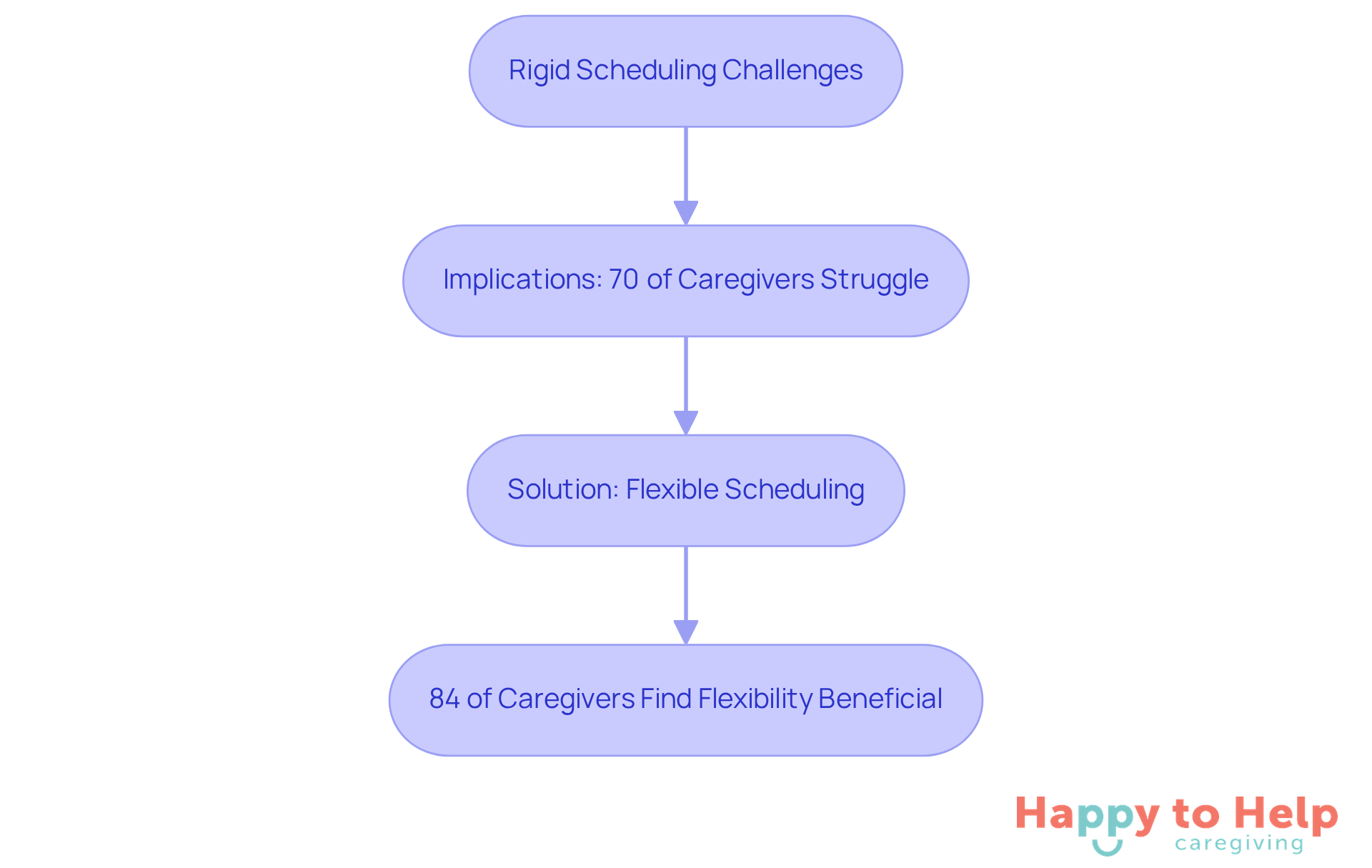
Flexible Scheduling: Tailoring Care to Individual Needs
Problem: Caregivers often face challenges with rigid scheduling, which can hinder their ability to provide personalized support. This inflexibility can lead to dissatisfaction among clients and caregivers alike, particularly for seniors who have varying needs based on health conditions or personal preferences.
Agitate: The implications of this issue are significant. Many caregivers struggle to balance their dual roles, with 70% facing work-related challenges due to their caregiving responsibilities. This pressure can diminish the quality of care provided, leaving clients feeling unsupported and families frustrated. Moreover, without tailored support, seniors may feel a loss of independence, impacting their emotional well-being.
Solution: Flexible scheduling is a cornerstone of Happy to Help Caregiving, allowing caregivers to tailor their services based on the distinct requirements of each individual. This flexibility ensures that support is accessible during specific hours or on certain days, aligning assistance with individuals' daily routines and preferences. Such personalized support not only promotes a sense of independence but also greatly improves customer satisfaction. For instance, 84% of caregivers found flexible work schedules very beneficial, indicating that personalized schedules can enhance emotional well-being among individuals, as they feel more in control of their support.
By meeting these individual needs, Happy to Help Caregiving demonstrates a successful personalized support model that prioritizes client comfort and happiness. The positive feedback from families underscores the impact of flexible care arrangements, with many expressing gratitude for the agency's commitment to meeting their loved ones' specific needs. This dedication to adaptability not only assists clients but also recognizes the difficulties that caregivers face, ultimately fostering a more supportive environment for everyone involved.
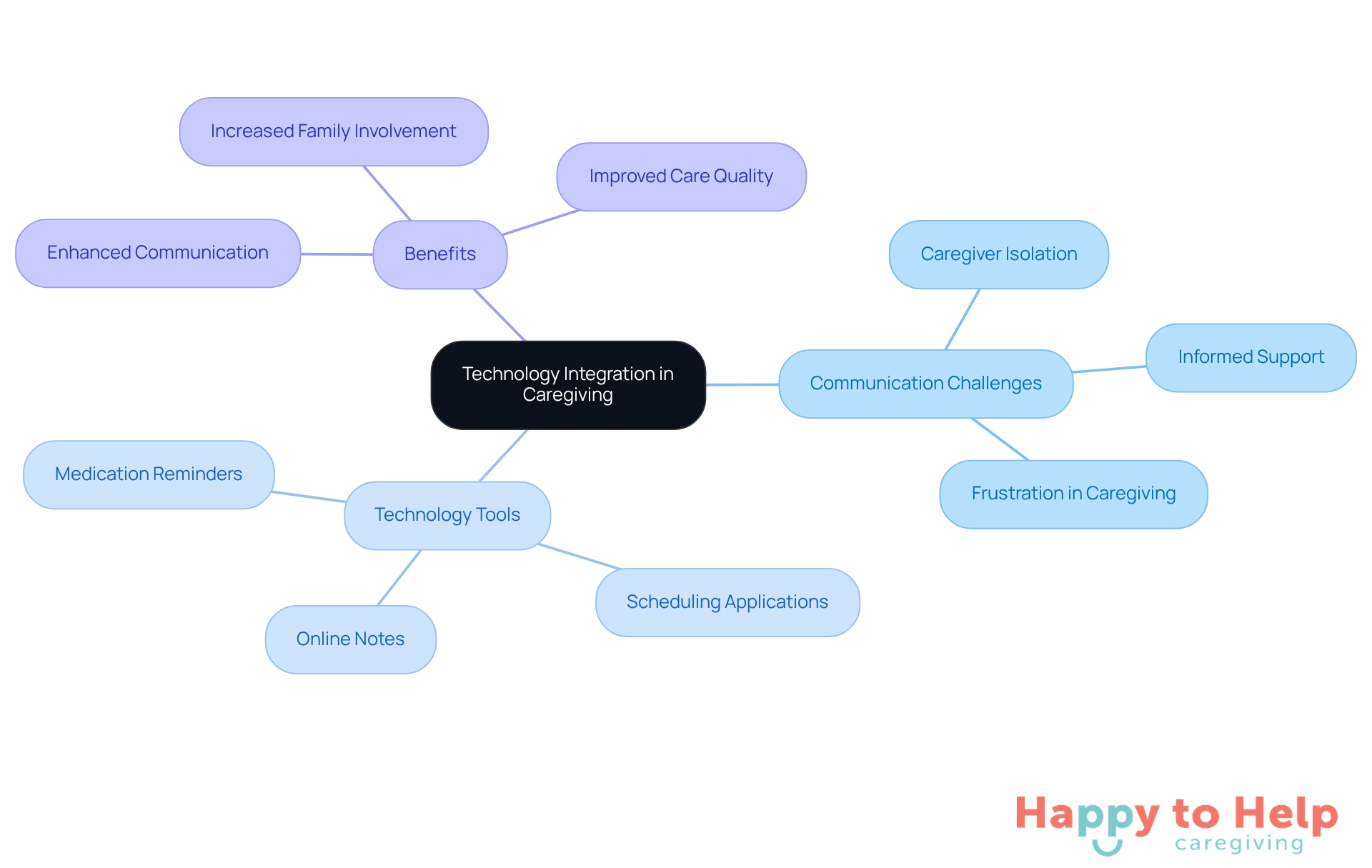
Technology Integration: Enhancing Communication in Caregiving
Effective communication is a significant challenge for caregivers, impacting their ability to provide optimal support. With an estimated 63 million Americans serving as caregivers, the need for efficient communication tools is critical. Caregivers often struggle to stay informed about their loved ones' needs, leading to feelings of isolation and frustration.
Happy to Help Caregiving addresses this issue by utilizing technology to enhance communication between caregivers and their loved ones. Tools like online notes, scheduling applications, and medication reminders ensure that everyone involved stays informed and engaged in the support process. This integration simplifies service delivery and fosters a cooperative environment where relatives feel included and supported.
Relatives have expressed their gratitude for these communication tools. One relative noted, "The online notes have made it so much easier to stay informed about my mother's treatment; I feel more connected and involved in her well-being." By prioritizing effective communication, Happy to Help Caregiving empowers families to actively participate in their loved ones' care, reinforcing the importance of collaboration in achieving optimal health and well-being.
Trained Caregivers: Ensuring Quality and Compassionate Care
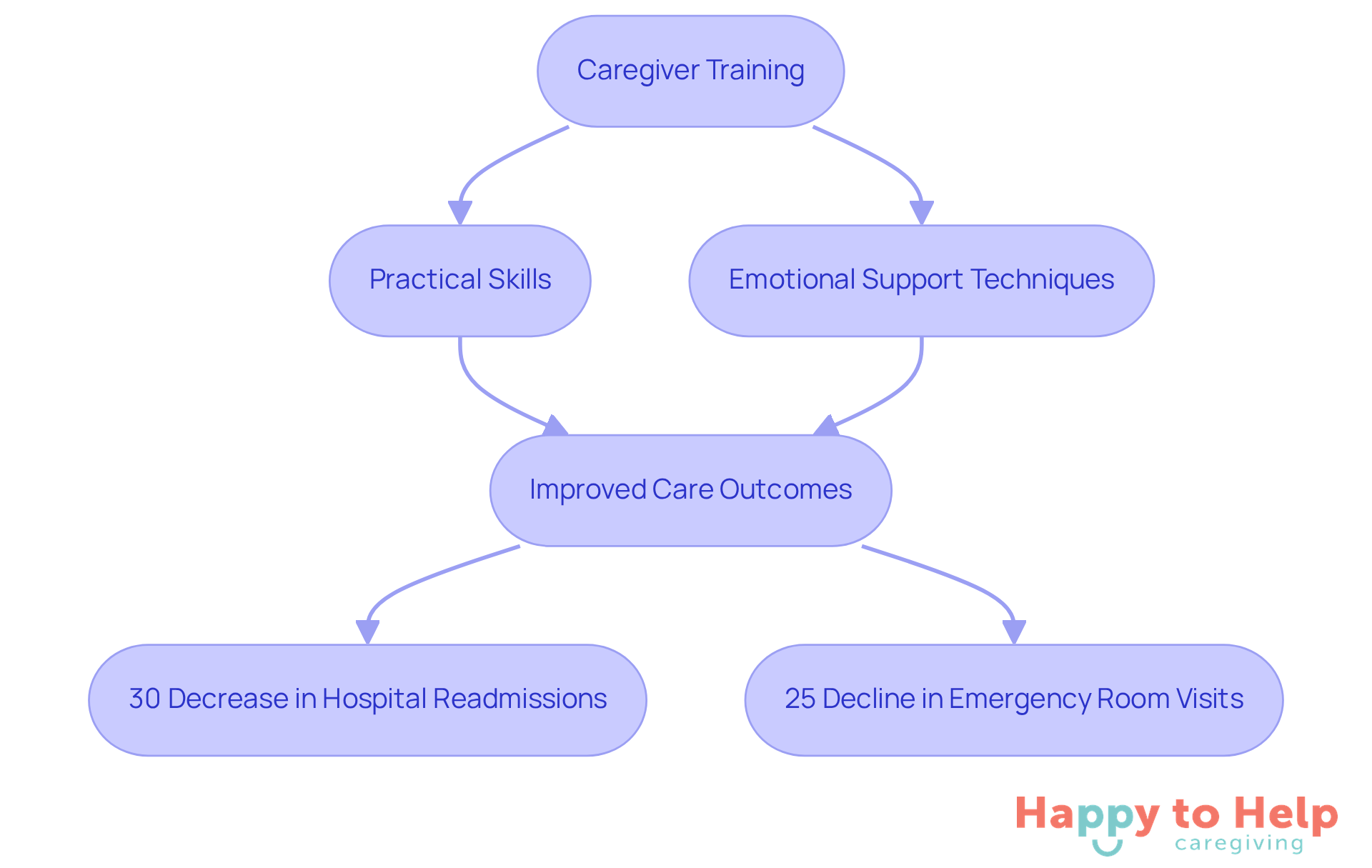
Caregivers often face the challenge of providing high-quality, compassionate support. Without proper training, they may struggle to connect with individuals on a personal level, which can lead to inadequate emotional support. This gap in care can have serious implications, including increased hospital readmissions and emergency room visits.
Research shows that skilled providers can significantly enhance the standard of support. In fact, studies indicate a 30% decrease in hospital readmissions and a 25% decline in emergency room visits among individuals who receive thorough training. This highlights the critical need for caregivers to be well-equipped with both practical skills and emotional support techniques.
At Happy to Help Caregiving, all providers undergo rigorous training that encompasses these essential areas. The agency's dedication to continuous education ensures that caregivers stay informed about best practices in the field. This commitment enables them to offer not only physical assistance but also the emotional support that is vital for overall well-being.
Personalized Care Plans: Tailoring Support to Individual Preferences
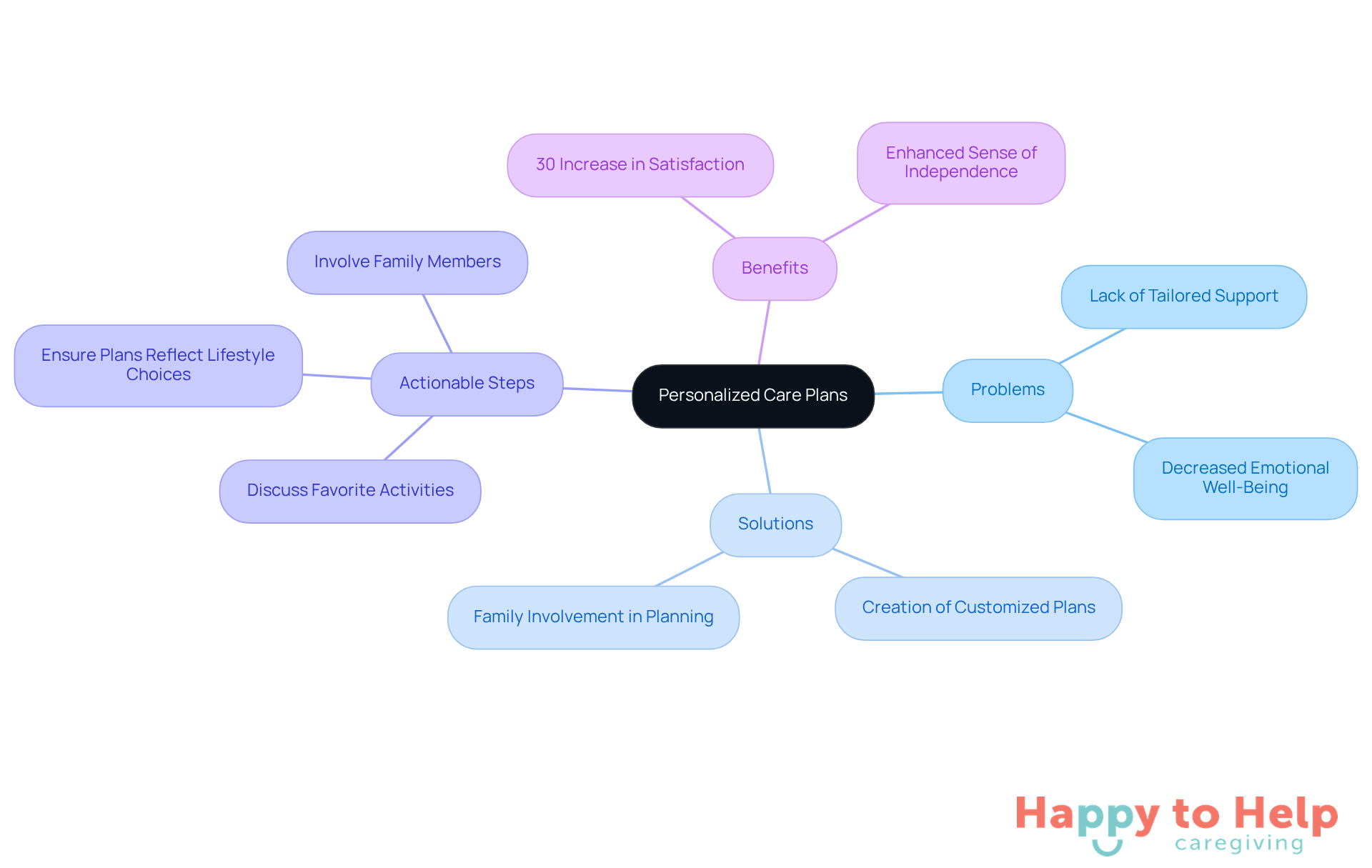
At Happy to Help Caregiving, we recognize a significant problem: many seniors do not receive the personalized support they need to thrive in their own homes. This lack of tailored care can lead to feelings of helplessness and decreased emotional well-being.
Families often express concern about their loved ones' care, noting that generic support plans fail to address individual health needs, lifestyle preferences, and unique personality traits. This oversight can diminish seniors' sense of control and independence, which are vital for their emotional health.
To combat these issues, we emphasize the creation of customized support plans that cater to each individual's distinct requirements, preferences, and objectives. By actively engaging clients and their relatives in the planning process, we foster a cooperative atmosphere that significantly enhances the quality of service delivered.
Consider these actionable steps to improve your loved one's support experience:
- Discuss their favorite activities and preferences with caregivers.
- Ensure that support plans reflect not just health-related concerns but also lifestyle choices.
- Involve family members in the planning process to boost satisfaction and outcomes.
Studies show that when families participate in planning for support, they report a 30% increase in satisfaction with the assistance provided. This holistic approach not only addresses health issues but also promotes a sense of independence among seniors.
Successful examples of tailored support highlight the importance of understanding individual preferences, such as favorite activities and social interactions. By listening to both seniors and their relatives, Happy to Help Caregiving ensures that support plans are dynamic guides that adapt to clients' changing needs. This commitment to individualized assistance alleviates emotional burdens for families and reinforces our dedication to providing compassionate and effective support.
Moving Forward with 10 PCA Services Near Me to Support
Personalized care services are essential, especially as families face the challenges of caregiving. With more individuals needing assistance at home, finding the right support is crucial for both caregivers and those they care for. Services like those offered by Happy to Help Caregiving provide tailored solutions that address not just physical needs but also emotional well-being.
Caregiving encompasses various aspects, such as:
- Companionship care to combat loneliness
- Post-hospital recovery assistance
- Respite care to alleviate caregiver stress
The role of trained caregivers in delivering compassionate support is vital. Each of these elements underscores the need for flexible, responsive care that adapts to the unique requirements of individuals and their families. Moreover, integrating technology enhances communication, ensuring that everyone involved stays informed and engaged in the care process.
Embracing personalized care options empowers families to foster an environment that promotes independence and quality of life for their loved ones. As the demand for effective caregiving solutions grows, families should consider PCA services nearby that not only meet immediate needs but also support long-term emotional and physical health. By prioritizing personalized care, families can confidently navigate the challenges of caregiving, knowing they are providing the best possible support for their loved ones.
https://iframe.tely.ai/cta/eyJhcnRpY2xlX2lkIjogIjY5MjBmZDU0NzJkZTk4NjA5OWQwYjBkMiIsICJjb21wYW55X2lkIjogIjY4ZWU1ZGNhNzMxNzYyNTU3ZjNjOTVjMSIsICJpbmRleCI6IG51bGwsICJ0eXBlIjogImFydGljbGUifQ==Frequently Asked Questions
What challenges do caregivers face in providing home support services?
Caregivers face significant challenges due to rising demand for home support services, demographic changes, and the desire of seniors to age in place. This situation can lead to feelings of overwhelm for families navigating the complexities of caregiving.
How does caregiving impact the emotional well-being of caregivers and seniors?
The emotional toll on caregivers can be substantial, as they provide both physical and emotional support. Many older adults require assistance to maintain independence, and caregivers help alleviate feelings of loneliness and isolation, which can be demanding.
What services does Happy to Help Caregiving offer?
Happy to Help Caregiving offers personalized solutions that include 24/7 availability, flexible scheduling, and a focus on maintaining the independence of seniors.
What is the impact of personalized care on seniors?
Personalized care significantly improves seniors' quality of life by engaging them in enjoyable activities, fostering a sense of connection, and reducing feelings of isolation.
Why is Happy to Help Caregiving a preferred choice for in-home support?
Happy to Help Caregiving is preferred due to its commitment to empathy, consistency, and communication, ensuring clients receive familiar assistance and making transitions to in-home support smoother for families. Additionally, it provides a practical solution amidst complex employment regulations for hiring private aides.
What is companionship care and why is it important?
Companionship care addresses social isolation among seniors, which can severely impact their emotional well-being. It fosters social engagement through meaningful conversations and activities, helping alleviate feelings of loneliness and cultivating a sense of connection.
How can caregivers help combat social isolation in seniors?
Caregivers can implement companionship support services that provide regular social interaction, helping seniors maintain dignity and independence, which ultimately enhances their overall quality of life.
What role do caregivers play in post-hospital recovery?
Caregivers assist with medication management, daily activities, and motivation for rehabilitation exercises, which are vital for a smooth transition from hospital to home and can significantly reduce readmission rates.
What strategies can caregivers use to improve recovery outcomes for patients?
Caregivers can establish a daily routine, encourage open communication about concerns, and closely monitor medication schedules to ensure adherence, which can enhance the recovery experience for patients.
List of Sources
- Happy to Help Caregiving: Personalized In-Home Care Services
- FastStats (https://cdc.gov/nchs/fastats/home-health-care.htm)
- Home Care Industry Trends to Watch in 2025 (https://firstlighthomecare.com/blog/home-care-industry-trends)
- National Alliance for Caregiving: Caregiving in the US 2025 Report (https://johnahartford.org/resources/view/national-alliance-for-caregiving-caregiving-in-the-us-2025-report)
- Caregiver Statistics: Demographics (https://caregiver.org/resource/caregiver-statistics-demographics)
- Expensive and exhausting: Why caregivers need to care for themselves, too : Consider This from NPR (https://npr.org/2025/11/20/nx-s1-5615163/expensive-and-exhausting-why-caregivers-need-to-care-for-themselves-too)
- Companionship Care: Emotional Support and Social Engagement
- For seniors dealing with social isolation, NYC programs provide intergenerational events (https://cbsnews.com/newyork/news/cost-of-caregiving-the-life-story-club-nyc-friendly-visiting-program)
- Summary - Social Isolation and Loneliness in Older Adults - NCBI Bookshelf (https://ncbi.nlm.nih.gov/books/NBK557972)
- 1 in 3 older adults still experience loneliness and isolation (https://michiganmedicine.org/health-lab/1-3-older-adults-still-experience-loneliness-and-isolation)
- Trends in Loneliness Among Older Adults from 2018-2023 (https://ihpi.umich.edu/national-poll-healthy-aging/reports-and-resources/trends-loneliness-among-older-adults-2018-2023)
- Why Home Care Providers Are Increasingly Offering Companion Care Services for Seniors | Aaniie, formerly Smartcare Software (https://aaniie.com/news/why-home-care-providers-are-increasingly-offering-companion-care-services-for-seniors)
- Post-Hospital Recovery Assistance: Smooth Transition to Home Care
- Reducing Hospital Readmissions with Home Health Care (https://partnersbend.org/how-home-health-care-reduces-hospital-readmission)
- Post-Hospital Discharge: Why In-Home Care Improves Recovery for Florida Seniors (https://visitingangels.com/pasco/news-info/post-hospital-discharge-why-in-home-care-improves-recovery/26199)
- Home Care Impact on Recovery of Patient (A Statistics Report) (https://lovinghomecareinc.com/home-care-recovery-statistics)
- How Home Care Boosts Recovery Time (https://humancareny.com/blog/how-home-care-boosts-recovery-time)
- Respite Care: Support for Family Caregivers
- A bill in Congress would return $5,000 to millions of family caregivers every year, but will it pass? (https://cbsnews.com/newyork/news/credit-for-caring-act-family-caregiver-tax-credit)
- News & Success Stories | Live Well San Diego (https://livewellsd.org/Home/Components/News/News/513/153)
- Funding Opportunity: National Lifespan Respite Care Program State Program Enhancement Grants | ACL Administration for Community Living (https://acl.gov/news-and-events/announcements/national-lifespan-respite-care-program-state-program-enhancement)
- Demand for Pediatric Hospice Respite Accelerating (https://hospicenews.com/2025/11/14/demand-for-pediatric-hospice-respite-accelerating)
- It’s Time to Care for Caregivers: Senator Markey Announces Comprehensive Family Caregiving Legislative Agenda | U.S. Senator Ed Markey of Massachusetts (https://markey.senate.gov/news/press-releases/11/20/2025/its-time-to-care-for-caregivers-senator-markey-announces-comprehensive-family-caregiving-legislative-agenda)
- Palliative Support Care: Enhancing Comfort for Serious Illnesses
- Support for Serious Illness (https://newsinhealth.nih.gov/2025/07/support-serious-illness)
- Palliative Care or Hospice? What's the Distinction? (https://usnews.com/news/health-news/articles/2025-07-26/palliative-care-or-hospice-whats-the-distinction)
- ‘A good death’: How compassionate care helps people navigate the end of life (https://news.yale.edu/2025/10/13/good-death-how-compassionate-care-helps-people-navigate-end-life)
- Palliative Care News | Living with Serious Illness | Get Palliative Care (https://getpalliativecare.org/news)
- Palliative care (https://who.int/news-room/fact-sheets/detail/palliative-care)
- 24/7 Availability: Ensuring Constant Support for Clients
- The 10-Benefits of 24-Hour Home Care » LifeWorx Home Care (https://lifeworx.com/resources/articles/the-10-benefits-of-24-hour-home-care)
- ‘24/7’ Caregiving: A Qualitative Analysis of an Emerging Phenomenon of Interest in Caregiving (https://mdpi.com/1660-4601/19/24/17046)
- Why 24/7 Senior Care Works: Safety, Comfort, and Constant Support - With A Little Help (https://withalittlehelp.com/24-7-senior-care-works)
- Caregiver Statistics: Demographics (https://caregiver.org/resource/caregiver-statistics-demographics)
- New Alzheimer’s Association Report Reveals Top Stressors for Caregivers and Lack of Care Navigation Support and Resources (https://alz.org/news/2024/new-alzheimers-association-report-reveals-top-stressors-caregivers)
- Flexible Scheduling: Tailoring Care to Individual Needs
- 9 Ways to Find Caregivers With Flexible Scheduling Options - MedCity News (https://medcitynews.com/2025/05/9-ways-to-find-caregivers-with-flexible-scheduling-options)
- Caregiver Statistics: Work and Caregiving (https://caregiver.org/resource/caregiver-statistics-work-and-caregiving)
- Flexible Care Models Give Home Care Clients ‘What They Want When They Want It’ (https://homehealthcarenews.com/2025/10/flexible-care-models-give-home-care-clients-what-they-want-when-they-want-it)
- Caregiving While Working Calls for Workplace Flexibility (https://aarp.org/pri/topics/work-finances-retirement/employers-workforce/employer-caregiving-survey)
- Workplace flexibility is the most used, wanted benefit among caregivers: AARP (https://thehill.com/homenews/4668936-aarp-workplace-flexibility-most-used-wanted-benefit-caregivers)
- Technology Integration: Enhancing Communication in Caregiving
- HHS Launches $2M AI Initiative To ‘Transform’ Caregiving, Address Staffing Challenges (https://homehealthcarenews.com/2025/11/hhs-launches-2m-ai-initiative-to-transform-caregiving-address-staffing-challenges)
- Building a lifeline for family caregivers across the US (https://news.mit.edu/2025/ianacare-builds-lifeline-for-family-caregivers-across-us-0811)
- HHS Launches New Caregiving AI Initiative to 'Spark Innovative Support' (https://hospicenews.com/2025/11/18/hhs-launches-new-caregiving-ai-initiative-to-spark-innovative-support)
- Technology and interventions are changing care for older adults (https://fastcompany.com/91414509/technology-and-interventions-are-changing-care-for-older-adults)
- Trained Caregivers: Ensuring Quality and Compassionate Care
- CCA Announces Free Online Caregiver Training Program for IHSS Workers (https://advancecaregivers.org/cca-announces-free-online-caregiver-training-program-for-ihss-workers)
- Family Caregiver Support, Education Needs Growing (https://hospicenews.com/2025/11/11/family-caregiver-support-education-needs-growing)
- HHS Launches $2M AI Initiative To ‘Transform’ Caregiving, Address Staffing Challenges (https://homehealthcarenews.com/2025/11/hhs-launches-2m-ai-initiative-to-transform-caregiving-address-staffing-challenges)
- WHO launches new online course to support informal caregivers across Europe (https://who.int/europe/news/item/27-10-2025-who-launches-new-online-course-to-support-informal-caregivers-across-europe)
- US News & World Report Highlights CCA's Caregiver Training (https://advancecaregivers.org/report-us-news-world-report-highlights-ccas-caregiver-training)
- Personalized Care Plans: Tailoring Support to Individual Preferences
- 2025: AI enhances personalized care; caregiver experience in the spotlight (https://healthcareitnews.com/news/2025-ai-enhances-personalized-care-caregiver-experience-spotlight)
- What Can Personalized Home Care Offer to the Elderly - Affirmed Homecare (https://affirmedhomecare.com/news/what-can-personalized-home-care-offer-to-the-elderly)
- Importance of Personalized Senior Home Care in Burlington NC (https://wisdomseniorcare.com/the-importance-of-personalized-care-plans-for-seniors)
- The Future of Private Home Care: What to Expect in 2025 (https://anodyne-services.com/2024/08/14/the-future-of-private-home-care-what-to-expect-in-2025)
- From ‘Simple Things’ To AI: What Innovation Means For 3 At-Home Care Providers (https://homehealthcarenews.com/2025/08/from-simple-things-to-ai-what-innovation-means-for-3-at-home-care-providers)