10 Personal Care Solutions for Family Caregivers' Well-Being

For families in our service areas
For families in our service areas, this guide explains personal care and how non-medical in-home caregiving can support care planning in East Idaho, Treasure Valley & Magic Valley, Northern Wasatch, North Central West Virginia & Southwestern Pennsylvania, and Northeast Ohio.
Understanding 10 Personal Care Solutions
Navigating the journey of caregiving can be both rewarding and overwhelming, particularly for family members who take on this vital role. The emotional and physical demands often lead to caregiver burnout, making it essential to prioritize personal well-being.
Caregiver burnout is a significant issue that can affect not only the caregiver's health but also the quality of care they provide. When caregivers neglect their own needs, they may experience increased stress, fatigue, and emotional exhaustion. This can create a cycle where the caregiver's ability to support their loved ones diminishes, leading to further feelings of guilt and inadequacy.
To combat these challenges, this article explores ten effective personal care solutions designed specifically for family caregivers. These strategies aim to enhance caregivers' health and happiness while improving the quality of care they deliver.
How can caregivers balance their own needs with the demands of their loved ones? What practical steps can they take to ensure their well-being while providing compassionate support? By implementing these actionable solutions, caregivers can foster a healthier balance in their lives.
Happy to Help Caregiving: Companionship Care for Emotional Support
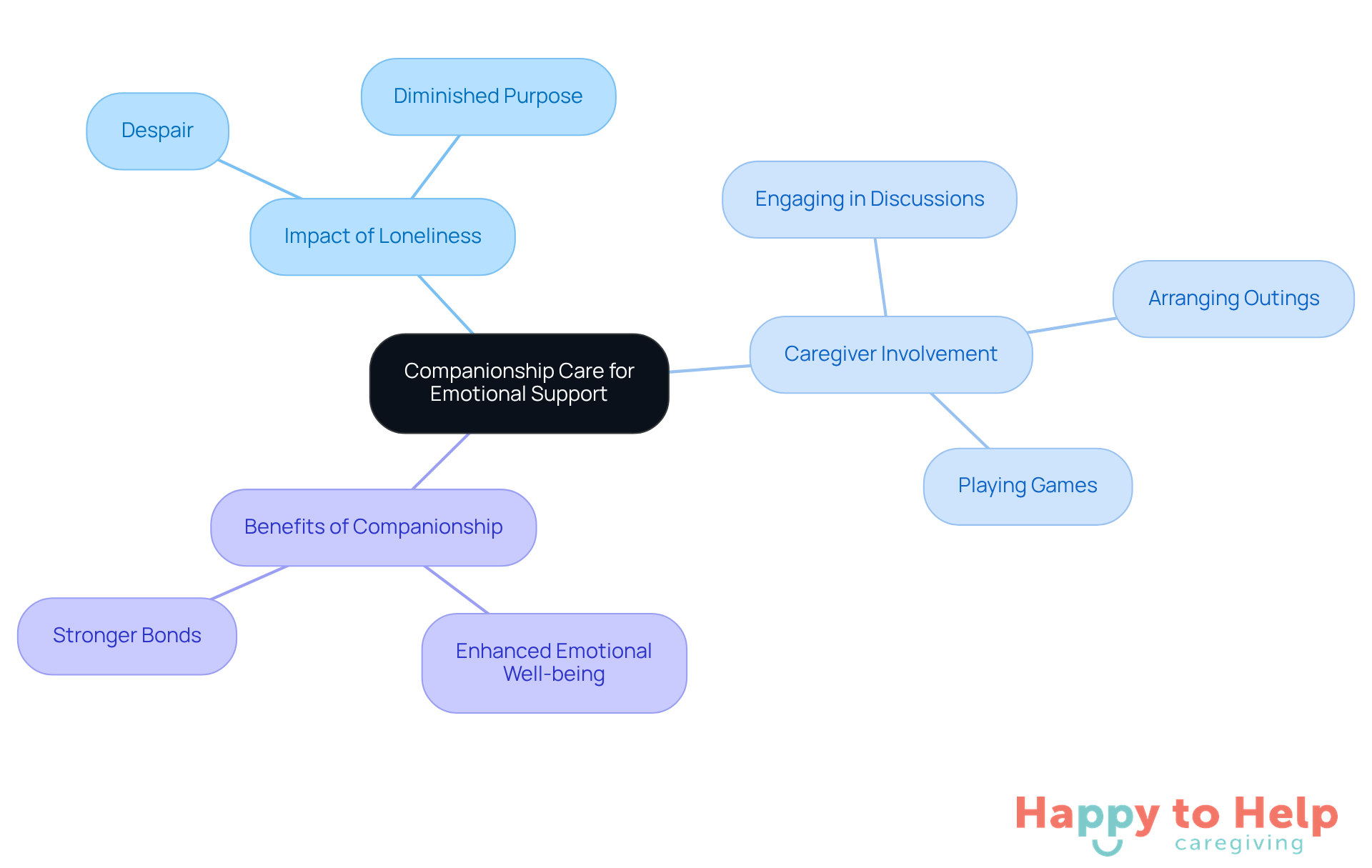
Loneliness is a significant issue faced by many seniors, impacting their overall quality of life. This emotional isolation can lead to feelings of despair and a diminished sense of purpose. Caregivers play a crucial role in addressing this problem by fostering meaningful connections between themselves and the individuals they support.
To combat loneliness, caregivers can actively involve seniors in discussions, activities, and hobbies. Engaging in these interactions not only alleviates feelings of isolation but also enhances emotional well-being. For instance, arranging regular outings or simple activities like playing games can significantly uplift a person's mood and mental health.
By prioritizing companionship support, caregivers help seniors maintain a sense of belonging and purpose in their daily lives. This approach not only enriches the lives of those receiving care but also strengthens the bond between caregivers and recipients, creating a more fulfilling caregiving experience.
Post-Hospital Recovery Assistance: Smooth Transitions for Family Caregivers
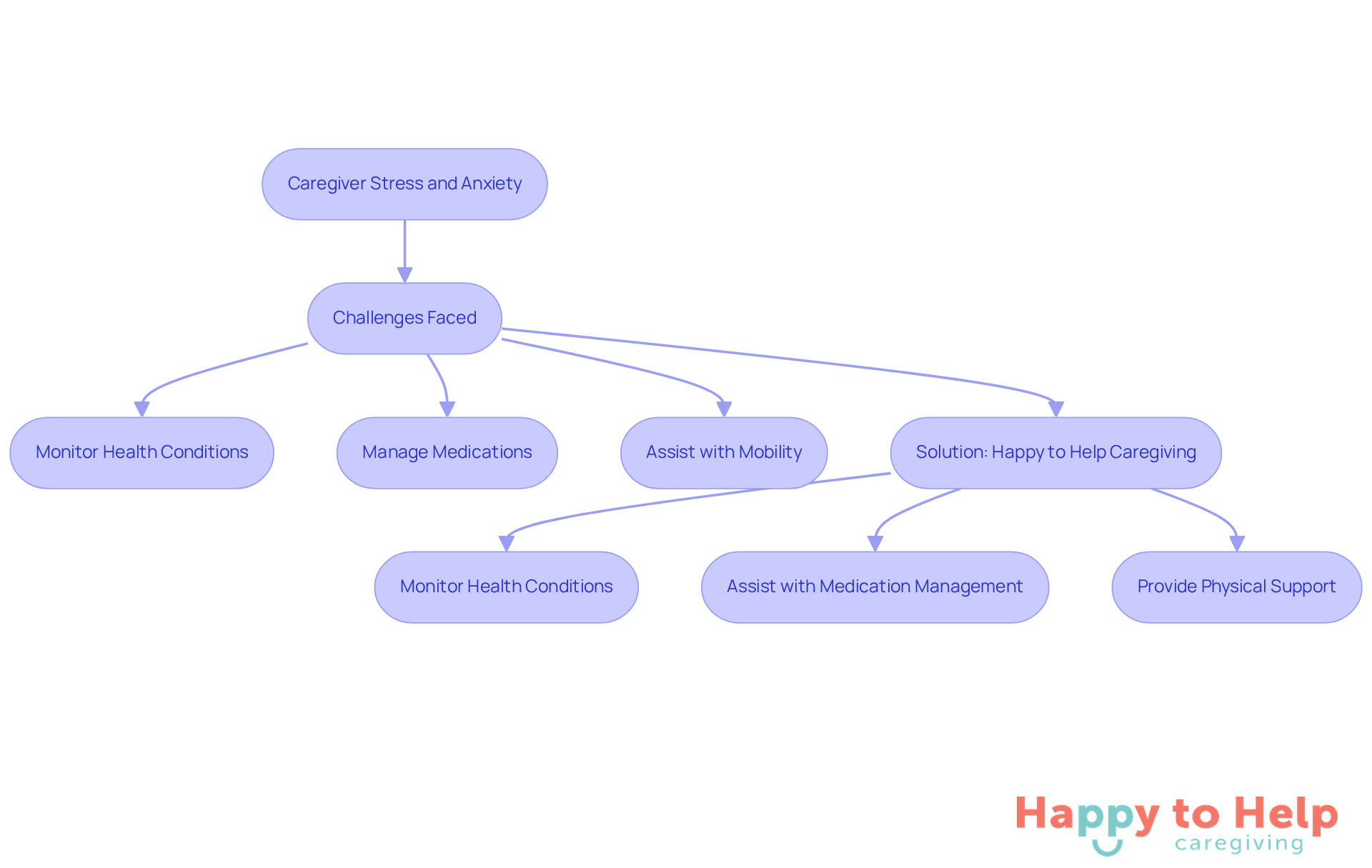
Problem: Caregivers often face significant stress and anxiety when supporting loved ones after a hospital stay. This emotional burden can hinder their ability to provide effective care, impacting both their well-being and that of the individual recovering.
Agitate: The challenges of post-hospital recovery are not just physical; they can also lead to feelings of overwhelm for caregivers. Without proper support, caregivers may struggle to:
- Monitor health conditions
- Manage medications
- Assist with mobility
This can increase the risk of complications and readmission.
Solution: Happy to Help Caregiving offers specialized post-hospital recovery support designed to help individuals regain their independence. Our trained caregivers:
- Monitor health conditions
- Assist with medication management
- Provide essential physical support during recovery
This service not only facilitates the healing process but also offers personal cares that alleviate the stress caregivers often experience. For example, our support providers can guide clients through mobility exercises and ensure adherence to discharge instructions, significantly reducing the likelihood of readmission.
Respite Care: Essential Breaks for Family Caregivers' Well-Being
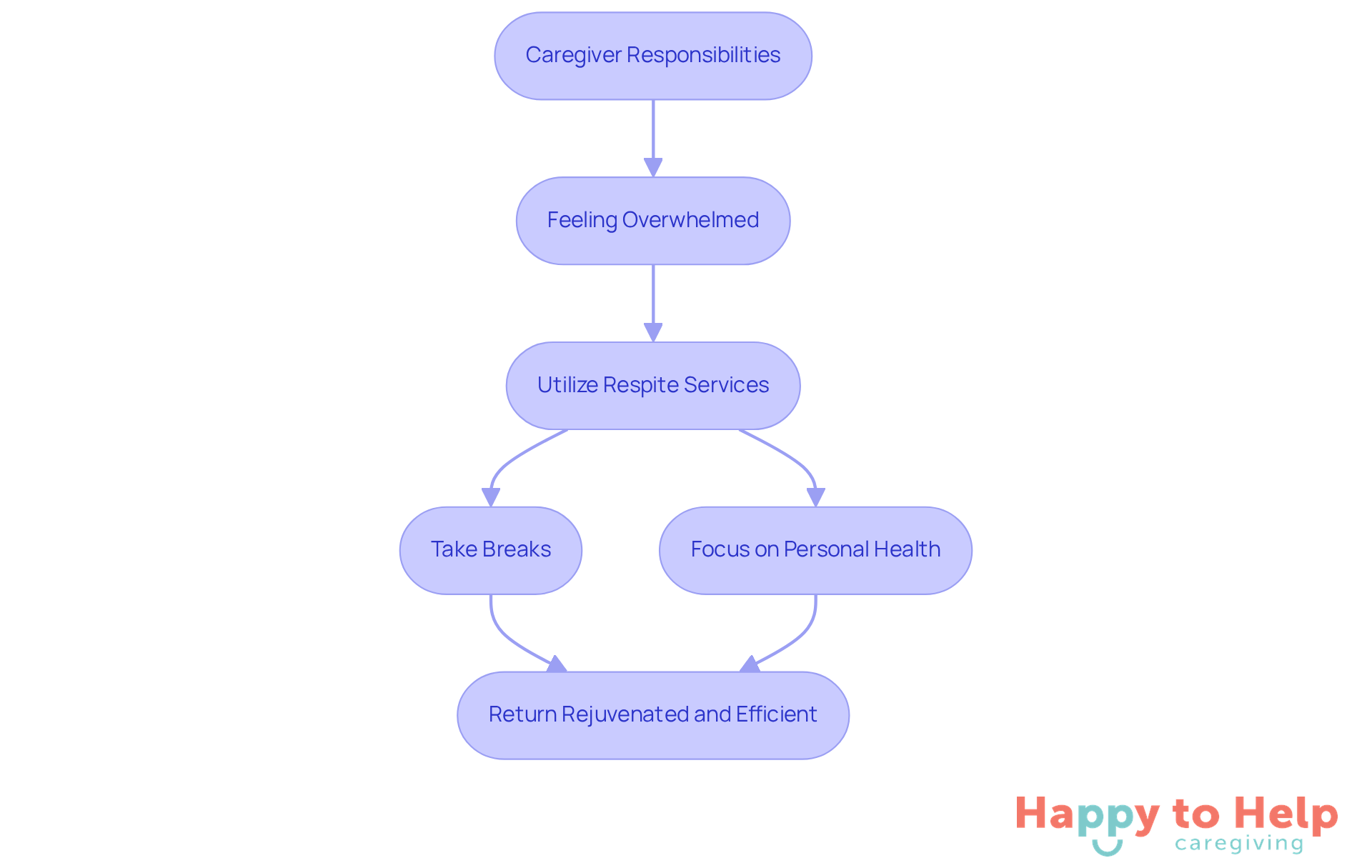
Caregiver burnout is a significant issue that can lead to both physical and emotional exhaustion. Family supporters often find themselves overwhelmed by their responsibilities, which can affect their health and well-being. This is where respite support services come into play.
Happy to Help Caregiving offers respite services that allow caregivers to take essential breaks from their duties. By utilizing these services, caregivers can focus on their own health, ensuring they return to their supportive roles rejuvenated and more efficient. For instance, caregivers can take a few hours or even days off, knowing their loved ones are in capable hands. This time away enables them to engage in personal cares or simply rest, which is crucial for maintaining their overall well-being.
In summary, respite support services are vital for preventing caregiver burnout. They provide the necessary breaks that allow family supporters to recharge, ultimately benefiting both the caregivers and those they care for.
Palliative Support Care: Managing Complex Needs for Family Caregivers
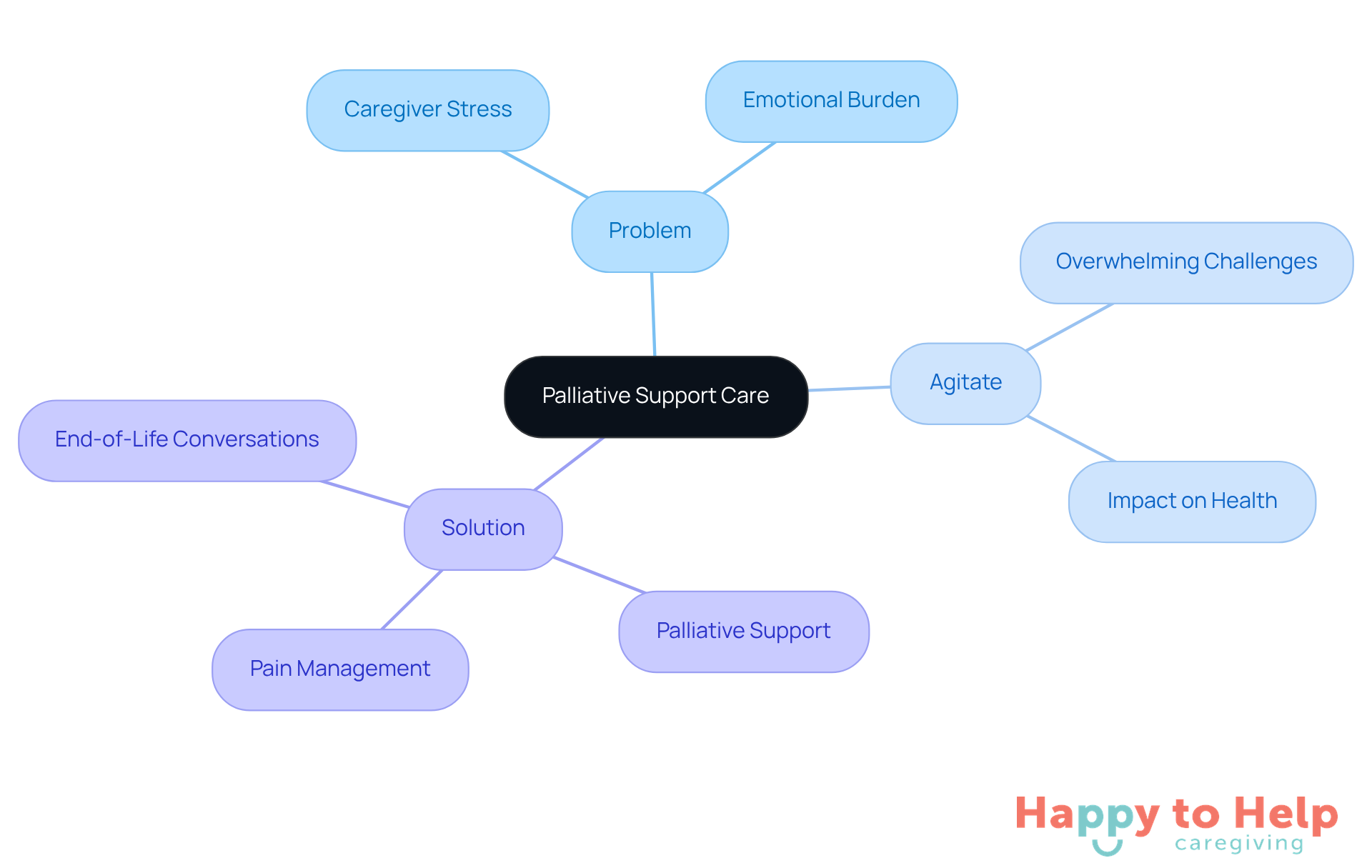
Problem: Caregivers often face significant stress and emotional burden when supporting loved ones with serious illnesses. This stress can adversely affect their well-being and ability to provide care.
Agitate: Research indicates that caregivers frequently encounter overwhelming challenges, leading to emotional strain. This strain not only impacts their health but also the quality of care they can provide. The complexities of treatment decisions and end-of-life conversations can add to this burden, making it essential to address these emotional needs.
Solution: Palliative support from Happy to Help Caregiving aims to alleviate these challenges. Our approach goes beyond physical management, offering emotional and spiritual assistance for both individuals and their loved ones. Caregivers are trained to engage in effective communication, helping families navigate treatment choices and providing comfort during difficult times.
- Pain Management: We assist with pain management strategies, ensuring clients receive dignified and compassionate support.
- End-of-Life Conversations: We promote open discussions about end-of-life choices, empowering families to make informed decisions.
By addressing these emotional needs, personal cares in palliative care enhance the quality of life for patients and offer essential support for caregivers, helping them navigate the complexities of serious illness with greater confidence and resilience.
Flexible Scheduling Options: Balancing Caregiving and Personal Life
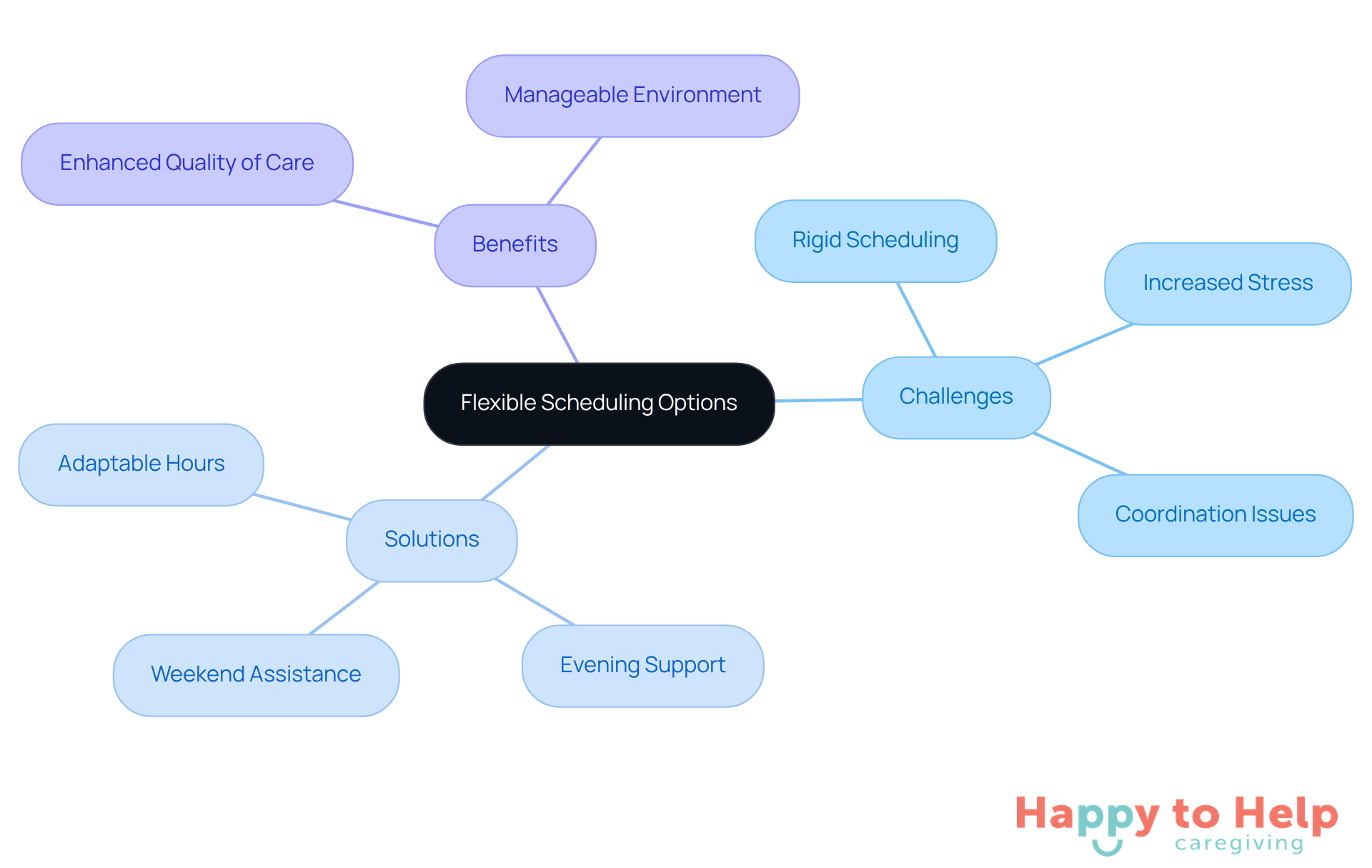
Caregivers often face significant challenges when it comes to scheduling. Many support workers struggle to meet the unique needs of individuals and their families due to rigid scheduling options. This lack of flexibility can create added stress for family members who may already be juggling work and personal responsibilities.
To alleviate this pressure, Happy to Help Caregiving offers adaptable scheduling choices. By providing support during convenient hours, caregivers can ensure that clients receive the assistance they need without overwhelming their families. For instance, support providers can adjust their hours to offer help during evenings or weekends, making it easier for family members to coordinate their own schedules.
This flexibility not only enhances the quality of care but also fosters a more manageable environment for everyone involved. By prioritizing adaptable scheduling, caregivers can effectively balance their responsibilities and provide the necessary support to those in need.
24/7 Availability: Constant Support for Family Caregivers
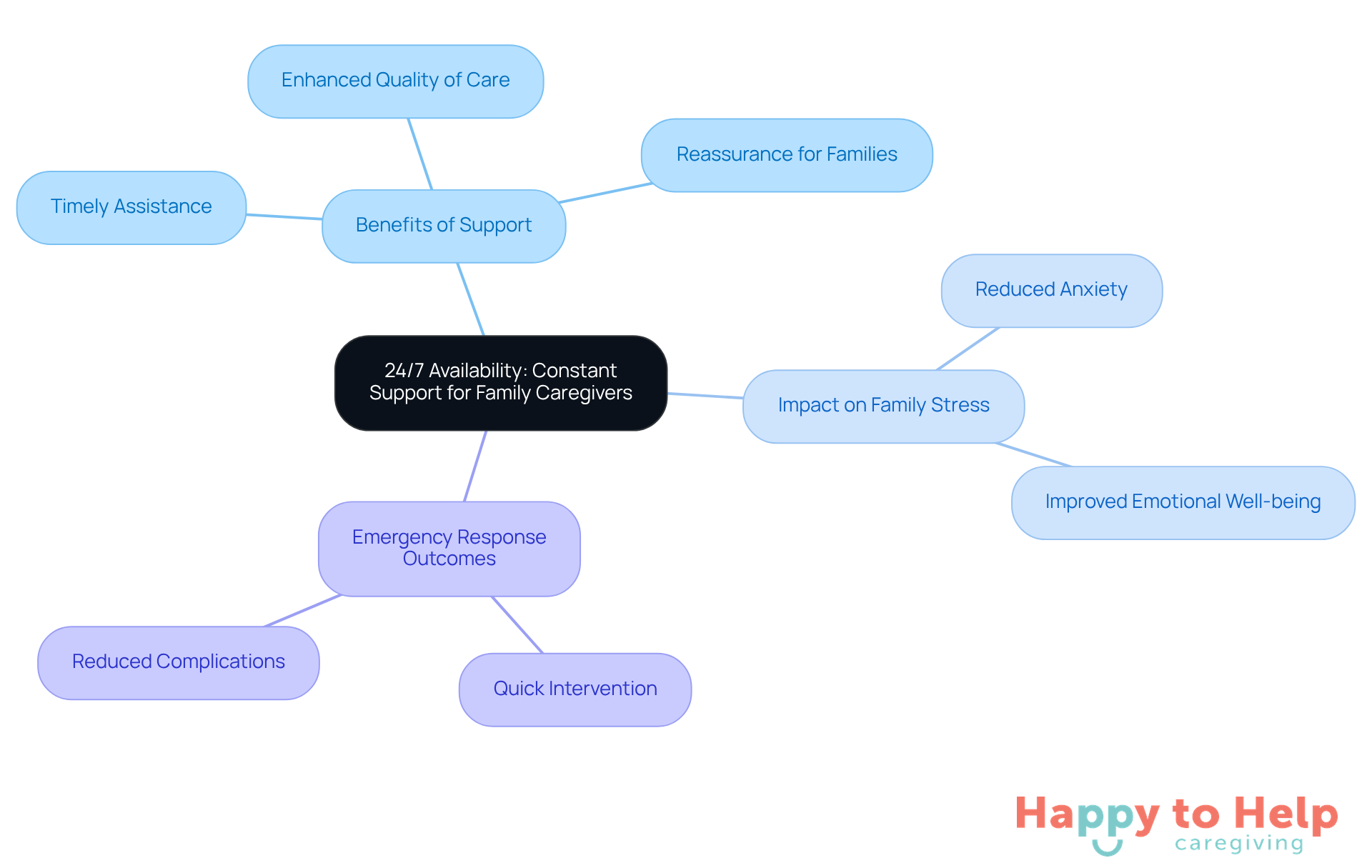
Caring for loved ones with complex health needs can be overwhelming, especially when personal cares and emergencies arise. Families often face the stress of not knowing if personal cares are available, which can lead to anxiety and uncertainty.
This is where the round-the-clock presence of support staff from Happy to Help Caregiving becomes invaluable. Knowing that personal cares are only a call away provides priceless reassurance. For instance, if a patient requires help at night or faces an unexpected health issue, trained support staff are prepared to respond promptly, ensuring safety and comfort.
Research shows that timely responses to emergencies can significantly improve outcomes. In fact, studies indicate that timely intervention can reduce the risk of complications by up to 30%. Having a dedicated supporter not only enhances the quality of personal cares but also fosters a sense of security for both clients and their families. This allows them to focus on well-being without the constant worry of potential emergencies.
As Dr. Jane Smith, a healthcare expert, states, "Continuous support from those who assist significantly lowers stress for families, enabling them to feel more secure in their loved one's care." With Happy to Help Caregiving, families can rest assured that they have the support they need, whenever they need it.
Caregiver Training: Enhancing Emotional Support for Family Caregivers
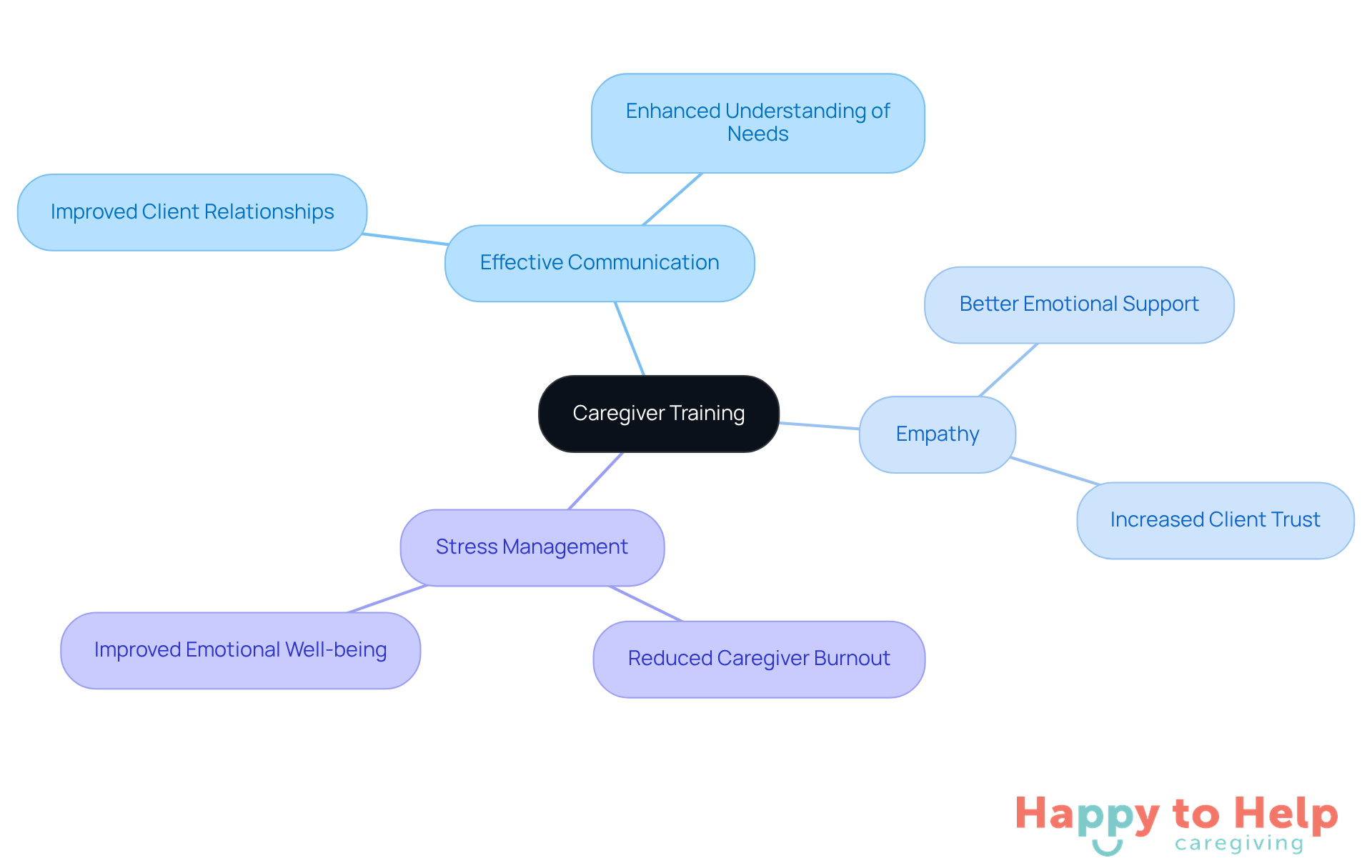
Caregivers often face significant challenges in providing both emotional and physical support to those in their care. Without proper training, they may struggle with effective communication, empathy, and stress management, which can lead to strained relationships and inadequate support for clients.
To address these issues, Happy to Help Caregiving emphasizes comprehensive training programs that cover essential skills. These programs focus on:
- Effective communication techniques
- Empathy
- Stress management strategies
This enables caregivers to better understand and respond to the emotional needs of their clients. For example, trained professionals can identify signs of distress, allowing them to implement appropriate interventions that provide comfort and reassurance.
Statistics reveal that:
- 96% of trained assistants feel well-equipped for their support tasks.
- Those who undergo training report higher job satisfaction and reduced anxiety levels, which ultimately enhances the quality of assistance provided.
Effective training not only improves interactions between caregivers and clients but also supports caregivers' emotional well-being, benefiting both parties involved.
As Rita Choula, Senior Director of Caregiving at AARP, highlights, "Preparing them for medical and daily assistance tasks, and linking them with respite and community resources are essential steps toward providing whole-person, family-centered support." By investing in training, caregivers can foster stronger relationships and deliver the compassionate care that their clients deserve.
Technology Integration: Streamlining Caregiving Communication
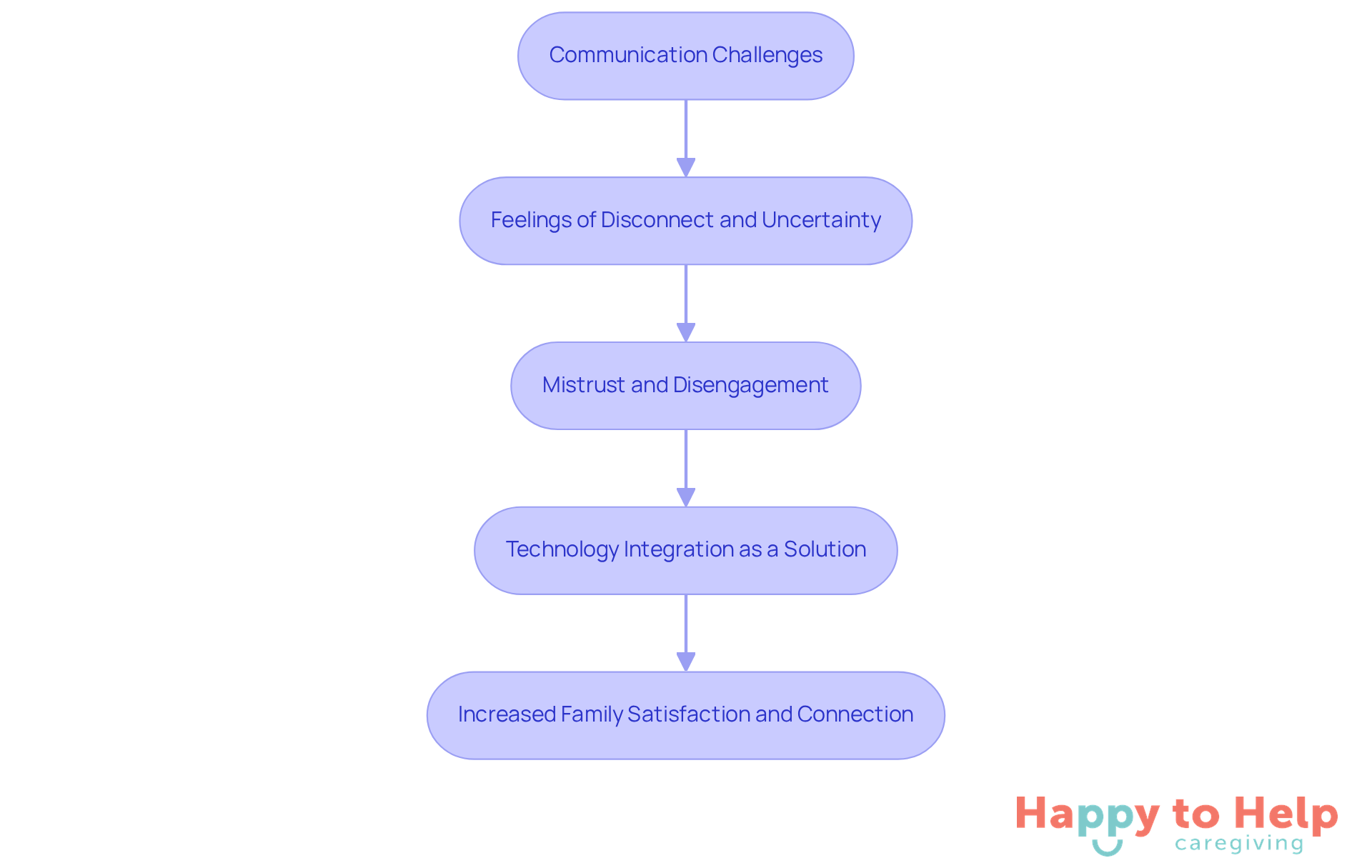
Problem: Caregivers often face significant communication challenges with clients and their families, leading to feelings of disconnect and uncertainty.
Agitate: This lack of clarity can foster mistrust and disengagement, making it difficult for families to feel involved in the caregiving process. Without real-time updates, relatives may worry about their loved ones' well-being, which can add to their stress and anxiety.
Solution: Happy to Help Caregiving addresses these issues by utilizing technology to enhance communication among caregivers, clients, and their relatives. Digital tools, such as online health notes and scheduling applications, provide families with real-time updates on their loved ones' activities and health status. This not only promotes a sense of connection but also encourages families to actively engage in the caregiving process.
Studies indicate that families using these technologies report higher satisfaction levels, with 95% customer satisfaction noted by users in 2024. They feel more connected and informed about their loved ones' support. Furthermore, experts emphasize that communication tools significantly reduce misunderstandings and enhance collaboration, ultimately improving the overall caregiving experience.
By incorporating technology into everyday practices, Happy to Help Caregiving ensures that families remain closely linked, which is essential for emotional support and effective management.
Personalized Care Plans: Tailoring Support for Family Caregivers
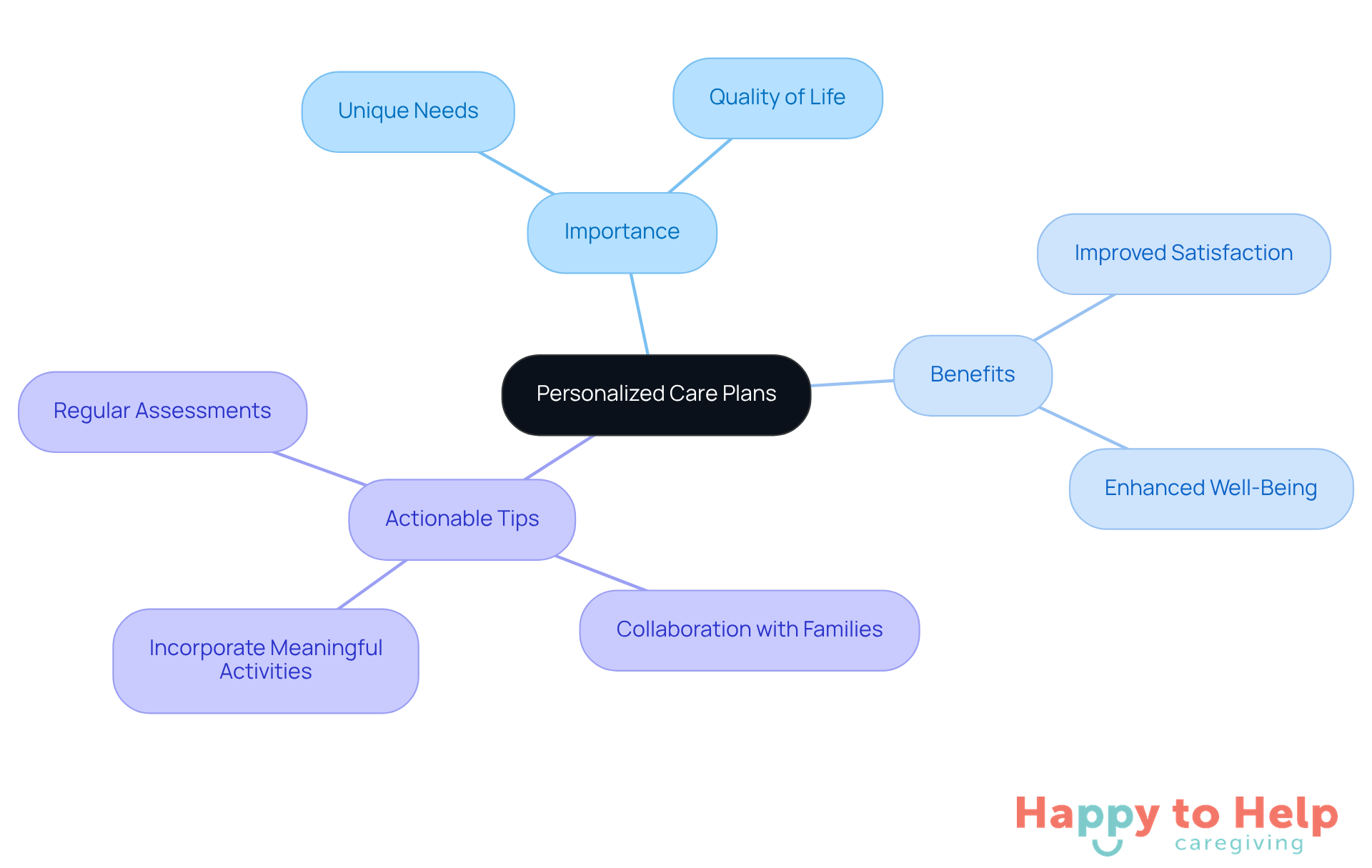
At Happy to Help Caregiving, caregivers often face the challenge of providing support that truly meets the unique needs of each individual. Without a customized approach, individuals may not receive the appropriate care, which can negatively impact their quality of life.
Research shows that customized support plans lead to higher levels of client satisfaction. Many individuals report improved emotional and physical well-being when their care is tailored to their specific preferences. For instance, home-delivered meal programs that consider dietary needs not only reduce hunger but also foster social connections among seniors. This highlights the importance of personal cares in personalizing support to enhance health outcomes and social interactions.
Healthcare professionals emphasize the necessity of a dynamic and flexible support plan. Regular evaluations and modifications are crucial to ensure that care remains relevant and effective. By actively involving individuals and their families in the planning process, caregivers can create a nurturing environment that promotes personal cares, autonomy, and respect.
To implement effective customized care plans, consider the following actionable tips:
- Collaborate closely with families to identify specific needs and preferences.
- Incorporate activities and dietary choices that are meaningful to the individual.
- Regularly assess and adjust the care plan based on changes in health or preferences.
By focusing on these strategies, caregivers can significantly enhance the support experience for everyone involved.
Caregiver Consistency: Building Trust and Comfort for Family Caregivers
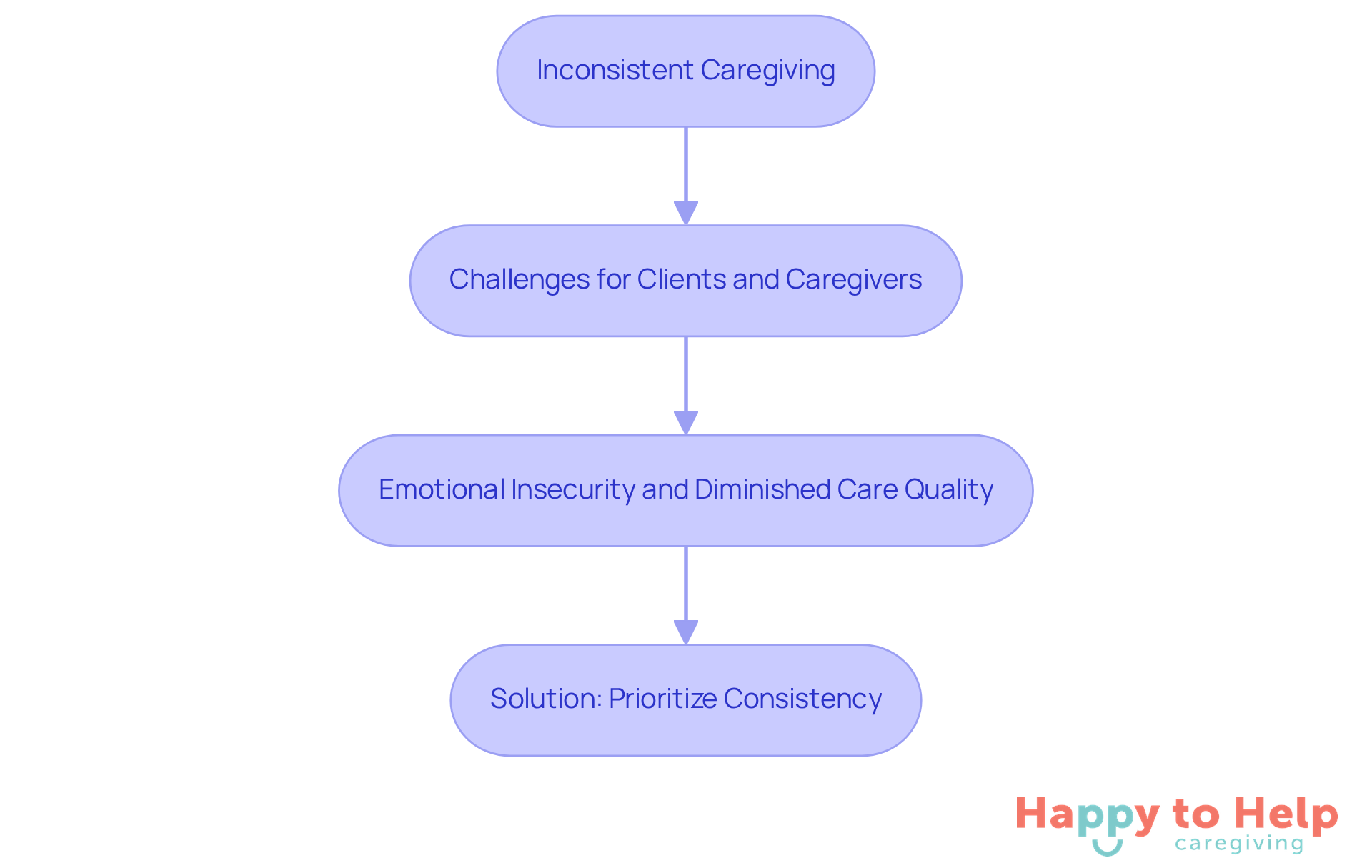
Problem: Inconsistent caregiving can lead to significant challenges for both clients and caregivers. When individuals do not receive assistance from the same providers regularly, it can hinder the development of trust and rapport, which are essential for effective caregiving.
Agitate: This inconsistency often leaves clients feeling uncomfortable and insecure, as they may struggle to communicate their needs effectively. Research shows that seniors benefit from consistent caregivers, as it ensures their needs are met with intentionality and care throughout the day. Without this stability, the quality of care can diminish, impacting the emotional well-being and dignity of those receiving assistance.
Solution: To address these challenges, caregivers should prioritize consistency in their support. By ensuring that clients receive personal cares from the same providers whenever possible, caregivers can foster a sense of security and comfort. A reliable provider understands a person's preferences and routines, which enhances the overall quality of personal cares. This stability not only empowers individuals but also allows caregivers to monitor health changes more effectively, leading to timely interventions and improved health outcomes.
As noted by Naples Bay Home Care, "Having the same support providers consistently establishes a higher level of assistance and a greater feeling of ease for both our clients and their families." The emotional bonds formed through frequent interactions significantly enhance the caregiving experience. Additionally, consistency benefits caregivers by improving their understanding of care plans and reducing errors, ultimately leading to better care delivery.
Key Takeaways for Caregivers
Family caregivers face a significant challenge: their own well-being often takes a backseat to the needs of their loved ones. This neglect can lead to emotional and physical strain, ultimately affecting the quality of care they provide. To address this issue, it’s crucial to implement personal care solutions that enhance caregivers' well-being.
One key insight is the importance of companionship in alleviating feelings of loneliness. Caregivers should seek social connections to foster emotional support. Additionally, respite care is essential to prevent burnout, allowing caregivers to recharge and maintain their health. Flexible scheduling can also help balance personal and caregiving responsibilities, making it easier to manage both roles.
Integrating technology can improve communication and streamline caregiving tasks. Consistent caregiving is vital for building trust and ensuring quality care, while tailored support plans can address individual needs, enhancing the overall caregiving experience.
Ultimately, prioritizing caregiver well-being is essential for creating a healthier caregiving environment. By embracing these personal care solutions, caregivers can cultivate resilience and maintain their health, ensuring they provide the best possible care to their loved ones. Taking proactive steps toward self-care is not just beneficial; it’s vital for managing the emotional and physical demands of caregiving.
https://iframe.tely.ai/cta/eyJhcnRpY2xlX2lkIjogIjY5MjY0MzllZGUyNDgxZjQ1MzJkZTdjNyIsICJjb21wYW55X2lkIjogIjY4ZWU1ZGNhNzMxNzYyNTU3ZjNjOTVjMSIsICJpbmRleCI6IG51bGwsICJ0eXBlIjogImFydGljbGUifQ==Frequently Asked Questions
What is companionship care and why is it important for seniors?
Companionship care involves caregivers fostering meaningful connections with seniors to combat loneliness and emotional isolation. It is important as it enhances emotional well-being, helps maintain a sense of belonging, and enriches the quality of life for seniors.
How can caregivers help alleviate feelings of loneliness in seniors?
Caregivers can alleviate feelings of loneliness by actively involving seniors in discussions, activities, and hobbies, such as arranging regular outings or playing games, which significantly uplift mood and mental health.
What challenges do caregivers face after a loved one’s hospital stay?
Caregivers often experience stress and anxiety, which can hinder their ability to provide effective care. They may struggle with monitoring health conditions, managing medications, and assisting with mobility, increasing the risk of complications and readmission.
What support does Happy to Help Caregiving offer for post-hospital recovery?
Happy to Help Caregiving offers specialized post-hospital recovery support that includes monitoring health conditions, assisting with medication management, and providing physical support during recovery to help individuals regain their independence.
What is respite care and why is it necessary for family caregivers?
Respite care provides temporary relief for family caregivers, allowing them to take essential breaks from their caregiving duties. It is necessary to prevent caregiver burnout and ensure that caregivers can focus on their own health and well-being.
How does respite care benefit both caregivers and the individuals they care for?
Respite care allows caregivers to recharge and return to their supportive roles rejuvenated, which ultimately benefits both their health and the quality of care provided to their loved ones.
List of Sources
- Happy to Help Caregiving: Companionship Care for Emotional Support
- Home Care Agency in Plantation, FL Near You | Skilled Nursing and Senior Home Care Services Serving Broward and Palm Beach Counties | Home Health Aide | Free Consult | 24-7 | Trust USA Home Health (https://trustusahomehealth.com/?p=2378)
- A Better Solution Home Care (https://abs.care/How-Companionship-Care-Improves-Mental-Health-in-Older-Adults)
- The Emotional Benefits of Companion Care for Seniors (https://comfortkeepers.com/offices/texas/round-rock/resources/news/the-emotional-benefits-of-companion-care-for-seniors)
- Companion Care at Home Reduces Loneliness for Seniors During the Holidays (https://lifesathomecare.com/companion-care-at-home-reduces-loneliness-for-seniors-during-the-holidays)
- Trends in Loneliness Among Older Adults from 2018-2023 (https://ihpi.umich.edu/national-poll-healthy-aging/reports-and-resources/trends-loneliness-among-older-adults-2018-2023)
- Post-Hospital Recovery Assistance: Smooth Transitions for Family Caregivers
- 10 Essential Post-Hospital Recovery Assistance Services for Caregivers - Happy To Help (https://happytohelpcaregiving.com/10-essential-post-hospital-recovery-assistance-services-for-caregivers)
- Home Care Impact on Recovery of Patient (A Statistics Report) (https://lovinghomecareinc.com/home-care-recovery-statistics)
- Post-Hospital Care Sanger, CA - How Post-Hospital Care Supports Seniors' Independence (https://a-plusinhomecare.com/how-post-hospital-care-supports-seniors-independence)
- Post-Hospital Care for Seniors Supports Healing (https://picseniorcare.com/how-post-hospital-care-for-seniors-makes-recovery-easier)
- Respite Care: Essential Breaks for Family Caregivers' Well-Being
- New Report Reveals Crisis Point for America’s 63 million Family Caregivers (https://press.aarp.org/2025-07-24-New-Report-Reveals-Crisis-Point-for-Americas-63-million-Family-Caregivers)
- Respite Facts and Talking Points | ARCH National Respite Network & Resource Center (https://archrespite.org/policy/respite-facts-and-talking-points)
- Opinion | America’s Caregivers Are in Crisis (https://nytimes.com/2025/11/24/opinion/caregiving-crisis.html)
- The Caregiving Landscape: Data & Insights on the Caregiver Experience in the U.S. (https://caregiveraction.org/caregiver-statistics)
- Improving Support for Family Caregivers (https://nationalacademies.org/news/2025/07/improving-support-for-family-caregivers)
- Palliative Support Care: Managing Complex Needs for Family Caregivers
- Palliative Care News Archives (https://hospicenews.com/category/palliative-care-news)
- Support for Serious Illness (https://newsinhealth.nih.gov/2025/07/support-serious-illness)
- Palliative Care: An Extra Layer of Support Can Make All the Difference for a Patient (https://washingtonhealth.com/news/2023/november/palliative-care-an-extra-layer-of-support-can-ma)
- Understanding the Role of Palliative Care in Advanced Illness Management (https://news.cuanschutz.edu/graduate-school/understanding-the-role-of-palliative-care-in-advanced-illness-management)
- Flexible Scheduling Options: Balancing Caregiving and Personal Life
- New U.S. Workforce Report: Nearly 70% of Family Caregivers Report Difficulty Balancing Career and Caregiving Responsibilities, Spurring Long-Term Impacts to U.S. Economy (https://press.aarp.org/2024-5-16-US-Workforce-Report-70-Caregivers-Difficulty-Balancing-Career-Caregiving-Responsibilities)
- Flexible Care Models Give Home Care Clients ‘What They Want When They Want It’ (https://homehealthcarenews.com/2025/10/flexible-care-models-give-home-care-clients-what-they-want-when-they-want-it)
- 9 Ways to Find Caregivers With Flexible Scheduling Options - MedCity News (https://medcitynews.com/2025/05/9-ways-to-find-caregivers-with-flexible-scheduling-options)
- 'We're flexible': New York leaders eye leeway in home care program changes (https://spectrumlocalnews.com/nys/central-ny/politics/2024/10/03/we-re-flexible---n-y--leaders-eye-leeway-in-home-care-program-changes)
- Return-to-Office Trends are Reshaping Caregiving at Home - Family & Nursing Care (https://familynursingcare.com/return-to-office-trends-are-reshaping-caregiving-at-home)
- 24/7 Availability: Constant Support for Family Caregivers
- What Does 24/7 Home Care Look Like? (https://careindeed.com/blogs/what-does-24-7-home-care-look-like)
- 24/7 Home Care: Ensuring Safety and Comfort for Your Loved Ones - Faith Home Healthcare (https://faithcareus.com/blog/24-7-home-care-ensuring-safety-and-comfort-for-your-loved-ones)
- 24/7 Senior Care Services: What You Need to Know (https://allseniors.org/articles/24-7-senior-care-services-what-you-need-to-know)
- 24/7 Home Care: Ensuring Safety and Comfort for Your Loved Ones (https://h2hhc.com/blog/24-7-home-care)
- Caregiver Statistics: Demographics (https://caregiver.org/resource/caregiver-statistics-demographics)
- Caregiver Training: Enhancing Emotional Support for Family Caregivers
- Factors associated with receipt of caregiver training among family and unpaid caregivers of people living with dementia (https://sciencedirect.com/science/article/pii/S2667032125000186)
- Family Caregiver Support, Education Needs Growing (https://hospicenews.com/2025/11/11/family-caregiver-support-education-needs-growing)
- Caregiver Statistics: Health, Technology, and Caregiving Resources (https://caregiver.org/resource/caregiver-statistics-health-technology-and-caregiving-resources)
- Home-Based Care Companies Improve Outcomes By Training Family Caregivers (https://homehealthcarenews.com/2025/10/home-based-care-companies-improve-outcomes-by-training-family-caregivers)
- The Importance of Regular Caregiver Training and Support (https://regencyhcs.com/blog/the-importance-of-regular-caregiver-training-and-support?4393cdce_page=9)
- Technology Integration: Streamlining Caregiving Communication
- National Family Caregiver Month 2025: How Tech Supports Care (https://caresmartz360.com/blog/home-care/empowering-family-caregivers-with-technology-this-caregivers-month)
- Technology improves caregiver experience for families dealing with dementia (https://news-medical.net/news/20250203/Technology-improves-caregiver-experience-for-families-dealing-with-dementia.aspx)
- How Technology Improves Communication Between Families And Care Staff (https://thehighpointresidence.com/blog/how-technology-improves-communication-between-families-and-care-staff)
- U.S. Caregivers' Use of Technology to Help with Caregiving (https://aarp.org/pri/topics/ltss/family-caregiving/caregiving-technology-survey)
- Technology Use Among Older Adults and Their Caregivers: Cross-Sectional Survey Study - PMC (https://pmc.ncbi.nlm.nih.gov/articles/PMC11084119)
- Personalized Care Plans: Tailoring Support for Family Caregivers
- The Importance of Personalized Care Plans in Home Care (https://anodyne-services.com/2025/01/14/the-importance-of-personalized-care-plans-in-home-care)
- Findings From New Study Reinforce That Home-Delivered Meals Provide Critical Health and Social Benefits to Older Adults and Caregivers (https://mealsonwheelsamerica.org/news/findings-from-new-study-reinforce-that-home-delivered-meals-provide-critical-health-and-social-benefits-to-older-adults-and-caregivers)
- How Personalized Health Care Is Changing The Role Of Home Care Providers (https://homehealthcarenews.com/2024/03/how-personalized-health-care-is-changing-the-role-of-home-care-providers)
- Without support, seniors aging in place may elect facility-based care, study finds (https://mcknights.com/news/without-support-seniors-aging-in-place-may-elect-facility-based-care-study-finds)
- The Importance of Personalized Care Plans (https://homecareadvisory.org/importance-personalized-care-plans)
- Caregiver Consistency: Building Trust and Comfort for Family Caregivers
- The Importance of Consistency in Senior Caregiving (https://malamamaikai.com/importance-of-consistency-in-senior-caregiving)
- Why Consistent Caregivers Make All the Difference in Home Care - Naples Bay Home Care (https://homecarenaplesfl.com/4538-2)
- The Benefits of Having a Consistent Caregiver in Home Care (https://humancareny.com/blog/the-benefits-of-having-a-consistent-caregiver-in-home-care)
- The Caregiver-Client Bond: How the Right Match Builds Trust, Manages Stress, and Transforms Lives (https://rightathome.co.uk/enfield/news-item/the-caregiver-client-bond-how-the-right-match-builds-trust-manages-stress-and-transforms-lives)