10 Personal Caregiving Services to Support Family Caregivers
For families in our service areas
For families in our service areas, this guide explains personal care and how non-medical in-home caregiving can support care planning in East Idaho, Treasure Valley & Magic Valley, Northern Wasatch, North Central West Virginia, and Northeast Ohio.
Why 10 Personal Caregiving Services to Matters
The landscape of caregiving is evolving, reflecting the increasing complexities of supporting aging loved ones. Family caregivers are facing significant challenges, including burnout, isolation, and the need for specialized assistance. These issues not only affect the caregivers themselves but also impact the quality of care that seniors receive.
As the demand for personal caregiving services grows, it has never been more critical to address these challenges. This article explores ten essential services that enhance the quality of life for seniors while providing invaluable support to family caregivers navigating this demanding journey.
How can these services alleviate the pressures faced by caregivers? By ensuring that their loved ones receive the care they deserve, these services offer practical solutions that caregivers can implement to improve their situation.
Happy to Help Caregiving: Companionship Care for Emotional Support
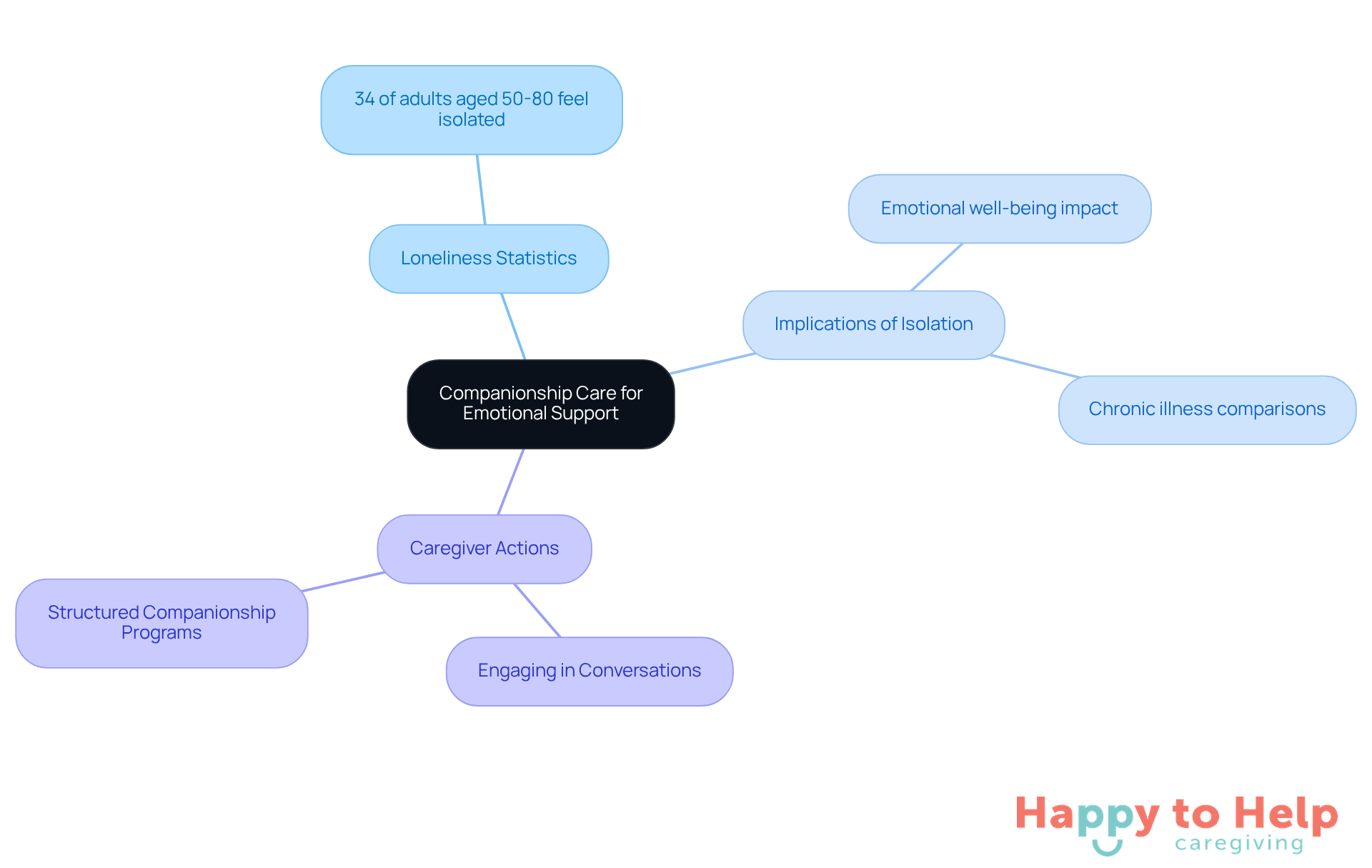
Companionship care addresses a significant problem: loneliness and isolation among seniors. Many elderly individuals face the emotional toll of losing friends or family, which can lead to detrimental mental health effects. In fact, research shows that in 2023, 34% of adults aged 50-80 reported feeling isolated from others, underscoring the urgency of this issue.
The implications of isolation are profound. It can affect emotional well-being and stability, making companionship support not just beneficial but essential. Experts in gerontology emphasize that the mental impact of isolation can be as harmful as chronic illnesses. This highlights the critical need for effective personal caregiving services that provide companionship.
So, what can caregivers do? Engaging clients in meaningful conversations and activities fosters a sense of belonging and purpose. Caregivers can implement structured companionship programs that encourage consistent social interaction. This not only enhances mood but also alleviates symptoms of anxiety and depression.
To summarize, personal caregiving services are essential for sustaining the emotional health of seniors. By prioritizing social engagement, caregivers can significantly improve the quality of life for those they support.
Post-Hospital Recovery Assistance: Ensuring a Smooth Transition Home
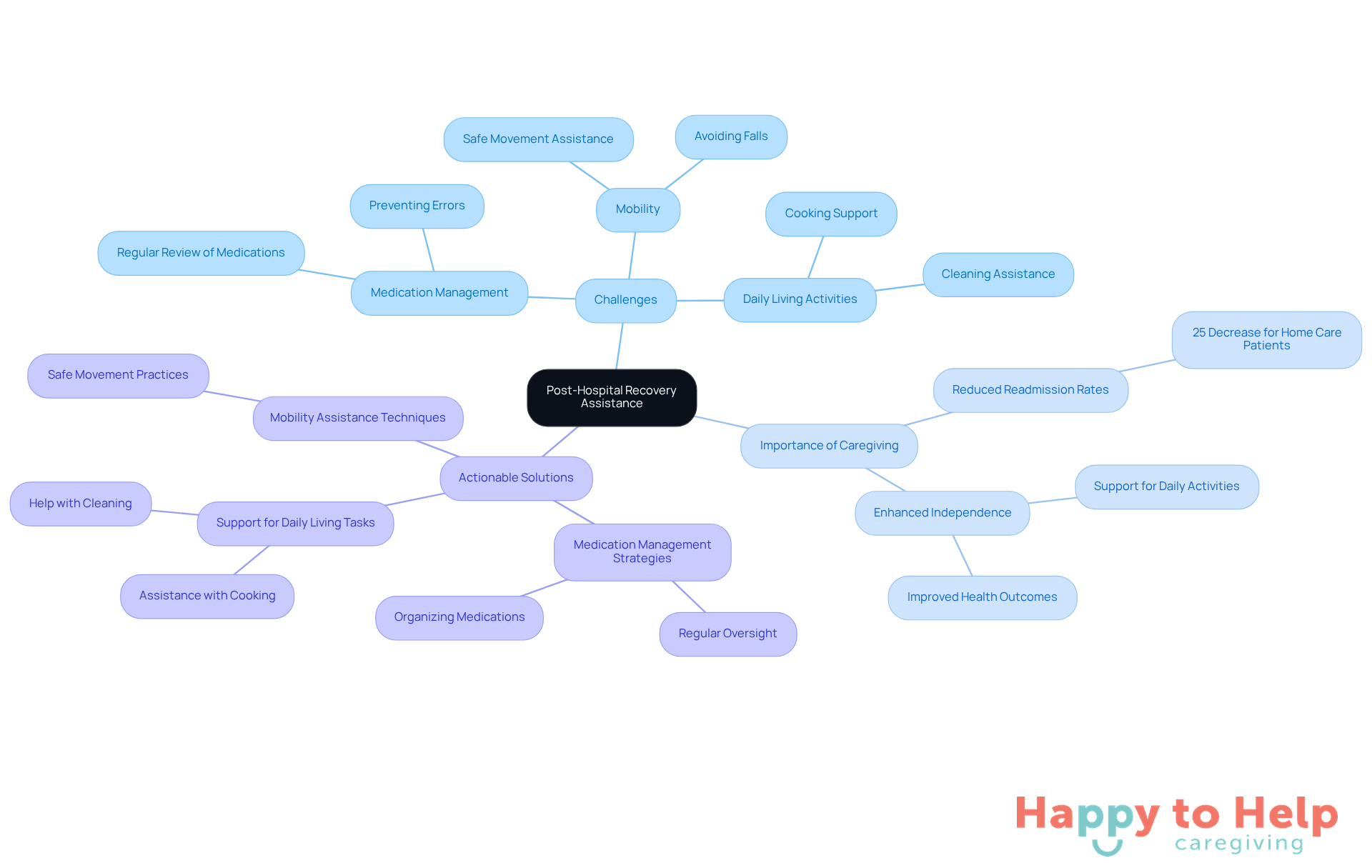
Post-hospital recovery presents significant challenges for individuals and their families. After discharge, many face difficulties in managing medications, mobility, and daily living activities. This can lead to increased stress for caregivers and families, who worry about their loved ones' well-being during recovery, making personal caregiving services essential.
Effective medication management is crucial. Research shows that proper oversight can significantly reduce hospital readmission rates. In fact, home care patients experience up to a 25% decrease in readmissions for specific chronic conditions. This statistic underscores the importance of skilled caregivers in delivering personal caregiving services that ensure adherence to recovery plans.
Personal caregiving services provide essential support that not only enhances physical recovery but also alleviates concerns for families. By assisting with mobility and daily tasks, they foster a smoother transition back to daily life. Families can take comfort in knowing that with dedicated support, their loved ones can achieve better health outcomes and maintain their independence.
To ensure effective post-hospital recovery, caregivers can implement the following actionable solutions:
- Medication Management: Regularly review and organize medications to prevent errors.
- Mobility Assistance: Help individuals with safe movement to avoid falls.
- Daily Living Activities: Support with tasks like cooking and cleaning to ease the burden.
With these strategies, personal caregiving services can significantly improve recovery times and provide reassurance to families, ensuring that their loved ones are in capable hands.
Respite Care: Temporary Relief for Family Caregivers
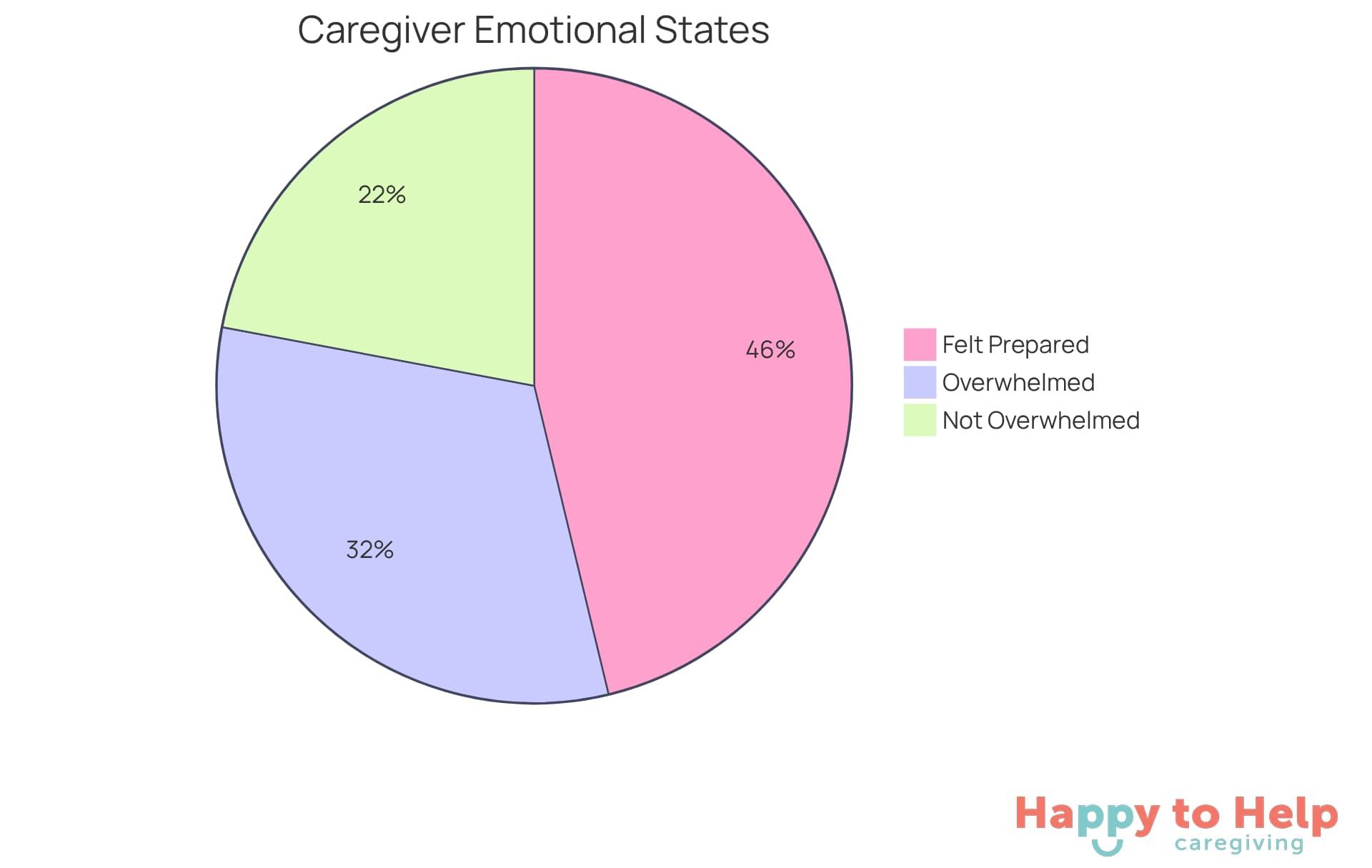
Caregivers face a significant challenge: the risk of exhaustion from providing continuous support to their loved ones. This exhaustion can lead to detrimental effects on both their mental health and the quality of care they provide. In fact, nearly 59% of family assistants in some states report feeling overwhelmed by their responsibilities.
To combat this issue, respite support offers a vital solution. This service offers personal caregiving services that provide short-term relief, allowing caregivers to take necessary breaks while ensuring their loved ones continue to receive quality assistance. Respite services can be tailored to meet various needs, whether for just a few hours or several days, enabling caregivers to recharge and address personal matters.
Utilizing personal caregiving services can significantly lower the risk of caregiver burnout. Research shows that caregivers who take regular breaks report improved mental health and a greater sense of competence in their roles. For instance, a program in San Diego County provided over 30,000 hours of relief support, with 86% of participants feeling more prepared to handle their caregiving duties afterward.
This highlights the importance of respite support not only in reducing stress but also in fostering a healthier caregiving environment. By prioritizing their own well-being, caregivers can enhance the quality of assistance they provide.
Palliative Support Care: Enhancing Quality of Life for Serious Illnesses
Palliative support is crucial for individuals facing serious illnesses, as it directly addresses the challenges they encounter. Many patients struggle with not only physical symptoms but also emotional distress, which can significantly diminish their quality of life. Caregivers often find themselves overwhelmed and require effective strategies to manage the complexities involved in personal caregiving services.
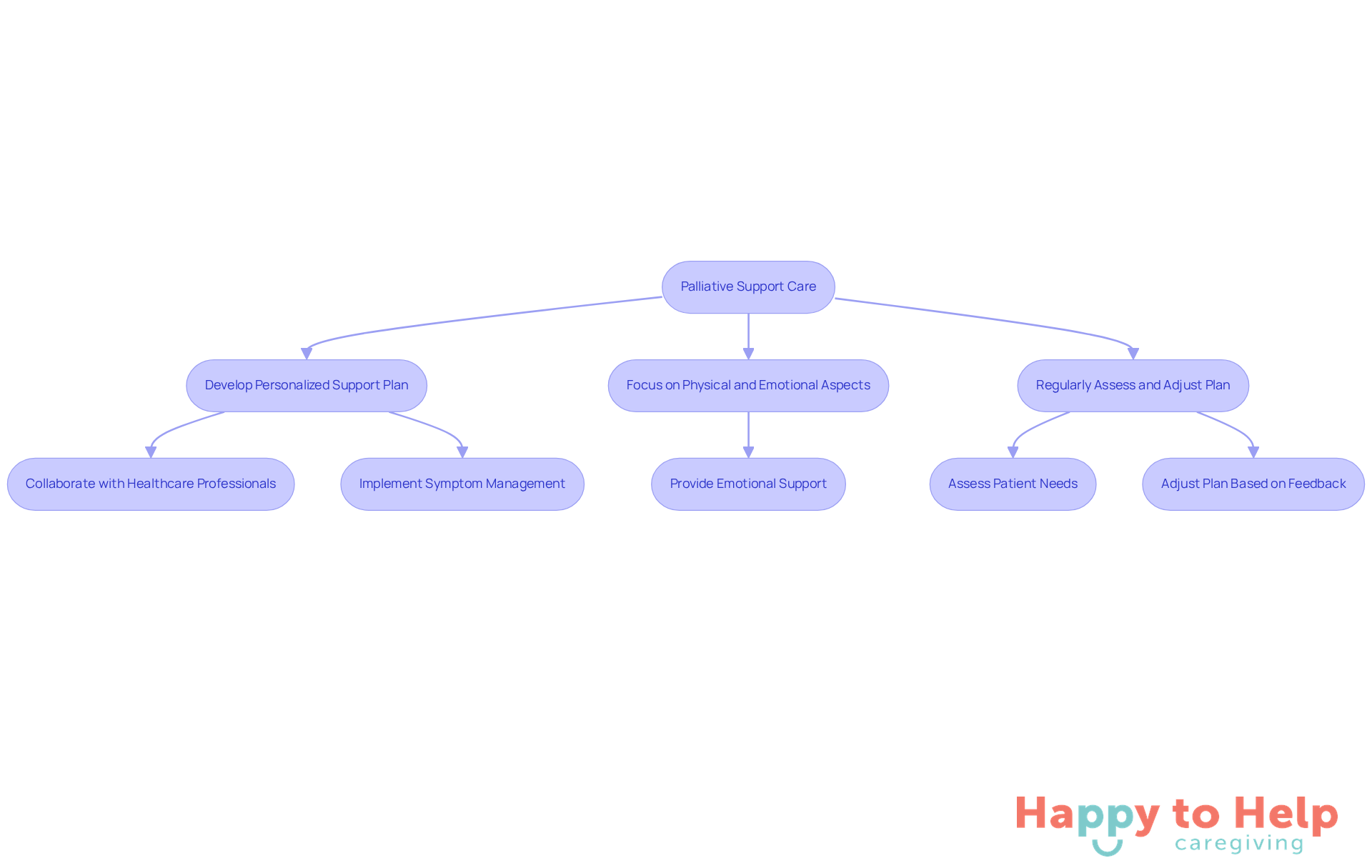
To tackle these issues, a comprehensive support plan is essential. This plan for personal caregiving services should be tailored to meet each client's unique needs, combining symptom management with emotional support. Caregivers can work closely with healthcare professionals to deliver personal caregiving services that create a holistic approach, alleviating physical discomfort while also addressing psychological and spiritual concerns.
Incorporating emotional assistance is vital; studies show that it greatly influences patients' overall well-being. By prioritizing both physical and emotional health, personal caregiving services enhance the quality of life, allowing individuals to maintain their dignity and comfort throughout their treatment journey.
Key Strategies for Caregivers:
- Develop a personalized support plan in collaboration with healthcare professionals.
- Focus on both physical and emotional aspects of care.
- Regularly assess and adjust the support plan based on the patient's evolving needs.
Home Safety Assessments: Identifying Hazards for a Secure Living Environment
Home safety assessments are crucial for evaluating living environments and identifying potential hazards that could lead to falls. One significant problem is that one in three falls in and around the home occurs in the bathroom, making it the most common site for accidents. This alarming statistic is compounded by the fact that the fall death rate for older adults surged by 41% between 2012 and 2021, highlighting the urgent need for caregivers to address these risks.
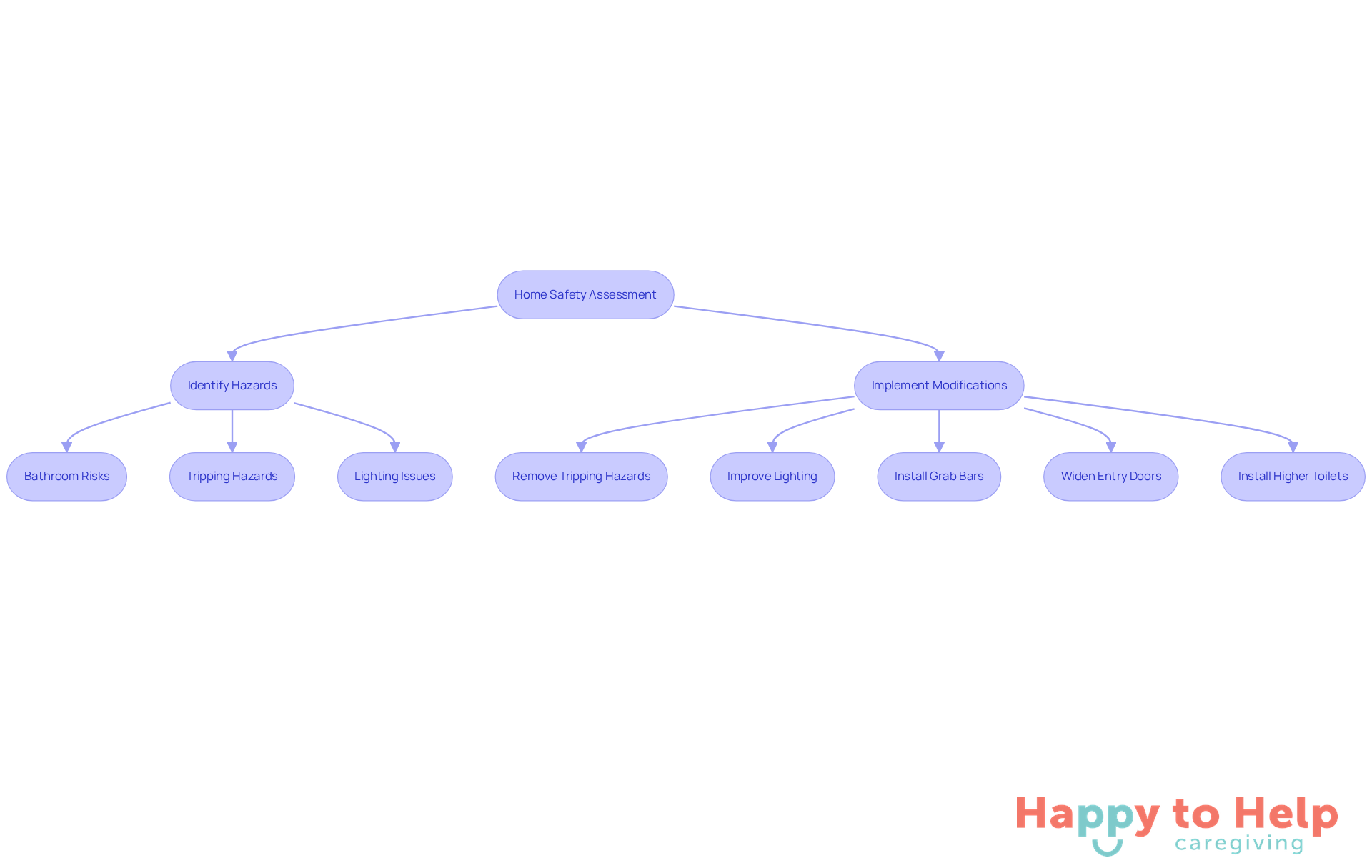
Caregivers play a pivotal role in implementing necessary modifications to enhance the safety of personal caregiving services. By:
- Removing tripping hazards
- Improving lighting
- Installing grab bars in bathrooms
they can significantly reduce the risk of falls and injuries. Successful home modifications, such as:
- Widening entry doors to at least 32 inches
- Installing higher toilets with non-slam seats
have proven effective in creating safer living spaces.
Occupational therapists emphasize the importance of regular assessments and proactive modifications. As one occupational therapist noted, "Regular home safety assessments are crucial for identifying risks and implementing changes that can prevent falls." These changes not only enhance safety but also promote a sense of well-being, enabling individuals to maintain their independence and confidence in their homes.
By addressing these safety concerns, personal caregiving services can significantly impact the lives of those they support, enabling them to thrive in their familiar surroundings.
Meal Preparation Services: Nutritious Meals Tailored to Dietary Needs
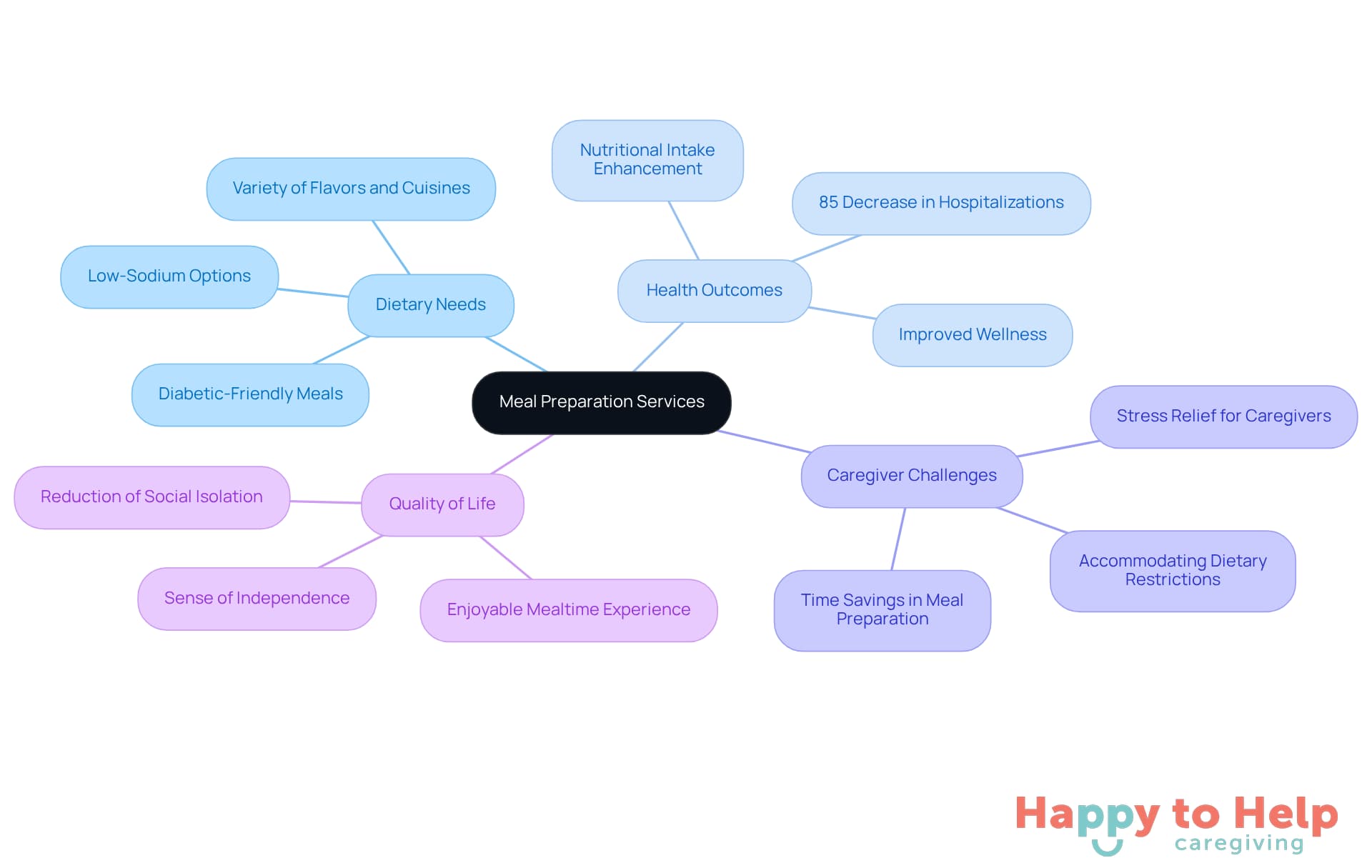
Meal preparation services address a critical issue: ensuring that elderly clients receive nutritious meals tailored to their specific dietary needs. Caregivers often face the challenge of accommodating various dietary restrictions, such as low-sodium or diabetic-friendly options. These considerations are essential for maintaining well-being and preventing complications. Research indicates that proper nutrition significantly influences wellness outcomes for seniors. Tailored meal plans can enhance well-being and reduce hospitalizations. For example, studies by Meals on Wheels America and the WellSky Foundation reveal that home-delivered meals can lead to an 85 percent decrease in hospitalizations within 30 days for seniors receiving meal services.
However, the demand for these essential services is evident, as 1 in 3 local Meals on Wheels providers has a waitlist, with seniors waiting an average of four months for meals. This highlights the pressing need for effective meal preparation services. Beyond physical health, these services also improve the overall quality of life by making mealtime enjoyable and stress-free. Engaging in meal preparation fosters a sense of independence and dignity among seniors, allowing them to savor a variety of flavors and cuisines while adhering to their dietary needs.
Effective meal planning initiatives demonstrate that when seniors receive meals tailored to their medical conditions, they experience improved wellness and greater satisfaction. Dietitians stress the importance of meal preparation for seniors, noting that well-planned meals can alleviate stress for caregivers and enhance the nutritional intake of older adults. As Ipyana Spencer, Chief Health Officer at Meals on Wheels America, states, "These findings provide clear, measurable evidence of how Meals on Wheels services can drastically improve older adult health outcomes." By prioritizing balanced nutrition and accommodating dietary restrictions, personal caregiving services become a vital component of comprehensive caregiving, ensuring that individuals thrive in their home environments.
Personal Care Services: Assistance with Daily Living Activities
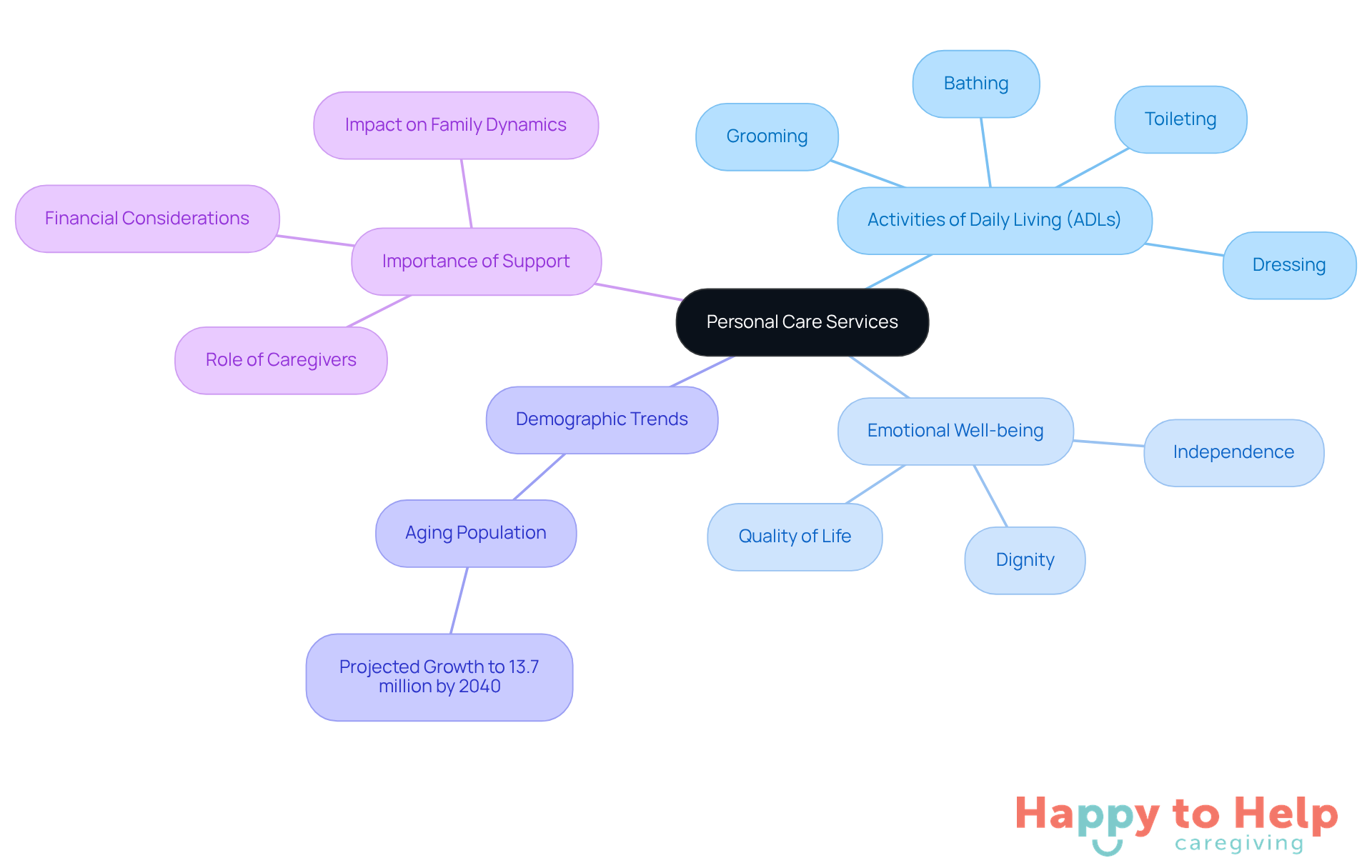
Personal care services address a significant problem: many elderly individuals struggle with activities of daily living (ADLs) such as bathing, dressing, grooming, and toileting. This challenge can lead to a loss of dignity and independence, impacting their overall well-being. Caregivers play a vital role in providing tailored assistance that meets each individual's unique needs, empowering clients to maintain their daily routines.
The implications of inadequate support are profound. Without proper assistance, seniors may experience diminished emotional health and a decline in their quality of life. Successful personal support programs not only cater to physical needs but also foster emotional well-being, allowing seniors to thrive in familiar environments. As the population ages, with projections indicating that the number of people aged 85 and older will rise to 13.7 million by 2040, the demand for these essential services is expected to increase.
A recent survey revealed that 84% of participants valued their loved one's autonomy, underscoring the critical role of personal support services in enhancing quality of life. Specialists in geriatric support emphasize the importance of ADLs in senior care, noting that customized help not only addresses physical needs but also promotes emotional health.
Given this growing need for assistance, families should consider personal caregiving services as a viable option for their loved ones. By recognizing the significance of these services, caregivers can ensure that seniors live with greater autonomy and confidence, ultimately enriching their lives.
Transportation Services: Facilitating Access to Medical and Social Activities
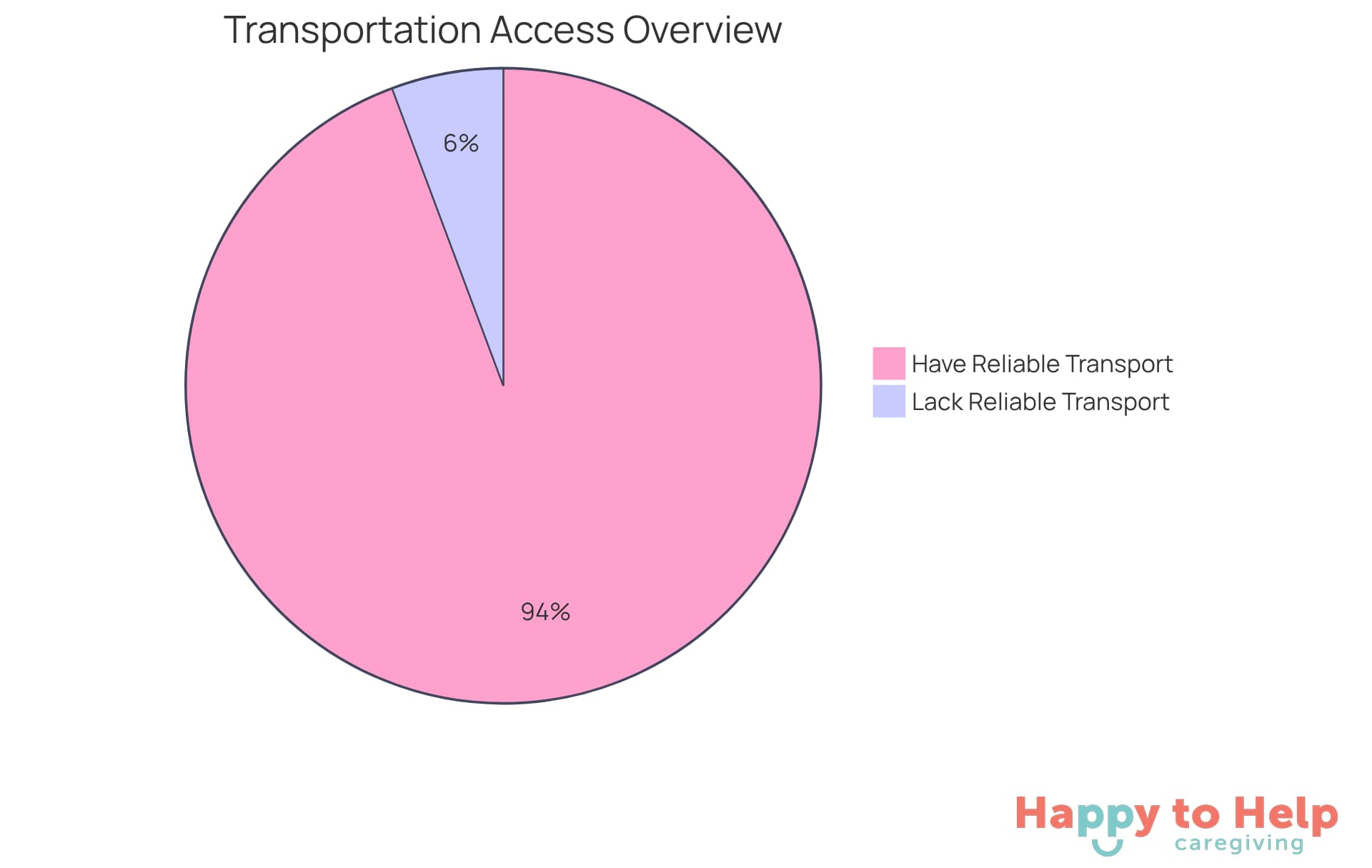
Transportation services are crucial for elderly individuals who need reliable access to medical appointments, social events, and community activities. Unfortunately, 5.7% of adults reported lacking reliable transportation in the past year, which can significantly impact their independence and mental health. Personal caregiving services play a vital role in addressing this issue by assisting with ride scheduling and accompanying individuals to their destinations.
This lack of transportation not only hinders access to essential services but also limits social engagement, which is vital for emotional well-being. As one social worker noted, "Accessible and dependable transportation allows older adults to maintain close relationships, which are essential for emotional well-being." Therefore, it’s imperative to find effective solutions that empower elderly individuals and their caregivers.
Programs like volunteer driver initiatives, such as Project CART, and specialized medical transportation services have proven effective in improving access for older adults. These initiatives ensure that seniors can attend essential activities without barriers. By prioritizing transportation solutions, personal caregiving services can assist their clients in leading fulfilling lives, reinforcing their autonomy and connection to the community.
Technology Integration: Enhancing Communication and Coordination of Care
The challenge of effective communication and coordination in personal caregiving services is significant. In personal caregiving services, caregivers often struggle to keep track of appointments, share wellness updates, and ensure medication adherence. This issue is particularly pressing as over three-quarters of older adults wish to remain in their homes as they age, underscoring the need for technology that can facilitate this desire.
The implications of poor communication can be severe. Families may feel disconnected from care planning, leading to misunderstandings and frustration. However, personal caregiving services provide a solution through technology. Digital tools, such as applications and platforms, empower caregivers to manage personal caregiving services efficiently and share vital updates. For example, video conferencing tools enable families to participate in care planning meetings, fostering transparency and collaborative decision-making.
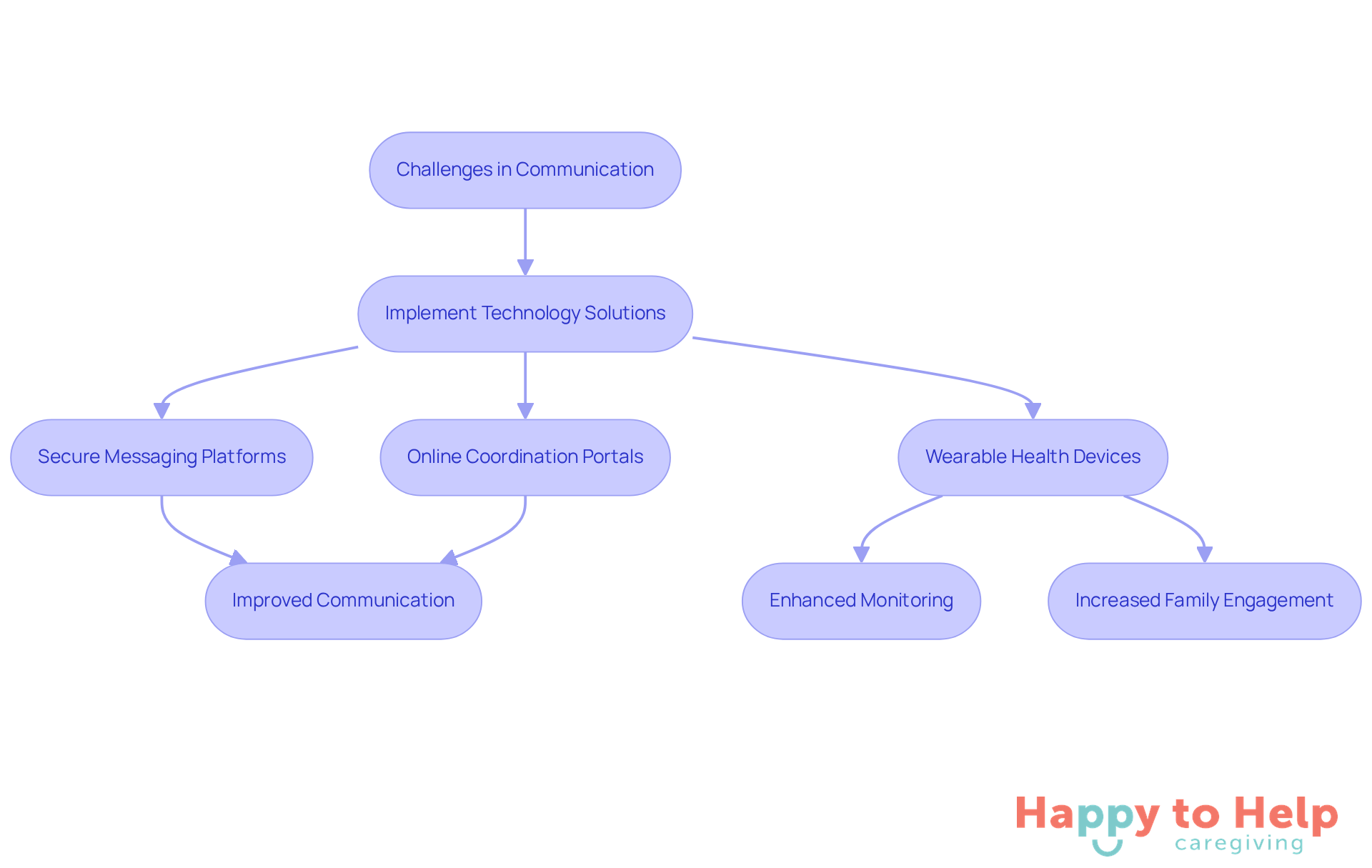
Moreover, technology enhances the ability to monitor patient well-being. Wearable health devices provide real-time information, allowing caregivers to respond swiftly to changes in a client's condition. Research indicates that effective communication is the cornerstone of patient-focused support, including personal caregiving services, resulting in improved satisfaction and outcomes for both providers and recipients.
To address these challenges, caregivers should consider implementing secure messaging platforms and online coordination portals in their personal caregiving services. These digital tools can improve personal caregiving services by reducing misunderstandings and streamlining workflows. They not only support care providers but also strengthen connections between families and care personnel, ensuring everyone involved is informed and engaged in the client's care journey.
As technology continues to evolve, its role in enhancing communication within caregiving settings will only grow. To maximize the benefits, caregivers are encouraged to explore user-friendly apps that facilitate communication and health monitoring, ensuring they stay connected with their loved ones.
Caregiver Training Programs: Ensuring High-Quality Care Standards
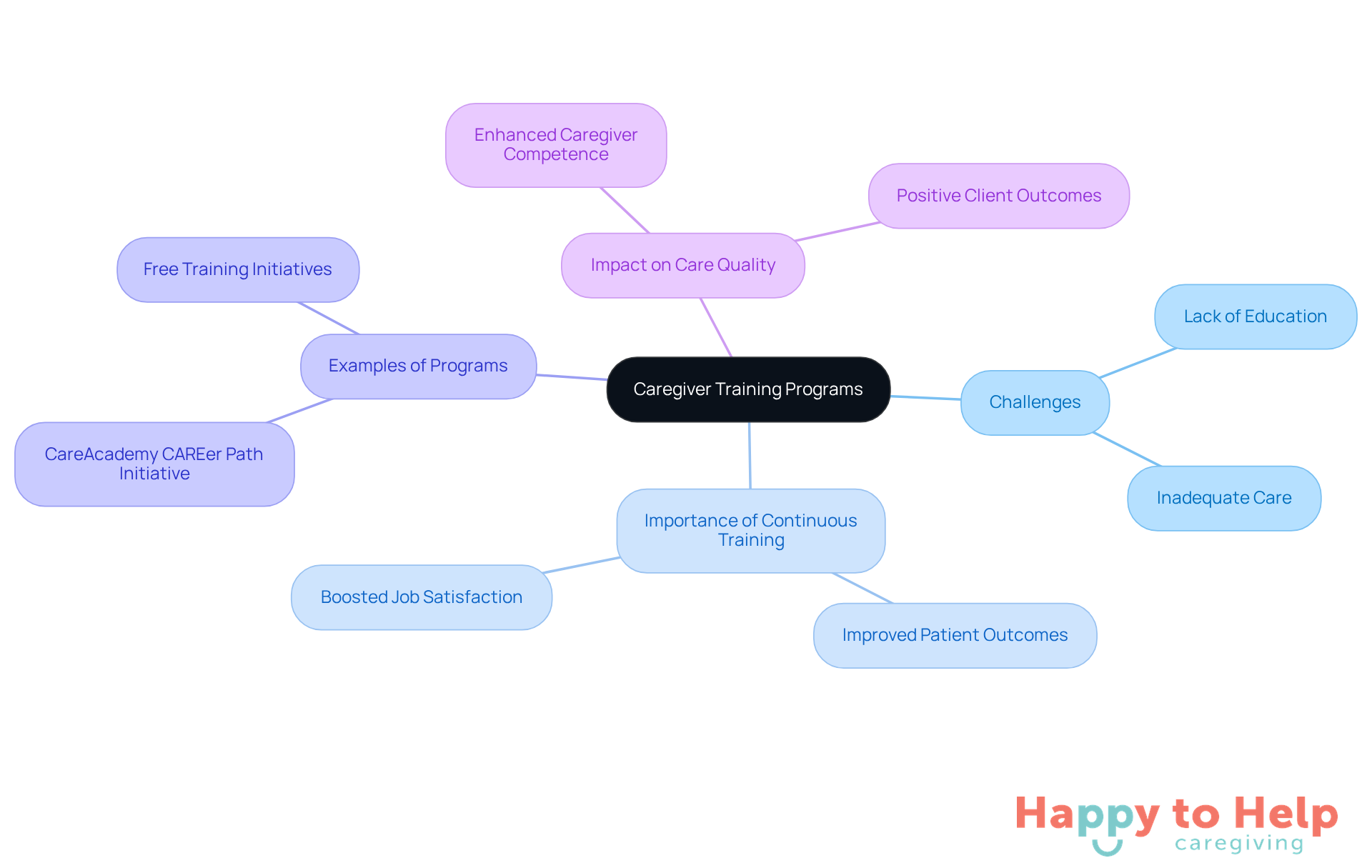
Caregiver training programs face a significant challenge: many caregivers lack essential education on best practices, safety protocols, and effective communication techniques. This gap can lead to inadequate care, affecting both the quality of support provided and the job satisfaction of caregivers. When caregivers are not well-equipped to meet the diverse needs of those they assist, it can result in negative outcomes for clients and their families.
To address this issue, continuous training is crucial. Research from the National Institute on Aging shows that well-trained support providers lead to improved patient outcomes. Programs like the CareAcademy CAREer Path Initiative illustrate how structured training can enhance caregiver skills and retention. By offering opportunities to earn college credit for training certifications, these initiatives not only boost caregiver competence but also their confidence and job satisfaction.
Moreover, statistics reveal that 26% of agencies focus on scheduling to improve employee retention, which is vital for maintaining a stable caregiving workforce. As the Family Caregiver Alliance states, "Create care plans that align with family values and realities," underscoring the importance of training in developing personalized care strategies.
By prioritizing training, caregiving agencies can ensure their staff is not only competent but also motivated to deliver personal caregiving services. This commitment to education creates a positive impact on the overall caregiving experience, benefiting both caregivers and those they serve.
Making the Right Choice
Personal caregiving services address a significant problem: the emotional and physical burdens faced by family caregivers. These challenges can lead to increased stress and burnout, impacting both caregivers and the individuals they support. By recognizing these issues, we can better understand the importance of tailored caregiving services.
The implications of caregiver strain are profound. Loneliness among seniors can be alleviated through companionship care, which provides essential emotional support. Additionally, post-hospital recovery assistance ensures a smoother transition home, while respite care offers caregivers necessary breaks, reducing the risk of burnout. Palliative support enhances the quality of life for those with serious illnesses, and meal preparation services meet nutritional needs. Home safety assessments and transportation services contribute to a secure and independent living environment. Moreover, technology integration streamlines communication and coordination among caregivers and families, making care more effective. Finally, caregiver training programs are vital for maintaining high-quality care standards.
To navigate the complexities of elder care, families must prioritize personal caregiving services. By doing so, caregivers can significantly improve the quality of life for seniors, foster their independence, and enhance their own well-being. Embracing these support systems not only strengthens family bonds but also ensures that both caregivers and those they care for thrive in a nurturing environment.
https://iframe.tely.ai/cta/eyJhcnRpY2xlX2lkIjogIjY5Mjc5NGVkMWE3YzlhYWNlNmI1NGZiMCIsICJjb21wYW55X2lkIjogIjY4ZWU1ZGNhNzMxNzYyNTU3ZjNjOTVjMSIsICJpbmRleCI6IG51bGwsICJ0eXBlIjogImFydGljbGUifQ==Frequently Asked Questions
What is companionship care and why is it important for seniors?
Companionship care addresses loneliness and isolation among seniors, which can significantly affect their emotional well-being. In 2023, 34% of adults aged 50-80 reported feeling isolated, making companionship support essential for improving mental health and quality of life.
How can caregivers help reduce feelings of isolation in seniors?
Caregivers can engage clients in meaningful conversations and activities, fostering a sense of belonging and purpose. Implementing structured companionship programs encourages consistent social interaction, enhancing mood and alleviating symptoms of anxiety and depression.
What challenges do individuals face during post-hospital recovery?
After hospital discharge, individuals may struggle with managing medications, mobility, and daily living activities, which can increase stress for caregivers and families concerned about their loved ones' well-being.
How does effective medication management impact post-hospital recovery?
Proper medication management can significantly reduce hospital readmission rates, with home care patients experiencing up to a 25% decrease in readmissions for specific chronic conditions, highlighting the importance of skilled caregivers.
What types of support do personal caregiving services provide during post-hospital recovery?
Personal caregiving services assist with medication management, mobility assistance to prevent falls, and support with daily living activities such as cooking and cleaning, facilitating a smoother transition back to daily life.
What is respite care and why is it beneficial for family caregivers?
Respite care offers temporary relief for family caregivers, allowing them to take breaks while ensuring their loved ones receive quality assistance. This service helps reduce caregiver exhaustion and improves their mental health and caregiving competence.
How can taking breaks impact a caregiver's effectiveness?
Research shows that caregivers who take regular breaks report improved mental health and a greater sense of competence, ultimately enhancing the quality of assistance they provide to their loved ones.
What are some examples of respite support services?
Respite support services can be tailored to meet various needs, providing care for just a few hours or several days, enabling caregivers to recharge and address personal matters while ensuring ongoing support for their loved ones.
List of Sources
- Happy to Help Caregiving: Companionship Care for Emotional Support
- A Better Solution Home Care (https://abs.care/How-Companionship-Care-Improves-Mental-Health-in-Older-Adults)
- AI companion helps Bronx senior living facility residents combat loneliness (https://cbsnews.com/newyork/news/ai-companionship-for-seniors-bronx)
- Trends in Loneliness Among Older Adults from 2018-2023 (https://ihpi.umich.edu/national-poll-healthy-aging/reports-and-resources/trends-loneliness-among-older-adults-2018-2023)
- 'Sometimes it could just be companionship': Senior Helpers fills gap in elder care (https://whec.com/top-news/sometimes-it-could-just-be-companionship-senior-helpers-fills-gap-in-elder-care)
- Home Care Agency in Plantation, FL Near You | Skilled Nursing and Senior Home Care Services Serving Broward and Palm Beach Counties | Home Health Aide | Free Consult | 24-7 | Trust USA Home Health (https://trustusahomehealth.com/?p=2378)
- Post-Hospital Recovery Assistance: Ensuring a Smooth Transition Home
- A Safer Transition from Hospital to Home: Pharmacy Program Helps Discharged Patients with Medications-ASHP (https://news.ashp.org/News/ashp-news/2025/09/09/a-safer-transition-from-hospital-to-home-pharmacy-program-helps-discharged-patients-with-medications)
- How Healing at Home Helps Unclog the Hospital Bed Logjam (https://usnews.com/news/health-news/articles/2025-03-03/how-healing-at-home-helps-unclog-the-hospital-bed-logjam)
- Trends in Receipt of Help at Home After Hospital Discharge Among Older Adults in the US - PMC (https://pmc.ncbi.nlm.nih.gov/articles/PMC8634055)
- Sent Home To Heal, Patients Avoid Wait for Rehab Home Beds - KFF Health News (https://kffhealthnews.org/news/article/patients-rehab-at-home-unclog-hospital-bed-nursing-home-waiting-list)
- Home Care Impact on Recovery of Patient (A Statistics Report) (https://lovinghomecareinc.com/home-care-recovery-statistics)
- Respite Care: Temporary Relief for Family Caregivers
- Family Caregivers Struggling In Some States More Than Others (https://disabilityscoop.com/2025/10/31/family-caregivers-struggling-in-some-states-more-than-others/31710)
- New Bill: Senator Edward J. Markey introduces S. 3231: Respite Care and Resources for Everyone Act | AMGN Stock News (https://quiverquant.com/news/New+Bill:+Senator+Edward+J.+Markey+introduces+S.+3231:+Respite+Care+and+Resources+for+Everyone+Act)
- A bill in Congress would return $5,000 to millions of family caregivers every year, but will it pass? (https://cbsnews.com/newyork/news/credit-for-caring-act-family-caregiver-tax-credit)
- Funding Opportunity: National Lifespan Respite Care Program State Program Enhancement Grants | ACL Administration for Community Living (https://acl.gov/news-and-events/announcements/national-lifespan-respite-care-program-state-program-enhancement)
- News & Success Stories | Live Well San Diego (https://livewellsd.org/Home/Components/News/News/513/153)
- Palliative Support Care: Enhancing Quality of Life for Serious Illnesses
- Regence BlueShield Releases Findings on the Importance of a Holistic Approach to Palliative Care (https://news.regence.com/releases/regence-blueshield-releases-findings-on-the-importance-of-a-holistic-approach-to-palliative-care)
- ‘A good death’: How compassionate care helps people navigate the end of life (https://news.yale.edu/2025/10/13/good-death-how-compassionate-care-helps-people-navigate-end-life)
- Support for Serious Illness (https://newsinhealth.nih.gov/2025/07/support-serious-illness)
- November Is Palliative Care Month (https://hopkinsmedicine.org/news/newsroom/news-releases/2025/11/november-is-palliative-care-month)
- Palliative Care: An Extra Layer of Support Can Make All the Difference for a Patient (https://washingtonhealth.com/news/2023/november/palliative-care-an-extra-layer-of-support-can-ma)
- Home Safety Assessments: Identifying Hazards for a Secure Living Environment
- The Inside Outside Guys: Home safety assessments can help you age in place (https://detroitnews.com/story/life/home-garden/2024/03/07/the-inside-outside-guys-home-safety-assessments-can-help-you-age-in-place/72853141007)
- Facts About Falls (https://cdc.gov/falls/data-research/facts-stats)
- As falling deaths rise for older adults, how home safety can make a difference (https://denver7.com/news/local-news/as-falling-deaths-rise-for-older-adults-how-home-safety-can-make-a-difference)
- Home Safety for Seniors: Statistics & Proven Safety Solutions (https://agesafeamerica.com/home-safety-hub/articles/home-safety-seniors-statistics-solutions)
- Meal Preparation Services: Nutritious Meals Tailored to Dietary Needs
- New Study Shows Meal Delivery Services Reduce Senior Hospitalizations (https://hcinnovationgroup.com/population-health-management/social-determinants-of-health/news/55242711/new-study-shows-meal-delivery-services-reduce-senior-hospitalizations)
- Home-Delivered Medical Meals Could Prevent Millions Of Hospitalizations A Year (https://usnews.com/news/health-news/articles/2025-04-14/home-delivered-medical-meals-could-prevent-millions-of-hospitalizations-a-year)
- Heart to Home Meals Strengthens Supply Chain with Expansion of apetito Production Facility (https://prnewswire.com/news-releases/heart-to-home-meals-strengthens-supply-chain-with-expansion-of-apetito-production-facility-302621603.html)
- Findings From New Study Reinforce That Home-Delivered Meals Provide Critical Health and Social Benefits to Older Adults and Caregivers (https://mealsonwheelsamerica.org/news/findings-from-new-study-reinforce-that-home-delivered-meals-provide-critical-health-and-social-benefits-to-older-adults-and-caregivers)
- A Culinary Lifeline: How Meal Delivery Services Are Empowering Senior Independence (https://ltcnews.com/articles/culinary-lifeline-meal-delivery-services-empowering-senior-independence)
- Personal Care Services: Assistance with Daily Living Activities
- Families Prefer In-Home Care To Senior Living – Yet Struggle To Identify Needed Support (https://homehealthcarenews.com/2025/11/families-prefer-in-home-care-to-senior-living-yet-struggle-to-identify-needed-support)
- Home Care Industry Trends to Watch in 2025 (https://firstlighthomecare.com/blog/home-care-industry-trends)
- Commentary: The monthly tab for her in-home elder care: $18,000. She can cover it, but how many others can? (https://latimes.com/california/story/2025-06-21/the-tab-for-her-in-home-elder-care-18-000-she-can-cover-it-but-how-many-others-can)
- Top 5 Home Care Trends of 2025 - Family & Nursing Care (https://familynursingcare.com/top-5-home-care-trends-of-2025)
- Press Release - Newsroom | California Department of Aging - State of California (https://aging.ca.gov/Newsroom/Press\_Release/January3025)
- Transportation Services: Facilitating Access to Medical and Social Activities
- Transportation Services And Fostering Independence Among Seniors (https://thehighpointresidence.com/blog/transportation-services-and-fostering-independence-among-seniors)
- Products - Data Briefs - Number 490 - January 2024 (https://cdc.gov/nchs/products/databriefs/db490.htm)
- Senior Center hopes to continue free medical transportation program, but federal funding is set to run out - Brookline.News (https://brookline.news/senior-center-hopes-to-continue-free-medical-transportation-program-but-federal-funding-is-set-to-run-out)
- Governor Hochul Announces Expansion of Successful GoGoGrandparent Transportation Partnership for Older Adults (https://governor.ny.gov/news/governor-hochul-announces-expansion-successful-gogograndparent-transportation-partnership)
- Why Reliable Transportation Matters: Impact on Senior Well-being (https://agingwest.org/why-reliable-transportation-matters-impact-on-senior-well-being)
- Technology Integration: Enhancing Communication and Coordination of Care
- Inside the AI Companies Reshaping Caregiving for America’s 63 Million Caregivers - NewDays (https://newdays.ai/newsroom/inside-theai-companies-reshaping-caregiving-for-americas-63million-caregivers)
- Technology and interventions are changing care for older adults (https://fastcompany.com/91414509/technology-and-interventions-are-changing-care-for-older-adults)
- Technology improves caregiver experience for families dealing with dementia (https://news-medical.net/news/20250203/Technology-improves-caregiver-experience-for-families-dealing-with-dementia.aspx)
- How Technology Drives Patient-Centered Care and Communication - ObservSMART (https://observsmart.com/how-technology-drives-patient-centered-care-and-communication)
- How Technology Improves Communication Between Families And Care Staff (https://thehighpointresidence.com/blog/how-technology-improves-communication-between-families-and-care-staff)
- Caregiver Training Programs: Ensuring High-Quality Care Standards
- Enhancing Caregiver Skills Through Specialized Training (https://ltcnews.com/articles/enhancing-caregiver-skills-specialized-training)
- CCA Announces Free Online Caregiver Training Program for IHSS Workers (https://advancecaregivers.org/cca-announces-free-online-caregiver-training-program-for-ihss-workers)
- New Research Highlights Critical Role of Training in Caregiver Retention (https://careacademy.com/blog/role-of-training-in-caregiver-retention)
- HHS Launches $2M AI Initiative To ‘Transform’ Caregiving, Address Staffing Challenges (https://homehealthcarenews.com/2025/11/hhs-launches-2m-ai-initiative-to-transform-caregiving-address-staffing-challenges)
- Improving Practice: New Training to Support Diverse Family Caregivers (https://caregiver.org/news/improving-practice-new-training-to-support-diverse-family-caregivers)