
What You Need to Know About Choose a 24 Home Care Agency
Choosing the right care for a loved one can be a daunting task. Caregivers often face the challenge of balancing the need for support with the desire for independence. This dilemma can lead to stress and uncertainty, making it crucial to find a solution that meets both physical and emotional needs.
A 24-hour home care agency offers a unique solution. These agencies provide personalized assistance that not only addresses health needs but also fosters emotional well-being. However, with so many options available, families may wonder what truly sets these agencies apart. How can they ensure they are making the best choice for their loved ones?
This exploration reveals ten compelling reasons why selecting a 24-hour home care agency can be a transformative decision. By enhancing the quality of life for their loved ones, families can find peace of mind in knowing they have made a thoughtful choice.
Happy to Help Caregiving: Personalized 24-Hour Home Care Services
Problem: Many individuals requiring assistance face challenges in receiving personalized care that meets their unique needs. This lack of tailored support can lead to feelings of isolation and decreased quality of life.
Agitate: The implications of inadequate support are significant. Research shows that 44% of domestic support recipients need help with at least one daily activity, with 83% specifically requiring assistance with bathing and showering. Without proper care, clients may struggle to maintain their independence and emotional well-being, which is crucial for a positive outlook on life.
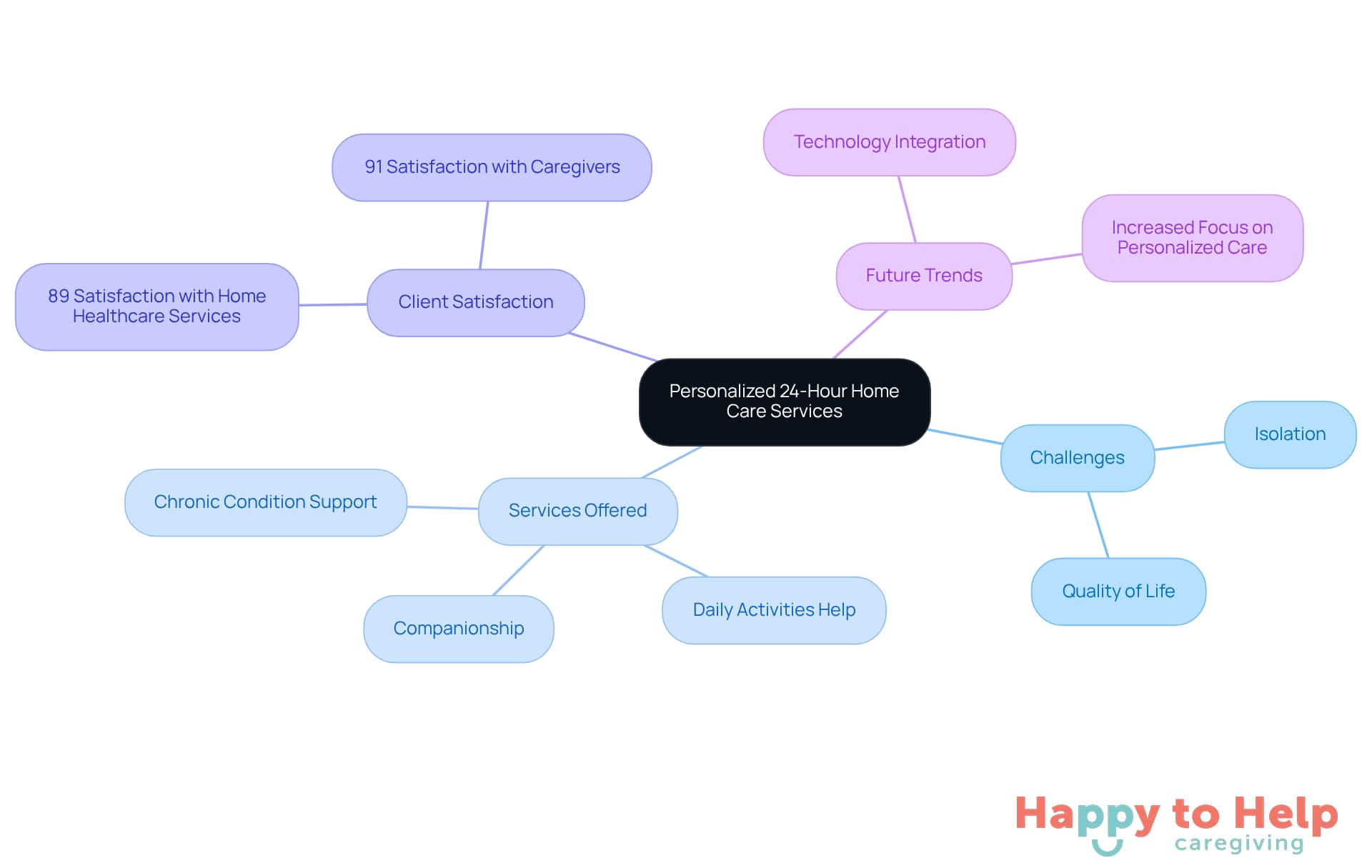
Happy to Help Caregiving excels as a 24 home care agency, providing customized assistance services tailored to the unique needs of each client. This comprehensive approach includes:
- Companionship
- Help with daily activities
- Specialized support for individuals with chronic conditions
By concentrating on individualized assistance, clients receive vital support that promotes autonomy and improves their quality of life within the familiarity of their own surroundings.
The importance of individualized support is underscored by the fact that:
- 89% of patients reported satisfaction with residential healthcare services
- 91% of clients express satisfaction with their providers
Caregivers often share insights on the transformative impact of personalized attention, noting that it not only meets physical needs but also addresses emotional well-being.
Starting in 2025, trends in home support services suggest an increasing focus on technology integration, enabling improved communication and coordination of assistance. This shift enhances the caregiving experience, ensuring that clients receive timely and effective support. For instance, companionship support has proven beneficial in alleviating feelings of isolation among seniors, with caregivers actively involving clients in enjoyable activities, thus enhancing their overall mental well-being.
By addressing daily challenges with empathy and customized assistance, Happy to Help Caregiving not only aids clients in preserving their independence but also greatly enhances their overall well-being.
Companionship and Support: The Emotional Benefits of 24-Hour Care
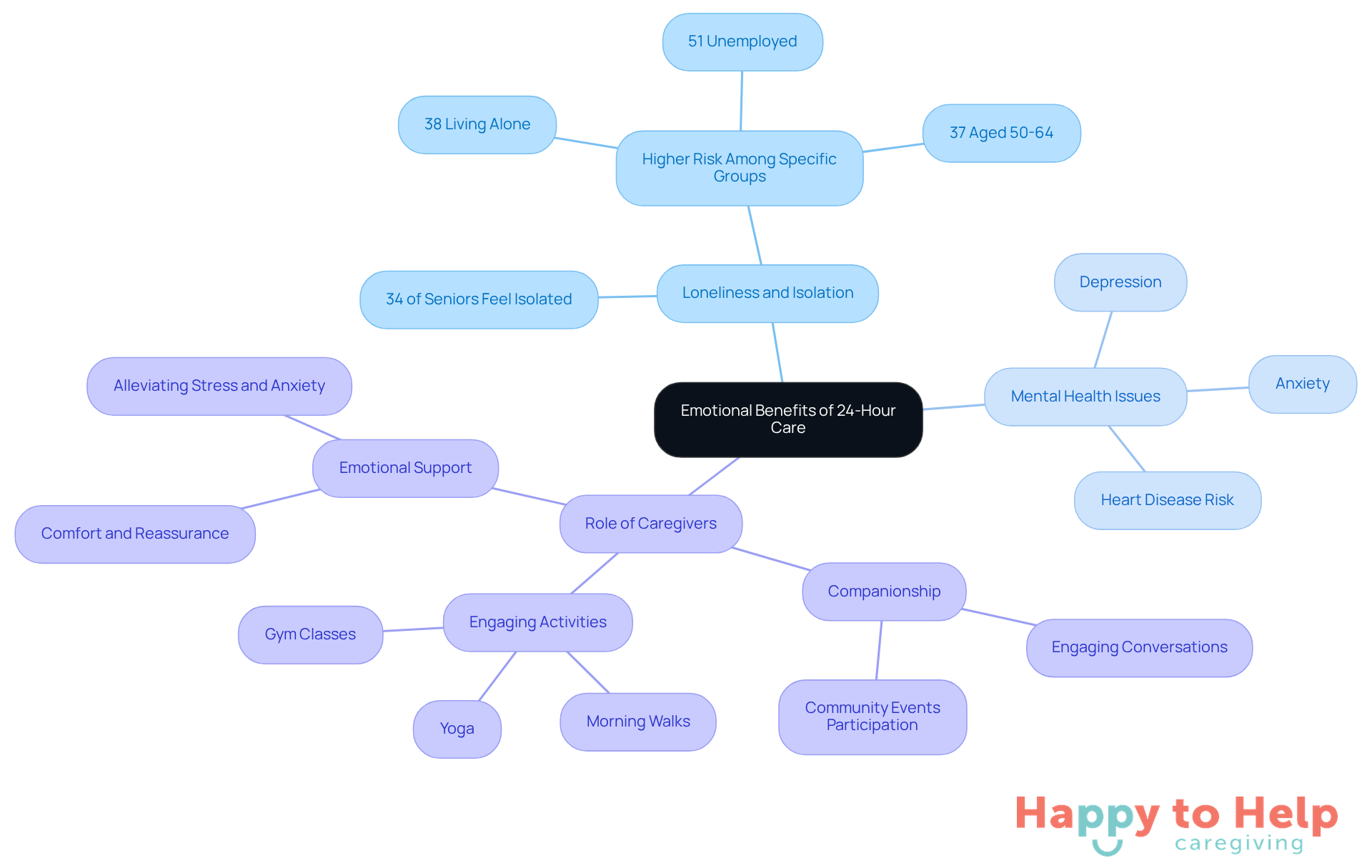
Loneliness and isolation are significant challenges faced by seniors today. Research shows that 34% of older adults report feeling isolated, which can lead to serious mental health issues, including depression and anxiety. This highlights the urgent need for consistent social interaction and emotional support.
A 24 home care agency provides a practical solution to this problem. Caregivers provide essential companionship, engaging clients in meaningful conversations and enjoyable activities like gym classes, yoga, and morning walks. These interactions foster a sense of connection and belonging, which is crucial for enhancing mental health. Studies indicate that seniors who frequently engage with caregivers experience reduced levels of depression and anxiety, and emotional assistance can significantly lower the risk of heart disease and hypertension.
As Katrecia Belgrave, owner of Happy to Help Caregiving, emphasizes, "Our team is committed to delivering compassionate assistance that improves the emotional well-being of our clients." By opting for a 24 home care agency that provides round-the-clock assistance, families can ensure their loved ones receive the compassionate help they need, ultimately enhancing their emotional well-being and allowing them to maintain independence in a familiar environment.
Post-Hospital Recovery: Ensuring Safe and Effective Healing at Home
Transitioning from a hospital stay to home can be a daunting challenge for many patients and their families. Without proper support, the risk of complications and hospital readmissions increases significantly. Caregivers face the critical task of ensuring safe recovery, which can feel overwhelming without the right resources.
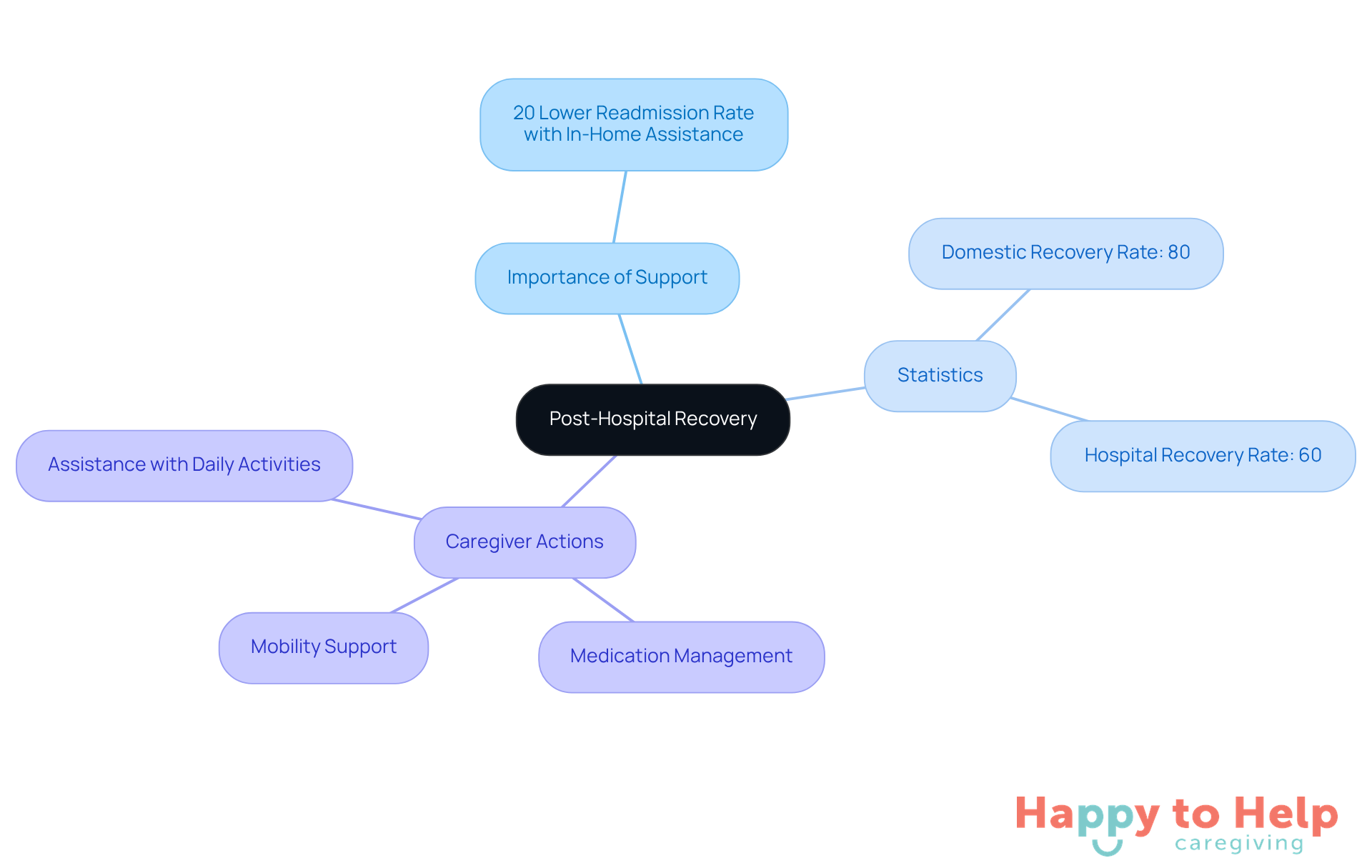
Research indicates that patients receiving in-home assistance after discharge experience a 20% lower readmission rate compared to those who do not have such support. This statistic underscores the importance of effective caregiving during this vulnerable phase. Moreover, domestic recovery rates for post-operative rehabilitation stand at 80%, while hospital recovery rates are only 60%. Clearly, the right support can make a substantial difference.
To facilitate a smoother transition, caregivers can focus on:
- Medication management
- Mobility support
- Assistance with daily activities
These actions not only help patients recover more effectively but also provide peace of mind for families. As noted by Family & Nursing Support, "In-home assistance serves as a crucial safety net for patients moving from the hospital to their residence."
For families considering this option, consulting with a 24 home care agency can provide tailored support plans that meet individual needs. By taking these steps, caregivers can enhance the overall well-being of their loved ones, ensuring they thrive in the comfort of their own homes.
Respite for Family Caregivers: Reducing Burnout with 24-Hour Support
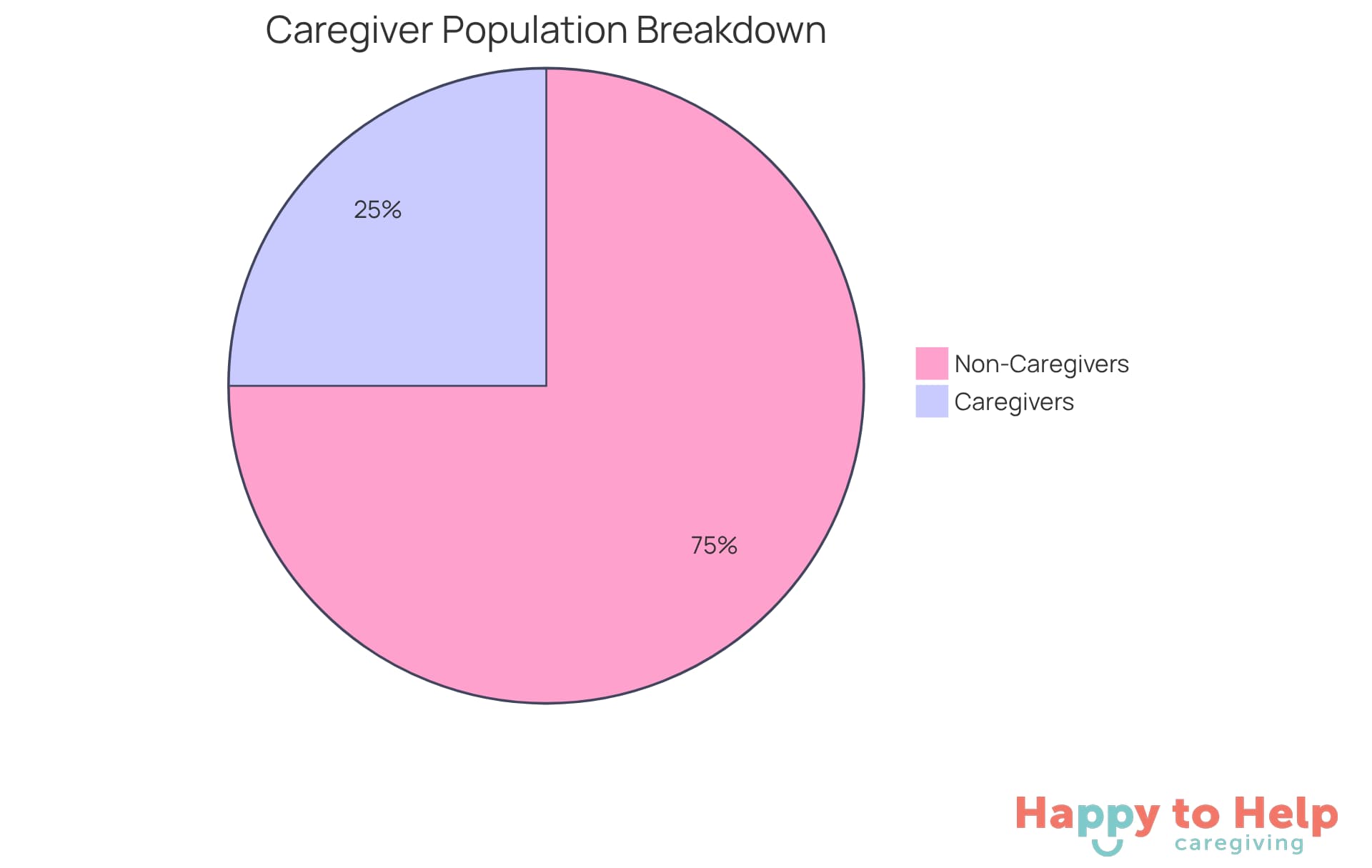
Caregivers face significant challenges, often experiencing burnout due to the relentless demands of their role. In the U.S., around 53 million individuals care for a relative with complex medical needs, and nearly 25% of adults provide support to family members. This widespread caregiving has a substantial impact on households, leading to stress and fatigue among caregivers.
To address this issue, establishing a 24 home care agency can provide essential relief. Such services provided by a 24 home care agency allow caregivers to take necessary breaks, rejuvenating themselves while ensuring their loved ones receive consistent, high-quality care. By reducing caregiver fatigue, families can foster healthier relationships and enhance their ability to assist their loved ones effectively.
As Charles J. Fuschillo, Jr. noted, "Functioning properly, managing stress, and preventing caregiver burnout is impossible without assistance and guidance." Testimonials from caregivers underscore the importance of professional support, with many expressing relief at having help that enables them to focus on their own well-being while ensuring compassionate care for their loved ones.
Moreover, the proposed Credit for Caring Act highlights the need for legislative support for family caregivers, further emphasizing the critical role of respite services in alleviating caregiver stress.
Palliative Support: Enhancing Quality of Life Through Continuous Care
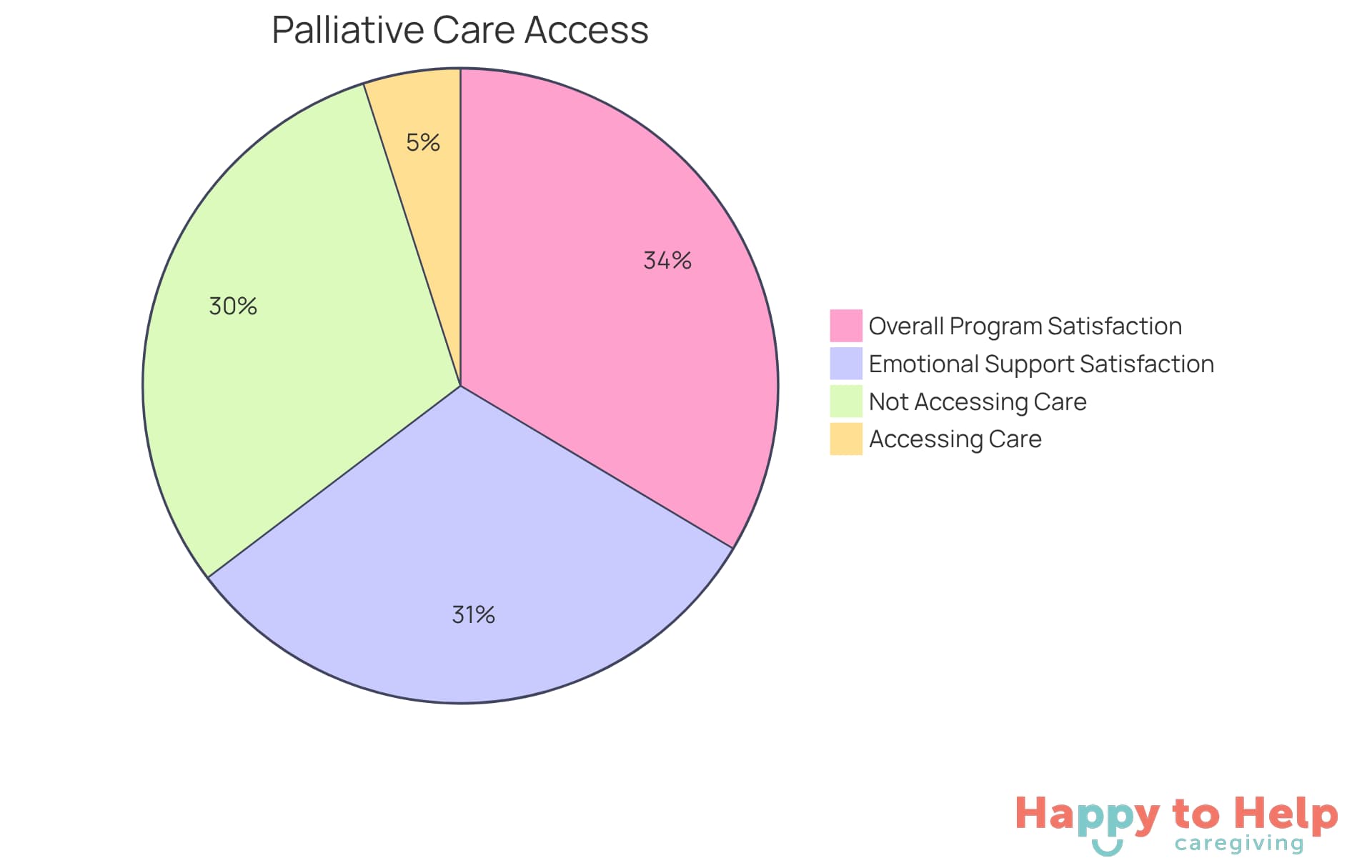
Palliative assistance is essential for individuals facing serious illnesses, yet many do not receive the support they need. Currently, only about 14% of those requiring palliative care access these vital services. This gap can lead to increased distress for both patients and caregivers, as they navigate complex health challenges without adequate resources.
The implications of this lack of support are significant. Caregivers often find themselves overwhelmed, juggling medical tasks alongside emotional and psychological needs. This multifaceted role is crucial, as caregivers provide not just medical assistance but also companionship, which is vital for emotional well-being. Research shows that early supportive treatment can lead to a better quality of life and fewer hospital stays. In fact, 81% of participants in palliative programs report greater life satisfaction.
To address these challenges, it is imperative to enhance access to palliative services. Healthcare providers emphasize the importance of caregivers in this process, as they help loved ones navigate serious health conditions while fostering a supportive environment. In 2025, the focus on improving quality of life through palliative support continues to grow, underscoring the need for services provided by a 24 home care agency.
Moreover, statistics reveal that:
- 88% of participants express satisfaction with the emotional support provided
- 95% are pleased with the overall palliative service program
These figures highlight the effectiveness of comprehensive palliative care in enhancing the quality of life for patients and their families.
Tailored Care Plans: Customizing 24-Hour Services for Individual Needs
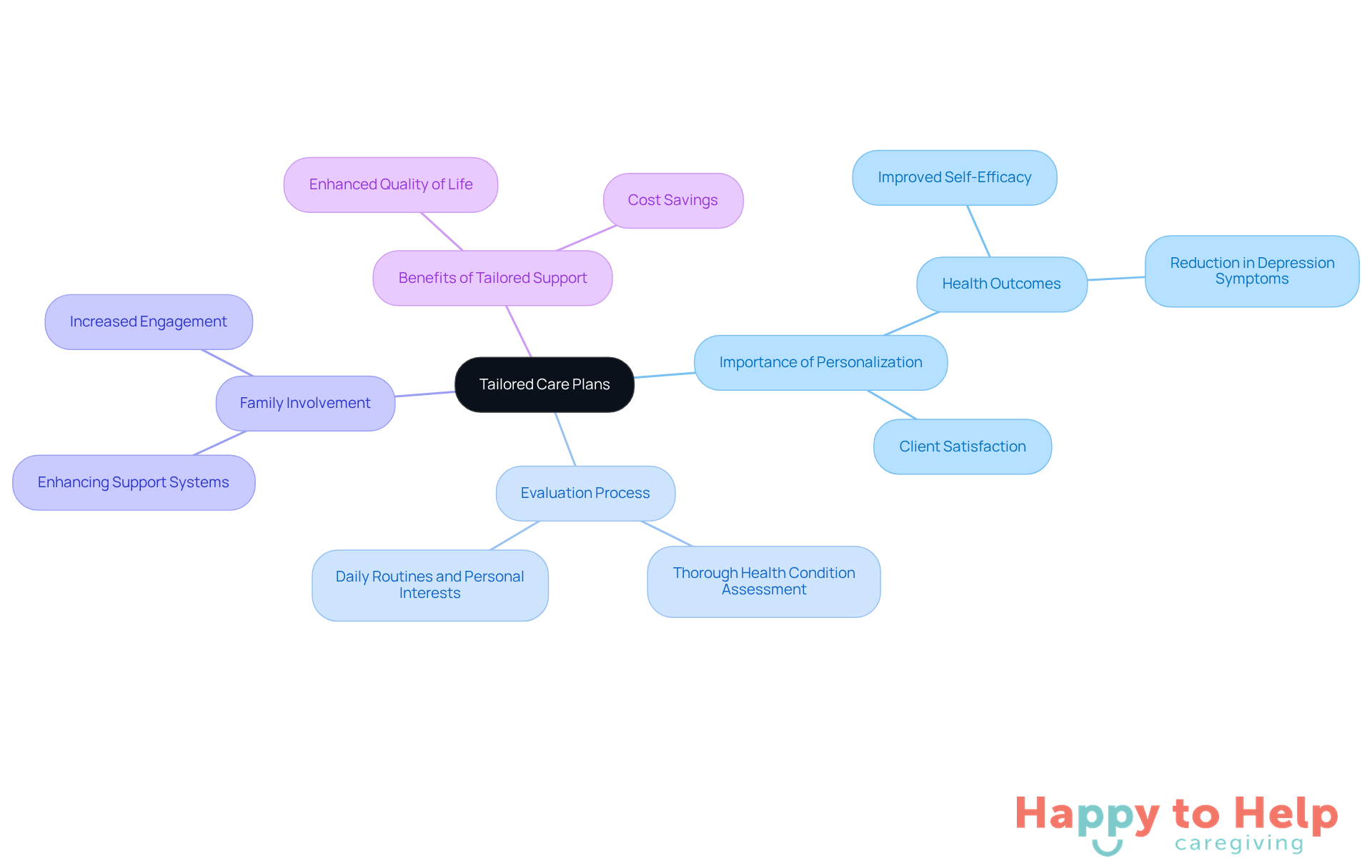
At Happy to Help Caregiving, many clients face the challenge of receiving support that doesn’t fully address their unique needs. This lack of personalization can lead to ineffective care and diminished quality of life. Research shows that personalized support strategies significantly improve health outcomes, yet only 16% of programs involve family members in the planning process. This gap highlights the importance of family participation in creating effective support systems.
To tackle these issues, Happy to Help Caregiving offers tailored support plans designed to meet individual needs and preferences. Each plan begins with a thorough evaluation of health conditions, daily routines, and personal interests. This customization ensures that support is not only effective but also respects individual lifestyles. By tailoring services, caregivers can deliver more meaningful support, enhancing the overall quality of life for those they serve.
Moreover, integrating family members into the planning process can bolster support systems, leading to improved client satisfaction and engagement. As the demand for personalized domestic services continues to rise, the commitment to individualized support remains a cornerstone of Happy to Help Caregiving's mission. By focusing on personalized care, we can ensure that every client receives the attention and support they truly deserve.
Peace of Mind: The Assurance of 24-Hour Care for Families
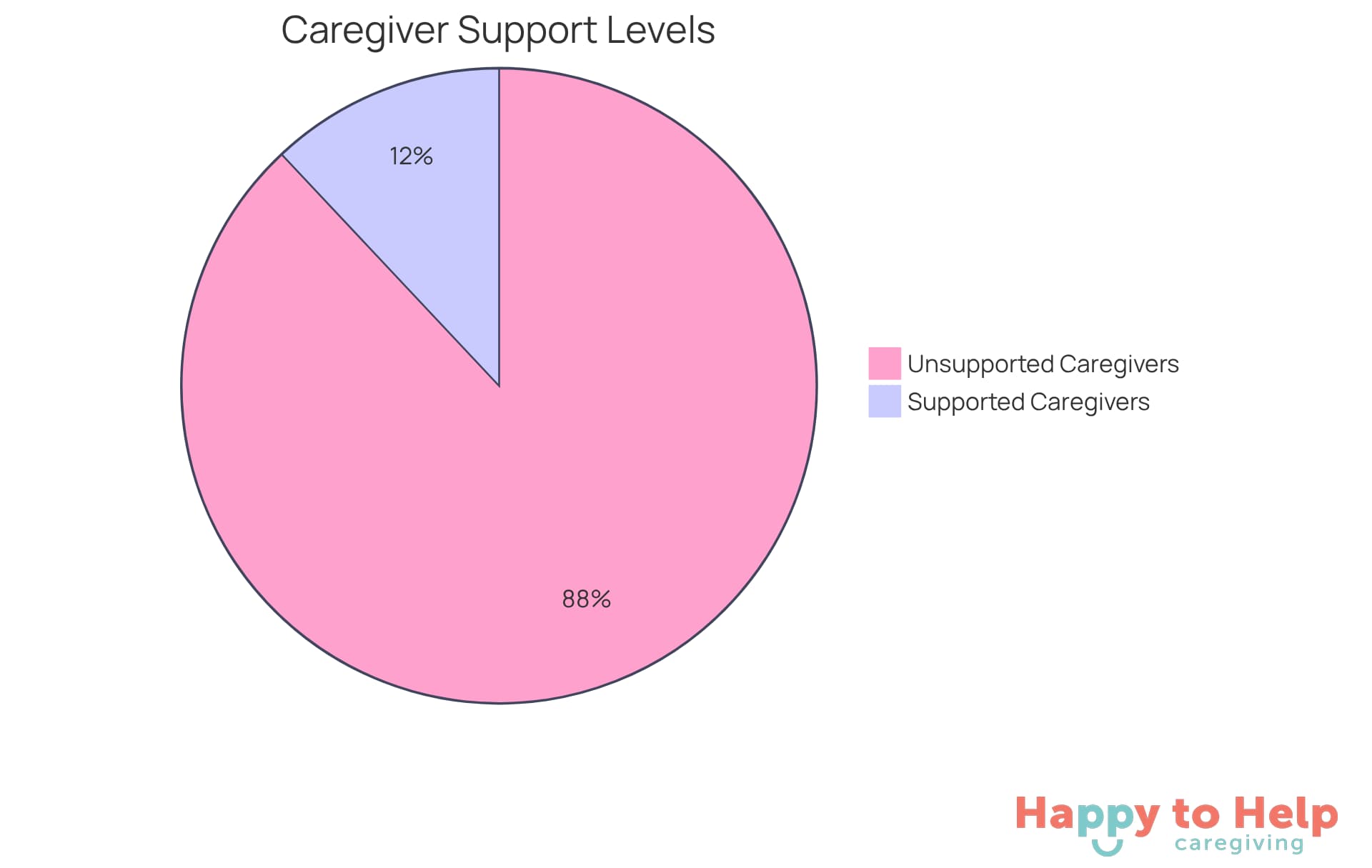
One of the significant challenges faced by caregivers is the anxiety and stress that comes from managing daily needs and emergencies without sufficient support. In fact, 88% of caregivers report feeling they lack adequate help, which can lead to overwhelming feelings of responsibility. This situation not only affects the caregivers but also their loved ones, who may worry about their well-being.
The solution lies in a 24 home care agency, which offers reassurance to families. With a trained caregiver always available, relatives can experience a notable reduction in anxiety. This ongoing assistance allows households to prioritize their connections over caregiving duties, fostering a nurturing atmosphere for everyone involved. Families often express gratitude for the peace of mind that comes with having a caregiver present. One household noted, "Having a caregiver enabled us to celebrate milestones without the anxiety of handling assistance tasks," highlighting the importance of reliable support.
Moreover, the constant presence of caregivers ensures that prompt help is always accessible, further alleviating stress for relatives and enhancing overall well-being. This extensive support network not only promotes a sense of safety but also allows families to engage more actively in their loved ones' lives, knowing that their support needs are being met with compassion and expertise.
Additionally, with unpaid caregiving having an economic impact of over $600 billion, the financial relief provided by professional caregivers is invaluable. This underscores the essential role that round-the-clock assistance plays in supporting families during challenging times.
Technology Integration: Enhancing Communication in 24-Hour Care
Communication challenges among caregivers, clients, and relatives can significantly impact the quality of home assistance. When information isn’t shared effectively, it can lead to misunderstandings and a lack of coordination in care. This disconnect not only affects the caregivers' ability to provide optimal support but also leaves families feeling anxious about their loved ones' well-being.
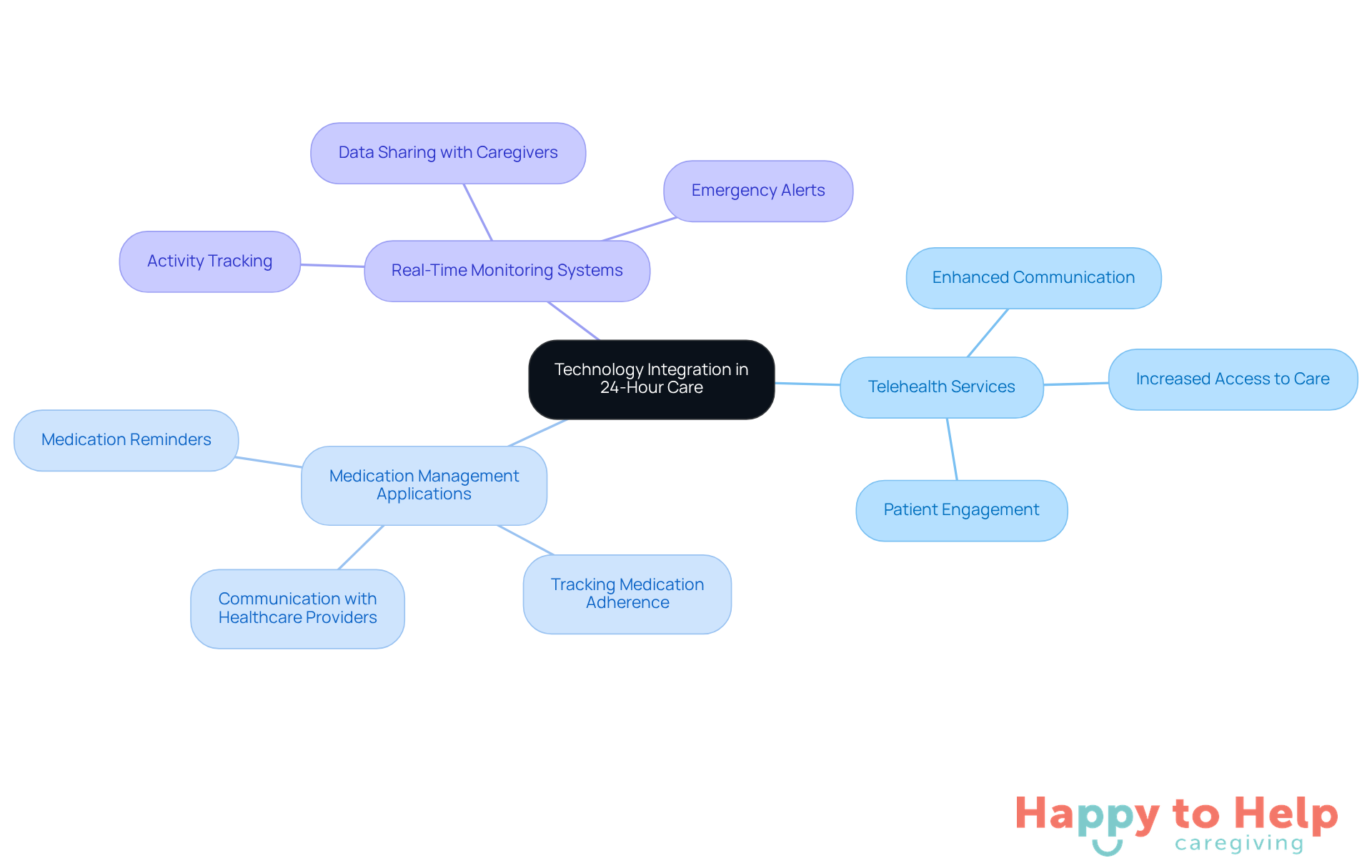
To address these issues, technology offers practical solutions that enhance communication and support coordination. Tools such as:
- Telehealth services
- Medication management applications
- Real-time monitoring systems
ensure that everyone involved in the treatment process stays informed and engaged. By leveraging these technologies, households can maintain a strong connection with their loved ones' health and well-being, fostering a more supportive environment for all.
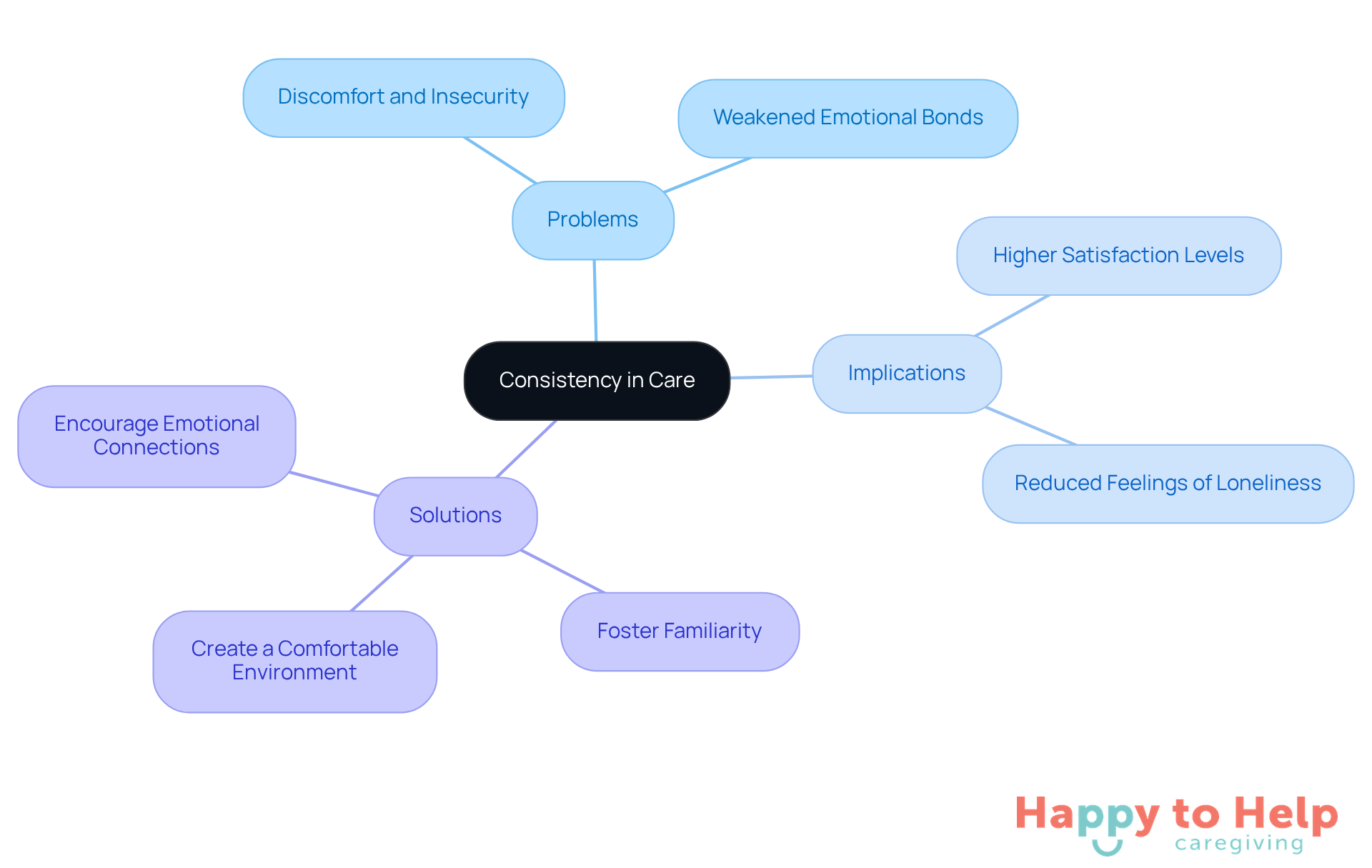
Consistency in Care: Building Trust with Familiar Caregivers
The Problem of Inconsistent Caregiving
Inconsistent caregiving can undermine the trust and rapport essential for effective client-caregiver relationships. When clients are cared for by unfamiliar faces, they often feel discomfort and insecurity, which can negatively impact their overall well-being.
The Implications of Inconsistency
Research shows that caregivers who maintain long-term relationships with clients contribute to higher satisfaction levels. Clients who feel understood and valued are more likely to thrive. Without this continuity, emotional bonds may weaken, leading to feelings of loneliness and isolation.
The Solution: Building Consistency
To enhance the caregiving experience, caregivers should focus on building consistent relationships. Here are some actionable tips:
- Foster Familiarity: Regular interactions help caregivers understand clients' preferences and needs better.
- Create a Comfortable Environment: Familiar faces can lead to clients feeling more at ease, promoting a positive caregiving atmosphere.
- Encourage Emotional Connections: These relationships are vital for reducing feelings of loneliness and facilitating smoother transitions to in-home support.
By prioritizing consistency in caregiving, caregivers can significantly improve the quality of support they provide, enriching the experience for both clients and their families.
Comprehensive Benefits: Why 24-Hour Home Care is Essential
Caregivers often face significant challenges when it comes to providing adequate support for their loved ones. The emotional and physical toll can be overwhelming, leading to stress and burnout. Without proper assistance, caregivers may struggle to meet the diverse needs of those they care for, impacting both their well-being and that of their loved ones.
One effective solution to this problem is selecting a 24 home care agency that provides 24-hour assistance. This option offers tailored support that addresses not only physical health needs but also emotional companionship. By ensuring that loved ones receive continuous care, families can significantly improve safety and overall well-being.
Families can rest assured that their loved ones are receiving the highest quality of care, customized to their individual needs, with the help of a 24 home care agency that provides 24-hour assistance within the comfort of their own homes. This comprehensive approach promotes mental and emotional health, allowing caregivers to focus on their own well-being while ensuring their loved ones are well cared for.
Key Takeaways for Caregivers
Choosing a 24-hour home care agency is a significant decision that affects both clients and their families. Caregivers often face overwhelming challenges, including emotional strain and physical exhaustion. This burden can lead to stress and burnout, impacting the quality of care provided to loved ones.
The implications of inadequate support are profound. Family caregivers may struggle to balance their responsibilities, leading to feelings of isolation and frustration. This is where 24-hour home care services come into play, offering a personalized approach that not only addresses physical needs but also enhances emotional well-being. By fostering independence and providing companionship, these services create a nurturing environment that allows loved ones to thrive in the comfort of their own homes.
Several key benefits of 24-hour home care highlight its importance:
- Tailored support plans ensure that individual needs are met.
- Consistent companionship offers emotional advantages that can significantly improve quality of life.
- Caregivers play a critical role in post-hospital recovery.
- Their integration with technology enhances communication and coordination, ensuring timely assistance.
Statistics show that those receiving personalized care experience higher satisfaction and improved quality of life. Ultimately, selecting a 24-hour home care agency alleviates the burdens on family caregivers and provides peace of mind, knowing that loved ones receive compassionate and comprehensive support.
As the demand for personalized care continues to grow, embracing these services can lead to healthier, happier lives for both clients and their families. Consider the transformative impact of 24-hour home care and take the necessary steps to ensure that your loved ones' needs are met with the utmost care and dedication.
https://iframe.tely.ai/cta/eyJhcnRpY2xlX2lkIjogIjY5MjBmZDUzNDE0OGNiZGNlMjRmMzk1ZSIsICJjb21wYW55X2lkIjogIjY4ZWU1ZGNhNzMxNzYyNTU3ZjNjOTVjMSIsICJpbmRleCI6IG51bGwsICJ0eXBlIjogImFydGljbGUifQ==Frequently Asked Questions
What is the main problem addressed by Happy to Help Caregiving?
The main problem is that many individuals requiring assistance face challenges in receiving personalized care that meets their unique needs, leading to feelings of isolation and decreased quality of life.
What are the statistics regarding individuals needing assistance with daily activities?
Research shows that 44% of domestic support recipients need help with at least one daily activity, with 83% specifically requiring assistance with bathing and showering.
What services does Happy to Help Caregiving provide?
Happy to Help Caregiving provides customized assistance services that include companionship, help with daily activities, and specialized support for individuals with chronic conditions.
How does individualized support impact clients?
Individualized support promotes autonomy and improves clients' quality of life within their own surroundings, with a reported 89% satisfaction rate among patients for residential healthcare services.
What role does companionship play in home care services?
Companionship support helps alleviate feelings of isolation among seniors by engaging them in enjoyable activities, thereby enhancing their overall mental well-being.
What are the emotional benefits of 24-hour care?
24-hour care provides essential companionship, which fosters a sense of connection and belonging, crucial for enhancing mental health and reducing feelings of depression and anxiety among seniors.
What is the significance of post-hospital recovery support?
In-home assistance after hospital discharge significantly lowers readmission rates by 20% and improves domestic recovery rates for post-operative rehabilitation to 80%.
What key areas do caregivers focus on during post-hospital recovery?
Caregivers focus on medication management, mobility support, and assistance with daily activities to facilitate a smoother transition and enhance recovery.
How can families benefit from consulting with a 24 home care agency?
Families can receive tailored support plans that meet individual needs, ensuring their loved ones have the necessary assistance for safe and effective healing at home.
List of Sources
- Happy to Help Caregiving: Personalized 24-Hour Home Care Services
- Home Care Statistics In 2025: Key Insights In Home Care (https://sagapixel.com/marketing/home-care-statistics)
- 2025 Home Care Statistics: Trends & Insights To Know (https://premierhcinc.com/blog/home-care-statistics)
- HomeCare News | HomeCare Magazine (https://homecaremag.com/news)
- 39 Caregiver Statistics, Facts & Trends (https://humancareny.com/blog/39-caregiver-statistics-facts-trends)
- 52 Eye-Opening Home Health Statistics: Insights for 2025 (https://boosthomehealth.com/home-health-statistics)
- Companionship and Support: The Emotional Benefits of 24-Hour Care
- The Emotional Benefits of 24-Hour Home Care For Seniors (https://avodahhomecare.health/the-emotional-benefits-of-24-hour-home-care-for-seniors)
- The Role of Companion Care in Reducing Depression Among Seniors (https://malamamaikai.com/role-of-companion-care-in-reducing-depression-among-seniors)
- 24-Hour Home Care | BrightStar Care | BrightStar Care (https://brightstarcare.com/about-brightstar-care/resources/benefits-of-24-hour-home-care)
- Trends in Loneliness Among Older Adults from 2018-2023 (https://ihpi.umich.edu/national-poll-healthy-aging/reports-and-resources/trends-loneliness-among-older-adults-2018-2023)
- 1 in 3 older adults still experience loneliness and isolation (https://michiganmedicine.org/health-lab/1-3-older-adults-still-experience-loneliness-and-isolation)
- Post-Hospital Recovery: Ensuring Safe and Effective Healing at Home
- Smart Homes and Post-Hospital Care: Supporting Seniors Aging in Place (https://hcprosonline.com/smart-homes-and-post-hospital-care-supporting-seniors-aging-in-place)
- Sent Home To Heal, Patients Avoid Wait for Rehab Home Beds - KFF Health News (https://kffhealthnews.org/news/article/patients-rehab-at-home-unclog-hospital-bed-nursing-home-waiting-list)
- Home Care and the New Healthcare Ecosystem: Reducing Readmissions and Supporting Aging in Place - Family & Nursing Care (https://familynursingcare.com/home-care-and-the-new-healthcare-ecosystem-reducing-readmissions-and-supporting-aging-in-place)
- Home Care Impact on Recovery of Patient (A Statistics Report) (https://lovinghomecareinc.com/home-care-recovery-statistics)
- Post-Hospital Discharge: Why In-Home Care Improves Recovery for Florida Seniors (https://visitingangels.com/tampafl/news-info/post-hospital-discharge-why-in-home-care-improves-recovery-for-florida-seniors/26196)
- Respite for Family Caregivers: Reducing Burnout with 24-Hour Support
- A bill in Congress would return $5,000 to millions of family caregivers every year, but will it pass? (https://cbsnews.com/newyork/news/credit-for-caring-act-family-caregiver-tax-credit)
- News & Updates | ARCH National Respite Network & Resource Center (https://archrespite.org/news)
- Improving Support for Family Caregivers (https://nationalacademies.org/news/2025/07/improving-support-for-family-caregivers)
- It’s Time to Care for Caregivers: Senator Markey Announces Comprehensive Family Caregiving Legislative Agenda | U.S. Senator Ed Markey of Massachusetts (https://markey.senate.gov/news/press-releases/11/20/2025/its-time-to-care-for-caregivers-senator-markey-announces-comprehensive-family-caregiving-legislative-agenda)
- Family Caregivers Struggling In Some States More Than Others (https://disabilityscoop.com/2025/10/31/family-caregivers-struggling-in-some-states-more-than-others/31710)
- Palliative Support: Enhancing Quality of Life Through Continuous Care
- ‘A good death’: How compassionate care helps people navigate the end of life (https://news.yale.edu/2025/10/13/good-death-how-compassionate-care-helps-people-navigate-end-life)
- Palliative Care: Providing Support for Members With Serious Illnesses (https://news.blueshieldca.com/2024/11/20/palliative-care-providing-support-for-members-with-serious-illnesses)
- Palliative care (https://who.int/news-room/fact-sheets/detail/palliative-care)
- Palliative Care News | Living with Serious Illness | Get Palliative Care (https://getpalliativecare.org/news)
- Quality of Life in Palliative Care - PMC (https://pmc.ncbi.nlm.nih.gov/articles/PMC6405258)
- Tailored Care Plans: Customizing 24-Hour Services for Individual Needs
- The Impact of Personalized Home Health Plans on Recovery Outcomes (https://regencyhcs.com/blog/the-impact-of-personalized-home-health-plans-on-recovery-outcomes?4393cdce\_page=2)
- News Releases (https://hcaoa.org/news-releases.html)
- It’s Time to Care for Caregivers: Senator Markey Announces Comprehensive Family Caregiving Legislative Agenda | U.S. Senator Ed Markey of Massachusetts (https://markey.senate.gov/news/press-releases/11/20/2025/its-time-to-care-for-caregivers-senator-markey-announces-comprehensive-family-caregiving-legislative-agenda)
- Encouraging Home Care Statistics for 2023 (https://axiscare.com/blog/encouraging-home-care-statistics)
- Peace of Mind: The Assurance of 24-Hour Care for Families
- Family Caregiver Annual Report and Statistics | SeniorLiving.org (https://seniorliving.org/research/family-caregiver-report-statistics)
- Caregiver Statistics: Demographics (https://caregiver.org/resource/caregiver-statistics-demographics)
- The Caregiving Landscape: Data & Insights on the Caregiver Experience in the U.S. (https://caregiveraction.org/caregiver-statistics)
- 40 Inspirational Quotes for Caregivers - Care Options for Kids (https://careoptionsforkids.com/blog/inspirational-quotes-for-caregivers)
- Caregiving Crisis: 45% Increase in Americans Providing Care (https://aarp.org/caregiving/basics/caregiving-in-us-survey-2025)
- Technology Integration: Enhancing Communication in 24-Hour Care
- Technology improves caregiver experience for families dealing with dementia (https://news-medical.net/news/20250203/Technology-improves-caregiver-experience-for-families-dealing-with-dementia.aspx)
- Statistical Analysis of Telehealth Use and Pre- and Postpandemic Insurance Coverage in Selected Health Care Specialties in a Large Health Care System in Arkansas: Comparative Cross-Sectional Study - PMC (https://pmc.ncbi.nlm.nih.gov/articles/PMC11530737)
- Telehealth Statistics (https://mastermindbehavior.com/post/telehealth-statistics)
- 9 statistics about telemedicine (https://now-health.com/en/blog/9-statistics-about-telemedicine)
- Innovative New Technology Helps Seniors Age in Place (https://ucdavis.edu/health/news/innovative-new-technology-helps-seniors-age-place)
- Consistency in Care: Building Trust with Familiar Caregivers
- New Report Reveals Crisis Point for America’s 63 million Family Caregivers (https://press.aarp.org/2025-07-24-New-Report-Reveals-Crisis-Point-for-Americas-63-million-Family-Caregivers)
- D-CARE study finds caregiver satisfaction higher with dementia care programs than usual care (https://uclahealth.org/news/release/d-care-study-finds-caregiver-satisfaction-higher-with)
- Caregiving in the US 2025 (https://aarp.org/pri/topics/ltss/family-caregiving/caregiving-in-the-us-2025)
- Caregiver Statistics: Demographics (https://caregiver.org/resource/caregiver-statistics-demographics)
- Caregiving in the US 2025: Caring Across States (https://aarp.org/pri/topics/ltss/family-caregiving/caregiving-in-the-us-2025-caring-across-states)
- Comprehensive Benefits: Why 24-Hour Home Care is Essential
- 3 in 4 Americans prefer receiving long-term care at home (https://insurancenewsnet.com/oarticle/3-in-4-americans-prefer-receiving-long-term-care-at-home)
- The Incredible Benefits of Home Care, in 7 Amazing Stats - Companions For Seniors (https://companionsforseniors.com/2019/08/benefits-home-care-amazing-stats-trends-reports)
- Transforming Lives: The Impact of 24 Hour Home Care on Overall Health - Family Resource Home Care (https://familyresourcehomecare.com/impact-of-24-hour-home-care)
- 52 Eye-Opening Home Health Statistics: Insights for 2025 (https://boosthomehealth.com/home-health-statistics)
- North Carolina's aging population drives demand for in-home caregivers - Triangle Business Journal (https://bizjournals.com/triangle/news/2025/11/07/north-carolina-inhome-healthcare-aging-population.html)