10 Reasons to Choose a Home Care Taker Near You for Your Loved

For families in our service areas
For families in our service areas, this guide explains home care and how non-medical in-home caregiving can support care planning in East Idaho, Treasure Valley & Magic Valley, Northern Wasatch, North Central West Virginia, and Northeast Ohio.
Why Choose a Home Care Taker Near Me Matters
Choosing the right home care for loved ones presents a significant challenge for families. This decision is not only emotionally charged but also involves practical considerations that can impact the quality of life for seniors and individuals with special needs. Families often seek more than just assistance; they desire a nurturing environment that fosters well-being and companionship.
The implications of this choice are profound. Families may feel overwhelmed by the complexities of caregiving, unsure of how to ensure their loved ones receive the personalized care they deserve. This uncertainty can lead to stress and anxiety, making the decision even more daunting.
Fortunately, opting for a home care taker nearby can provide a viable solution. Such caregivers offer tailored support that meets the unique needs of each individual. With continuous availability and a focus on companionship, they can significantly alleviate the challenges faced by both caregivers and families. By choosing local home care, families can ensure that their loved ones receive the attention and care they need, ultimately enhancing their quality of life.
Happy to Help Caregiving: Personalized Care for Enhanced Quality of Life
Caregivers often face the challenge of providing personalized care that truly meets the needs of seniors and individuals with special needs. This lack of tailored support can lead to feelings of isolation and neglect, impacting both physical health and emotional well-being.
At Happy to Help Caregiving, we understand these challenges. By focusing on individual preferences and needs, our caregivers create a supportive environment that promotes independence and enhances quality of life. This customized approach not only addresses physical health but also nurtures emotional and social connections, ensuring that individuals feel valued and understood.
Our caregivers are trained to recognize the unique requirements of each person, allowing them to foster a sense of belonging and community. By implementing strategies that prioritize personal preferences, we help individuals maintain their dignity and autonomy, ultimately leading to a more fulfilling life.
24/7 Availability: Ensuring Continuous Support for Your Loved Ones
Caregivers often face the challenge of being available around the clock, which can lead to stress and anxiety for both them and the families they support. Without consistent support, families may feel uncertain about their loved ones' safety, especially during emergencies or late-night situations.
Happy to Help Caregiving addresses this issue with its 24/7 availability. This service ensures that caregivers are always ready to assist, providing peace of mind for families. Whether it’s a late-night emergency or an early morning routine, families can rest assured that their loved ones are safe and supported at all times.
Tailored Care Plans: Customized Support for Individual Needs
The Challenge of Personalized Care Plans
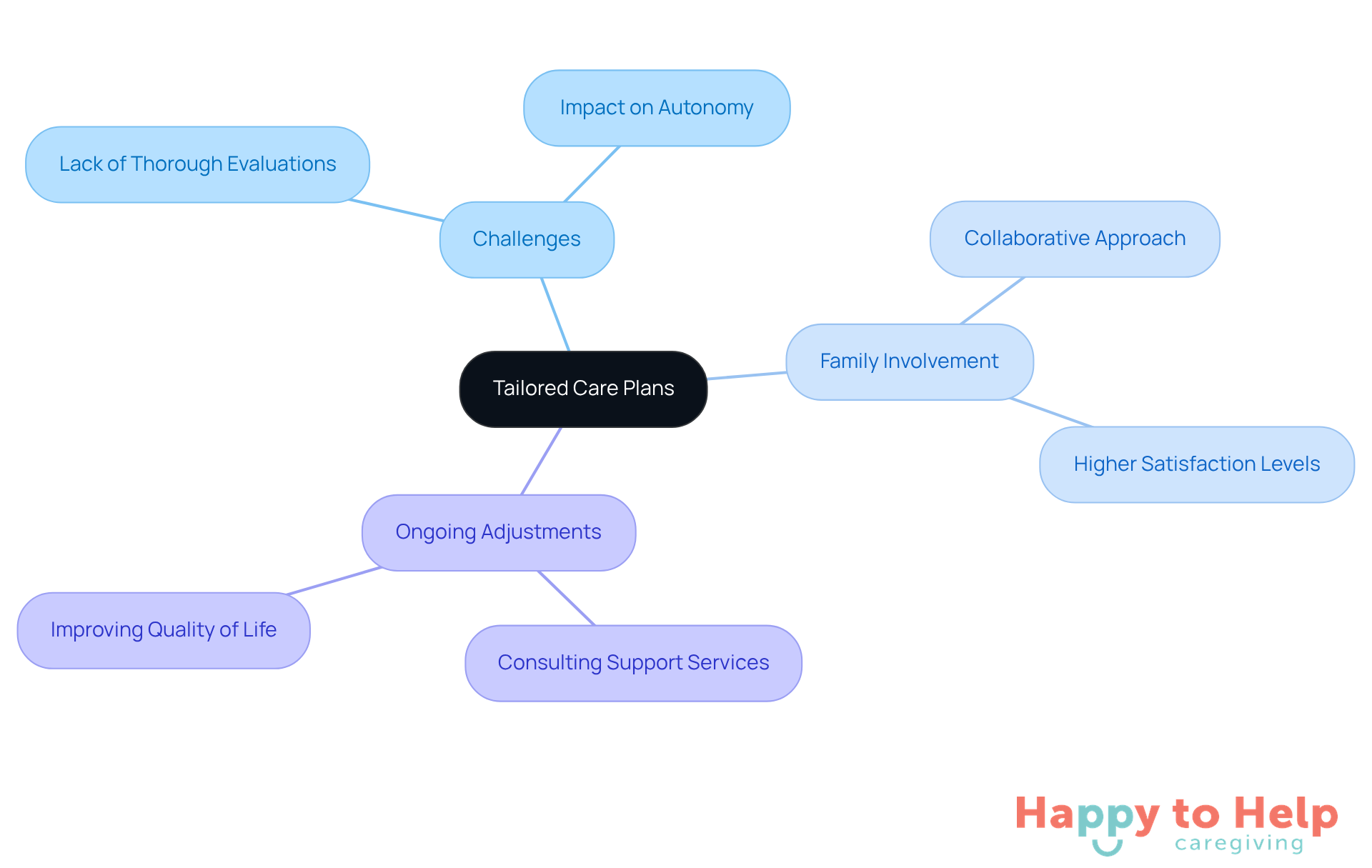
Caregivers often face the challenge of creating care plans that truly reflect the unique needs of each individual. Without thorough evaluations and discussions with family members, important aspects of a person's life may be overlooked. This can lead to a lack of support that aligns with the individual's lifestyle, ultimately affecting their sense of autonomy and dignity.
The Importance of Family Involvement
When families participate in the care planning process, it fosters a collaborative approach that honors the desires and requirements of the individual. This involvement not only enhances the overall experience but also ensures that care is tailored to the person's specific circumstances. Data shows that clients receiving personalized treatment plans report higher satisfaction levels. In fact, studies indicate that patients in senior-focused primary health organizations had 20% more primary health visits per year compared to those in traditional fee-for-service models.
Ongoing Adjustments for Effective Care
Healthcare professionals emphasize the need for ongoing modifications to treatment plans to accommodate changing health conditions. This ensures that support remains relevant and effective over time. Family caregivers are encouraged to consult with support services, such as finding a home care taker near me, to evaluate their loved ones' needs and initiate the creation of a personalized support plan. By doing so, they can significantly improve the quality of life for seniors.
Companionship Care: Combating Loneliness and Promoting Well-Being
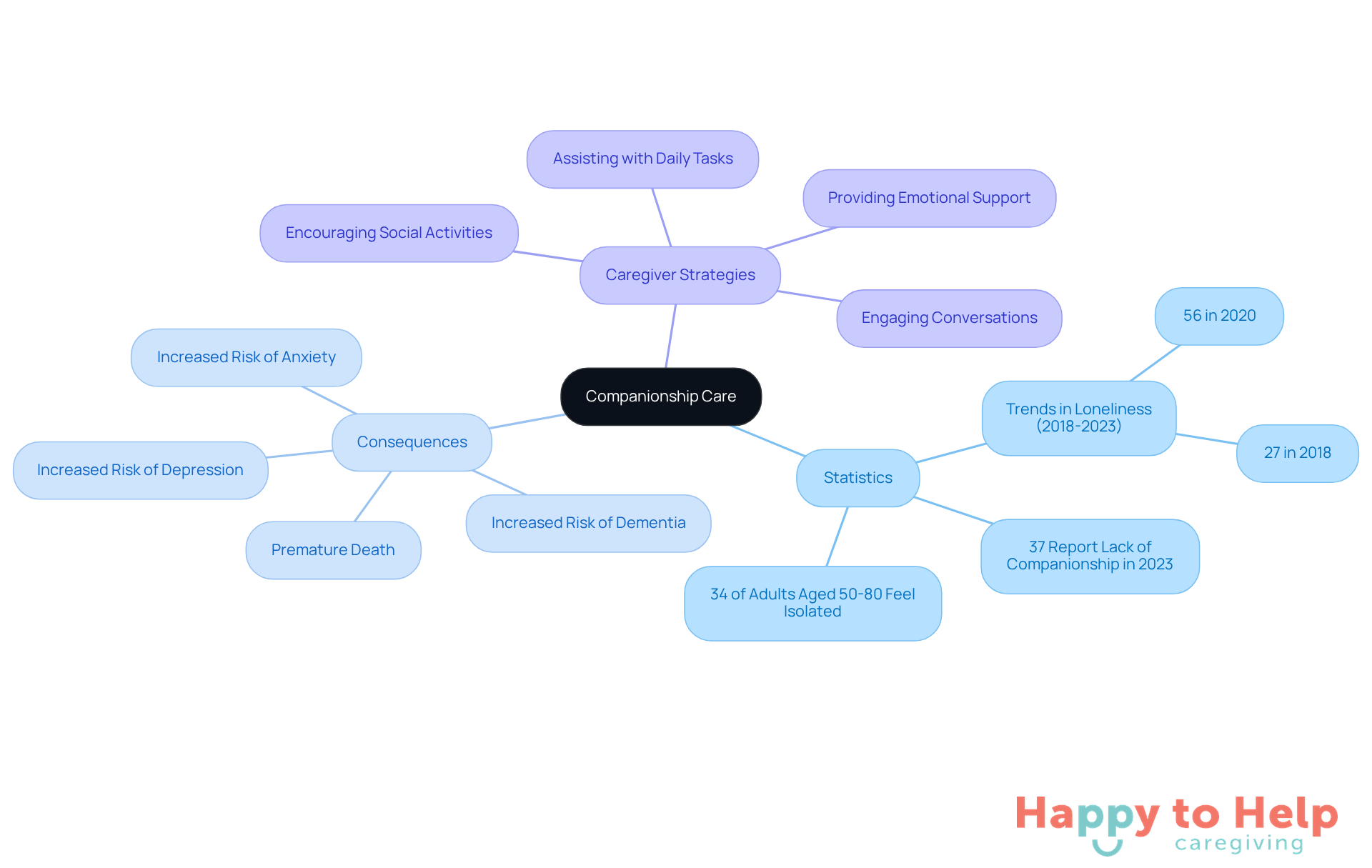
Companionship support is a critical issue for many seniors today. Studies show that in 2023, 34% of adults aged 50-80 reported feeling isolated from others. This isolation can lead to serious consequences, including increased risks of depression, anxiety, and even dementia. As social interaction diminishes, the emotional toll can be profound, making it essential for caregivers to address this growing concern.
To combat feelings of loneliness, Happy to Help Caregiving emphasizes the importance of companionship support. Caregivers actively engage clients in meaningful conversations and enjoyable activities, which significantly alleviates feelings of isolation. By encouraging participation in social activities, caregivers help foster a sense of community and belonging, essential for mental well-being.
Moreover, the relational aspect of companionship support nurtures emotional health while promoting cognitive stimulation, keeping seniors mentally active and engaged. As isolation among older adults is increasingly recognized as a public health issue, the role of companionship support in enhancing quality of life cannot be overstated. Effective caregiving strategies can make a real difference in the lives of seniors, ensuring they feel connected and valued.
Flexible Scheduling: Adapting to Family Needs and Routines
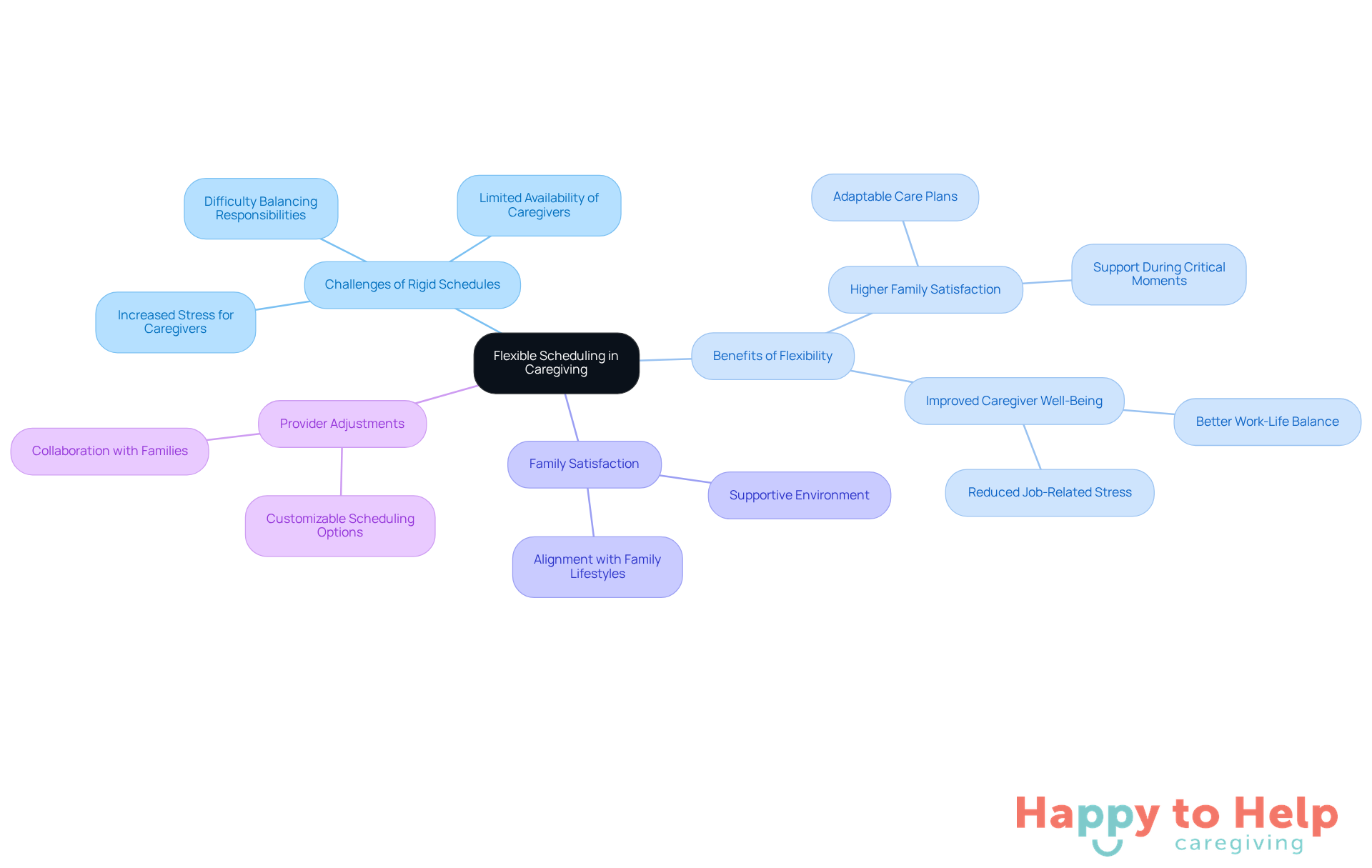
Caregiving can often present a significant challenge for families, particularly when rigid schedules fail to accommodate their unique needs. This inflexibility can lead to increased stress for caregivers, who may struggle to balance their responsibilities while ensuring their loved ones receive the necessary support.
Happy to Help Caregiving addresses this issue by offering adaptable scheduling choices tailored to each household's requirements, making it easier to find a home care taker near me. Whether families need part-time support or full-time assistance, the agency collaborates with them to create a timetable that seamlessly integrates into their daily lives. This flexibility not only ensures that care is provided during critical moments but also allows family members to manage their own obligations without sacrificing the well-being of their loved ones.
Studies indicate that families utilizing flexible caregiving options report higher satisfaction levels. These arrangements foster a supportive environment that aligns with their lifestyles. For instance, providers can adjust their hours to accommodate personal events or commitments, creating a harmonious balance that enhances overall household dynamics.
By offering these adaptable caregiving solutions, Happy to Help Caregiving empowers families to maintain their routines while ensuring their loved ones receive the essential support they need from a home care taker near me.
Expert Caregivers: Trained Professionals for Reliable Support
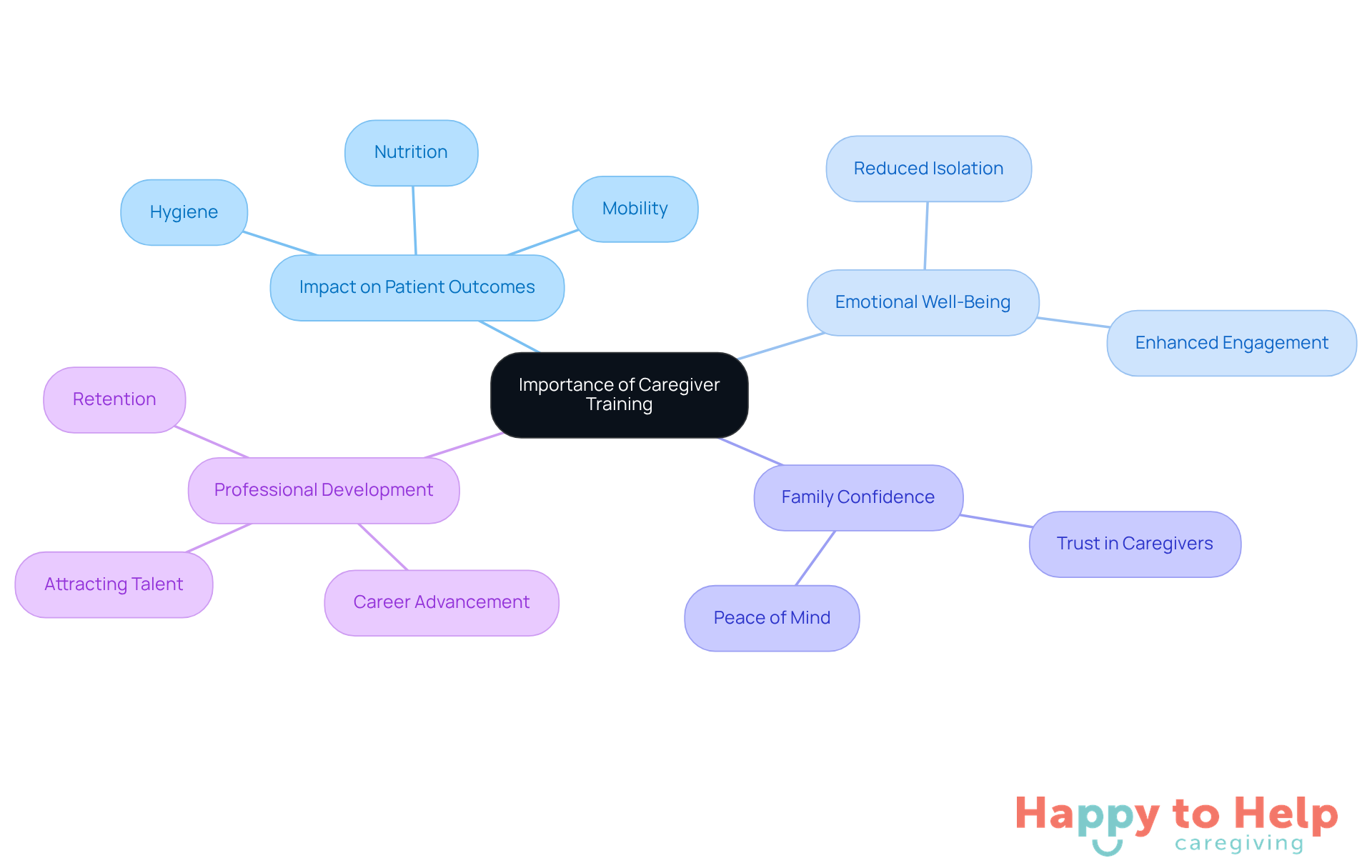
At Happy to Help Caregiving, the challenge of providing high-quality support often stems from the training of caregivers. Without proper training, caregivers may struggle to meet the diverse needs of individuals, leading to subpar patient outcomes. Research indicates that well-trained providers significantly enhance health and emotional well-being, making it crucial for organizations to invest in comprehensive training programs.
The implications of inadequate training are profound. Senior clients receiving assistance from untrained providers may experience poorer health results, including issues with nutrition, hygiene, and mobility. This can lead to increased feelings of isolation among seniors, further exacerbating their emotional challenges. Families, too, feel the strain; when they lack confidence in the skills of caregivers, their peace of mind diminishes.
To address these issues, Happy to Help Caregiving prioritizes extensive training for all support providers. Each caregiver undergoes rigorous training that equips them with essential skills tailored to meet individual needs. Continuous education ensures that providers remain competent and adaptable to evolving patient requirements, fostering consistency and excellence in care.
Moreover, investing in professional development not only attracts top talent but also retains them. Caregivers who feel appreciated and supported through training programs are more likely to remain dedicated to their roles. This commitment ultimately benefits the individuals they assist, ensuring they receive the highest quality of care at home from a home care taker near me.
In summary, the dedication to outstanding training at Happy to Help Caregiving sets it apart in the industry. By focusing on the professional growth of caregivers, the organization guarantees that those served attain the utmost quality of assistance, enhancing both health outcomes and family confidence.
Technology Integration: Enhancing Communication and Monitoring
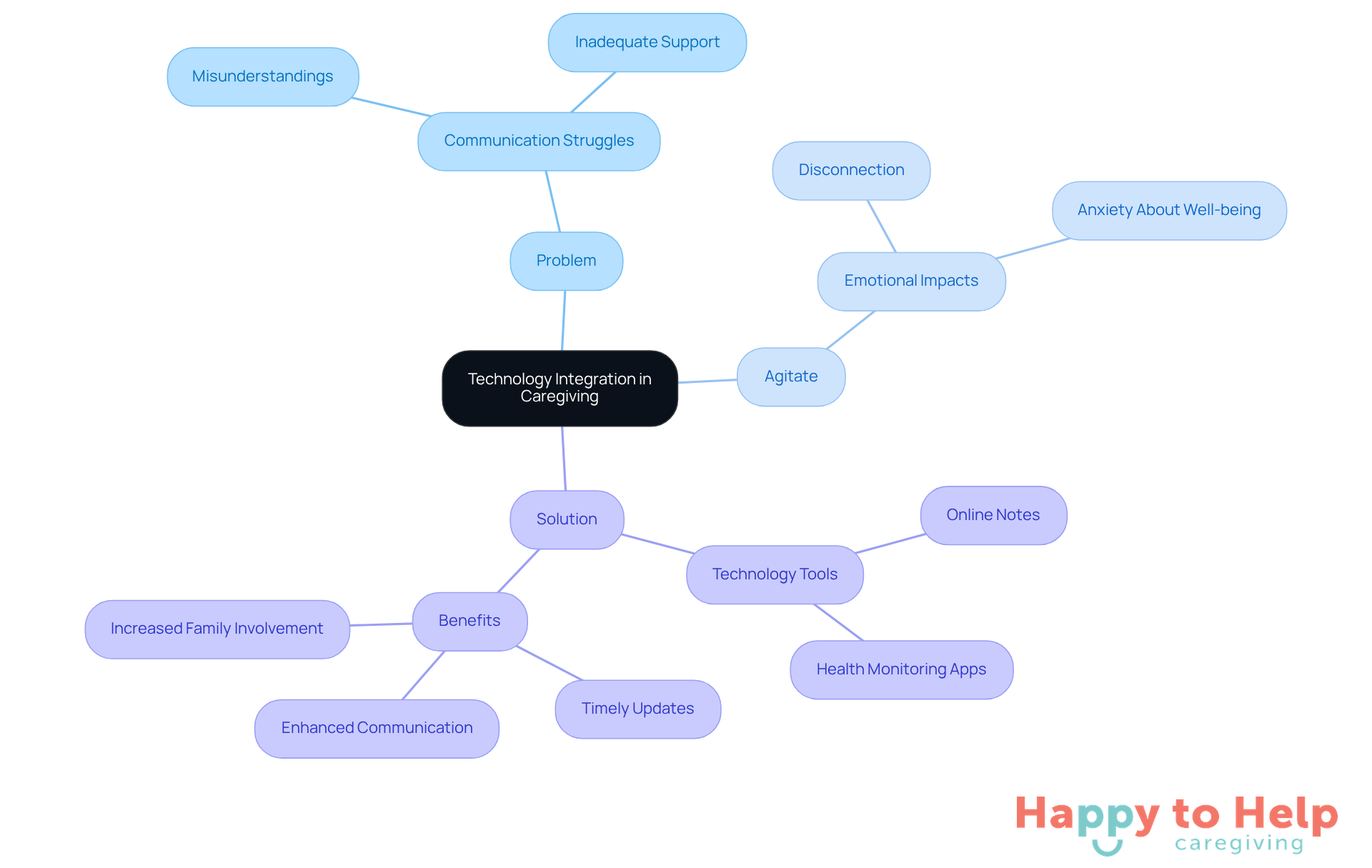
Problem: Caregivers often struggle with communication and monitoring, which can lead to misunderstandings and inadequate support for their loved ones.
Agitate: This lack of effective communication not only affects the quality of care but can also leave family members feeling disconnected and anxious about their loved ones' well-being. Without timely updates, relatives may find it challenging to advocate for the needs of seniors, resulting in a gap in personalized care.
Solution: Fortunately, technology offers practical solutions to these challenges. Happy to Help Caregiving effectively employs tools like online notes and health monitoring applications. These resources enable families to stay informed about their loved ones' health and progress. By integrating technology, households can enhance transparency and foster cooperation between caregivers and relatives, ensuring everyone is aligned on support plans and individual requirements.
Research shows that families using health tracking apps report higher satisfaction levels. These tools facilitate timely updates and promote open lines of communication. Experts emphasize that effective communication is crucial in caregiving, as it empowers relatives to advocate for their loved ones, ensuring seniors receive the respect and personalized care they deserve.
The impact of health tracking apps goes beyond mere updates; they significantly enhance involvement in caregiving, allowing for a more cohesive approach to managing health and wellness. As technology continues to advance, its role in improving caregiving interactions becomes increasingly vital, enabling relatives to assist their loved ones confidently and meaningfully.
Respite Care: Providing Relief for Family Caregivers
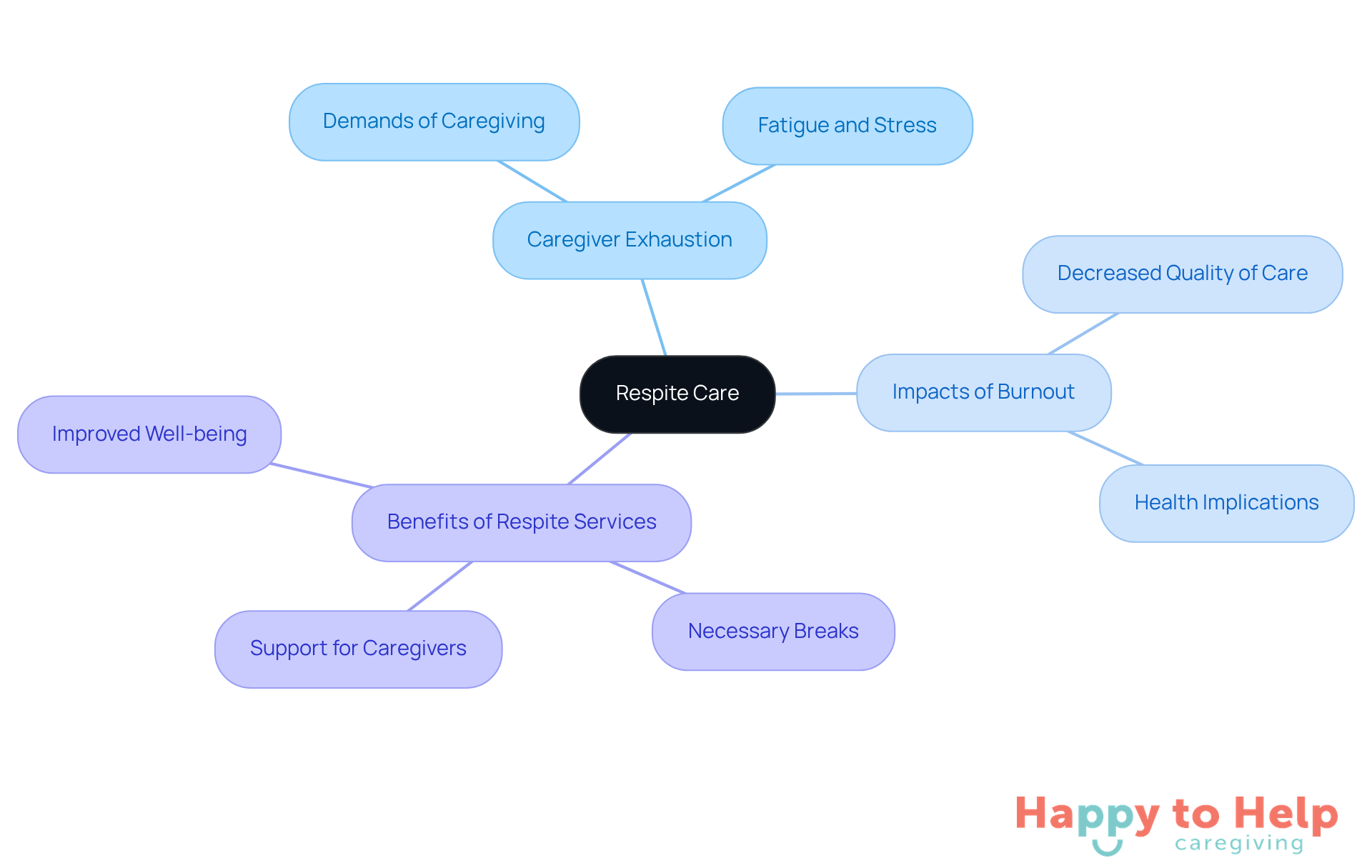
Caregivers often face the significant problem of exhaustion due to the demands of their role. This fatigue can lead to decreased quality of care for their loved ones and negatively impact their own health. Without adequate breaks, caregivers risk burnout, which can have serious implications for both themselves and those they care for.
Respite assistance services provided by Happy to Help Caregiving offer a practical solution to this pressing issue. By enabling caregivers to take necessary breaks - whether for a few hours or several days - these services help prevent exhaustion. This support is crucial for maintaining the overall health and well-being of both caregivers and their loved ones, ensuring that high-quality assistance continues.
Palliative Support Care: Ensuring Comfort and Dignity
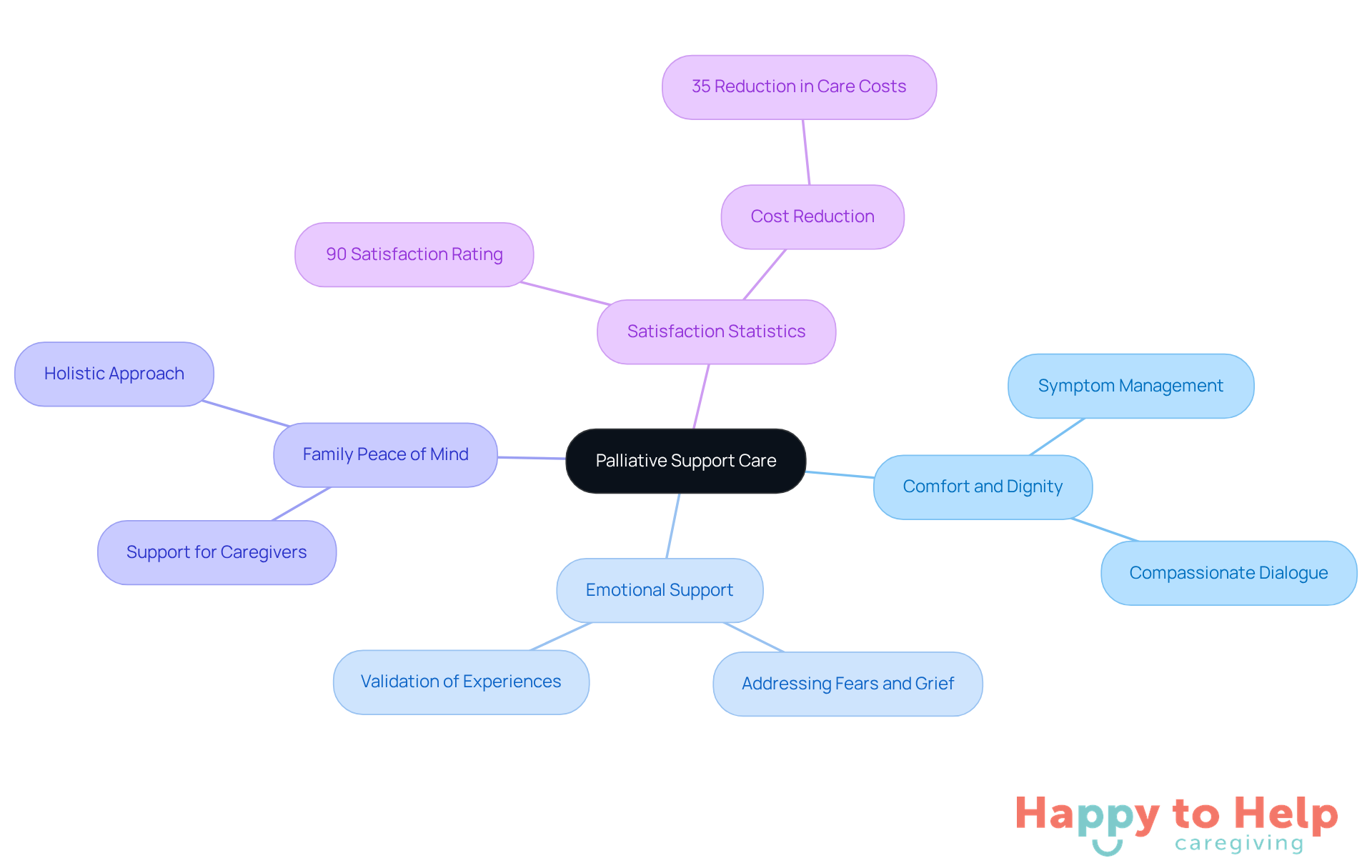
Palliative support services at Happy to Help Caregiving address a significant problem: individuals facing serious illnesses often struggle with maintaining comfort and dignity. Caregivers are expertly trained to manage symptoms, but they also provide essential emotional and spiritual support, which is crucial during these challenging times.
The implications of inadequate support can be profound. Clients may feel isolated and overwhelmed, while families often experience heightened anxiety and stress. This is where Happy to Help Caregiving steps in, offering a holistic approach that significantly enhances the quality of life for clients. By allowing them to maintain a sense of independence and well-being in familiar surroundings, families gain peace of mind during difficult times by hiring a home care taker near me.
Statistics from a recent study reveal that patients receiving assistance from a home care taker near me report high satisfaction levels, with quality ratings reaching 90% in supportive services. This underscores the efficacy of individualized treatment strategies that prioritize dignity and comfort. Palliative specialists emphasize the importance of compassionate dialogue and emotional support in this process. As one specialist noted, "By focusing on symptom management, communication, and emotional support, healthcare teams can help ensure dignity and comfort at the end of life."
By concentrating on these fundamental principles, Happy to Help Caregiving not only meets the physical needs of clients but also nurtures their emotional and spiritual well-being. This creates a supportive atmosphere for both clients and their loved ones, ensuring that everyone involved feels cared for and understood.
Family Testimonials: Real Experiences Highlighting Quality Care
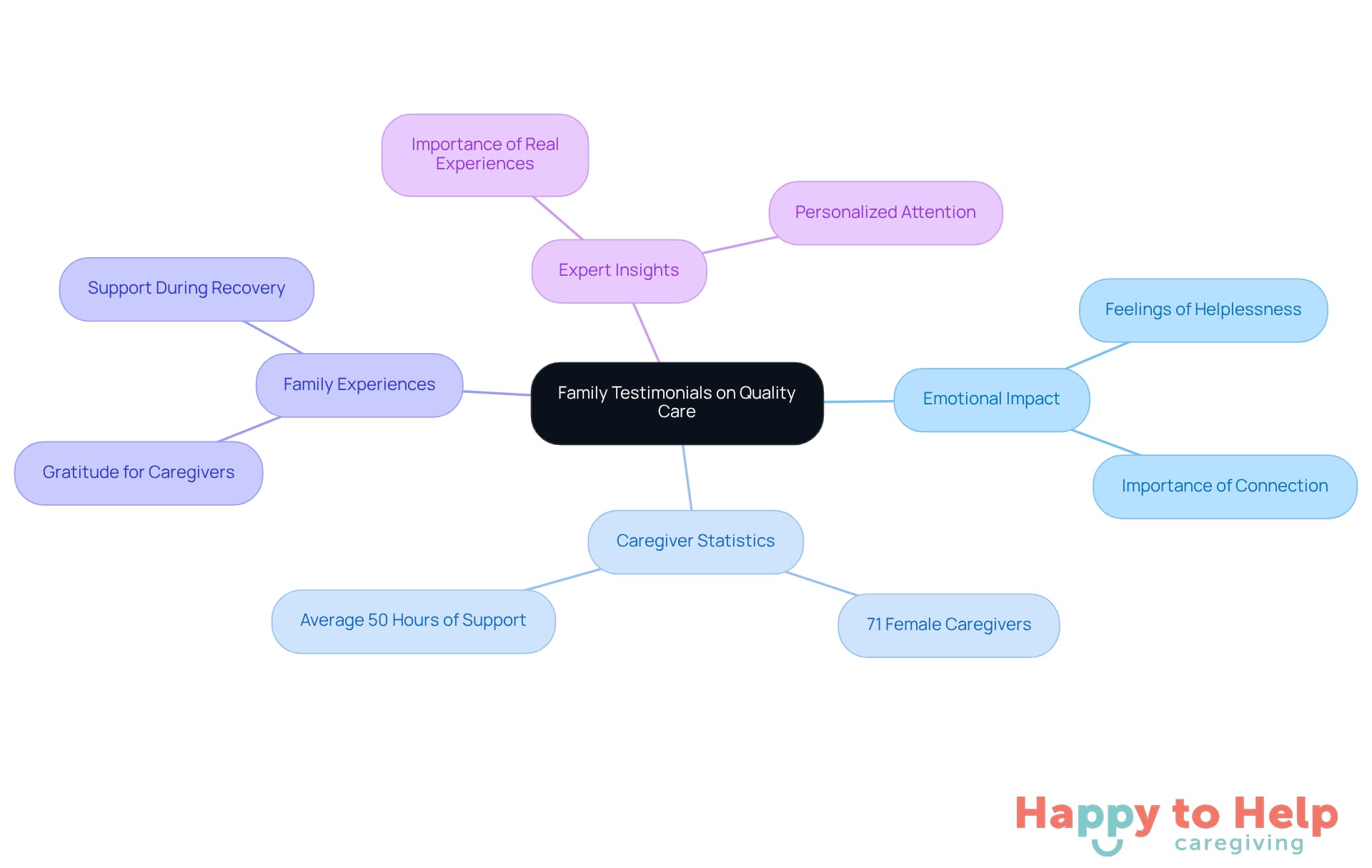
Families often face challenges when looking for a home care taker near me to provide quality caregiving for their loved ones. The emotional toll of inadequate support can be profound, leading to feelings of helplessness and concern for their family members' well-being. Testimonials from families who have engaged with Happy to Help Caregiving highlight this issue, illustrating the significant impact that compassionate care can have on their loved ones' lives.
For instance, one family expressed their gratitude for a caregiver who not only assisted with daily tasks but also fostered a genuine bond, greatly enhancing their loved one's emotional well-being. This connection is crucial, as it directly influences overall satisfaction with caregiving services. Statistics reveal that 71% of long-term supporters are female, emphasizing the nurturing aspect of caregiving roles.
Moreover, caregivers often provide an average of 50 hours of support each week, showcasing their dedication to helping individuals maintain dignity and independence at home. This commitment is validated by case studies where families noted exceptional support during challenging times, such as post-hospital recovery, allowing clients to thrive in familiar surroundings.
Expert insights reinforce the importance of real experiences in selecting caregiving services. Families feel reassured knowing their loved ones are in skilled hands, with many expressing relief and gratitude for the personalized attention their caregivers provide. These testimonials collectively highlight the transformative power of quality in-home care, making it clear that choosing a home care taker near me is not just about assistance; it’s about fostering a supportive environment that enhances the overall quality of life.
Your Path Forward
Choosing a home caregiver for loved ones is a significant decision that can greatly affect their quality of life. Many families face the challenge of finding personalized caregiving that meets individual needs. Without tailored support, loved ones may experience feelings of isolation and a lack of emotional well-being.
The implications of inadequate care are profound. Seniors and individuals with special needs often struggle with loneliness and diminished independence. This is where the importance of 24/7 availability and customized care plans comes into play. Companionship is crucial in combating loneliness, and caregivers must be trained to provide not just assistance, but also emotional support.
To address these challenges, families should consider several key solutions:
- Flexible scheduling allows caregivers to adapt to the unique needs of each individual.
- Expert training ensures that caregivers are equipped to handle various situations.
- Technology integration can enhance communication and monitoring.
Together, these elements create an environment where individuals can maintain their dignity and emotional health.
Ultimately, selecting a home care service is about enriching lives and fostering connections. Families are encouraged to explore local options for caregivers and actively participate in the care process. By doing so, they can ensure their loved ones receive the compassionate, personalized care they deserve, significantly improving their quality of life and overall well-being.
https://iframe.tely.ai/cta/eyJhcnRpY2xlX2lkIjogIjY5MjRmMjA3Y2Q1NjY3YWUxYjQzNTcxMSIsICJjb21wYW55X2lkIjogIjY4ZWU1ZGNhNzMxNzYyNTU3ZjNjOTVjMSIsICJpbmRleCI6IG51bGwsICJ0eXBlIjogImFydGljbGUifQ==Frequently Asked Questions
What challenges do caregivers face in providing personalized care?
Caregivers often struggle to offer personalized care that meets the specific needs of seniors and individuals with special needs, leading to feelings of isolation and neglect, which can negatively impact physical health and emotional well-being.
How does Happy to Help Caregiving enhance the quality of life for individuals?
Happy to Help Caregiving focuses on individual preferences and needs, creating a supportive environment that promotes independence and enhances quality of life. Their customized approach addresses both physical health and emotional/social connections.
What training do caregivers at Happy to Help Caregiving receive?
Caregivers are trained to recognize the unique requirements of each individual, allowing them to foster a sense of belonging and community while implementing strategies that prioritize personal preferences.
What is the significance of 24/7 availability in caregiving?
The 24/7 availability of caregivers ensures continuous support, providing peace of mind for families. It allows caregivers to assist with emergencies or routines at any time, ensuring the safety and support of loved ones.
Why is family involvement important in creating tailored care plans?
Family involvement in the care planning process fosters a collaborative approach that honors the desires and requirements of the individual, enhancing the overall experience and ensuring care is tailored to specific circumstances.
How do personalized treatment plans affect client satisfaction?
Data shows that clients receiving personalized treatment plans report higher satisfaction levels. Studies indicate that patients in senior-focused primary health organizations have more primary health visits compared to those in traditional models.
Why is it important to adjust care plans over time?
Ongoing adjustments to treatment plans are essential to accommodate changing health conditions, ensuring that support remains relevant and effective over time.
How can family caregivers initiate the creation of a personalized support plan?
Family caregivers are encouraged to consult with support services to evaluate their loved ones' needs, which can significantly improve the quality of life for seniors by initiating the creation of a personalized support plan.
List of Sources
- Happy to Help Caregiving: Personalized Care for Enhanced Quality of Life
- Executive Home Care Honors Family Caregivers During National Family Caregivers Month (https://fox56news.com/business/press-releases/cision/20251117LA25356/executive-home-care-honors-family-caregivers-during-national-family-caregivers-month)
- How Personalized Care Models Are Transforming Senior Living in 2025 (https://stpetersassistedliving.com/blog/how-personalized-care-models-are-revolutionizing-senior-living-in-2025)
- The Future of Aging: Is In-Home Care the New Standard? - WorldHealth.net (https://worldhealth.net/news/future-of-aging-is-in-home-care-new-standard)
- How Personalized Support Plans Improve Quality of Life (https://heartwisesupport.org/post/how-personalized-support-plans-improve-quality-of-life)
- Caring Senior Service Banks Growth Goals On New House-Made Technology (https://homehealthcarenews.com/2025/10/caring-senior-service-banks-growth-goals-on-new-house-made-technology)
- 24/7 Availability: Ensuring Continuous Support for Your Loved Ones
- The Number Of Family Caregivers Helping Older US Adults Increased From 18 Million To 24 Million, 2011–22 - PMC (https://pmc.ncbi.nlm.nih.gov/articles/PMC11869104)
- 10 Benefits of Care Around the Clock for Your Loved Ones - Happy To Help (https://happytohelpcaregiving.com/10-benefits-of-care-around-the-clock-for-your-loved-ones)
- Number of Family Caregivers Supporting Older Adults Increased Nearly One-Third Between 2011 and 2022 | Johns Hopkins Bloomberg School of Public Health (https://publichealth.jhu.edu/2025/number-of-family-caregivers-supporting-older-adults-increased-nearly-one-third-between-2011-and-2022)
- Caregiving Crisis: 45% Increase in Americans Providing Care (https://aarp.org/caregiving/basics/caregiving-in-us-survey-2025)
- Eye on America: Nursing home quality concerns, and providing support to family caregivers (https://cbsnews.com/video/eye-on-america-nursing-home-quality-concerns-and-providing-support-to-family-caregivers)
- Tailored Care Plans: Customized Support for Individual Needs
- Customized Care at Home: The Benefits of Personalized Care Plans - VNA Health Group (https://vnahg.org/customized-care-at-home-the-benefits-of-personalized-care-plans)
- Personalized Care Plans: Tailoring Support to Individual Needs in Assisted Living | Juniper Senior Living (https://junipercommunities.com/personalized-care-plans-tailoring-support-to-individual-needs-in-assisted-living)
- 2025: AI enhances personalized care; caregiver experience in the spotlight (https://healthcareitnews.com/news/2025-ai-enhances-personalized-care-caregiver-experience-spotlight)
- Novel Care Model May Improve Outcomes for Older Adults With Multiple Chronic Conditions (https://consultqd.clevelandclinic.org/novel-care-model-may-improve-outcomes-for-older-adults-with-multiple-chronic-conditions)
- New Research in a New England Journal of Medicine Publication Finds Patients of Value-Based Care Organizations Have More Frequent and Consistent Primary Care Visits (https://policy.humana.com/issue-area/news-and-resources/news-press/2025/new-research-in-a-new-england-journal-of-medicine-publication)
- Companionship Care: Combating Loneliness and Promoting Well-Being
- Why Home Care Providers Are Increasingly Offering Companion Care Services for Seniors | Aaniie, formerly Smartcare Software (https://aaniie.com/news/why-home-care-providers-are-increasingly-offering-companion-care-services-for-seniors)
- Combat Loneliness: The Benefits of Companion Care for Seniors (https://allheartcare.com/more-than-just-company-the-vital-role-of-companion-care-for-seniors)
- Trends in Loneliness Among Older Adults from 2018-2023 (https://ihpi.umich.edu/national-poll-healthy-aging/reports-and-resources/trends-loneliness-among-older-adults-2018-2023)
- How Companion Care Can Help Combat Senior Isolation and Loneliness | HealthMax Home Health Care (https://healthmaxmn.com/blog/how-companion-care-can-help-combat-senior-isolation-and-loneliness)
- The Emotional Benefits of Companion Care for Seniors (https://comfortkeepers.com/offices/texas/round-rock/resources/news/the-emotional-benefits-of-companion-care-for-seniors)
- Flexible Scheduling: Adapting to Family Needs and Routines
- How flexible care models boost private-pay growth in home care | Gabrielle Pumpian posted on the topic | LinkedIn (https://linkedin.com/posts/gpumpian\_flexible-care-models-give-home-care-clients-activity-7392960362586890240-Dzq8)
- Exploring the Rising Demand for Flexible Work in Healthcare (https://healthecareers.com/career-resources/nurse-career/rising-demand-for-flexible-work-in-healthcare)
- Flexible Care Models Give Home Care Clients ‘What They Want When They Want It’ (https://homehealthcarenews.com/2025/10/flexible-care-models-give-home-care-clients-what-they-want-when-they-want-it)
- Embracing Flexible Scheduling Models in Aging Services: A Path Toward Workforce Stability (https://leadingage.org/embracing-flexible-scheduling-models-in-aging-services-a-path-toward-workforce-stability)
- Flexible scheduling, enhanced communication, technology can help address workforce challenges (https://mcknightsseniorliving.com/news/flexible-scheduling-enhanced-communication-technology-can-help-address-workforce-challenges)
- Expert Caregivers: Trained Professionals for Reliable Support
- HHS Backs AI Innovation for America’s Caregivers | HHS.gov (https://hhs.gov/press-room/hhs-backs-ai-innovation-for-americas-caregivers.html)
- 12 Ways Professional Training Will Benefit Your Caregivers and Clients to Take Your Home Care Business to the Next Level | Aaniie, formerly Smartcare Software (https://aaniie.com/news/ways-professional-training-benefit-caregivers-and-clients-next-level-home-care-business)
- Center for Caregiver Advancement Receives Grants, Contract to Train California’s Caregivers (https://advancecaregivers.org/center-for-caregiver-advancement-receives-grants-contract-to-train-californias-caregivers)
- US News & World Report Highlights CCA's Caregiver Training (https://advancecaregivers.org/report-us-news-world-report-highlights-ccas-caregiver-training)
- New Research Highlights Critical Role of Training in Caregiver Retention (https://careacademy.com/blog/role-of-training-in-caregiver-retention)
- Technology Integration: Enhancing Communication and Monitoring
- HHS Backs AI Innovation for America’s Caregivers | HHS.gov (https://hhs.gov/press-room/hhs-backs-ai-innovation-for-americas-caregivers.html)
- Modern Tools That Improve Safety and Accountability in Elder Care Settings (https://dcreport.org/2025/11/24/modern-tech-tools-improving-safety-in-elder-care-facilities)
- Technology Use Among Older Adults and Their Caregivers: Cross-Sectional Survey Study - PMC (https://pmc.ncbi.nlm.nih.gov/articles/PMC11084119)
- HHS Launches $2M AI Initiative To ‘Transform’ Caregiving, Address Staffing Challenges (https://homehealthcarenews.com/2025/11/hhs-launches-2m-ai-initiative-to-transform-caregiving-address-staffing-challenges)
- Researchers suggest tracking apps can reduce caregiver burden, enhance home care advocacy (https://mcknightshomecare.com/news/researchers-suggest-tracking-apps-can-reduce-caregiver-burden-enhance-home-care-advocacy)
- Respite Care: Providing Relief for Family Caregivers
- Caregivers and the Importance of Respite Care (https://benedictineliving.org/resources/news/caregivers-and-the-importance-of-respite-care)
- Respite Care Services: Essential Support for Caregivers (https://esoregon.com/the-benefits-of-respite-care-services-for-caregiver-relief)
- Respite Services: A Critical Support for Family Caregivers (https://ltsschoices.aarp.org/resources-and-practices/respite-services-critical-support-for-family-caregivers)
- Palliative Support Care: Ensuring Comfort and Dignity
- Palliative Care Nursing: Providing Comfort and Dignity in End-of-Life Care (https://indwes.edu/articles/2025/05/palliative-care-nursing)
- Care and Comfort Near the End of Life - National Coalition for Hospice and Palliative Care (https://nationalcoalitionhpc.org/care-and-comfort-near-the-end-of-life)
- Hospice, Palliative Care Services Yield High Quality, Cost Savings (https://hospicenews.com/2025/09/22/hospice-palliative-care-services-yield-high-quality-cost-savings)
- End of life care study reveals gaps in palliative care access (https://medicalxpress.com/news/2025-10-life-reveals-gaps-palliative-access.html)
- Family Testimonials: Real Experiences Highlighting Quality Care
- Read Family Caregiver Stories From AARP (https://aarp.org/caregiving/stories)
- Client & Caregiver Testimonials | Family Resource Home Care (https://familyresourcehomecare.com/about/awards-reviews-testimonials/testimonials)
- How Home Care Transforms Lives: Stories and Results - Atlas Home Health (https://atlashomehealth.com/consultation-effect-new-business-ventures)
- Family Caregivers Share Both Positive And Challenging Experiences In New Study (https://hopkinsmedicine.org/news/articles/2022/10/family-caregivers-share-both-positive-and-challenging-experiences-in-new-study)
- Caregiver Stories (https://caregiver.org/connecting-caregivers/caregiver-stories)