
The Importance of Choose a Private Care Agency Near You
The landscape of caregiving is evolving. Families are increasingly recognizing the profound benefits of personalized in-home support. However, many face a significant challenge: how to choose the right agency that meets their loved ones' needs while fostering a sense of security and connection.
Traditional care models often leave gaps that can lead to feelings of uncertainty. This can be particularly concerning for seniors and individuals with special needs, who require tailored support to enhance their quality of life. The implications of inadequate care can be profound, affecting not just the individual but also their families.
So, what’s the solution? Private care agencies, like Happy to Help Caregiving, are stepping in to fill these gaps. They offer customized services designed to meet the unique needs of clients, ensuring a higher standard of care. This article delves into ten compelling reasons to opt for a private care agency near you, illuminating the transformative impact of personalized care on both clients and their families.
Happy to Help Caregiving: Personalized In-Home Support Services
Caregivers often face the challenge of providing adequate support for seniors and individuals with special needs. This lack of personalized assistance can lead to a decline in quality of life, leaving many feeling isolated and vulnerable.
Happy to Help Caregiving addresses this issue by offering tailored in-home support services through a private care agency near me, designed to meet the unique needs of each client. Their services include:
- Companionship
- Post-hospital recovery assistance
- Respite support
- Palliative care
Each of these offerings aims to enhance the well-being of clients, ensuring they receive compassionate care in the comfort of their own homes.
By focusing on personalized care, Happy to Help Caregiving, a private care agency near me, not only promotes independence but also fosters a sense of security for both individuals and their families. This approach is essential for nurturing a supportive environment where clients can thrive.
Companionship Care: Alleviating Loneliness for Seniors
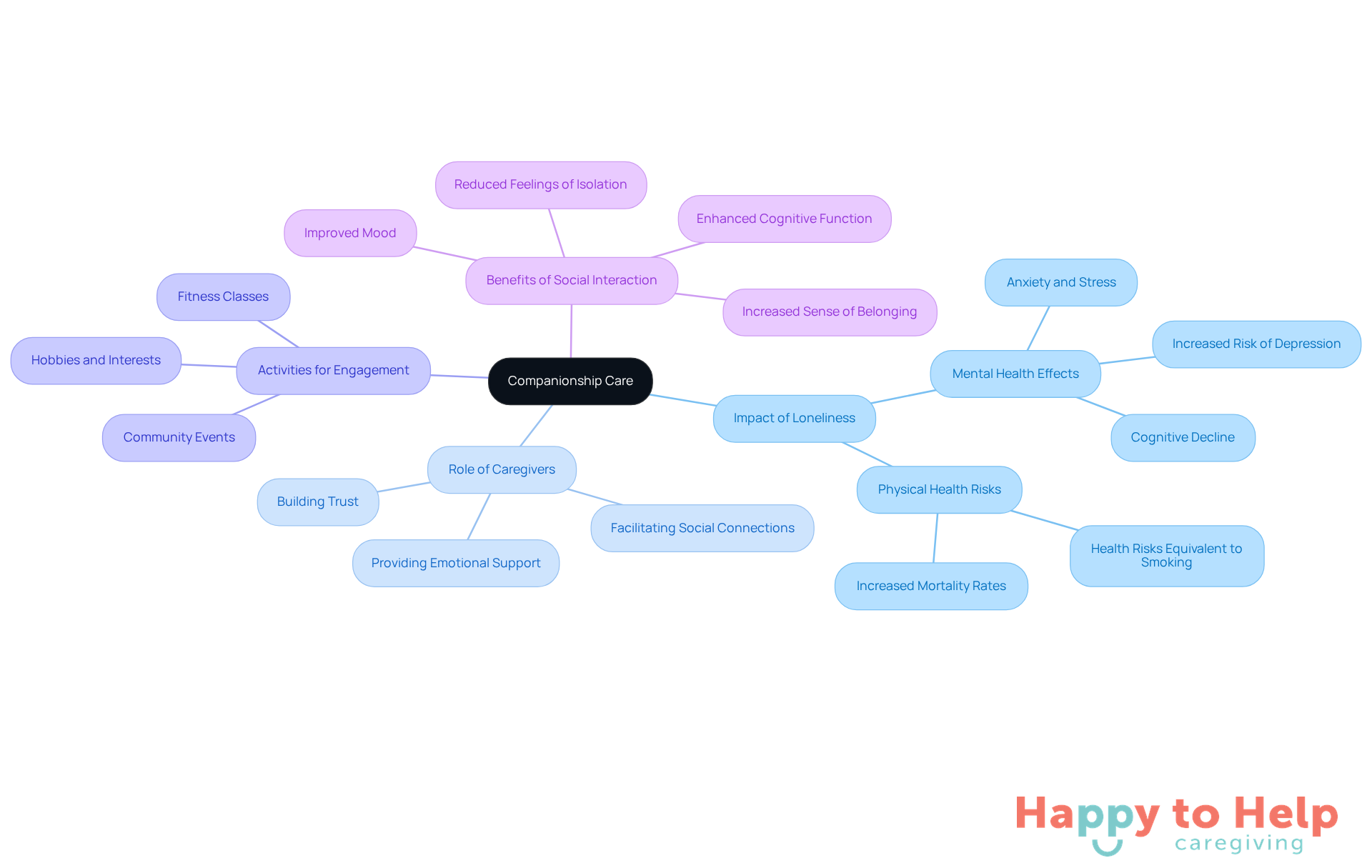
Loneliness among seniors is a significant issue that can severely impact their mental health. Many older adults experience feelings of isolation, which can lead to depression and anxiety. This problem is exacerbated when caregivers are unable to provide meaningful interactions that foster emotional support and cognitive engagement.
To combat these feelings of isolation, companionship care plays a vital role. Caregivers can engage seniors in meaningful conversations, activities, and hobbies. Regular social interaction not only enhances emotional well-being but also improves cognitive function. For example, programs that encourage participation in hobbies, fitness classes, or community events can foster connections and a sense of belonging.
By nurturing these connections, caregivers can create an environment where seniors feel valued and connected. This engagement provides a sense of security and comfort, which is essential for their overall well-being. Support providers should focus on building relationships founded on trust and understanding, ultimately encouraging a healthier, more active lifestyle for their clients.
Post-Hospital Recovery Assistance: Ensuring Safe Transitions Home
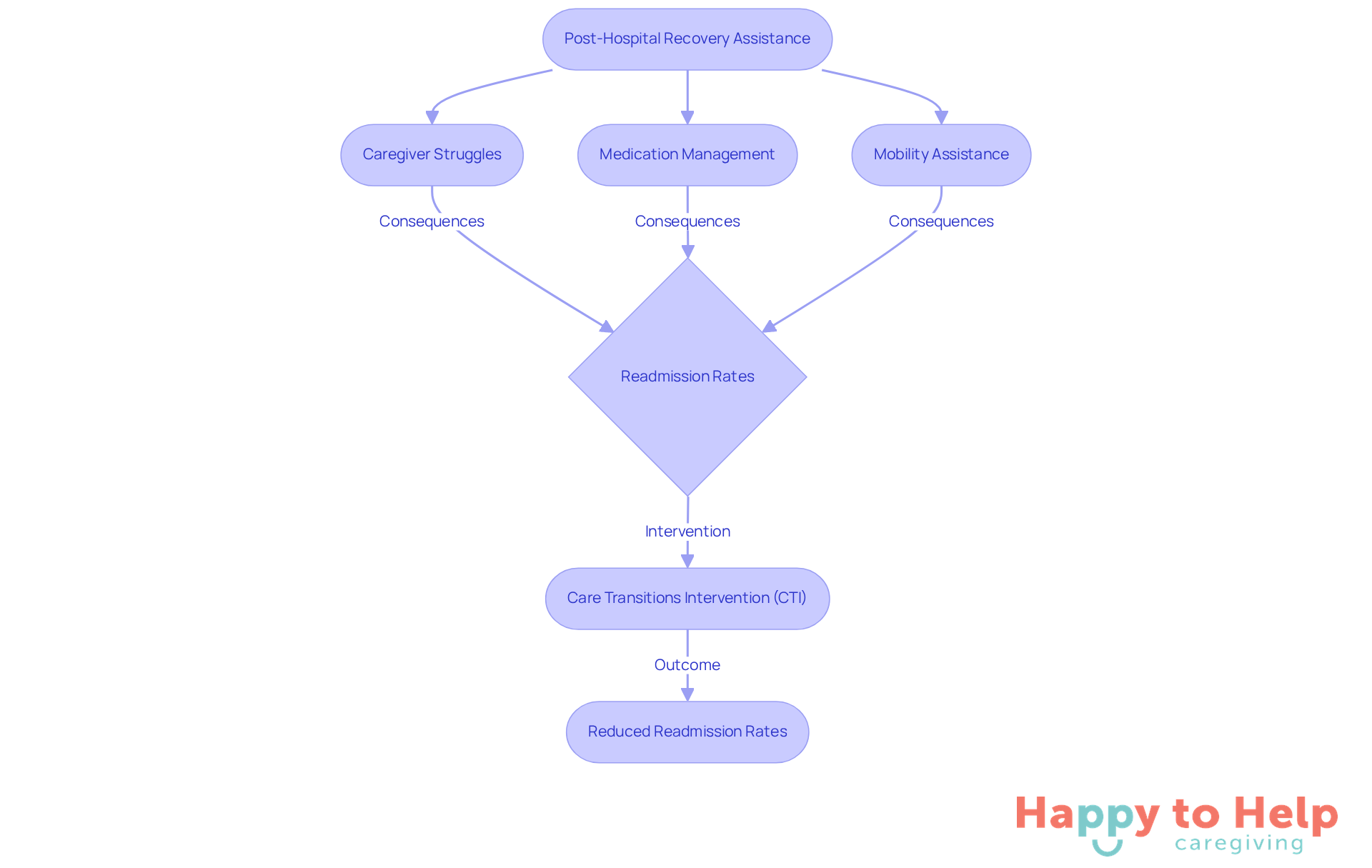
Post-hospital recovery assistance presents a significant challenge for caregivers, who are essential in facilitating safe transitions from hospital to home. Many caregivers struggle with supporting daily activities, managing medications, and providing mobility assistance, all crucial during the recovery phase. Alarmingly, nearly 20% of Medicare recipients face readmission within 30 days of discharge, often due to inadequate follow-up support.
The implications of this issue are profound. For instance, readmission rates for myocardial infarction patients have decreased from 20% to about 15% thanks to targeted programs aimed at reducing these numbers. This highlights the critical need for effective post-discharge strategies. By ensuring compliance with discharge plans and offering tailored support, healthcare providers can significantly lower the risk of readmission. In fact, approximately 27% of readmissions are potentially avoidable.
One successful approach is the Care Transitions Intervention (CTI) program, which has led to a notable reduction in 30-day readmission rates, dropping from 11.9% to 8.3%. This program exemplifies how structured support can enhance recovery outcomes. Families can take comfort in knowing that their loved ones are supported by a private care agency near me, where trained professionals assist during this vital recovery period, fostering a smoother transition and improving overall well-being.
Respite Care: Supporting Family Caregivers with Essential Breaks
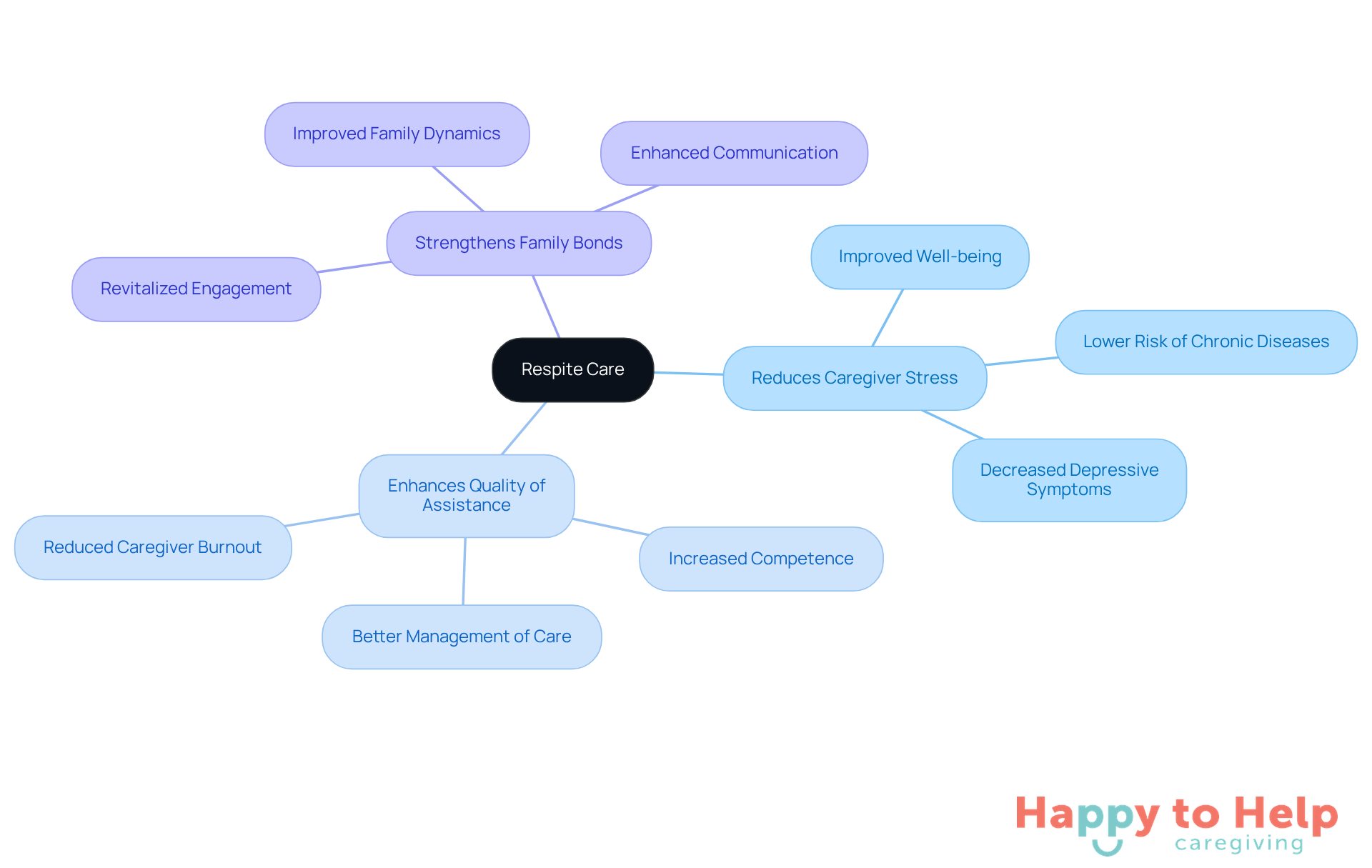
Caregivers often face significant stress and burnout, which can impact their ability to provide quality support to their loved ones. This stress not only affects their well-being but can also strain family relationships.
Respite support offers a vital solution by providing caregivers with necessary breaks. This service allows them to rejuvenate and prioritize their own wellness, ensuring they can return to their caregiving roles refreshed and better equipped to help.
By reducing caregiver stress, respite support enhances the quality of assistance provided. It also strengthens family bonds, as caregivers come back revitalized, ready to engage more fully with their loved ones.
Incorporating respite support into caregiving routines can lead to healthier dynamics within families, making it an essential resource for those in caregiving roles.
Palliative Support Care: Enhancing Comfort for Serious Illnesses
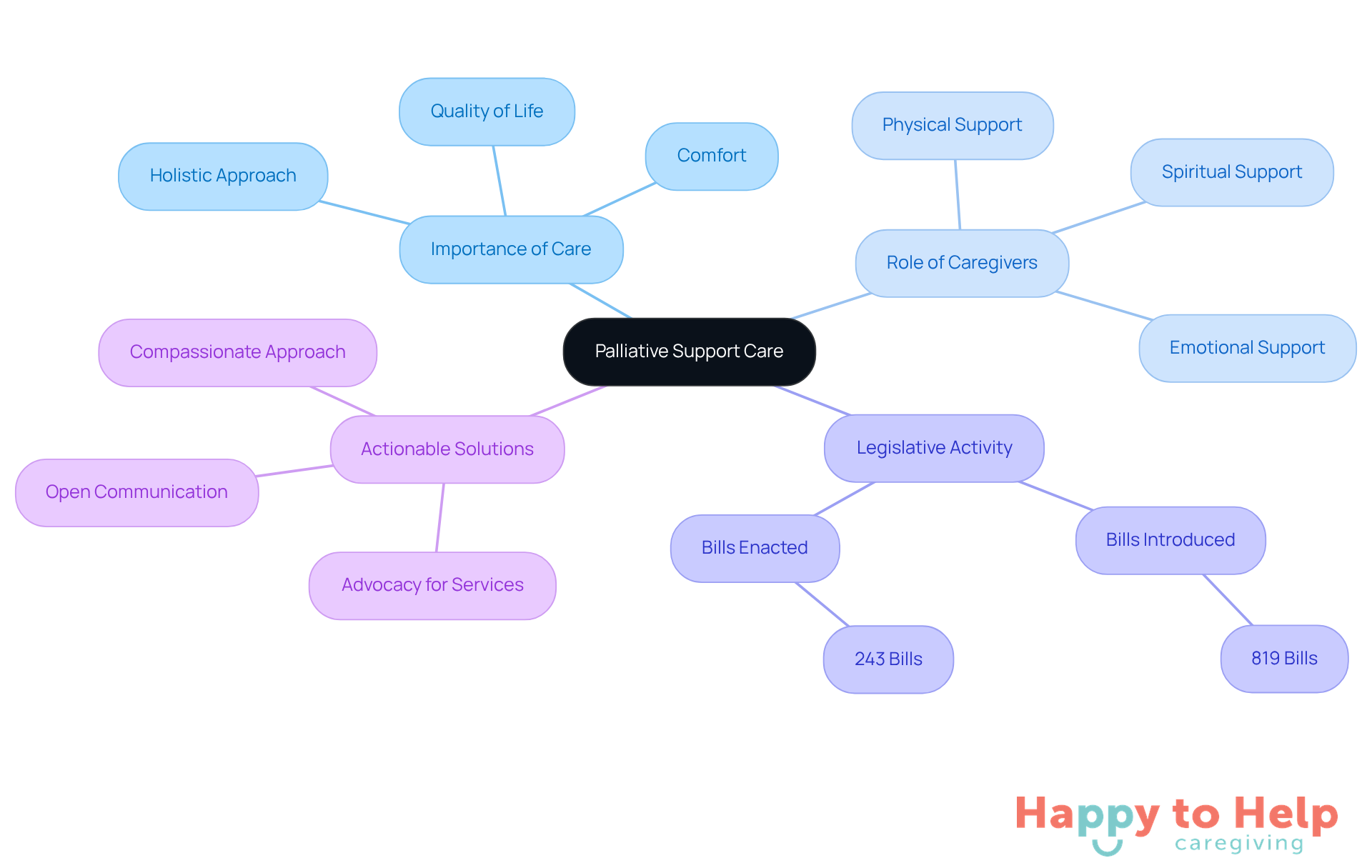
Palliative support addresses a critical problem: individuals facing serious illnesses often lack comprehensive care that enhances their comfort and quality of life. Caregivers play a vital role, offering not just physical assistance but also emotional and spiritual support. This holistic approach is essential for managing symptoms, alleviating pain, and improving overall well-being, allowing clients to live as fully as possible despite their health challenges.
The implications of inadequate support can be profound. Families often struggle with the emotional toll of caregiving, and the absence of compassionate care can lead to diminished quality of life. Recent legislative activity highlights an increasing awareness of this issue, with 819 palliative support-related bills introduced and 243 enacted over the past 15 years. As Bruce Smith, MD, states, "Utilizing palliative support can greatly enhance the quality of life for an individual who has received a diagnosis." This underscores the significant impact that emotional support has on patients' experiences.
To address these challenges, caregivers can implement several actionable solutions:
- They should prioritize open communication with patients and families to understand their unique needs.
- Caregivers can advocate for palliative support services by connecting families with a private care agency near me, ensuring they have access to the resources they require.
- By embracing a compassionate approach, caregivers can significantly improve the quality of life for those they support.
24/7 Availability: Ensuring Care When You Need It Most
The constant presence of support providers poses a significant challenge for caregivers, as inadequate assistance can lead to feelings of isolation and stress. This issue is particularly pressing for families with loved ones who have complex health requirements. Without reliable support, caregivers may struggle to respond promptly to changes in their loved ones' conditions, which can lead to serious consequences.
Families can find comfort in knowing that their loved ones are never alone; help is always just a call away. As Donnie Shelton, Owner of Affordable Family Support Services, states, "With attendants available day and night, households gain peace of mind, and seniors gain the freedom to live life fully, knowing that assistance and companionship are never out of reach." This 24/7 support model not only enhances safety but also fosters a profound sense of security and peace of mind for both clients and their families.
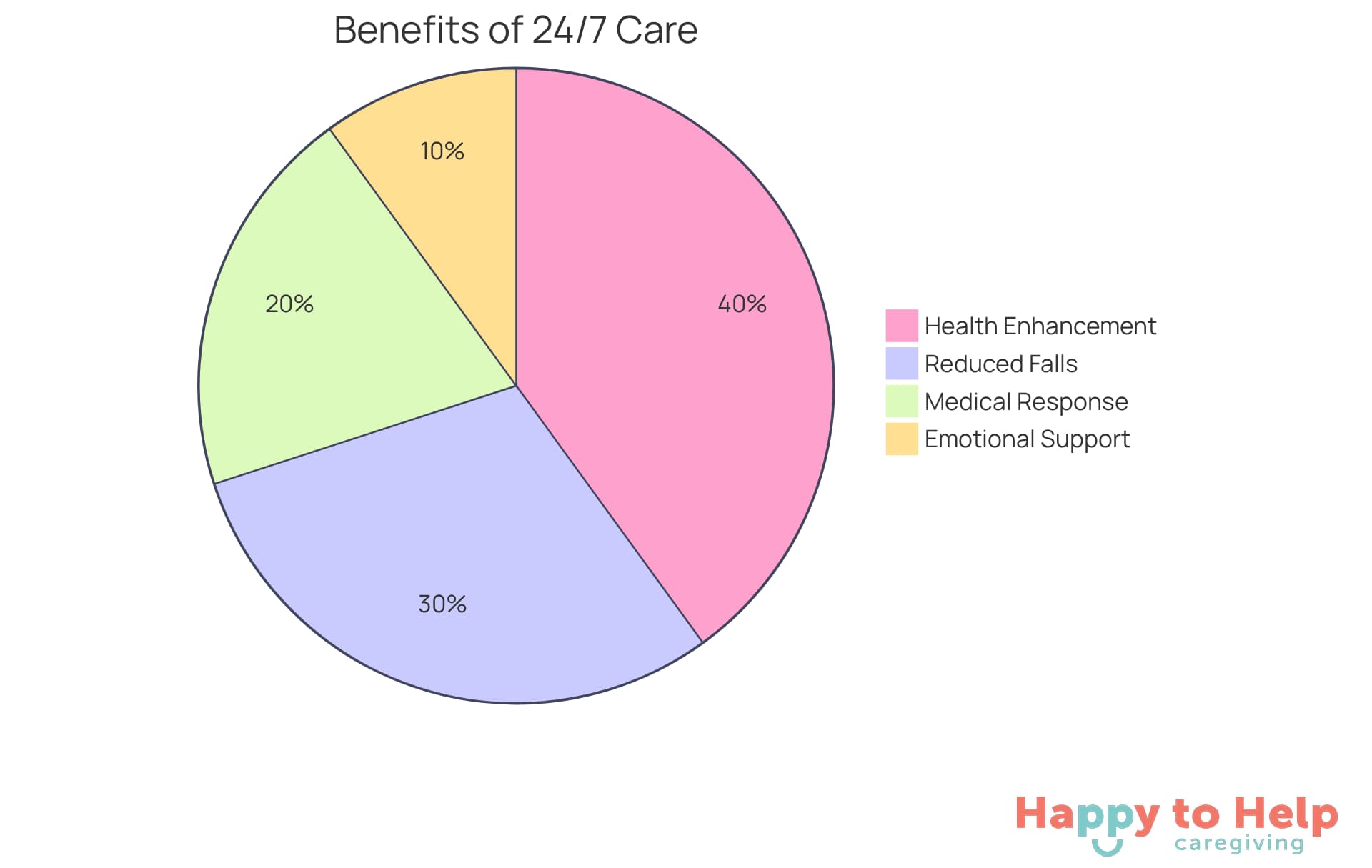
Research shows that continuous support can lower the risk of falls by 30%, greatly enhancing patient outcomes. Attendants can quickly respond to medical needs and provide companionship, which is essential for emotional health. The presence of caregivers around the clock helps prevent accidents and ensures timely medication administration, allowing seniors to maintain their independence in a familiar environment.
For example, a case study revealed that a senior receiving round-the-clock assistance experienced a 40% enhancement in overall health and well-being. This illustrates how this level of support transforms the caregiving experience, making it more feasible for relatives while significantly improving the quality of life for seniors.
Tailored Care Plans: Customizing Support for Individual Needs
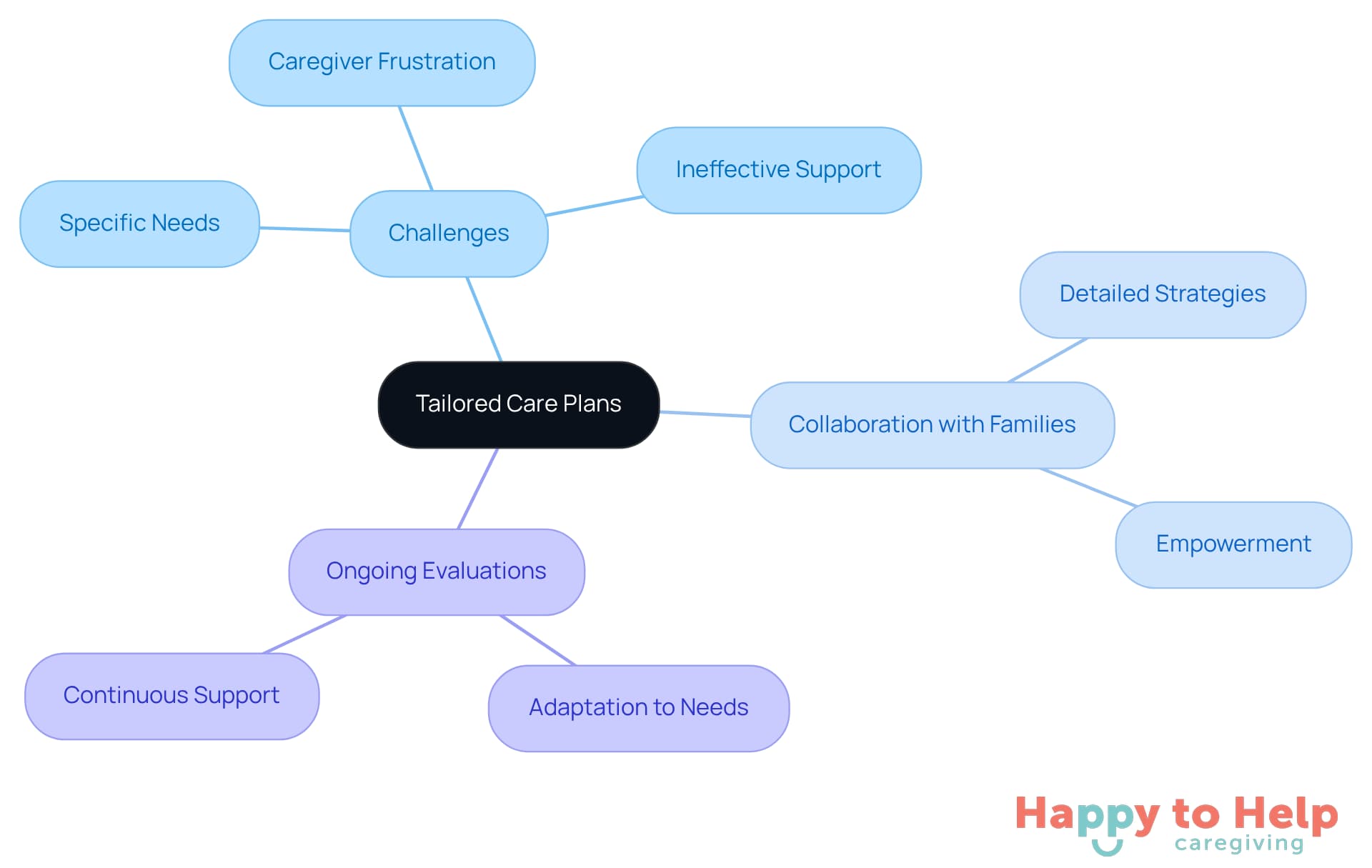
Customized support plans represent a significant challenge for caregivers, as they must ensure that each individual's specific needs and preferences are met. Without this tailored approach, caregivers may struggle to provide effective support, which can lead to feelings of frustration and helplessness for both the caregiver and the individual receiving care.
To address these challenges, Happy to Help Caregiving emphasizes collaboration with families to create detailed strategies that encompass medical, emotional, and social aspects of support. This customization not only enhances the effectiveness of the care provided but also empowers users to maintain their independence and dignity.
Moreover, frequent evaluations and modifications to the support plan are essential. By ensuring that the plan evolves with the client's changing needs, caregivers can provide ongoing, relevant support that adapts to the individual's circumstances.
Technology Integration: Enhancing Communication and Care Delivery
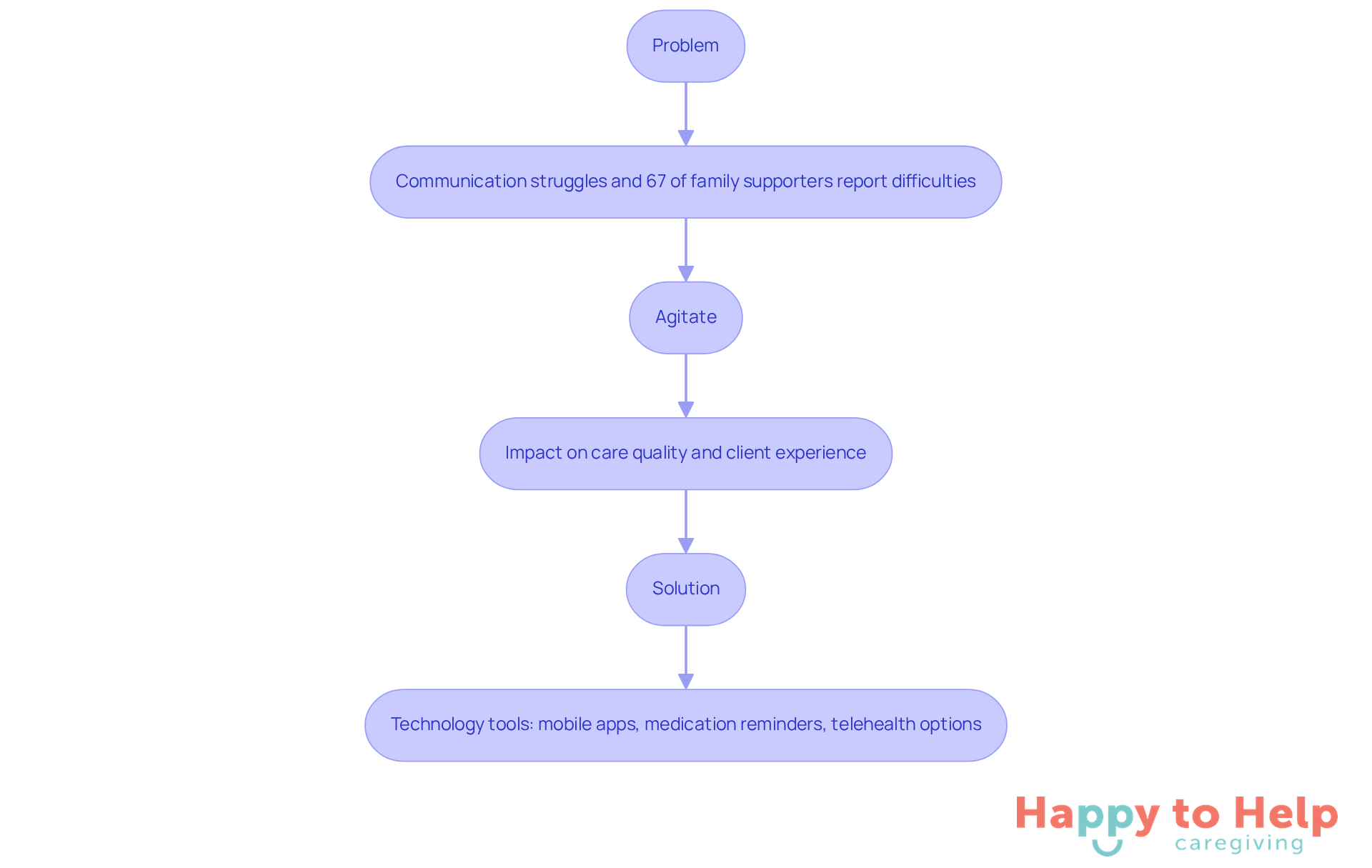
Problem: Caregivers often struggle with communication and service delivery, which can lead to inefficiencies in care. A staggering 67% of employed family supporters report difficulties in balancing work and caregiving duties, highlighting the need for better support systems.
Agitate: These challenges not only affect the caregivers but also impact the quality of care provided to clients. When communication falters, it can leave clients and their families feeling uninformed and disconnected from the care process, ultimately hindering health outcomes.
Solution: Fortunately, technology offers practical solutions to these issues. Tools like mobile support applications, equipped with GPS-enabled features, empower caregivers to manage daily tasks, track upcoming visits, and document support activities in real-time. This fosters collaboration among providers, clients, and relatives, ensuring everyone stays informed and engaged.
- Medication reminders and telehealth options further enhance communication, facilitating timely interventions.
- By embracing these technological advancements, Happy to Help Caregiving not only boosts care efficiency but also cultivates a collaborative environment where relatives can actively participate in their loved one's care journey.
- This approach leads to improved health outcomes and alleviates some of the burdens faced by caregivers.
Emotional Support: Building Trust and Connection with Caregivers
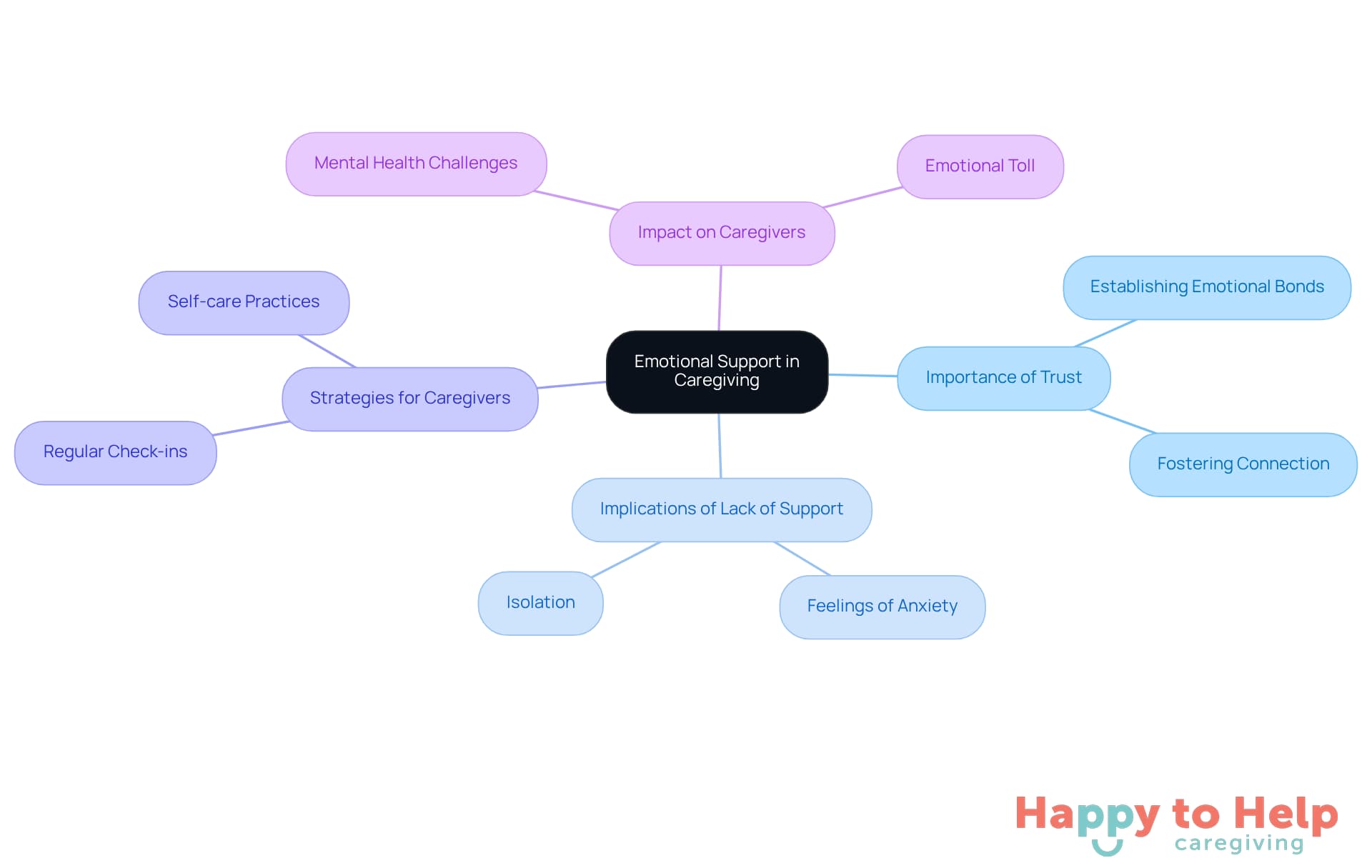
Emotional support is a critical issue in caregiving, as it lays the foundation for trust and connection between providers and recipients. Caregivers often face the challenge of establishing this emotional bond, which is essential for effective assistance. Without it, individuals may struggle to share their needs and concerns, leading to feelings of anxiety and isolation.
The implications of lacking emotional support are significant. Research indicates that caregivers who practice active listening and demonstrate empathy create an environment where individuals feel safe to express themselves. This emotional connection is not just beneficial; it can be transformative, resulting in improved health outcomes. Consistent providers can notice subtle shifts in a person's health, allowing for timely interventions that enhance overall well-being.
To address these challenges, caregivers should prioritize emotional well-being in their practice. By fostering a nurturing atmosphere, they empower clients and improve their quality of life. Studies show that when individuals feel emotionally supported, their anxiety levels decrease, and their sense of isolation diminishes. Furthermore, it's important to recognize the emotional toll on caregivers themselves; 40 to 70% of those in caregiving roles exhibit symptoms of depression compared to non-caregivers.
As Tatyana Zlotsky, CEO of A Place for Mom, aptly states, "Behind every data point is a household, doing their best to support someone they love." This highlights the essential role of emotional support in the caregiving journey. Caregivers can implement practical strategies, such as:
- Regular check-ins with clients
- Self-care practices
to enhance their emotional resilience and improve the caregiving experience.
Family Dynamics: Strengthening Relationships Through In-Home Care
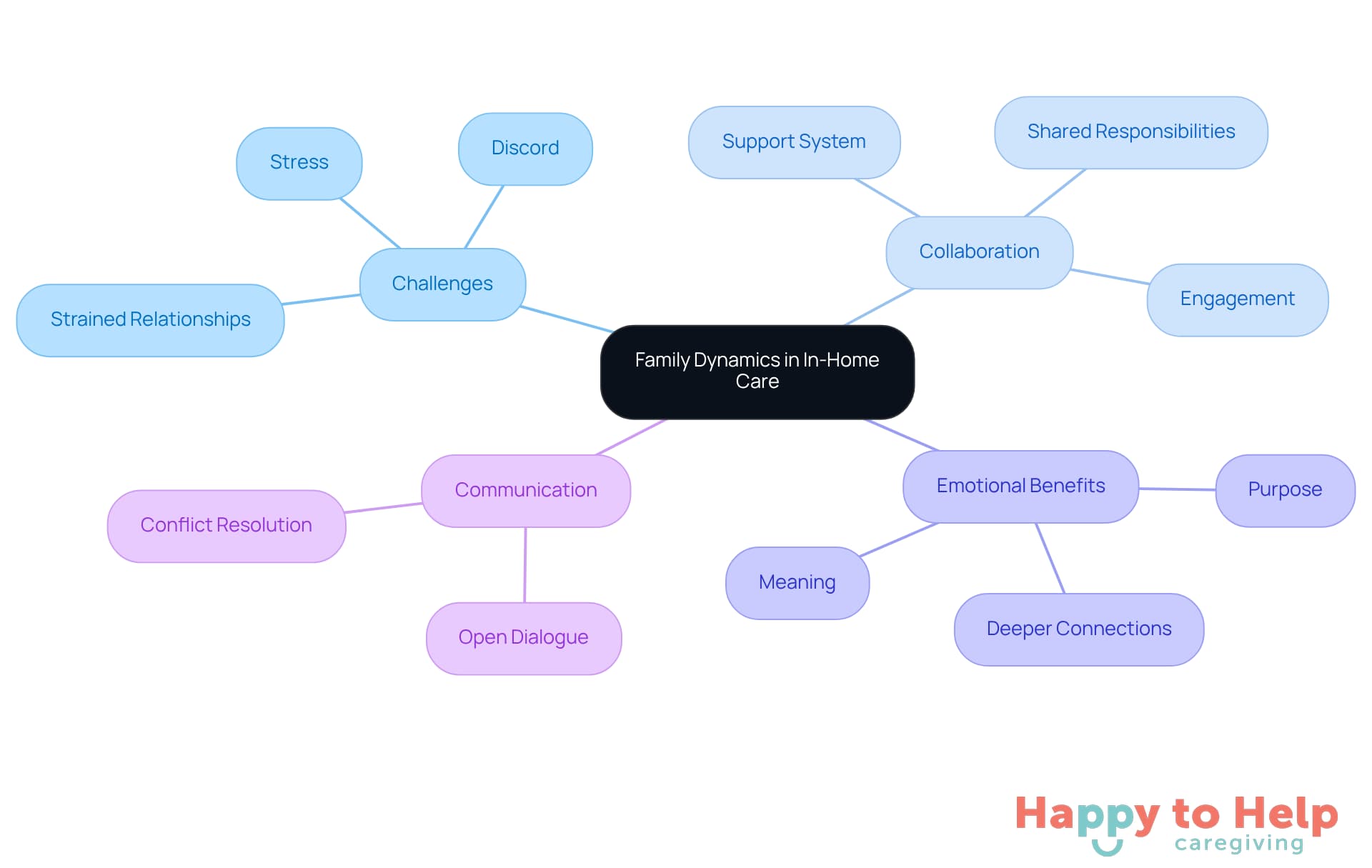
In-home assistance presents a significant challenge for many families, often leading to stress and discord among relatives. Caregivers juggle daily responsibilities, which can strain relationships and diminish emotional support. This situation not only affects the caregivers but also impacts the entire household dynamic, creating a need for a more collaborative approach to caregiving.
To address these challenges, it's crucial to promote collaboration and communication among family members. By actively engaging relatives in the care process, families can foster a comprehensive support system that benefits both clients and their loved ones. Family therapists emphasize that shared responsibilities encourage open dialogue and mutual respect, leading to deeper connections. According to AARP, over half of caregivers in the U.S. report a sense of meaning or purpose from their role, highlighting the emotional benefits of shared caregiving.
However, caregiving can also introduce emotional demands and potential conflicts. Counselor Wendy advises that focusing on improving communication rather than trying to resolve every issue can alleviate tensions. This approach reinforces family bonds and creates a nurturing environment for everyone involved. By prioritizing effective communication, families can navigate the complexities of caregiving while enhancing their relationships.
Your Path Forward
Choosing a private care agency for in-home support addresses a significant problem: the lack of personalized assistance that many caregivers face. This gap can lead to feelings of isolation and stress for both clients and their families. The implications are profound, as inadequate support can hinder emotional well-being and independence.
The solution lies in the myriad benefits that private care agencies offer. By emphasizing personalized care, these agencies ensure that each individual receives tailored assistance that meets their unique needs. Services such as:
- Companionship care
- Post-hospital recovery assistance
- Respite support
- Palliative care
play crucial roles in addressing the specific challenges faced by seniors and individuals with special needs. Moreover, the integration of technology and customized care plans enhances communication, making support effective and responsive to changing circumstances.
In summary, selecting a private care agency is vital for improving the quality of life for clients and their families. By prioritizing personalized support and fostering collaboration among family members, these agencies create a nurturing environment that benefits everyone involved. Embracing this model of care not only improves individual health outcomes but also strengthens family dynamics. For anyone considering in-home support, exploring the advantages of private care agencies is a crucial step towards ensuring the well-being of loved ones.
https://iframe.tely.ai/cta/eyJhcnRpY2xlX2lkIjogIjY5MjdhNWUxMTE3NGVkN2UzNDc1ZmU3YSIsICJjb21wYW55X2lkIjogIjY4ZWU1ZGNhNzMxNzYyNTU3ZjNjOTVjMSIsICJpbmRleCI6IG51bGwsICJ0eXBlIjogImFydGljbGUifQ==Frequently Asked Questions
What services does Happy to Help Caregiving offer?
Happy to Help Caregiving offers personalized in-home support services, including companionship, post-hospital recovery assistance, respite support, and palliative care.
How does companionship care benefit seniors?
Companionship care alleviates loneliness among seniors by providing meaningful interactions, enhancing emotional well-being, and improving cognitive function through activities, conversations, and community engagement.
What challenges do caregivers face in post-hospital recovery assistance?
Caregivers often struggle with supporting daily activities, managing medications, and providing mobility assistance during a client's recovery from the hospital, which can lead to increased readmission rates.
What is the significance of post-hospital recovery assistance?
Effective post-hospital recovery assistance is crucial for preventing readmissions, as nearly 20% of Medicare recipients are readmitted within 30 days due to inadequate follow-up support.
What strategies can reduce readmission rates after hospital discharge?
Strategies such as ensuring compliance with discharge plans and implementing structured support programs, like the Care Transitions Intervention (CTI), can significantly lower readmission rates.
How does Happy to Help Caregiving promote independence for clients?
By focusing on personalized care, Happy to Help Caregiving fosters a sense of security and independence for individuals and their families, creating a supportive environment for clients to thrive.
List of Sources
- Happy to Help Caregiving: Personalized In-Home Support Services
- 5 Benefits of Senior In-Home Care in 2025 | Valley Home Care (https://valleyhca.com/the-top-5-benefits-of-in-home-senior-care-for-aging-loved-ones-in-2025)
- Customized Care at Home: The Benefits of Personalized Care Plans - VNA Health Group (https://vnahg.org/customized-care-at-home-the-benefits-of-personalized-care-plans)
- New Models of In-Home Support for Safe, Personalized Care | Tendly Home (https://tendlyhome.com/articles/new-models-in-home-support)
- Trends in Senior Care: What to Expect in 2025 (https://agingconnections.org/blog/trends-in-senior-care-what-to-expect-in-2025)
- Caring Senior Service Banks Growth Goals On New House-Made Technology (https://homehealthcarenews.com/2025/10/caring-senior-service-banks-growth-goals-on-new-house-made-technology)
- Companionship Care: Alleviating Loneliness for Seniors
- Understanding the Benefits of Companion Care for Seniors - Freedom Home Care (https://freedomhomecare.net/2025/08/26/understanding-the-benefits-of-companion-care-for-seniors)
- How Companion Care Can Help Combat Senior Isolation and Loneliness | HealthMax Home Health Care (https://healthmaxmn.com/blog/how-companion-care-can-help-combat-senior-isolation-and-loneliness)
- Combat Loneliness: The Benefits of Companion Care for Seniors (https://allheartcare.com/more-than-just-company-the-vital-role-of-companion-care-for-seniors)
- Companion Care at Home Reduces Loneliness for Seniors During the Holidays (https://lifesathomecare.com/companion-care-at-home-reduces-loneliness-for-seniors-during-the-holidays)
- The Unbeatable Benefits of Companion Care for Seniors (https://comforcare.com/massachusetts/canton/resources/blog/the-unbeatable-benefits-of-companion-care-for-seniors)
- Post-Hospital Recovery Assistance: Ensuring Safe Transitions Home
- Reducing Hospital Readmissions - StatPearls - NCBI Bookshelf (https://ncbi.nlm.nih.gov/books/NBK606114)
- How Healing at Home Helps Unclog the Hospital Bed Logjam (https://usnews.com/news/health-news/articles/2025-03-03/how-healing-at-home-helps-unclog-the-hospital-bed-logjam)
- Outpatient Follow-Up Visits to Reduce 30-Day All-Cause Readmissions for Heart Failure, COPD, Myocardial Infarction, and Stroke: A Systematic Review and Meta-Analysis (https://cdc.gov/pcd/issues/2024/24\_0138.htm)
- Hospital Readmissions After Major Surgery Among Community-Living Older Adults (https://jamanetwork.com/journals/jamanetworkopen/fullarticle/2815588)
- Post-discharge: A critical moment for health plans to support caregivers - Becker's Payer Issues | Payer News (https://beckerspayer.com/payer/post-discharge-a-critical-moment-for-health-plans-to-support-caregivers)
- Respite Care: Supporting Family Caregivers with Essential Breaks
- Improving Support for Family Caregivers (https://nationalacademies.org/news/2025/07/improving-support-for-family-caregivers)
- A bill in Congress would return $5,000 to millions of family caregivers every year, but will it pass? (https://cbsnews.com/newyork/news/credit-for-caring-act-family-caregiver-tax-credit)
- The Caregiving Landscape: Data & Insights on the Caregiver Experience in the U.S. (https://caregiveraction.org/caregiver-statistics)
- News & Success Stories | Live Well San Diego (https://livewellsd.org/Home/Components/News/News/513/153)
- Palliative Support Care: Enhancing Comfort for Serious Illnesses
- Exploring Hospice Care Innovations - Top News Stories, August 2025 (https://teleioscn.org/tcntalkspodcast/exploring-hospice-care-innovations-top-news-stories-august-2025)
- Support for Serious Illness (https://newsinhealth.nih.gov/2025/07/support-serious-illness)
- Trends in State Palliative Care Legislation Across the U.S. - CAPC - News Bites (https://capc.org/blog/trends-in-state-palliative-care-legislation-across-the-us)
- Regence BlueShield Releases Findings on the Importance of a Holistic Approach to Palliative Care (https://news.regence.com/releases/regence-blueshield-releases-findings-on-the-importance-of-a-holistic-approach-to-palliative-care)
- 24/7 Availability: Ensuring Care When You Need It Most
- Around-the-Clock Support: The Benefits of 24-Hour Home Care for Seniors (https://afcsnc.com/around-the-clock-support-the-benefits-of-24-hour-home-care-for-seniors)
- The 10-Benefits of 24-Hour Home Care » LifeWorx Home Care (https://lifeworx.com/resources/articles/the-10-benefits-of-24-hour-home-care)
- Discover the Advantages of Round-the-Clock Care » LifeWorx Home Care (https://lifeworx.com/resources/articles/discover-the-advantages-of-round-the-clock-care)
- What Does 24/7 Home Care Look Like? (https://careindeed.com/blogs/what-does-24-7-home-care-look-like)
- The Benefits Of Around The Clock Care For Seniors (https://hcprosonline.com/the-benefits-of-around-the-clock-care-for-seniors)
- Tailored Care Plans: Customizing Support for Individual Needs
- Mid-Year Check-In: 7 Key Trends Shaping Non-Medical Home Care for the Rest of 2025 | Aaniie, formerly Smartcare Software (https://aaniie.com/news/key-trends-shaping-non-medical-home-care-for-the-rest-of-2025)
- How Personalized Support Plans Improve Quality of Life (https://heartwisesupport.org/post/how-personalized-support-plans-improve-quality-of-life)
- Predictive analytics and tailored interventions improve clinical outcomes in older adults: a randomized controlled trial - PMC (https://pmc.ncbi.nlm.nih.gov/articles/PMC8192898)
- State of home care in 2025 (https://mcknightshomecare.com/state-of-home-care-in-2025)
- The Future of Private Home Care: What to Expect in 2025 (https://anodyne-services.com/2024/08/14/the-future-of-private-home-care-what-to-expect-in-2025)
- Technology Integration: Enhancing Communication and Care Delivery
- Study finds home healthcare agencies discontinuing telehealth post-pandemic (https://news.uci.edu/2025/05/28/study-finds-home-healthcare-agencies-discontinuing-telehealth-post-pandemic)
- Millions of seniors lose access to telehealth services in wake of shutdown (https://pbs.org/newshour/show/millions-of-seniors-lose-access-to-telehealth-services-in-wake-of-shutdown)
- National Family Caregiver Month 2025: How Tech Supports Care (https://caresmartz360.com/blog/home-care/empowering-family-caregivers-with-technology-this-caregivers-month)
- Tech-enabled caregiving can help dementia patients stay at home — perhaps for too long (https://statnews.com/2025/11/24/dementia-caregiving-technology-assistance)
- How enabling technology is transforming home-based care | UnitedHealthcare Community & State (https://uhccommunityandstate.com/content/blog-post/blogs/how-enabling-technology-is-transforming-home-based-care)
- Emotional Support: Building Trust and Connection with Caregivers
- A Place for Mom Releases Dual Reports on the Future of Family Caregiving, Including a New Talkspace Collaboration Highlighting Caregiver Mental Health (https://businesswire.com/news/home/20251124760580/en/A-Place-for-Mom-Releases-Dual-Reports-on-the-Future-of-Family-Caregiving-Including-a-New-Talkspace-Collaboration-Highlighting-Caregiver-Mental-Health)
- Caregiving’s Mental Health Crisis (https://forbes.com/sites/otsuka/2025/10/02/caregivings-mental-health-crisis)
- The Importance of Caregiver-Client Relationships in Senior Well-Being (https://homeinstead.com/home-care/usa/in/goshen/588/news-and-media/the-importance-of-caregiver-client-relationships-in-senior-well-being)
- Opinion | America’s Caregivers Are in Crisis (https://nytimes.com/2025/11/24/opinion/caregiving-crisis.html)
- Family Dynamics: Strengthening Relationships Through In-Home Care
- Honoring America’s Family Caregivers, the Unseen Workforce Behind Our Health System - Medicare Rights Center (https://medicarerights.org/medicare-watch/2025/11/25/honoring-americas-family-caregivers-the-unseen-workforce-behind-our-health-system)
- The number of family caregivers is surging (https://19thnews.org/2025/07/family-caregivers-surging-aarp)
- As Family Caregiving Grows, So Does the Need for Reform - Medicare Rights Center (https://medicarerights.org/medicare-watch/2025/08/14/as-family-caregiving-grows-so-does-the-need-for-reform)
- Family Caregivers and the Role of Sibling Caregiving (https://caregiveraction.org/family-caregivers-role-of-sibling-caregiving)
- The Impact of Home Care on Family Dynamics (https://h2hhc.com/blog/the-impact-of-home-care-on-family-dynamics)