
Understanding Choose an Aged Care Agency Near Me
The landscape of senior care is changing, with more families seeking help from aged care agencies to manage the complexities of caregiving. This growing trend highlights a significant problem: many caregivers feel overwhelmed and uncertain about how to provide the best support for their loved ones. The implications are serious, as statistics reveal high rates of loneliness among seniors and the risks that come with inadequate care.
Families often wonder how to ensure their loved ones receive the personalized, compassionate care they deserve while also taking care of their own well-being. This is where local aged care agencies come in, offering tailored solutions that address the unique challenges faced by both seniors and their caregivers. By choosing an agency nearby, families can access essential services designed to enhance the quality of life for seniors and provide peace of mind for caregivers.
In this article, we will explore ten compelling reasons to consider an aged care agency, shedding light on the profound impact these services can have on families. From personalized care plans to professional support, these agencies play a crucial role in navigating the complexities of elder care.
Happy to Help Caregiving: Personalized In-Home Support for Seniors
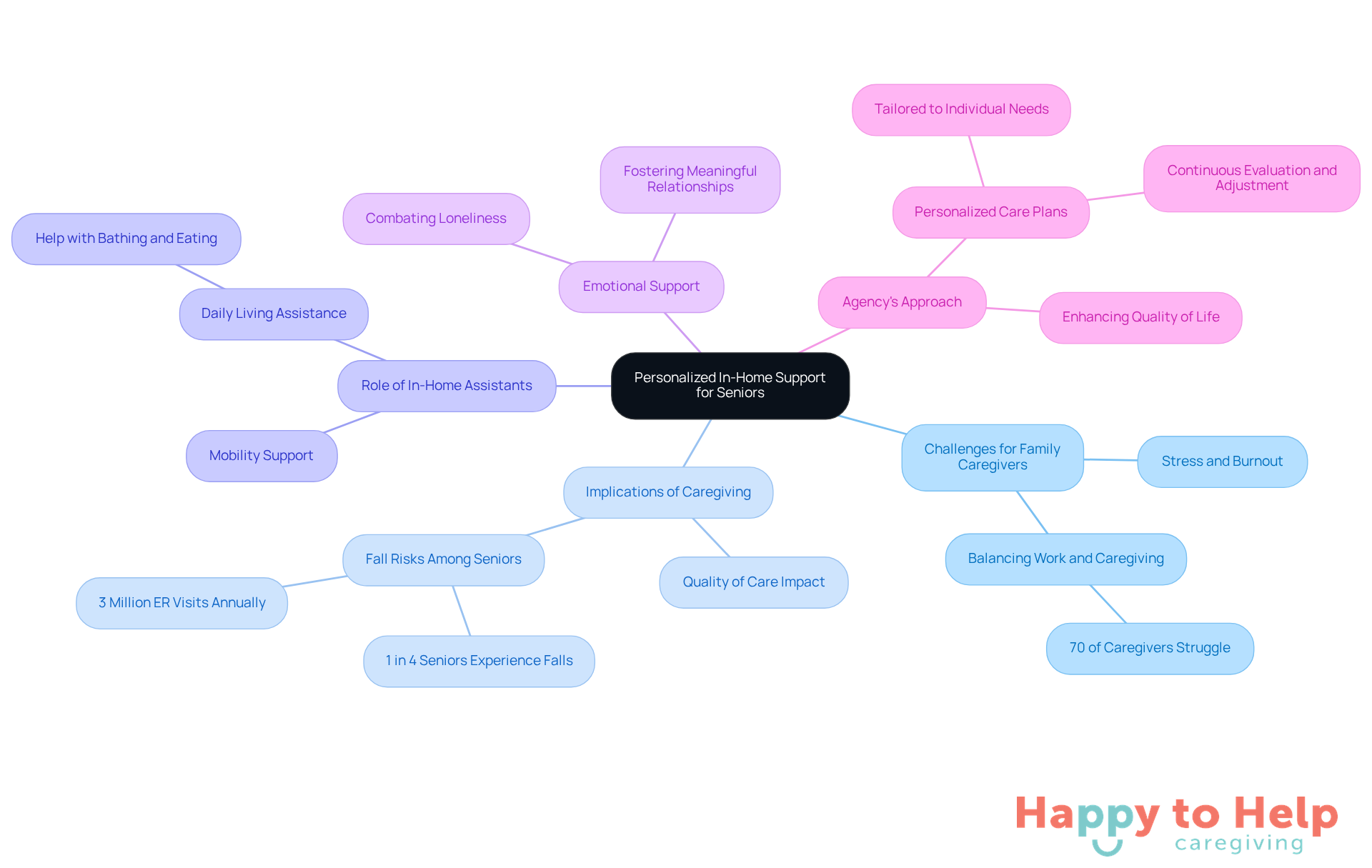
Happy to Help Caregiving addresses a significant problem: the challenges faced by family caregivers. Nearly 70% of family assistants struggle to balance their jobs with caregiving duties, leading to stress and burnout. This situation not only affects the caregivers but also impacts the quality of care provided to older adults.
The implications are serious. With one in four adults over the age of 65 experiencing falls each year, the need for effective in-home assistance is critical. Customized support plans are essential, as they allow for ongoing assessment and adjustments to meet changing health conditions. In this context, in-home assistants play a vital role in providing mobility support and reducing fall risks.
However, the influence of individualized support goes beyond physical assistance. Emotional support is equally important in combating feelings of loneliness among older adults. By fostering meaningful relationships, caregivers can enhance their clients' overall well-being, allowing families to cherish shared moments instead of being burdened by caregiving tasks.
To address these challenges, Happy to Help Caregiving develops personalized plans tailored to each client's unique needs. This comprehensive approach not only enhances safety but also enriches the lives of older adults, making the agency an essential ally in their pursuit of a fulfilling and independent life.
Companionship Care: Alleviating Loneliness for Seniors
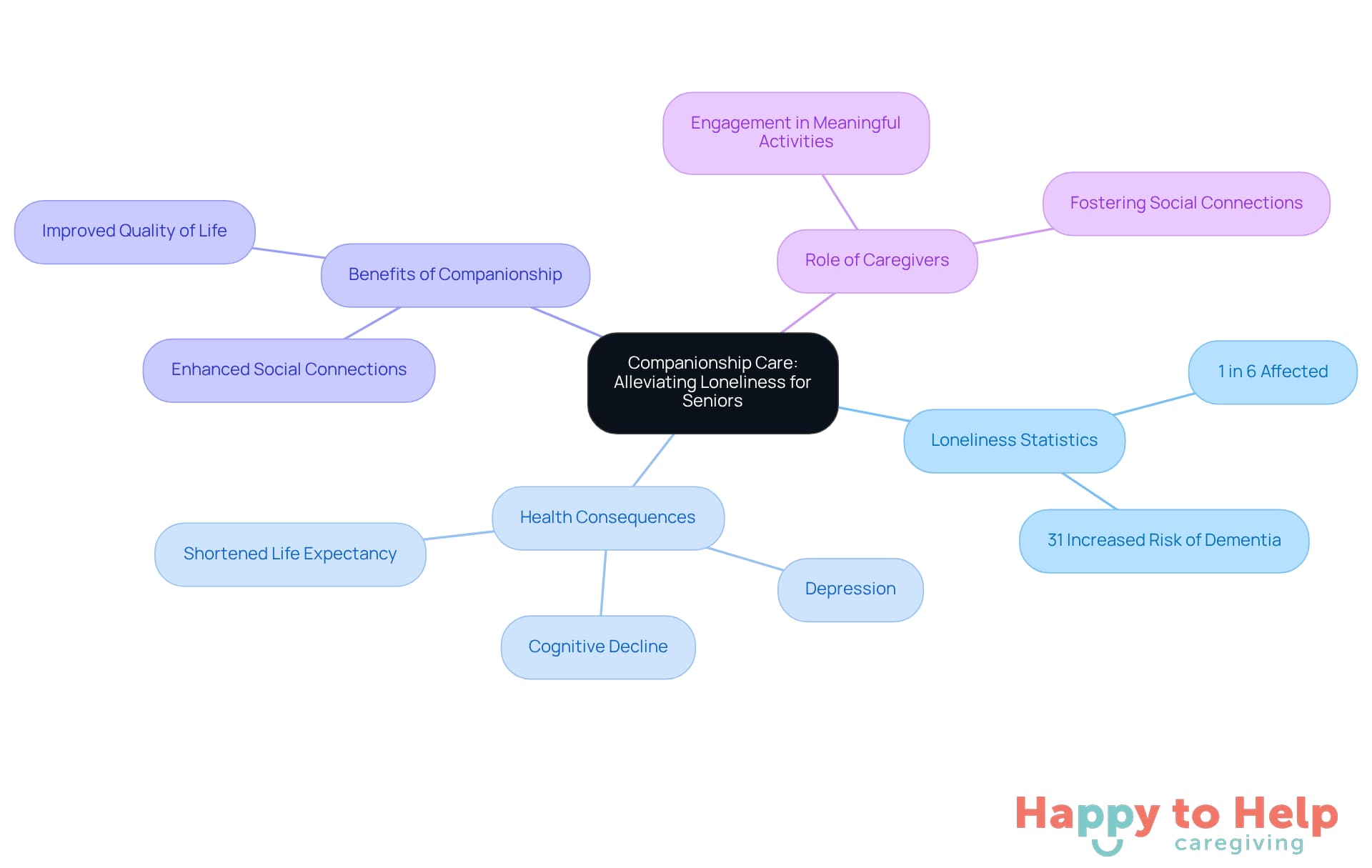
Loneliness and isolation are significant challenges faced by older adults, affecting 1 in 6 people worldwide. This widespread issue can lead to severe emotional and physical health consequences, including depression and cognitive decline. Notably, studies indicate that feeling lonely increases the risk of dementia by 31%, and chronic loneliness can shorten life expectancy even more than being overweight or sedentary, and just as much as smoking.
Companionship support provided by an aged care agency near me offers a practical solution to combat these feelings. Caregivers can engage clients in meaningful conversations, activities, and hobbies, fostering essential social connections that enhance emotional well-being. Just a few hours of companionship each week can significantly improve an older person's quality of life, especially for those recovering from hospitalization or dealing with mobility issues.
The World Health Assembly's recent resolution on social connection highlights the growing recognition of the importance of social ties for mental and physical health. Caregivers from an aged care agency near me provide companionship that helps older adults maintain their dignity and independence while ensuring they feel appreciated and listened to. This form of support is crucial in promoting social interaction and alleviating the loneliness that many elderly individuals face.
Post-Hospital Recovery Assistance: Ensuring Safe Transitions Home
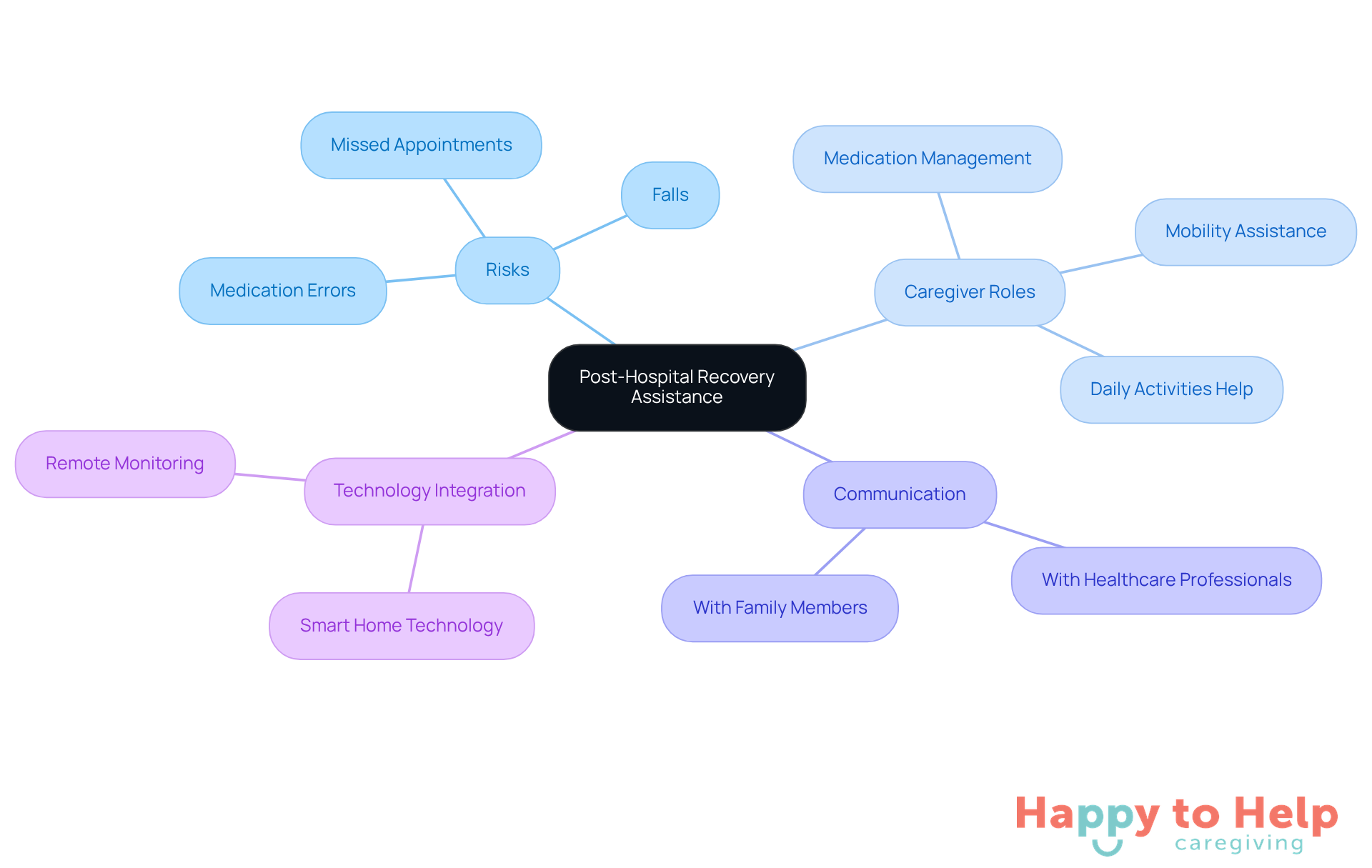
Post-hospital recovery support is crucial for older adults transitioning from hospital to home. Without adequate assistance, these individuals face significant risks, including medication errors, falls, and missed follow-up appointments. In fact, nearly one in five Medicare patients is readmitted to the hospital within 30 days of discharge.
As Andy Howard, CEO, emphasizes, "Hospital discharge signifies the start of a delicate period when older adults encounter increased risks of medication mistakes, falls, overlooked follow-up appointments, and readmission." Caregivers play a vital role in this process, providing essential support such as:
- Medication management
- Mobility assistance
- Help with daily activities
To mitigate these risks, caregivers should focus on promoting communication with healthcare professionals. This ensures that elderly individuals receive the necessary support during their recovery. Additionally, integrating smart home technology can enhance recovery outcomes by facilitating timely interventions and better coordination of care.
By creating a nurturing environment, caregivers help older adults maintain their autonomy and improve their overall quality of life during this transition. Emotional support is equally important, as many older adults experience anxiety about their health and independence after a hospital stay, which can impede their recovery.
In summary, caregivers must be proactive in their approach, utilizing available resources and technology to support older adults effectively.
Respite Care: Supporting Family Caregivers and Preventing Burnout
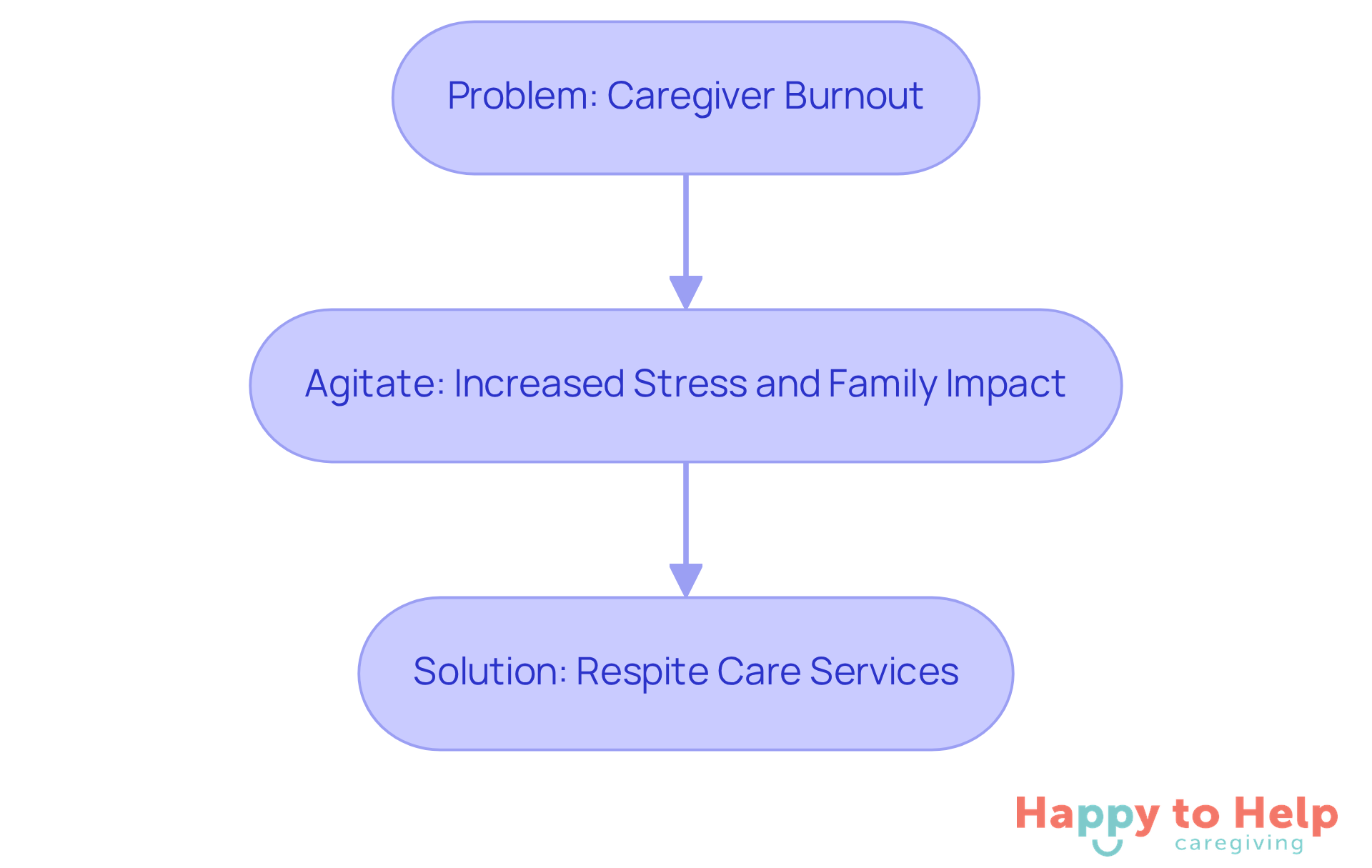
Problem: Caregivers often face significant challenges, including burnout, which can diminish the quality of support they provide to their loved ones. Research indicates that 30-50% of caregivers experience depressive symptoms, underscoring the urgent need for effective support systems.
Agitate: Without proper respite, caregivers may struggle to manage their responsibilities, leading to increased stress and decreased emotional resilience. This not only affects their well-being but also impacts the entire family dynamic. In fact, those who utilize respite services report an 86% improvement in their ability to care for their loved ones, highlighting the critical role of these breaks.
Solution: Happy to Help Caregiving offers expert assistance that allows family supporters to prioritize their own well-being while continuing to provide compassionate care. Regular breaks are essential; they not only alleviate stress but also enhance caregivers' emotional and physical resilience. As Senator Edward J. Markey emphasizes, investing in support for caregivers is vital for sustaining our health system and ensuring that these dedicated individuals can continue their invaluable work. However, many caregivers face barriers in accessing respite support, making it crucial to improve access to these essential services.
Palliative Support Care: Enhancing Quality of Life for Seniors
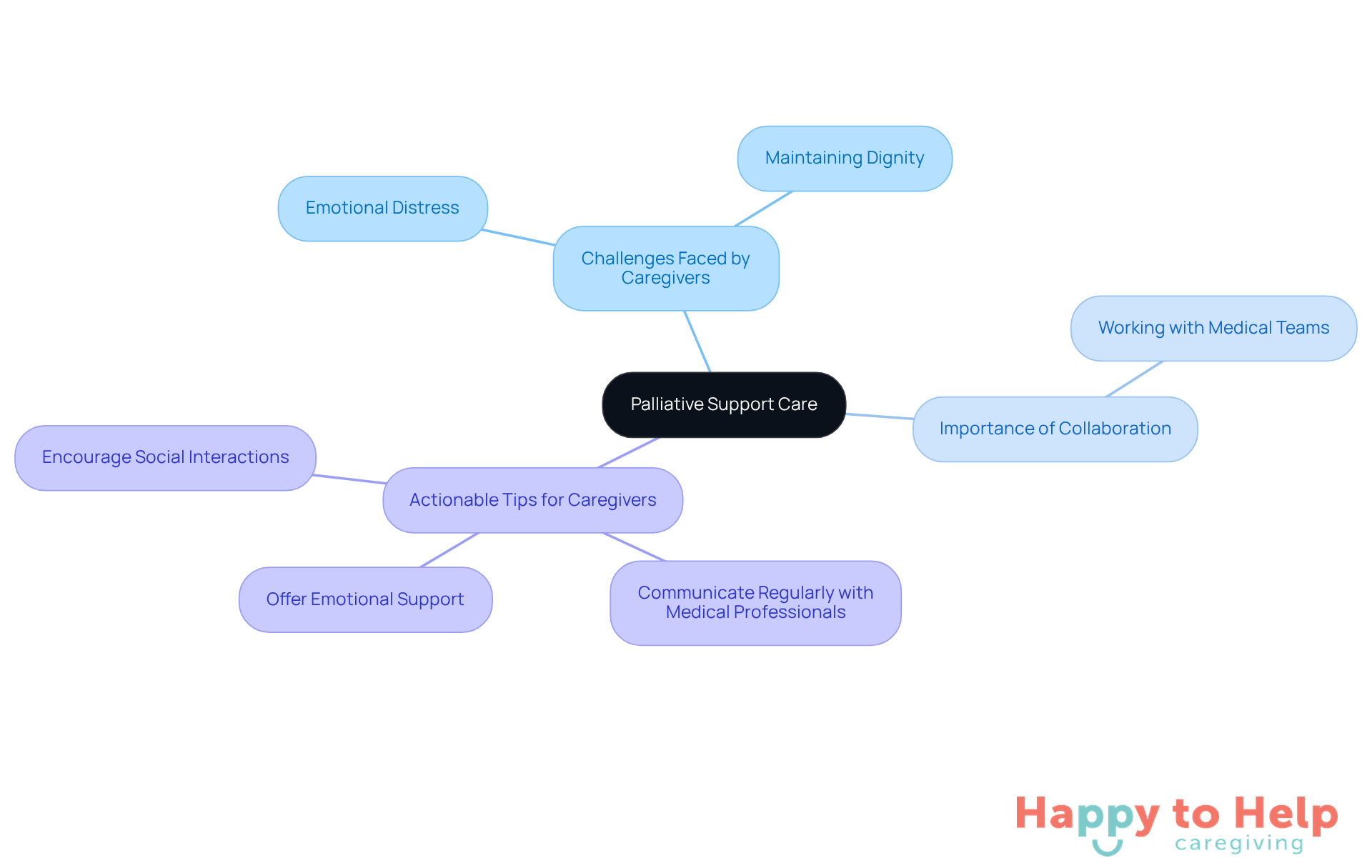
Palliative support addresses a significant problem: the quality of life for elderly individuals grappling with severe illnesses. Caregivers often face challenges in alleviating symptoms and managing pain, which can lead to emotional distress for both the elderly and their families. Without proper support, these individuals may struggle to maintain their dignity and comfort.
To tackle these issues, it’s crucial for care providers to collaborate closely with medical teams. This collaboration ensures that elderly individuals receive comprehensive support that meets their physical, emotional, and spiritual needs. By focusing on alleviating symptoms and providing emotional support, caregivers can significantly enhance the quality of life for those they care for.
Here are some actionable tips for caregivers:
- Communicate regularly with medical professionals to stay informed about the best practices in pain management.
- Offer emotional support by being present and listening to the concerns of elderly individuals.
- Encourage social interactions to combat feelings of isolation.
By implementing these strategies, caregivers can create a more supportive environment that allows elderly individuals to live with dignity and comfort.
Flexible Scheduling: Tailoring Care to Family Needs
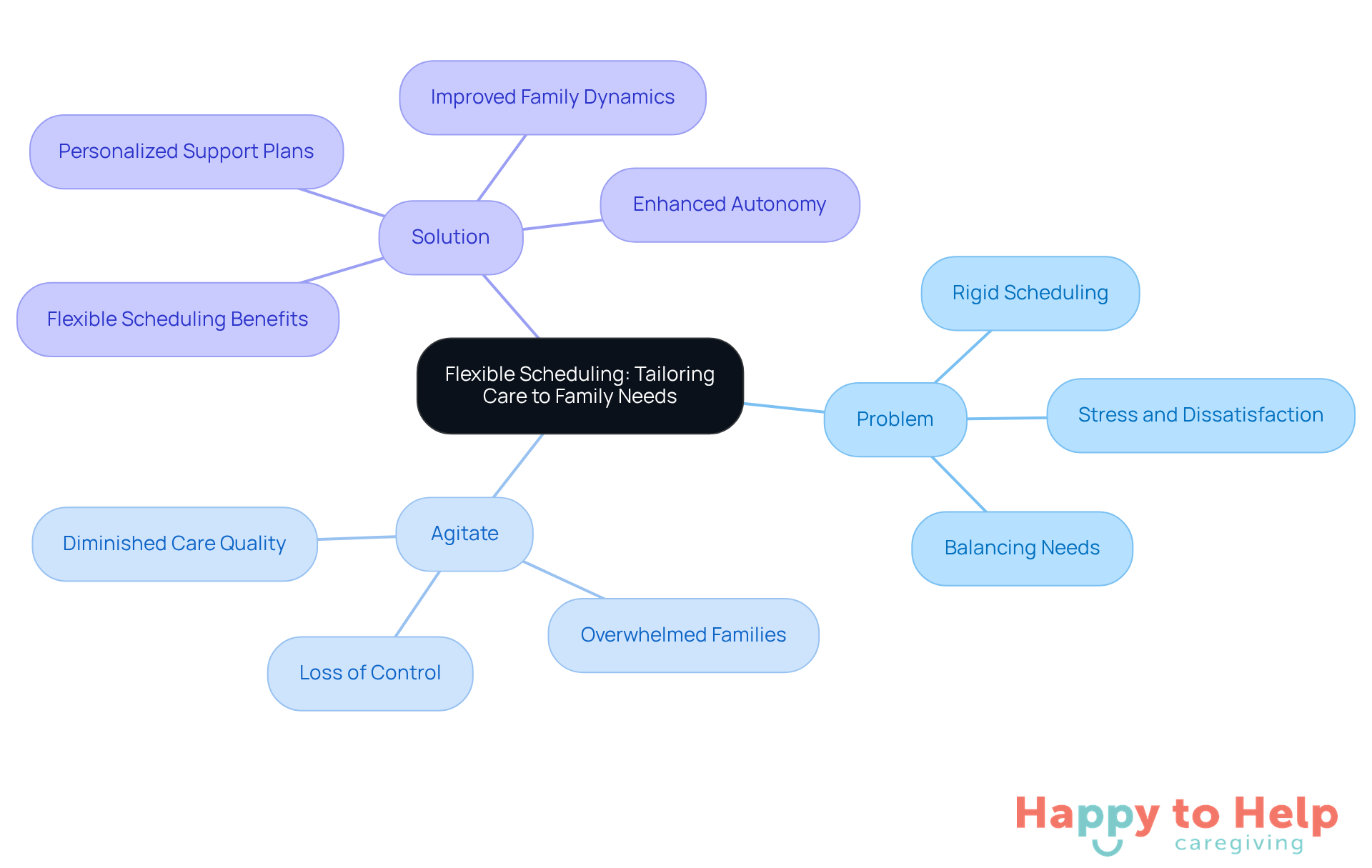
Problem: Many families struggle with rigid scheduling in caregiving, which can lead to stress and dissatisfaction. Caregivers often find it challenging to balance their loved ones' needs with their own daily routines.
Agitate: This lack of flexibility can diminish the quality of care, leaving older adults without the essential assistance they need at critical times. Families report feeling overwhelmed and losing control over their caregiving situations, which can negatively impact both the caregiver and the recipient of care.
Solution: Flexible scheduling enables families to personalize support services according to their unique needs and daily routines. Happy to Help Caregiving, an aged care agency near me, excels in providing tailored support plans that adjust to family schedules, ensuring older adults receive the essential assistance exactly when they require it. This adaptability not only enriches the caregiving experience but also fosters a sense of autonomy and independence for both seniors and their families.
Families state that having a support plan customized to their unique situations greatly improves their overall satisfaction, as it enables them to retain a sense of control over their loved one's assistance. As one family caregiver remarked, "Understanding that my mother’s support is customized to her needs provides me peace of mind and enables me to concentrate on my own duties."
Ultimately, customizable care plans lead to improved family dynamics and a more fulfilling caregiving journey. With the rising need for adaptable scheduling in healthcare, as emphasized by the increasing number of elderly individuals needing assistance, the approach of an aged care agency near me, Happy to Help Caregiving, is not only advantageous but vital for contemporary caregiving.
24/7 Availability: Ensuring Continuous Support for Seniors
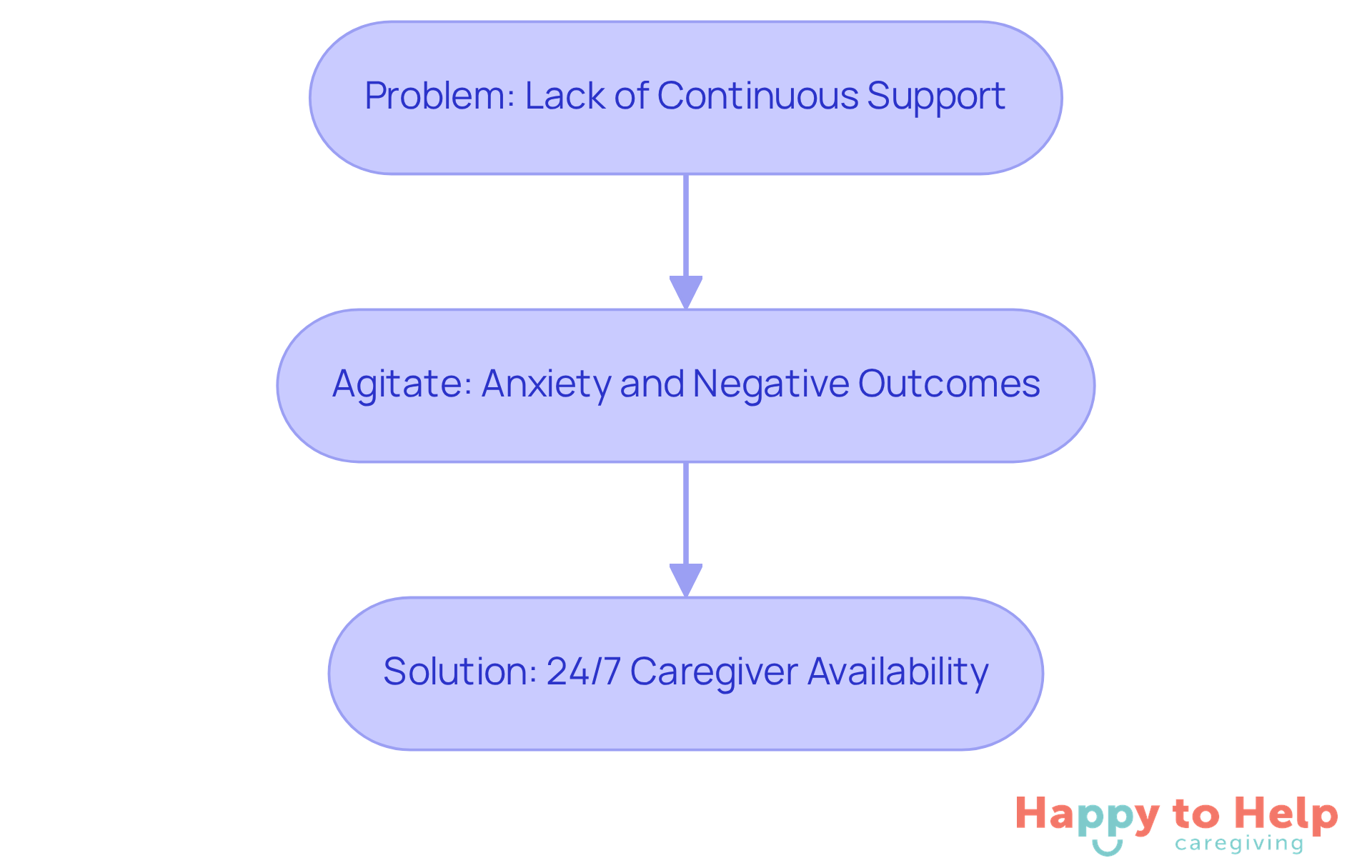
Problem: The lack of continuous support for elderly individuals can lead to significant challenges for both them and their families. Many older adults face chronic conditions or are recovering from surgery, making immediate assistance crucial in emergencies.
Agitate: Without 24/7 caregiver availability, families may experience anxiety, knowing their loved ones are alone and potentially vulnerable. Research shows that older adults receiving consistent assistance have better wellness outcomes, including reduced hospital readmissions and improved overall well-being. This lack of support can lead to feelings of isolation and insecurity for both the elderly and their families.
Solution: The solution lies in ensuring caregivers are available around the clock. Families can find peace of mind knowing that an aged care agency near me is available to help with just a call. Live-in aides not only assist with daily activities but also provide emotional stability and comfort, which are vital for older adults' well-being. By maintaining daily routines and encouraging participation in community activities, caregivers help older adults stay connected and engaged, significantly enhancing their quality of life.
Technology Integration: Enhancing Communication and Care Management
The incorporation of technology is crucial in addressing the communication and management challenges faced by caregivers of older adults. Many families struggle to stay updated about their loved ones' assistance, leading to feelings of uncertainty and isolation. This lack of communication can erode trust and cooperation between caregivers and families, ultimately impacting the senior's well-being.
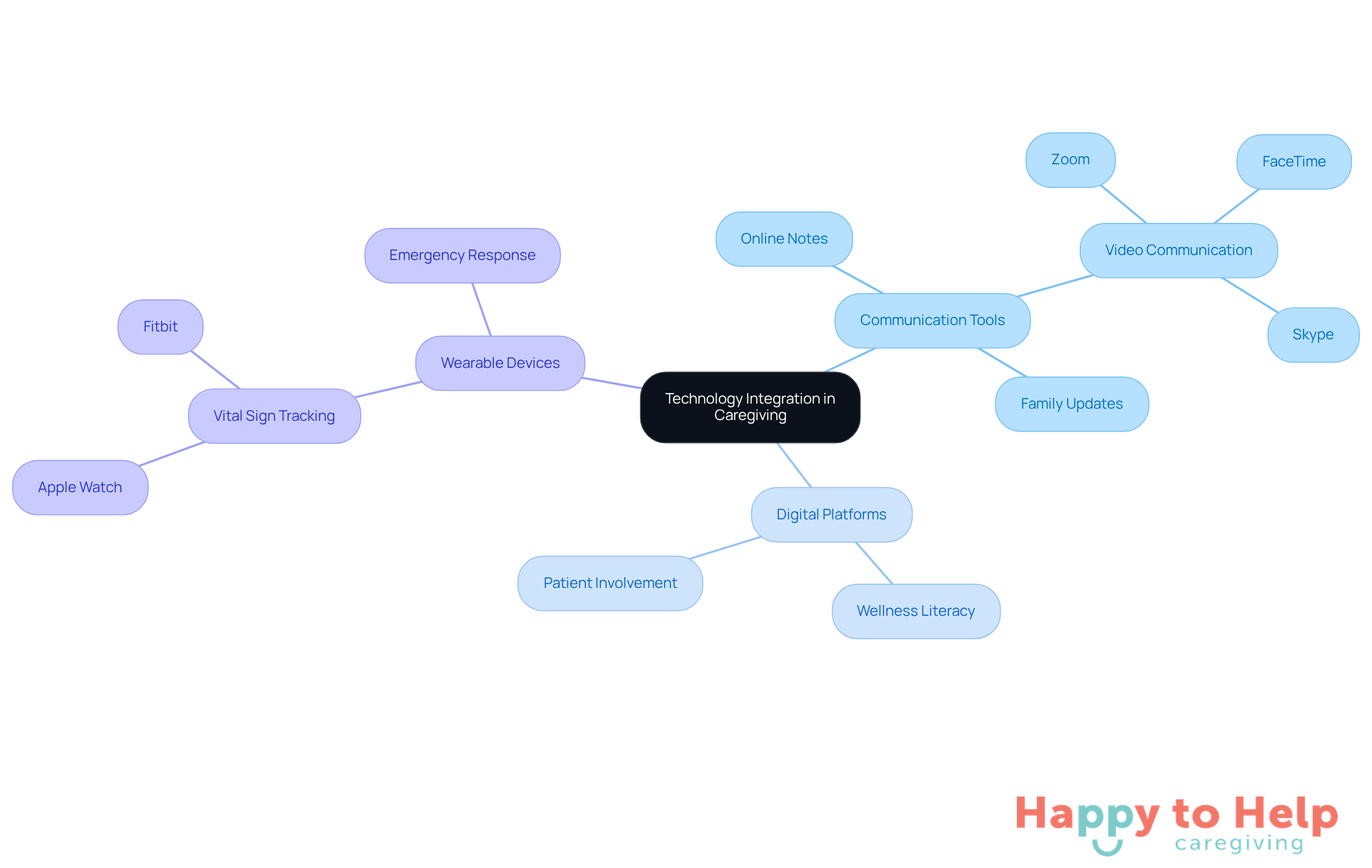
To combat these issues, Happy to Help Caregiving employs digital tools that keep families informed through online notes and updates. This transparency fosters trust and ensures that everyone is on the same page regarding the senior's condition. Studies show that effective communication technologies significantly enhance interactions among care staff, families, and residents, leading to improved care outcomes. For instance, a report from the National Institutes of Health highlights that video communication tools can significantly reduce feelings of loneliness among older adults.
Moreover, digital platforms promote better wellness literacy and patient involvement, resulting in enhanced outcomes. Wearable wellness devices also play a vital role, allowing guardians to track vital signs and respond swiftly to emergencies, thereby improving safety and communication. As technology continues to advance, its role in connecting supporters and families becomes increasingly essential, ultimately aiding in better health management and emotional wellness for older adults.
Trained Caregivers: Ensuring High-Quality Support for Seniors
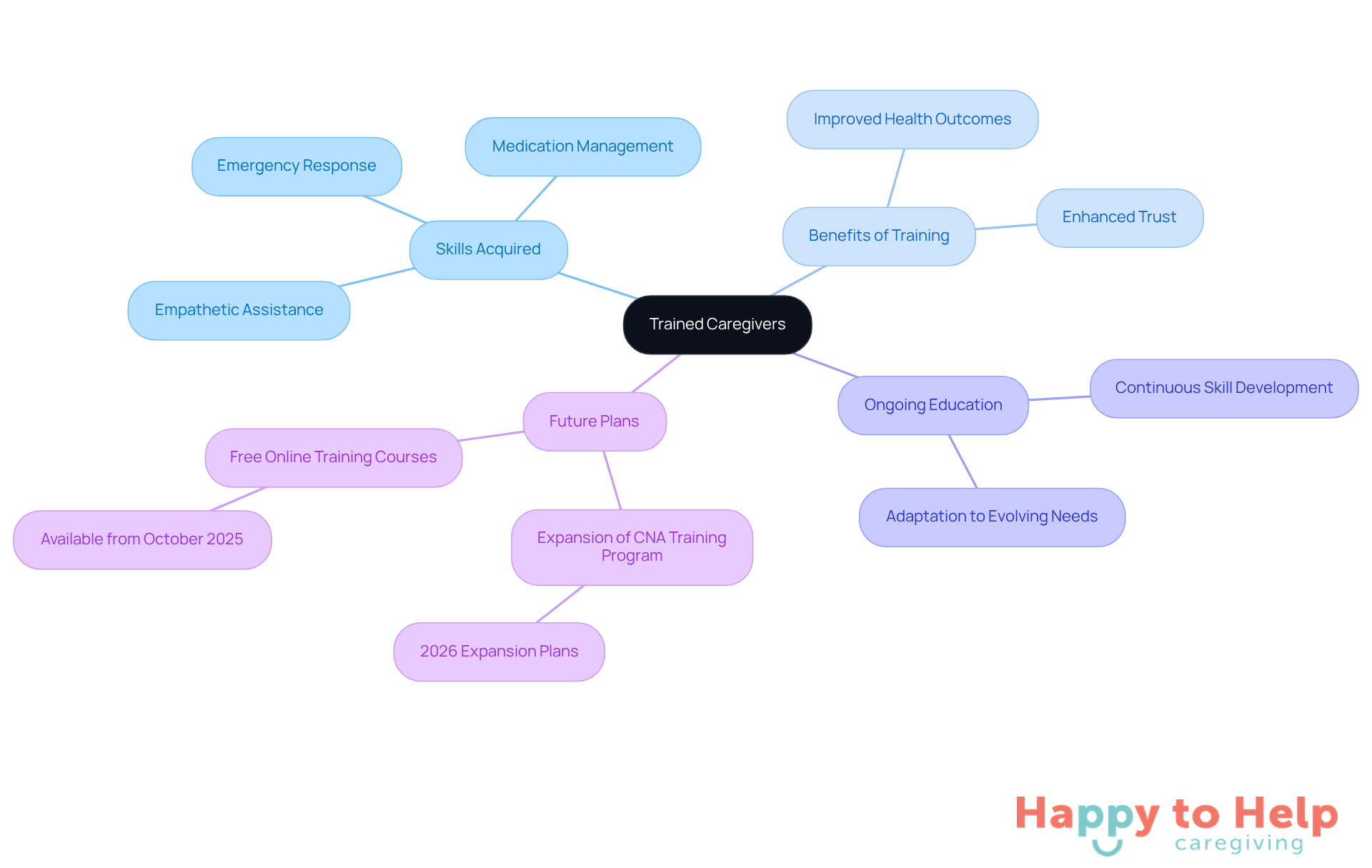
Skilled helpers form the backbone of Happy to Help Caregiving, providing elderly individuals with high-quality, tailored assistance that meets their unique needs. However, many caregivers face challenges due to a lack of comprehensive training. This gap can lead to inadequate support for seniors, affecting their overall well-being.
To address this issue, caregivers undergo extensive training that equips them with essential skills, such as:
- Empathetic assistance techniques
- Medication management
- Emergency response protocols
This thorough preparation not only enhances service quality but also fosters trust and connection between providers and elderly individuals, creating a nurturing environment where clients feel safe and valued.
Ongoing education is crucial, ensuring caregivers remain adept at meeting the evolving needs of their clients. This commitment ultimately leads to improved health outcomes and a better quality of life for seniors. Plans are in place to expand the Certified Nursing Assistant (CNA) training program in 2026, reflecting a dedication to enhancing qualifications for caregivers.
As Corinne Eldridge, CEO of the Center for Caregiver Advancement, states, "Providing access to training helps IHSS support providers to deliver higher quality care, and to stay and grow in their profession." Furthermore, a study by Jarmin Yeh, PhD, MPH, MSSW, et al., highlights that training significantly boosts the skills and knowledge of caregivers, reinforcing the need for well-trained individuals in this vital role.
For family caregivers seeking resources, free online caregiver training courses for IHSS workers will be available starting in October 2025. This initiative offers valuable opportunities for skill enhancement, ensuring caregivers are well-prepared to support their clients effectively.
Emotional Support: Fostering Security and Comfort at Home
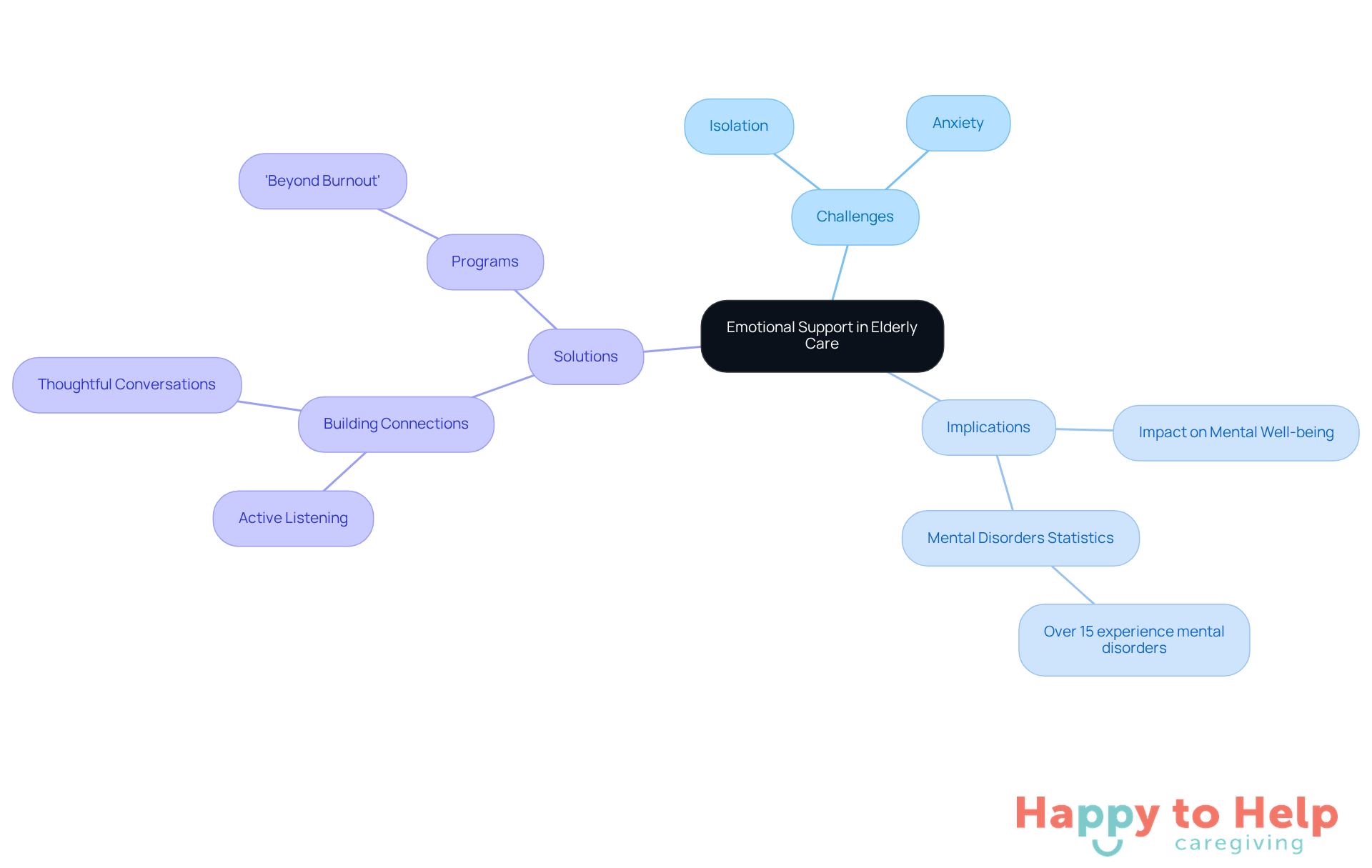
Emotional support is a critical issue in in-home care for the elderly. Many seniors face feelings of isolation and anxiety, which can significantly impact their overall well-being. Caregivers often struggle to provide the necessary companionship that fosters a sense of security and comfort.
The implications of inadequate emotional support are profound. Research shows that strong emotional ties can reduce feelings of loneliness among older adults, leading to a more positive outlook on life. Psychologists emphasize that companionship is essential for enhancing mental well-being and resilience. Alarmingly, over 15% of individuals aged 60 and older experience mental disorders, underscoring the urgent need for robust emotional support.
To address this challenge, caregivers can implement several practical solutions:
- They should prioritize building meaningful connections with seniors by actively listening to their concerns and engaging in thoughtful conversations. This approach not only helps seniors feel valued but also significantly enhances their quality of life.
- Programs like 'Beyond Burnout' by NAMI-NYC highlight the importance of staff mental health in improving client care. By focusing on emotional well-being, caregivers can create an environment where seniors thrive, ultimately leading to better mental health outcomes.
In summary, addressing emotional support in elderly care is vital. By fostering strong emotional connections, caregivers can combat feelings of isolation and anxiety, ensuring that seniors lead fulfilling lives.
Your Path Forward
Choosing an aged care agency nearby presents a significant solution to the challenges faced by families and caregivers. Caregiver burnout is a pressing issue, often stemming from the overwhelming demands of providing care. This can lead to emotional strain and decreased quality of life for both caregivers and seniors.
The implications of this problem are profound. Seniors may not receive the emotional support they need, and families can feel the weight of responsibility. However, local aged care agencies offer personalized support that addresses not only the physical needs of elderly individuals but also their emotional well-being. This holistic approach fosters a nurturing environment where seniors can thrive, maintain independence, and enjoy a fulfilling life.
Investing in aged care services is about enhancing the overall quality of life for seniors. Families are encouraged to explore local agencies that prioritize personalized care. This can lead to improved health outcomes and a more satisfying caregiving experience. By making informed choices about aged care, families can ensure that their loved ones receive the support they deserve, fostering a sense of security and comfort in their golden years.
https://iframe.tely.ai/cta/eyJhcnRpY2xlX2lkIjogIjY5MjNiNTgwMTY0YjFjNGVjNjViZTdkYyIsICJjb21wYW55X2lkIjogIjY4ZWU1ZGNhNzMxNzYyNTU3ZjNjOTVjMSIsICJpbmRleCI6IG51bGwsICJ0eXBlIjogImFydGljbGUifQ==Frequently Asked Questions
What challenges do family caregivers face?
Nearly 70% of family caregivers struggle to balance their jobs with caregiving duties, leading to stress and burnout, which affects both the caregivers and the quality of care provided to older adults.
Why is in-home assistance important for seniors?
In-home assistance is critical as one in four adults over the age of 65 experiences falls each year. Customized support plans allow for ongoing assessment and adjustments to meet changing health conditions, helping to provide mobility support and reduce fall risks.
How does emotional support play a role in caregiving?
Emotional support is crucial in combating loneliness among older adults. By fostering meaningful relationships, caregivers enhance their clients' overall well-being, allowing families to enjoy shared moments instead of feeling burdened by caregiving tasks.
What is the approach of Happy to Help Caregiving?
Happy to Help Caregiving develops personalized plans tailored to each client's unique needs, enhancing safety and enriching the lives of older adults, making the agency an essential ally in their pursuit of a fulfilling and independent life.
What are the effects of loneliness on older adults?
Loneliness affects 1 in 6 older adults worldwide and can lead to severe emotional and physical health consequences, including depression, cognitive decline, and an increased risk of dementia by 31%.
How can companionship care help seniors?
Companionship support helps combat feelings of loneliness by engaging clients in meaningful conversations and activities, fostering social connections that enhance emotional well-being, particularly for those recovering from hospitalization or facing mobility issues.
What does the World Health Assembly's resolution on social connection emphasize?
The resolution highlights the importance of social ties for mental and physical health, recognizing that companionship care helps older adults maintain dignity and independence while feeling appreciated and listened to.
Why is post-hospital recovery assistance important for older adults?
Post-hospital recovery assistance is crucial to prevent risks such as medication errors, falls, and missed follow-up appointments. Nearly one in five Medicare patients is readmitted to the hospital within 30 days of discharge.
What support do caregivers provide during post-hospital recovery?
Caregivers provide essential support including medication management, mobility assistance, and help with daily activities, promoting communication with healthcare professionals to ensure necessary support during recovery.
How can technology assist in post-hospital recovery?
Integrating smart home technology can enhance recovery outcomes by facilitating timely interventions and better coordination of care, creating a nurturing environment that helps older adults maintain autonomy and improve their quality of life.
List of Sources
- Happy to Help Caregiving: Personalized In-Home Support for Seniors
- Executive Home Care Honors Family Caregivers During National Family Caregivers Month (https://prnewswire.com/news-releases/executive-home-care-honors-family-caregivers-during-national-family-caregivers-month-302616991.html)
- What Can Personalized Home Care Offer to the Elderly - Affirmed Homecare (https://affirmedhomecare.com/news/what-can-personalized-home-care-offer-to-the-elderly)
- 2025 Home Care Statistics: Trends & Insights To Know (https://premierhcinc.com/blog/home-care-statistics)
- How Personalized In-Home Care can Improve Seniors Quality of Life - Freedom Home Care (https://freedomhomecare.net/2024/11/21/how-personalized-in-home-care-can-improve-seniors-quality-of-life)
- The senior population is booming. Caregiving is struggling to keep up (https://cnbc.com/2025/11/21/senior-caregiving-labor.html)
- Companionship Care: Alleviating Loneliness for Seniors
- Social connection linked to improved health and reduced risk of early death (https://who.int/news/item/30-06-2025-social-connection-linked-to-improved-heath-and-reduced-risk-of-early-death)
- Why Home Care Providers Are Increasingly Offering Companion Care Services for Seniors | Aaniie, formerly Smartcare Software (https://aaniie.com/news/why-home-care-providers-are-increasingly-offering-companion-care-services-for-seniors)
- Social isolation, loneliness in older people pose health risks | Alzheimers.gov (https://alzheimers.gov/news/social-isolation-loneliness-older-people-pose-health-risks)
- Loneliness linked to dementia risk in large-scale analysis (https://nia.nih.gov/news/loneliness-linked-dementia-risk-large-scale-analysis)
- Middle-aged Americans and loneliness: New study shows an alarming trend | Emory University | Atlanta GA (https://news.emory.edu/stories/2025/04/hs-middle-aged-adults-and-loneliness-22-04-2023/story.html)
- Post-Hospital Recovery Assistance: Ensuring Safe Transitions Home
- Post-Hospital Home Care: The Key to a Smoother, Safer Recovery (https://heavenathomecare.com/how-post-hospital-home-care-helps-seniors-recover)
- Smart Homes and Post-Hospital Care: Supporting Seniors Aging in Place (https://hcprosonline.com/smart-homes-and-post-hospital-care-supporting-seniors-aging-in-place)
- Sent Home To Heal, Patients Avoid Wait for Rehab Home Beds - KFF Health News (https://kffhealthnews.org/news/article/patients-rehab-at-home-unclog-hospital-bed-nursing-home-waiting-list)
- Post-Hospital Care for Seniors Supports Healing (https://picseniorcare.com/how-post-hospital-care-for-seniors-makes-recovery-easier)
- New Report: Medicare Advantage Patients Face Longer Hospital Stays, Reduced Access to Follow-Up Care (https://strengthenhealthcare.org/new-report-medicare-advantage-patients-face-longer-hospital-stays-reduced-access-to-follow-up-care)
- Respite Care: Supporting Family Caregivers and Preventing Burnout
- A bill in Congress would return $5,000 to millions of family caregivers every year, but will it pass? (https://cbsnews.com/newyork/news/credit-for-caring-act-family-caregiver-tax-credit)
- Improving Support for Family Caregivers (https://nationalacademies.org/news/2025/07/improving-support-for-family-caregivers)
- Demand for Pediatric Hospice Respite Accelerating (https://hospicenews.com/2025/11/14/demand-for-pediatric-hospice-respite-accelerating)
- News & Success Stories | Live Well San Diego (https://livewellsd.org/Home/Components/News/News/513/153)
- It’s Time to Care for Caregivers: Senator Markey Announces Comprehensive Family Caregiving Legislative Agenda | U.S. Senator Ed Markey of Massachusetts (https://markey.senate.gov/news/press-releases/11/20/2025/its-time-to-care-for-caregivers-senator-markey-announces-comprehensive-family-caregiving-legislative-agenda)
- Palliative Support Care: Enhancing Quality of Life for Seniors
- Palliative Care News Archives (https://hospicenews.com/category/palliative-care-news)
- Hospice and Palliative Care (https://nia.nih.gov/news/topics/hospice-and-palliative-care)
- Hospice & Palliative Care Benefits | Council on Aging (https://help4seniors.org/news/how-hospice-and-palliative-care-services-make-a-difference)
- Living Your Best Life Means Embracing the Last Years, Too (https://ucsf.edu/news/2024/09/428401/living-your-best-life-means-embracing-last-years-too)
- Flexible Scheduling: Tailoring Care to Family Needs
- Flexible Scheduling In Healthcare: Benefits For Staff, Patients, And Providers (https://wheniwork.com/blog/flexible-scheduling-in-healthcare)
- Flexible Care Models Give Home Care Clients ‘What They Want When They Want It’ (https://homehealthcarenews.com/2025/10/flexible-care-models-give-home-care-clients-what-they-want-when-they-want-it)
- 9 Ways to Find Caregivers With Flexible Scheduling Options - MedCity News (https://medcitynews.com/2025/05/9-ways-to-find-caregivers-with-flexible-scheduling-options)
- The need for caregiving benefits may have reached a fever pitch (https://hrdive.com/news/sandwich-generation-needs-caregiving-benefits/802864)
- 24/7 Availability: Ensuring Continuous Support for Seniors
- Next Avenue Special Report: Caregiving in America - The 24/7 Caregiver (https://johnahartford.org/resources/view/next-avenue-special-report-caregiving-in-america-the-24-7-caregiver-1)
- Caregiving Crisis: 45% Increase in Americans Providing Care (https://aarp.org/caregiving/basics/caregiving-in-us-survey-2025)
- Discover the Life-Changing Benefits of 24/7 Live-In Assistance (https://visitingangels.com/lutz/news-info/discover-the-life-changing-benefits-of-247-live-in-assistance/25824)
- Caregiver Statistics: Demographics (https://caregiver.org/resource/caregiver-statistics-demographics)
- Staggering surge in number of Americans turned caregivers (https://cbsnews.com/video/staggering-surge-in-number-of-americans-turned-caregivers)
- Technology Integration: Enhancing Communication and Care Management
- HHS Backs AI Innovation for America’s Caregivers | HHS.gov (https://hhs.gov/press-room/hhs-backs-ai-innovation-for-americas-caregivers.html)
- Technology Use Among Older Adults and Their Caregivers: Cross-Sectional Survey Study - PMC (https://pmc.ncbi.nlm.nih.gov/articles/PMC11084119)
- How Technology Improves Communication Between Families And Care Staff (https://thehighpointresidence.com/blog/how-technology-improves-communication-between-families-and-care-staff)
- How Technology Enhances Communication in Senior Care (https://business.seminolebusiness.org/news/details/how-technology-enhances-communication-in-senior-care)
- Older Americans Are Leveraging More Technology (https://aarp.org/pri/topics/technology/internet-media-devices/2025-technology-trends-older-adults)
- Trained Caregivers: Ensuring High-Quality Support for Seniors
- MorseLife’s New CNA Training Program a ‘Major Milestone’ in Workforce Growth (https://hospicenews.com/2025/11/21/morselifes-new-cna-training-program-a-major-milestone-in-workforce-growth)
- Dementia training program significantly improves home care worker skills, study finds (https://mcknights.com/news/dementia-training-program-significantly-improves-home-care-worker-skills-study-finds)
- CCA Announces Free Online Caregiver Training Program for IHSS Workers (https://advancecaregivers.org/cca-announces-free-online-caregiver-training-program-for-ihss-workers)
- Medicare Updates Every Caregiver Should Know (https://theseniorsource.org/medicare-updates-for-family-caregivers-what-you-need-to-know)
- Improving Practice: New Training to Support Diverse Family Caregivers (https://caregiver.org/news/improving-practice-new-training-to-support-diverse-family-caregivers)
- Emotional Support: Fostering Security and Comfort at Home
- Caregivers Face Mental, Physical Health Risks (https://usnews.com/news/health-news/articles/2025-01-07/caregivers-face-mental-physical-health-risks)
- Six Recommendations To Promote Emotional Wellness In Older Adults Using Design Thinking (https://forbes.com/sites/forbeseq/2024/07/03/six-recommendations-to-promote-emotional-wellness-in-older-adults-using-design-thinking)
- HHS Backs AI Innovation for America’s Caregivers | HHS.gov (https://hhs.gov/press-room/hhs-backs-ai-innovation-for-americas-caregivers.html)
- Caregiving is taking a toll on the mental health of millions of Americans (https://npr.org/2025/01/26/nx-s1-5271537/caregiving-is-taking-a-toll-on-the-mental-health-of-millions-of-americans)
- Warning From Older Adults: Care for Aging in America Needs Urgent Rethinking (https://johnahartford.org/newsroom/view/warning-from-older-adults-care-for-aging-in-america-needs-urgent-rethinking)