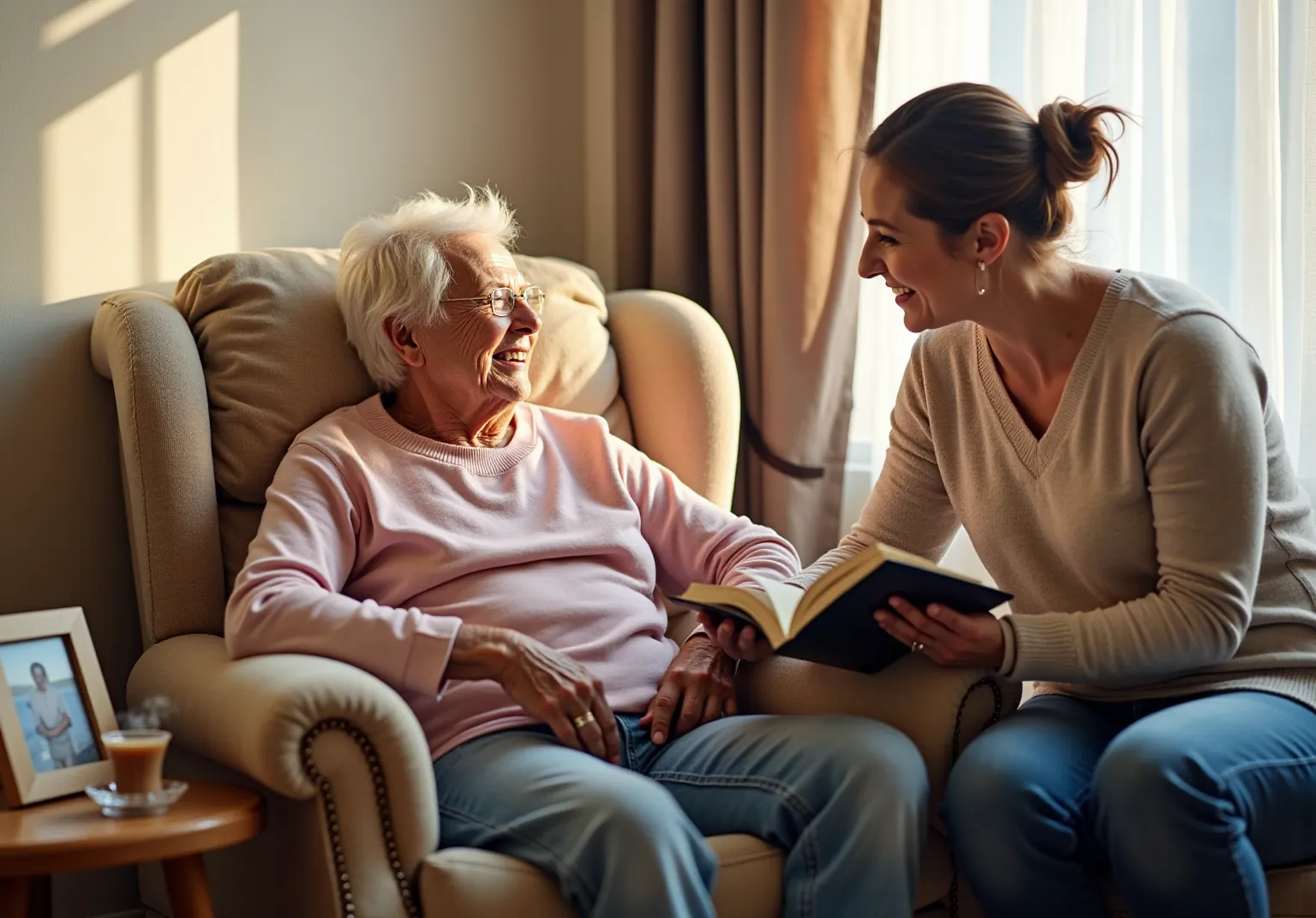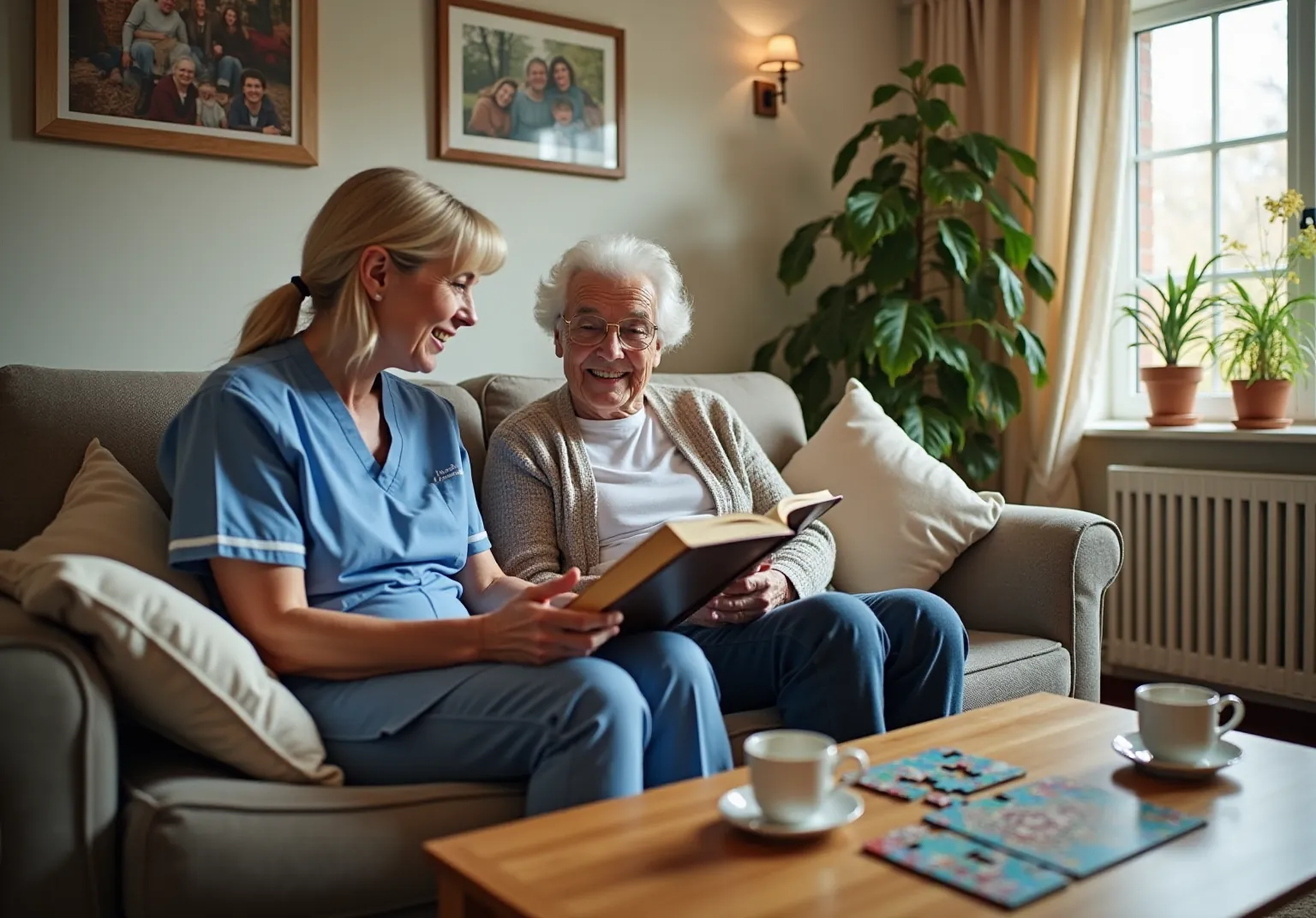
The Importance of Choose Live-In Nurses Near Me for
As the demand for personalized care continues to rise, many families find themselves grappling with the challenge of ensuring their loved ones receive the best possible support. Loneliness and isolation are common issues faced by seniors, which can significantly impact their emotional well-being. Families often struggle to balance their caregiving responsibilities with their own lives, leading to stress and uncertainty about the right choices for their loved ones.
This is where live-in nurses come into play. These dedicated professionals not only provide essential medical care but also offer companionship, helping to alleviate feelings of loneliness. By choosing a live-in nurse, families can enhance the quality of life for their loved ones while ensuring they receive the attention and care they deserve. In this article, we will explore ten compelling reasons to consider live-in nurses, showcasing the transformative impact they can have on both clients and their families.
Happy to Help Caregiving: Personalized In-Home Nursing Services
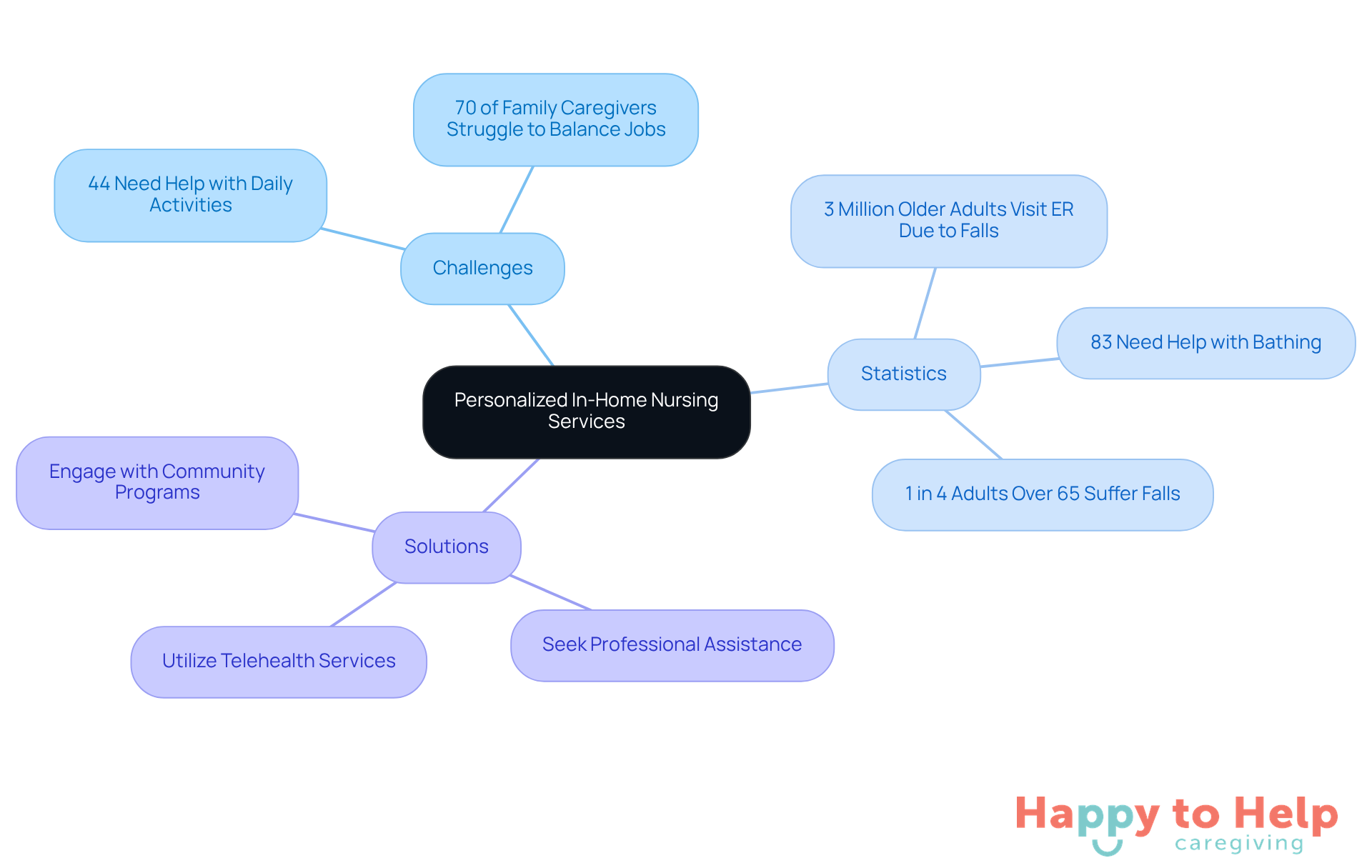
Happy to Help Caregiving addresses a significant problem: many seniors and individuals with special needs struggle to receive adequate support at home. Studies show that 44% of home care recipients need help with at least one daily activity, with 83% specifically requiring assistance with bathing and showering. This situation not only affects their dignity but also their overall quality of life. Additionally, nearly 70% of family caregivers find it difficult to balance their jobs with caregiving responsibilities, underscoring the urgent need for professional help.
As families increasingly seek in-home solutions that respect individual preferences and routines, the demand for personalized caregiving has surged in 2025. Happy to Help Caregiving stands out by providing compassionate, customized assistance tailored to each client's unique needs. This approach fosters a sense of security and comfort, which is vital for their well-being. The shift towards personalized care is further supported by advancements in telehealth consultations and community-based programs, enhancing the overall caregiving experience.
To effectively address these challenges, caregivers can consider the following actionable solutions:
- Seek professional assistance to alleviate the burden of caregiving responsibilities.
- Utilize telehealth services for regular check-ins and support.
- Engage with community programs that offer resources and respite care.
By implementing these strategies, caregivers can improve their own well-being while ensuring that their loved ones receive the quality care they deserve.
Emotional Support: Combat Loneliness with Live-In Nurses
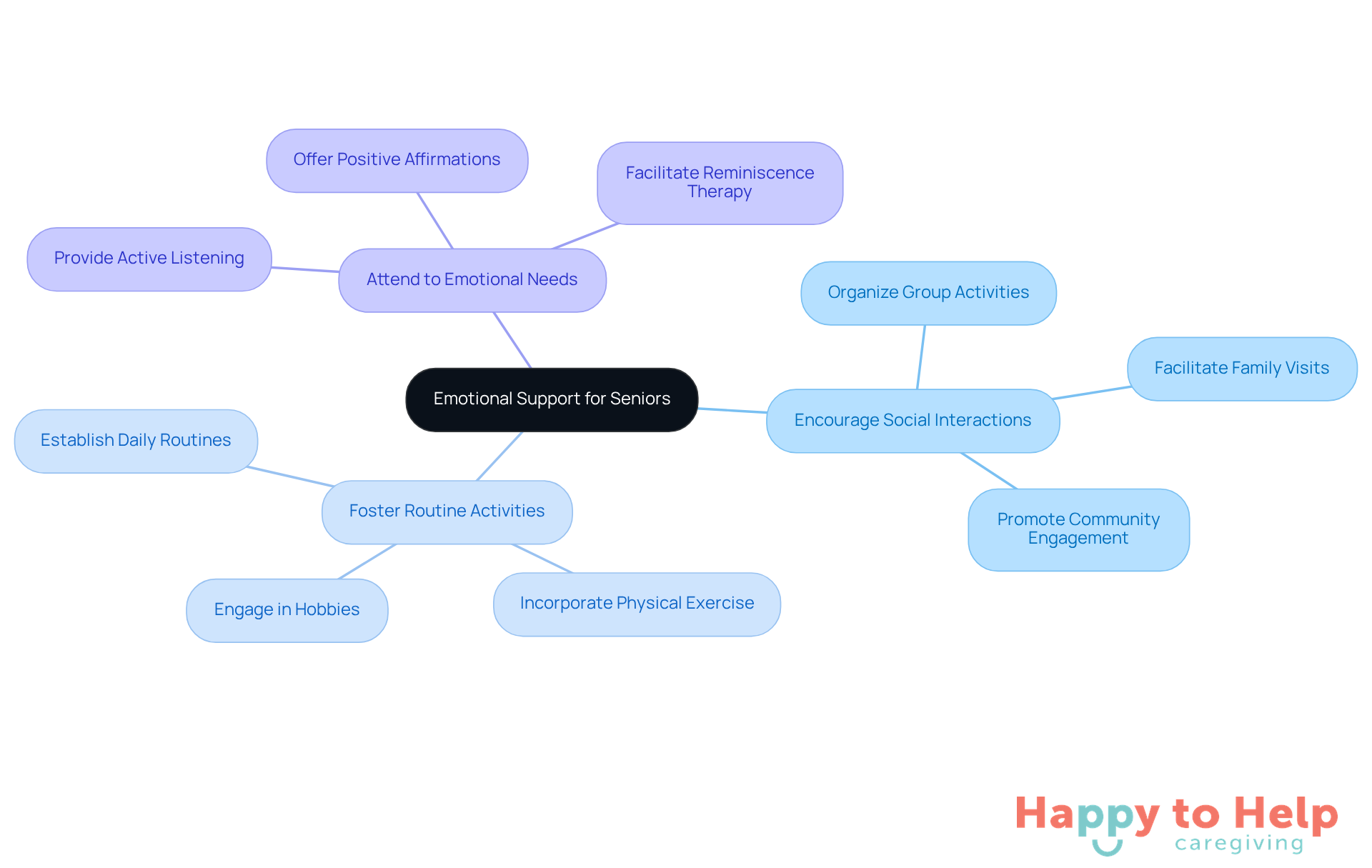
Loneliness and isolation among seniors pose significant challenges, impacting their mental well-being. Live in nurses near me play a crucial role in addressing this issue by offering essential emotional support. Their presence fosters a sense of companionship that is vital for mental health.
Engaging in activities like reading together, playing games, or sharing stories not only enhances emotional well-being but also helps seniors feel valued and connected. Research indicates that social interaction is key to combating loneliness. Studies show that older adults who maintain regular social contact experience notably improved mental well-being. For instance, individuals with fair or poor mental health reported infrequent social contact at rates as high as 56%, highlighting the importance of companionship in elderly care.
Moreover, mental wellness in older individuals leads to enhanced overall well-being and quality of life, emphasizing the comprehensive benefits of emotional support. By facilitating meaningful interactions, those who live in nurses near me create a supportive environment that promotes mental wellness, ultimately improving the quality of life for their clients. As Eric Thomas notes, "In-home caregivers are indispensable in supporting seniors' mental health."
To effectively combat loneliness, caregivers can implement the following strategies:
- Encourage regular social interactions through activities.
- Foster a routine that includes engaging and enjoyable tasks.
- Be attentive to the emotional needs of seniors, ensuring they feel heard and valued.
Post-Hospital Recovery: Smooth Transition with Live-In Care
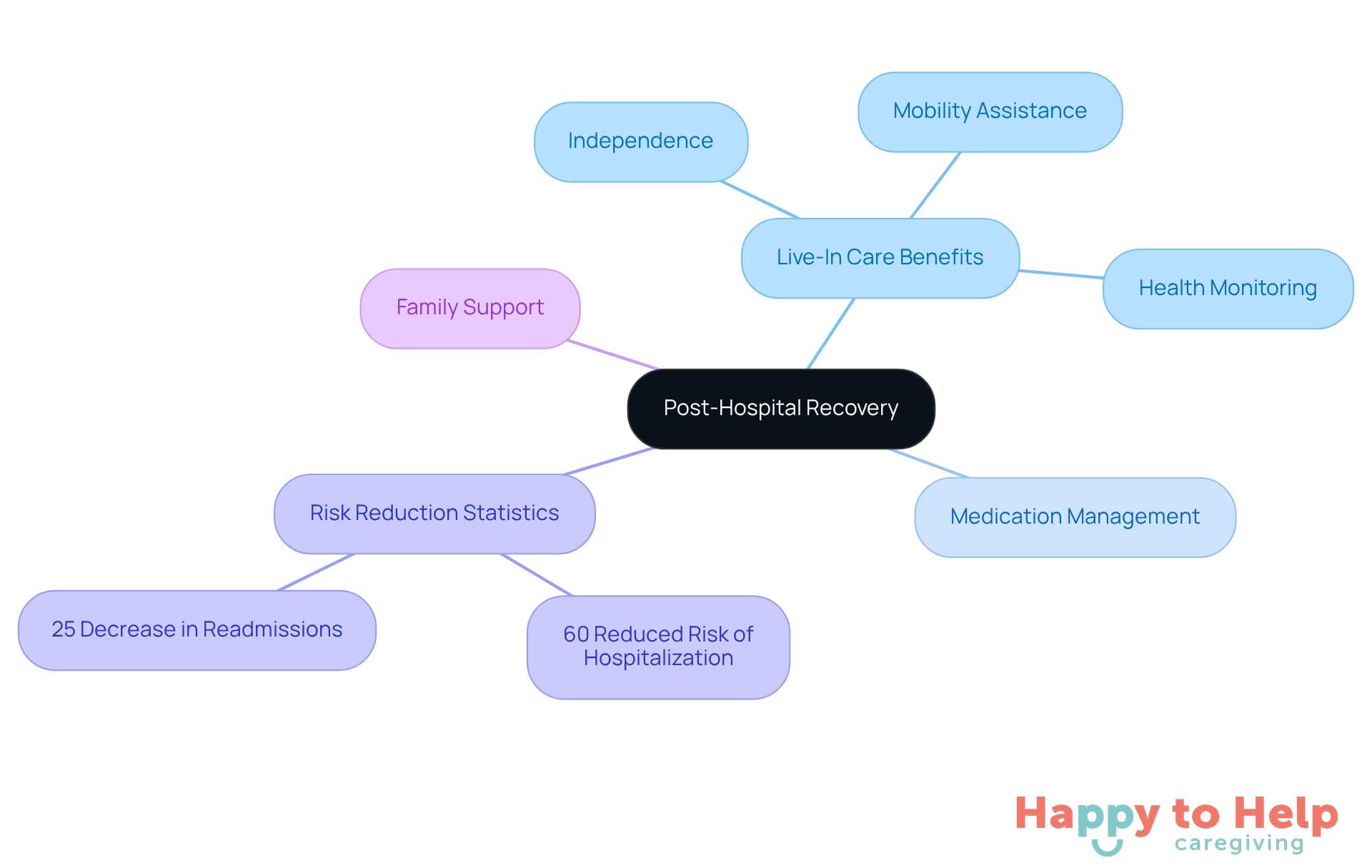
Post-hospital recovery can be a significant challenge for many individuals. Without proper support, patients face a higher risk of readmission, which can hinder their recovery journey. In fact, studies show that patients lacking adequate home healthcare support are at a greater risk of hospitalization within 30 days after discharge.
This is where live in nurses near me come into play for providing care. Live in nurses near me provide essential assistance, particularly in medication management, ensuring that patients adhere to their prescribed regimens. This adherence is crucial for recovery, as it helps prevent complications that could lead to readmission. Additionally, these caregivers offer mobility assistance and help with daily activities, empowering clients to regain their independence.
The benefits of live-in care are substantial. Research indicates that patients receiving home healthcare experience a 60% reduced risk of hospitalization within 30 days compared to those without such support. Furthermore, individuals with chronic conditions who receive home support have shown a 25% decrease in hospital readmissions. Caregivers are trained to monitor health changes closely and respond promptly to any concerns, fostering a healing environment that promotes faster recovery and enhances overall well-being.
Effective medication management is vital for ensuring optimal recovery outcomes, as healthcare professionals emphasize. Moreover, family support plays a crucial role in the recovery process, offering emotional and practical help that complements the assistance provided by live in nurses near me.
24/7 Availability: Continuous Care for Peace of Mind
Caregiving can be a daunting task, often leading to stress and anxiety for families. Many caregivers struggle with the constant worry about their loved ones' safety and well-being, especially when they cannot be present at all times. This concern is compounded by the fact that nearly 95% of individuals over 60 manage at least one chronic health issue, making ongoing support crucial.
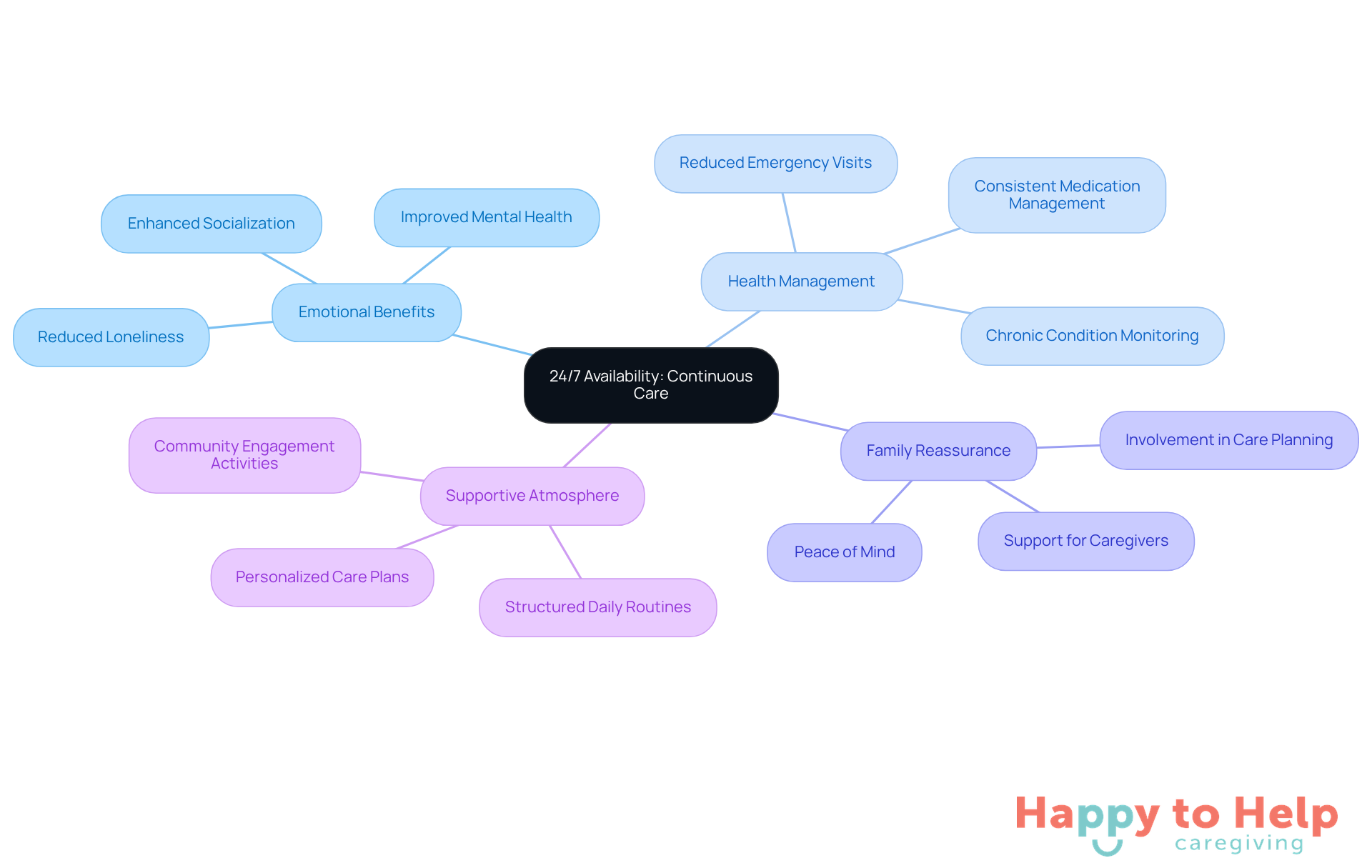
The solution lies in the services of live-in nurses near me, which offer 24/7 availability and continuous care. This constant presence ensures that clients have immediate access to assistance for both medical needs and daily living activities. Families can feel secure knowing their loved ones are never alone, with help readily available at any moment. This arrangement not only alleviates safety concerns but also fosters a supportive atmosphere that encourages improved well-being.
For instance, seniors receiving constant assistance often experience better management of chronic conditions, reducing the likelihood of emergency room visits due to medication errors or medical complications. Families frequently express gratitude for the reassurance that comes with knowing their loved ones are monitored and cared for continuously. As one family member noted, "Having a live-in nurse has given us peace of mind, knowing that my mother is safe and cared for at all times."
Ultimately, the emotional and mental well-being of both seniors and their families is significantly enhanced through this model of assistance. Live-in nurses near me emerge as a vital choice for those seeking comprehensive support, enabling families to focus on their relationships rather than daily caregiving tasks.
Companionship Care: Engaging Activities with Live-In Nurses
Companionship support is a critical issue for many older adults, with 25% feeling isolated. This loneliness can significantly impact their mental health and overall well-being. Caregivers face the challenge of addressing this emotional need while ensuring their clients maintain a sense of purpose and fulfillment.
To combat feelings of isolation, live in nurses near me can actively involve seniors in a variety of stimulating activities. These activities, such as:
- Arts and crafts
- Gardening
- Cooking
promote mental engagement and joy. Regular participation in these pursuits not only alleviates loneliness but also encourages seniors to explore their interests and hobbies, fostering a sense of purpose.
Studies show that meaningful social connections are vital for seniors to maintain independence and dignity as they age. Caregivers often report that shared experiences create a bond that enhances the emotional health of their clients, making them feel valued and understood.
Successful engagement strategies include tailoring activities to individual preferences and abilities. This ensures that each interaction is both enjoyable and beneficial. As highlighted by Fayer Family Homecare, "Genuine companionship maintains dignity while providing the assurance of knowing someone is concerned."
By prioritizing companionship, live in nurses near me play a crucial role in enriching the lives of seniors and helping them maintain independence and dignity in their own homes.
Tailored Care Plans: Customized Support for Individual Needs
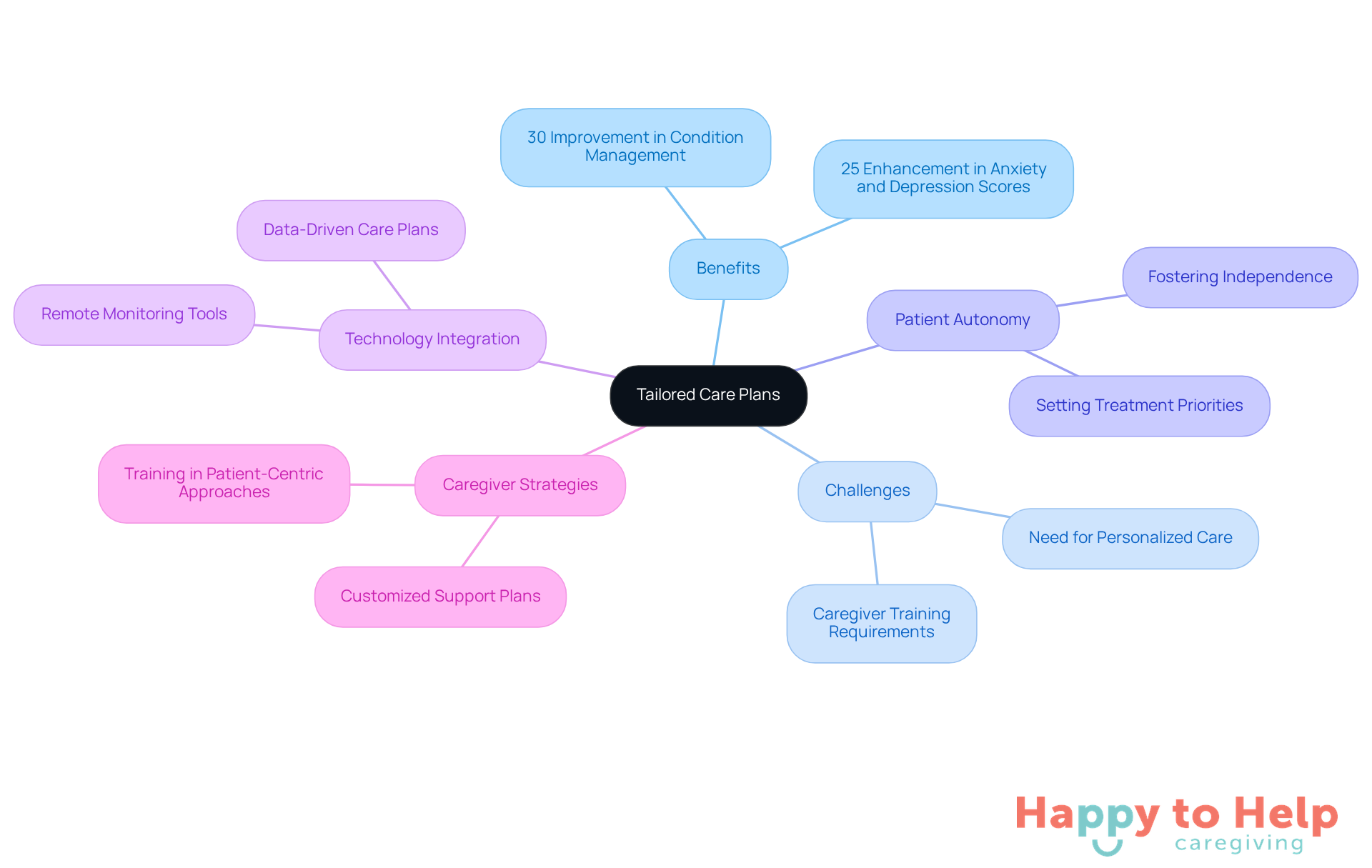
Customized support plans are crucial for effective in-home nursing services. Caregivers often face the challenge of providing personalized care that meets the unique needs of each patient. Without tailored support, patients may not receive the attention necessary for their specific medical conditions, preferences, and daily routines.
This lack of customization can lead to poorer health outcomes. Studies indicate that patients undergoing tailored treatment experience significant improvements in their well-being. For instance, they see a 30% betterment in condition management over six months compared to those in conventional treatment settings. Additionally, home patients report a 25% enhancement in anxiety and depression scores, underscoring the psychological benefits of personalized support.
To address these challenges, healthcare professionals recommend allowing older adults to set their own treatment priorities. This approach fosters a sense of autonomy and satisfaction, which is vital for their overall well-being. Effective personalized treatment strategies not only meet medical needs but also consider social factors that influence well-being, ensuring a comprehensive approach to elderly support.
Moreover, incorporating technology plays a key role in enhancing personalized support. Live in nurses near me can track health metrics and adjust treatment plans as necessary, ensuring that care remains aligned with the patient's evolving needs. By implementing these strategies, caregivers can significantly improve the quality of life for their patients.
Respite Care: Relief for Family Caregivers with Live-In Support
Caregiving can be an incredibly demanding role, often leading to significant stress for family members. The constant responsibility of ensuring that loved ones receive high-quality care can be overwhelming, leaving caregivers in need of a break. This situation not only affects the caregiver's well-being but can also impact the quality of care provided to the client.
To address this challenge, respite support offers vital relief for family caregivers. By enabling them to take necessary breaks, caregivers can recharge while ensuring their loved ones continue to receive the assistance they need. During these times, live in nurses near me can step in, alleviating the pressures placed on family members. This support not only benefits the caregiver but also enhances the overall experience for the client, ensuring that they receive consistent and high-quality care.
Palliative Support: Compassionate Care for Serious Illnesses
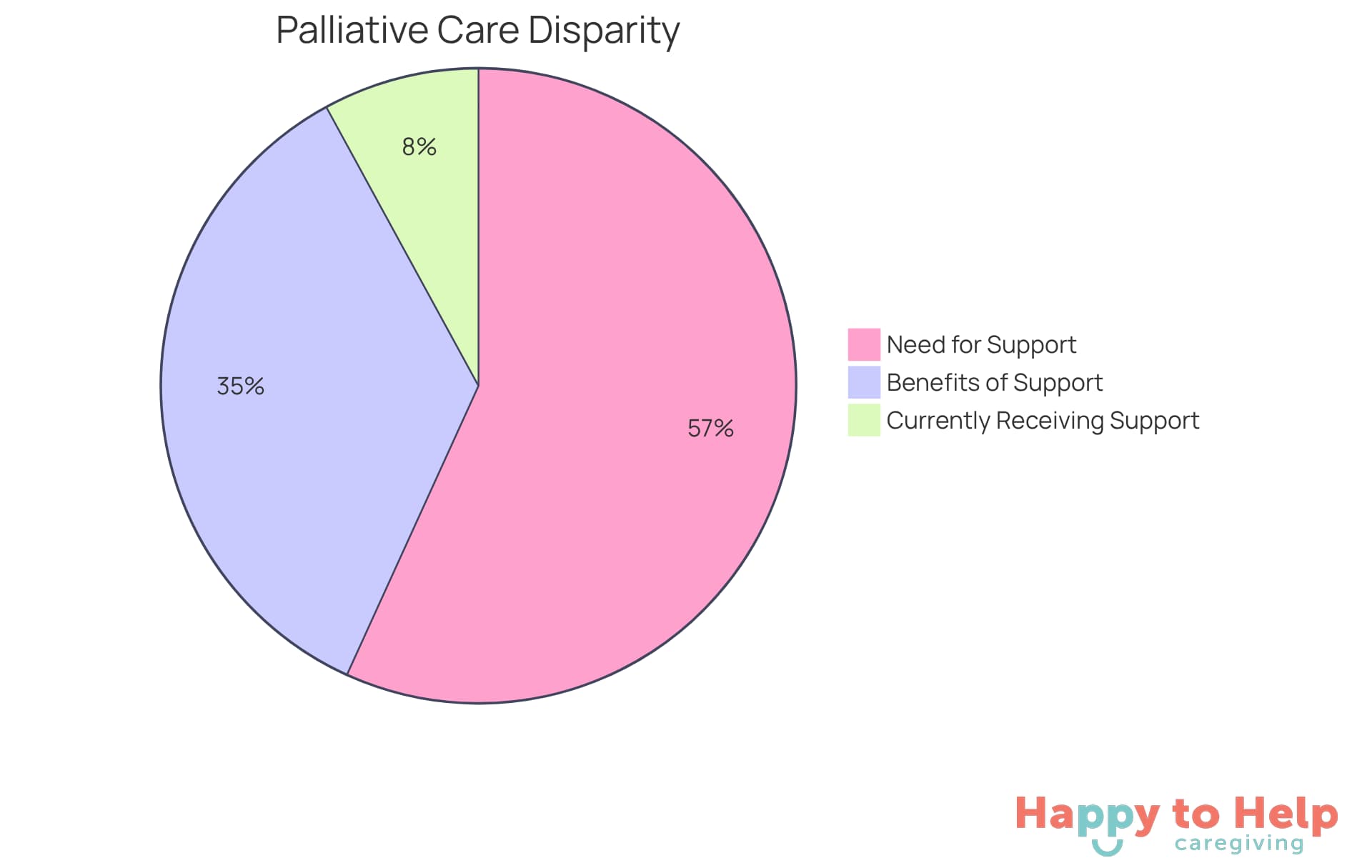
Palliative support is a vital service that addresses a significant problem: many individuals facing severe illnesses do not receive the care they need. Research indicates that approximately 56.8 million people require palliative support each year, yet only about 14% currently obtain it. This gap in care can lead to unnecessary suffering and diminished quality of life for patients and their families.
The implications of inadequate palliative support are profound. Patients often experience unmanaged symptoms, increased hospitalizations, and a lack of emotional and spiritual care. This situation not only affects the individuals but also places a heavy burden on caregivers who strive to provide comfort and support during challenging times.
A solution lies in the compassionate assistance offered by live-in nurses near me, who are specifically trained to provide holistic support. These professionals prioritize comfort and enhance quality of life by addressing physical, emotional, and spiritual needs. By fostering open communication about treatment options and personal values, live-in nurses help patients articulate their preferences, leading to a more dignified and fulfilling experience.
Moreover, patients receiving palliative support report improved symptom management and fewer hospitalizations. This compassionate support model is essential for those navigating the complexities of terminal illnesses, as it alleviates suffering and promotes a sense of peace in familiar surroundings. As the World Health Organization states, 'Palliative care is recognized in key global mandates and strategies on universal health coverage, noncommunicable diseases, and people-centred and integrated health services.'
In summary, addressing the challenges of palliative care requires a commitment to improving access and quality of support. By recognizing the importance of live-in nurses near me and their role in providing empathetic care, we can work towards ensuring that all individuals facing severe illnesses receive the compassionate assistance they deserve.
Safety and Comfort: Secure Home Environment with Live-In Nurses
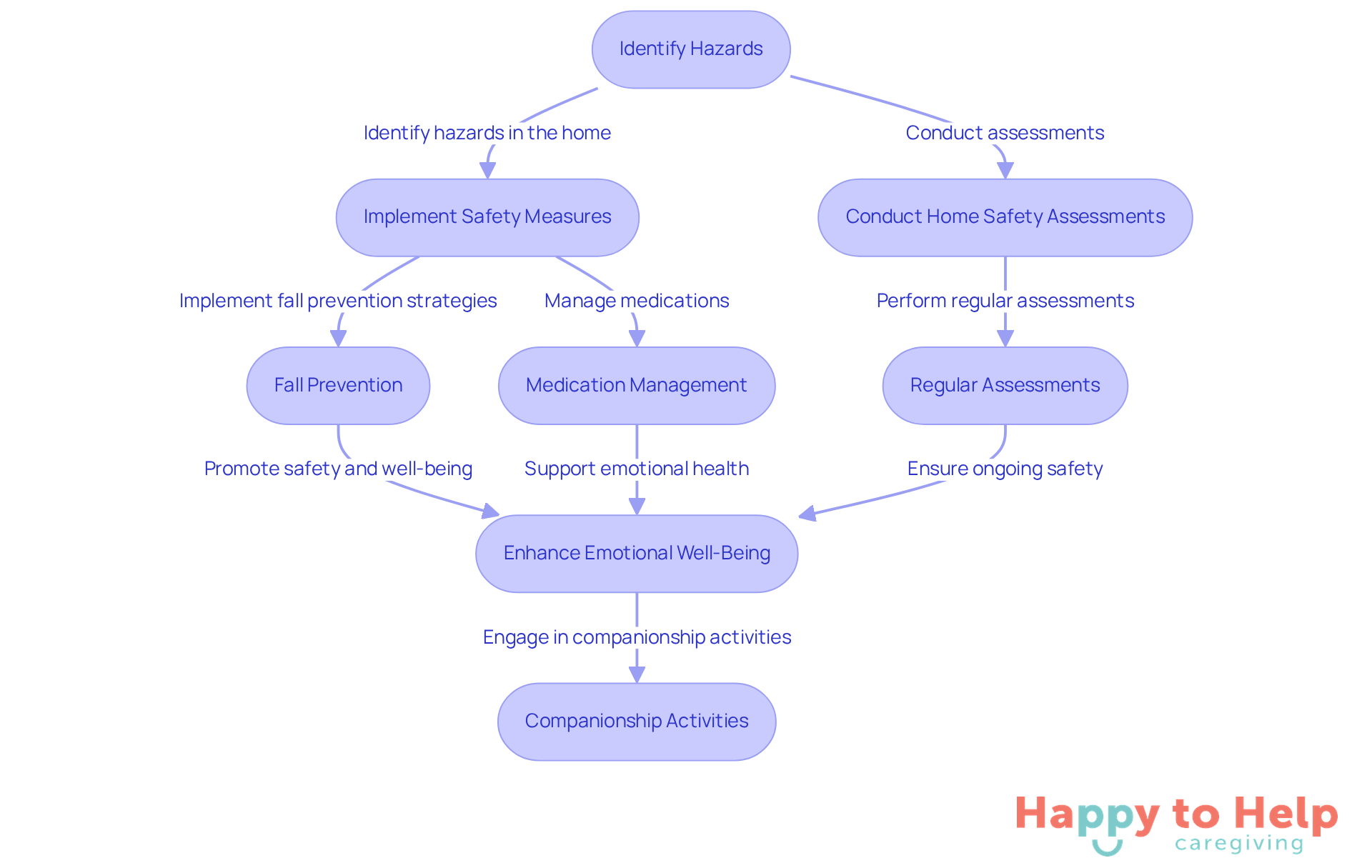
Live in nurses near me play a crucial role in providing a safe and comfortable home for seniors. However, safety risks are a significant concern, with one out of every three seniors falling each year. These falls can lead to serious injuries, making it essential to address potential hazards in the home environment.
To combat these risks, live-in caregivers are trained to identify hazards and implement effective safety measures. They focus on strategies like fall prevention and medication management. Regular home safety assessments are vital, ensuring that living spaces are free from tripping hazards and equipped with necessary safety features, such as grab bars and improved lighting. According to Age Safe America, 100% of ER doctors agree that an annual Home Safety Assessment is important for keeping seniors safe at home.
The proactive approach of live in nurses near me not only safeguards individuals but also offers peace of mind for families. Knowing their loved ones are in a secure setting alleviates worries about home accidents. Additionally, the bond formed between caregivers and seniors through shared activities enhances emotional well-being, combating feelings of loneliness and isolation.
By promoting a secure home environment, live in nurses near me ensure physical safety and enhance the overall happiness and quality of life for those in their care.
Technology Integration: Enhanced Communication in Live-In Care
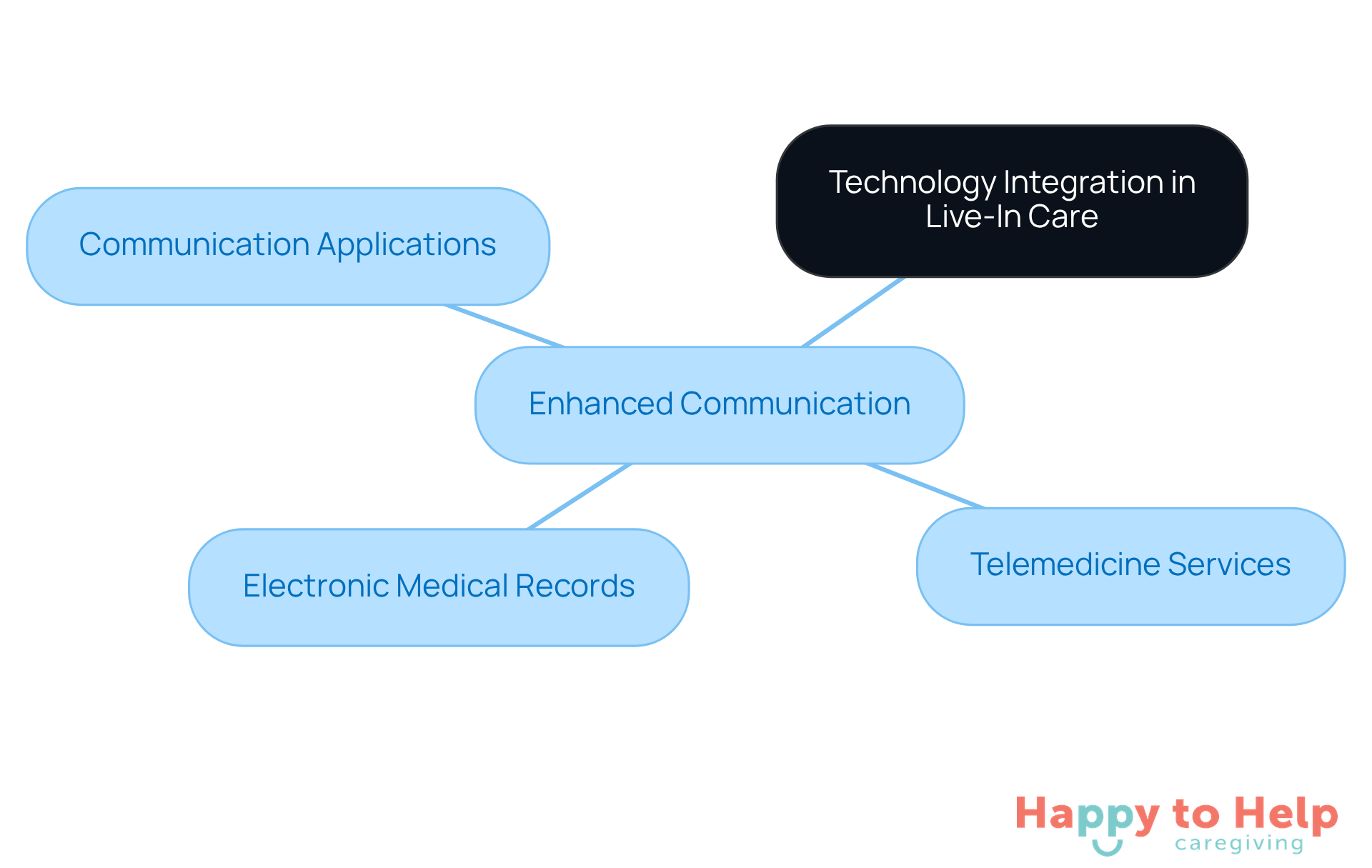
Effective communication is a significant challenge in caregiving, impacting the quality of support provided to clients and their families. When caregivers, clients, and families struggle to share information, it can lead to misunderstandings and gaps in care. This issue not only affects the efficiency of care delivery but also diminishes the collaborative approach necessary for effective health management.
To address these challenges, technology offers practical solutions that can enhance communication. Tools such as:
- telemedicine services
- electronic medical records
- communication applications
facilitate seamless updates and coordination among all parties involved. By integrating these technologies, caregivers can ensure that everyone stays informed and engaged, ultimately improving the overall quality of care.
Making the Right Choice
Choosing live-in nurses for caregiving addresses a significant problem: the lack of personalized support for seniors and individuals with special needs. This issue can lead to emotional distress, safety concerns, and complications during post-hospital recovery. Families often feel overwhelmed, struggling to provide the level of care their loved ones need.
The implications of inadequate support are profound. Emotional well-being suffers, and the risk of accidents or medication mismanagement increases. Family caregivers may experience burnout, unable to balance their responsibilities with their own needs. This is where live-in nursing services come into play, offering a viable solution.
By opting for live-in care, families can significantly enhance their loved ones' quality of life. Live-in nurses provide not only medical assistance but also emotional support and companionship. They ensure safety and effective medication management, fostering independence and dignity among seniors. Moreover, the integration of technology improves communication and care coordination, keeping everyone informed and engaged.
Tailored care plans and respite services cater to the unique needs of each individual, promoting better health outcomes and overall well-being. This model of support combats loneliness, facilitates smoother recoveries, and creates a secure home environment.
Ultimately, engaging live-in nurses is a commitment to compassionate care that profoundly impacts the lives of clients and their families. Recognizing the value of these services is crucial, as is advocating for their integration into caregiving strategies. By doing so, we ensure that all individuals receive the comprehensive, empathetic care they require.
https://iframe.tely.ai/cta/eyJhcnRpY2xlX2lkIjogIjY5Mjc5NTBkMWE3YzlhYWNlNmI1NGZjNiIsICJjb21wYW55X2lkIjogIjY4ZWU1ZGNhNzMxNzYyNTU3ZjNjOTVjMSIsICJpbmRleCI6IG51bGwsICJ0eXBlIjogImFydGljbGUifQ==Frequently Asked Questions
What is the main focus of Happy to Help Caregiving?
Happy to Help Caregiving addresses the need for adequate support for seniors and individuals with special needs at home, recognizing that many require assistance with daily activities, particularly bathing and showering.
What statistics highlight the challenges faced by home care recipients and family caregivers?
Studies show that 44% of home care recipients need help with at least one daily activity, and 83% specifically require assistance with bathing and showering. Additionally, nearly 70% of family caregivers struggle to balance their jobs with caregiving responsibilities.
How does Happy to Help Caregiving differentiate itself in the market?
Happy to Help Caregiving provides compassionate, customized assistance tailored to each client's unique needs, fostering a sense of security and comfort, which is essential for their well-being.
What advancements support the shift towards personalized caregiving?
Advancements in telehealth consultations and community-based programs support the shift towards personalized caregiving, enhancing the overall caregiving experience.
What actionable solutions can caregivers consider to alleviate their burdens?
Caregivers can seek professional assistance, utilize telehealth services for regular check-ins, and engage with community programs that offer resources and respite care.
How do live-in nurses help combat loneliness among seniors?
Live-in nurses provide essential emotional support and companionship, engaging seniors in activities such as reading, playing games, and sharing stories, which enhances their emotional well-being.
What impact does social interaction have on older adults' mental health?
Research indicates that older adults who maintain regular social contact experience improved mental well-being, while those with fair or poor mental health often report infrequent social contact.
What strategies can caregivers implement to combat loneliness in seniors?
Caregivers can encourage regular social interactions, foster enjoyable routines, and be attentive to the emotional needs of seniors to ensure they feel heard and valued.
What challenges do patients face during post-hospital recovery without proper support?
Patients without adequate home healthcare support face a higher risk of readmission, which can hinder their recovery journey.
How do live-in nurses support post-hospital recovery?
Live-in nurses provide essential assistance in medication management, mobility support, and help with daily activities, empowering clients to regain their independence and adhere to their prescribed regimens.
What are the benefits of receiving home healthcare after hospitalization?
Patients receiving home healthcare experience a 60% reduced risk of hospitalization within 30 days and a 25% decrease in hospital readmissions for those with chronic conditions.
Why is family support important in the recovery process?
Family support offers emotional and practical help that complements the assistance provided by live-in nurses, playing a crucial role in the overall recovery process.
List of Sources
- Happy to Help Caregiving: Personalized In-Home Nursing Services
- 2025 Home Care Statistics: Trends & Insights To Know (https://premierhcinc.com/blog/home-care-statistics)
- Trends in Senior Care: What to Expect in 2025 (https://agingconnections.org/blog/trends-in-senior-care-what-to-expect-in-2025)
- What’s Coming in the Future of Home Health Care? - Alora Health (https://alorahealth.com/blog-future-homecare-trends)
- Customized Care at Home: The Benefits of Personalized Care Plans - VNA Health Group (https://vnahg.org/customized-care-at-home-the-benefits-of-personalized-care-plans)
- Trends and Innovations in Senior Care | Amada Blog (https://amadaseniorcare.com/2025/01/trends-and-innovations-in-senior-care)
- Emotional Support: Combat Loneliness with Live-In Nurses
- Psychological Support for Seniors: Why Mental Wellness Matters in Later Life | Home Care agency in New York (https://angelcareny.com/psychological-support-for-seniors-why-mental-wellness-matters-in-later-life)
- 1 in 3 older adults still experience loneliness and isolation (https://michiganmedicine.org/health-lab/1-3-older-adults-still-experience-loneliness-and-isolation)
- Mental Health Support for Seniors: The Role of In-Home Caregivers (https://homeinstead.com/home-care/usa/in/kendallville/871/news-and-media/mental-health-support-for-seniors-the-role-of-in-home-caregivers)
- Trends in Loneliness Among Older Adults from 2018-2023 (https://ihpi.umich.edu/national-poll-healthy-aging/reports-and-resources/trends-loneliness-among-older-adults-2018-2023)
- Summary - Social Isolation and Loneliness in Older Adults - NCBI Bookshelf (https://ncbi.nlm.nih.gov/books/NBK557972)
- Post-Hospital Recovery: Smooth Transition with Live-In Care
- Post-Hospital Care for Seniors Supports Healing (https://picseniorcare.com/how-post-hospital-care-for-seniors-makes-recovery-easier)
- Home Care Impact on Recovery of Patient (A Statistics Report) (https://lovinghomecareinc.com/home-care-recovery-statistics)
- The Importance of Home Care in Preventing Hospital Readmissions (https://ultimatecareny.com/resources/the-importance-of-home-care-in-preventing-hospital-readmissions)
- Post-Hospital Home Care: The Key to a Smoother, Safer Recovery (https://heavenathomecare.com/how-post-hospital-home-care-helps-seniors-recover)
- Effectiveness of home health care in reducing return to hospital: Evidence from a multi-hospital study in the US (https://sciencedirect.com/science/article/abs/pii/S0020748921000894)
- 24/7 Availability: Continuous Care for Peace of Mind
- The 10-Benefits of 24-Hour Home Care » LifeWorx Home Care (https://lifeworx.com/resources/articles/the-10-benefits-of-24-hour-home-care)
- Why 24/7 Senior Care Works: Safety, Comfort, and Constant Support - With A Little Help (https://withalittlehelp.com/24-7-senior-care-works)
- 24/7 Long-Term Senior Care: What to Expect | Heisinger Bluffs (https://hbrhc.com/blog/what-to-expect-from-24-7-long-term-senior-care)
- The Benefits of 24-Hour Home Care for Seniors Living Alone (https://lifesathomecare.com/the-benefits-of-24-hour-home-care-for-seniors-living-alone)
- 52 Eye-Opening Home Health Statistics: Insights for 2025 (https://boosthomehealth.com/home-health-statistics)
- Companionship Care: Engaging Activities with Live-In Nurses
- The Power of Companionship for Seniors: A Key Ingredient to Quality Aging (https://homecarepgh.com/blog-posts/companionship-in-old-age)
- Older adults find support through health care companions (https://news-medical.net/news/20250924/Older-adults-find-support-through-health-care-companions.aspx)
- The Hidden Benefits of Companionship Care for Seniors (https://safehomecare.com/post/the-hidden-benefits-of-companionship-care-for-seniors)
- The Incredible Benefits of Home Care, in 7 Amazing Stats - Companions For Seniors (https://companionsforseniors.com/2019/08/benefits-home-care-amazing-stats-trends-reports)
- The Value of Companion Care for Seniors- Home Care Powered By AUAF (https://homecare-aid.com/the-value-of-companion-care-for-seniors)
- Tailored Care Plans: Customized Support for Individual Needs
- The Future of Private Home Care: What to Expect in 2025 (https://anodyne-services.com/2024/08/14/the-future-of-private-home-care-what-to-expect-in-2025)
- Novel Care Model May Improve Outcomes for Older Adults With Multiple Chronic Conditions (https://consultqd.clevelandclinic.org/novel-care-model-may-improve-outcomes-for-older-adults-with-multiple-chronic-conditions)
- 10 Must-Know U.S. Home Care Industry Stats for 2025 - North American Community Hub (https://nchstats.com/us-home-care-industry-stats)
- How Personalized Health Care Is Changing The Role Of Home Care Providers (https://homehealthcarenews.com/2024/03/how-personalized-health-care-is-changing-the-role-of-home-care-providers)
- Home Care Impact on Recovery of Patient (A Statistics Report) (https://lovinghomecareinc.com/home-care-recovery-statistics)
- Respite Care: Relief for Family Caregivers with Live-In Support
- Respite Facts and Talking Points | ARCH National Respite Network & Resource Center (https://archrespite.org/policy/respite-facts-and-talking-points)
- Respite Care Services: Essential Support for Caregivers (https://esoregon.com/the-benefits-of-respite-care-services-for-caregiver-relief)
- The Silent Struggle: Caregiver Stress and the Need for Support | Tahoe Forest Health System (https://tfhd.com/news/the-silent-struggle-caregiver-stress-and-the-need-for-support)
- Caregivers and the Importance of Respite Care (https://benedictineliving.org/resources/news/caregivers-and-the-importance-of-respite-care)
- Palliative Support: Compassionate Care for Serious Illnesses
- ‘A good death’: How compassionate care helps people navigate the end of life (https://news.yale.edu/2025/10/13/good-death-how-compassionate-care-helps-people-navigate-end-life)
- Importance of Palliative Care - A PBS News Hour “Brief but Spectacular” Series (https://cambiahealthfoundation.org/posts/blog/2021-05-11/importance-of-palliative-care---a-pbs-news-hour-brief-b.html)
- Palliative care (https://who.int/news-room/fact-sheets/detail/palliative-care)
- Palliative care and hospice poll reveals major gaps (https://ihpi.umich.edu/news-events/news/palliative-care-and-hospice-poll-reveals-major-gaps)
- Understanding the Role of Palliative Care in Advanced Illness Management (https://news.cuanschutz.edu/graduate-school/understanding-the-role-of-palliative-care-in-advanced-illness-management)
- Safety and Comfort: Secure Home Environment with Live-In Nurses
- Home Safety for Seniors: Statistics & Proven Safety Solutions (https://agesafeamerica.com/home-safety-hub/articles/home-safety-seniors-statistics-solutions)
- How Live-In Care Improves Quality of Life for Seniors (https://careindeed.com/blogs/how-live-in-care-improves-quality-of-life-for-seniors)
- As falling deaths rise for older adults, how home safety can make a difference (https://denver7.com/news/local-news/as-falling-deaths-rise-for-older-adults-how-home-safety-can-make-a-difference)
- Hidden Hazards in the Home: Help Protect Yourself and Your Loved Ones (https://ncoa.org/article/hidden-home-hazards-older-adults-more-likely-to-die-from-falls-and-fires)
- In-Home Care Continuously Supports Senior Safety (https://homehelpershomecare.com/sc-valley/community-blog/2025/august/how-in-home-care-continuously-supports-senior-safety)
- Technology Integration: Enhanced Communication in Live-In Care
- U.S. Caregivers' Use of Technology to Help with Caregiving (https://aarp.org/pri/topics/ltss/family-caregiving/caregiving-technology-survey)
- How Technology Enhances Communication in Senior Care (https://business.seminolebusiness.org/news/details/how-technology-enhances-communication-in-senior-care)
- Technology Use Among Older Adults and Their Caregivers: Cross-Sectional Survey Study - PMC (https://pmc.ncbi.nlm.nih.gov/articles/PMC11084119)
- Caregiver Statistics: Health, Technology, and Caregiving Resources (https://caregiver.org/resource/caregiver-statistics-health-technology-and-caregiving-resources)
- How Technology Improves Communication Between Families And Care Staff (https://thehighpointresidence.com/blog/how-technology-improves-communication-between-families-and-care-staff)