What You Need to Know About Choose Private Duty Nurses Near Me for
The rising demand for personalized in-home care highlights a significant challenge for families: how to provide effective caregiving for their loved ones. Many seniors wish to remain in their homes, which complicates the caregiving landscape. This is where private duty nurses come into play, offering essential medical support while also addressing emotional well-being and companionship.
Families often grapple with the complexities of caregiving, striving to ensure their loved ones receive the compassionate, individualized attention they deserve. This situation can lead to stress and uncertainty, as caregivers may feel overwhelmed by the responsibilities they face.
Private duty nurses not only create tailored care plans but also enhance the overall quality of life for seniors. They play a vital role in bridging the gap between medical needs and emotional support, making them an invaluable resource for families.
In this article, we will explore ten compelling reasons to choose private duty nurses for in-home care. By shedding light on the profound impact these professionals can have on health and happiness, we aim to provide families with actionable solutions to navigate the caregiving journey.
Happy to Help Caregiving: Personalized In-Home Care Services
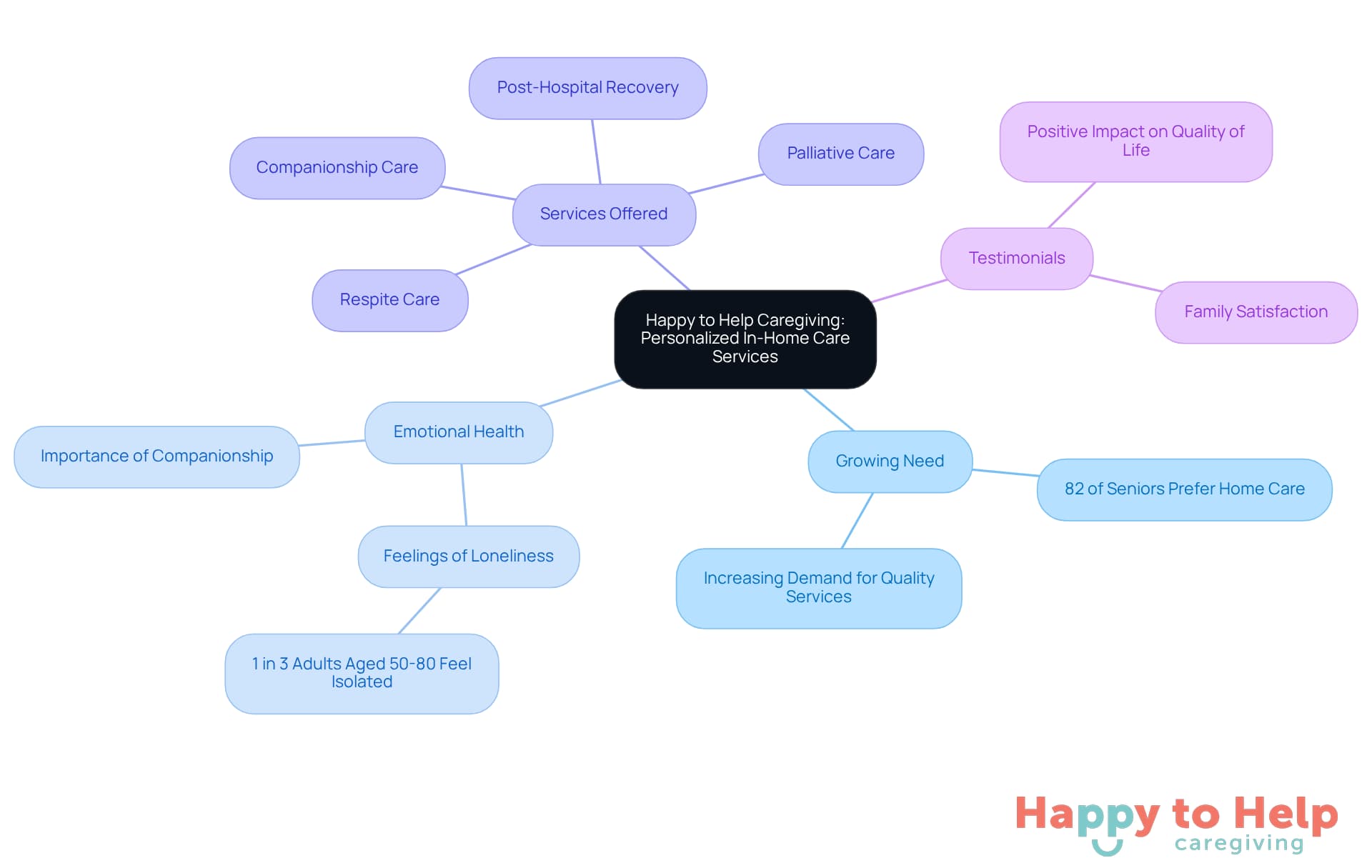
Happy to Help Caregiving addresses a pressing issue: the growing need for personalized in-home assistance from private duty nurses near me for seniors and individuals with special needs. Many families are recognizing the importance of customized support to enhance the well-being of their loved ones. With approximately 82% of seniors wishing to stay in their homes as long as possible, the demand for quality home assistance services is more critical than ever.
The implications of this need are significant. Seniors often face feelings of loneliness and isolation, which can severely impact their emotional health. In fact, one in three adults aged 50-80 reports feeling isolated at least some of the time. This highlights the importance of companionship and tailored care in improving their quality of life.
Happy to Help Caregiving offers a range of services, including:
- Companionship care
- Post-hospital recovery assistance
- Respite care
- Palliative care
Each service is carefully customized to meet the unique needs of individuals, fostering a sense of security and promoting independence. By involving clients in activities they enjoy and providing emotional support, caregivers can help alleviate feelings of loneliness and enhance overall well-being.
Experts emphasize that personalized support not only improves daily living but also contributes to emotional health. Families who have utilized these services often share testimonials about the positive impact on their loved ones' lives. This holistic approach to caregiving is essential for fostering a positive quality of life.
In conclusion, Happy to Help Caregiving's commitment to individualized assistance not only meets the urgent needs of individuals but also enhances their overall joy and well-being. This makes it an invaluable resource for families seeking private duty nurses near me to aid their loved ones at home.
24/7 Availability: Ensuring Continuous Support from Private Duty Nurses
Caregivers often face significant challenges when managing the health needs of their loved ones. The stress of ensuring proper care can lead to emotional strain and health complications for both caregivers and clients. This is where ongoing assistance from private duty nurses near me becomes crucial.
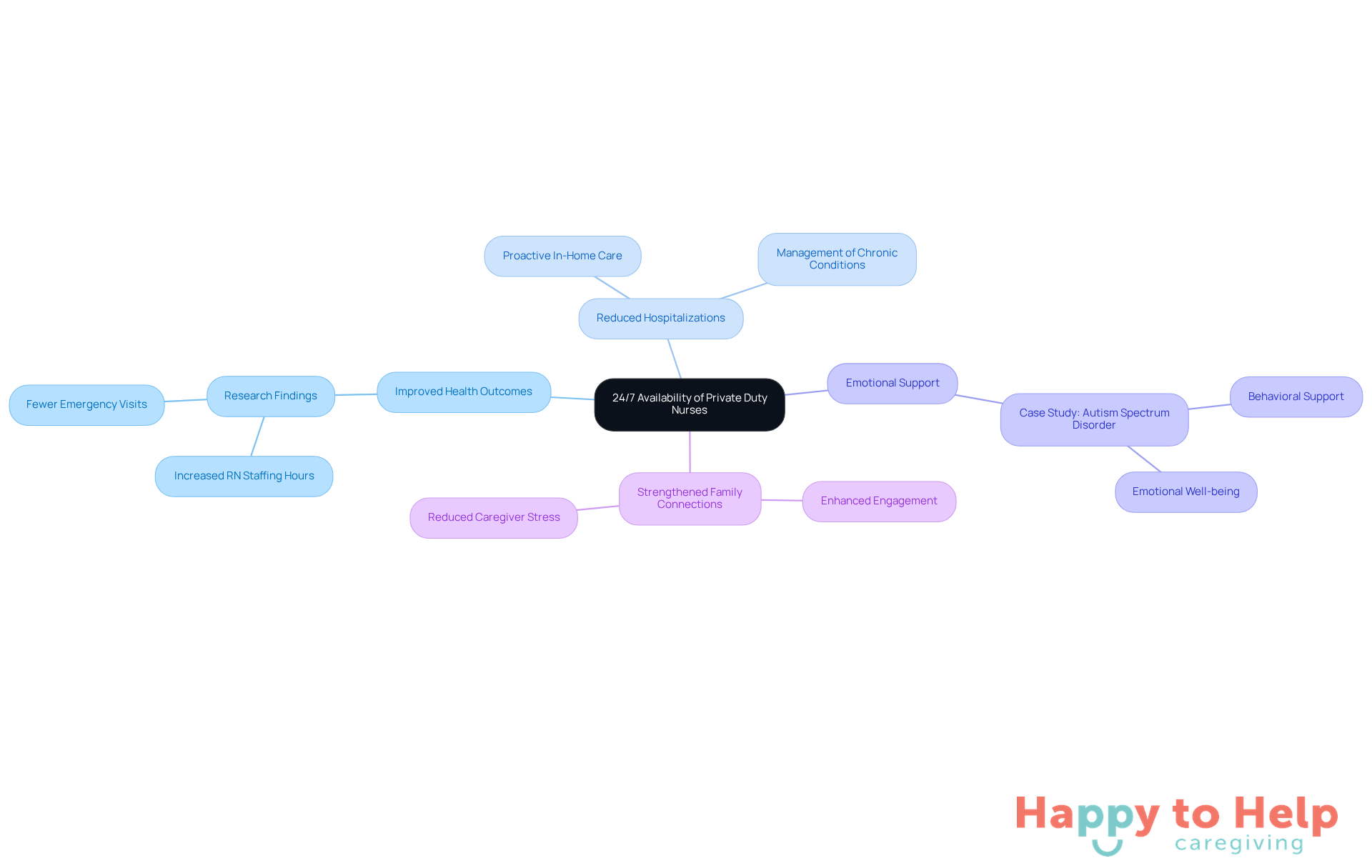
Research shows that having private duty nurses near me available 24/7 can greatly improve health outcomes, particularly for individuals with complex medical conditions. For instance, increased registered nurse (RN) staffing hours have been linked to fewer emergency department visits for injuries among assisted living residents. This proactive in-home support not only reduces hospitalizations but also alleviates the burden on families dealing with chronic health issues.
A compelling case study involving individuals with Autism Spectrum Disorder (ASD) illustrates the impact of consistent nursing assistance. Not only did it address medical needs, but it also provided essential emotional and behavioral support, enhancing the overall quality of life for clients and their families. The presence of a dedicated nurse fosters a sense of security, allowing families to focus on their loved ones without the constant worry of managing care alone.
This comprehensive approach to caregiving not only reduces stress but also strengthens family connections. Caregivers can engage more meaningfully with their loved ones, knowing that professional assistance is readily available. In summary, the ongoing support from private duty nurses near me is not just about healthcare; it’s about creating a nurturing environment that promotes well-being and peace of mind for families.
Emotional and Physical Support: Enhancing Quality of Life with Private Duty Nurses
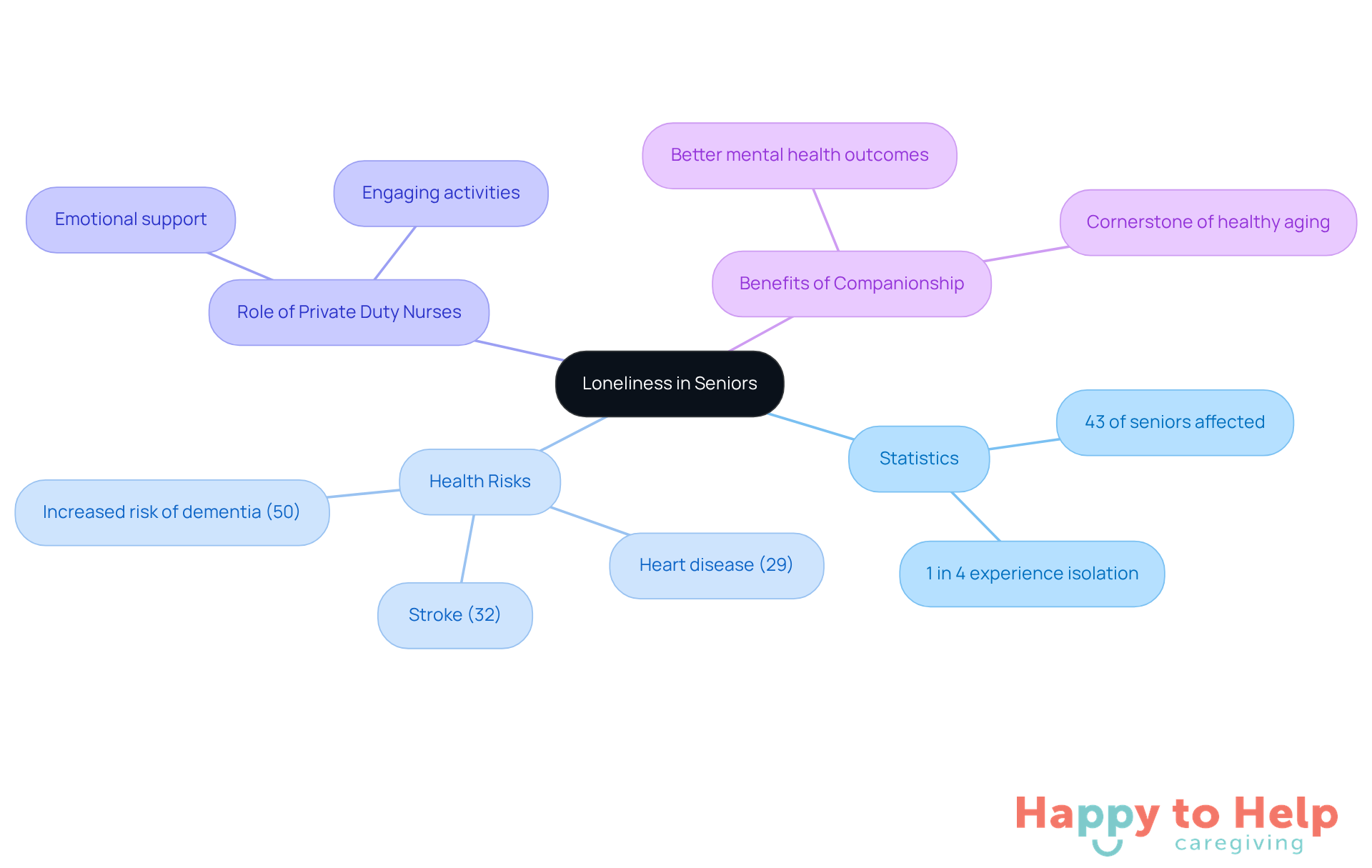
Loneliness is a significant issue for seniors, affecting over 43% of this population. Alarmingly, one in four seniors living in the community experiences feelings of isolation. This emotional distress can have serious implications, including an increased risk of dementia by 50%, heart disease by 29%, and stroke by 32%. Clearly, addressing loneliness is crucial for promoting well-being among older adults.
Private duty nurses near me play a vital role in combating this loneliness by providing both emotional and physical support. Engaging seniors in meaningful activities - like conversation, games, and shared meals - can significantly reduce feelings of isolation. A case study on companionship in senior living communities found that residents who participated in social activities reported better mental health outcomes, including lower anxiety and depression levels. This highlights the importance of companionship as a preventive healthcare measure for seniors.
Psychologists emphasize that companionship is a cornerstone of healthy aging. Meaningful relationships not only contribute to longevity but also enhance the quality of life. As noted by Fayer Family Homecare, "the truth about companionship in old age is both simple and profound - it's not just a pleasant addition to life, but a cornerstone of healthy aging." By nurturing these relationships, private duty nurses near me help seniors flourish emotionally and physically, ultimately improving their overall well-being.
Tailored Care Plans: Customized Support from Private Duty Nurses
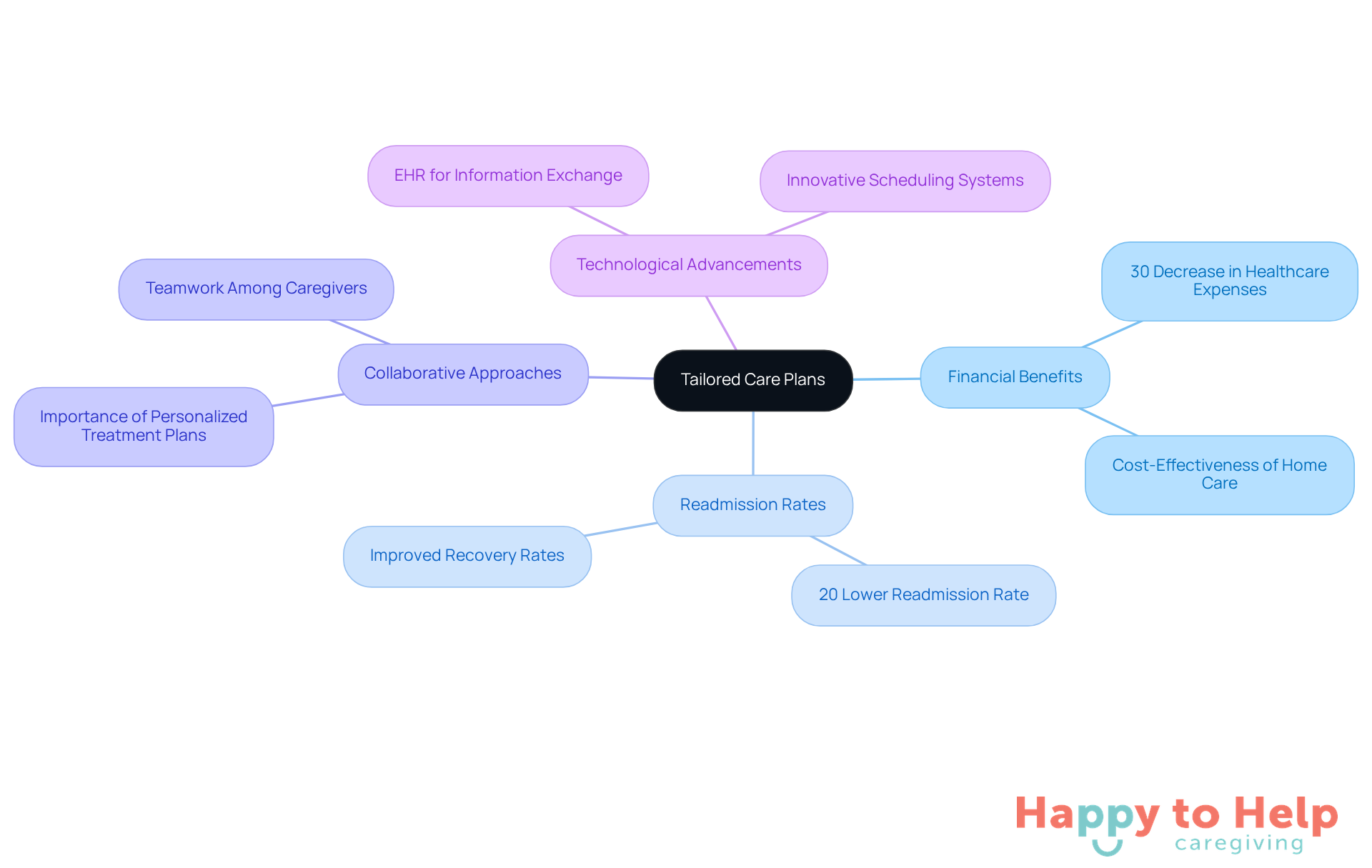
At Happy to Help Caregiving, caregivers face a significant challenge: the need for tailored support plans that address individual needs and preferences. Without such customization, the efficiency of support diminishes, leaving clients and their families feeling disengaged from the caregiving process.
Research highlights the financial implications of this issue. Home-based patients experience a 30% decrease in healthcare expenses compared to traditional settings, showcasing the financial benefits of individualized support. Furthermore, studies reveal that patients receiving home assistance have a 20% lower readmission rate than those in hospitals, underscoring the effectiveness of tailored support strategies.
To tackle these challenges, care coordinators emphasize the importance of developing personalized treatment plans. Jennifer Gold, Senior Clinical Director of Home Services, asserts, "Concerning overall development and well-being, having specific patient-focused plans is essential so that the home nurse or other caregivers can work together efficiently with the child’s clinical providers." This collaborative approach fosters a nurturing environment where clients can thrive, receiving one-on-one attention tailored to their specific circumstances.
The increasing trend towards personalized support reflects a broader shift in the home healthcare sector, driven by demographic changes and technological advancements that prioritize dignity, independence, and emotional well-being. Innovations like better scheduling systems and Electronic Health Records (EHR) enable smooth information exchange among caregivers, improving the quality of service.
By concentrating on personalized assistance, Happy to Help Caregiving not only meets the urgent health requirements of individuals but also enhances their overall quality of life. This approach makes the transition to in-home support easier and more manageable for families.
Companionship Care: Combating Loneliness with Private Duty Nurses
Loneliness is a significant issue for many individuals, particularly the elderly or those with limited social interactions. This isolation can lead to a decline in emotional well-being and overall quality of life.
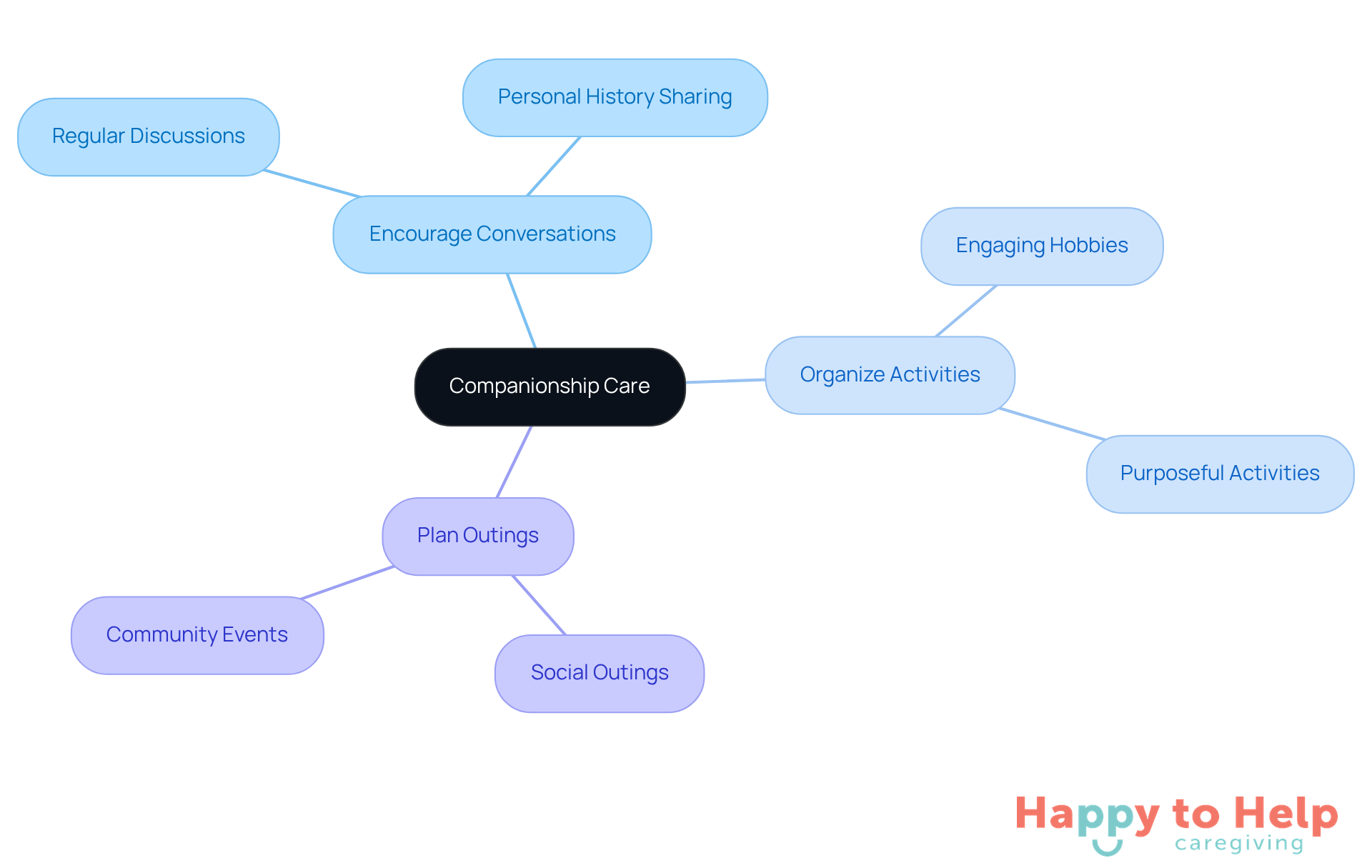
Companionship care, offered by private duty nurses near me, addresses this problem by fostering social interaction and emotional support. Caregivers play a crucial role in combating loneliness by engaging individuals in meaningful discussions, activities, and outings.
To effectively enhance the quality of life for those in their care, caregivers can implement several practical strategies:
- Encourage conversations: Regular discussions can help individuals feel valued and connected.
- Organize activities: Engaging in hobbies or interests can stimulate mental and emotional health.
- Plan outings: Social outings can provide a change of scenery and new experiences, further promoting emotional well-being.
By focusing on these solutions, caregivers can significantly improve the emotional health of those they serve, ensuring a more fulfilling and connected life.
Post-Hospital Recovery Assistance: Smooth Transitions with Private Duty Nurses
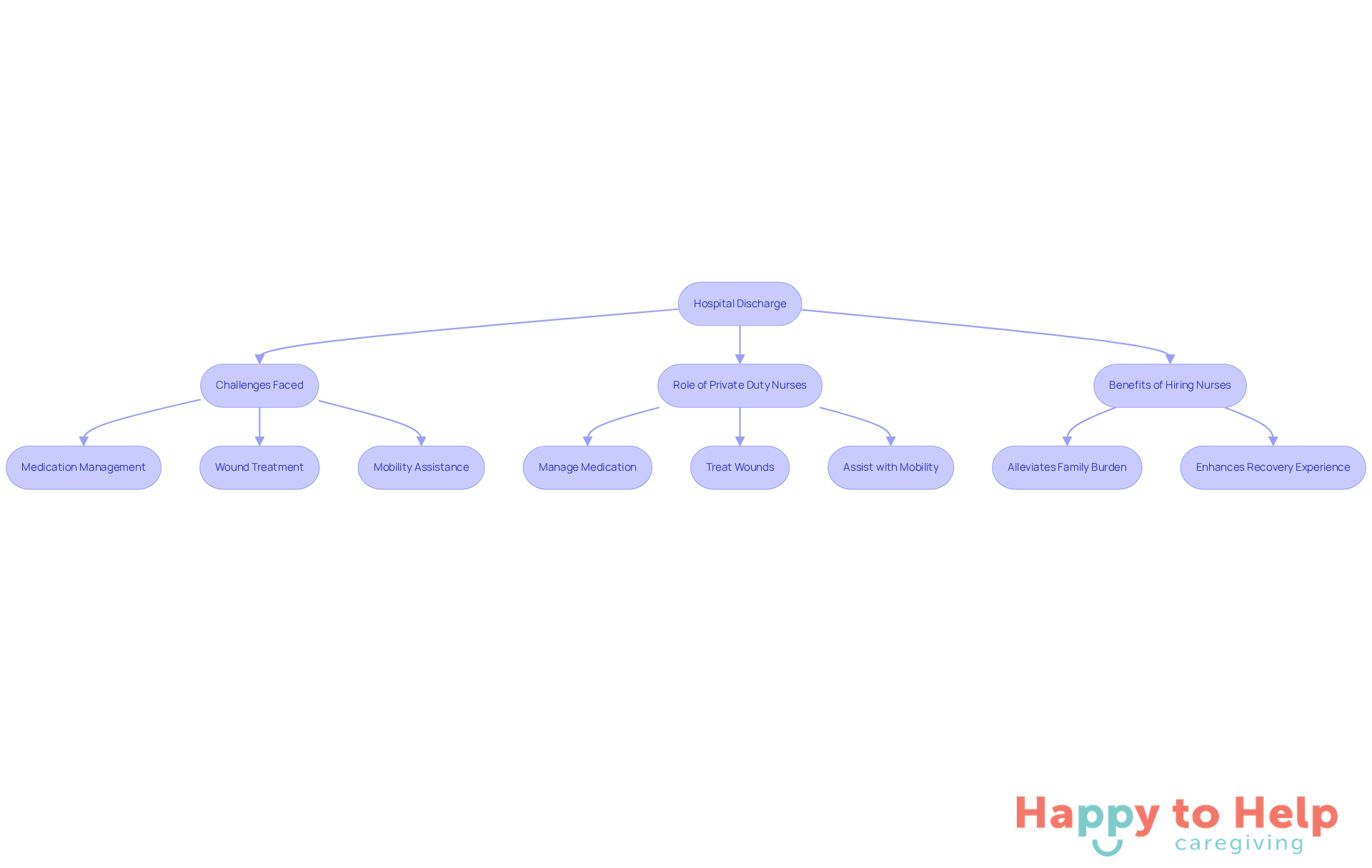
Transitioning from hospital to home can be a daunting challenge for many patients. Without proper support, the risk of complications and readmission increases significantly. Caregivers often face difficulties in managing medication, treating wounds, and assisting with mobility, which can hinder recovery.
Private duty nurses near me play a crucial role in addressing these challenges. They provide essential post-hospital recovery assistance, ensuring that clients receive the care they need at home. By managing medication, treating wounds, and offering mobility assistance, these professionals help facilitate a smoother recovery process.
For caregivers, hiring private duty nurses near me can be a practical solution. This support not only alleviates the burden on family members but also enhances the patient's recovery experience. With the right assistance, patients can focus on healing, ultimately reducing the risk of readmission.
Respite Care: Supporting Family Caregivers with Private Duty Nurses
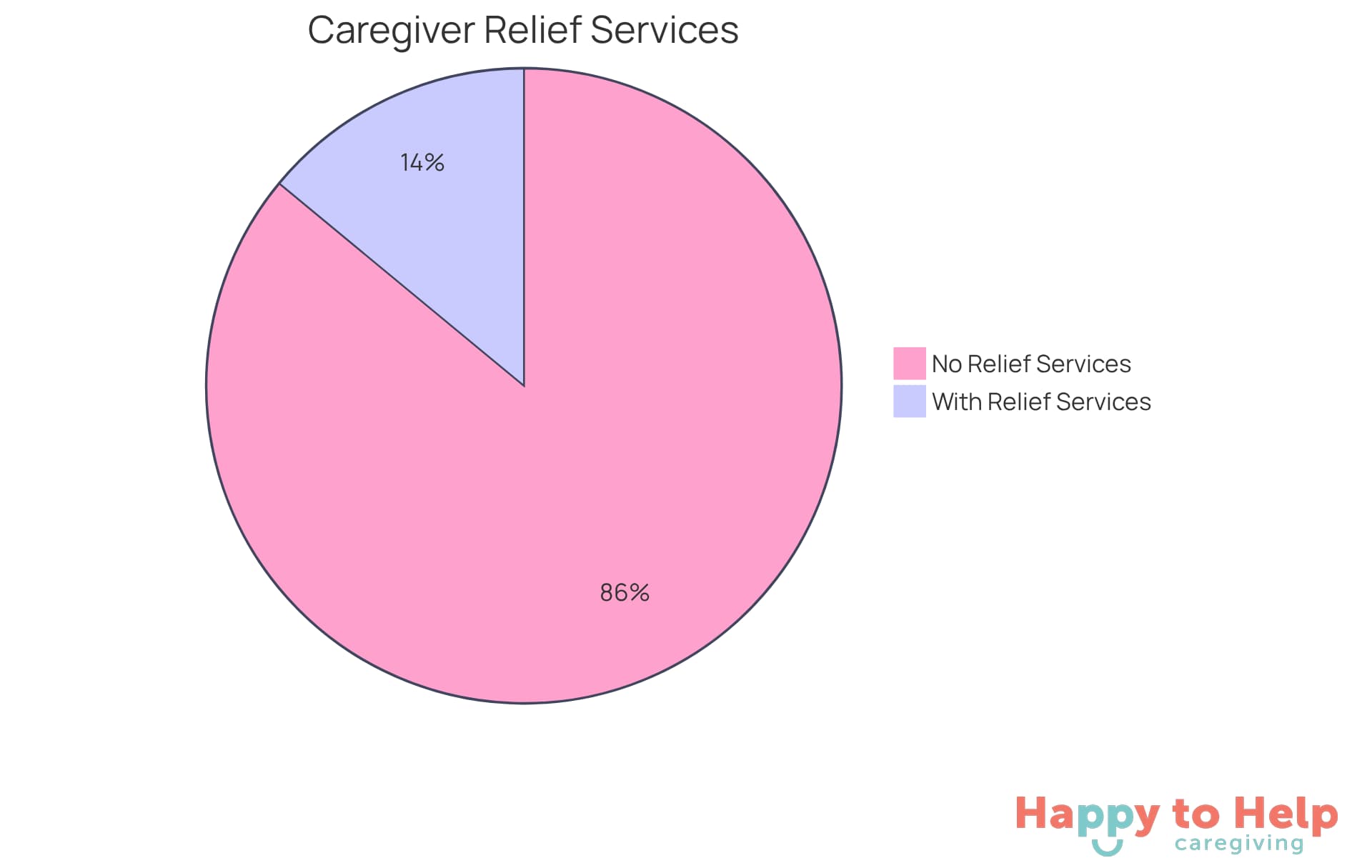
Respite support services provided by Happy to Help Caregiving address a critical issue faced by family caregivers: the need for essential breaks. Caregivers often experience overwhelming emotional and financial challenges, leading to burnout and diminished quality of care. Research shows that caregivers collectively lose about $3 trillion in wages, benefits, and pensions annually, underscoring the financial strain they endure. Alarmingly, around 86% of individuals supporting an adult do not receive relief services, exacerbating stress and negatively impacting the quality of assistance they provide.
Utilizing respite services can significantly alleviate these burdens. By taking regular breaks, caregivers can rejuvenate, manage personal issues, and maintain their well-being, ultimately enhancing their ability to deliver quality care. A poignant example is Dalma Riquelme, who faced immense challenges while caring for her mother with dementia. Access to relief support could have eased her emotional and financial burdens, allowing her to sustain her health while fulfilling her caregiving responsibilities. Riquelme described her mother as not just a parent but her best friend, highlighting the emotional stakes involved in caregiving.
Experts emphasize that regular breaks are not just beneficial; they are essential for caregivers. Organized relief assistance programs can greatly enhance caregivers' mental well-being and overall quality of life. As Congressman Ritchie Torres stated, "Caregiving is work that deserves to be compensated," highlighting the need for support systems like respite services. By prioritizing respite support, families can ensure that caregivers remain healthy and engaged, leading to improved outcomes for both caregivers and those they assist.
Palliative Support Care: Compassionate End-of-Life Assistance from Private Duty Nurses
Palliative assistance from private duty nurses addresses a significant problem: individuals facing serious illnesses often experience inadequate support, leading to diminished quality of life. This situation can result in emotional distress and feelings of isolation during challenging times.
The implications of this lack of support are profound. Research shows that patients who receive personalized care report higher satisfaction and improved quality of life in their remaining days. For example, the No One Should Die Alone Foundation highlights the critical role of compassionate caregivers, emphasizing that their presence can significantly enhance the quality of a person's final moments.
Private duty nurses near me offer a solution by adapting their services to meet the evolving needs of patients and families. They provide not only medical assistance but also emotional companionship, which is essential for alleviating feelings of isolation. Statistics reveal that about one-third of adults aged 50 to 80 report feelings of loneliness, underscoring the importance of companionship in end-of-life support. This holistic approach fosters a sense of normalcy and security, allowing individuals to navigate their end-of-life journey with dignity.
A case study of the No Veteran Dies Alone program illustrates this solution in action. Trained volunteers provide companionship and understanding to veterans during their final days, ensuring they receive the honor and respect they deserve. This model demonstrates how compassionate end-of-life assistance can profoundly influence client dignity and overall experience, reinforcing the necessity of private duty nurses near me in delivering such vital support.
Qualified Caregivers: Trustworthy and Trained Private Duty Nurses
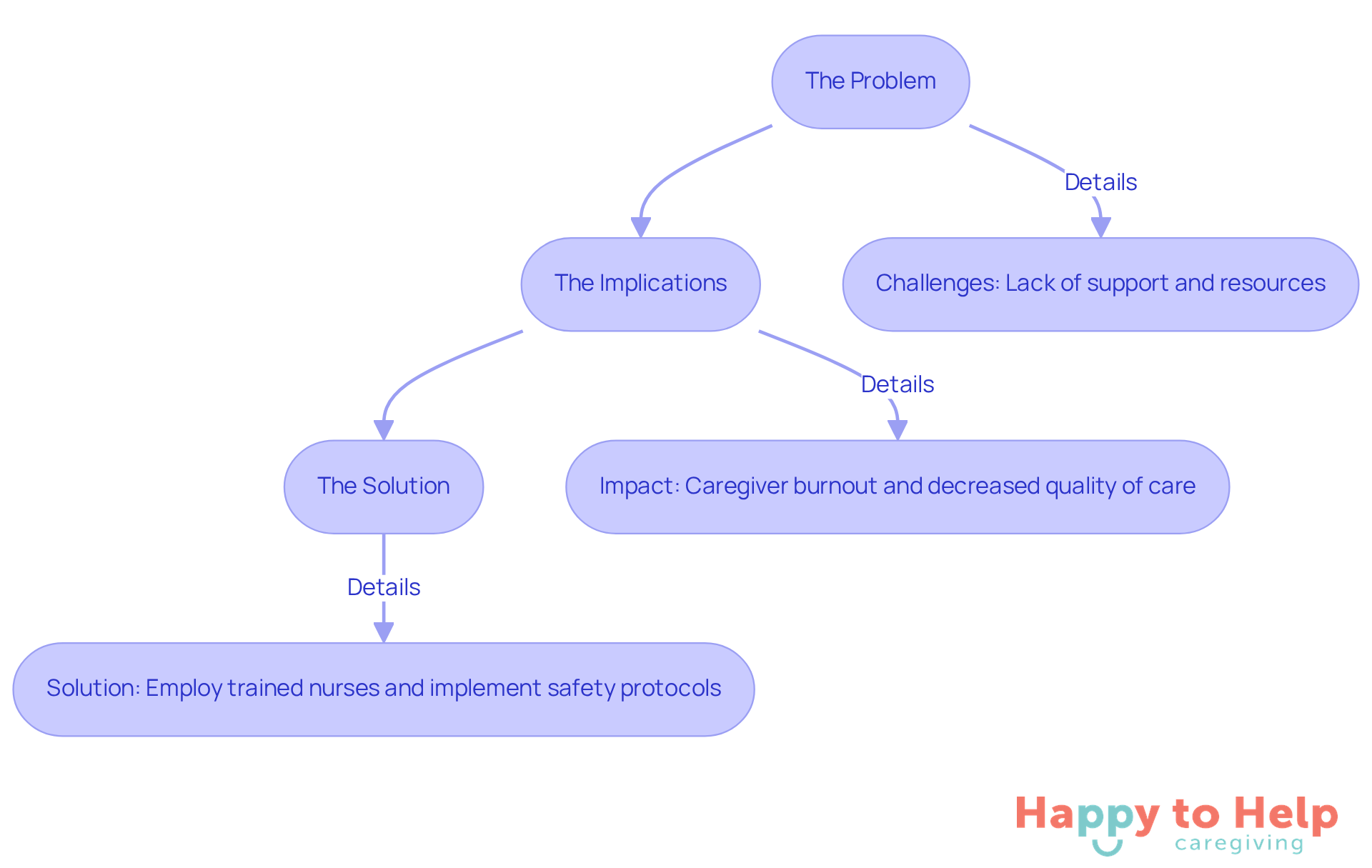
The Problem: Caregiving can be a challenging role, often lacking adequate support and resources. Many caregivers face the daunting task of providing care without the necessary training or assistance, which can lead to burnout and decreased quality of care.
The Implications: This situation is particularly concerning given that approximately 41.8 million Americans provide unpaid support to adults aged 50 and above. Without trained specialists, caregivers may struggle to meet the distinct needs of those they assist, ultimately affecting patient satisfaction and trust.
The Solution: Happy to Help Caregiving addresses these challenges by employing highly qualified private duty nurses near me who are dedicated to delivering exceptional care. Each provider undergoes comprehensive training and thorough background checks, ensuring adherence to the highest standards of professionalism and compassion. This rigorous process not only enhances the providers' skills but also fosters a strong sense of trust with patients and their families.
Furthermore, implementing background checks, including level-two screenings, is crucial for establishing a safe environment. These checks help mitigate risks and enhance the overall quality of care. A case study on job transitions due to caregiving illustrates that individuals who demonstrate professionalism and empathy lead to higher levels of trust from those they assist, ultimately enhancing the caregiving experience.
By prioritizing support staff training and safety protocols, Happy to Help Caregiving guarantees that individuals receive the compassionate and dependable assistance they deserve.
Technology Integration: Enhancing Care Coordination with Private Duty Nurses
The incorporation of technology at Happy to Help Caregiving addresses a significant problem: the need for improved coordination and communication among providers, clients, and families. Without effective communication, the treatment journey can become fragmented, leading to misunderstandings and suboptimal care.
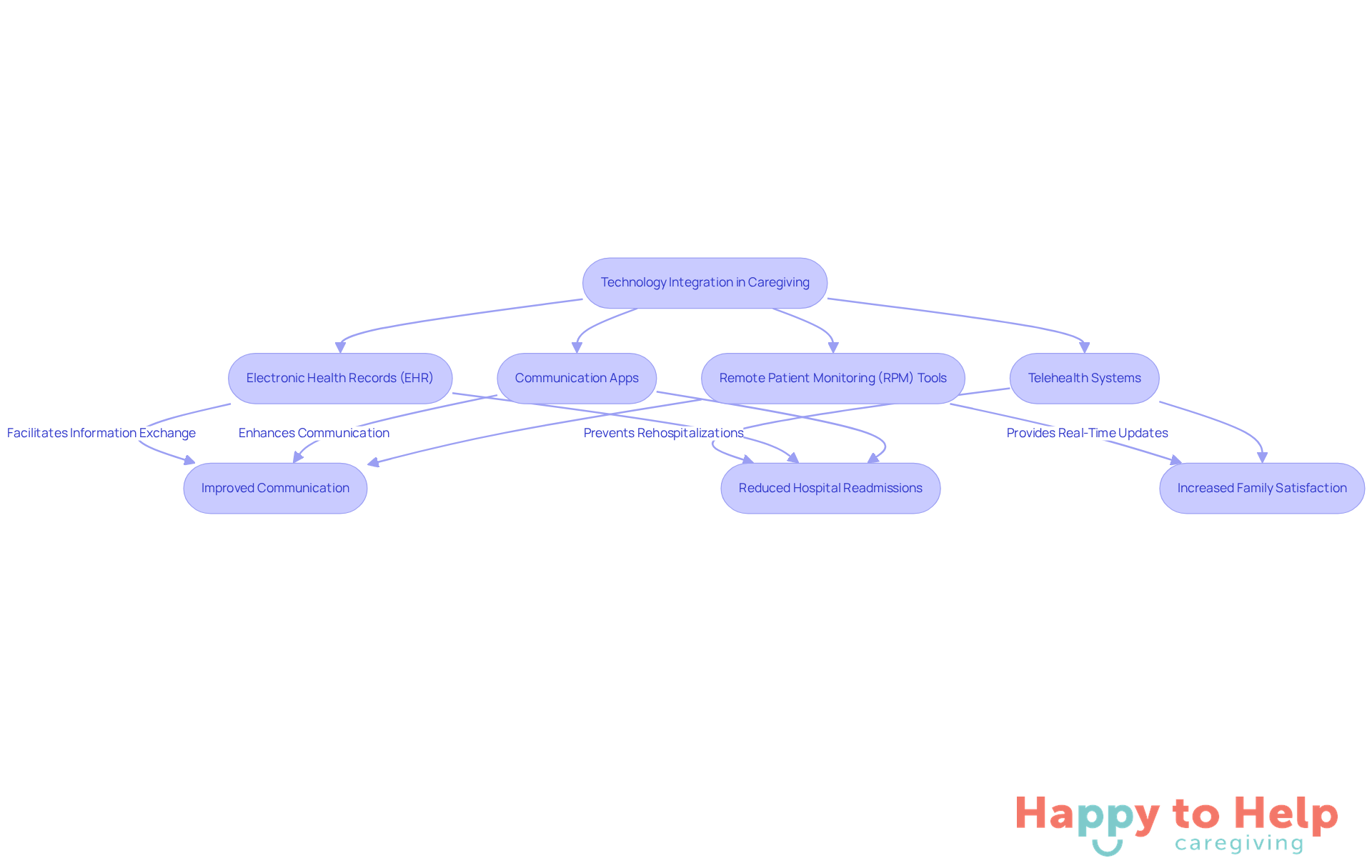
This issue is compounded by the fact that many caregivers struggle to keep all parties informed. Electronic health records (EHR) emerge as a crucial solution, ensuring that everyone involved is actively engaged in the treatment process. A survey of 1,506 home health agencies revealed that approximately 84.6% utilize EHR systems, facilitating smooth information exchange essential for effective management.
For example, a case study showcased how an urban nonprofit agency implemented a telehealth system, allowing in-house nurses to monitor patients remotely. This proactive approach not only prevented rehospitalizations but also fostered a collaborative environment where healthcare providers could swiftly respond to changes in a patient's condition.
Moreover, communication apps and digital platforms, such as remote patient monitoring (RPM) tools and smart home sensors, provide real-time updates and alerts. This ensures families remain informed about their loved ones' health status, leading to increased satisfaction and trust in the caregiving process. Experts in healthcare technology emphasize that effective information-sharing is vital for reducing hospital readmissions and enhancing overall service quality.
As Robert F. Kennedy, Jr. stated, "AI can transform caregiving by delivering on-demand support, predicting health risks before they happen, monitoring well-being, and automating paperwork so that caregivers can focus on what matters most - the care and compassion of the people whom they seek to help." With the rising demand for home healthcare, adopting these technologies is essential for meeting the needs of an aging population and improving caregiving outcomes.
Moving Forward with Choose Private Duty Nurses Near Me for
Choosing private duty nurses for in-home care addresses a significant problem: the lack of personalized support for seniors and individuals with special needs. This gap in care can lead to feelings of loneliness and a decline in emotional well-being. Families often struggle to find the right balance between providing care and ensuring their loved ones maintain their independence.
The implications of inadequate care are profound. Without dedicated support, individuals may experience increased isolation and a diminished quality of life. This is where private duty nursing services come into play, offering tailored caregiving that meets the unique needs of each person. By opting for these services, families can ensure their loved ones receive compassionate, dedicated support that fosters both independence and emotional well-being.
Key reasons for selecting private duty nursing services include:
- The critical role of companionship in combating loneliness
- The importance of 24/7 availability for continuous support
- Customized care plans developed to cater to individual preferences and medical needs
- Respite care for family caregivers
- Palliative support for those facing serious illnesses
- The incorporation of technology to enhance care coordination
Ultimately, engaging private duty nurses is not just a healthcare decision; it’s an investment in the emotional and physical well-being of individuals and their families. As the demand for personalized in-home care continues to grow, embracing these services can lead to improved health outcomes and a more fulfilling life for those in need of support. Families are encouraged to consider the profound impact that private duty nursing can have on their loved ones, ensuring they receive the dignity, respect, and care they deserve in the comfort of their own homes.
https://iframe.tely.ai/cta/eyJhcnRpY2xlX2lkIjogIjY5MjI0ZjcwZmViYTIxODdjZTM2NWJkMiIsICJjb21wYW55X2lkIjogIjY4ZWU1ZGNhNzMxNzYyNTU3ZjNjOTVjMSIsICJpbmRleCI6IG51bGwsICJ0eXBlIjogImFydGljbGUifQ==Frequently Asked Questions
What is Happy to Help Caregiving?
Happy to Help Caregiving is a service that provides personalized in-home assistance from private duty nurses for seniors and individuals with special needs, addressing the growing demand for customized support to enhance the well-being of these individuals.
Why is there a need for personalized in-home care services?
Many seniors wish to remain in their homes as long as possible, with approximately 82% expressing this desire. Personalized care is essential to combat feelings of loneliness and isolation, which can negatively impact emotional health.
What services does Happy to Help Caregiving offer?
The services offered include companionship care, post-hospital recovery assistance, respite care, and palliative care, all tailored to meet the unique needs of individuals.
How does companionship care benefit seniors?
Companionship care helps alleviate feelings of loneliness and enhances overall well-being by involving clients in enjoyable activities and providing emotional support.
What are the implications of loneliness for seniors?
Loneliness can lead to significant emotional distress and is linked to increased risks of dementia, heart disease, and stroke among seniors.
How does 24/7 availability of private duty nurses impact health outcomes?
Having private duty nurses available 24/7 can improve health outcomes, especially for individuals with complex medical conditions, by reducing hospitalizations and emergency visits.
What role do private duty nurses play in supporting families?
Private duty nurses provide essential emotional and behavioral support, allowing families to focus on their loved ones without the constant worry of managing care alone.
How can companionship provided by private duty nurses enhance quality of life?
Engaging seniors in meaningful activities can significantly reduce feelings of isolation, improve mental health outcomes, and contribute to healthy aging.
What is the relationship between companionship and healthy aging?
Companionship is a cornerstone of healthy aging, as meaningful relationships contribute to longevity and enhance the overall quality of life for seniors.
List of Sources
- Happy to Help Caregiving: Personalized In-Home Care Services
- National Alliance for Caregiving: Caregiving in the US 2025 Report (https://johnahartford.org/resources/view/national-alliance-for-caregiving-caregiving-in-the-us-2025-report)
- Caregiver Statistics: Demographics (https://caregiver.org/resource/caregiver-statistics-demographics)
- 2025 Home Care Statistics: Trends & Insights To Know (https://premierhcinc.com/blog/home-care-statistics)
- Home-Based Care Companies Improve Outcomes By Training Family Caregivers (https://homehealthcarenews.com/2025/10/home-based-care-companies-improve-outcomes-by-training-family-caregivers)
- New SLO business matches caregivers with people needing in-home help (https://sanluisobispo.com/news/local/article306330751.html)
- 24/7 Availability: Ensuring Continuous Support from Private Duty Nurses
- Supporting Individuals with Autism Through Private Duty Nursing - Adoration Home Health & Hospice (https://adorationhealth.com/supporting-individuals-with-autism-through-private-duty-nursing)
- Home Healthcare Statistics | Unbiased (https://unbiased.com/discover/banking/cost-of-home-healthcare)
- What Share of Nursing Facilities Might Meet Proposed New Requirements for Nursing Staff Hours? | KFF (https://kff.org/medicaid/what-share-of-nursing-facilities-might-meet-proposed-new-requirements-for-nursing-staff-hours)
- BREAKING: Federal judge vacates 24/7 RN and nurse-hour demands in staffing mandate (https://mcknights.com/news/breaking-federal-judge-vacates-24-7-rn-and-nurse-hour-demands-in-staffing-mandate)
- District court strikes down CMS minimum nurse staffing rule | AHA News (https://aha.org/news/headline/2025-04-08-district-court-strikes-down-cms-minimum-nurse-staffing-rule)
- Emotional and Physical Support: Enhancing Quality of Life with Private Duty Nurses
- The Power of Companionship for Seniors: A Key Ingredient to Quality Aging (https://homecarepgh.com/blog-posts/companionship-in-old-age)
- Supporting Individuals with Autism Through Private Duty Nursing - Adoration Home Health & Hospice (https://adorationhealth.com/supporting-individuals-with-autism-through-private-duty-nursing)
- Private Duty Nursing: One Family’s Story - CCLP (https://copolicy.org/news/private-duty-nursing-one-familys-story)
- How Private-Duty Nursing Empowers Children with Complex Needs At Home (https://homehealthcarenews.com/2025/01/how-private-duty-nursing-empowers-children-with-complex-needs-at-home)
- Creating Safe Living Environment for Seniors: Tips & Practices (https://peacevillage.org/news/why-companionship-is-key-to-happy-aging-elderly-well-being)
- Tailored Care Plans: Customized Support from Private Duty Nurses
- Home Care Impact on Recovery of Patient (A Statistics Report) (https://lovinghomecareinc.com/home-care-recovery-statistics)
- News Releases (https://hcaoa.org/news-releases.html)
- How Private-Duty Nursing Empowers Children with Complex Needs At Home (https://homehealthcarenews.com/2025/01/how-private-duty-nursing-empowers-children-with-complex-needs-at-home)
- Growing Trend of Private Pay Home Care for Elderly (https://regencyhcs.com/blog/growing-trend-of-private-pay-home-care-for-elderly)
- Growing private equity involvement in private duty nursing prompts quality, consolidation concerns (https://mcknightshomecare.com/news/growing-private-equity-involvement-in-private-duty-nursing-prompts-quality-consolidation-concerns)
- Companionship Care: Combating Loneliness with Private Duty Nurses
- Elderly Isolation: Combating Loneliness Through Home Healthcare - VNA Health Group (https://vnahg.org/elderly-isolation-combating-loneliness-through-home-healthcare)
- A win for home care: Labor Department proposes reinstating companionship exemption (https://mcknightshomecare.com/news/a-win-for-home-care-labor-department-proposes-reinstating-companionship-exemption)
- For seniors dealing with social isolation, NYC programs provide intergenerational events (https://cbsnews.com/newyork/news/cost-of-caregiving-the-life-story-club-nyc-friendly-visiting-program)
- How At-Home Caregiving is Combating Loneliness in Aging Adults (https://specialtouchhomecare.com/resources/how-at-home-caregiving-is-combating-the-loneliness-epidemic)
- Home Care Agencies and Their Clients Could Get Relief Through DOL Proposal to Reinstate Companionship, Live-In Exemptions - Jackson Lewis (https://jacksonlewis.com/insights/home-care-agencies-and-their-clients-could-get-relief-through-dol-proposal-reinstate-companionship-live-exemptions)
- Post-Hospital Recovery Assistance: Smooth Transitions with Private Duty Nurses
- Study Finds Home Health Lowers Costs and Readmission Rates Compared to Hospital Care - Center for Medicare Advocacy (https://medicareadvocacy.org/study-finds-home-health-lowers-costs-and-readmission-rates-compared-to-hospital-care)
- Governor Newsom and the State Legislature Commit to Fund Private Duty Nursing as Part of New Budget Deal - California Association For Health Services At Home (https://cahsah.org/news/governor-newsom-and-the-state-legislature-commit-to-fund-private-duty-nursing-as-part-of-new-budget-deal)
- How Private-Duty Nursing Empowers Children with Complex Needs At Home (https://homehealthcarenews.com/2025/01/how-private-duty-nursing-empowers-children-with-complex-needs-at-home)
- How 2 Home Health Providers Fine-Tuned Hospital to Home Transitions (https://homehealthcarenews.com/2025/01/how-2-home-health-providers-fine-tuned-hospital-to-home-transitions)
- Smoothing the Transition from Hospital to Home: One Doctor’s Solution | United Hospital Fund (https://uhfnyc.org/news/article/smoothing-the-transition-from-hospital-to-home-one-doctors-solution)
- Respite Care: Supporting Family Caregivers with Private Duty Nurses
- A bill in Congress would return $5,000 to millions of family caregivers every year, but will it pass? (https://cbsnews.com/newyork/news/credit-for-caring-act-family-caregiver-tax-credit)
- Family Caregivers Struggling In Some States More Than Others (https://disabilityscoop.com/2025/10/31/family-caregivers-struggling-in-some-states-more-than-others/31710)
- It’s Time to Care for Caregivers: Senator Markey Announces Comprehensive Family Caregiving Legislative Agenda | U.S. Senator Ed Markey of Massachusetts (https://markey.senate.gov/news/press-releases/11/20/2025/its-time-to-care-for-caregivers-senator-markey-announces-comprehensive-family-caregiving-legislative-agenda)
- Improving Support for Family Caregivers (https://nationalacademies.org/news/2025/07/improving-support-for-family-caregivers)
- HHS Backs AI Innovation for America’s Caregivers | HHS.gov (https://hhs.gov/press-room/hhs-backs-ai-innovation-for-americas-caregivers.html)
- Palliative Support Care: Compassionate End-of-Life Assistance from Private Duty Nurses
- The Role of Home Health Care in Palliative & Hospice Support for Pediatric Patients (https://thrivespc.com/news/the-role-of-home-health-care-in-palliative-hospice-support-for-pediatric-patients)
- Compassionate End-of-Life Care is More Available Than Ever (https://deathwithdignity.org/news/2024/06/compassionate-eol-services-available)
- ‘A good death’: How compassionate care helps people navigate the end of life (https://news.yale.edu/2025/10/13/good-death-how-compassionate-care-helps-people-navigate-end-life)
- Experts warn too many people living with advanced cancer go without hospice and palliative care - Compassion & Choices (https://compassionandchoices.org/news/experts-warn-too-many-people-living-with-advanced-cancer-go-without-hospice-and-palliative-care)
- What does it mean to offer compassionate care for people facing the end of life? (https://npr.org/2023/09/19/1200291501/what-does-it-mean-to-offer-compassionate-care-for-people-facing-the-end-of-life)
- Qualified Caregivers: Trustworthy and Trained Private Duty Nurses
- 39 Caregiver Statistics, Facts & Trends (https://humancareny.com/blog/39-caregiver-statistics-facts-trends)
- 2021 Caregiver Survey Results | CareAcademy (https://careacademy.com/caregiver-education)
- The Case For Stronger Caregiver Vetting In Home Care (https://homehealthcarenews.com/2024/10/the-case-for-stronger-caregiver-vetting-in-home-care)
- Caregiver Statistics: Work and Caregiving (https://caregiver.org/resource/caregiver-statistics-work-and-caregiving)
- The California Association for Health Services at Home Urges Governor Newsom to Fund Private Duty Nursing for California’s Medically Fragile Children (https://businesswire.com/news/home/20250620987387/en/The-California-Association-for-Health-Services-at-Home-Urges-Governor-Newsom-to-Fund-Private-Duty-Nursing-for-Californias-Medically-Fragile-Children)
- Technology Integration: Enhancing Care Coordination with Private Duty Nurses
- The Rise and Promise of Technology in Home Health (https://healthrecoverysolutions.com/blog/the-rise-and-promise-of-technology-in-home-health)
- HHS Launches New Caregiving AI Initiative to 'Spark Innovative Support' (https://hospicenews.com/2025/11/18/hhs-launches-new-caregiving-ai-initiative-to-spark-innovative-support)
- Health Information Technology Adoption at U.S. Home Health Care Agencies: Results from a Multi-Methods Study - PMC (https://pmc.ncbi.nlm.nih.gov/articles/PMC10752454)
- How Technology Can Ease the Caregiver Burden (https://connectamerica.com/insights/how-technology-can-ease-the-caregiver-burden)
- How Future Healthcare Technology Is Transforming At-Home Care (https://worklifestream.com/how-future-healthcare-technology-is-transforming-at-home-care)