For families in our service areas
For families in our service areas, this guide explains home care and how non-medical in-home caregiving can support care planning in East Idaho, Treasure Valley & Magic Valley, Northern Wasatch, North Central West Virginia & Southwestern Pennsylvania, and Northeast Ohio.
Why 10 Senior Home Care Solutions Matters
As the population of older adults continues to grow, the demand for effective and personalized home care solutions has never been more critical. Family caregivers often navigate a complex landscape of challenges, from ensuring emotional support to managing health transitions after hospitalization. These challenges can lead to significant stress and uncertainty for caregivers, impacting their ability to provide the best care possible.
This article explores ten innovative senior home care solutions designed to empower family caregivers, enhance the well-being of elderly individuals, and foster meaningful connections. By addressing these tailored strategies, we aim to alleviate the burdens of caregiving and significantly improve the quality of life for seniors.
How can these solutions make a difference in the lives of both caregivers and their loved ones?
Happy to Help Caregiving: Personalized In-Home Support for Seniors
Problem: Many older adults face challenges in receiving adequate support, which can lead to feelings of isolation and a decline in quality of life. With forecasts indicating that by 2034, older individuals will outnumber those under 18 in the U.S., the need for effective, personalized assistance is more pressing than ever.
Agitate: This demographic shift underscores the importance of tailored services. Geriatric health professionals emphasize that customized treatment plans are essential for managing the evolving health situations of older adults. As one expert noted, "Personalized support improves the quality of life for older individuals by meeting their distinct requirements and promoting meaningful relationships." Without such support, many elderly individuals may experience loneliness, with approximately 5% reporting frequent feelings of isolation.
Happy to Help Caregiving excels in providing senior home care solutions that offer customized in-home assistance for older adults, ensuring that support is specifically tailored to meet individual needs. This approach not only fosters independence but also significantly enhances the overall quality of life for clients. By concentrating on empathetic support, the agency develops personalized plans that address medical, social, and emotional needs, ensuring that elderly individuals maintain significant connections and a sense of belonging.
Currently, around 12 million individuals in the U.S. receive assistance at home, highlighting the critical role of senior home care solutions in providing personalized in-home support. These strategies enable older adults to thrive in familiar environments while receiving the expert care they deserve.
Companionship Care: Emotional Support for Seniors
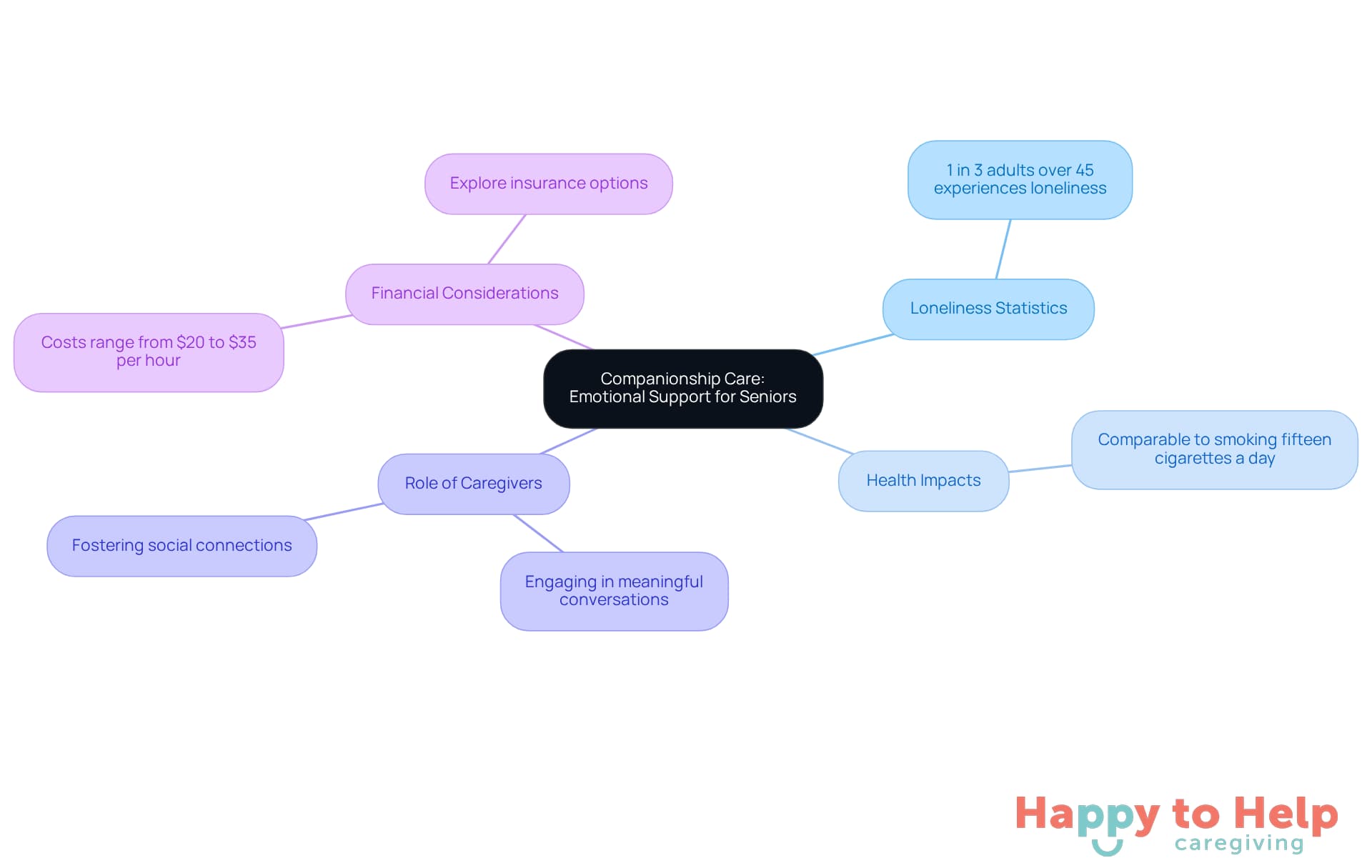
Loneliness is a significant issue for older adults, often leading to feelings of isolation and emotional distress. Research shows that 1 in every 3 adults over 45 experiences loneliness, which can have health impacts comparable to smoking fifteen cigarettes a day. This problem not only affects mental health but can also lead to depression and anxiety, making it crucial to address.
Companionship assistance emerges as a vital component of senior home care solutions. Caregivers can engage clients in meaningful conversations and enjoyable activities, fostering social connections that are essential for mental well-being. Regular social interaction has been proven to significantly reduce the risk of depression and anxiety, highlighting the importance of companionship in older age.
Moreover, effective companionship initiatives focus on individualized interactions, ensuring that older adults feel appreciated and understood. These senior home care solutions not only enhance emotional well-being but also encourage older adults to actively participate in their communities, leading to a more vibrant and fulfilling lifestyle.
As Fayer Family Homecare states, "Companionship in old age isn't a luxury - it's essential preventive healthcare that protects both mental and physical well-being." Families should also consider the financial aspects of companion care, as costs can range from $20 to $35 per hour. Exploring potential insurance coverage options can help alleviate some of the financial burden associated with this essential service.
Post-Hospital Recovery Assistance: Smooth Transitions for Seniors
Post-hospital recovery assistance is a significant challenge for seniors transitioning from hospital to home, emphasizing the importance of senior home care solutions. Without adequate support, many face increased risks of complications and readmission. Stress-related issues can elevate readmission rates within a month of discharge, making it essential for caregivers to provide comprehensive assistance. Studies show that older adults receiving senior home care solutions experience fewer adverse events compared to those in nursing facilities.
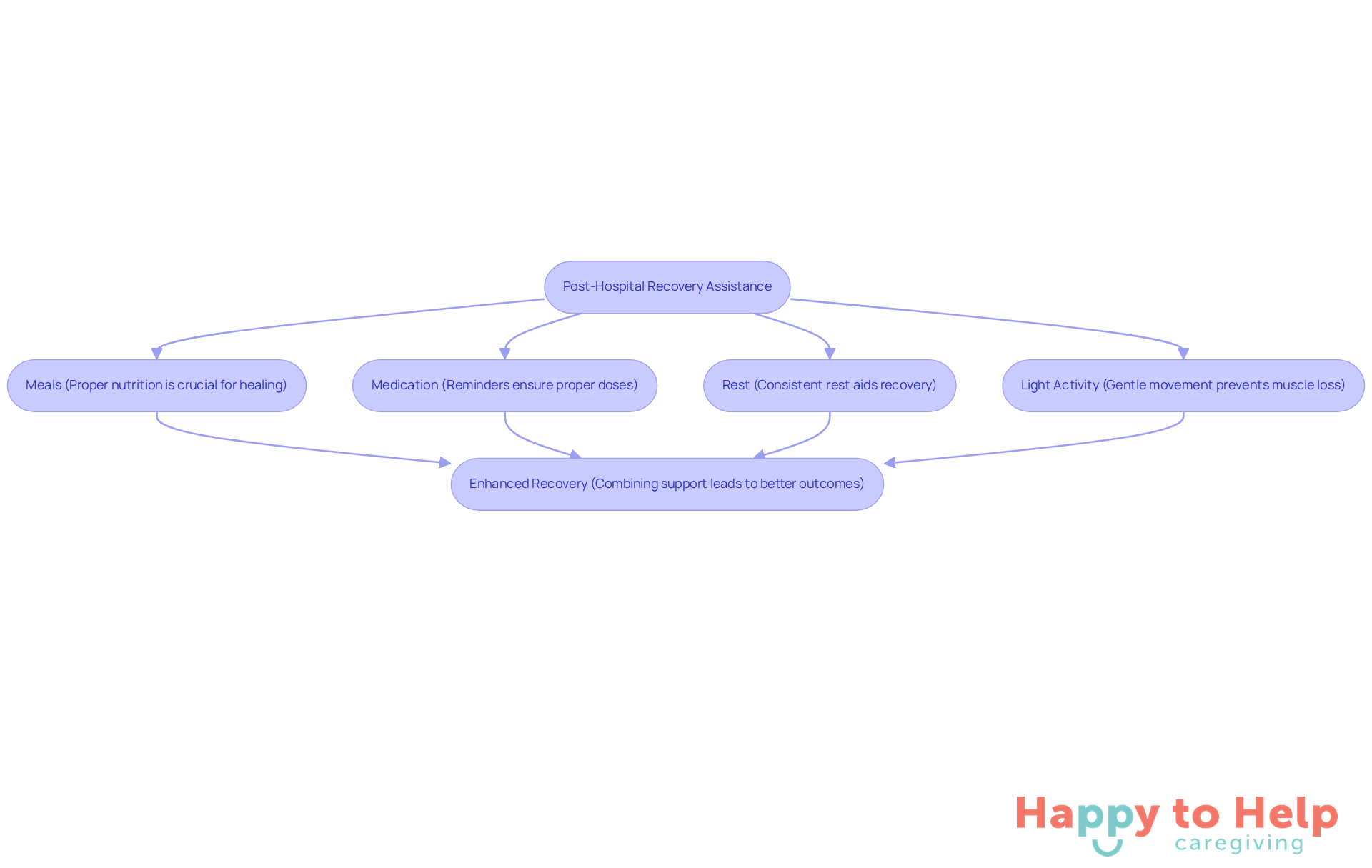
Creating a calm and consistent routine is vital for recovery. Caregivers can establish predictable schedules for:
- Meals
- Medication
- Rest
- Light activity
This fosters a sense of security that promotes healing. Encouraging gentle movement, such as short walks or stretching, is crucial to prevent muscle loss and enhance mobility.
Moreover, emotional support from caregivers can significantly alleviate feelings of anxiety and loneliness, which are common during recovery. Open discussions about health issues can reassure older adults, making them feel more supported and involved in their recovery process. As one healthcare professional noted, "You don’t have to do this alone." This cooperative approach not only improves the recovery experience but also strengthens the bond between caregivers and seniors, ensuring they receive the empathetic assistance provided by senior home care solutions to thrive at home.
Respite Care: Essential Relief for Family Caregivers
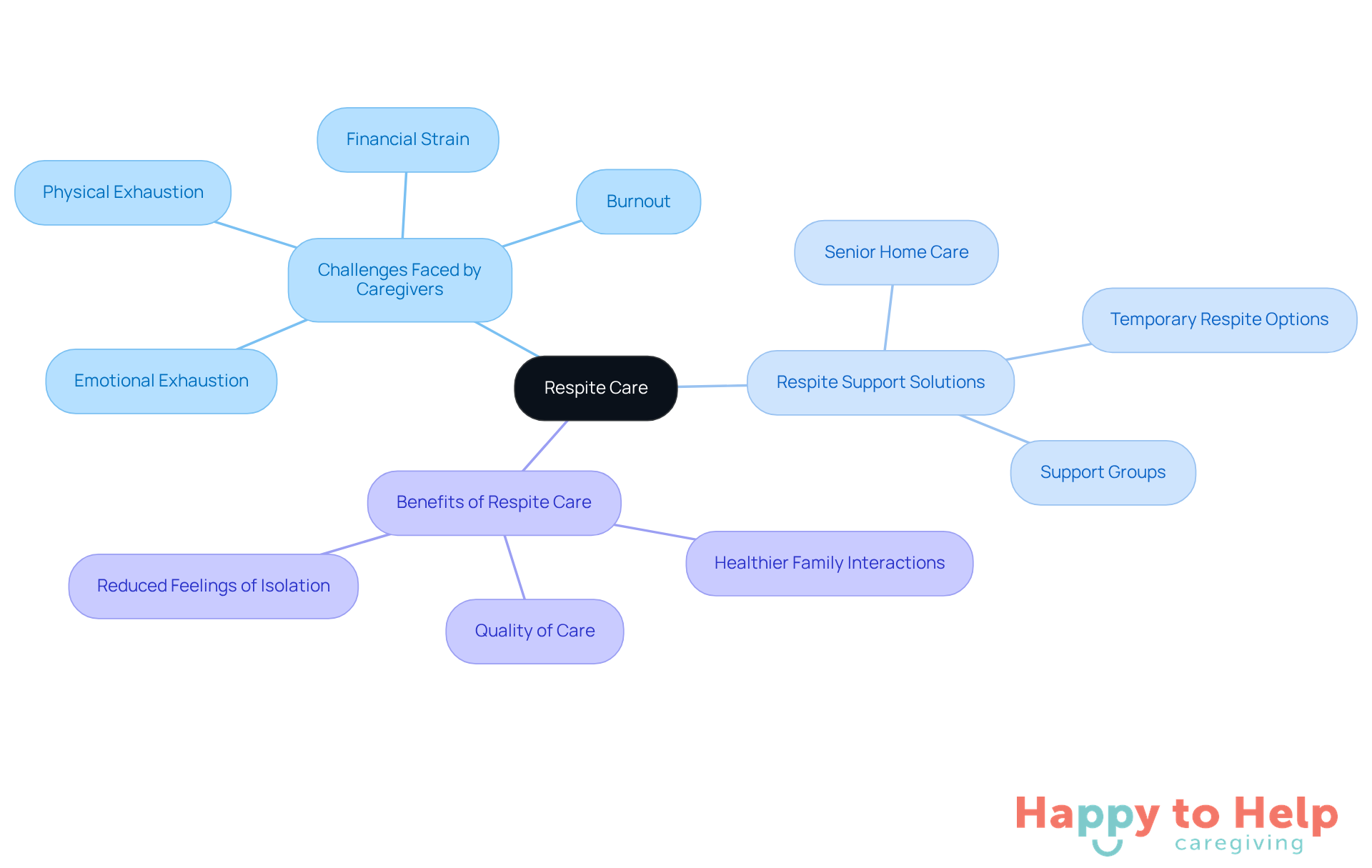
Caregivers often face significant challenges, including physical and emotional exhaustion from their demanding roles. This relentless pressure can lead to burnout, negatively impacting both the caregiver and their loved ones.
Respite support offers senior home care solutions, providing caregivers with the necessary relief to recharge. By allowing them to take breaks, this service ensures that their loved ones continue to receive quality assistance.
Implementing senior home care solutions can ease the burdens of caregiving, fostering healthier family interactions and preventing exhaustion. Caregivers can explore temporary respite options to find the right fit for their needs, ultimately enhancing their well-being and the quality of care they provide.
Palliative Support Care: Enhancing Quality of Life for Seniors
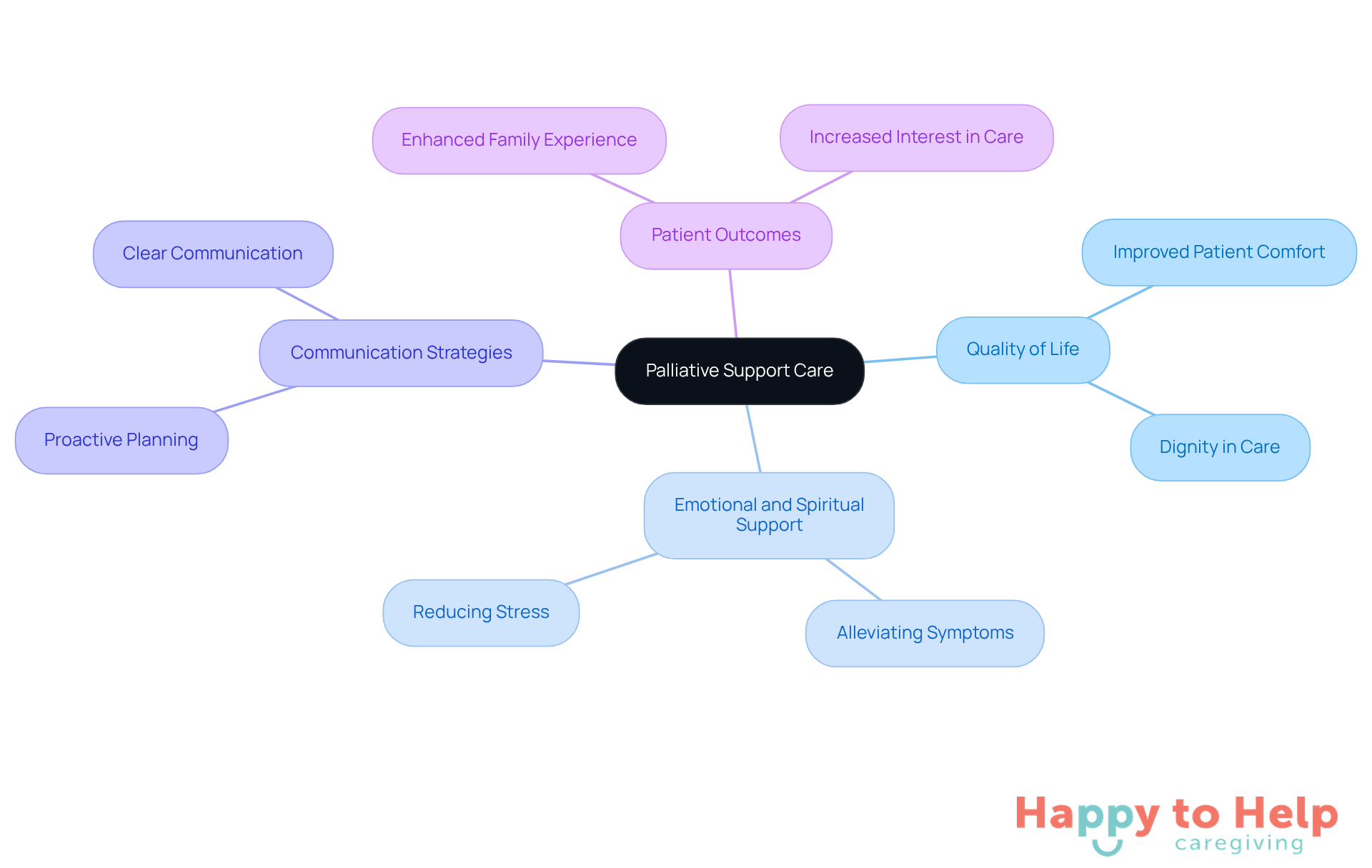
Palliative assistance is essential for enhancing the quality of life for elderly individuals facing severe illnesses. The problem arises when these individuals do not receive adequate support, leading to unmanaged symptoms and emotional distress. This lack of care can strip away their dignity and comfort during challenging times.
Research indicates that early commencement of palliative support can significantly improve quality of life, particularly for those with advanced conditions. Programs that integrate emotional and spiritual support not only alleviate symptoms but also reduce stress, enhancing the overall experience for both patients and their families. This highlights the importance of addressing both physical and emotional needs.
To tackle these challenges, caregivers should prioritize proactive communication and thorough planning in end-of-life support. As Robin Yabroff, a researcher at the American Cancer Society, notes, "This research emphasizes the necessity for interventions to enhance the quality of support for patients with advanced cancers, particularly those assisting in eliminating obstacles to improved access to palliative services." By focusing on comprehensive care, caregivers can create a supportive environment that empowers older adults to navigate their health challenges more easily.
Incorporating these strategies not only improves patient outcomes but also fosters a sense of security and comfort. Palliative support care becomes a vital component of senior home care solutions, ensuring that seniors receive the dignity and compassion they deserve.
Transportation Services: Ensuring Mobility for Seniors
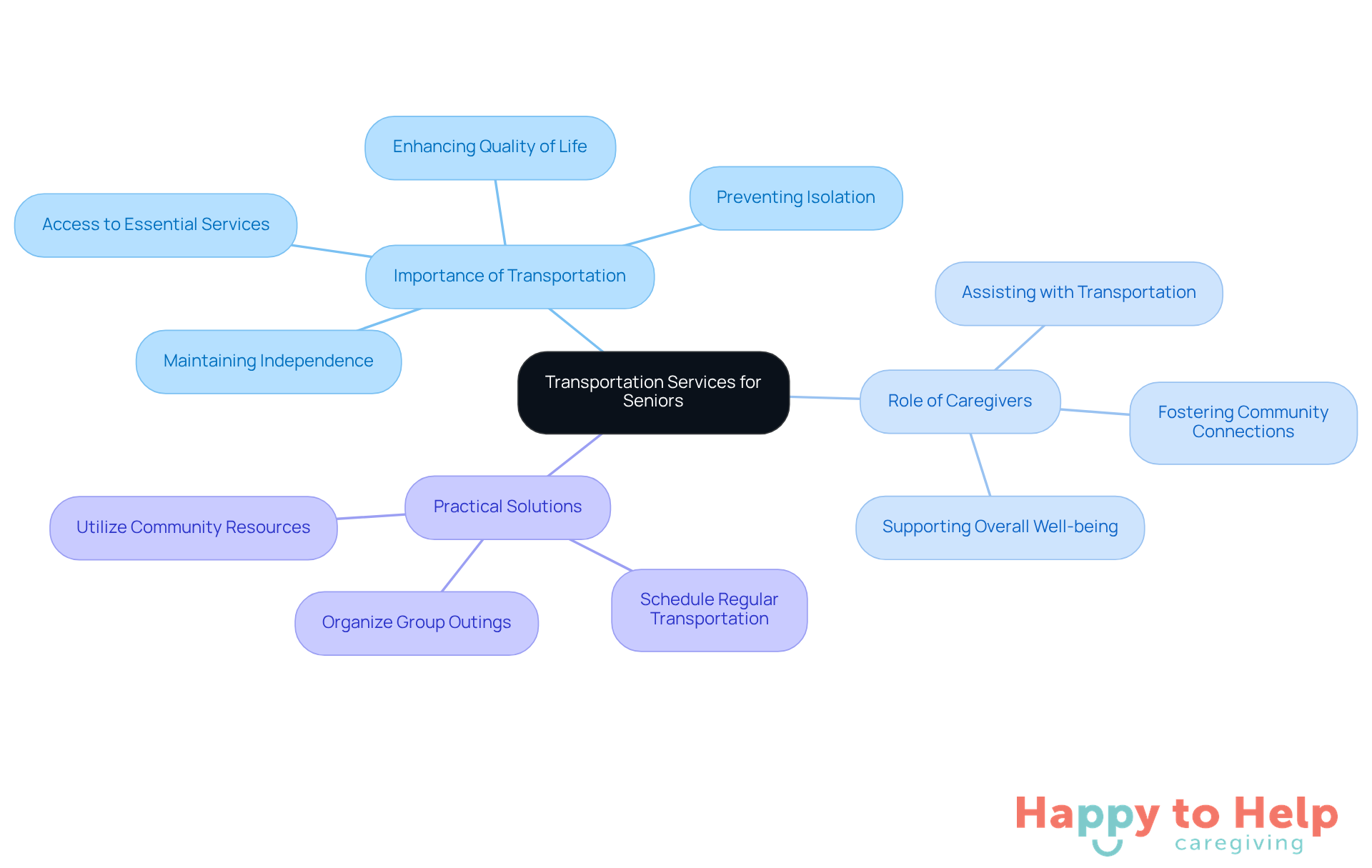
Transportation services are crucial for elderly individuals striving to maintain their independence. Without reliable transportation, older adults may struggle to access essential services, such as medical appointments, grocery shopping, and social events. This lack of mobility can lead to isolation and a decline in overall well-being.
Caregivers play a vital role in addressing this issue. By assisting with transportation, they help older adults stay connected to their communities and enhance their quality of life. Here are some practical solutions caregivers can implement:
- Schedule regular transportation for medical appointments and errands.
- Organize group outings to social events, fostering connections among peers.
- Utilize community resources such as local transport services designed for seniors.
By facilitating mobility, caregivers not only improve the lives of older adults but also promote their overall health and happiness.
Meal Services: Nutritious Options for Senior Health
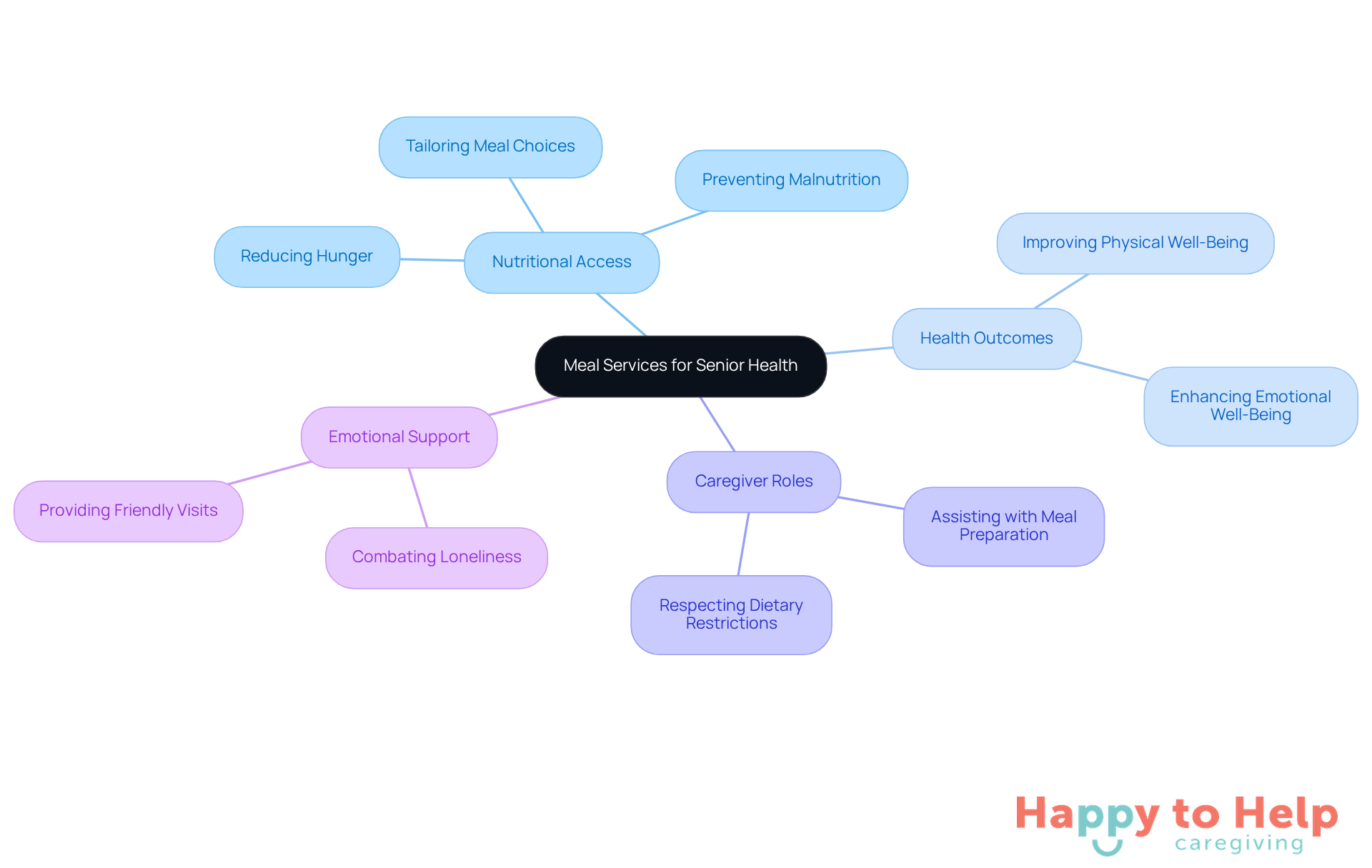
Meal services address a critical issue: many older adults struggle to access nutritious and balanced meals, which are essential for maintaining health and preventing malnutrition. This problem can lead to serious health consequences, including increased hunger and social isolation. Research from Meals on Wheels America, in collaboration with Brown University, shows that home-delivered meals significantly reduce hunger and malnutrition, while also fostering social connections and enhancing both physical and emotional well-being.
Caregivers can play a vital role in this process. By assisting with meal preparation, they can ensure that dietary restrictions and personal preferences are respected. Providing nutritious meal choices tailored to individual needs not only helps seniors achieve better health outcomes but also improves their overall quality of life. As Ellie Hollander, president and CEO of Meals on Wheels America, emphasizes, home-delivered meals are 'far more than just a meal - they are a lifeline.'
Moreover, the emotional support that comes with meal delivery - such as friendly visits and health checks - highlights the importance of these services in combating loneliness and isolation among the elderly. Family caregivers are encouraged to explore local meal service options and consider volunteering. The growing waitlist for volunteers underscores the increasing demand for these essential services, making it clear that every effort counts in supporting our older adults.
Home Modifications: Enhancing Safety and Accessibility for Seniors
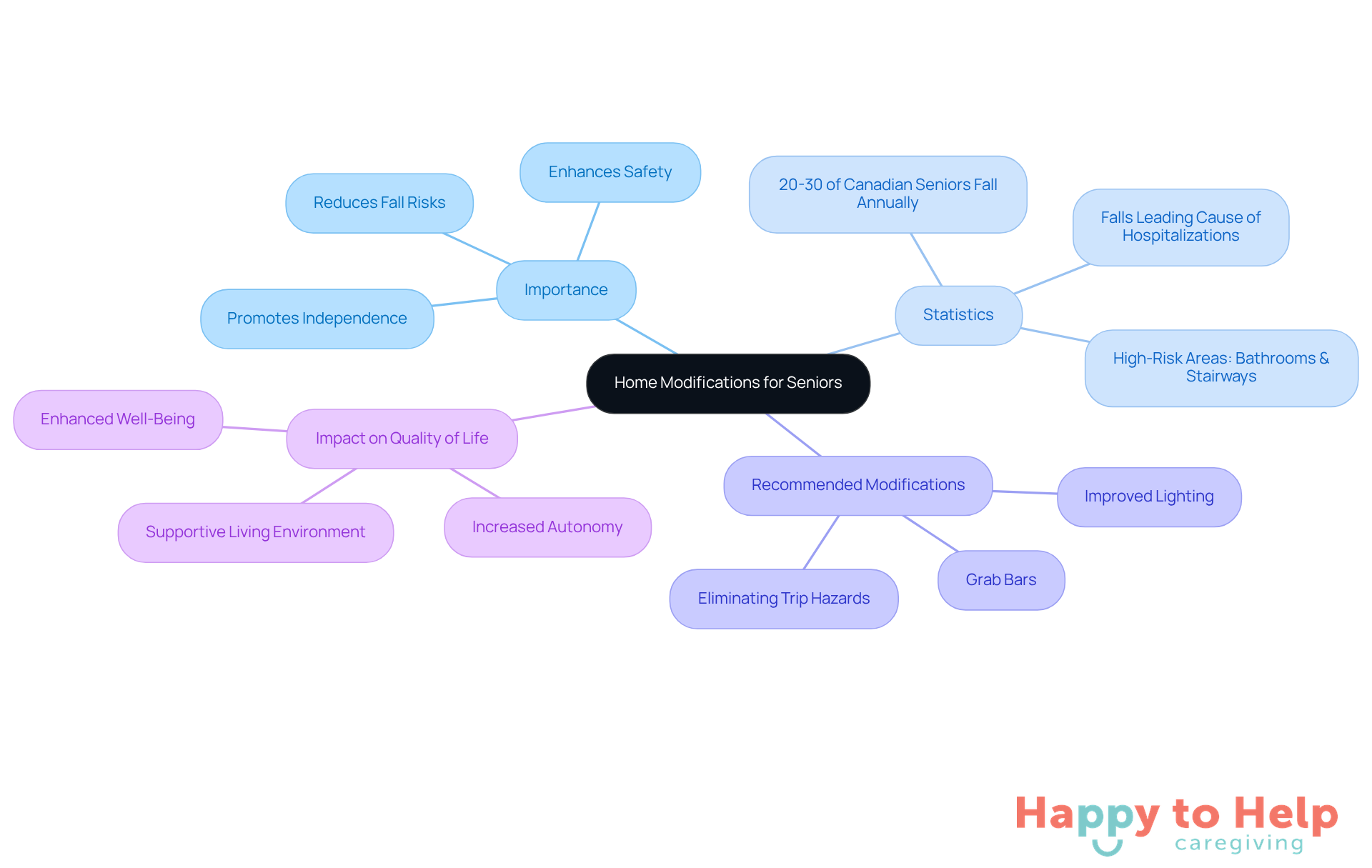
Home modifications are crucial for enhancing safety and accessibility for older adults, significantly impacting their ability to age in place. The problem is clear: falls affect approximately 20-30% of Canadian seniors annually, making them the leading cause of injury-related hospitalizations among older adults. Many of these incidents occur in high-risk areas like bathrooms and stairways, highlighting the urgent need for effective solutions.
To address this issue, simple yet effective changes can be made. Installing grab bars, improving lighting, and eliminating trip hazards can dramatically reduce the risk of falls. As Shonda Rogers states, "Aging in place doesn’t mean 'going it alone.' With the right modifications and senior home care solutions in place, older adults can enjoy the freedom of staying in their own homes while remaining safe and secure." Occupational therapists advocate for customized home modifications as senior home care solutions that cater to personal needs, ensuring that older adults can navigate their surroundings comfortably and confidently.
With the elderly population projected to rise from 16% to 23% of the U.S. population by 2060, the demand for senior home care solutions is more pressing than ever. Caregivers should prioritize these modifications in their senior home care solutions, not only to improve safety but also to foster a sense of autonomy and well-being for their loved ones. It's essential to plan and budget for these changes, as home modifications can cost hundreds or even thousands of dollars.
By proactively addressing accessibility in elderly living areas, caregivers can implement senior home care solutions that create a supportive atmosphere enhancing both safety and quality of life. Here are some actionable tips:
- Install grab bars in bathrooms and stairways.
- Improve lighting in hallways and common areas.
- Eliminate trip hazards by keeping floors clear.
These modifications can significantly contribute to a safer living environment, allowing older adults to maintain their independence.
Technology Integration: Enhancing Care Through Innovation
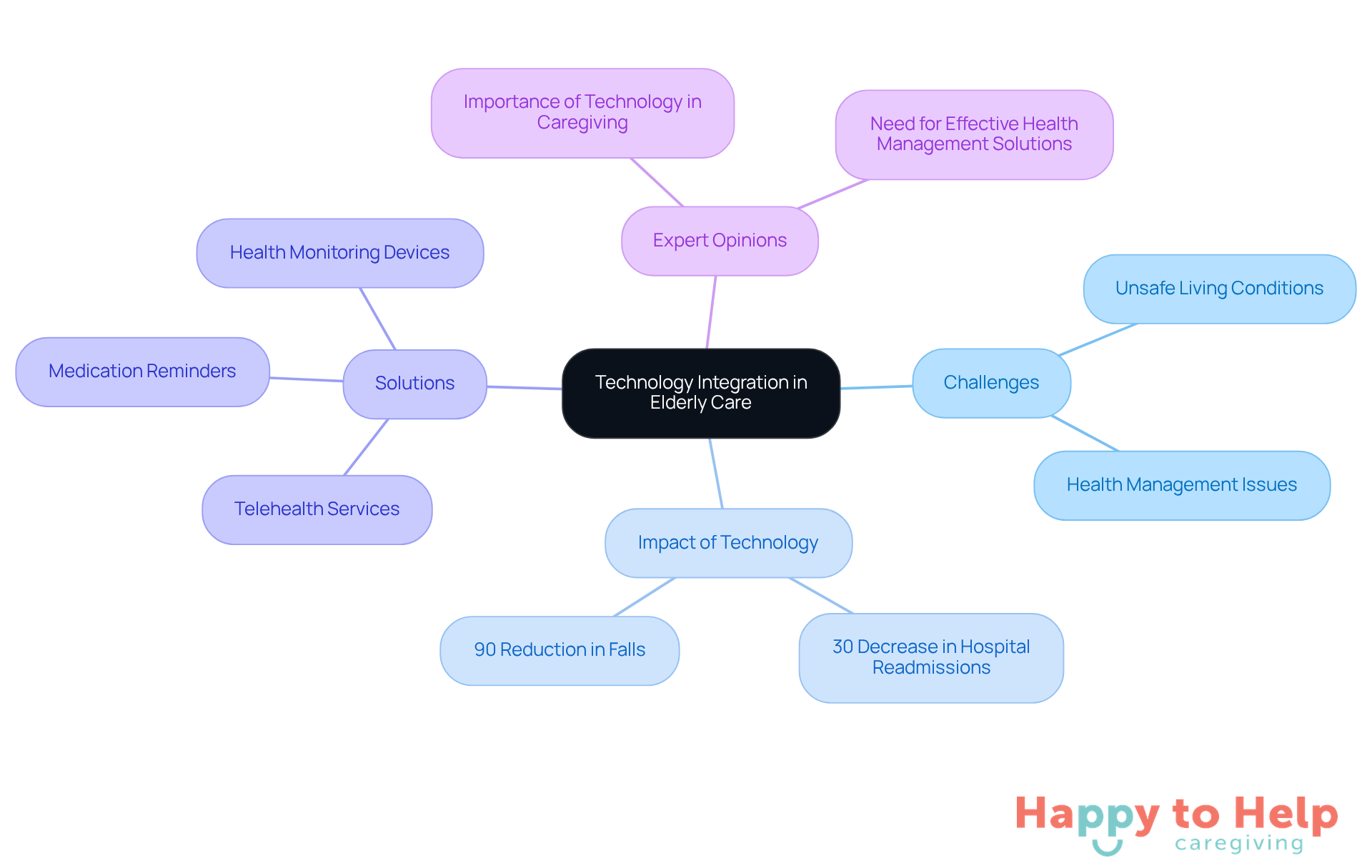
Problem: Caregivers face significant challenges in providing adequate support for elderly individuals, often leading to unsafe living conditions. Many older adults struggle with health management, which can result in hospital readmissions and falls.
Agitate: Research indicates that telehealth can decrease hospital readmissions by up to 30% for older adults, highlighting the critical need for effective health management solutions. Additionally, remote monitoring has shown a remarkable 90% reduction in falls, underscoring the safety risks that elderly individuals encounter without proper support. If the healthcare system fails to leverage technology effectively, many seniors may find themselves in nursing facilities simply because they cannot be safely supported at home.
Fortunately, incorporating technology into senior home care solutions can significantly enhance communication, monitoring, and overall care delivery. Telehealth services, medication reminders, and health monitoring devices empower caregivers to provide more effective support. By utilizing these advancements, caregivers can ensure timely assistance, ultimately improving the quality of life for elderly individuals. Experts stress that adopting technologies like telehealth is crucial for providing effective senior home care solutions to meet the evolving demands of elderly support. As Goldsack notes, effective technological solutions not only enhance support processes but also foster a more adaptable caregiving environment, allowing elderly individuals to thrive in the comfort of their homes.
Caregiver Training Programs: Ensuring Quality Care for Seniors
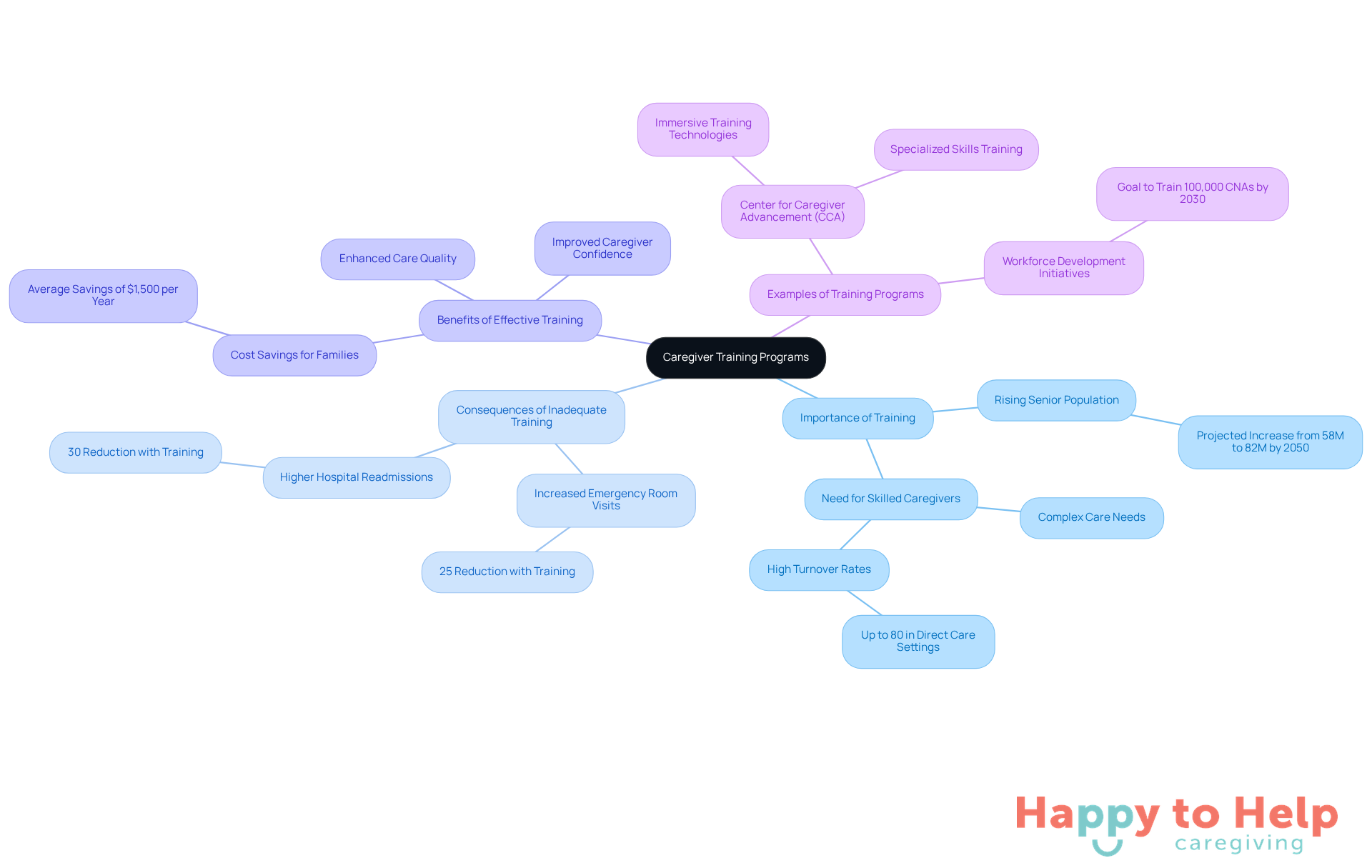
Training programs for providers are essential for equipping them with the skills and knowledge necessary to deliver high-quality senior home care solutions for seniors. The problem is that without adequate training, caregivers may struggle to meet the unique needs of older adults, leading to subpar care. This issue is compounded by the increasing number of Americans aged 65 and above, projected to rise from 58 million in 2022 to 82 million by 2050.
The implications of inadequate training are significant. For instance, a study found that In-Home Supportive Services (IHSS) workers who completed 16 weeks of training saw a 25% reduction in emergency room visits and a 30% decrease in hospital readmissions. This translates to an average savings of about $1,500 per year for families. Clearly, effective training can lead to better outcomes for both caregivers and those they care for.
To address this challenge, effective training programs, such as those offered by the Center for Caregiver Advancement (CCA), focus on developing a pipeline of skilled support providers. These programs enhance competencies and foster emotional resilience, which is crucial for managing the stresses of caregiving. Immersive training technologies, like virtual reality, allow support providers to experience the challenges faced by elderly individuals, thereby improving empathy and communication skills.
Experts emphasize that continuous education is vital for maintaining high service standards. As caregiving instructors note, "Training is crucial for delivering quality support and equipping providers with the assurance required to make a significant impact in the lives of elderly individuals." With the expected increase in the senior population, investing in training for support providers is more important than ever to ensure seniors receive the compassionate and skilled assistance provided by senior home care solutions.
Additionally, the CCA's recent $75,000 grant from LA2050 to train support workers underscores the commitment to enhancing education for those in care roles. Given that annual turnover in direct care settings can reach nearly 80%, effective training is crucial for improving caregiver retention and job satisfaction.
Taking the Next Steps
The significance of senior home care solutions is paramount, especially as our aging population expands. Caregivers face the challenge of meeting the unique needs of older adults, which can often lead to feelings of stress and overwhelm. Without proper support, seniors may experience loneliness and isolation, negatively impacting their quality of life.
To address these issues, tailored assistance is essential. Personalized care strategies not only enhance the independence of older adults but also foster meaningful connections. Family caregivers can implement effective solutions such as:
- Companionship care
- Post-hospital recovery assistance
- Respite care
- Palliative support
These strategies provide the emotional, physical, and social support necessary for seniors to thrive in their own homes.
Moreover, integrating services like:
- Transportation
- Meal preparation
- Home modifications
- Technology
can significantly alleviate caregiver stress. Training programs for caregivers also play a crucial role in empowering them to provide the best care possible. By creating a comprehensive support system, families can combat feelings of isolation and ensure safer transitions during recovery.
Ultimately, investing in senior home care solutions is vital for enhancing the lives of both older adults and their caregivers. Families that embrace these practices can cultivate a nurturing environment that prioritizes health, dignity, and emotional well-being. As the demand for personalized care continues to rise, it’s crucial for caregivers to seek out resources that enable them to maintain connections and engagement within their communities.
https://iframe.tely.ai/cta/eyJhcnRpY2xlX2lkIjogIjY5MmZiYWFhNThmZDlmMDkwN2JiMTY2NyIsICJjb21wYW55X2lkIjogIjY4ZWU1ZGNhNzMxNzYyNTU3ZjNjOTVjMSIsICJpbmRleCI6IG51bGwsICJ0eXBlIjogImFydGljbGUifQ==Frequently Asked Questions
What challenges do older adults face regarding support?
Many older adults struggle to receive adequate support, leading to feelings of isolation and a decline in their quality of life.
Why is personalized assistance important for seniors?
Personalized assistance is crucial as it improves the quality of life for older individuals by addressing their distinct requirements and fostering meaningful relationships.
How does Happy to Help Caregiving support seniors?
Happy to Help Caregiving provides customized in-home assistance tailored to meet individual needs, focusing on medical, social, and emotional support to enhance overall quality of life.
What is the significance of companionship care for seniors?
Companionship care addresses loneliness, which affects many older adults, by fostering social connections through meaningful conversations and activities, thus improving mental well-being.
What are the health impacts of loneliness in older adults?
Loneliness can lead to emotional distress, depression, and anxiety, with health effects comparable to smoking fifteen cigarettes a day.
What are the typical costs associated with companionship care?
The costs for companionship care range from $20 to $35 per hour, and families are encouraged to explore potential insurance coverage options to help manage these expenses.
What is the importance of post-hospital recovery assistance for seniors?
Post-hospital recovery assistance is vital in preventing complications and readmissions, as seniors often face increased risks without adequate support during their transition home.
How can caregivers support seniors during recovery?
Caregivers can establish a calm routine for meals, medication, rest, and light activity, while also providing emotional support to alleviate anxiety and loneliness.
What benefits do seniors gain from receiving home care solutions?
Seniors receiving home care solutions experience fewer adverse events compared to those in nursing facilities, and they benefit from empathetic assistance that helps them thrive at home.
List of Sources
- Happy to Help Caregiving: Personalized In-Home Support for Seniors
- 2025 Home Care Statistics: Trends & Insights To Know (https://premierhcinc.com/blog/home-care-statistics)
- Family caregivers prefer in-home care over senior living, new industry report finds (https://mcknightshomecare.com/news/family-caregivers-prefer-in-home-care-over-senior-living-new-industry-report-finds)
- What Can Personalized Home Care Offer to the Elderly - Affirmed Homecare (https://affirmedhomecare.com/news/what-can-personalized-home-care-offer-to-the-elderly)
- How Personalized In-Home Care can Improve Seniors Quality of Life - Freedom Home Care (https://freedomhomecare.net/2024/11/21/how-personalized-in-home-care-can-improve-seniors-quality-of-life)
- How Personalized Health Care Is Changing The Role Of Home Care Providers (https://homehealthcarenews.com/2024/03/how-personalized-health-care-is-changing-the-role-of-home-care-providers)
- Companionship Care: Emotional Support for Seniors
- Combat Loneliness: The Benefits of Companion Care for Seniors (https://allheartcare.com/more-than-just-company-the-vital-role-of-companion-care-for-seniors)
- 10 Benefits of In-Home Companion Care for Seniors You Should Know - Happy To Help (https://happytohelpcaregiving.com/10-benefits-of-in-home-companion-care-for-seniors-you-should-know)
- Why Home Care Providers Are Increasingly Offering Companion Care Services for Seniors | Aaniie, formerly Smartcare Software (https://aaniie.com/news/why-home-care-providers-are-increasingly-offering-companion-care-services-for-seniors)
- The Power of Companionship for Seniors: A Key Ingredient to Quality Aging (https://homecarepgh.com/blog-posts/companionship-in-old-age)
- Post-Hospital Recovery Assistance: Smooth Transitions for Seniors
- Sent Home To Heal, Patients Avoid Wait for Rehab Home Beds - KFF Health News (https://kffhealthnews.org/news/article/patients-rehab-at-home-unclog-hospital-bed-nursing-home-waiting-list)
- Post-Hospital Home Care: The Key to a Smoother, Safer Recovery (https://heavenathomecare.com/how-post-hospital-home-care-helps-seniors-recover)
- Helping seniors recover after a hospital stay through meal delivery (https://uhc.com/news-articles/community/senior-resources)
- Providers and advocates urge House to take post-acute care off the ‘chopping block’ (https://mcknights.com/news/providers-and-advocates-urge-house-to-take-post-acute-care-off-the-chopping-block)
- Respite Care: Essential Relief for Family Caregivers
- Preventing Caregiver Burnout with Respite Care | The Herrick House (https://theherrickhouse.org/news-stories/all-news-stories/stories/2025/04/preventing-caregiver-burnout-with-respite-care)
- Federal budget committee greenlights millions in spending for family caregivers, respite services (https://mcknightshomecare.com/news/federal-budget-committee-greenlights-millions-in-spending-for-family-caregivers-respite-services)
- The Caregiving Landscape: Data & Insights on the Caregiver Experience in the U.S. (https://caregiveraction.org/caregiver-statistics)
- Caregiver Statistics: Health, Technology, and Caregiving Resources (https://caregiver.org/resource/caregiver-statistics-health-technology-and-caregiving-resources)
- Palliative Support Care: Enhancing Quality of Life for Seniors
- Hospice and Palliative Care (https://nia.nih.gov/news/topics/hospice-and-palliative-care)
- Palliative care and hospice poll reveals major gaps (https://ihpi.umich.edu/news-events/news/palliative-care-and-hospice-poll-reveals-major-gaps)
- Palliative Care News | Living with Serious Illness | Get Palliative Care (https://getpalliativecare.org/news)
- Study: Few With Advanced Cancer Receive Palliative Care (https://breastcancer.org/news/study-palliative-care-underused-end-of-life)
- Transportation Services: Ensuring Mobility for Seniors
- Rides for Seniors: Ride Services for Seniors News (https://ridestc.org/resource-hub/blog)
- Transportation troubles create a lonely reality for older Michiganders - Bridge Michigan (https://bridgemi.com/michigan-health-watch/transportation-troubles-create-lonely-reality-older-michiganders)
- Transportation | Royal Oak, MI (https://romi.gov/383/Transportation)
- Epidemiology of Public Transportation Use Among Older Adults in the United States - PMC (https://pmc.ncbi.nlm.nih.gov/articles/PMC9771957)
- Meal Services: Nutritious Options for Senior Health
- Findings From New Study Reinforce That Home-Delivered Meals Provide Critical Health and Social Benefits to Older Adults and Caregivers (https://mealsonwheelsamerica.org/news/findings-from-new-study-reinforce-that-home-delivered-meals-provide-critical-health-and-social-benefits-to-older-adults-and-caregivers)
- Federal funding cuts leave Meals on Wheels holding the bag on senior breakfast program - Local News Matters (https://localnewsmatters.org/2025/11/30/federal-funding-cuts-leave-meals-on-wheels-holding-the-bag-on-senior-breakfast-program)
- Delays in CalFresh benefits may be putting San Diego seniors health at risk (https://kpbs.org/news/health/2025/11/06/delays-in-calfresh-benefits-may-be-putting-san-diego-seniors-health-at-risk)
- MEALS ON WHEELS AMERICA URGES AN END TO THE GOVERNMENT SHUTDOWN THAT PRIORITIZES SENIORS AS COMMUNITY NEED SOARS AND FUNDING FOR SENIOR NUTRITION PROGRAMS RUNS OUT (https://prnewswire.com/news-releases/meals-on-wheels-america-urges-an-end-to-the-government-shutdown-that-prioritizes-seniors-as-community-need-soars-and-funding-for-senior-nutrition-programs-runs-out-302598944.html)
- Senior Nutrition Programs in the News | ACL Administration for Community Living (https://acl.gov/senior-nutrition/senior-nutrition-programs-news)
- Home Modifications: Enhancing Safety and Accessibility for Seniors
- Aging in Place: Home Safety Modifications That Make a Big Difference (https://cjcareconsulting.com/aging-in-place-home-safety-modifications-that-make-a-big-difference)
- OneMain Financial: Aging in Place: Home Modifications for Senior Living (https://cbs42.com/business/press-releases/accesswire/1013185/onemain-financial-aging-in-place-home-modifications-for-senior-living)
- Canadian Seniors Face Rising Fall Risks at Home: New Safety Measures Recommended (https://wsav.com/business/press-releases/ein-presswire/871030155/canadian-seniors-face-rising-fall-risks-at-home-new-safety-measures-recommended)
- News - Back Home Safely (https://backhomesafely.com/news)
- Technology Integration: Enhancing Care Through Innovation
- ALM Intelligence Updates VerdictSearch - ALM (https://alm.com/press_release/alm-intelligence-updates-verdictsearch?s-news-11997920-2025-11-25-growing-integration-of-robotics-in-elderly-care-amid-chinas-aging-population-crisis)
- DiMe, 20+ Partners Launch New Effort to Help Older Adults Age in Place - MedCity News (https://medcitynews.com/2025/11/agetech-senior-healthcare-technology)
- ‘Perfect storm’ hitting assisted living requires leveraging technology to improve outcomes (https://mcknightsseniorliving.com/news/perfect-storm-hitting-assisted-living-requires-leveraging-technology-to-improve-outcomes)
- How Senior Living is Embracing Technology Innovation - Argentum (https://argentum.org/how-senior-living-is-embracing-technology-innovation)
- Millions of seniors lose access to telehealth services in wake of shutdown (https://pbs.org/newshour/show/millions-of-seniors-lose-access-to-telehealth-services-in-wake-of-shutdown)
- Caregiver Training Programs: Ensuring Quality Care for Seniors
- School aims to boost caregiver workforce with training program for LPNs and, soon, RNs (https://mcknightsseniorliving.com/news/school-aims-to-boost-caregiver-workforce-with-training-program-for-lpns-and-soon-rns)
- An Aging America Needs a Stronger Care Workforce - National Skills Coalition (https://nationalskillscoalition.org/blog/news/an-aging-america-needs-a-stronger-care-workforce)
- 5 Ways Senior Care Training Supports the Elder Care Workforce (https://embodiedlabs.com/news/5-ways-senior-care-training-supports-the-elder-care-workforce)
- US News & World Report Highlights CCA's Caregiver Training (https://advancecaregivers.org/report-us-news-world-report-highlights-ccas-caregiver-training)
- Home caregivers receive training through local center to help fill IHSS gap (https://spectrumlocalnews.com/product-pages/nyc/health/2025/11/27/home-caregivers-receive-training-through-local-center-to-help-fill-ihss-gap)