
Understanding 10 Signs of Early Stages of Parkinson
Understanding the early signs of Parkinson's disease presents a significant challenge for caregivers. These subtle indicators often go unnoticed, yet they can profoundly affect the quality of life for those living with the condition. Recognizing these signs is not just beneficial; it’s crucial for timely intervention and support.
Caregivers face the problem of identifying these early symptoms, which can lead to delays in necessary care. This oversight can exacerbate the progression of the disease, leaving individuals without the support they need. By being aware of these signs, caregivers can take proactive measures that enhance their clients' well-being and create a nurturing environment tailored to their unique needs.
So, how can caregivers effectively identify these early symptoms? By implementing practical strategies and remaining vigilant, they can ensure timely intervention that significantly improves the lives of individuals with Parkinson's. This article explores ten key symptoms that caregivers should watch for, providing valuable insights into the condition's progression.
Happy to Help Caregiving: Companionship Care for Early Parkinson's Symptoms
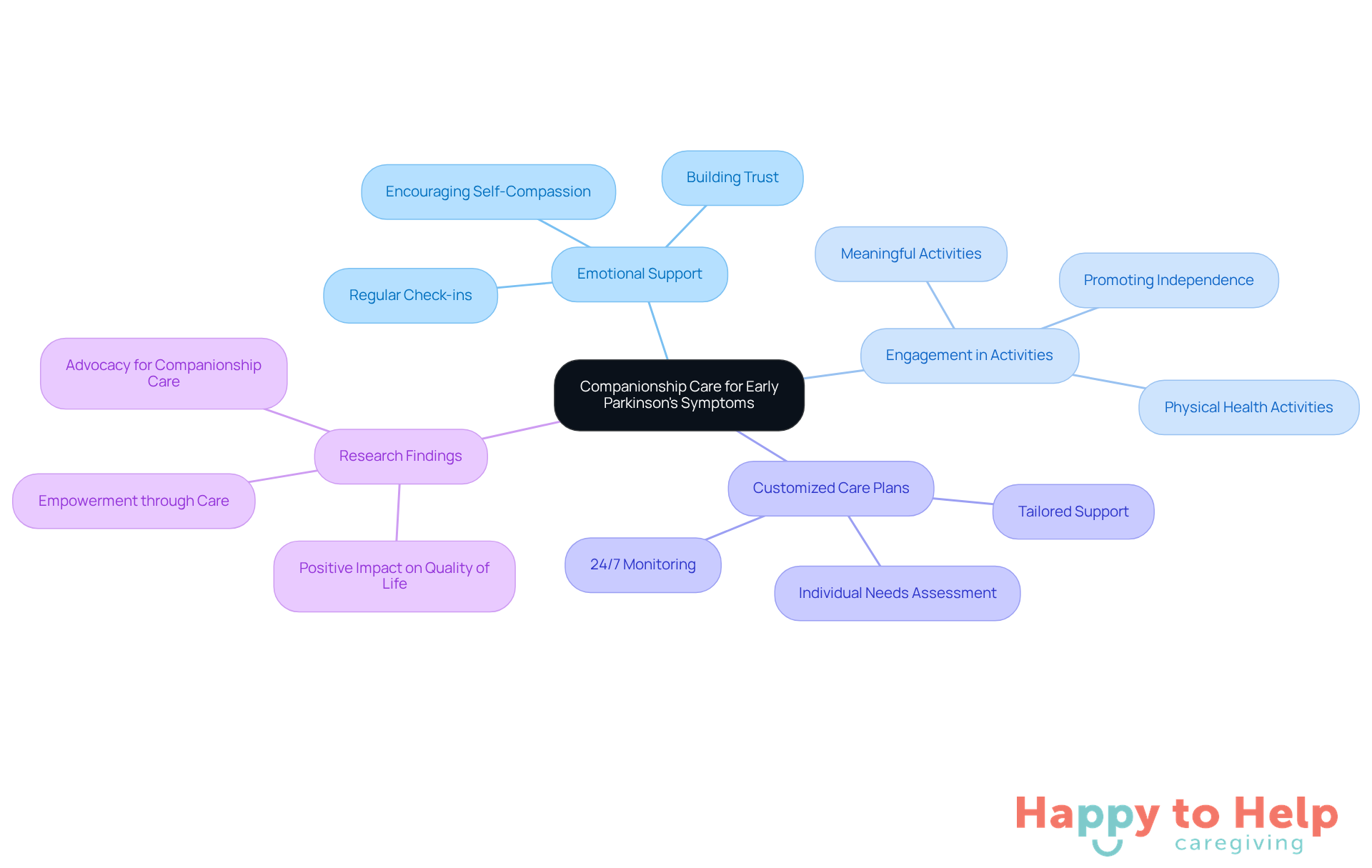
Companionship care addresses a significant problem for individuals navigating the early stages of Parkinson's: feelings of loneliness and a loss of normalcy. These challenges can lead to emotional distress and hinder mental well-being, making it crucial for caregivers to provide support that fosters engagement in daily activities.
To combat these issues, caregivers can involve individuals in meaningful activities that not only alleviate loneliness but also encourage active participation in their routines. This approach is essential for maintaining mental and emotional health. Happy to Help Caregiving excels in developing customized companionship plans tailored to the unique needs of each client, ensuring they feel valued and supported in their own homes.
Recent research underscores the positive impact of companionship care on mental well-being. Regular emotional support can significantly enhance the quality of life for older adults with movement disorders. Experts advocate for this type of care as a fundamental component in managing the early stages of Parkinson's disease, emphasizing that it empowers individuals to maintain their independence while facing the challenges associated with their condition.
Tremors: Recognizing the First Sign of Parkinson's Disease
Tremors can pose a significant challenge for caregivers, often manifesting as a slight shaking in one hand or foot, particularly noticeable when the limb is at rest. This symptom may start subtly, making it easy to overlook.
Caregivers must be vigilant in observing any unusual shaking or trembling. Early recognition is crucial in the early stages of Parkinson's, as it can facilitate prompt medical evaluation and intervention. Ignoring these signs can delay necessary support, potentially impacting the well-being of those they care for.
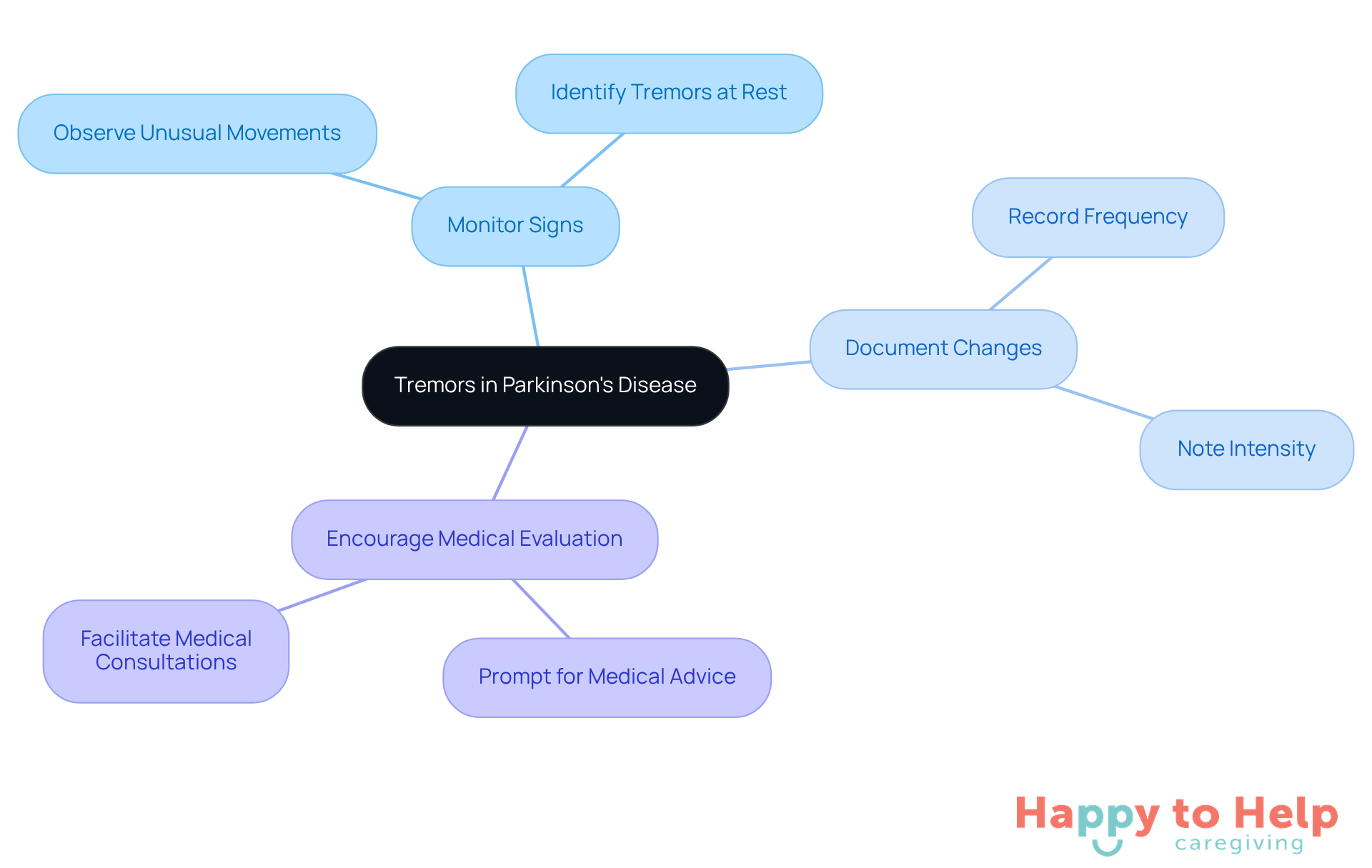
To effectively assist those experiencing tremors, caregivers should:
- Monitor for signs: Regularly observe for any unusual movements, especially when the individual is at rest.
- Document changes: Keep a record of any tremors, noting their frequency and intensity, which can be helpful during medical consultations.
- Encourage medical evaluation: If tremors are observed, prompt the individual to seek medical advice to explore potential underlying causes.
Understanding the essence of these tremors is vital for caregivers. By recognizing symptoms in the early stages of Parkinson's and facilitating appropriate medical intervention, they can offer necessary support and comfort to those they assist.
Bradykinesia: Slowed Movement as an Early Indicator
Bradykinesia presents a significant challenge for caregivers, as it refers to the noticeable slowing of movement. This symptom can severely impact daily tasks such as walking, dressing, or eating, ultimately affecting a person's autonomy.
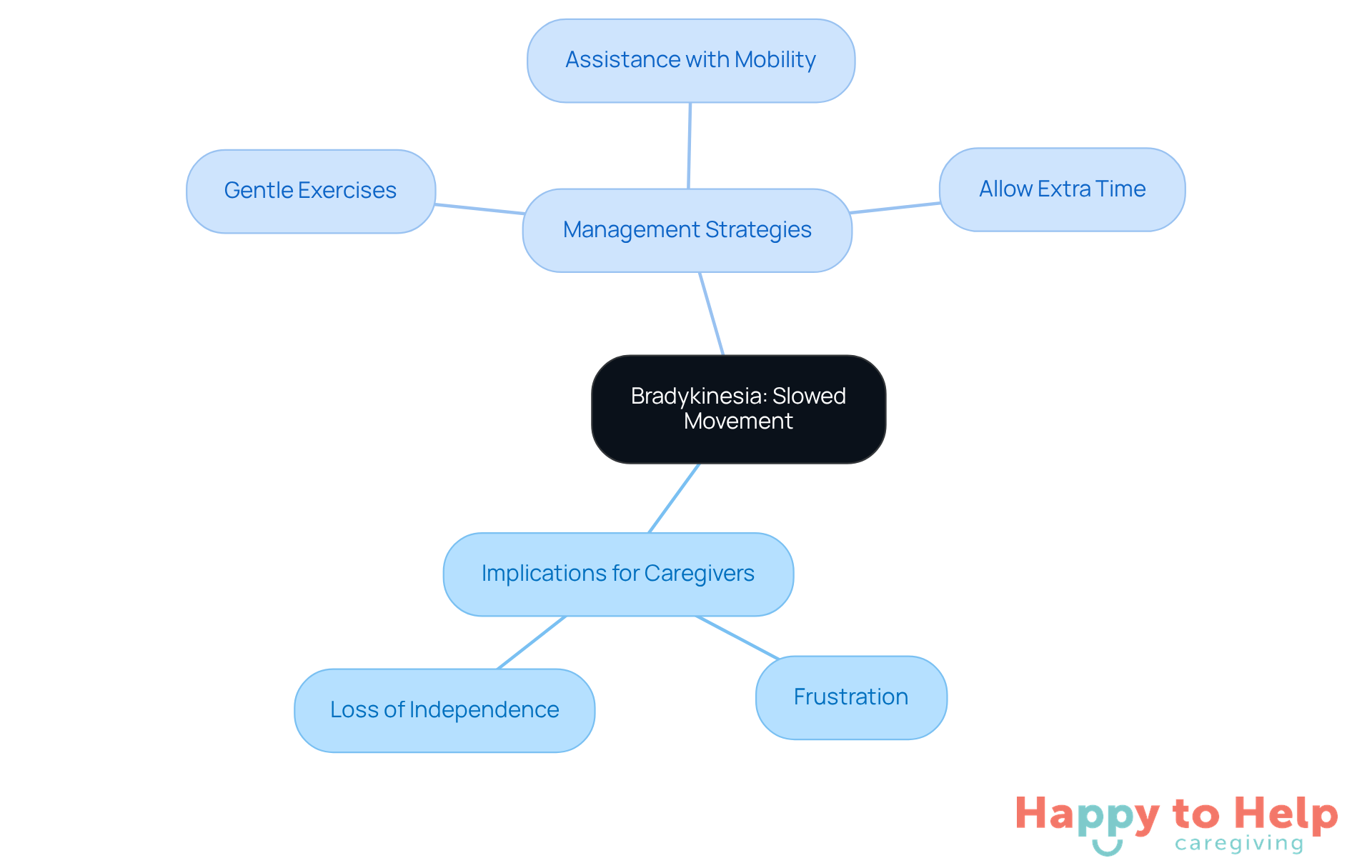
The implications of bradykinesia are profound. Caregivers must recognize that this slowing can lead to frustration and a sense of loss of independence for those affected. It’s crucial to address these feelings while providing support.
To effectively manage this symptom, caregivers can:
- Encourage gentle exercises tailored to the individual's capabilities.
- Provide assistance with mobility.
- Allow extra time for clients to complete tasks, fostering a supportive environment that helps them maintain their dignity and independence.
In summary, being patient and understanding can make a significant difference in the lives of those experiencing bradykinesia. By implementing these strategies, caregivers can enhance the quality of life for their clients.
Muscle Rigidity: A Common Early Symptom of Parkinson's
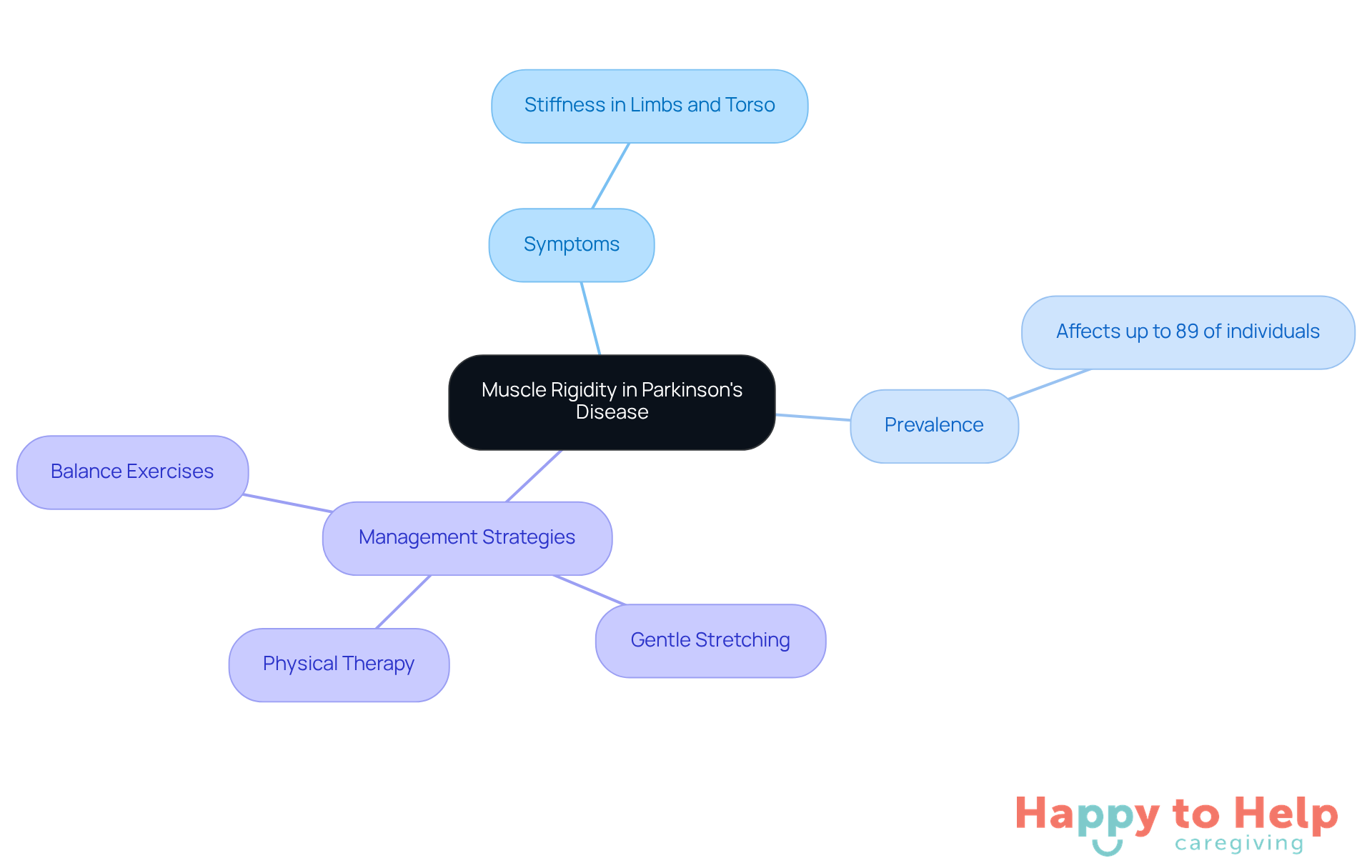
Muscle rigidity is a common early indication of the early stages of Parkinson's, often manifesting as stiffness in the limbs and torso. This stiffness can impede movement and lead to discomfort, making it crucial for caregivers to be vigilant for signs of rigidity, particularly in the arms and legs. Studies show that rigidity affects up to 89% of individuals in the early stages of Parkinson's disease (PD), emphasizing the importance of addressing this symptom.
To alleviate discomfort associated with rigidity, caregivers can implement gentle stretching exercises. Research indicates that consistent stretching enhances flexibility and decreases muscle stiffness, ultimately improving overall mobility for individuals with the condition. Additionally, prioritizing comfortable seating and sleeping arrangements can help minimize stiffness during rest periods.
Engaging in tailored physical therapy can further support muscle elasticity and range of motion. Successful interventions, such as targeted stretching and strength training, have been shown to improve daily functioning and quality of life for those affected by muscle rigidity. Incorporating balance exercises, like yoga and tai chi, can also be beneficial in enhancing mobility and reducing the risk of falls.
By fostering an environment that encourages movement and comfort, caregivers play a crucial role in managing muscle stiffness and enhancing the well-being of their clients.
Postural Instability: Early Signs Affecting Balance and Coordination
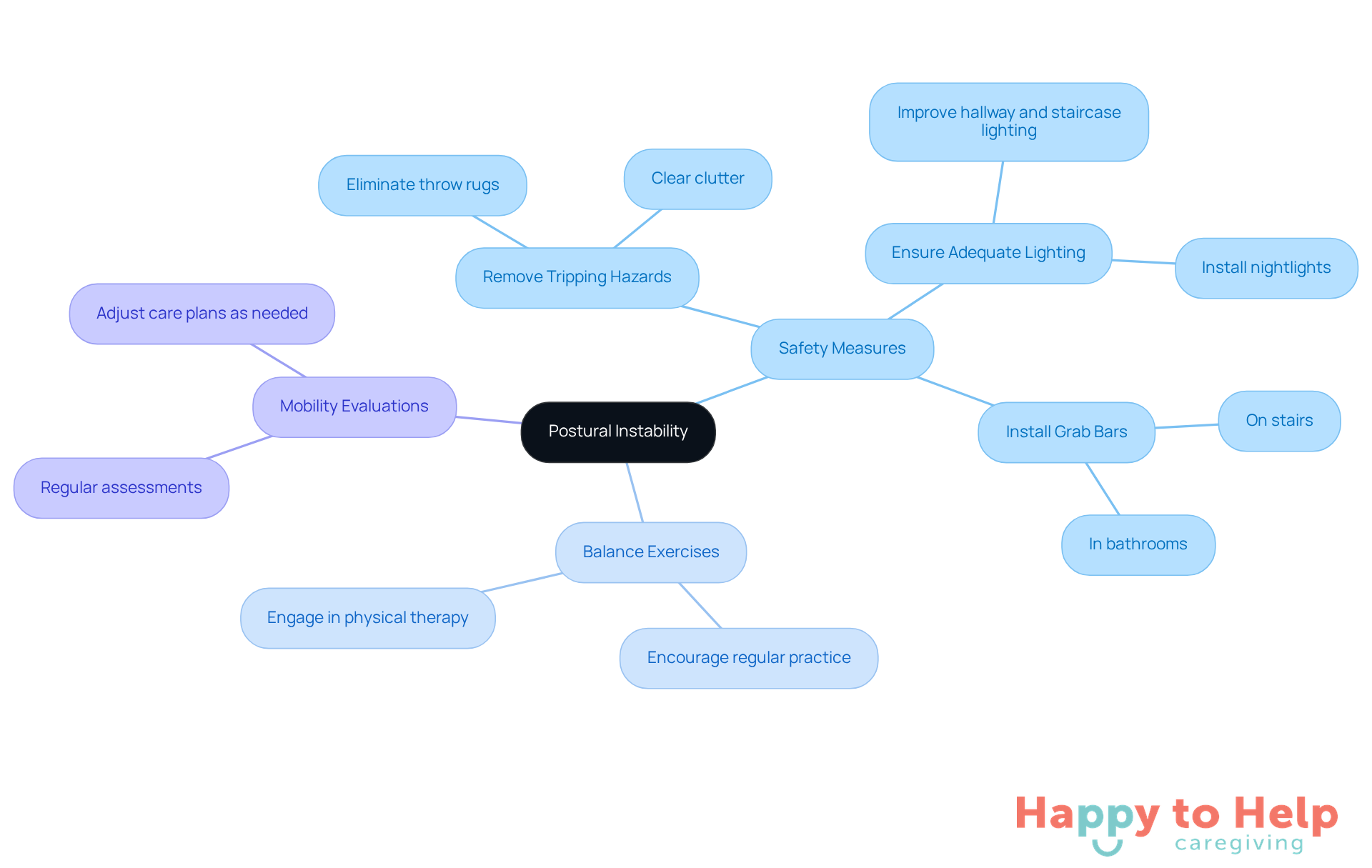
Postural instability poses a significant challenge for individuals with Parkinson's disease, leading to difficulties in maintaining balance and an increased risk of falls. This issue not only affects the individual’s safety but also places a heavy burden on caregivers who strive to create a secure home environment.
To address these concerns, caregivers can implement several key safety measures:
- Remove tripping hazards such as throw rugs and clutter.
- Ensure adequate lighting throughout the home, particularly in hallways and staircases.
- Install grab bars in bathrooms and handrails on stairs for additional support.
Encouraging individuals to engage in balance exercises can further enhance their stability and reduce the risk of falls. Regular mobility evaluations are essential, allowing caregivers to monitor any changes in the individual's condition and adjust care plans as needed. Experts emphasize that proactive measures can significantly improve safety and enhance the quality of life for those affected by Parkinson's disease.
Masked Face: Changes in Facial Expressions as a Warning Sign
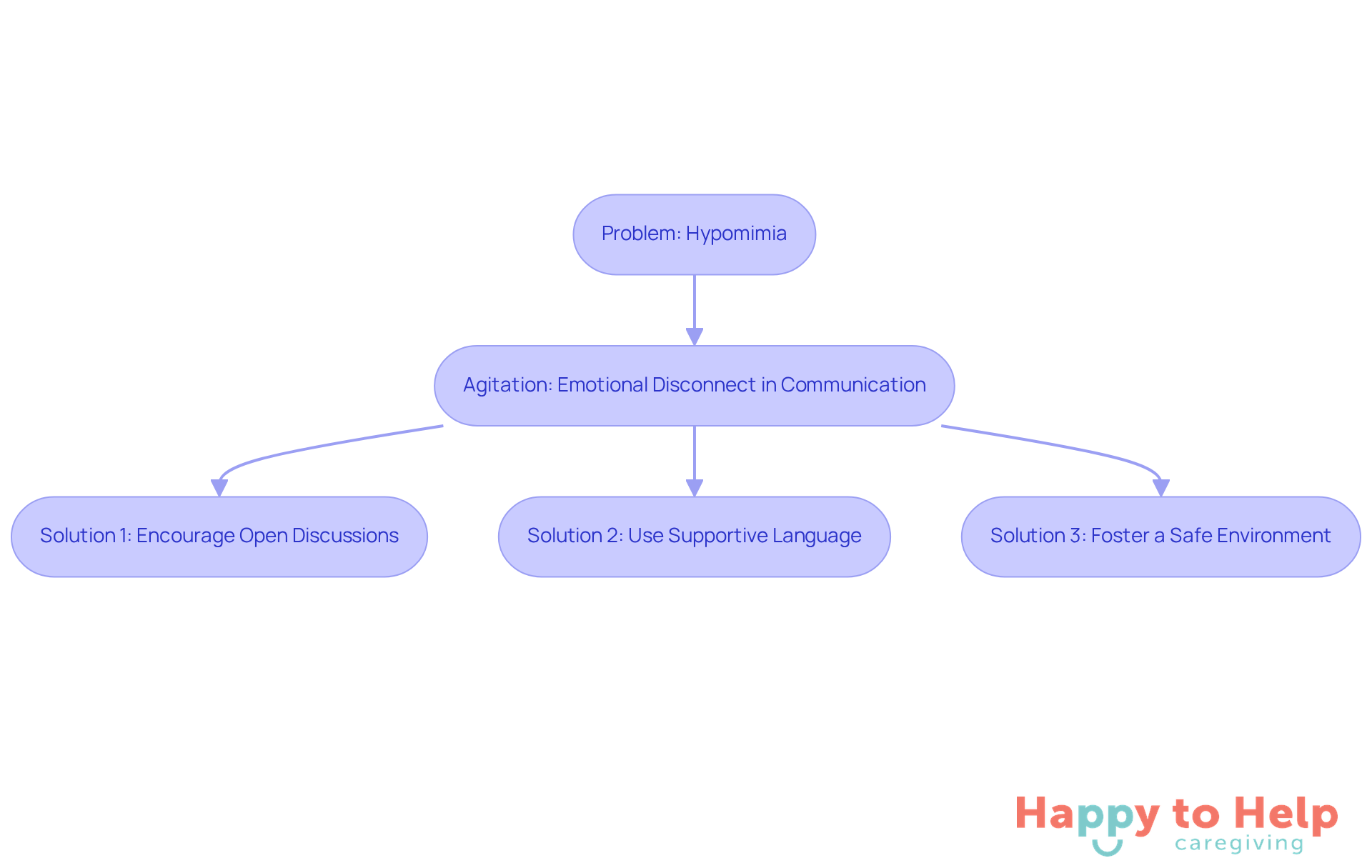
Problem: Masked face, or hypomimia, refers to the reduced ability to express emotions through facial movements. This condition can lead to significant misunderstandings in social interactions, making individuals appear less engaged or responsive.
Agitate: Such emotional disconnect can create barriers in communication, leaving caregivers and loved ones feeling frustrated or unsure of how to connect. Recognizing this change is crucial for support providers, as it directly impacts the emotional well-being of those affected.
Solution: Caregivers should motivate individuals to articulate their emotions verbally. Engaging in conversations about feelings and providing reassurance can help bridge the gap created by hypomimia. Here are some actionable tips:
- Encourage open discussions about emotions.
- Use supportive language to validate feelings.
- Foster a safe environment for sharing thoughts.
By implementing these strategies, caregivers can create a more supportive atmosphere, enhancing emotional connections despite the challenges posed by hypomimia.
Speech Changes: Recognizing Alterations in Communication
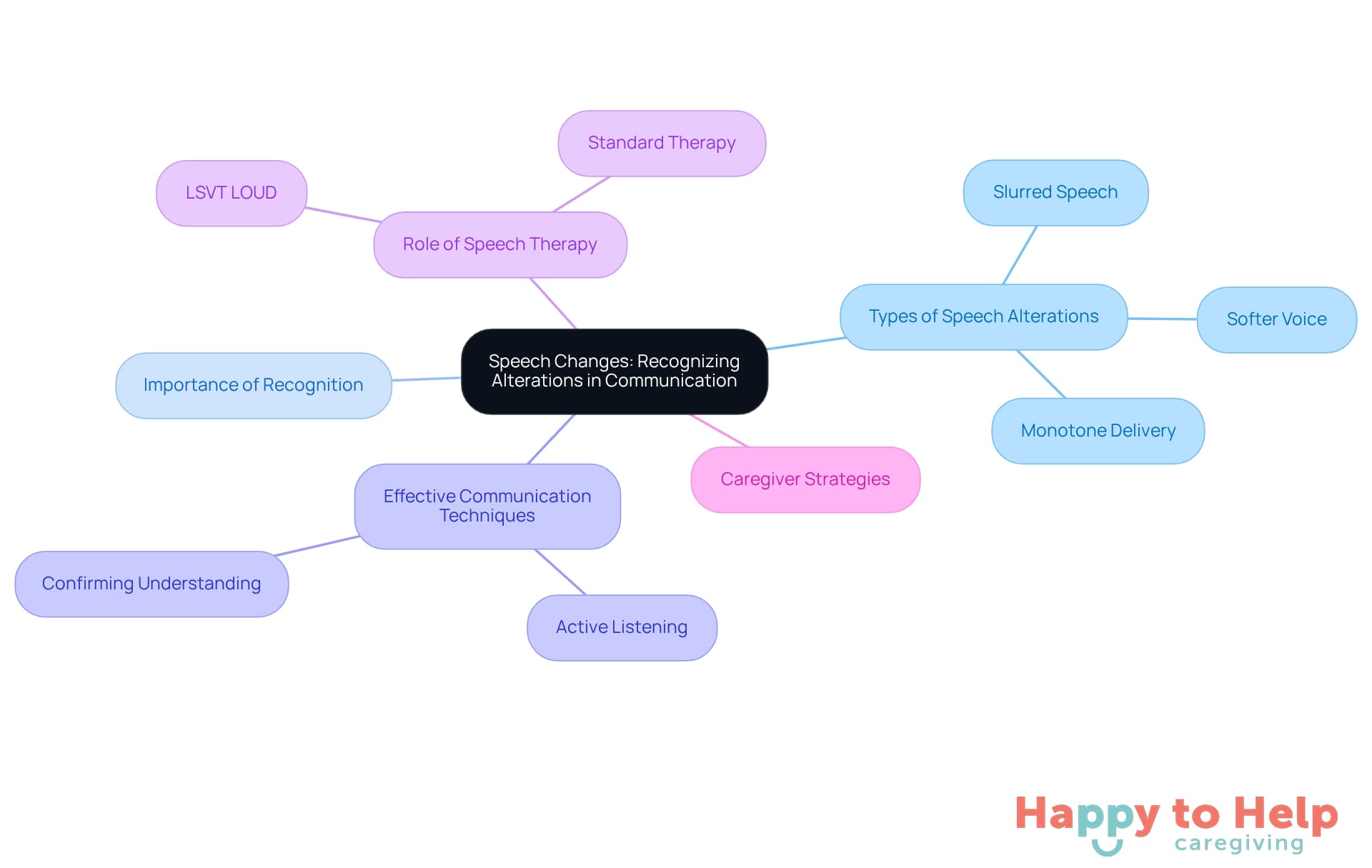
Speech alterations in individuals with this condition often manifest as a softer voice, slurred speech, or a monotone delivery. These changes can significantly impact communication, making it essential for caregivers to be vigilant in recognizing them. By identifying these alterations, caregivers can better support individuals in expressing their thoughts clearly and at a comfortable volume.
To address these challenges, implementing effective communication techniques is crucial. Active listening and confirming understanding can greatly enhance interactions. Research indicates that speech therapy plays a vital role in overcoming communication difficulties faced by individuals with this condition. For example, studies have shown that participants undergoing Lee Silverman Voice Therapy (LSVT LOUD) reported greater improvements in vocal clarity compared to those receiving standard therapy. This underscores the importance of tailored speech therapy interventions in fostering better communication.
Caregivers can also create a supportive environment by engaging clients in meaningful conversations and activities that promote vocal expression. This approach not only enhances communication but also improves the overall quality of life for individuals. As Frank C. Church noted, a diagnosis of this condition can serve as a 'teachable moment,' emphasizing the significance of optimism and hope in coping with life while living with it.
Furthermore, the RCSLT's call for increased investment in speech and language therapy highlights the need for accessible interventions that empower both caregivers and patients. By prioritizing these resources, we can ensure that individuals receive the support they need to communicate effectively.
Loss of Smell: An Often Overlooked Early Symptom
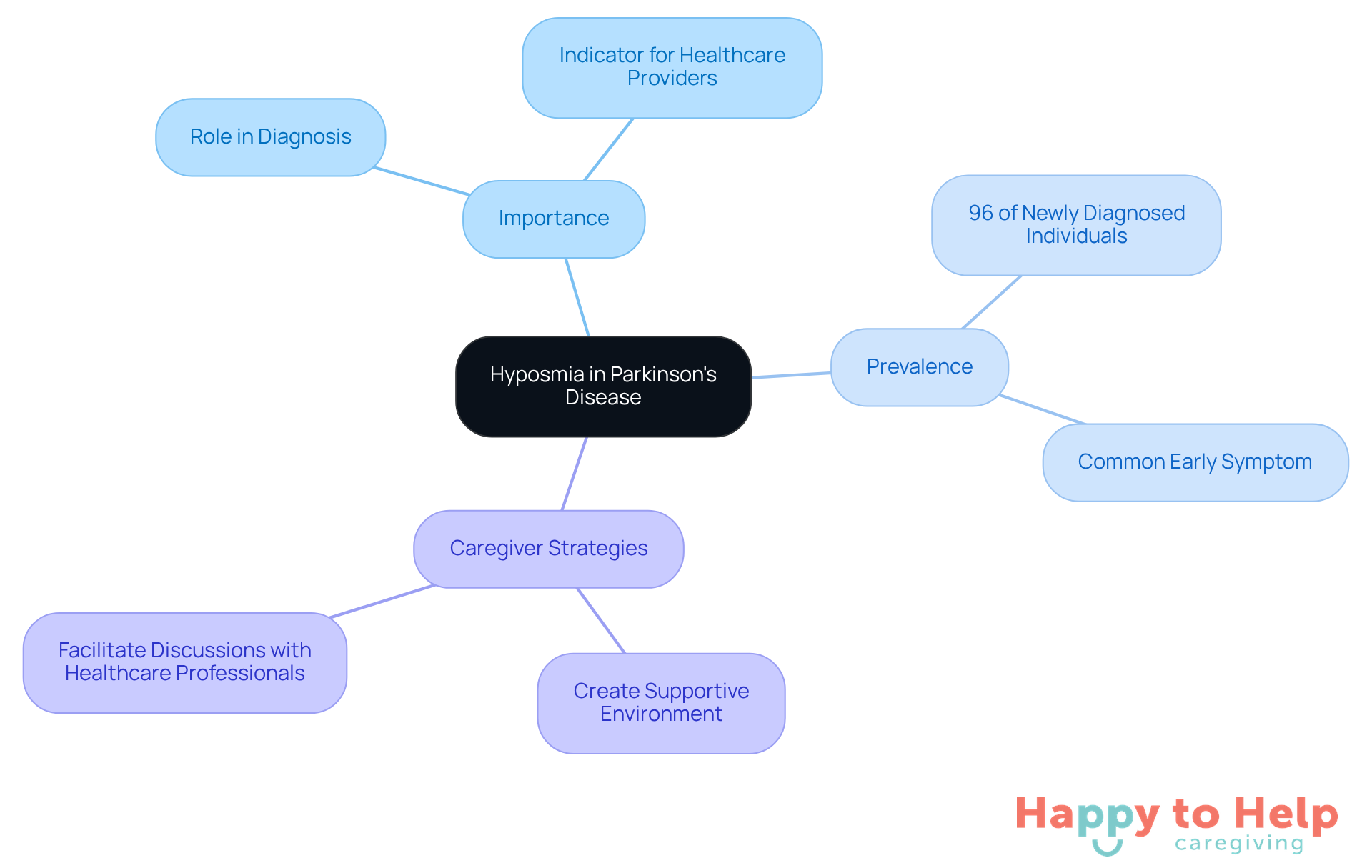
Hyposmia, or the reduction of smell, poses a significant challenge for caregivers as it can appear years before other signs of Parkinson's disease become noticeable. This early symptom often goes unrecognized, yet it serves as a crucial indicator for healthcare providers. In fact, 96% of newly diagnosed individuals report some loss of smell, highlighting its prevalence and importance in the diagnostic process.
Caregivers must remain vigilant for changes in their clients' sense of smell and encourage open discussions about any noticeable alterations. While hyposmia may not directly impact daily living, its recognition can lead to timely medical intervention, ultimately enhancing the quality of care.
To effectively address hyposmia, caregivers can implement several strategies:
- Create a supportive environment where individuals feel comfortable expressing their concerns.
- Facilitate discussions with healthcare professionals to ensure that any changes in smell are taken seriously.
By acknowledging the significance of hyposmia, caregivers play a vital role in the early stages of Parkinson's disease diagnosis, ensuring that their clients receive the necessary support and care.
Sleep Disturbances: Recognizing Changes in Sleep Patterns
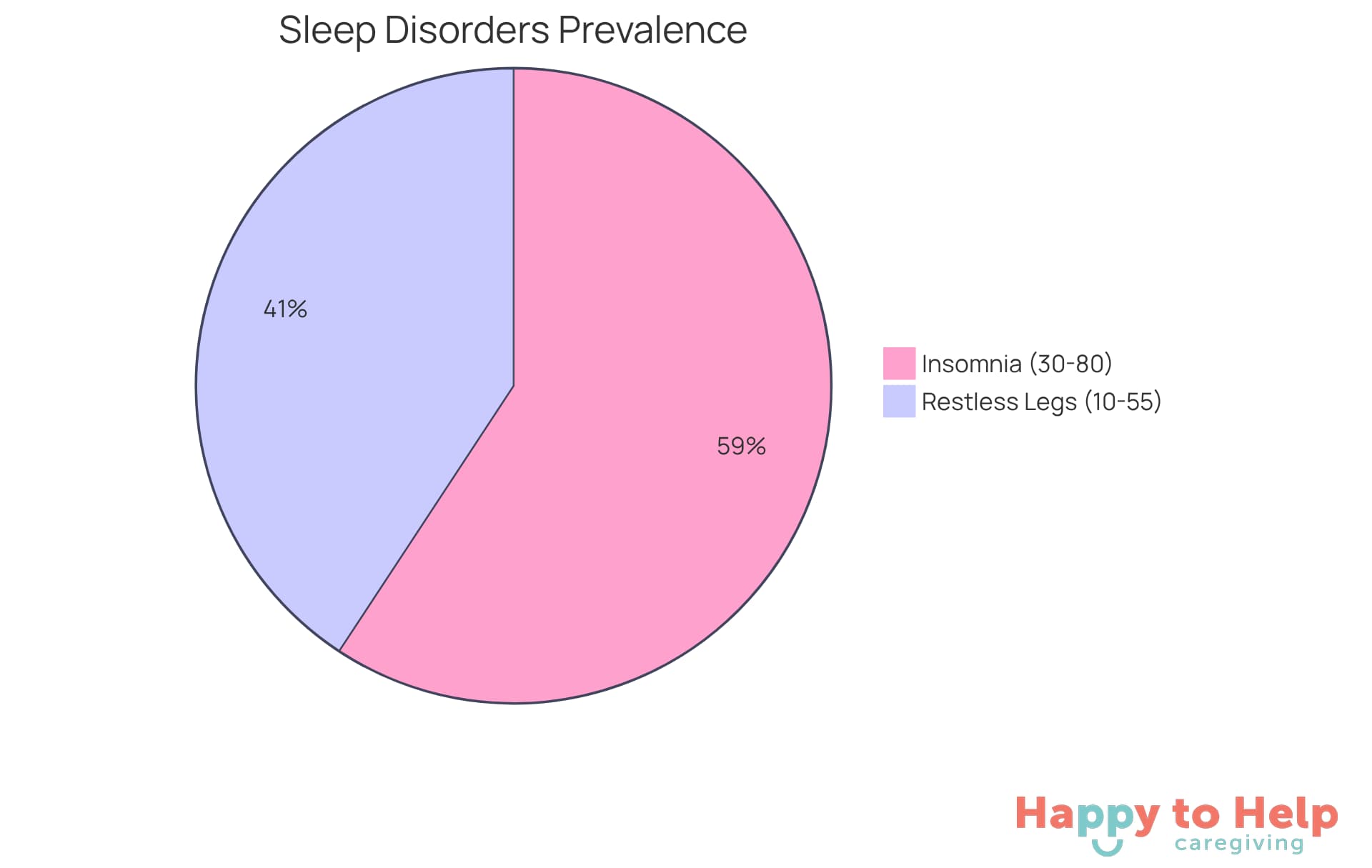
Sleep disturbances pose a significant problem for individuals with Parkinson's disease, with insomnia affecting about 30% at diagnosis and escalating to 80% in later stages. Additionally, restless legs syndrome impacts 10% to 55% of those with Parkinson's, compared to just 5% to 10% in the general population. These issues not only disrupt sleep but can also exacerbate parkinsonian symptoms, creating a challenging cycle for both patients and caregivers.
Given the prevalence of these sleep disorders, caregivers play a crucial role in monitoring sleep patterns and promoting effective sleep hygiene practices. Key strategies include:
- Maintaining a consistent sleep schedule
- Creating a comfortable and calming sleep environment
- Encouraging relaxation techniques before bedtime
Dr. Genevieve Stone emphasizes the importance of addressing these issues, stating, "sleep disorders are highly prevalent nonmotor manifestations of PD, affecting 80% of people by 5 years after PD diagnosis." By adopting these practices, caregivers can significantly enhance sleep quality, which in turn boosts overall well-being and daily functioning for individuals.
To further improve sleep quality, caregivers should also avoid long naps, caffeine, alcohol, and tobacco. Prioritizing sleep hygiene is essential, as it not only helps clients rest better but also contributes to a better quality of life.
Cognitive Changes: Early Signs of Parkinson's Disease to Monitor
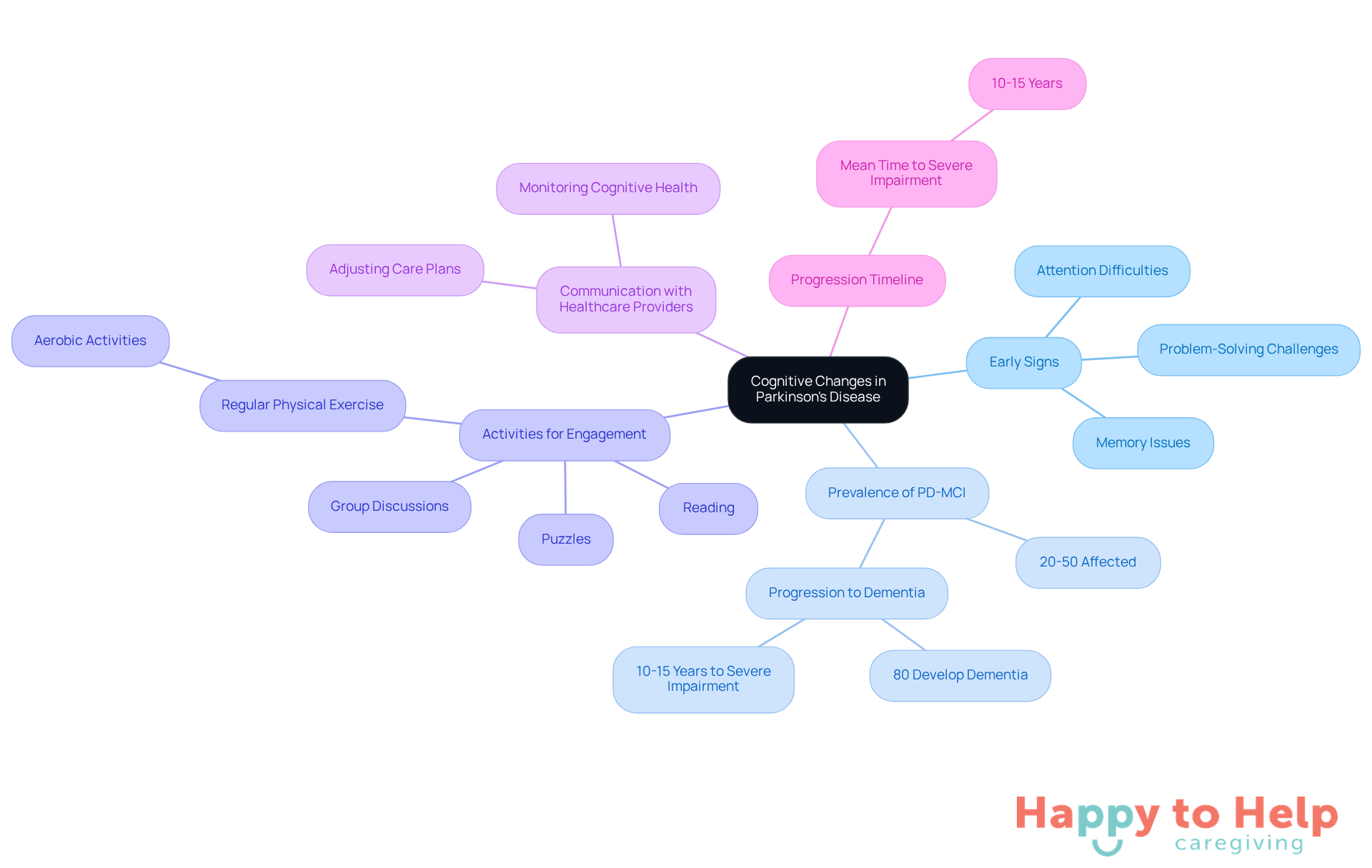
Cognitive changes in individuals with Parkinson's disease often present as difficulties with attention, memory, and problem-solving. This can be particularly concerning, as approximately 20-50% of those affected experience mild cognitive impairment (PD-MCI), which may precede more severe cognitive decline. Caregivers must be vigilant in monitoring these changes, as recognizing subtle shifts in cognitive abilities is crucial for effective support.
To address these challenges, caregivers can encourage activities that stimulate mental engagement. Engaging in:
- Puzzles
- Reading
- Participating in group discussions
can significantly benefit cognitive health. Additionally, regular physical exercise has been shown to improve cognitive function; studies indicate that aerobic activities can enhance executive function and working memory in patients.
Maintaining open communication with healthcare providers about cognitive health is essential. This dialogue allows for adjustments in care plans to meet the evolving needs of individuals. As one participant noted, "Functional slowness is more relevant than difficulty," underscoring the importance of recognizing subtle changes in daily activities.
It's also important to note that during the early stages of Parkinson's, the mean time from the onset of the disease to severe cognitive impairment or dementia is approximately 10 to 15 years. This statistic highlights the necessity for ongoing monitoring. By fostering an environment that promotes cognitive engagement, caregivers can help their clients maintain a higher quality of life.
Your Path Forward
Recognizing the early signs of Parkinson's disease poses a significant challenge for caregivers, impacting their ability to provide effective support. Early symptoms such as tremors, bradykinesia, muscle rigidity, postural instability, and cognitive changes can be indicators for timely intervention. Without awareness of these signs, caregivers may struggle to facilitate necessary medical evaluations, ultimately affecting the quality of life for those affected.
To address this issue, caregivers must be observant and proactive. Engaging individuals in meaningful activities not only alleviates feelings of loneliness but also fosters a sense of purpose. Here are some actionable strategies:
- Create safe environments that minimize risks.
- Encourage open communication about feelings and needs.
- Implement tailored strategies to address each symptom effectively.
The role of caregivers extends beyond mere assistance; it encompasses nurturing emotional connections and enhancing daily living. By remaining vigilant and responsive to the early signs of Parkinson's, caregivers can empower individuals to maintain their independence and dignity. This compassionate and informed support is crucial in navigating the complexities of this condition.
https://iframe.tely.ai/cta/eyJhcnRpY2xlX2lkIjogIjY5MmY5MTk2ZGM0MTVjZWNlZTQ2NmM3NyIsICJjb21wYW55X2lkIjogIjY4ZWU1ZGNhNzMxNzYyNTU3ZjNjOTVjMSIsICJpbmRleCI6IG51bGwsICJ0eXBlIjogImFydGljbGUifQ==Frequently Asked Questions
What is companionship care and why is it important for individuals with early Parkinson's symptoms?
Companionship care addresses feelings of loneliness and a loss of normalcy for individuals with early Parkinson's symptoms. It is important because it helps alleviate emotional distress and supports mental well-being by fostering engagement in daily activities.
How does Happy to Help Caregiving approach companionship care?
Happy to Help Caregiving develops customized companionship plans tailored to the unique needs of each client, ensuring they feel valued and supported in their own homes.
What impact does companionship care have on mental well-being?
Recent research shows that companionship care significantly enhances the quality of life for older adults with movement disorders, empowering them to maintain independence while managing the challenges of Parkinson's disease.
What are tremors and how can caregivers recognize them?
Tremors are slight shaking in one hand or foot, particularly noticeable when the limb is at rest. Caregivers should monitor for unusual shaking and be vigilant in observing any signs of tremors.
Why is early recognition of tremors important for caregivers?
Early recognition is crucial as it facilitates prompt medical evaluation and intervention. Ignoring these signs can delay necessary support and impact the well-being of those being cared for.
What steps can caregivers take to assist individuals experiencing tremors?
Caregivers should monitor for signs of tremors, document changes in frequency and intensity, and encourage medical evaluation if tremors are observed.
What is bradykinesia and how does it affect individuals with Parkinson's disease?
Bradykinesia refers to the noticeable slowing of movement, which can severely impact daily tasks such as walking, dressing, or eating, ultimately affecting a person's autonomy.
How can caregivers effectively manage bradykinesia in their clients?
Caregivers can encourage gentle exercises, provide assistance with mobility, and allow extra time for clients to complete tasks, fostering a supportive environment that maintains their dignity and independence.
What is the overall approach caregivers should take when supporting clients with bradykinesia?
Caregivers should be patient and understanding, implementing strategies that enhance the quality of life for those experiencing bradykinesia.
List of Sources
- Happy to Help Caregiving: Companionship Care for Early Parkinson's Symptoms
- Parkinson's caregivers are under strain, need more support: Report (https://parkinsonsnewstoday.com/news/parkinsons-caregivers-strain-need-support-report)
- Inspirational Caregiver Quotes (https://homehelpershomecare.com/blog/2022/february/10-inspirational-self-care-quotes-for-caregivers)
- Quotes on Positivity for Living with Parkinson’s Disease (https://parkinsonsdisease.net/living/positive-quotes)
- 23 quotes about Parkinson’s disease | Interviews | Parkinson’s Life (https://parkinsonseurope.org/parkinsonslife/23-powerful-quotes-about-parkinsons-disease)
- Bradykinesia: Slowed Movement as an Early Indicator
- 160 Quotes to Support Your Life With Parkinson’s (https://journeywithparkinsons.com/2025/01/08/160-quotes-to-support-your-life-with-parkinsons)
- Effects of Speed-Based Interventions to Reduce Bradykinesia in Individuals with Parkinson’s Disease: A Systematic Review Protocol (https://mdpi.com/2076-3425/14/12/1198)
- 23 quotes about Parkinson’s disease | Interviews | Parkinson’s Life (https://parkinsonseurope.org/parkinsonslife/23-powerful-quotes-about-parkinsons-disease)
- Muscle Rigidity: A Common Early Symptom of Parkinson's
- 160 Quotes to Support Your Life With Parkinson’s (https://journeywithparkinsons.com/2025/01/08/160-quotes-to-support-your-life-with-parkinsons)
- Managing early-onset Parkinson’s with exercise - TMC News (https://tmc.edu/news/2020/03/managing-early-onset-parkinsons-with-exercise)
- Quantitative Measurement of Rigidity in Parkinson’s Disease: A Systematic Review (https://mdpi.com/1424-8220/20/3/880)
- Can Exercise Help People with Parkinson’s Disease? 4 Things to Know (https://yalemedicine.org/news/can-exercise-help-people-with-parkinsons)
- Muscle stiffness in Parkinson's disease: how to relieve it (https://gondola-medical.com/en/news/parkinsons-stiffness)
- Postural Instability: Early Signs Affecting Balance and Coordination
- Fall Prevention for Parkinson's Disease (https://med.stanford.edu/parkinsons/exercise-therapies/fall-prevention.html)
- Assignment 2 Due Day 10.docx - Physical Therapist Assistant Program PTAP 1350 Assignment #2 Read the case study and answer the questions that follow. A | Course Hero (https://coursehero.com/file/55190772/Assignment-2-Due-Day-10docx)
- Postural Instability (Balance & Falls) (https://parkinson.org/understanding-parkinsons/movement-symptoms/postural-instability)
- Fall Prevention in Parkinson’s (https://parkinson.org/library/fact-sheets/fall-prevention)
- Speech Changes: Recognizing Alterations in Communication
- Quotes on Positivity for Living with Parkinson’s Disease (https://parkinsonsdisease.net/living/positive-quotes)
- Assignment 2 Due Day 10.docx - Physical Therapist Assistant Program PTAP 1350 Assignment #2 Read the case study and answer the questions that follow. A | Course Hero (https://coursehero.com/file/55190772/Assignment-2-Due-Day-10docx)
- 160 Quotes to Support Your Life With Parkinson’s (https://journeywithparkinsons.com/2025/01/08/160-quotes-to-support-your-life-with-parkinsons)
- 23 quotes about Parkinson’s disease | Interviews | Parkinson’s Life (https://parkinsonseurope.org/parkinsonslife/23-powerful-quotes-about-parkinsons-disease)
- New study compares benefits of Lee Silverman Voice Therapy with standard NHS speech and language therapy for people with Parkinson’s | RCSLT (https://rcslt.org/news/new-study-compares-benefits-of-lee-silverman-voice-therapy-with-standard-nhs-speech-and-language-therapy-for-people-with-parkinsons)
- Loss of Smell: An Often Overlooked Early Symptom
- Loss of Smell (https://parkinson.org/understanding-parkinsons/non-movement-symptoms/loss-of-smell)
- Loss of Smell and Vision Problems in Parkinson’s: Causes & Tips (https://fightparkinsons.org.au/understand-parkinsons/signs-symptoms/smell-and-vision-difficulties)
- Study Uncovers Biological Mechanism Behind Loss of Smell in Parkinson’s Patients (https://medicine.yale.edu/news-article/new-study-uncovers-biological-mechanism-behind-loss-of-smell-in-parkinsons-patients)
- Sleep Disturbances: Recognizing Changes in Sleep Patterns
- Quotes on Positivity for Living with Parkinson’s Disease (https://parkinsonsdisease.net/living/positive-quotes)
- Diagnosis and Management of Sleep Disorders in Individuals with Parkinson Disease (https://practicalneurology.com/diseases-diagnoses/movement-disorders/diagnosis-and-management-of-sleep-disorders-in-individuals-with-parkinson-disease/37652)
- Parkinson's Disease and Sleep (https://sleepfoundation.org/physical-health/parkinsons-disease-and-sleep)
- 160 Quotes to Support Your Life With Parkinson’s (https://journeywithparkinsons.com/2025/01/08/160-quotes-to-support-your-life-with-parkinsons)
- Parkinson’s Disease and Sleep: A Complicated Pairing (https://news.cuanschutz.edu/news-stories/parkinsons-disease-and-sleep-a-complicated-pairing)
- Cognitive Changes: Early Signs of Parkinson's Disease to Monitor
- 160 Quotes to Support Your Life With Parkinson’s (https://journeywithparkinsons.com/2025/01/08/160-quotes-to-support-your-life-with-parkinsons)
- Patient Experience in Early-Stage Parkinson’s Disease: Using a Mixed Methods Analysis to Identify Which Concepts Are Cardinal for Clinical Trial Outcome Assessment - PMC (https://pmc.ncbi.nlm.nih.gov/articles/PMC9338202)
- 23 quotes about Parkinson’s disease | Interviews | Parkinson’s Life (https://parkinsonseurope.org/parkinsonslife/23-powerful-quotes-about-parkinsons-disease)
- Cognitive impairment in Parkinson’s disease: a report from a multidisciplinary symposium on unmet needs and future directions to maintain cognitive health - PMC (https://pmc.ncbi.nlm.nih.gov/articles/PMC6018742)
- Pathobiology of Cognitive Impairment in Parkinson Disease: Challenges and Outlooks (https://mdpi.com/1422-0067/25/1/498)