

For families in our service areas
For families in our service areas, this guide explains dementia care and how non-medical in-home caregiving can support care planning in East Idaho, Treasure Valley & Magic Valley, Northern Wasatch, North Central West Virginia, and Northeast Ohio.
What You Need to Know About 10 Signs When a Person with Dementia
Recognizing when a loved one with dementia should no longer live alone is a delicate yet critical decision that many families face. The challenges posed by cognitive decline can lead to significant safety risks, emotional distress, and a decline in overall quality of life.
This article explores ten key signs that indicate a person with dementia may need to transition to a supportive living arrangement. By identifying these signs early, families can take proactive steps to ensure their loved ones receive the care and support they need.
The implications of not addressing these signs can be severe, affecting both the individual and their family. Emotional strain, increased safety risks, and a deterioration in quality of life are just a few of the potential consequences.
However, there are solutions available. Professional care services can provide the necessary support, allowing families to navigate this complex situation with confidence. Understanding when to seek help is crucial for maintaining the well-being of both the caregiver and the person with dementia.
How can families effectively manage this transition? This article will offer insights into the benefits of professional care services and the importance of proactive intervention.
Happy to Help Caregiving: Personalized In-Home Support for Dementia Care
Caring for individuals with cognitive impairments presents significant challenges for caregivers. These challenges often lead to feelings of isolation and emotional distress for both the caregiver and the client. It's crucial to address these issues to ensure that clients maintain their independence and well-being in a familiar environment.
Happy to Help Caregiving offers a solution with their compassionate in-home assistance tailored specifically for individuals facing cognitive decline. Their services include:
- Companionship care to nurture emotional ties and alleviate loneliness.
- Post-hospital recovery assistance to support clients during their transition back home.
- Respite care to give caregivers a much-needed break.
- Palliative support care to ensure comfort and dignity.
Each service is designed to meet the unique needs of clients, ensuring they receive the necessary support. Caregivers are educated to involve clients in meaningful activities, which is vital for emotional well-being. By providing these tailored services, Happy to Help Caregiving helps alleviate the burdens faced by caregivers while enhancing the quality of life for their clients.
Increased Confusion: Difficulty with Daily Tasks and Decision-Making
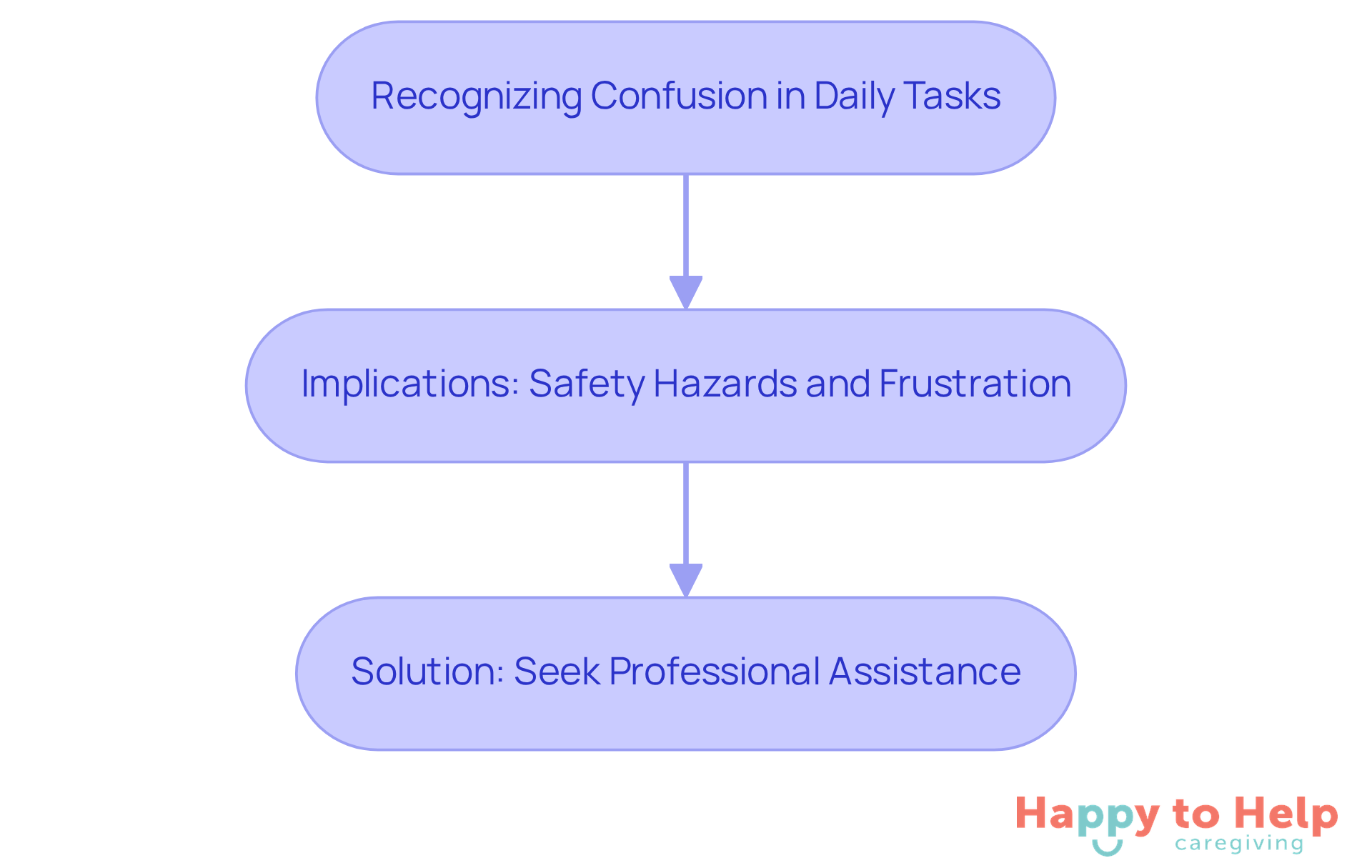
One of the most significant signs indicating when should a person with dementia stop living alone is heightened confusion, particularly regarding daily activities.
This confusion can manifest in struggles with familiar tasks such as cooking, cleaning, or managing personal hygiene, raising the question of when should a person with dementia stop living alone. Additionally, individuals may find it increasingly difficult to make decisions, prompting the question of when should a person with dementia stop living alone, which can lead to frustration and potential safety hazards.
Solution: Recognizing these signs early is crucial. Families should consider seeking professional assistance to ensure their loved ones receive the necessary support to navigate daily life safely. By taking proactive steps, caregivers can help mitigate risks and enhance the quality of life for those affected.
Safety Risks: Wandering and Leaving Home Unattended
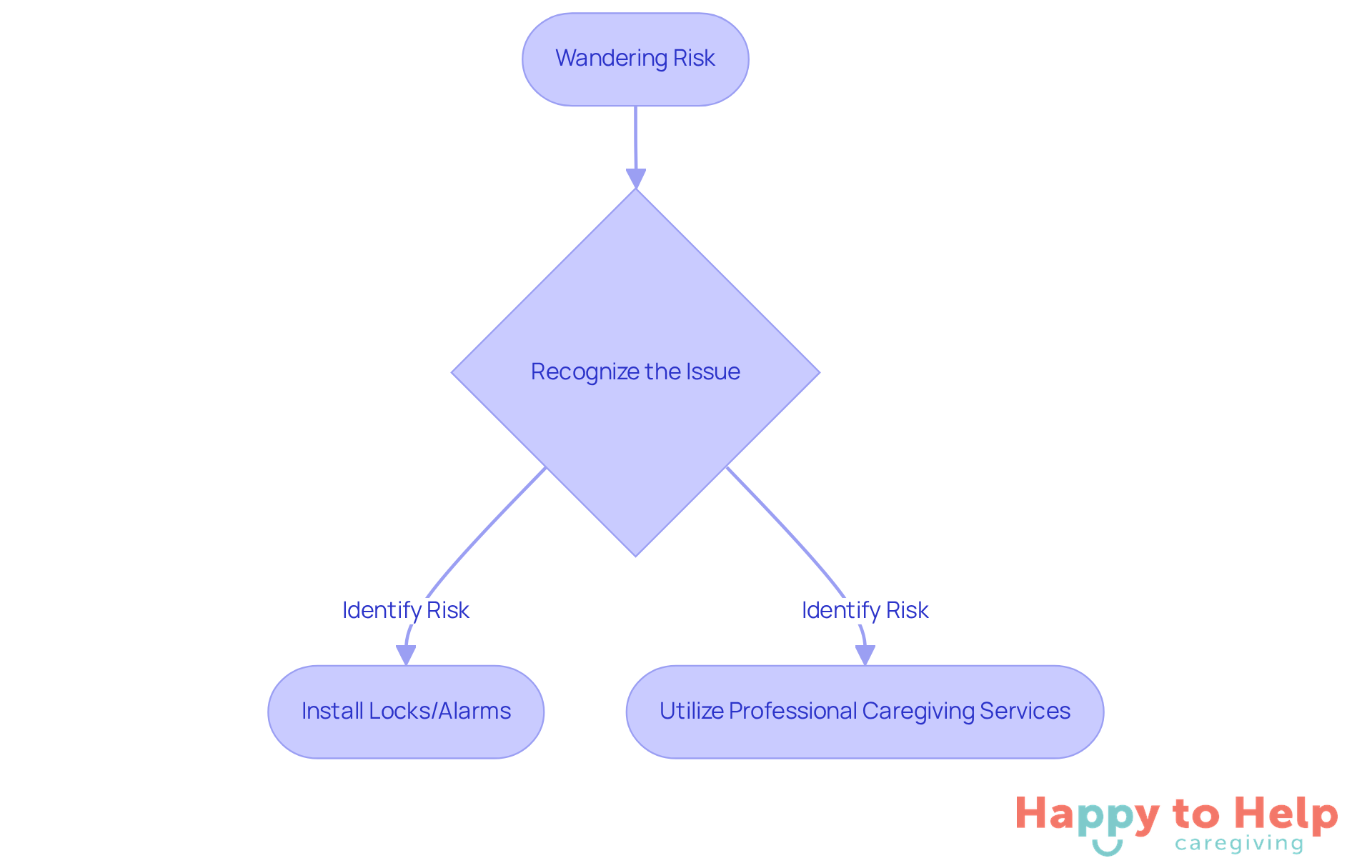
Wandering is a common and concerning issue for individuals experiencing cognitive decline. This behavior can lead them to leave home without awareness, increasing the risk of getting lost or facing dangerous situations. Families must recognize the seriousness of this problem and take proactive steps to ensure safety.
To address this issue, caregivers should consider implementing various safety measures:
- Installing locks or alarms to help prevent wandering and keep loved ones secure.
- Utilizing professional caregiving services that offer constant supervision, allowing individuals to maintain a degree of independence while ensuring their safety.
By being vigilant and taking these precautions, families can significantly reduce the risks associated with wandering, providing peace of mind for both caregivers and those they care for.
Social Withdrawal: Reduced Interaction with Family and Friends
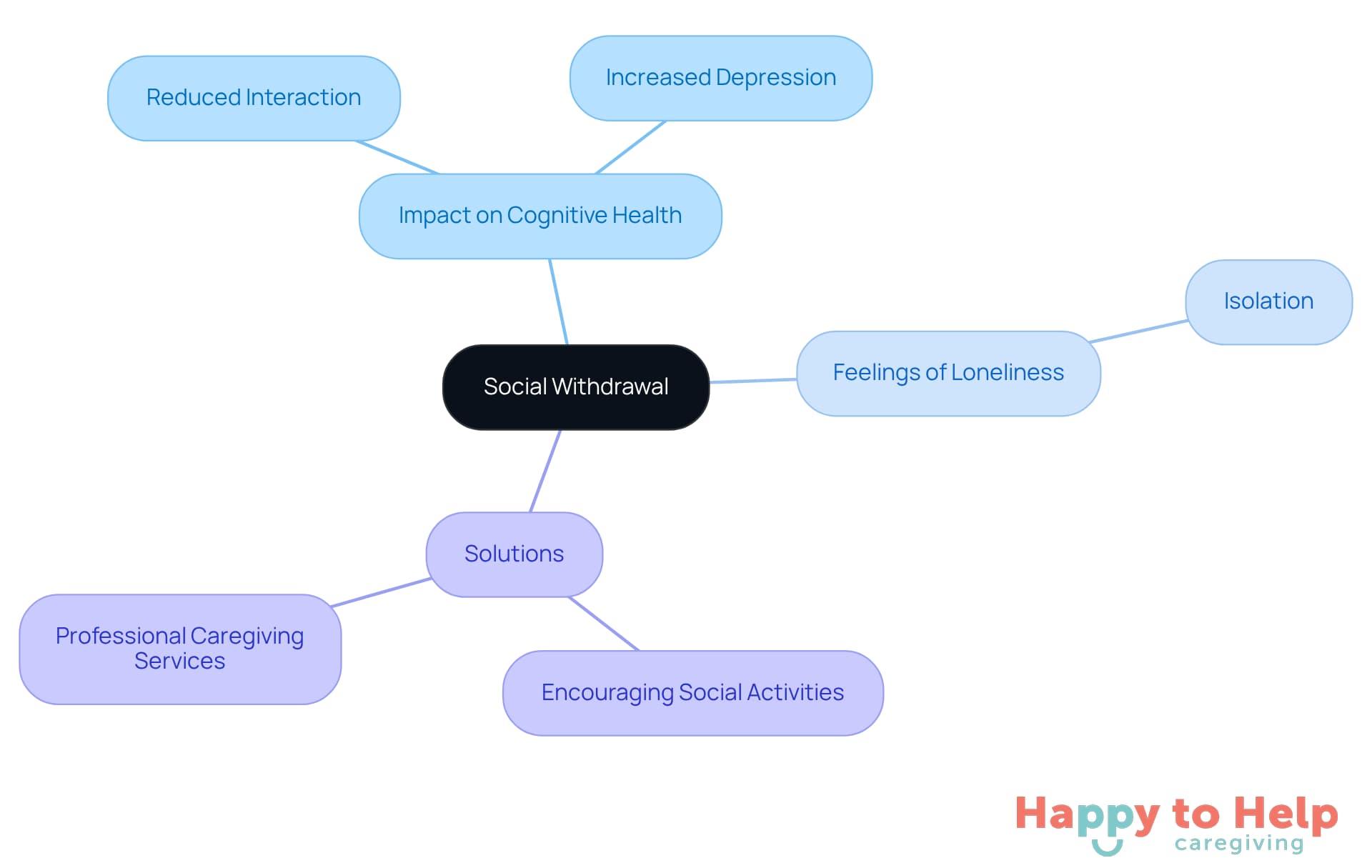
Social withdrawal is a common sign of cognitive decline. Individuals may lose interest in engaging with family and friends, leading to increased feelings of loneliness and depression. This isolation can significantly impact their cognitive health.
To address this issue, families should actively encourage social activities. Engaging in regular interactions can help combat feelings of loneliness. Additionally, considering professional caregiving services can be beneficial. These services often promote social engagement through companionship and structured activities, which are essential for maintaining emotional well-being.
Behavioral Changes: Increased Agitation or Mood Swings
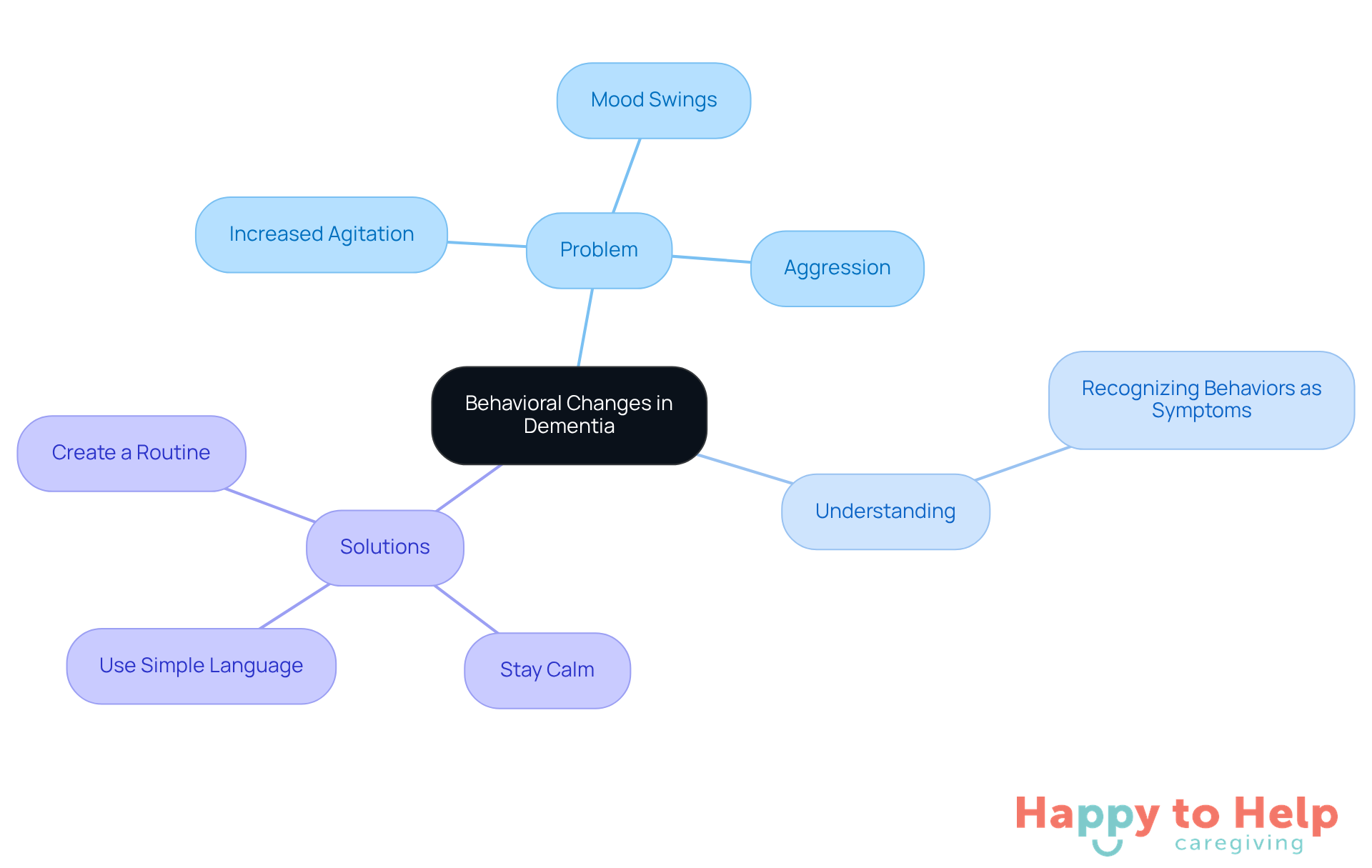
Problem: Individuals with dementia often face significant behavioral changes, such as increased agitation, mood swings, or even aggression. These changes can be distressing not only for the individual but also for their caregivers and family members.
Agitate: Recognizing these behaviors as symptoms of the disease rather than personal choices is crucial. This misunderstanding can lead to frustration and emotional strain for everyone involved, complicating the caregiving process.
Solution: Professional caregivers are trained to handle these challenging situations with patience and understanding. They employ specific techniques to soothe agitation and create a calm environment. Here are some actionable tips for caregivers:
- Stay Calm: Your demeanor can influence the individual’s behavior.
- Use Simple Language: Clear communication can help reduce confusion.
- Create a Routine: Familiarity can provide comfort and stability.
By implementing these strategies, caregivers can better support individuals with dementia, fostering a more peaceful atmosphere.
Physical Health Decline: Weight Loss and Neglecting Personal Hygiene
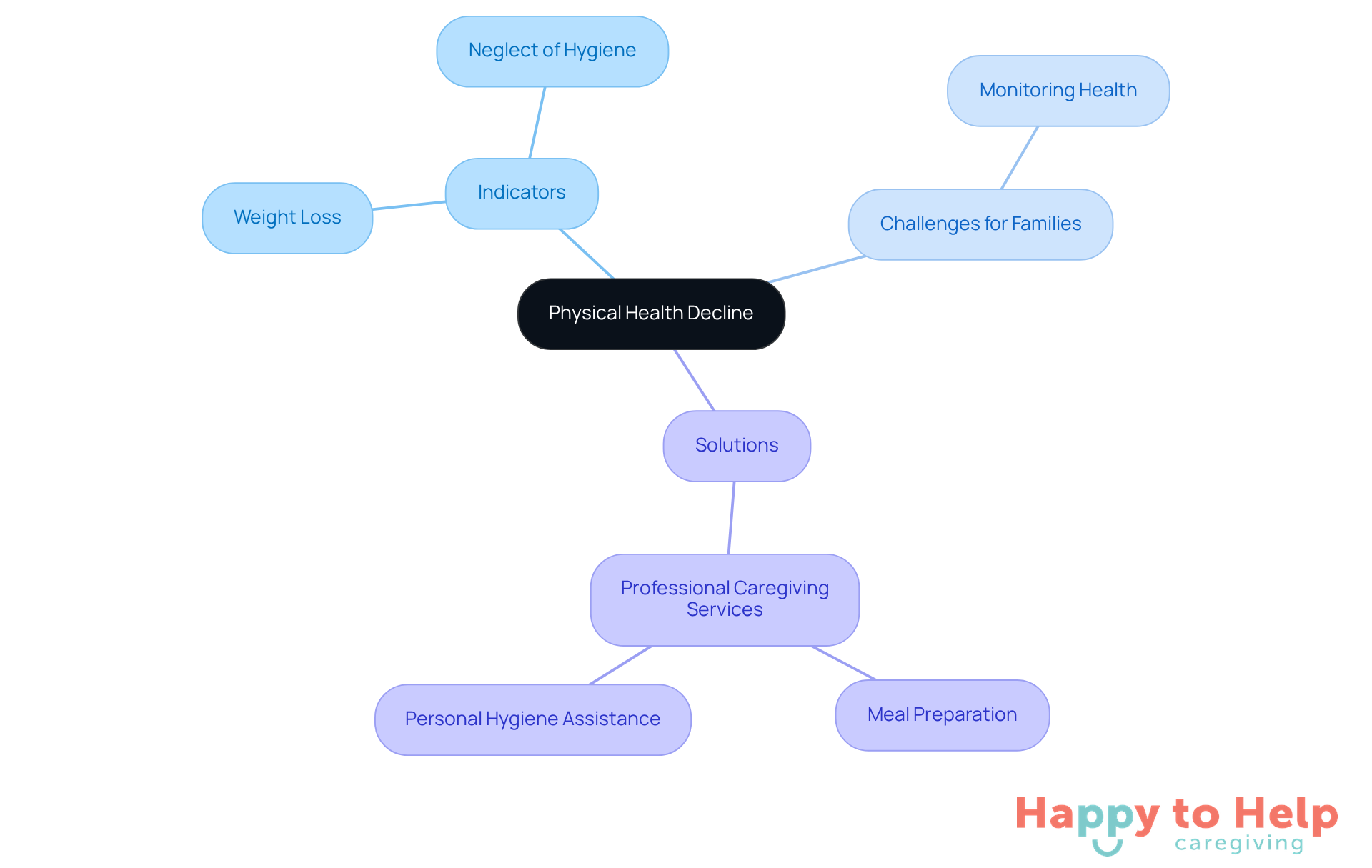
A decline in physical health, such as noticeable weight loss or neglect of personal hygiene, can signal that an individual with cognitive impairment is struggling to care for themselves. This issue often arises from forgetfulness about meals or a lack of motivation to maintain personal care routines.
Families face the challenge of ensuring their loved ones remain healthy and comfortable. Monitoring health is crucial, as neglect can lead to further complications.
To address this, families should consider professional caregiving services. These services can assist with meal preparation and personal hygiene, providing the necessary support to help loved ones maintain their well-being.
Financial Mismanagement: Difficulty Handling Bills and Expenses
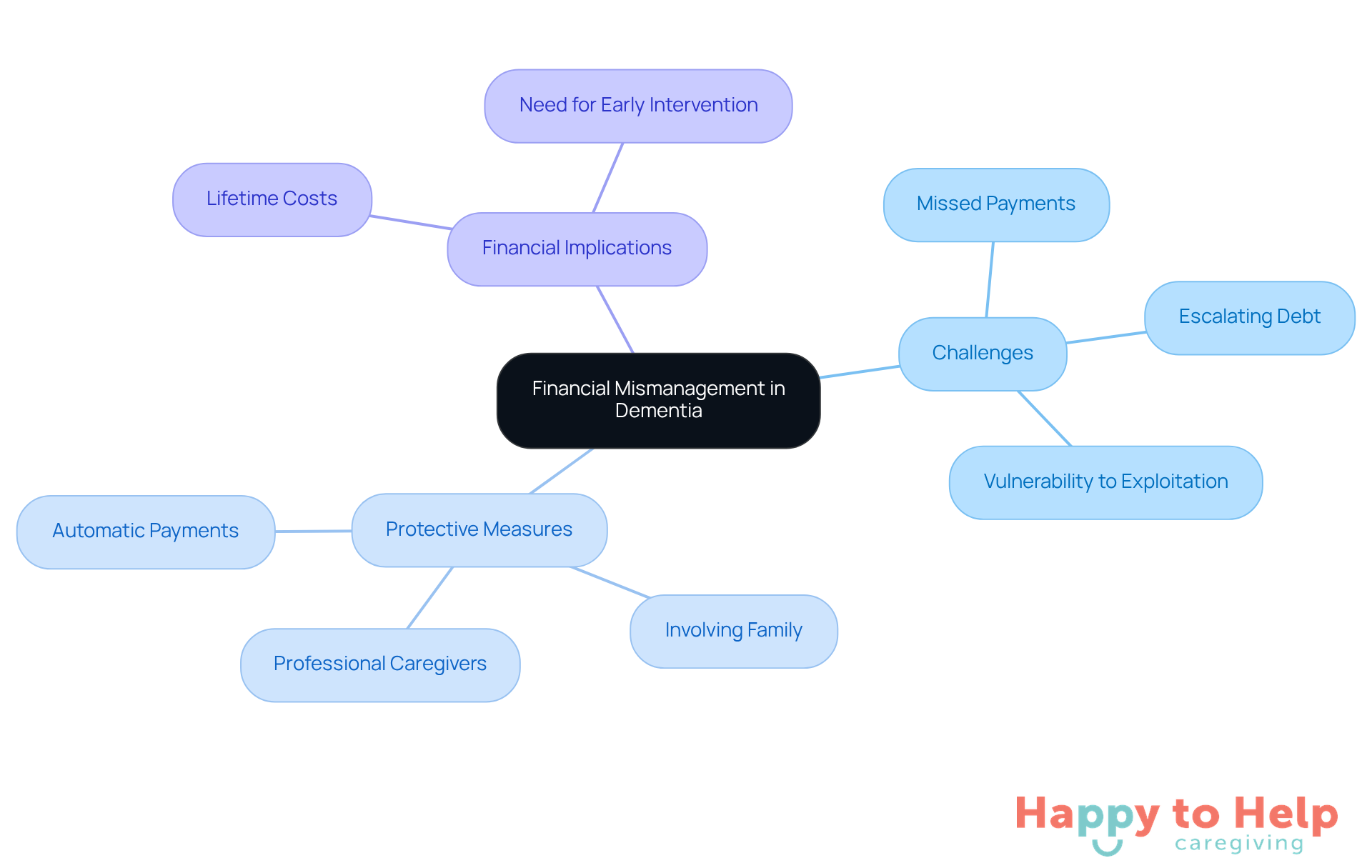
Financial mismanagement poses a significant challenge for individuals with dementia, leading to difficulties in managing bills, expenses, and overall financial responsibilities. This often results in missed payments, escalating debt, and increased vulnerability to financial exploitation. Research indicates that 80% of caregivers report issues related to financial mismanagement, underscoring the urgency of this problem.
To address these risks, families can implement protective measures:
- Setting up automatic payments can help ensure bills are paid on time.
- Involving a trusted family member in financial decisions can provide additional oversight.
- Engaging professional caregivers can also be beneficial, as they assist with daily financial tasks, helping to shield individuals from potential financial pitfalls.
Moreover, older adults diagnosed with Alzheimer's Disease and Related Dementias (ADRD) are more likely to miss routine debt payments, with this trend often beginning six years prior to diagnosis. This highlights the critical need for proactive financial management. Financial advisors stress the importance of early intervention, noting that mismanagement of daily finances is frequently one of the first signs of cognitive decline. Angie O’Leary, head of wealth planning for RBC Wealth Management, emphasizes, "A cognitive impairment diagnosis can be financially devastating, as Medicare and traditional insurance do not cover daily care costs."
By implementing safeguards and seeking professional guidance, families can better protect their loved ones' financial well-being, reducing the risk of exploitation and ensuring a more secure future. The lifetime expense of care for cognitive decline can exceed $750,000 in direct and indirect costs, making financial planning essential for households managing cognitive decline.
Need for Supervision: Requiring Constant Monitoring and Assistance
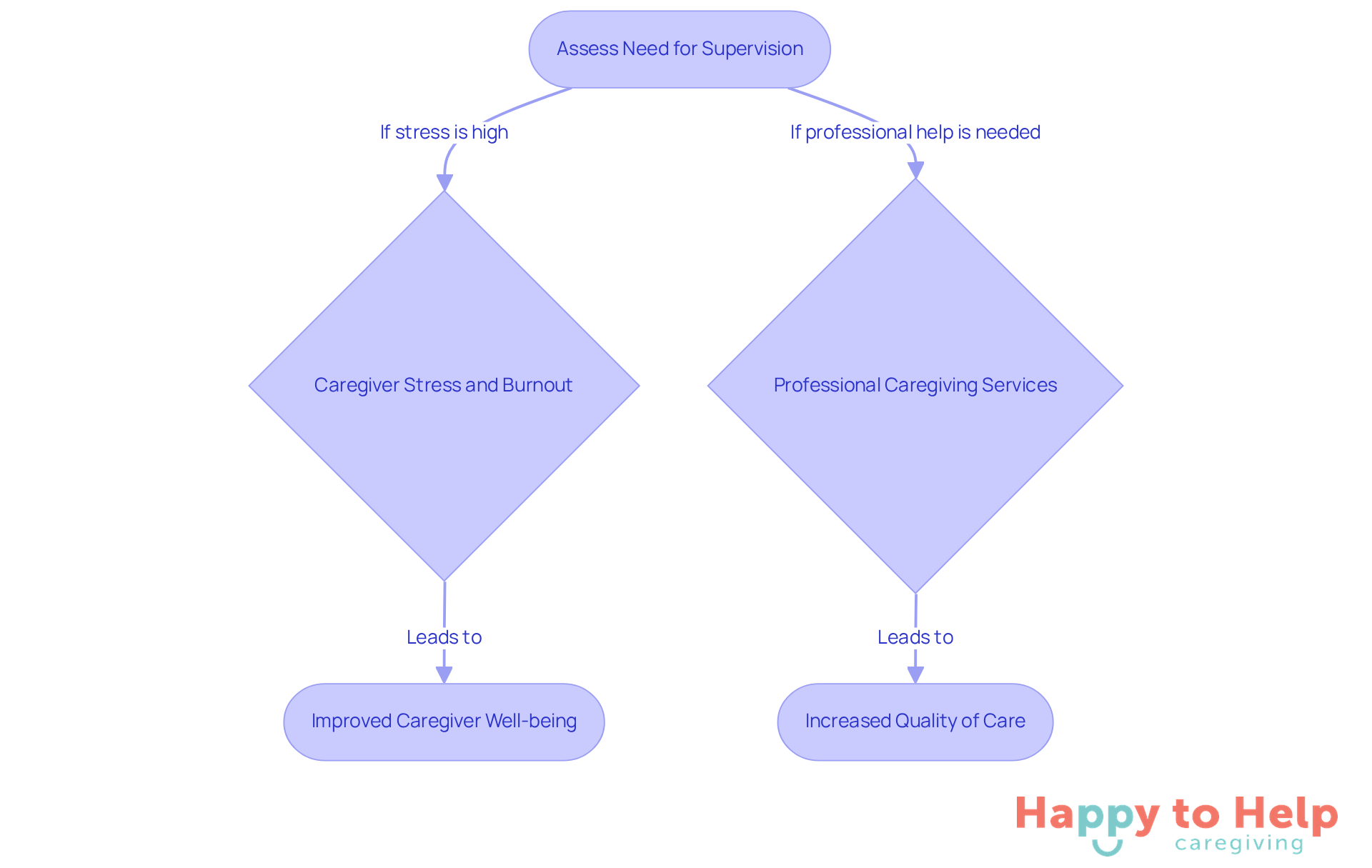
As dementia progresses, it becomes crucial to assess when a person with dementia should stop living alone to ensure their safety and well-being. This need can be overwhelming for relatives, who may struggle to provide the necessary level of care while managing their own responsibilities.
The implications of this situation are significant. Caregivers may experience stress and burnout, which can affect their ability to provide quality care. This is where professional caregiving services come into play.
These services can offer the assistance required, enabling relatives to feel assured that their loved ones are secure and well looked after in their own homes. By seeking professional help, caregivers can alleviate some of their burdens and focus on maintaining their own well-being.
Caregiver Burnout: Family Members Struggling to Provide Adequate Support
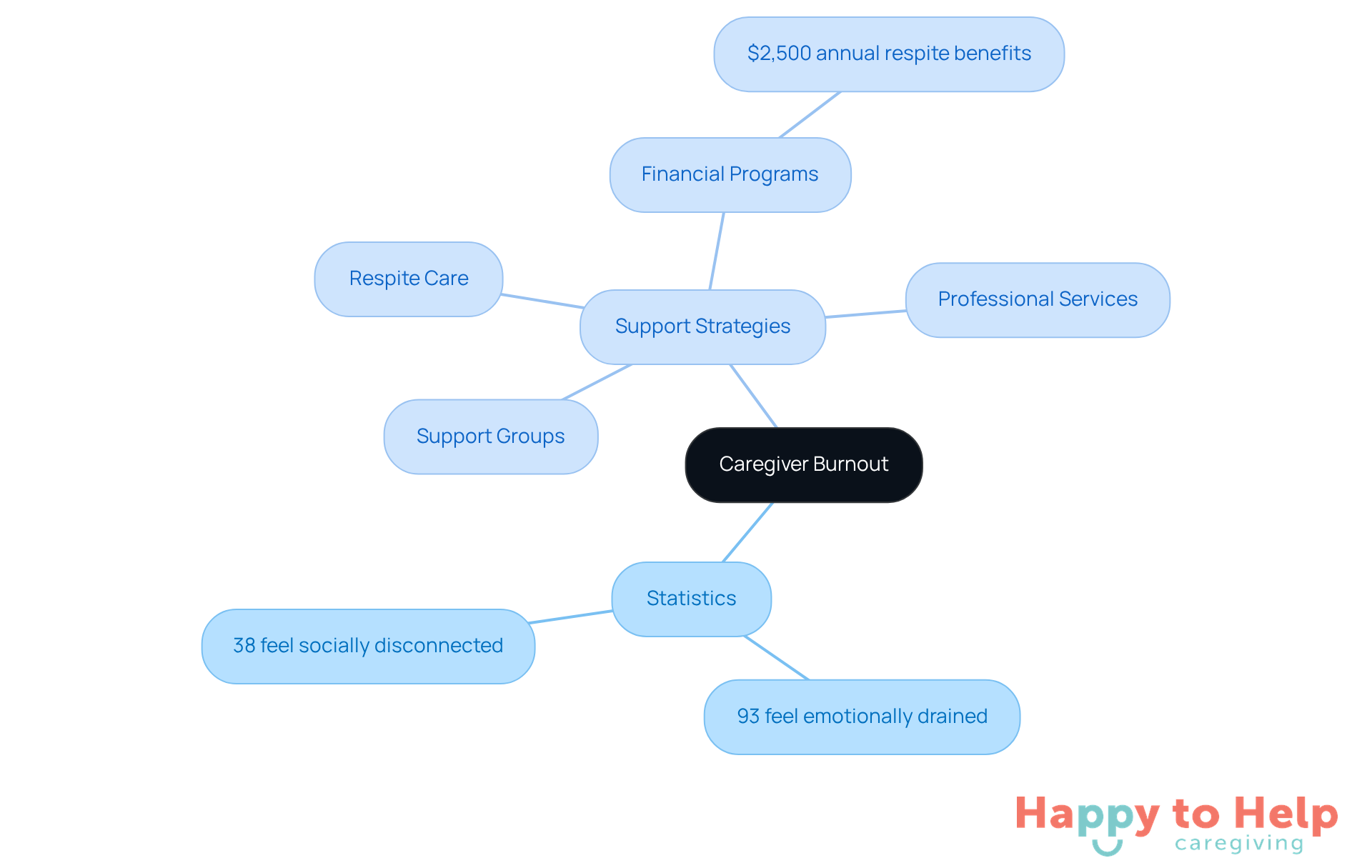
Caregiver burnout presents a significant challenge for families caring for individuals with dementia. The emotional and physical demands can lead to profound exhaustion and stress. Alarmingly, nearly 93% of those supporting Alzheimer patients report feeling emotionally drained, with many facing daily agitation from their loved ones. This overwhelming burden often results in feelings of isolation, as 38% of caregivers feel socially disconnected. Recognizing the signs of burnout is crucial, as it directly impacts the quality of care provided to loved ones.
To combat burnout, caregivers should actively seek support through various avenues:
- Respite care offers temporary relief.
- Support groups foster community and shared experiences.
- Programs are available that provide up to $2,500 each year per recipient for respite benefits, allowing caregivers to take essential breaks.
- Professional caregiving services can alleviate some pressures, enabling family members to recharge.
By prioritizing their own needs, caregivers enhance their well-being and improve their ability to support those they assist, ultimately leading to better outcomes for both parties.
Mental health experts emphasize that addressing stress among caregivers is vital. It allows them to manage their responsibilities more effectively and maintain a healthier balance in their lives. As Sam Fazio, Ph.D., states, "Dementia health care is a complex maze made up of primary care providers, specialists, social services, medication management, and support for those providing care," highlighting the importance of effective navigation in support roles.
Professional Care Services: Ensuring Safety and Well-Being at Home
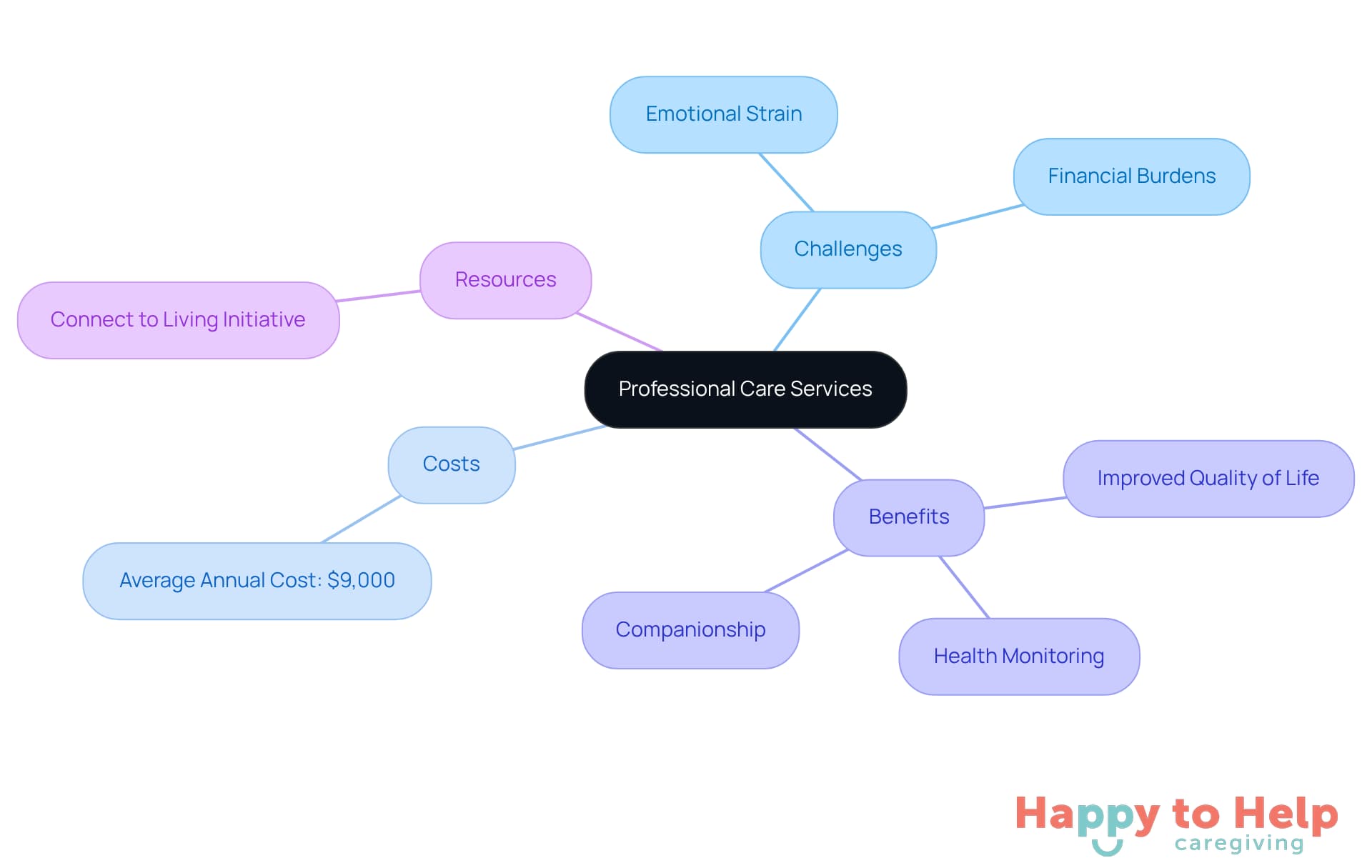
Professional caregiving services are essential for the safety and well-being of individuals with cognitive impairments. Caregivers face significant challenges, including emotional strain and financial burdens. Almost 20% of employed caregivers have had to stop working entirely due to their caregiving duties, which underscores the impact on household finances. The average annual out-of-pocket cost for caregivers of individuals with dementia is nearly $9,000, highlighting the need for effective solutions.
Involving skilled support personnel can greatly improve the quality of life for those with dementia. These professionals assist with daily tasks, monitor health conditions, and provide companionship - all within the comfort of home. This not only enhances the well-being of individuals but also alleviates the pressure on family members.
Studies indicate that well-prepared support providers can significantly enhance patient outcomes, fostering a sense of security and comfort for those facing cognitive challenges. Families should consider professional caregiving as a proactive strategy to ensure their loved ones receive the necessary support to thrive, promoting independence and overall well-being.
Programs like the Connect to Living initiative offer valuable resources for families navigating these challenges. By utilizing these services, families can better manage the demands of caregiving while ensuring their loved ones receive the care they need.
Moving Forward with 10 Signs When a Person with Dementia
Recognizing when a person with dementia should stop living alone is crucial for safeguarding their well-being and quality of life. As cognitive decline progresses, assessing their ability to manage daily tasks, maintain safety, and engage socially becomes increasingly important. Heightened confusion, wandering, social withdrawal, and financial mismanagement are signs that underscore the need for proactive intervention and support.
The challenges faced by individuals with dementia are significant. Increased confusion with daily activities, safety risks associated with wandering, and notable behavioral changes highlight these difficulties. Additionally, the emotional toll on caregivers, including the risk of burnout, emphasizes the importance of seeking professional assistance. Families can consider in-home support services to provide a safe environment that promotes independence while ensuring their loved ones receive necessary care and companionship.
Caring for someone with dementia is a complex journey that requires a thoughtful approach. Families are encouraged to recognize the signs early and engage professional caregiving services. This not only safeguards the individual’s health and safety but also alleviates the burdens on caregivers, fostering a more supportive and nurturing environment for everyone involved.
https://iframe.tely.ai/cta/eyJhcnRpY2xlX2lkIjogIjY5MjNhMDllMjcyNDliYTNkMmMzZTVmMyIsICJjb21wYW55X2lkIjogIjY4ZWU1ZGNhNzMxNzYyNTU3ZjNjOTVjMSIsICJpbmRleCI6IG51bGwsICJ0eXBlIjogImFydGljbGUifQ==Frequently Asked Questions
What challenges do caregivers face when caring for individuals with cognitive impairments?
Caregivers often experience feelings of isolation and emotional distress due to the significant challenges involved in caring for individuals with cognitive impairments.
What services does Happy to Help Caregiving offer for dementia care?
Happy to Help Caregiving provides personalized in-home support that includes companionship care, post-hospital recovery assistance, respite care, and palliative support care.
How does companionship care benefit individuals with dementia?
Companionship care nurtures emotional ties and helps alleviate feelings of loneliness for individuals facing cognitive decline.
When should a person with dementia consider stopping living alone?
A person with dementia should consider stopping living alone when they exhibit heightened confusion regarding daily activities, struggle with familiar tasks, or find it increasingly difficult to make decisions.
What safety risks are associated with dementia, particularly regarding wandering?
Wandering is a common issue for individuals with cognitive decline, which can lead them to leave home without awareness, increasing the risk of getting lost or encountering dangerous situations.
What measures can families take to prevent wandering in individuals with dementia?
Families can implement safety measures such as installing locks or alarms to prevent wandering and utilizing professional caregiving services that provide constant supervision.
Why is it important for families to recognize signs of confusion in individuals with dementia?
Recognizing signs of confusion early is crucial for families to seek professional assistance and ensure their loved ones receive the necessary support to navigate daily life safely, thereby enhancing their quality of life.
List of Sources
- Happy to Help Caregiving: Personalized In-Home Support for Dementia Care
- Home Care News | Senior Care News | Right at Home (https://rightathome.net/news)
- New Medicare program offers much-needed relief for caregivers of dementia patients (https://finance.yahoo.com/news/new-medicare-program-offers-much-needed-relief-for-caregivers-of-dementia-patients-203450020.html)
- New NIA grant advances tools for dementia caregiving (https://news-medical.net/news/20251015/New-NIA-grant-advances-tools-for-dementia-caregiving.aspx)
- Medicare covers at-home nursing care for dementia patients for the first time this year (https://tampabay.com/news/health/2025/08/14/medicare-covers-at-home-nursing-care-dementia-patients-first-time-this-year)
- In Home Caregiver News • At Home Caregivers (https://athomecaregivers.com/news)
- Safety Risks: Wandering and Leaving Home Unattended
- Wandering Big Risk for those with Dementia (https://newsroom.clevelandclinic.org/2022/09/20/wandering-big-risk-for-those-with-dementia)
- ‘Wandering’ is a danger for those with Alzheimer’s. There are ways to reduce the risk (https://wusf.org/health-news-florida/2024-11-02/wandering-a-danger-those-with-alzheimers-ways-to-reduce-risk)
- Pan‐Canadian estimates of the prevalence and risks associated with critical wandering among home care clients (https://alz-journals.onlinelibrary.wiley.com/doi/10.1002/alz.14195)
- Approach to Management of Wandering in Dementia: Ethical and Legal Issue - PMC (https://pmc.ncbi.nlm.nih.gov/articles/PMC8543604)
- (https://belleviecare.co.uk/support-advice/dementia-quotes-to-lift-your-spirits)
- Social Withdrawal: Reduced Interaction with Family and Friends
- New Studies Suggest Social Isolation Is a Risk Factor for Dementia in Older Adults, Point to Ways to Reduce Risk (https://hopkinsmedicine.org/news/newsroom/news-releases/2023/01/new-studies-suggest-social-isolation-is-a-risk-factor-for-dementia-in-older-adults-point-to-ways-to-reduce-risk)
- The Impact of Loneliness and Social Isolation on Cognitive Aging: A Narrative Review - PMC (https://pmc.ncbi.nlm.nih.gov/articles/PMC10357115)
- Social Isolation Changes and Long-Term Outcomes Among Older Adults (https://jamanetwork.com/journals/jamanetworkopen/fullarticle/2821456)
- ‘Virtual’ Socializing Greatly Eases Isolation in Seniors with Dementia (https://fau.edu/newsdesk/articles/virtual-socialization-dementia-study.php)
- Behavioral Changes: Increased Agitation or Mood Swings
- FDA Approves First Drug to Treat Agitation Symptoms Associated with Dementia due to Alzheimer’s Disease (https://fda.gov/news-events/press-announcements/fda-approves-first-drug-treat-agitation-symptoms-associated-dementia-due-alzheimers-disease)
- Non-drug therapies show real promise in calming agitation in Alzheimer’s (https://news-medical.net/news/20250528/Non-drug-therapies-show-real-promise-in-calming-agitation-in-Alzheimere28099s.aspx)
- Brain network study reveals clues about dementia’s behavior changes (https://michiganmedicine.org/health-lab/brain-network-study-reveals-clues-about-dementias-behavior-changes)
- 2025 News - University of Maryland School of Medicine Launches Groundbreaking Study on THC/CBD Therapy for Dementia-Related Agitation at End of Life | University of Maryland School of Medicine (https://medschool.umaryland.edu/news/2025/university-of-maryland-school-of-medicine-launches-groundbreaking-study-on-thccbd-therapy-for-dementia-related-agitation-at-end-of-life.html)
- Financial Mismanagement: Difficulty Handling Bills and Expenses
- New RBC research reveals financial mismanagement, rising costs as key impacts of cognitive decline caregiving (https://rbcwealthmanagement.com/en-us/newsroom/2020-10-04/new-rbc-research-reveals-financial-mismanagement-rising-costs-as-key-impacts-of-cognitive-decline-caregiving)
- Dementia Harms Household Finances Years before Clinical Recognition (https://federalreserve.gov/econres/notes/feds-notes/dementia-harms-household-finances-years-before-clinical-recognition-20201203.html)
- Top List of Inspirational Dementia Quotes for Caregivers (https://rochesterlawcenter.com/dementia-resources/dementia-quotes)
- Dementia’s financial & family impact: New study shows outsize toll (https://ihpi.umich.edu/news-events/news/dementias-financial-family-impact-new-study-shows-outsize-toll)
- Caregiver Burnout: Family Members Struggling to Provide Adequate Support
- New Medicare program offers much-needed relief for caregivers of dementia patients (https://finance.yahoo.com/news/new-medicare-program-offers-much-needed-relief-for-caregivers-of-dementia-patients-203450020.html)
- New Alzheimer’s Association Report Reveals Top Stressors for Caregivers and Lack of Care Navigation Support and Resources (https://alz.org/news/2024/new-alzheimers-association-report-reveals-top-stressors-caregivers)
- New program reduces burnout in dementia caregivers, novel research evaluation proves (https://publichealth.gmu.edu/news/2025-10/new-program-reduces-burnout-dementia-caregivers-novel-research-evaluation-proves)
- Caregiving can be a tough, lonely mission. One daughter found ways to reconnect (https://npr.org/sections/shots-health-news/2024/10/31/nx-s1-5172517/caregiver-caregiving-isolation-burnout-resources)
- Widespread Misunderstanding of Agitation in Alzheimer Dementia Leaves US Caregivers Struggling (https://hmpgloballearningnetwork.com/site/altc/news/widespread-misunderstanding-agitation-alzheimer-dementia-leaves-us-caregivers)
- Professional Care Services: Ensuring Safety and Well-Being at Home
- Dementia impacts the caregiver as well as the patient, social workers say. Here's what's being done to help both. (https://cbsnews.com/newyork/news/dementia-alzheimers-disease-cost-of-caregiving)
- Dementia Caregiving as a Public Health Strategy (https://cdc.gov/caregiving/php/public-health-strategy)
- Alzheimer’s Association Highlights Unique Challenges That Dementia Caregivers Face and Tips for Supporting Them (https://alz.org/news/2023/alzheimers-association-highlights-unique-challenges-that-dementia-caregivers-face-and-tips-for-supp)
- New study compares dementia care approaches and the impact on caregivers (https://news-medical.net/news/20250129/New-study-compares-dementia-care-approaches-and-the-impact-on-caregivers.aspx)
- Dementia care programs help, if caregivers can find them (https://cbsnews.com/news/alzheimers-dementia-care-programs-help-if-caregivers-can-find-them)