
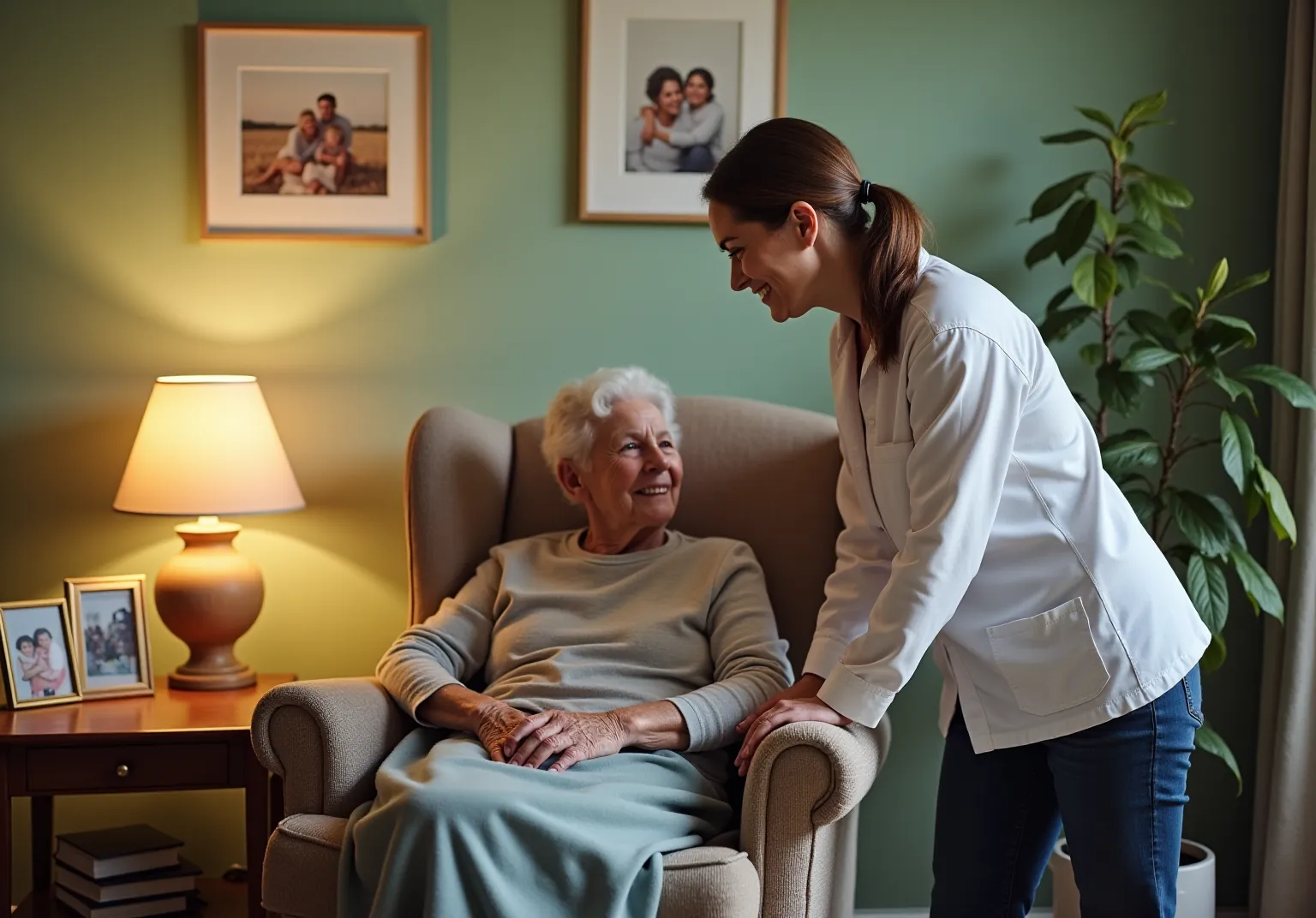
For families in our service areas
For families in our service areas, this guide explains dementia care and how non-medical in-home caregiving can support care planning in East Idaho, Treasure Valley & Magic Valley, Northern Wasatch, North Central West Virginia, and Northeast Ohio.
Why 10 Strategies for Managing Dementia and Matters
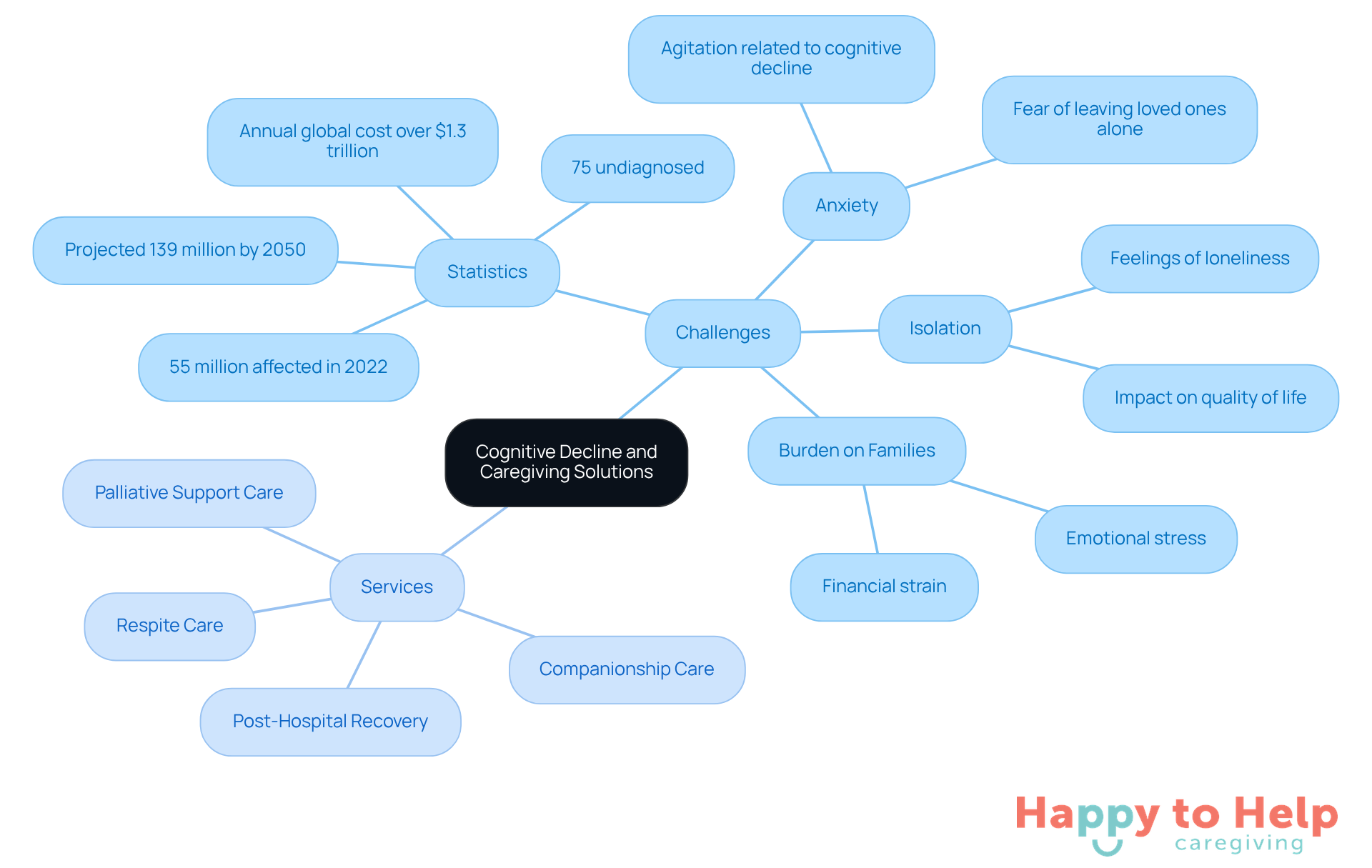
Cognitive decline is a growing global concern, affecting over 55 million individuals in 2022. This number could soar to 139 million by 2050, highlighting a significant problem that demands our attention. The implications of this alarming trend extend beyond the individuals affected; caregivers face immense challenges in managing not only cognitive symptoms but also the agitation that often accompanies dementia.
Caregivers play a vital role in this complex landscape. They navigate emotional and practical hurdles daily, striving to enhance the quality of life for those they care for. However, addressing agitation effectively is crucial for creating a supportive environment. So, what are the most effective techniques caregivers can employ to manage agitation and foster a nurturing atmosphere for individuals with dementia?
By exploring tailored approaches, caregivers can significantly improve the well-being of their loved ones. Implementing strategies that focus on understanding the root causes of agitation and employing calming techniques can make a substantial difference. This article will delve into practical solutions that caregivers can adopt to address these challenges head-on.
Happy to Help Caregiving: Personalized In-Home Support for Dementia
Cognitive decline poses a significant challenge, affecting over 55 million individuals in 2022, with projections suggesting this number could rise to 139 million by 2050. This alarming trend underscores the urgent need for effective in-home care solutions. Many individuals with cognitive impairments experience feelings of isolation and anxiety, which can severely impact their quality of life.
Despite the growing number of affected individuals, approximately three-quarters remain undiagnosed, highlighting a critical gap in care. This situation not only affects the individuals but also places a heavy burden on families, with the World Health Organization estimating the annual global cost of cognitive decline at over US$ 1.3 trillion. The implications are profound, making it essential for caregivers to seek effective strategies to support their loved ones.
Happy to Help Caregiving addresses these challenges by offering customized in-home assistance tailored to the unique needs of individuals with cognitive impairments. Their services include:
- Companionship care
- Post-hospital recovery assistance
- Respite care
- Palliative support care
Each service is designed to promote autonomy while providing compassionate support, ultimately enhancing overall well-being.
By fostering a familiar and soothing environment, Happy to Help Caregiving ensures that clients receive the effective assistance they need. This personalized approach not only alleviates feelings of isolation but also helps manage agitation associated with dementia and agitation related to cognitive decline. Caregivers can take actionable steps by considering these tailored services, which are crucial for improving the quality of life for those affected.
Identify Causes of Agitation in Dementia Patients
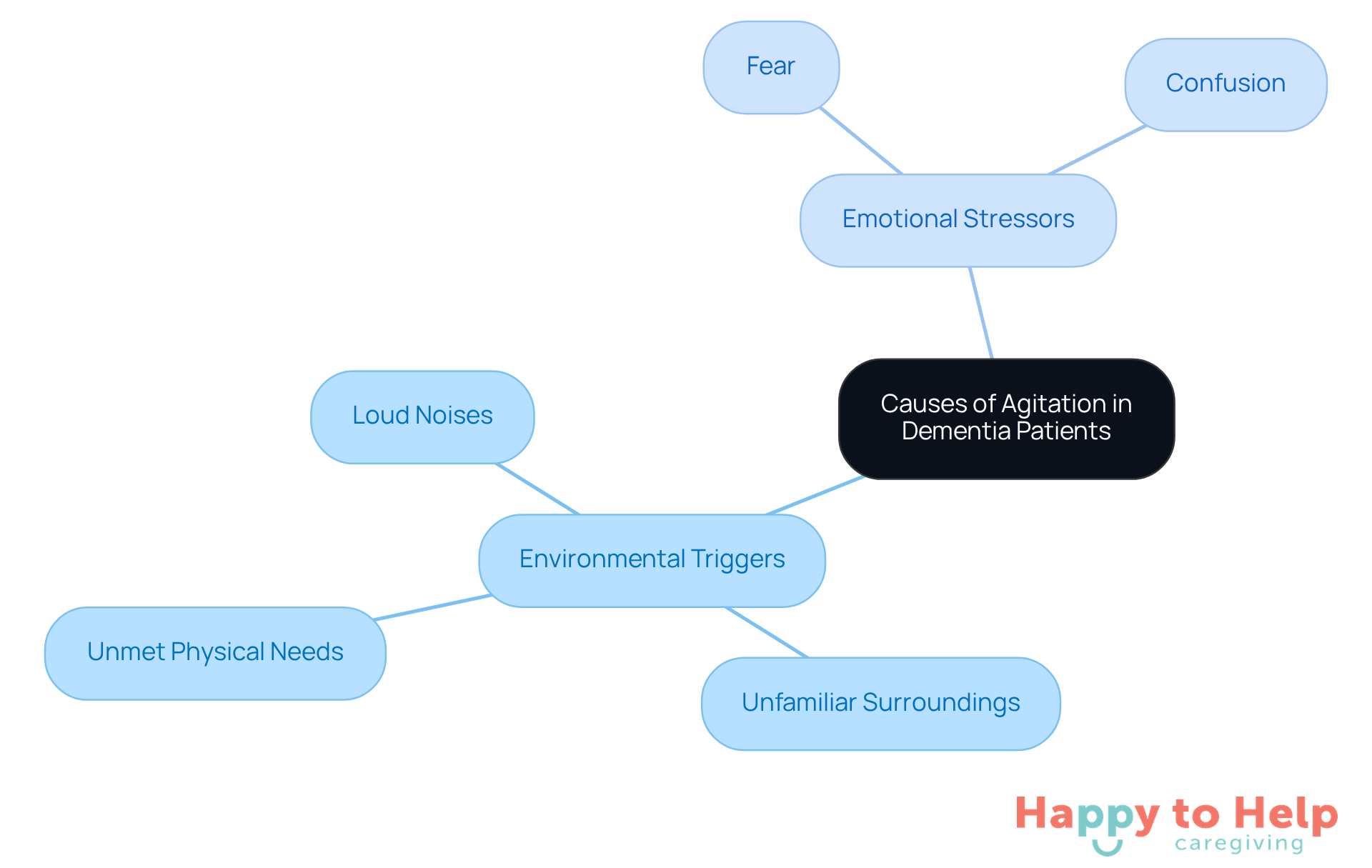
Agitation in dementia and agitation patients presents a significant challenge for caregivers, often stemming from various environmental factors. Common triggers include:
- Loud noises
- Unfamiliar surroundings
- Unmet physical needs like hunger or pain
Emotional stressors, such as fear and confusion, can also contribute to increased unrest. Notably, individuals with Alzheimer’s experience dementia and agitation in about fifty percent of cases, underscoring the need for effective management strategies.
To address this issue, caregivers must first recognize and document these triggers. By doing so, they can tailor their approaches to reduce distress. For instance, maintaining a calm environment by minimizing stimuli and incorporating familiar objects can foster a sense of security and comfort. Additionally, establishing a consistent daily routine filled with meaningful activities can alleviate feelings of distress and promote engagement.
As Lamia Scott, a support worker, points out, "Most people still regard Alzheimer’s solely as memory loss." When dementia and agitation occur, it can be frightening and confusing for both the patient and their loved ones. Understanding that dementia and agitation are part of the disease, rather than merely a reflection of a loved one’s behavior, can help caregivers feel less isolated and more hopeful.
By addressing these environmental triggers, caregivers can create a more peaceful atmosphere, ultimately enhancing the quality of life for individuals dealing with dementia and agitation. Furthermore, a multidisciplinary panel of specialists convened in October 2024 has proposed recommendations for managing unrest, emphasizing the importance of both pharmaceutical and non-pharmaceutical treatment options.
Create a Calm and Safe Environment for Patients
Creating a peaceful and secure environment for individuals with cognitive impairments is crucial. Caregivers often face the challenge of managing noise, clutter, and distractions that can lead to increased anxiety and restlessness. These factors can significantly impact the well-being of those in their care, making it essential to address them effectively.
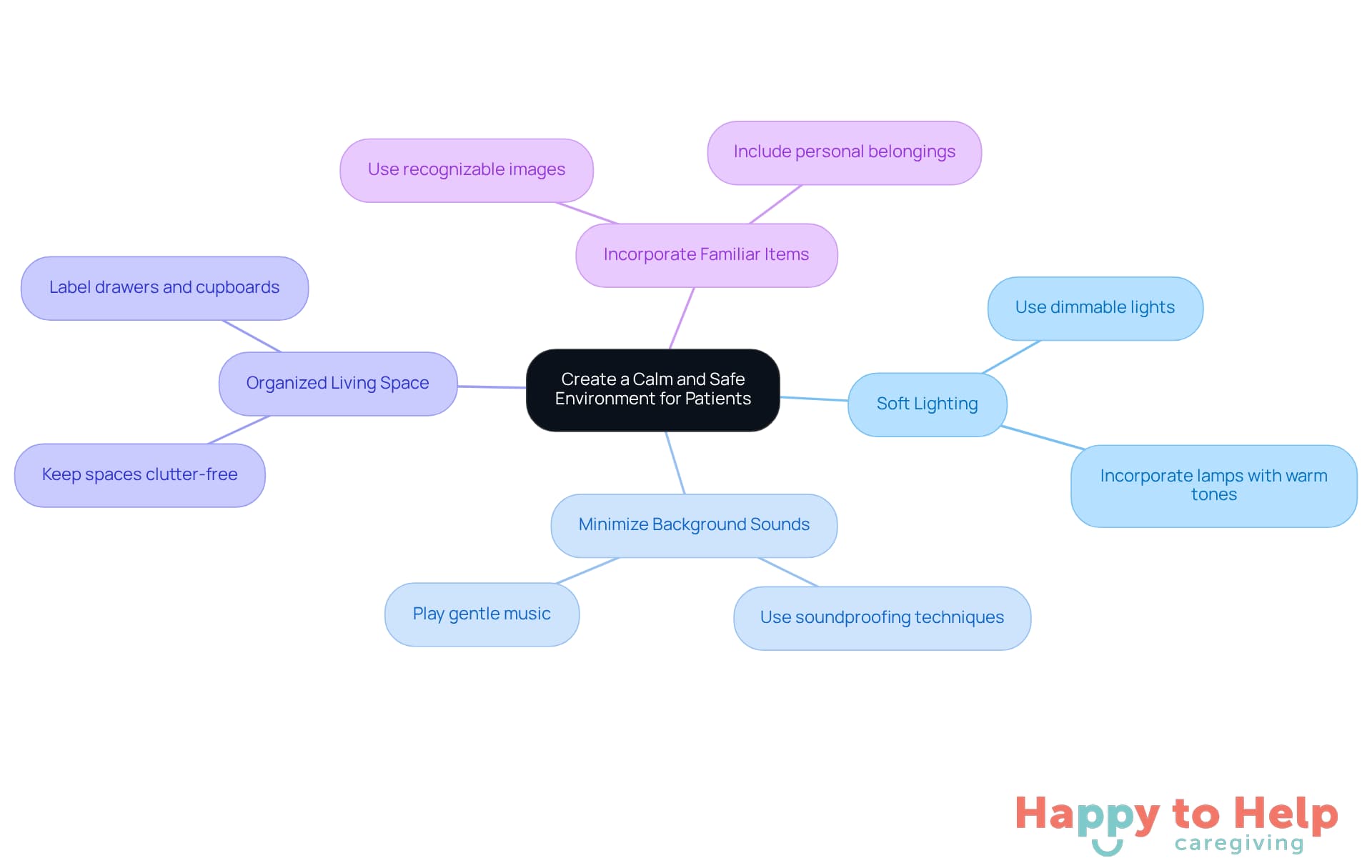
To tackle this issue, caregivers can implement several practical solutions:
- Consider using soft lighting to create a calming atmosphere.
- Minimize background sounds; this can be achieved by using soundproofing techniques or playing gentle music.
- Ensure that the living space is organized and familiar to help individuals feel more at ease.
- Incorporate recognizable items and images to enhance the sense of belonging and comfort.
These familiar objects can provide solace, reducing feelings of anxiety and restlessness. By focusing on these strategies, caregivers can create a nurturing environment that supports the needs of individuals with cognitive impairments.
Engage Patients in Meaningful Activities
Individuals with memory impairments often face significant challenges that can impact their emotional and cognitive well-being. These challenges can lead to feelings associated with dementia and agitation, making it crucial for caregivers to find effective ways to engage them in meaningful activities.
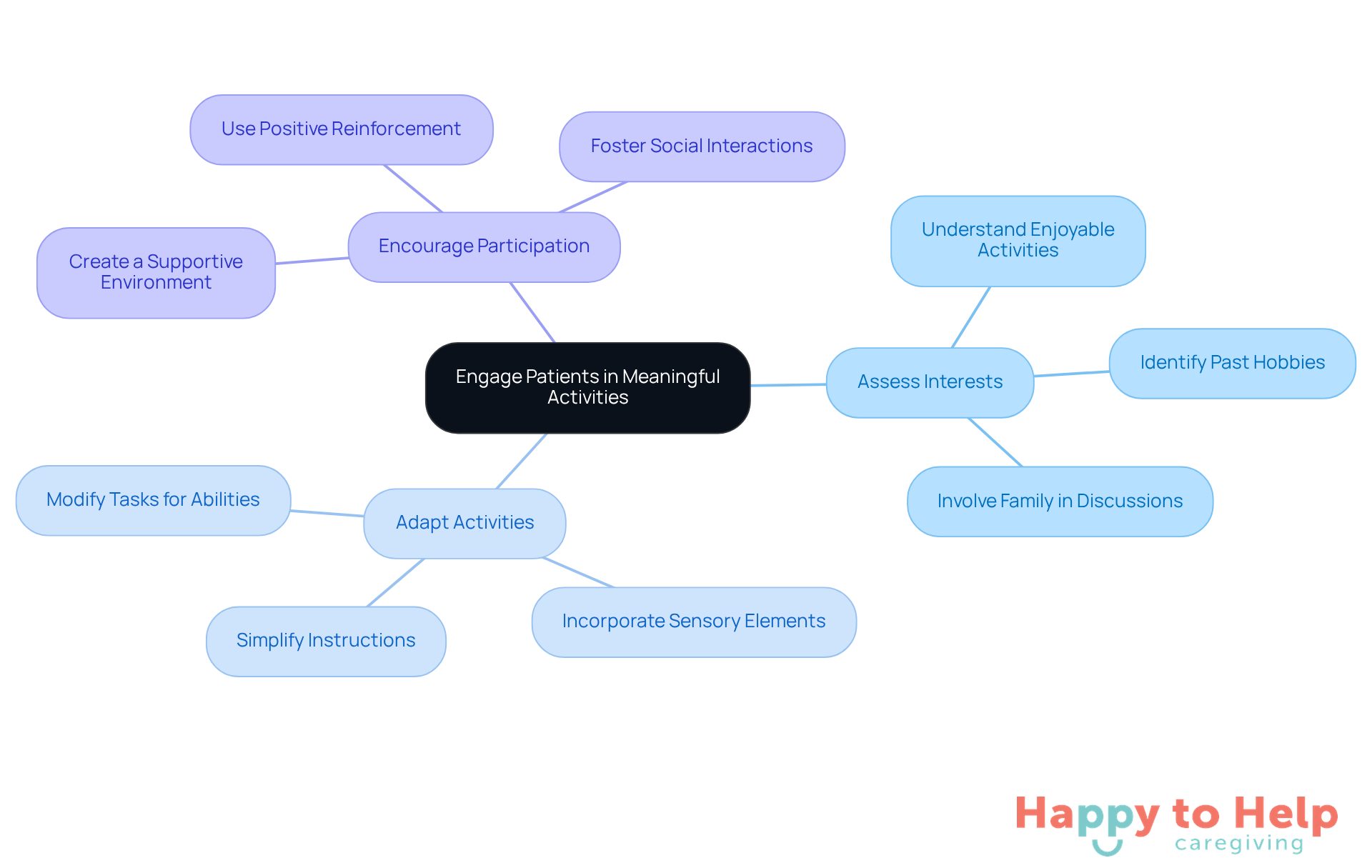
Activities such as gardening, listening to music, or participating in arts and crafts can provide joy and a sense of accomplishment. By customizing these activities to align with the individual's interests and abilities, caregivers can help ensure that they remain engaged and stimulated. This tailored approach not only enhances their quality of life but also helps to alleviate feelings related to dementia and agitation.
To implement these solutions effectively, caregivers should consider the following tips:
- Assess Interests: Take time to understand what activities the individual enjoys.
- Adapt Activities: Modify tasks to suit their abilities, ensuring they can participate fully.
- Encourage Participation: Foster a supportive environment that motivates them to engage.
By focusing on these strategies, caregivers can significantly improve the emotional and cognitive well-being of individuals with memory impairments.
Communicate with Clarity and Compassion
Effective communication with individuals experiencing dementia presents a significant challenge for caregivers. The complexities of dementia can lead to misunderstandings and feelings of frustration for both caregivers and those they care for. This situation not only affects the quality of interactions but can also increase anxiety and agitation in individuals with dementia.
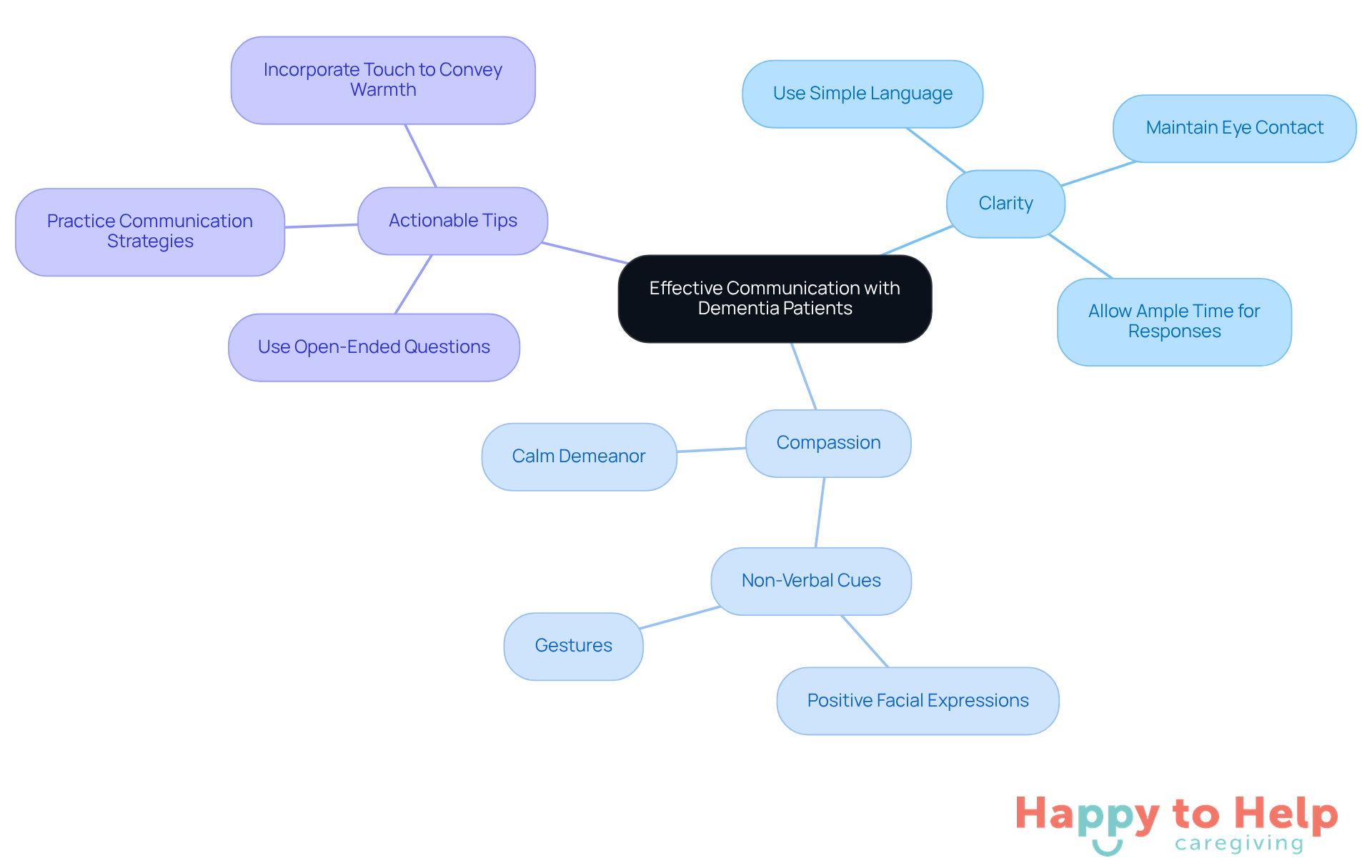
To address these issues, caregivers should prioritize clarity and compassion in their communication. Using simple, direct language while maintaining a calm demeanor is essential. Speaking slowly and ensuring steady eye contact fosters a sense of connection, helping individuals feel more secure. Additionally, providing ample time for responses respects their pace and encourages engagement.
Non-verbal cues, such as gestures and positive facial expressions, are crucial in enhancing understanding and emotional connection. Research indicates that compassionate communication fosters trust and significantly lessens dementia and agitation, making individuals feel valued and heard. As noted by a Consultant Clinical Psychologist, "It's less about what the [PwD's] abilities are and more about the people around that person, what their abilities are, to enable them to effectively process what's trying to be communicated."
Furthermore, the Gerontological Society of America states, "Effective communication improves understanding, adherence to treatment, and overall patient satisfaction." By implementing these strategies, support providers can create a nurturing atmosphere that upholds dignity and improves the overall quality of life for individuals experiencing cognitive decline.
To further apply these techniques, caregivers are encouraged to practice these communication strategies in their daily interactions. Here are some actionable tips:
- Use simple, direct language.
- Maintain a calm demeanor and steady eye contact.
- Allow ample time for responses.
- Incorporate non-verbal cues to enhance understanding.
By focusing on these strategies, caregivers can significantly improve their communication with individuals experiencing dementia.
Establish Consistent Routines to Reduce Confusion
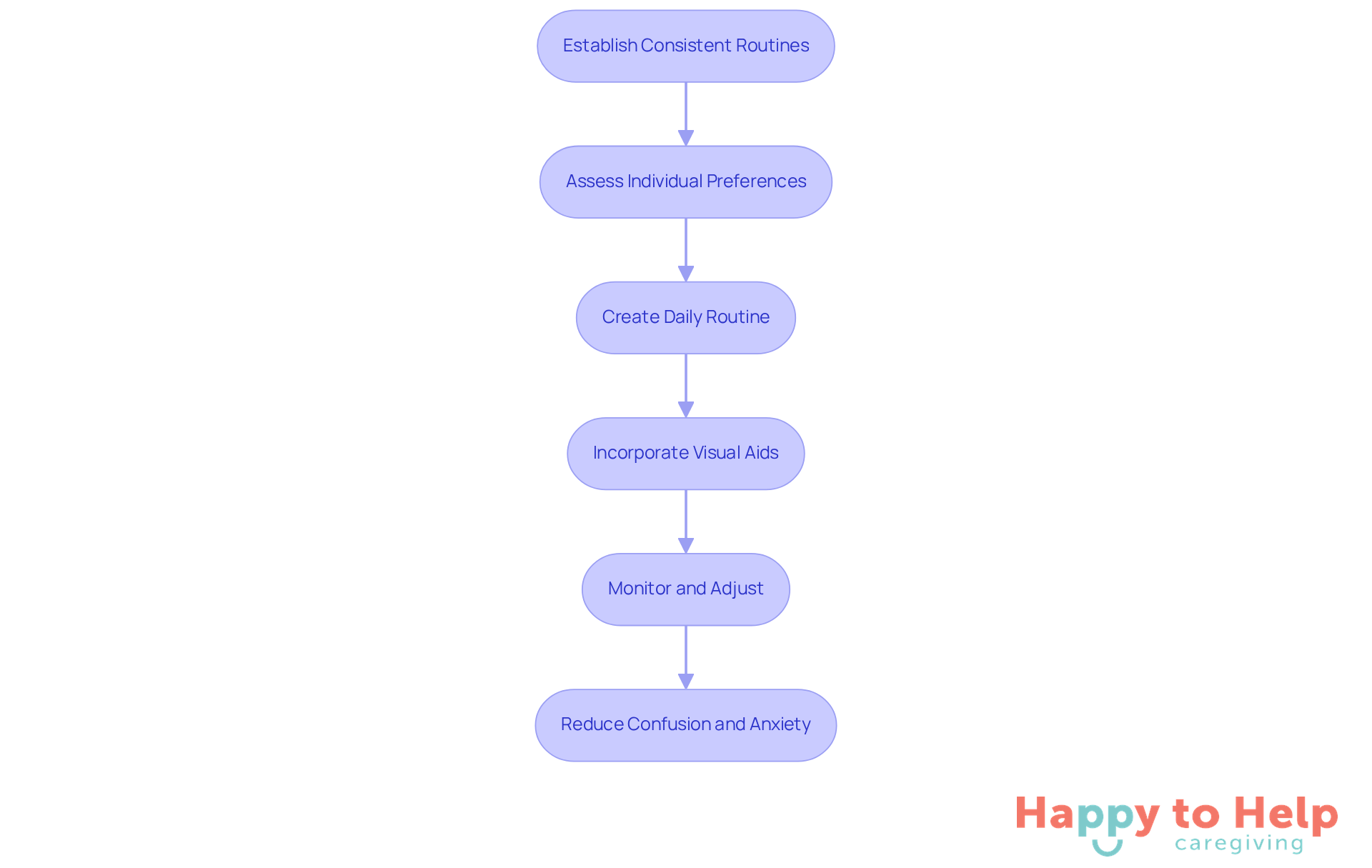
Establishing consistent daily routines is crucial for individuals dealing with dementia and agitation. The problem arises when irregular schedules lead to confusion and anxiety, creating a sense of unpredictability. Research shows that regular schedules for meals, activities, and personal care can significantly alleviate these feelings. In fact, maintaining a structured environment helps individuals anticipate their daily activities, thereby reducing the uncertainty that often leads to dementia and agitation. A well-planned daily routine can decrease behavioral problems by up to 40% and lessen caregiver burden, underscoring the profound impact of predictability on emotional well-being.
To address this issue, caregivers should focus on creating routines that align with the individual's preferences and past habits. This personalization enhances comfort and familiarity, making the routine more effective. Incorporating visual aids, such as clear labels with words and pictures, can significantly improve understanding for patients with cognitive impairments, helping to overcome communication barriers. Experts emphasize that routines act as a lifeline, providing stability and reducing anxiety in the lives of those affected by both dementia and agitation.
However, interruptions in established patterns can lead to a 47% rise in behavioral issues within two weeks after a routine alteration. This highlights the necessity for caregivers to be attentive and responsive to shifts in behavior. By prioritizing consistent routines, supporters not only help manage distress but also foster a greater sense of independence and dignity for their loved ones.
Consider creating a daily routine chart with images to help your loved one anticipate their day. This simple tool can make a significant difference in their emotional well-being.
Use Gentle Interventions to De-Escalate Agitation
When individuals show distress, caregivers face a significant challenge. Aggressive reactions can escalate the situation, making it crucial to adopt gentle strategies to effectively reduce unrest associated with dementia and agitation. This distress not only affects the individual but can also create a stressful environment for caregivers.
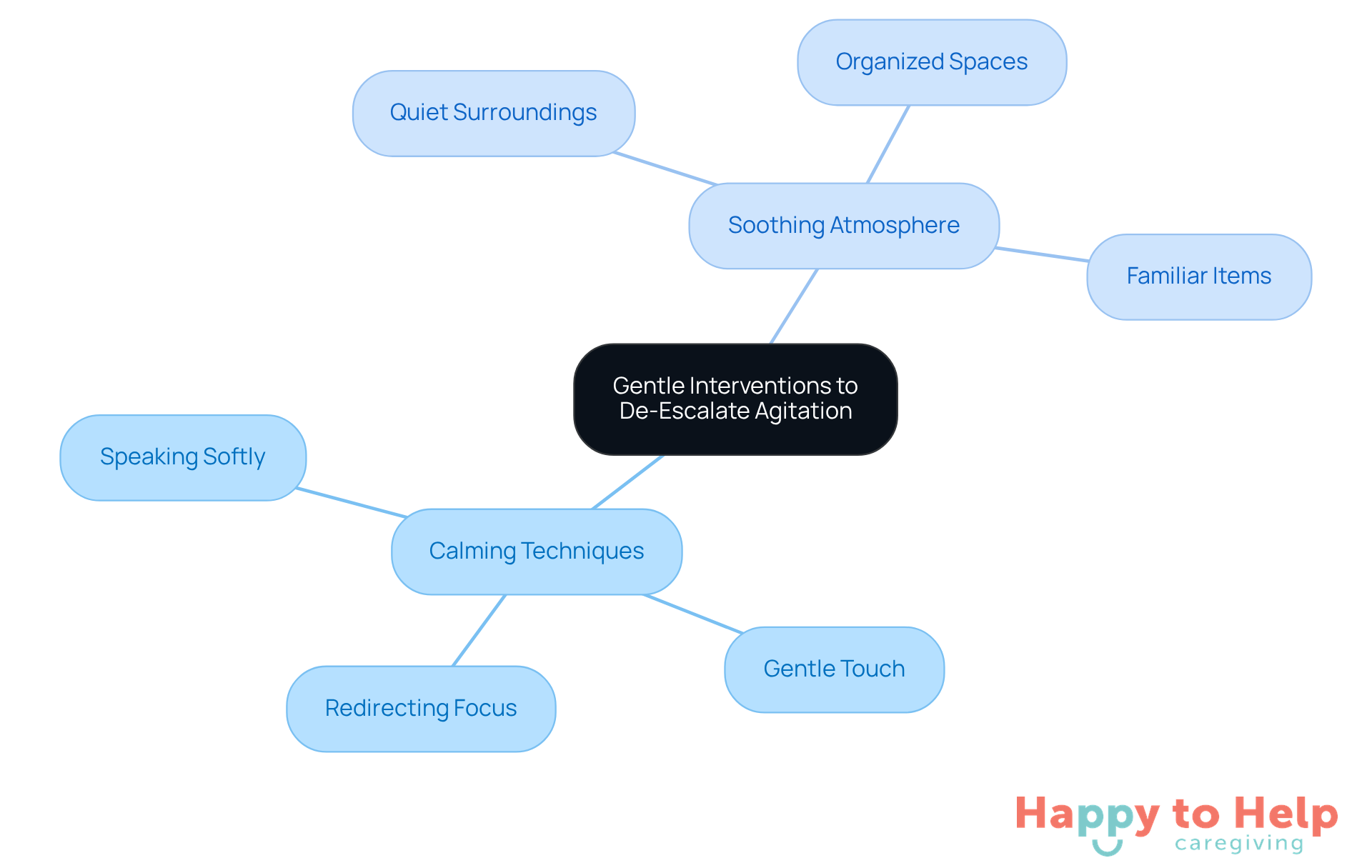
To address this issue, caregivers can implement several calming techniques:
- Speaking softly
- Using a gentle touch
- Redirecting the individual’s focus to a comforting object
Additionally, fostering a soothing atmosphere-characterized by quiet surroundings, organized spaces, and familiar items-can further aid in calming the individual.
Research highlights the importance of personalized approaches. Techniques such as music and light therapy have been shown to enhance emotional well-being and reduce symptoms of dementia and agitation. Caregivers should also collaborate with healthcare professionals to identify any underlying physical issues that may contribute to the individual’s behavior.
By applying these tactics and closely monitoring the individual’s reactions, caregivers can create a nurturing atmosphere that fosters stability and comfort for those experiencing dementia and agitation.
Collaborate with Healthcare Professionals for Support
Caregivers of patients experiencing dementia and agitation often face significant challenges due to the complex nature of the disease. Without proper support, they may struggle to manage distressing behaviors related to dementia and agitation while providing effective care.
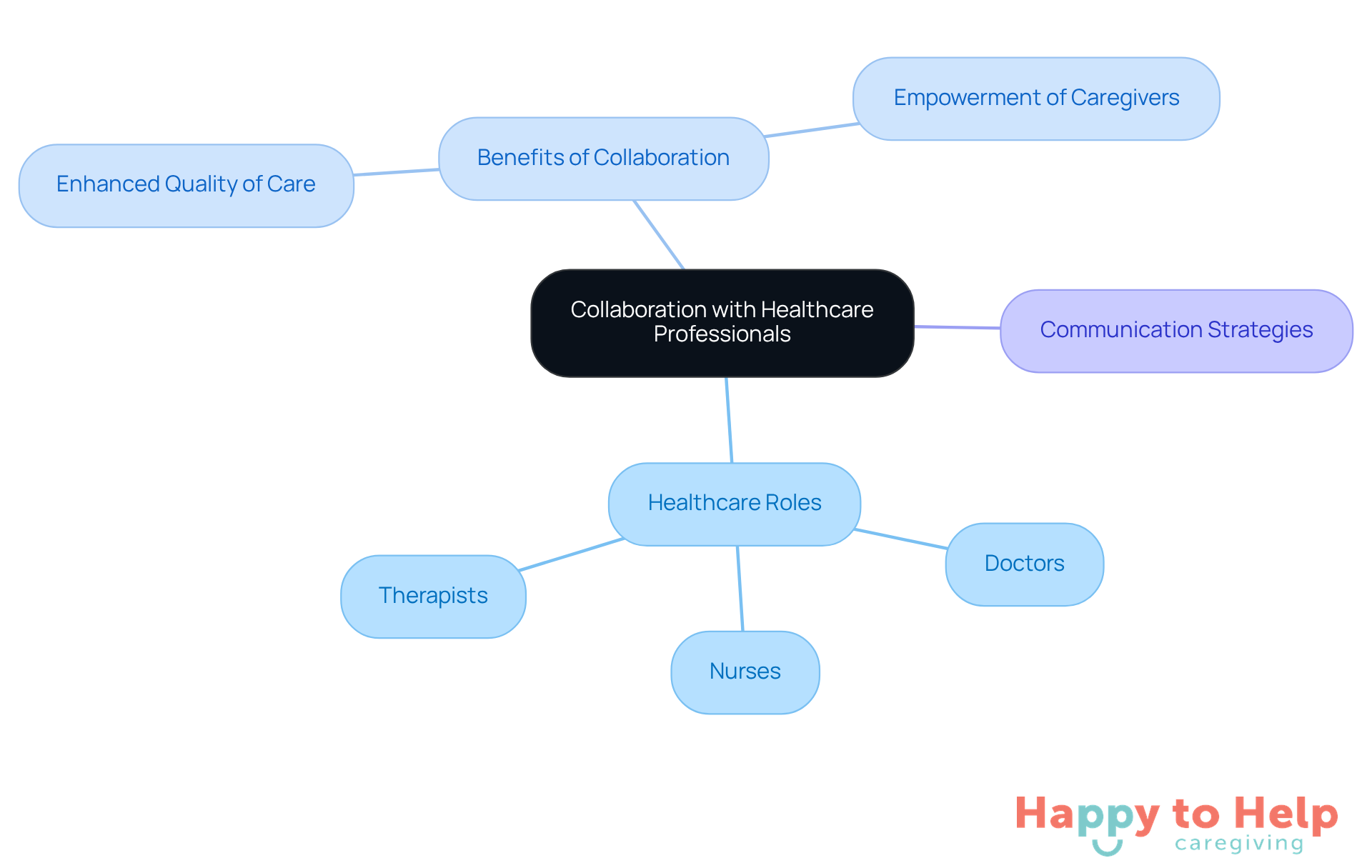
Collaborating with healthcare professionals - like doctors, nurses, and therapists - can be a game-changer. These experts provide valuable insights into managing distress caused by dementia and agitation and can recommend suitable interventions tailored to individual needs.
To ensure caregivers are equipped with the latest strategies, consistent communication with the healthcare team is crucial. This collaboration not only enhances the quality of care but also empowers caregivers with the resources they need to support their loved ones effectively.
Educate Caregivers on Agitation Management Strategies
Informing caregivers about behavior management techniques is crucial for effective memory care. Nearly 15 million Americans provide care for individuals with dementia, highlighting the widespread relevance of this issue. Caregivers face significant emotional stress, with research indicating that 59% rate their caregiving experience as high or very high in terms of emotional strain. This underscores the need for comprehensive training programs that equip caregivers with the skills to manage distressing behaviors.
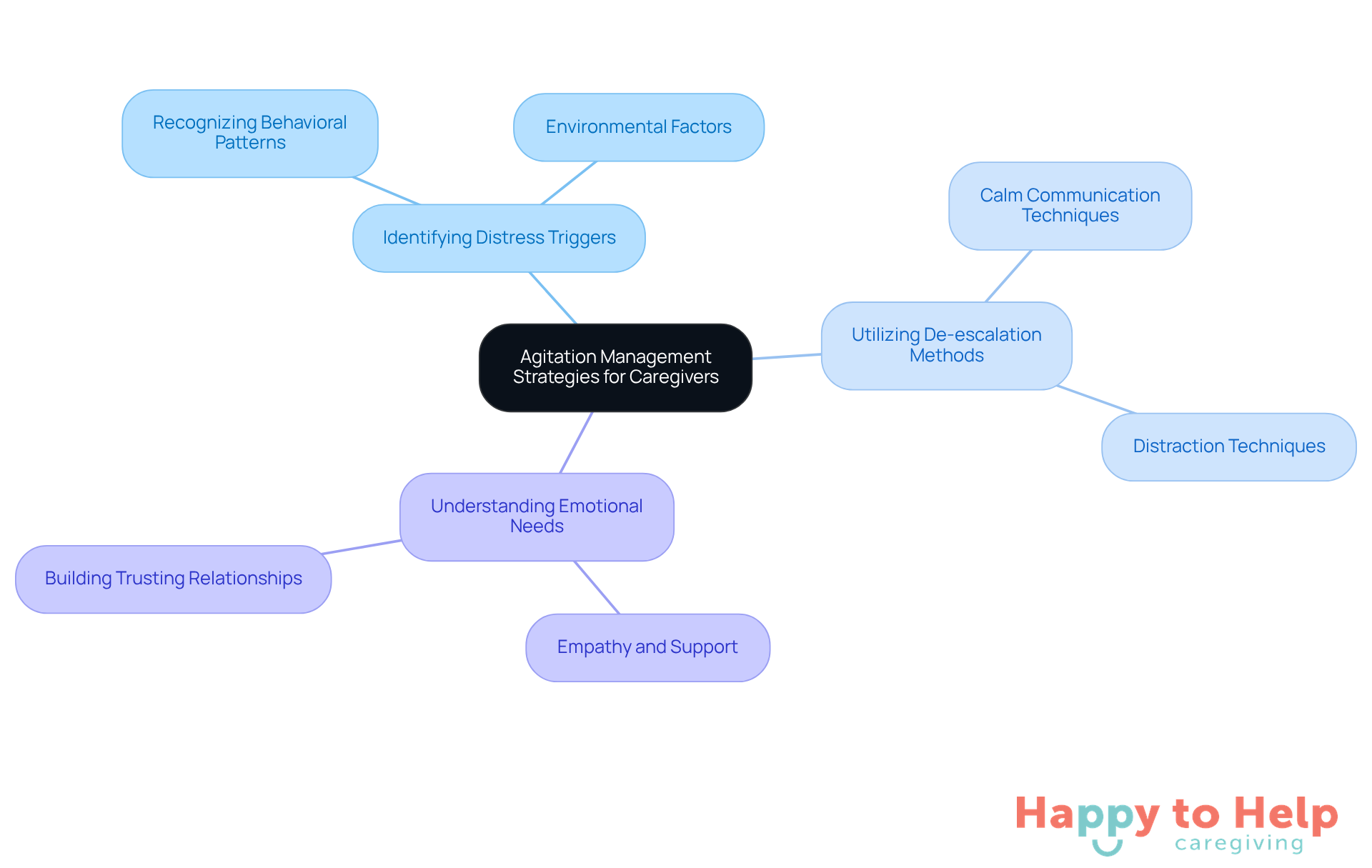
To address these challenges, training should focus on:
- Identifying distress triggers
- Utilizing de-escalation methods
- Understanding the emotional needs of individuals with dementia
Structured training approaches, such as the DICE Approach, have proven effective in helping caregivers manage agitation and improve care outcomes. By providing caregivers with the knowledge and skills they need, we can alleviate stress for both providers and patients.
Ongoing communication among healthcare teams, caregivers, and residential facility staff is also essential for effective management. This proactive approach fosters a deeper understanding of dementia-related challenges, ultimately enhancing the caregiving experience. By prioritizing education and collaboration, we can create a more compassionate environment for those affected by dementia.
Implement Non-Pharmacological Strategies for Agitation Management
Restlessness in individuals experiencing dementia and agitation poses a significant challenge for caregivers, impacting their quality of life. This issue can lead to increased levels of dementia and agitation, making it essential to explore effective, non-drug approaches.
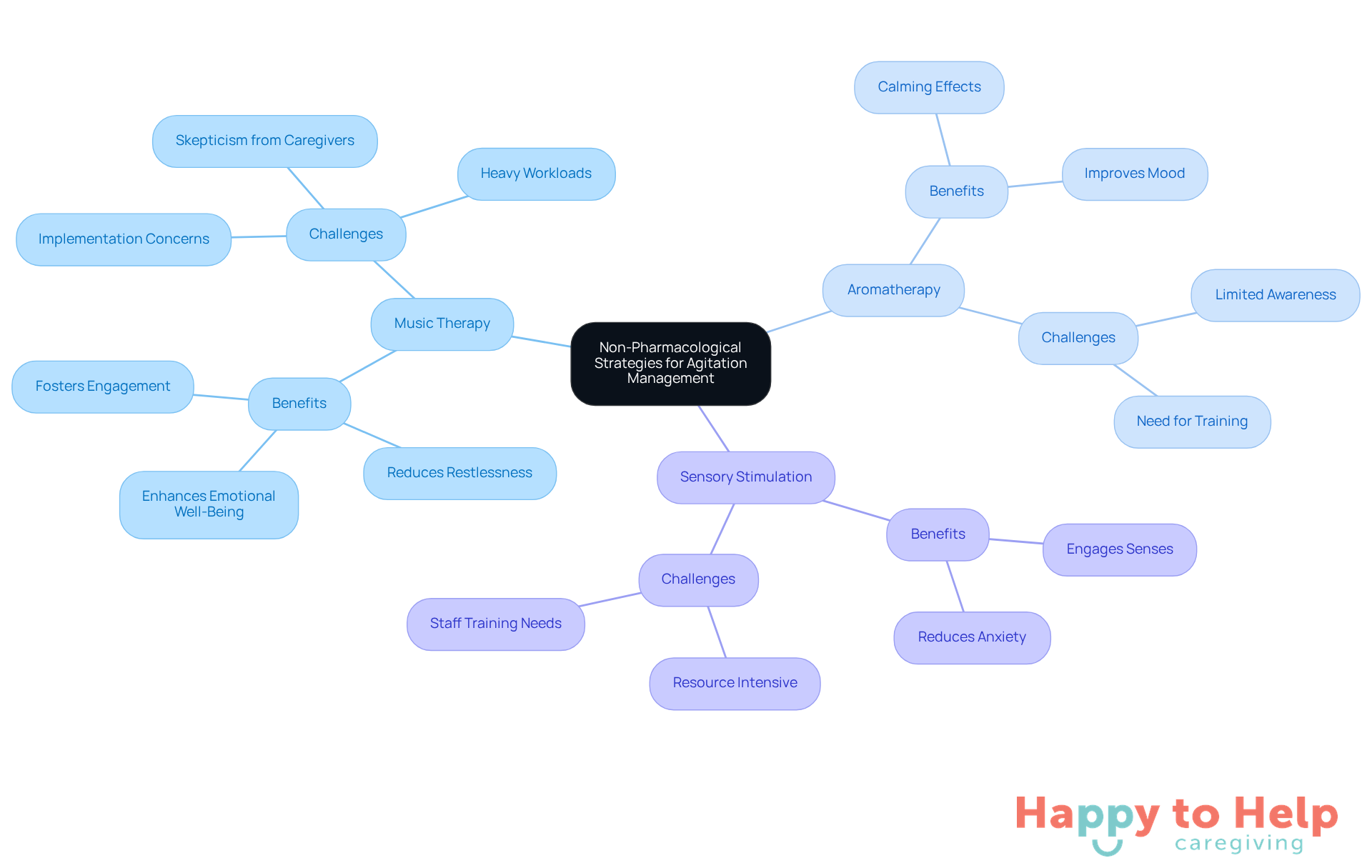
Research indicates that methods like music therapy, aromatherapy, and sensory stimulation can significantly reduce restlessness without relying on medication. For instance, studies show that music therapy can lead to an average reduction of -6.77 in restlessness scores during therapy sessions, while also enhancing emotional well-being among individuals with dementia. One study found that participants receiving music therapy experienced a notable decrease in restlessness compared to those who received standard care.
Experts emphasize that music therapy not only alleviates symptoms of dementia and agitation but also fosters engagement and reciprocity between caregivers and patients. Christian Gold noted that this approach can decrease aggression and promote mutual support among individuals with cognitive impairment. By encouraging caregivers to explore various non-medication strategies tailored to individual preferences, a more comprehensive and personalized approach to care can be achieved.
However, caregivers often face challenges in implementing these strategies effectively. Many express concerns about the practicality of non-pharmacological interventions alongside existing medication plans. Barriers such as heavy workloads, competing responsibilities, and unpredictable outcomes can further complicate the adoption of these strategies.
To create a supportive environment that enhances the well-being of individuals experiencing dementia and agitation, it is crucial for caregivers to integrate these non-drug approaches. Maintaining ongoing communication among healthcare teams, caregivers, and residential facility staff can facilitate this process, ensuring that everyone is aligned in their efforts to improve care.
Taking the Next Steps
Addressing dementia and agitation presents a significant challenge for caregivers, often leading to increased stress and emotional strain. The complexities of managing these conditions can leave caregivers feeling overwhelmed and unsure of how to provide the best support.
To effectively tackle these issues, it’s crucial to implement personalized care strategies. Creating a calm environment, engaging patients in meaningful activities, and fostering compassionate communication are essential techniques. These elements not only enhance the quality of life for individuals with cognitive impairments but also provide much-needed support for caregivers.
Key insights for caregivers include:
- Identifying triggers of agitation: Understanding what prompts distress can help in managing responses.
- Establishing consistent routines: Predictability can significantly reduce anxiety for both patients and caregivers.
- Collaborating with healthcare professionals: Working together ensures a comprehensive approach to care.
By employing gentle interventions and exploring non-pharmacological approaches, caregivers can cultivate nurturing environments that promote stability and emotional well-being. These strategies empower caregivers with the knowledge and tools necessary for effective management, ultimately reducing distress for everyone involved.
Caring for individuals with dementia is undoubtedly complex, yet it offers opportunities for profound connection and understanding. By prioritizing education, collaboration, and the application of effective strategies, caregivers can significantly improve the lives of those they support. This commitment to compassionate care is essential in fostering a more hopeful and dignified experience for individuals navigating the challenges of dementia and agitation.
https://iframe.tely.ai/cta/eyJhcnRpY2xlX2lkIjogIjY5MjY0MzgwMTRjODUwNzI1NGI4N2FiNCIsICJjb21wYW55X2lkIjogIjY4ZWU1ZGNhNzMxNzYyNTU3ZjNjOTVjMSIsICJpbmRleCI6IG51bGwsICJ0eXBlIjogImFydGljbGUifQ==Frequently Asked Questions
What is the current state of cognitive decline globally?
As of 2022, over 55 million individuals are affected by cognitive decline, with projections suggesting this number could rise to 139 million by 2050.
What challenges do individuals with cognitive impairments face?
Individuals with cognitive impairments often experience feelings of isolation and anxiety, which can severely impact their quality of life.
What is the significance of undiagnosed cognitive impairments?
Approximately three-quarters of individuals with cognitive impairments remain undiagnosed, which highlights a critical gap in care that affects both the individuals and their families.
What are the financial implications of cognitive decline?
The World Health Organization estimates that the annual global cost of cognitive decline exceeds US$ 1.3 trillion.
What services does Happy to Help Caregiving provide?
Happy to Help Caregiving offers personalized in-home assistance including companionship care, post-hospital recovery assistance, respite care, and palliative support care.
How does Happy to Help Caregiving support individuals with cognitive impairments?
Their services are designed to promote autonomy while providing compassionate support, enhancing overall well-being and alleviating feelings of isolation.
What are common triggers of agitation in dementia patients?
Common triggers include loud noises, unfamiliar surroundings, unmet physical needs like hunger or pain, and emotional stressors such as fear and confusion.
How prevalent is agitation in individuals with Alzheimer's disease?
Agitation occurs in about fifty percent of cases among individuals with Alzheimer’s.
What strategies can caregivers use to manage agitation in dementia patients?
Caregivers should recognize and document triggers, maintain a calm environment, minimize stimuli, use familiar objects, and establish a consistent daily routine filled with meaningful activities.
What recommendations have been proposed for managing agitation in dementia patients?
A multidisciplinary panel has proposed recommendations emphasizing the importance of both pharmaceutical and non-pharmaceutical treatment options.
What practical solutions can caregivers implement to create a calm environment?
Caregivers can use soft lighting, minimize background sounds, organize living spaces, and incorporate recognizable items to enhance comfort and reduce anxiety.
Why is creating a peaceful environment important for individuals with cognitive impairments?
A calm and secure environment helps reduce anxiety and restlessness, significantly improving the well-being of those in care.
List of Sources
- Happy to Help Caregiving: Personalized In-Home Support for Dementia
- One in Five People with Dementia Receive No Care, Global Study Finds (https://ysph.yale.edu/news-article/one-in-five-people-with-dementia-receive-no-care-global-study-finds)
- New Medicare program offers much-needed relief for caregivers of dementia patients (https://finance.yahoo.com/news/new-medicare-program-offers-much-needed-relief-for-caregivers-of-dementia-patients-203450020.html)
- ADI - Dementia statistics (https://alzint.org/about/dementia-facts-figures/dementia-statistics)
- Alzheimer's Disease Facts and Figures (https://alz.org/alzheimers-dementia/facts-figures)
- Medicare covers at-home nursing care for dementia patients for the first time this year (https://tampabay.com/news/health/2025/08/14/medicare-covers-at-home-nursing-care-dementia-patients-first-time-this-year)
- Identify Causes of Agitation in Dementia Patients
- Non-drug therapies show real promise in calming agitation in Alzheimer’s (https://news-medical.net/news/20250528/Non-drug-therapies-show-real-promise-in-calming-agitation-in-Alzheimere28099s.aspx)
- Clock changes and dementia: Tips for managing the challenge (https://deseret.com/family/2025/10/29/time-change-alzheimers-dementia-patients-caregivers-struggle-sundowning)
- Managing agitation associated with dementia due to Alzheimer’s disease (https://statnews.com/sponsor/2023/06/07/managing-agitation-associated-with-dementia-due-to-alzheimers-disease)
- Expert Consensus Highlights Evidence-Based Recommendations for Managing Agitation in Alzheimer Dementia (https://hmpgloballearningnetwork.com/site/altc/news/expert-consensus-highlights-evidence-based-recommendations-managing-agitation)
- New Survey Reveals Critical Gaps in Awareness and Understanding of Agitation in Alzheimer’s Dementia - Alliance for Aging Research (https://agingresearch.org/news/new-survey-reveals-critical-gaps-in-awareness-and-understanding-of-agitation-in-alzheimers-dementia)
- Create a Calm and Safe Environment for Patients
- The Impact of a Calm Environment on Persons with Dementia (https://heartsfordementia.com/news/the-impact-of-a-calm-environment-on-persons-with-dementia)
- Nursing Home Dementia Care Statistics (https://rosewood-nursing.com/post/nursing-home-dementia-care-statistics)
- Creating a safe and supportive environment for individuals with Alzheimer’s and dementia | Skills for Health (https://skillsforhealth.org.uk/article/creating-a-safe-and-supportive-environment-for-individuals-with-alzheimers-and-dementia)
- The Real-World Burden of Dementia-Related Agitation: Insights, Impacts, and Innovations (https://psychiatryadvisor.com/cch/dementia-related-agitation-alzheimer-disease-brexpiprazole)
- Frontiers | Agitation and Dementia: Prevention and Treatment Strategies in Acute and Chronic Conditions (https://frontiersin.org/journals/neurology/articles/10.3389/fneur.2021.644317/full)
- Engage Patients in Meaningful Activities
- Research to study how to increase engagement in activities among assisted living residents with dementia (https://mcknightsseniorliving.com/news/research-to-study-how-to-increase-engagement-in-activities-among-assisted-living-residents-with-dementia)
- Meaningful activities for a person with dementia (https://dementiauk.org/news/meaningful-activities-for-a-person-with-dementia)
- Engaging & Meaningful Activities for People with Dementia | Juniper Senior Living (https://junipercommunities.com/engaging-meaningful-activities-for-people-with-dementia)
- Dementia Activities: Different Ways to Keep Loved Ones Connected | National Church Residences (https://nationalchurchresidences.org/blog/dementia-activities-different-ways-to-keep-loved-ones-connected)
- Engagement in Favorite Activity and Implications for Cognition, Mental Health, and Function in Persons Living With and Without Dementia - PMC (https://pmc.ncbi.nlm.nih.gov/articles/PMC8448794)
- Communicate with Clarity and Compassion
- Clearer Conversations, Better Care: New Guide Highlights Best Practices for Communicating with Older Adults (https://geron.org/News-Events/GSA-News/Press-Room/Press-Releases/clearer-conversations-better-care-new-guide-highlights-best-practices-for-communicating-with-older-adults)
- Dementia - communication (https://betterhealth.vic.gov.au/health/conditionsandtreatments/dementia-communication)
- The facilitators of communication with people with dementia in a care setting: an interview study with healthcare workers (https://academic.oup.com/ageing/article/45/1/164/2195309)
- Communication and engagement with people living with dementia (https://dementia.org.au/news/communication-and-engagement-people-living-dementia)
- Study offers guidance for communicating with loved ones living with dementia (https://news-medical.net/news/20250827/Study-offers-guidance-for-communicating-with-loved-ones-living-with-dementia.aspx)
- Establish Consistent Routines to Reduce Confusion
- Dementia: Why Routines Matter! (https://heritagesenior.com/elm-grove/blog/memory-care/dementia-why-routines-matter)
- Possible Consequences of Intervening in the Routines of Individuals with Dementia (https://beynex.com/blogs/possible-consequences-of-intervening-in-the-routines-of-individuals-with-dementia)
- The Importance of Routine for Seniors with Dementia | Paul Spring (https://paulspringbyrui.com/the-importance-of-routine-for-seniors-with-dementia)
- The Importance of Routine in Dementia Care (https://advmedny.com/post/the-importance-of-routine-in-dementia-care)
- The Importance of a Daily Routine for Dementia Patients | Where You Live Matters (https://whereyoulivematters.org/resources/importance-of-routines-for-dementia)
- Use Gentle Interventions to De-Escalate Agitation
- Non-drug therapies show real promise in calming agitation in Alzheimer’s (https://news-medical.net/news/20250528/Non-drug-therapies-show-real-promise-in-calming-agitation-in-Alzheimere28099s.aspx)
- Calming Aggression And Agitation In Dementia Patients - NCCDP (https://nccdp.org/calming-aggression-and-agitation-in-dementia-patients)
- Expert Consensus Highlights Evidence-Based Recommendations for Managing Agitation in Alzheimer Dementia (https://hmpgloballearningnetwork.com/site/altc/news/expert-consensus-highlights-evidence-based-recommendations-managing-agitation)
- 34 Powerful Quotes for Managing Strong Emotions (https://reachlink.com/advice/anger/34-powerful-quotes-for-managing-strong-emotions)
- Caregiver Dementia Quotes (Encouragement For Dementia Caregivers) (https://optoceutics.com/caregiver-dementia-quotes-encouragement-dementia-caregivers?srsltid=AfmBOorz2hAEey4vVB0Cn845lR4GprOuZw8gNmmktGvXne3xtDp8NMZV)
- Educate Caregivers on Agitation Management Strategies
- New dementia training promises better communication, reduced turnover (https://mcknights.com/news/new-dementia-training-promises-better-communication-reduced-turnover)
- Expert Consensus Highlights Evidence-Based Recommendations for Managing Agitation in Alzheimer Dementia (https://hmpgloballearningnetwork.com/site/altc/news/expert-consensus-highlights-evidence-based-recommendations-managing-agitation)
- Thomas P. Raley Foundation gift fuels UC Davis dementia caregiver education and research (https://health.ucdavis.edu/news/headlines/thomas-p-raley-foundation-gift-fuels-uc-davis-dementia-caregiver-education-and-research/2025/11)
- Pa., N.J. and Del.families can now enroll in a new Medicare dementia program (https://whyy.org/articles/medicare-dementia-guide-program-pennsylvania-new-jersey-delaware)
- Alzheimer’s Association Honors the Nearly 12 Million Americans Who Serve as Dementia Caregivers and Shares New Resources to Help Them Thrive (https://alz.org/news/2025/november-national-family-caregivers-alzheimers-disease-awareness-month)
- Implement Non-Pharmacological Strategies for Agitation Management
- Non-drug therapies show real promise in calming agitation in Alzheimer’s (https://news-medical.net/news/20250528/Non-drug-therapies-show-real-promise-in-calming-agitation-in-Alzheimere28099s.aspx)
- Expert Consensus Highlights Evidence-Based Recommendations for Managing Agitation in Alzheimer Dementia (https://hmpgloballearningnetwork.com/site/altc/news/expert-consensus-highlights-evidence-based-recommendations-managing-agitation)
- Managing Agitation Using Nonpharmacological Interventions for Seniors With Dementia - Shannon Janzen, Aleksandra A. Zecevic, Marita Kloseck, J. B. Orange, 2013 (https://journals.sagepub.com/doi/10.1177/1533317513494444)
- Individual music therapy for agitation in dementia: an exploratory randomized controlled trial - PMC (https://pmc.ncbi.nlm.nih.gov/articles/PMC4685573)
- Frontiers | Agitation and Dementia: Prevention and Treatment Strategies in Acute and Chronic Conditions (https://frontiersin.org/journals/neurology/articles/10.3389/fneur.2021.644317/full)