
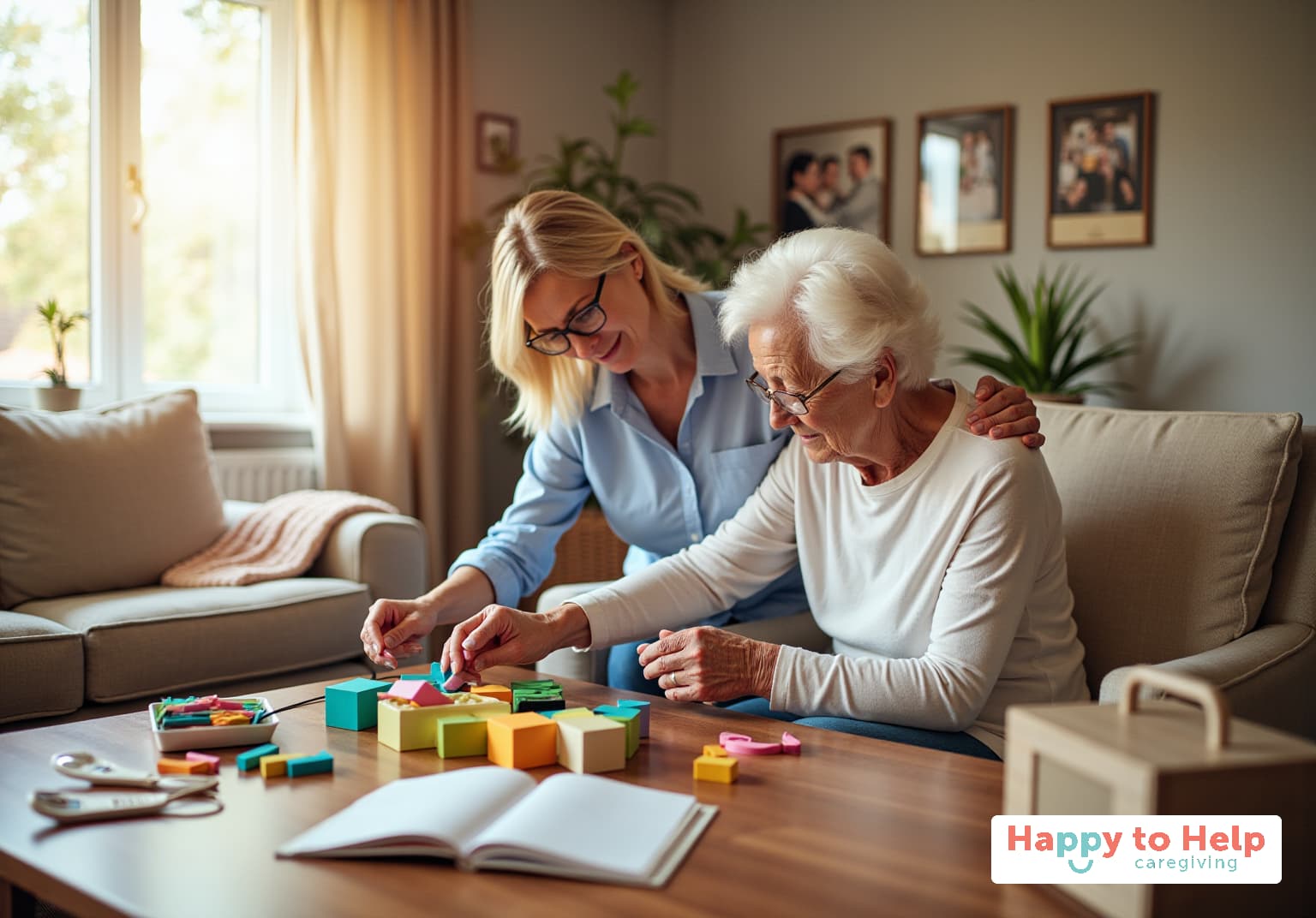
For families in our service areas
For families in our service areas, this guide explains dementia care and how non-medical in-home caregiving can support care planning in East Idaho, Treasure Valley & Magic Valley, Northern Wasatch, North Central West Virginia, and Northeast Ohio.
Why 10 Strategies to Manage Dementia Matters
Caring for individuals with dementia-related behaviors presents a complex challenge for many families, often filled with emotional and logistical hurdles. With over 7 million Americans affected by Alzheimer's disease, the urgency for effective strategies to manage these behaviors has never been greater.
Families face the daunting task of balancing caregiving demands while ensuring their loved ones feel secure and understood. This article explores ten actionable techniques designed to enhance the quality of life for those with cognitive impairments and provide essential support for their caregivers.
By implementing these strategies, caregivers can navigate this journey more effectively, fostering a sense of understanding and security for their loved ones.
Happy to Help Caregiving: Personalized In-Home Support for Dementia Behaviors
Caring for individuals exhibiting dementia related behaviors presents significant challenges for families. With over 7 million Americans currently living with Alzheimer's disease, the emotional and logistical burdens on caregivers can be overwhelming. Nearly 12 million unpaid family supporters are providing assistance, often feeling the strain of their responsibilities.
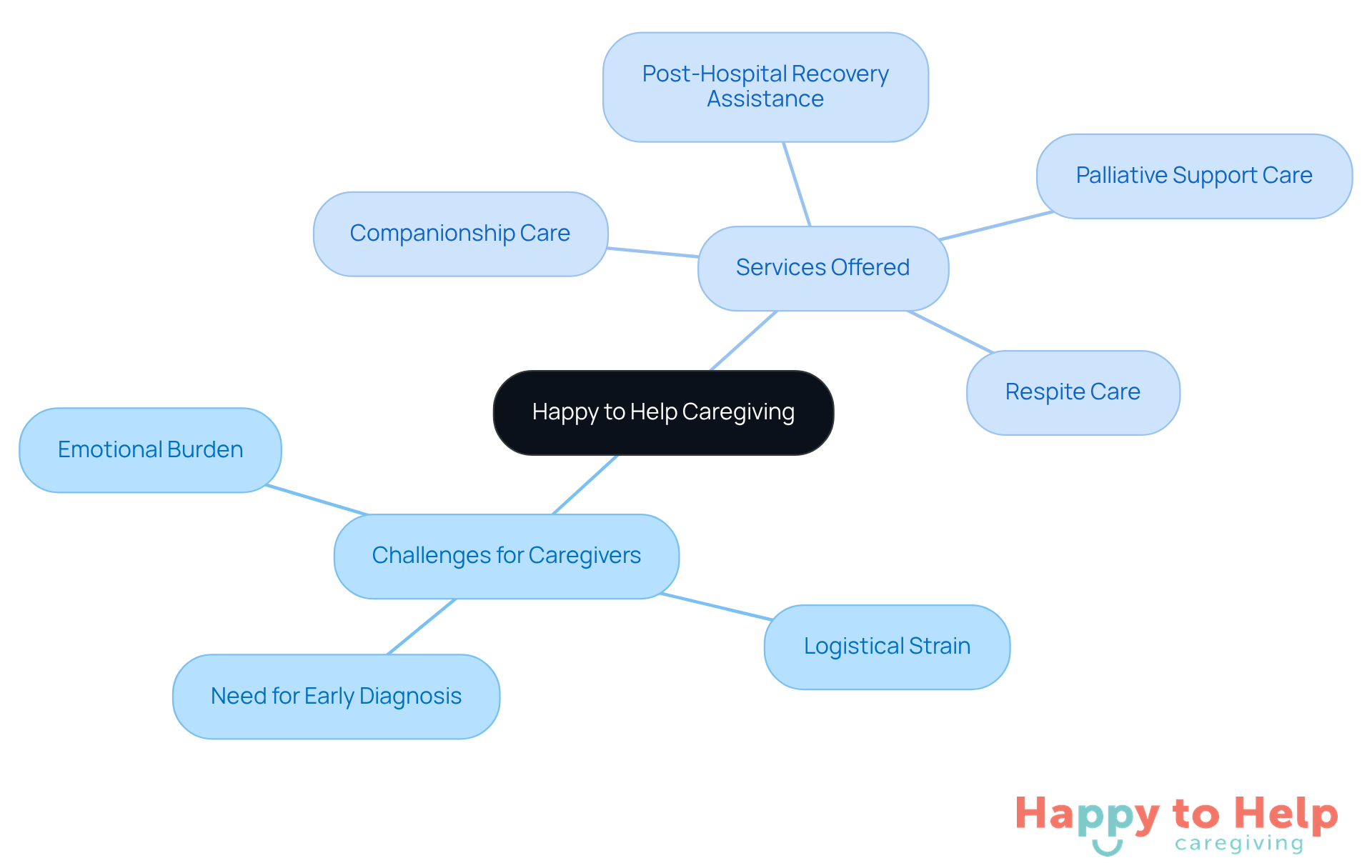
Happy to Help Caregiving addresses these challenges through customized in-home assistance. Their services include:
- Companionship care
- Post-hospital recovery assistance
- Respite care
- Palliative support care
All designed to meet the unique needs of clients. This personalized approach not only enhances the quality of life for those affected by cognitive decline but also alleviates the stress experienced by their families.
Families report that the tailored attention from caregivers fosters a sense of security and comfort, allowing clients to thrive in familiar surroundings. This is crucial, as 99% of Americans believe early diagnosis is important, highlighting the need for proactive caregiving strategies. By prioritizing the specific needs of individuals with cognitive impairments, including dementia related behaviors, Happy to Help Caregiving not only improves daily living experiences but also strengthens family connections during difficult times.
Establish Routines: Create Consistency to Reduce Anxiety
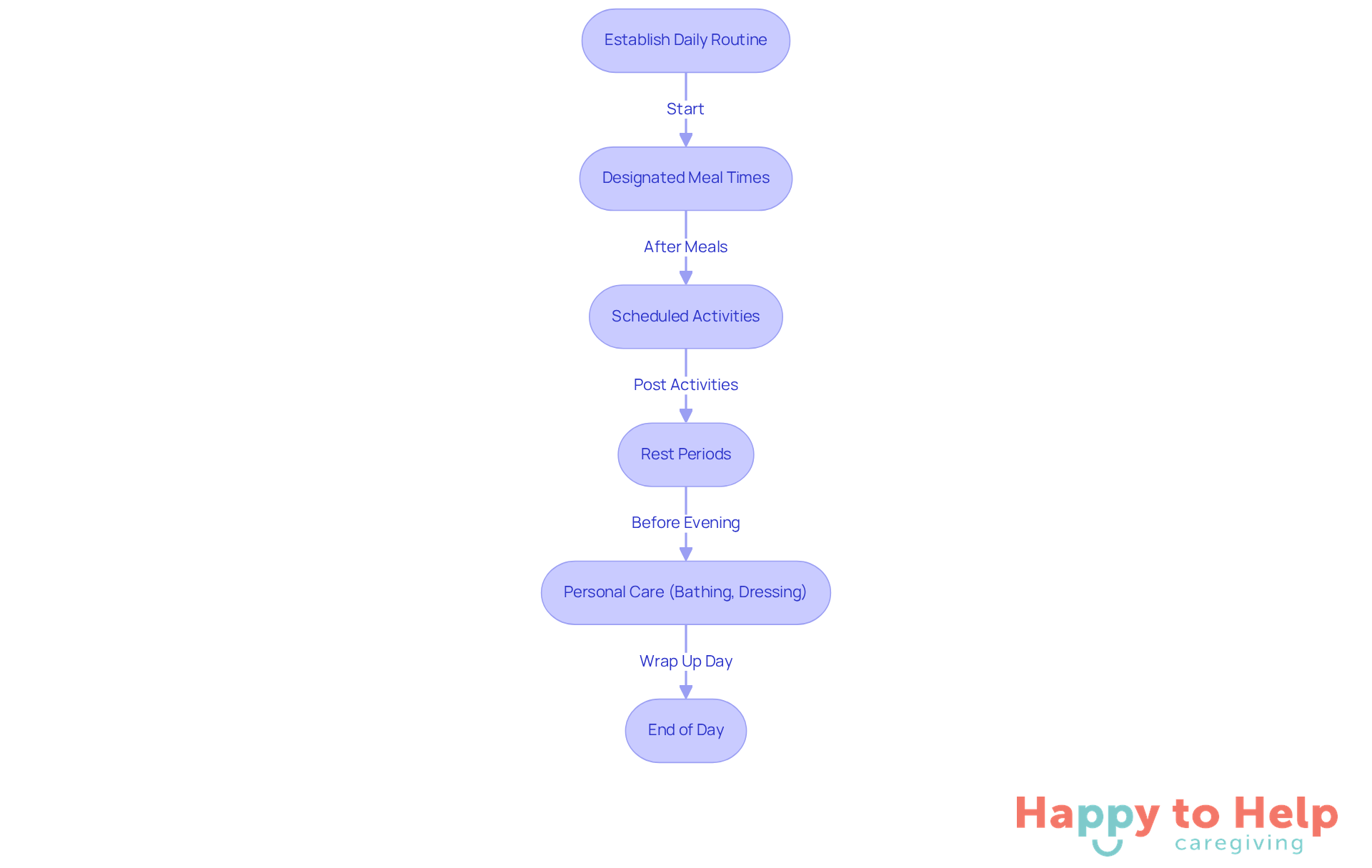
Cognitive decline, often characterized by dementia related behaviors, presents significant challenges for individuals and their caregivers. One major issue is the confusion and anxiety that can arise from an unstructured daily routine, especially in those displaying dementia related behaviors. Without a clear schedule, individuals may struggle to navigate their day, resulting in increased stress associated with dementia related behaviors for both them and their caregivers.
To address this problem, establishing an organized daily schedule can be incredibly beneficial in managing dementia related behaviors. Regularly scheduled times for meals, activities, and rest can help reduce confusion and anxiety associated with dementia related behaviors. For instance, having designated times for bathing, dressing, and eating creates a sense of normalcy and predictability. This structure not only aids individuals in managing their day but also provides caregivers with a reliable framework to support their loved ones effectively.
Communicate Clearly: Use Simple Language and Non-Verbal Cues
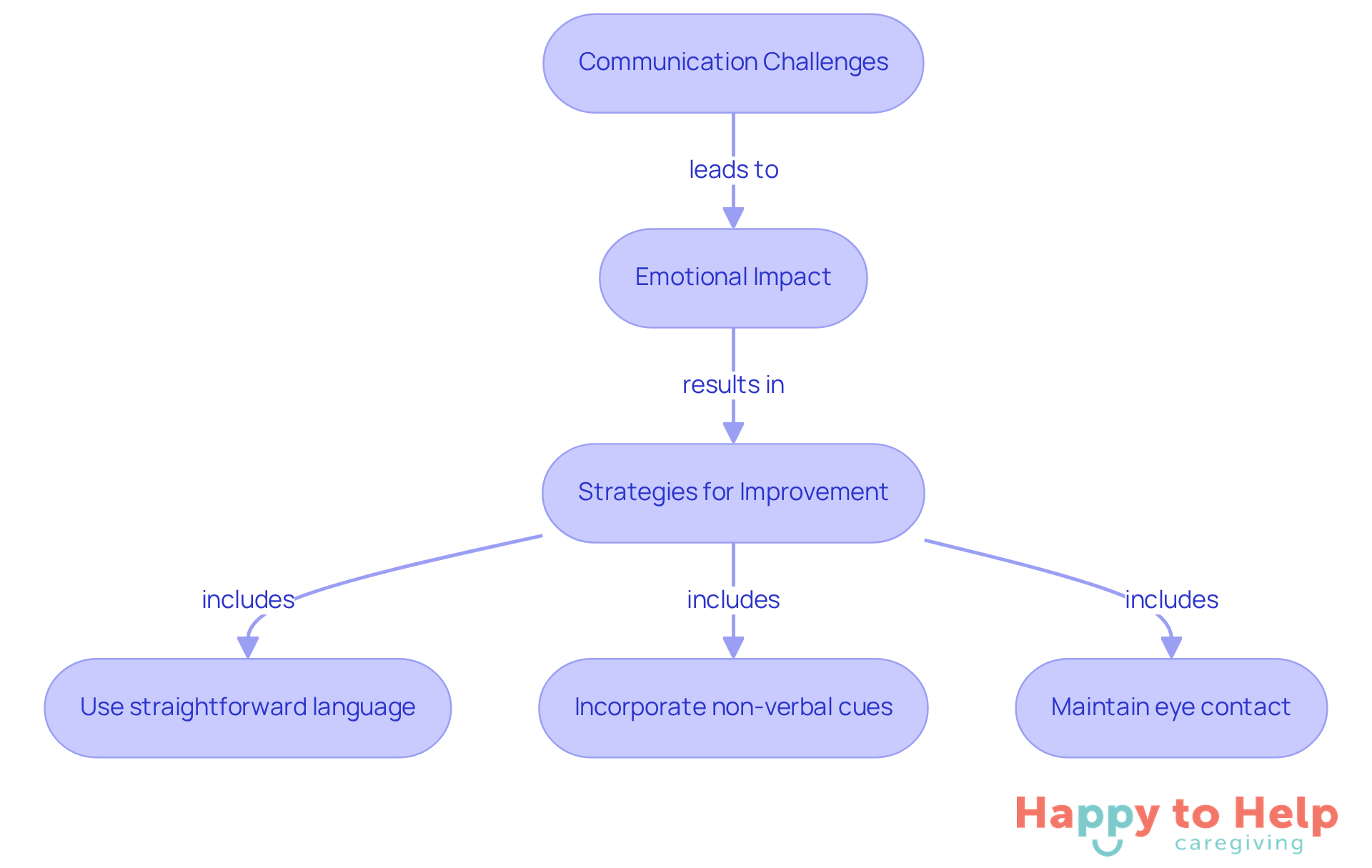
Problem: Caregivers often face significant challenges when communicating with individuals who have dementia. These challenges can lead to misunderstandings and frustration for both parties.
Agitate: When caregivers struggle to convey messages effectively, it can create feelings of isolation and confusion for the person with dementia. This not only affects their emotional well-being but can also escalate into frustration, making interactions more difficult.
Solution: To improve communication, caregivers should:
- Use straightforward language and brief sentences.
- Incorporate non-verbal cues, such as gestures and facial expressions, to aid understanding.
- Maintain eye contact and speak slowly to ensure the person feels understood and respected.
By implementing these strategies, caregivers can foster a more positive interaction, reducing potential frustration and enhancing the overall experience.
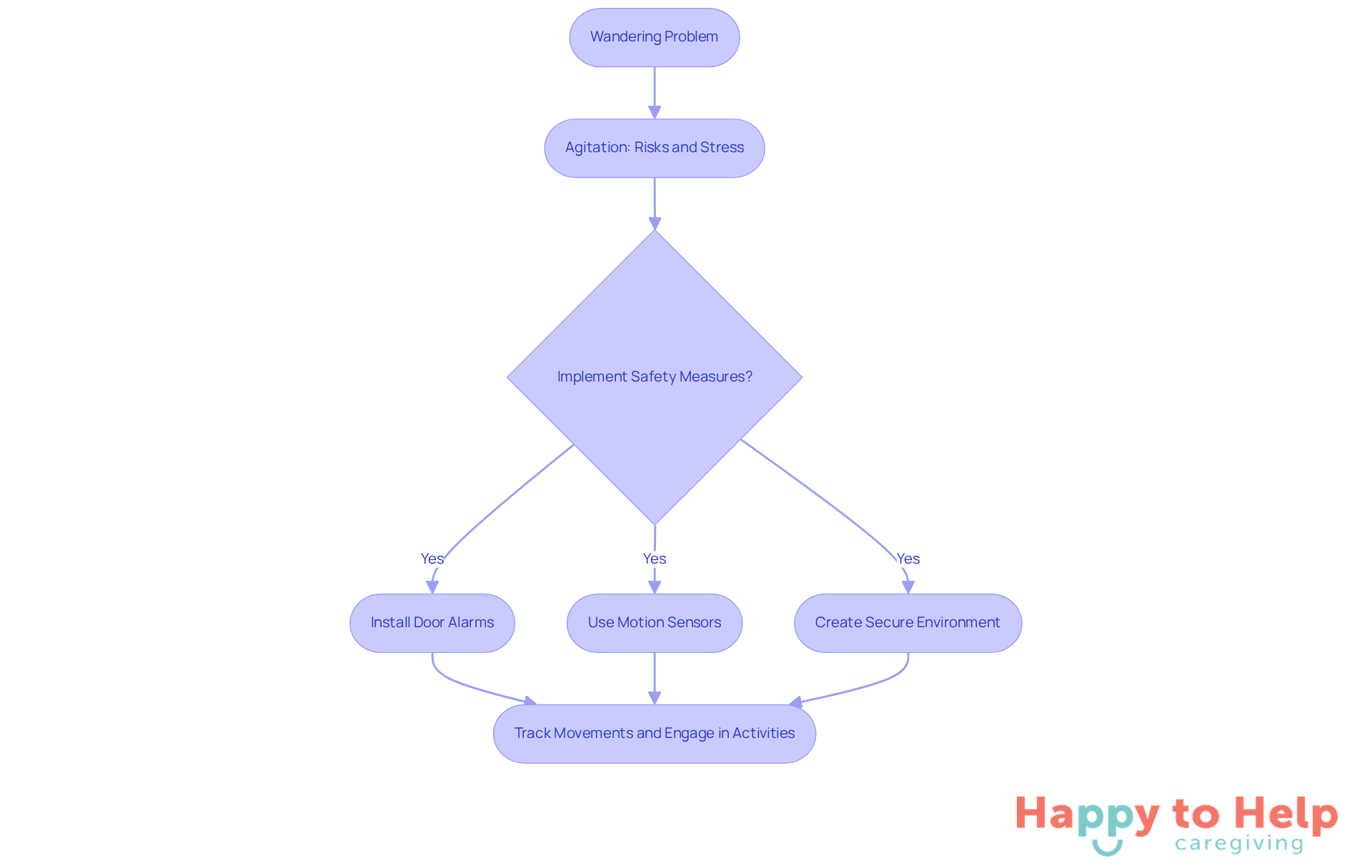
Prevent Wandering: Implement Safety Measures and Monitoring
Problem: Wandering can pose significant risks for individuals in care, leading to safety concerns and increased stress for caregivers.
Agitate: Without proper measures, caregivers may struggle to ensure the safety of those they support, which can result in dangerous situations and emotional distress for both parties.
Solution: To mitigate these risks, caregivers should implement several safety measures:
- Install door alarms to alert caregivers when someone attempts to leave.
- Use motion sensors to monitor movements within the home.
- Create a secure environment that minimizes opportunities for wandering.
Additionally, tracking a person's movements can help caregivers respond swiftly if wandering occurs. Engaging individuals in regular outdoor activities can satisfy their need to explore while ensuring their safety.
Defuse Aggression: Use Calmness and Reassurance Techniques
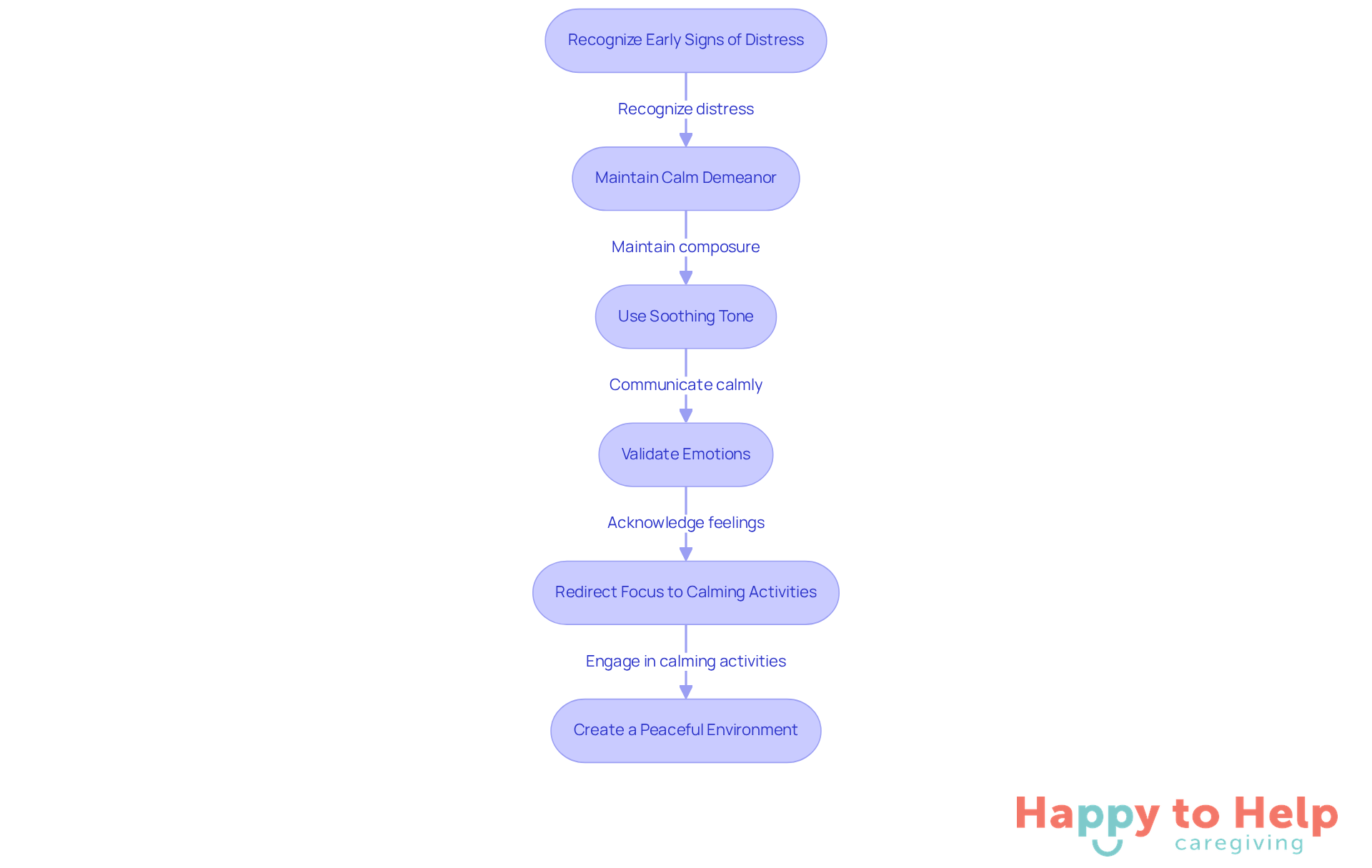
In moments of aggression, caregivers face the challenge of maintaining a calm and composed demeanor. This situation can lead to heightened tension, making it crucial for caregivers to employ a soothing tone and reassuring language to help individuals feel secure. Validating emotions is essential; acknowledging feelings fosters trust and understanding, which can significantly ease the situation.
Redirecting focus to calming activities, such as listening to soothing music or engaging in a cherished hobby, can effectively diffuse tension. Research indicates that creating a peaceful environment - characterized by quiet, organized spaces and soft lighting - can further reduce agitation. As mental health experts highlight, a serene, familiar environment can help decrease aggression and agitation in individuals exhibiting dementia-related behaviors by alleviating confusion and fear.
Recognizing early signs of distress is crucial. Experts emphasize that "recognizing the early signs of distress gives you the opportunity to prevent episodes of aggression and agitation before they escalate." This proactive approach promotes a more harmonious caregiving experience. Caregivers should observe subtle changes in behavior, such as increased pacing or fidgeting, which may indicate distress.
Additionally, creating a calming space and practicing self-care can empower caregivers to maintain their own well-being while providing effective support. By implementing these strategies, caregivers can navigate challenging moments with greater ease and confidence.
Encourage Exercise: Promote Physical Activity for Better Mood
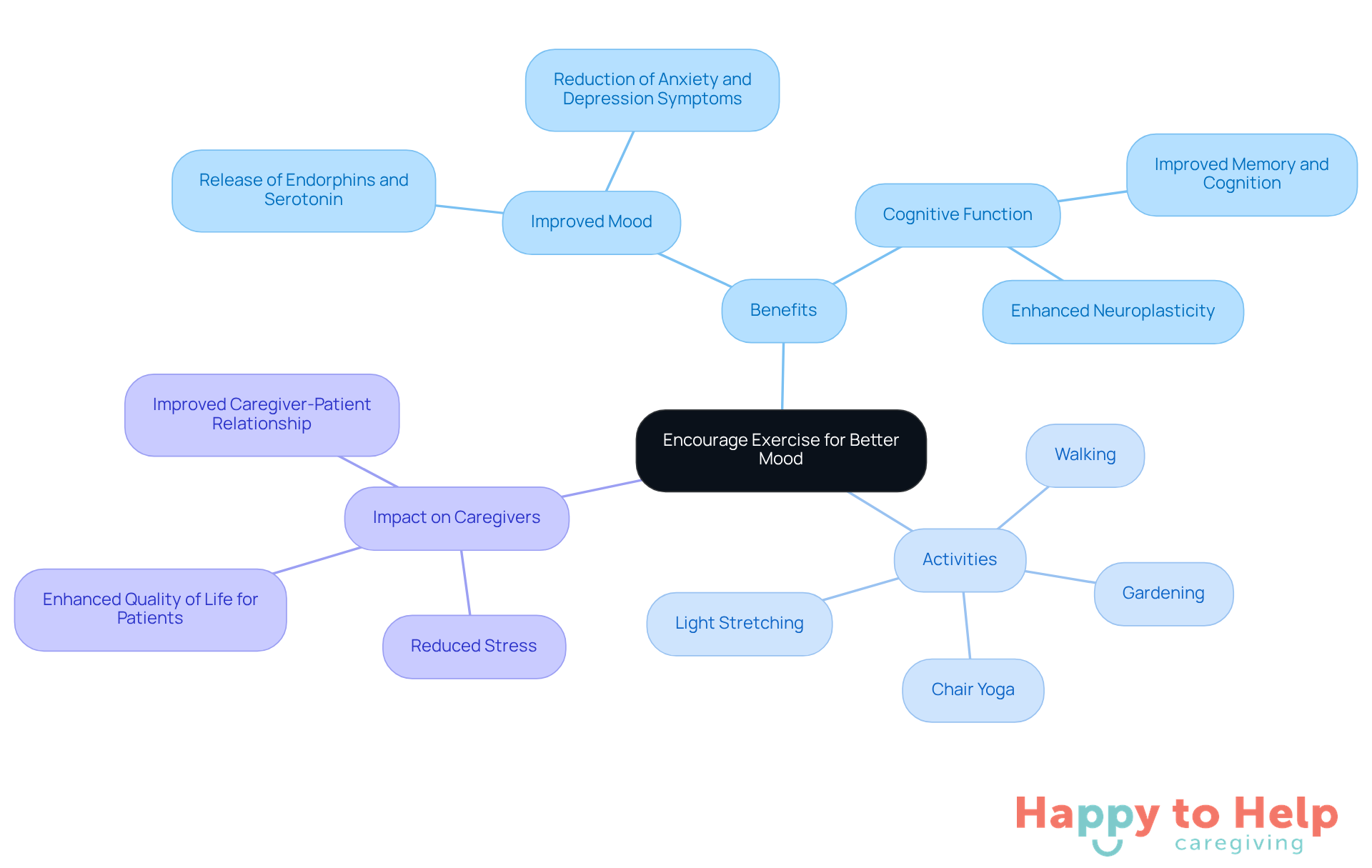
Cognitive decline can significantly affect mood and cognitive abilities, posing a challenge for caregivers. This decline not only impacts the individual but can also create stress for those providing care. It's essential to address these issues proactively.
One effective solution is consistent physical exercise. Simple activities like:
- Walking
- Gardening
- Light stretching
can easily be integrated into daily routines. These exercises not only promote physical health but also offer opportunities for social interaction and enjoyment, which are crucial for emotional well-being.
By encouraging regular physical activity, caregivers can help improve the quality of life for those experiencing cognitive decline. Incorporating these activities into everyday life can lead to noticeable improvements in mood and cognitive function.
Manage Sleep Issues: Establish a Calming Bedtime Routine
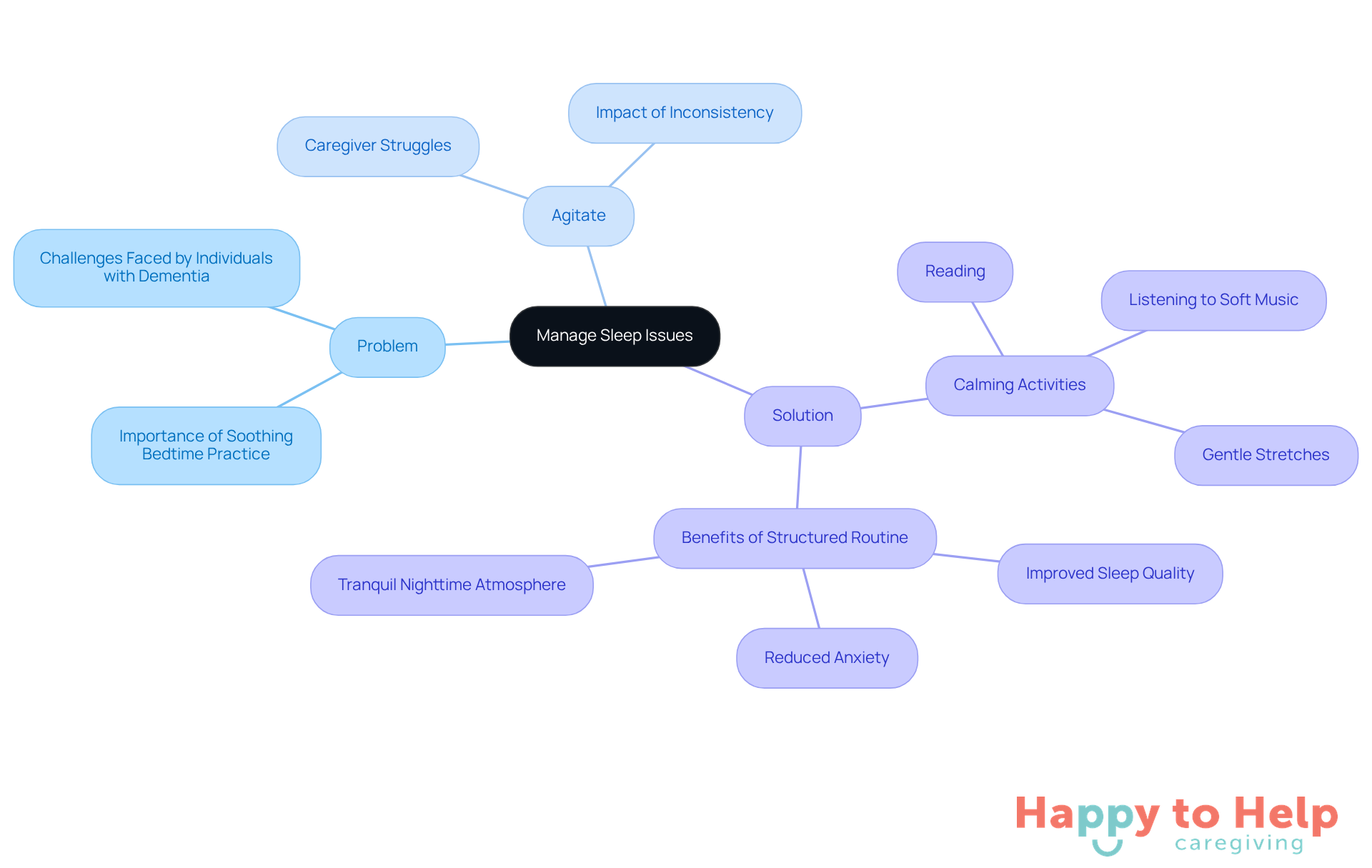
Problem: Establishing a soothing bedtime practice is vital for individuals with dementia. Without it, relaxation can be difficult, and the transition to sleep may become challenging for both the individual and their caregivers.
Agitate: Caregivers often struggle to maintain consistency in daily activities, especially as cognitive decline progresses. This inconsistency can lead to increased anxiety and restlessness, making it harder for individuals with dementia related behaviors to settle down for the night. Research shows that a lack of a structured sleep schedule can significantly impact overall health and well-being.
Solution: Engaging in soothing activities such as reading, listening to soft music, or practicing gentle stretches can effectively promote relaxation. Sleep experts stress that organized evening practices not only improve sleep quality but also lessen anxiety, creating a more tranquil nighttime atmosphere. As noted by The Bristal, "Consistent practices serve as an anchor in the storm of memory loss," highlighting the emotional benefits of regular schedules. By incorporating familiar and soothing elements into bedtime routines, caregivers can help individuals exhibiting dementia related behaviors transition to sleep more easily, ultimately enhancing their quality of life. Flexibility in care approaches is essential to adapt to the changing needs of those they support.
Prioritize Caregiver Well-Being: Seek Support and Respite Care
Caregivers often face a significant problem: neglecting their own well-being. This oversight can lead to increased stress and burnout, ultimately affecting their ability to provide effective care. When caregivers are overwhelmed, the quality of care they offer may suffer, impacting both them and those they care for.
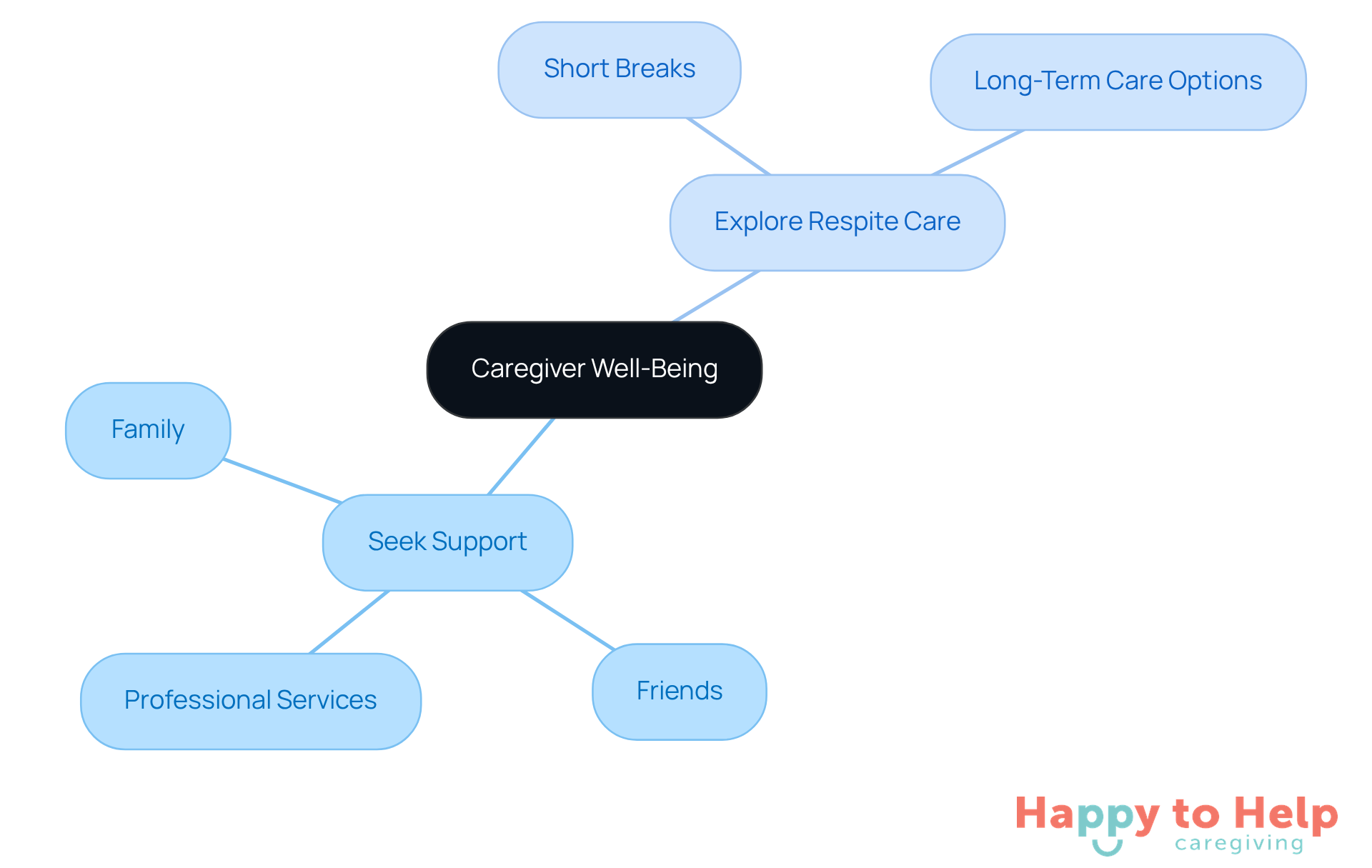
To address this issue, it's crucial for caregivers to seek support from family, friends, or professional services. Engaging with a support network can alleviate some of the stress they experience. Additionally, exploring respite care options allows caregivers to take necessary breaks. These breaks are vital, as they enable caregivers to return to their roles refreshed and better equipped to handle the challenges ahead.
Engage in Activities: Foster Enjoyment to Alleviate Stress
Caregivers of individuals with dementia often face significant stress from managing dementia related behaviors, which can impact their well-being and the quality of care they provide. This stress can stem from the challenges of managing daily activities and ensuring engagement for their loved ones.
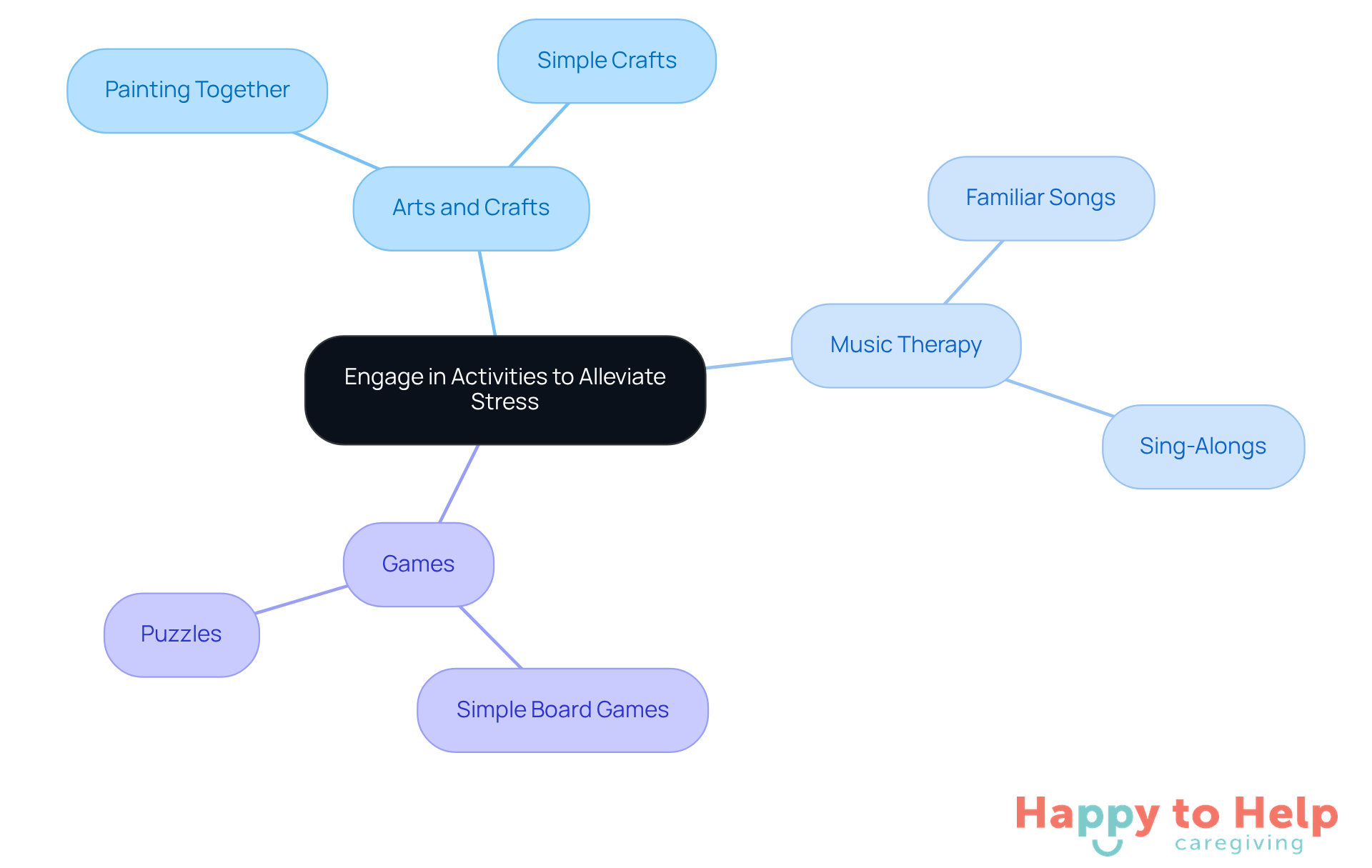
To alleviate this stress, incorporating pleasurable activities into the daily routine can be highly beneficial in addressing dementia related behaviors. Activities such as arts and crafts, music therapy, or simple games not only stimulate cognitive function but also help in managing dementia related behaviors while providing a sense of accomplishment for those with dementia.
Tailoring these activities to the individual's interests can further enhance engagement and enjoyment. Here are some actionable tips for caregivers:
- Arts and Crafts: Encourage creativity through painting or simple crafts that can be done together.
- Music Therapy: Play familiar songs or engage in sing-alongs to evoke positive memories.
- Games: Simple board games or puzzles can stimulate cognitive skills while being enjoyable.
By integrating these activities, caregivers can create a more fulfilling environment that reduces stress and promotes well-being, which can help in managing dementia related behaviors for both themselves and the individuals they care for.
Identify Triggers: Recognize and Address Behavioral Patterns
Caregivers face significant challenges when managing dementia related behaviors in individuals with dementia. One major issue is the occurrence of dementia related behaviors, which can often lead to agitation. This agitation is particularly concerning, as it is linked to 56.9% of falls in individuals with cognitive impairment. Understanding dementia related behaviors is crucial for caregivers to provide effective support.
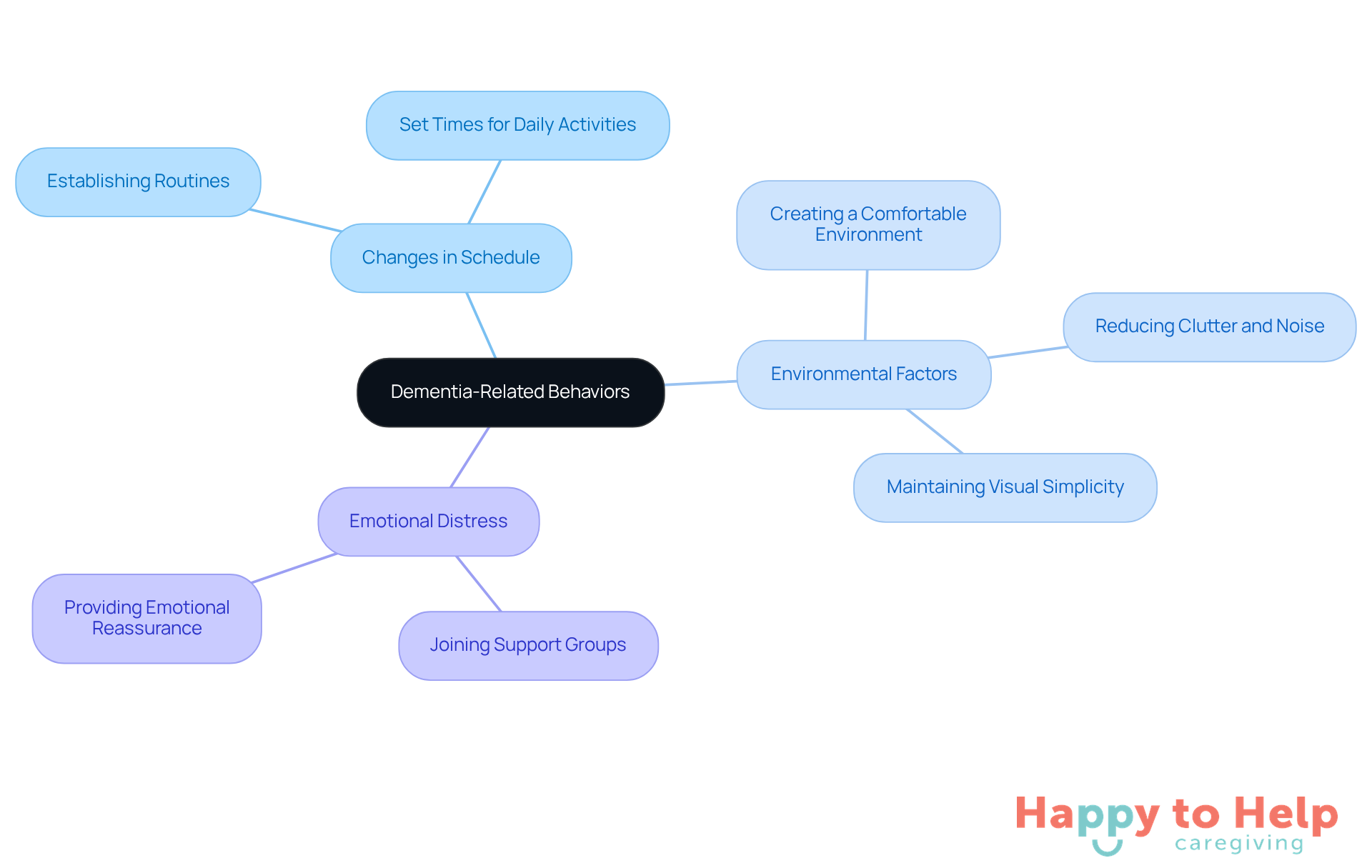
Common triggers for dementia related behaviors include:
- Changes in schedule
- Environmental factors
- Emotional distress
Identifying these triggers is essential for creating a safer environment. By proactively implementing strategies to mitigate these triggers, caregivers can foster a more stable atmosphere that addresses dementia related behaviors. For instance, establishing set times for daily activities helps maintain a routine, which can significantly reduce agitation.
As Tanis J. Ferman, PhD, notes, 'Behavior becomes a means of communication,' which highlights the importance of recognizing and understanding dementia related behaviors. Caregivers can also benefit from joining support groups that offer emotional relief and practical advice, enriching their caregiving experience. By taking these steps, caregivers not only improve the quality of care but also enhance their ability to respond effectively to the unique needs of their loved ones.
Your Path Forward
Caring for individuals with dementia-related behaviors presents significant challenges for caregivers. These challenges can lead to increased stress and emotional strain, impacting both the caregiver's well-being and the quality of care provided to the patient. Without effective strategies, caregivers may struggle to manage the complexities of dementia, resulting in a less supportive environment for those affected by cognitive decline.
To address these issues, it is essential to implement a multifaceted approach that prioritizes personalized care and proactive communication. Establishing predictable routines can significantly reduce anxiety for both caregivers and patients. Clear communication strategies help in managing challenging behaviors, fostering a sense of security and comfort for individuals with dementia. Additionally, recognizing triggers and maintaining caregiver well-being are crucial for effective support.
Engaging in enjoyable activities and seeking support can enrich the caregiving experience. Prioritizing self-care not only benefits caregivers but also enhances the overall quality of life for those they care for. By embracing these strategies, caregivers can create a more harmonious caregiving journey, strengthening the connections with their loved ones and making a meaningful difference in their lives.
https://iframe.tely.ai/cta/eyJhcnRpY2xlX2lkIjogIjY5MjRmMWRkZWM0Y2FiOGU3NGVjMDBkOSIsICJjb21wYW55X2lkIjogIjY4ZWU1ZGNhNzMxNzYyNTU3ZjNjOTVjMSIsICJpbmRleCI6IG51bGwsICJ0eXBlIjogImFydGljbGUifQ==Frequently Asked Questions
What challenges do families face when caring for individuals with dementia-related behaviors?
Families face significant emotional and logistical burdens when caring for individuals with dementia-related behaviors, often feeling overwhelmed by their responsibilities.
How does Happy to Help Caregiving support families dealing with dementia?
Happy to Help Caregiving provides customized in-home assistance, including companionship care, post-hospital recovery assistance, respite care, and palliative support care, all designed to meet the unique needs of clients.
What are the benefits of personalized in-home assistance for individuals with cognitive decline?
Personalized in-home assistance enhances the quality of life for those affected by cognitive decline and alleviates the stress experienced by their families, fostering a sense of security and comfort.
Why is establishing routines important for individuals with dementia?
Establishing routines helps reduce confusion and anxiety associated with dementia-related behaviors by providing a structured daily schedule, which aids individuals in navigating their day and helps caregivers support them effectively.
What communication strategies can caregivers use when interacting with individuals with dementia?
Caregivers should use straightforward language, brief sentences, non-verbal cues like gestures and facial expressions, maintain eye contact, and speak slowly to improve understanding and foster positive interactions.
How does tailored caregiving improve family connections during difficult times?
By prioritizing the specific needs of individuals with cognitive impairments, tailored caregiving not only enhances daily living experiences but also strengthens family connections, providing support during challenging periods.
List of Sources
- Happy to Help Caregiving: Personalized In-Home Support for Dementia Behaviors
- Pa., N.J. and Del.families can now enroll in a new Medicare dementia program (https://whyy.org/articles/medicare-dementia-guide-program-pennsylvania-new-jersey-delaware)
- New NIA grant advances tools for dementia caregiving (https://news-medical.net/news/20251015/New-NIA-grant-advances-tools-for-dementia-caregiving.aspx)
- New Medicare program offers much-needed relief for caregivers of dementia patients (https://finance.yahoo.com/news/new-medicare-program-offers-much-needed-relief-for-caregivers-of-dementia-patients-203450020.html)
- Alzheimer's Disease Facts and Figures (https://alz.org/alzheimers-dementia/facts-figures)
- Establish Routines: Create Consistency to Reduce Anxiety
- Possible Consequences of Intervening in the Routines of Individuals with Dementia (https://beynex.com/blogs/possible-consequences-of-intervening-in-the-routines-of-individuals-with-dementia)
- The Benefits of Routine and Structure in Dementia Care: How Memory Care Services Can Help (https://brightstarcare.com/locations/boise/about-us/blog/the-benefits-of-routine-and-structure-in-dementia-care-how-memory-care-services-can-help)
- Dementia: Why Routines Matter! (https://heritagesenior.com/elm-grove/blog/memory-care/dementia-why-routines-matter)
- The Power of Routine for Individuals in Memory Care Communities (https://harborchase.com/blogs/power-of-routine-memory-care-communities)
- Is Routine Good for Dementia? | Predictable Care | Tyler, TX (https://civitasseniorliving.com/the-hamptons/is-routine-good-for-dementia)
- Communicate Clearly: Use Simple Language and Non-Verbal Cues
- Communicating with a Person with Dementia | Strategy (https://allenbrook-fordingbridge.co.uk/news/effective-communication-strategies-with-dementia-patients)
- Communication | Alzheimer's Association (https://alz.org/help-support/caregiving/daily-care/communications)
- Communication Difficulties as a Result of Dementia - PMC (https://pmc.ncbi.nlm.nih.gov/articles/PMC6195406)
- Dementia - communication (https://betterhealth.vic.gov.au/health/conditionsandtreatments/dementia-communication)
- Non-verbal communication and dementia (https://alzheimers.org.uk/about-dementia/stages-and-symptoms/dementia-symptoms/non-verbal-communication-and-dementia)
- Prevent Wandering: Implement Safety Measures and Monitoring
- The Mysteries of Dementia-Driven Wandering (https://npr.org/2009/06/29/105895470/the-mysteries-of-dementia-driven-wandering)
- Approach to Management of Wandering in Dementia: Ethical and Legal Issue - PMC (https://pmc.ncbi.nlm.nih.gov/articles/PMC8543604)
- Tech-enabled caregiving can help dementia patients stay at home — perhaps for too long (https://statnews.com/2025/11/24/dementia-caregiving-technology-assistance)
- Pan‐Canadian estimates of the prevalence and risks associated with critical wandering among home care clients (https://alz-journals.onlinelibrary.wiley.com/doi/10.1002/alz.14195)
- Dementia missing incidents research could boost safety measures (https://ualberta.ca/en/folio/2025/01/dementia-missing-incidents-research-could-boost-safety-measures.html)
- Defuse Aggression: Use Calmness and Reassurance Techniques
- Caregiver Quotes: 50+ Inspiring Encouragement Quotes for Strength (https://h2hhc.com/blog/inspiring-caregiver-quotes)
- 40 Inspirational Quotes for Caregivers - Care Options for Kids (https://careoptionsforkids.com/blog/inspirational-quotes-for-caregivers)
- CaringBridge (https://caringbridge.org/resources/inspirational-quotes-on-caregiving)
- Calming Aggression And Agitation In Dementia Patients - NCCDP (https://nccdp.org/calming-aggression-and-agitation-in-dementia-patients)
- Encourage Exercise: Promote Physical Activity for Better Mood
- Trying to keep your brain young? A big new study finds these lifestyle changes help (https://npr.org/2025/07/28/nx-s1-5477556/aging-brain-health-lifestyle-diet-exercise-social-alzheimers)
- Physical Therapy Exercises for Dementia: Enhancing Quality of Life - Heritage of Overland Park (https://heritageofoverlandpark.com/physical-therapy-exercises-for-dementia-enhancing-quality-of-life)
- The Role of Physical Activity in Supporting Senior Mental Health - Supportive Care (https://thesupportivecare.com/blog/the-role-of-physical-activity-in-supporting-senior-mental-health)
- Small Amounts of Moderate to Vigorous Physical Activity Are Associated with Big Reductions in Dementia Risk | Johns Hopkins Bloomberg School of Public Health (https://publichealth.jhu.edu/2025/small-amounts-of-moderate-to-vigorous-physical-activity-are-associated-with-big-reductions-in-dementia-risk)
- Manage Sleep Issues: Establish a Calming Bedtime Routine
- The Importance of Routine for Seniors with Alzheimer’s and Dementia (https://blog.thebristal.com/importance-routine-seniors-alzheimers-dementia)
- Prioritize Caregiver Well-Being: Seek Support and Respite Care
- Dementia care programs help, if caregivers can find them (https://cbsnews.com/news/alzheimers-dementia-care-programs-help-if-caregivers-can-find-them)
- Caregiver Statistics: Health, Technology, and Caregiving Resources (https://caregiver.org/resource/caregiver-statistics-health-technology-and-caregiving-resources)
- New Alzheimer’s Association Report Reveals Top Stressors for Caregivers and Lack of Care Navigation Support and Resources (https://alz.org/news/2024/new-alzheimers-association-report-reveals-top-stressors-caregivers)
- Alzheimer’s Association Encourages Dementia Caregivers to Make Their Health and Well-Being an Equal Priority (https://alz.org/news/2024/november-national-family-caregivers-month)
- Medicare explores a new way to support caregivers of dementia patients (https://npr.org/sections/shots-health-news/2024/07/04/nx-s1-5026964/caregivers-dementia-alzheimers-medicare-support)
- Identify Triggers: Recognize and Address Behavioral Patterns
- Understanding Behavioral Changes in Dementia - Lewy Body Dementia Association (https://lbda.org/understanding-behavioral-changes-in-dementia)
- The Real-World Burden of Dementia-Related Agitation: Insights, Impacts, and Innovations (https://psychiatryadvisor.com/cch/dementia-related-agitation-alzheimer-disease-brexpiprazole)
- (https://belleviecare.co.uk/support-advice/dementia-quotes-to-lift-your-spirits)
- The Surprising Trigger for Intense Dementia-Related Behaviors (https://responsive-homecare.com/unexpected-trigger-for-intense-dementia-related-behaviors)
- Frontiers | Prevalence of Behavioral and Psychological Symptoms of Dementia in Community-Dwelling Dementia Patients: A Systematic Review (https://frontiersin.org/journals/psychiatry/articles/10.3389/fpsyt.2021.741059/full)