For families in our service areas
For families in our service areas, this guide explains caregiving and how non-medical in-home caregiving can support care planning in East Idaho, Treasure Valley & Magic Valley, Northern Wasatch, North Central West Virginia, and Northeast Ohio.
What You Need to Know About 10 Symptoms to Look for After a Fall in
Elderly individuals face a daunting reality when it comes to falls. Alarming statistics reveal that over 41,000 succumb to fall-related incidents each year. This stark reality highlights the critical need for caregivers to recognize the signs and symptoms that may indicate serious injuries following a tumble.
Understanding these key indicators is essential for safeguarding the health and well-being of older adults. Caregivers must be vigilant in monitoring for symptoms after a fall, as discerning between minor bruises and potentially life-threatening conditions can be challenging. In this article, we will explore ten critical symptoms to watch for, equipping caregivers with the knowledge needed to ensure timely medical intervention and promote effective recovery.
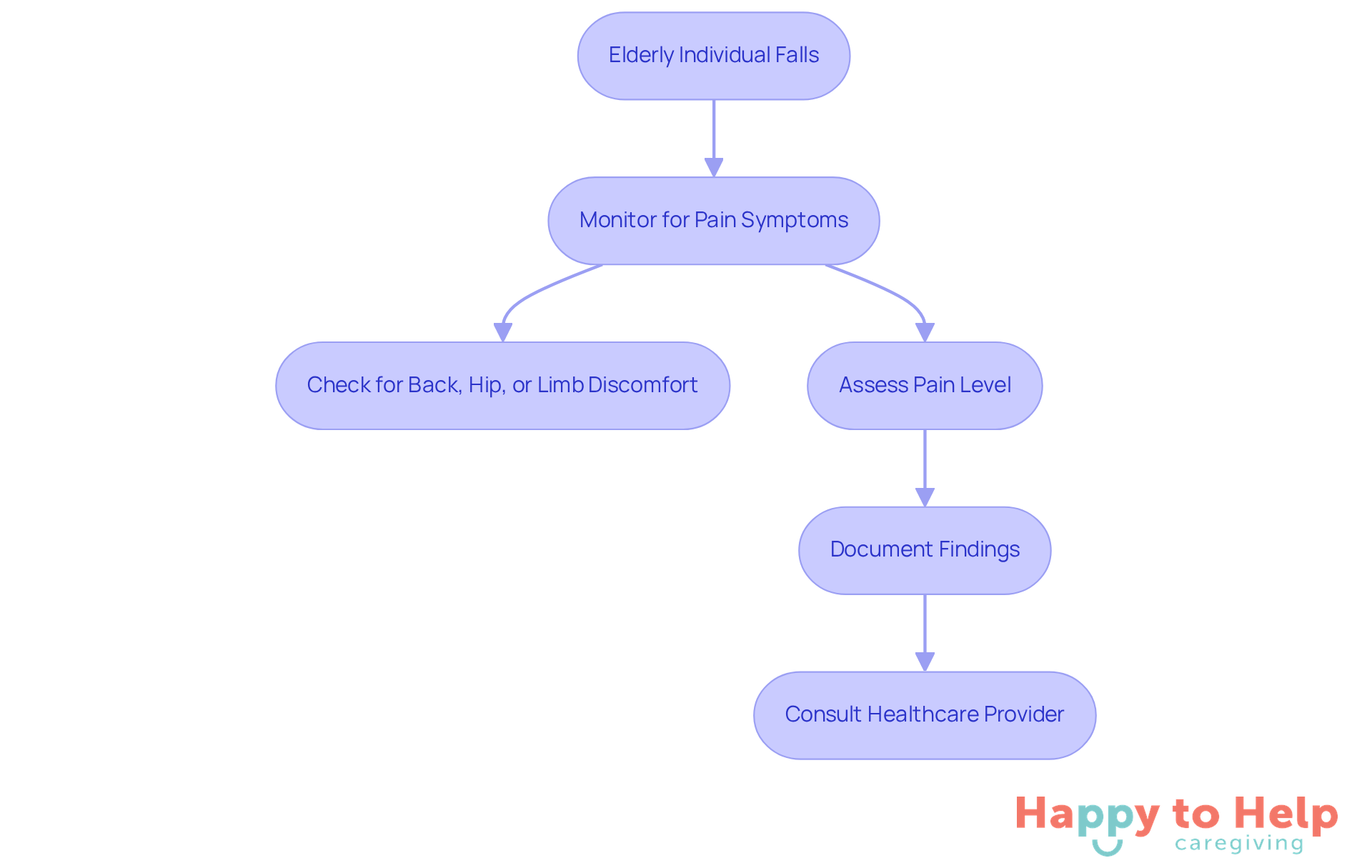
Ongoing Pain: A Key Indicator of Injury
Persistent discomfort after a fall is among the symptoms to look for after a fall elderly that indicate potential harm in older adults. The symptoms to look for after a fall elderly often manifest as discomfort in the back, hips, or limbs, signaling underlying issues like fractures or sprains that require medical attention. Caregivers play a vital role in encouraging seniors to report any pain they experience, as timely communication can lead to prompt evaluations and interventions.
The implications of falls are alarming. In 2023 alone, over 41,000 elderly Americans lost their lives due to fall-related incidents. This statistic highlights a troubling trend: the risk of death following an accident among older adults in the U.S. has tripled over the past 30 years. Monitoring and documenting pain levels not only aids healthcare providers in assessing injury severity but also helps tailor appropriate treatment plans.
Seniors taking medications that increase fall risk (FRIDs) are significantly more likely to experience injurious tumbles. Therefore, understanding and addressing the symptoms to look for after a fall elderly is crucial for effective recovery and maintaining quality of life. As Dr. Thomas A. Farley noted, "There is ample reason to believe that the increase in autumn deaths may be linked to the soaring use of certain prescription drugs."
By prioritizing pain management and awareness, caregivers can greatly influence the health outcomes of elderly individuals after a fall. Routine health examinations are also essential to monitor conditions that may lead to accidents, ensuring a proactive approach to care.
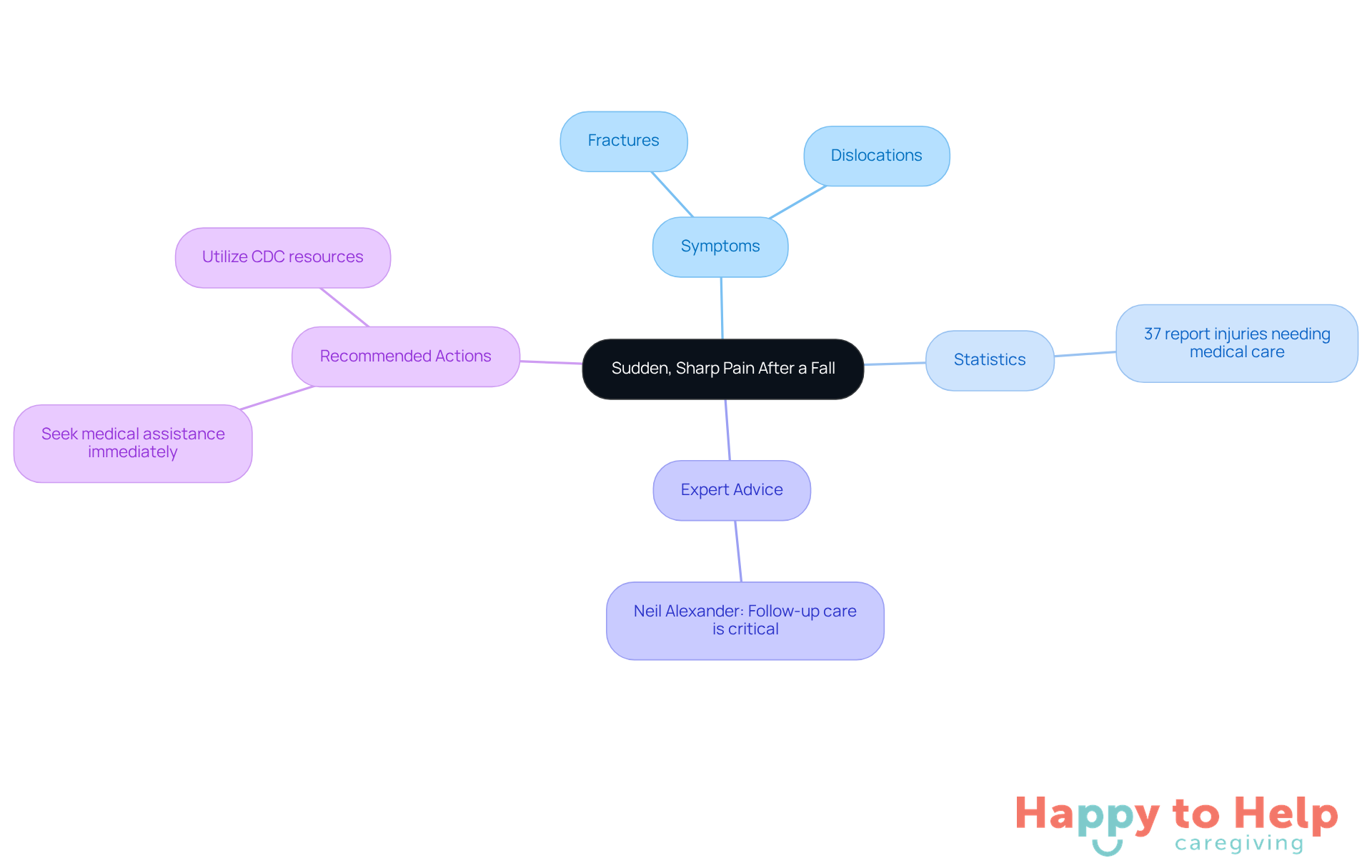
Sudden, Sharp Pain: Immediate Concern After a Fall
One of the symptoms to look for after a fall elderly is sudden, sharp pain after a stumble, which is a serious problem that requires immediate medical attention. This pain often indicates significant injuries, such as fractures or dislocations, which are among the symptoms to look for after a fall elderly and can severely impact recovery outcomes. In fact, research indicates that about 37% of individuals who fall report injuries that necessitate medical care or limit their activities for at least one day.
It is important to be aware of the symptoms to look for after a fall elderly, as delays in seeking help can worsen injuries and complicate rehabilitation efforts. As Neil Alexander, a geriatrician and expert in accidents, emphasizes, "Following up with a doctor after an incident is critical to senior health." Therefore, caregivers must act swiftly to identify the symptoms to look for after a fall elderly, ensuring that the affected person receives the necessary treatment for a better recovery.
To aid in managing risks effectively, the CDC offers valuable resources for accident prevention. Caregivers should prioritize seeking medical assistance without delay, as timely intervention can significantly enhance healing and reduce complications.
Head Injuries: Recognizing Signs of Serious Trauma
After a tumble, caregivers face a critical problem: the risk of head trauma. Symptoms to look for after a fall in the elderly include confusion, dizziness, nausea, or loss of consciousness, which can indicate serious conditions like concussions. These signs require immediate medical assessment to ensure the safety of the individual involved.
The implications of ignoring these symptoms can be severe. Delayed treatment may lead to complications, making it essential for caregivers to stay vigilant. Regular assessments and open communication with healthcare providers are crucial in managing these risks effectively.
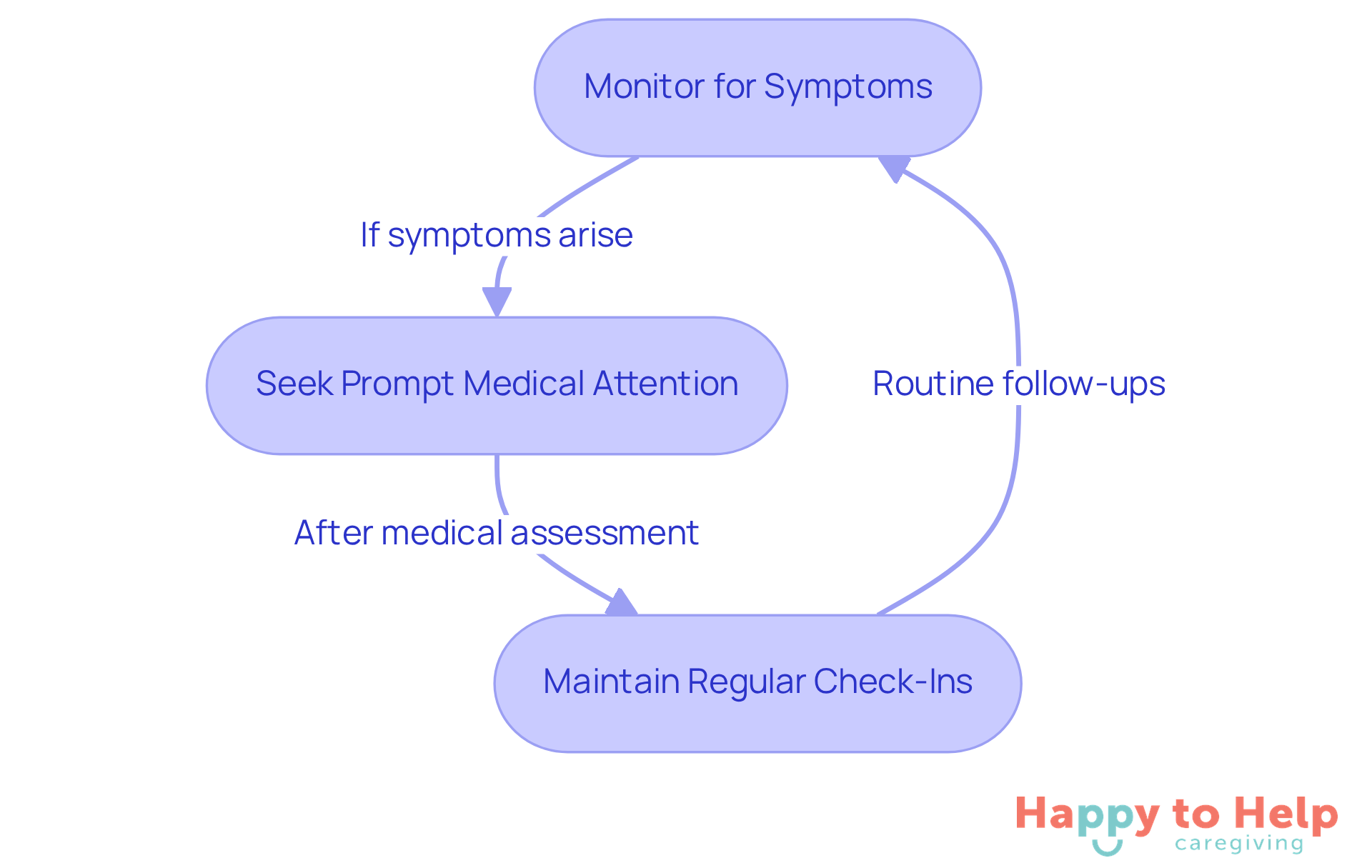
To navigate this challenge, caregivers should:
- Monitor for symptoms: Be alert for any signs of confusion or dizziness.
- Seek prompt medical attention: Don’t hesitate to consult healthcare professionals if symptoms arise.
- Maintain regular check-ins: Establish a routine of assessments to catch any potential issues early.
By taking these proactive steps, caregivers can significantly reduce the risks associated with head trauma.
Swelling: A Symptom of Possible Internal Injuries
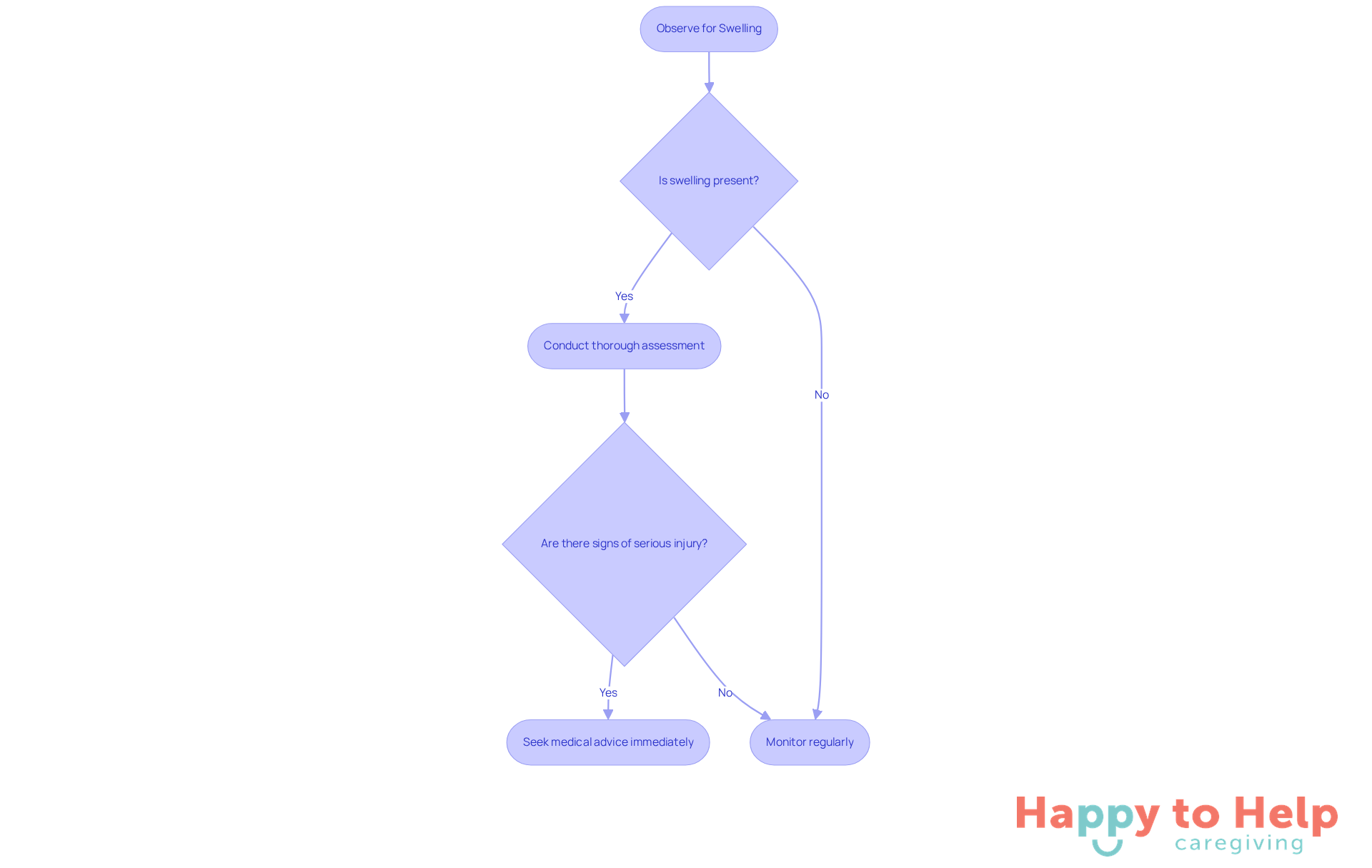
Swelling in the limbs or around joints after a tumble is one of the symptoms to look for after a fall elderly, as it can signal serious internal damage or fractures. This issue is particularly concerning, as falls are the leading cause of injury among this population. Over 14 million older adults report falls each year, with about 37% requiring medical attention due to related ailments. Caregivers must be vigilant in assessing any unusual swelling, which is one of the symptoms to look for after a fall elderly, as it may indicate underlying problems like internal bleeding or fractures.
The implications of ignoring these signs can be severe. Immediate evaluation by a healthcare professional is crucial to rule out serious conditions. Untreated internal damage can lead to complications, significantly affecting recovery outcomes. For instance, after a hip fracture, an elderly person faces a 27% chance of dying within one year, highlighting the urgency of timely assessments.
To address this issue, caregivers should take proactive steps. It is important to regularly monitor for symptoms to look for after a fall elderly, including signs of swelling and other indicators of internal harm. Conduct thorough assessments of affected areas and seek medical advice promptly when abnormalities are detected. By staying alert and informed, caregivers can play a vital role in ensuring the health and safety of older adults.
Bruises and Lacerations: Assessing Visible Injuries
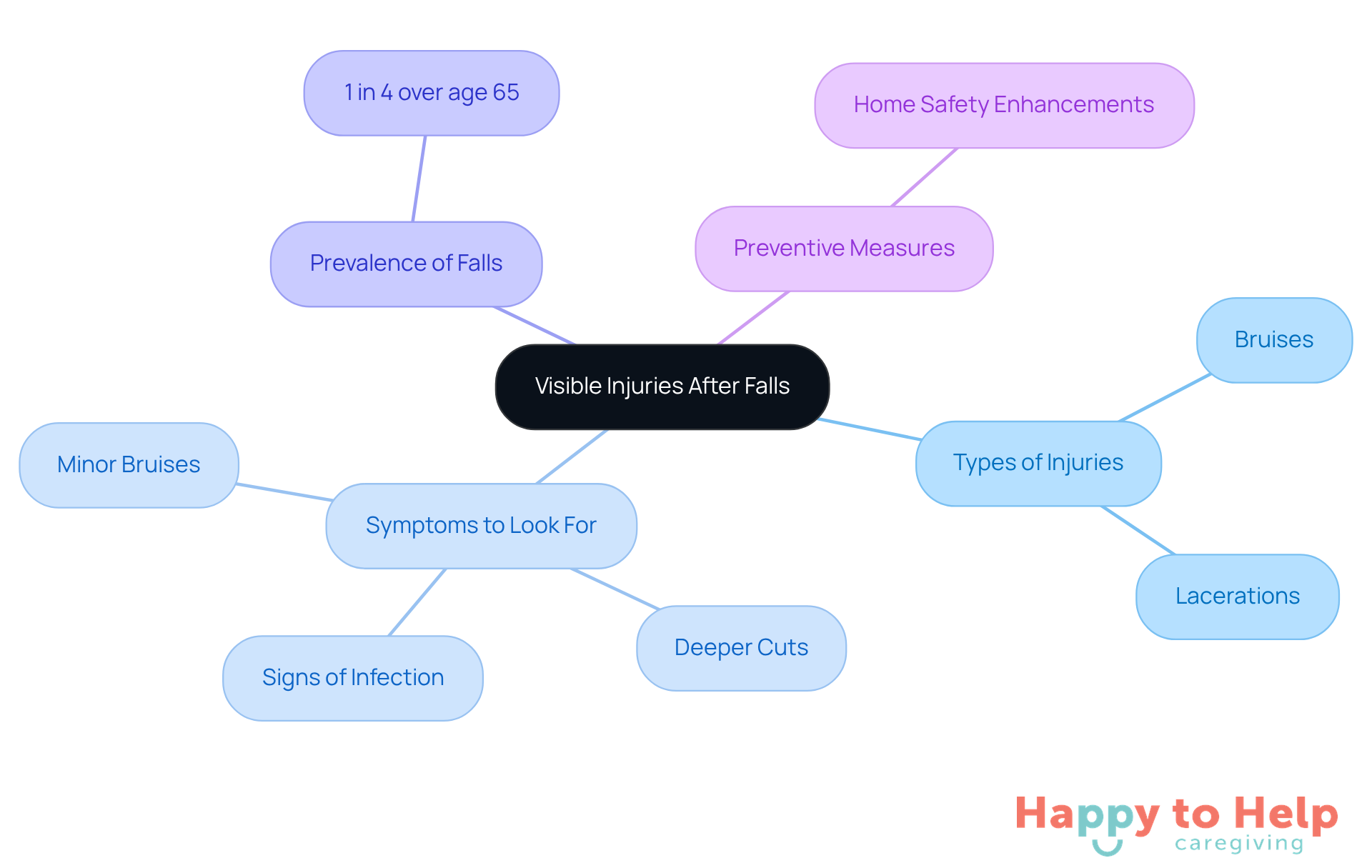
Bruises and lacerations are often the most visible symptoms to look for after a fall elderly individuals experience. Caregivers face the challenge of identifying these injuries, which are important symptoms to look for after a fall elderly, as they can signal underlying issues. While minor bruises may not require medical attention, it is important to recognize the symptoms to look for after a fall elderly, such as deeper cuts or extensive bruising, which necessitate immediate assessment by a healthcare provider to reduce the risk of infection and evaluate for more severe conditions.
Older individuals are particularly vulnerable to complications from wounds, and it's important to be aware of the symptoms to look for after a fall elderly, especially regarding infection rates in those with lacerations. Falls are the most frequent cause of injury among adults over 60, with one in four individuals over age 65 experiencing a tumble each year. Therefore, it is crucial to understand the symptoms to look for after a fall elderly to determine when to seek medical attention. Caregivers should be vigilant for symptoms to look for after a fall elderly and consider professional assessment for any visible injuries that appear severe or do not improve within a few days.
It's important to recognize that falls are often multifactorial, influenced by medical conditions like osteoporosis, diabetes, and cognitive decline, which can elevate the risk. To help prevent falls in the first place, caregivers should focus on home safety enhancements, such as eliminating hazards. By taking these proactive steps, caregivers can significantly reduce the risk of falls and their associated complications.
Limited Movement: Warning Sign of Serious Injury
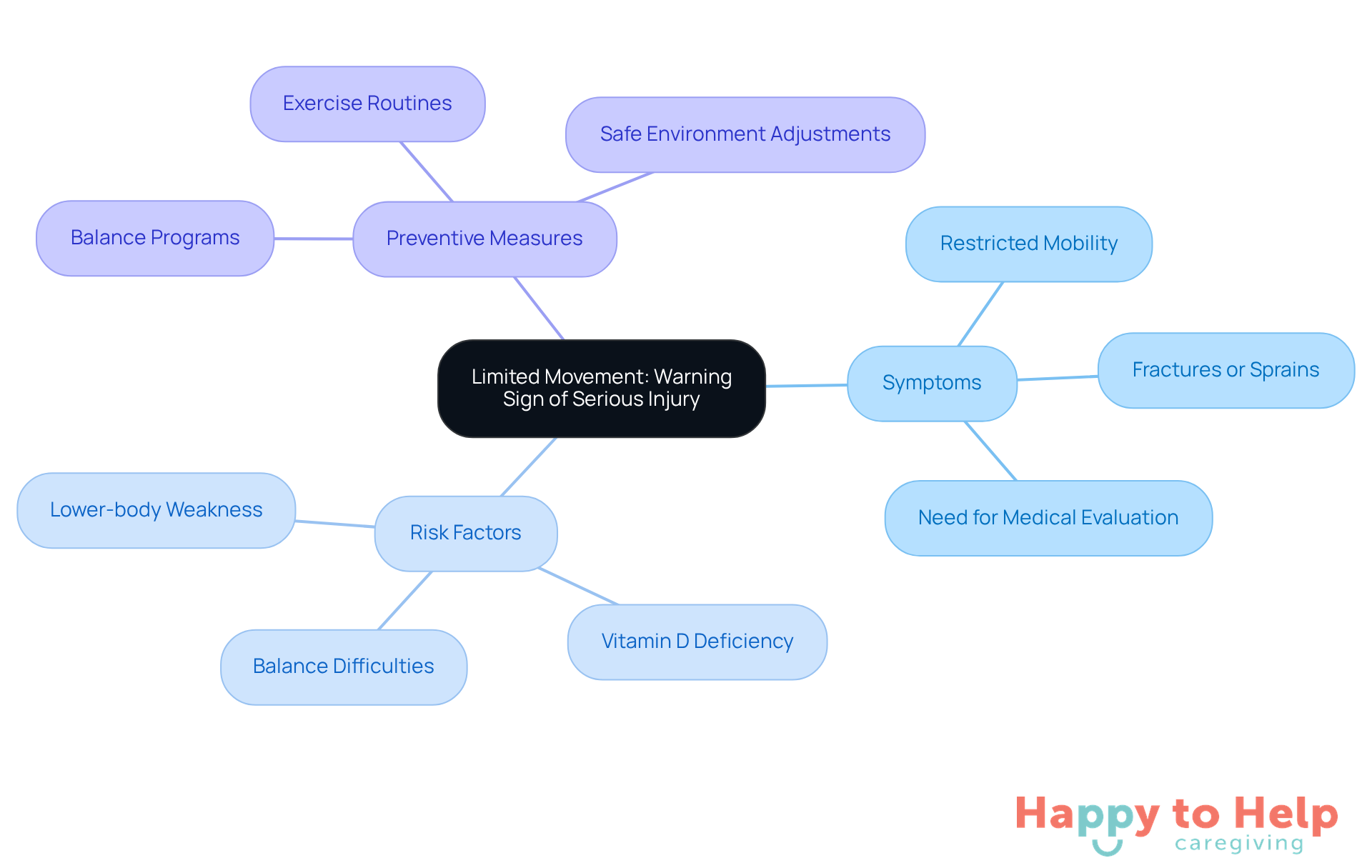
After a tumble in older adults, restricted mobility is a significant concern and one of the symptoms to look for after a fall elderly, often indicating severe damage such as fractures or sprains. Caregivers face the challenge of encouraging individuals to gently assess their range of motion and report any difficulties. With studies revealing that more than one in four individuals aged 65 and above experience a fall annually, these incidents are the leading cause of injuries and fatalities in this demographic.
Specific risk factors for falls include:
- Lower-body weakness
- Vitamin D deficiency
- Balance difficulties
Caregivers must be aware of these risks to provide effective support. If an individual shows significant restrictions in movement, it is crucial to seek medical evaluation promptly to assess the symptoms to look for after a fall elderly. This evaluation can help identify hidden conditions and promote appropriate care, ultimately supporting the healing process and preventing further complications.
As Yaejin Moon, an assistant professor of exercise science, states, "The risks of falling for older adults include severe harm such as hip and hand fractures, head trauma, and even death." To mitigate these risks, caregivers should consider incorporating balance and exercise programs into their care routines. These preventive measures can significantly enhance the safety and well-being of older adults.
Neck Injuries: Symptoms to Monitor After a Fall
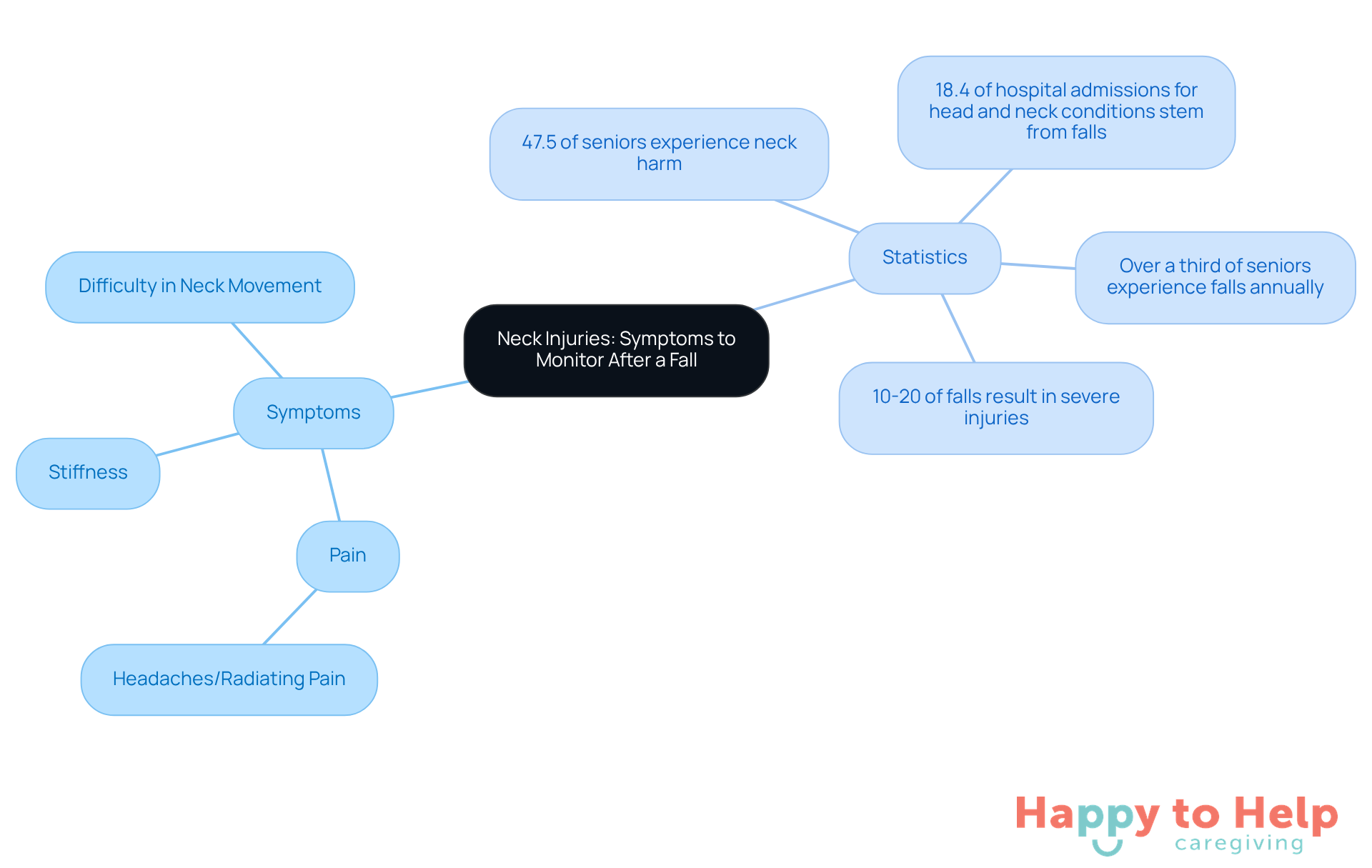
After a tumble, caregivers face a significant challenge: the risk of neck damage in senior individuals. The symptoms to look for after a fall elderly include:
- Pain
- Stiffness
- Difficulty in neck movement
Additionally, headaches or radiating pain into the arms can signal more severe conditions.
Research highlights the severity of this issue, revealing that 47.5% of senior citizens experience neck harm from falls. This statistic is part of a broader trend, as over a third of seniors experience falls annually, with 10-20% of these incidents resulting in severe injuries like fractures or head trauma.
Timely medical care is crucial if any of the symptoms to look for after a fall elderly arise. Alarmingly, 18.4% of hospital admissions for head and neck conditions stem from falls, underscoring the importance of vigilance. Caregivers can enhance recovery prospects and improve overall quality of life for seniors by effectively monitoring symptoms to look for after a fall elderly and responding promptly. This proactive approach helps ensure that seniors maintain their independence and well-being.
Internal Injuries: Recognizing Hidden Dangers
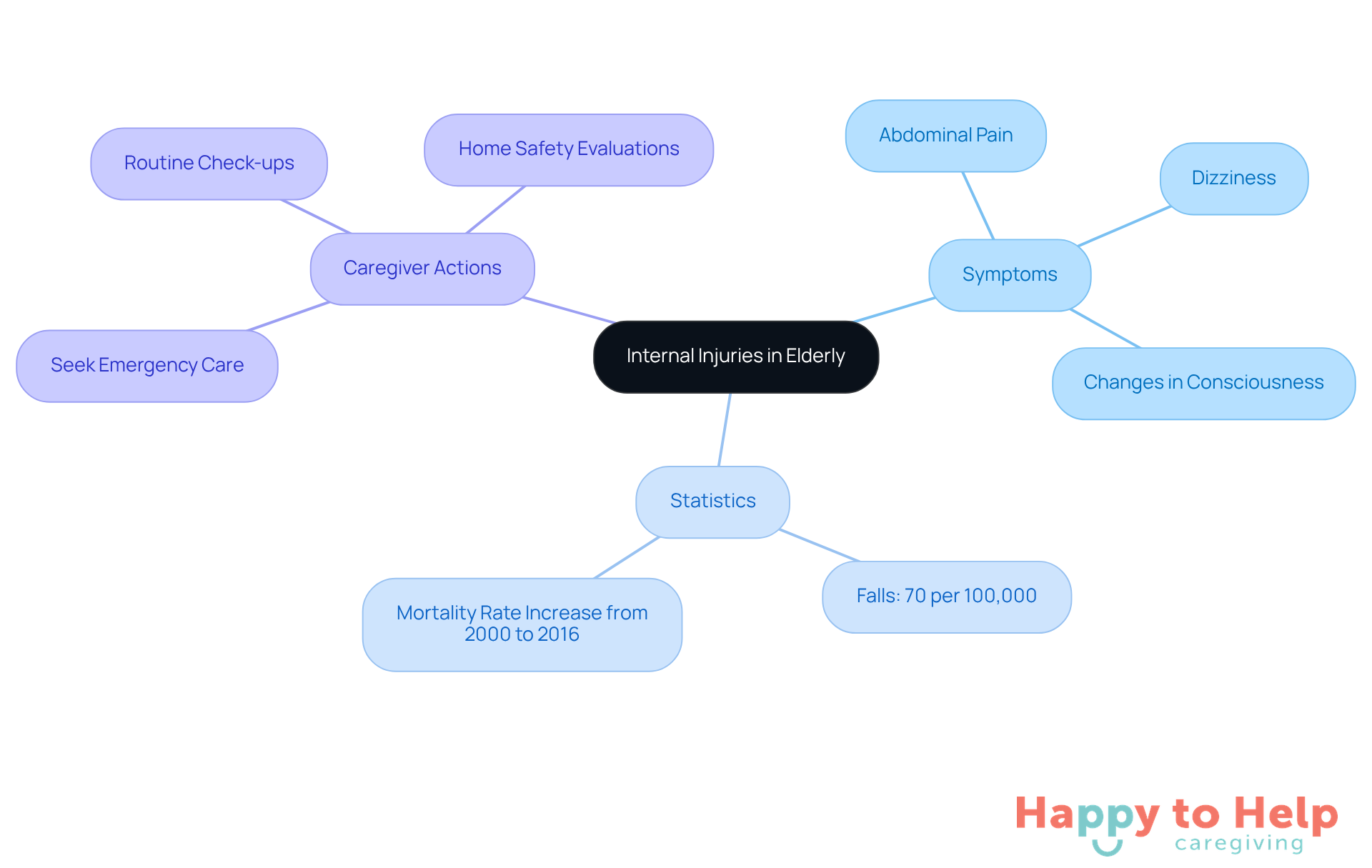
Internal damage in elderly individuals often remains concealed, posing significant risks that can be life-threatening. Caregivers must be alert to subtle signs that may indicate serious conditions, such as:
- Abdominal pain
- Dizziness
- Changes in consciousness
These symptoms can point to internal bleeding or organ damage, which may not be immediately visible.
Falls are the leading cause of injury among the elderly, with a staggering rate of 70 per 100,000 in 2023. This statistic underscores the critical need for prompt medical evaluation. Alarmingly, the mortality rate from accidents among older adults has more than doubled from 2000 to 2016, highlighting the urgency of addressing this issue. Early detection of internal injuries can significantly influence outcomes, potentially preventing complications that could severely affect quality of life.
Dr. Samantha Taghva emphasizes, "It can be life-threatening if you take a serious tumble," which reinforces the necessity for caregivers to act swiftly. Therefore, if any concerning symptoms to look for after a fall elderly arise, it is essential to seek emergency medical care to ensure the safety and well-being of the elderly patient.
Additionally, caregivers should consider routine check-ups for elderly patients and conduct home safety evaluations to mitigate the risks of slipping.
Behavioral Changes: A Critical Symptom to Observe
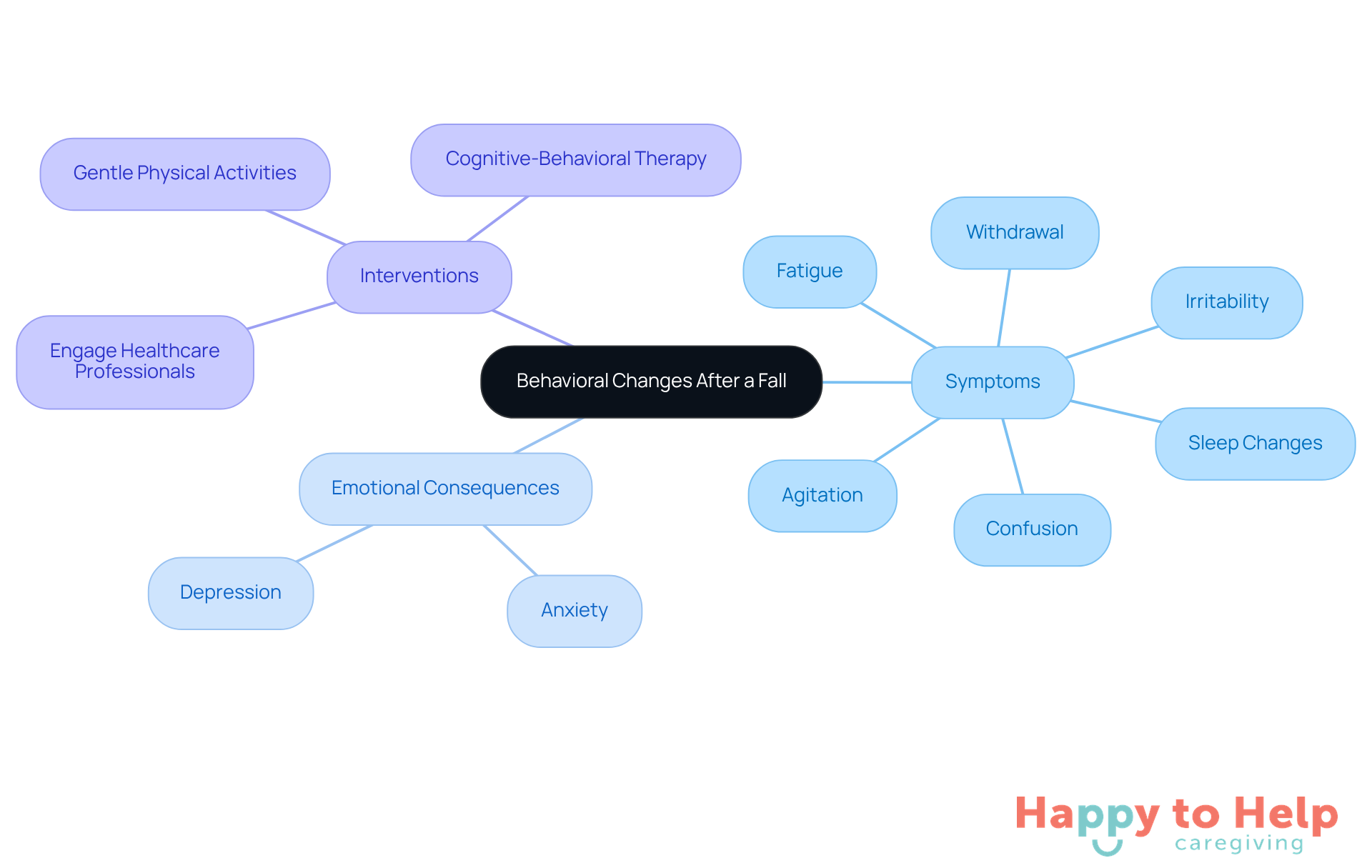
After a tumble, caregivers face a significant challenge: behavioral changes in seniors. These changes may include heightened confusion, agitation, or withdrawal from activities they once enjoyed. Such alterations can be considered symptoms to look for after a fall elderly, indicating underlying pain, a fear of falling again, or cognitive impairments. Alarmingly, studies show that older individuals who experience a tumble have a 21% higher risk of being diagnosed with dementia. This highlights the critical need for cognitive evaluations following such incidents.
The emotional consequences of tumbles can also lead to anxiety and depression. The symptoms to look for after a fall elderly may manifest as fatigue, irritability, or changes in sleep patterns. To address these issues, engaging healthcare professionals is crucial. Timely intervention can provide the necessary support and care that seniors need during recovery.
Caregivers can encourage gentle physical activities, such as walking or stretching, to aid in recovery and alleviate anxiety. Additionally, cognitive-behavioral therapy may assist older adults in processing the emotions associated with their incident. This approach fosters a safer and more reassuring environment for recovery.
Vision Problems: Assessing Impact After a Fall
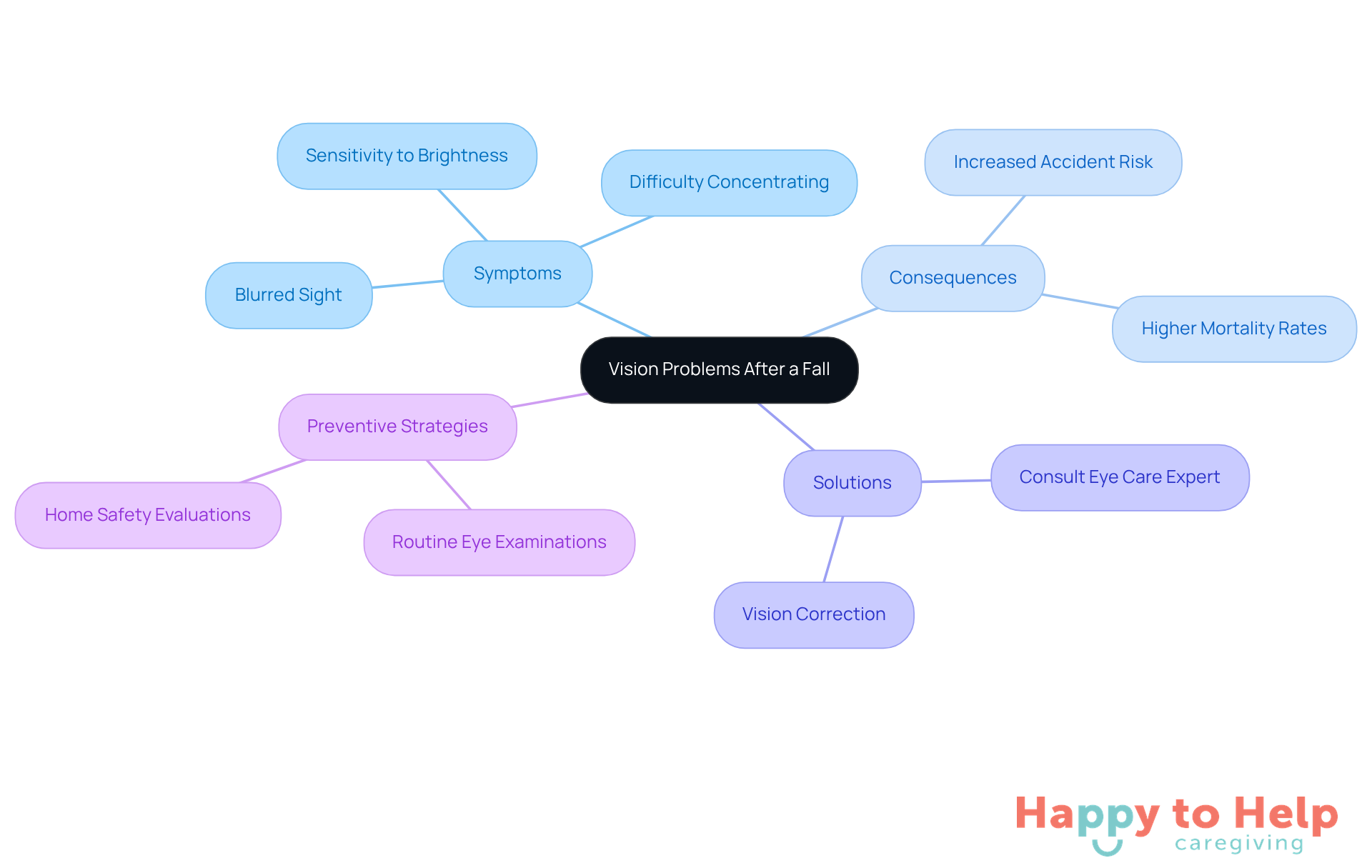
After a fall, caregivers face a significant problem: the potential for vision-related issues such as blurred sight, difficulty concentrating, or sensitivity to brightness. These problems can lead to serious consequences. Research indicates that untreated vision impairment significantly increases the risk of future accidents and is linked to higher mortality rates. Therefore, it’s essential to consult an eye care expert for a thorough assessment.
The solution lies in proper vision correction, which not only enhances safety but also improves mobility. This allows seniors to navigate their environments with greater confidence. Caregivers should also consider implementing preventive strategies, such as:
- Routine eye examinations
- Home safety evaluations
By prioritizing vision assessments after a fall, caregivers can recognize the symptoms to look for after a fall elderly and adopt effective fall prevention strategies, ultimately reducing the likelihood of future incidents and promoting overall well-being.
Key Takeaways for Caregivers
Recognizing the symptoms that may arise after a fall in elderly individuals is crucial for ensuring their safety and well-being. Caregivers face the significant challenge of monitoring various indicators, such as:
- ongoing pain
- sudden sharp pain
- signs of head trauma
These symptoms can signal serious injuries that require immediate medical attention.
The implications of these symptoms are alarming. Statistics reveal a significant risk of:
- internal injuries
- behavioral changes
- vision problems
These may develop post-fall. Each symptom serves as a critical warning sign, necessitating prompt medical evaluation and proactive care strategies. By understanding these key symptoms, caregivers can navigate the complexities of elderly care more effectively, ensuring that necessary precautions are taken to mitigate risks and support recovery.
To address these challenges, caregivers are encouraged to take proactive measures. Routine health assessments and home safety evaluations can significantly reduce the likelihood of falls and their associated complications. By prioritizing awareness and timely intervention, caregivers can enhance the safety and well-being of elderly individuals, fostering an environment that promotes independence and a higher quality of life.
https://iframe.tely.ai/cta/eyJhcnRpY2xlX2lkIjogIjY5NDBkZmI1Yjk5MjIzNTI5ZDY5YTJmMCIsICJjb21wYW55X2lkIjogIjY4ZWU1ZGNhNzMxNzYyNTU3ZjNjOTVjMSIsICJpbmRleCI6IG51bGwsICJ0eXBlIjogImFydGljbGUifQ==Frequently Asked Questions
What are the key symptoms to look for after a fall in elderly individuals?
Key symptoms include persistent discomfort in the back, hips, or limbs, sudden sharp pain, confusion, dizziness, nausea, and loss of consciousness.
Why is ongoing pain a significant indicator of injury after a fall?
Ongoing pain can signal underlying issues such as fractures or sprains that require medical attention. It is crucial for caregivers to encourage seniors to report any pain for timely evaluations and interventions.
What alarming statistics are associated with falls among the elderly?
In 2023, over 41,000 elderly Americans lost their lives due to fall-related incidents, and the risk of death following a fall among older adults in the U.S. has tripled over the past 30 years.
What should caregivers do if an elderly person experiences sudden, sharp pain after a fall?
Sudden, sharp pain after a fall is a serious concern that requires immediate medical attention, as it may indicate significant injuries such as fractures or dislocations.
How can delayed medical attention affect recovery after a fall?
Delays in seeking help can worsen injuries and complicate rehabilitation efforts, making it essential for caregivers to act swiftly to ensure the affected person receives necessary treatment.
What symptoms indicate the risk of head trauma after a fall?
Symptoms such as confusion, dizziness, nausea, or loss of consciousness indicate the risk of serious conditions like concussions, which require immediate medical assessment.
What proactive steps can caregivers take to manage the risks of head trauma?
Caregivers should monitor for symptoms, seek prompt medical attention if symptoms arise, and maintain regular check-ins to catch any potential issues early.
How does medication impact fall risk in elderly individuals?
Seniors taking medications that increase fall risk are significantly more likely to experience injurious falls, making it crucial to understand and address symptoms after a fall for effective recovery.
List of Sources
- Ongoing Pain: A Key Indicator of Injury
- Why Are More Older People Dying After Falls? - KFF Health News (https://kffhealthnews.org/news/article/new-old-age-paula-span-falls-mortality-death-older-people-prescription-drugs)
- Common prescription drugs linked to surge in fall-related death rates among seniors (https://foxnews.com/health/common-prescription-drugs-linked-surge-fall-related-death-rates-among-seniors)
- Older adults in the US are increasingly dying from unintentional falls | CNN (https://cnn.com/2025/06/18/health/fall-risk-older-adults-wellness)
- Sudden, Sharp Pain: Immediate Concern After a Fall
- Why Are More Older People Dying After Falls? - KFF Health News (https://kffhealthnews.org/news/article/new-old-age-paula-span-falls-mortality-death-older-people-prescription-drugs)
- Ambulance service targets 'devastating' falls among the elderly (https://bbc.com/news/articles/cx2qlrqqww7o)
- Falls and follow-ups: Medical attention following a fall critical to senior health (https://uclahealth.org/news/release/falls-and-follow-ups-medical-attention-following-a-fall-critical-to-senior-health)
- Facts About Falls (https://cdc.gov/falls/data-research/facts-stats?678e0d83\_page=2)
- DHS Reports Increase in Fall-related Emergency Medical Services Calls Statewide (https://dhs.wisconsin.gov/news/releases/092225.htm)
- Head Injuries: Recognizing Signs of Serious Trauma
- Concussions Could Increase Dementia Risk Among Seniors (https://usnews.com/news/health-news/articles/2025-10-07/concussions-could-increase-dementia-risk-among-seniors)
- Ground falls most common cause of head injury in elderly, new study finds (https://news-medical.net/news/20240626/Ground-falls-most-common-cause-of-head-injury-in-elderly-new-study-finds.aspx)
- Falls are taking a huge and rising toll on elderly brains (https://statnews.com/2017/03/16/falls-elderly-brains)
- Concussions pose a hidden risk in senior falls - Alameda Health System (https://alamedahealthsystem.org/fall-prevention-2024)
- Swelling: A Symptom of Possible Internal Injuries
- Falls in Older Adults are Serious - PMC (https://pmc.ncbi.nlm.nih.gov/articles/PMC7093636)
- Falling is a major health issue for people as they age (https://uchealth.org/today/falling-down-is-a-major-health-issue-for-people-as-they-age)
- ER Visits Linked To Falls Spike Among California Seniors - California Healthline (https://californiahealthline.org/news/er-visits-linked-to-falls-spike-among-california-seniors)
- Medical News: Seniors dying from accidental falls rises (https://news8000.com/lifestyle/health/medical-news-seniors-dying-from-accidental-falls-rises/video\_2e2b7e03-affb-59ce-86b7-cfd04c9cd268.html)
- Older Adult Falls Data (https://cdc.gov/falls/data-research)
- Bruises and Lacerations: Assessing Visible Injuries
- Vulnerable elderly woman suffers severe facial bruising in hospital that failed her (https://ombudsman.org.uk/news-and-blog/news/vulnerable-elderly-woman-suffers-severe-facial-bruising-hospital-failed-her)
- Rural trauma care: Unexpected threat of falls - Valley News (https://vnews.com/2025/10/18/rural-trauma-care-challenges)
- N.B. woman says father found with ‘black eye,’ bruises after hospital falls - New Brunswick | Globalnews.ca (https://globalnews.ca/news/11573161/new-brunswick-senior-hospital-bed-long-term-care-wait)
- Reducing fall risk for aging adults – what works and why | VCU Health (https://vcuhealth.org/news/reducing-fall-risk-for-aging-adults--what-works-and-why)
- Limited Movement: Warning Sign of Serious Injury
- Deadly Falls in Older Adults Rising, Study Finds. Here are Preventive Steps. | Baptist Health South Florida (https://baptisthealth.net/baptist-health-news/take-a-stand-help-prevent-falls-and-related-injuries)
- Staying Safe as We Age: Understanding Falls in Older Adults (https://news.syr.edu/2024/08/12/staying-safe-as-we-age-understanding-falls-in-older-adults)
- Why Are More Older People Dying After Falls? - KFF Health News (https://kffhealthnews.org/news/article/new-old-age-paula-span-falls-mortality-death-older-people-prescription-drugs)
- Neck Injuries: Symptoms to Monitor After a Fall
- 'Poor care': Man who broke neck died after complaints of pain (https://nzherald.co.nz/nz/elderly-man-died-after-complaining-of-broken-neck-following-four-hospital-falls/PT5WFDGFGVCAPLRVHNUJBJFJNY)
- Trends and Characteristics of Head and Neck Injury from Falls: A hospital based study, Qatar - PMC (https://pmc.ncbi.nlm.nih.gov/articles/PMC3121030)
- Prognosis of Cervical Fractures in Older Adults | Palliative Care Network of Wisconsin (https://mypcnow.org/fast-fact/ff-505-prognosis-of-cervical-fractures-in-older-adults)
- Internal Injuries: Recognizing Hidden Dangers
- Deadly Falls in Older Adults Rising, Study Finds. Here are Preventive Steps. | Baptist Health South Florida (https://baptisthealth.net/baptist-health-news/take-a-stand-help-prevent-falls-and-related-injuries)
- CDC Reports Rise in Unintentional Fall Deaths Among Older Adults (https://jamanetwork.com/journals/jama/fullarticle/2836640)
- OHSU experts caution older adults on increasing rates of dangerous falls (https://news.ohsu.edu/2022/09/15/ohsu-experts-caution-older-adults-on-increasing-rates-of-dangerous-falls)
- Older adults in the US are increasingly dying from unintentional falls | CNN (https://cnn.com/2025/06/18/health/fall-risk-older-adults-wellness)
- Behavioral Changes: A Critical Symptom to Observe
- From mobility to mental health: The impacts of falls on seniors (https://ajc.com/wellness/2025/08/from-mobility-to-mental-health-the-impacts-of-falls-on-seniors)
- Falls put older adults at increased risk of Alzheimer’s — Harvard Gazette (https://news.harvard.edu/gazette/story/2024/10/falls-put-older-adults-at-increased-risk-of-alzheimers)
- Falls Raise Risk of Dementia Diagnosis in Older Adults By 21%, New Research Suggests (https://health.com/falling-increased-dementia-risk-older-adults-8721561)
- The Effects of Falling on Mental Health in Seniors (https://junipercommunities.com/the-effects-of-falling-on-mental-health-in-seniors)
- Why Are More Older People Dying After Falls? - KFF Health News (https://kffhealthnews.org/news/article/new-old-age-paula-span-falls-mortality-death-older-people-prescription-drugs)
- Vision Problems: Assessing Impact After a Fall
- Vision loss heightens fall and mortality risks for seniors (https://news-medical.net/news/20250512/Vision-loss-heightens-fall-and-mortality-risks-for-seniors.aspx)
- Seeing better, living longer: Eye care and fall prevention may extend lifespan in older adults (https://news.umich.edu/seeing-better-living-longer-eye-care-and-fall-prevention-may-extend-lifespan-in-older-adults)
- ISR Study Links Vision Problems in Older Adults to Higher Mortality Risk, Highlights Role of Falls (https://psc.isr.umich.edu/news/isr-study-links-vision-problems-in-older-adults-to-higher-mortality-risk-highlights-role-of-falls)
- Eye Injuries From Falls Increasing as Population Ages, But Are Often Preventable (https://aao.org/eye-health/news/eye-injuries-falls-increasing-aging-population)