
The Importance of 10 Texas Home Health Services to
Navigating the complexities of caregiving in Texas presents a significant challenge for family members. Nearly 70% of caregivers find it difficult to balance their own lives with the demands of caring for a loved one. This struggle often results in increased stress and feelings of isolation for both caregivers and seniors.
The emotional and physical toll of caregiving can be overwhelming. Caregivers frequently experience burnout, which not only affects their well-being but also impacts the quality of care they provide. This article explores ten essential home health services available in Texas that offer vital support to seniors and much-needed relief to family caregivers.
How can these services transform the caregiving experience? By providing practical solutions, they can significantly improve the quality of life for everyone involved.
Happy to Help Caregiving: Compassionate In-Home Support for Seniors
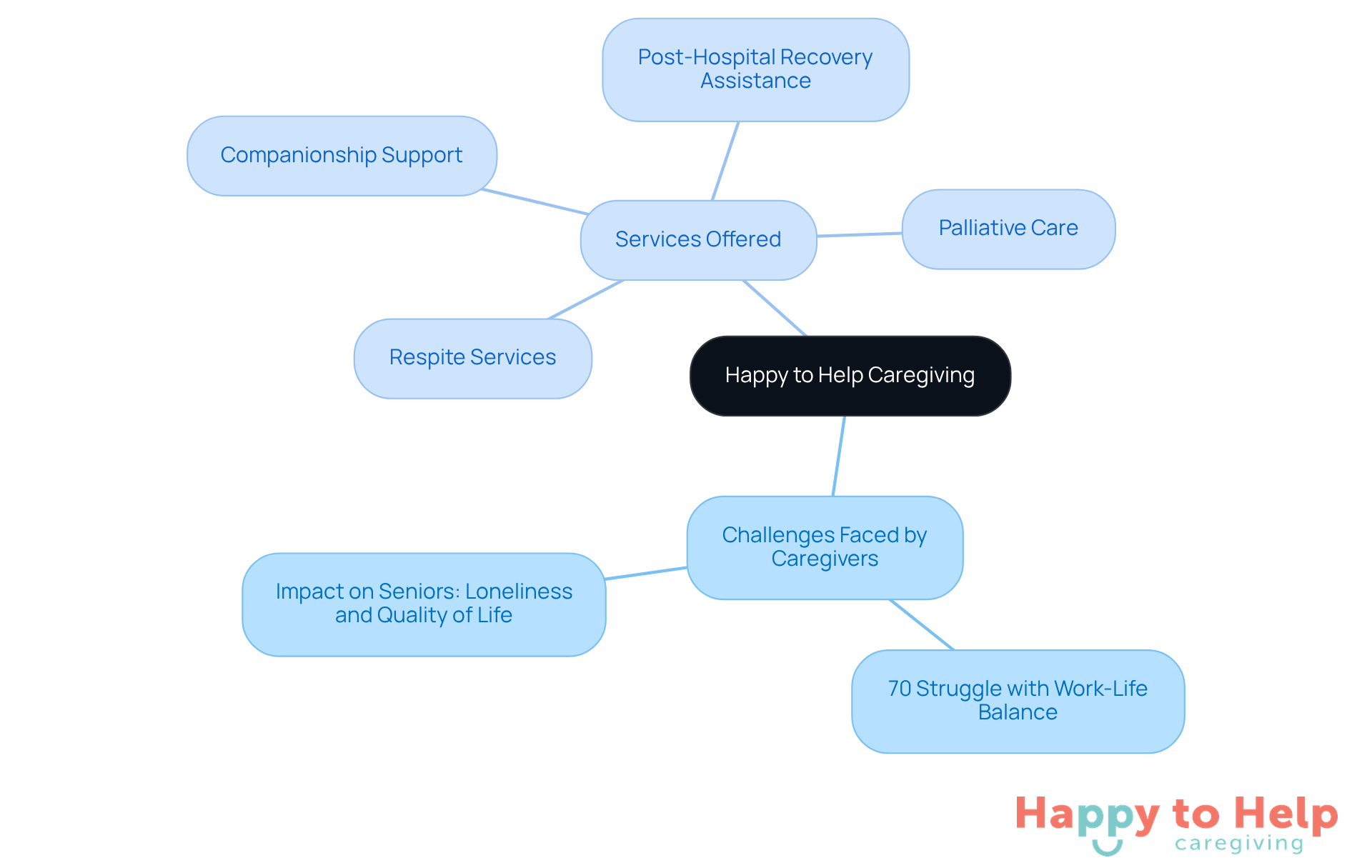
Caregiving can be a challenging journey, especially for family members balancing work and personal responsibilities. Nearly 70% of family caregivers struggle to manage their careers alongside caregiving duties, leading to increased stress and emotional strain. This situation not only affects the caregivers but also impacts the seniors they care for, often resulting in feelings of loneliness and diminished quality of life.
To address these challenges, Happy to Help Caregiving offers Texas home health services that provide personalized in-home support tailored to enhance the well-being of seniors. Their extensive Texas home health services encompass:
- Companionship support
- Post-hospital recovery assistance
- Respite services
- Palliative care
With a commitment to round-the-clock availability and flexible scheduling, they provide customized assistance that allows clients to thrive in their own homes.
Caregivers at Happy to Help are specifically trained to engage clients in enjoyable activities, which can significantly alleviate feelings of isolation and boost emotional health. Research indicates that companionship care can lead to improved mental well-being for seniors. As caregiving expert Amy Goyer emphasizes, "Regular exercise, respite breaks, and connecting with others will help you."
By fostering meaningful relationships, Happy to Help Caregiving ensures that clients experience a fulfilling and enriched life in their residences. This approach not only supports the seniors but also provides much-needed relief for family caregivers, allowing them to find a better balance in their lives.
Texas Health Resources: Comprehensive Care-at-Home Services
Caregivers often face significant challenges when managing health services for their loved ones at home. The stress of ensuring proper care can be overwhelming, especially when navigating the complexities of chronic illness management and recovery.
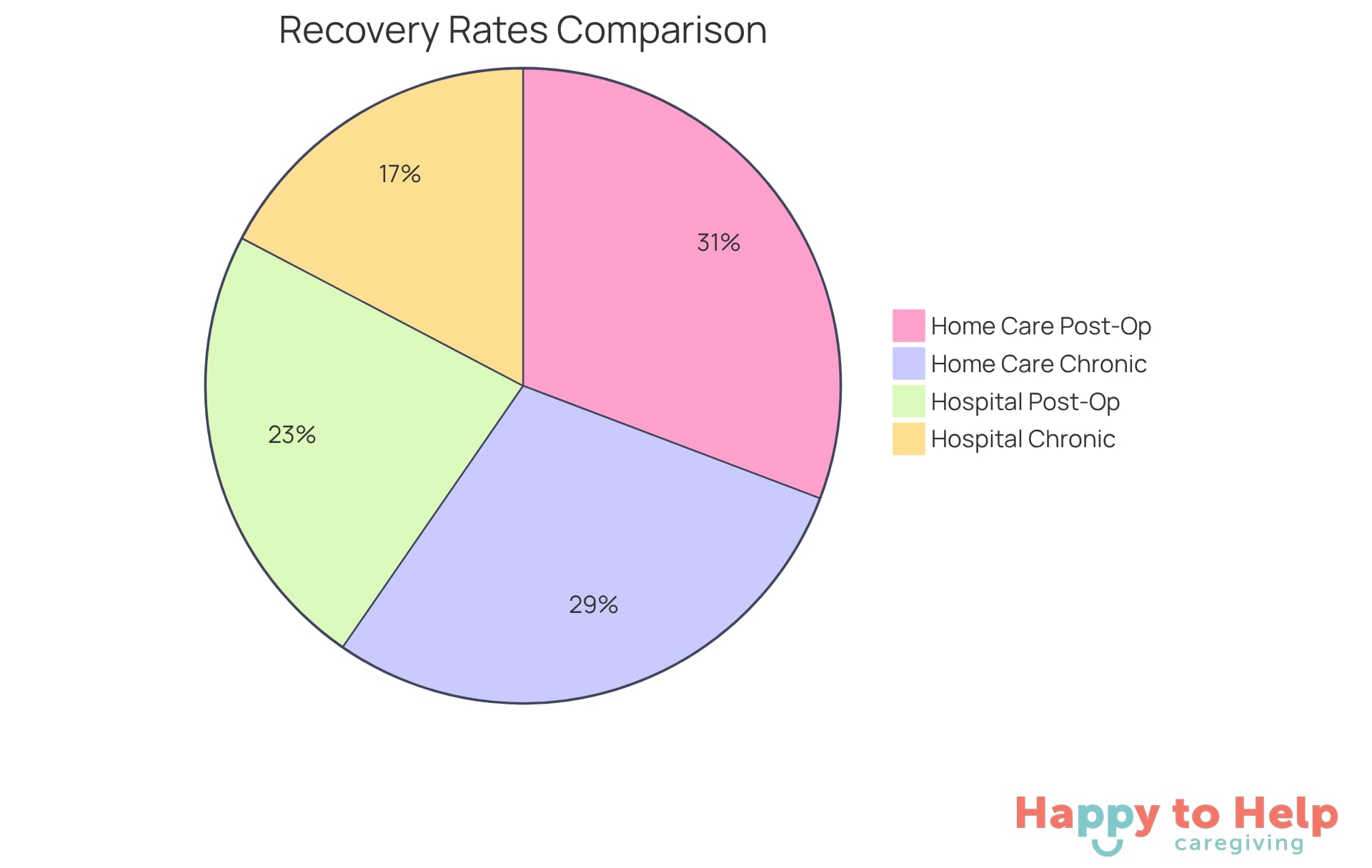
Texas home health services can alleviate some of this burden. Texas Home Health Services offers a comprehensive range of services, including proficient nursing, physical therapy, and chronic illness management, all delivered in the comfort of the patient's residence. This model not only facilitates recovery but also enhances the quality of life for seniors.
Statistics reveal that domestic patients experience an 80% recovery rate for post-operative treatment, compared to just 60% in hospital settings. Furthermore, proficient nursing at home has been shown to improve chronic illness management recovery rates to 75%, in contrast to 45% for those receiving hospital treatment.
These effective methods reduce the strain on family caregivers, allowing them to manage their loved ones' wellness needs with greater ease and confidence. Individualized support plans and the comfort of home lead to improved wellness outcomes, making Texas home health services an invaluable resource for families navigating the challenges of caregiving.
Professional Home Health Care: Tailored Assistance for Individual Needs
Professional home health support services face a significant challenge: many seniors do not receive the personalized care they need. This lack of tailored assistance can lead to feelings of helplessness and decreased well-being. Without proper evaluations, caregivers may struggle to provide the right level of support, which can hinder a senior's independence and dignity.
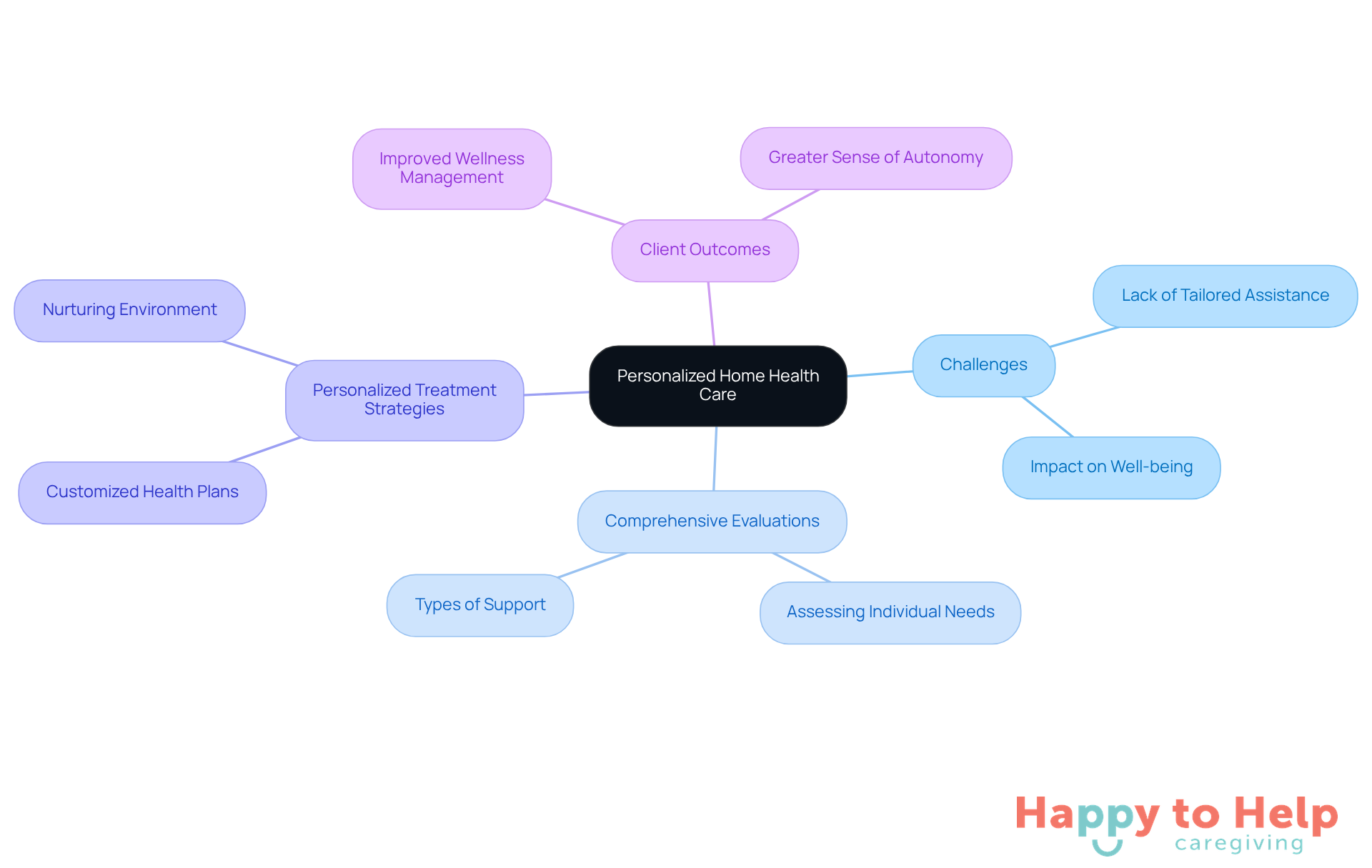
To address this issue, comprehensive evaluations are essential. These assessments determine the specific needs of each individual, ranging from basic daily activities to more complex medical interventions. Healthcare specialists emphasize that personalized treatment strategies are crucial. They not only address the unique situations of each client but also enhance their overall quality of life.
By focusing on individualized support evaluations, caregivers can create a nurturing environment that promotes independence among seniors. This customized approach significantly impacts client outcomes, leading to improved wellness management and a greater sense of autonomy. Ultimately, incorporating personalized health plans allows seniors to thrive in their own homes, highlighting the importance of tailored evaluations in home health care.
Texas Department of Health and Human Services: State-Supported Long-Term Care Options
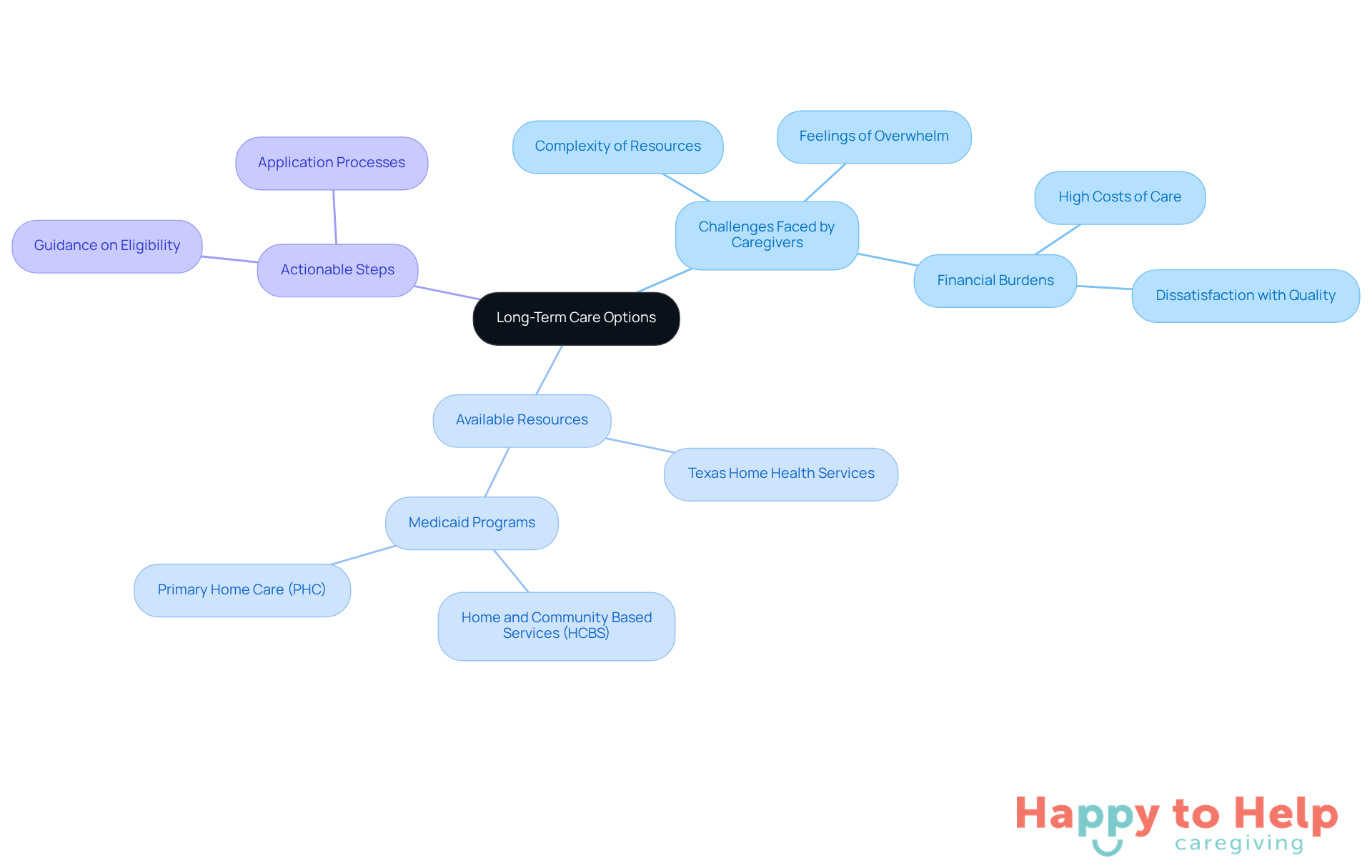
Caregivers often face significant challenges when seeking long-term support for their loved ones. The complexity of navigating available resources can lead to frustration and uncertainty, making it difficult for families to secure the assistance they need. Without proper guidance, many may feel overwhelmed by the process, risking the well-being of those they care for.
Fortunately, the Texas Department of Health and Human Services offers various state-supported long-term support options, including Texas home health services and Medicaid programs designed to assist with in-home care. These programs aim to empower families by providing essential resources, ensuring that their loved ones receive the necessary care while remaining in a familiar environment.
To maximize available support, families can benefit from guidance on eligibility and application processes. By understanding these resources, caregivers can take actionable steps to secure the assistance their loved ones require, alleviating some of the burdens they face.
Visiting Angels: Flexible Senior Care Solutions for Family Caregivers
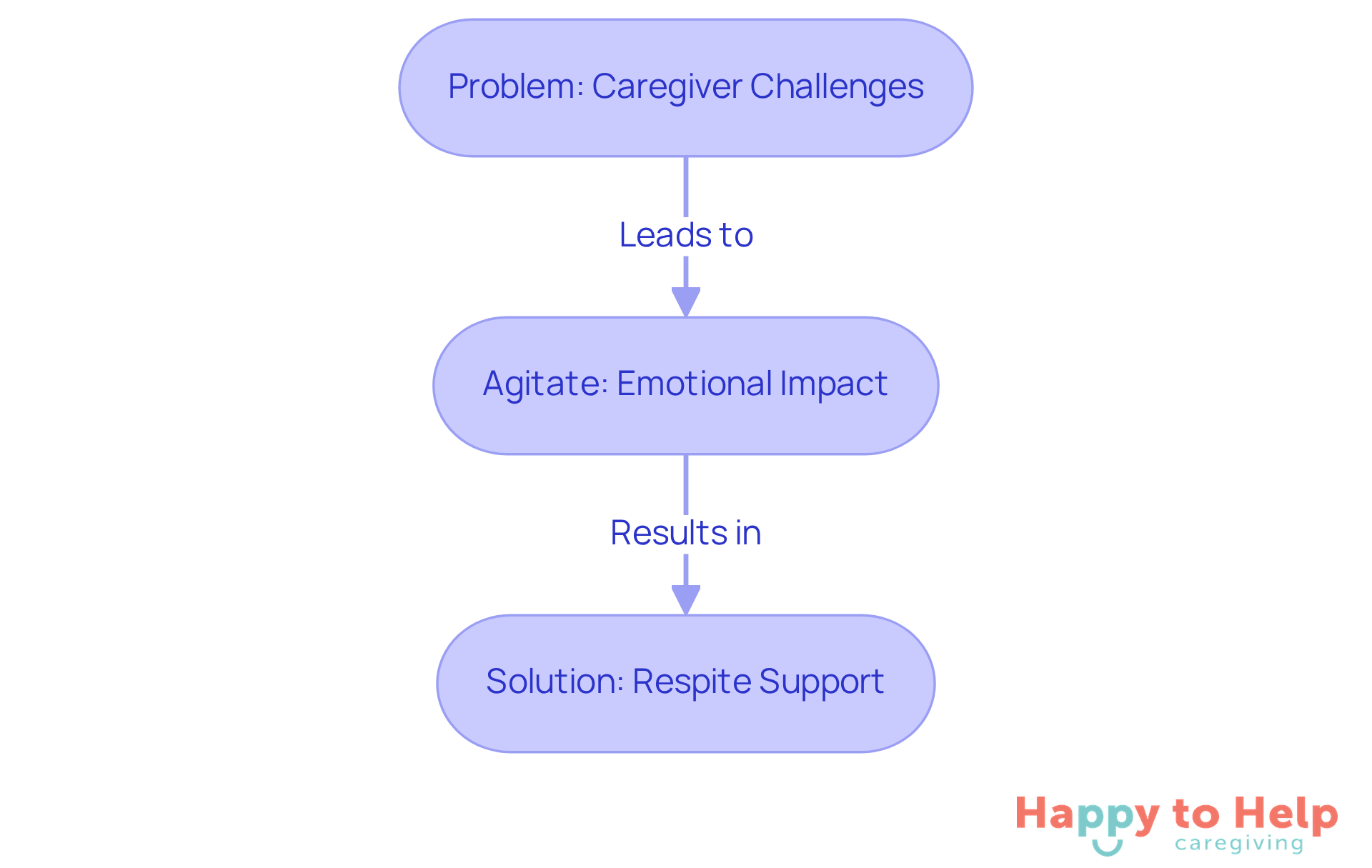
Problem: Family caregivers face significant challenges, particularly in Texas, where nearly 40% identify respite support as their most pressing need. Caregiving can be overwhelming, leading to burnout and decreased quality of care for their loved ones.
Agitate: Without adequate breaks, caregivers may struggle with feelings of inadequacy and stress. This not only affects their well-being but also the support they provide. Studies reveal that caregivers who utilize respite resources feel more competent and assured, which is crucial for maintaining a healthy caregiving environment.
Solution: Respite support is vital for rejuvenating caregivers and helping them maintain a healthier balance in their responsibilities. As Kim Whitmore from the ARCH National Respite Network states, this support allows caregivers to recharge. Moreover, research shows that for every $1,000 invested in respite services, there is an 8% reduction in hospitalization likelihood, underscoring the significant impact these services have on both caregiver and recipient well-being. By prioritizing respite care, caregivers can enhance their own health and the quality of care they provide.
Comfort Keepers: Interactive Caregiving for Enhanced Quality of Life
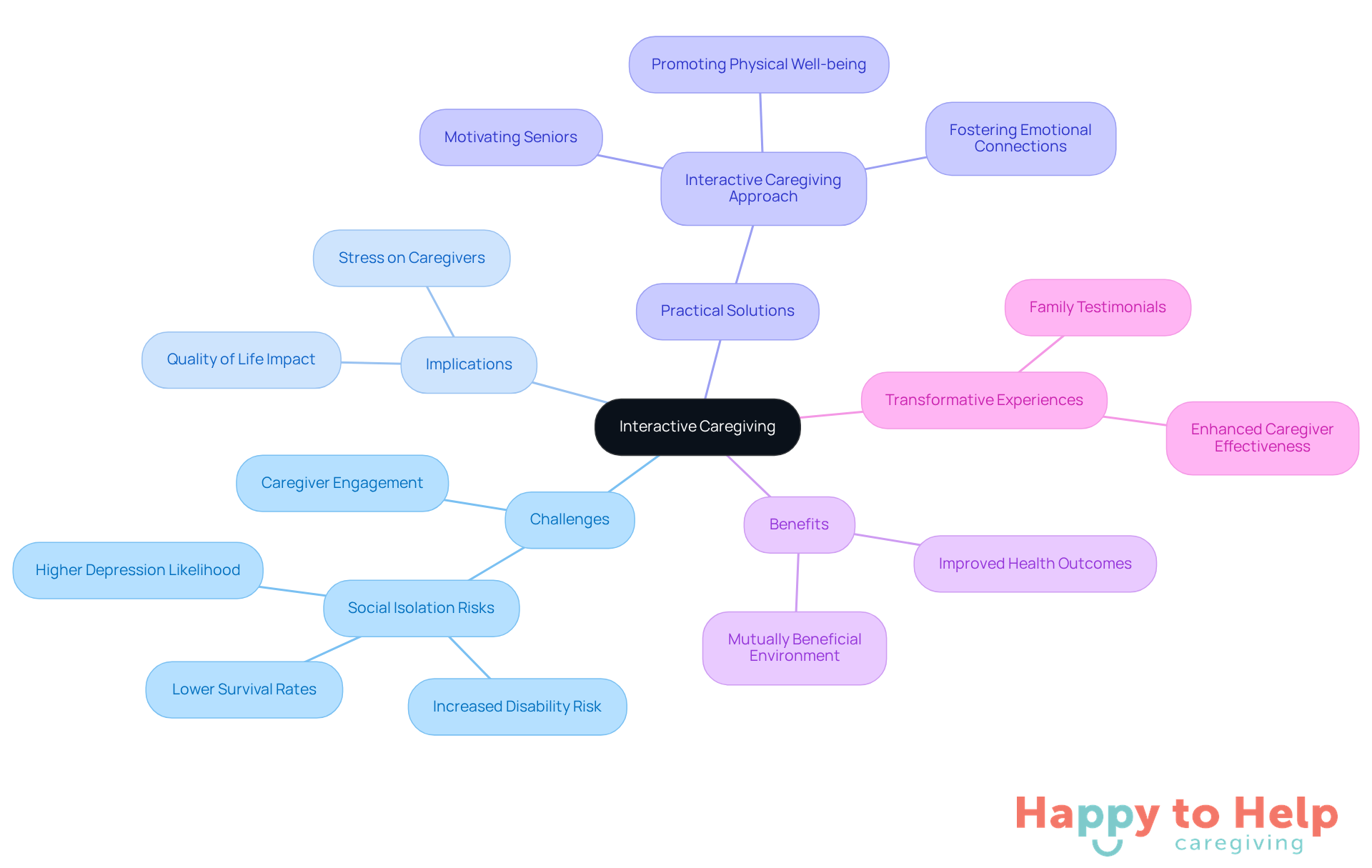
The Challenge of Caregiver Engagement
Caregivers often face the challenge of keeping seniors actively engaged in their own support. This lack of engagement can lead to diminished physical health and weakened emotional bonds, ultimately affecting the quality of life for older adults.
The Implications
Research shows that social isolation can result in serious consequences, including increased risk of disability, higher likelihood of depression, and even lower survival rates among seniors. These issues not only impact the individuals but also create stress for caregivers who wish to provide the best support possible.
A Practical Solution
Happy to Help Caregiving offers an interactive caregiving approach that motivates seniors to take part in their own care. This method promotes physical well-being and fosters essential emotional connections, significantly enhancing overall quality of life. Caregivers are trained to engage clients in activities that stimulate both mind and body, instilling a sense of purpose and belonging.
The Benefits of Engagement
Statistics indicate that social engagement can lead to improved health outcomes for older adults. Caregivers often find that these interactions not only uplift their clients but also enrich their own experiences, creating a mutually beneficial environment.
Transformative Experiences
Testimonials from families highlight how this engagement transforms the caregiving experience, making it more fulfilling and impactful for everyone involved. By implementing these strategies, caregivers can enhance their effectiveness and improve the lives of those they support.
Amedisys: Comprehensive Home Health and Hospice Care
Caregivers often face significant challenges when seeking adequate support for patients in need of in-home wellness and hospice assistance. The emotional and physical toll of caring for individuals with terminal conditions can be overwhelming, leaving families feeling isolated and stressed.
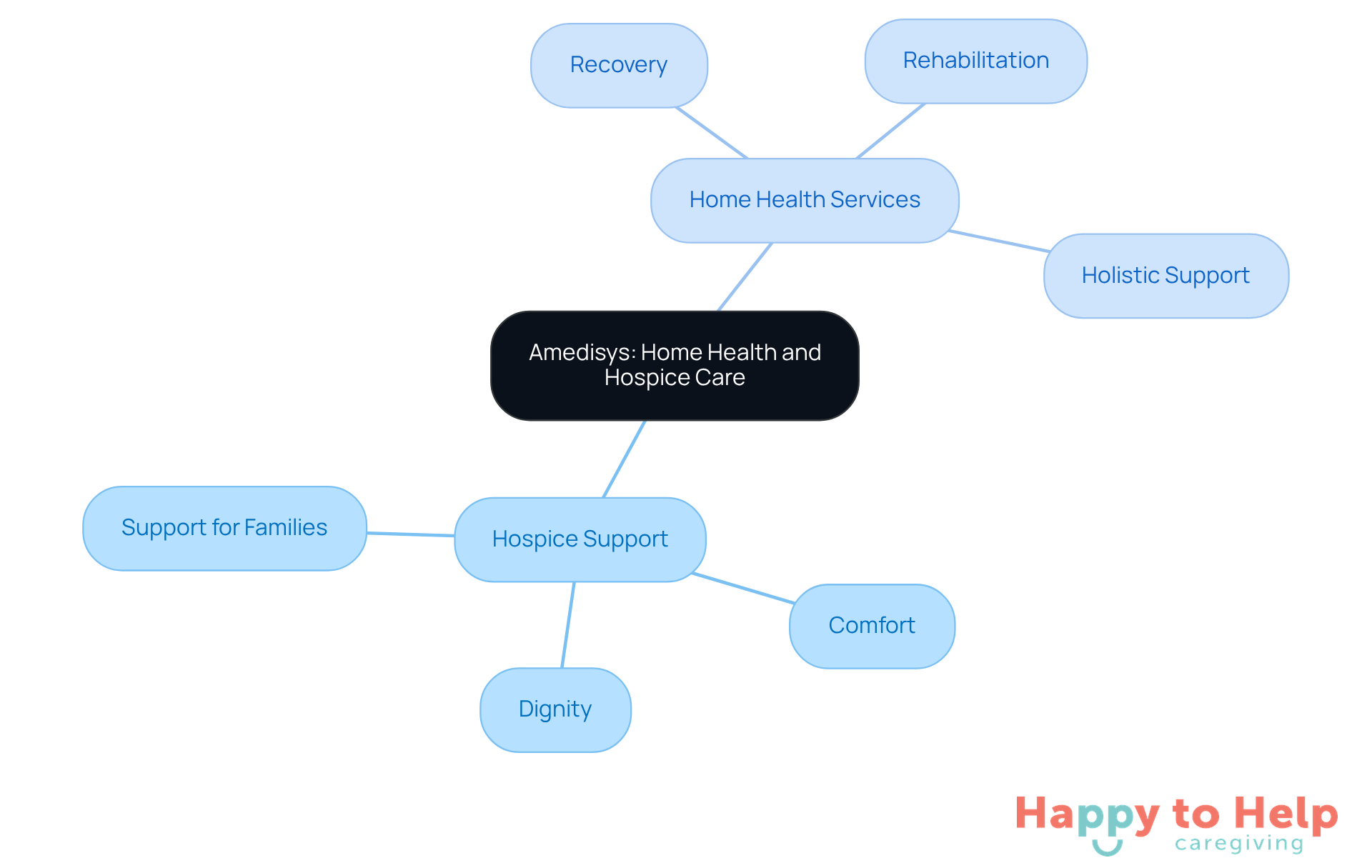
Amedisys addresses these issues by providing extensive Texas home health services and hospice assistance, ensuring that patients receive essential support during their recovery journey. Their hospice support focuses on delivering comfort and dignity to individuals with terminal conditions, while their Texas home health services aid in recovery and rehabilitation.
This dual approach not only alleviates the burden on caregivers but also allows families to receive holistic support during challenging times. By choosing Amedisys, caregivers can find the comprehensive assistance they need to navigate the complexities of caregiving.
Brookdale Senior Living: Specialized Memory Care Services
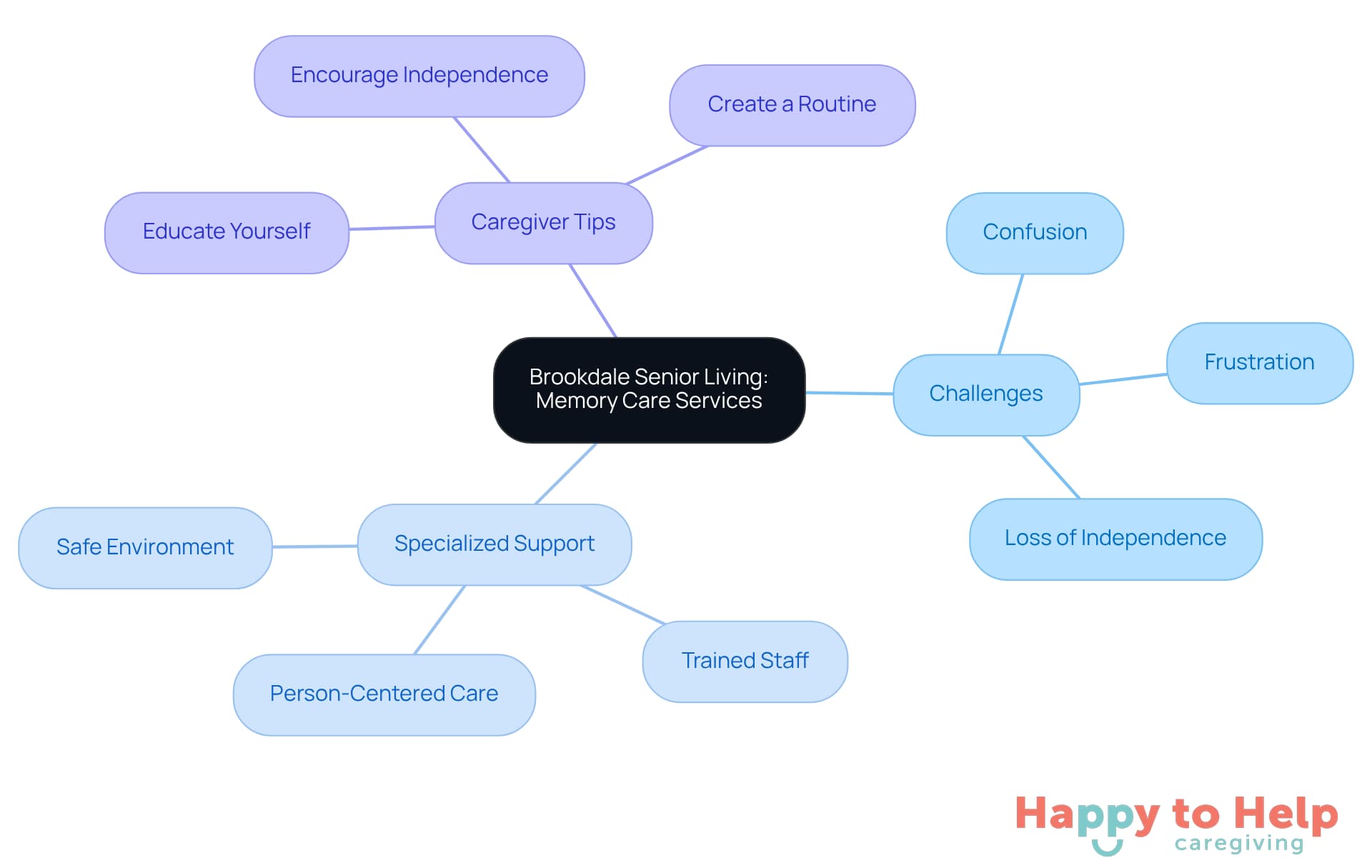
Caring for individuals with Alzheimer's and other types of dementia presents significant challenges for caregivers. These memory-related conditions can lead to confusion, frustration, and a loss of independence for those affected. Without proper support, both residents and caregivers may feel overwhelmed and isolated.
Brookdale Senior Living addresses these issues by offering specialized memory support services. Their facilities are designed to create a safe and supportive environment, staffed by trained professionals who understand the complexities of memory-related conditions. This approach not only ensures that residents receive the necessary assistance but also empowers them to maintain their independence.
Research indicates that environments tailored for memory support can significantly enhance the quality of life for residents. By fostering a sense of autonomy, individuals can engage in daily activities with confidence. Brookdale's commitment to person-centered support is evident in their focus on creating enriching experiences that cater to the unique needs of each resident.
To further assist caregivers, here are some actionable tips:
- Educate yourself about memory-related conditions to better understand the challenges faced by your loved one.
- Encourage independence by allowing individuals to participate in daily tasks at their own pace.
- Create a routine that provides structure and familiarity, helping to reduce anxiety.
By implementing these strategies, caregivers can improve the overall well-being of those they support, fostering a more positive and engaging environment.
Right at Home: In-Home Care and Companionship Services
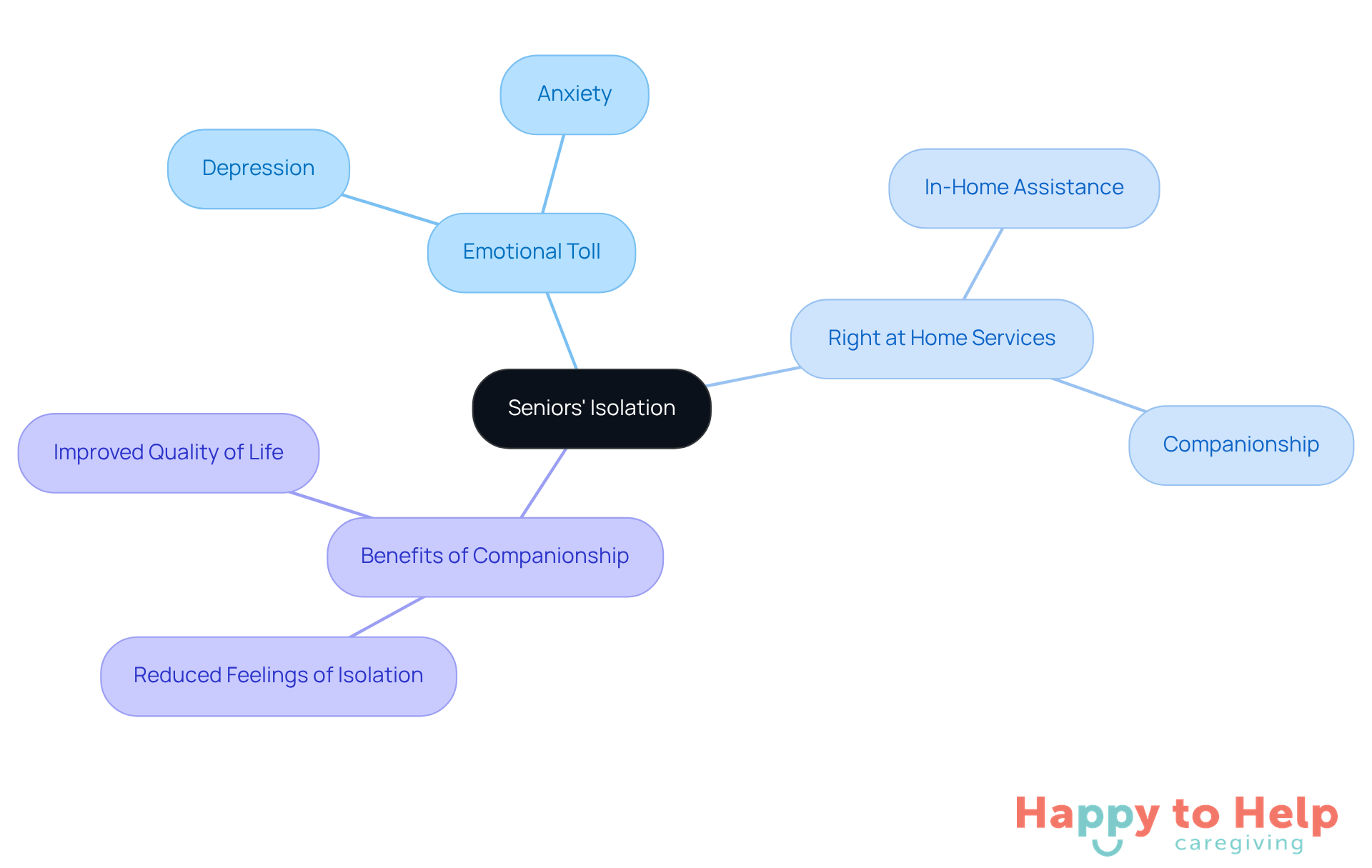
Problem: Many seniors face feelings of isolation, which can significantly impact their emotional well-being. This loneliness often stems from a lack of daily social interactions and support, making it challenging for them to live independently.
Agitate: The emotional toll of isolation can lead to serious mental health issues, including depression and anxiety. Without proper companionship, seniors may struggle with daily tasks and feel disconnected from the world around them.
Right at Home addresses this issue by offering Texas home health services, which include in-home assistance and companionship. Through Texas home health services, their caregivers provide essential support with daily tasks and personal assistance, ensuring that seniors receive the help they need to maintain their independence. This focus on companionship is crucial for enhancing the emotional well-being of seniors, helping to reduce feelings of isolation and improve their overall quality of life.
Home Instead Senior Care: Personalized Care for Seniors
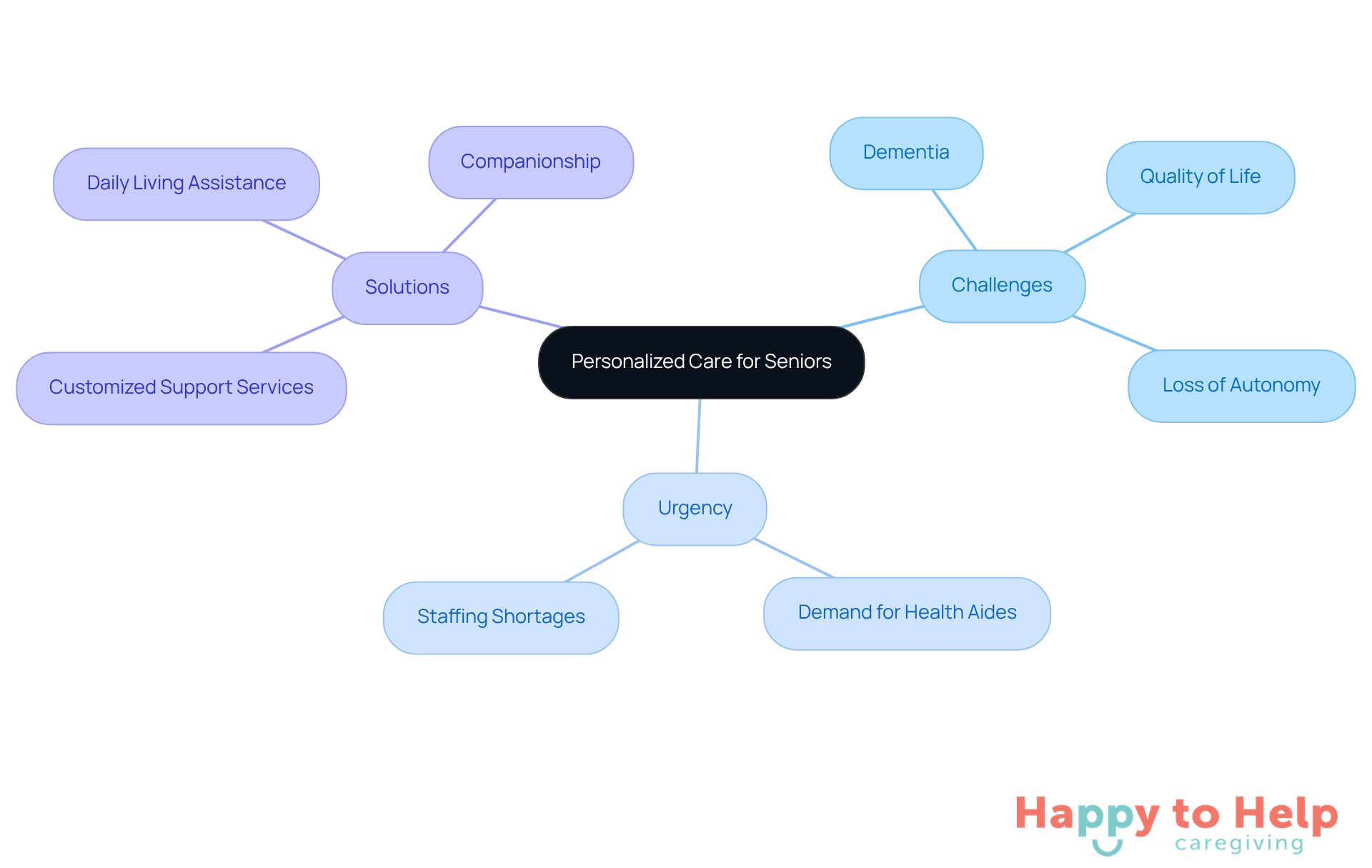
Problem: Many seniors face challenges in receiving adequate support, particularly those with conditions like dementia. This lack of personalized care can lead to a diminished quality of life and a loss of autonomy.
Agitate: As the demand for domestic health aides is projected to rise by 21% through 2033, the urgency for tailored support solutions becomes increasingly clear. Furthermore, with 59% of home care agencies reporting staffing shortages in 2025, the need for reliable and compassionate caregivers is more critical than ever.
Happy to Help Caregiving offers customized support services, which are part of its Texas home health services, designed to meet the unique needs of seniors. Their approach ensures that individuals receive the essential assistance required to maintain their dignity and independence. Supporters assist with daily living tasks, provide companionship, and offer specialized help for conditions like dementia. The Texas home health services offer individualized care that not only enhances seniors' quality of life but also fosters a sense of autonomy, allowing them to thrive in familiar environments.
By developing personalized support strategies, Happy to Help Caregiving empowers seniors to engage in meaningful activities while receiving the necessary assistance. This commitment to honoring individual choices and backgrounds strengthens the dedication to dignity in caregiving.
Your Path Forward
Navigating the complexities of caregiving presents a significant challenge for families, especially in Texas, where the demand for effective home health services is increasing. This situation not only impacts the quality of life for seniors but also places immense pressure on family caregivers. Without adequate support, caregivers may experience heightened stress and burnout, which can affect their ability to provide care.
To address these challenges, families must recognize the importance of utilizing specialized support services. Texas offers a diverse range of home health services, including:
- Companionship
- Respite care
- Tailored medical assistance
These services are vital in alleviating caregiver stress and promoting the independence of seniors. Organizations such as Happy to Help Caregiving, Texas Health Resources, and Brookdale Senior Living exemplify a commitment to personalized care that meets the unique needs of individuals, fostering an environment where both caregivers and seniors can thrive.
The significance of these home health services cannot be overstated. As the caregiving landscape evolves, families are encouraged to explore the options available to them. By prioritizing compassionate caregiving and leveraging available resources, families can create a nurturing atmosphere that enhances the well-being of seniors while safeguarding the health and happiness of those who care for them.
In conclusion, embracing specialized support services is essential for families navigating the caregiving journey. By taking proactive steps to seek out these resources, caregivers can find the balance they need to ensure their loved ones receive the best possible care.
https://iframe.tely.ai/cta/eyJhcnRpY2xlX2lkIjogIjY5MmY5MThhZGM0MTVjZWNlZTQ2NmMyMiIsICJjb21wYW55X2lkIjogIjY4ZWU1ZGNhNzMxNzYyNTU3ZjNjOTVjMSIsICJpbmRleCI6IG51bGwsICJ0eXBlIjogImFydGljbGUifQ==Frequently Asked Questions
What challenges do family caregivers face while managing caregiving duties?
Nearly 70% of family caregivers struggle to balance their careers with caregiving responsibilities, leading to increased stress and emotional strain, which affects both the caregivers and the seniors they care for.
What services does Happy to Help Caregiving provide?
Happy to Help Caregiving offers personalized in-home support services, including companionship support, post-hospital recovery assistance, respite services, and palliative care.
How does Happy to Help Caregiving support the emotional health of seniors?
Caregivers at Happy to Help are trained to engage clients in enjoyable activities, which can alleviate feelings of isolation and boost emotional health, leading to improved mental well-being for seniors.
What are the benefits of Texas home health services for seniors?
Texas home health services provide a comprehensive range of services, including proficient nursing and physical therapy, which facilitate recovery and enhance the quality of life for seniors in the comfort of their own homes.
How effective is home health care compared to hospital care for recovery?
Domestic patients experience an 80% recovery rate for post-operative treatment at home, compared to 60% in hospitals. Proficient nursing at home improves chronic illness management recovery rates to 75%, versus 45% for hospital treatment.
Why is personalized care important in professional home health care?
Many seniors do not receive the tailored care they need, which can lead to feelings of helplessness. Comprehensive evaluations are essential to determine individual needs and create personalized treatment strategies that enhance overall quality of life.
How do individualized support evaluations impact seniors?
Individualized support evaluations allow caregivers to create nurturing environments that promote independence among seniors, leading to improved wellness management and a greater sense of autonomy.
List of Sources
- Happy to Help Caregiving: Compassionate In-Home Support for Seniors
- Ohio is expanding a program to help seniors age in place (https://statenews.org/section/the-ohio-newsroom/2025-11-06/ohio-is-expanding-a-program-to-help-seniors-age-in-place)
- 2025 Home Care Statistics: Trends & Insights To Know (https://premierhcinc.com/blog/home-care-statistics)
- Home Care News | Senior Care News | Right at Home (https://rightathome.net/news)
- In-Home Care for Seniors - Caregiving News and Tips (https://aarp.org/caregiving/home-care)
- Home (https://homehealthcarenews.com)
- Texas Health Resources: Comprehensive Care-at-Home Services
- FastStats (https://cdc.gov/nchs/fastats/home-health-care.htm)
- Home Care Impact on Recovery of Patient (A Statistics Report) (https://lovinghomecareinc.com/home-care-recovery-statistics)
- The Impact of Home Care on Recovery Rates: A Comparative Analysis with Hospital Stays (https://patna.athomecare.in/the-impact-of-home-care-on-recovery-rates-a-comparative-analysis-with-hospital-stays)
- Texas Health Southlake Adds Care at Home Services (https://texashealth.org/newsroom/News-Releases/2025/Texas-Health-Southlake-Adds-Care-at-Home-Services)
- 52 Eye-Opening Home Health Statistics: Insights for 2025 (https://boosthomehealth.com/home-health-statistics)
- Professional Home Health Care: Tailored Assistance for Individual Needs
- What’s Next For Home Health As The Industry Faces Its Biggest Test Yet (https://homehealthcarenews.com/2025/10/whats-next-for-home-health-as-the-industry-faces-its-biggest-test-yet)
- State of home care in 2025 (https://mcknightshomecare.com/state-of-home-care-in-2025)
- The Future of Private Home Care: What to Expect in 2025 (https://anodyne-services.com/2024/08/14/the-future-of-private-home-care-what-to-expect-in-2025)
- The Top Growth Opportunities for Home Health Care in 2025 (https://axiscare.com/blog/growth-opportunities-for-home-health-care-2025)
- FastStats (https://cdc.gov/nchs/fastats/home-health-care.htm)
- Texas Department of Health and Human Services: State-Supported Long-Term Care Options
- Care Facilities Council’s 2025 Recommendations - Senior Living Specialists (https://seniorlivingspecialists.com/2025/02/understanding-long-term-care-facilities-councils-2025-recommendations-and-their-impact-on-texas-families)
- The Affordability of Long-Term Care and Support Services: Findings from a KFF Survey | KFF (https://kff.org/health-costs/the-affordability-of-long-term-care-and-support-services)
- Facts & Figures (https://ahcancal.org/Assisted-Living/Facts-and-Figures/Pages/default.aspx)
- How to Ensure Medicaid Approval for Home Health Care Services (https://regencyhcs.com/blog/how-to-ensure-medicaid-approval-for-home-health-care-services)
- Visiting Angels: Flexible Senior Care Solutions for Family Caregivers
- 20 Inspirational Senior Care Quotes (https://1plus1cares.com/20-inspirational-senior-care-quotes)
- 10 Must-Know U.S. Home Care Industry Stats for 2025 - North American Community Hub (https://nchstats.com/us-home-care-industry-stats)
- Improving Support for Family Caregivers (https://nationalacademies.org/news/2025/07/improving-support-for-family-caregivers)
- How Does Respite Care Helps Prevent Caregiver Burnout (https://sundaleseniorliving.com/news-and-articles/the-role-of-respite-care-in-preventing-caregiver-burnout)
- Respite Facts and Talking Points | ARCH National Respite Network & Resource Center (https://archrespite.org/policy/respite-facts-and-talking-points)
- Comfort Keepers: Interactive Caregiving for Enhanced Quality of Life
- The Caregiving Landscape: Data & Insights on the Caregiver Experience in the U.S. (https://caregiveraction.org/caregiver-statistics)
- USAging (https://usaging.org/socialengagement)
- Newsweek Names Comfort Keepers® Among America’s Best of the Best Home-Care Providers for 2025 (https://businesswire.com/news/home/20250827166158/en/Newsweek-Names-Comfort-Keepers-Among-Americas-Best-of-the-Best-Home-Care-Providers-for-2025)
- The Number Of Family Caregivers Helping Older US Adults Increased From 18 Million To 24 Million, 2011–22 | Health Affairs Journal (https://healthaffairs.org/doi/10.1377/hlthaff.2024.00978)
- The National Alliance for Caregiving and AARP Release Caregiving Report - CAPC - News Bites (https://capc.org/blog/new-data-on-family-caregivers-in-the-us)
- Amedisys: Comprehensive Home Health and Hospice Care
- Hospice Care Statistics (https://rosewood-nursing.com/post/hospice-care-statistics)
- DOJ and UnitedHealth reach settlement on $3.3 billion Amedisys deal (https://statnews.com/2025/08/07/doj-unitedhealth-agreement-amedisys-deal-divestitures)
- How Optum’s Amedisys Deal Could Shake Up the Hospice Market (https://hospicenews.com/2025/10/21/how-optums-amedisys-deal-could-shake-up-the-hospice-market)
- UnitedHealth closes $3.3B Amedisys buy after long regulatory battle (https://healthcaredive.com/news/unitedhealth-amedisys-deal-closes-doj/757742)
- Brookdale Senior Living: Specialized Memory Care Services
- Memory Care Facility Statistics (https://rosewood-nursing.com/post/memory-care-facility-statistics)
- ADI - Dementia statistics (https://alzint.org/about/dementia-facts-figures/dementia-statistics)
- News (https://news.brookdale.com/en/news.tag.press-release.html)
- Brookdale Recognized By U.S. News & World Report (https://brookdale.com/en/our-company/us-news.html)
- Right at Home: In-Home Care and Companionship Services
- 2025 Home Care Statistics: Trends & Insights To Know (https://premierhcinc.com/blog/home-care-statistics)
- 28 Senior Care Statistics: In-Home & Assisted Living | Shortlister (https://myshortlister.com/insights/senior-care-statistics)
- Home Care Giant Right At Home Pursues Growth, Innovation, Workforce Development in 2025 (https://homehealthcarenews.com/2025/02/home-care-giant-right-at-home-pursues-growth-innovation-workforce-development-in-2025)
- Right At Home CEO Warns Of ‘Collision Course,’ Aims To Double Weekly Care Volume (https://homehealthcarenews.com/2025/05/right-at-home-ceo-warns-of-industry-collision-course-aims-to-double-weekly-care-volume)
- The Incredible Benefits of Home Care, in 7 Amazing Stats - Companions For Seniors (https://companionsforseniors.com/2019/08/benefits-home-care-amazing-stats-trends-reports)
- Home Instead Senior Care: Personalized Care for Seniors
- 10 Must-Know U.S. Home Care Industry Stats for 2025 - North American Community Hub (https://nchstats.com/us-home-care-industry-stats)
- 28 Senior Care Statistics: In-Home & Assisted Living | Shortlister (https://myshortlister.com/insights/senior-care-statistics)
- 2025 Home Care Statistics: Trends & Insights To Know (https://premierhcinc.com/blog/home-care-statistics)
- 30 Inspirational Quotes for Caregivers (https://agingcare.com/articles/caregivers-quotes-inspiration-141133.htm)
- Home Instead Recognized by Forbes as One of 2025’s Best Employers (https://homeinstead.com/news-and-media/forbes-best-employers-2025)