10 Tips for Choosing In Home Caregivers for Dementia Patients
For families in our service areas
For families in our service areas, this guide explains dementia care and how non-medical in-home caregiving can support care planning in East Idaho, Treasure Valley & Magic Valley, Northern Wasatch, North Central West Virginia, and Northeast Ohio.
What You Need to Know About Choosing In Home Caregivers for
Choosing in-home caregivers for dementia patients presents a significant challenge for families, impacting both the quality of care and the emotional well-being of everyone involved. As dementia cases rise, families face a complex array of options, qualifications, and emotional needs. This situation can be overwhelming, leaving families uncertain about how to proceed.
The implications of this decision are profound. A poor choice can lead to inadequate care, increased stress, and emotional strain for both patients and their families. Therefore, it’s crucial to navigate this landscape thoughtfully. To assist in this process, we offer ten essential tips that simplify the selection process while highlighting the importance of personalized care and effective communication.
So, how can families ensure they are making the best choice for their loved ones? By following these actionable solutions, families can approach the caregiver selection process with confidence and clarity.
Happy to Help Caregiving: Prioritize Personalized Care Plans
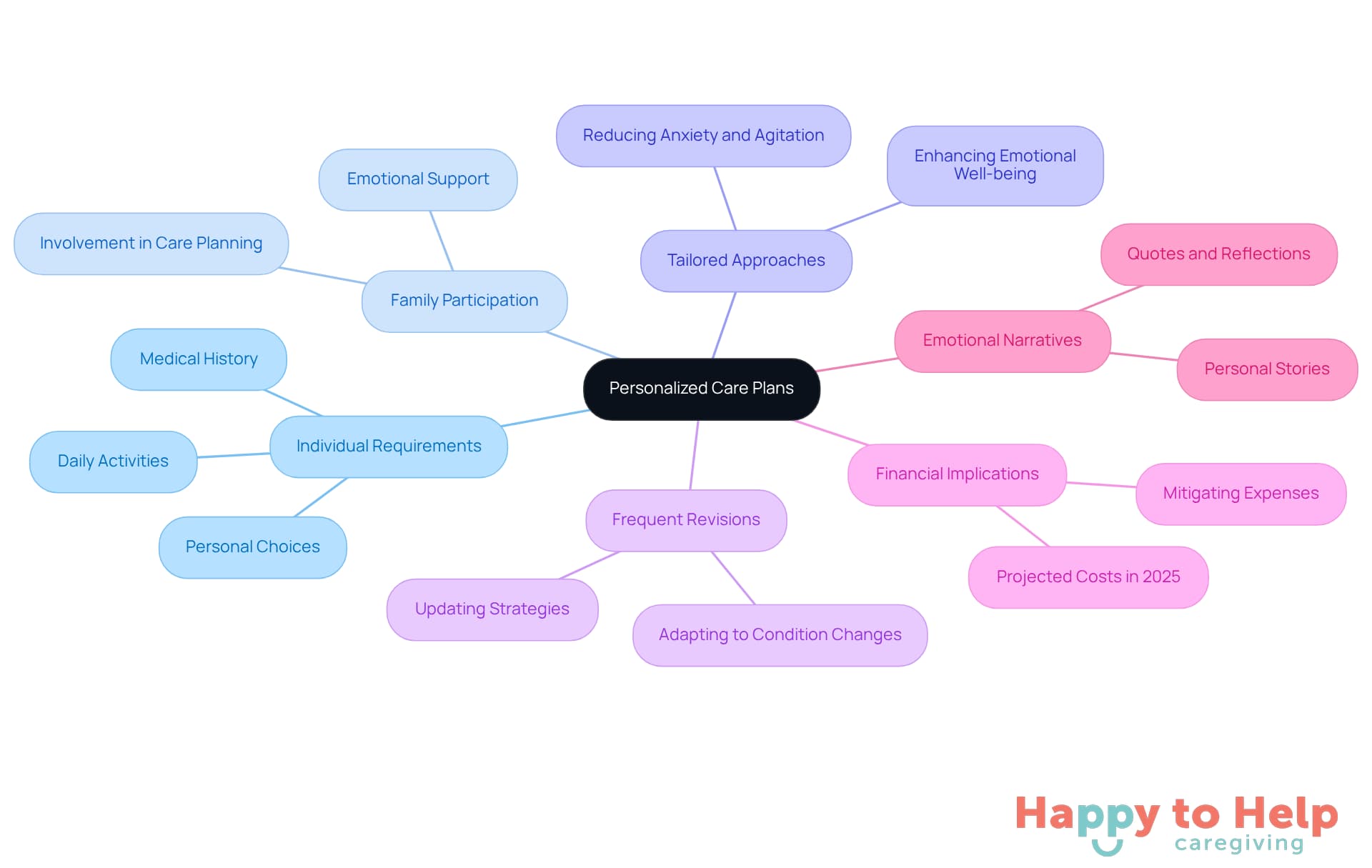
Developing effective individualized support plans for individuals with cognitive decline presents a significant challenge for caregivers. A comprehensive evaluation of specific requirements - such as medical history, daily activities, and personal choices - is essential. This process is further complicated by the emotional toll on families, who often feel overwhelmed by the responsibility of care.
Family participation plays a vital role in creating support plans that not only reflect the individual's lifestyle but also promote their independence. Research shows that tailored approaches can significantly reduce anxiety and agitation, leading to improved emotional well-being for those living with dementia. Frequent revisions to the treatment plan are crucial as the individual's condition evolves, allowing caregivers to adjust strategies that remain relevant and effective.
This dynamic approach enhances patient outcomes and boosts family satisfaction, providing reassurance that their loved ones receive customized, attentive support. However, the financial implications are substantial; health and long-term support expenses for individuals with cognitive impairment are projected to reach $384 billion in 2025. This underscores the importance of efficient planning to mitigate costs.
As noted, "Behind every impactful Dementia Quote lies a personal narrative, a journey filled with love, challenges, and resilience." This highlights the emotional bond that individualized support nurtures, making it essential for caregivers to prioritize personalized care.
Assess Caregiver Qualifications and Training
Choosing the right in home caregivers for dementia patients presents a significant challenge. Many in home caregivers for dementia patients may lack the necessary qualifications and training, which can lead to inadequate support for those in need. This gap in expertise can result in poor outcomes for patients, making it essential to address this issue head-on.
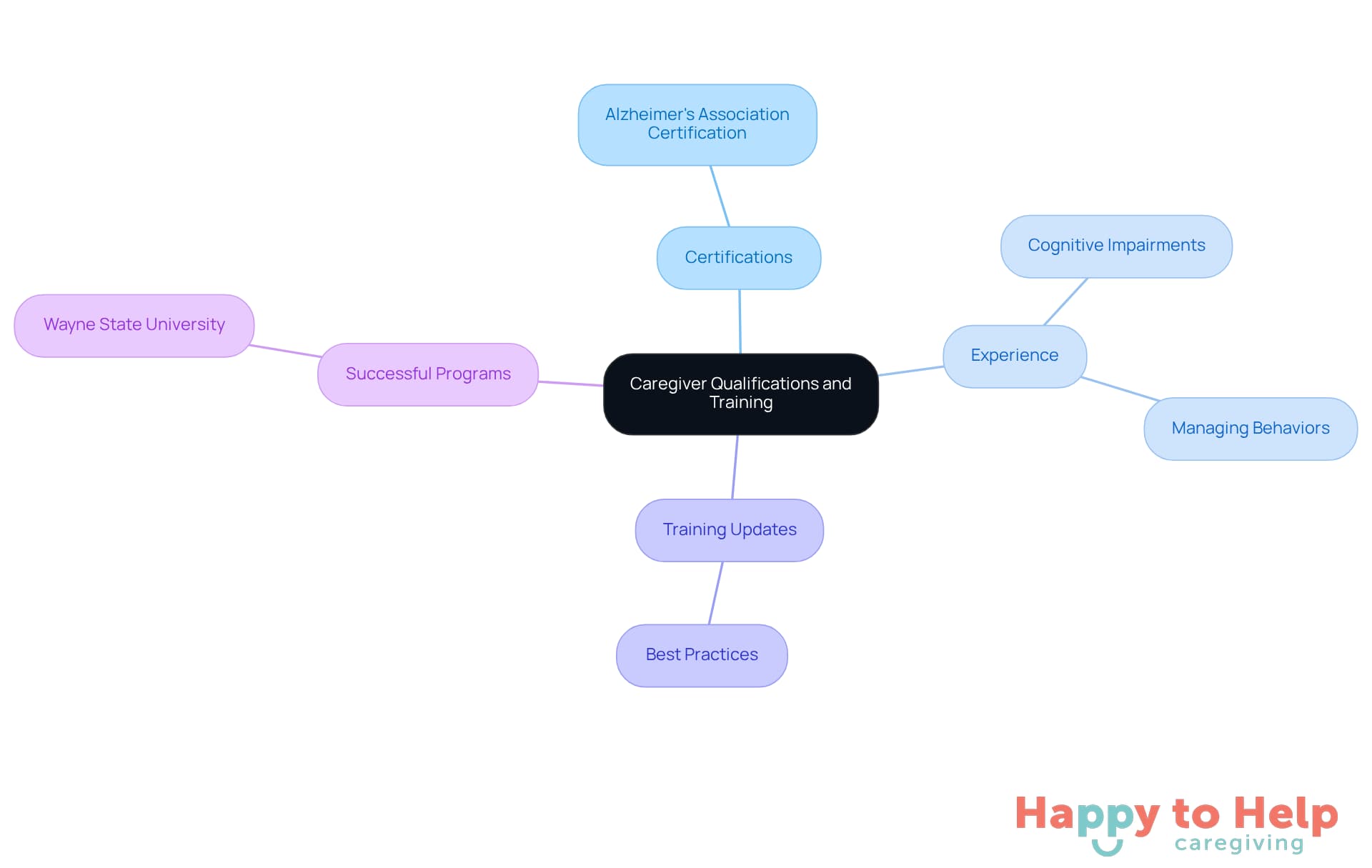
To ensure high-quality care, it's crucial to seek in home caregivers for dementia patients who hold certifications from reputable organizations, such as the Alzheimer's Association. These certifications reflect a commitment to maintaining high standards in memory support. Additionally, in home caregivers for dementia patients should possess documented experience working with individuals who have cognitive impairments, particularly in managing challenging behaviors that may arise.
Regular training updates are vital for caregivers. They help support providers stay informed about the latest best practices and interventions used by in home caregivers for dementia patients. For instance, studies have shown that older adults cared for by skilled professionals experience significant improvements in cognitive functioning and overall quality of life. This highlights the importance of specialized training for in home caregivers for dementia patients in enhancing patient outcomes.
Successful training programs, like those offered by Wayne State University, demonstrate that both family members and in home caregivers for dementia patients can effectively implement cognitive stimulation techniques. This leads to better results for patients, showcasing the value of ongoing education for in home caregivers for dementia patients.
Moreover, individuals who participate in training programs report greater satisfaction and improved support skills. This continuous learning equips caregivers with the essential resources needed to provide compassionate and effective assistance.
Establish Open Communication with Caregivers
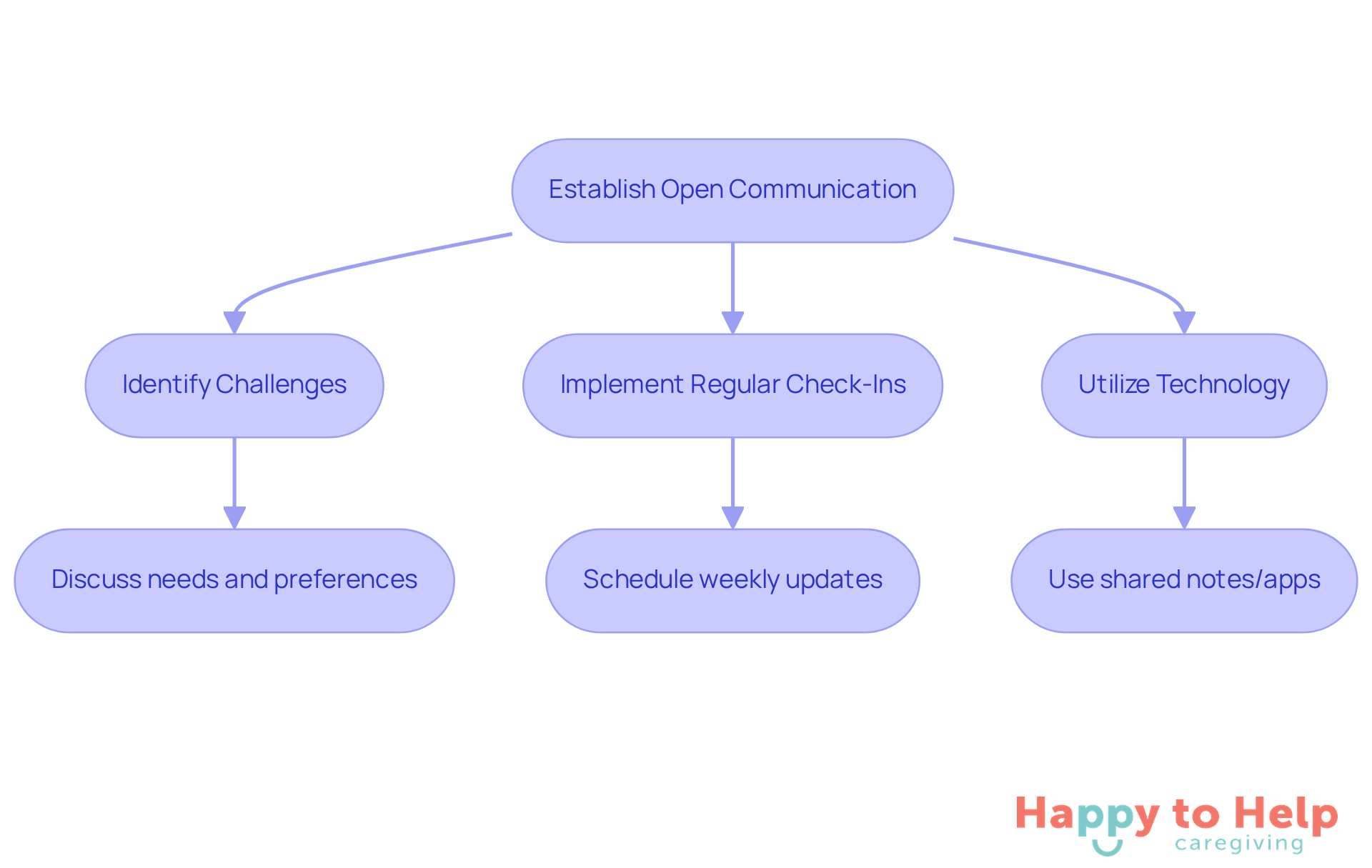
Effective dementia support hinges on creating transparent channels of communication with supporters. Caregivers often face the challenge of families feeling uncomfortable discussing their loved one's needs, preferences, and changes in behavior. This discomfort can lead to misunderstandings and inadequate care.
To address this issue, regular check-ins and updates are essential. They allow caregivers to adjust their approach based on the evolving needs of the individual. Additionally, employing technology - such as shared notes or communication applications - can facilitate ongoing dialogue. This ensures that everyone involved in the support network remains informed and engaged.
By fostering open communication, caregivers can create a more supportive environment that meets the needs of those with dementia.
Ensure Flexible Scheduling Options
Flexible scheduling poses a significant challenge in dementia support. Individuals often experience changing needs throughout the day, which can complicate caregiving. Caregivers must be adaptable, adjusting their hours to align with family schedules and the patient's daily routines.
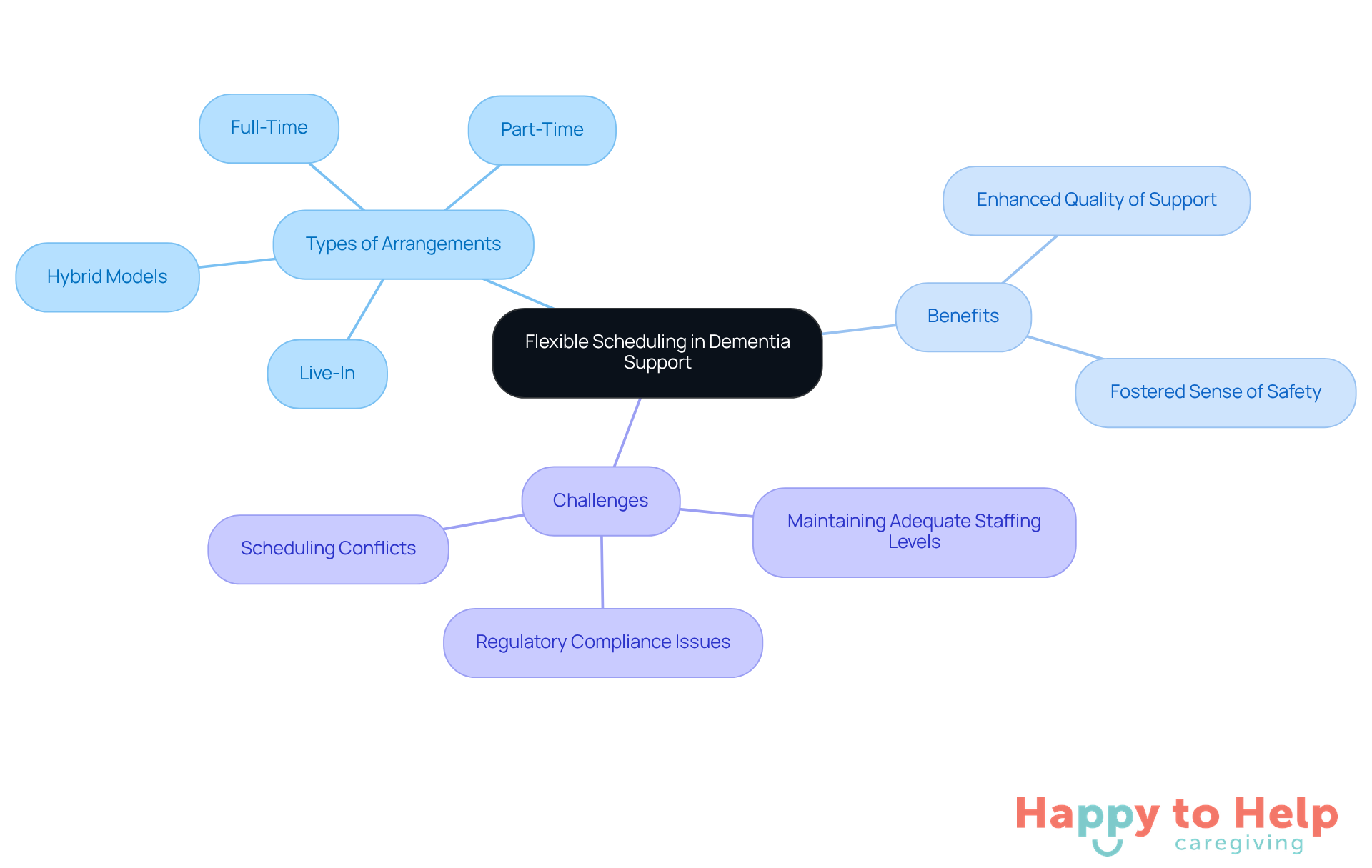
This flexibility can take various forms, such as part-time, full-time, or live-in assistance options. These arrangements allow families to receive the necessary support without feeling overwhelmed. For instance, some agencies have successfully implemented hybrid scheduling models that combine structured hours with flexibility. This approach ensures that quality standards are maintained while addressing the unique needs of each family.
Such arrangements not only enhance the quality of support but also foster a sense of safety for both individuals receiving treatment and their caregivers. With the number of individuals with Alzheimer's in Delaware projected to rise from 19,000 in 2020 to 23,000 by 2025, the demand for adaptable care solutions will only increase. Therefore, families must prioritize flexible scheduling when selecting in-home caregivers for dementia patients.
However, challenges accompany flexible scheduling, including maintaining adequate staffing levels and navigating potential regulatory compliance issues, as noted by industry experts. By understanding both the benefits and challenges, families can make informed decisions about their caregiving options.
Implement Home Safety Measures
Problem: Ensuring the safety of individuals with cognitive impairments is a significant concern for caregivers. Without proper precautions, these individuals may face increased risks of accidents at home.
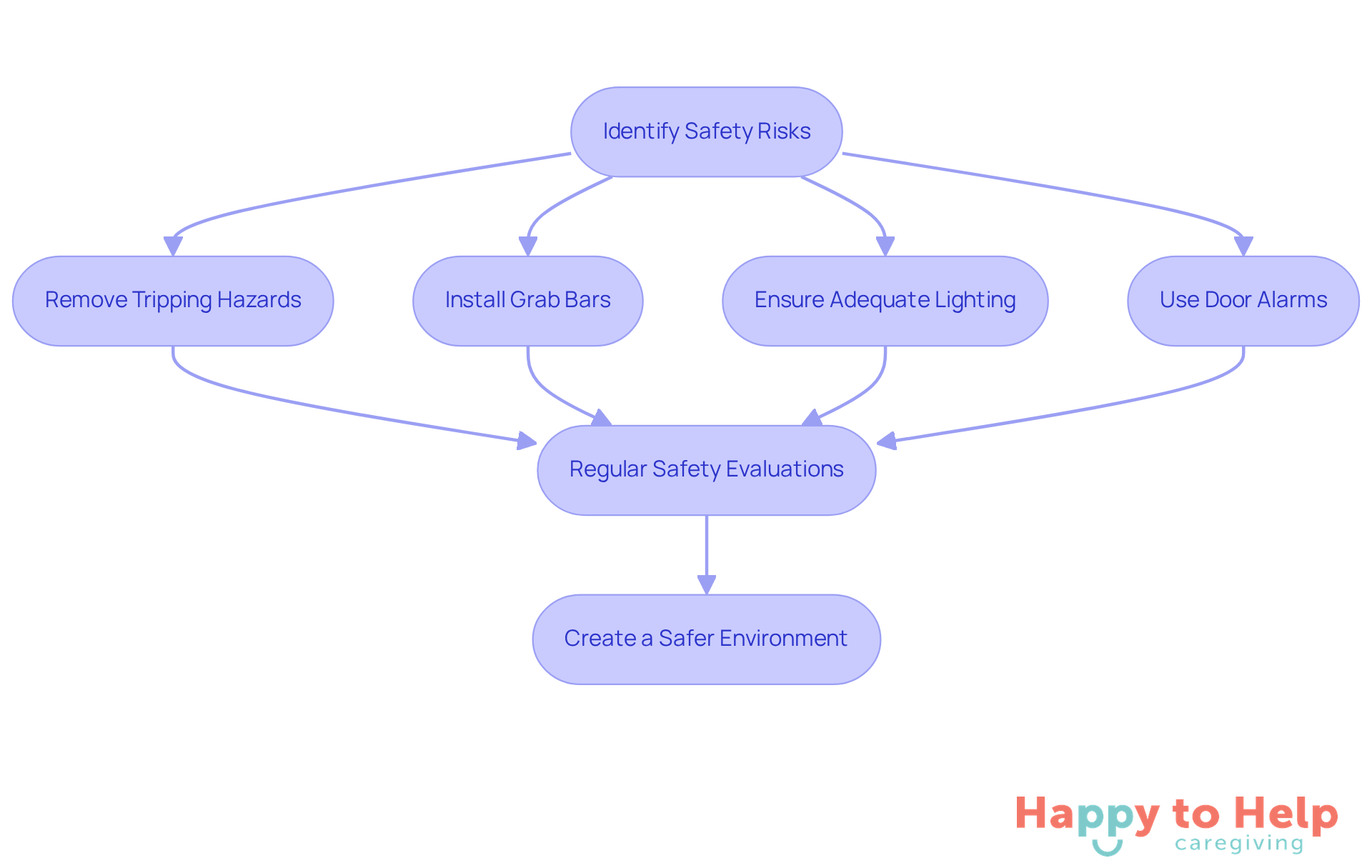
Agitate: Tripping hazards, inadequate lighting, and lack of support in bathrooms can lead to serious injuries. Moreover, the risk of wandering can pose additional dangers, making it crucial for caregivers to be proactive in creating a safe environment.
Solution: To enhance home safety, consider implementing the following measures:
- Remove tripping hazards such as loose rugs and clutter.
- Install grab bars in bathrooms to provide support.
- Ensure all areas of the home are well-lit to prevent falls.
- Use door alarms or locks to prevent wandering.
Regular safety evaluations are essential to identify new risks as the individual's condition evolves. By taking these steps, caregivers can significantly improve safety and peace of mind.
Focus on Companionship and Emotional Support
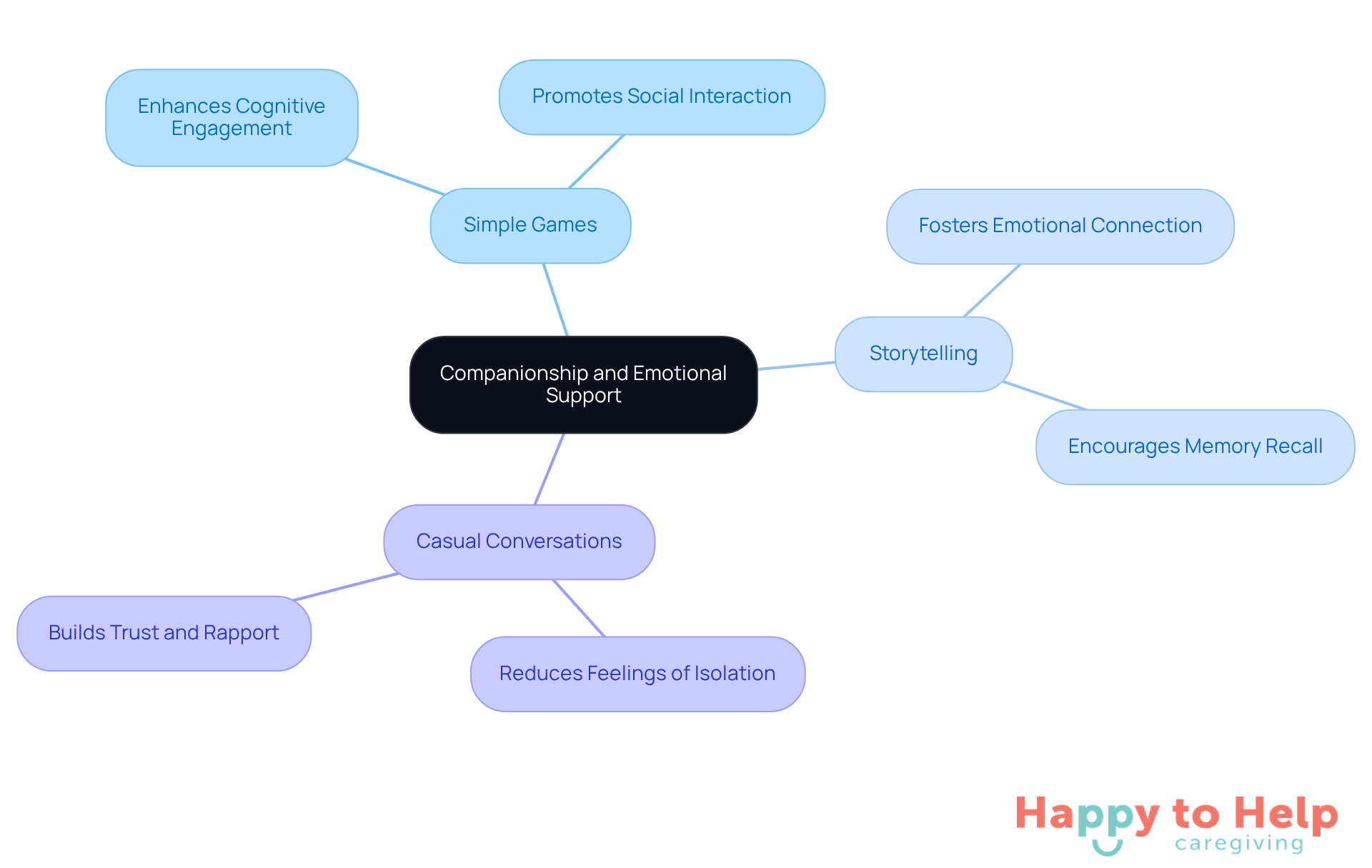
Companionship and emotional support are critical challenges in the care of individuals with cognitive impairments. Without these elements, patients may experience increased feelings of isolation and distress, which can exacerbate their condition. In-home caregivers for dementia patients face the daunting task of ensuring that their loved ones remain engaged and connected.
To address this issue, caregivers can implement meaningful activities that foster social interaction. These activities include:
- Simple games
- Storytelling
- Casual conversations
These can significantly enhance emotional well-being. Encouraging participation in hobbies or interests not only provides a sense of purpose but also strengthens the bond between caregiver and patient.
By integrating these activities into daily routines, in-home caregivers for dementia patients can foster a supportive environment that promotes emotional health. This approach not only benefits the individuals receiving care but also alleviates some of the stress caregivers may experience, leading to a more positive caregiving experience.
Understand Dementia Behaviors and Needs
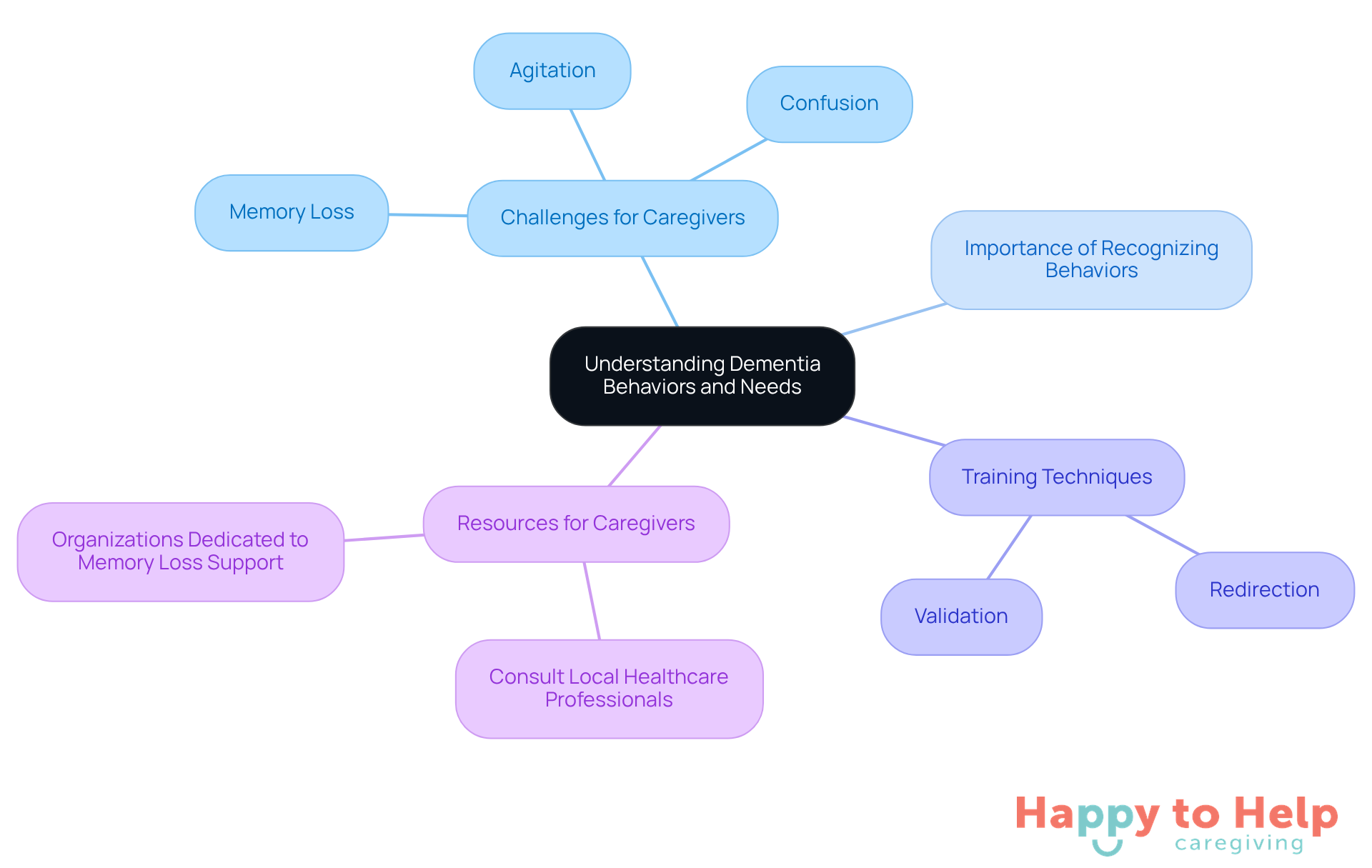
Caregivers face significant challenges when managing behaviors related to cognitive decline, such as confusion, agitation, and memory loss. A national survey by the Alliance for Aging Research highlights that 49% of caregivers find agitation symptoms in Alzheimer's dementia more difficult to manage than memory loss. This underscores the emotional and practical difficulties they encounter in providing care.
Recognizing these behaviors is crucial for caregivers to respond with empathy and effectiveness. The implications of failing to address agitation can lead to increased stress for both caregivers and individuals receiving care. Training programs that focus on techniques like redirection and validation can empower caregivers to handle these difficult situations more effectively. For instance, those trained in these methods report improved interactions with clients, resulting in decreased agitation and enhanced emotional well-being for everyone involved.
As Jihye Kim states, "Training for those who assist individuals with memory disorders aids them in comprehending the illness and acquiring caregiving techniques." By emphasizing education on cognitive impairment behaviors, caregivers can significantly improve the quality of assistance they provide, ensuring that individuals receive the compassionate support they need.
To find training materials, caregivers can consult local healthcare professionals or organizations dedicated to memory loss support.
Evaluate Costs and Payment Options
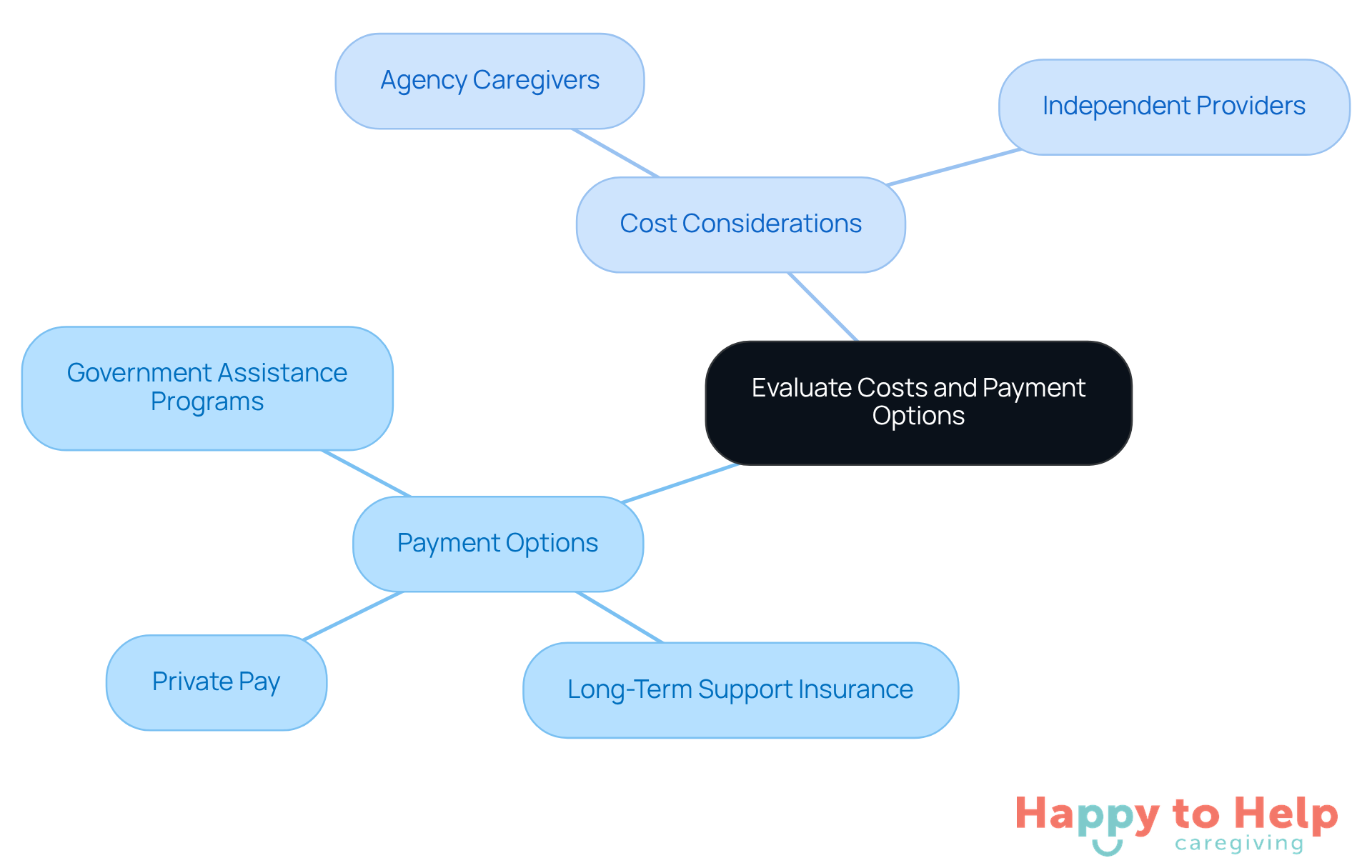
Assessing the expenses of in home caregivers for dementia patients presents a significant challenge for families. Understanding the various payment options available - such as private pay, long-term support insurance, and government assistance programs - is essential. Without this knowledge, families may struggle to make informed decisions that impact their loved ones' care.
Moreover, families should consider the potential costs of employing attendants through agencies versus independent providers. This comparison can reveal hidden expenses associated with specific support requirements, which can add up quickly. By taking the time to evaluate these options, families can better navigate the financial landscape of in-home care, ensuring they choose the best solution for their needs.
Conduct Regular Assessments of Care Quality
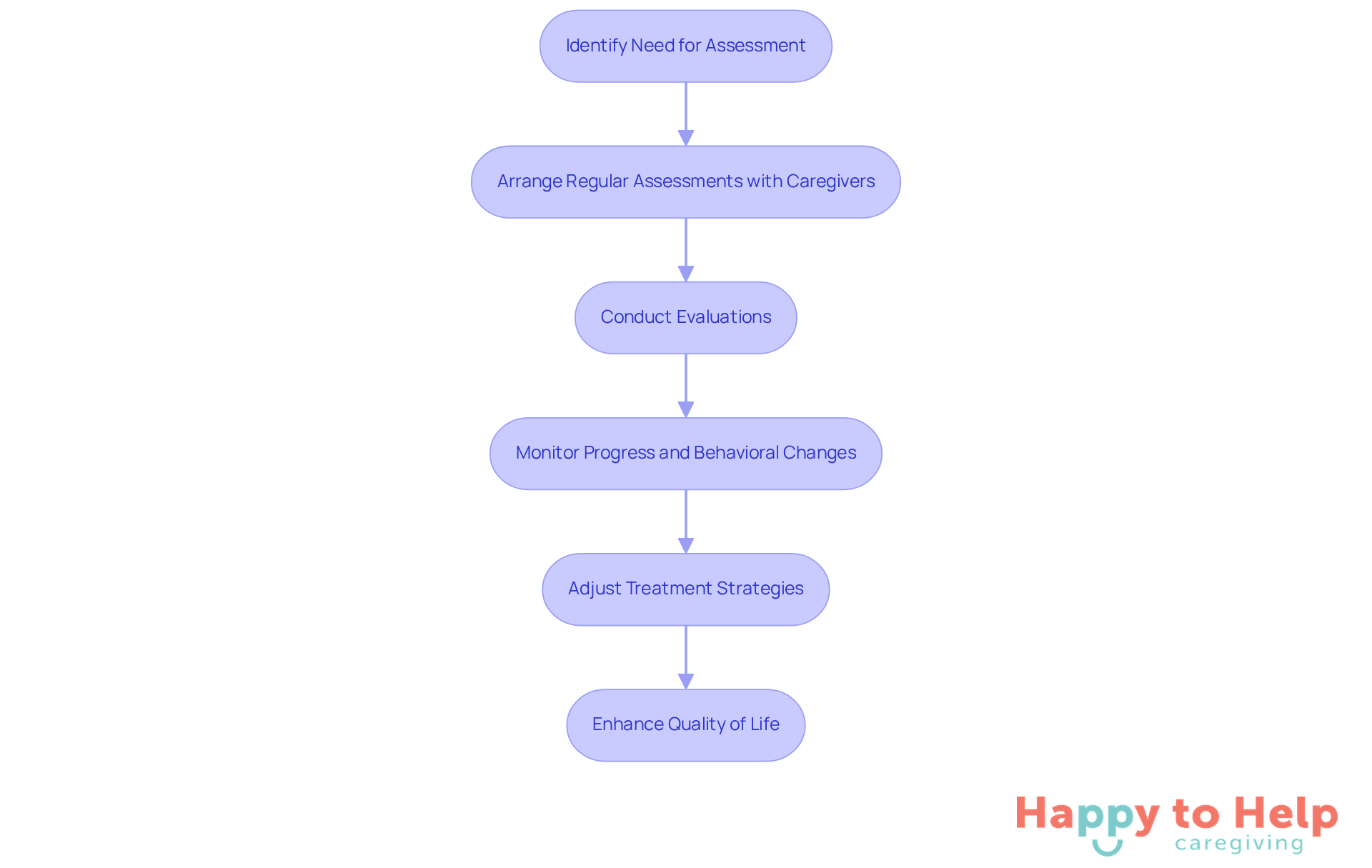
Frequent evaluations of service quality pose a significant challenge for families who rely on in home caregivers for dementia patients. Alarmingly, research indicates that only 16 percent of seniors report receiving regular assessments for memory or cognitive issues. This gap in support not only affects the quality of care but also diminishes caregiver satisfaction, which tends to improve with routine evaluations.
To address this issue, families should prioritize arranging regular assessments with in home caregivers for dementia patients. These evaluations allow for monitoring the individual's progress, observing behavioral changes, and assessing the effectiveness of the support plan. By adopting this cooperative approach, families can make timely adjustments to treatment strategies, ultimately enhancing the patient's overall quality of life.
Moreover, establishing organized review procedures empowers families to make informed decisions about in home caregivers for dementia patients, ensuring that the support provided aligns with the evolving needs of the individual. Experts like Alireza Atri, M.D., Ph.D., emphasize the importance of involving care partners in the assessment process to improve care quality for those with cognitive impairments. By implementing these actionable solutions, families can significantly enhance the care experience for their loved ones.
Seek Testimonials and Reviews from Other Families
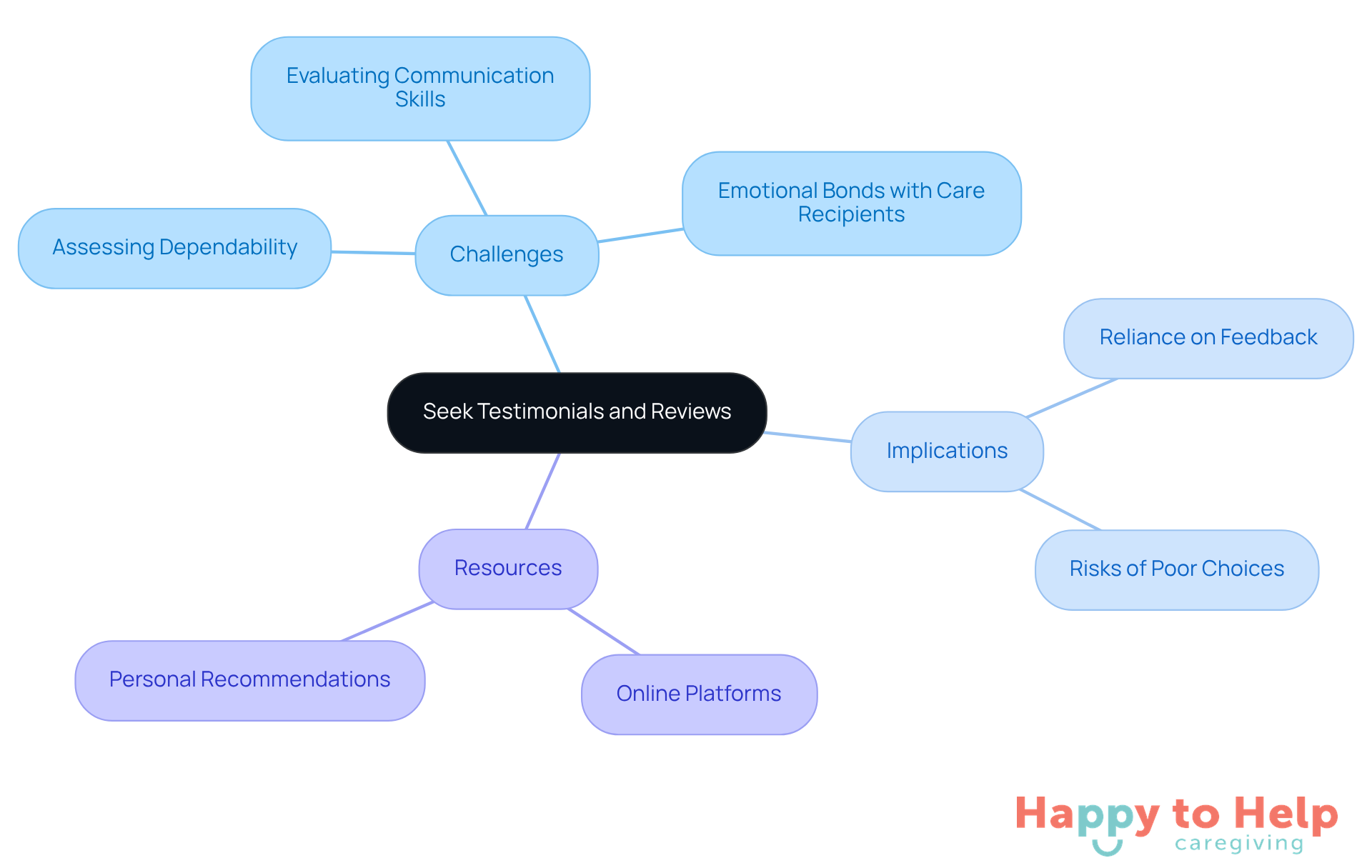
Selecting appropriate in home caregivers for dementia patients poses a significant challenge for families. The problem lies in the difficulty of assessing a provider's dependability, communication skills, and ability to connect with those in their care. This decision is crucial, as families often find that positive testimonials highlight not just competent support but also the emotional bonds that in home caregivers for dementia patients provide, which are vital.
The implications of this challenge are profound. Families frequently rely on feedback from others to guide their choices, and the lack of reliable information can lead to suboptimal care. For instance, many families have shared how insights from others helped them select caregivers who made a meaningful difference in their loved ones' lives. This underscores the importance of thorough research and evaluation of reviews from those who provide support.
To navigate this complex landscape, families can utilize online platforms and personal recommendations as valuable resources for finding in home caregivers for dementia patients. These tools allow them to assess the suitability of caretakers based on real experiences. With approximately 43.5 million individuals providing unpaid assistance in the U.S., the stakes are high in choosing the right provider.
As Evan Falchuk, CEO of Family First, points out, "It's difficult to thrive in a support role if you're not prioritizing your own health and well-being." This statement emphasizes the necessity for caregivers to foster emotional connections, which can be evaluated through family testimonials. By prioritizing these connections, families can ensure they are making informed decisions that lead to the best possible support from in home caregivers for dementia patients.
Your Path Forward
Choosing in-home caregivers for dementia patients presents a significant challenge that can deeply affect the quality of care and emotional well-being of those with cognitive impairments. Families often struggle with ensuring that their loved ones receive the personalized support they need, which can lead to increased stress and uncertainty.
To address these concerns, it’s essential to develop individualized care plans that actively involve family participation. Assessing caregiver qualifications and training is crucial, as is fostering open communication between caregivers and families. Establishing home safety measures, promoting companionship, and understanding dementia behaviors are vital components that contribute to a supportive caregiving environment.
Moreover, evaluating costs and seeking testimonials can empower families to make informed decisions about their caregiving options. By prioritizing personalized care and maintaining a collaborative approach, families can significantly enhance the quality of life for their loved ones while alleviating some of the stress associated with caregiving.
Ultimately, these practices are not just beneficial; they are essential. A comprehensive approach not only improves patient outcomes but also fosters a nurturing environment that promotes dignity and respect for individuals living with dementia. Families are encouraged to embrace these insights, ensuring that their loved ones receive compassionate and effective care tailored to their unique needs.
https://iframe.tely.ai/cta/eyJhcnRpY2xlX2lkIjogIjY5MjY0MzliMDFkMWUzYmY0NmRiMjJlOCIsICJjb21wYW55X2lkIjogIjY4ZWU1ZGNhNzMxNzYyNTU3ZjNjOTVjMSIsICJpbmRleCI6IG51bGwsICJ0eXBlIjogImFydGljbGUifQ==Frequently Asked Questions
What is the importance of personalized care plans for individuals with cognitive decline?
Personalized care plans are crucial as they reflect the individual's specific requirements, promote independence, and improve emotional well-being. Tailored approaches can significantly reduce anxiety and agitation in those living with dementia.
How can family participation enhance support plans for dementia patients?
Family participation is vital in creating support plans that align with the individual's lifestyle and preferences, leading to better outcomes and increased family satisfaction.
Why is it necessary to frequently revise treatment plans for individuals with cognitive decline?
Frequent revisions are essential because the individual's condition evolves over time. Adjusting strategies ensures that the care provided remains relevant and effective.
What are the projected financial implications of caring for individuals with cognitive impairment?
Health and long-term support expenses for individuals with cognitive impairment are projected to reach $384 billion in 2025, highlighting the need for efficient planning to mitigate costs.
What qualifications should in-home caregivers for dementia patients possess?
In-home caregivers should hold certifications from reputable organizations, such as the Alzheimer's Association, and have documented experience working with individuals who have cognitive impairments.
Why is regular training important for in-home caregivers?
Regular training updates are vital as they keep caregivers informed about the latest best practices and interventions, leading to improved patient outcomes and overall quality of life.
How can open communication benefit dementia care?
Open communication creates a supportive environment by addressing families' discomfort in discussing their loved one's needs, leading to better understanding and care.
What methods can be used to establish effective communication with caregivers?
Regular check-ins, updates, and the use of technology such as shared notes or communication applications can facilitate ongoing dialogue among caregivers and families.
List of Sources
- Happy to Help Caregiving: Prioritize Personalized Care Plans
- Creyos Introduces Care Planning to Bridge the Gap Between Dementia Diagnosis and Daily Support (https://finance.yahoo.com/news/creyos-introduces-care-planning-bridge-120000509.html)
- Why A Personalized Care Plan Matters in Dementia Treatment (https://assuredassistedliving.com/why-a-personalized-care-plan-matters-in-dementia-treatment)
- The Importance of Patient-Centered Care for People Living with Dementia and Their Caregivers (https://forhealthconsulting.umassmed.edu/the-importance-of-patient-centered-care-for-people-living-with-dementia-and-their-caregivers)
- Top List of Inspirational Dementia Quotes for Caregivers (https://rochesterlawcenter.com/dementia-resources/dementia-quotes)
- (https://belleviecare.co.uk/support-advice/dementia-quotes-to-lift-your-spirits)
- Assess Caregiver Qualifications and Training
- Dementia training program significantly improves home care worker skills, study finds (https://mcknights.com/news/dementia-training-program-significantly-improves-home-care-worker-skills-study-finds)
- Factors associated with receipt of caregiver training among family and unpaid caregivers of people living with dementia (https://sciencedirect.com/science/article/pii/S2667032125000186)
- Caregiver training: Evidence of its effectiveness for cognitive and functional improvement in older adults - PMC (https://pmc.ncbi.nlm.nih.gov/articles/PMC10078788)
- Caregiver Dementia Quotes (Encouragement For Dementia Caregivers) (https://optoceutics.com/caregiver-dementia-quotes-encouragement-dementia-caregivers?srsltid=AfmBOoq8IZo9ycnnTPbxIoQkcOg8WDhjl3faF6a9MSOd0C7EoCUwwmth)
- Free dementia caregiver trainings in Detroit with Wayne State University (https://nursing.wayne.edu/news/free-dementia-caregiver-trainings-in-detroit-with-wayne-state-university-67601)
- Establish Open Communication with Caregivers
- Study offers guidance for communicating with loved ones living with dementia (https://news-medical.net/news/20250827/Study-offers-guidance-for-communicating-with-loved-ones-living-with-dementia.aspx)
- Care managers say ED program improves communication for assisted living residents with dementia (https://mcknights.com/news/care-managers-say-ed-program-improves-communication-for-assisted-living-residents-with-dementia)
- Communication and engagement with people living with dementia (https://dementia.org.au/news/communication-and-engagement-people-living-dementia)
- Clearer Conversations, Better Care: New Guide Highlights Best Practices for Communicating with Older Adults (https://geron.org/News-Events/GSA-News/Press-Room/Press-Releases/clearer-conversations-better-care-new-guide-highlights-best-practices-for-communicating-with-older-adults)
- Tech-enabled caregiving can help dementia patients stay at home — perhaps for too long (https://statnews.com/2025/11/24/dementia-caregiving-technology-assistance)
- Ensure Flexible Scheduling Options
- Senior Living Operators Embrace More Flexible Scheduling Practices to Improve Staffing (https://seniorhousingnews.com/2024/08/06/senior-living-operators-embrace-more-flexible-scheduling-practices-to-improve-staffing)
- 9 Ways to Find Caregivers With Flexible Scheduling Options - MedCity News (https://medcitynews.com/2025/05/9-ways-to-find-caregivers-with-flexible-scheduling-options)
- My Loved One Has Dementia; Is In-Home Care An Option? - PMC (https://pmc.ncbi.nlm.nih.gov/articles/PMC8482990)
- (https://belleviecare.co.uk/support-advice/dementia-quotes-to-lift-your-spirits)
- The Critical Role of Flexibility in Home Care Scheduling for Family Peace of Mind (https://relevar.com/the-critical-role-of-flexibility-in-home-care-scheduling-for-family-peace-of-mind)
- Focus on Companionship and Emotional Support
- 10 Benefits of Live-In Dementia Care for Family Caregivers - Happy To Help (https://happytohelpcaregiving.com/10-benefits-of-live-in-dementia-care-for-family-caregivers)
- Caregivers’ Relationship Closeness with the Person with Dementia Predicts Both Positive and Negative Outcomes for Caregivers’ Physical Health and Psychological Well-being - PMC (https://pmc.ncbi.nlm.nih.gov/articles/PMC3430821)
- Study finds friendship is a powerful antidote to caregiver isolation (https://newatlas.com/health-wellbeing/friendship-fights-dementia-caregiver-isolation)
- Understand Dementia Behaviors and Needs
- Factors associated with receipt of caregiver training among family and unpaid caregivers of people living with dementia (https://sciencedirect.com/science/article/pii/S2667032125000186)
- New Survey Reveals Critical Gaps in Awareness and Understanding of Agitation in Alzheimer’s Dementia - Alliance for Aging Research (https://agingresearch.org/news/new-survey-reveals-critical-gaps-in-awareness-and-understanding-of-agitation-in-alzheimers-dementia)
- Top List of Inspirational Dementia Quotes for Caregivers (https://rochesterlawcenter.com/dementia-resources/dementia-quotes)
- Caregiver Statistics: Demographics (https://caregiver.org/resource/caregiver-statistics-demographics)
- Evaluate Costs and Payment Options
- How to Pay for Memory Care: 6 Options for Families (https://aplaceformom.com/caregiver-resources/articles/how-to-pay-memory-care)
- In-Home Dementia Care Costs: What to Expect and How to Plan (https://aplaceformom.com/caregiver-resources/articles/cost-of-dementia-care)
- Paying for Dementia Care | Alzheimer's Association (https://alz.org/help-support/caregiving/financial-legal-planning/paying-for-care)
- Dementia costs in the United States reach record high in 2025 (https://news-medical.net/news/20250423/Dementia-costs-in-the-United-States-reach-record-high-in-2025.aspx)
- New Medicare program offers much-needed relief for caregivers of dementia patients (https://finance.yahoo.com/news/new-medicare-program-offers-much-needed-relief-for-caregivers-of-dementia-patients-203450020.html)
- Conduct Regular Assessments of Care Quality
- New Alzheimer's Association Report Shows Significant Disconnect Between Seniors, Physicians When It Comes to Cognitive Assessment (https://alz.org/news/2019/new-alzheimer-s-association-report-shows-significant-disconnect-between-seniors-physicians-when)
- New Clinical Practice Guideline on the Process for Diagnosing Alzheimer’s Disease or a Related Form of Cognitive Impairment or Dementia (https://alz.org/news/2024/clinical-practice-guideline-evaluation-alzheimers)
- D-CARE study finds caregiver satisfaction higher with dementia care programs than usual care (https://uclahealth.org/news/release/d-care-study-finds-caregiver-satisfaction-higher-with)
- Study: Dementia caregivers prefer dementia care programs over usual care (https://mcknights.com/news/study-dementia-caregivers-prefer-dementia-care-programs-over-usual-care)
- UCSF Leads Statewide Efforts to Improve Dementia Care, Diagnosis (https://ucsf.edu/news/2025/06/430296/ucsf-leads-statewide-efforts-improve-dementia-care-diagnosis)
- Seek Testimonials and Reviews from Other Families
- New U.S. Workforce Report: Nearly 70% of Family Caregivers Report Difficulty Balancing Career and Caregiving Responsibilities, Spurring Long-Term Impacts to U.S. Economy (https://press.aarp.org/2024-5-16-US-Workforce-Report-70-Caregivers-Difficulty-Balancing-Career-Caregiving-Responsibilities)
- Family Caregiver Annual Report and Statistics | SeniorLiving.org (https://seniorliving.org/research/family-caregiver-report-statistics)
- Study: Dementia caregivers prefer dementia care programs over usual care (https://mcknights.com/news/study-dementia-caregivers-prefer-dementia-care-programs-over-usual-care)
- D-CARE study finds caregiver satisfaction higher with dementia care programs than usual care (https://uclahealth.org/news/release/d-care-study-finds-caregiver-satisfaction-higher-with)
- Caregiver Statistics: Demographics (https://caregiver.org/resource/caregiver-statistics-demographics)