
For families in our service areas
For families in our service areas, this guide explains caregiving and how non-medical in-home caregiving can support care planning in East Idaho, Treasure Valley & Magic Valley, Northern Wasatch, North Central West Virginia, and Northeast Ohio.
Why Finding Elder Care in Home Near You Matters
Navigating the complex landscape of elder care can feel overwhelming for many families. The emotional weight of finding the right support for loved ones is significant, especially as the demand for personalized in-home care continues to rise. It’s crucial to understand how to secure the compassionate and tailored care that elderly relatives deserve.
This article offers ten essential tips designed to empower families in making informed decisions. With so many options available, it’s natural to feel uncertain about which path to take. But remember, you’re not alone in this journey. Many families share similar concerns, and together, we can explore the best ways to ensure your loved ones receive the care they need.
Happy to Help Caregiving: Personalized In-Home Care Services
Happy to Help Caregiving truly understands the emotional challenges that families face when caring for seniors and individuals with special needs. The stress and burnout that can come with caregiving are real, and that’s where their compassionate, personalized in-home assistance shines. They offer a range of services, including:
- Companionship support
- Post-hospital recovery assistance
- Respite services
- Palliative support
All designed to prioritize the independence and well-being of their clients.
Imagine the comfort of knowing your loved one can thrive in their own home, surrounded by familiar sights and sounds. Happy to Help Caregiving empowers clients to do just that, fostering a sense of security and belonging. Their commitment to empathy, consistency, and open communication sets them apart in the caregiving landscape, making them a trusted choice for families seeking similar services.
Personalized support goes beyond just addressing physical needs; it significantly enhances emotional well-being. Caregivers take the time to ensure that clients feel valued and understood, which is crucial for maintaining their quality of life. As one caregiver shared, "It’s not just about helping with daily tasks; it’s about building relationships and creating a safe space for our clients."
As the demand for elder care in home near me continues to rise, models like Happy to Help Caregiving highlight the profound impact that customized support can have on the lives of seniors and their loved ones. They remind us that compassionate care is not just a service; it’s a lifeline that nurtures both the body and the spirit.
Research Local Elder Care Options: Finding Services Near You
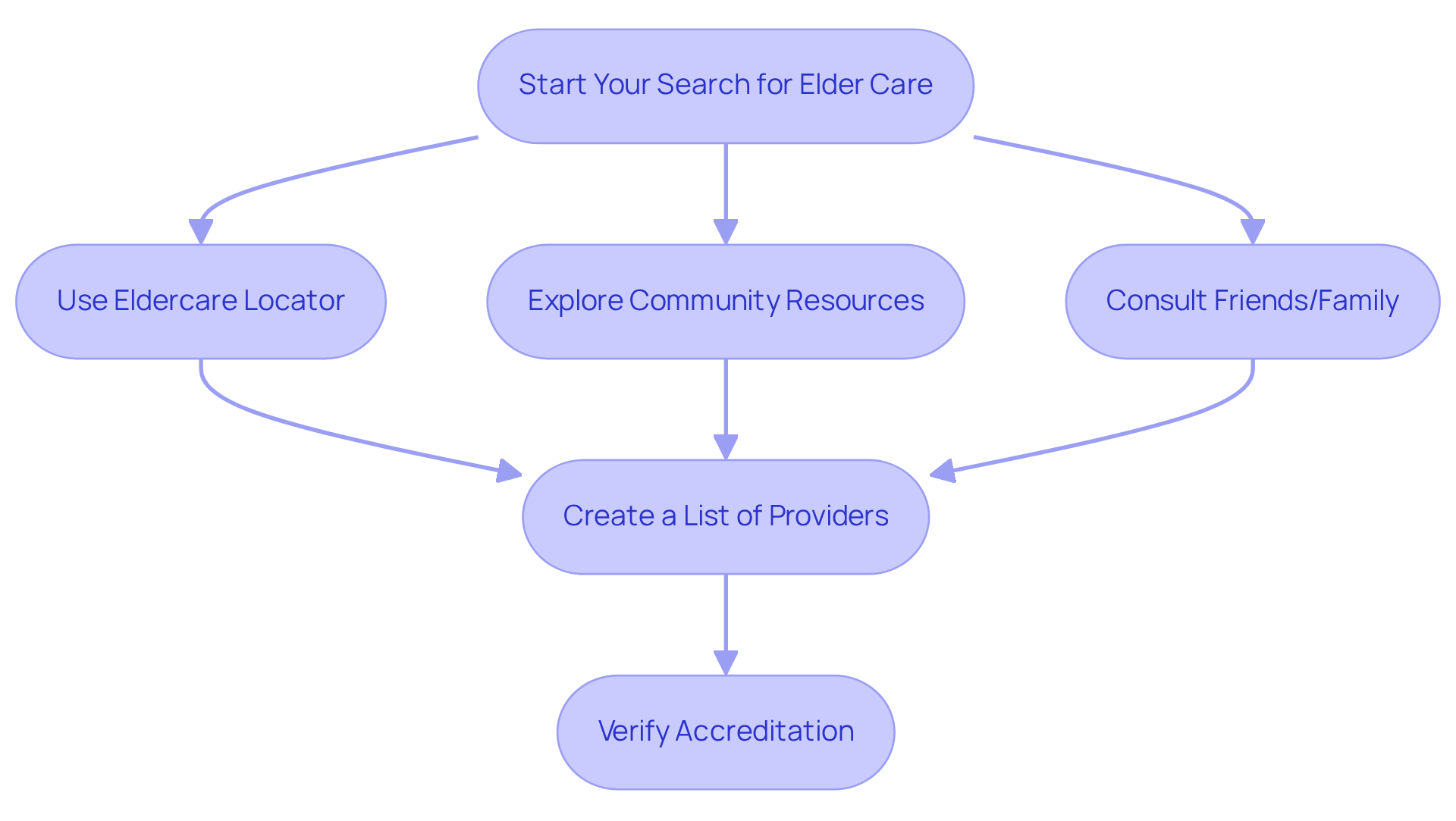
Starting your search for elder care can feel overwhelming, but you’re not alone. Many caregivers face emotional challenges, and it’s important to know that support is available. One great resource is the Eldercare Locator, which connects you to options for elder care in home near me tailored for older adults. This platform is truly invaluable, offering updated information on local resources that can make a significant difference in your caregiving journey.
Did you know that around 53 million household supporters exist in the U.S.? Many of them are unaware of the local assistance services available to them. That’s why the Eldercare Locator is such an essential tool for locating elder care in home near me. It can help you discover the support you need, easing some of the stress and uncertainty you might be feeling.
In addition to online resources, consider exploring community bulletin boards or consulting local healthcare providers. Recommendations from friends or family members who have navigated similar challenges can also be incredibly helpful. Creating a list of potential providers and agencies is a crucial step. Make sure to verify that they are accredited and have a strong reputation in your community. This thoughtful approach will simplify your decision-making process, allowing you to narrow down your choices and find the best assistance for your loved ones.
Remember, utilizing these resources not only saves you time but also connects you with essential support. This can truly make a difference in your caregiving journey, providing you with the reassurance that you’re doing everything you can for those you care about.
Evaluate Caregiver Qualifications: Ensuring Quality and Trust
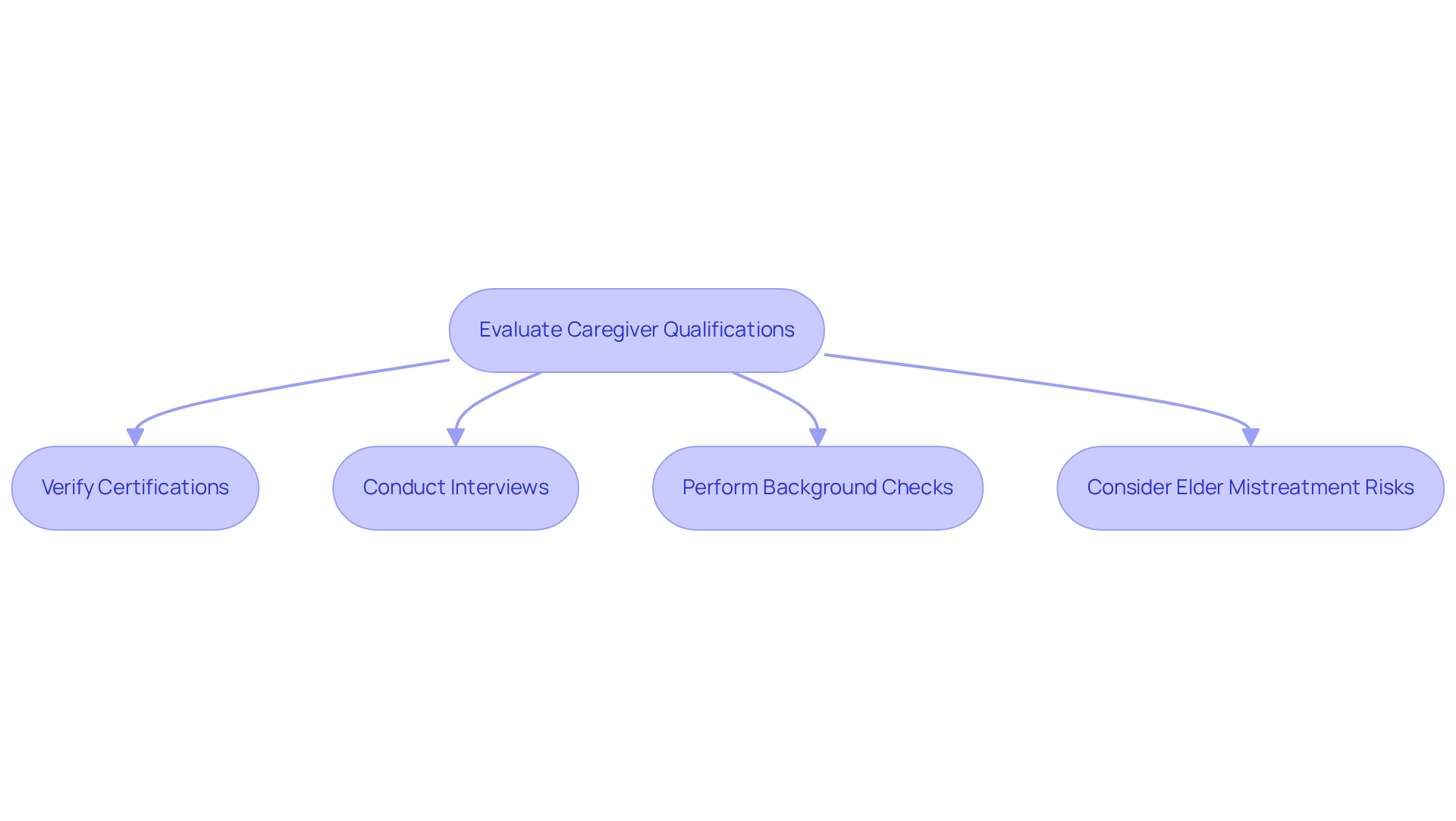
When it comes to choosing the right care for your loved ones, it’s so important to verify relevant certifications, like Certified Nursing Assistant (CNA) or Home Health Aide (HHA) credentials. In New York, these certifications require a minimum of 75 hours of training. This ensures that providers are well-prepared to meet state standards and deliver the assistance your family deserves. Don’t hesitate to ask about their experience with specific conditions or needs related to your loved one; this can significantly impact the quality of care they provide.
Conducting interviews is a crucial step in this process. Pay attention to their communication skills and empathy-these traits are vital for effective caregiving. A provider who can genuinely engage with clients can elevate the support experience, making a real difference in the lives of those receiving assistance.
Additionally, performing background checks and obtaining references from previous employers can give you extra peace of mind regarding the worker's reliability and professionalism. This thorough vetting process not only helps you choose a qualified provider but also fosters a sense of safety for families entrusting their loved ones to home assistance. It’s also essential to be aware of the serious issue of elder mistreatment; around 25% of elder recipients report experiencing significant levels of abuse. Ensuring that those providing care have a clean background can help reduce this risk, allowing you to focus on what truly matters-your loved one’s well-being.
Understand Available Services: Comprehensive Care for Seniors
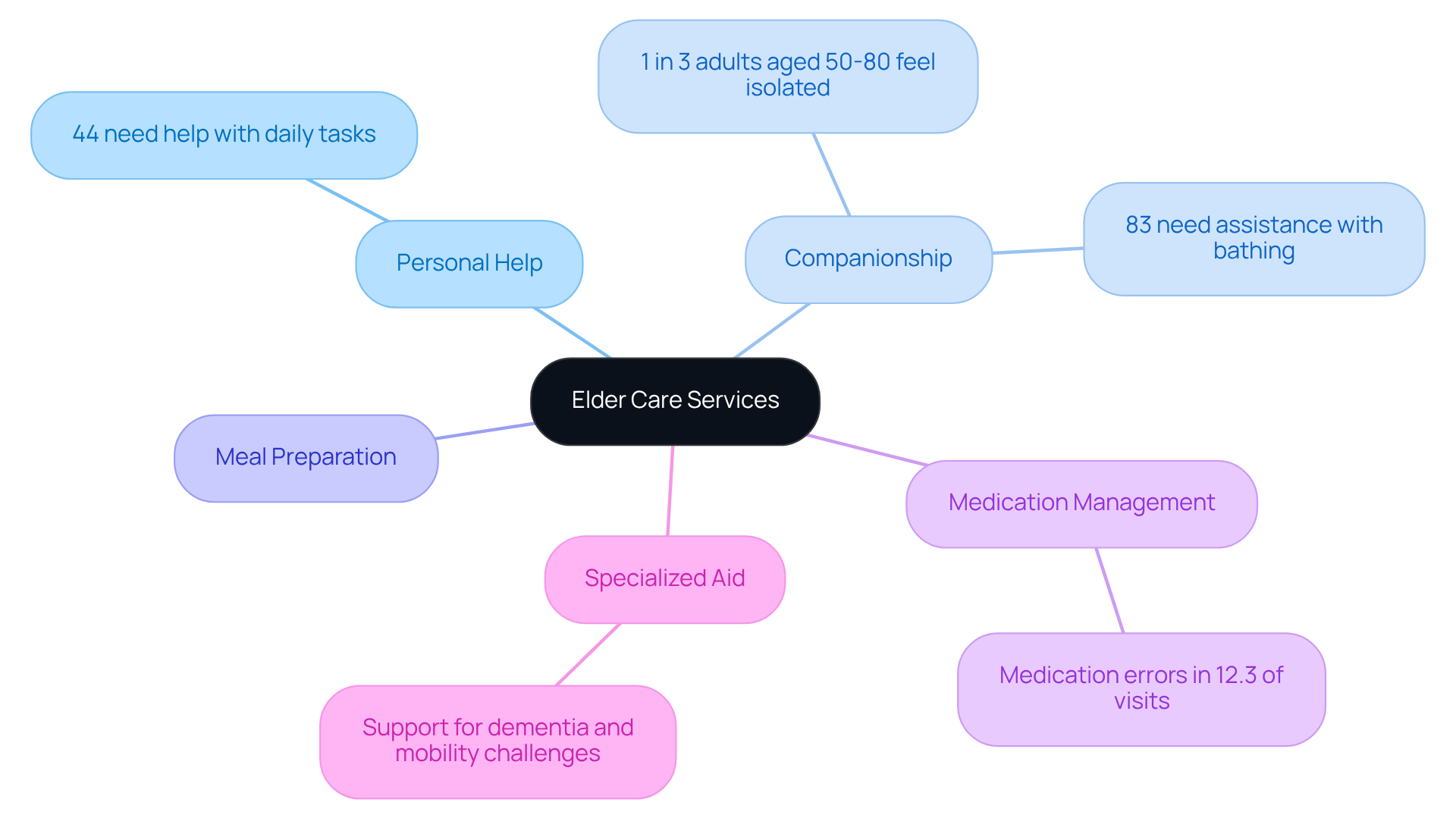
Elder care in home near me provides a compassionate range of support, including:
- Personal help
- Companionship
- Meal preparation
- Medication management
- Specialized aid for conditions like dementia and mobility challenges
It's important to recognize that around 44% of home support recipients need help with daily tasks, with 83% requiring assistance specifically with bathing and showering. This highlights the vital role caregivers play in enhancing the quality of life for seniors.
Families are encouraged to engage in heartfelt discussions with potential caregivers about the specific services they provide. It's essential to explore how these services can be tailored to meet the unique needs of their loved ones. For example, customized assistance plans might include structured routines for seniors with dementia, focusing on familiar activities that promote cognitive engagement and emotional well-being.
Moreover, with 75% of seniors expressing a desire to age in place rather than transition to assisted living facilities, understanding elder care in home near me options becomes even more crucial. Acknowledging the importance of emotional support and companionship is vital, especially since one in three adults aged 50-80 report feeling isolated at least occasionally. By recognizing these feelings, families can make informed choices about the level of assistance required, ensuring their loved ones receive the necessary support to thrive at home.
Check Reviews and Testimonials: Insights from Other Families
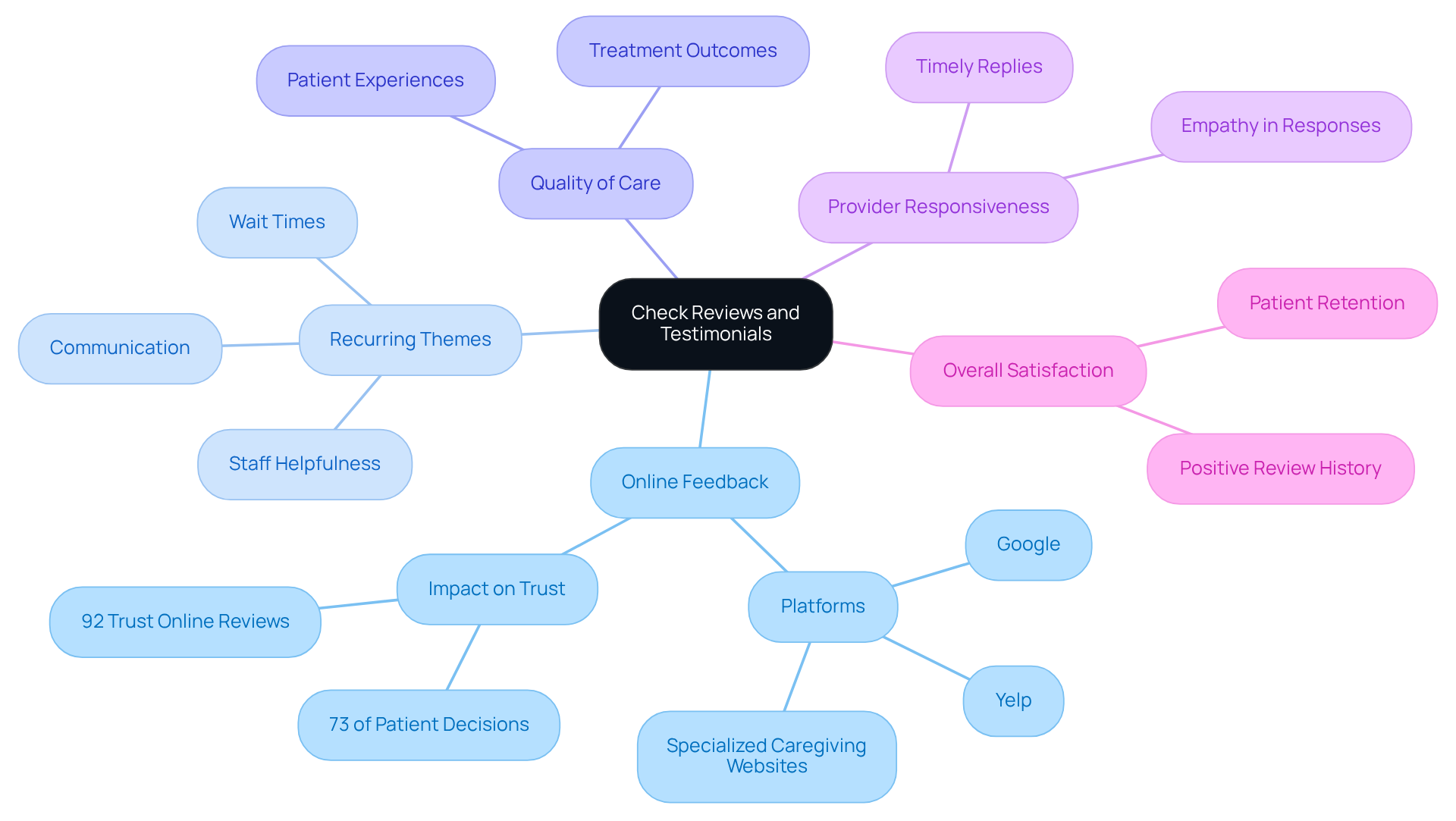
When you're looking for potential providers, it’s important to seek out online feedback on platforms like Yelp, Google, or specialized caregiving websites. Take a moment to notice the recurring themes in the feedback. Look for insights on how responsive the providers are, the quality of care they offer, and the overall satisfaction expressed by families.
Testimonials can be particularly enlightening, offering a glimpse into the provider's approach and effectiveness. These personal stories can help you feel more confident in your decision, guiding you toward a choice that feels right for you and your loved ones. Remember, you’re not alone in this journey; many have walked this path and found the support they needed.
Communicate Your Needs: Establishing Clear Expectations
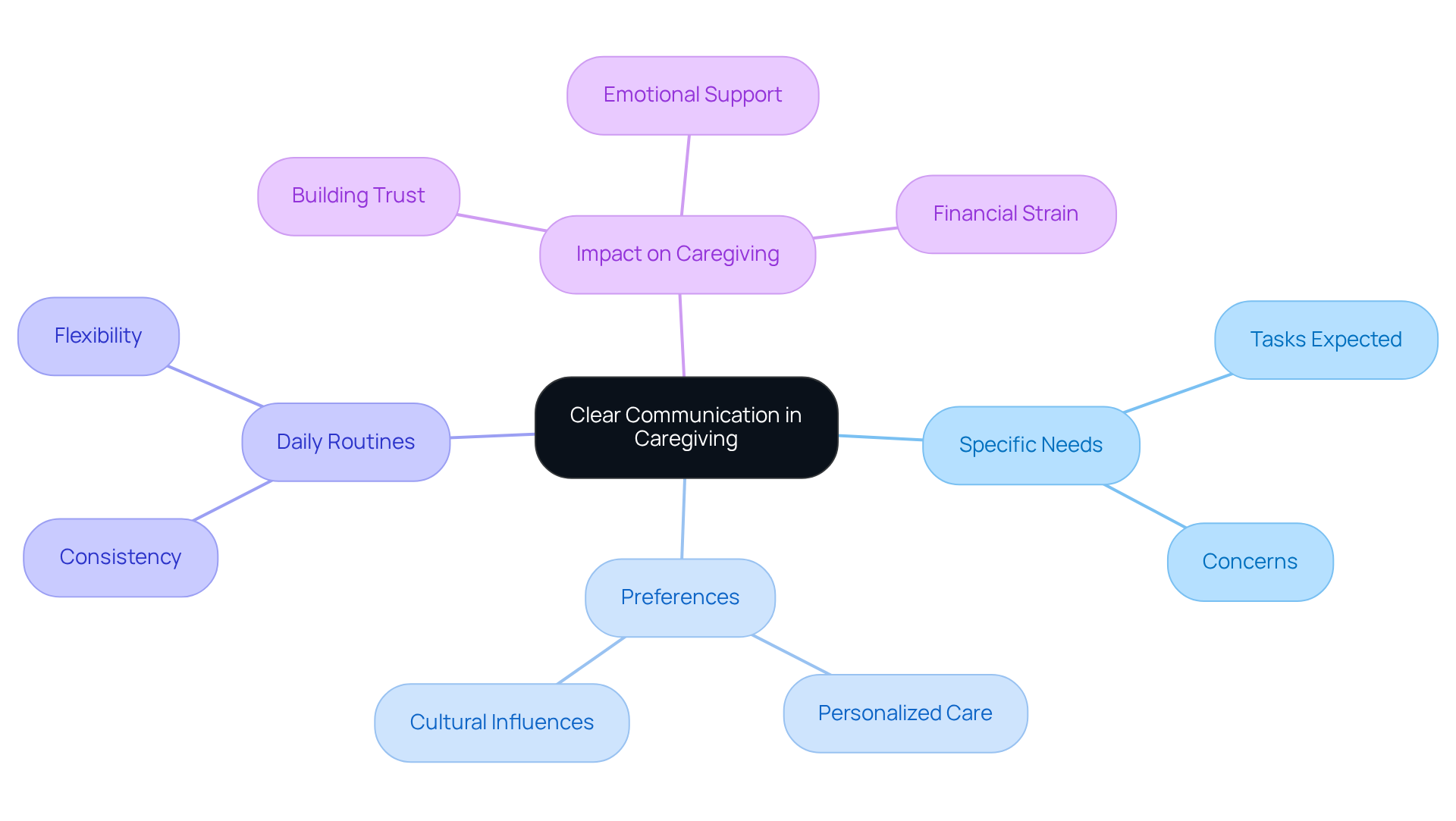
Engaging in an open dialogue about your loved one's specific needs, preferences, and daily routines is so important before hiring a support worker. By clearly expressing the tasks you expect the provider to perform and sharing any particular concerns, you lay the groundwork for a successful caregiving relationship. This proactive communication not only helps supporters tailor their assistance effectively but also fosters a collaborative environment where everyone feels valued and understood.
Setting these clear expectations can significantly enhance the quality of support offered, ensuring that the provider can meet your loved one's unique lifestyle needs. Support professionals emphasize that clarity in communication is essential for building trust and ensuring they can provide the best possible assistance. For instance, 90% of relatives who assist provide some type of financial support for their loved ones' welfare, highlighting the importance of effective communication in easing the financial and emotional strains linked to caregiving.
A caregiving specialist once said, "Clear communication is the cornerstone of effective support; it ensures that both the provider and the relatives are aligned in their expectations and goals." By discussing support requirements openly, families can better prepare caregivers to meet their loved ones' needs, creating a nurturing atmosphere that benefits everyone involved.
Discuss Costs and Payment Options: Financial Planning for Care
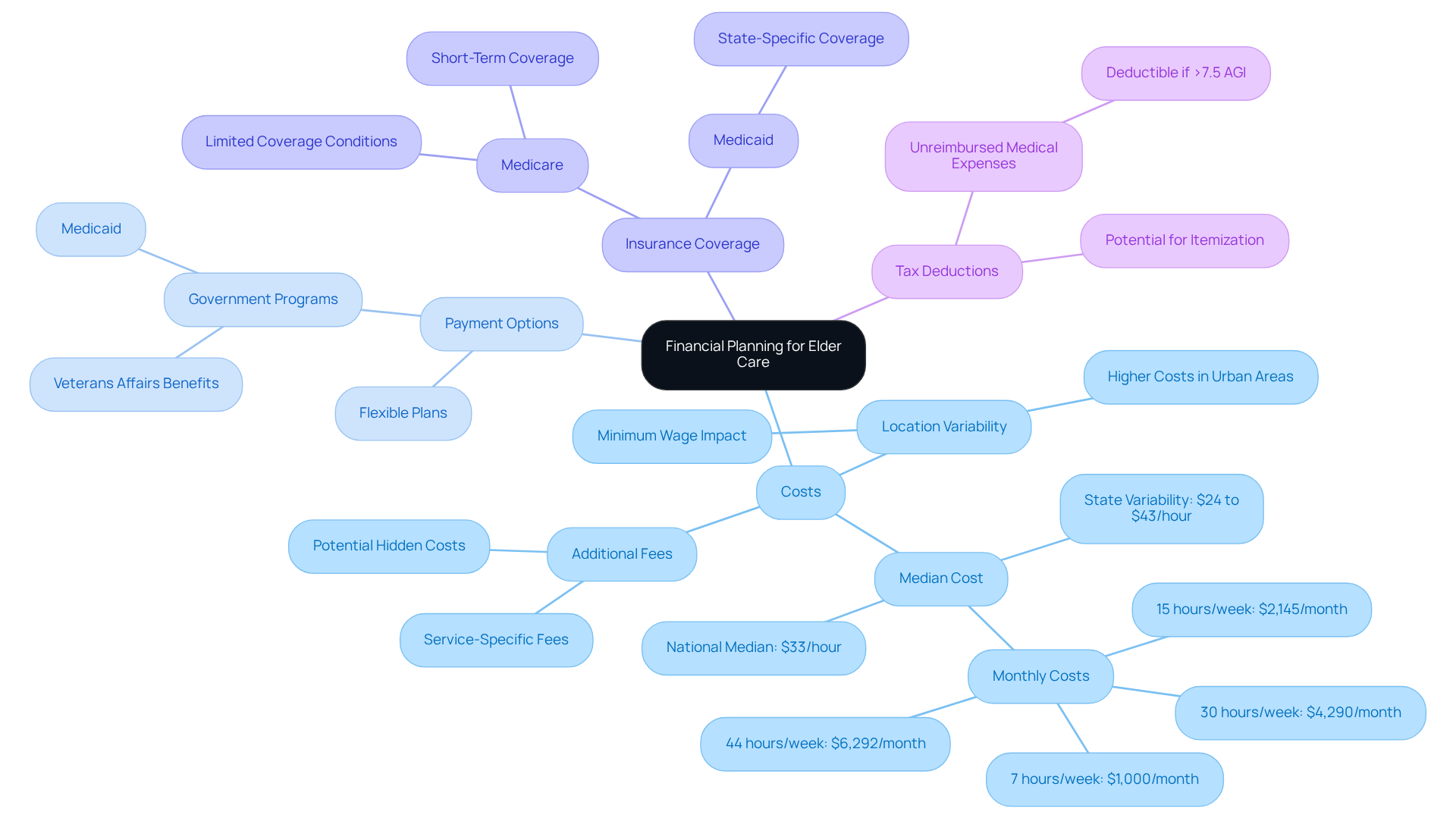
When considering elder care in home near me, it’s important to think about the costs from the beginning and explore the available payment options. Many agencies provide flexible payment plans, and some may even qualify for coverage through insurance or government programs. Understanding whether the quoted price covers all services or if there are additional fees for specific tasks is vital for your financial planning.
For instance, the national median cost for in-home support in the U.S. is around $33 per hour. However, the rates for elder care in home near me can vary significantly based on location and the level of assistance required. Families should also keep in mind that Medicare usually covers in-home caregiver services only under certain conditions, like being homebound due to illness or injury, and for limited periods. Medicaid might offer broader coverage, depending on state regulations.
Talking to financial advisors can provide valuable insights into managing these costs effectively. As financial specialist Geoff Williams highlights, sorting through financial details early can save time and resources for those caring for older relatives. Additionally, families should consider the potential for tax deductions on unreimbursed medical expenses that exceed 7.5% of adjusted gross income.
By addressing these financial aspects proactively, families can feel more prepared to afford the necessary support while ensuring their loved ones maintain dignity and quality of life.
Seek Flexible Care Plans: Adapting to Changing Needs
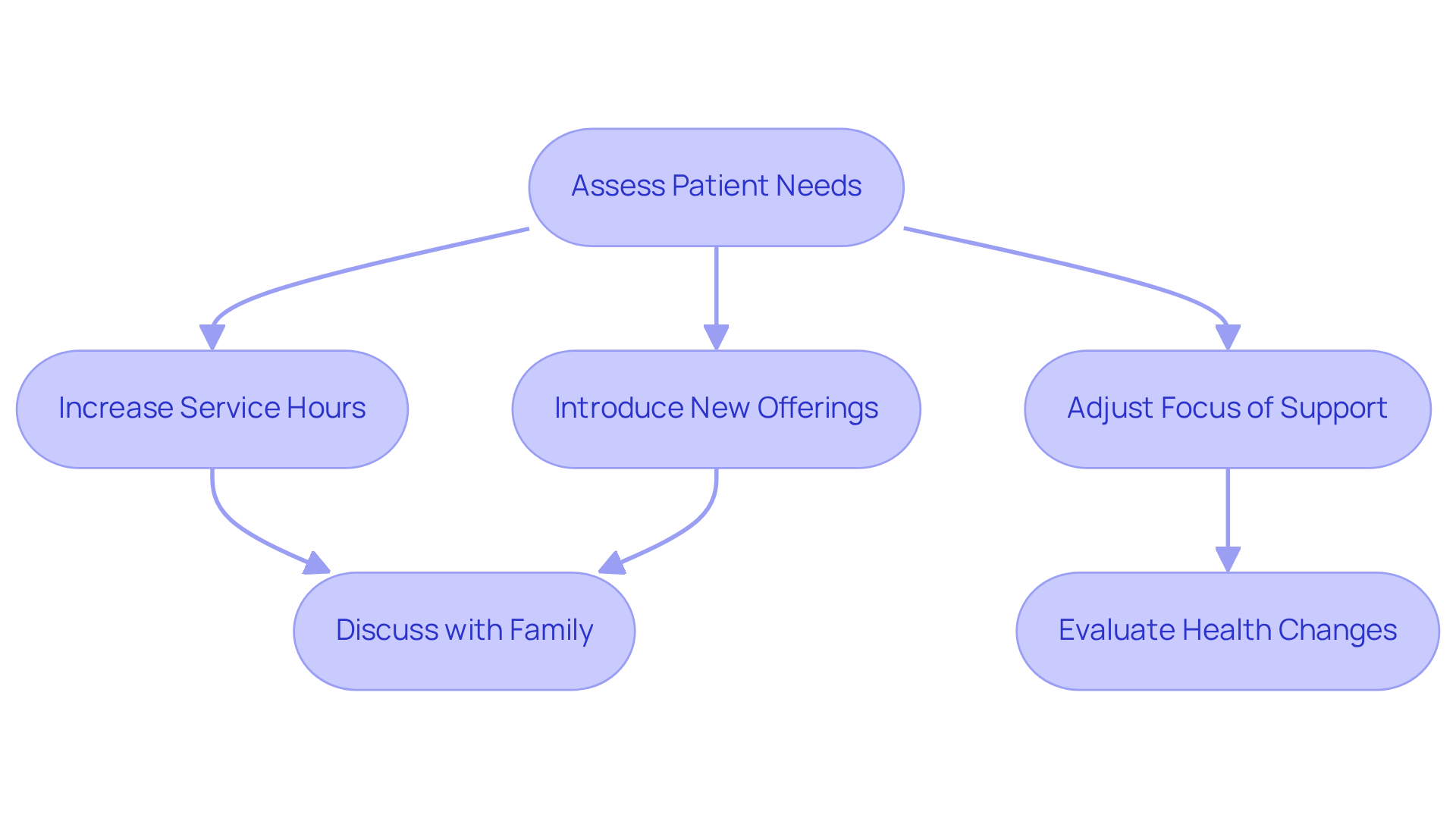
Choosing a provider can be a daunting task, especially when you consider the ever-changing needs of those you care for. It’s crucial to ask about their ability to modify support plans as requirements evolve. This flexibility might mean increasing service hours, introducing new offerings, or adjusting the focus of support based on health changes.
Research indicates that over half (51%) of home patients require assistance with at least one activity of daily living (ADL). This statistic highlights just how important it is for providers to remain attentive to these shifting needs. A compassionate provider will engage in open conversations about these modifications, collaborating with families to ensure that the support aligns with the client’s changing circumstances.
For example, caregivers may need to adjust services based on a client’s recovery after hospitalization or shifts in cognitive abilities. This ensures that the support provided is not only relevant but also effective. Support professionals stress that maintaining adaptability in support plans is vital for enhancing the quality of life for seniors. It allows for a more personalized approach that honors their autonomy and preferences.
As Tracy L. Mitzner wisely notes, "The execution of training initiatives especially designed for older users is a crucial element to minimizing mistakes in home health services." This underscores the importance of training in effectively adapting support, ensuring that caregivers feel equipped to provide the best care possible.
Utilize Technology: Enhancing Elder Care Experience
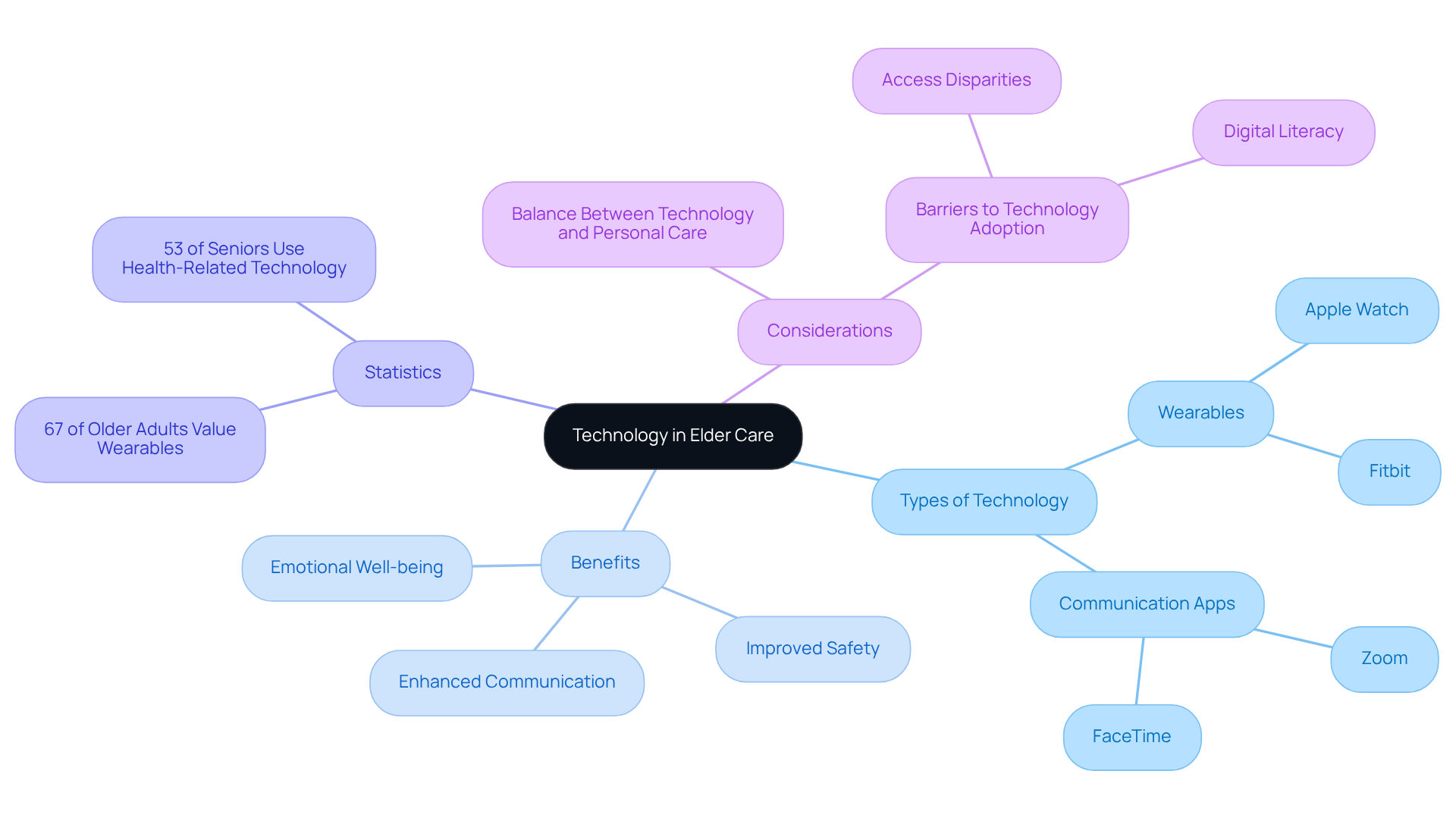
Integrating technology into elder care in home near me can truly enhance the caregiving experience. Tools like medication reminders, health monitoring devices, and communication apps empower caregivers to manage care more effectively. For example, wearable health devices such as the Apple Watch and Fitbit allow for real-time monitoring of vital signs, which significantly boosts safety and responsiveness. It’s heartening to know that approximately 67% of older adults find these wearables valuable, especially for features like fall detection that can alert caregivers immediately in emergencies. Moreover, about 53% of U.S. seniors aged 55 and older are utilizing some form of health-related technology or assistance, highlighting the growing acceptance of these tools among the elderly population.
Communication applications also play a vital role in keeping relatives updated, ensuring they remain informed about their loved one's well-being. Video calling platforms like Zoom and FaceTime have become essential for maintaining emotional bonds, allowing families to engage actively in planning support and alleviating feelings of isolation among seniors. Research shows that these technologies can improve emotional well-being, which is crucial for older adults facing loneliness.
When discussing support options with prospective assistants, it’s important to ask how they incorporate technology into their approach. Understanding their use of digital tools in elder care in home near me can provide valuable insights into how they enhance service delivery and foster better communication, ultimately leading to improved outcomes for both caregivers and clients. However, it’s equally important to reflect on the balance between technology and personal attention. Industry specialists emphasize that technology should enhance, not replace, human connections. Additionally, be mindful of potential barriers to technology adoption, such as disparities in access and digital literacy, which can affect the effectiveness of these tools in caregiving.
Trust Your Instincts: Choosing the Right Elder Care Provider
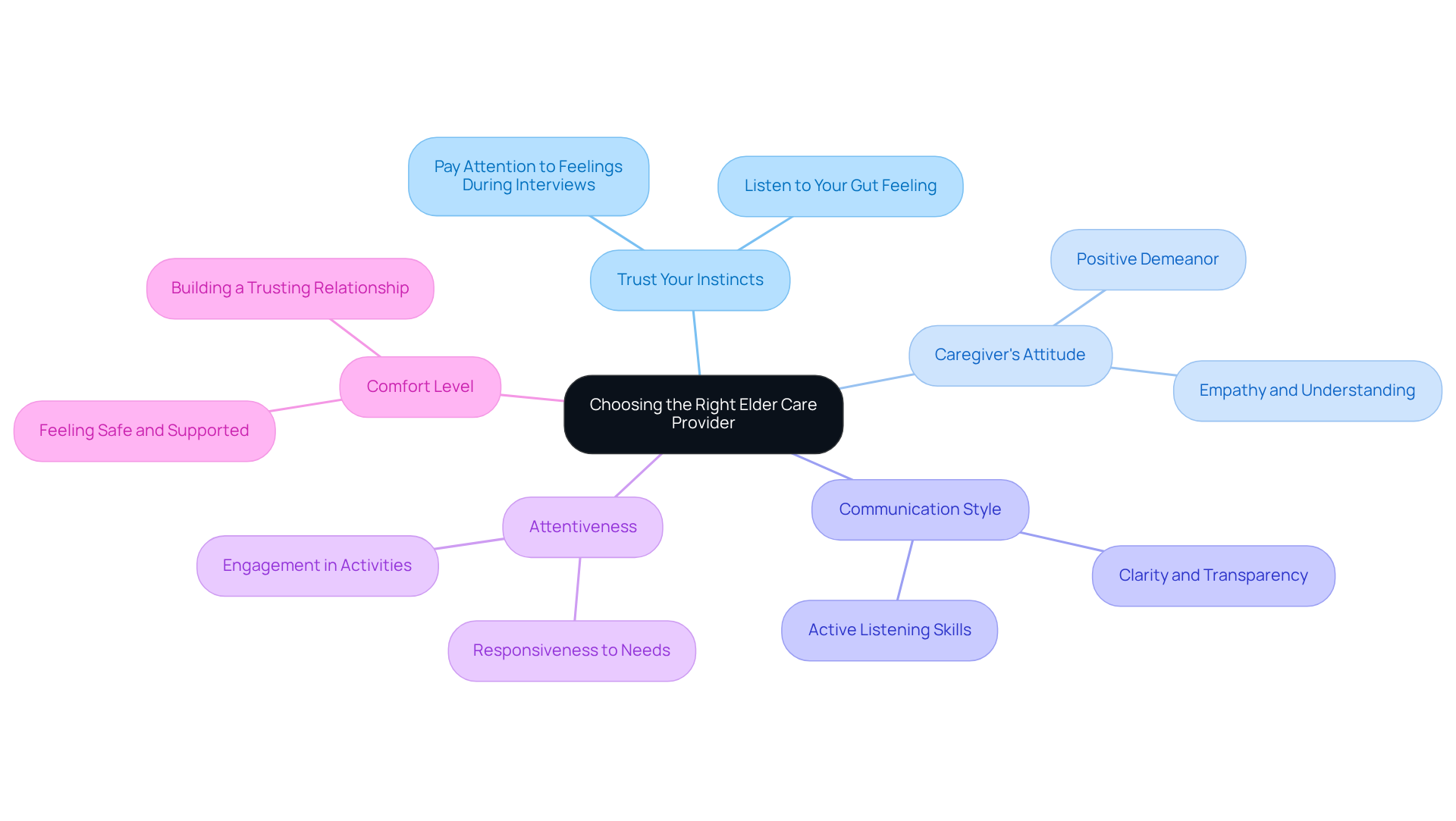
Trusting your instincts is crucial when selecting an elder care in home near me support provider. If something feels off during interviews or discussions, it’s essential to pay attention to that feeling. The attitude, communication style, and attentiveness of a support provider can significantly affect the quality of elder care in home near me that your loved one receives.
Take the time to meet with potential caregivers. Assess how comfortable you feel with them; this relationship is vital for effective care. Remember, it’s not just about finding someone to help with elder care in home near me; it’s about ensuring your loved one feels safe and supported. Your feelings matter in this process, and finding the right fit can make all the difference.
Key Takeaways for Caregivers
Finding the right elder care in home near me is a journey that requires thoughtful consideration and a compassionate touch. It’s essential to remember that the emotional and physical well-being of seniors should always be at the forefront of caregiving decisions. By prioritizing personalized support, families can help their loved ones feel comfortable and thrive in familiar surroundings.
Researching local options, evaluating caregiver qualifications, and understanding the range of services available are crucial steps in this process. Resources like the Eldercare Locator, checking reviews, and maintaining open communication with potential caregivers can make a significant difference. Additionally, financial planning and flexibility in care plans are vital to adapting to the evolving needs of seniors, ensuring they receive the right support as circumstances change.
Ultimately, the goal of elder care in home near me is to create a nurturing environment that respects the dignity and autonomy of older adults. Trusting your instincts and being proactive in the selection process can lead families to caregivers who offer not just assistance, but also companionship and understanding. Taking these steps enhances the quality of life for seniors and brings peace of mind to their families, highlighting the significance of compassionate care at every stage of this journey.
https://iframe.tely.ai/cta/eyJhcnRpY2xlX2lkIjogIjY5MWU1YWI2YzBkNDJlMTUwMDY1YWNiMiIsICJjb21wYW55X2lkIjogIjY4ZWU1ZGNhNzMxNzYyNTU3ZjNjOTVjMSIsICJpbmRleCI6IG51bGwsICJ0eXBlIjogImFydGljbGUifQ==Frequently Asked Questions
What services does Happy to Help Caregiving offer?
Happy to Help Caregiving offers a range of services including companionship support, post-hospital recovery assistance, respite services, and palliative support, all designed to prioritize the independence and well-being of their clients.
How does Happy to Help Caregiving support emotional well-being?
Happy to Help Caregiving enhances emotional well-being by ensuring that clients feel valued and understood, fostering relationships, and creating a safe space, which is crucial for maintaining their quality of life.
What is the Eldercare Locator and how can it help?
The Eldercare Locator is a resource that connects caregivers to local elder care options tailored for older adults, providing updated information on available services to ease the stress and uncertainty of caregiving.
How can caregivers find local elder care services?
Caregivers can find local elder care services by using the Eldercare Locator, exploring community bulletin boards, consulting local healthcare providers, and obtaining recommendations from friends or family members.
What qualifications should caregivers have?
Caregivers should have relevant certifications, such as Certified Nursing Assistant (CNA) or Home Health Aide (HHA) credentials, which require a minimum of 75 hours of training in New York.
What steps should be taken when evaluating caregiver qualifications?
When evaluating caregiver qualifications, caregivers should verify certifications, conduct interviews to assess communication skills and empathy, perform background checks, and obtain references from previous employers.
Why is it important to ensure caregiver qualifications?
Ensuring caregiver qualifications is important to guarantee that providers meet state standards, deliver quality care, and reduce the risk of elder mistreatment, which affects a significant percentage of elder recipients.