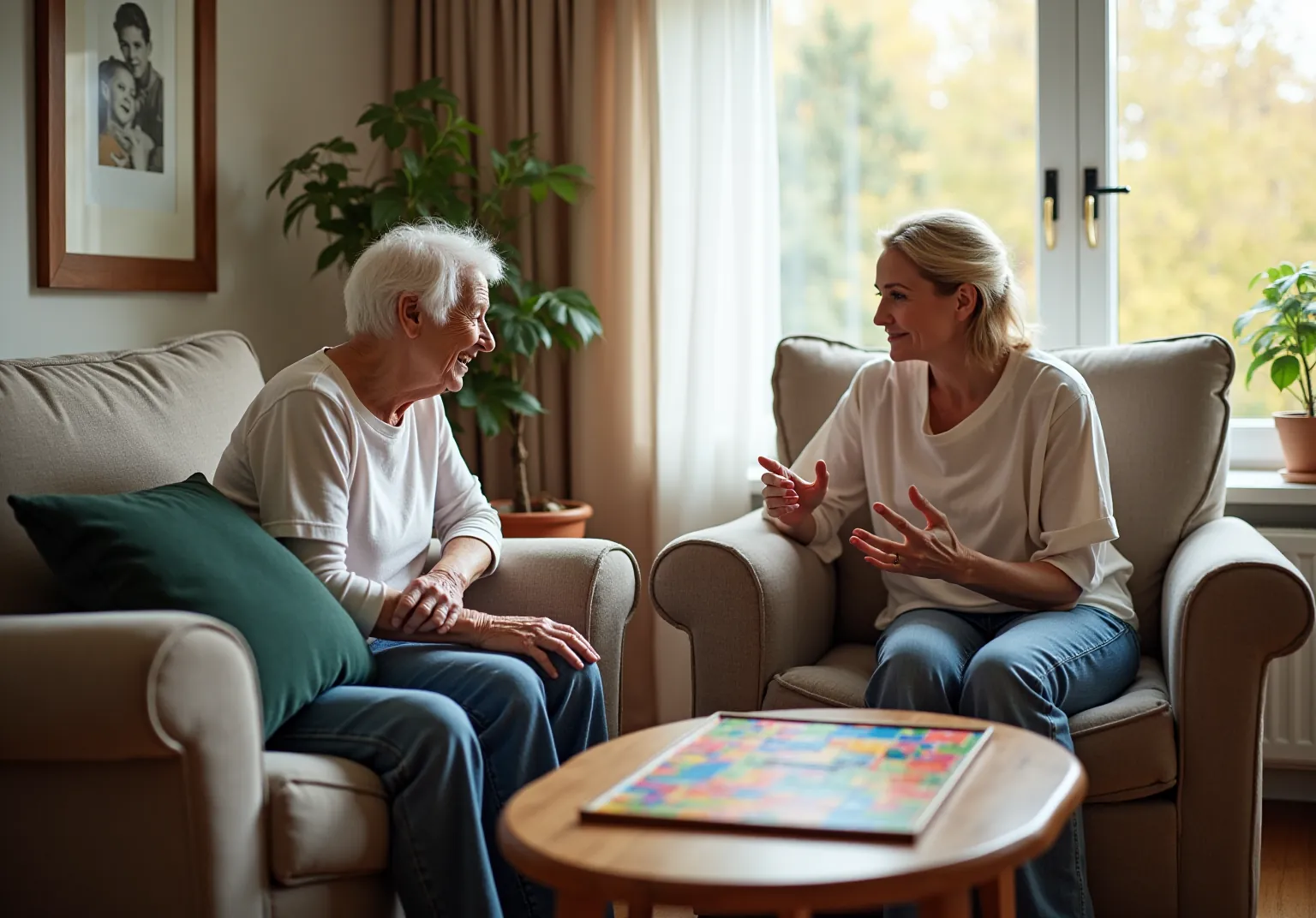
10 Uplifting Elderly Caregiver Quotes for Daily Inspiration

For families in our service areas
For families in our service areas, this guide explains caregiver support and how non-medical in-home caregiving can support care planning in East Idaho, Treasure Valley & Magic Valley, Northern Wasatch, North Central West Virginia & Southwestern Pennsylvania, and Northeast Ohio.
What You Need to Know About 10 Uplifting Elderly Caregiver Quotes
Caregiving presents a profound journey, filled with both challenges and rewards. However, many caregivers often feel overwhelmed and underappreciated. This emotional toll can significantly impact their well-being, making it crucial to seek inspiration and support.
The weight of caregiving responsibilities can lead to feelings of isolation and burnout. Caregivers may struggle to balance their own needs with those of the individuals they care for, which can exacerbate stress and diminish their capacity to provide effective support.
To combat these challenges, this article explores ten uplifting quotes that not only highlight the heroism of caregivers but also serve as daily reminders of the importance of self-care, resilience, and compassion. These powerful words can transform how caregivers perceive their invaluable contributions and motivate them to prioritize their own health while uplifting those they care for.
The simple act of caring is heroic.
The Challenge of Caregiving
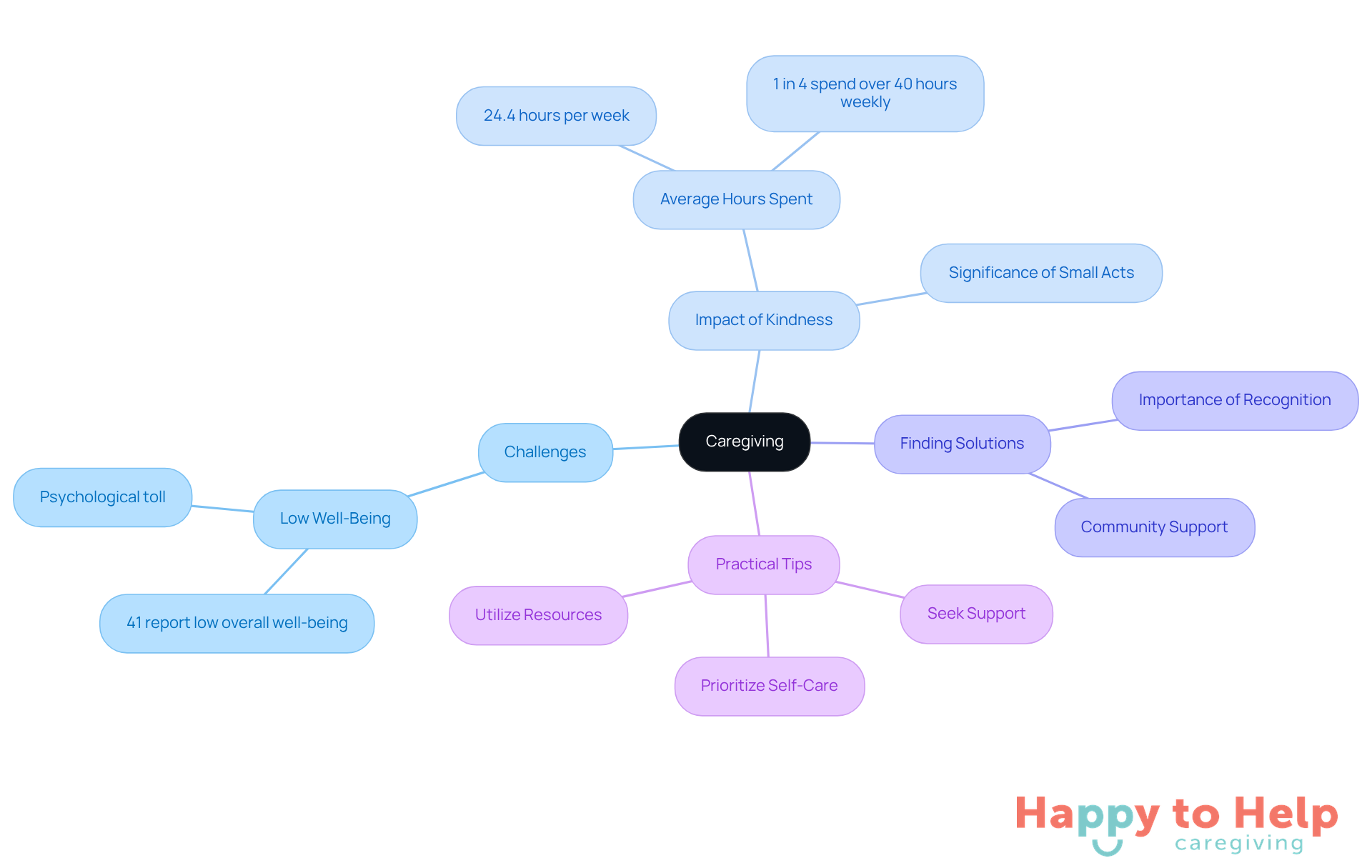
Caregivers often face significant challenges that can impact their well-being. Despite their daily contributions, many report feeling overwhelmed and underappreciated. In fact, 41% of caregivers report low overall well-being, which is 32% higher than non-providers. This statistic highlights the psychological toll caregiving can take, making it essential to address these issues.
The Impact of Kindness
Edward Albert's insight emphasizes the profound effect of small acts of kindness in caregiving. Caregivers engage in daily tasks that may seem routine, yet these actions are heroic contributions that provide essential comfort and support to those in need. For instance, family supporters invest an average of 24.4 hours each week delivering assistance, with nearly 1 in 4 individuals dedicating over 40 hours weekly. This commitment not only enhances the quality of life for recipients but also fosters a sense of connection and security.
Finding Solutions
Recognizing the importance of these contributions can empower caregivers, inspiring them to continue their vital work with renewed energy and intent. The heartfelt rewards of caregiving-like witnessing the joy in a care recipient's smile or the relief in their eyes-serve as powerful reminders of the difference they make every day. To support caregivers, it’s crucial to provide resources and community connections that can alleviate their burdens and enhance their well-being.
Practical Tips for Caregivers
- Seek Support: Connect with local caregiver support groups.
- Prioritize Self-Care: Make time for personal well-being.
- Utilize Resources: Explore available services that can assist in caregiving tasks.
By implementing these strategies, caregivers can improve their own well-being while continuing to provide essential support to those they care for.
Strength does not come from physical capacity. It comes from an indomitable will.
Mahatma Gandhi's words resonate deeply with those facing both physical and emotional challenges. Elderly caregiver quotes often illustrate the challenge of balancing the desire to support others with the need to manage their own stress. This dual burden can lead to burnout, affecting their ability to provide quality care.
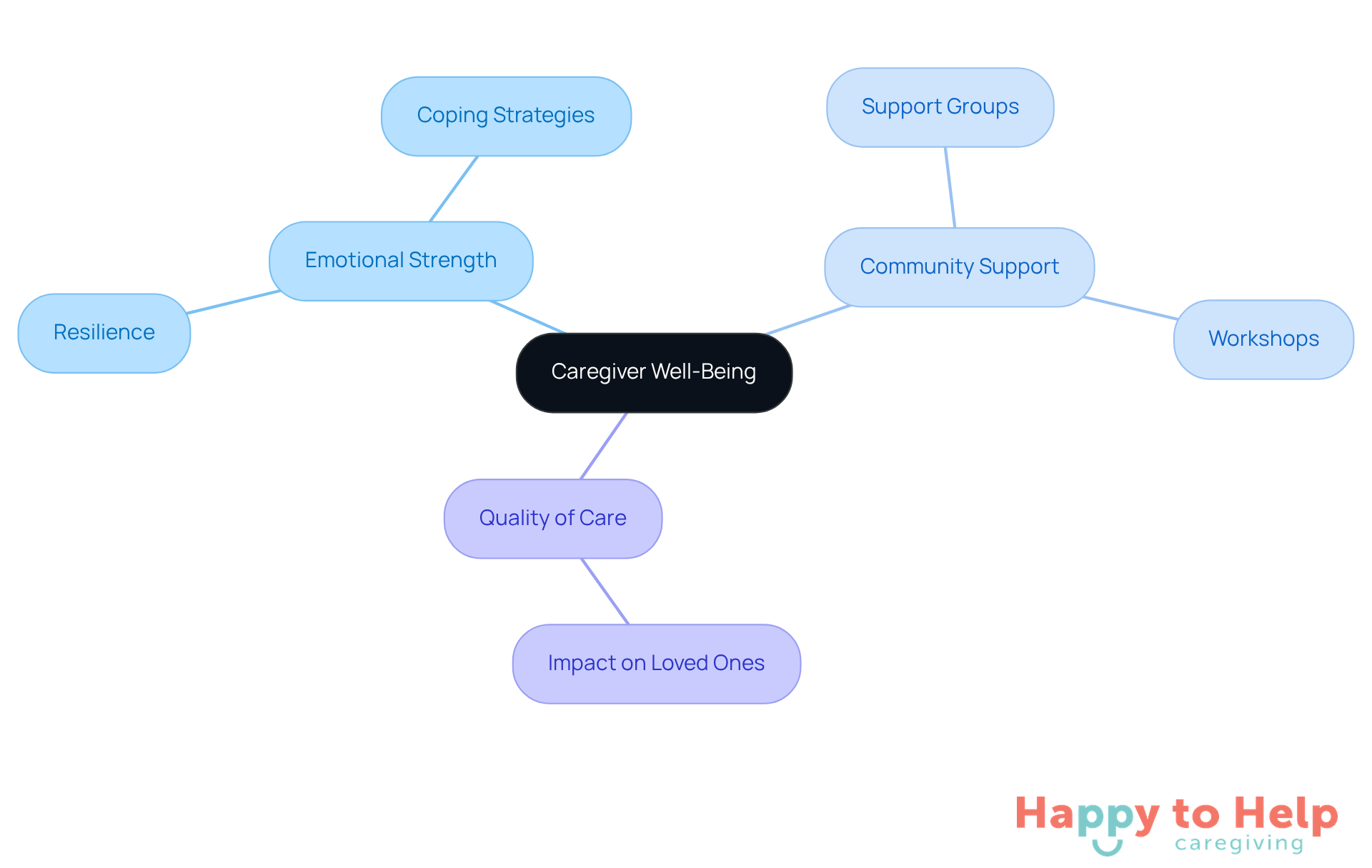
Research shows that caregivers who cultivate resilience and a sense of purpose experience better mental health. In fact, individuals with these protective factors utilize emergency room services 35% less than those without, underscoring the tangible benefits of emotional strength. This highlights a critical issue: without proper support, caregivers may struggle to maintain their well-being, which in turn impacts the quality of care they offer.
To address these challenges, caregivers are encouraged to seek community support groups or workshops focused on building emotional strength and coping strategies. By fostering a resilient mindset, caregivers can effectively manage stress and uphold their commitment to delivering quality support, even in tough times. With around 63 million Americans serving as family helpers, it’s vital to recognize the importance of assistance networks and resources that can help cultivate resilience.
In summary, elderly caregiver quotes highlight that caregivers must prioritize their own mental health to enhance their ability to care for others. Engaging with community resources not only supports their well-being but also significantly improves the quality of support they provide to their loved ones.
Taking care of yourself is part of taking care of your loved ones.
The well-being of caregivers is a significant issue, as it directly impacts the quality of care they provide. Over 100 million individuals in the U.S. face daily caregiving responsibilities, often at the expense of their own health. This situation can lead to emotional and physical stress, making it crucial for caregivers to prioritize their own self-care.
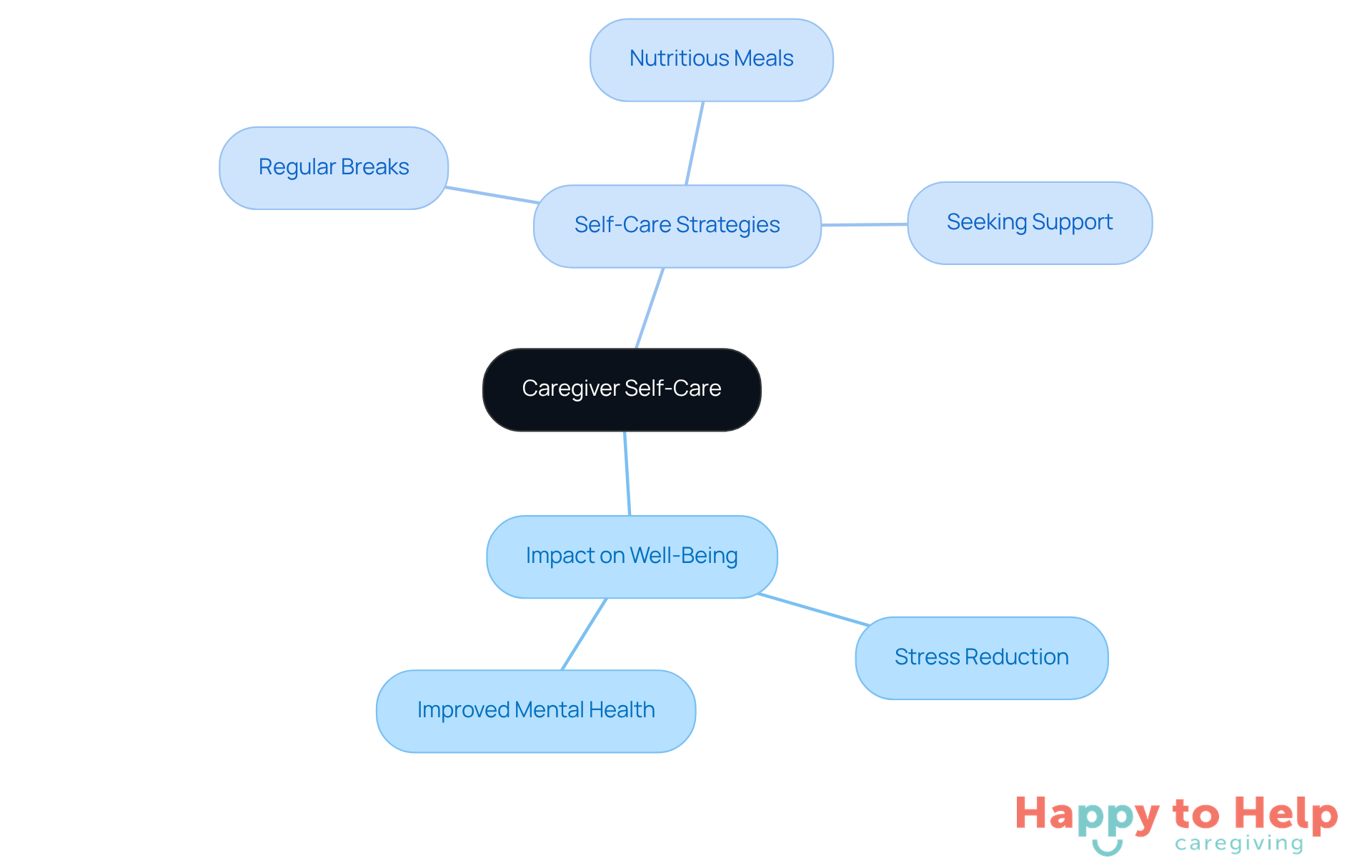
When caregivers neglect their well-being, they may experience increased stress and diminished mental health, which can hinder their ability to offer compassionate support. Research indicates that caregivers who engage in self-care activities report feeling more patient and less irritable. This not only benefits their own mental state but also fosters a more supportive atmosphere for those they assist.
To combat these challenges, caregivers should implement practical self-care strategies. These include:
- Regular breaks
- Nutritious meals
- Seeking support from others
Dr. Elizabeth Liles emphasizes the importance of self-care, stating that it is essential for maintaining healthy, long-term caregiving relationships.
By recognizing the significance of their own well-being, caregivers can enhance the quality of support they provide. Embracing self-care is not just a personal benefit; it is vital for ensuring that both caregivers and their loved ones thrive.
To care for those who once cared for us is one of the highest honors.
Caregiving often presents a significant challenge, as many caregivers feel overwhelmed by their responsibilities. This burden can lead to feelings of exhaustion and frustration, making it essential to recognize the emotional toll it takes on those who provide care.
However, Tia Walker's elderly caregiver quotes remind us that caregiving is not merely a duty; it is a privilege. By shifting our perspective, caregivers can find renewed motivation and empathy in their roles. Acknowledging the sacrifices made by caregivers fosters a culture of appreciation and support, which is vital for both caregivers and those they care for.
To address the challenges faced by caregivers, it is crucial to implement practical solutions. Here are some actionable tips:
- Recognize Contributions: Regularly acknowledge the efforts of caregivers, validating their roles and sacrifices.
- Build Support Networks: Encourage caregivers to connect with others in similar situations, sharing experiences and advice.
- Practice Self-Care: Caregivers should prioritize their own well-being, ensuring they have time to recharge and seek help when needed.
By honoring elderly caregiver quotes, we strengthen the bonds that unite families and communities. This reciprocal relationship serves as a powerful reminder that caregiving is a heartfelt tribute to the love and care received throughout our lives.
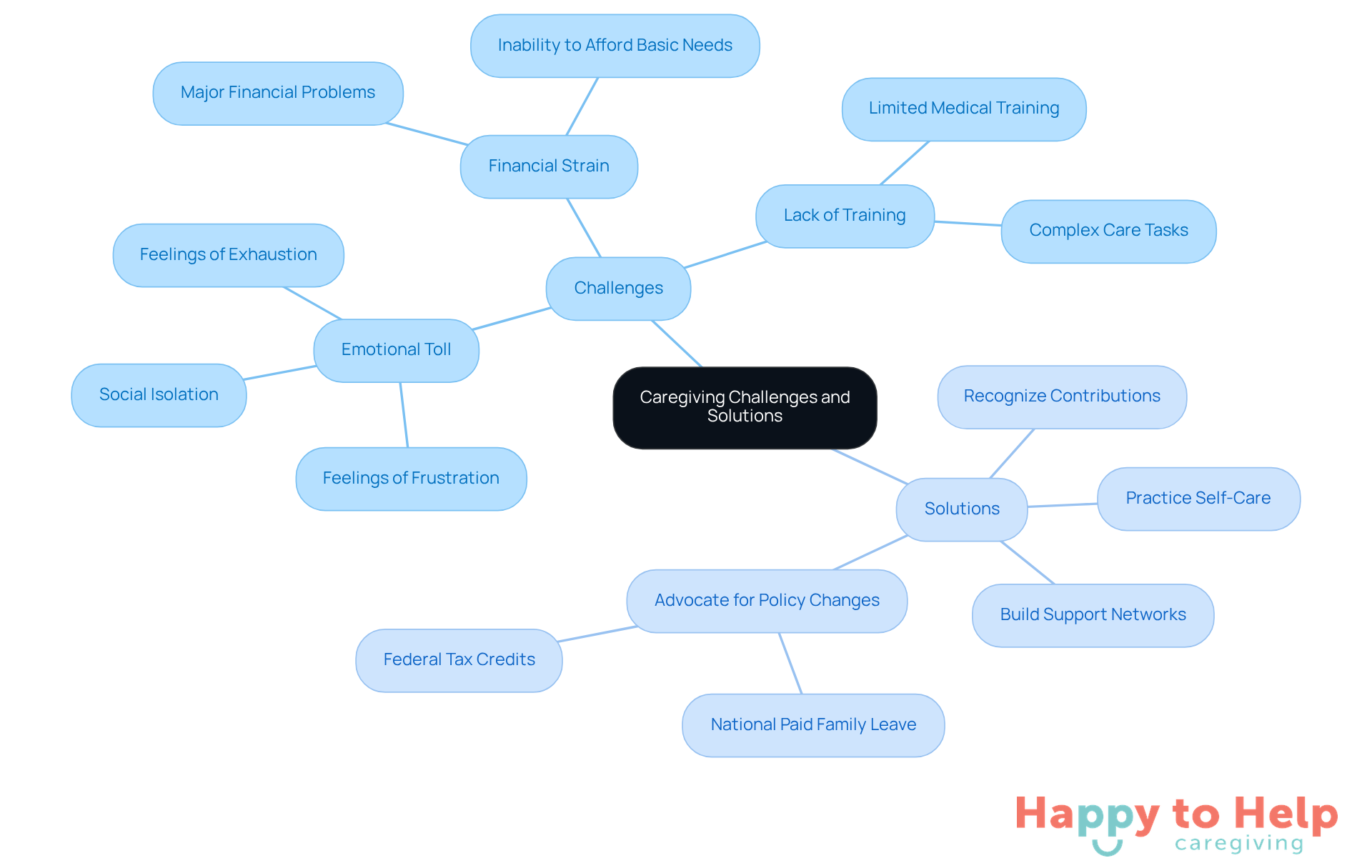
You are stronger than you know. More capable than you ever dreamed.
Caregivers often grapple with self-doubt regarding their abilities. This uncertainty can lead to increased stress and hinder their effectiveness in providing care. When caregivers question their skills, it not only affects their confidence but also impacts the well-being of those they support.
To combat these challenges, it's essential for caregivers to reflect on their past successes. Acknowledging their strengths can foster self-belief, allowing them to tackle responsibilities with renewed confidence and determination. Experts emphasize that recognizing one's abilities nurtures resilience, enabling caregivers to cope more effectively with the emotional and physical demands of their roles.
As caregivers gain confidence, they often discover new skills and insights that lead to better outcomes. This reinforces the idea that they are stronger and more capable than they may perceive. By embracing this mindset, caregivers can enhance their caregiving effectiveness and positively influence the lives of those they support.
Compassion brings us to a stop, and for a moment, we rise above ourselves.
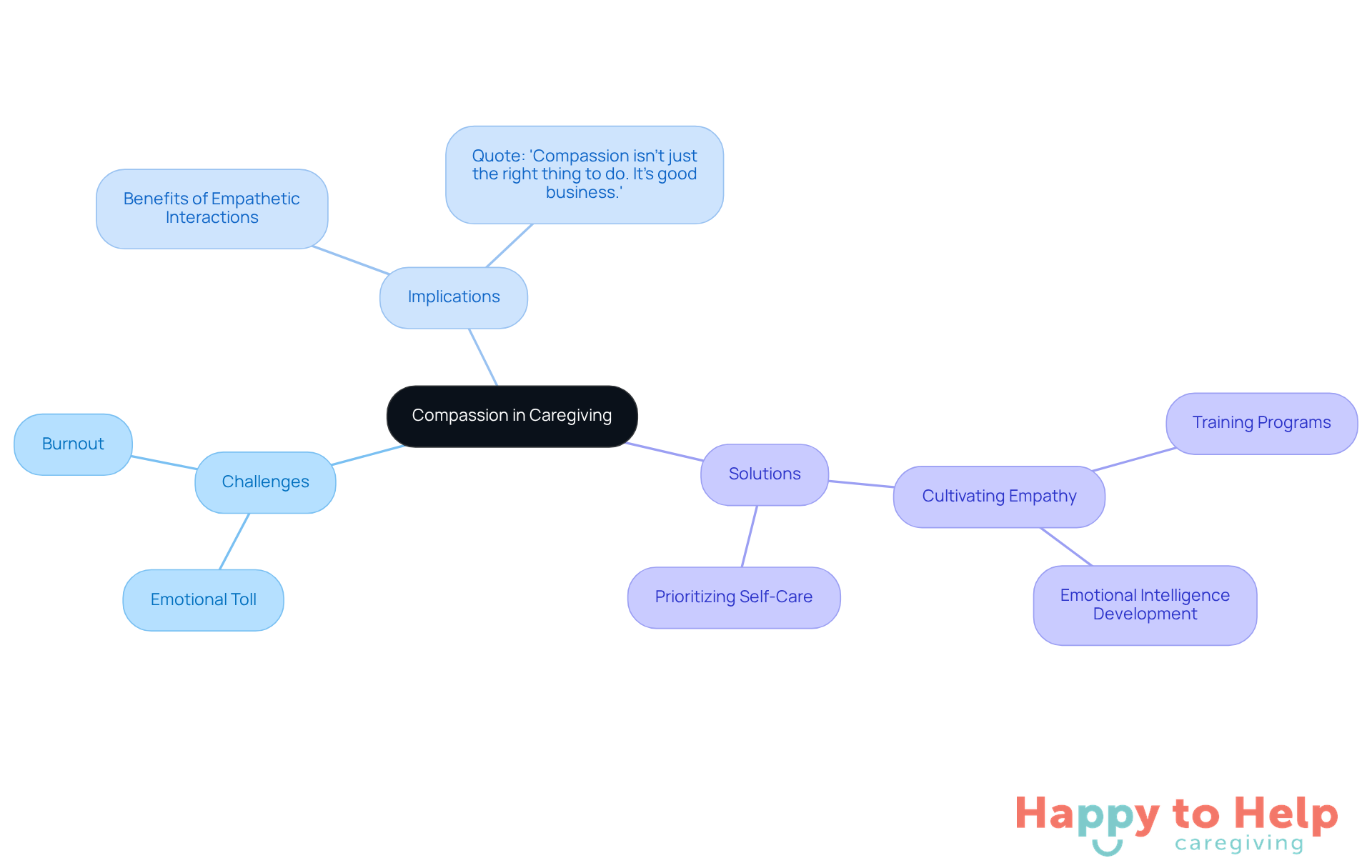
Caregiving often presents significant challenges, particularly when it comes to prioritizing the needs of others. Many caregivers struggle with the emotional toll of their responsibilities, which can lead to burnout and decreased quality of care. This lack of compassion not only affects the caregivers but also impacts the clients they serve, resulting in strained relationships and poor patient outcomes.
The implications of neglecting compassion in caregiving are profound. Studies indicate that empathetic interactions can significantly enhance patient outcomes. When clients feel valued and respected, they are more likely to adhere to treatment plans and express overall satisfaction. As Cliff A. Megerian, MD, FACS, aptly puts it, "Compassion isn’t just the right thing to do. It’s good business." This highlights the dual benefit of compassion: improving service quality while fostering loyalty and trust.
To address these challenges, caregivers can implement several practical solutions:
- They should actively cultivate empathy in their interactions. This can be achieved through training programs focused on emotional intelligence and communication skills.
- Caregivers should prioritize self-care to maintain their emotional well-being, allowing them to provide better support to their clients.
Furthermore, the WHO report on compassionate care emphasizes that when patients feel respected, they are more likely to manage their health effectively. Caregivers who prioritize empathy and connection can transform the caregiving experience, making it a source of strength and resilience for everyone involved. By fostering supportive environments, caregivers not only enhance their own emotional well-being but also significantly improve the quality of assistance they provide.
Courage doesn't always roar. Sometimes courage is the quiet voice at the end of the day saying, 'I will try again tomorrow.'
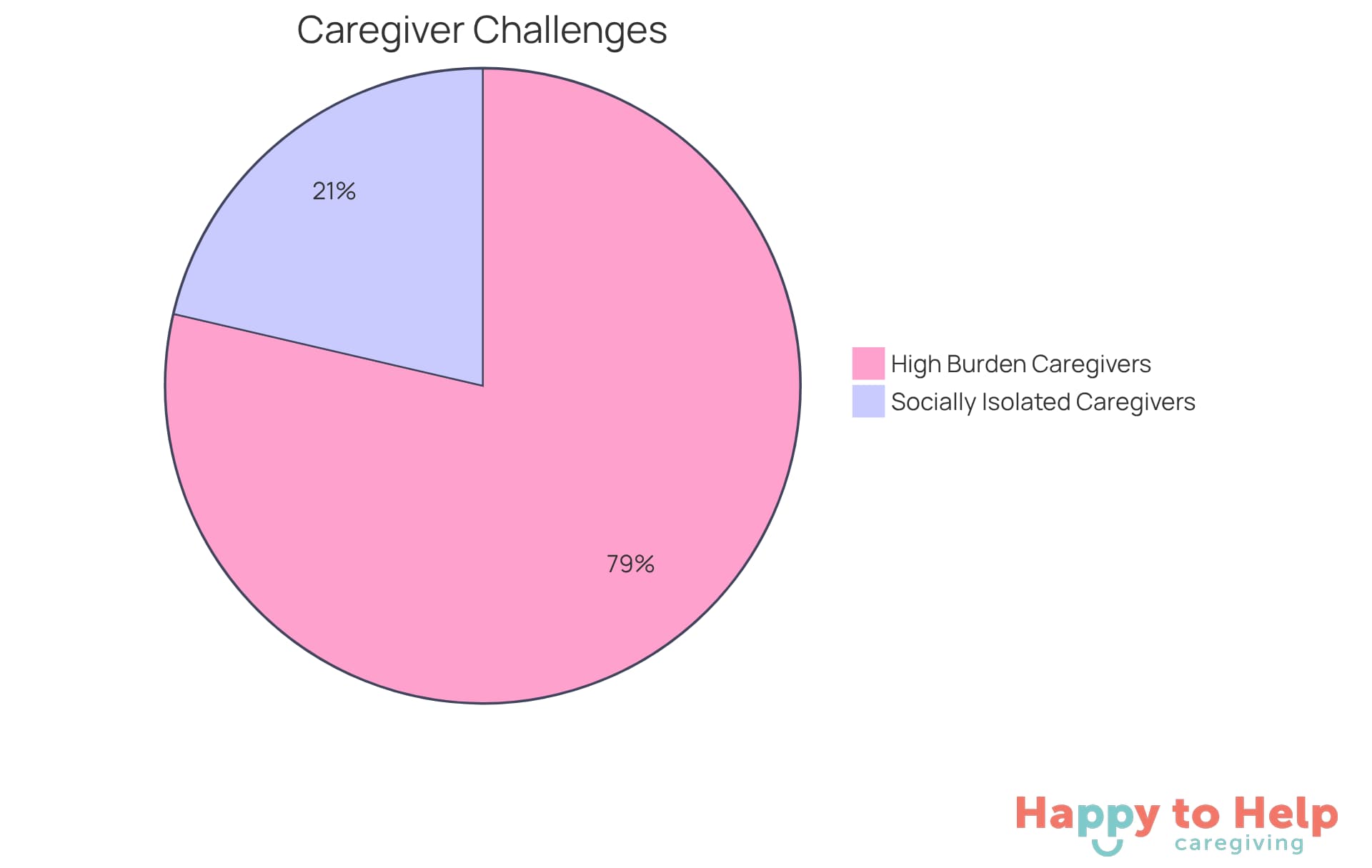
Mary Anne Radmacher's quote elegantly captures the essence of caregiving, as echoed in elderly caregiver quotes, highlighting that it’s often the small, consistent acts of love and assistance that create the most profound impact. However, caregivers face significant challenges. With 92% of support providers offering 21 or more hours each week categorized as high burden, the psychological stress can be overwhelming. Additionally, 1 in 4 caregivers report feeling socially isolated, which underscores the need for support and resilience in their journey.
This calm bravery is essential for those navigating daily obstacles, from managing intricate medical duties to providing emotional support. In moments of exhaustion or doubt, it’s this persistence that fuels their strength, reinforcing the belief that tomorrow is another opportunity to make a difference.
To address these challenges, training programs designed to assist caregivers in managing stress and burnout are crucial. These resources can enhance their mental well-being and provide practical strategies for coping with the demands of caregiving. By recognizing the importance of self-care and seeking support, caregivers can better navigate their responsibilities and maintain their own health.
Joy is not in things; it is in us.
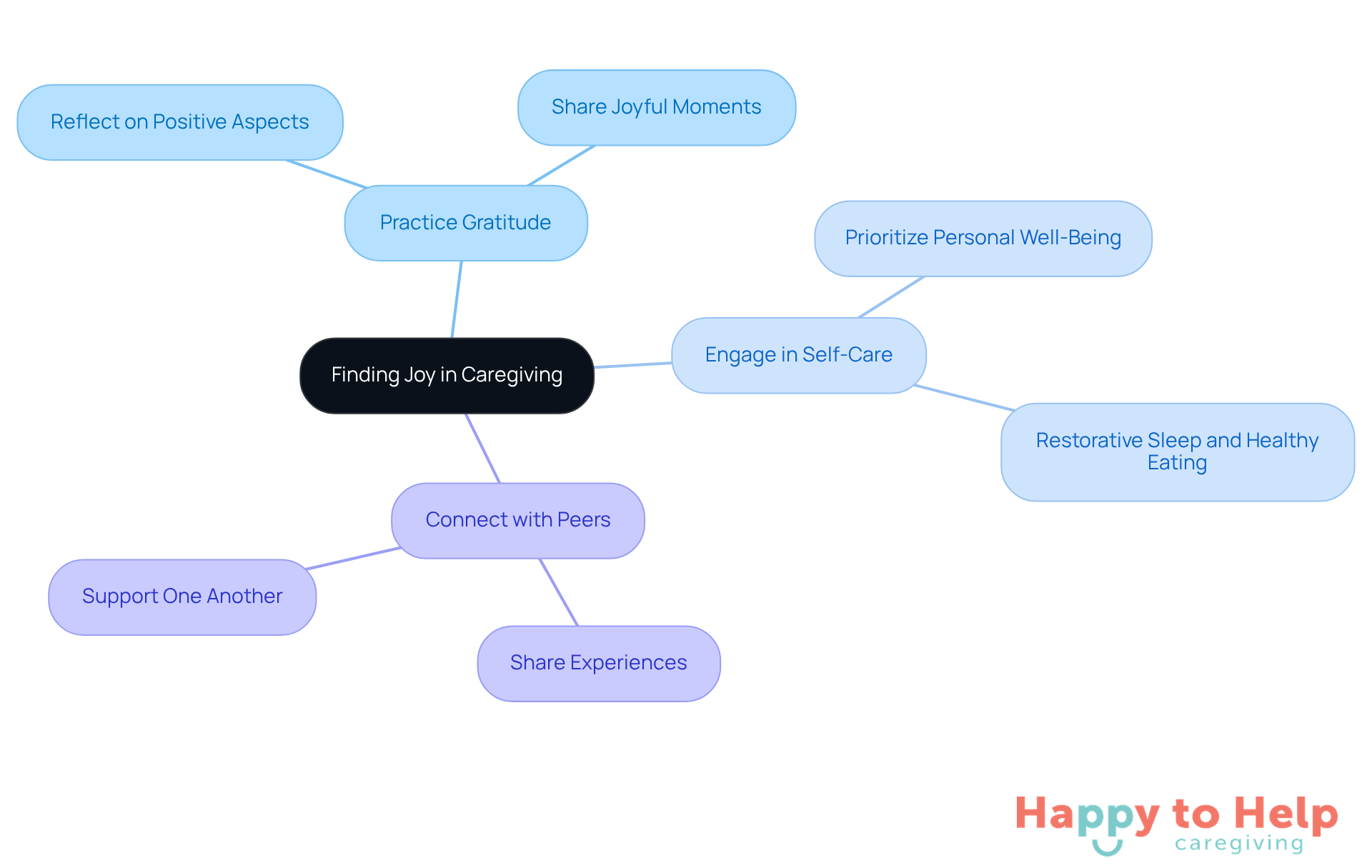
Caregivers often struggle to find joy in their roles, which can lead to emotional fatigue and burnout. This challenge is significant, as it affects not only the caregiver's well-being but also the quality of care provided to those in need.
To combat this issue, it's essential for caregivers to nurture a positive internal conversation. Focusing on the joys of providing care can enhance emotional resilience, as many elderly caregiver quotes suggest. This shift in perspective can transform the caregiving experience, making it more rewarding for both the provider and the recipient of care, which is reflected in many elderly caregiver quotes.
Here are some actionable tips for caregivers:
- Practice gratitude: Regularly reflect on the positive aspects of caregiving.
- Engage in self-care: Prioritize personal well-being to maintain emotional health.
- Connect with peers: Share experiences and support one another in caregiving journeys.
By implementing these strategies, caregivers can foster a more fulfilling support experience, ultimately benefiting everyone involved.
We rise by lifting others.
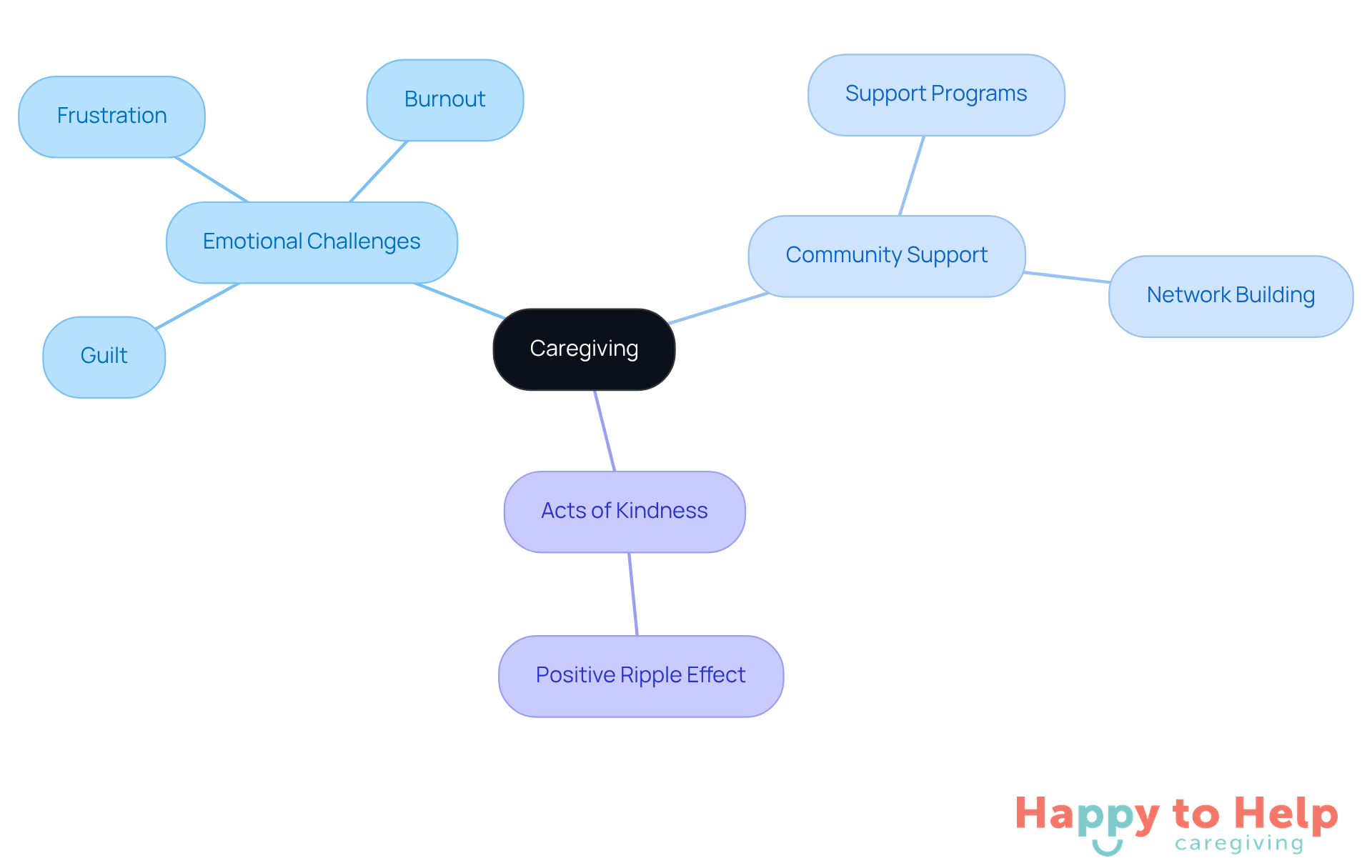
Robert Ingersoll's quote beautifully captures the essence of caregiving, as echoed in many elderly caregiver quotes: by supporting others, we elevate ourselves. However, caregivers often face significant emotional challenges, including feelings of guilt and frustration. This emotional toll can hinder their ability to provide effective care, making it crucial to address these issues head-on.
The implications of these challenges are profound. As caregivers strive to lift others, they may neglect their own well-being, leading to burnout and decreased quality of care. According to a study from the National Alliance for Caregiving and AARP, there has been a 45% rise in family assistance since 2015, underscoring the increasing significance of community aid for those providing care.
To combat these challenges, caregivers can engage in acts of kindness, fostering a positive ripple effect within their communities. Tammarra Golightly highlights that collaborating with support programs has provided her a sense of empowerment and tranquility as she navigates various challenges. Such interactions can lead to a supportive network that benefits everyone involved, reinforcing the idea that kindness is a cornerstone of effective caregiving.
Recognizing the challenges caregivers encounter is essential, as highlighted in elderly caregiver quotes that emphasize the importance of compassion and support. By building a network of support, caregivers can enhance their well-being and improve the lives of those they assist. This approach not only enriches their own lives through meaningful connections but also creates an environment where well-being flourishes.
The best way to predict the future is to create it.
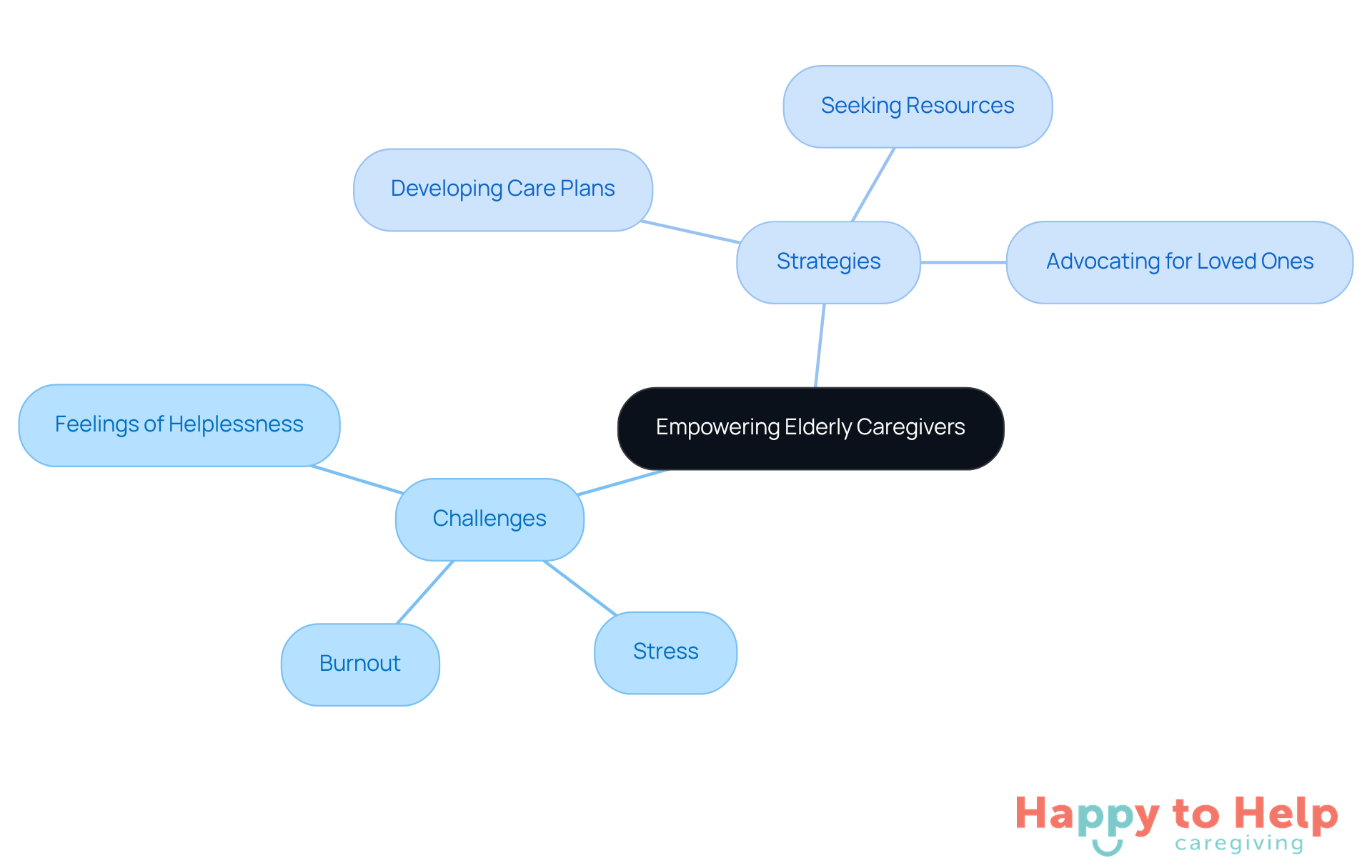
Peter Drucker's quote serves as a powerful reminder for elderly caregivers, highlighting the influence they have on the future well-being of their loved ones, which resonates with many elderly caregiver quotes. However, many caregivers, as reflected in elderly caregiver quotes, struggle with feelings of helplessness, which can lead to stress and burnout. This emotional burden can hinder the insights found in elderly caregiver quotes, affecting their ability to provide the best care possible.
To combat these challenges, caregivers can take proactive steps:
- Developing care plans is essential, as it provides a structured approach to managing care.
- Seeking out resources and support networks can also make a significant difference.
- Advocating for their loved ones ensures that caregivers are actively involved in their care, leading to more positive outcomes.
By embracing these strategies, elderly caregivers can transform their experience, as highlighted in various elderly caregiver quotes. This empowerment fosters a sense of control and capability, ultimately leading to a more fulfilling caregiving journey.
Making the Right Choice
Caregiving presents significant challenges, often leading to emotional and physical strain. Caregivers frequently overlook their own needs, which can diminish their ability to provide quality care. This neglect not only affects their well-being but also impacts the individuals they support.
To address these issues, caregivers must prioritize self-care and seek community support. Engaging in regular self-care practices can help restore energy and resilience. Additionally, connecting with fellow caregivers can provide emotional relief and practical advice. Here are some actionable strategies:
- Set Boundaries: Learn to say no when necessary to protect your time and energy.
- Seek Support: Join caregiver support groups to share experiences and gain insights.
- Practice Mindfulness: Incorporate mindfulness techniques to reduce stress and enhance emotional well-being.
Recognizing the importance of these strategies can transform the caregiving experience. By uplifting themselves through self-care and community connections, caregivers not only improve their own lives but also enrich the lives of those they serve. Embracing the wisdom found in uplifting quotes can inspire caregivers to continue their vital work with renewed passion and purpose, reminding them that their efforts are both meaningful and transformative.
https://iframe.tely.ai/cta/eyJhcnRpY2xlX2lkIjogIjY5NDFmMzRjMDNjMTJkY2ZiNTk2MGFkZiIsICJjb21wYW55X2lkIjogIjY4ZWU1ZGNhNzMxNzYyNTU3ZjNjOTVjMSIsICJpbmRleCI6IG51bGwsICJ0eXBlIjogImFydGljbGUifQ==Frequently Asked Questions
What challenges do caregivers face?
Caregivers often experience significant challenges that can impact their well-being, with 41% reporting low overall well-being, which is 32% higher than non-providers. They frequently feel overwhelmed and underappreciated.
How does kindness affect caregiving?
Small acts of kindness in caregiving have a profound effect. Caregivers perform daily tasks that are heroic contributions, providing essential comfort and support. On average, family supporters dedicate 24.4 hours each week to caregiving, enhancing the quality of life for recipients and fostering a sense of connection.
What can empower caregivers?
Recognizing the importance of caregivers' contributions can empower them. Witnessing the joy in a care recipient's smile or relief in their eyes serves as a powerful reminder of the difference they make, inspiring them to continue their vital work.
What practical tips can help caregivers improve their well-being?
Caregivers can seek support from local caregiver support groups, prioritize self-care by making time for personal well-being, and utilize available resources to assist in caregiving tasks.
How does emotional strength impact caregivers?
Caregivers who cultivate resilience and a sense of purpose experience better mental health and utilize emergency room services 35% less than those without these protective factors. This emphasizes the importance of emotional strength in maintaining well-being and quality care.
What should caregivers prioritize to enhance their ability to care for others?
Caregivers must prioritize their own mental health to improve the quality of care they provide. Engaging with community resources and support networks is essential for fostering resilience and managing stress.
Why is self-care important for caregivers?
The well-being of caregivers directly impacts the quality of care they provide. Neglecting their health can lead to increased stress and diminished mental health, hindering their ability to offer compassionate support.
What self-care strategies can caregivers implement?
Caregivers should implement strategies such as taking regular breaks, eating nutritious meals, and seeking support from others to combat stress and enhance their well-being.
What is the significance of self-care in caregiving relationships?
Self-care is essential for maintaining healthy, long-term caregiving relationships. By prioritizing their own well-being, caregivers can enhance the quality of support they provide to their loved ones.
List of Sources
- The simple act of caring is heroic.
- Caregiver Statistics: Demographics (https://caregiver.org/resource/caregiver-statistics-demographics)
- The Caregiving Landscape: Data & Insights on the Caregiver Experience in the U.S. (https://caregiveraction.org/caregiver-statistics)
- Hidden Heroes Campaign - The Elizabeth Dole Foundation (https://elizabethdolefoundation.org/campaigns-programs/hidden-heroes)
- National Alliance for Caregiving: Caregiving in the US 2025 Report (https://johnahartford.org/resources/view/national-alliance-for-caregiving-caregiving-in-the-us-2025-report)
- Savannah Guthrie honors the 'total act of sacrifice' caregiving sons give their veteran dads (https://today.com/parents/dads/savannah-guthrie-hidden-heroes-award-military-caregivers-rcna120066)
- Strength does not come from physical capacity. It comes from an indomitable will.
- Family Caregiver Support, Education Needs Growing (https://hospicenews.com/2025/11/11/family-caregiver-support-education-needs-growing)
- Caregiving Crisis: 45% Increase in Americans Providing Care (https://aarp.org/caregiving/basics/caregiving-in-us-survey-2025)
- Supporting caregivers with resilience and sense-of-purpose (https://uhc.com/news-articles/healthy-living/caregiving-resilience)
- New Report Shows Nearly Half of U.S. States Are on the Threshold of a Caregiving Emergency | Otsuka US (https://otsuka-us.com/news/new-report-shows-nearly-half-us-states-are-threshold-caregiving-emergency)
- Caregivers in Iowa face growing challenges amid rising demand for care (https://cbs2iowa.com/news/local/caregivers-in-iowa-face-growing-challenges-amid-rising-demand-for-care)
- Taking care of yourself is part of taking care of your loved ones.
- Importance of Self-Care for Family Caregivers (https://therealdealpress.com/2.0/index.php/health/3928-importance-of-self-care-for-family-caregivers)
- The caregiver's challenge: Why self-care matters for those who give their all (https://fox32chicago.com/news/caregivers-journey-self-care-stories)
- Caregiving can test you, body and soul. It can also unlock a new sense of self (https://npr.org/2025/04/01/nx-s1-5336314/caregiver-caregiving-identity-family-support-burnout)
- Why self-care for caregivers matters | Kaiser Permanente (https://healthy.kaiserpermanente.org/health-wellness/care-stories/why-caregiver-self-care-matters)
- Caring for Caregivers: Why They Need to Protect Their Own Mental Health (https://behavioralhealthnews.org/caring-for-caregivers-why-they-need-to-protect-their-own-mental-health)
- To care for those who once cared for us is one of the highest honors.
- Opinion | America’s Caregivers Are in Crisis (https://nytimes.com/2025/11/24/opinion/caregiving-crisis.html)
- Honoring America’s Family Caregivers, the Unseen Workforce Behind Our Health System - Medicare Rights Center (https://medicarerights.org/medicare-watch/2025/11/25/honoring-americas-family-caregivers-the-unseen-workforce-behind-our-health-system)
- New Report Reveals Crisis Point for America’s 63 million Family Caregivers (https://press.aarp.org/2025-07-24-New-Report-Reveals-Crisis-Point-for-Americas-63-million-Family-Caregivers)
- America’s caregiving crisis is getting worse (https://thestreet.com/retirement/americas-caregiving-crisis-is-getting-worse-)
- Caregiver Crisis: New Report Gives a “Wake Up” Call to Congress - Herb Weiss (https://rinewstoday.com/caregiver-crisis-new-report-gives-a-wake-up-call-to-congress-herb-weiss)
- You are stronger than you know. More capable than you ever dreamed.
- Expert Tips to Embrace Caregiving with Confidence and Overcome Self-Doubt (https://brainandlife.org/articles/tips-caregiving-confidence-overcome-self-doubt)
- You’re not alone in caregiving (https://health.ucdavis.edu/news/headlines/youre-not-alone-in-caregiving/2025/11)
- Finding Your Strengths as You Become a Caregiver (https://aarp.org/caregiving/basics/how-new-caregivers-gain-confidence)
- Confidence for Caregivers: An Online Workshop to Build Resilience and Self Care — Alameda County Care Alliance (https://care-alliance.org/news/confidence-for-caregivers)
- HHS Backs AI Innovation for America’s Caregivers | HHS.gov (https://hhs.gov/press-room/hhs-backs-ai-innovation-for-americas-caregivers.html)
- Compassion brings us to a stop, and for a moment, we rise above ourselves.
- WHO report highlights the role of compassion in healthcare - European Lung Foundation (https://europeanlung.org/en/news-and-blog/who-report-highlights-the-role-of-compassion-in-healthcare)
- How Compassion Is Transforming Care and What Every Business Can Learn (https://news.uhhospitals.org/thought-leadership/articles/2025/04/how-compassion-is-transforming-care-and-what-every-business-can-learn)
- Courage doesn't always roar. Sometimes courage is the quiet voice at the end of the day saying, 'I will try again tomorrow.'
- Opinion | America’s Caregivers Are in Crisis (https://nytimes.com/2025/11/24/opinion/caregiving-crisis.html)
- Caregiving can be a tough, lonely mission. One daughter found ways to reconnect (https://npr.org/sections/shots-health-news/2024/10/31/nx-s1-5172517/caregiver-caregiving-isolation-burnout-resources)
- Caregiver Statistics: Demographics (https://caregiver.org/resource/caregiver-statistics-demographics)
- The New York Times: The Quiet Rage of Caregivers - CaringOn (https://caringon.org/news-and-information/the-new-york-times-the-quiet-rage-of-caregivers)
- Caregiving Statistics US 2025: Insights for Family Caregivers (https://zencaregiving.org/caregiving-statistics-us-2025)
- Joy is not in things; it is in us.
- How to find the joy in caregiving (https://mcknights.com/blogs/guest-columns/jamda-highlights/how-to-find-the-joy-in-caregiving)
- Unpaid caregivers find moments of joy in daily life (https://psc.isr.umich.edu/news/unpaid-caregivers-find-moments-of-joy-in-daily-life)
- Experiencing Joy in Caregiving | Mental Health America (https://mhanational.org/blog/experiencing-joy-in-caregiving)
- #CaregivingHappens: Finding the Joy in Being a Caregiver | Eventide Senior Living (https://eventide.org/caregivinghappens-finding-the-joy-in-being-a-caregiver)
- How to find resilience and joy as a family caregiver (https://galvnews.com/online_features/senior_living/how-to-find-resilience-and-joy-as-a-family-caregiver/article_2dccb432-399c-5609-bd1a-4dffbc6fbeec.html)
- We rise by lifting others.
- As Family Caregiving Grows, So Does the Need for Reform - Medicare Rights Center (https://medicarerights.org/medicare-watch/2025/08/14/as-family-caregiving-grows-so-does-the-need-for-reform)
- Family Caregiver Support, Education Needs Growing (https://hospicenews.com/2025/11/11/family-caregiver-support-education-needs-growing)
- Empowering caregivers through connection and peer support - VA News (https://news.va.gov/139536/empowering-caregivers-connection-peer-support)
- Caregivers carry an emotional weight. More and more shoulder that intimate responsibility (https://fortworthreport.org/2025/11/27/caregivers-carry-an-emotional-weight-more-and-more-shoulder-that-intimate-responsibility)
- The best way to predict the future is to create it.
- Caregiver Action Network and First Quality Partner to Empower Family Caregivers and Share Resources and Support on YourUpdateTV (https://finance.yahoo.com/news/caregiver-action-network-first-quality-144600450.html)
- Empowering caregivers through connection and peer support - VA News (https://news.va.gov/139536/empowering-caregivers-connection-peer-support)
- HHS Launches New Caregiving AI Initiative to 'Spark Innovative Support' (https://hospicenews.com/2025/11/18/hhs-launches-new-caregiving-ai-initiative-to-spark-innovative-support)
- EYE ON HEALTH: Caregivers Empowerment Series (https://local3news.com/eye-on-health-caregivers-empowerment-series/article_ee116e8a-6ae4-49d4-951f-a13e6a0a925a.html)