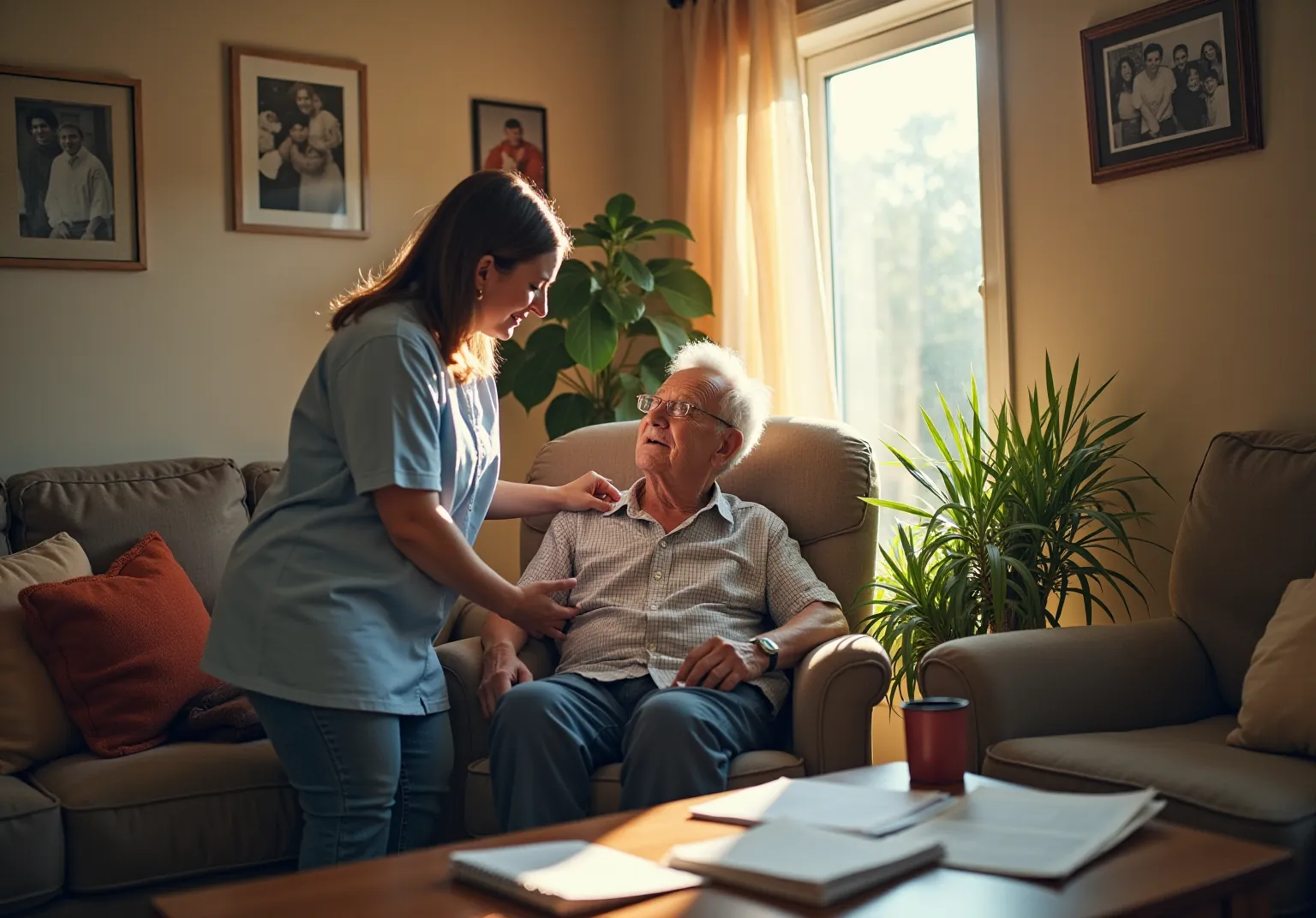
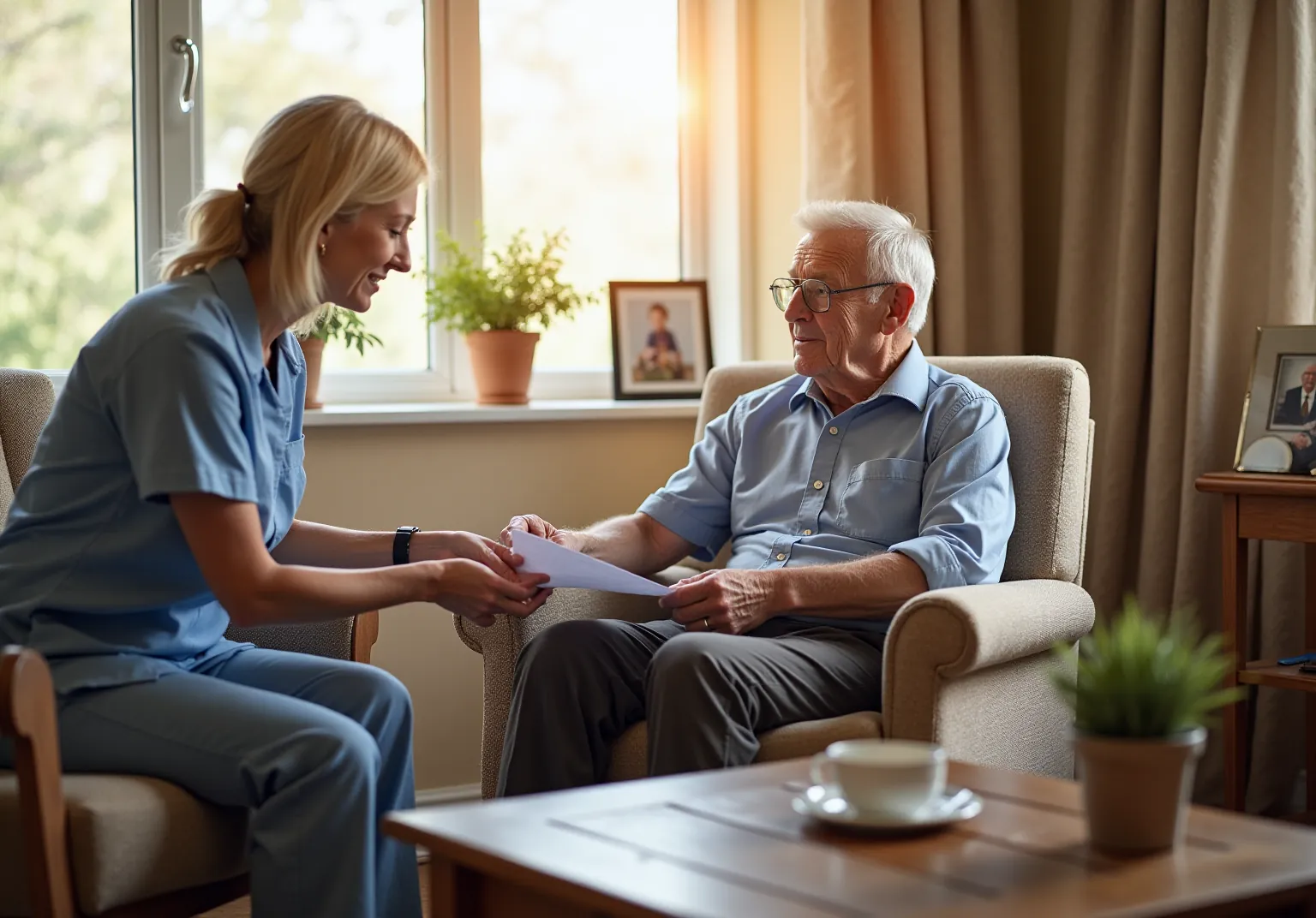
10 Ways a Private In Home Caregiver Enhances Family Support
For families in our service areas
For families in our service areas, this guide explains in-home care and how non-medical in-home caregiving can support care planning in East Idaho, Treasure Valley & Magic Valley, Northern Wasatch, North Central West Virginia, and Northeast Ohio.
Why A Private In Home Caregiver Enhances Matters
The growing concern of isolation among older adults presents a significant challenge that demands effective support systems. Nearly one-third of seniors experience loneliness, which can have detrimental effects on their mental and physical health. This situation underscores the vital role of private in-home caregivers in enhancing family dynamics and improving overall well-being.
How can personalized companionship and assistance with daily living activities alleviate feelings of isolation? More importantly, how can these services foster a safer, healthier environment for the elderly? This article explores ten impactful ways that private caregivers enhance family support, ensuring that loved ones receive the care and connection they deserve.
Happy to Help Caregiving: Personalized Companionship Care for Seniors
Use english for answers
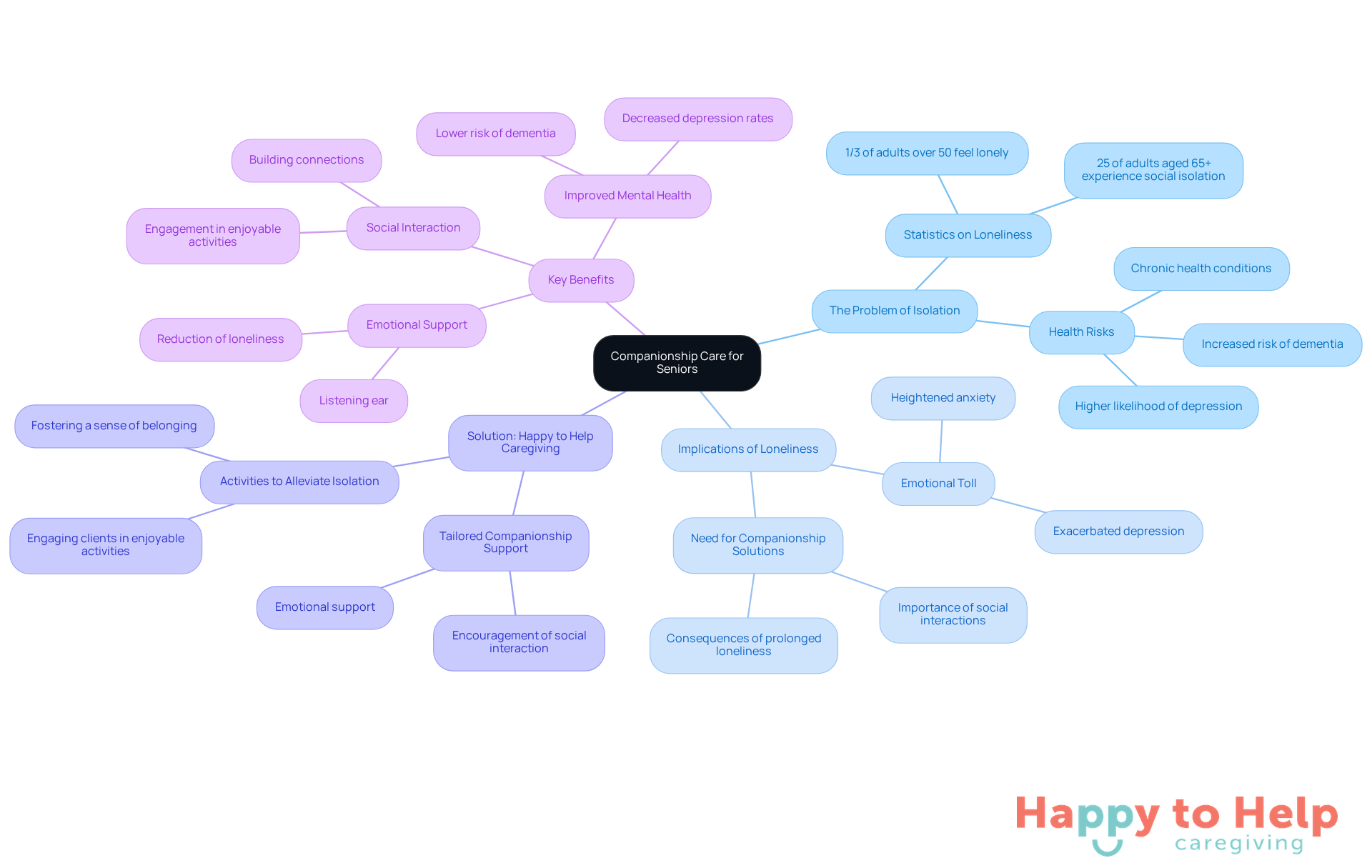
The Problem of Isolation Among Older Adults
Isolation is a significant issue for many older adults, with nearly one-third of adults over 50 reporting feelings of loneliness, according to the National Poll on Healthy Aging. This isolation can lead to serious health risks, including dementia, depression, and other chronic conditions. The emotional toll of loneliness can severely impact mental well-being, making it crucial to address this growing concern.
The Implications of Loneliness
Research from SeniorLiving.org highlights that companionship among the elderly can significantly improve their quality of life. Without meaningful social interactions, older adults may experience heightened feelings of anxiety and depression, further exacerbating their isolation. The consequences of prolonged loneliness are alarming, underscoring the need for effective companionship solutions.
A Solution: Happy to Help Caregiving
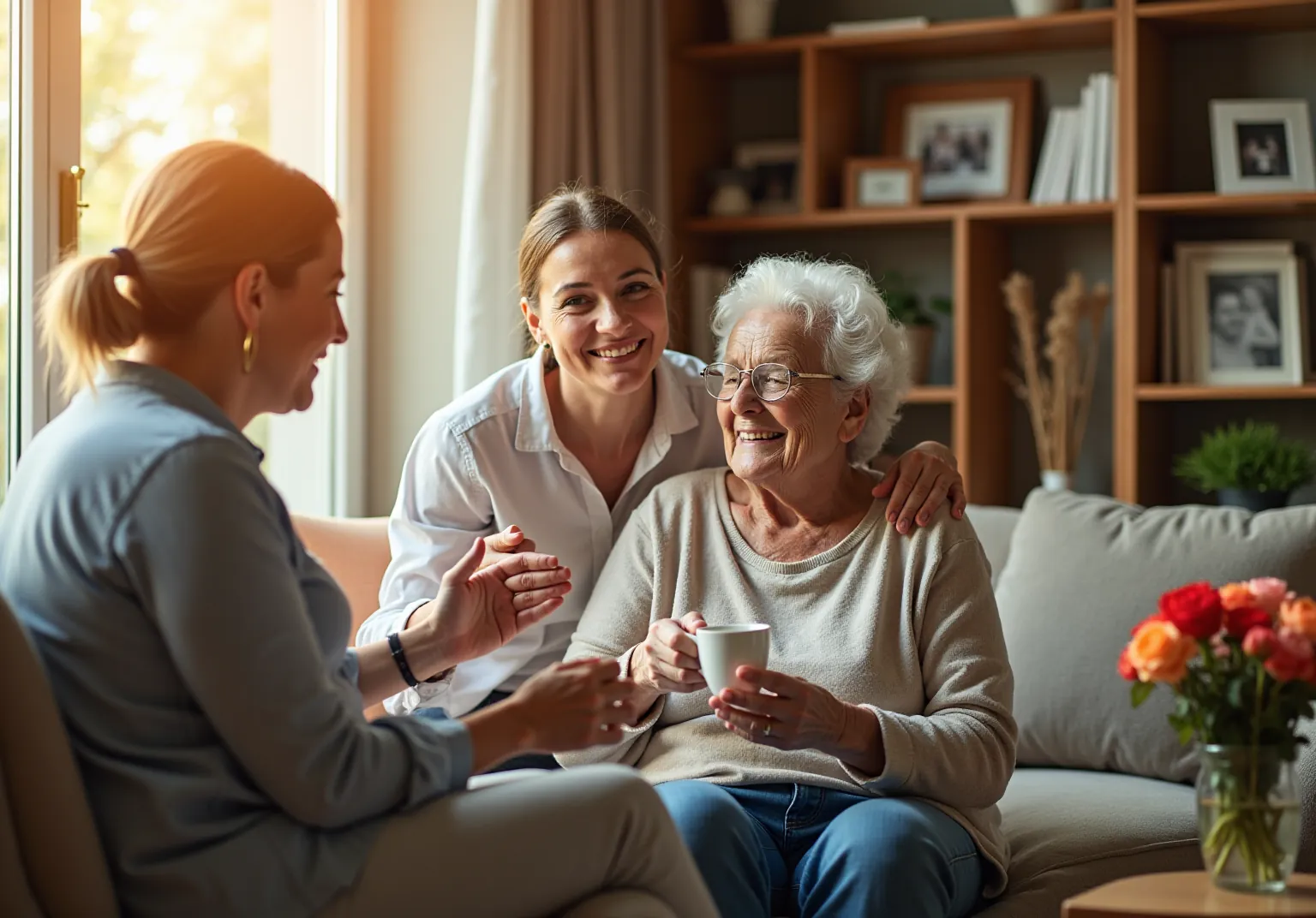
Happy to Help Caregiving offers tailored companionship support that fosters meaningful connections between caregivers and older adults. This private in home caregiver service provides not only emotional support but also encourages social interaction, which is vital for mental well-being. Caregivers engage clients in enjoyable activities, helping to alleviate feelings of isolation and promote a sense of belonging. By treating clients like family, a private in home caregiver fosters a supportive atmosphere that enhances the overall quality of life for elderly individuals.
Key Benefits of Companionship Care
- Emotional Support: Caregivers provide a listening ear and companionship, helping to reduce feelings of loneliness.
- Social Interaction: Engaging clients in activities they enjoy fosters connections and combats isolation.
- Improved Mental Health: Regular companionship can lower the risk of conditions such as dementia and depression.
In 2025, as the focus on companionship care becomes increasingly relevant, Happy to Help Caregiving plays a crucial role in supporting older adults' mental health and well-being.
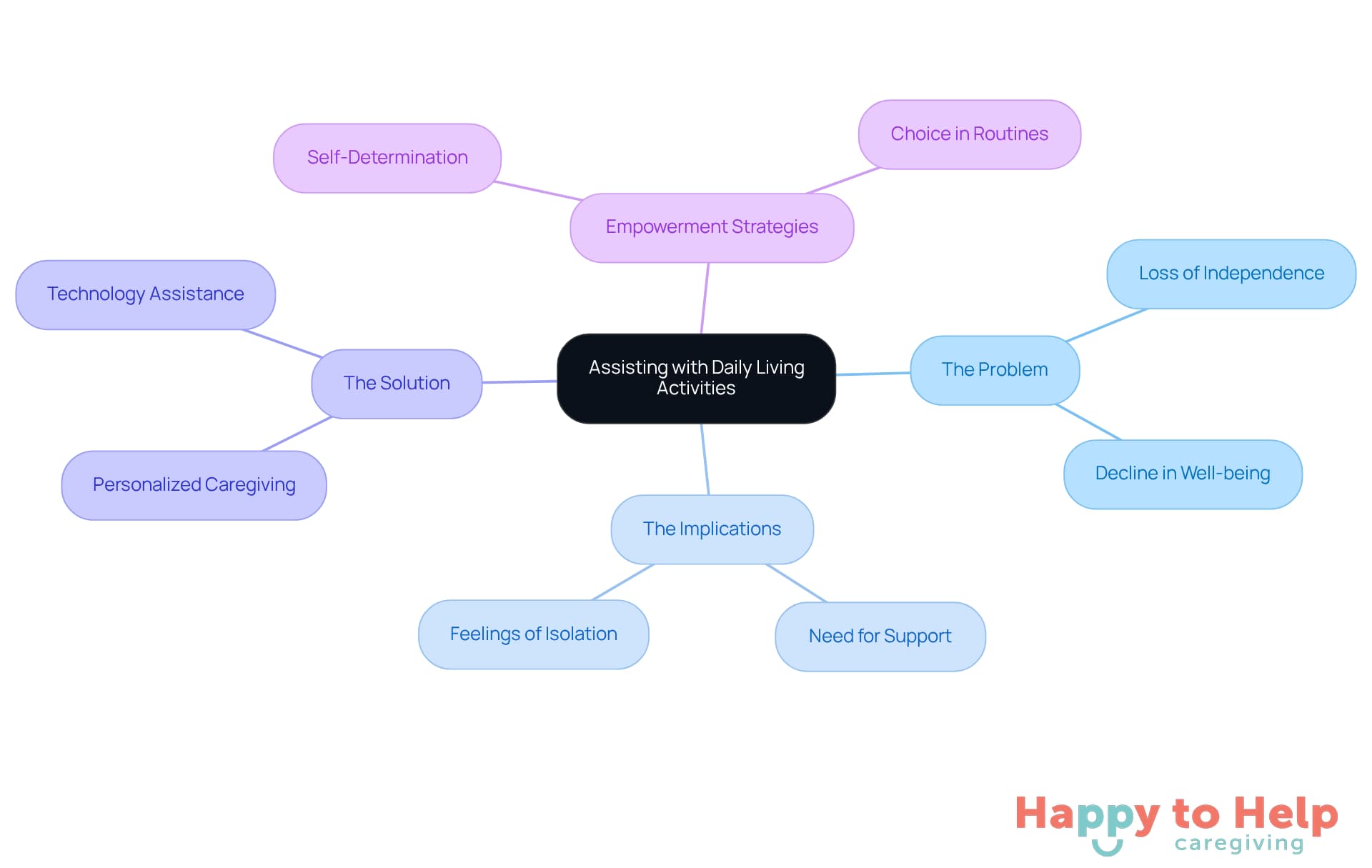
Assisting with Daily Living Activities: Ensuring Independence and Comfort
Caregivers at Happy to Help Caregiving support elderly individuals with essential daily living activities such as bathing, dressing, and meal preparation.
The Problem: Many older adults struggle with these tasks, which can lead to a loss of independence and a decline in overall well-being.
The Implications: Research indicates that maintaining independence is crucial for older adults, significantly contributing to their sense of purpose. Studies show that around 2 in 3 people who reach older age are likely to require longer-term support and care. Without proper assistance, seniors may feel isolated and lose confidence in their daily routines.
The Solution: Personalized caregiving support is linked to higher levels of independence, essential for mental and physical health. By customizing assistance to each person's needs, caregivers enhance comfort and empower seniors to engage in their daily routines with confidence. A case study involving the I-Care system demonstrated how technology can assist older adults in managing daily tasks, fostering greater autonomy and reducing caregiver stress.
Occupational therapists stress the importance of empowering elderly individuals to carry out daily tasks independently. They advocate for a supportive approach that encourages self-determination, allowing older adults to make choices about their routines and engage in activities they enjoy. As one occupational therapist noted, "Supporting older adults in choosing their clothing and hobbies fosters a sense of control and self-determination." This not only enhances their self-worth but also alleviates feelings of loneliness and isolation, which are prevalent among older adults.
By offering customized assistance, a private in-home caregiver at Happy to Help Caregiving ensures that older adults can flourish in their familiar surroundings, reinforcing the significance of autonomy in elderly support.
Providing Medical Aid: Supporting Health Needs at Home
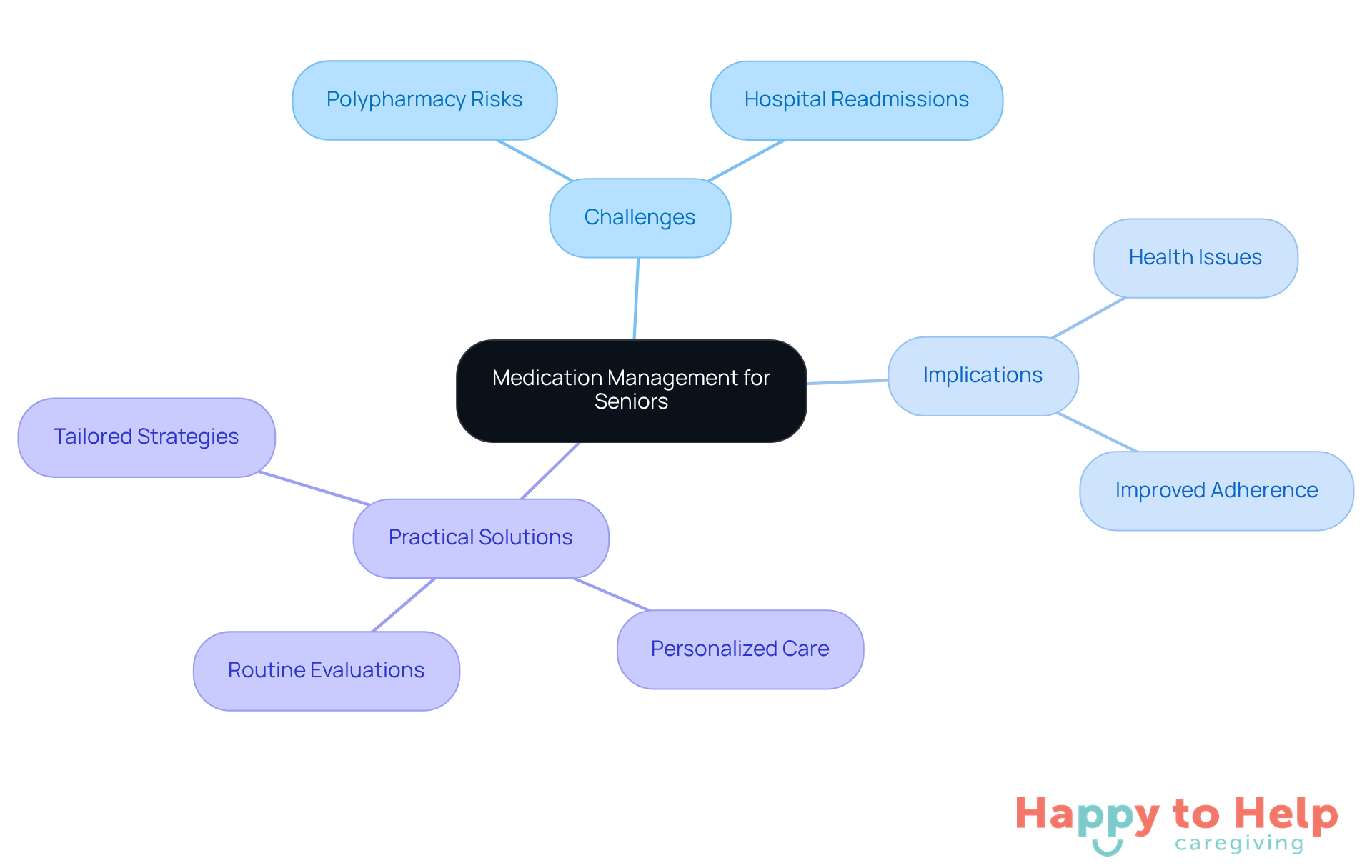
The Challenge of Medication Management for Seniors
Medication management is a critical concern for older adults, especially those recovering from surgery or managing chronic conditions. Without effective oversight, seniors face increased risks of hospital readmissions and complications from polypharmacy.
The Implications of Poor Management
Studies show that inadequate medication management can lead to serious health issues. In fact, elderly individuals receiving assistance from a private in home caregiver with organized medication management experience a 30% improvement in adherence to prescribed regimens. This not only enhances their overall well-being but also fosters a greater sense of independence.
Practical Solutions for Caregivers
To address these challenges, personalized medication management is essential. Healthcare professionals recommend incorporating routine wellness evaluations and adjusting medication strategies to meet individual needs. By prioritizing these aspects, private in home caregivers can ensure that their clients maintain health and well-being in the comfort of their own homes.
Key Takeaways
- Effective medication management significantly reduces hospital readmissions.
- Personalized care helps mitigate risks associated with polypharmacy.
- Regular evaluations and tailored strategies improve the quality of care.
By implementing these solutions, a private in home caregiver can provide the necessary support that older adults need, ensuring they receive the right assistance while enjoying the familiarity of their own environment.
Offering Emotional Support: Combatting Loneliness and Isolation
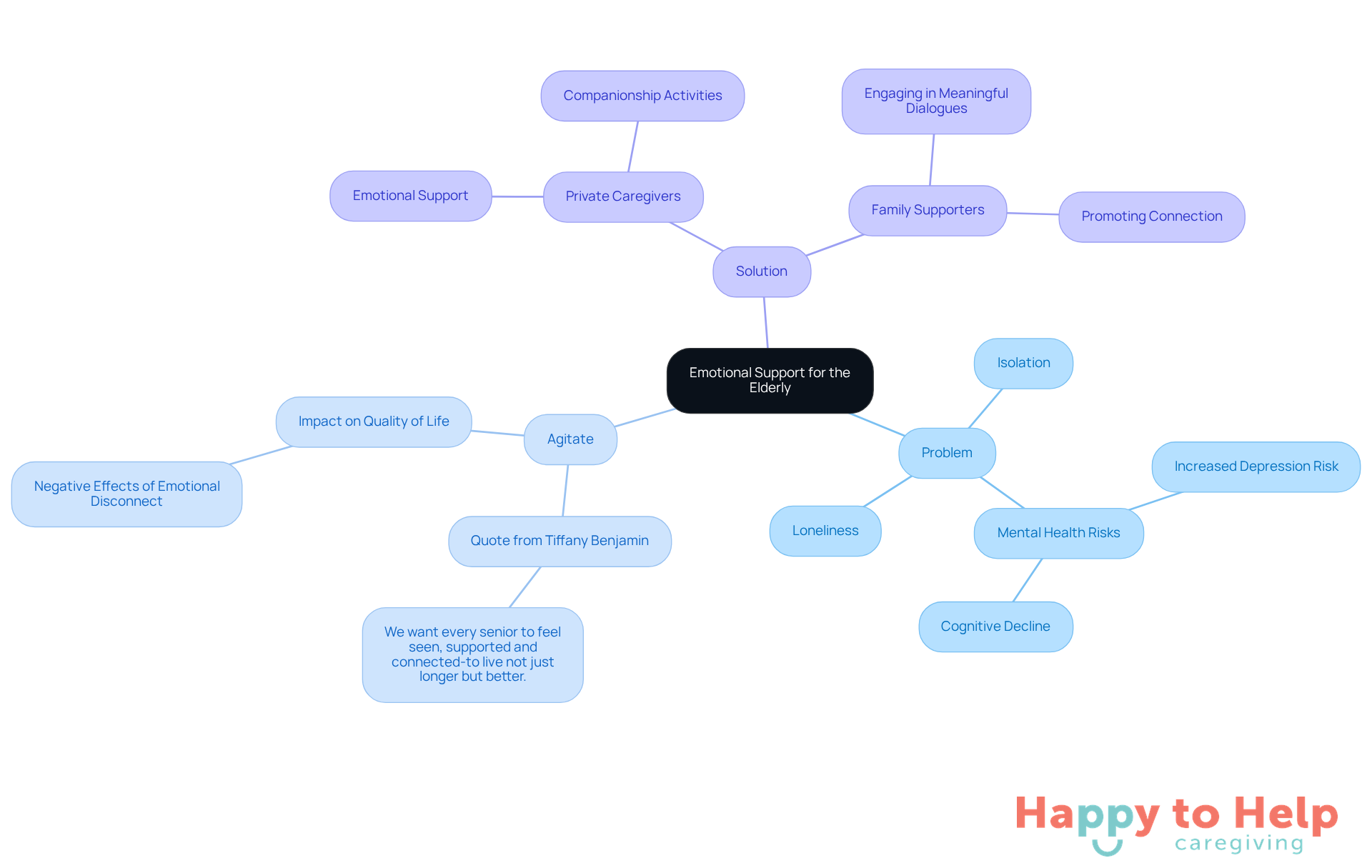
Problem: Many elderly individuals experience feelings of loneliness and isolation, which can significantly impact their mental health. Studies indicate that nearly 29% of older adults report feeling socially isolated, increasing their risk of depression and cognitive decline, including dementia. Furthermore, individuals with negative relationships are at least twice as likely to suffer from depression compared to those with supportive connections.
Agitate: This emotional disconnect can lead to severe consequences, affecting not only the mental well-being of older adults but also their overall quality of life. As Tiffany Benjamin, CEO of the Humana Foundation, emphasizes, "We want every older adult to feel seen, supported, and connected-to live not just longer but better."
Solution: Private in home caregivers at Happy to Help Caregiving are expertly trained to address these challenges by providing emotional support. They engage in regular discussions, offer companionship, and organize enjoyable activities that foster a supportive atmosphere. By nurturing these vital connections, a private in home caregiver can significantly enhance the mental health of their clients. Family supporters are also encouraged to involve older adults in meaningful dialogues and activities that promote connection, helping to alleviate feelings of loneliness and isolation.
Facilitating Post-Hospital Recovery: Ensuring Safe Transitions Home
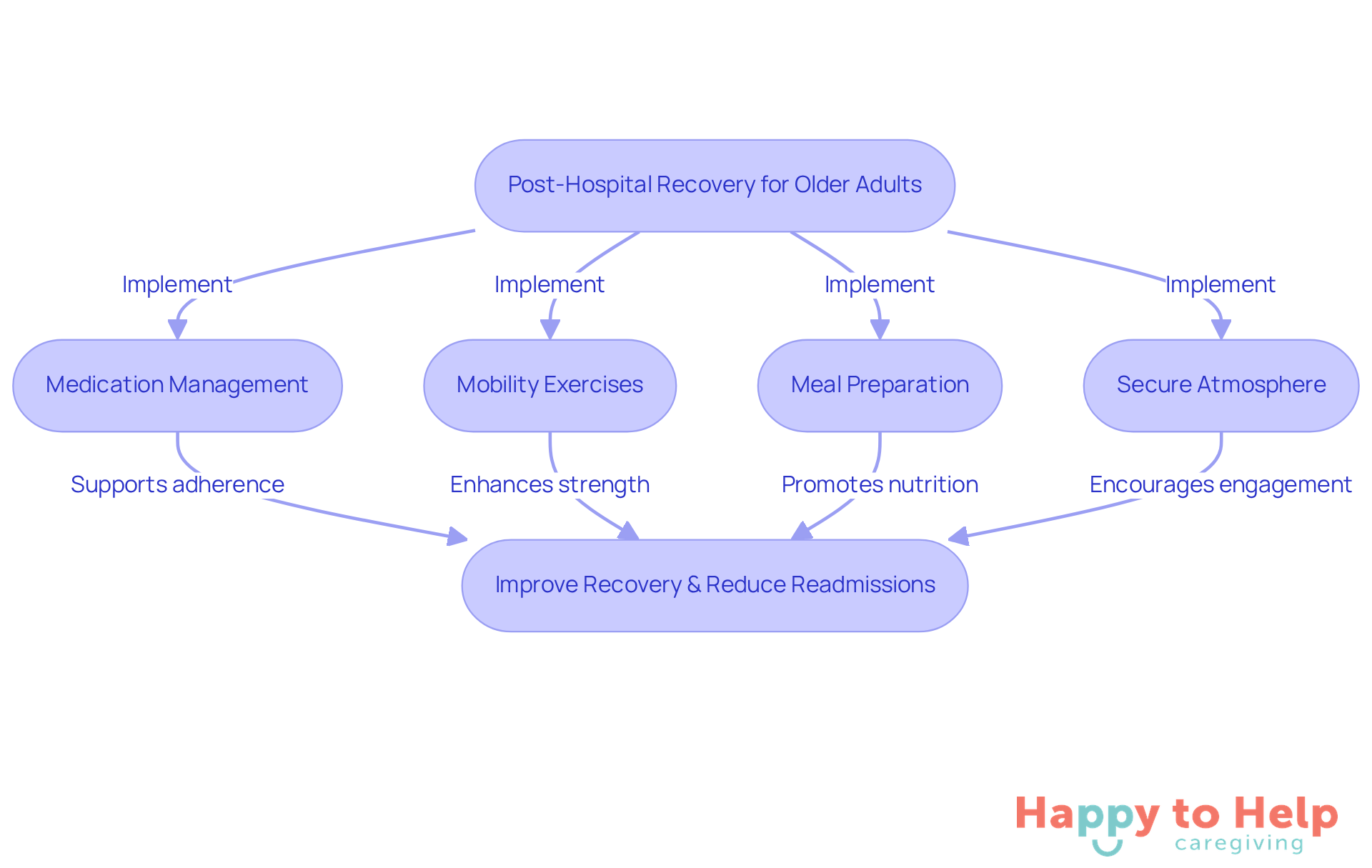
Post-hospital recovery for older adults presents significant challenges. Many elderly individuals struggle to adhere to their recovery plans, which can lead to complications and even hospital readmissions. Private in home caregivers play a crucial role in this process, yet they often face difficulties in managing multiple aspects of care.
To address these challenges, caregivers can implement several practical solutions:
- Effective medication management is essential. This includes organizing medications and ensuring that clients take them as prescribed.
- Mobility exercises can help restore strength and confidence, reducing the likelihood of falls and other complications.
- Meal preparation is another critical area where caregivers can make a difference. Private in home caregivers support their clients' recovery and overall well-being by providing nutritious meals tailored to the dietary needs of older adults.
- Establishing a secure and nurturing atmosphere is vital, as it encourages elderly individuals to engage in their recovery actively.
By focusing on these key areas, caregivers can significantly improve the recovery experience for older adults, ultimately lowering the risk of returning to the hospital.
Providing Respite Care: Supporting Family Caregivers
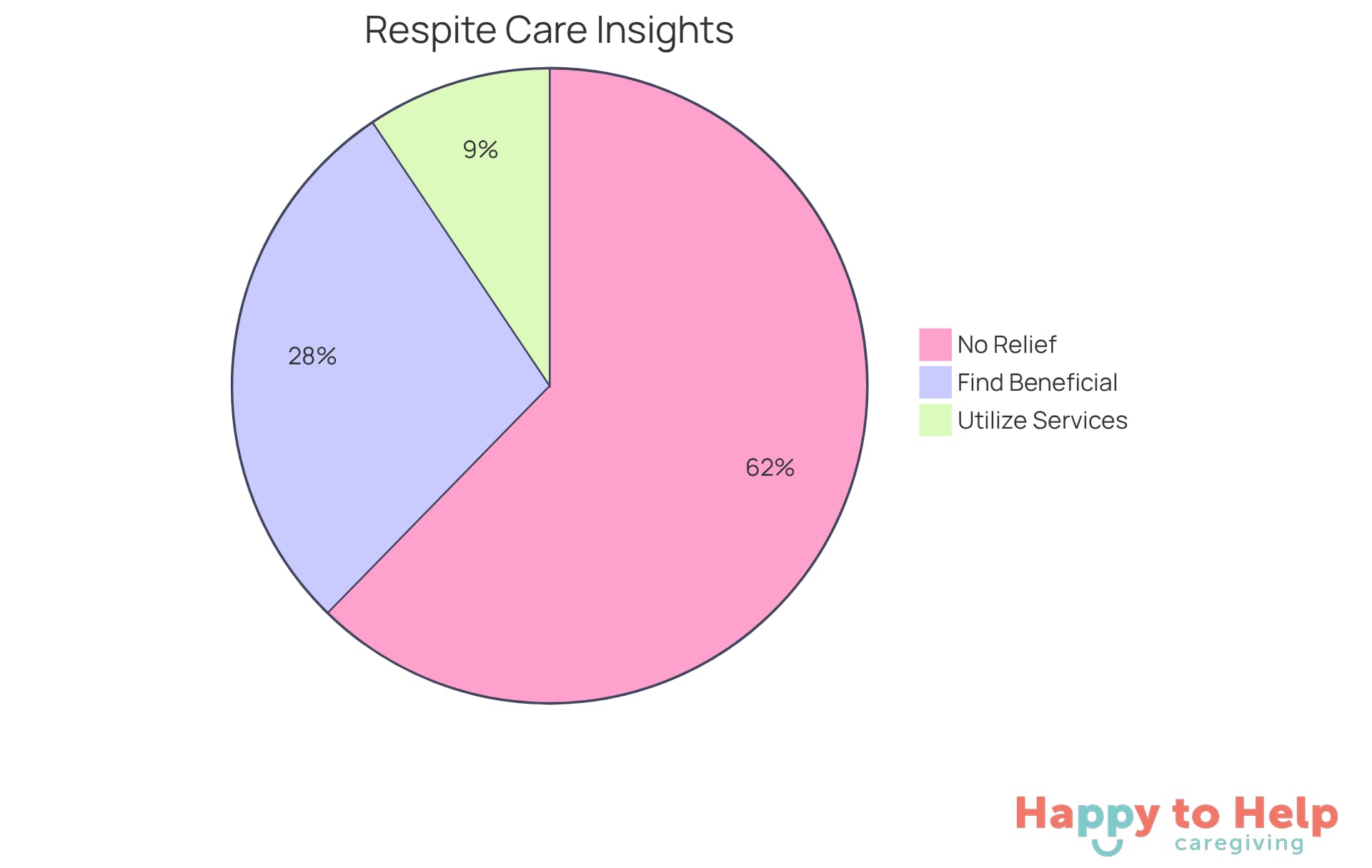
Respite support services from Happy to Help Caregiving address a significant problem: caregiver burnout. Family supporters often face overwhelming responsibilities, averaging 27 hours per week in caregiving duties. This can lead to considerable physical and emotional stress, making it essential for them to take breaks. In fact, 39% of supporters believe that respite assistance would be beneficial, yet only 13% utilize these services due to concerns about trust and service quality.
The implications of this issue are profound. Case studies reveal that those who access respite services experience lower stress levels and improved mental health. This rejuvenation allows them to return to their caregiving roles more effectively. Alarmingly, a study found that 86% of adult supporters do not receive any relief, underscoring the urgent need for better public resources and awareness about respite options.
Experts emphasize that integrating relief services into caregiving strategies not only enhances the quality of life for supporters but also ensures that elderly individuals receive consistent, high-quality care. As the number of family supporters in the U.S. is projected to reach 63 million by 2025, the demand for accessible and reliable respite care services is becoming increasingly critical.
Managing Household Tasks: Ensuring a Safe and Clean Environment
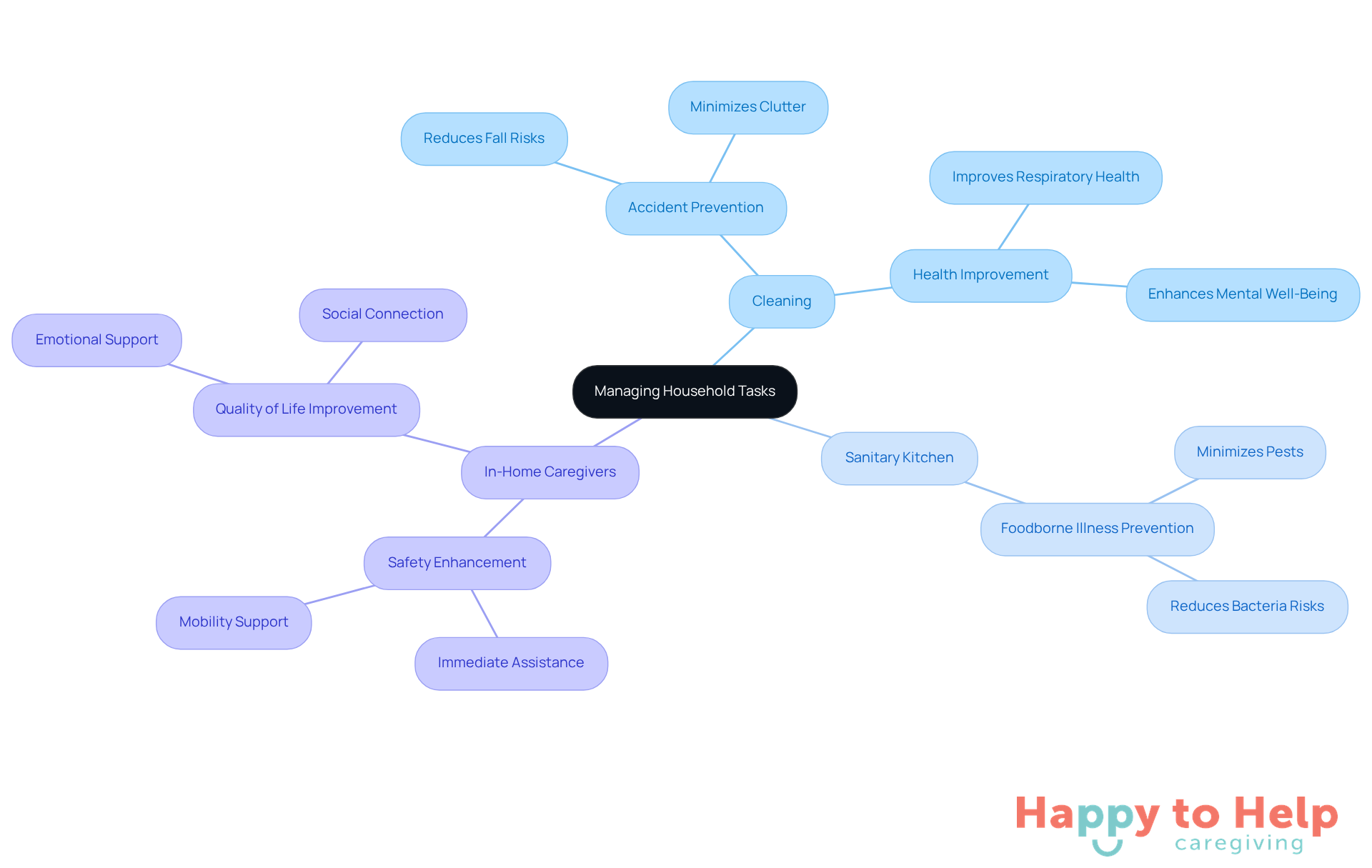
Caregivers at Happy to Help Caregiving face a significant challenge: managing household tasks like cleaning, laundry, and meal preparation. This issue is critical because a cluttered home can lead to accidents, particularly for elderly individuals. In fact, studies show that one in four adults over 65 falls each year, and 3 million older adults visit the emergency room due to fall-related injuries. Clearly, the need for effective fall prevention through household support is paramount.
A clean environment is essential for the physical and emotional well-being of elderly individuals. Regular cleaning prevents dust accumulation and allergens, which can improve respiratory health. Moreover, a tidy home reduces the risk of tripping over objects, which can lead to serious injuries. Maintaining a sanitary kitchen is equally important, as it minimizes the risk of pests and bacteria that can cause foodborne illnesses. A clean and organized living space is linked to better mental health outcomes, helping to alleviate feelings of isolation and anxiety that many older adults experience.
Families have reported that having a private in-home caregiver not only enhances their loved ones' safety but also improves their overall quality of life. Private in-home caregivers play a vital role in allowing older adults to age in place comfortably, keeping them connected to their communities while providing the necessary assistance to thrive at home. This holistic approach to caregiving highlights the critical need for personalized support that prioritizes both safety and well-being.
Key Takeaways:
- Regular cleaning helps prevent accidents and improves health.
- Sanitary kitchens reduce the risk of foodborne illnesses.
- In-home caregivers enhance safety and quality of life for seniors.
By easing the burden of household tasks, caregivers empower seniors to focus on their wellness and happiness, fostering a sense of security and well-being.
Preparing Nutritious Meals: Catering to Dietary Needs
Nutrition is a critical concern for elderly individuals, yet many face challenges in maintaining a balanced diet. This issue can lead to serious health implications, including malnutrition and a decline in overall well-being. Private in-home caregivers often face challenges in meeting the specific dietary needs of their clients, which can exacerbate these problems.
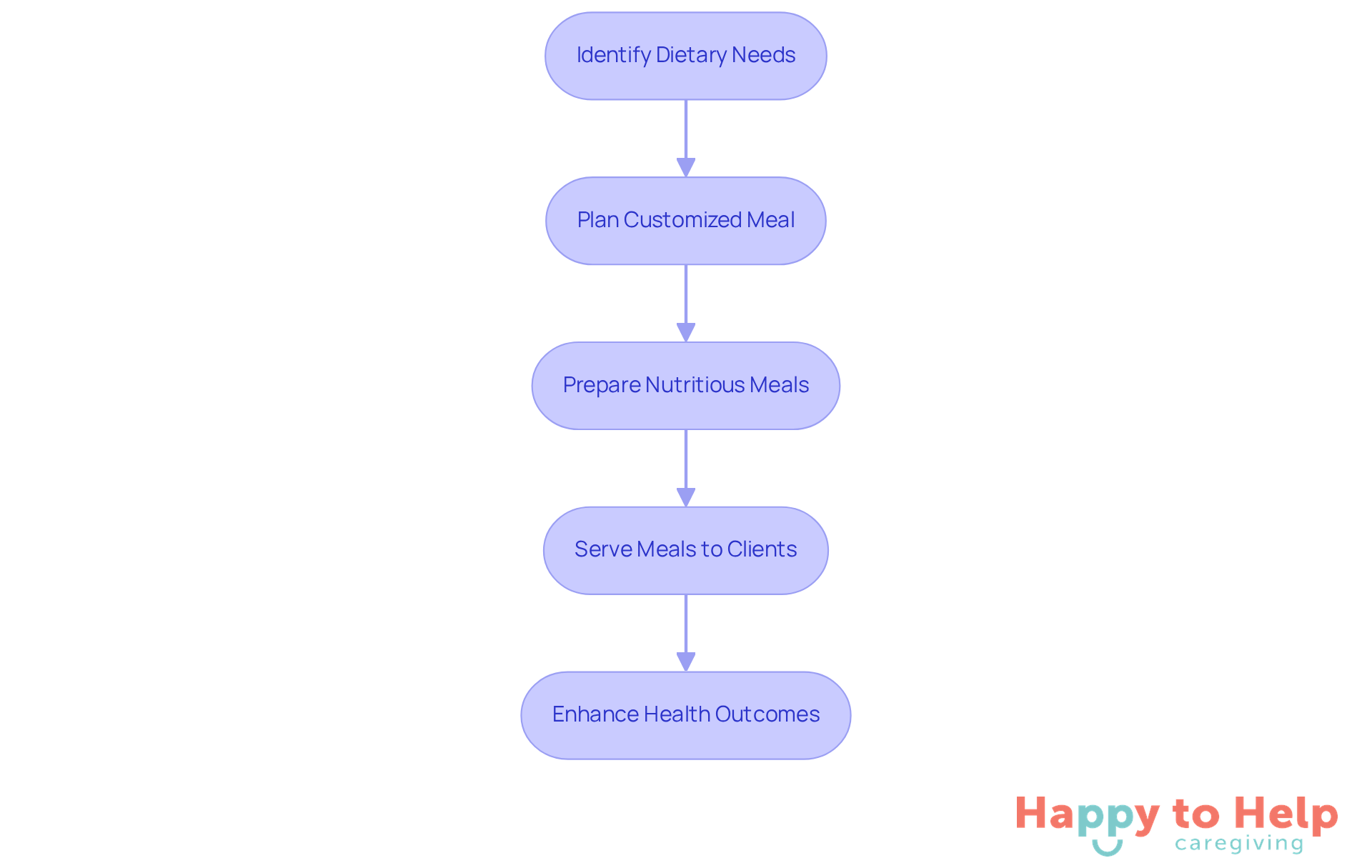
To address this, Happy to Help Caregiving offers meal preparation services tailored to the unique dietary requirements of older adults. Caregivers prepare healthy, balanced meals that cater to specific dietary restrictions, ensuring that clients receive the essential nutrients they need to thrive. This focus on nutrition not only promotes physical health but also enhances the overall quality of life for seniors.
By prioritizing nutrition, private in-home caregivers can significantly enhance the health outcomes of their clients. Implementing customized meal plans can help alleviate the stress of meal preparation and ensure that elderly individuals enjoy meals that are both nutritious and satisfying.
Engaging in Social Activities: Enhancing Quality of Life
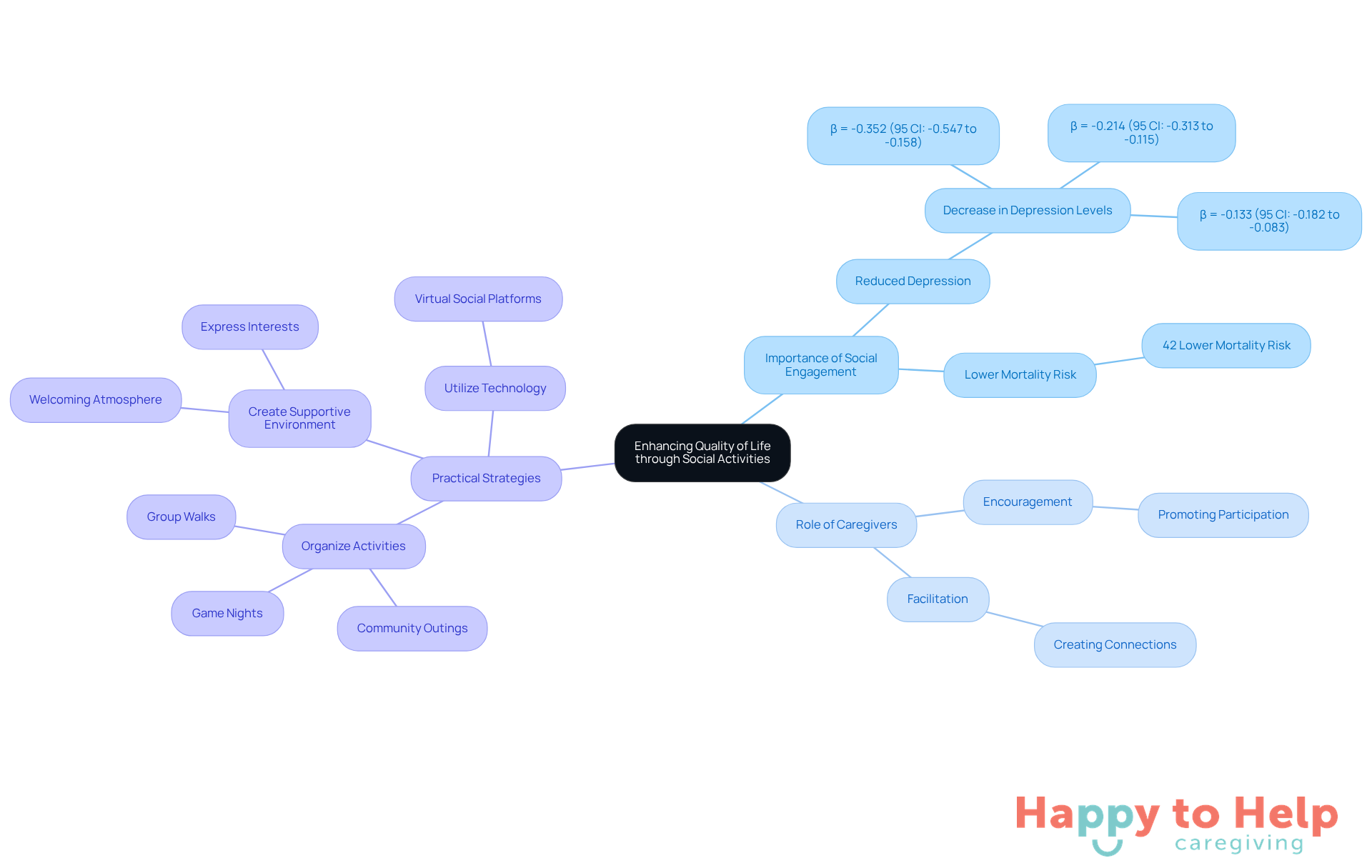
Loneliness among older adults is a pressing issue that caregivers must address. Engaging in social activities is essential for fostering interaction and connection, yet many older adults struggle to participate. This lack of engagement can lead to significant mental health challenges, including increased depression and a higher mortality risk. Research shows that social engagement can reduce depression levels among older adults, with participation in social activities linked to a 42% lower mortality risk, according to studies from the Center for Sociological Theory and Methodology.
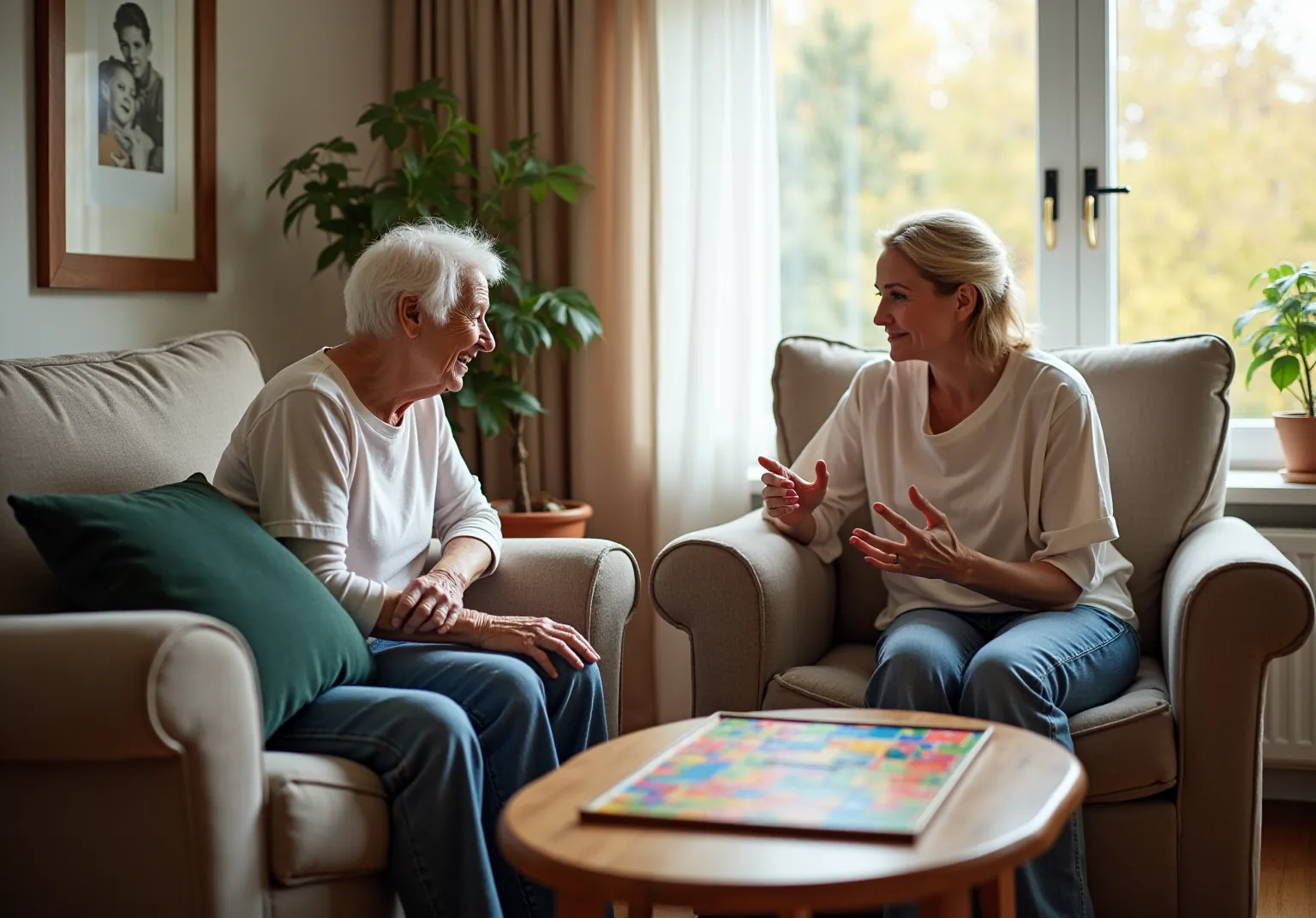
Private in home caregivers play a vital role in combating this loneliness by encouraging older adults to partake in various social activities. Activities such as playing games, attending community events, or enjoying leisurely walks not only help combat feelings of isolation but also enhance overall mental health. By facilitating these connections, a private in home caregiver significantly improves the quality of life for older adults, helping them maintain a sense of purpose and belonging.
To effectively promote social engagement, caregivers can implement several practical strategies:
- Organize regular social activities: Schedule game nights, community outings, or group walks to encourage participation.
- Create a supportive environment: Foster a welcoming atmosphere that encourages older adults to express their interests and preferences.
- Utilize technology: Introduce virtual social platforms for those who may have mobility issues or prefer staying at home.
Case studies reveal that older adults who actively engage in social activities report greater satisfaction and well-being. The more social activities they participate in, the lower their depression levels, underscoring the importance of caregiver involvement in fostering a vibrant, engaged lifestyle. By prioritizing social engagement, a private in home caregiver can significantly impact the lives of older adults.
Ensuring Safety: Protecting Clients from Home Hazards
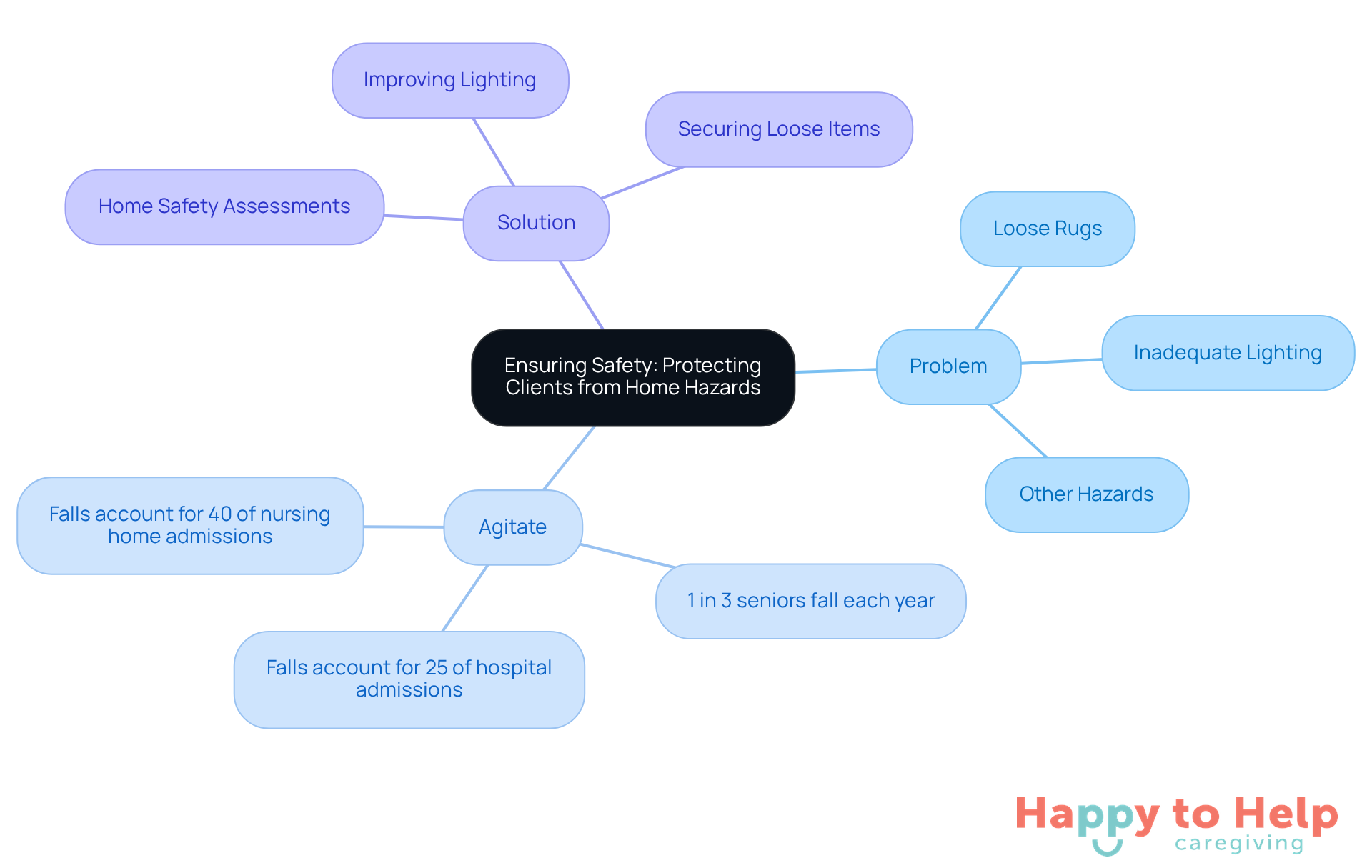
Problem: The safety of elderly individuals is a significant concern, as many face hazards in their living environments. Common risks include loose rugs, inadequate lighting, and other factors that can lead to falls or injuries.
Agitate: With one out of every three seniors falling each year, and falls being the leading cause of injury-related hospitalizations among this population, the implications are serious. Falls account for 25% of all hospital admissions and 40% of nursing home admissions, highlighting their substantial impact on healthcare systems.
Solution: Happy to Help Caregiving addresses these challenges by conducting thorough assessments of living environments. Caregivers are trained to identify potential hazards and implement proactive measures, such as improving lighting and securing loose items. These modifications not only assist older adults in preserving their independence but also significantly decrease the chances of accidents. In fact, home safety assessments can lower fall risk by up to 36%.
Safety professionals advocate for regular evaluations, emphasizing that a comprehensive home hazard assessment can prevent costly medical bills and enhance the overall quality of life for older adults. As Teri Monroe states, "Prevention isn’t just practical-it’s compassionate." By prioritizing safety, Happy to Help Caregiving ensures that clients can thrive in their own homes with the help of a private in home caregiver, providing them with confidence and security.
Your Path Forward
The role of a private in-home caregiver is crucial in addressing the challenges families face when caring for older adults. Many families struggle with the emotional and physical burdens that come with caregiving, often feeling overwhelmed and isolated. This situation can lead to increased stress levels and a sense of helplessness among family members.
In-home caregivers provide personalized companionship, emotional support, and practical assistance, creating a nurturing environment tailored to the unique needs of seniors. This approach not only fosters a sense of belonging and independence but also alleviates the pressures families experience. By combating loneliness, managing daily living activities, and ensuring safety, private caregivers play an essential role in maintaining the well-being of elderly individuals.
Engaging a private in-home caregiver is not just an investment in the health of older adults; it’s a vital step toward supporting family dynamics. As the demand for personalized care continues to grow, families must recognize the significance of these services. Embracing the support of in-home caregivers can lead to a more fulfilling and connected life for both seniors and their families, ensuring that everyone involved can thrive in a safe and loving environment.
https://iframe.tely.ai/cta/eyJhcnRpY2xlX2lkIjogIjY5MjI2NTA1YWNkMDUyNjc3Yjk4NWRhZCIsICJjb21wYW55X2lkIjogIjY4ZWU1ZGNhNzMxNzYyNTU3ZjNjOTVjMSIsICJpbmRleCI6IG51bGwsICJ0eXBlIjogImFydGljbGUifQ==Frequently Asked Questions
What is the main issue faced by older adults according to the article?
The main issue faced by older adults is isolation, with nearly one-third of adults over 50 reporting feelings of loneliness, which can lead to serious health risks such as dementia and depression.
How does loneliness affect the mental well-being of seniors?
Loneliness can exacerbate feelings of anxiety and depression among older adults, significantly impacting their mental well-being and overall quality of life.
What services does Happy to Help Caregiving provide to combat isolation?
Happy to Help Caregiving offers tailored companionship support that fosters meaningful connections between caregivers and older adults, providing emotional support and encouraging social interaction through enjoyable activities.
What are the key benefits of companionship care mentioned in the article?
The key benefits of companionship care include emotional support to reduce loneliness, social interaction to foster connections, and improved mental health by lowering the risk of conditions like dementia and depression.
How do caregivers assist older adults with daily living activities?
Caregivers at Happy to Help Caregiving support elderly individuals with essential daily living activities such as bathing, dressing, and meal preparation, which helps maintain their independence and overall well-being.
Why is maintaining independence important for older adults?
Maintaining independence is crucial for older adults as it contributes significantly to their sense of purpose and self-worth, helping them engage in daily routines with confidence.
What role does personalized caregiving play in supporting seniors?
Personalized caregiving enhances comfort and empowers seniors to carry out daily tasks independently, which is essential for their mental and physical health.
What challenges do seniors face regarding medication management?
Seniors face challenges with medication management, especially those recovering from surgery or managing chronic conditions, which can lead to increased risks of hospital readmissions and complications from polypharmacy.
How can effective medication management benefit older adults?
Effective medication management can lead to a 30% improvement in adherence to prescribed regimens, enhancing overall well-being and fostering a greater sense of independence.
What practical solutions are suggested for caregivers in managing medication for seniors?
Personalized medication management, including routine wellness evaluations and adjusting medication strategies to meet individual needs, is recommended to ensure seniors maintain health and well-being at home.
List of Sources
- Happy to Help Caregiving: Personalized Companionship Care for Seniors
- AI “Virtual Companion” Pilot is Supporting Seniors in 2025 - Strohschein Law Group (https://strohscheinlawgroup.com/ai-virtual-companion-pilot-is-supporting-seniors-in-2025)
- AmeriCorps program matches older people who need a helping hand with an older volunteer looking to help (https://cpr.org/2025/11/20/americorps-senoir-companion-program)
- AI Care Companions for Seniors (https://health.usnews.com/senior-care/articles/ai-care-companions-for-seniors)
- The Impact of Elderly Companion Services (https://h2hhc.com/blog/elderly-companion-services)
- The importance of social connections for seniors in 2025 | Helping Hands (https://helpinghandshomecare.co.uk/care-advice/the-importance-of-social-connections-for-seniors-in-2025)
- Assisting with Daily Living Activities: Ensuring Independence and Comfort
- WHO calls for urgent transformation of care and support systems for older people (https://who.int/news/item/01-10-2024-who-calls-for-urgent-transformation-of-care-and-support-systems-for-older-people)
- Older adults prioritize social activities, inclusiveness in massive survey assessing what matters most to them (https://mcknights.com/news/older-adults-prioritize-social-activities-inclusiveness-in-massive-survey-assessing-what-matters-most-to-them)
- Innovative New Technology Helps Seniors Age in Place (https://ucdavis.edu/health/news/innovative-new-technology-helps-seniors-age-place)
- Independence and older adults: Importance and promoting it (https://medicalnewstoday.com/articles/independence-and-the-elderly)
- New data detail which older adults are more likely to need help with ADLs (https://mcknightsseniorliving.com/news/new-data-detail-which-older-adults-are-more-likely-to-need-help-with-adls)
- Providing Medical Aid: Supporting Health Needs at Home
- HomeCare News | HomeCare Magazine (https://homecaremag.com/news)
- News - Home Care Association of Florida (https://members.homecarefla.org/news)
- News Releases (https://hcaoa.org/news-releases.html)
- Home (https://homehealthcarenews.com)
- Offering Emotional Support: Combatting Loneliness and Isolation
- Emotional support key to protecting older adults against depression (https://unsw.edu.au/news/2025/09/neighbourhoods-may-hold-key-slowing-cognitive-decline)
- Research confirms emotional support key to mental wellbeing in later life (https://startsat60.com/media/health/healthy-ageing/research-confirms-emotional-support-key-to-mental-wellbeing-in-later-life)
- Humana Foundation Expands National Efforts to Improve Seniors’ Emotional Health (https://humanafoundation.org/news-humana-foundation/press-releases/humana-foundation-expands-national-efforts-to-improve-seniors-emotional-health)
- Medflyt at Home | Elderly Mental Health Statistics: What You Need To Know (https://medflyt.com/blog/posts/elderly-mental-health-statistics)
- Facilitating Post-Hospital Recovery: Ensuring Safe Transitions Home
- Home Care Impact on Recovery of Patient (A Statistics Report) (https://lovinghomecareinc.com/home-care-recovery-statistics)
- Post-Hospital Care for Seniors Supports Healing (https://picseniorcare.com/how-post-hospital-care-for-seniors-makes-recovery-easier)
- Smart Homes and Post-Hospital Care: Supporting Seniors Aging in Place (https://hcprosonline.com/smart-homes-and-post-hospital-care-supporting-seniors-aging-in-place)
- Post-Hospital Discharge: Why In-Home Care Improves Recovery for Florida Seniors (https://visitingangels.com/tampafl/news-info/post-hospital-discharge-why-in-home-care-improves-recovery-for-florida-seniors/26196)
- Helping Seniors Avoid Malnutrition and Rehospitalization: How Hospital to Home Transition Care Makes a Difference - A Helping Hand Home Care (https://ahelpinghandga.com/helping-seniors-avoid-malnutrition-and-rehospitalization-how-hospital-to-home-transition-care-makes-a-difference)
- Providing Respite Care: Supporting Family Caregivers
- Improving Support for Family Caregivers (https://nationalacademies.org/news/2025/07/improving-support-for-family-caregivers)
- Only 32% of America’s 63 Million Family Caregivers Use Paid Help (https://homehealthcarenews.com/2025/07/only-32-of-americas-63-million-caregivers-use-paid-help)
- New Report Reveals Crisis Point for America’s 63 million Family Caregivers (https://press.aarp.org/2025-07-24-New-Report-Reveals-Crisis-Point-for-Americas-63-million-Family-Caregivers)
- New Report Shows Nearly Half of U.S. States Are on the Threshold of a Caregiving Emergency | Otsuka US (https://otsuka-us.com/news/new-report-shows-nearly-half-us-states-are-threshold-caregiving-emergency)
- Managing Household Tasks: Ensuring a Safe and Clean Environment
- Caregiving Crisis: 45% Increase in Americans Providing Care (https://aarp.org/caregiving/basics/caregiving-in-us-survey-2025)
- The declining population will make it even harder to care for elders (https://npr.org/2025/11/02/nx-s1-5535648/population-elderly-caregivers)
- In-Home Care Makes Household Tasks Easy For Seniors Living Alone (https://avivainhomecare.com/in-home-care-makes-household-tasks-easy-for-seniors-living-alone)
- Caregiver Statistics: Demographics (https://caregiver.org/resource/caregiver-statistics-demographics)
- 2025 Home Care Statistics: Trends & Insights To Know (https://premierhcinc.com/blog/home-care-statistics)
- Preparing Nutritious Meals: Catering to Dietary Needs
- Findings From New Study Reinforce That Home-Delivered Meals Provide Critical Health and Social Benefits to Older Adults and Caregivers (https://mealsonwheelsamerica.org/news/findings-from-new-study-reinforce-that-home-delivered-meals-provide-critical-health-and-social-benefits-to-older-adults-and-caregivers)
- Home-Delivered Medical Meals Could Prevent Millions Of Hospitalizations A Year (https://usnews.com/news/health-news/articles/2025-04-14/home-delivered-medical-meals-could-prevent-millions-of-hospitalizations-a-year)
- Key Trends Shaping Senior Nutrition Programs in 2025 (https://triocommunitymeals.com/blog/key-trends-shaping-senior-nutrition-programs-in-2025)
- The changing nutritional needs of older adults and how to meet them (https://heart.org/en/news/2024/12/18/the-changing-nutritional-needs-of-older-adults-and-how-to-meet-them)
- Engaging in Social Activities: Enhancing Quality of Life
- The impact of social activities on mental health among older adults in China - PMC (https://pmc.ncbi.nlm.nih.gov/articles/PMC11371613)
- Social engagement cuts death risk by 42 percent in older adults, study finds (https://mcknights.com/news/social-engagement-cuts-death-risk-by-42-percent-in-older-adults-study-finds)
- The Power of Connection: Social Engagement and Mental Health – In Home Senior Care Northeast Florida (https://agingtrue.org/the-power-of-connection-social-engagement-and-mental-health)
- Social engagement linked to longer lifespan in older adults (https://news-medical.net/news/20250522/Social-engagement-linked-to-longer-lifespan-in-older-adults.aspx)
- Older adults prioritize social activities, inclusiveness in massive survey assessing what matters most to them (https://mcknights.com/news/older-adults-prioritize-social-activities-inclusiveness-in-massive-survey-assessing-what-matters-most-to-them)
- Ensuring Safety: Protecting Clients from Home Hazards
- Home Safety for Seniors: Statistics & Proven Safety Solutions (https://agesafeamerica.com/home-safety-hub/articles/home-safety-seniors-statistics-solutions)
- The Free Home Safety Assessments That Prevent Costly Hospital Visits - NewsBreak (https://newsbreak.com/saving-advice-319227098/4343490691803-the-free-home-safety-assessments-that-prevent-costly-hospital-visits)
- DwellSafe says it’s bringing clinical-level home-safety assessments into every home (https://hmenews.com/article/dwellsafe-says-it-s-bringing-clinical-level-home-safety-assessments-into-every-home)
- Understanding Barriers to Home Safety Assessment Adoption in Older Adults: Qualitative Human-Centered Design Study - PMC (https://pmc.ncbi.nlm.nih.gov/articles/PMC12212885)
- Older Americans Are More Likely to Suffer Fatalities from Falls and Fire; CPSC Report Highlights Hidden Hazards Around the Home (https://cpsc.gov/Newsroom/News-Releases/2022/Older-Americans-Are-More-Likely-to-Suffer-Fatalities-from-Falls-and-Fire-CPSC-Report-Highlights-Hidden-Hazards-Around-the-Home)