Happy to Help

10 Ways Assisted Home Health Care Supports Family Caregivers

·18 min read
10 Ways Assisted Home Health Care Supports Family Caregivers

Introduction

The landscape of caregiving is evolving, presenting a significant challenge for family caregivers who are often overwhelmed by the complexities of supporting aging loved ones. This burden can lead to emotional and physical strain, not only for caregivers but also for the seniors they care for. As families face these challenges, a pressing question emerges: how can assisted home health care services alleviate these pressures and enhance the quality of life for both caregivers and their loved ones?

Assisted home health care offers a vital solution by providing professional support that eases the daily responsibilities of caregiving. This approach not only lightens the load for family members but also promotes the emotional and physical well-being of seniors. By exploring the various ways these services can support family caregivers, we can uncover a path toward greater resilience, connection, and overall wellness.

Happy to Help Caregiving: Companionship Care for Emotional Support

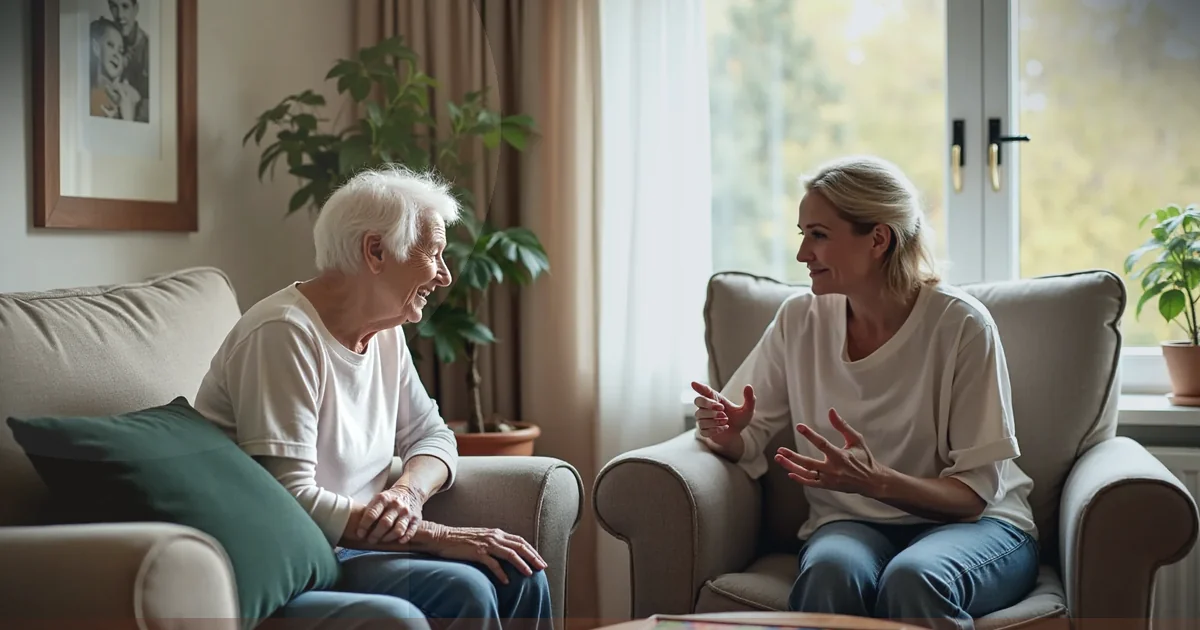
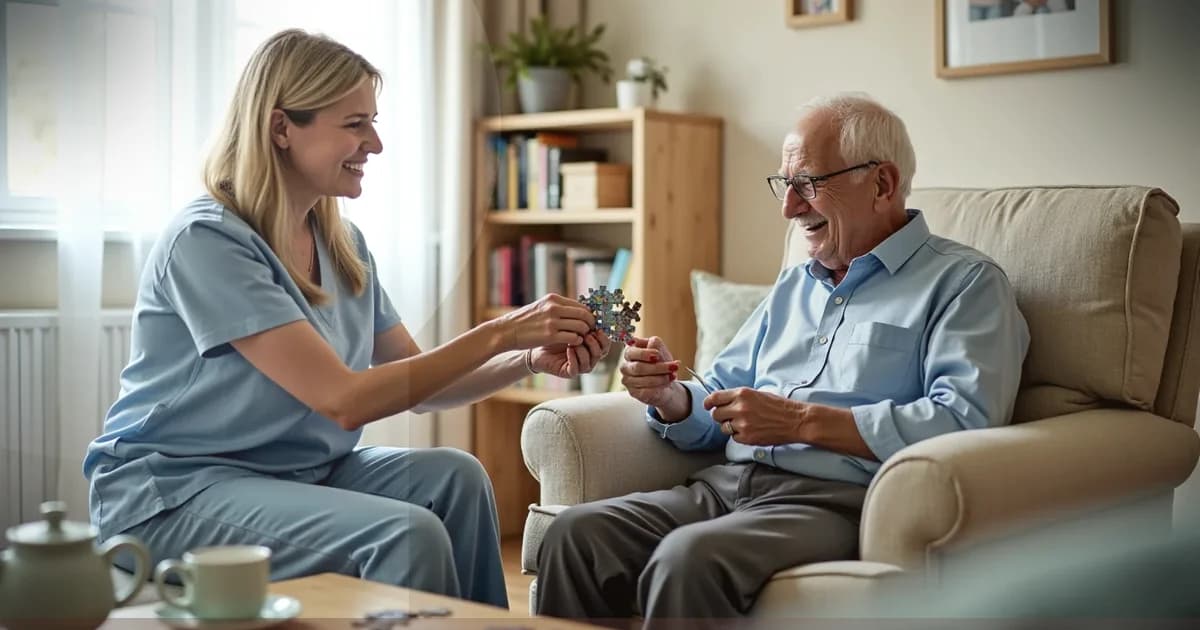
Companionship support from Happy to Help Caregiving addresses a significant problem: loneliness and isolation among older adults. These feelings can severely impact their emotional and physical health. Caregivers play a vital role in this context, actively engaging clients in conversations, activities, and shared interests. This engagement is crucial, as it not only uplifts mood but also leads to improved health outcomes.

Research shows that consistent social engagement is linked to better cognitive function and emotional stability. In fact, companionship can lower the risk of dementia by 50%. Conversely, seniors who experience loneliness face a 40% higher risk of developing dementia. This highlights the necessity of companionship support as a critical service for older adults.

Moreover, assisted home health care effectively fills the gap between independence and the need for constant medical care. For family caregivers, scheduling regular social activities for loved ones can significantly enhance their emotional well-being and overall quality of life. Companionship in old age is not merely a luxury; it is essential preventive healthcare that safeguards both mental and physical well-being.

The central node represents the main topic, while the branches show different aspects of companionship care. Each statistic and role highlights how companionship can improve emotional and physical health.

Post-Hospital Recovery Assistance: Facilitating Independence After Surgery

Problem: Transitioning from hospital to home can be challenging for patients, especially when it comes to adhering to discharge instructions and rehabilitation exercises. Without proper support, patients may struggle to manage their recovery effectively.

Agitate: This lack of assistance can lead to serious consequences. Studies show that patients who do not receive organized help with medication management face a 15% higher readmission rate. Additionally, seniors who lack companionship assistance may find it difficult to stick to their recovery plans, which can hinder their overall progress.

Solution: Happy to Help Caregiving offers specialized assisted home health services for post-hospital recovery, including medication management, mobility aid, and daily activity support. Our expertly trained caregivers ensure clients adhere to their discharge instructions and rehabilitation exercises, facilitating a smoother transition home.

Moreover, effective medication management is crucial. By providing organized help, we empower clients to regain their independence and foster a sense of control over their lives. Statistics reveal that seniors receiving companionship assistance experience a 30% increase in adherence to their recovery plans, highlighting the emotional aspect of caregiving that enhances recovery outcomes.

In addition to improving recovery results, assisted home health services can lead to significant cost reductions, underscoring the value of the support offered by Happy to Help Caregiving. By promoting compliance with treatment plans and applying tailored support strategies, we enable individuals to manage their healing process with assurance and respect.

This flowchart outlines the journey from hospital to home, highlighting the challenges patients face and the supportive solutions available to ensure a smooth recovery.

Respite Care: Supporting Family Caregivers with Temporary Relief

Caregiver burnout is a significant issue that affects many family members providing support to their loved ones. This exhaustion can lead to both physical and emotional strain, making it crucial for caregivers to take breaks. According to the AARP Public Policy Institute's report titled 'Respite Services: A Critical Support for Family Care Providers,' regular breaks are essential for caregivers to maintain their well-being. Susan Reinhard emphasizes that 'every individual providing care deserves a break,' highlighting the importance of self-care in the caregiving journey.

Assisted home health services, such as those offered by Happy to Help Caregiving, provide a vital solution. These services, including assisted home health, allow family members to take necessary breaks while ensuring their loved ones receive quality support. For instance, the Benedictine Living Community in La Crosse offers high-quality respite support services, equipping caregivers with the resources they need. This not only enhances their ability to care for their loved ones but also fosters a healthier caregiving environment.

The benefits of respite support extend beyond individual caregivers; they positively influence family dynamics as well. When caregivers feel supported and less stressed, they can engage more meaningfully with their loved ones, ultimately improving the overall quality of care. Happy to Help Caregiving's commitment to providing compassionate relief services ensures that families can navigate the challenges of caregiving with confidence, knowing their loved ones are in capable hands.

The central node represents respite care, while the branches show important aspects like the need for breaks and available services. Each color-coded branch helps you see how these elements connect and support caregivers.

Palliative Support Care: Enhancing Quality of Life for Seniors

Elderly individuals with serious health conditions often face significant challenges that can diminish their quality of life. Without adequate support, these individuals may experience increased pain, emotional distress, and a lack of dignity in their daily lives. This situation highlights the urgent need for comprehensive assisted home health solutions that address both physical and emotional needs.

Happy to Help Caregiving provides a solution through its assisted home health services, which aim to enhance the quality of life for these individuals. Caregivers not only offer physical assistance but also provide emotional and spiritual guidance, addressing the multifaceted needs of clients. This holistic approach helps manage symptoms, alleviate pain, and improve overall well-being, enabling older adults to live more comfortably and with dignity.

By focusing on the complete spectrum of care, Happy to Help Caregiving ensures that elderly individuals receive the assisted home health support they need to thrive. This method not only enhances their quality of life but also empowers them to maintain their independence and dignity in challenging times.

The central node represents the main theme of palliative support care, while the branches show different types of assistance that contribute to improving the quality of life for elderly individuals. Each color-coded branch highlights a specific area of care, making it easy to see how they all connect.

24/7 Availability: Ensuring Continuous Support for Seniors

Problem: Many elderly individuals face challenges in receiving adequate support, particularly those with chronic conditions. Nearly 44% of recipients of assisted home health require help with daily activities, and 83% specifically need aid with bathing and showering. This lack of ongoing assistance can lead to increased stress for families and deteriorating health outcomes for seniors.

Agitate: The implications of insufficient support are significant. Without proper care, elderly individuals may experience heightened anxiety and health risks. Research shows that around-the-clock care can lead to fewer hospitalizations and better medication adherence, which is crucial for those recovering from surgery or managing chronic illnesses.

Happy to Help Caregiving offers assisted home health services with round-the-clock availability, ensuring that elderly individuals receive ongoing assistance tailored to their needs. Caregivers are always present to help with daily tasks, monitor health conditions, and respond to emergencies, creating a safe and secure environment. As a specialist in assistance notes, 24/7 elderly support provides continuous help and tranquility at home through assisted home health. By fostering a consistent and supportive atmosphere, caregivers help seniors maintain their independence while ensuring their well-being, ultimately promoting a smoother recovery process.

The center represents the main theme of continuous support, with branches showing the problems faced by seniors, the implications of those problems, and the solutions offered by caregiving services.

Flexible Scheduling: Tailoring Care to Fit Individual Needs

Problem: Caregivers often face the challenge of meeting the distinct needs and preferences of each client. This can lead to stress and uncertainty in providing adequate support.

Agitate: Without flexible scheduling, caregivers may struggle to accommodate both brief visits and longer durations, which can disrupt daily routines and diminish the sense of normalcy for clients. This lack of adaptability can hinder a client’s independence and overall well-being.

Solution: Happy to Help Caregiving recognizes these challenges and prioritizes flexible scheduling as a fundamental aspect of their service. Providers collaborate with families to create customized support strategies that blend seamlessly into daily activities. Research from Phoenix Home Care & Hospice shows that personalized support plans significantly enhance client satisfaction, allowing for adjustments based on evolving health needs. A regular caregiver in assisted home health offers the consistency and adaptability essential for managing a loved one’s health journey, ensuring that no need is overlooked. By focusing on personalized care, Happy to Help Caregiving offers assisted home health that empowers older adults to maintain their autonomy while receiving necessary assistance, ultimately leading to improved overall well-being.

The center represents the main topic of flexible scheduling. Each branch shows different aspects: the challenges caregivers face, the impact of those challenges, and the solutions offered by Happy to Help Caregiving.

Emotional Support: Combating Loneliness Through Caregiver Engagement

Loneliness is a significant issue faced by many seniors, impacting their mental well-being and overall health. As caregivers, it’s crucial to recognize the implications of this problem. When seniors feel isolated, their emotional and physical health can decline, leading to serious consequences.

To combat this loneliness, caregivers at Happy to Help Caregiving are trained to provide emotional support through active engagement with clients. This involves participating in conversations, encouraging hobbies, and facilitating social interactions. By fostering these connections, caregivers not only help alleviate feelings of isolation but also promote mental well-being.

Here are some actionable strategies caregivers can implement:

  • Engage in meaningful conversations: Take time to listen and share stories, which can strengthen bonds.
  • Encourage hobbies: Help clients explore interests that bring joy and fulfillment.
  • Facilitate social interactions: Organize group activities or outings to enhance socialization.

By implementing these strategies, caregivers can make a significant difference in the lives of seniors, ensuring they feel valued and connected.

The center represents the main goal of reducing loneliness, while the branches show different strategies caregivers can use. Each strategy has specific actions that can help seniors feel more connected and valued.

Personalized Care Plans: Tailoring Support to Individual Preferences

Problem: Many elderly individuals face challenges in receiving adequate support tailored to their unique needs. This can lead to increased stress and anxiety, not only for seniors but also for their caregivers. Without personalized assistance, the quality of care diminishes, impacting the overall well-being of older adults.

Agitate: When support is generic, it often fails to address the physical, emotional, and social aspects crucial for seniors. This lack of tailored care can result in feelings of isolation and frustration, making it difficult for older adults to thrive in their familiar environments. Moreover, caregivers may feel overwhelmed, leading to burnout and strained relationships with their clients.

Customized support plans developed by Happy to Help Caregiving offer a practical solution for assisted home health. These plans are crafted in partnership with families and clients, ensuring that every aspect of care aligns with individual preferences and values. By focusing on personalized treatment, caregivers in assisted home health can offer more effective and compassionate support, significantly enhancing outcomes for older adults.

  • Benefits of Customized Support Plans:
    • Improved Quality of Service: Personalized plans foster stronger bonds between caregivers and clients, making individuals feel appreciated and understood.
    • Reduced Stress and Anxiety: Tailored assistance allows seniors to thrive in familiar settings, promoting emotional well-being.
    • Cost-Effectiveness: By minimizing unnecessary treatments and hospital visits, these plans can lead to significant savings.
    • Cultural and Spiritual Respect: Support plans can be adapted to accommodate individual beliefs, ensuring care is aligned with personal values.

Overall, customized support plans are essential for promoting the well-being and independence of elderly individuals, ultimately leading to better health outcomes and a higher quality of life.

The center represents the main idea of personalized care plans, while the branches show the problems, agitation, solutions, and specific benefits. Each branch helps you understand how tailored support can improve the lives of elderly individuals.

Technology Integration: Enhancing Communication and Monitoring for Families

Caregiving often presents significant challenges, particularly in communication and monitoring the well-being of loved ones. Families frequently struggle to stay informed about their relatives' health, which can lead to feelings of isolation and anxiety. This is especially true for older adults, who may experience loneliness when separated from their families.

To address these issues, technology offers practical solutions. Digital tools such as online notes, health tracking apps, and video calling platforms enable families to stay updated on their loved ones' conditions. These innovations not only enhance transparency but also foster a collaborative caregiving approach, ensuring that families remain actively involved in their relatives' care.

A study by the National Institutes of Health reveals that video communication tools significantly reduce feelings of loneliness among older adults. Additionally, wearable devices provide real-time health information, allowing caregivers to respond swiftly in emergencies. In fact, studies show that 70 percent of caregivers reported their recipients used wearable devices daily, indicating that families utilizing these technologies experience higher satisfaction levels.

By harnessing these innovative solutions, Happy to Help Caregiving strengthens connections between caregivers and families, ultimately enhancing the overall caregiving experience. Embracing technology not only improves communication but also enriches the quality of care provided.

The central node represents the main theme of technology in caregiving, while the branches show different tools and their benefits. Follow the branches to see how each technology contributes to better communication and care.

Overall Well-Being: Promoting a Better Quality of Life for Seniors

Problem: Many older adults struggle with their overall wellness, facing challenges in physical health, emotional support, and social interactions. This can lead to significant issues, including chronic loneliness, which affects their quality of life.

Agitate: As Dr. Mabel Ho highlights, "Our study of over 8,000 older adults found that many who were not in optimal well-being at the start of the study were able to regain it within just three years." This statistic underscores the potential for recovery but also emphasizes the urgency of addressing these needs. Furthermore, adults aged 50 and older who experience chronic loneliness face a staggering 56% higher risk of stroke, illustrating the critical need for social interaction and emotional stability in caregiving.

Caregivers play a vital role in enhancing the quality of life for seniors through assisted home health by focusing on all facets of their lives. Here are some actionable tips:

  • Encourage social interactions: Facilitate connections with family and friends to combat loneliness.
  • Promote meaningful activities: Engage seniors in hobbies or community events that foster a sense of purpose.
  • Provide emotional support: Be attentive to their feelings and offer reassurance.

By implementing these strategies, caregivers can help older adults thrive in their home environment through assisted home health support. Engaging in meaningful activities and maintaining strong social connections are essential for resilience and overall well-being, as highlighted by experts in geriatric care.

This mindmap shows how different aspects of well-being for seniors are connected. Start at the center with the main topic, then explore the branches to see the problems they face, important statistics, and practical tips for caregivers.

Conclusion

Assisted home health care addresses a significant problem: the unique challenges faced by family caregivers. These individuals often experience stress and burnout while trying to provide the best care for their loved ones. This situation can lead to feelings of isolation and overwhelm, impacting both the caregiver's and the senior's well-being.

To combat these challenges, assisted home health care offers practical solutions. Services such as:

  • Companionship
  • Post-hospital recovery assistance
  • Respite care
  • Personalized care plans

not only alleviate caregiver stress but also enhance the quality of life for seniors. Moreover, the integration of technology strengthens communication and monitoring, keeping families connected and informed about their loved ones' health.

Key insights reveal that:

  • Companionship can significantly reduce the risk of dementia
  • Tailored support plans lead to improved health outcomes and emotional stability
  • Flexible scheduling and 24/7 availability are essential, allowing caregivers to manage their responsibilities effectively while ensuring their loved ones receive consistent care

By embracing assisted home health care services, families can transform their caregiving experience. This support fosters a nurturing environment that promotes independence and dignity for seniors. The journey of caregiving may be overwhelming, but with the right resources, it can also be fulfilling, enriching the lives of both caregivers and seniors alike.

Frequently Asked Questions

What is the purpose of companionship care offered by Happy to Help Caregiving?

Companionship care addresses loneliness and isolation among older adults, which can negatively impact their emotional and physical health. Caregivers engage clients in conversations and activities, improving their mood and health outcomes.

How does companionship support affect cognitive function and emotional health in older adults?

Consistent social engagement is linked to better cognitive function and emotional stability. Companionship can lower the risk of dementia by 50%, while loneliness can increase the risk of developing dementia by 40%.

What services does Happy to Help Caregiving provide for post-hospital recovery?

Happy to Help Caregiving offers specialized services including medication management, mobility aid, and daily activity support to help patients adhere to discharge instructions and rehabilitation exercises.

What are the consequences of not receiving assistance after hospital discharge?

Patients lacking organized help with medication management face a 15% higher readmission rate, and seniors without companionship assistance may struggle to follow their recovery plans, hindering their progress.

How does companionship assistance impact recovery plans for seniors?

Seniors receiving companionship assistance experience a 30% increase in adherence to their recovery plans, highlighting the importance of emotional support in enhancing recovery outcomes.

What is respite care and why is it important for family caregivers?

Respite care provides temporary relief for family caregivers, helping to prevent caregiver burnout. Regular breaks are essential for maintaining caregiver well-being and ensuring quality support for their loved ones.

How do assisted home health services benefit family caregivers?

Assisted home health services allow family caregivers to take necessary breaks while ensuring their loved ones receive quality care, enhancing the caregivers' ability to provide support and fostering a healthier caregiving environment.

What impact does respite support have on family dynamics?

Respite support helps caregivers feel less stressed and more supported, allowing them to engage more meaningfully with their loved ones, ultimately improving the overall quality of care.

List of Sources

  1. Happy to Help Caregiving: Companionship Care for Emotional Support
  1. Post-Hospital Recovery Assistance: Facilitating Independence After Surgery
  1. Respite Care: Supporting Family Caregivers with Temporary Relief
  1. Palliative Support Care: Enhancing Quality of Life for Seniors
  1. 24/7 Availability: Ensuring Continuous Support for Seniors
  1. Flexible Scheduling: Tailoring Care to Fit Individual Needs
  1. Emotional Support: Combating Loneliness Through Caregiver Engagement
  1. Personalized Care Plans: Tailoring Support to Individual Preferences
  1. Technology Integration: Enhancing Communication and Monitoring for Families
  1. Overall Well-Being: Promoting a Better Quality of Life for Seniors

Need help with in-home caregiving?

We serve families across Idaho, West Virginia, Utah, Ohio, Texas, and Nebraska. No minimums, no long-term contracts.

Request a Free Consultation

Related Articles