
The Importance of CNA Help Can Support Family Caregivers
As caregiving challenges continue to grow, family members often find themselves balancing emotional, physical, and logistical demands. They strive to provide the best support for their loved ones, but this can lead to significant stress.
This article delves into ten impactful ways Certified Nursing Assistants (CNAs) can assist family caregivers. By offering practical help and emotional support, CNAs can significantly alleviate stress and enhance overall well-being. However, the pressing question remains: how can families leverage these resources to ensure they meet their loved ones' needs while also caring for themselves?
Understanding the complexities of caregiving is crucial. Family caregivers face a multitude of challenges that can affect their health and well-being. By recognizing these issues, families can better navigate the caregiving landscape and implement effective strategies.
Happy to Help Caregiving: Companionship Care for Emotional Support
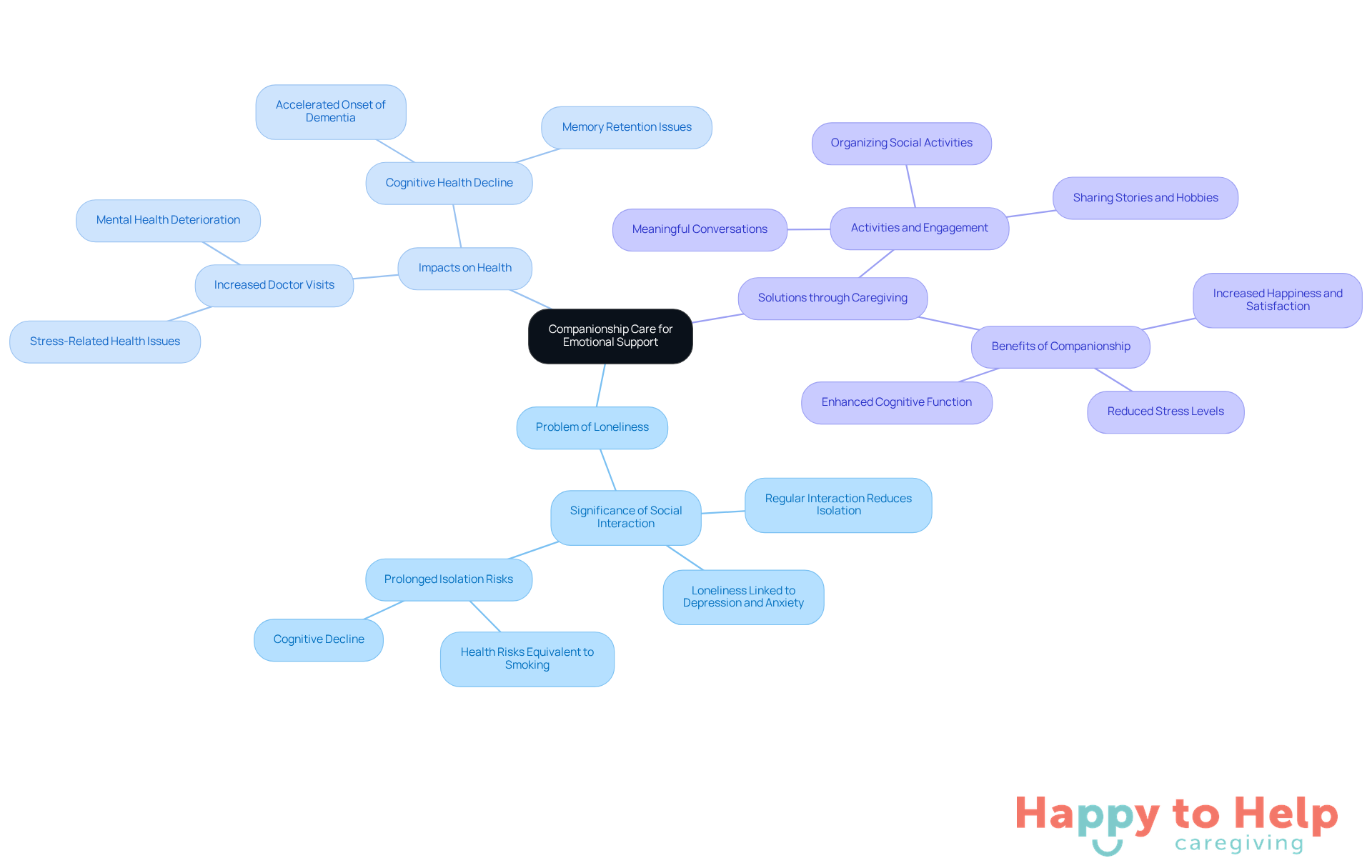
Problem: Loneliness among elderly individuals is a significant issue that can severely impact their mental health. Research shows that regular social interaction can help in combating feelings of isolation, which are linked to serious conditions like depression and anxiety.
Agitate: Without meaningful connections, many seniors experience a decline in their overall well-being. This loneliness can lead to increased doctor visits related to stress and a deterioration in cognitive health, potentially accelerating the onset of dementia.
Solution: Companionship care from Happy to Help Caregiving addresses this challenge by fostering emotional connections. Caregivers engage clients in meaningful conversations, activities, and hobbies, which can help alleviate loneliness and also promote mental health by instilling a sense of belonging and purpose.
For instance, caregivers might organize social activities or share stories from the past, creating fulfilling experiences that benefit both the caregiver and the client. Engaging in these interactions stimulates the brain, helping to maintain cognitive health. Furthermore, studies indicate that companionship can help increase happiness and satisfaction levels among seniors, encouraging participation in physical activities and social events.
Clients who interact with companions report fewer doctor visits related to stress, highlighting the practical advantages of companionship care beyond emotional support. As Anslee Wilson, Owner/President of Happy to Help Caregiving, states, "Through empathy and presence, healing becomes possible-one day, and one connection, at a time.
Happy to Help Caregiving: Post-Hospital Recovery Assistance
After a hospital stay, many seniors face significant challenges in regaining their strength and independence. Without proper support, they may struggle to manage their recovery effectively, but proper support can help avoid potential setbacks in their health and well-being.
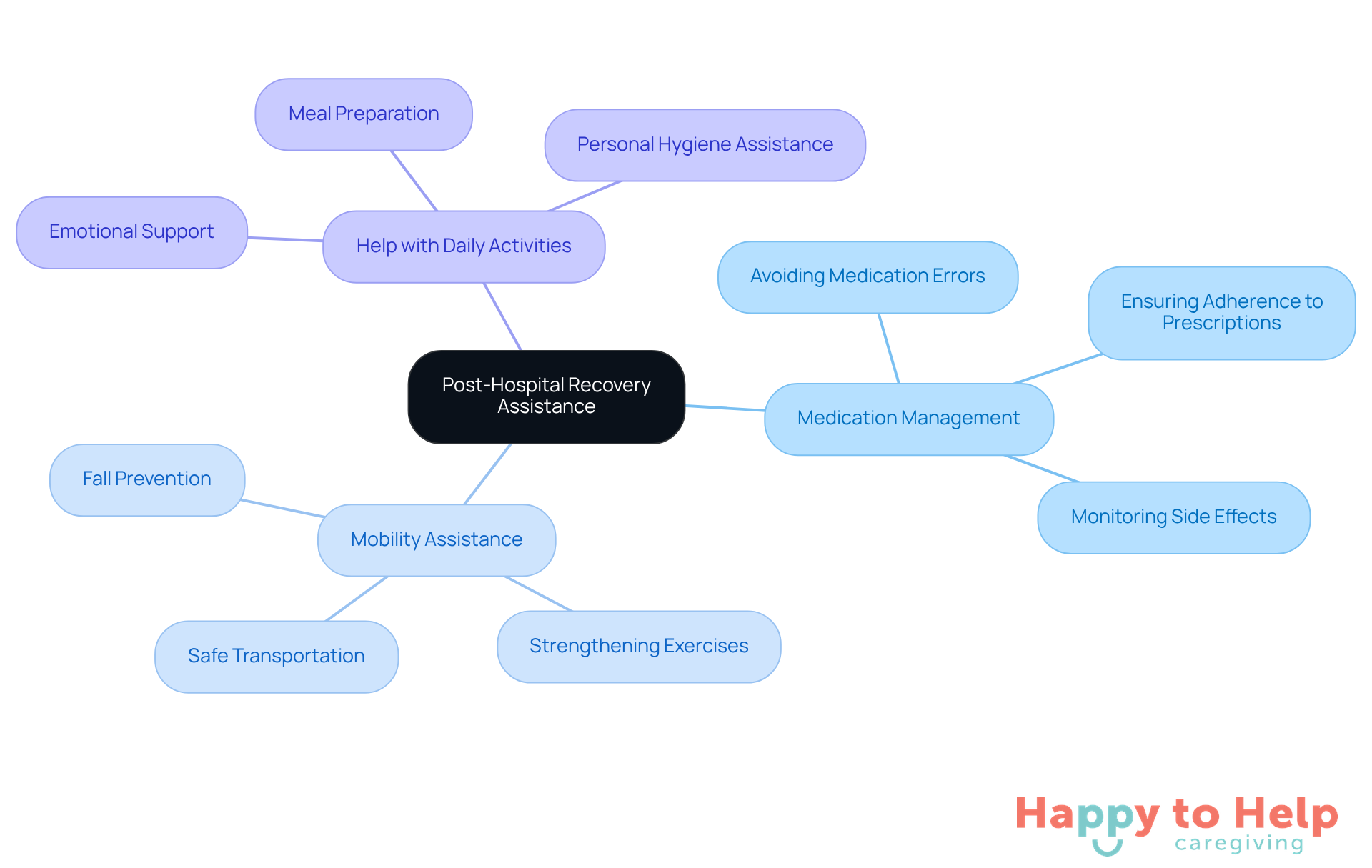
This situation is concerning, as studies show that nearly one in five Medicare patients return to the hospital within 30 days of discharge. Often, these readmissions stem from medication errors or missed follow-up appointments, underscoring the critical need for effective post-hospital recovery assistance.
Happy to Help Caregiving specializes in tailored post-hospital recovery aid, which can help by offering essential services such as:
- Medication management
- Mobility assistance
- Help with daily activities
Caregivers are specifically trained to monitor health conditions and provide emotional reassurance, fostering a safe and supportive environment during the recovery process.
By ensuring adherence to prescribed regimens and offering personalized support, Happy to Help Caregiving can help enhance recovery outcomes. This individualized approach not only facilitates physical healing but also addresses emotional well-being, significantly easing the transition back to home life.
In summary, effective medication management and comprehensive support are vital for seniors recovering at home. By choosing a caregiving service that prioritizes these aspects, families can promote a smoother reintegration into daily routines.
Happy to Help Caregiving: Respite Care for Family Caregivers
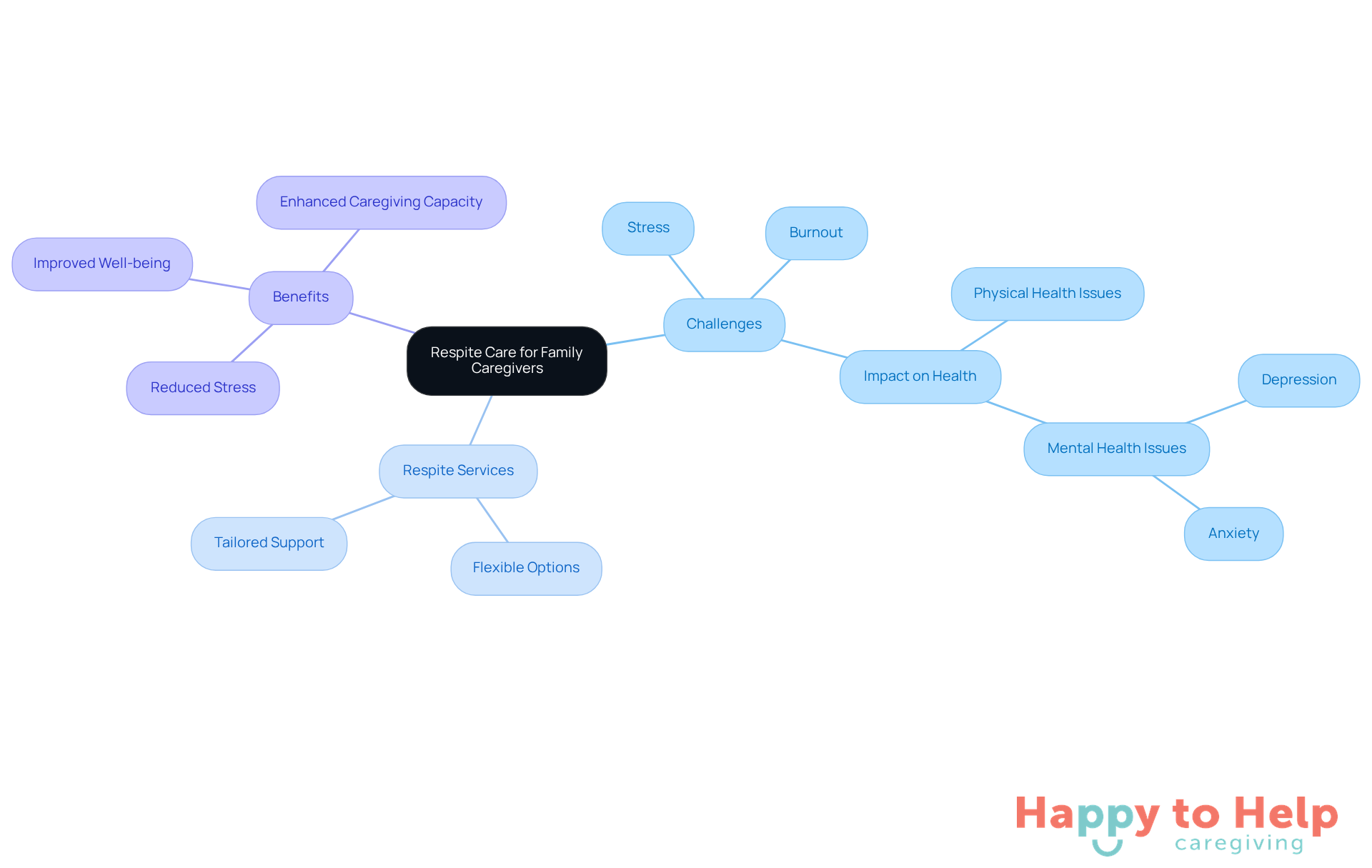
Family caregivers often face overwhelming responsibilities that can lead to significant stress and burnout. This problem affects not only their well-being but also their ability to provide care effectively. Studies indicate that nearly one in four caregivers offers more than 40 hours of assistance each week, which can severely impact their physical and mental health.
To address this issue, respite support services from Happy to Help Caregiving offer a crucial solution. These services allow caregivers to take necessary breaks while ensuring their loved ones receive excellent assistance. Whether for a few hours or extended periods, these services can be tailored to fit various needs, providing the flexibility that caregivers require.
Respite services can help ease the burden of caregiving, which supports the well-being of family caregivers and enhances their capacity to return to their roles refreshed and more efficient. Health experts agree that regular breaks through respite support significantly reduce caregiver stress and exhaustion, promoting a healthier support environment. This approach is vital for maintaining the emotional and physical well-being of caregivers, enabling them to continue offering compassionate assistance to their loved ones.
Palliative Support Care: Enhancing Comfort and Dignity
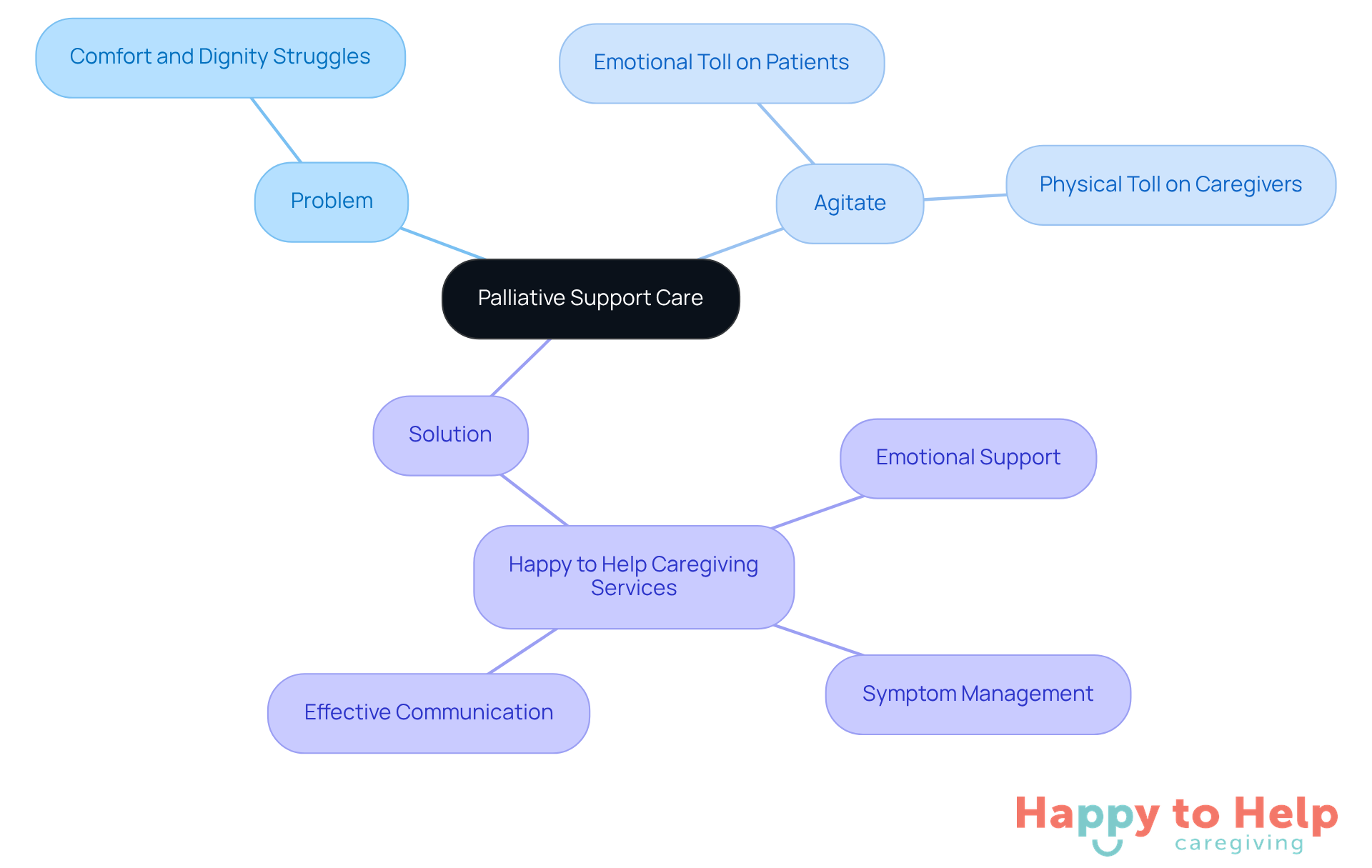
Problem: Individuals facing serious illnesses often struggle with maintaining comfort and dignity during their journey. This can lead to increased anxiety and a diminished quality of life for both patients and their families.
Agitate: The emotional and physical toll of serious illnesses can be overwhelming. Caregivers may feel unprepared to manage complex symptoms and provide the necessary emotional support, which can create a sense of helplessness and frustration.
Happy to Help Caregiving offers palliative assistance that can help to enhance comfort and dignity. This specialized service prioritizes symptom management and emotional support, ensuring that individuals' preferences and wishes are respected. Caregivers are trained to communicate effectively with individuals and their families, fostering an atmosphere of trust and understanding. By concentrating on comfort and dignity, palliative care can help individuals maintain a sense of control over their lives during difficult times, significantly enhancing their overall quality of life.
24/7 Availability: Ensuring Continuous Support
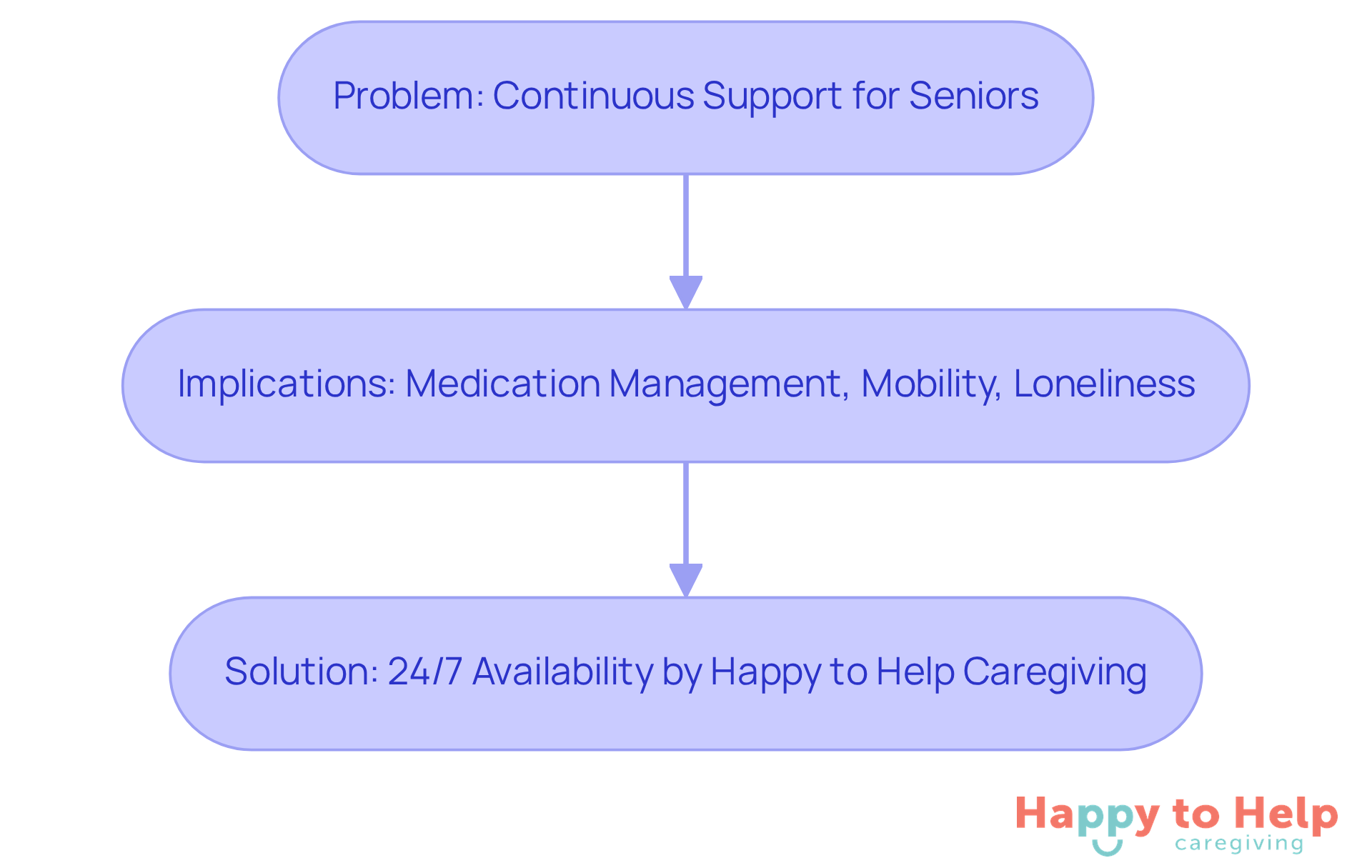
Problem: Caregivers often face the challenge of providing continuous support for seniors with complex health needs. This can lead to anxiety for families, who worry about their loved ones receiving the care they need, especially during sudden health changes.
Agitate: The implications of inadequate support can be significant. Seniors may struggle with medication management, mobility, or even loneliness, which can exacerbate their health conditions. Families may feel overwhelmed, unsure of how to ensure their loved ones are safe and well-cared for.
Happy to Help Caregiving offers a solution that can help with its round-the-clock availability. This service guarantees that individuals receive ongoing assistance whenever they require it. Trained caregivers are always on hand to provide support, whether it's for medication reminders, mobility assistance, or simply companionship. This level of availability can help promote a sense of security for both clients and their relatives, allowing families to rest assured that their loved ones are in good hands.
Flexible Scheduling: Tailoring Care to Family Needs
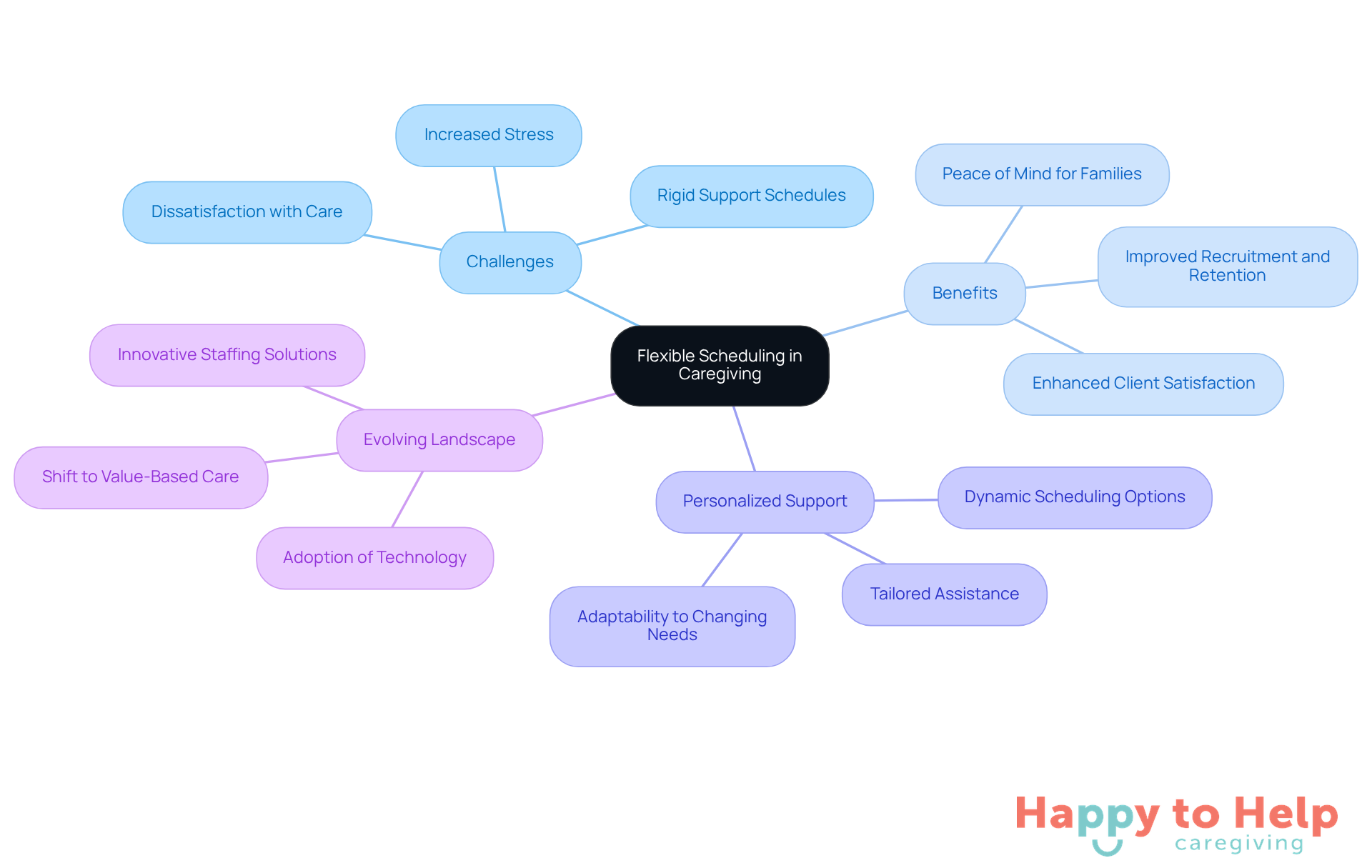
Every household faces unique challenges when it comes to caregiving. Many families struggle with rigid support schedules that don’t align with their daily routines, leading to increased stress and dissatisfaction. This inflexibility can help make it difficult for families to receive the help they truly need when they need it most.
Recognizing this issue, Happy to Help Caregiving offers adaptable scheduling options that can help families select support times that fit their specific needs. This flexibility enables tailored assistance, whether families require help during specific hours or prefer a more dynamic timetable. Such personalized support can help enhance client satisfaction and can help ensure that assistance is available precisely when it’s needed.
Research indicates that families can help experience greater peace of mind when they can customize their support schedules, resulting in improved overall satisfaction. Misty Delegato emphasizes this point, stating, "Flexible home support scheduling isn’t merely a convenience - it’s a lifeline for households managing assistance with daily life."
By accommodating varying preferences and adapting to changing circumstances, caregivers foster a sense of reliability and trust, which is essential for families navigating the complexities of caregiving. Moreover, the trend of home-based support providers adopting alternative models that eliminate traditional minimum service hours reflects the evolving landscape of assistance, underscoring the necessity for flexibility in caregiving.
Trained Caregivers: Providing Emotional Support and Engagement
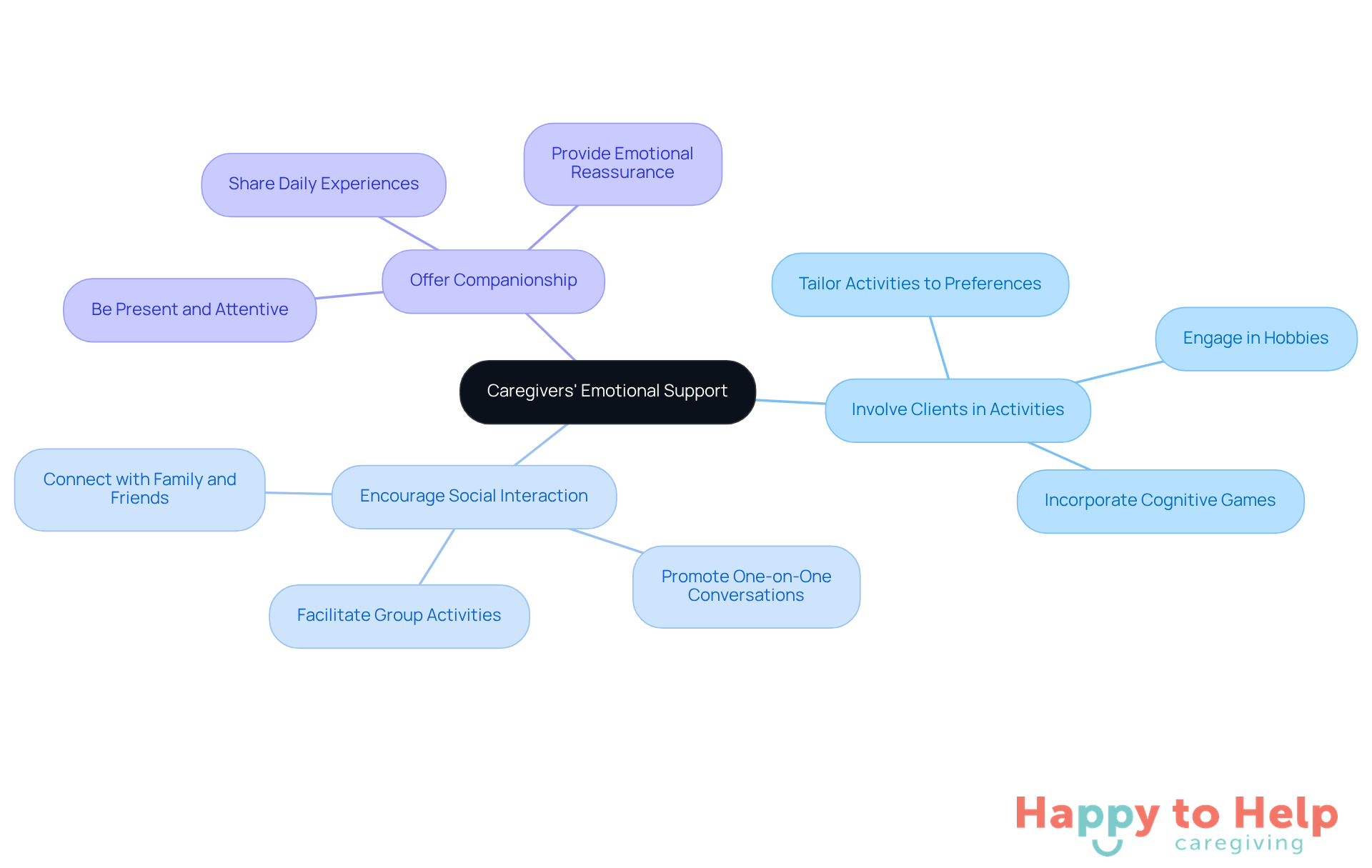
Caregivers at Happy to Help Caregiving face a significant challenge: providing not just physical care but also emotional support. This dual responsibility can be overwhelming, yet it is crucial for enhancing clients' mental well-being and overall quality of life, which can help them cope better.
Establishing connections with clients is essential. When caregivers engage individuals in activities they enjoy and promote social interaction, they help foster a sense of companionship. This not only enriches the daily experience for clients but also ensures they feel valued and understood.
To address these challenges, caregivers can implement several practical strategies:
- Involve clients in enjoyable activities: Tailor activities to individual preferences to boost engagement.
- Encourage social interaction: Facilitate opportunities for clients to connect with others, whether through group activities or one-on-one conversations.
- Offer companionship: Simply being present and attentive can make a significant difference in a client's day.
By adopting this holistic approach to caregiving, caregivers can help significantly improve the quality of life for their clients, ensuring they receive the emotional support they need.
Technology Integration: Enhancing Communication and Convenience
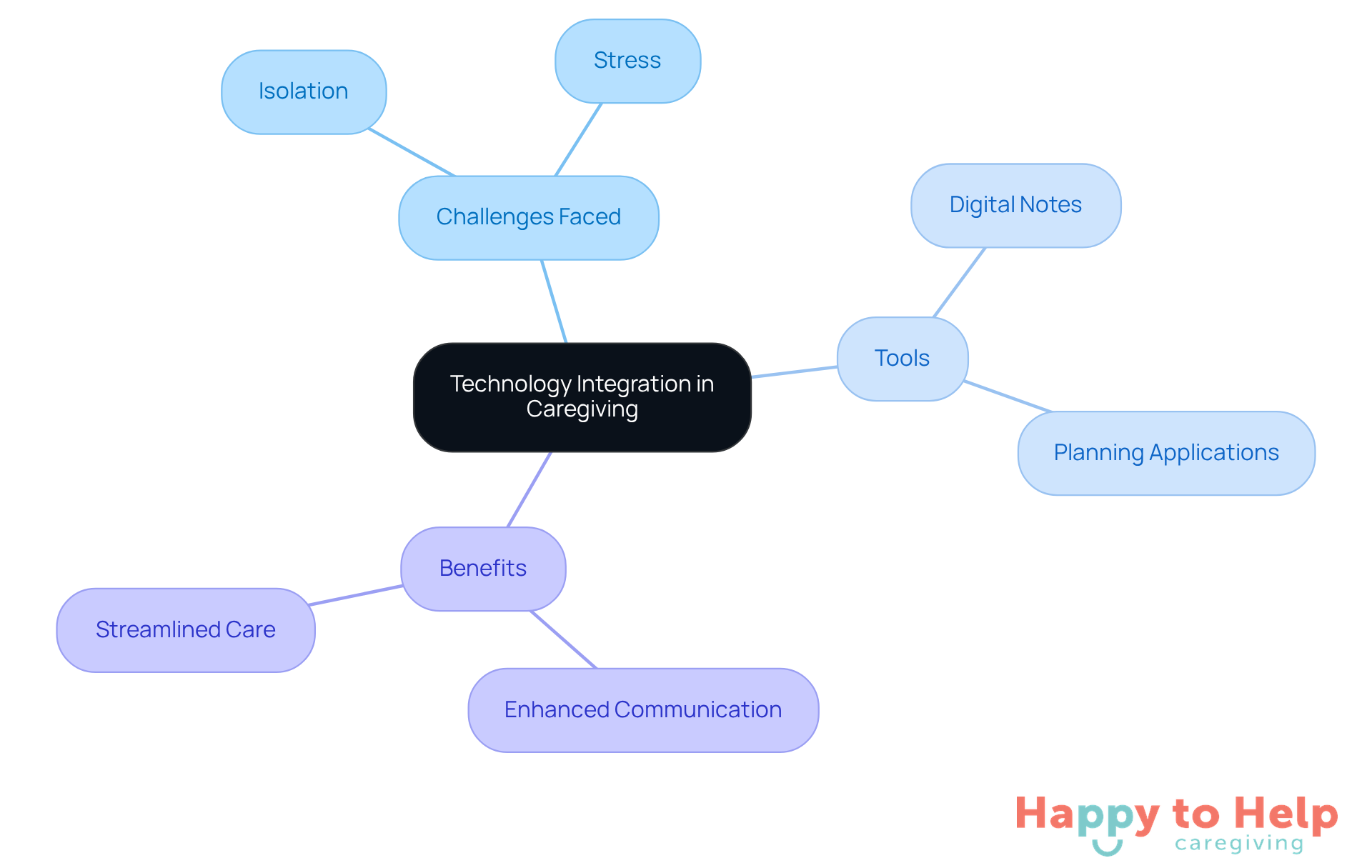
Caregivers often face significant challenges in communication and coordination, which can lead to feelings of isolation for both them and their loved ones. When relatives are not kept in the loop, it can create stress and hinder effective support. This is where technology can help in bridging the gap.
By incorporating tools like digital notes and planning applications, Happy to Help Caregiving can help enhance communication and convenience for households. These instruments allow for smooth updates and coordination of support, ensuring that relatives are informed and engaged in their loved one's care.
Utilizing technology can help keep families connected and enables caregivers to focus on delivering quality support. With these tools, caregivers can streamline their efforts, making it easier to provide the best possible care while keeping relatives actively involved.
Personalized Care Plans: Tailoring Support to Unique Needs
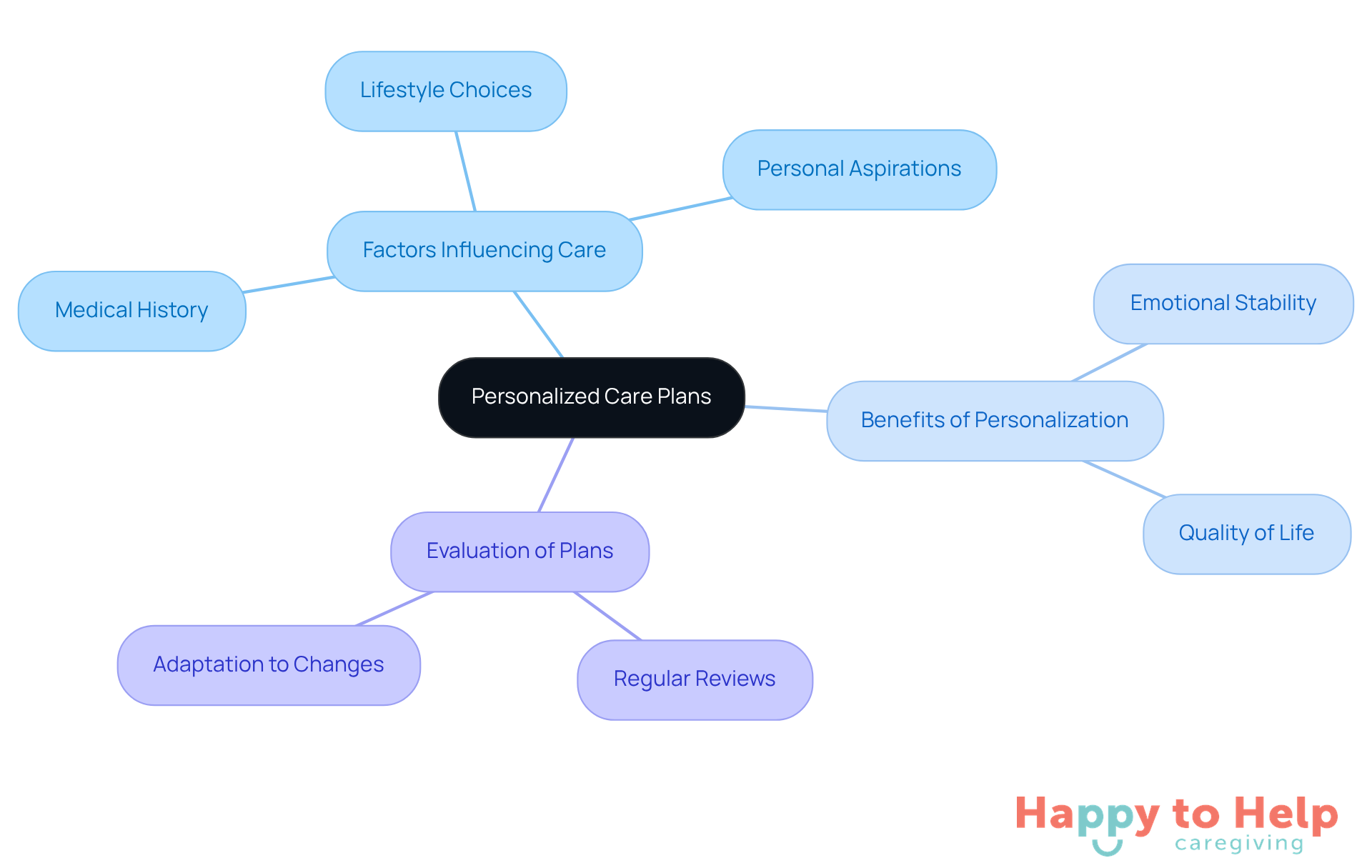
At Happy to Help Caregiving, the challenge of providing personalized care plans for seniors is addressed head-on. Many caregivers struggle to meet the unique needs of each individual, which can lead to feelings of loneliness and emotional instability among seniors. This issue is significant, as it affects not only the health outcomes of the elderly but also their overall quality of life.
To tackle this problem, Happy to Help Caregiving meticulously crafts personalized care plans that prioritize the unique needs and preferences of each individual. These plans are developed through collaborative discussions with seniors and their families, taking into account factors such as:
- Medical history
- Lifestyle choices
- Personal aspirations
By customizing support to align with individual requirements, caregivers can help provide more effective and meaningful assistance.
Research shows that individualized support plans can lead to enhanced emotional stability and diminished feelings of loneliness among seniors, fostering a sense of belonging and security. For instance, a case study on Sue, an 82-year-old with arthritis, illustrates how her treatment plan, which includes therapeutic gardening, not only meets her medical needs but also enriches her daily life.
Moreover, Wisdom Senior Support emphasizes the importance of regularly evaluating assistance plans-every few months or whenever there are changes in a senior's health or daily requirements. This ensures that care remains relevant and responsive to the evolving needs of seniors.
The dedication to personalized support not only empowers seniors but also alleviates the emotional burden on relatives. This allows families to focus on quality moments together rather than logistical concerns.
Compassionate Care: Transforming Lives Through Testimonials
The challenges faced by caregivers often stem from the lack of compassionate support, which can significantly affect both the physical and emotional well-being of their loved ones. Many families express concerns about their loved ones' health and the emotional strain that comes with caregiving responsibilities.
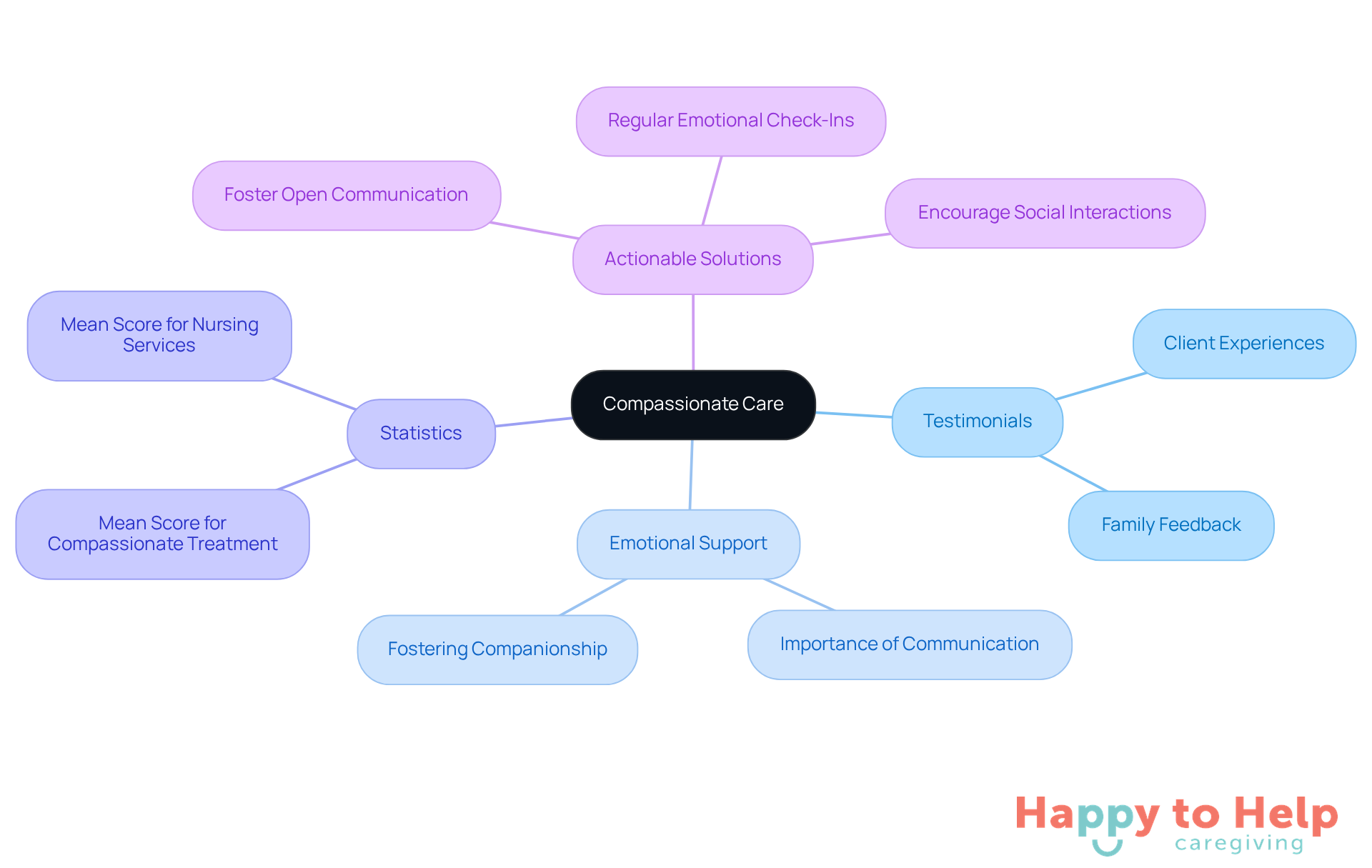
As Bryan Skilled Home Assistance emphasizes, "Compassionate support is essential for enhancing the quality of life for seniors, offering them the emotional and physical assistance they require to thrive." This highlights the critical need for emotional support in caregiving, as it not only improves health outcomes but also fosters companionship and trust.
Testimonials from clients and their families illustrate how Happy to Help Caregiving has made a difference. Families report relief and peace of mind, knowing their loved ones receive attentive and compassionate care. This support enriches lives and strengthens familial bonds.
Research supports this, indicating that compassionate treatment correlates with high patient satisfaction ratings, with mean scores of 3.54 for compassionate treatment and 3.46 for quality of nursing services. These statistics reinforce the effectiveness of personalized care approaches, addressing feelings of loneliness and isolation.
To enhance caregiving practices, consider implementing the following actionable solutions:
- Foster open communication with clients and families.
- Provide regular emotional check-ins to assess well-being.
- Encourage social interactions to combat loneliness.
By prioritizing compassionate support, caregivers can help to significantly improve the quality of life for those they serve.
Key Takeaways for Caregivers
The support provided by Certified Nursing Assistants (CNAs) addresses a significant problem faced by family caregivers: the overwhelming burden of care. Caregivers often struggle with balancing their responsibilities, which can lead to stress and burnout. This situation not only affects their well-being but also impacts the quality of care they can provide to their loved ones.
By offering services such as companionship, emotional support, and post-hospital recovery assistance, CNAs alleviate these burdens. This multifaceted approach allows families to focus on what truly matters - spending quality time with their elderly relatives. It fosters a sense of security and well-being among seniors, addressing both immediate care needs and emotional health.
Key points throughout this discussion highlight:
- The importance of companionship care in combating loneliness
- The necessity of tailored post-hospital recovery plans
- The vital role of respite care in preventing caregiver burnout
- The emphasis on palliative support underscores the significance of maintaining dignity and comfort for those facing serious illnesses
To enhance the caregiving experience, families should recognize the value of professional caregiving services. Embracing the support offered by CNAs can create a nurturing environment that prioritizes emotional connection and personalized care. Taking proactive steps to engage with these services not only enriches the lives of seniors but also empowers family caregivers, promoting a healthier and more balanced caregiving experience.
https://iframe.tely.ai/cta/eyJhcnRpY2xlX2lkIjogIjY5MjY0MzVjYmE1MjYxOTlhNjlhODMwNSIsICJjb21wYW55X2lkIjogIjY4ZWU1ZGNhNzMxNzYyNTU3ZjNjOTVjMSIsICJpbmRleCI6IG51bGwsICJ0eXBlIjogImFydGljbGUifQ==Frequently Asked Questions
What is the main issue addressed by Happy to Help Caregiving regarding elderly individuals?
The main issue is loneliness among elderly individuals, which can severely impact their mental health and is linked to conditions like depression and anxiety.
How does loneliness affect the health of seniors?
Loneliness can lead to a decline in overall well-being, increased doctor visits related to stress, and deterioration in cognitive health, potentially accelerating the onset of dementia.
What solution does Happy to Help Caregiving offer to combat loneliness?
Happy to Help Caregiving offers companionship care that fosters emotional connections through meaningful conversations, activities, and hobbies to alleviate loneliness and promote mental health.
What activities do caregivers engage in with clients to improve emotional support?
Caregivers may organize social activities, share stories, and create fulfilling experiences that stimulate the brain and maintain cognitive health.
What are the benefits of companionship care for seniors?
Companionship care can increase happiness and satisfaction levels, encourage participation in physical activities and social events, and lead to fewer doctor visits related to stress.
What challenges do seniors face after a hospital stay?
Seniors often struggle to regain strength and independence, and without proper support, they may face potential setbacks in their recovery.
What is the readmission rate for Medicare patients after hospital discharge?
Nearly one in five Medicare patients return to the hospital within 30 days of discharge, often due to medication errors or missed follow-up appointments.
What services does Happy to Help Caregiving provide for post-hospital recovery?
They offer medication management, mobility assistance, and help with daily activities, ensuring adherence to prescribed regimens and providing emotional reassurance.
How does respite care benefit family caregivers?
Respite care allows family caregivers to take necessary breaks, reducing stress and burnout while ensuring their loved ones receive quality assistance.
Why is respite support important for caregivers?
Regular breaks through respite support significantly reduce caregiver stress and exhaustion, promoting a healthier environment for both caregivers and those they care for.
List of Sources
- Happy to Help Caregiving: Companionship Care for Emotional Support
- How Companionship in Home Care Boosts Seniors' Mental Health - Care With Love (https://carewithlove.com/how-companionship-in-home-care-boosts-seniors-mental-health)
- Companion Care at Home Reduces Loneliness for Seniors During the Holidays (https://lifesathomecare.com/companion-care-at-home-reduces-loneliness-for-seniors-during-the-holidays)
- The Emotional Benefits of Companion Care for Seniors (https://comfortkeepers.com/offices/texas/round-rock/resources/news/the-emotional-benefits-of-companion-care-for-seniors)
- Navigating Loss: How Companion Care at Home Supports Seniors During Grief Awareness Month (https://ahelpinghandga.com/navigating-loss-how-companion-care-at-home-supports-seniors-during-grief-awareness-month)
- Happy to Help Caregiving: Post-Hospital Recovery Assistance
- Smart Homes and Post-Hospital Care: Supporting Seniors Aging in Place (https://hcprosonline.com/smart-homes-and-post-hospital-care-supporting-seniors-aging-in-place)
- What is Post Hospital Care for Seniors? (https://marquiscompanies.com/blog/what-is-post-hospital-care-for-seniors)
- Home Care and the New Healthcare Ecosystem: Reducing Readmissions and Supporting Aging in Place - Family & Nursing Care (https://familynursingcare.com/home-care-and-the-new-healthcare-ecosystem-reducing-readmissions-and-supporting-aging-in-place)
- Post-Hospital Care for Seniors Supports Healing (https://picseniorcare.com/how-post-hospital-care-for-seniors-makes-recovery-easier)
- Happy to Help Caregiving: Respite Care for Family Caregivers
- Improving Support for Family Caregivers (https://nationalacademies.org/news/2025/07/improving-support-for-family-caregivers)
- As Family Caregiving Grows, So Does the Need for Reform - Medicare Rights Center (https://medicarerights.org/medicare-watch/2025/08/14/as-family-caregiving-grows-so-does-the-need-for-reform)
- News & Success Stories | Live Well San Diego (https://livewellsd.org/Home/Components/News/News/513/153)
- Palliative Support Care: Enhancing Comfort and Dignity
- ‘A good death’: How compassionate care helps people navigate the end of life (https://news.yale.edu/2025/10/13/good-death-how-compassionate-care-helps-people-navigate-end-life)
- Palliative Care Nursing: Providing Comfort and Dignity in End-of-Life Care (https://indwes.edu/articles/2025/05/palliative-care-nursing)
- Support for Serious Illness (https://newsinhealth.nih.gov/2025/07/support-serious-illness)
- Palliative Care News | Living with Serious Illness | Get Palliative Care (https://getpalliativecare.org/news)
- Palliative care and hospice poll reveals major gaps (https://ihpi.umich.edu/news-events/news/palliative-care-and-hospice-poll-reveals-major-gaps)
- Flexible Scheduling: Tailoring Care to Family Needs
- Flexible Care Models Give Home Care Clients ‘What They Want When They Want It’ (https://homehealthcarenews.com/2025/10/flexible-care-models-give-home-care-clients-what-they-want-when-they-want-it)
- Senior Living Operators Embrace More Flexible Scheduling Practices to Improve Staffing (https://seniorhousingnews.com/2024/08/06/senior-living-operators-embrace-more-flexible-scheduling-practices-to-improve-staffing)
- Embracing Flexible Scheduling Models in Aging Services: A Path Toward Workforce Stability (https://leadingage.org/embracing-flexible-scheduling-models-in-aging-services-a-path-toward-workforce-stability)
- The Critical Role of Flexibility in Home Care Scheduling for Family Peace of Mind (https://relevar.com/the-critical-role-of-flexibility-in-home-care-scheduling-for-family-peace-of-mind)
- Return-to-Office Trends are Reshaping Caregiving at Home - Family & Nursing Care (https://familynursingcare.com/return-to-office-trends-are-reshaping-caregiving-at-home)
- Trained Caregivers: Providing Emotional Support and Engagement
- Positive Aspects of Caregiving: How It Benefits Your Mind and Body (https://superiorseniorhomecare.com/positive-aspects-of-caregiving-you-may-not-know)
- Redefining Caregiving Through Lifestyle, Safety, and Engagement - WorldHealth.net (https://worldhealth.net/news/caregiving-lifestyle-safety-and-engagement)
- The Caregiving Landscape: Data & Insights on the Caregiver Experience in the U.S. (https://caregiveraction.org/caregiver-statistics)
- WHO launches new online course to support informal caregivers across Europe (https://who.int/europe/news/item/27-10-2025-who-launches-new-online-course-to-support-informal-caregivers-across-europe)
- Caregiver Statistics: Demographics (https://caregiver.org/resource/caregiver-statistics-demographics)
- Technology Integration: Enhancing Communication and Convenience
- How enabling technology is transforming home-based care | UnitedHealthcare Community & State (https://uhccommunityandstate.com/content/blog-post/blogs/how-enabling-technology-is-transforming-home-based-care)
- The Role of Technology in Modern In-Home Senior Care | Home Instead South Bend, IN (https://homeinstead.com/home-care/usa/in/south-bend/343/news-and-media/role-of-technology-in-modern-in-home-senior-care)
- The role of technology in enhancing in-home care services (https://humancareny.com/blog/the-role-of-technology-in-enhancing-in-home-care-services)
- Technology Use Among Older Adults and Their Caregivers: Cross-Sectional Survey Study - PMC (https://pmc.ncbi.nlm.nih.gov/articles/PMC11084119)
- How Technology Improves Communication Between Families And Care Staff (https://thehighpointresidence.com/blog/how-technology-improves-communication-between-families-and-care-staff)
- Personalized Care Plans: Tailoring Support to Unique Needs
- Importance of Personalized Senior Home Care in Burlington NC (https://wisdomseniorcare.com/the-importance-of-personalized-care-plans-for-seniors)
- How Personalized Health Care Is Changing The Role Of Home Care Providers (https://homehealthcarenews.com/2024/03/how-personalized-health-care-is-changing-the-role-of-home-care-providers)
- The Importance of Personalized Care Plans in Home Care (https://anodyne-services.com/2025/01/14/the-importance-of-personalized-care-plans-in-home-care)
- The Importance of Personalized Care Plans (https://homecareadvisory.org/importance-personalized-care-plans)
- How Personalized Support Plans Improve Quality of Life (https://heartwisesupport.org/post/how-personalized-support-plans-improve-quality-of-life)
- Compassionate Care: Transforming Lives Through Testimonials
- Fostering a Culture of Compassion: The Heartbeat of Older Adult Care - Engage With® (https://engagewith.org/blog/news-article/fostering-a-culture-of-compassion-the-heartbeat-of-older-adult-care)
- The Importance of Compassionate Care: Enhancing Quality of Life for Seniors (https://bryanskilledhomecare.com/2024/07/31/the-importance-of-compassionate-care-for-seniors-i-bryan-skilled-home-care)
- THE IMPACT OF COMPASSIONATE CARE ON PATIENT SATISFACTION WITH THE CARE PROVIDED | Request PDF (https://researchgate.net/publication/386268432\_THE\_IMPACT\_OF\_COMPASSIONATE\_CARE\_ON\_PATIENT\_SATISFACTION\_WITH\_THE\_CARE\_PROVIDED)
- The Transformative Power of Compassion in Senior Living (https://presbyterianseniorliving.org/blog/compassion-in-senior-living)
- When Care Becomes Comfort: Real Stories. Real Impact. - Cornerstone Caregiving (https://cornerstonecaregiving.com/blog/when-care-becomes-comfort-real-stories-real-impact)