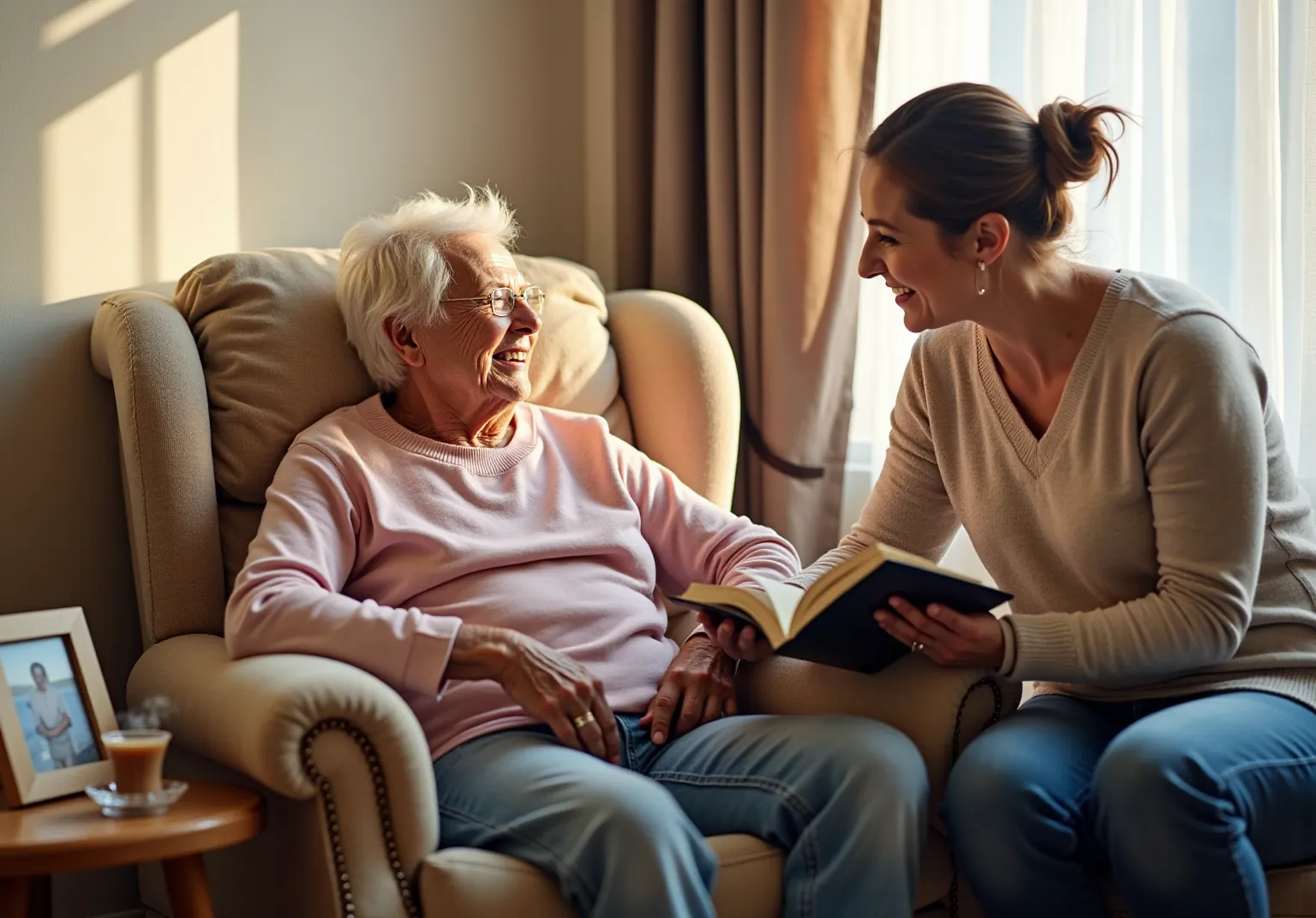
What You Need to Know About Compassionate Caring Enhances Home
Compassionate care is more than just a buzzword in home healthcare; it represents a crucial lifeline that can significantly impact the lives of both caregivers and their clients. As the demand for personalized support continues to rise, it becomes essential to understand how compassionate interactions can enhance emotional well-being and improve health outcomes.
However, many caregivers face challenges in establishing these meaningful connections. This struggle can lead to feelings of isolation for clients and burnout for caregivers, ultimately affecting the quality of care provided.
This article explores ten powerful strategies that compassionate caring can elevate home healthcare. These actionable solutions not only foster independence but also enrich the lives of those receiving care.
Happy to Help Caregiving: Personalized Compassionate Care for Home Healthcare
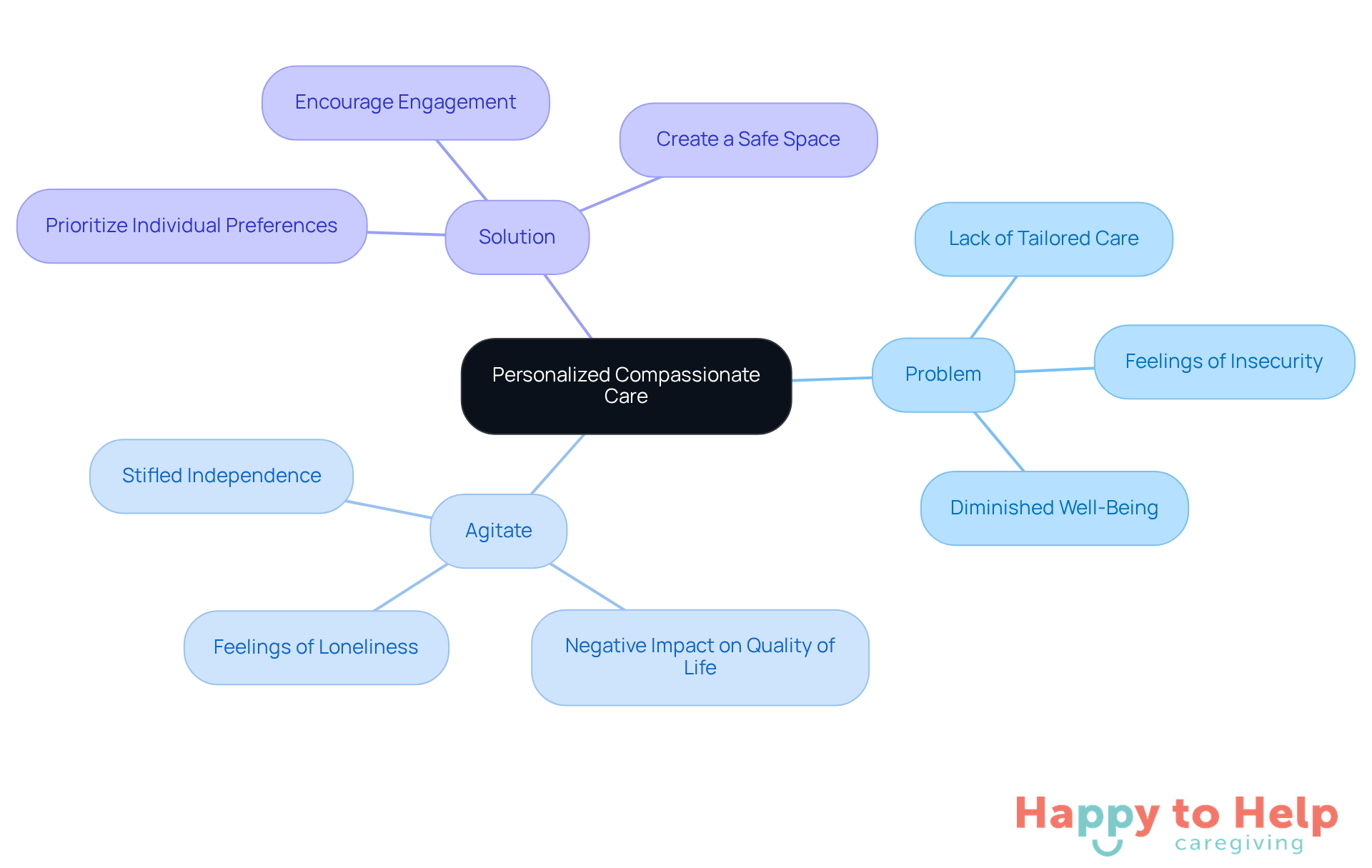
Problem: Many caregivers struggle to provide personalized support that meets the unique needs of each individual. This lack of tailored care can lead to feelings of insecurity and diminished well-being for those receiving care.
Agitate: When caregivers fail to prioritize the specific preferences and lifestyles of their clients, it can create an environment that stifles independence and negatively impacts quality of life. Seniors and individuals with special requirements often feel lonely and disengaged, which can lead to poorer health outcomes and reduced satisfaction in life.
Solution: Happy to Help Caregiving excels in addressing these challenges by offering personalized, compassionate caring support that is meticulously tailored to each individual's needs. By fostering a nurturing environment, caregivers can promote independence and enhance the overall quality of life for their clients. Here are some actionable tips for caregivers:
- Prioritize Individual Preferences: Take the time to understand the likes, dislikes, and routines of those you care for.
- Encourage Engagement: Facilitate activities that promote social interaction and physical activity, helping to alleviate feelings of loneliness.
- Create a Safe Space: Ensure that the home environment is comfortable and secure, allowing individuals to thrive in their own surroundings.
By implementing these strategies, caregivers can significantly improve the well-being of seniors and individuals with special needs, leading to better health outcomes and greater life satisfaction.
Emotional Support: Enhancing Patient Well-Being Through Compassionate Care
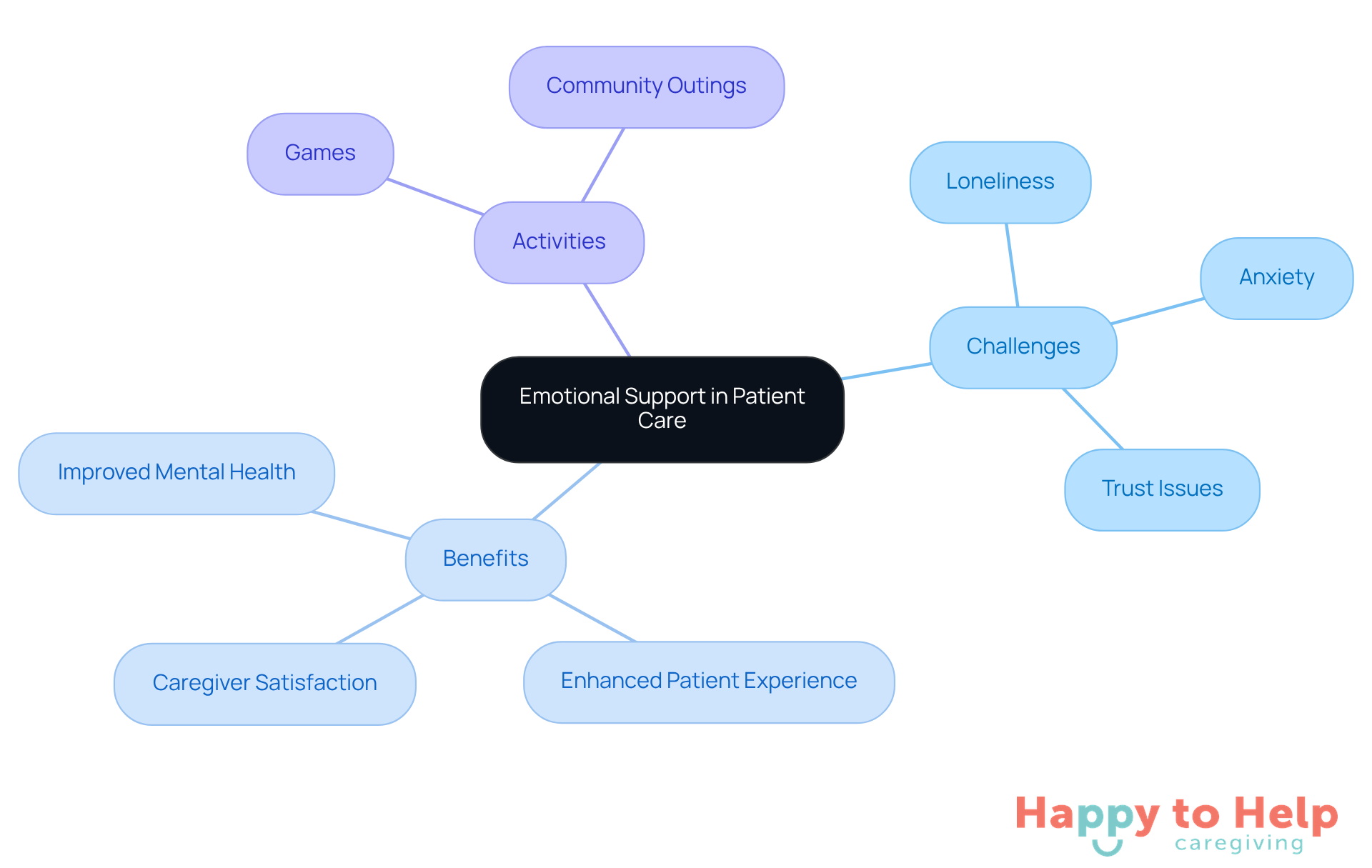
Compassionate caring is essential for addressing the emotional challenges faced by patients, particularly seniors and those with chronic conditions. Many caregivers struggle to provide the emotional support that significantly enhances patient well-being, leading to feelings of loneliness and anxiety among those they assist.
This lack of emotional connection can hinder trust, making it difficult for patients to express their needs and concerns. Research indicates that emotional support is crucial for improving mental health outcomes, with caregivers often serving as a vital source of comfort and stability. By prioritizing emotional well-being, caregivers can create a more positive healthcare experience, benefiting both patients and themselves.
To combat these challenges, caregivers can engage clients in meaningful activities, such as:
- Games
- Community outings
These interactions not only uplift spirits but also enhance overall quality of life. Additionally, actively listening and interacting with patients fosters a sense of appreciation and understanding, which is vital for their mental well-being.
Incorporating compassionate caring into home services is not just beneficial; it is essential for ensuring that patients feel valued and comprehended. By focusing on emotional support, caregivers can significantly improve the lives of those they assist.
Improved Health Outcomes: The Impact of Compassionate Care on Recovery
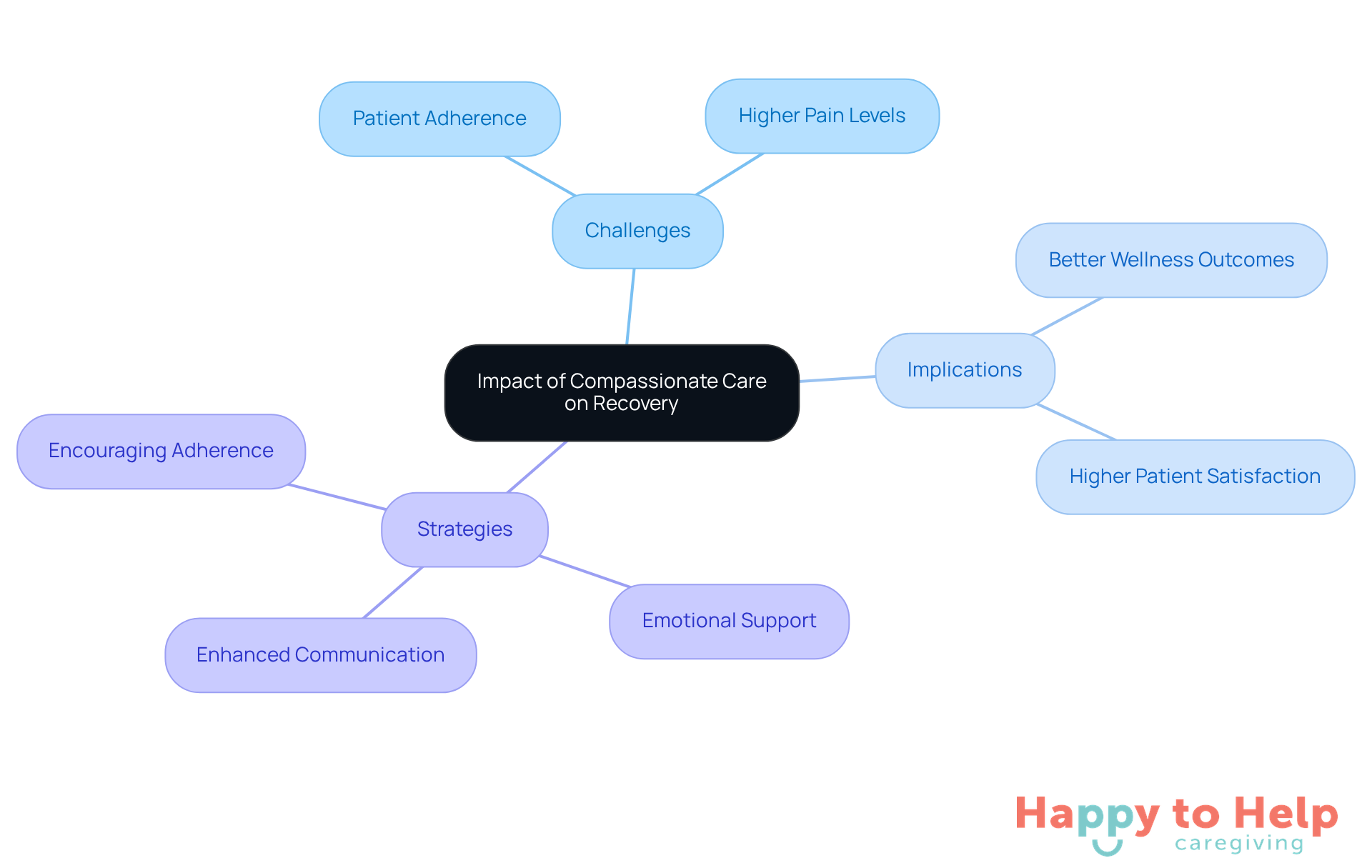
Compassionate caring is crucial in healthcare, yet many caregivers face challenges in providing it effectively. When patients do not feel cared for, they may struggle to adhere to treatment plans, experience higher pain levels, and take longer to recover from illnesses or surgeries.
The implications of this lack of compassion can be significant. Studies consistently show that patients who feel supported are more likely to achieve better wellness outcomes. They recover more quickly and report higher satisfaction with their care. This highlights the need for caregivers to focus on both physical assistance and emotional reassurance.
To address this issue, caregivers can implement several practical strategies:
- Offer emotional support: Engage with patients on a personal level, listening to their concerns and providing reassurance.
- Enhance communication: Use clear, compassionate language to explain treatment plans and procedures.
- Encourage adherence: Remind patients of the importance of following their treatment plans and celebrate their progress.
By adopting these approaches, caregivers can significantly influence patient outcomes, leading to improved recovery rates and overall healthcare efficiency. Compassionate caring not only enhances patient satisfaction but also fosters a more effective healthcare environment.
Reduced Loneliness: Fostering Connection Through Compassionate Care
Loneliness poses a significant health risk for seniors, leading to serious implications for their emotional and mental well-being. Studies show that lonely seniors are twice as likely to experience depression, highlighting the urgent need for effective interventions. This is where compassionate caring caregivers play a crucial role.
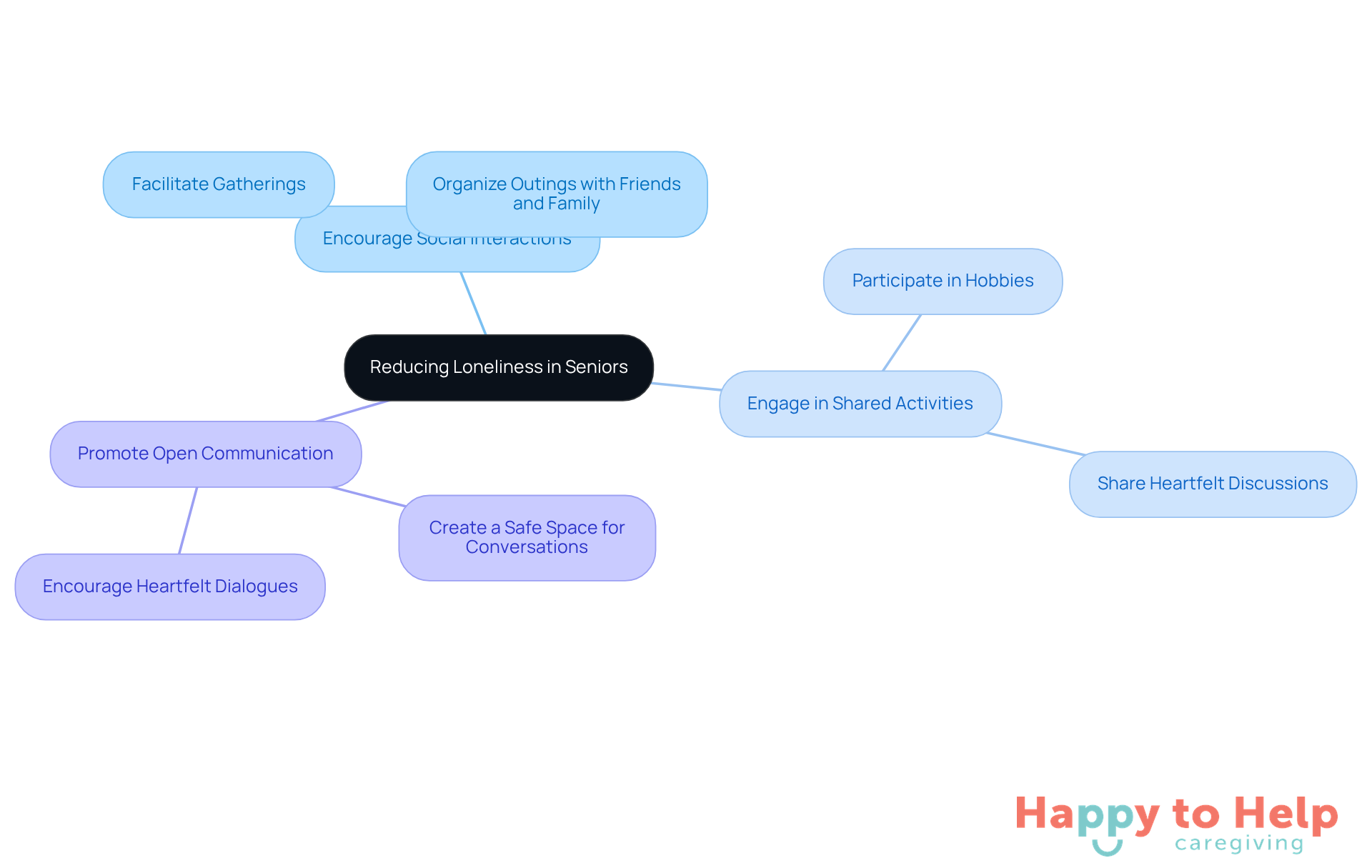
Caregivers can mitigate the effects of loneliness by nurturing connections through meaningful dialogues and enjoyable activities. Engaging seniors in regular social activities not only uplifts their mood but also contributes to cognitive health. For example, sharing a hobby or having heartfelt discussions can significantly enhance emotional well-being, creating a more supportive home environment.
To combat loneliness, caregivers should prioritize compassionate caring and foster companionship. Simple yet impactful actions can make a difference. Here are some practical solutions:
- Encourage social interactions: Facilitate regular gatherings or outings with friends and family.
- Engage in shared activities: Participate in hobbies or interests that the senior enjoys.
- Promote open communication: Create a safe space for heartfelt conversations.
By implementing these strategies, caregivers can provide compassionate caring that creates enriching experiences, significantly improving the quality of life for seniors. This companionship not only helps maintain their dignity and independence but also ensures they feel valued and connected.
Effective Communication: Building Trust Through Compassionate Interactions
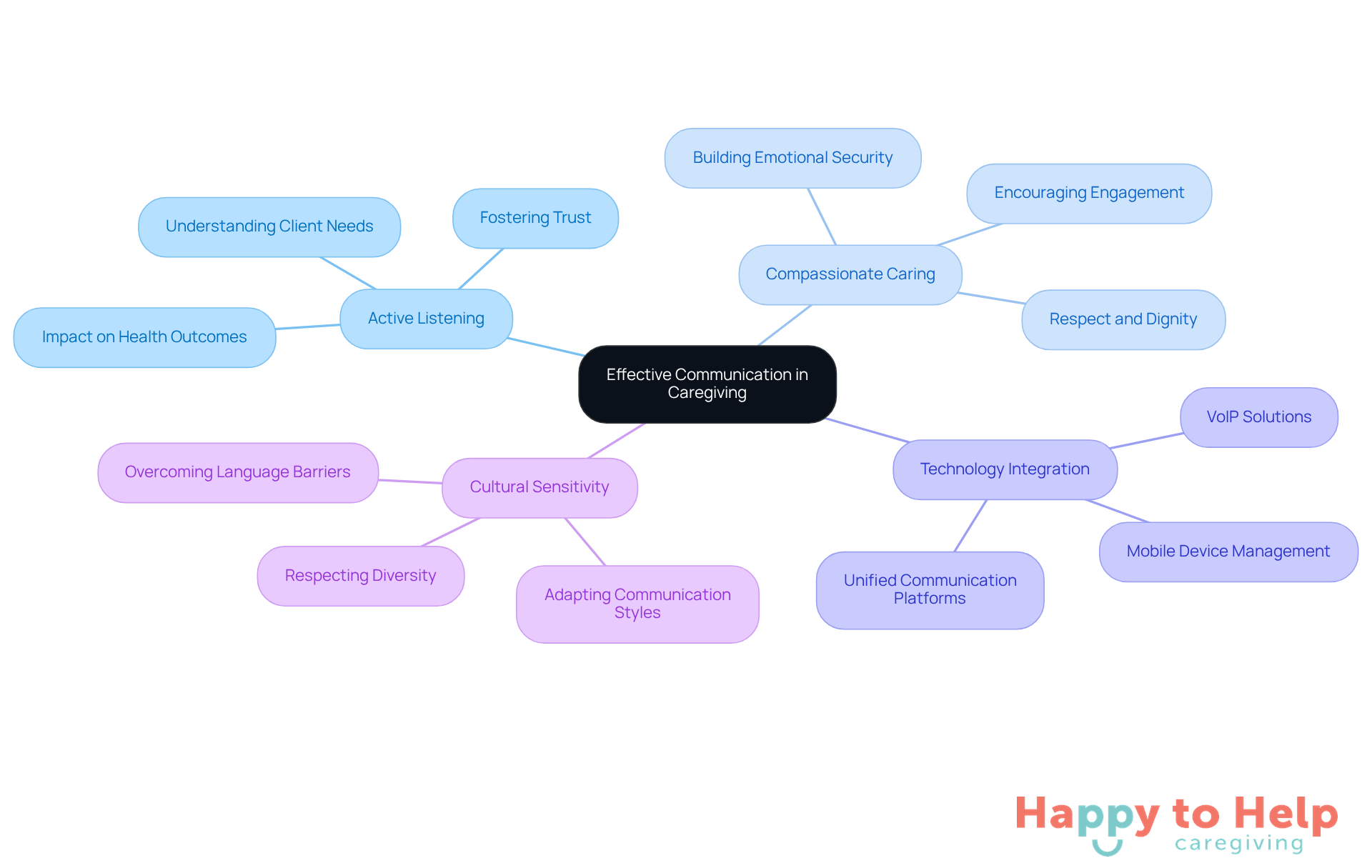
Effective communication poses a significant challenge in the caregiver-client relationship. When caregivers fail to engage in active listening, they risk misunderstanding the unique needs and preferences of those they assist. This lack of connection can lead to feelings of insecurity and disengagement among clients, ultimately impacting their health outcomes.
To address this issue, caregivers should prioritize communication that reflects compassionate caring. By actively listening and showing compassionate caring, they can foster a sense of security and encourage individuals to engage more actively in their support. For instance, regularly discussing daily habits and preferences allows for a more tailored support experience, enhancing satisfaction and well-being.
Moreover, studies show that reliable communication significantly boosts patient confidence, underscoring the importance of trust in caregiving. Caregivers who engage in compassionate caring by treating individuals with respect and dignity contribute to a supportive environment that improves overall care quality.
Integrating technology, such as VoIP solutions, can also enhance communication efficiency. This enables support providers to maintain contact with individuals and their families, ensuring that care remains consistent and responsive.
Finally, addressing personality variations and cultural obstacles is essential for effective communication. Caregivers must adapt their methods to accommodate diverse needs, ensuring that every individual feels understood and valued.
Alleviated Caregiver Burnout: The Benefits of Compassionate Support
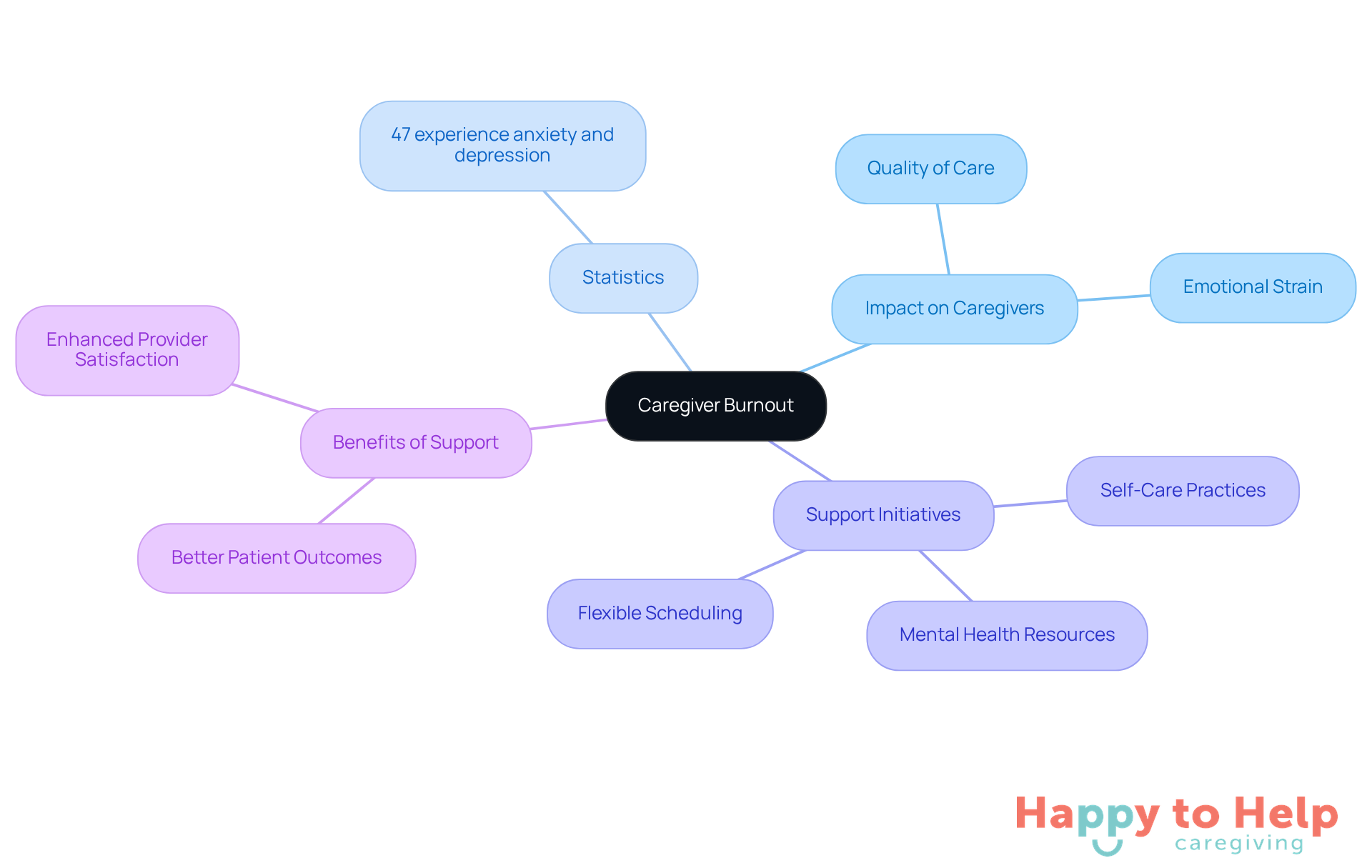
Provider burnout is a significant challenge in the home healthcare sector, impacting both service quality and the well-being of caregivers. This issue is compounded by the emotional strain on providers, with research showing that 47% of family supporters experience anxiety and depression. Such statistics highlight the urgent need for targeted support initiatives to address these mental health concerns.
Agencies that cultivate a supportive work environment can foster resilience among caregivers, enabling them to manage stress more effectively. Implementing self-care practices and providing access to mental health resources, such as Otsuka's Caregiver Navigator program, can lead to a notable reduction in burnout rates. By prioritizing these resources, organizations can help alleviate the emotional burdens faced by caregivers.
Moreover, organizations that promote a culture of compassionate caring and understanding not only enhance provider satisfaction but also ensure that patients receive consistent, high-quality care. Supportive work environments that offer flexible scheduling and mental health resources empower caregivers to thrive. This holistic approach to provider well-being ultimately results in better outcomes for clients, as caregivers who feel valued and supported are more likely to deliver compassionate caring and attentive service.
Flexible Care Options: Tailoring Compassionate Support to Individual Needs
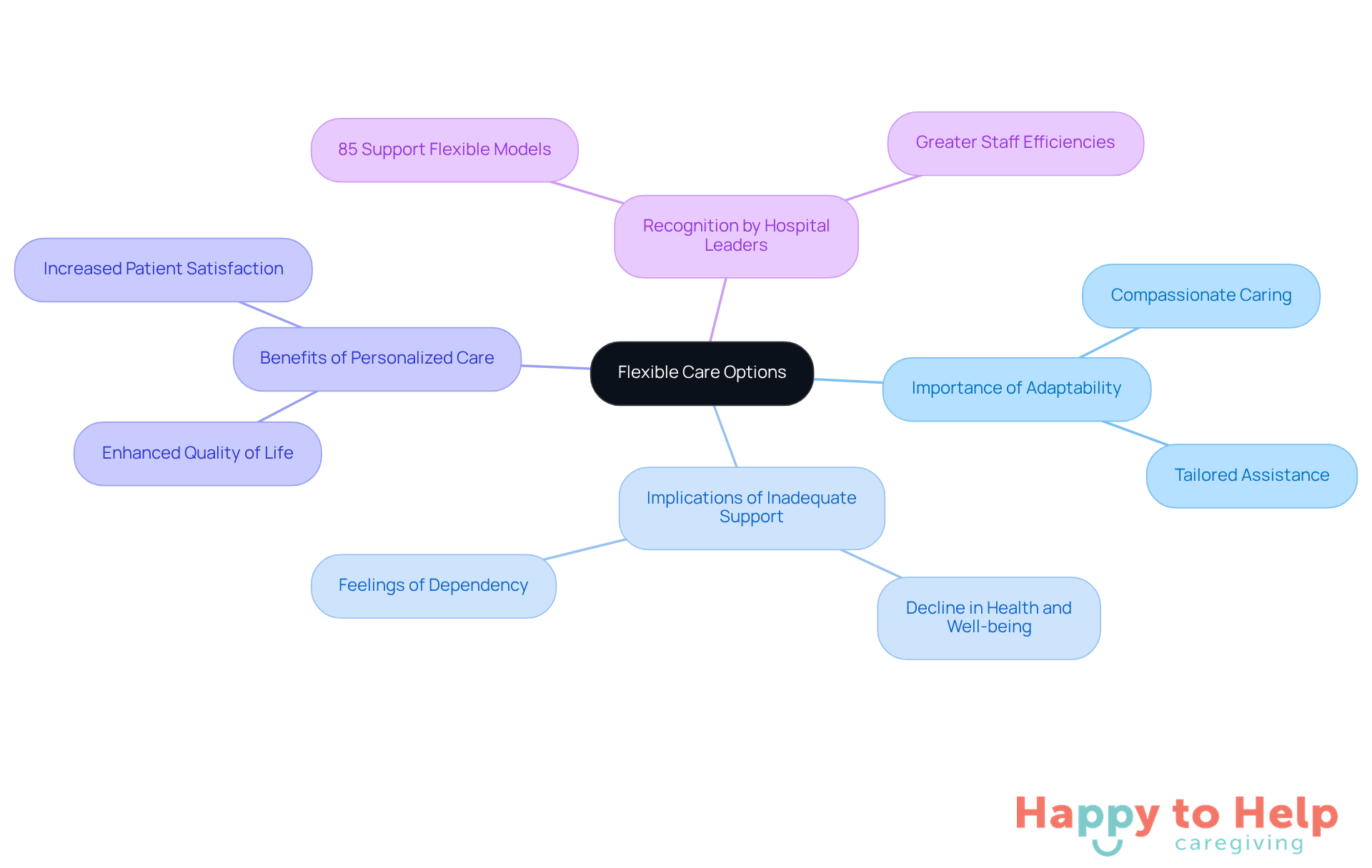
Adaptable support alternatives present a significant challenge in home healthcare. The effectiveness of care can be hindered when caregivers struggle to meet the unique needs of each individual, highlighting the importance of compassionate caring. This lack of flexibility can lead to feelings of dependency among clients, impacting their overall quality of life.
The implications of inadequate support are profound. Without tailored assistance, individuals may experience a decline in their health and well-being. This is where the importance of adaptability comes into play. By offering a diverse range of services - from companionship to specialized medical assistance - caregivers can create personalized care plans that evolve with the changing conditions of their clients.
Such a compassionate caring approach enhances the quality of life for clients while also significantly boosting patient satisfaction. Customized support plans ensure that individuals receive the right type of assistance at the right time, fostering a greater sense of control over their health journey. As Steve Gabrielian, President of GE HealthCare U.S. and Canada, states, "Flexible treatment models, including remote patient monitoring, can help support clinicians and patients as treatment environments and acuity levels shift."
Moreover, 85% of hospital leaders believe that flexible treatment models are optimal for managing physical resources. This statistic underscores the growing recognition of the need for adaptability in home healthcare. By implementing these flexible models, caregivers can better meet the needs of their clients, ultimately leading to improved health outcomes.
Enhanced Patient Experience: The Value of Compassionate Care in Home Settings
Compassionate support is a significant challenge in home healthcare settings. When clients feel undervalued or misunderstood, their engagement in care diminishes, leading to poor compliance with treatment plans. This lack of support can hinder recovery and negatively impact health outcomes.
Research indicates that patients receiving empathetic support often recover more quickly and achieve better health results. For instance, a report from the American Hospital Association (AHA) and Press Ganey reveals that 13 million patients report improvements in their overall experience and perception of safety. This highlights the importance of a nurturing approach, which not only enhances well-being but also fosters dignity and respect for individuals.
To address this issue, caregivers can embed compassion into every interaction. As AHA President & CEO Rick Pollack emphasizes, a commitment to safe, high-quality, patient-centered services thrives in a culture of compassion. By creating an environment that empowers clients, caregivers enrich their healthcare journey.
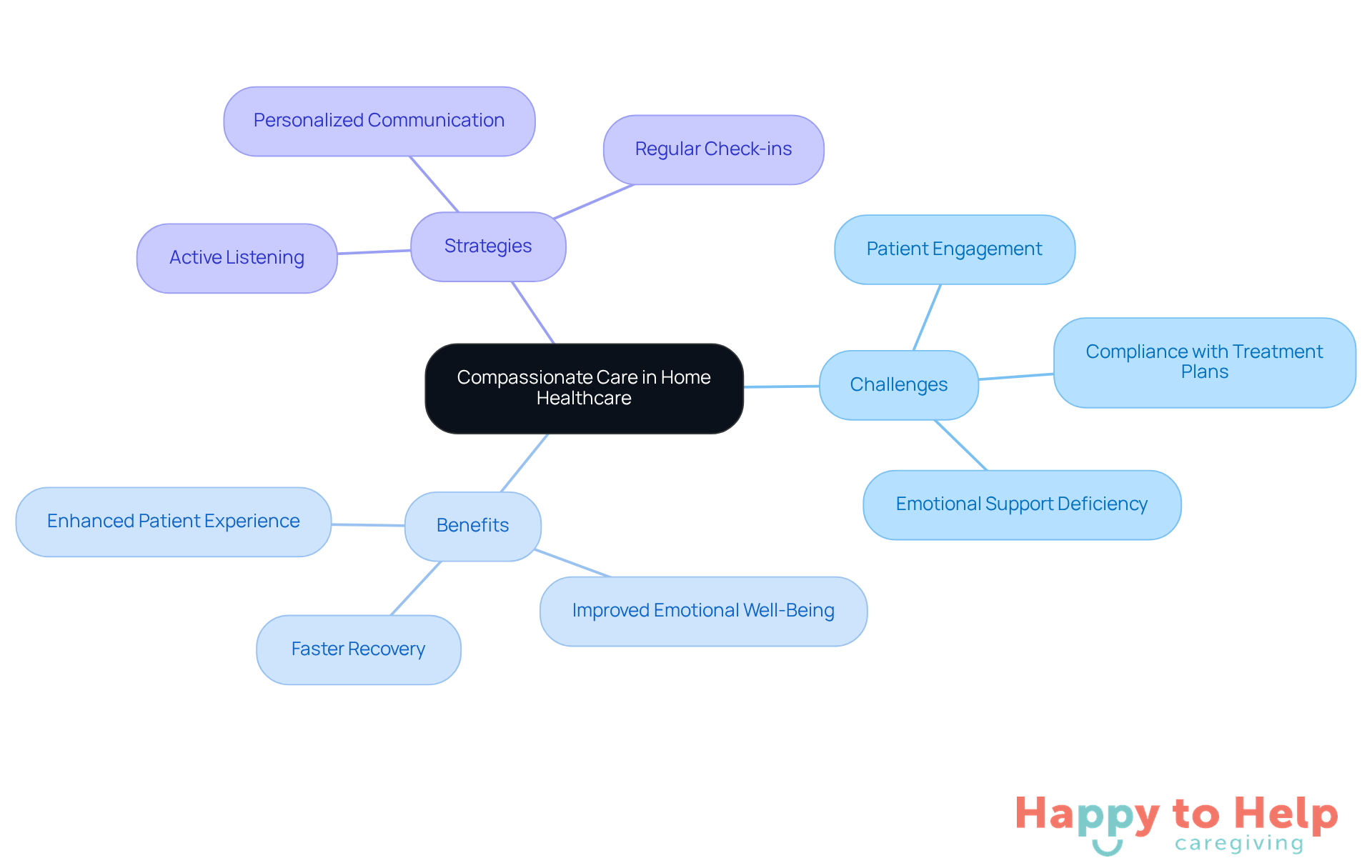
Additionally, case studies show that empathetic support boosts emotional well-being, builds trust, and encourages adherence to treatment plans. This ultimately leads to a more effective healing process. Caregivers can implement strategies such as:
- Active listening
- Personalized communication
- Regular check-ins
to enhance their support for patients.
Financial Benefits: How Compassionate Care Influences Healthcare Economics
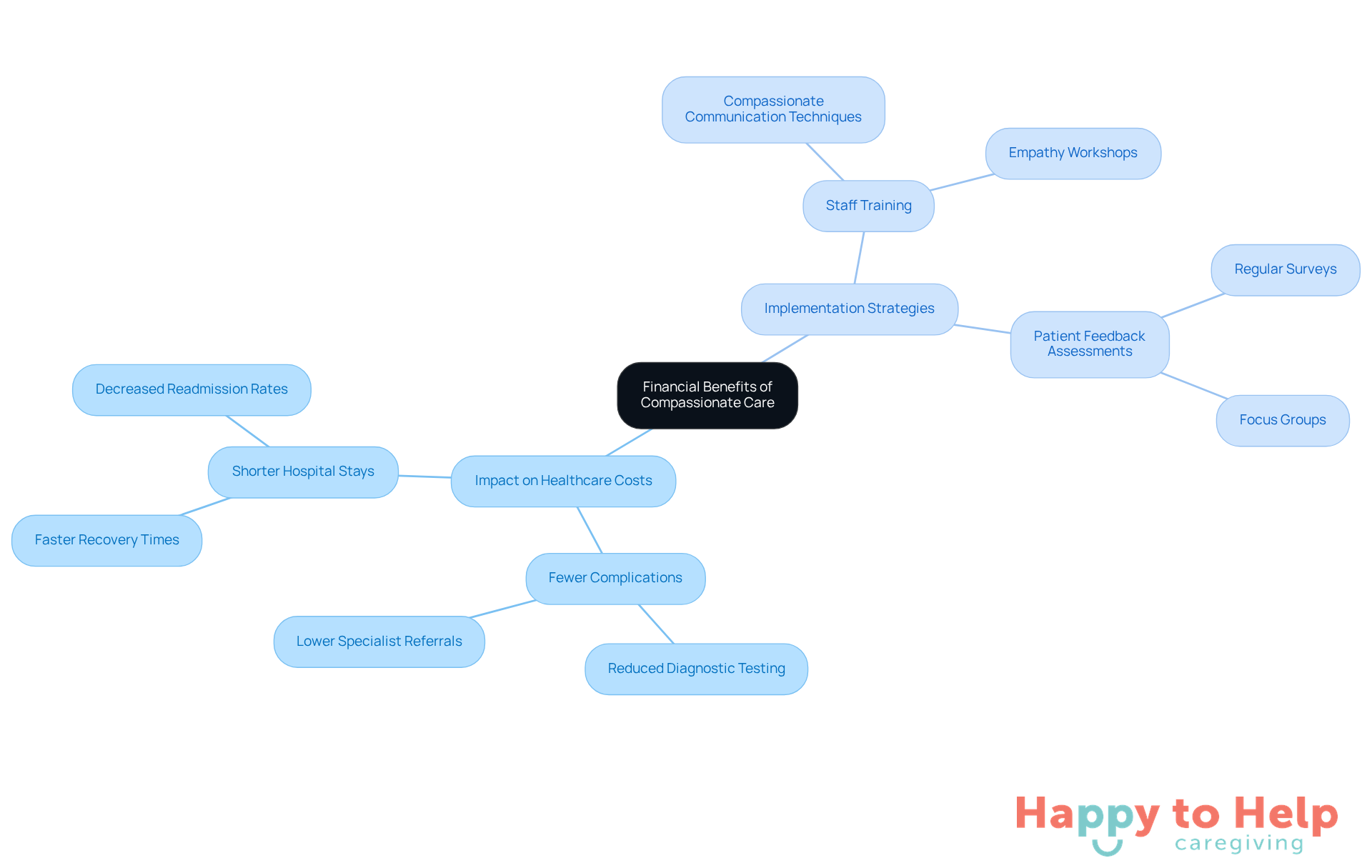
Investing in compassionate caring support presents a significant challenge for healthcare systems, as high costs often stem from patient complications and extended hospital stays. Research shows that when patients receive empathetic care, they tend to experience fewer complications and shorter stays, which can lead to substantial reductions in healthcare expenses.
Moreover, patient satisfaction is increasingly linked to reimbursement models in healthcare. By prioritizing compassionate caring, healthcare providers not only improve patient outcomes but also enhance their financial performance. This dual benefit creates a more sustainable model of care.
To implement this, healthcare systems can focus on:
- Training staff in compassionate caring communication and support techniques.
- Regular assessments of patient feedback to identify areas for improvement, ensuring that compassionate caring remains a priority.
Comprehensive Impact: The Essential Role of Compassionate Care in Home Healthcare
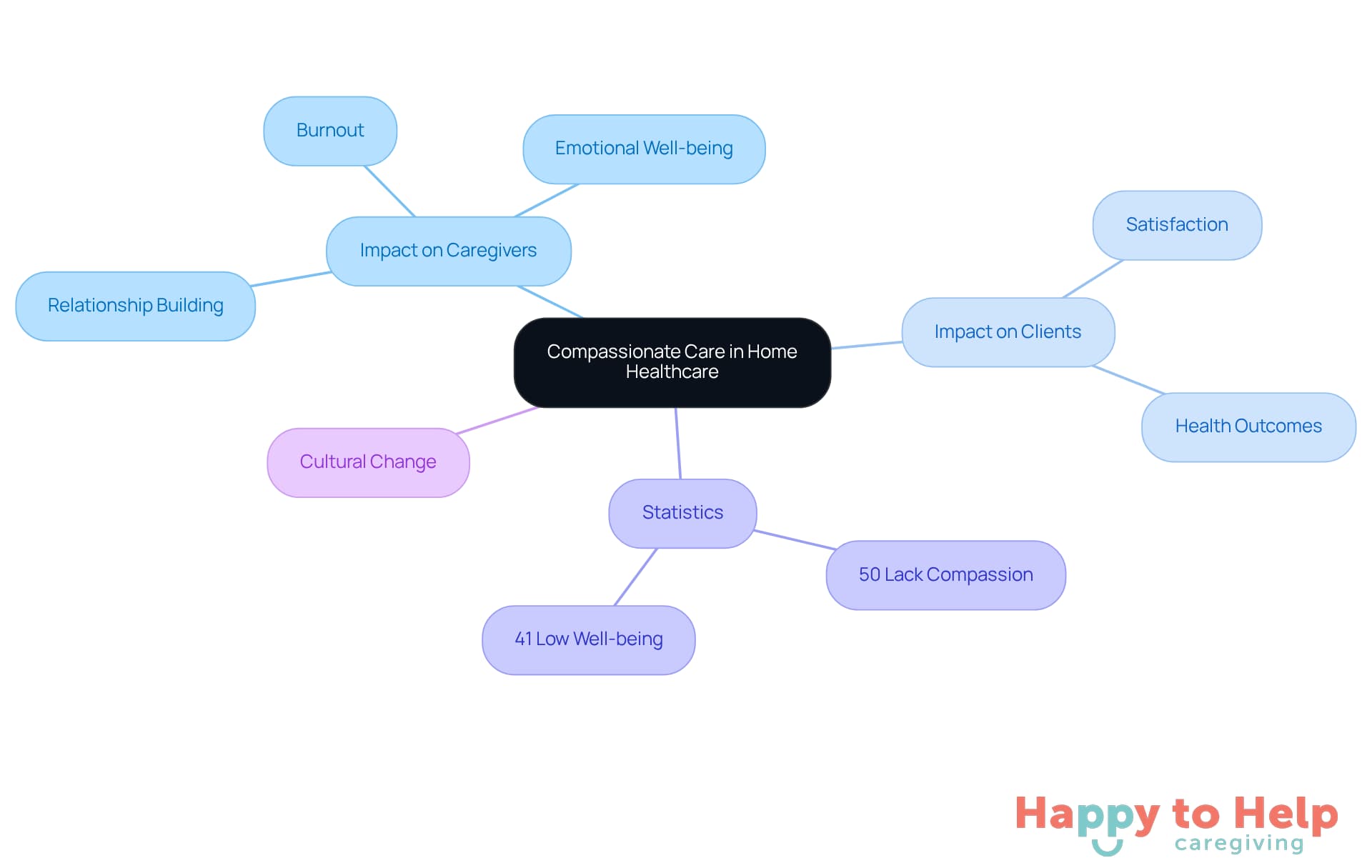
Compassionate caring is a significant issue in home healthcare, affecting every aspect of the caregiving experience. Nearly 50% of Americans feel that the healthcare system and its providers lack compassion, highlighting a critical problem that can lead to emotional distress for both caregivers and clients. This lack of empathy can result in feelings of isolation and burnout among caregivers, which is detrimental not only to their well-being but also to the quality of care provided.
To address this issue, fostering a culture of empathy and understanding is essential. Caregivers can create a supportive environment that meets not just the physical needs of individuals but also their emotional and psychological well-being. The World Health Organization emphasizes that 'Compassion - defined by awareness, empathy, and action - is recognized as a transformative force for primary care.' This underscores the importance of integrating compassionate caring into caregiving practices.
Research indicates that caregivers who engage in compassionate caring are more likely to build positive relationships with their clients, leading to improved satisfaction and better health outcomes. Moreover, the emotional benefits of compassionate caring extend to caregivers themselves; those who engage empathetically report lower stress levels and enhanced overall well-being. However, it is concerning that 41% of caregivers report low overall well-being, indicating a pressing need for emotional support in this role.
In summary, integrating compassionate caring into home healthcare is not merely beneficial; it is vital for the holistic health of both clients and caregivers. By prioritizing compassion, caregivers can not only improve their own well-being but also ensure that those they care for thrive in the comfort of their own homes.
Your Path Forward
Compassionate care is crucial in home healthcare, addressing not just the physical needs of patients but also their emotional and psychological well-being. Without it, patients may experience loneliness and caregivers may face burnout, leading to poorer health outcomes and dissatisfaction. This highlights the need for a nurturing and supportive environment that fosters trust and connection between caregivers and clients.
To tackle these challenges, caregivers can implement several key strategies:
- Prioritize individual preferences: Tailoring care to meet the unique needs of each patient can enhance their experience.
- Encourage social engagement: Facilitating connections with family and friends can alleviate feelings of isolation.
- Create safe spaces: Ensuring a comfortable environment allows patients to express their feelings and concerns.
These actionable insights not only help improve patient experiences but also reduce costs associated with complications and extended hospital stays. Investing in empathy benefits both patients and healthcare systems, demonstrating that compassionate care is not just a moral imperative but a practical necessity.
Ultimately, integrating compassionate care into home healthcare is essential for the holistic health of both caregivers and clients. By prioritizing empathy and understanding, caregivers can create a more effective and enriching healthcare experience. This commitment leads to improved outcomes for patients and fosters a sustainable healthcare environment that values the dignity and independence of every individual. Embracing these principles can profoundly transform the caregiving landscape, making a significant difference in the lives of those who rely on home healthcare services.
https://iframe.tely.ai/cta/eyJhcnRpY2xlX2lkIjogIjY5MjRmMWUwZWM0Y2FiOGU3NGVjMDBlMSIsICJjb21wYW55X2lkIjogIjY4ZWU1ZGNhNzMxNzYyNTU3ZjNjOTVjMSIsICJpbmRleCI6IG51bGwsICJ0eXBlIjogImFydGljbGUifQ==Frequently Asked Questions
What is the main problem faced by caregivers in home healthcare?
Many caregivers struggle to provide personalized support that meets the unique needs of each individual, leading to feelings of insecurity and diminished well-being for those receiving care.
How does a lack of personalized care affect individuals receiving support?
When caregivers do not prioritize the specific preferences and lifestyles of their clients, it can create an environment that stifles independence, negatively impacting quality of life and leading to feelings of loneliness and disengagement.
What solutions does Happy to Help Caregiving offer for personalized care?
Happy to Help Caregiving provides personalized, compassionate caring support that is meticulously tailored to each individual's needs, fostering a nurturing environment that promotes independence and enhances overall quality of life.
What actionable tips can caregivers implement to improve their care?
Caregivers can prioritize individual preferences, encourage engagement through social activities, and create a safe and comfortable home environment to significantly improve the well-being of those they care for.
Why is emotional support important in caregiving?
Emotional support is essential for addressing the emotional challenges faced by patients, particularly seniors and those with chronic conditions, as it helps alleviate feelings of loneliness and anxiety and fosters trust between caregivers and patients.
What activities can caregivers engage clients in to enhance emotional well-being?
Caregivers can engage clients in meaningful activities such as games and community outings, which uplift spirits and enhance overall quality of life.
How does compassionate care impact patient recovery and health outcomes?
Compassionate care is crucial in healthcare; patients who feel cared for are more likely to adhere to treatment plans, experience lower pain levels, and recover more quickly, leading to better wellness outcomes and higher satisfaction with their care.
What strategies can caregivers use to provide compassionate care effectively?
Caregivers can offer emotional support, enhance communication with clear and compassionate language, and encourage adherence to treatment plans while celebrating patient progress to significantly influence patient outcomes.
List of Sources
- Happy to Help Caregiving: Personalized Compassionate Care for Home Healthcare
- Emerging Trends in Home Health (https://navenhealth.com/news/emerging-trends-in-home-health)
- The Future of Home Health Care: Trends to Watch in 2025 (https://synchronyfl.com/the-future-of-home-health-care-trends-to-watch-in-2025)
- 13 Home Care Trends To Watch For in 2024 (And Thoughts From 11 Experts) | CareAcademy (https://careacademy.com/blog/home-care-trends)
- The Future of Home Healthcare |Skedulo (https://skedulo.com/blog/the-future-of-home-healthcare)
- What’s Coming in the Future of Home Health Care? - Alora Health (https://alorahealth.com/blog-future-homecare-trends)
- Emotional Support: Enhancing Patient Well-Being Through Compassionate Care
- Why Emotional Support Is Just as Important as Physical Help in Home Care - Seniors Care Services Greenville NC (https://silvercareweb.com/why-emotional-support-is-just-as-important-as-physical-help-in-home-care)
- Families Prefer In-Home Care To Senior Living – Yet Struggle To Identify Needed Support (https://homehealthcarenews.com/2025/11/families-prefer-in-home-care-to-senior-living-yet-struggle-to-identify-needed-support)
- Psychologist urges caution when turning to AI for emotional support | ASU News (https://news.asu.edu/20250909-science-and-technology-psychologist-urges-caution-when-turning-ai-emotional-support)
- Survey Reveals Caregivers Identify Emotional Support for Themselves As Top Information, Resource Need (https://prnewswire.com/news-releases/survey-reveals-caregivers-identify-emotional-support-for-themselves-as-top-information-resource-need-301688504.html)
- The Importance of Emotional Support in Home Health Care (https://h2hhc.com/blog/the-importance-of-emotional-support-in-home-health-care)
- Improved Health Outcomes: The Impact of Compassionate Care on Recovery
- WHO report highlights the role of compassion in healthcare - European Lung Foundation (https://europeanlung.org/en/news-and-blog/who-report-highlights-the-role-of-compassion-in-healthcare)
- The Heart of Healthcare: Why Compassion Matters in Treating Patients (https://gloriagatescare.com/the-heart-of-healthcare-why-compassion-matters-in-treating-patients)
- Level of compassionate health care service provision and its associated factors among health professionals working in public hospitals of Addis Ababa: health professionals’ perspective (https://sciencedirect.com/science/article/pii/S2405844022004480)
- Can compassion help heal patients — and providers? (https://aamc.org/news/can-compassion-help-heal-patients-and-providers)
- Impact of Compassionate Nurses | Heart to Heart Hospice (https://hearttohearthospice.com/blog/the-impact-of-compassionate-care-nurses)
- Reduced Loneliness: Fostering Connection Through Compassionate Care
- Combating loneliness and social isolation as a caregiver - VA News (https://news.va.gov/136970/combating-loneliness-and-isolation-as-caregiver)
- The Role of Companion Care in Preventing Senior Isolation (https://promedcareinc.com/the-role-of-companion-care-in-preventing-senior-isolation)
- Caregiving can be a tough, lonely mission. One daughter found ways to reconnect (https://npr.org/sections/shots-health-news/2024/10/31/nx-s1-5172517/caregiver-caregiving-isolation-burnout-resources)
- 10 Ways Companion Caregivers Enhance Seniors' Quality of Life - Happy To Help (https://happytohelpcaregiving.com/10-ways-companion-caregivers-enhance-seniors-quality-of-life)
- The Unbeatable Benefits of Companion Care for Seniors (https://comforcare.com/massachusetts/canton/resources/blog/the-unbeatable-benefits-of-companion-care-for-seniors)
- Effective Communication: Building Trust Through Compassionate Interactions
- Effective Strategies Home Care Providers Use To Build Trust Through Marketing (https://homehealthcarenews.com/2025/08/effective-strategies-home-care-providers-use-to-build-trust-through-marketing)
- The Importance of Good Communication in Domiciliary Care | First City Nursing (https://firstcitynursing.co.uk/news/2025/01/the-importance-of-good-communication-in-domiciliary-care/96)
- The Importance of Caregiver-Client Relationships in Senior Well-Being (https://homeinstead.com/home-care/usa/in/goshen/588/news-and-media/the-importance-of-caregiver-client-relationships-in-senior-well-being)
- Staying Connected in Homecare: How Reliable Communication Boosts Patient Satisfaction | Your Comms Group (https://yourcommsgroup.com/news/staying-connected-homecare-boosting-patient-satisfaction)
- Effective Communication as a Caregiver | Always Caring of CT (https://alwayscaringct.com/news/effective-communication-as-a-caregiver)
- Alleviated Caregiver Burnout: The Benefits of Compassionate Support
- Reimagining Support for Family Caregivers and Their Loved Ones (https://medschool.duke.edu/news/reimagining-support-family-caregivers-and-their-loved-ones)
- Family and Social Support May Influence Caregiver Stress and Depression (https://news.weill.cornell.edu/news/2022/08/family-and-social-support-may-influence-caregiver-stress-and-depression)
- Caregiving is taking a toll on the mental health of millions of Americans (https://npr.org/2025/01/26/nx-s1-5271537/caregiving-is-taking-a-toll-on-the-mental-health-of-millions-of-americans)
- Caregiving’s Mental Health Crisis (https://forbes.com/sites/otsuka/2025/10/02/caregivings-mental-health-crisis)
- Location, individual circumstances impact caregiver well-being, researchers find | Penn State University (https://psu.edu/news/research/story/location-individual-circumstances-impact-caregiver-well-being-researchers-find)
- Flexible Care Options: Tailoring Compassionate Support to Individual Needs
- The Benefits of Flexible Scheduling in Home Care Plans (https://regencyhcs.com/blog/the-benefits-of-flexible-scheduling-in-home-care-plans)
- Why flexible care models are vital to ease clinical burden and support remote patient care | Medical Economics (https://medicaleconomics.com/view/why-flexible-care-models-are-vital-to-ease-clinical-burden-and-support-remote-patient-care)
- Home Health Care News: ‘It’s Going To Be The Expectation’: Alternative Care Models Reshape Home-Based Care – Contessa Health (https://contessahealth.com/home-health-care-news-its-going-to-be-the-expectation-alternative-care-models-reshape-home-based-care)
- Flexible Care Models Give Home Care Clients ‘What They Want When They Want It’ (https://homehealthcarenews.com/2025/10/flexible-care-models-give-home-care-clients-what-they-want-when-they-want-it)
- The Benefits Of Home Healthcare | Team Select (https://tshc.com/about/blogs/benefits-of-home-health-care)
- Enhanced Patient Experience: The Value of Compassionate Care in Home Settings
- WHO report highlights the role of compassion in healthcare - European Lung Foundation (https://europeanlung.org/en/news-and-blog/who-report-highlights-the-role-of-compassion-in-healthcare)
- Study Shows Caregivers, Patients Prefer Hospital-At-Home Model (https://homehealthcarenews.com/2024/10/study-shows-caregivers-patients-prefer-hospital-at-home-model)
- What Is Compassionate Care and Why Is It So Important? (https://carrollrehab.com/what-is-compassionate-care)
- Report Reveals Link Between Health Care Workforce Well-being, Patient Experience and Safety Outcomes in Hospitals | AHA (https://aha.org/press-releases/2025-03-12-report-reveals-link-between-health-care-workforce-well-being-patient-experience-and-safety-outcomes)
- Improving the Patient Experience with Home Health and Hospice at Home (https://intellatriage.com/blog/the-vital-role-of-home-health-and-hospice-at-home-in-improving-the-patient-experience)
- Financial Benefits: How Compassionate Care Influences Healthcare Economics
- Provider compassion and patient outcomes (https://ohmd.com/provider-compassion-and-patient-outcomes)
- Compassion: An antidote to burnout (https://dhinsights.org/blog/compassionomics)
- Measuring the Benefits of Compassion in Healthcare | Harvard Medical School Professional, Corporate, and Continuing Education (https://learn.hms.harvard.edu/insights/all-insights/measuring-benefits-compassion-healthcare)
- The Economic Benefits of Compassionate Healthcare Services (https://vocal.media/motivation/the-economic-benefits-of-compassionate-healthcare-services)
- Comprehensive Impact: The Essential Role of Compassionate Care in Home Healthcare
- HHCN FUTURE: Connecting Compassion, Compliance, and Value: Driving Quality Pediatric Home Health Through Technology and Partnership (https://homehealthcarenews.com/2025/10/hhcn-future-connecting-compassion-compliance-and-value-driving-quality-pediatric-home-health-through-technology-and-partnership)
- The Caregiving Landscape: Data & Insights on the Caregiver Experience in the U.S. (https://caregiveraction.org/caregiver-statistics)
- Measuring the Benefits of Compassion in Healthcare | Harvard Medical School Professional, Corporate, and Continuing Education (https://learn.hms.harvard.edu/insights/all-insights/measuring-benefits-compassion-healthcare)
- The importance of compassion and respectful care for the health workforce: a mixed-methods study - PMC (https://pmc.ncbi.nlm.nih.gov/articles/PMC7951938)
- New WHO document highlights the role of compassion in primary health care (https://who.int/news/item/07-02-2025-new-who-document-highlights-the-role-of-compassion-in-primary-health-care)