
Why Home Health Care Private Duty Supports Matters
Many elderly individuals face the daunting reality of isolation and inadequate support in their own homes. This situation can lead to a decline in both physical and emotional well-being, creating significant challenges for family caregivers.
Home health care private duty services can serve as a lifeline for these caregivers and their loved ones. By providing tailored assistance, these services promote independence and enhance the quality of life for seniors.
What specific ways can personalized in-home support alleviate caregiver stress and improve the overall experience for seniors? Let's explore actionable solutions that can make a difference.
Happy to Help Caregiving: Personalized In-Home Support for Seniors
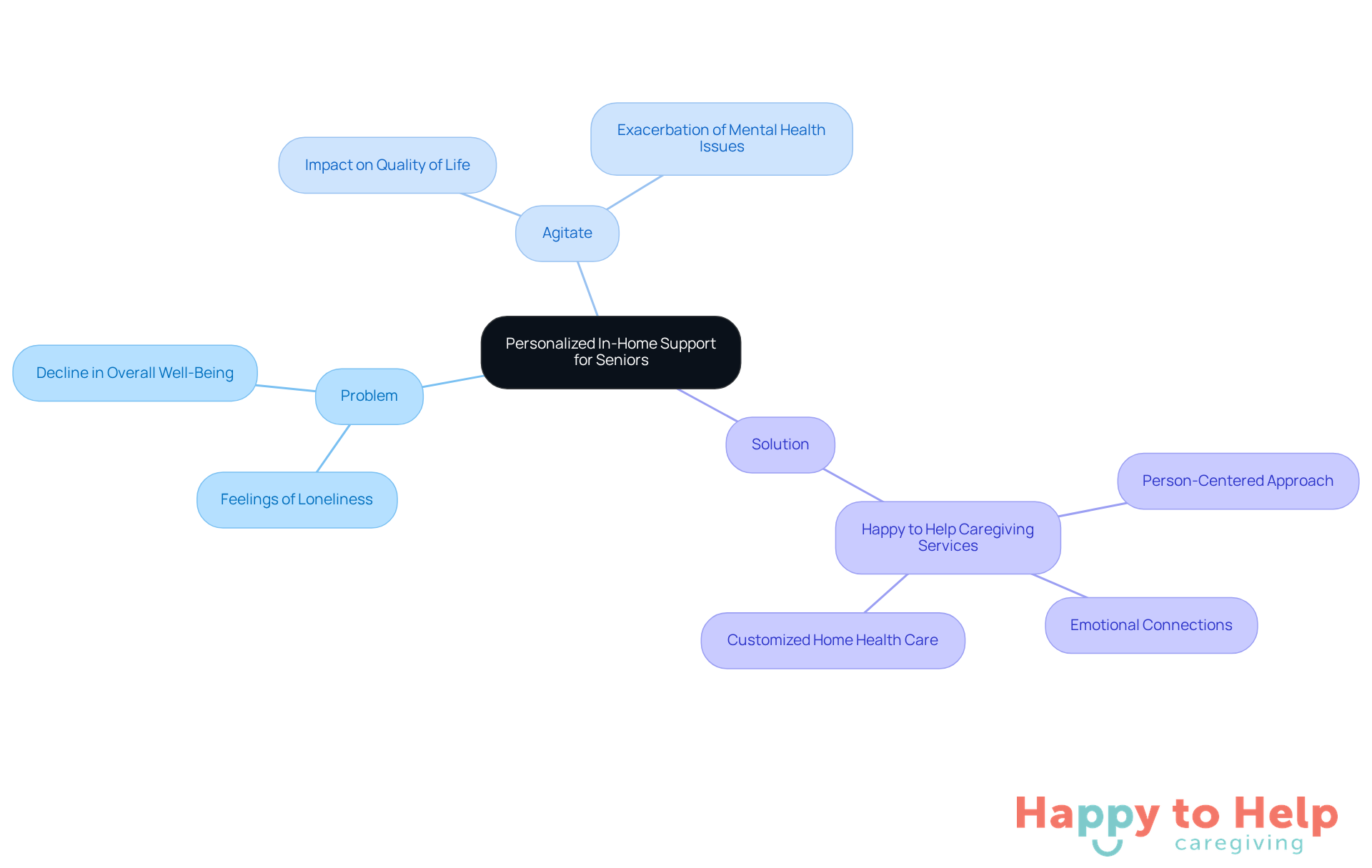
Problem: Many elderly individuals face challenges in receiving personalized care at home, leading to feelings of loneliness and a decline in their overall well-being.
Agitate: This lack of tailored support can significantly impact their quality of life, making it difficult for them to maintain independence and enjoy the comfort of their own homes. Without meaningful connections, older adults may feel undervalued and isolated, which can exacerbate mental health issues.
Solution: Happy to Help Caregiving excels in providing customized home health care private duty services that are both compassionate and tailored to meet individual needs. By focusing on a person-centered approach, caregivers are trained to forge meaningful connections, fostering an environment where each individual feels valued and understood. This emotional presence is crucial, as it alleviates feelings of loneliness and promotes overall well-being.
Current caregiving patterns emphasize the importance of adapting to the distinct preferences and lifestyles of older adults. This ensures that support is not only adaptable but also responsive to their evolving requirements. By concentrating on home health care private duty and individualized assistance, Happy to Help Caregiving promotes not just the physical health of clients but also their emotional and social well-being, creating a significant impact in their daily lives.
Companionship Care: Alleviating Loneliness for Seniors
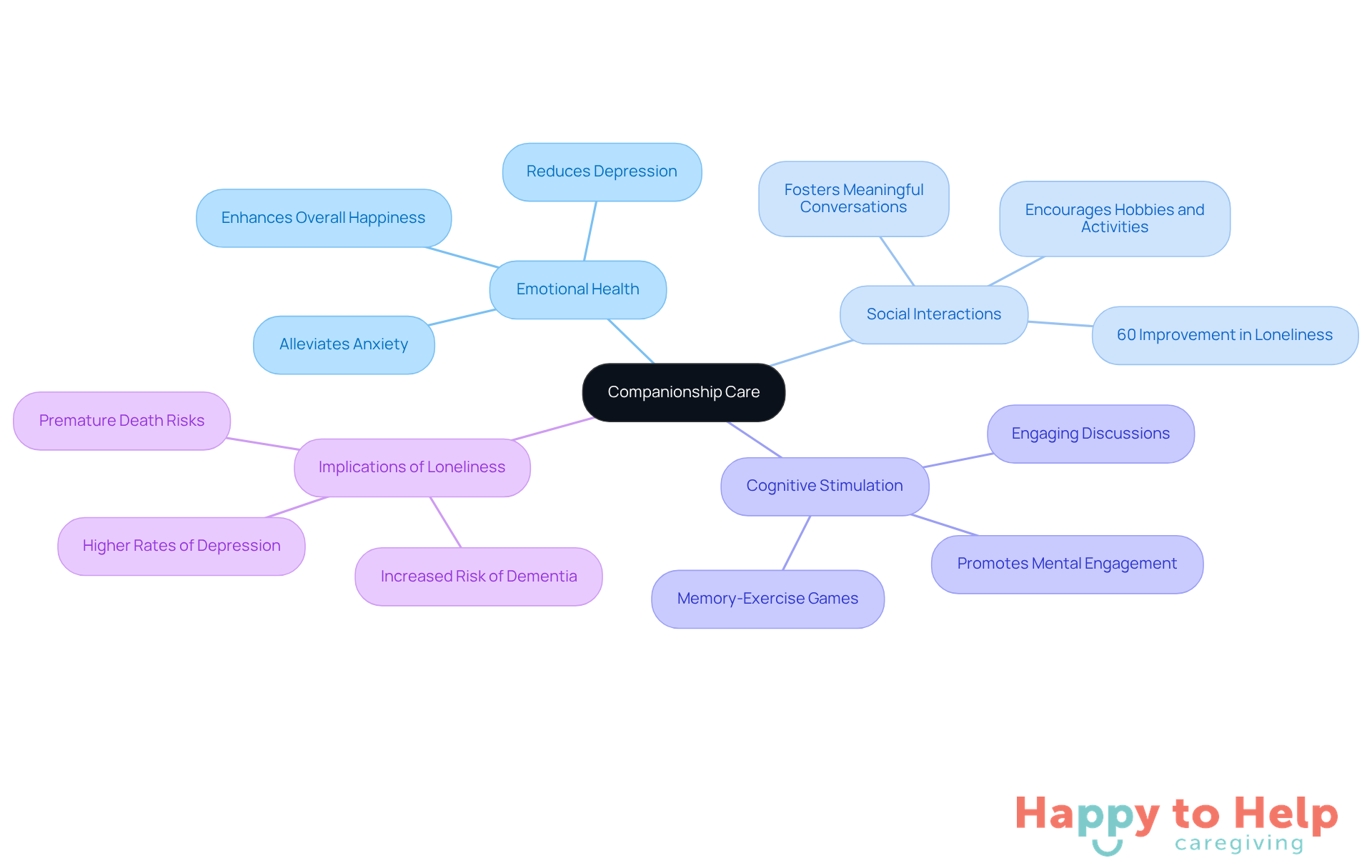
Loneliness among the elderly is a pressing issue that significantly impacts their emotional health. Companionship support plays a crucial role in alleviating this problem by fostering meaningful conversations and activities. Caregivers can engage clients in vital social interactions, which help combat feelings of isolation.
Research shows that regular engagement with caregivers can reduce the risk of depression and anxiety. It also promotes cognitive stimulation through enjoyable discussions and memory-exercise games. By motivating older adults to pursue hobbies and interests, companionship support enhances their overall happiness and quality of life.
The implications of loneliness are serious; it is linked to increased risks of dementia, depression, and even premature death. For example, 60% of highly lonely individuals in the Papa program reported significant improvements in their feelings of loneliness after receiving companionship support. This highlights the importance of emotional support from caregivers, which not only fosters creativity and joy but also helps older adults maintain their independence in familiar environments.
To effectively address loneliness, caregivers should implement a holistic approach to care. This ensures that elderly individuals feel valued and connected, ultimately leading to improved mental and physical health outcomes.
Post-Hospital Recovery Assistance: Ensuring Safe Transitions at Home
Post-hospital recovery assistance addresses a significant challenge: ensuring seniors transition safely from medical facilities back to their homes. Without proper support, these individuals face increased risks of complications and readmissions, which can hinder their recovery process.
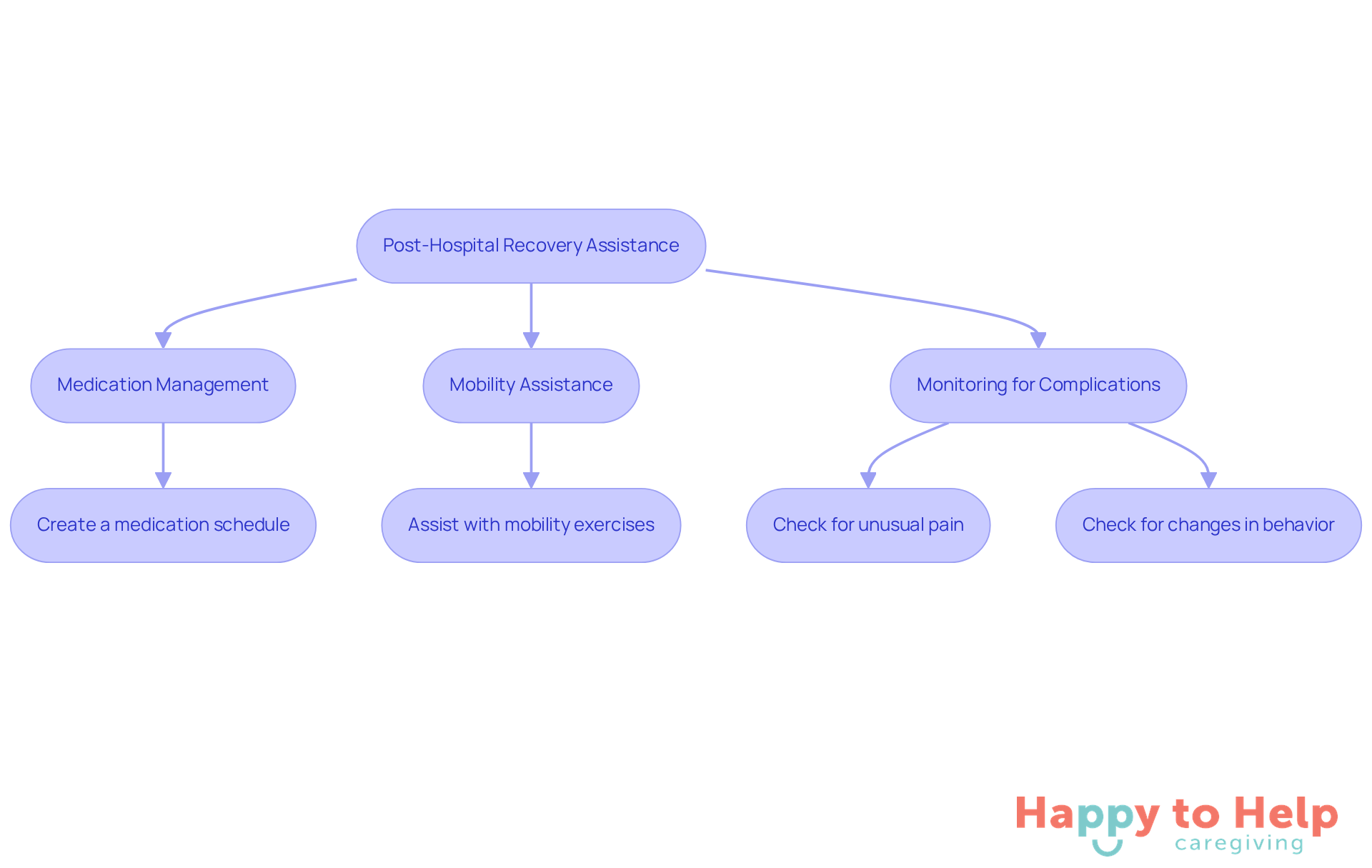
Caregivers play a vital role in this transition by providing essential support. This includes medication management, mobility assistance, and monitoring for any signs of complications. By actively engaging in these areas, caregivers can significantly reduce the risk of readmissions and promote a successful recovery in a familiar environment.
To enhance the effectiveness of post-hospital recovery, caregivers can implement several actionable strategies:
- Create a medication schedule to ensure timely administration.
- Assist with mobility to help seniors regain their strength.
- Regularly check for signs of complications, such as unusual pain or changes in behavior.
By focusing on these areas, caregivers can provide the necessary support that seniors need during their recovery, ultimately leading to better health outcomes.
Respite Care: Supporting Family Caregivers with Temporary Relief
Respite services address a critical issue: caregiver burnout. Many family providers struggle to maintain their health while caring for loved ones, with one in five reporting fair or poor health. This situation not only affects their well-being but also the quality of care they provide.
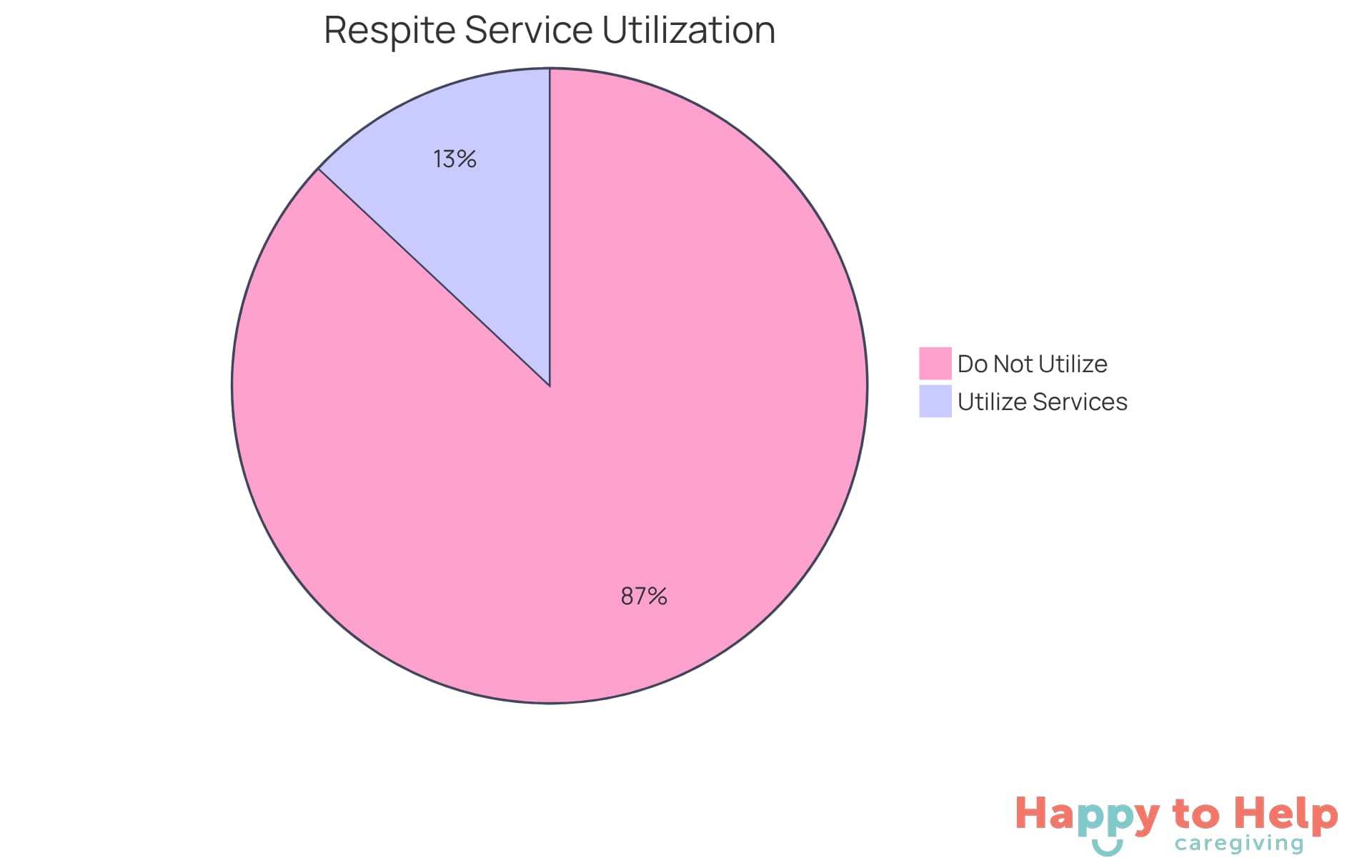
Despite the benefits of respite support, only 13% of caregivers utilize these services, often due to trust and quality concerns. This is concerning, especially as the number of family supporters in the U.S. is projected to reach 63 million by 2025 - a 45% increase since 2015. Nearly half of these supporters face significant financial challenges, making accessible relief services more urgent than ever.
Happy to Help Caregiving offers flexible scheduling alternatives, allowing family caregivers to recharge. By prioritizing caregiver assistance through respite services, families can cultivate a healthier caregiving environment. This not only reduces stress but also enhances overall family health, ensuring that caregivers can provide consistent, high-quality assistance.
Palliative Support Care: Enhancing Comfort for Seniors with Chronic Conditions
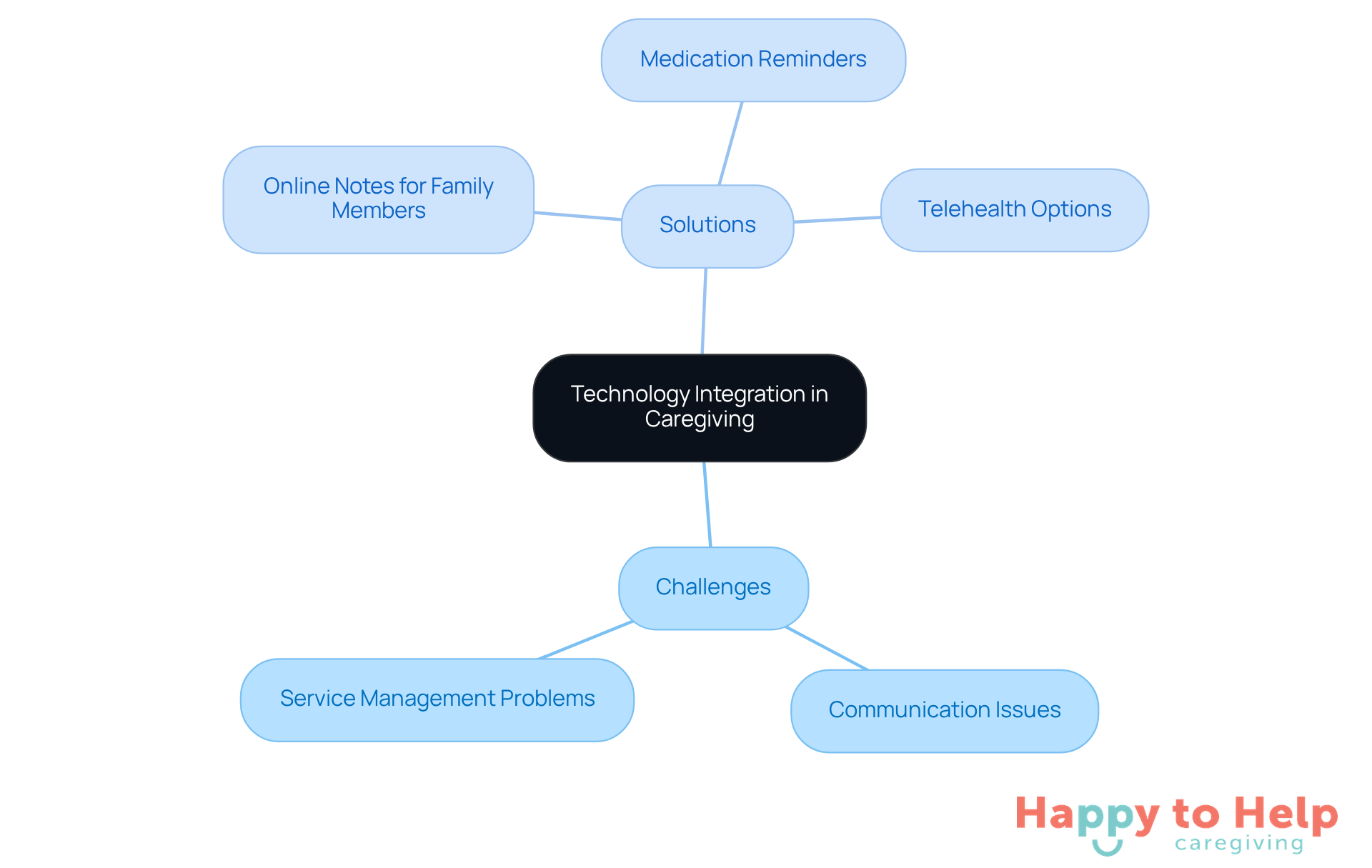
Palliative assistance addresses a significant problem: the comfort and quality of life for older adults grappling with chronic conditions. Caregivers face the dual challenge of providing physical support while also navigating the emotional landscape that accompanies these illnesses. This situation can lead to feelings of frustration and helplessness for both caregivers and their clients.
The implications of this challenge are profound. Without adequate emotional support, older adults may struggle to manage their symptoms effectively, leading to a diminished quality of life. Caregivers, in turn, may feel overwhelmed, impacting their ability to provide the necessary care.
To tackle these issues, a dual approach is essential. By integrating emotional assistance into treatment plans, caregivers can significantly enhance the overall well-being of elderly patients. This approach fosters an environment where seniors feel valued and supported, promoting dignity and peace of mind during difficult times.
Recent advancements in palliative support have refined these practices, ensuring that assistance is tailored to individual needs and preferences. As Dr. Kurt Merkelz emphasizes, "True palliative support is a genuine interdisciplinary approach." This method requires a comprehensive range of services to achieve the desired patient outcomes.
Incorporating emotional support not only helps elderly patients feel more secure but also ensures they are understood throughout their journey. By focusing on both physical and emotional needs, caregivers can create a more holistic care experience.
Flexible Scheduling: Tailoring Care to Fit Seniors' Needs
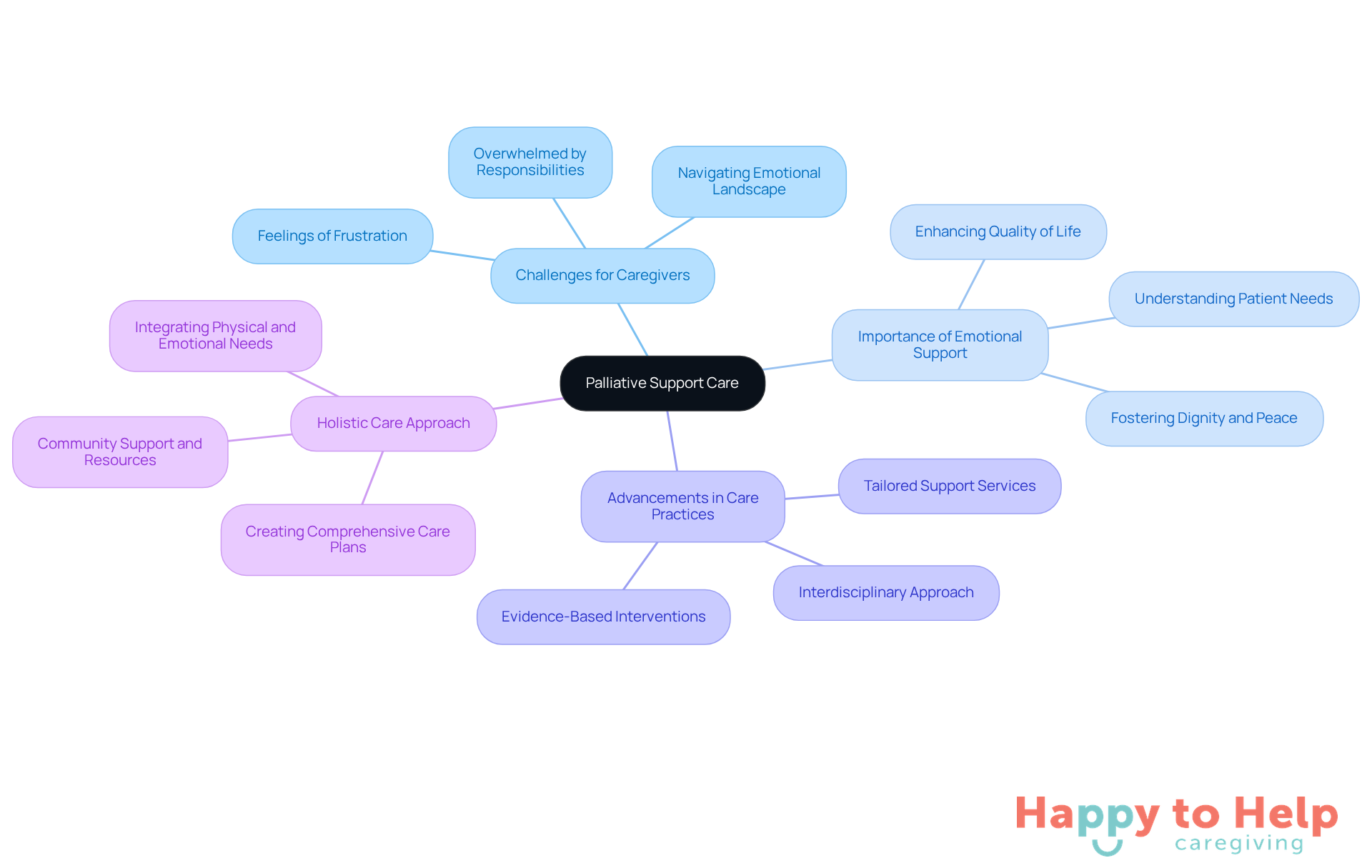
Problem: Rigid scheduling can hinder the effectiveness of caregiving, making it difficult to meet the unique needs of seniors.
Agitate: When assistance is not available at the right time, seniors may struggle with daily activities, miss important medical appointments, or feel isolated from social engagements. This can lead to increased stress for both seniors and their caregivers.
Solution: Flexible scheduling is a cornerstone of Happy to Help Caregiving's approach to home health care private duty. It enables assistance to be customized to meet the unique needs and preferences of each senior. This adaptability guarantees that clients obtain home health care private duty support when they require it most. By aligning with personal schedules, caregivers can offer a more tailored and efficient support experience.
24/7 Availability: Ensuring Continuous Support for Seniors
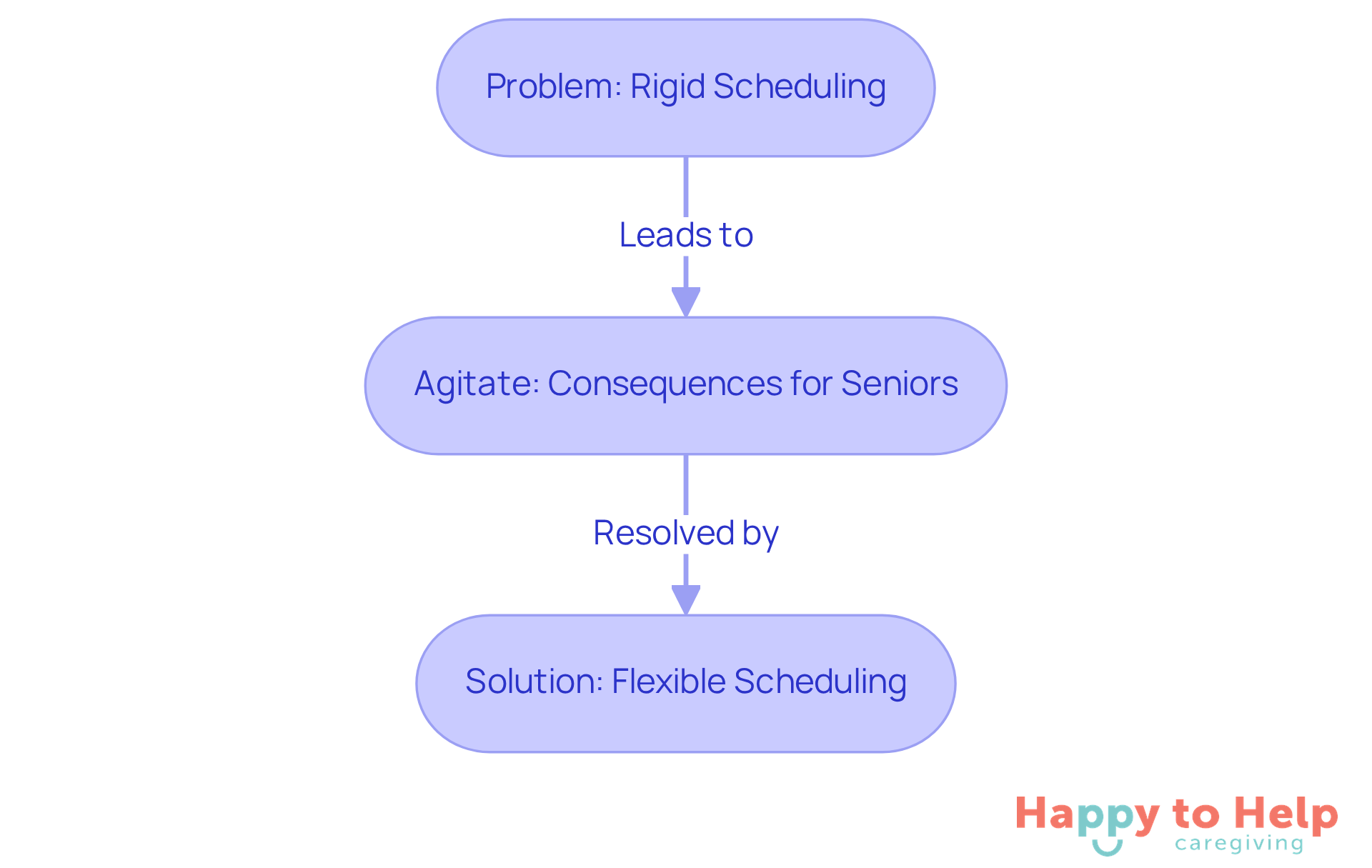
Problem: Many elderly individuals face feelings of isolation and a lack of constant assistance, which can lead to significant emotional and physical challenges. One in three adults aged 50-80 report experiencing isolation at least occasionally, highlighting the need for support in their daily lives.
Agitate: This isolation not only affects their mental well-being but can also lead to increased health issues. Research shows that elderly individuals who do not receive in-home support tend to have more frequent doctor’s visits, which can be both disruptive and costly. The absence of a steady presence can leave seniors feeling vulnerable and alone, especially in emergencies or during routine tasks.
Solution: Happy to Help Caregiving addresses these challenges by offering round-the-clock availability. With caregivers accessible at all times, elderly individuals can feel secure knowing that help is just a call away. This continuous assistance offered by home health care private duty not only enhances safety and comfort in familiar surroundings but also provides peace of mind for clients and their families. In fact, those utilizing in-home services report 25% fewer doctor’s visits each year compared to those without such support. By fostering a supportive environment, seniors can maintain their independence while receiving the essential assistance they need through home health care private duty to thrive at home.
Technology Integration: Enhancing Communication and Care Management
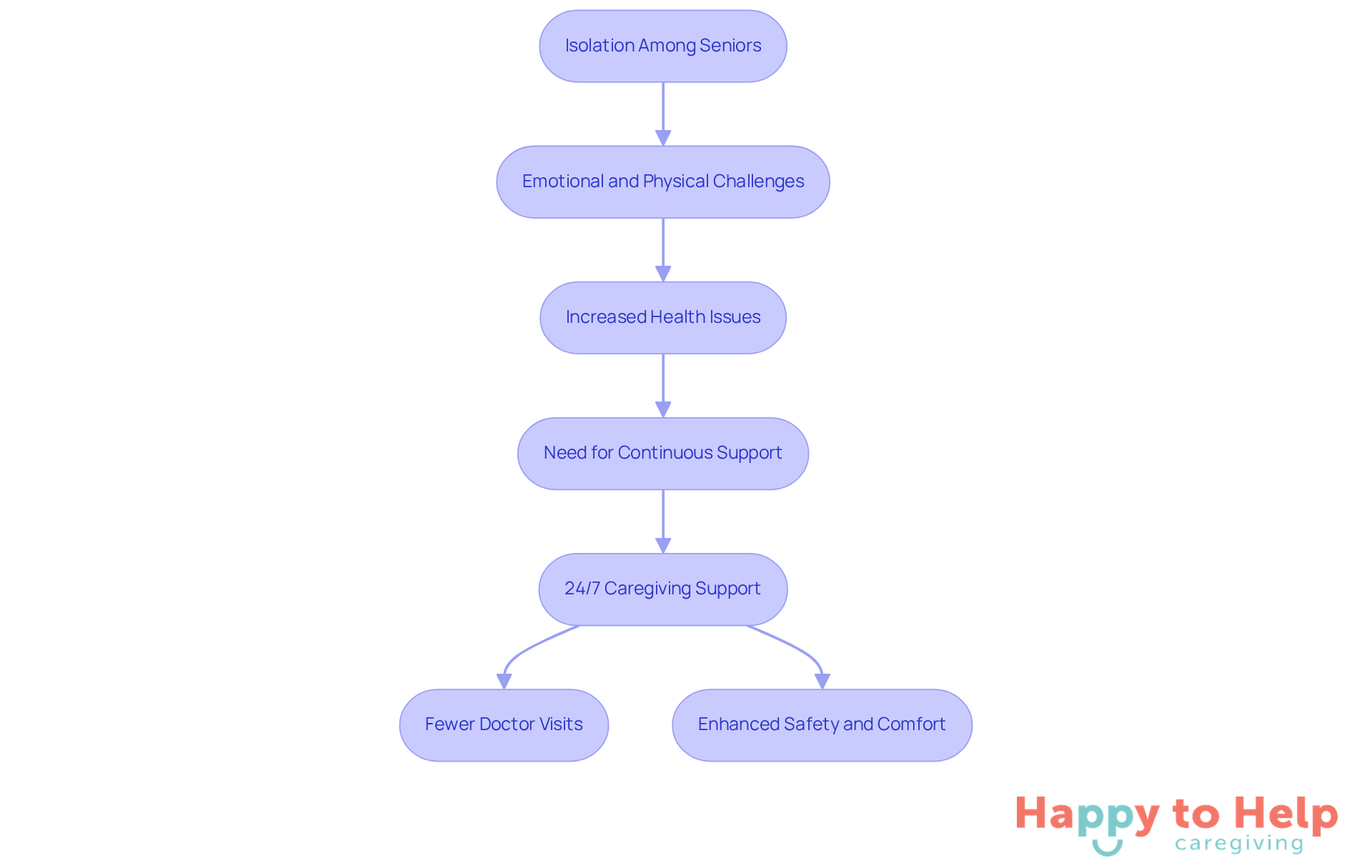
Caregiving often faces significant challenges in communication and service management. These issues can lead to misunderstandings and a lack of coordination between caregivers and families, ultimately affecting the quality of care provided.
To address these challenges, technology offers practical solutions that can enhance communication and streamline service management. Tools such as:
- Online notes for family members
- Medication reminders
- Telehealth options
facilitate better coordination. These technological supports not only improve the efficiency of service delivery but also empower families to stay informed and actively involved in their loved ones' well-being.
Personalized Care Plans: Tailoring Support to Individual Needs
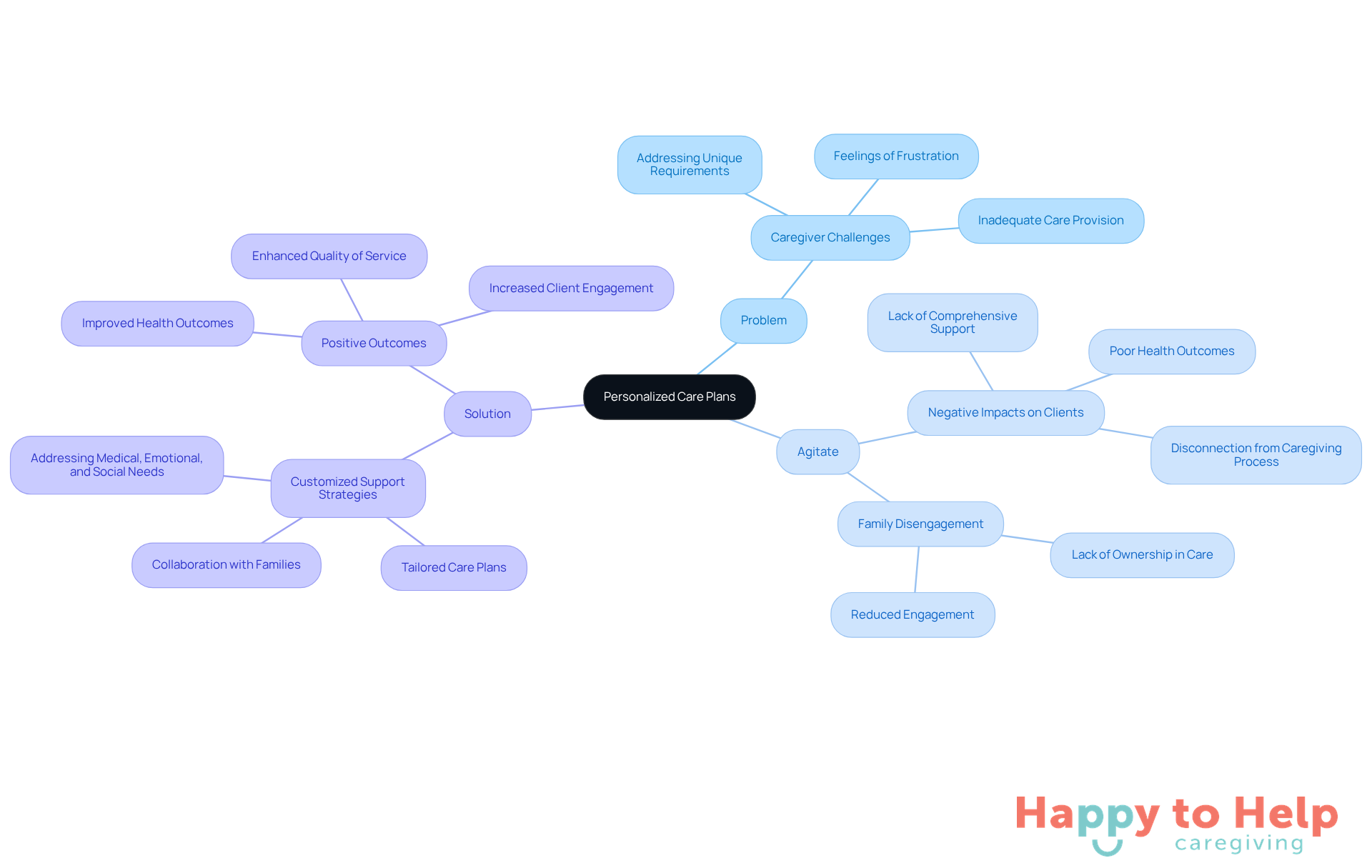
Problem: Caregivers often face the challenge of addressing the unique requirements and preferences of each client. This can lead to feelings of frustration and inadequacy when trying to provide the best care possible.
Agitate: Without a personalized approach, clients may not receive the comprehensive support they need, which can negatively impact their health outcomes and overall well-being. Families may feel disconnected from the caregiving process, leading to a lack of engagement and ownership in their loved one's care.
Solution: Customized support strategies are central to Happy to Help's method, ensuring that each client's unique needs are met. Caregivers collaborate closely with families to develop tailored plans that address medical, emotional, and social requirements. This personalized approach not only enhances the quality of service but also fosters a sense of ownership and engagement for clients and their families.
Studies indicate that customized support plans improve health outcomes, promoting autonomy, comfort, and social involvement for older adults. Care managers stress that understanding each client's aspirations and challenges is crucial for motivating and engaging them in health management. As the landscape of home health care private duty services evolves, the importance of personalized assistance continues to grow, ensuring that elderly individuals receive the compassionate help they need to thrive in their own homes.
Improved Quality of Life: The Transformative Impact of Home Health Care
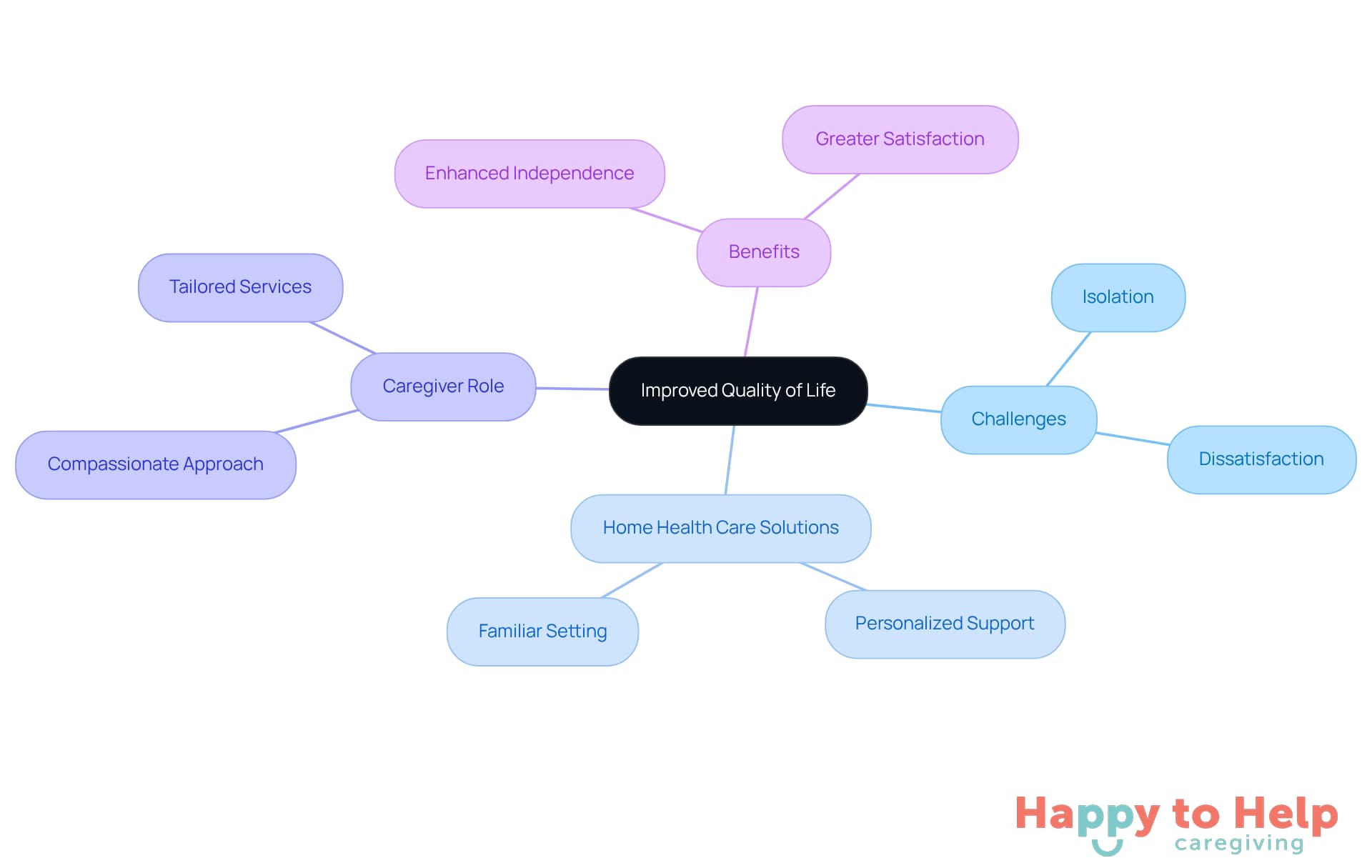
Many older adults face challenges in maintaining their independence and emotional well-being due to a lack of tailored support in their own homes. This can lead to feelings of isolation and dissatisfaction with their care.
Home health care private duty addresses these issues by providing personalized support in a familiar setting. Clients benefit from enhanced independence and emotional well-being, ultimately leading to greater satisfaction with their care.
Caregivers play a crucial role in this process. Their compassionate approach, combined with tailored services, fosters a nurturing atmosphere that allows seniors to thrive at home. This support not only transforms daily lives for the better but also significantly improves the quality of life for older adults with home health care private duty.
Making the Right Choice
The challenges faced by family caregivers are significant, often leading to stress and burnout as they strive to support their loved ones. The importance of home health care private duty services cannot be overstated in this context. By providing personalized, compassionate care, these services not only enhance the quality of life for seniors but also alleviate the burden on family caregivers. This dual benefit fosters a more sustainable caregiving environment where both seniors and caregivers can thrive.
Key strategies such as:
- Companionship care
- Post-hospital recovery assistance
- Respite services
- Flexible scheduling
are essential components of effective home health care. Each of these elements addresses the unique challenges faced by seniors and their caregivers, ensuring that emotional, physical, and social needs are met. Additionally, the integration of technology and personalized care plans enhances the efficacy of these services, promoting a holistic approach to elderly care.
In conclusion, embracing home health care private duty services is vital for improving the well-being of seniors and supporting family caregivers in their crucial roles. As the demand for these services continues to grow, families must seek out reliable and compassionate care options. By doing so, they can create a nurturing environment that promotes independence, reduces isolation, and ultimately transforms the lives of both seniors and their caregivers for the better.
https://iframe.tely.ai/cta/eyJhcnRpY2xlX2lkIjogIjY5MmY5MWEzNWE2YzBkMzU2MDcwMDMwMyIsICJjb21wYW55X2lkIjogIjY4ZWU1ZGNhNzMxNzYyNTU3ZjNjOTVjMSIsICJpbmRleCI6IG51bGwsICJ0eXBlIjogImFydGljbGUifQ==Frequently Asked Questions
What challenges do elderly individuals face regarding personalized care at home?
Many elderly individuals struggle with feelings of loneliness and a decline in their overall well-being due to a lack of personalized care at home, which can significantly impact their quality of life and independence.
How does Happy to Help Caregiving address the issue of loneliness among seniors?
Happy to Help Caregiving provides customized home health care services that focus on fostering meaningful connections between caregivers and clients, which helps alleviate feelings of loneliness and promotes overall well-being.
What is the approach taken by Happy to Help Caregiving in providing care?
The caregiving approach is person-centered, ensuring that support is tailored to the distinct preferences and lifestyles of older adults, thereby promoting both their physical health and emotional well-being.
What role does companionship care play in supporting seniors?
Companionship care fosters meaningful conversations and activities, helping to alleviate loneliness and combat feelings of isolation, which can significantly improve emotional health.
What are the benefits of companionship support for older adults?
Regular engagement with caregivers through companionship support can reduce the risk of depression and anxiety, promote cognitive stimulation, and enhance overall happiness and quality of life.
What are the serious implications of loneliness for seniors?
Loneliness is linked to increased risks of dementia, depression, and even premature death, making emotional support from caregivers crucial for maintaining mental health.
How does post-hospital recovery assistance support seniors?
Post-hospital recovery assistance ensures seniors transition safely from medical facilities to their homes, reducing the risks of complications and readmissions that can hinder recovery.
What essential support do caregivers provide during post-hospital recovery?
Caregivers assist with medication management, mobility assistance, and monitoring for any signs of complications, which are vital for promoting a successful recovery.
What strategies can caregivers implement to enhance post-hospital recovery?
Caregivers can create a medication schedule, assist with mobility to help seniors regain strength, and regularly check for signs of complications to provide necessary support during recovery.
List of Sources
- Happy to Help Caregiving: Personalized In-Home Support for Seniors
- Family caregivers prefer in-home care over senior living, new industry report finds (https://mcknightshomecare.com/news/family-caregivers-prefer-in-home-care-over-senior-living-new-industry-report-finds)
- Home Care for Seniors: Advancements Caregivers Must Know (https://seniorhelpers.com/ca/concord/resources/blogs/2025-11-16)
- News - Happy To Help (https://happytohelpcaregiving.com/news)
- Trends and Innovations in Senior Care | Amada Blog (https://amadaseniorcare.com/2025/01/trends-and-innovations-in-senior-care)
- Compassion That Counts: Why Personalized In-Home Care Makes All the Difference | Medical News Bulletin (https://medicalnewsbulletin.com/compassion-that-counts-why-personalized-in-home-care-makes-all-the-difference)
- Companionship Care: Alleviating Loneliness for Seniors
- 1 in 3 older adults still experience loneliness and isolation (https://michiganmedicine.org/health-lab/1-3-older-adults-still-experience-loneliness-and-isolation)
- Companion Care Linked To Lower Health Care Costs, Positive Health Outcomes (https://homehealthcarenews.com/2022/11/companion-care-linked-to-lower-health-care-costs-positive-health-outcomes)
- Combat Loneliness: The Benefits of Companion Care for Seniors (https://allheartcare.com/more-than-just-company-the-vital-role-of-companion-care-for-seniors)
- Social isolation, loneliness in older people pose health risks | Alzheimers.gov (https://alzheimers.gov/news/social-isolation-loneliness-older-people-pose-health-risks)
- Older adults find support through health care companions (https://news-medical.net/news/20250924/Older-adults-find-support-through-health-care-companions.aspx)
- Post-Hospital Recovery Assistance: Ensuring Safe Transitions at Home
- Home Care Impact on Recovery of Patient (A Statistics Report) (https://lovinghomecareinc.com/home-care-recovery-statistics)
- Sent Home To Heal, Patients Avoid Wait for Rehab Home Beds - KFF Health News (https://kffhealthnews.org/news/article/patients-rehab-at-home-unclog-hospital-bed-nursing-home-waiting-list)
- How Healing at Home Helps Unclog the Hospital Bed Logjam (https://usnews.com/news/health-news/articles/2025-03-03/how-healing-at-home-helps-unclog-the-hospital-bed-logjam)
- A Safer Transition from Hospital to Home: Pharmacy Program Helps Discharged Patients with Medications-ASHP (https://news.ashp.org/News/ashp-news/2025/09/09/a-safer-transition-from-hospital-to-home-pharmacy-program-helps-discharged-patients-with-medications)
- Respite Care: Supporting Family Caregivers with Temporary Relief
- Family Caregiver Support, Education Needs Growing (https://hospicenews.com/2025/11/11/family-caregiver-support-education-needs-growing)
- New Report Reveals Crisis Point for America’s 63 million Family Caregivers (https://press.aarp.org/2025-07-24-New-Report-Reveals-Crisis-Point-for-Americas-63-million-Family-Caregivers)
- Funding Opportunity: National Lifespan Respite Care Program State Program Enhancement Grants | ACL Administration for Community Living (https://acl.gov/news-and-events/announcements/national-lifespan-respite-care-program-state-program-enhancement)
- Family Caregivers Struggling In Some States More Than Others (https://disabilityscoop.com/2025/10/31/family-caregivers-struggling-in-some-states-more-than-others/31710)
- Only 32% of America’s 63 Million Family Caregivers Use Paid Help (https://homehealthcarenews.com/2025/07/only-32-of-americas-63-million-caregivers-use-paid-help)
- Palliative Support Care: Enhancing Comfort for Seniors with Chronic Conditions
- ‘A good death’: How compassionate care helps people navigate the end of life (https://news.yale.edu/2025/10/13/good-death-how-compassionate-care-helps-people-navigate-end-life)
- Importance of Palliative Care - A PBS News Hour “Brief but Spectacular” Series (https://cambiahealthfoundation.org/posts/blog/2021-05-11/importance-of-palliative-care---a-pbs-news-hour-brief-b.html)
- Hospice and Palliative Care (https://nia.nih.gov/news/topics/hospice-and-palliative-care)
- The Pitfalls That Derail Home Health Providers’ New Palliative Care Efforts (https://homehealthcarenews.com/2025/10/the-pitfalls-that-derail-home-health-providers-new-palliative-care-efforts)
- Palliative Care News | Living with Serious Illness | Get Palliative Care (https://getpalliativecare.org/news)
- Flexible Scheduling: Tailoring Care to Fit Seniors' Needs
- Exploring the Rising Demand for Flexible Work in Healthcare (https://healthecareers.com/career-resources/nurse-career/rising-demand-for-flexible-work-in-healthcare)
- How Flexible Scheduling Improves The Home Care Experience For Families – CCN – Columbus County News (https://columbuscountynews.com/2025/12/how-flexible-scheduling-improves-the-home-care-experience-for-families)
- Flexible scheduling in healthcare: Top strategies from CNOs and HR leaders (https://go.beckershospitalreview.com/hr/flexible-scheduling-in-healthcare-top-strategies-from-cnos-and-hr-leaders)
- 9 Ways to Find Caregivers With Flexible Scheduling Options - MedCity News (https://medcitynews.com/2025/05/9-ways-to-find-caregivers-with-flexible-scheduling-options)
- 24/7 Availability: Ensuring Continuous Support for Seniors
- 2025 Home Care Statistics: Trends & Insights To Know (https://premierhcinc.com/blog/home-care-statistics)
- 27 Inspirational Quotes for Caregivers (https://ultimatecareny.com/resources/27-quotes-for-caregivers)
- Around-the-Clock Support: The Benefits of 24-Hour Home Care for Seniors (https://afcsnc.com/around-the-clock-support-the-benefits-of-24-hour-home-care-for-seniors)
- Reasons to Choose 24 Hour Home Care in Pasadena - New Wave Home Care (https://newwavehomecare.com/reasons-to-choose-24-hour-home-care-in-pasadena)
- The Incredible Benefits of Home Care, in 7 Amazing Stats - Companions For Seniors (https://companionsforseniors.com/2019/08/benefits-home-care-amazing-stats-trends-reports)
- Technology Integration: Enhancing Communication and Care Management
- HHS Launches New Caregiving AI Initiative to 'Spark Innovative Support' (https://hospicenews.com/2025/11/18/hhs-launches-new-caregiving-ai-initiative-to-spark-innovative-support)
- Building a lifeline for family caregivers across the US (https://news.mit.edu/2025/ianacare-builds-lifeline-for-family-caregivers-across-us-0811)
- Inside the AI Companies Reshaping Caregiving for America’s 63 Million Caregivers - NewDays (https://newdays.ai/newsroom/inside-theai-companies-reshaping-caregiving-for-americas-63million-caregivers)
- How AI Could Change Family Caregiving (https://aarp.org/caregiving/basics/how-ai-can-help-caregivers)
- Technology and interventions are changing care for older adults (https://fastcompany.com/91414509/technology-and-interventions-are-changing-care-for-older-adults)
- Personalized Care Plans: Tailoring Support to Individual Needs
- How Personalized Health Care Is Changing The Role Of Home Care Providers (https://homehealthcarenews.com/2024/03/how-personalized-health-care-is-changing-the-role-of-home-care-providers)
- Customized Care at Home: The Benefits of Personalized Care Plans - VNA Health Group (https://vnahg.org/customized-care-at-home-the-benefits-of-personalized-care-plans)
- AI Adoption Fast-Tracks Home Health Providers’ Path To Value-Based Care (https://homehealthcarenews.com/2025/09/ai-adoption-fast-tracks-home-health-providers-path-to-value-based-care)
- Improved Quality of Life: The Transformative Impact of Home Health Care
- Home Care Impact on Recovery of Patient (A Statistics Report) (https://lovinghomecareinc.com/home-care-recovery-statistics)
- Family caregivers prefer in-home care over senior living, new industry report finds (https://mcknightshomecare.com/news/family-caregivers-prefer-in-home-care-over-senior-living-new-industry-report-finds)
- How Medicare Advantage Changed Home Health Care Use (https://ldi.upenn.edu/our-work/research-updates/how-medicare-advantage-changed-home-health-care-use)
- Families Prefer In-Home Care To Senior Living – Yet Struggle To Identify Needed Support (https://homehealthcarenews.com/2025/11/families-prefer-in-home-care-to-senior-living-yet-struggle-to-identify-needed-support)
- The evolving landscape of home healthcare (https://mcknightshomecare.com/the-evolving-landscape-of-home-healthcare)