
For families in our service areas
For families in our service areas, this guide explains caregiving and how non-medical in-home caregiving can support care planning in East Idaho, Treasure Valley & Magic Valley, Northern Wasatch, North Central West Virginia, and Northeast Ohio.
The Importance of Live-In Carers Enhance Quality of Life
Loneliness and isolation are significant challenges that many seniors encounter, often resulting in serious declines in mental health and overall quality of life. These issues can leave older adults feeling disconnected and unsupported.
Live-in carers have emerged as a crucial resource in addressing these challenges. They provide personalized companionship and practical assistance, enriching the daily experiences of older adults. As families navigate the complexities of caregiving, a pressing question arises: how can live-in carers not only ease the burdens of care but also enhance the emotional and physical well-being of their clients?
This article explores ten impactful ways live-in carers improve the quality of life for families, transforming the caregiving landscape into a more supportive and connected environment.
Happy to Help Caregiving: Personalized Companionship Care for Quality Living
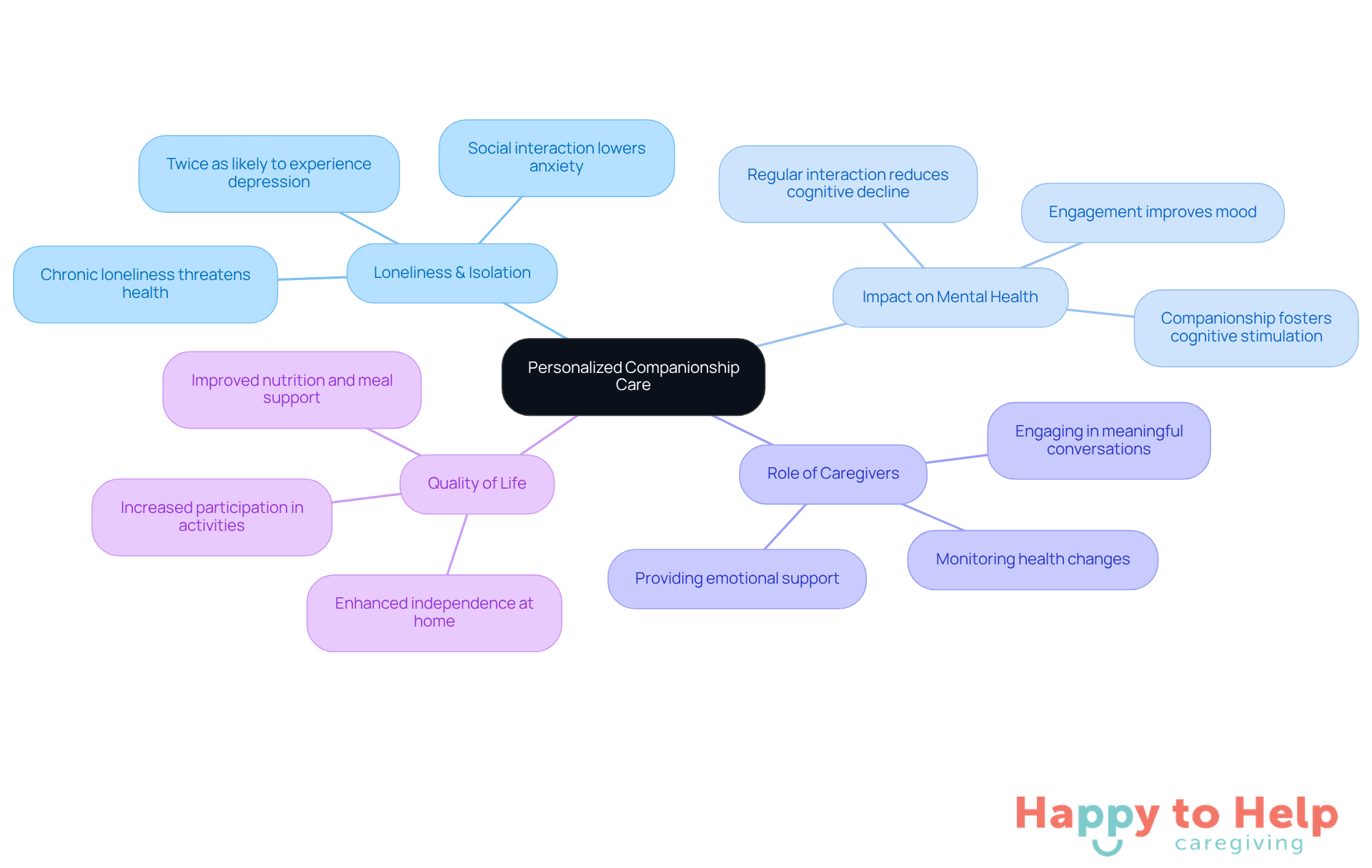
Loneliness and isolation are significant challenges faced by many seniors today. Research from the National Institute on Aging shows that regular social interaction can reduce the risk of depression and cognitive decline among older adults. Unfortunately, isolated seniors are twice as likely to experience depression, which can severely impact their overall health and well-being.
Happy to Help Caregiving addresses this pressing issue by delivering personalized companionship care through live-in carers that enhances the quality of life for seniors. Caregivers engage individuals in meaningful conversations and enjoyable activities, providing a comforting presence that alleviates feelings of loneliness. This customized approach nurtures emotional ties, ensuring that each individual feels appreciated and understood, which is essential for fostering a sense of belonging and safety in their own homes.
By prioritizing these connections, Happy to Help Caregiving not only meets the daily needs of seniors but also significantly improves their mental and emotional health through the support of live-in carers. This companionship care creates a lasting impact on their lives, helping them maintain a higher quality of life.
Meal Preparation: Ensuring Nutritious and Enjoyable Dining Experiences
Caregivers at Happy to Help Caregiving face a significant challenge: ensuring individuals receive nutritious meals tailored to their specific dietary needs. This issue is crucial, as proper nutrition significantly impacts the well-being of older adults. Research shows that home-delivered meals can reduce hunger and malnutrition, improve physical and emotional well-being, and relieve stress on caregivers.
The implications of inadequate meal preparation extend beyond nutrition. By actively involving individuals in meal preparation, caregivers not only encourage independence but also nurture healthy eating practices. Shared cooking experiences can alleviate feelings of isolation, strengthen social connections, and provide a sense of purpose.
To address these challenges, caregivers can implement several practical solutions:
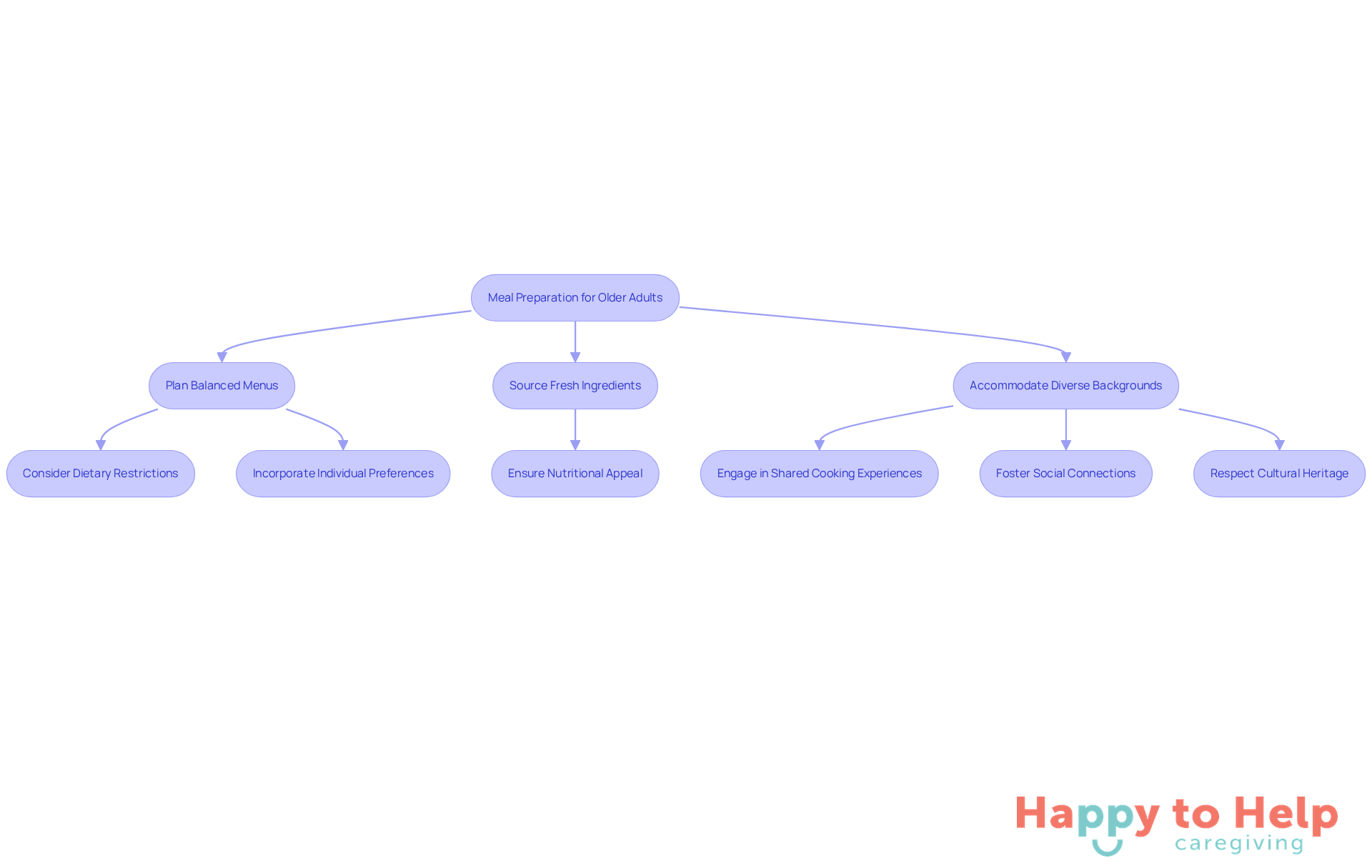
- They should plan balanced menus that cater to individual preferences and dietary restrictions.
- Sourcing fresh ingredients is essential, as it ensures meals are both nutritious and appealing.
- Accommodating diverse backgrounds in meal planning is vital. This approach not only fulfills nutritional requirements but also respects individuals' heritage, fostering a sense of belonging and contentment during mealtimes.
In summary, live-in carers play a vital role in meal preparation, and their efforts can significantly enhance the quality of life for those they assist. By prioritizing nutrition and cultural awareness in meal planning, caregivers can create a positive impact on the well-being of older adults.
Medication Management: Safeguarding Health Through Proper Administration
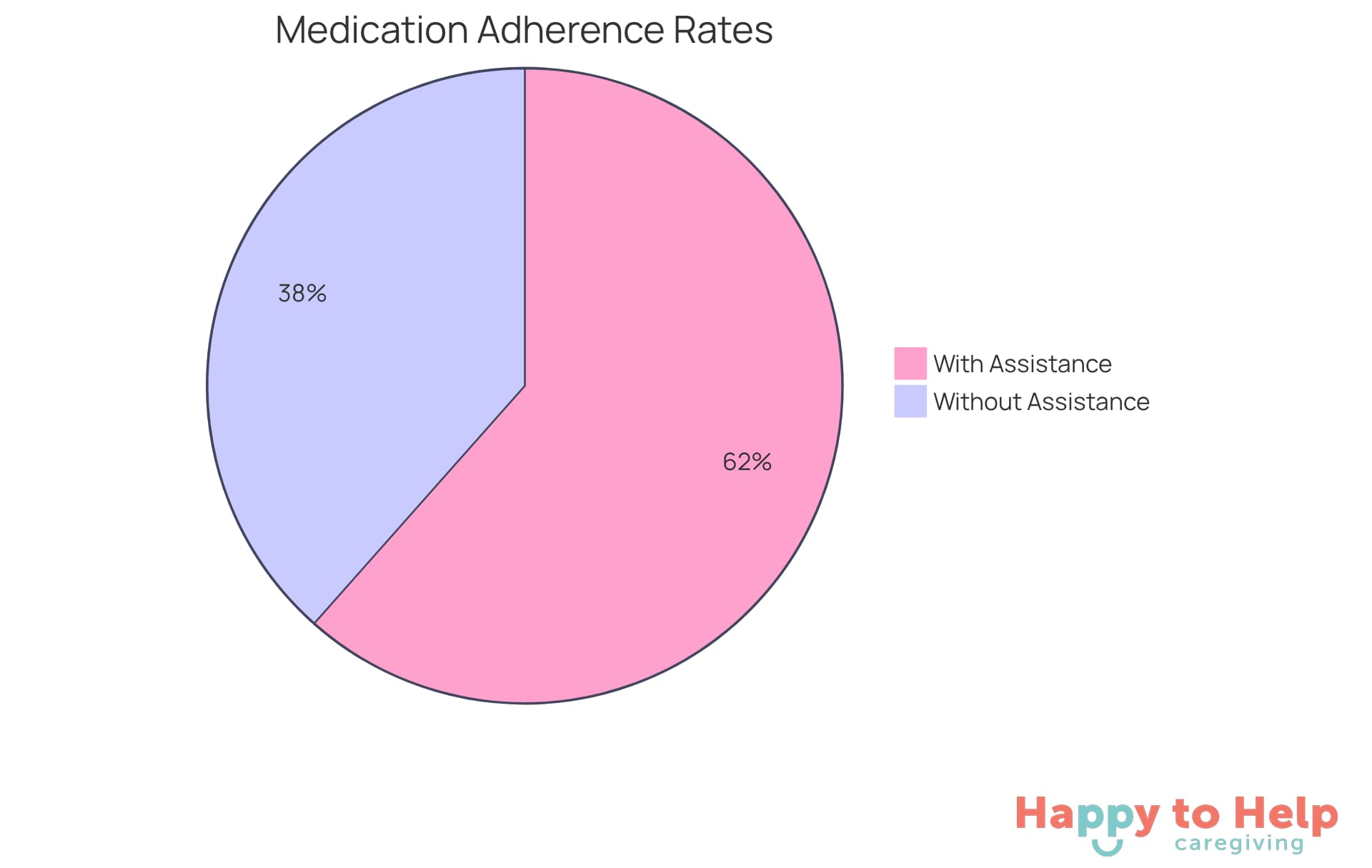
Medication management poses a significant challenge in elderly care, often leading to serious health risks. Many seniors struggle with organizing their medications, which can result in missed doses or incorrect usage. This issue is compounded by the fact that without support, adherence rates can plummet to around 50%.
The implications of poor medication adherence are alarming. Seniors who do not receive assistance are at a higher risk of hospitalizations and adverse health outcomes. Research shows that those receiving help have adherence rates exceeding 80%, a stark contrast that underscores the importance of effective medication management.
Live-in carers play a crucial role in addressing this problem. They can help individuals organize their medications, set reminders, and monitor for side effects. Additionally, maintaining open communication with healthcare providers ensures that any concerns are promptly addressed.
By implementing these strategies, live-in carers not only safeguard their clients' health but also promote better overall outcomes. As we approach the end of 2025, the significance of medication management in elderly care continues to grow, directly impacting seniors' well-being and allowing them to thrive in their familiar environments.
Emotional Support: Fostering Connection and Reducing Loneliness
Loneliness and isolation are significant challenges faced by many seniors, impacting their mental well-being. These feelings can lead to a decline in overall quality of life, making it essential for caregivers to address this issue effectively.
Happy to Help Caregiving recognizes the importance of emotional support in caregiving services. Caregivers play a crucial role by offering companionship and actively listening to individuals' concerns. They engage seniors in activities that promote joy and fulfillment, fostering a sense of connection and belonging.
By nurturing a supportive atmosphere, caregivers can significantly reduce feelings of loneliness. This emotional connection not only enhances mental well-being but also improves the overall quality of life for seniors. Implementing these practices can lead to a more fulfilling caregiving experience for both caregivers and those they support.
Household Tasks: Maintaining a Safe and Comfortable Home Environment
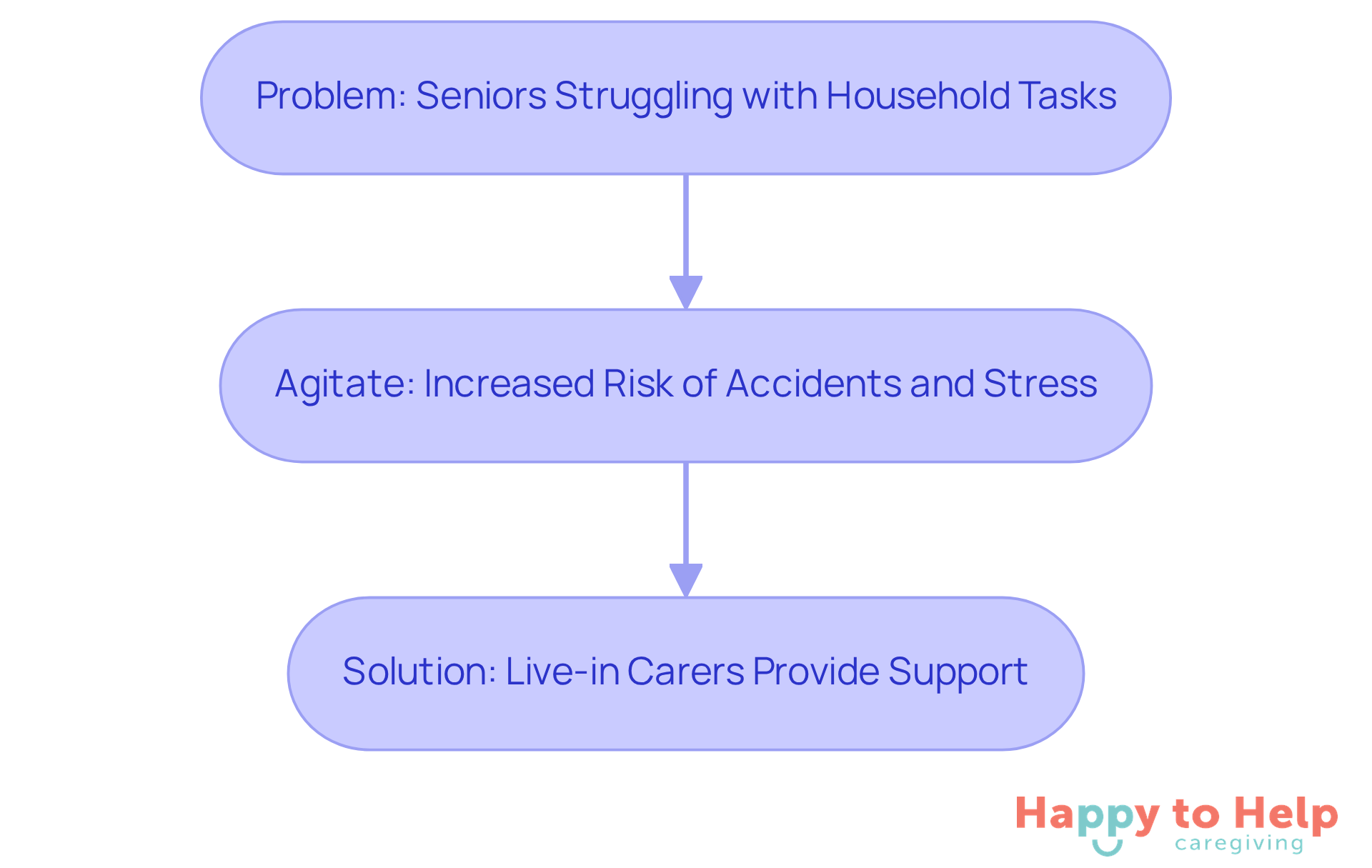
Problem: Many seniors struggle with managing household tasks, which can lead to a cluttered and unsafe living environment.
Agitate: This not only increases the risk of accidents but also adds unnecessary stress, making it difficult for them to enjoy their daily activities.
Solution: Live-in carers at Happy to Help Caregiving provide essential support by assisting with light housekeeping, laundry, and organizing living spaces. By maintaining a clean and safe environment, live-in carers help prevent accidents and ensure that their clients feel comfortable in their homes. This support allows seniors to focus on their well-being and enjoy their daily activities without the burden of managing household chores.
Companionship: Building Meaningful Relationships for Enhanced Well-Being
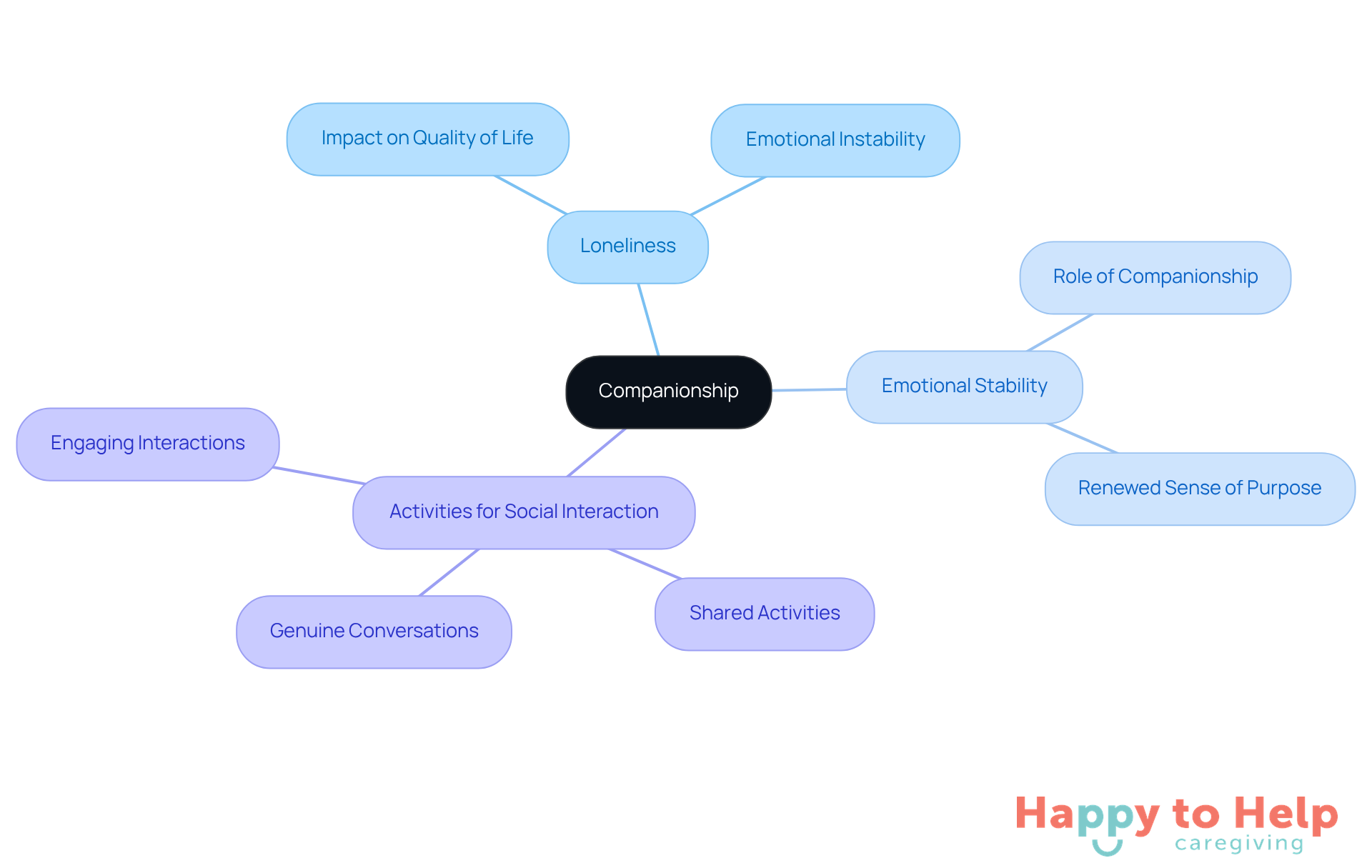
Loneliness is a significant challenge faced by many individuals who have live-in carers. This feeling can lead to emotional instability and a diminished sense of purpose, impacting their overall quality of life.
Live-in carers play a crucial role in providing companionship to address this issue. Caregivers at Happy to Help Caregiving foster meaningful relationships through regular interactions, shared activities, and genuine conversations. By prioritizing companionship, live-in carers not only help alleviate feelings of loneliness but also promote emotional stability and a renewed sense of purpose.
To enhance the well-being of those they assist, caregivers should focus on building these connections. Engaging in activities that encourage social interaction can significantly improve the quality of life for individuals in their care.
Personal Care: Supporting Daily Living Activities with Dignity
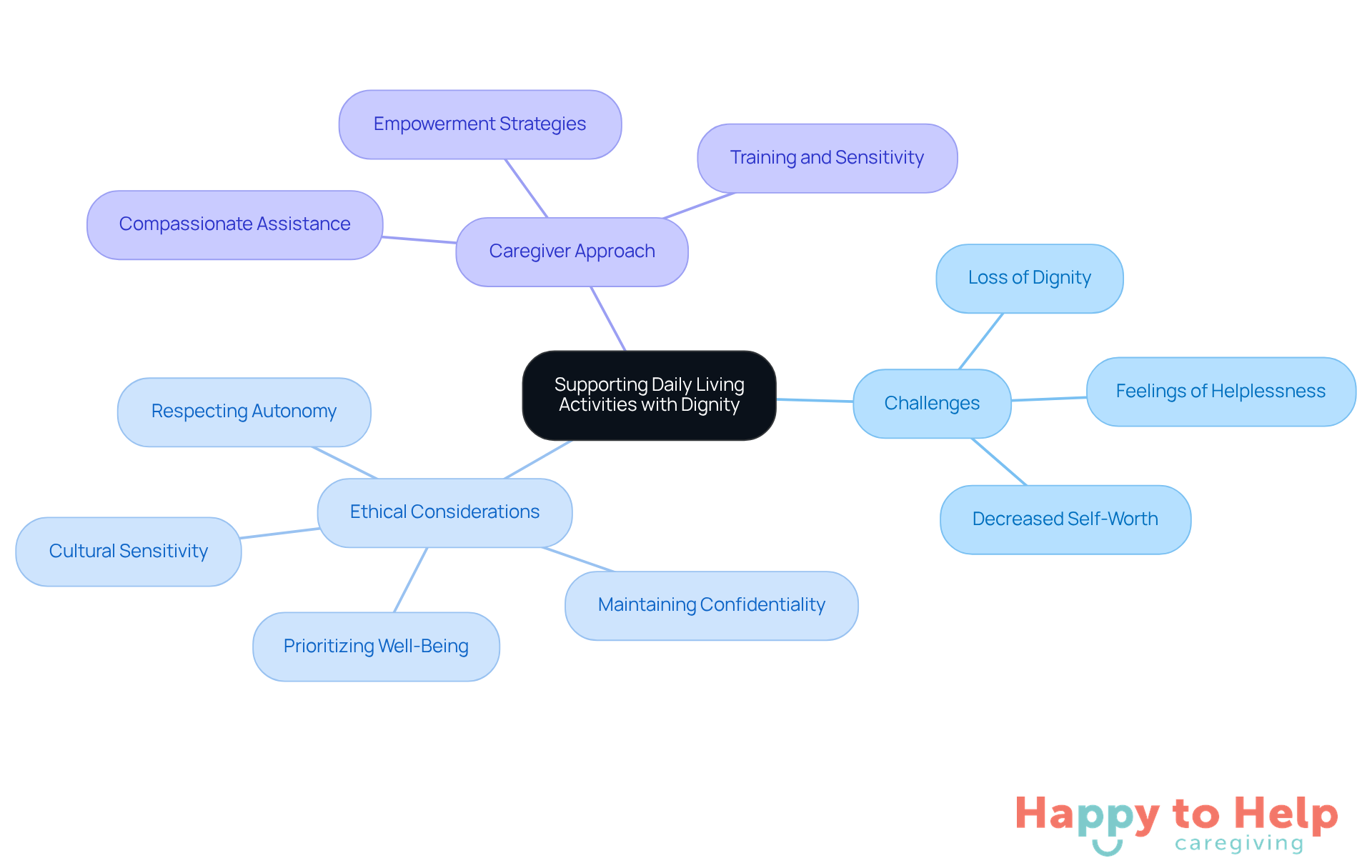
Problem: Many older individuals struggle with essential daily tasks like bathing, dressing, and grooming, which can significantly impact their quality of life. Without proper assistance, seniors may feel a loss of dignity and independence.
Agitate: This lack of support not only affects their physical well-being but can also lead to feelings of helplessness and decreased self-worth. When caregivers do not approach these tasks with sensitivity and respect, it can further diminish the confidence of elderly clients, making them feel uncomfortable in their own skin.
Happy to Help Caregiving addresses these challenges by providing personal care services with live-in carers that prioritize dignity and autonomy. Live-in carers are trained to assist with daily tasks while ensuring that clients feel respected and valued. This compassionate approach empowers seniors, helping them maintain their independence and self-esteem.
To create a supportive environment, caregivers should focus on the following:
- Respecting autonomy: Allow clients to make choices about their care.
- Prioritizing well-being: Ensure that the physical and emotional needs of clients are met.
- Maintaining confidentiality: Protect clients' privacy at all times.
- Being culturally sensitive: Acknowledge and respect diverse backgrounds and preferences.
By emphasizing these ethical considerations, live-in carers can help elderly individuals thrive and enjoy their later years with dignity and independence. This approach not only enhances the quality of care but also aligns with the broader framework of elderly care.
Specialized Care: Tailoring Support for Complex Health Needs
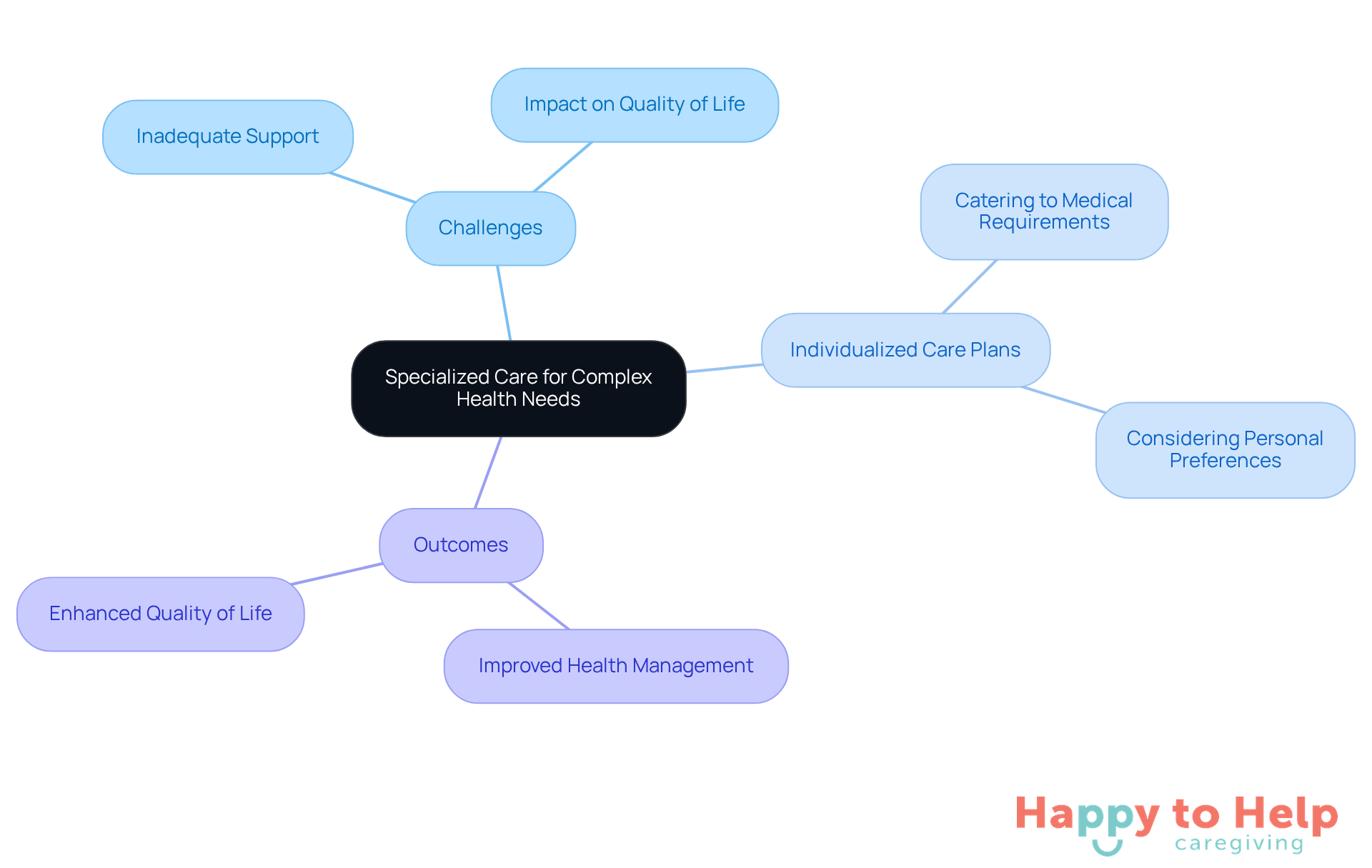
Caregivers at Happy to Assist Caregiving face a significant challenge: providing specialized care for individuals with complex health needs, including chronic illnesses and disabilities. This issue can lead to inadequate support, affecting clients' ability to manage their conditions effectively and diminishing their quality of life.
To address this problem, caregivers must develop individualized care plans that cater to specific medical requirements and personal preferences. By tailoring support to each client's unique situation, professionals can ensure that clients receive the appropriate help they need.
Implementing these personalized care plans not only improves the management of health conditions but also enhances the overall quality of life for clients. By focusing on specialized support, caregivers can make a meaningful difference in the lives of those they assist.
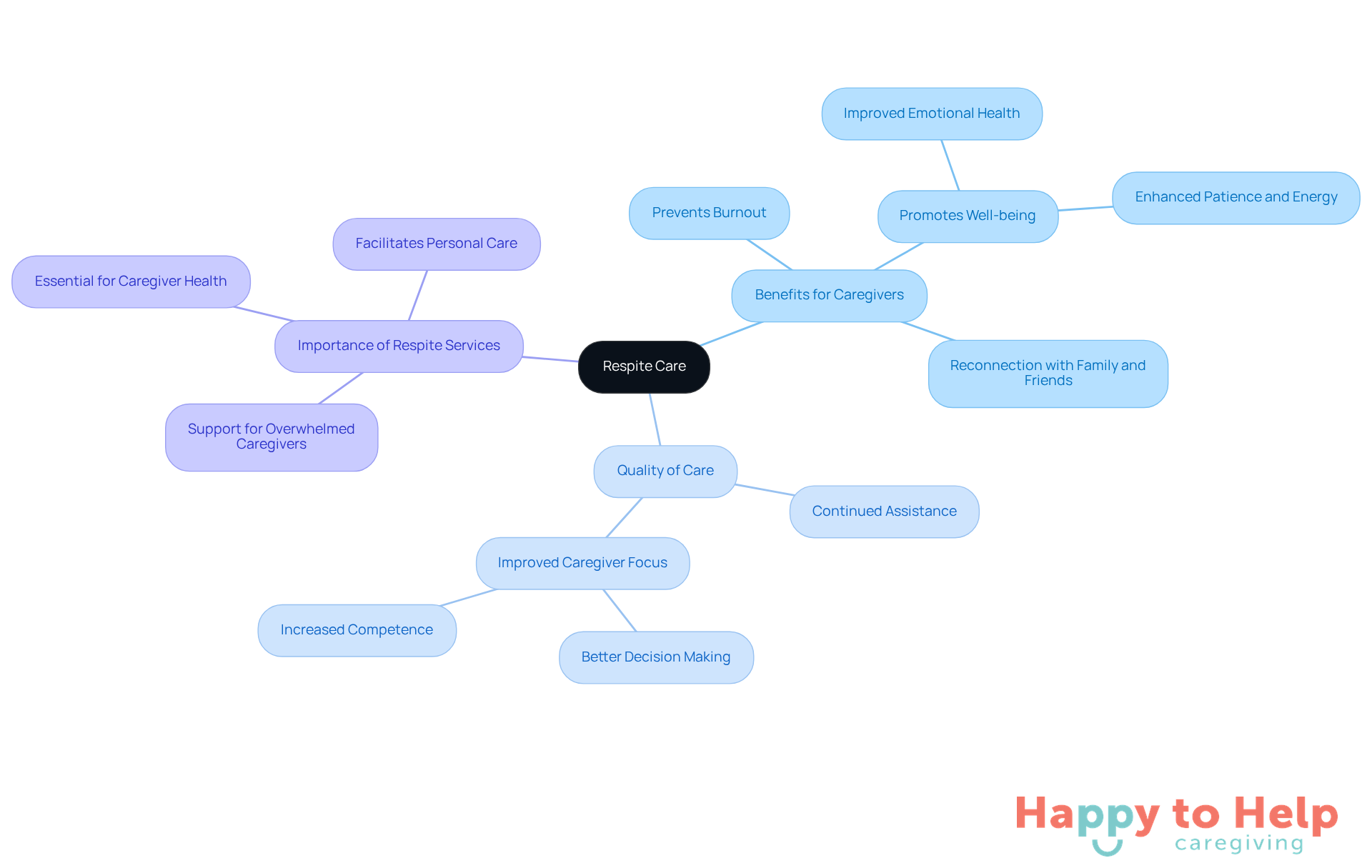
Respite Care: Offering Relief for Family Caregivers
Caregiving can be a rewarding yet challenging role, often leading to significant stress and burnout for family supporters. This situation not only affects the caregiver's well-being but also impacts the quality of care provided to their loved ones.
To combat these challenges, Happy to Assist Caregiving offers respite support services. These services provide temporary relief for family caregivers, allowing them to take necessary breaks while ensuring their loved ones continue to receive quality assistance.
By utilizing respite care, families can effectively manage the demands of caregiving, preventing burnout and promoting the overall health of both the caregiver and the care recipient. This support is crucial for maintaining a balanced and healthy caregiving environment.
Post-Hospital Recovery Assistance: Facilitating Safe Transitions Home
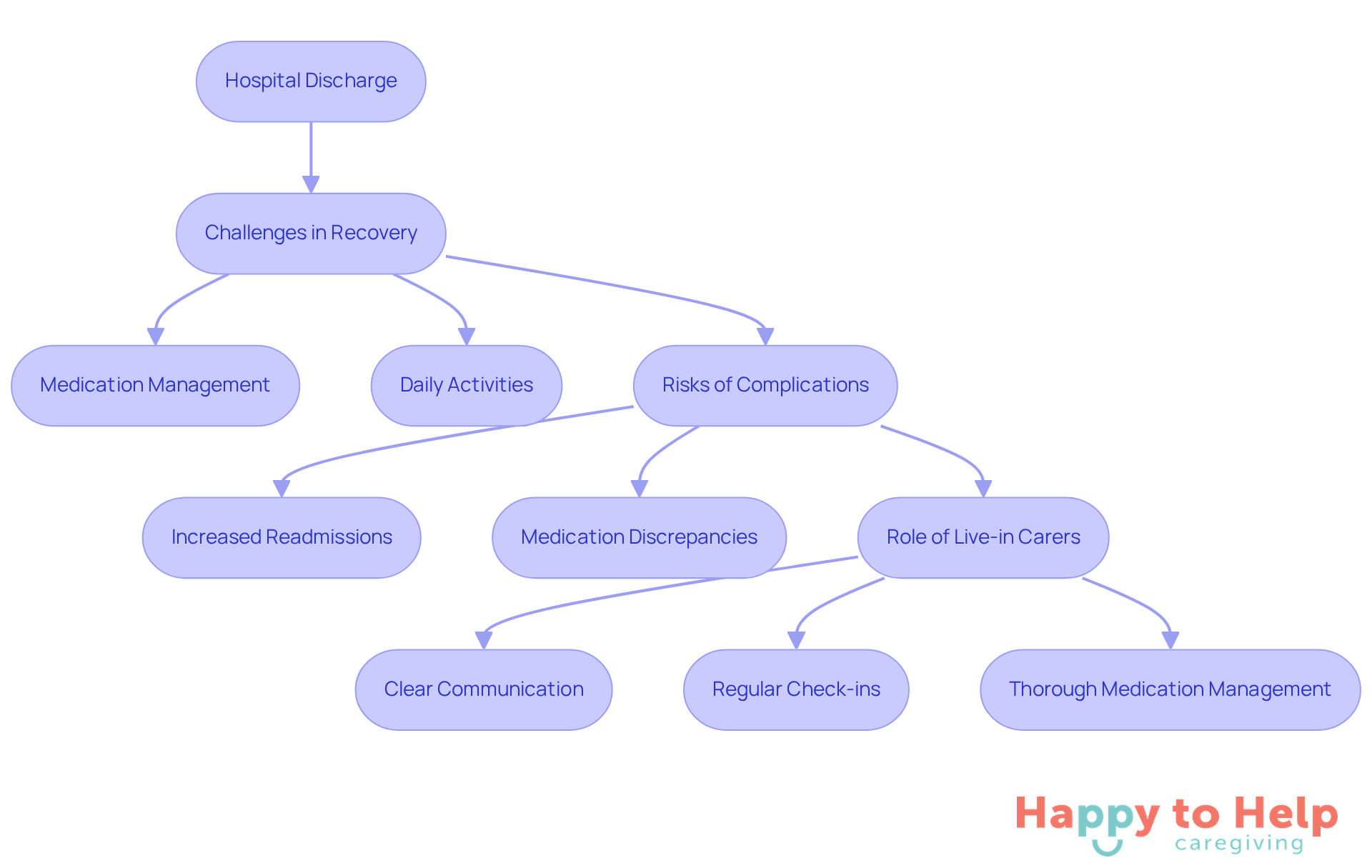
Problem: Post-hospital recovery can be a challenging time for many individuals. After hospitalization, transitioning back home often presents various difficulties, particularly in managing medications and daily activities.
Agitate: Without proper support, patients face increased risks of complications and hospital readmissions. In fact, studies show that nearly one in five Medicare patients are readmitted within 30 days of discharge, often due to issues that attentive home care could prevent. Additionally, patients with medication discrepancies are twice as likely to be readmitted within the same timeframe.
Solution: Live-in carers play a crucial role in the recovery process. Live-in carers help ensure a smoother transition by managing medications, scheduling follow-up appointments, and assisting with daily living activities. This personalized assistance not only fosters independence and confidence in clients but also significantly enhances overall health outcomes. To promote a secure home environment for seniors, caregivers should focus on:
- Clear communication
- Regular check-ins
- Thorough medication management
By doing so, they contribute to improved well-being and quality of life for those they care for.
Taking the Next Steps
The role of live-in carers addresses a significant problem faced by families and seniors: the challenge of maintaining quality of life amidst caregiving demands. Many families struggle with feelings of stress and isolation, both for themselves and their loved ones. This situation can lead to a decline in emotional and physical well-being for seniors, making it crucial to find effective solutions.
Live-in carers provide a comprehensive solution by offering personalized companionship, tailored meal preparation, and meticulous medication management. This holistic approach not only fosters independence but also significantly reduces feelings of loneliness and isolation among seniors. By creating a nurturing environment that addresses both physical and emotional needs, live-in carers enhance the overall quality of life for families and seniors alike.
Moreover, the benefits of live-in care extend beyond individual well-being. They facilitate safe transitions post-hospitalization and offer much-needed respite for family caregivers. The ability of live-in carers to forge meaningful connections and ensure proper nutrition leads to improved health outcomes for seniors. This, in turn, enhances family dynamics, allowing loved ones to share quality time together without the stress of caregiving burdens.
As the demand for elderly care solutions continues to grow, recognizing the importance of live-in carers becomes essential. Families looking to improve their loved ones' quality of life should consider the profound impact that personalized care can have. By investing in live-in caregiving services, families can ensure that their loved ones receive the assistance they need while enjoying a fulfilling and dignified life at home. Embracing this approach not only enhances individual well-being but also strengthens family bonds, creating a supportive environment where everyone thrives.
https://iframe.tely.ai/cta/eyJhcnRpY2xlX2lkIjogIjY5MjdhNWQwYmE1MjYxOTlhNjlhODZkMSIsICJjb21wYW55X2lkIjogIjY4ZWU1ZGNhNzMxNzYyNTU3ZjNjOTVjMSIsICJpbmRleCI6IG51bGwsICJ0eXBlIjogImFydGljbGUifQ==Frequently Asked Questions
What is the main goal of Happy to Help Caregiving?
The main goal of Happy to Help Caregiving is to provide personalized companionship care that enhances the quality of life for seniors, addressing loneliness and isolation through meaningful interactions and activities.
How does companionship care benefit seniors?
Companionship care benefits seniors by reducing feelings of loneliness, improving mental and emotional health, nurturing emotional ties, and fostering a sense of belonging and safety in their own homes.
What role do caregivers play in meal preparation?
Caregivers play a crucial role in meal preparation by ensuring that individuals receive nutritious meals tailored to their dietary needs, encouraging independence, and fostering social connections through shared cooking experiences.
Why is proper nutrition important for older adults?
Proper nutrition is important for older adults as it significantly impacts their physical and emotional well-being, reduces hunger and malnutrition, and alleviates stress on caregivers.
What strategies can caregivers implement for effective meal preparation?
Caregivers can implement strategies such as planning balanced menus that cater to individual preferences, sourcing fresh ingredients, and accommodating diverse backgrounds in meal planning to enhance the dining experience.
What challenges does medication management present for seniors?
Medication management presents challenges such as organizing medications, which can lead to missed doses or incorrect usage, resulting in higher risks of hospitalizations and adverse health outcomes.
How can live-in carers assist with medication management?
Live-in carers can assist with medication management by helping individuals organize their medications, setting reminders, monitoring for side effects, and maintaining communication with healthcare providers to address concerns.
What impact does effective medication management have on seniors' health?
Effective medication management significantly improves adherence rates, leading to better health outcomes and allowing seniors to thrive in their familiar environments.
List of Sources
- Happy to Help Caregiving: Personalized Companionship Care for Quality Living
- Combat Loneliness: The Benefits of Companion Care for Seniors (https://allheartcare.com/more-than-just-company-the-vital-role-of-companion-care-for-seniors)
- The Power Of Companionship: Carelinx Home Care Enhances Senior Well-being - Jhu Innovations (https://stripe.jhu.edu/news/the-power-of-companionship-carelinx-home-care-enhances-senior-well-being)
- 10 Ways Companion Caregivers Enhance Seniors' Quality of Life - Happy To Help (https://happytohelpcaregiving.com/10-ways-companion-caregivers-enhance-seniors-quality-of-life)
- Georgia Southern’s Senior Companion Program creates a meaningful community for older adults - Georgia Southern University (https://georgiasouthern.edu/2025/09/02/georgia-southerns-senior-companion-program-creates-a-meaningful-community-for-older-adults)
- Companion Care at Home Reduces Loneliness for Seniors During the Holidays (https://lifesathomecare.com/companion-care-at-home-reduces-loneliness-for-seniors-during-the-holidays)
- Meal Preparation: Ensuring Nutritious and Enjoyable Dining Experiences
- Key Trends Shaping Senior Nutrition Programs in 2025 (https://triocommunitymeals.com/blog/key-trends-shaping-senior-nutrition-programs-in-2025)
- Findings From New Study Reinforce That Home-Delivered Meals Provide Critical Health and Social Benefits to Older Adults and Caregivers (https://mealsonwheelsamerica.org/news/findings-from-new-study-reinforce-that-home-delivered-meals-provide-critical-health-and-social-benefits-to-older-adults-and-caregivers)
- 5 Tips for Seniors Creating Healthy Meal Plans (https://ncoa.org/article/5-tips-for-seniors-creating-healthy-meal-plans)
- 5 Transformative Trends in Senior Care Dining (https://mealsuite.com/blog/5-transformative-trends-in-senior-care-dining)
- Meal Planning for Seniors for National Nutrition Month - Senior1Care (https://senior1care.com/nutrition-diet/meal-planning-for-seniors-for-national-nutrition-month)
- Medication Management: Safeguarding Health Through Proper Administration
- Reducing the Proportion of Older Adults Who Take Inappropriate Medications: Key Opportunities to Achieve Healthy People 2030 Goals (https://johnahartford.org/blog/view/reducing-the-proportion-of-older-adults-who-take-inappropriate-medications-key-opportunities-to-achieve-healthy-people-2030-goals)
- Nation’s Long-Term Care Leaders Rally Behind H.R. 5031 to Avert Looming Crisis & Protect Senior Access to Meds - SCPC | Senior Care Pharmacy Coalition (https://seniorcarepharmacies.org/nations-long-term-care-leaders-rally-behind-h-r-5031-to-avert-looming-crisis-protect-senior-access-to-meds)
- Specialized medication management improves care for elderly patients (https://news-medical.net/news/20240731/Specialized-medication-management-improves-care-for-elderly-patients.aspx)
- ISMP Releases 2025-2026 Targeted Medication Safety Best Practices for Community Pharmacy (https://home.ecri.org/blogs/ismp-news/ismp-releases-2025-2026-targeted-medication-safety-best-practices-for-community-pharmacy)
- Expanding Global Work to Revolutionize Care of Older Adults - News (https://umaryland.edu/news/archived-news/january-2025/expanding-global-work-to-revolutionize-care-of-older-adults.php)
- Emotional Support: Fostering Connection and Reducing Loneliness
- Friendship, helping people boosts happiness for older adults - UPI.com (https://upi.com/Health\_News/2025/10/19/friendship-happiness-aging/3721760894904)
- Emotional support key to protecting older adults against depression (https://unsw.edu.au/news/2025/09/neighbourhoods-may-hold-key-slowing-cognitive-decline)
- Psychological Support for Seniors: Why Mental Wellness Matters in Later Life | Home Care agency in New York (https://angelcareny.com/psychological-support-for-seniors-why-mental-wellness-matters-in-later-life)
- 1 in 3 older adults still experience loneliness and isolation (https://michiganmedicine.org/health-lab/1-3-older-adults-still-experience-loneliness-and-isolation)
- Humana Foundation Expands National Efforts to Improve Seniors’ Emotional Health (https://humanafoundation.org/news-humana-foundation/press-releases/humana-foundation-expands-national-efforts-to-improve-seniors-emotional-health)
- Household Tasks: Maintaining a Safe and Comfortable Home Environment
- As Family Caregiving Grows, So Does the Need for Reform - Medicare Rights Center (https://medicarerights.org/medicare-watch/2025/08/14/as-family-caregiving-grows-so-does-the-need-for-reform)
- In the News | ACL Administration for Community Living (https://acl.gov/news-and-events/in-the-news)
- As falling deaths rise for older adults, how home safety can make a difference (https://denver7.com/news/local-news/as-falling-deaths-rise-for-older-adults-how-home-safety-can-make-a-difference)
- The latest senior safety news, videos & comments | NewsBreak (https://local.newsbreak.com/trending/top/senior-safety)
- Home Safety Tips to Protect Your Aging Parents (https://aarp.org/caregiving/home-care/safety-tips)
- Companionship: Building Meaningful Relationships for Enhanced Well-Being
- Friendships Are Especially Powerful Late in Life, Poll Says (https://usnews.com/news/health-news/articles/2024-12-16/friendships-are-especially-powerful-late-in-life-poll-says)
- Older adults find support through health care companions (https://news-medical.net/news/20250924/Older-adults-find-support-through-health-care-companions.aspx)
- The Friendly Caller Who’s Helping Seniors Feel Less Lonely (https://wsj.com/health/wellness/the-friendly-caller-whos-helping-seniors-feel-less-lonely-cd21ef54?gaa\_at=eafs&gaa\_n=AWEtsqdS6HSzrCDiTPlif8DGLriiZPp61tqR3hxonQk9fvqY88a8WPSN4abH&gaa\_ts=6927aa1d&gaa\_sig=qXBRWKX9nuZA1fu6q3SS-AcRFb4qrM0b5DVrjUE5Enntcig6xB7TuNe01QZUH7\_eNC9wGI9c4IpPK0KarOHi2g%3D%3D)
- Personal Care: Supporting Daily Living Activities with Dignity
- Healthy Aging Month: Aging With Dignity Takes a Village - Medicare Rights Center (https://medicarerights.org/medicare-watch/2025/09/30/healthy-aging-month-aging-with-dignity-takes-a-village)
- How Self-Care Helps Boost Self-Esteem in Seniors - Thrive Health Care Services, llc (https://thrivehcs.com/how-self-care-helps-boost-self-esteem-in-seniors)
- The Importance of Aging With Dignity: How Community Support Makes It Possible - Spectrum Community Services (https://spectrumcs.org/about/blog/446-the-importance-of-aging-with-dignity-how-community-support-makes-it-possible)
- The Importance of Elderly Care: Health & Dignity (https://graciousheartsinc.com/blog/importance-of-elderly-care)
- Importance of Elderly Personal Care: Enhancing Quality of Life | IHSS Law Office of James Diskint (https://ihsslaw.com/the-importance-of-elderly-personal-care)
- Specialized Care: Tailoring Support for Complex Health Needs
- Seven trends in senior living that will define 2025 and beyond (https://mcknightsseniorliving.com/home/columns/guest-columns/seven-trends-in-senior-living-that-will-define-2025-and-beyond)
- CVS Health is shaping a more connected care experience for older adults (https://cvshealth.com/news/health-equity/cvs-health-is-shaping-a-more-connected-care-experience-for-older-adults.html)
- In the News | ACL Administration for Community Living (https://acl.gov/news-and-events/in-the-news)
- New Health Challenges for Seniors in 2025 | Home Care Providers (https://homecareproviders.com/blog/new-health-challenges-for-seniors-in-2025-how-home-care-can-help)
- ArchCare to Open Groundbreaking “Neighborhood” PACE Center in East Harlem - ArchCare (https://archcare.org/news-events/archcare-to-open-groundbreaking-neighborhood-pace-center-in-east-harlem)
- Respite Care: Offering Relief for Family Caregivers
- New Bill: Senator Edward J. Markey introduces S. 3231: Respite Care and Resources for Everyone Act | AMGN Stock News (https://quiverquant.com/news/New+Bill:+Senator+Edward+J.+Markey+introduces+S.+3231:+Respite+Care+and+Resources+for+Everyone+Act)
- Caregivers and the Importance of Respite Care (https://benedictineliving.org/resources/news/caregivers-and-the-importance-of-respite-care)
- News & Success Stories | Live Well San Diego (https://livewellsd.org/Home/Components/News/News/513/153)
- Funding Opportunity: National Lifespan Respite Care Program State Program Enhancement Grants | ACL Administration for Community Living (https://acl.gov/news-and-events/announcements/national-lifespan-respite-care-program-state-program-enhancement)
- Post-Hospital Recovery Assistance: Facilitating Safe Transitions Home
- Smart Homes and Post-Hospital Care: Supporting Seniors Aging in Place (https://hcprosonline.com/smart-homes-and-post-hospital-care-supporting-seniors-aging-in-place)
- After the Hospital: How Home Health Care Supports Recovery at Home - Advanced Nursing & Home Care (https://advancednursing.care/blog/after-the-hospital-how-home-health-care-supports-recovery-at-home)
- Horizon Health (https://myhorizonhealth.org/blog-news/2025/may/from-hospital-to-home)
- Improving Care Transitions from Hospital to Home | NYP (https://nyp.org/newsletters/prof-adv/geriatrics/improving-care-transitions-from-hospital-to-home)