For families in our service areas
For families in our service areas, this guide explains caregiving and how non-medical in-home caregiving can support care planning in East Idaho, Treasure Valley & Magic Valley, Northern Wasatch, North Central West Virginia, and Northeast Ohio.
Quick Guide to Show Elder Respect in Caregiving
The article "10 Ways to Show Elder Respect in Caregiving" highlights practical strategies for caregivers to express respect towards the elderly individuals they care for. It underscores the significance of personalized support and effective communication, while also empowering seniors in their care decisions. These elements collectively nurture dignity, autonomy, and emotional well-being for older adults. By focusing on these strategies, caregivers can alleviate the emotional challenges they face, fostering a more compassionate environment that respects and honors the elderly.
Why Show Elder Respect in Caregiving Matters
The landscape of caregiving is evolving, reflecting a growing recognition of the profound respect that elders deserve. As seniors increasingly prefer to age in place, caregivers are presented with a unique opportunity to enhance their quality of life through personalized, compassionate support. Yet, a challenge persists: how can caregivers effectively demonstrate this respect while addressing the complex emotional and physical needs of older adults? This article explores ten impactful ways to honor and uplift the elderly in caregiving, ensuring they feel valued and empowered in their own lives.
Happy to Help Caregiving: Personalized In-Home Support for Elders
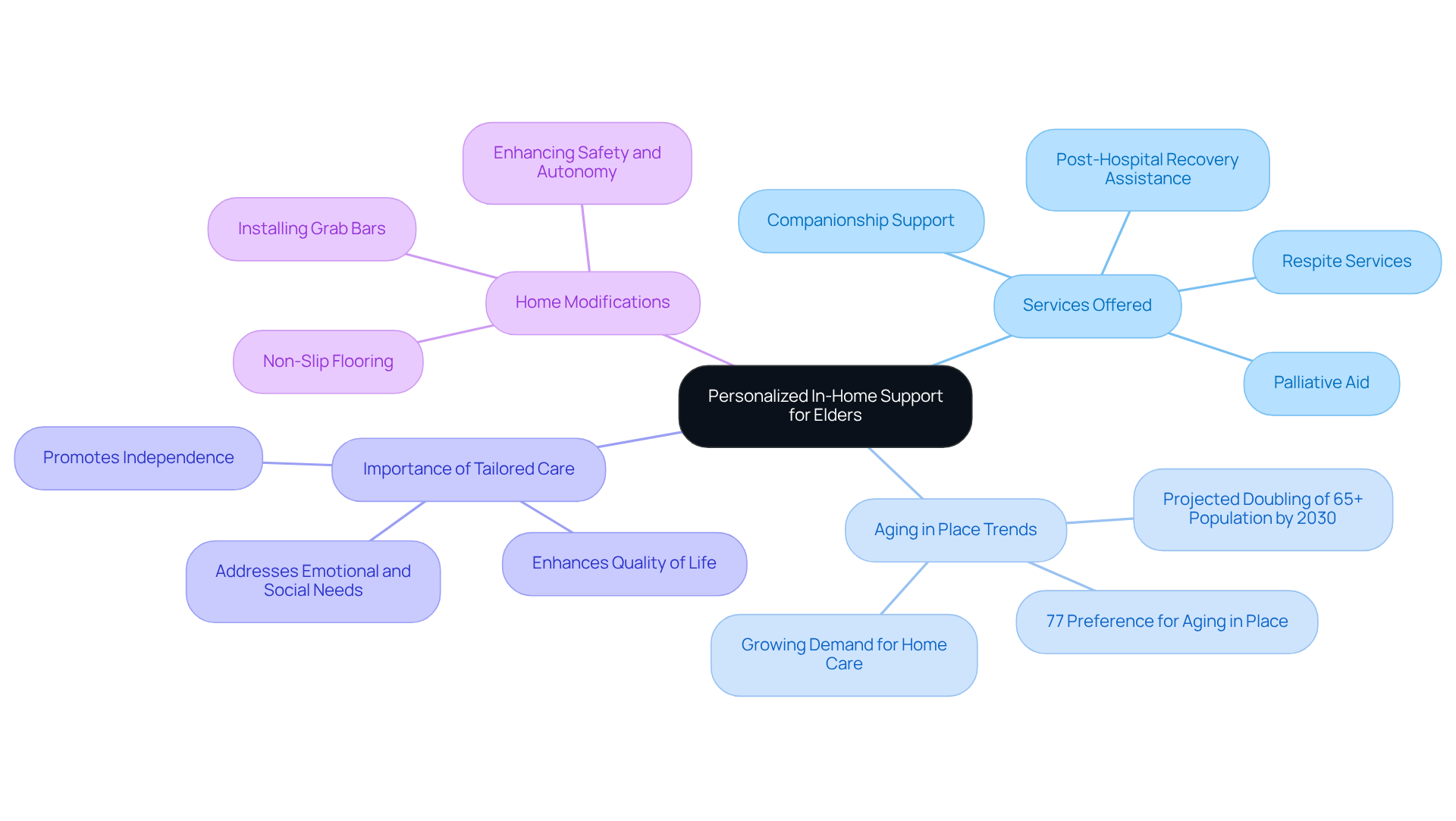
Happy to Help Caregiving truly excels in providing compassionate in-home support, meticulously tailored to meet the unique needs of seniors. Their extensive offerings—ranging from companionship support and post-hospital recovery assistance to respite services and palliative aid—are thoughtfully designed to enhance the quality of life for seniors. By prioritizing personalized care, the agency cultivates an environment that promotes elder respect, ensuring clients feel respected and valued in their own homes while fostering independence and overall well-being.
Recent trends reveal a growing preference among older adults for aging in place, with 77% of individuals over 50 expressing a desire to remain in their homes as they grow older. This shift underscores the importance of tailored in-home assistance, which addresses not only the physical needs of the elderly but also their emotional and social well-being. Effective in-home assistance initiatives, such as those provided by Happy to Help Caregiving, have demonstrated significant positive effects on seniors' quality of life, promoting elder respect and allowing them to maintain their dignity and independence.
Experts emphasize that customized caregiving services are vital for responding to the evolving needs of older adults, especially as the aging population continues to rise. With the number of adults aged 65 and older expected to nearly double by 2030, the is more critical than ever. Moreover, home modifications, like adding grab bars and non-slip flooring, play a crucial role in enhancing safety and autonomy for older adults aging in place. Happy to Help Caregiving stands at the forefront of this movement, ensuring that each client receives the individualized attention and support necessary to thrive in their familiar surroundings.
Companionship Care: Fostering Connection and Respect
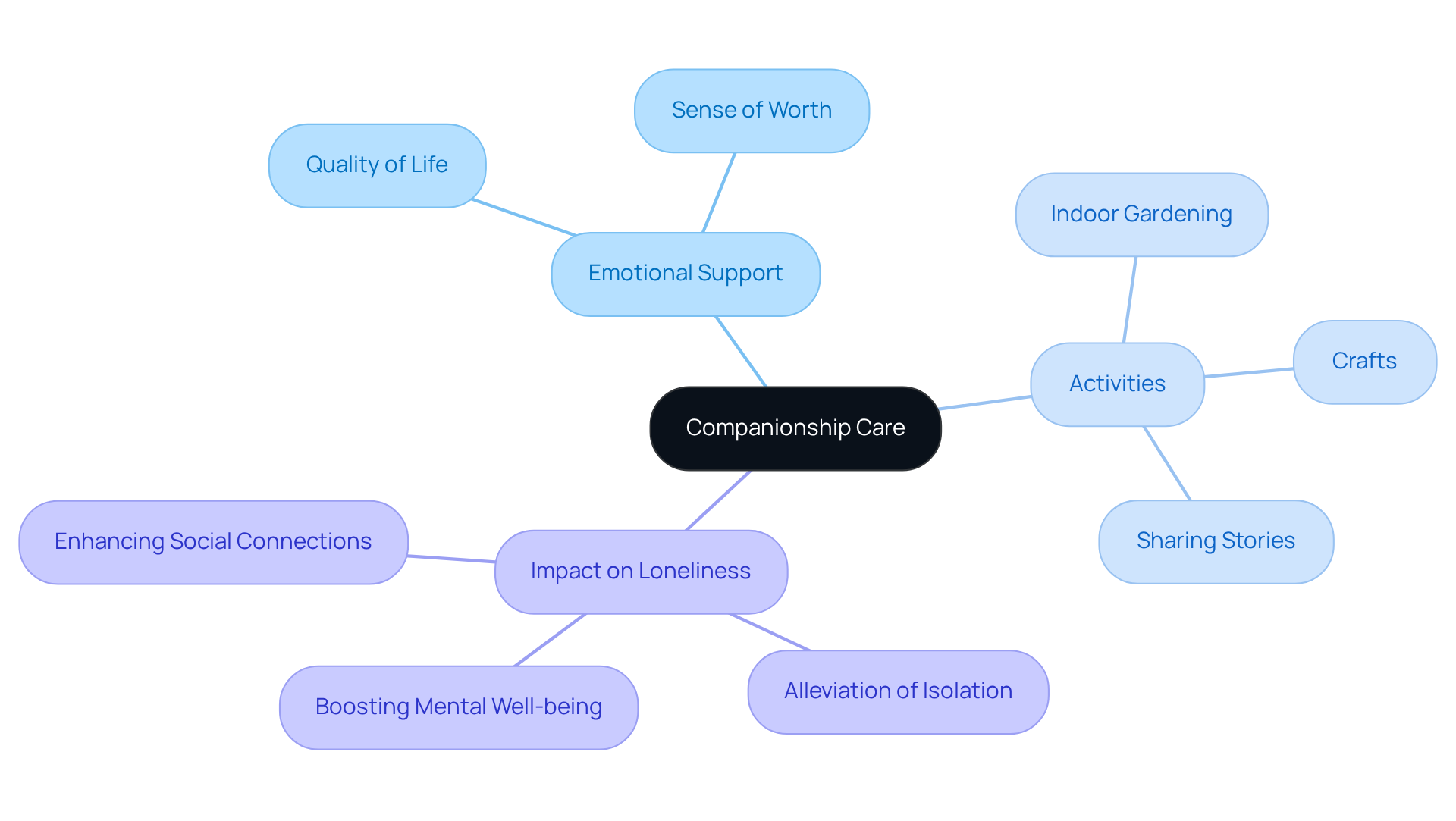
Companionship support plays a crucial role in nurturing meaningful relationships between caregivers and older adults. Through engaging in thoughtful conversations, sharing enjoyable activities, and offering emotional support, caregivers can significantly alleviate feelings of loneliness among older adults. It's important to recognize that research shows one in three elderly individuals faces isolation and loneliness, underscoring the vital importance of companionship support in addressing this issue.
This compassionate approach not only enhances the quality of life for older adults but also reinforces their elder respect and sense of worth within the caregiving relationship. The emotional support derived from companionship creates an environment where older adults feel acknowledged and valued, ultimately boosting their mental well-being. Chronic loneliness can even shorten life expectancy more than being overweight or sedentary, and it poses risks comparable to smoking. This reality makes companionship care even more essential in promoting emotional health and dignity for the elderly.
Caregivers who prioritize these meaningful connections help older adults maintain a sense of purpose and belonging—elements that are crucial to their overall happiness and quality of life. Engaging in activities such as indoor gardening, crafts, or simply sharing stories can foster significant interactions that enrich the caregiving experience. Together, these efforts create a and promotes elder respect, reminding them that they are never alone on this journey.
Post-Hospital Recovery Assistance: Supporting Elders in Transition
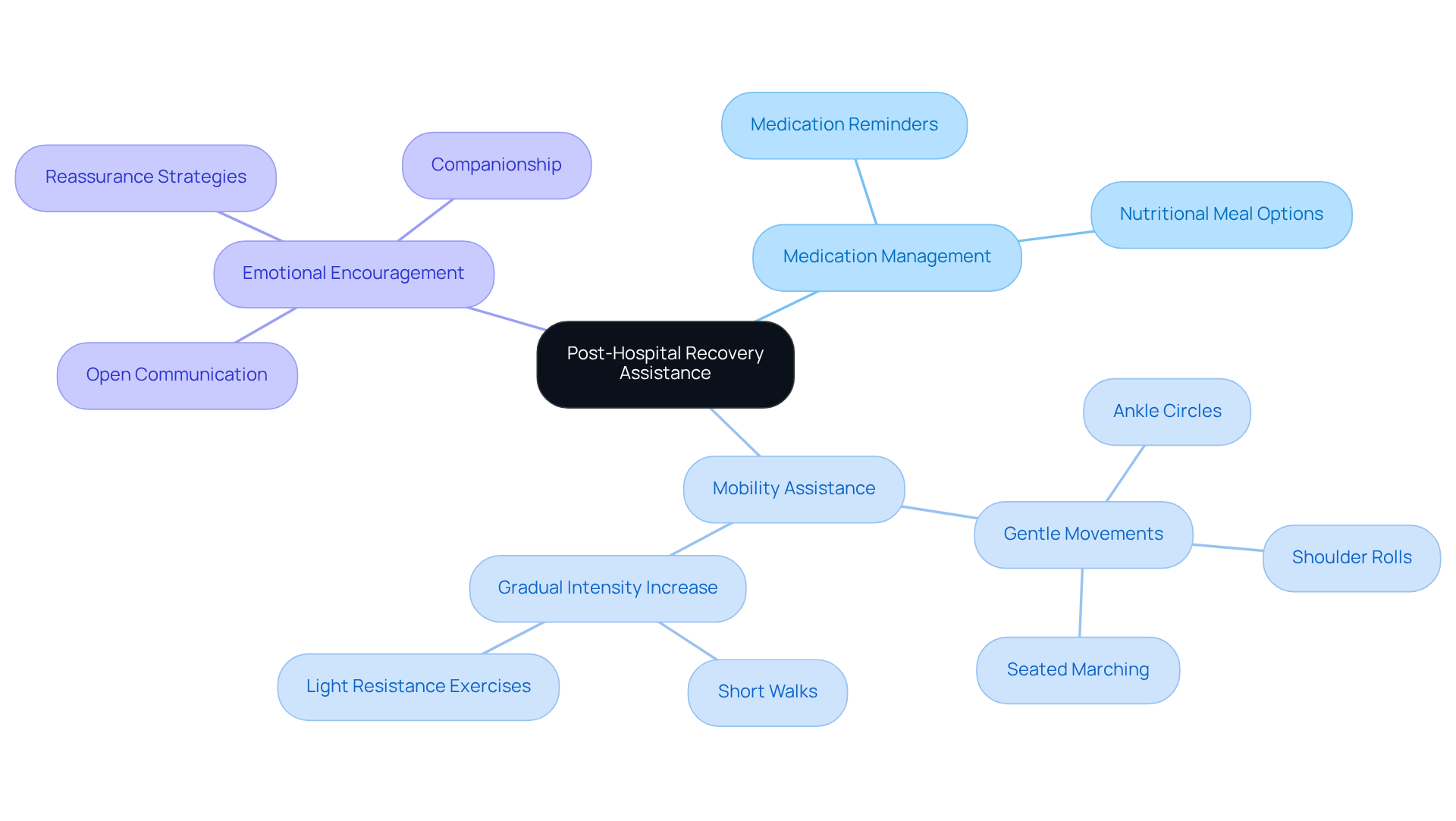
Post-hospital recovery assistance is essential for seniors as they return home after medical treatment. Caregivers are crucial in this journey, providing comprehensive support that encompasses:
- Medication management
- Mobility assistance
- Emotional encouragement
It's vital for caregivers to promote a gradual progression in recovery activities. Starting with gentle movements and slowly increasing intensity ensures safety and helps build confidence.
By honoring the senior's pace and preferences during recovery, caregivers demonstrate elder respect and foster an environment that nurtures confidence and independence. This approach, grounded in elder respect, not only supports physical recovery but also enhances , facilitating a smoother reintegration into daily life.
Effective communication is key. Strategies to reduce anxiety and encourage open discussions about concerns help alleviate feelings of uncertainty that often arise during such transitions. Moreover, caregivers should emphasize the importance of adequate nutrition during recovery, as it plays a pivotal role in the healing process.
In this journey, it’s important to remember that every step taken with care and compassion makes a difference.
Respite Care: Valuing Both Caregivers and Elders
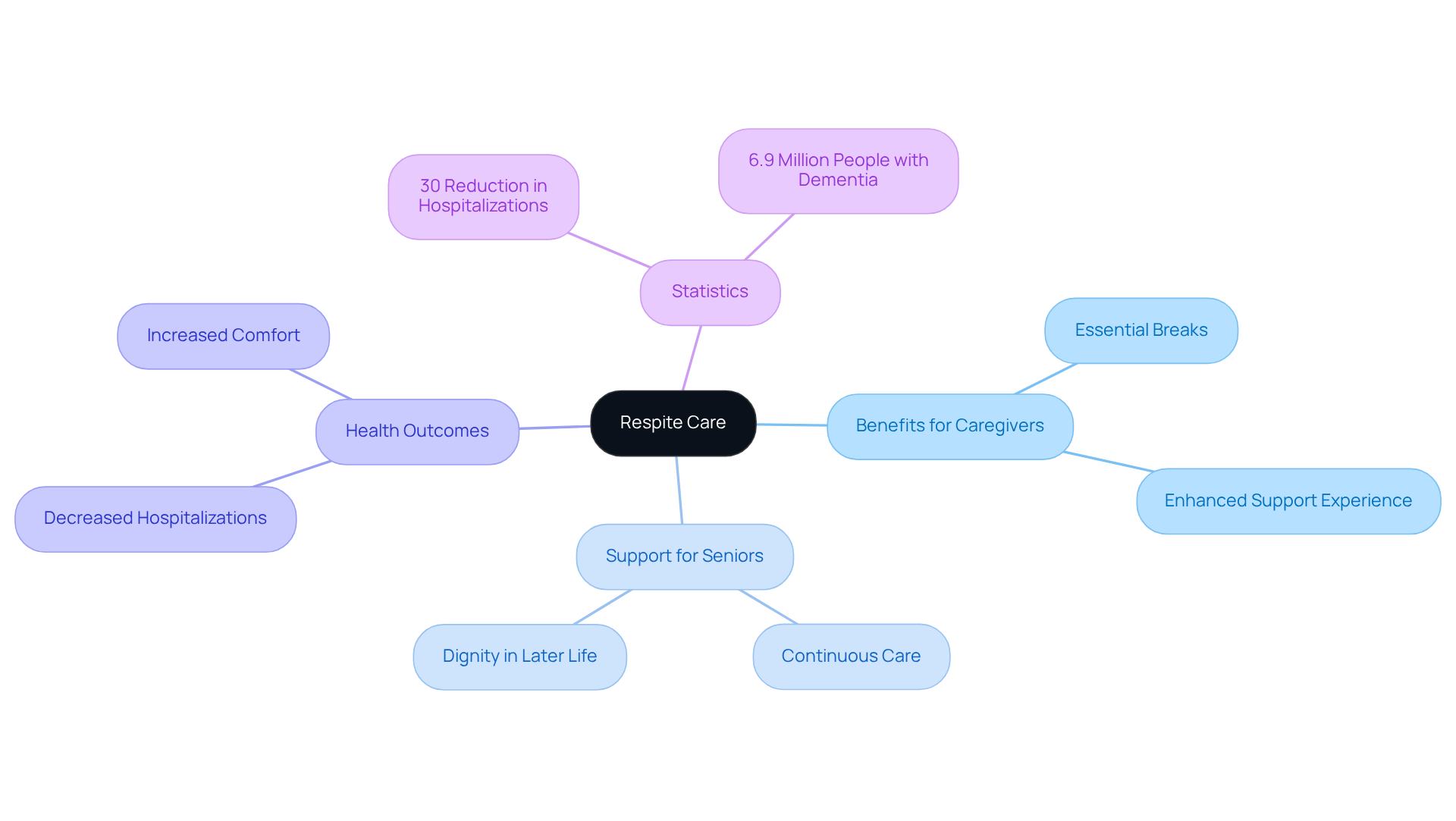
Respite services serve as a vital support system for primary caregivers, offering them essential breaks to rejuvenate while ensuring that seniors receive continuous, high-quality assistance. This practice not only prioritizes the well-being of those who provide care but also demonstrates elder respect by acknowledging the elder's need for consistent support.
Research indicates that the likelihood of elderly patients passing away at home more than doubles with the availability of respite assistance. This highlights its significance in preserving dignity and comfort in later life. By allowing caregivers to take brief breaks, they can return to their roles revitalized, ultimately enhancing the overall support experience for seniors.
Moreover, initiatives such as GUIDE have demonstrated a 30% decrease in hospitalizations for participating dementia patients. This underscores how beneficial respite support can be in improving health outcomes. As Michelle Rankine from Right at Home Healthcare states, "The GUIDE model’s services are a starting point to give these families at least some reprieve, in addition to services offered through the state of Florida."
This shared advantage fosters a nurturing atmosphere that honors both the caregiver's needs and the senior's right to receive , embodying the principle of elder respect.
Palliative Support Care: Honoring Elder Wishes and Comfort
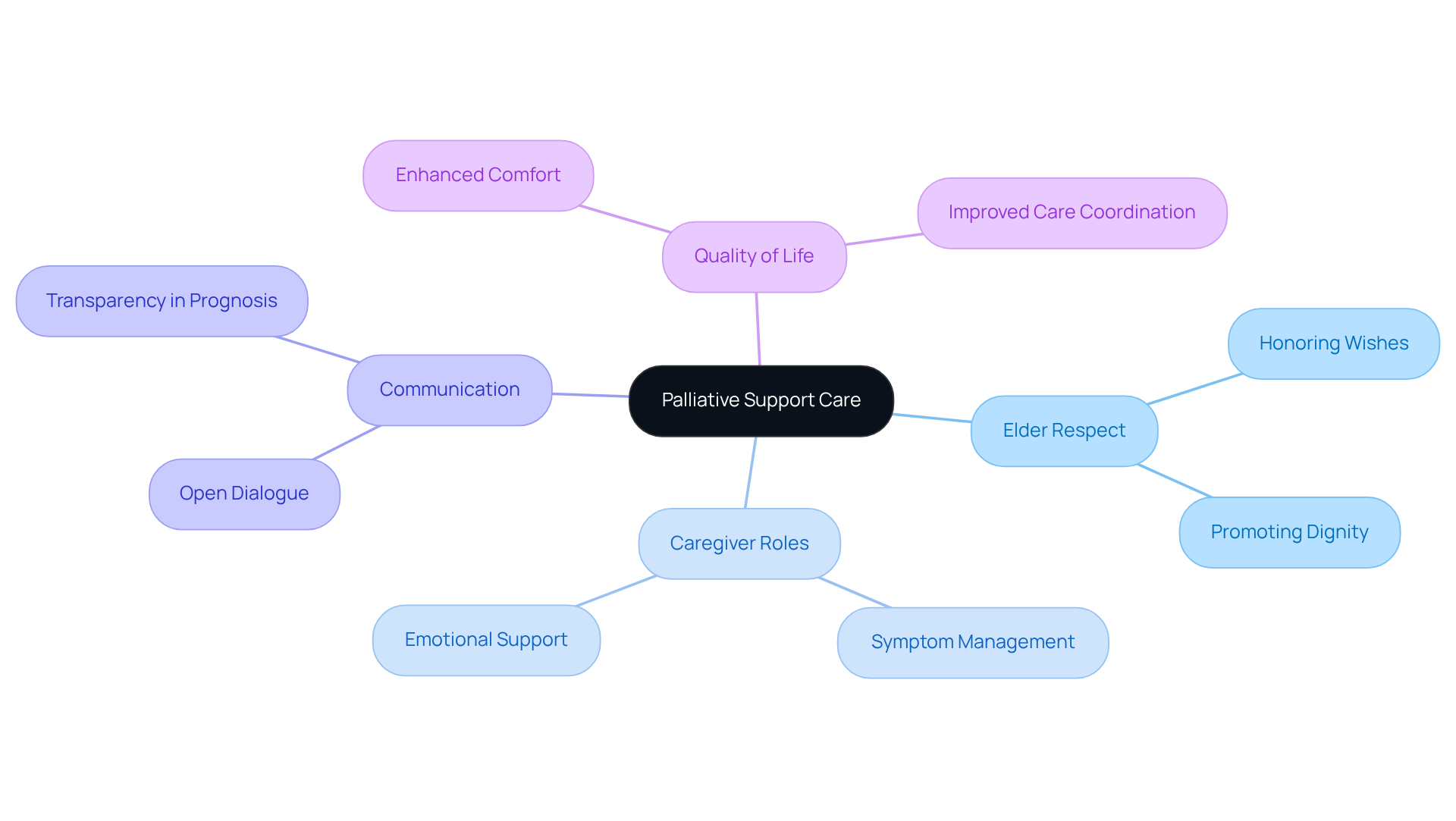
Palliative support is fundamentally designed to promote elder respect by honoring the desires of seniors while providing comfort during serious illnesses. Caregivers prioritize managing symptoms and enhancing quality of life, ensuring that the preferences of seniors remain central to decision-making. This respectful approach promotes a and tranquility, allowing older individuals to feel valued and supported in their final stages of life.
Effective palliative support initiatives underscore the importance of elder respect and honoring preferences, which has been shown to significantly enhance overall quality of life. Research suggests that early incorporation of palliative support can lead to better symptom management and improved quality of life, without evidence of shortening patients' lifespans.
By engaging in open dialogue and acknowledging the unique wishes of each individual, caregivers can create a nurturing environment that embodies elder respect for the legacy and preferences of those they assist. As health experts observe, 'Most patients desire to be informed transparently about their diagnosis and prognosis.' This highlights the crucial role of communication in palliative support, fostering a deeper connection between caregivers and those they care for.
Cultural Insights: Learning Respect from Indigenous Societies
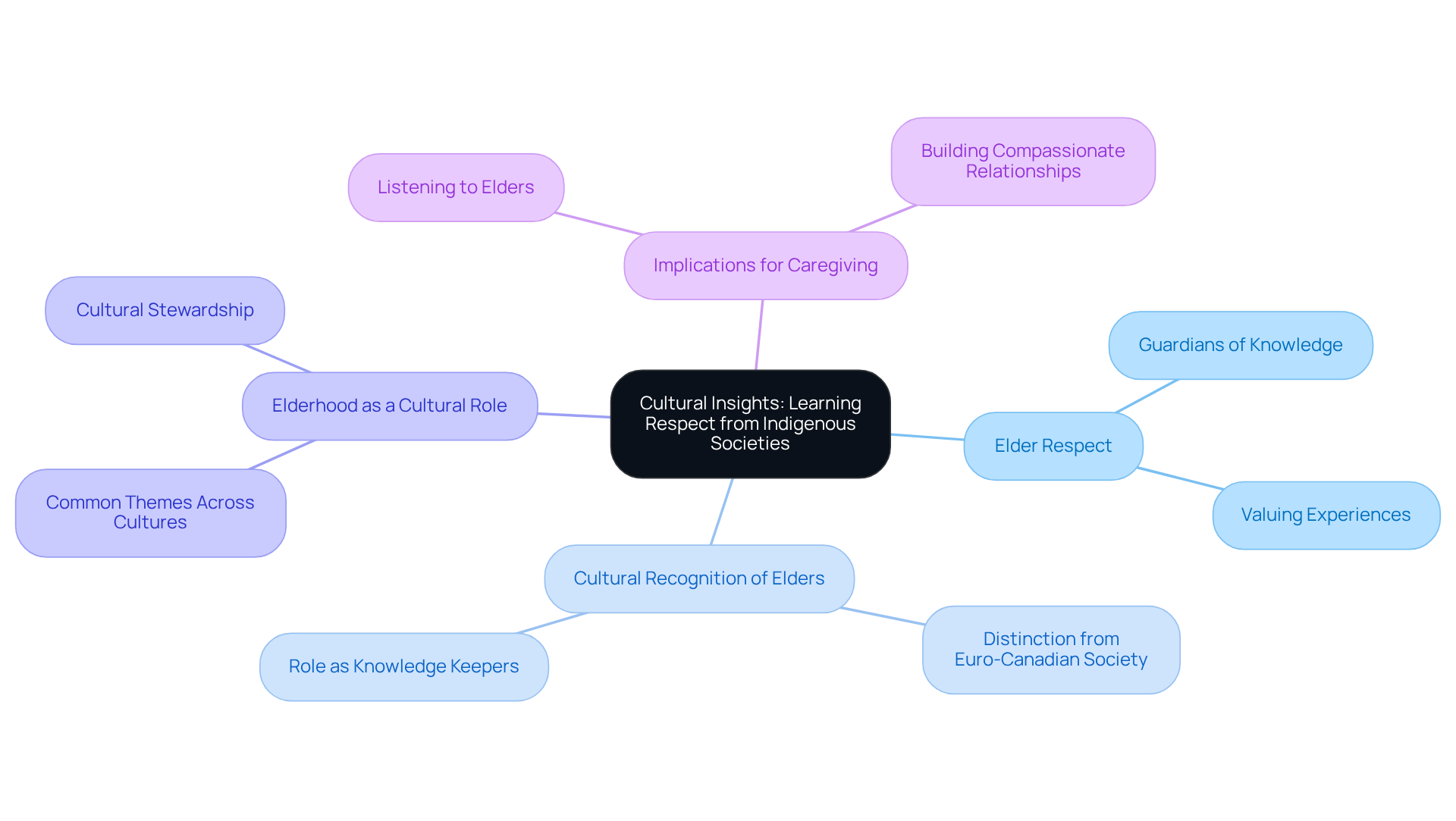
Indigenous communities often show elder respect by holding their senior members in high esteem, viewing them as guardians of knowledge and tradition. This elder respect profoundly informs modern caregiving practices, highlighting the importance of listening to and valuing the experiences of older adults. The Cultural Recognition of Elders case study reveals a significant distinction between Elders in Indigenous cultures and the elderly in Euro-Canadian society, emphasizing the elder respect and recognition that Elders receive within their communities.
Moreover, the Elderhood as a Cultural Role study identifies common themes that define elderhood across various Indigenous populations. This reinforces the idea that elderhood is a respected status, reflecting the importance of elder respect earned through and community service. By incorporating these cultural insights, caregivers can foster a deeper sense of elder respect and connection with the elders they assist.
This approach not only improves the support experience but also encourages a more compassionate and effective method of assistance. Embracing these values allows caregivers to nurture relationships built on understanding and elder respect, ultimately enriching the lives of both the caregivers and the elders they serve.
Effective Communication: A Key to Elder Respect
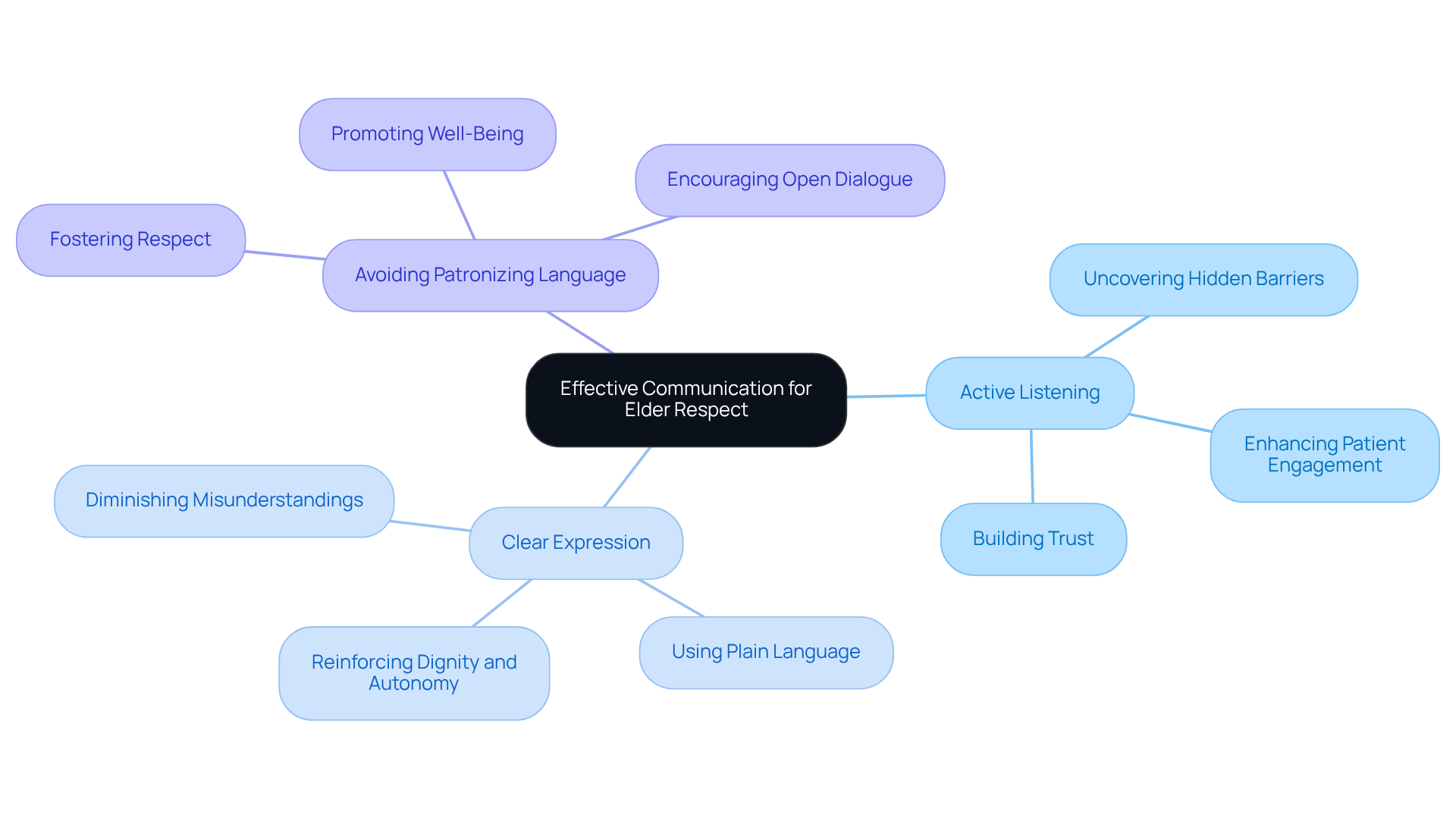
Effective communication is essential for fostering elder respect in caregiving. Caregivers should prioritize active listening, express their thoughts clearly, and avoid patronizing language. By doing so, they create an environment where open dialogue thrives, allowing elderly individuals to feel truly heard and understood. This engagement is crucial for building trust and elder respect in the caregiver-elder relationship.
Active listening stands out as one of the most powerful tools in providing care. It enables professionals to uncover hidden barriers and address the unique needs of their clients. By recognizing emotions and affirming understanding, caregivers can significantly enhance the quality of assistance they offer. Furthermore, using clear and simple language diminishes the risk of misunderstandings, reinforcing the elder's dignity and autonomy.
Ultimately, not only strengthen relationships with providers but also promote elder respect among elderly clients. This fosters a collaborative environment that honors their wishes and promotes their well-being. In this nurturing space, caregivers can truly make a difference in the lives of those they serve.
Valuing Life Experience: Acknowledging Elder Wisdom
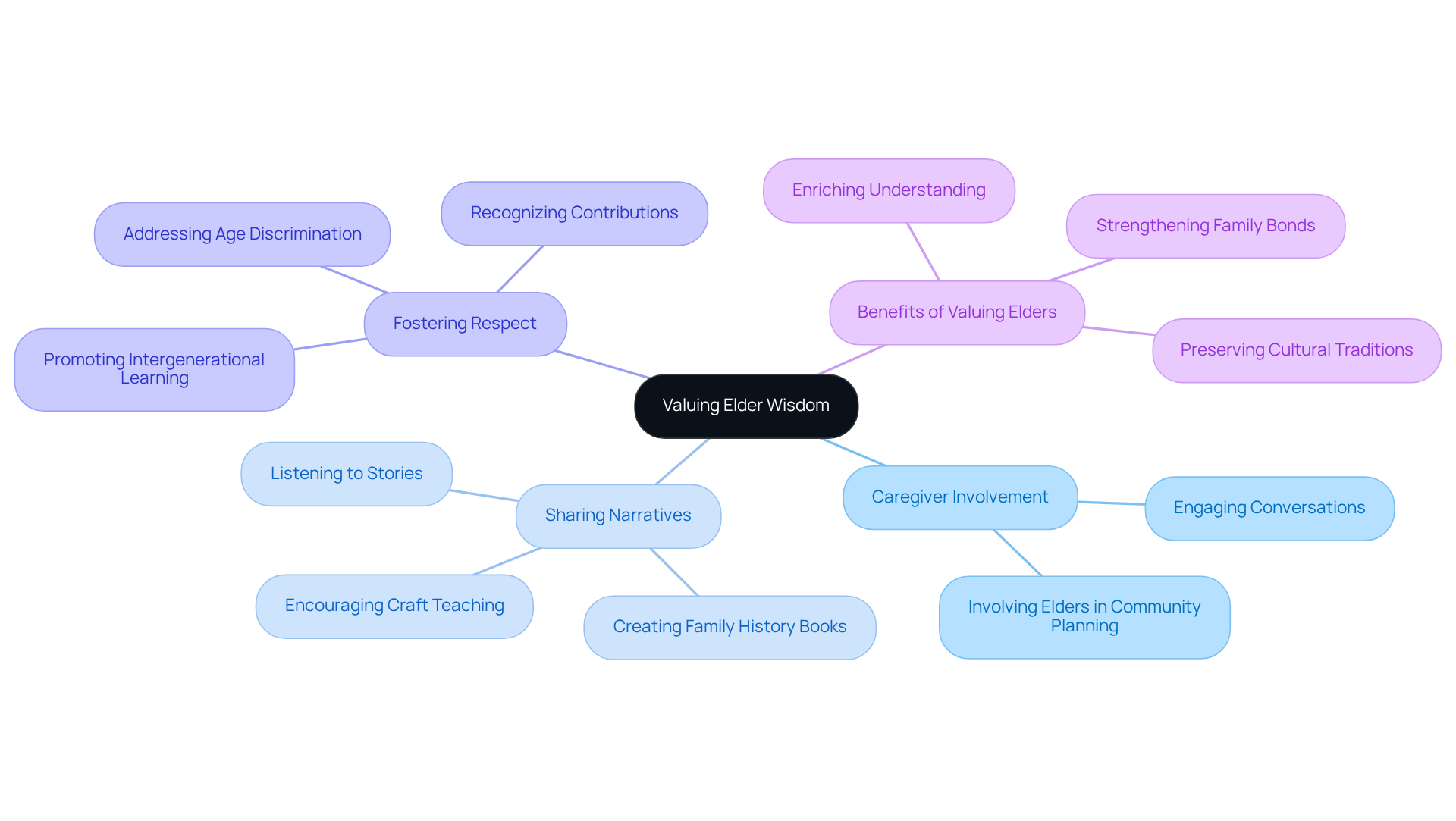
The wealth of life experience and wisdom that elders possess deserves our elder respect and appreciation. Caregivers can foster elder respect by involving older adults in conversations about their past. Encouraging them to share their narratives and perspectives not only honors their experiences but also enriches the caregiver's understanding of the unique viewpoints held by seniors, which fosters elder respect. This connection can create a where both caregivers and elders feel valued and understood, fostering elder respect.
Patience and Understanding: Cornerstones of Elder Respect
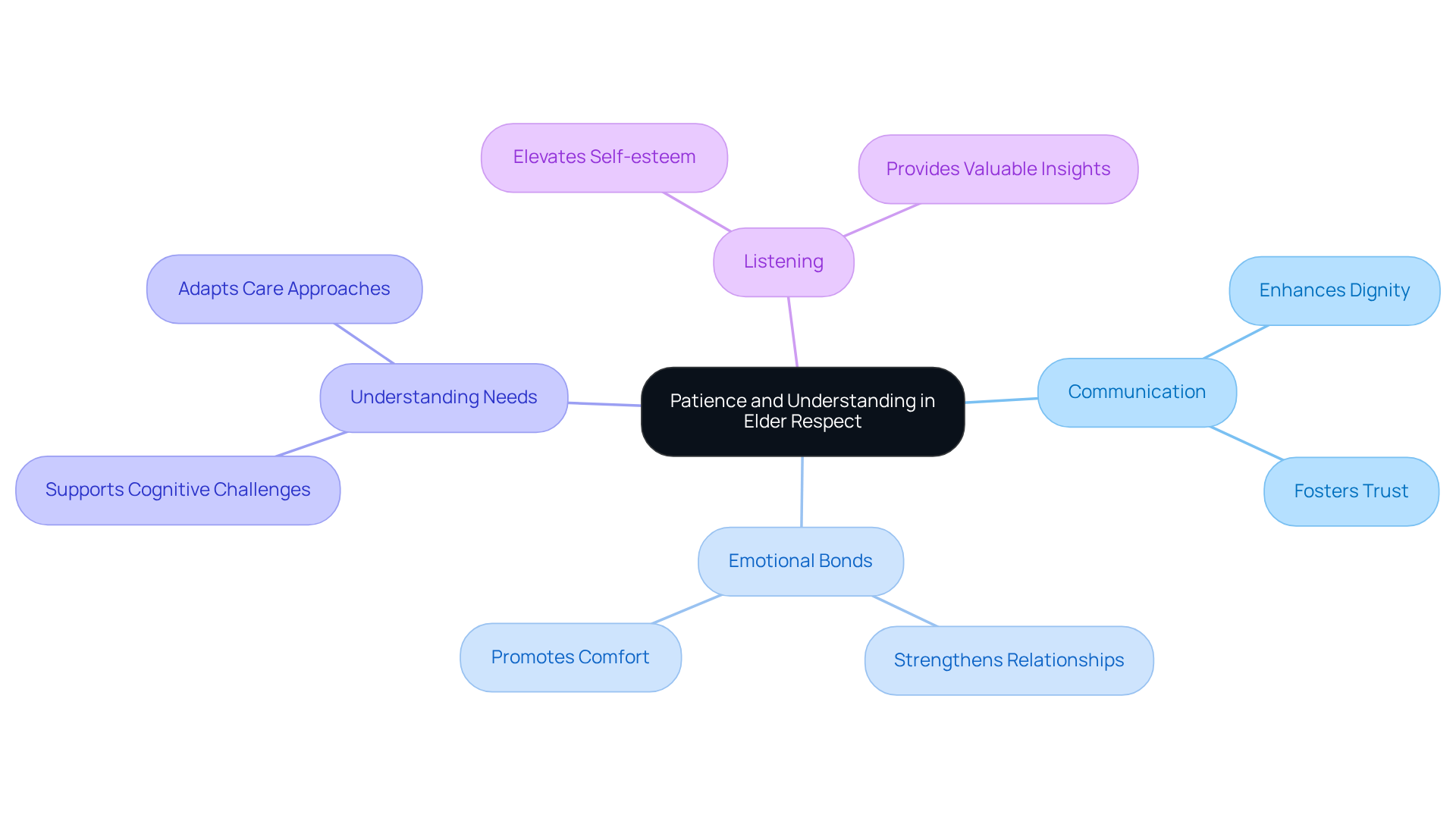
Patience and understanding are vital qualities for those who assist seniors. Many older adults require additional time to grasp information or complete daily activities. By showing patience, supporters honor the senior's personal pace and acknowledge their unique abilities. This approach fosters a that enhances dignity and trust.
For instance, caregivers who dedicate time to listen and engage with older adults can significantly improve communication. This enables seniors to express their thoughts and feelings without fear of judgment. Such interactions create emotional bonds, reinforcing the elder respect and sense of worth.
Moreover, understanding the specific needs of elderly individuals, particularly those facing cognitive challenges, is crucial for effective care. As highlighted in the case study "The Role of Patience in Dementia Care," a calm and patient demeanor can greatly enhance the well-being of individuals with dementia. Caregivers who embody empathy and patience cultivate an atmosphere of elder respect, allowing the elderly to feel secure and valued, which leads to a more dignified and trusting relationship.
Listening to older individuals not only provides valuable insights into life but also elevates their self-esteem within the caregiving dynamic. These connections remind us that every interaction is an opportunity to foster respect and compassion.
Empowerment Through Involvement: Respecting Elder Autonomy
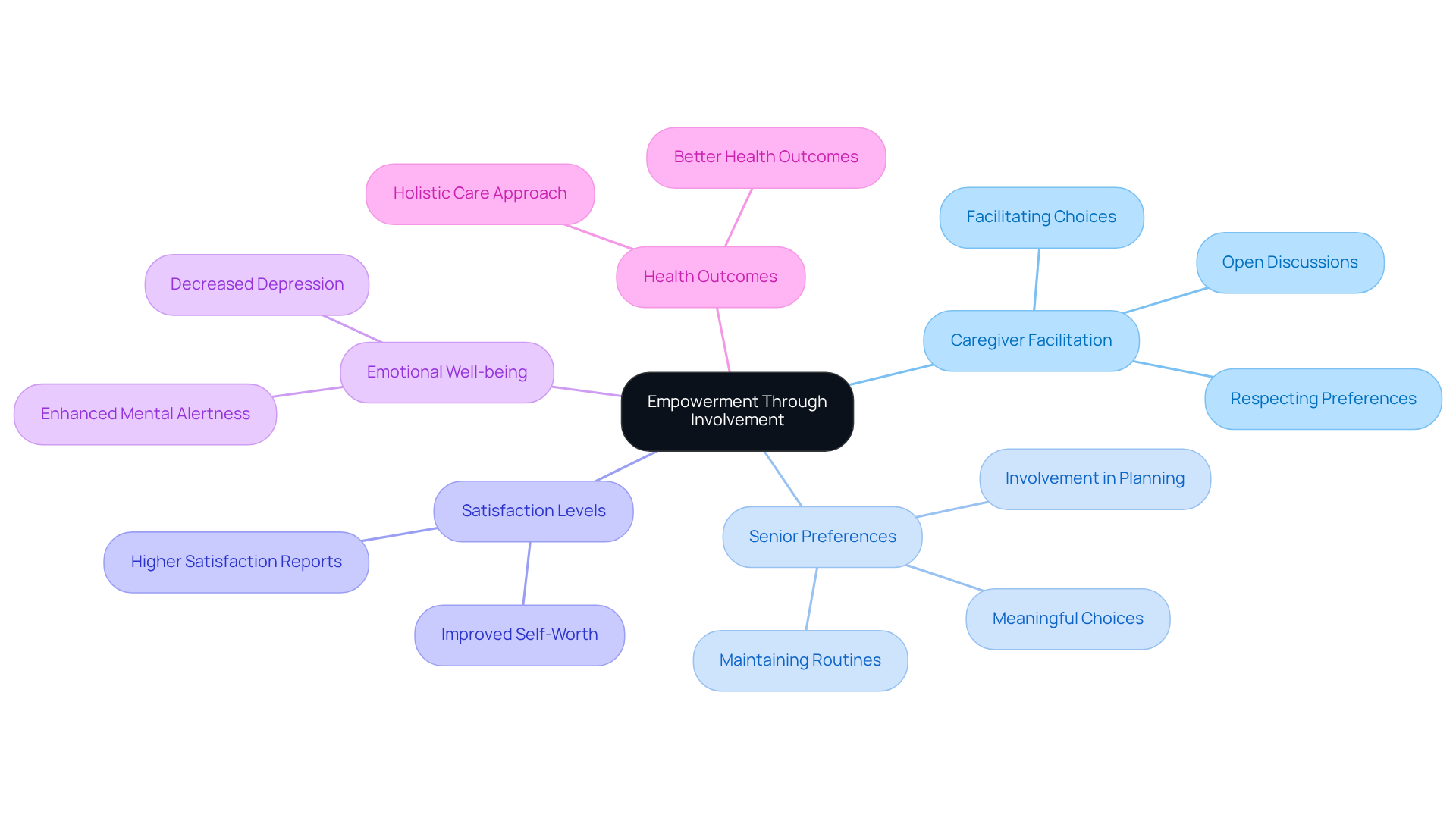
Empowering seniors to actively participate in their care decisions is vital for honoring their autonomy. Caregivers are encouraged to facilitate open discussions, allowing seniors to express their preferences and engage in the planning process. This collaborative approach not only enhances the elder's sense of agency but also fosters a deep elder respect for their choices and values.
Research indicates that when older adults are involved in their planning, they report higher satisfaction levels and improved emotional well-being. A 2021 study revealed that older individuals in nursing facilities experienced decreased self-worth and heightened levels of depression compared to those living at home. This underscores the importance of independence in supportive environments.
Moreover, elder respect for senior autonomy is linked to better health outcomes. As Gallagher et al. articulate, "autonomy emphasizes freedom and influence over one’s life and dignified support includes those principles as well as a holistic and person-centered approach." By prioritizing autonomy in caregiving, caregivers can cultivate a supportive environment that acknowledges the individuality of each elder, thereby fostering elder respect. This ultimately leads to a more .
Moving Forward with Show Elder Respect in Caregiving
The principles of elder respect in caregiving are vital for nurturing an environment that honors the dignity and autonomy of older adults. By prioritizing personalized care, caregivers can significantly enhance seniors' quality of life, ensuring they feel valued and respected in their own homes. This approach not only acknowledges their individual needs but also promotes their independence and emotional well-being.
Throughout this article, we have highlighted various strategies for demonstrating elder respect. From providing companionship and emotional support to facilitating effective communication and empowering seniors in their care decisions, each aspect plays a crucial role in enhancing the caregiver-elder relationship. Emphasizing patience and understanding further enriches interactions, allowing caregivers to connect meaningfully with those they assist.
Ultimately, recognizing and implementing these practices is essential for creating a compassionate caregiving experience. As our society continues to age, embracing the wisdom and life experiences of elders will not only benefit individual caregivers and seniors but also foster a culture of respect and understanding. By committing to these principles, caregivers can help ensure that every elder feels honored and cherished, paving the way for a more fulfilling and dignified aging process.
https://iframe.tely.ai/cta/eyJhcnRpY2xlX2lkIjogIjY4ZjA5YzRkNmQxYjlhMTI5ZGFmYTFhNCIsICJjb21wYW55X2lkIjogIjY4ZWU1ZGNhNzMxNzYyNTU3ZjNjOTVjMSIsICJpbmRleCI6IG51bGwsICJ0eXBlIjogImFydGljbGUifQ==Frequently Asked Questions
What services does Happy to Help Caregiving provide for seniors?
Happy to Help Caregiving offers a range of personalized in-home support services, including companionship support, post-hospital recovery assistance, respite services, and palliative aid, all designed to enhance the quality of life for seniors.
Why is aging in place important for older adults?
Aging in place is important because 77% of individuals over 50 prefer to remain in their homes as they grow older. Tailored in-home assistance addresses both the physical and emotional needs of the elderly, promoting their dignity and independence.
How does companionship care benefit older adults?
Companionship care helps alleviate feelings of loneliness among older adults by fostering meaningful relationships through conversations, activities, and emotional support, which enhances their mental well-being and sense of worth.
What are the risks associated with chronic loneliness in the elderly?
Chronic loneliness can shorten life expectancy more than being overweight or sedentary, posing risks comparable to smoking. This highlights the importance of companionship care in promoting emotional health for seniors.
What role do caregivers play in post-hospital recovery for seniors?
Caregivers provide essential support during post-hospital recovery by managing medications, assisting with mobility, and offering emotional encouragement, which helps seniors reintegrate into daily life safely and confidently.
How can caregivers promote elder respect during recovery?
Caregivers can promote elder respect by honoring the senior's pace and preferences, encouraging gradual progression in recovery activities, and fostering an environment that nurtures confidence and independence.
Why is effective communication important in caregiving?
Effective communication is crucial as it helps reduce anxiety and encourages open discussions about concerns, alleviating feelings of uncertainty that often arise during transitions, such as post-hospital recovery.
What modifications can enhance safety for older adults aging in place?
Home modifications, such as adding grab bars and non-slip flooring, play a crucial role in enhancing safety and autonomy for older adults who wish to age in place.