3 Best Practices for Safe Transport for Elderly Loved Ones

For families in our service areas
For families in our service areas, this guide explains caregiving and how non-medical in-home caregiving can support care planning in East Idaho, Treasure Valley & Magic Valley, Northern Wasatch, North Central West Virginia, and Northeast Ohio.
Why Practices for Safe Transport for Matters
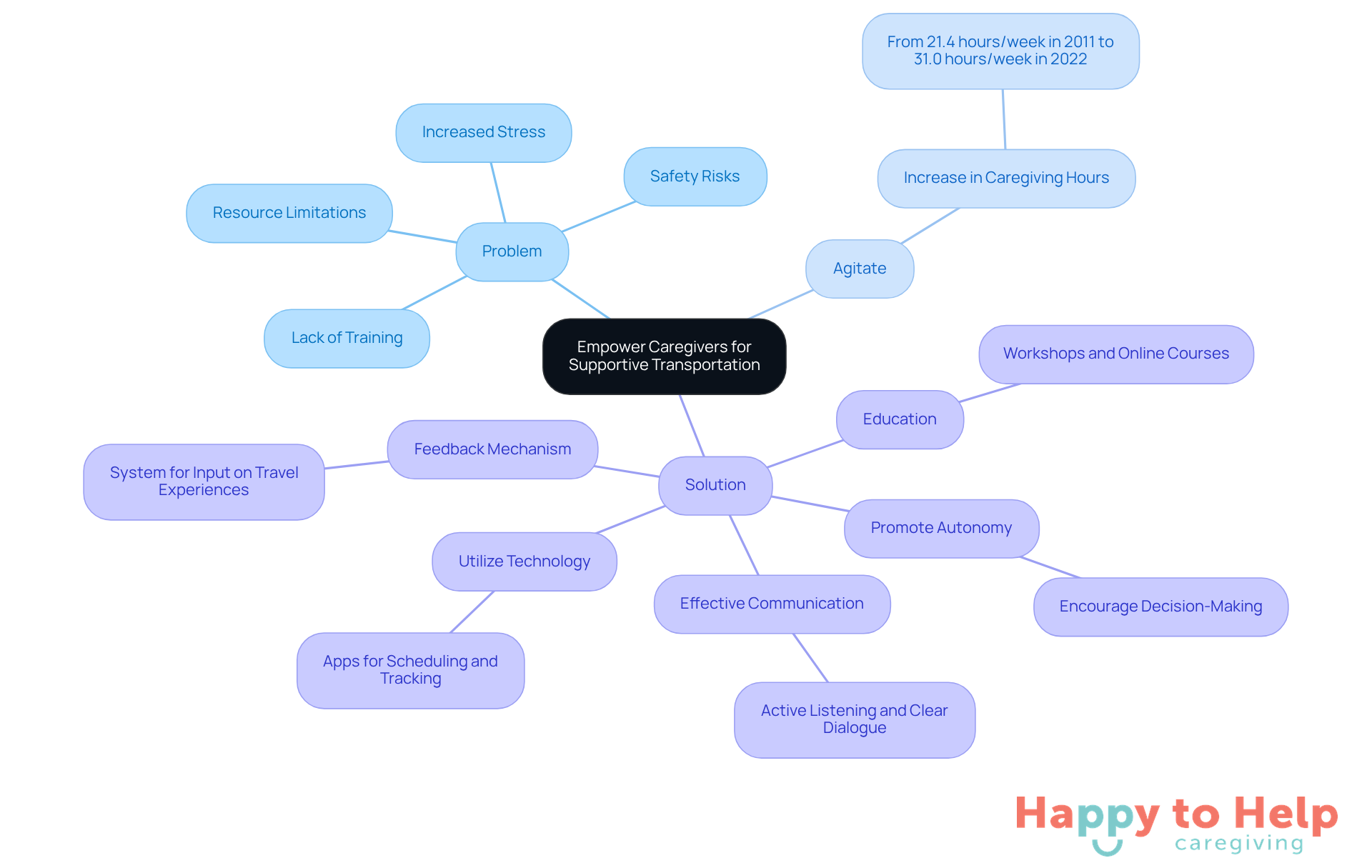
Ensuring safe transportation for elderly loved ones presents a significant challenge that often goes unnoticed in caregiving. Mobility issues and dependence on public transport can greatly affect their quality of life, making it crucial for families and caregivers to address this concern. The stakes are high, as inadequate transportation can lead to increased stress and reduced independence for seniors.
So, what can caregivers do to improve this situation? By implementing best practices, caregivers can enhance the safety and comfort of elderly individuals during transit. This not only alleviates stress but also empowers seniors to maintain their independence. Strategies such as:
- Planning ahead
- Utilizing accessible transport options
- Ensuring proper assistance
can transform the transportation experience for seniors, making it more manageable and enjoyable.
Understand the Importance of Safe Transportation for Seniors
Secure transport for elderly individuals poses a significant problem, impacting their ability to access healthcare, participate in social activities, and maintain independence. Many face mobility challenges that make traditional travel methods unsafe or uncomfortable. According to the National Council on Aging, reliable transport for elderly individuals can significantly enhance their quality of life by reducing isolation and facilitating community engagement. For instance, over 20% of older public transit users in urban areas depend on public transport for medical appointments, highlighting the essential role of dependable transportation in healthcare access.
To address these challenges, it is crucial to understand the specific needs of older adults, including the use of mobility aids and the presence of medical conditions. Families and caregivers should prioritize safe transport for elderly individuals, such as specialized services and community programs, to empower them and support their overall well-being. As noted, "Transportation solutions are crucial in helping older adults stay connected to their communities and loved ones." By implementing these strategies, caregivers can ensure that elderly individuals remain engaged and supported in their daily lives.
Implement Best Practices for Safe and Comfortable Transport
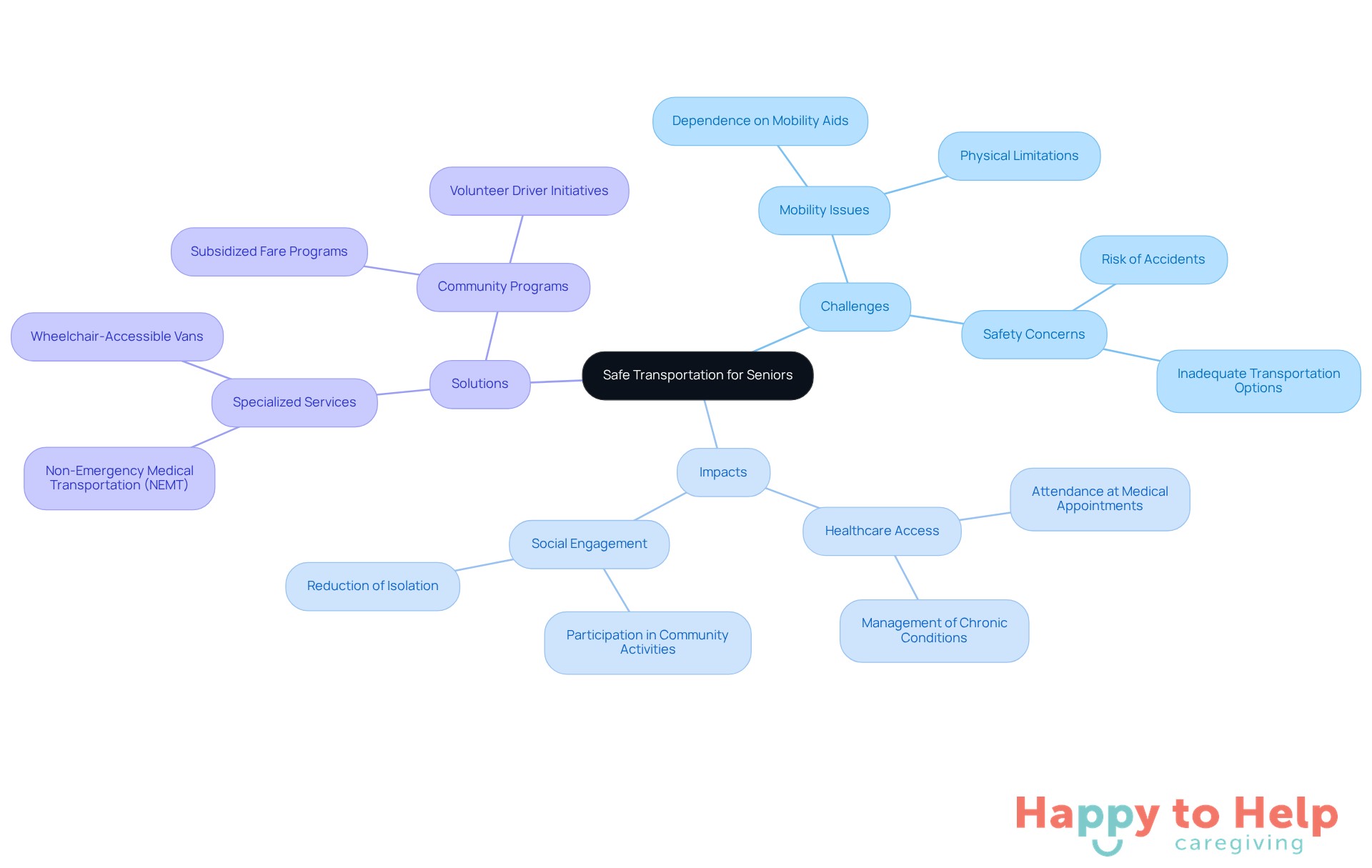
To ensure safe and comfortable transport for elderly individuals, caregivers face several challenges that need addressing. Many elderly individuals rely on transport for elderly services to reach essential medical appointments, and over 20% of senior public transit users depend on these services. This reliance highlights the importance of efficient travel planning, as inadequate transport for elderly individuals can lead to stress and anxiety for both seniors and their caregivers.
One significant issue is the accessibility of vehicles. Caregivers must plan ahead, scheduling transportation in advance to minimize last-minute stress. Confirming the vehicle's accessibility features, such as ramps or lifts, is crucial for accommodating mobility aids. Additionally, maintaining a comfortable environment in the vehicle can make a difference. Keeping a pleasant temperature and playing calming music can help create a soothing atmosphere, reducing anxiety during travel.
Another concern is ensuring secure seating for elderly individuals. Caregivers should ensure that seniors are seated comfortably and use seat belts for safety. Cushions can provide additional support, particularly for those with mobility issues, enhancing their overall comfort. Furthermore, if the elderly individual uses a walker or wheelchair, caregivers must assist with these mobility aids, ensuring they are securely stowed and easily accessible during the ride. This facilitates a smoother transition in and out of the vehicle.
Monitoring health needs is also essential. Caregivers should be attentive to any medical conditions that may require special attention during transport, such as the need for oxygen or medication. Ensuring that all necessary supplies are on hand can alleviate potential issues.
Clear communication is vital throughout the journey. Caregivers should maintain open lines of communication with the elder, reassuring them and addressing any concerns they may have. This approach can significantly alleviate anxiety and enhance their comfort.
Statistics reveal that a 2017 survey showed 40% of senior citizens felt access to public transit hindered their usage, emphasizing the difficulties elders encounter regarding transit availability. Case studies have demonstrated that customized mobility interventions can significantly enhance access for frail older adults, ensuring they receive the care they need without unnecessary stress. By implementing these best practices, caregivers can enhance the safety and comfort of their elderly loved ones during transport for elderly purposes. As Mark Twain wisely noted, "wrinkles should merely indicate where smiles have been," reminding us of the joy and beauty in the aging process.
Empower Caregivers to Provide Supportive Transportation
Empowering those who provide care involves equipping them with essential skills and knowledge for supportive travel. Caregivers face significant challenges in ensuring safe and effective transport for elderly individuals, particularly those with special needs. Without proper training and resources, caregivers may struggle to assist with transport for elderly seniors effectively, leading to increased stress and potential safety risks.
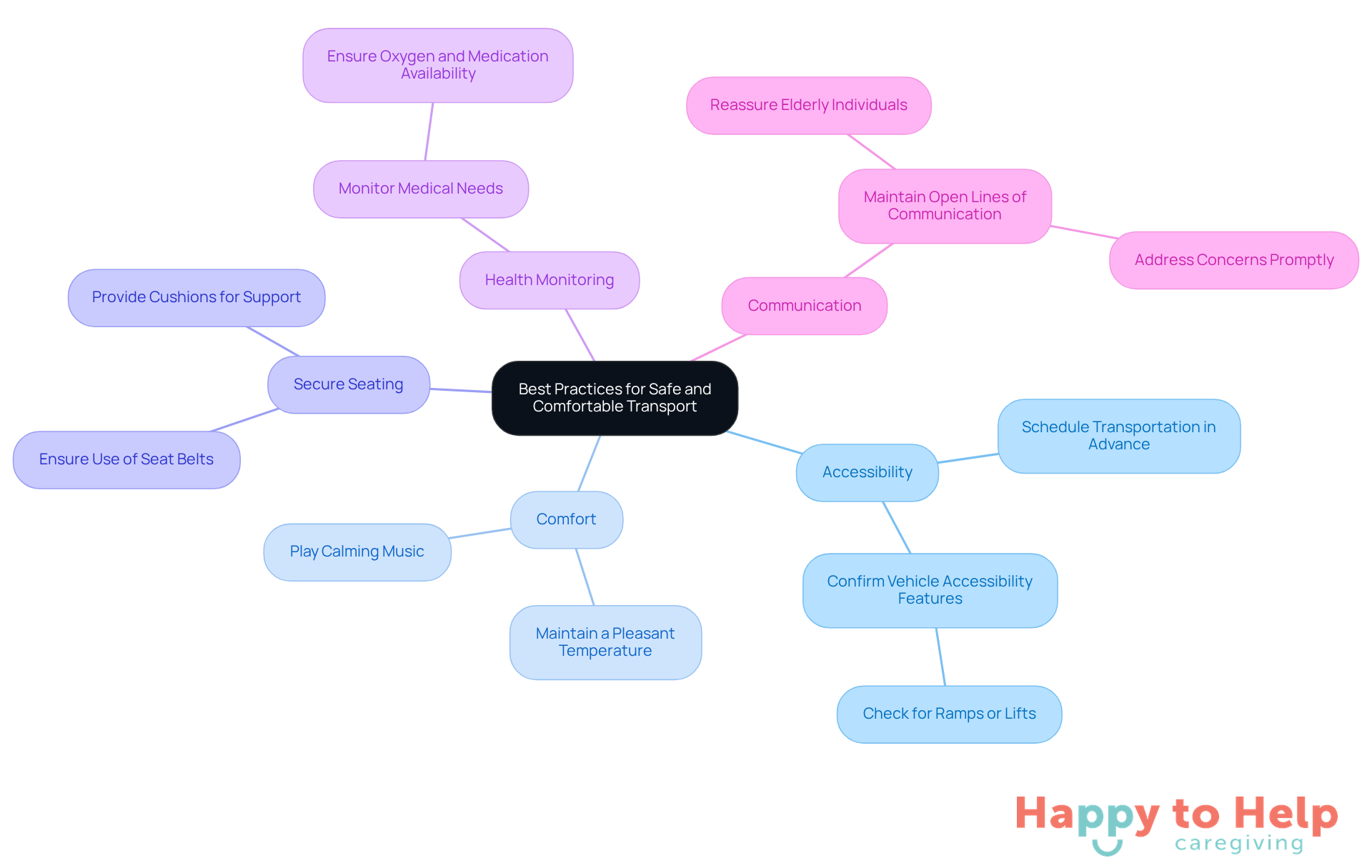
Problem: Caregivers often lack the necessary training and resources to support safe travel for seniors. This gap can lead to emotional and physical difficulties for both caregivers and those they assist, especially regarding transport for elderly individuals.
Agitate: Recent statistics reveal that caregivers assisting older adults with dementia have seen their caregiving hours rise from an average of 21.4 hours per week in 2011 to 31.0 hours in 2022. This increase highlights the urgent need for effective training and communication strategies to alleviate the burden on caregivers.
Solution: Here are effective strategies caregivers can implement:
-
Caregivers should seek education on safe travel practices, including methods for ensuring transport for elderly individuals in and out of vehicles. Workshops and online courses can provide valuable insights and practical skills.
-
Effective Communication: Practicing active listening and clear dialogue with older adults regarding their travel requirements fosters trust and ensures they feel appreciated. This approach enhances the caregiver-senior relationship.
-
Promote Autonomy: Enable older adults to make decisions about their travel, such as choosing destinations or paths. This promotes a sense of control and independence, which is vital for their well-being.
-
Utilize Technology: Familiarize support providers with apps and services that assist in scheduling transportation or tracking rides. This can streamline the process, making it more efficient for both providers and seniors.
-
Feedback Mechanism: Create a system for guardians to offer input on travel experiences. This can help identify areas for improvement and enhance future transport arrangements.
By implementing these practices, caregivers can not only improve transport for elderly individuals but also alleviate some of the stress associated with caregiving, ultimately leading to better health outcomes for both parties.
Taking the Next Steps
Safe transportation for elderly loved ones is not just a necessity; it’s a vital component of their overall well-being and independence. Caregivers face significant challenges in ensuring secure and comfortable travel, which can lead to stress and anxiety for both seniors and their families. By prioritizing safe transport, caregivers can enhance the quality of life for seniors, allowing them to stay connected to their communities and access essential services.
To address these challenges, caregivers can implement key strategies for safe transport. First, planning for accessibility is crucial. This includes choosing vehicles that accommodate mobility aids and ensuring that routes are free of obstacles. Next, maintaining a comfortable travel atmosphere - such as controlling temperature and minimizing noise - can make a significant difference in the travel experience. Effective communication between caregivers and seniors is also essential; discussing travel plans and preferences can alleviate anxiety and foster a sense of control.
Empowering caregivers through education and technology further enhances their ability to provide supportive travel experiences. Utilizing available resources, such as community transport services or apps designed for seniors, can help alleviate the burdens associated with transportation. By addressing the specific needs of older adults, caregivers can create a more supportive environment for their daily activities.
Ultimately, the significance of safe transportation for seniors extends beyond logistics; it fosters dignity, independence, and connection. By embracing these best practices, caregivers not only improve the travel experience for elderly loved ones but also contribute to their overall health and happiness. Recognizing the impact of reliable transportation on the lives of seniors is essential, and taking proactive steps towards creating a more inclusive and supportive transportation landscape is vital for all.
https://iframe.tely.ai/cta/eyJhcnRpY2xlX2lkIjogIjY5MjI2NTA4NTI5MTQwM2MxYzYzNjdkMyIsICJjb21wYW55X2lkIjogIjY4ZWU1ZGNhNzMxNzYyNTU3ZjNjOTVjMSIsICJpbmRleCI6IG51bGwsICJ0eXBlIjogImFydGljbGUifQ==Frequently Asked Questions
Why is safe transportation important for seniors?
Safe transportation is vital for seniors as it impacts their ability to access healthcare, participate in social activities, and maintain independence. It helps reduce isolation and facilitates community engagement.
What challenges do elderly individuals face regarding transportation?
Many elderly individuals face mobility challenges that make traditional travel methods unsafe or uncomfortable, which can hinder their ability to travel independently.
How does reliable transport enhance the quality of life for seniors?
Reliable transport significantly enhances the quality of life for seniors by reducing isolation and facilitating access to essential services, such as medical appointments and social activities.
What percentage of older public transit users in urban areas depend on public transport for medical appointments?
Over 20% of older public transit users in urban areas depend on public transport for medical appointments.
What should families and caregivers prioritize to ensure safe transportation for elderly individuals?
Families and caregivers should prioritize understanding the specific needs of older adults, including mobility aids and medical conditions, and consider specialized services and community programs for safe transport.
How can transportation solutions benefit older adults?
Transportation solutions are crucial for helping older adults stay connected to their communities and loved ones, thereby supporting their overall well-being and engagement in daily life.
List of Sources
- Understand the Importance of Safe Transportation for Seniors
- Transportation Services And Fostering Independence Among Seniors (https://thehighpointresidence.com/blog/transportation-services-and-fostering-independence-among-seniors)
- Epidemiology of Public Transportation Use Among Older Adults in the United States - PMC (https://pmc.ncbi.nlm.nih.gov/articles/PMC9771957)
- Public transit use among American older adults: Insights from a nationally representative survey (https://sciencedirect.com/science/article/abs/pii/S2214140525000027)
- Senior Driving Statistics for 2025 (https://seniorliving.org/transportation/driving/statistics)
- Why Reliable Transportation Matters: Impact on Senior Well-being (https://agingwest.org/why-reliable-transportation-matters-impact-on-senior-well-being)
- Implement Best Practices for Safe and Comfortable Transport
-
Case Studies | GIS in Transportation | Planning, Environment & Realty | FHWA (https://gis.fhwa.dot.gov/case\_studies/Mobile\_Applications\_for\_GIS\_Case\_Studies.aspx)
-
Epidemiology of Public Transportation Use Among Older Adults in the United States - PMC (https://pmc.ncbi.nlm.nih.gov/articles/PMC9771957)
-
Best Practices
Case Studies (https://ors.od.nih.gov/OD/OQM/benchmarking/bestpractice/Pages/case_studies.aspx) -
15 Good Quotes for Seniors That Will Brighten Your Day in 2025 (https://arhomecare.com/15-good-quotes-for-seniors-that-will-brighten-your-day-in-2025)
-
27 Inspirational Quotes for Caregivers (https://ultimatecareny.com/resources/27-quotes-for-caregivers)
- Empower Caregivers to Provide Supportive Transportation
- Fact Sheet: Trends in Family Care for Older Americans (https://prb.org/resources/fact-sheet-trends-in-family-care-for-older-americans)
- Building a lifeline for family caregivers across the US (https://news.mit.edu/2025/ianacare-builds-lifeline-for-family-caregivers-across-us-0811)
- Caregiver Statistics: Health, Technology, and Caregiving Resources (https://caregiver.org/resource/caregiver-statistics-health-technology-and-caregiving-resources)
- Number of Family Caregivers Supporting Older Adults Increased Nearly One-Third Between 2011 and 2022 | Johns Hopkins Bloomberg School of Public Health (https://publichealth.jhu.edu/2025/number-of-family-caregivers-supporting-older-adults-increased-nearly-one-third-between-2011-and-2022)
- Governor Hochul Announces Expansion of Successful GoGoGrandparent Transportation Partnership for Older Adults (https://governor.ny.gov/news/governor-hochul-announces-expansion-successful-gogograndparent-transportation-partnership)